


Birding at Pukorokoro Miranda Shorebirds Center
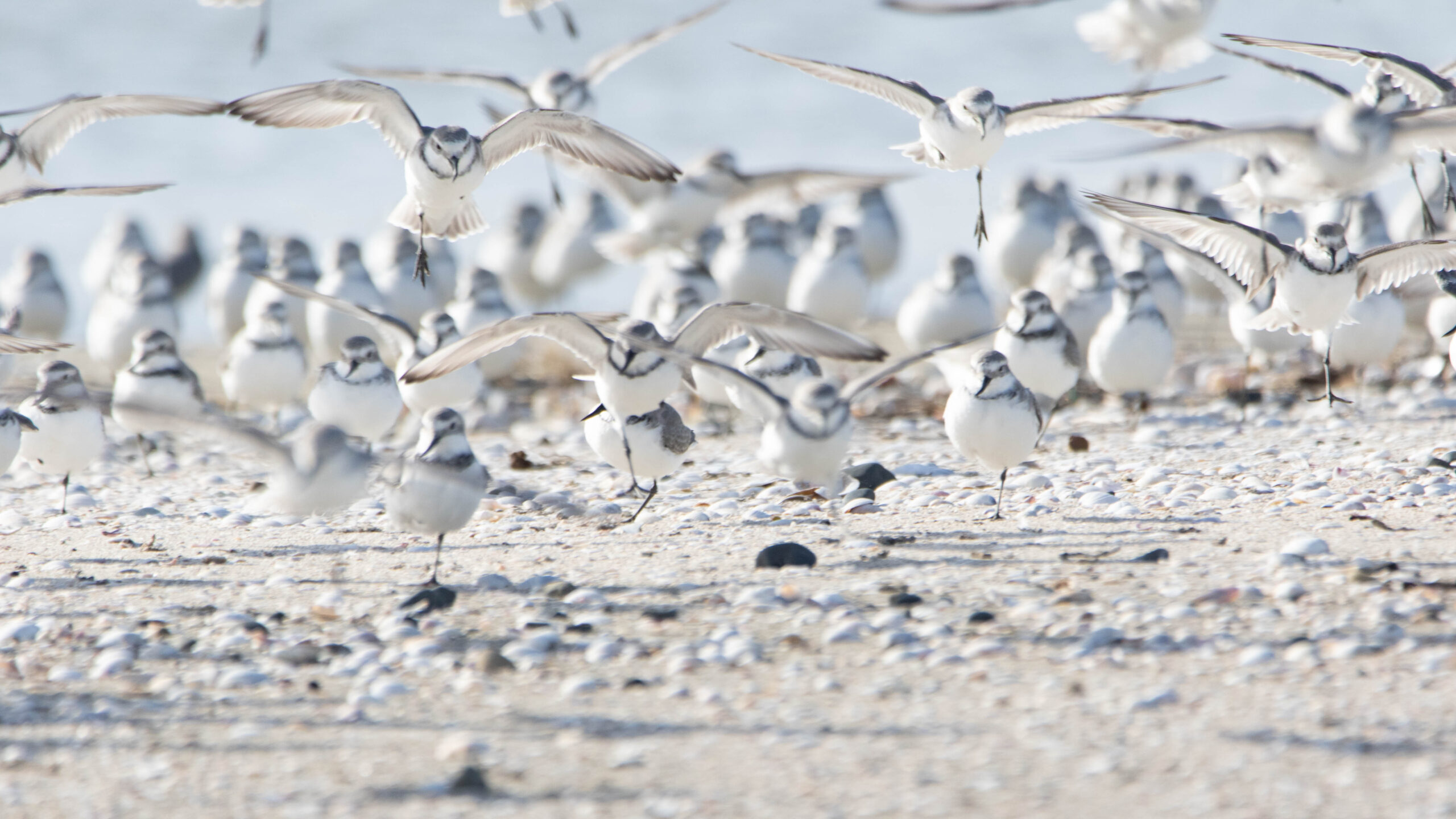
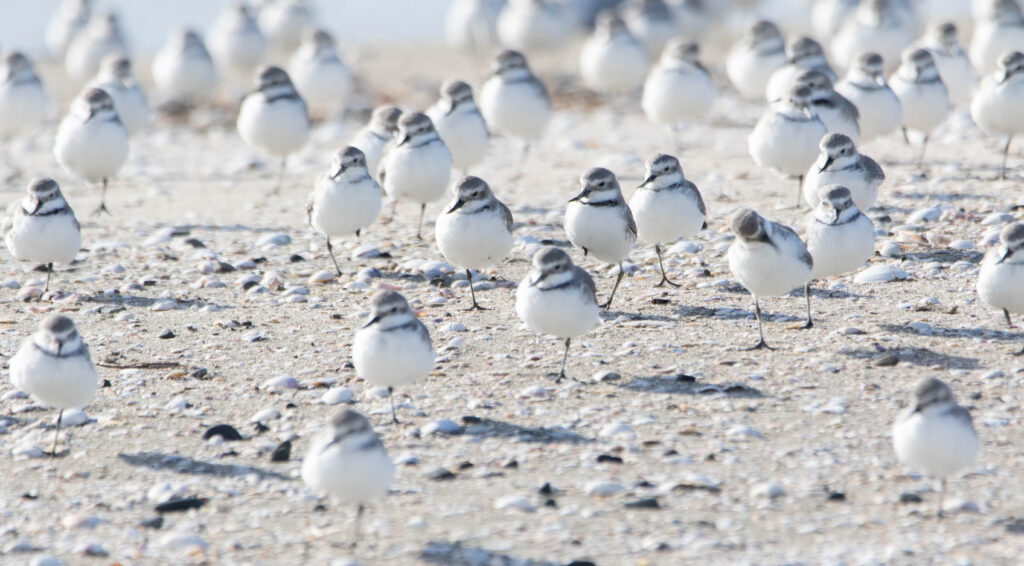
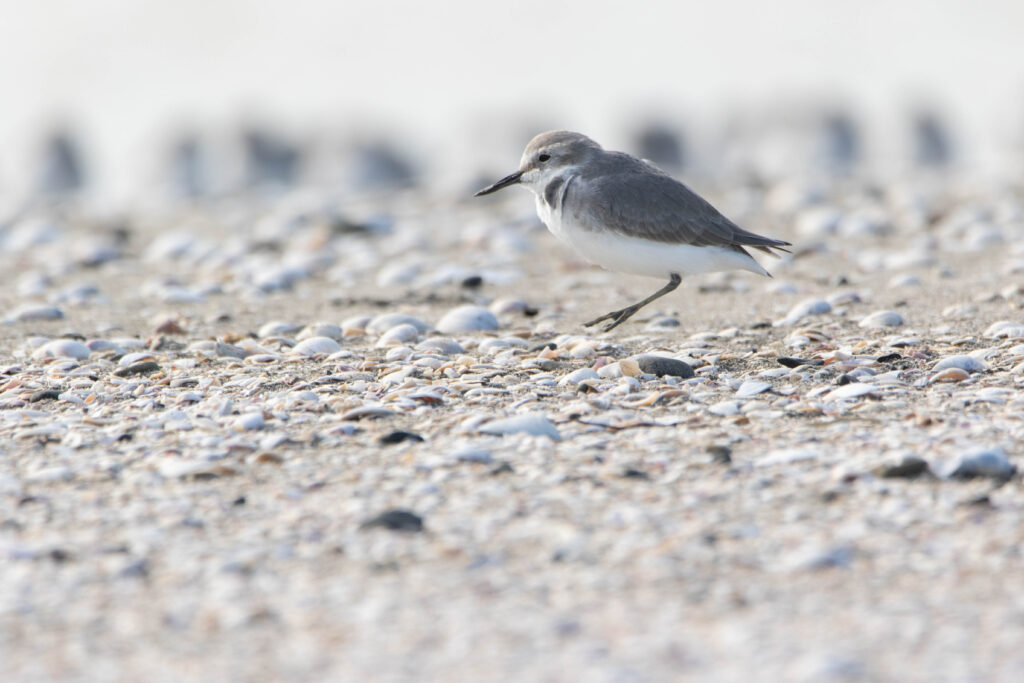
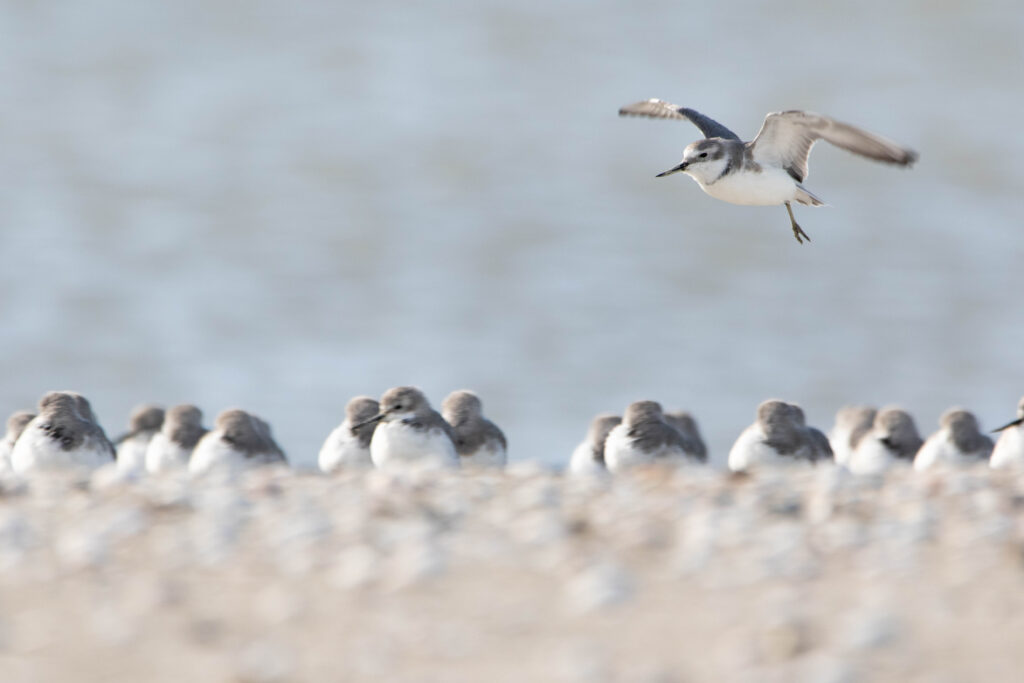
On New Zealand’s North Island, the Firth of Thames is a particularly interesting area for observing shorebirds. It’s not a very touristy place, but if you’re into birdwatching, you should definitely stop at the Miranda Shorebird Centre! Here, you can observe a fascinating endemic species: the Wrybill (Anarhynchus frontalis). Although this plover can be seen in other parts of the country depending on the season, this is where you’ll find some of the largest concentrations.
If you’d like to learn more about birdwatching in New Zealand, feel free to check out our trip reports on the North Island and South Island.
Where to see birds in the Miranda area?
Miranda hides
There are three hides at the Miranda Shorebird Centre. They are located in the southern section, near the entrance to the Robert Findlay Wildlife Reserve. You’ll need to walk about 200 meters to reach the first two, which overlook ponds on the right (the third one overlooks a pond on the left). Depending on the tide level, there will be more or fewer birds in these ponds. The best time to visit is about two hours before or after high tide, when bird numbers are usually at their peak.
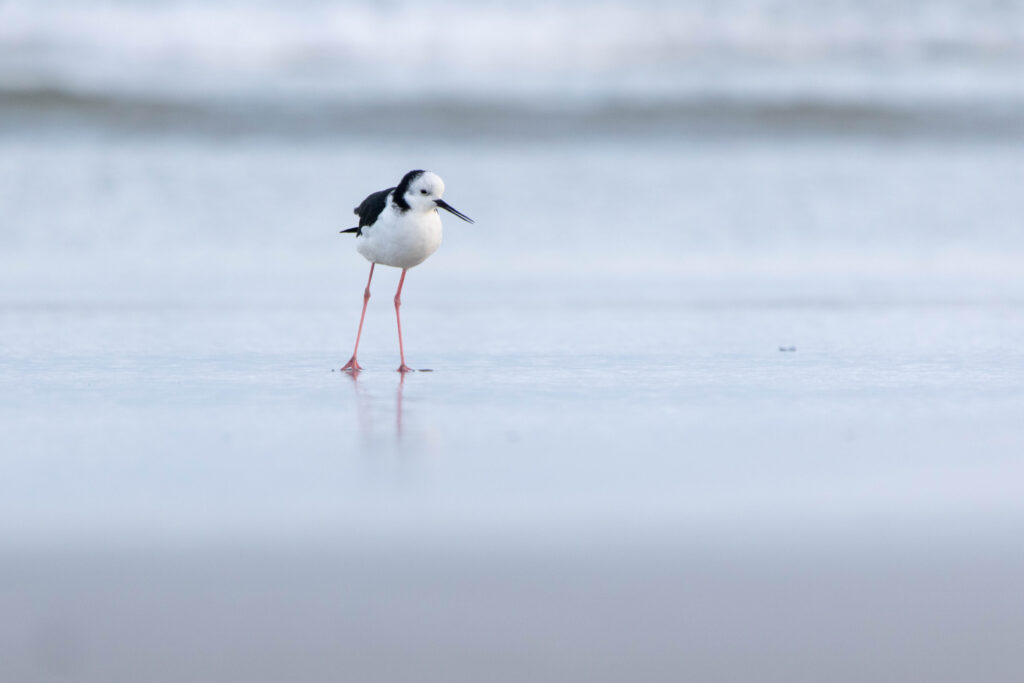
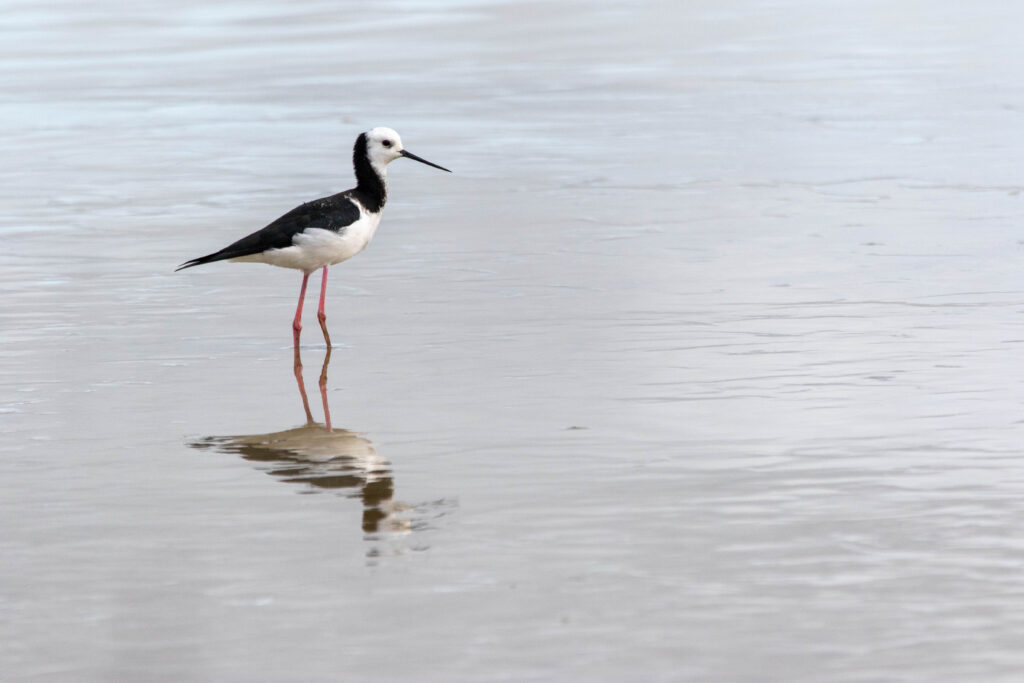
The number one species you can see here in very large numbers is the Wrybill (Anarhynchus frontalis). This is one of the best places to observe this iconic New Zealand bird. You can also see Pied Stilt (Himantopus leucocephalus) year-round. Other shorebirds that may be present in large numbers include Bar-tailed Godwit (Limosa lapponica), Royal Spoonbill (Platalea regia), South Island Oystercatcher (Haematopus finschi), and Red Knot (Calidris canutus).
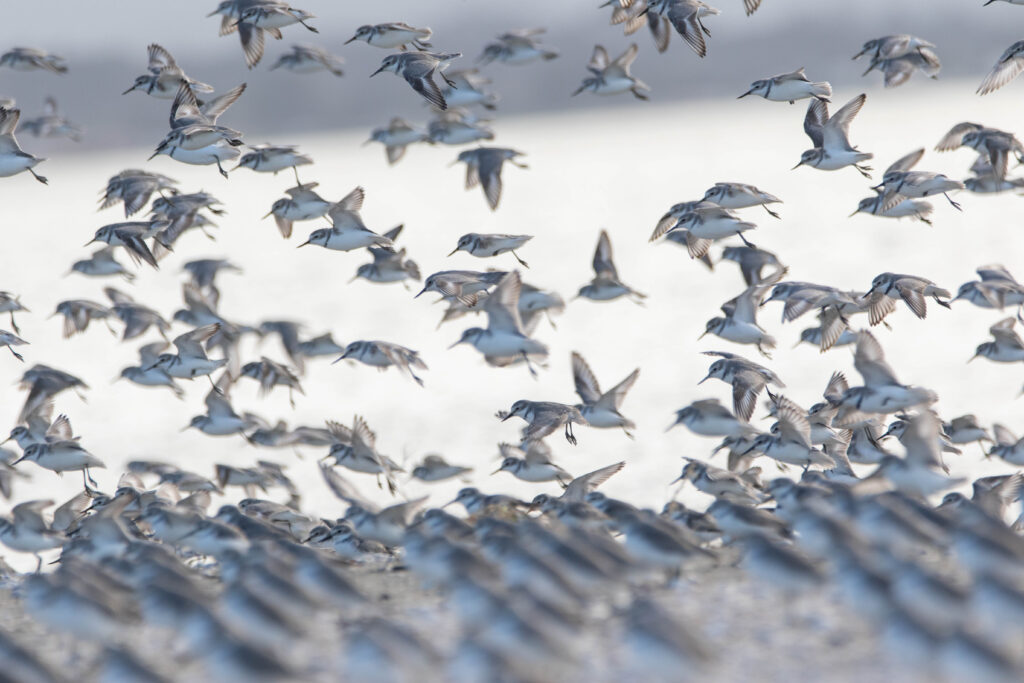
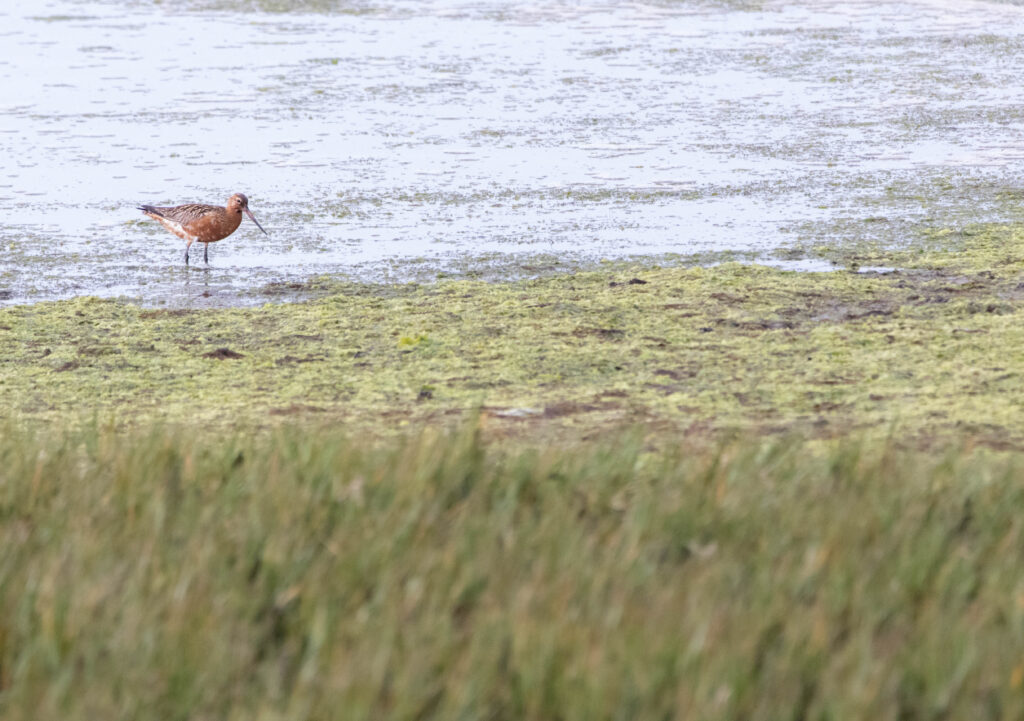
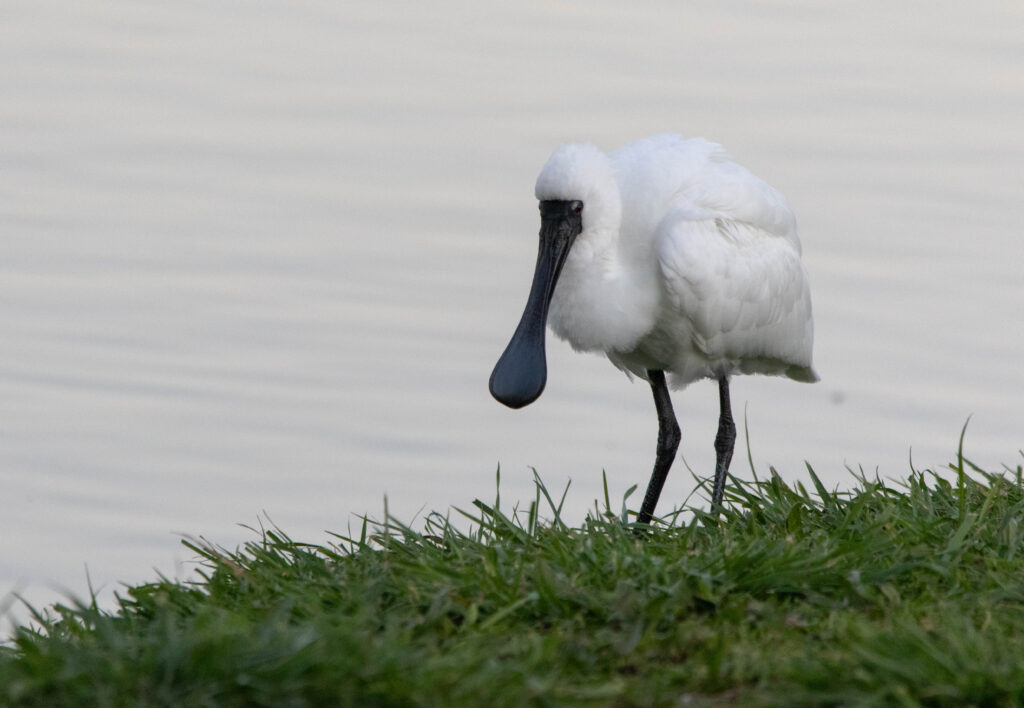
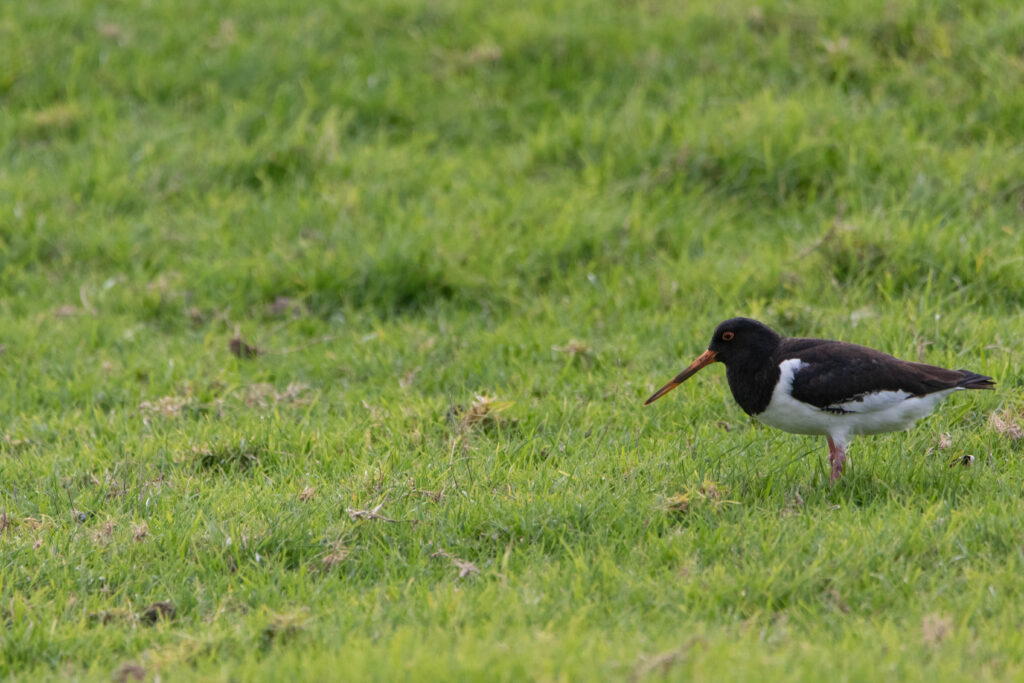
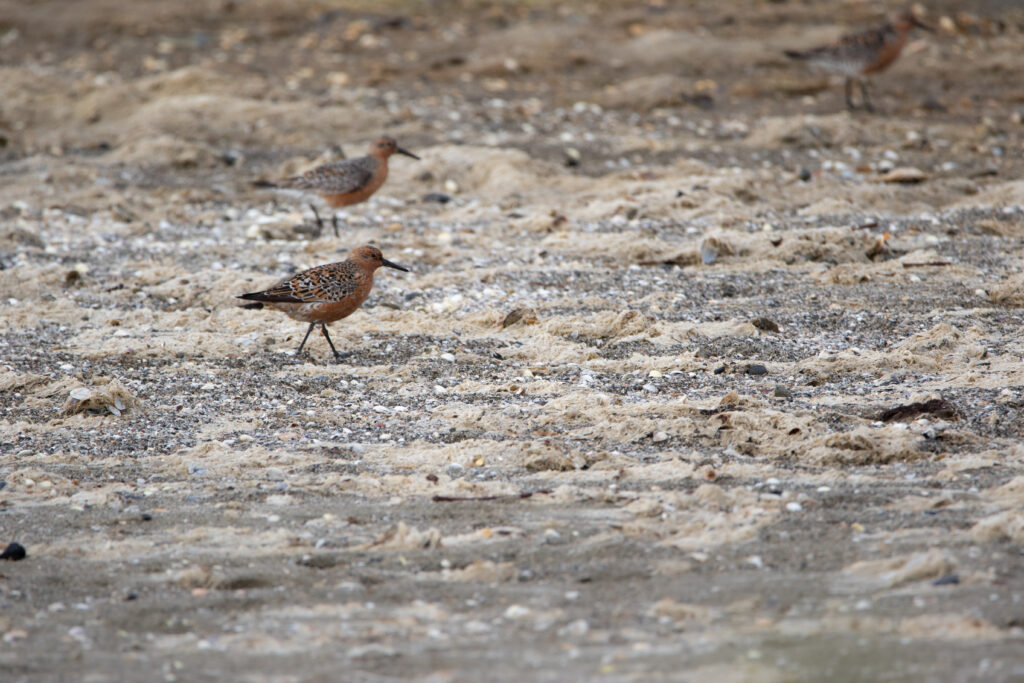
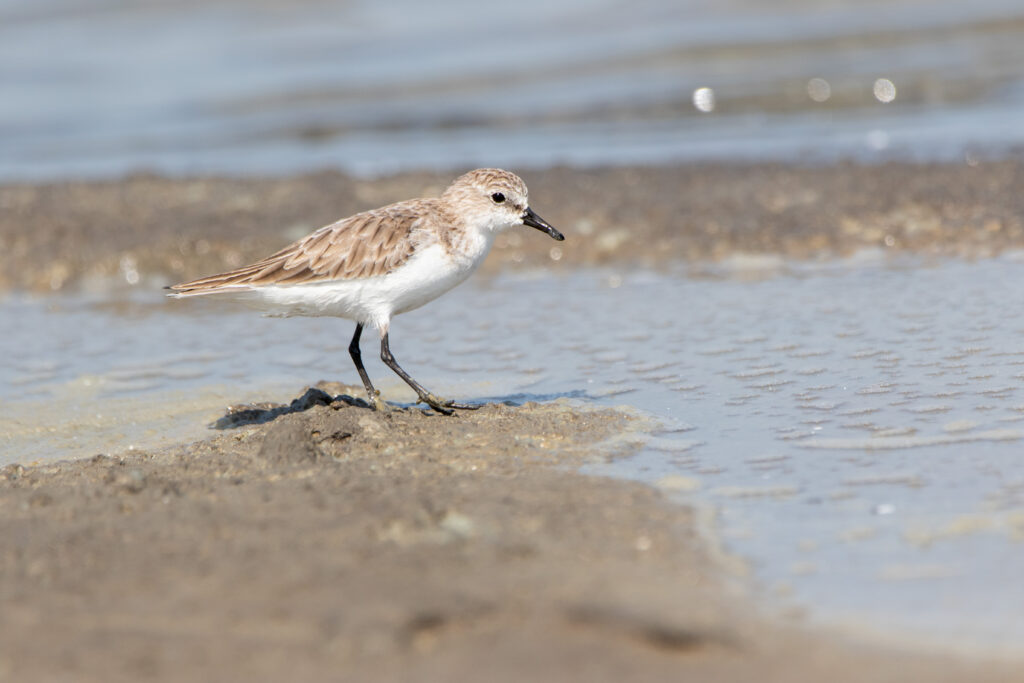
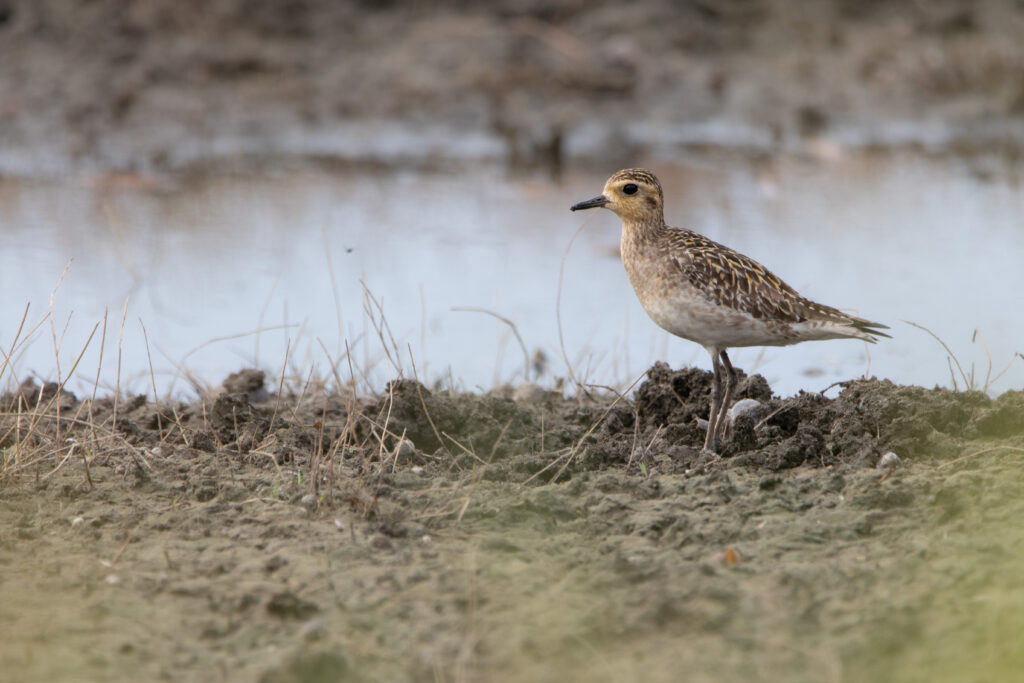
Depending on the time of year, you may also spot more or less rare shorebirds such as Pacific Golden Plover (Pluvialis fulva), Far Eastern Curlew (Numenius madagascariensis), Sharp-tailed Sandpiper (Calidris acuminata), Red-necked Stint (Calidris ruficollis), Curlew Sandpiper (Calidris ferruginea), or Double-banded Plover (Anarhynchus bicinctus).
Pond and northern area
The Pukorokoro Centre is located on the other side of the road. There isn’t much to see directly from the centre itself, apart from a small museum with information about the site. You’ll need to cross the road and walk along the trails to reach the main hides where you can observe birds.
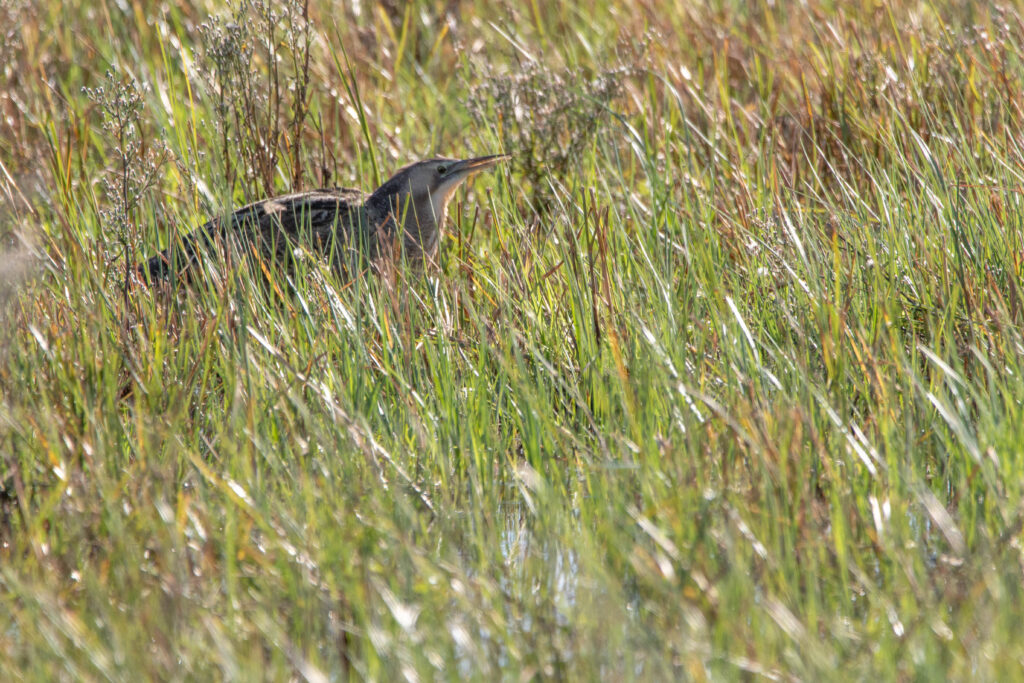
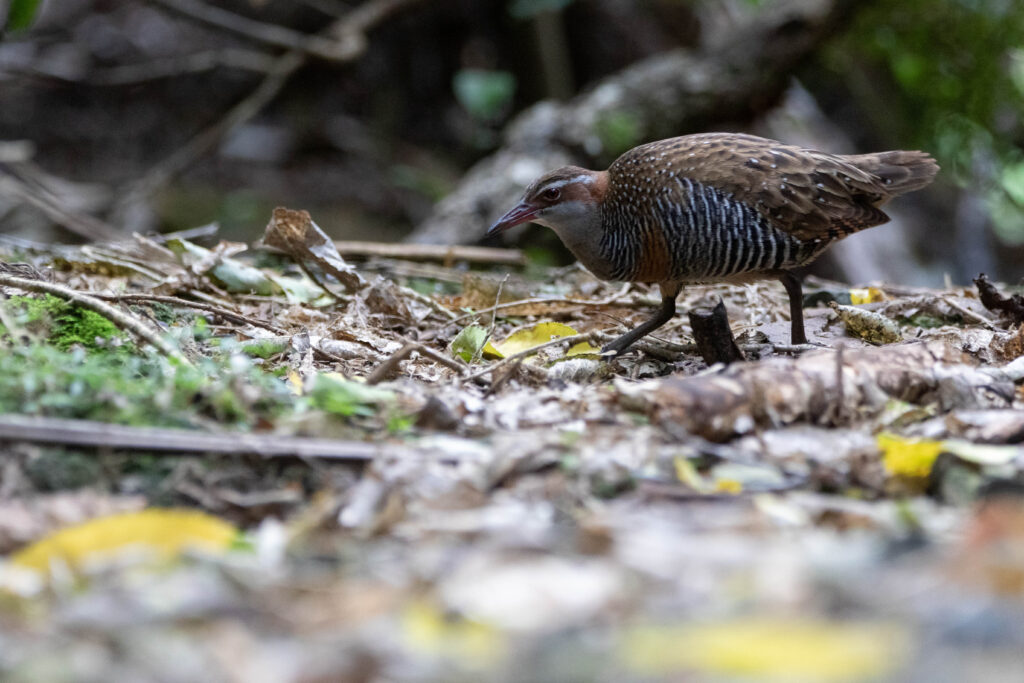
Along these paths, you can search the vegetation for the very elusive Australasian Bittern (Botaurus poiciloptilus). You may also spot Buff-banded Rail (Hypotaenidia philippensis) in the small ponds. Unfortunately, both species are quite difficult to observe.
Piako Wader Roost
A bit further south of the Pukorokoro Shorebird Centre, a pond hosting a large number of birds can be visited. A hide is available, allowing you to observe birds quietly and comfortably.
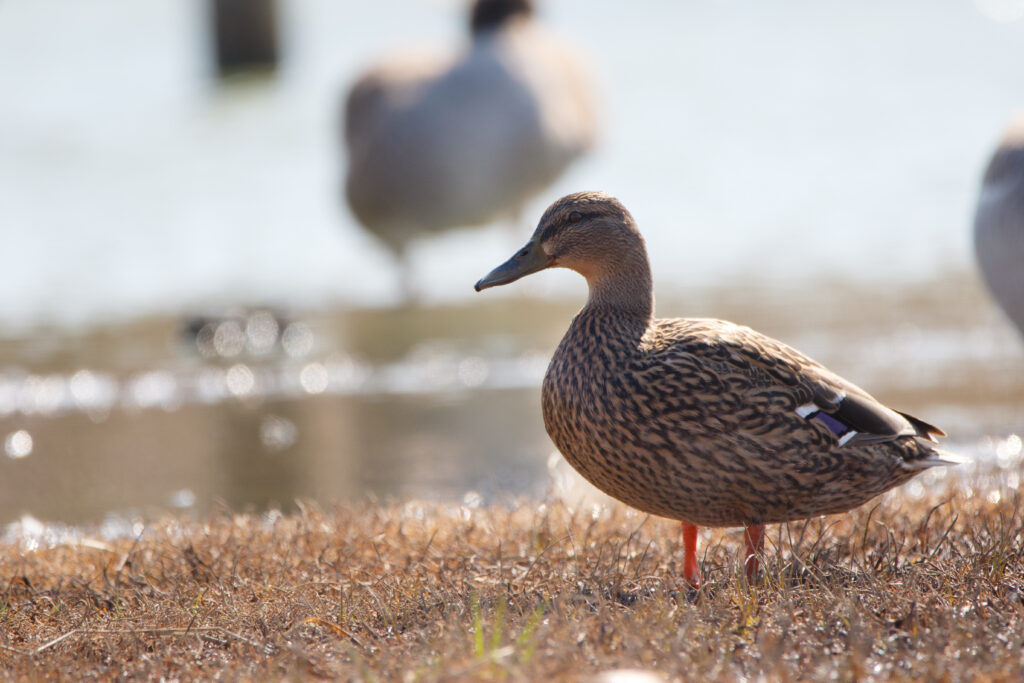
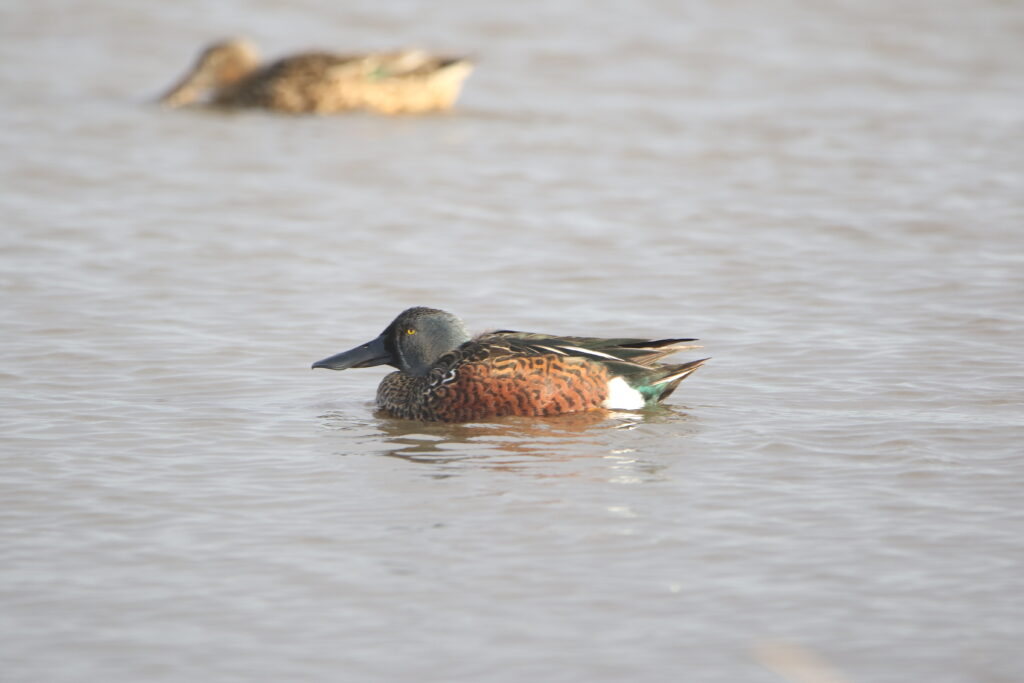
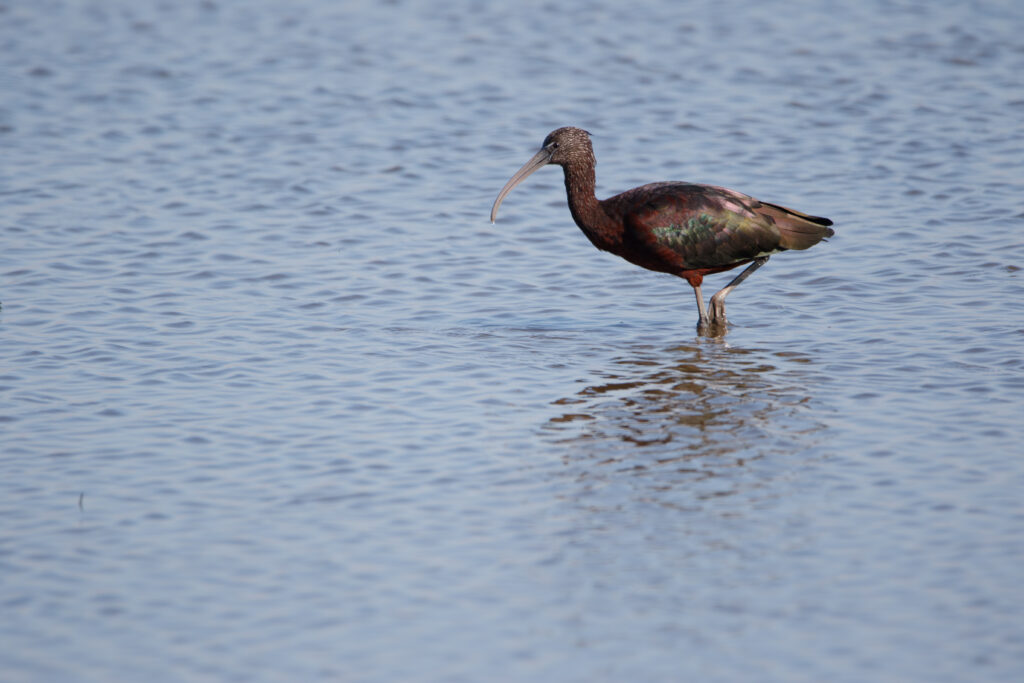
You can see many shorebirds here as well, including Pied Stilt (Himantopus leucocephalus). Numerous ducks are present when water levels are suitable, such as Paradise Shelduck (Tadorna variegata), Grey Teal (Anas gracilis), Mallard (Anas platyrhynchos), and Australasian Shoveler (Spatula rhynchotis). A Glossy Ibis (Plegadis falcinellus) can also be found in this area.

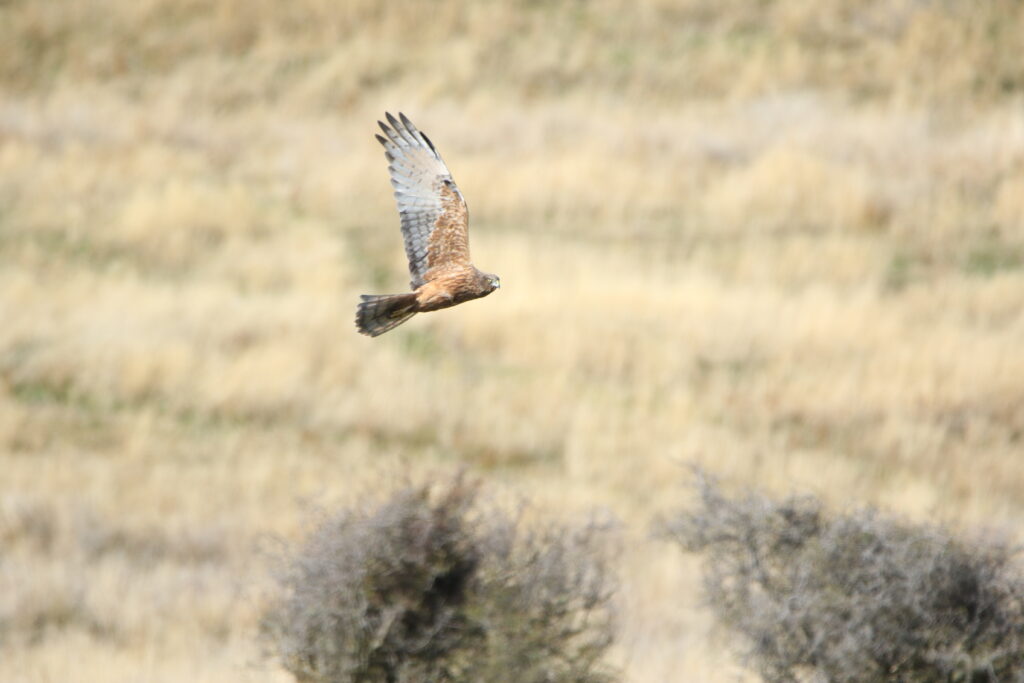
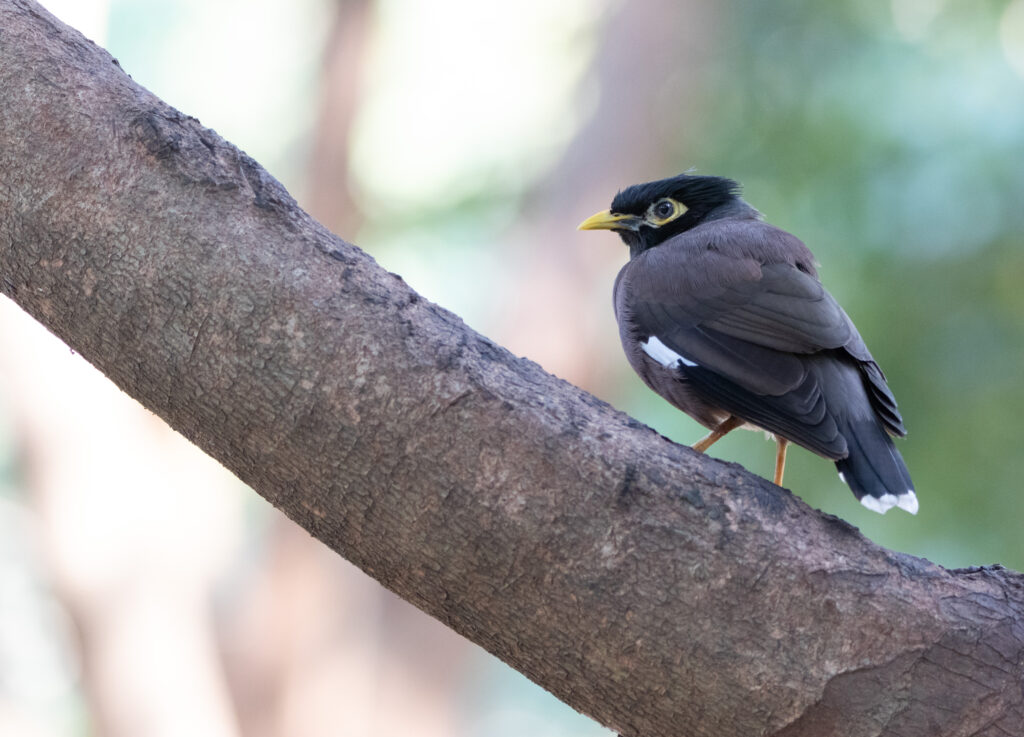
In the surrounding fields, you may spot Eastern Cattle Egret (Ardea coromanda) among livestock, as well as Swamp Harrier (Circus approximans) in flight. Other introduced passerines like Common Myna (Acridotheres tristis) and Common Starling (Sturnus vulgaris) are also seen in the area.
Taramaire Wildlife Refuge
A bit further north, a small coastal area below the campervan site is also worth visiting. Although it can be quite busy, this shoreline serves as a resting area for birds.
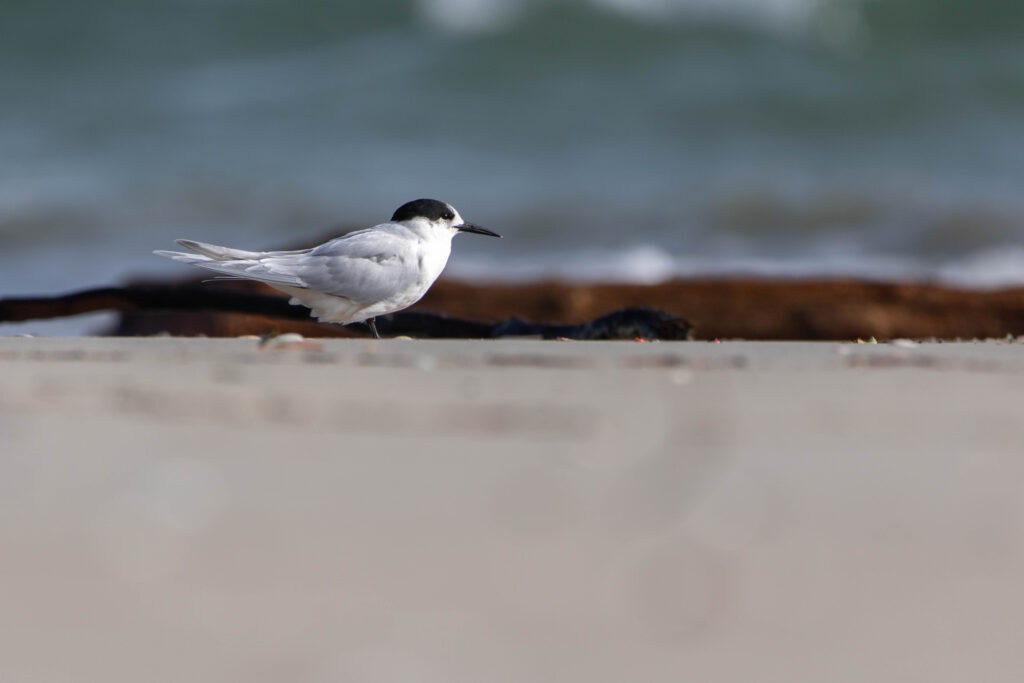
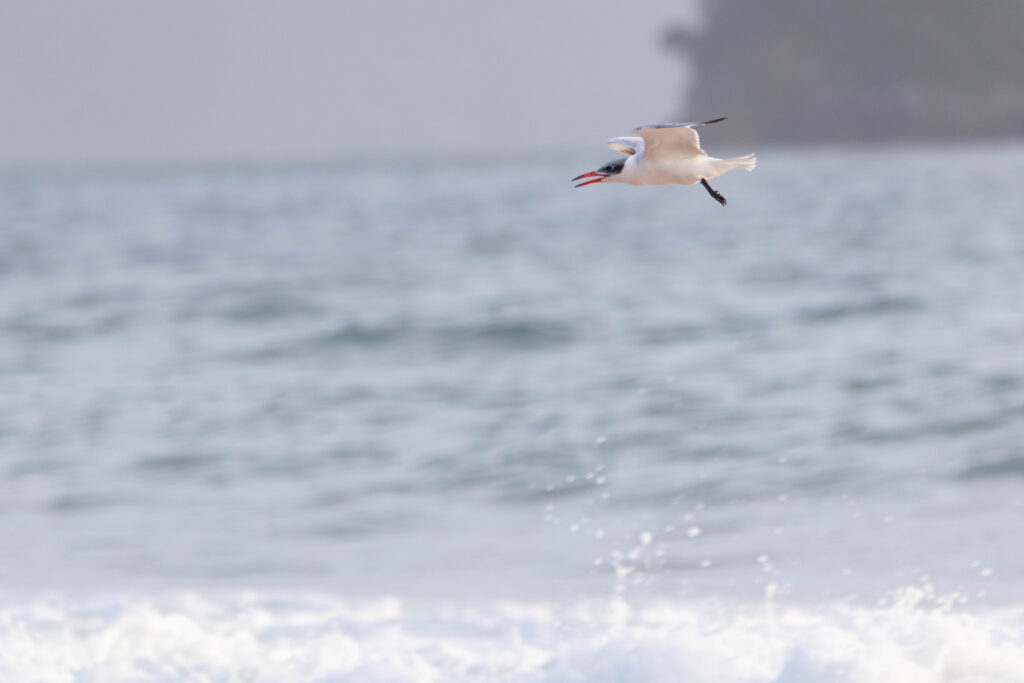
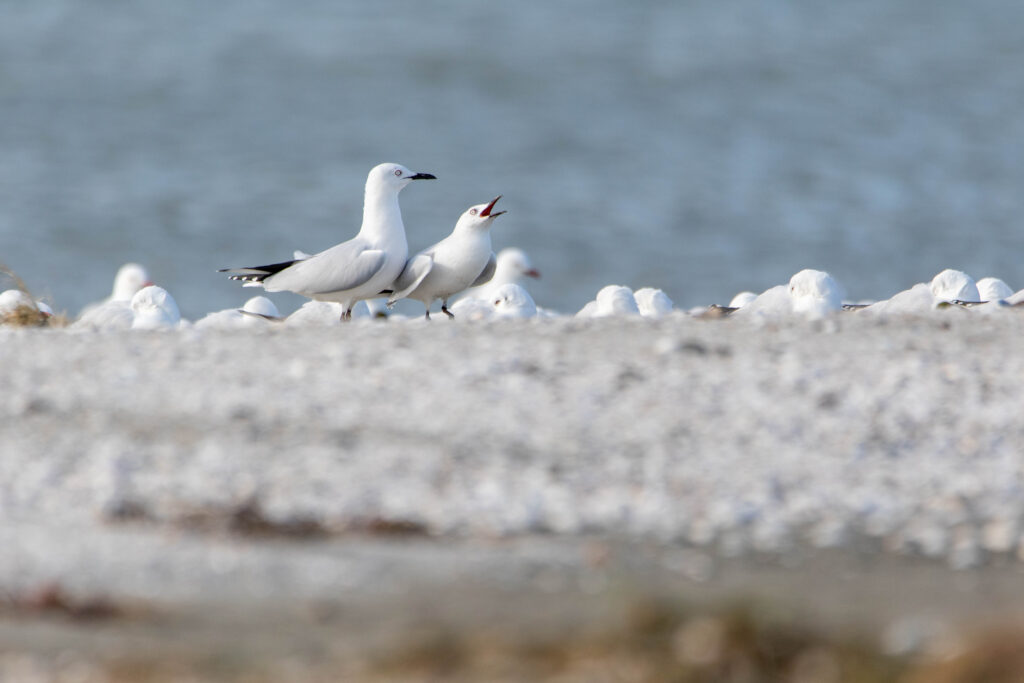
It’s another good spot for Wrybill (Anarhynchus frontalis) if they are not present at the Miranda hides. You can also observe larids such as Kelp Gull (Larus dominicanus), Silver Gull (Chroicocephalus novaehollandiae), and Black-billed Gull (Chroicocephalus bulleri). You may also spot Caspian Tern (Hydroprogne caspia) or White-fronted Tern (Sterna striata).


How to get to Miranda?
Access to the Miranda Shorebird Centre is completely free. The visitor centre is open daily from 9 am to 5 pm.
There is no direct bus from Auckland, the nearest major city, to the centre. The best option is to have your own vehicle or rent one.
Where to stay in Miranda ?
If you are traveling in a self-contained van, a large free camping area (without public toilets) is located just above the Taramaire birdwatching area: Ray’s Rest Free Camping.
We personally stayed at the Whakatīwai Freedom Camping site (which does have toilets), located less than 10 minutes from Miranda.
If you are not traveling by campervan, the Miranda Pukorokoro Centre offers accommodation that can be booked directly through their website. You can contact them to reserve a room.
Alternatively, you can stay in nearby accommodations such as Tasman Holiday Park Miranda or Bay View Hotel.