

Posada del Parque: At the Gateway to the Mantagua Wetland in Valparaíso
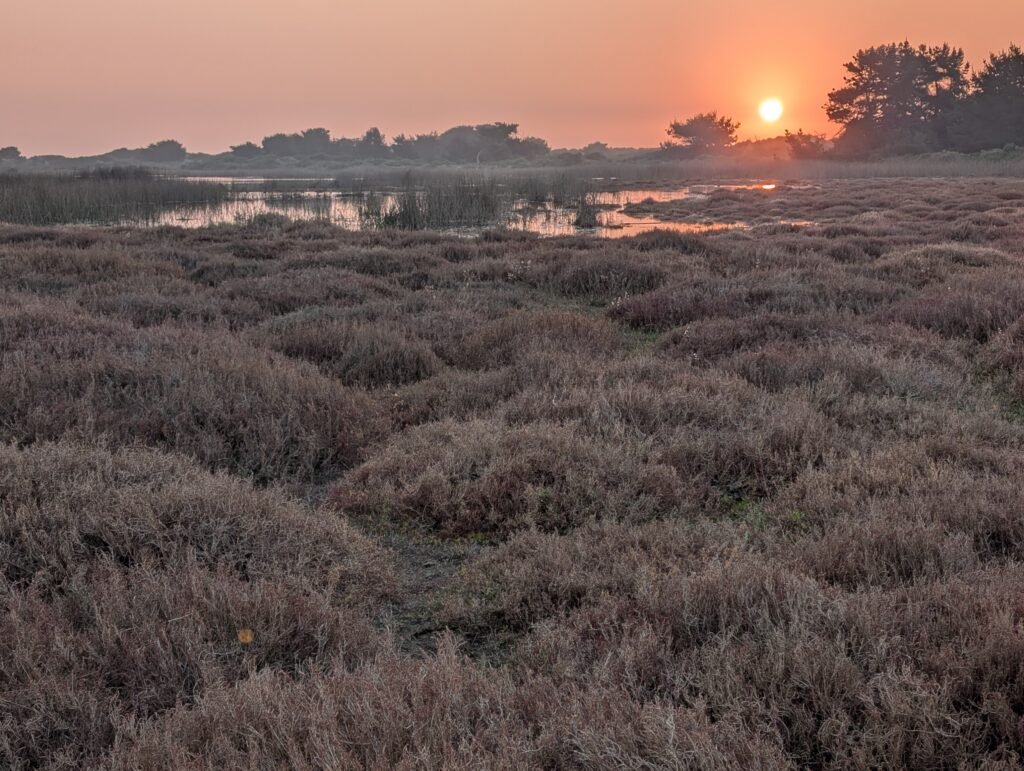
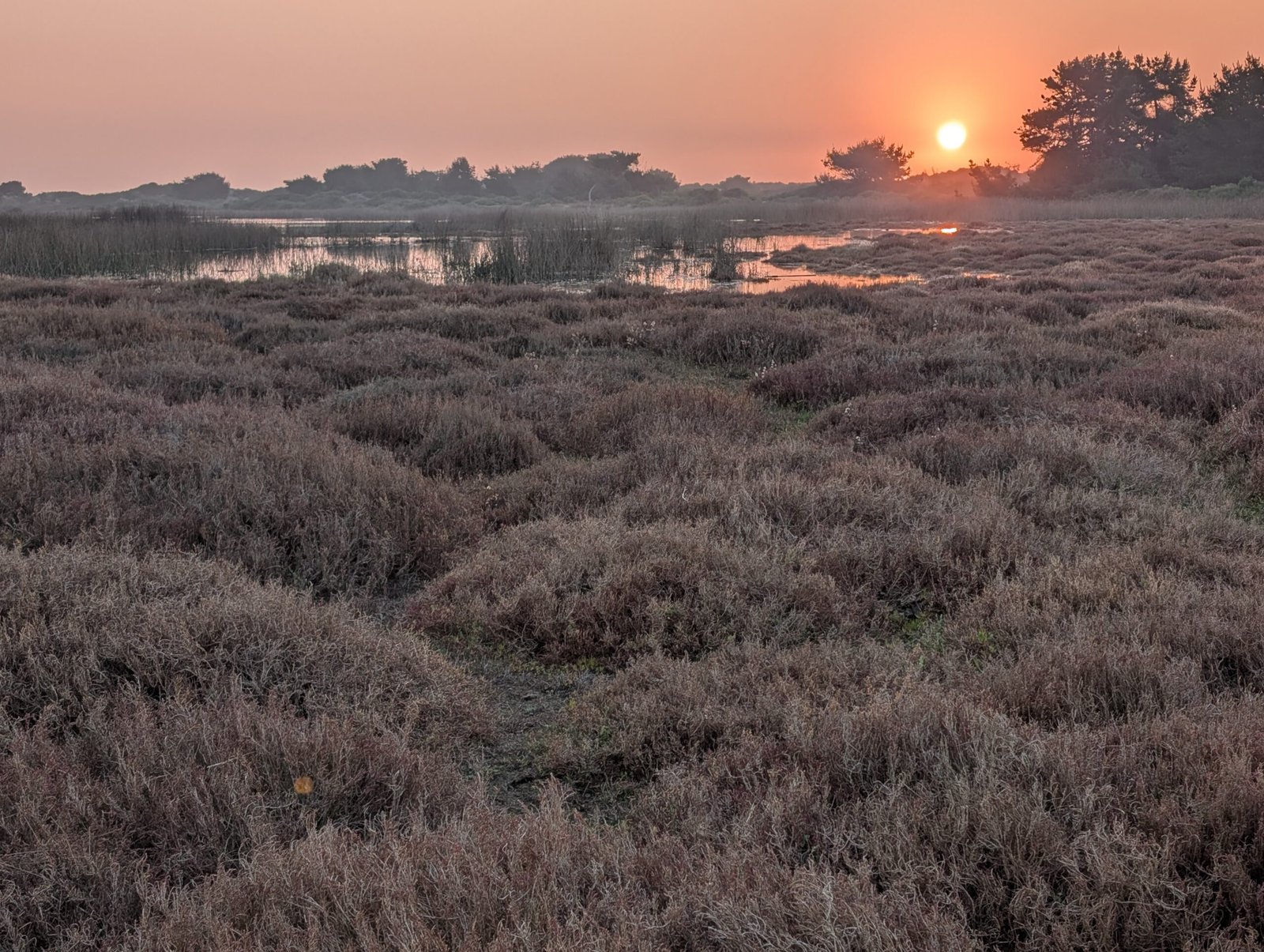
More than just accommodation, Posada del Parque offers an entire tourism and educational experience in the heart of the Mantagua Wetland. Located around 30 minutes north of Valparaíso, this private reserve has belonged to the same family for over 90 years. The owners protect the Mantagua Wetland and its different habitats, including beaches, dunes, forest, lagoons and scrubland. Several trails have been created to explore the reserve. With around 180 bird species recorded at Posada del Parque, it is an ideal place to spend one or several nights and discover the many species living in this remarkable environment.
If you would like to explore the area in more detail, you can read our birdwatching guide to Valparaíso, Viña del Mar and the surrounding areas.
What Facilities Are Available?
Although you can simply visit Posada del Parque, it is also possible to stay overnight. Several types of accommodation are available, with five different units accommodating between one and five people. Prices range from $90 to $190 USD, depending on the options selected.
Each accommodation is a small, well-equipped cottage with a kitchen, private bathroom and patio. The facilities are not brand new, but they remain very comfortable.
Although there is no restaurant in the traditional sense, meals can be arranged on-site by notifying the owners in advance. You can therefore enjoy breakfast, lunch or dinner directly at the property.
Comment réserver l’hébergement ?
You can book your accommodation through the international Booking platform by clicking here.
You can also contact the owners by email at contacto@posadadelparque.cl or via WhatsApp at +56 9 3375 4049.

How to Get to Posada del Parque?
Getting to Posada del Parque is straightforward. Along the F-30-E road, you will find a large sign indicating the entrance to the nature reserve. When the gate is open, during the daily opening hours from 9 am to 6 pm, you can reach the park headquarters after walking along a trail for around 100 metres.
- By car: Access is straightforward, and you can park directly next to the visitor reception.
- By public transport: You can take any bus running between Concón and Quintero and ask the driver to stop at the entrance to the nature reserve.
- From Valparaíso or Viña del Mar: You can also take a taxi, Uber or InDrive to reach the entrance of Posada del Parque.
What Birdwatching Facilities Are Available at Posada del Parque?
If you stay at Posada del Parque, you benefit from free access to the entire reserve at any time of day. This is a real advantage for birdwatchers, as you can explore the trails at sunrise or in the late afternoon, when bird activity is often particularly interesting, as well as outside the usual visiting hours.
Here is the map of Posada del Parque:

The reserve’s main feature is its network of well-maintained trails, which make it easy to reach the different areas, from the visitor reception all the way to the coast. Several facilities also make birdwatching easier. These include two observation platforms and hides where you can watch and photograph birds, particularly those found in the reedbeds.
If you would like to be accompanied, you can also ask at reception about arranging a guided birdwatching tour.
Alongside these birdwatching facilities, Posada del Parque also offers other services and amenities that may be useful during a birdwatching trip.
What Birds Can You See at Posada del Parque?
Some trails lead to ponds, while others reach the coastal areas, passing through a variety of habitats that provide shelter for numerous bird species. Several species of waterfowl can be observed along the estuary or at the reservoir, including Cinnamon Teal (Spatula cyanoptera), Yellow-billed Pintail (Anas georgica), Chiloe Wigeon (Mareca sibilatrix) and Black-headed Duck (Heteronetta atricapilla). Fourteen species are shown on the map.
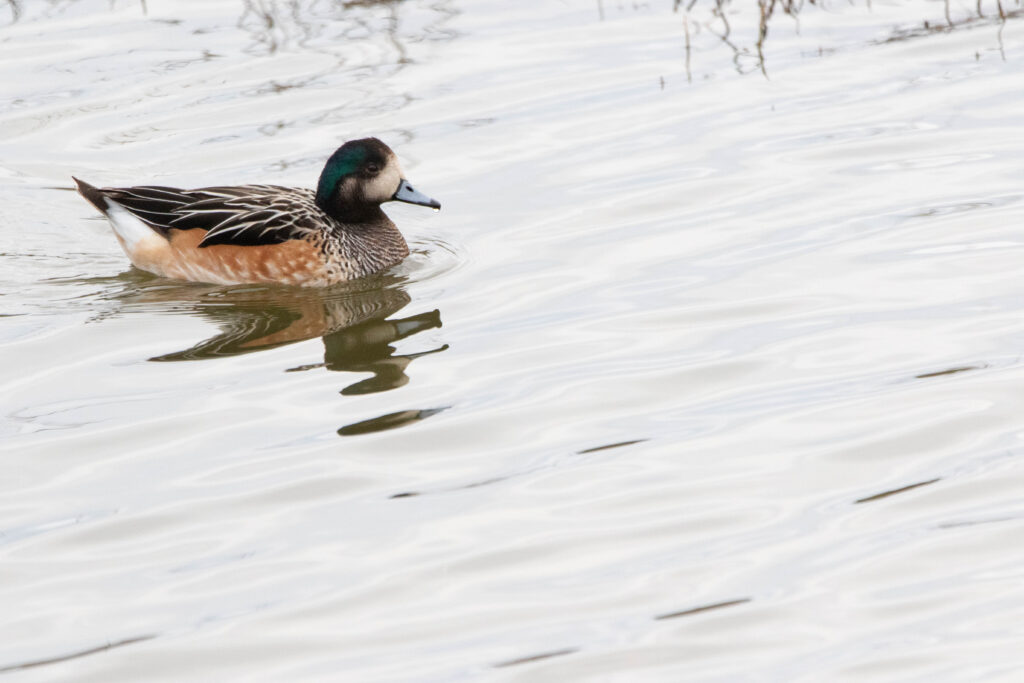
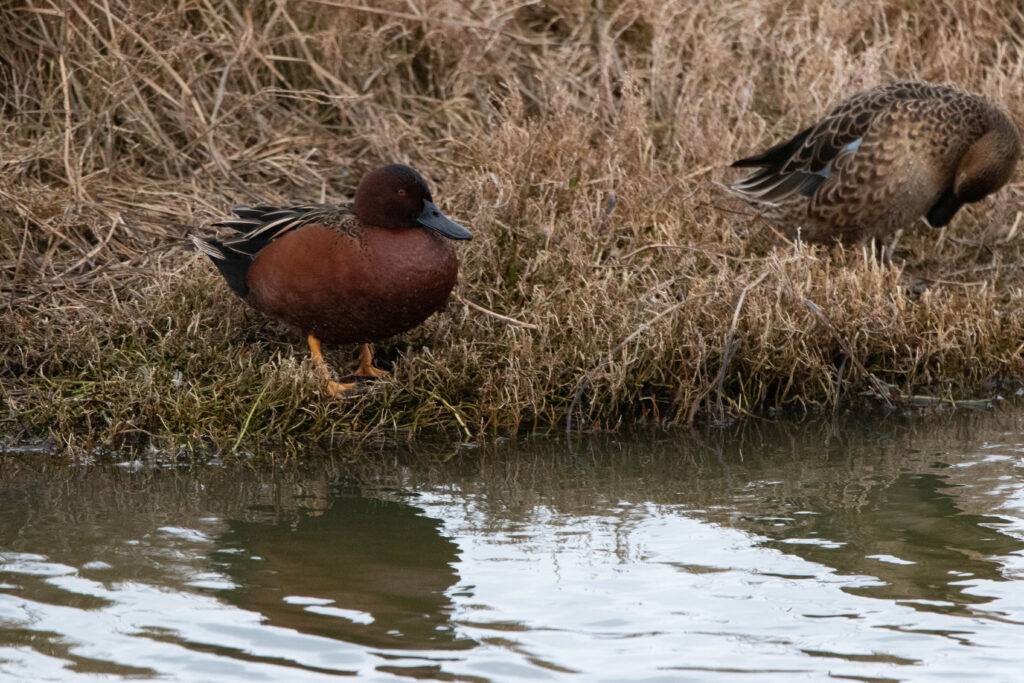
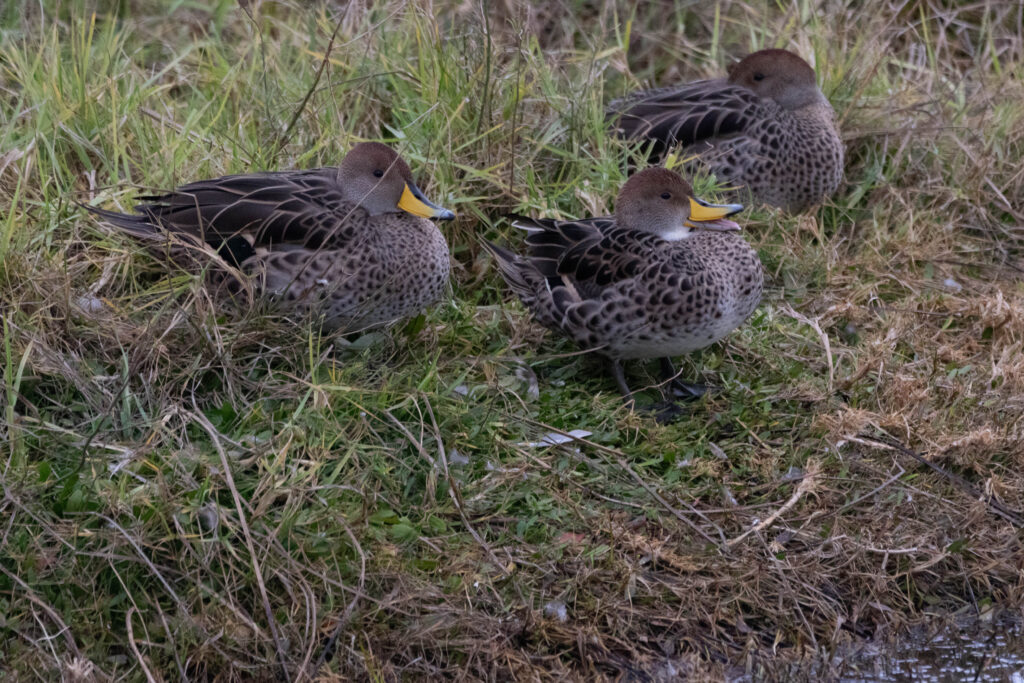
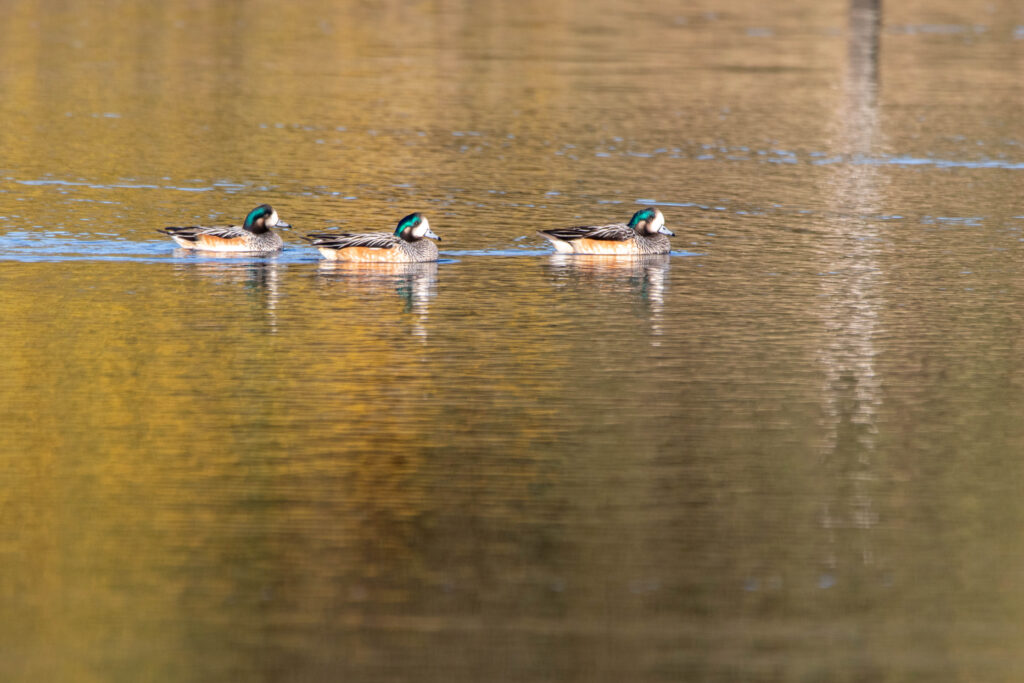
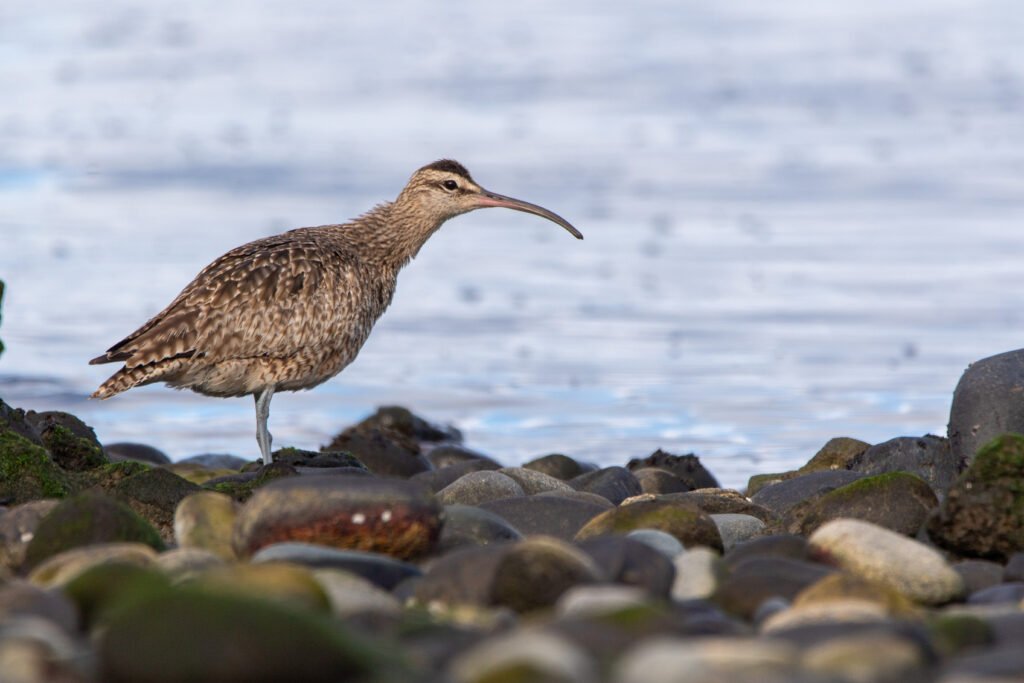
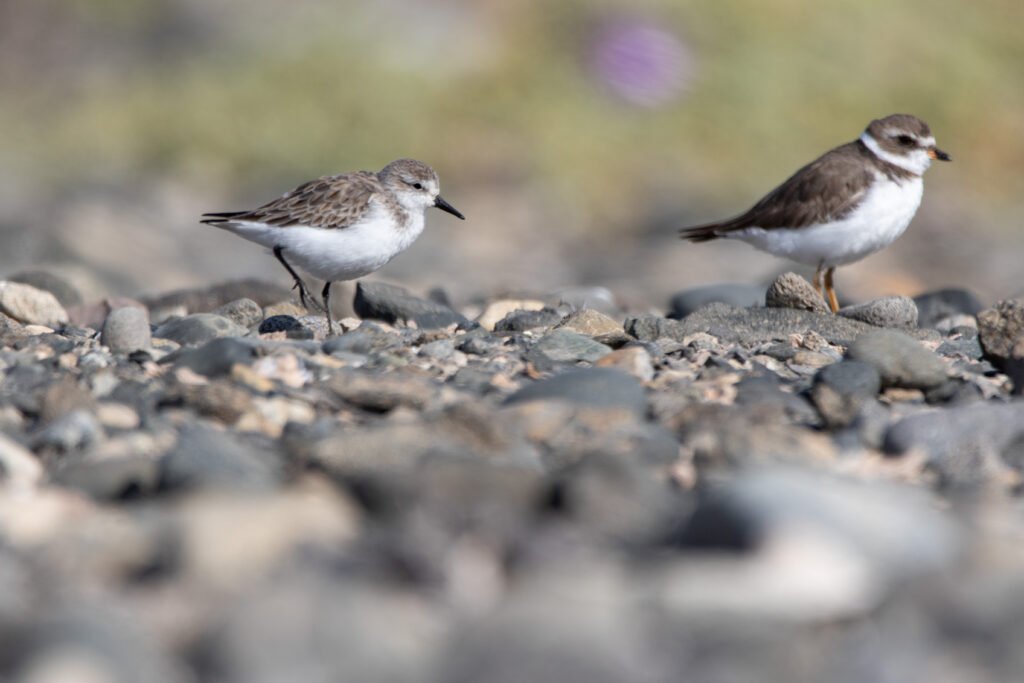
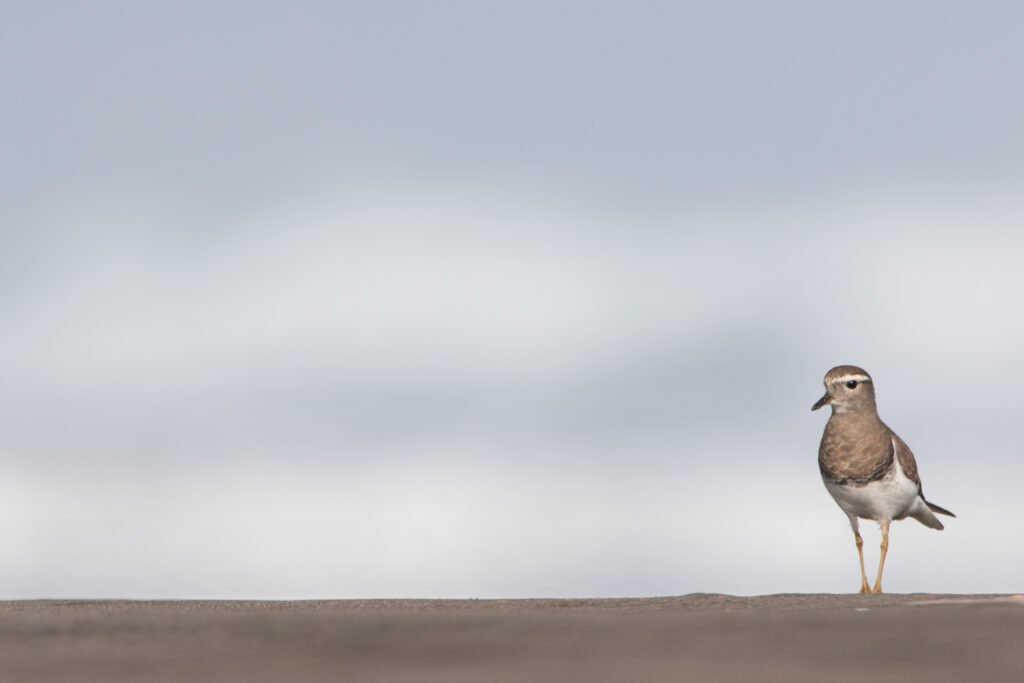
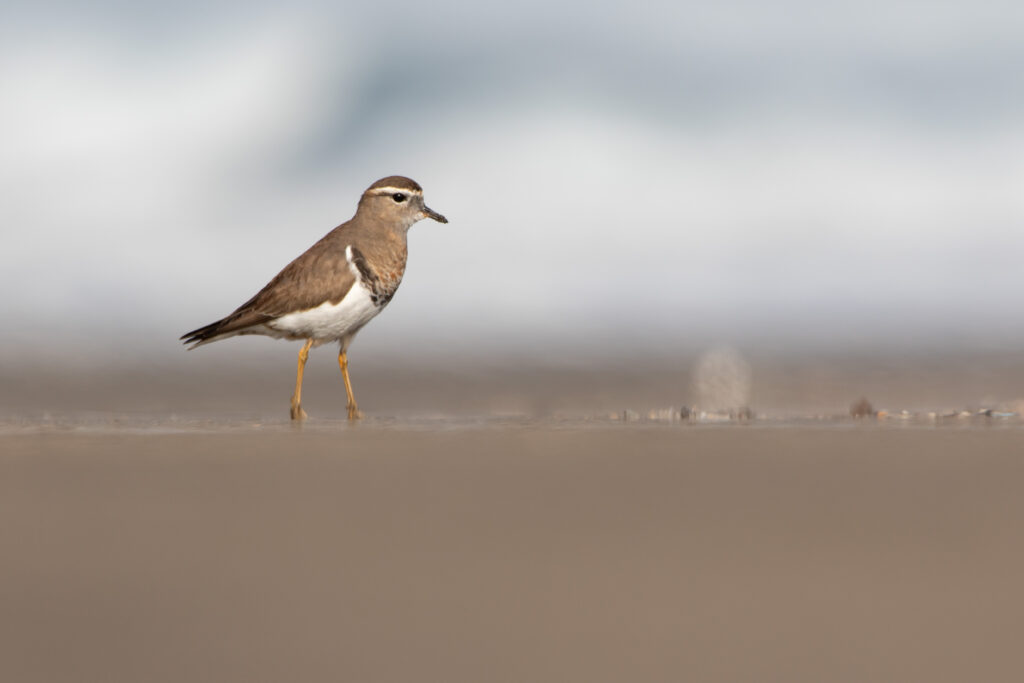
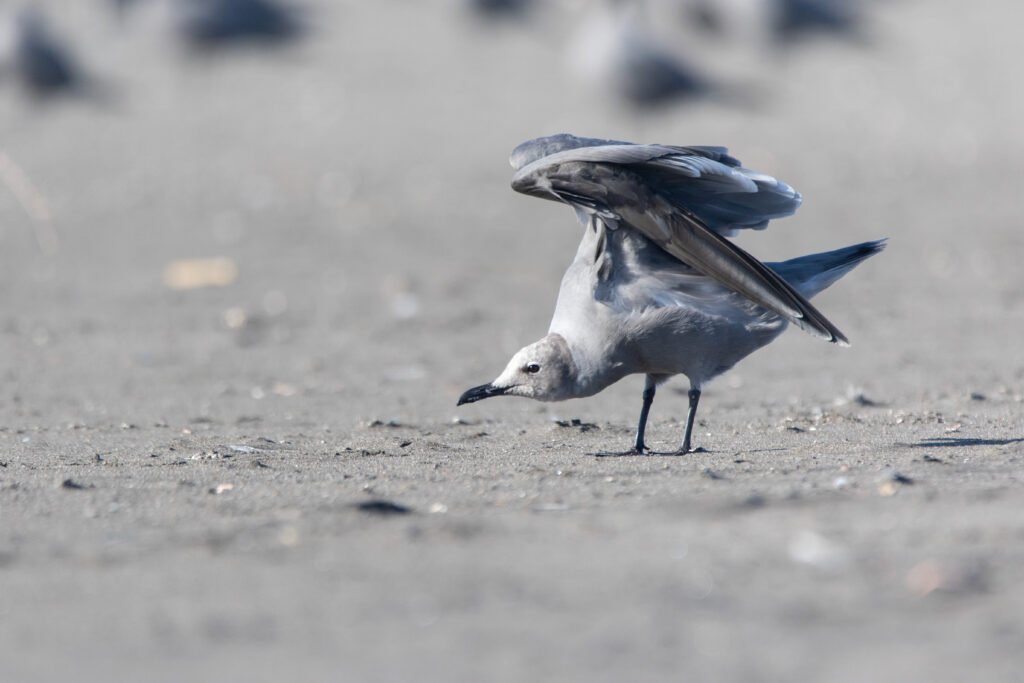
Along the dunes and beaches, you can find Hudsonian Whimbrel (Numenius hudsonicus), Snowy Plover (Anarhynchus nivosus), Collared Plover (Anarhynchus collaris), Rufous-chested Dotterel (Zonibyx modestus), Black-necked Stilt (Himantopus mexicanus) and Grey Gull (Leucophaeus modestus). Other shorebirds can be found along the estuary, including Magellanic Snipe (Gallinago magellanica), Semipalmated Sandpiper (Calidris pusilla), Grey Plover (Pluvialis squatarola), Baird’s Sandpiper (Calidris bairdii) and many other sandpipers and shorebirds.
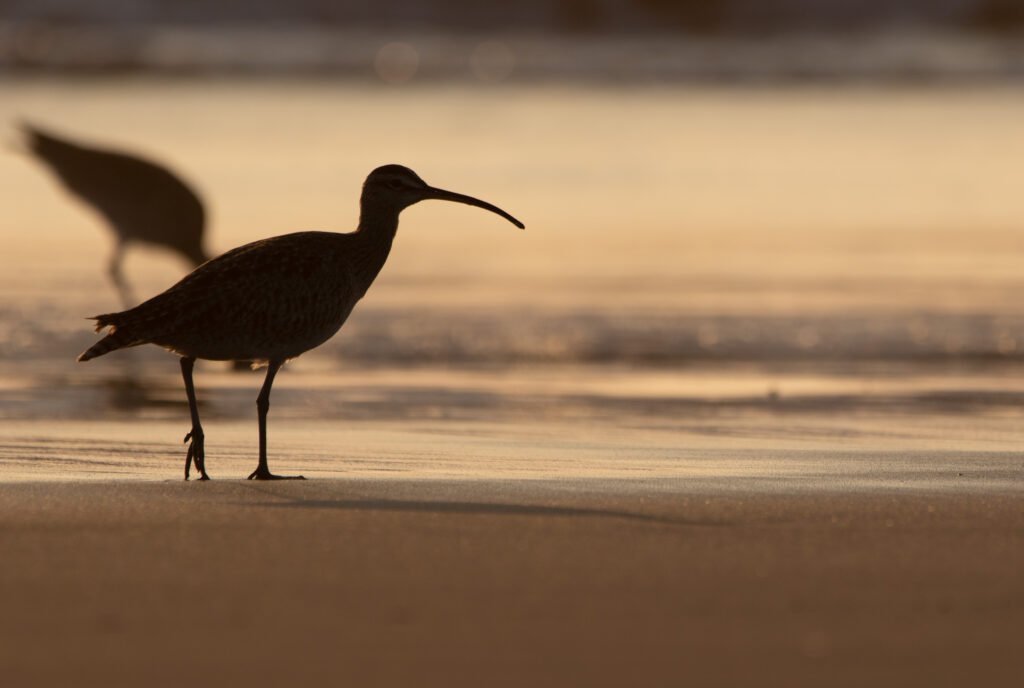
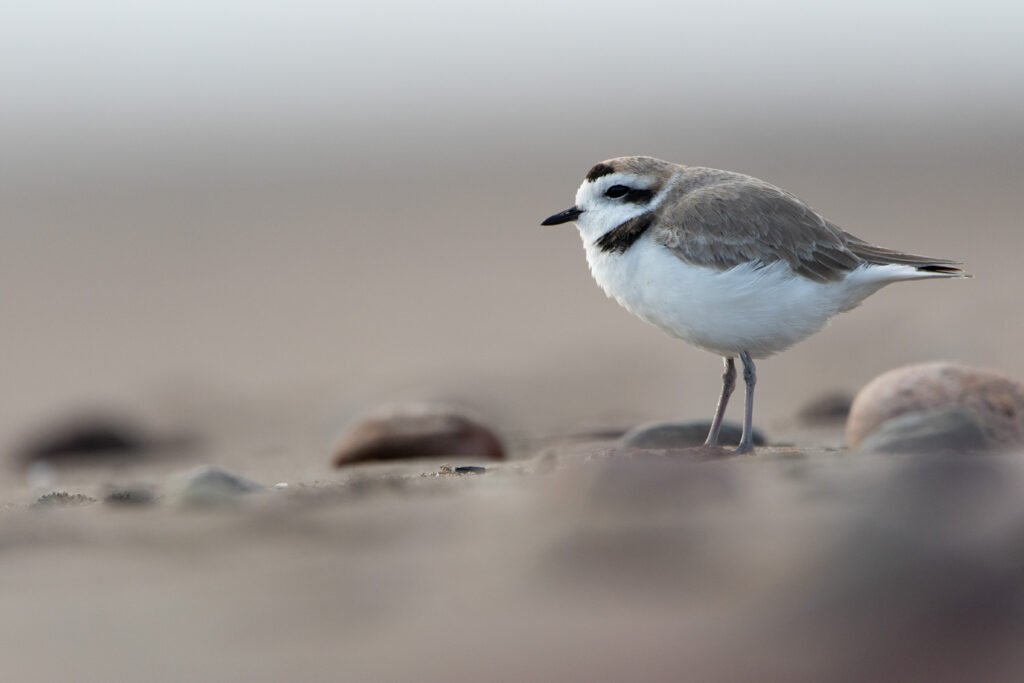
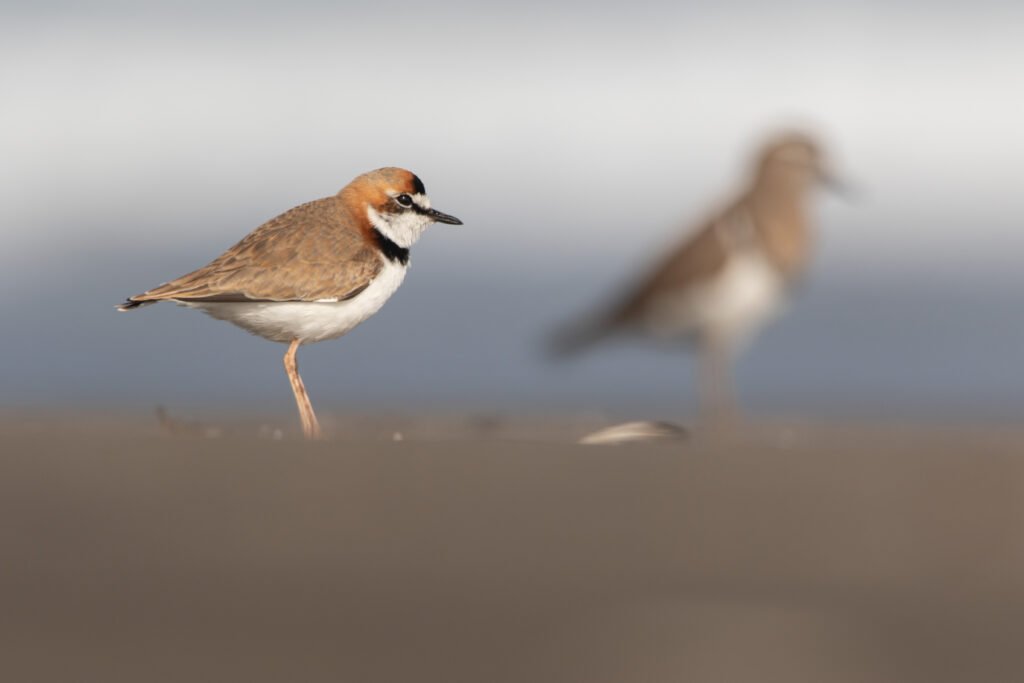
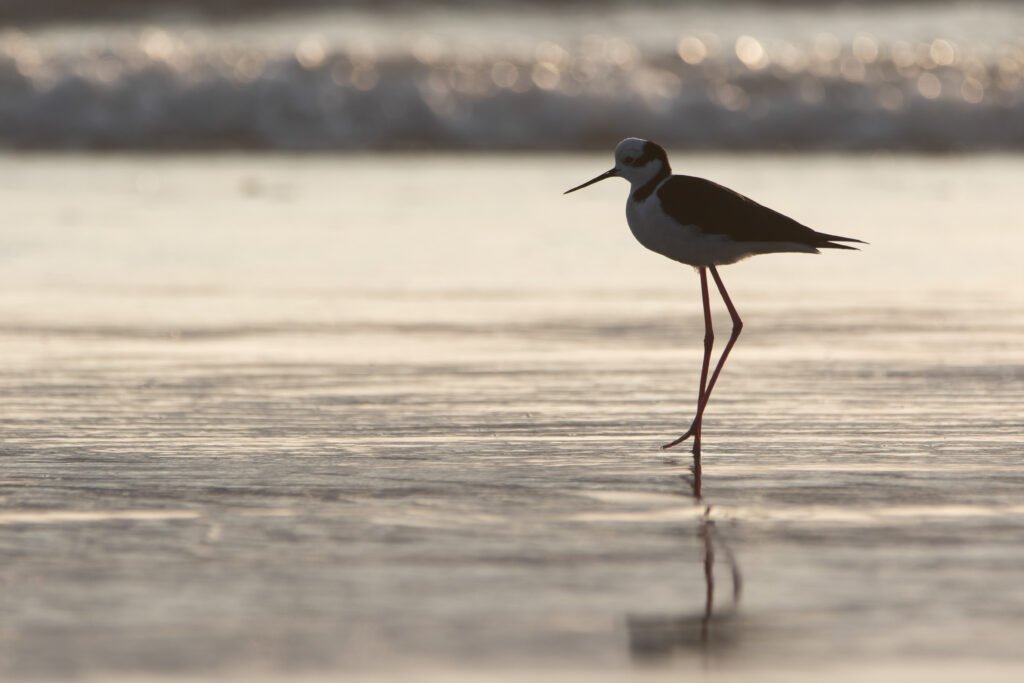
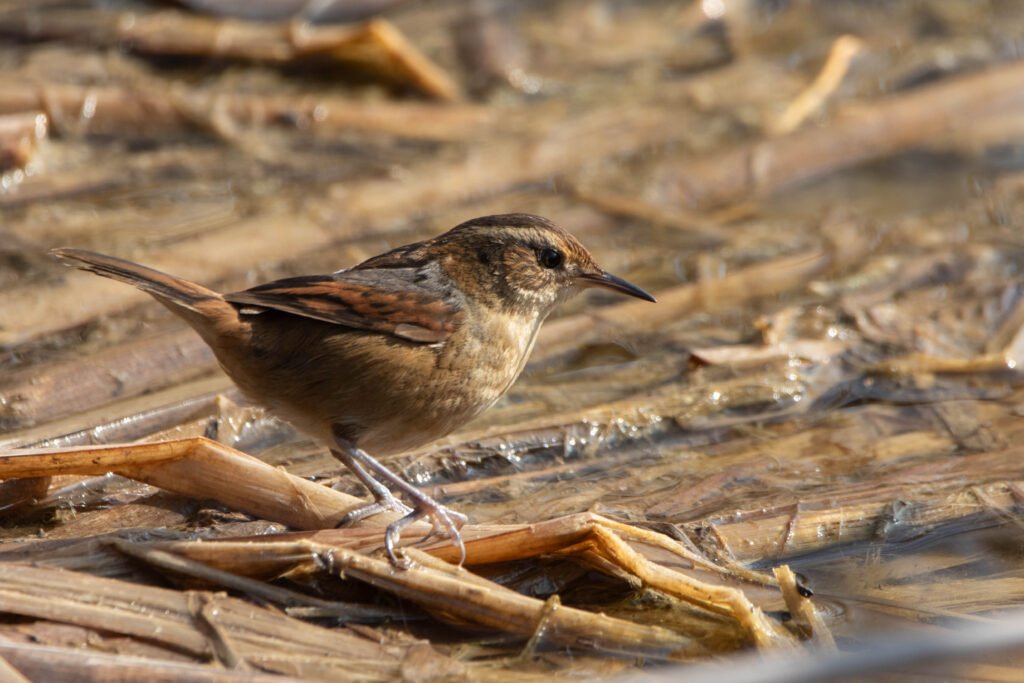
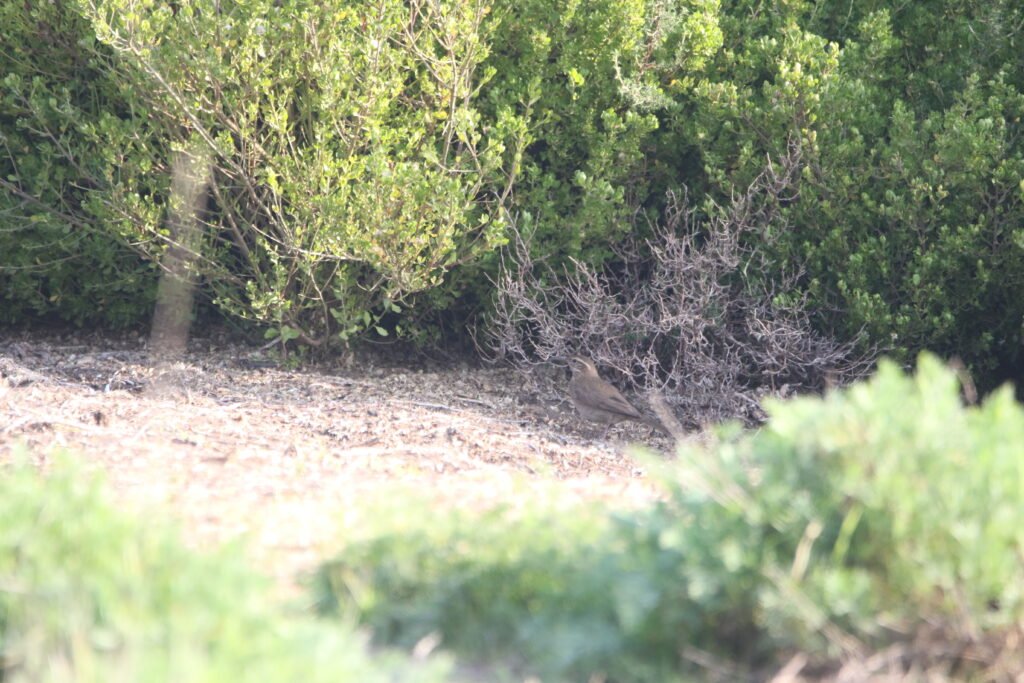
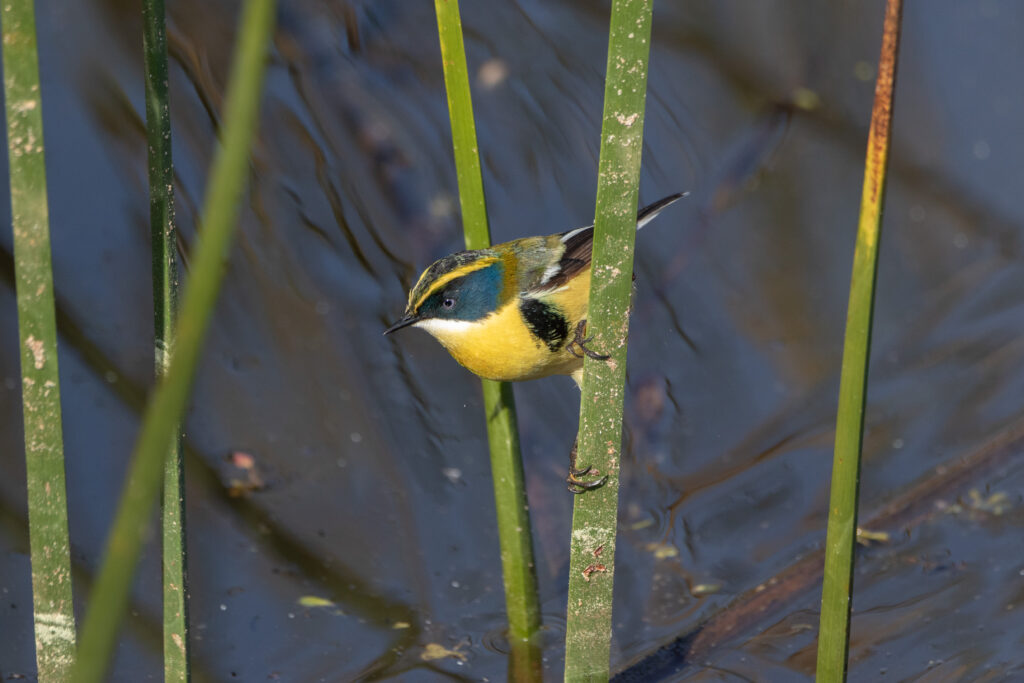
Many passerines can also be found in the forests, reedbeds and along the trails surrounding the ponds. Among them are the beautiful Many-colored Rush Tyrant (Tachuris rubrigastra) and its companion, the Wren-like Rushbird (Phleocryptes melanops), as well as more elusive species such as Dusky Tapaculo (Scytalopus fuscus), Patagonian Forest Earthcreeper (Upucerthia saturatior) and Austral Canastero (Asthenes anthoides). Large numbers of Green-backed Firecrowns (Sephanoides sephaniodes) can also be seen.
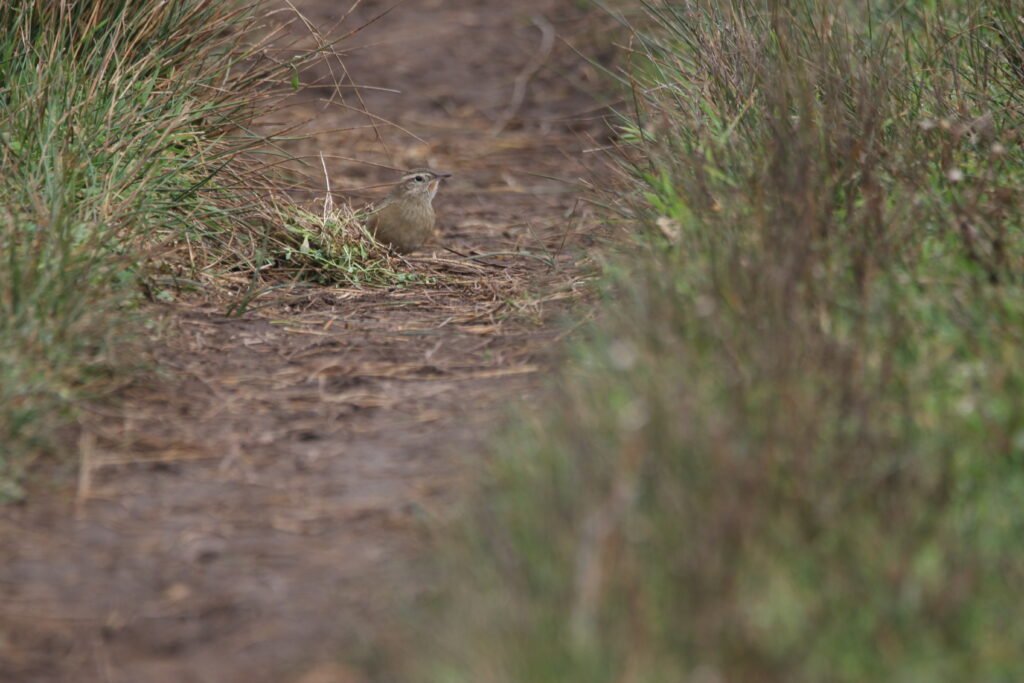
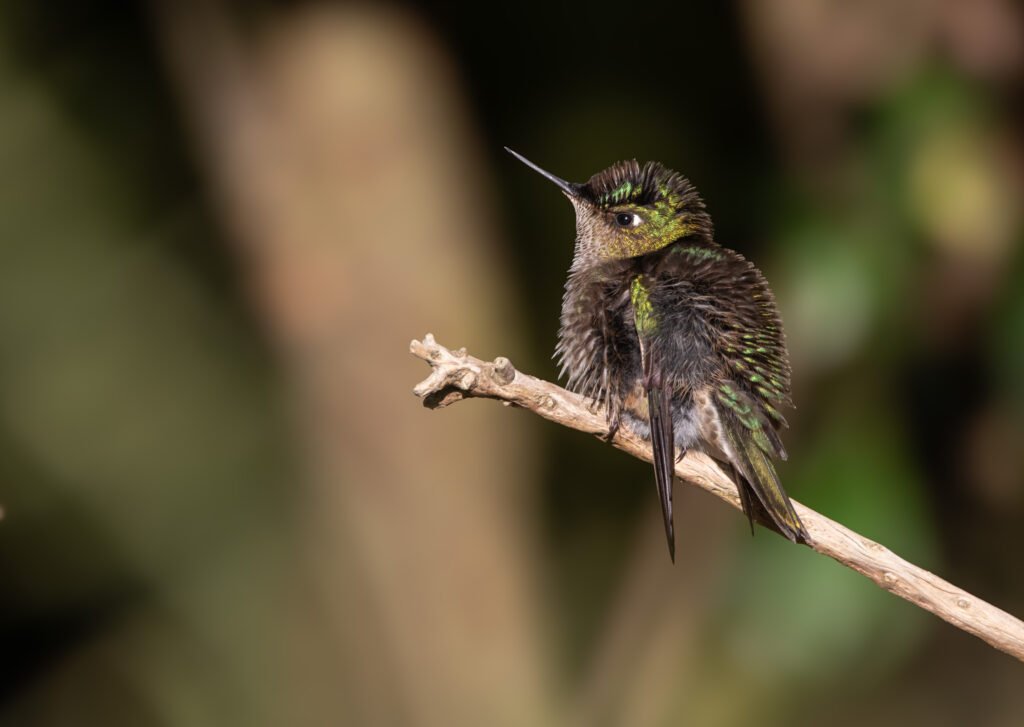
With a bit of luck, a Lesser Horned Owl (Bubo magellanicus) can be spotted in the forest. A few rarities also turn up from time to time at Posada del Parque. These include Black Rail (Laterallus jamaicensis), White-banded Mockingbird (Mimus triurus), Least Sandpiper (Calidris minutilla) and Pectoral Sandpiper (Calidris melanotos).
Our Review of Posada del Parque
😐 What we liked less:
- The accommodation itself. The room is rather dated and could do with a little refurbishment. It is fairly simple, but still perfectly adequate.
😐 What we really liked:
- The wildlife and flora. Posada del Parque is first and foremost a nature reserve, rather than just accommodation. Its main appeal lies in this protected natural area and the biodiversity it supports.
- How easy it is to get there. Just 30 minutes from Valparaíso, it is accessible by car, taxi or public transport. Even if you are not staying overnight, make sure to visit this reserve if you are in the area.
- Early access to the trails. Staying overnight allows you to access the trails before Posada del Parque opens to day visitors. This means you can enjoy the reserve with hardly anyone else around and observe birds at close range.