


Birdwatching in Valparaíso, Viña del Mar and Posada del Parque
If you are travelling through central Chile, you will inevitably pass through Valparaíso! It is the third-largest city in Chile and one of the largest ports in South America. Known for its street art and historic neighbourhoods, Valparaíso and its surrounding area can be a great place for birdwatching, with locations such as Punta de Tralca, Cartagena and the entire Chilean coastline. Close to the Humboldt Strait, boat trips allow you to see many pelagic birds. You can also visit Posada del Parque, a private nature reserve rich in biodiversity and particularly in birdlife.
Where to See Birds Around Valparaíso?
Valparaíso’s Costanera and Fish Market
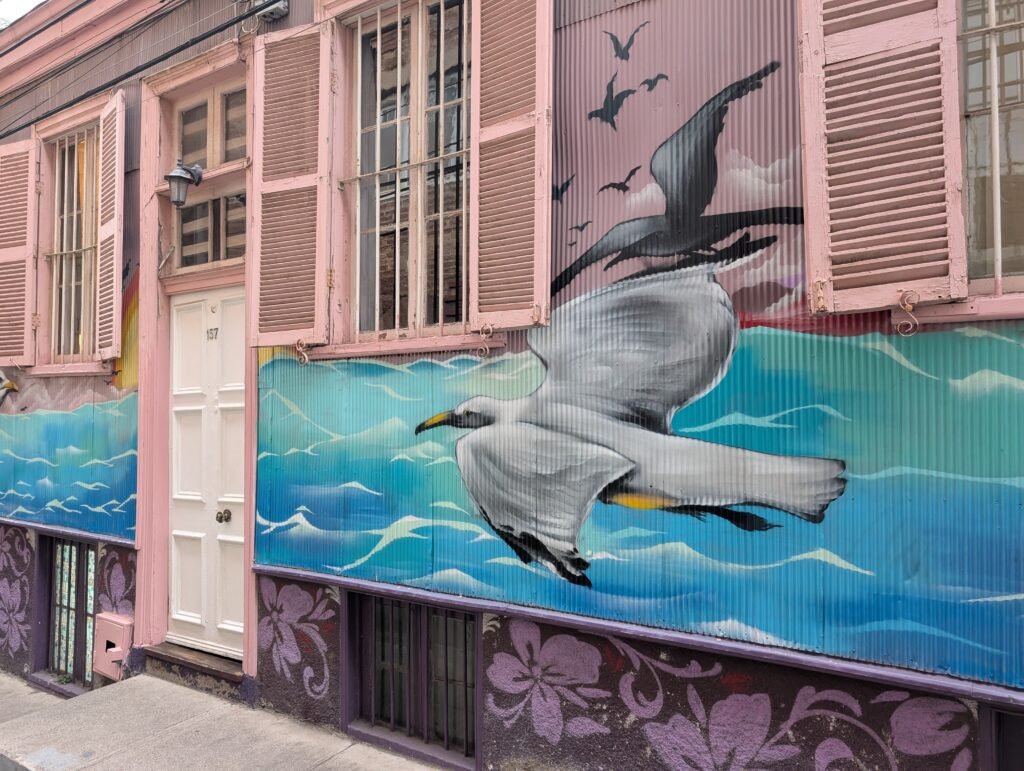
To see plenty of wildlife in Valparaíso, you can stay in the historic centre, among its colourful “cerros” (hills). You will find some beautiful murals depicting birds and mammals. But if you would rather see real birds, head down to the seafront along the “costanera”. Walking along this promenade towards the fish market, you can observe a few birds and marine mammals.
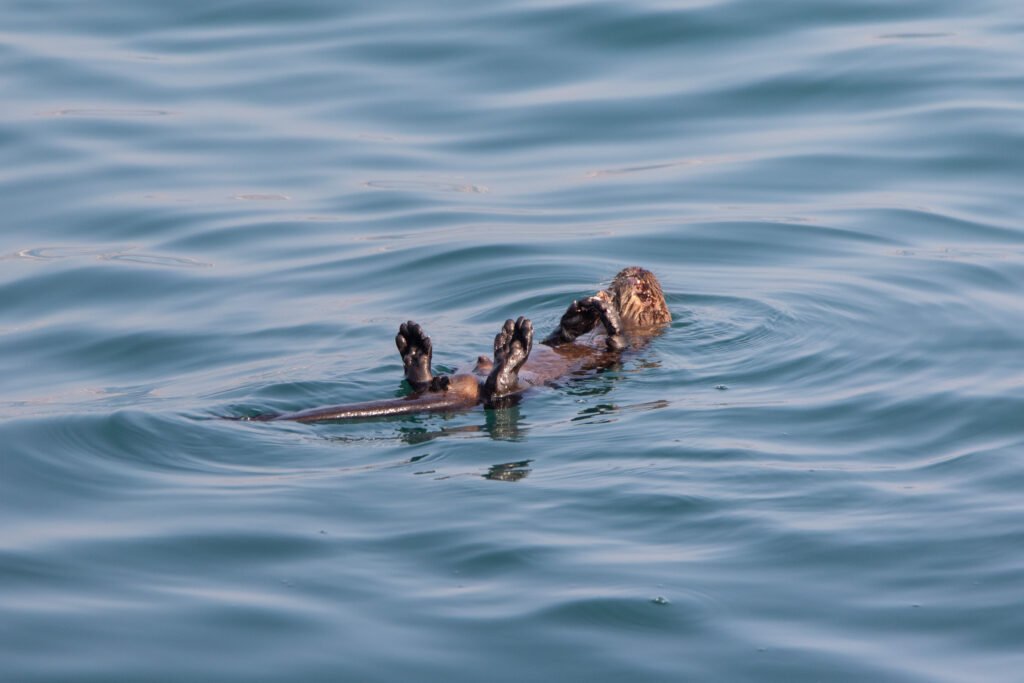
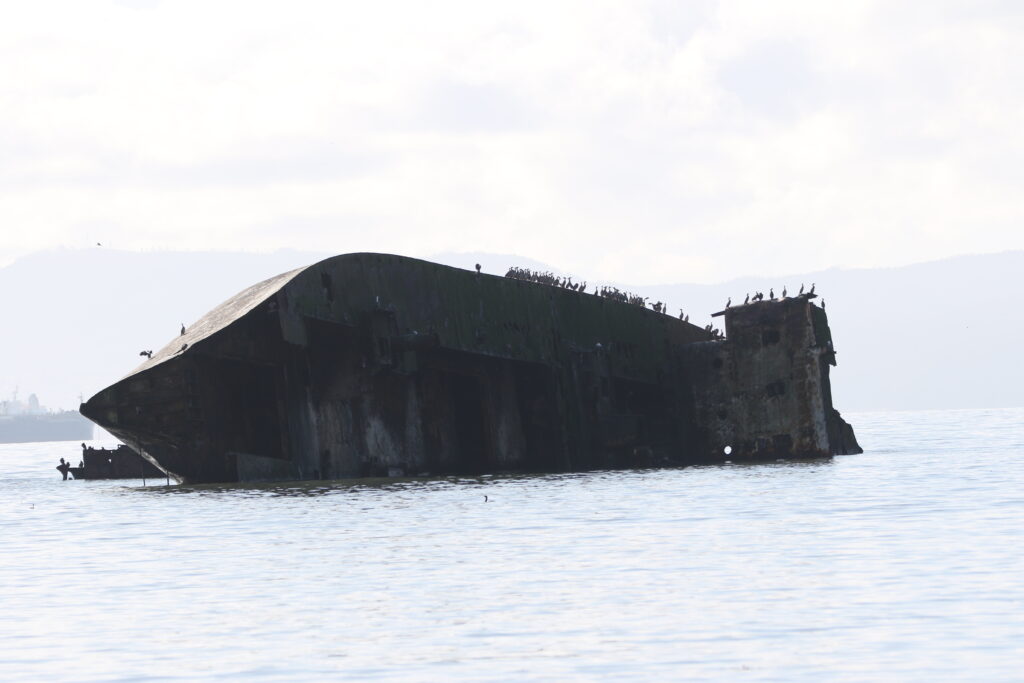
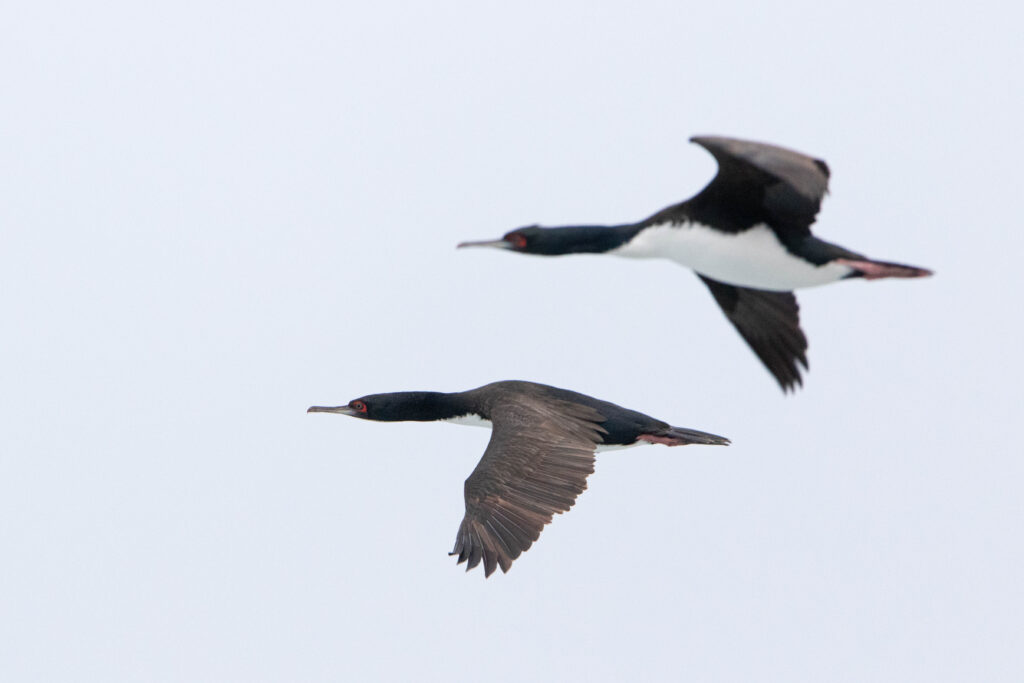
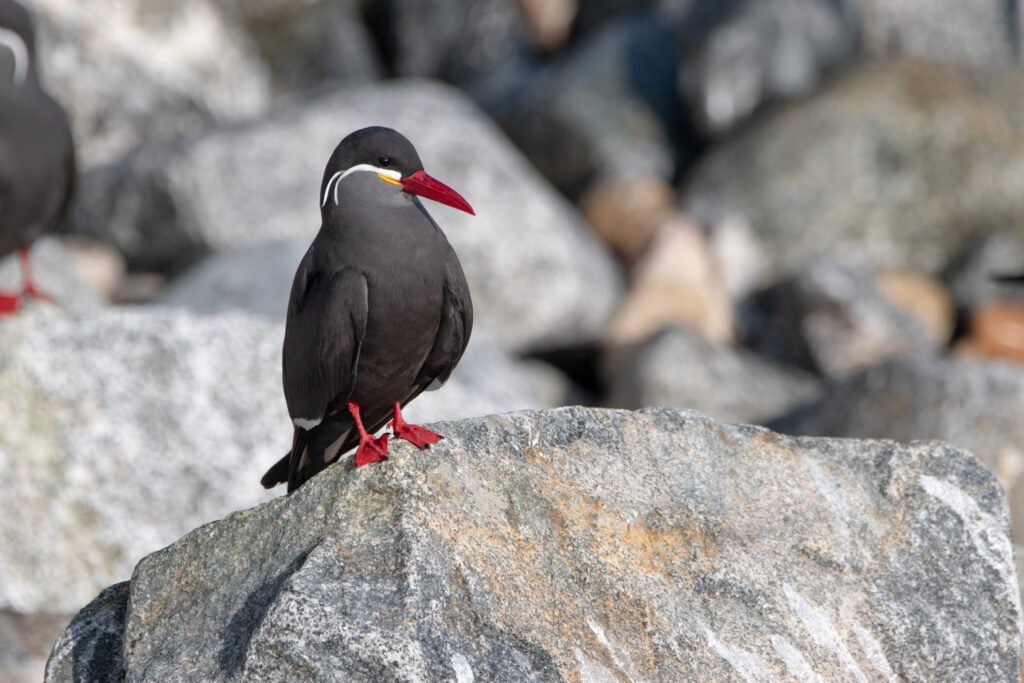
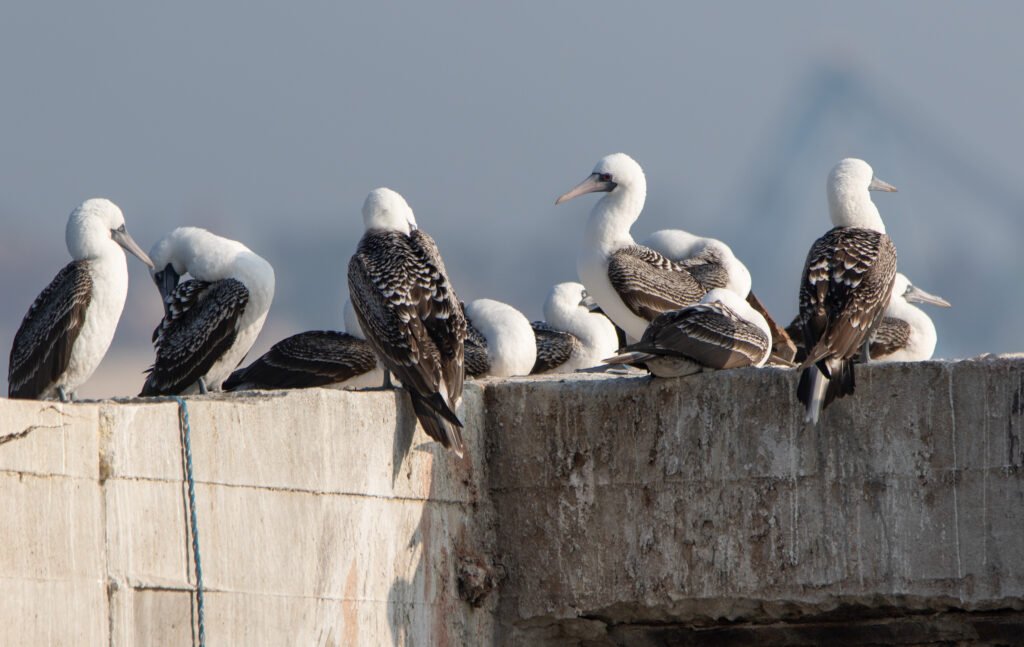
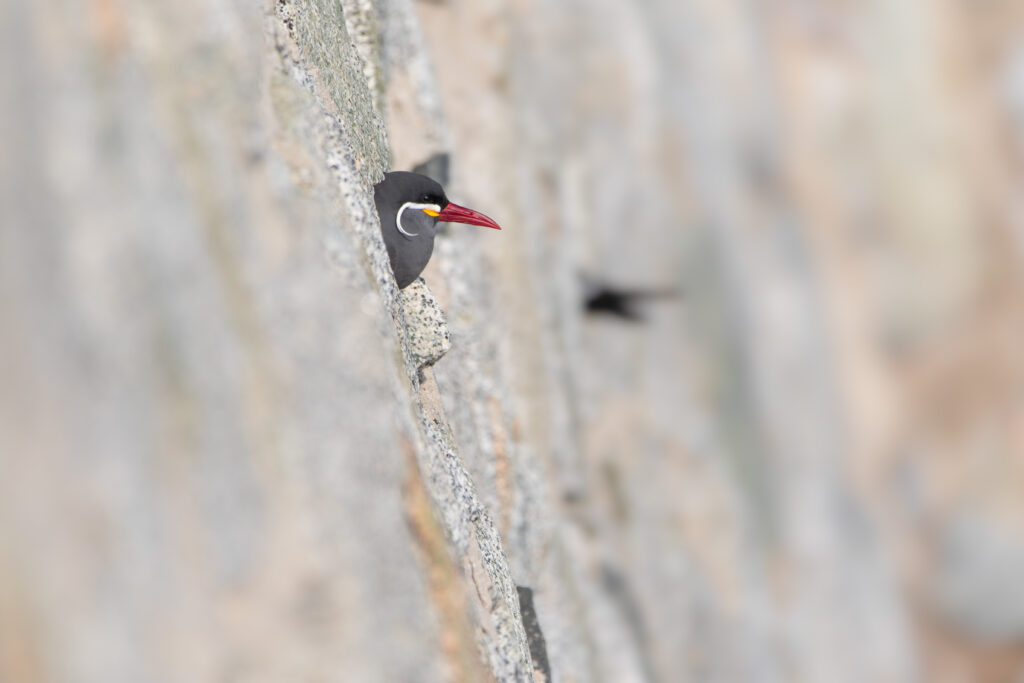
Along the promenade, it is not unusual to see colonies of Peruvian Boobies (Sula variegata) or Inca Terns (Larosterna inca) close to the shore. Cormorants are also present, including Red-legged Cormorants (Poikilocarbo gaimardi) and Guanay Cormorants (Leucocarbo bougainvilliorum). You can also keep an eye out for a small mammal along the water’s edge: the Marine Otter (Lontra felina). At sea, depending on wind strength, some pelagic birds such as albatrosses and shearwaters may be visible from quite far away.
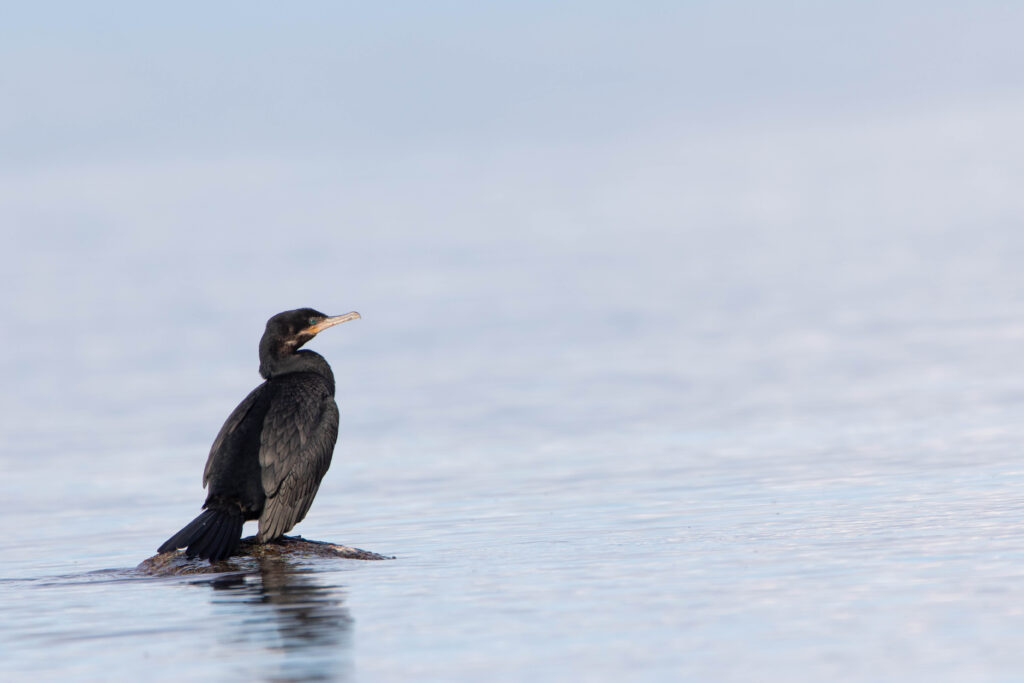
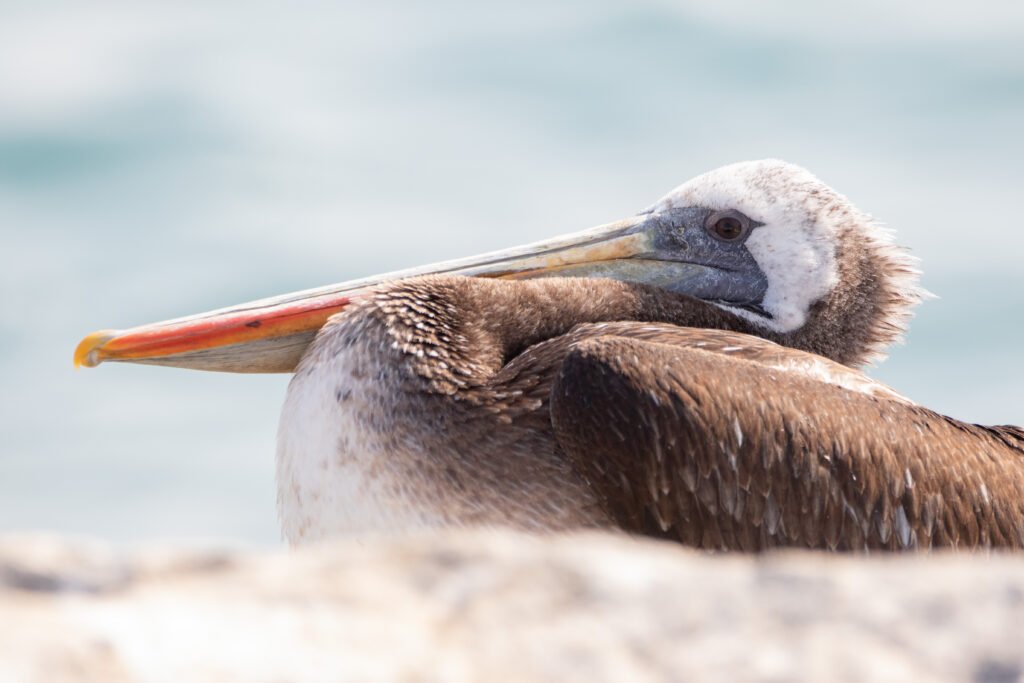
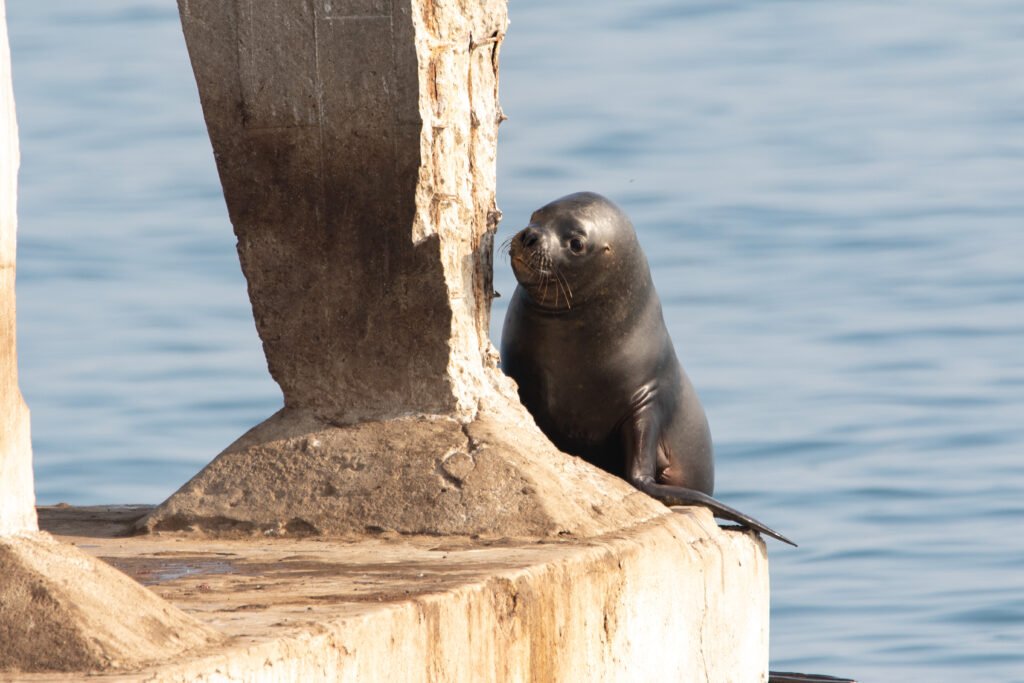
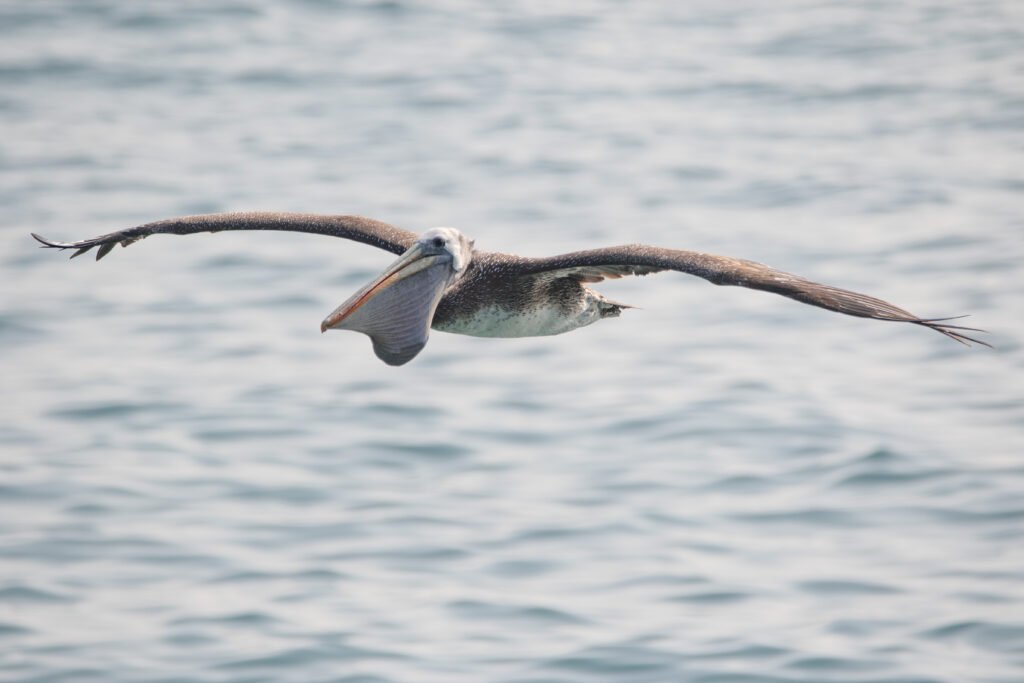
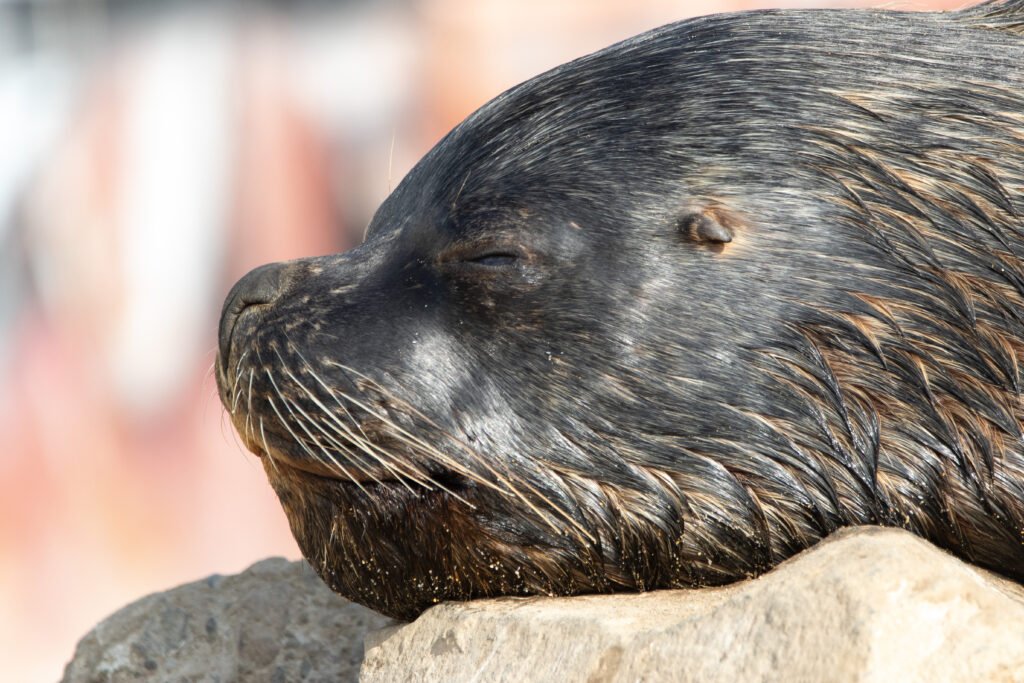
At the fish market, you can see hundreds of birds attracted by the fishermen’s catch. These are mainly Peruvian Pelicans (Pelecanus thagus), but also Neotropic Cormorants (Nannopterum brasilianum). South American Sea Lions (Otaria flavescens) are also present in the middle of the market, feeding on fish carcasses.
Río Aconcagua Estuary
If you do not want to venture too far from Valparaíso, you can head to the northern part of neighbouring Viña del Mar, to the mouth of the Río Aconcagua. The diversity is not particularly impressive, but if you have not explored Chile yet, this is a place where you can see birds different from those found in Valparaíso.
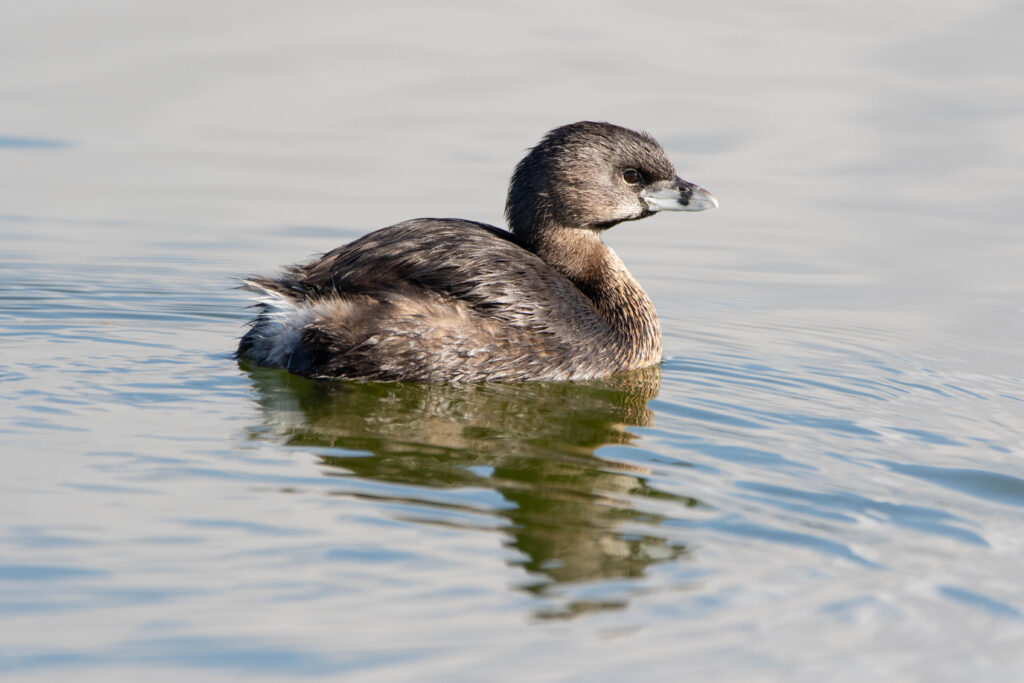
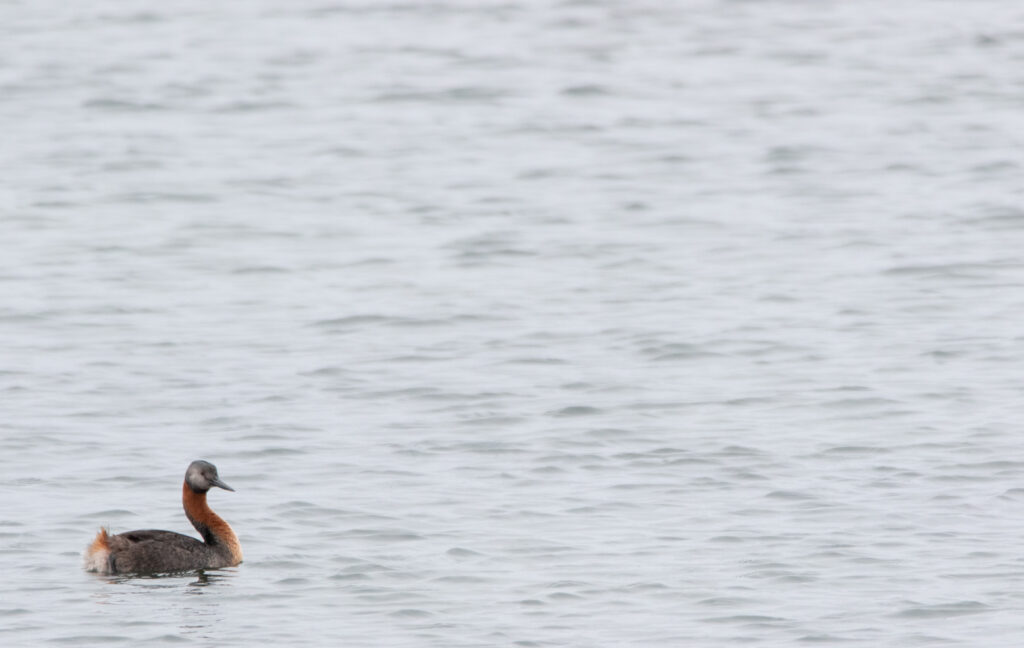
Among other species, you may see Black Skimmers (Rynchops niger), Correndera Pipits (Anthus correndera), Lake Ducks (Oxyura vittata), Cocoi Herons (Ardea cocoi), Great Grebes (Podiceps major) and Pied-billed Grebes (Podilymbus podiceps). Many shorebirds, ducks and herons frequent this estuary, which may be worth a short detour if you have time.
Pelagic Trip
Valparaíso is very close to the Humboldt Current, a cold, low-salinity ocean current that flows from south to north, bringing large amounts of nutrients. This exceptional nutrient supply creates a very rich marine ecosystem. Wildlife, including birds, is therefore abundant in this current. To see some of these birds, you can take a pelagic boat trip from Valparaíso or the nearby village of Quintero. Agencies such as Birdwatching Chile and Albatros Birding offer trips once or twice a month. This activity is quite expensive, at around $120 per person, but it allows you to observe exceptional pelagic birds such as albatrosses, shearwaters, petrels, storm petrels and penguins.
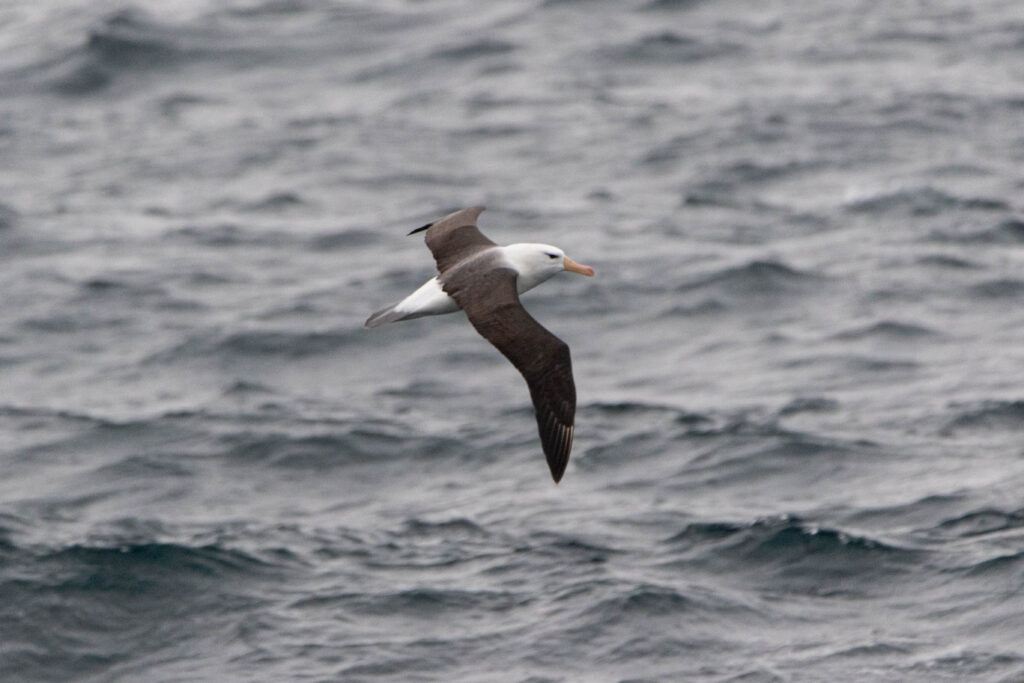
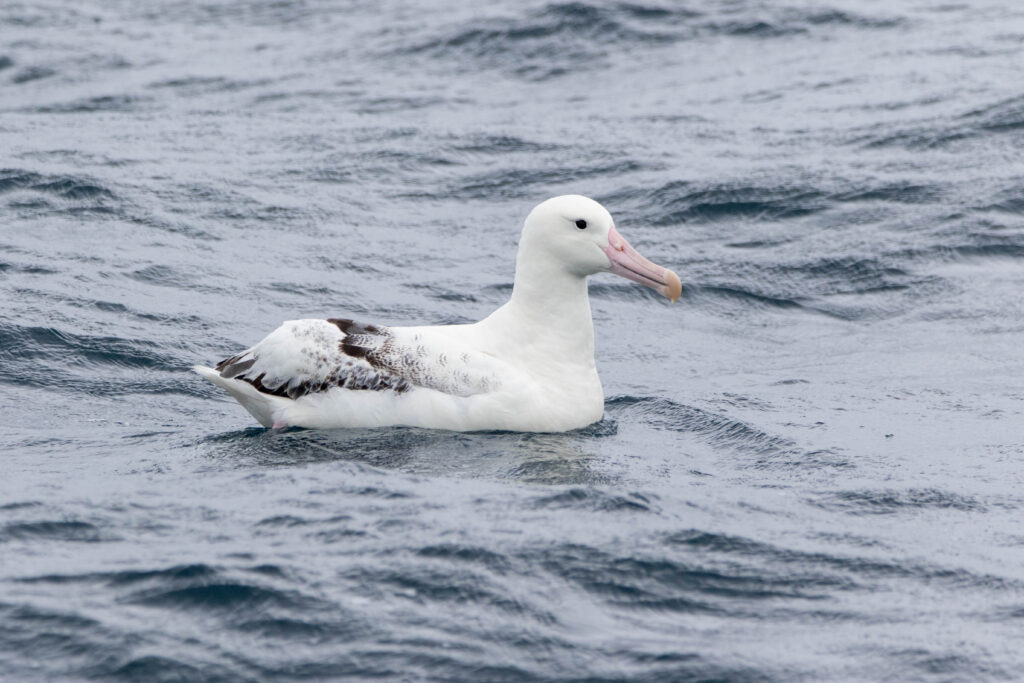
Among these birds are the two penguin species: Humboldt Penguin (Spheniscus humboldti) and Magellanic Penguin (Spheniscus magellanicus). Up to eight albatross species can be seen. The most common are Black-browed Albatross (Thalassarche melanophris), Salvin’s Albatross (Thalassarche salvini), Southern Royal Albatross (Diomedea epomophora), Northern Royal Albatross (Diomedea sanfordi) and Buller’s Albatross (Thalassarche bulleri). Less frequently, you may encounter Chatham Albatross (Thalassarche eremita), or much rarer species such as Waved Albatross (Phoebastria irrorata), Antipodean Albatross (Diomedea antipodensis) and Shy Albatross (Thalassarche cauta).
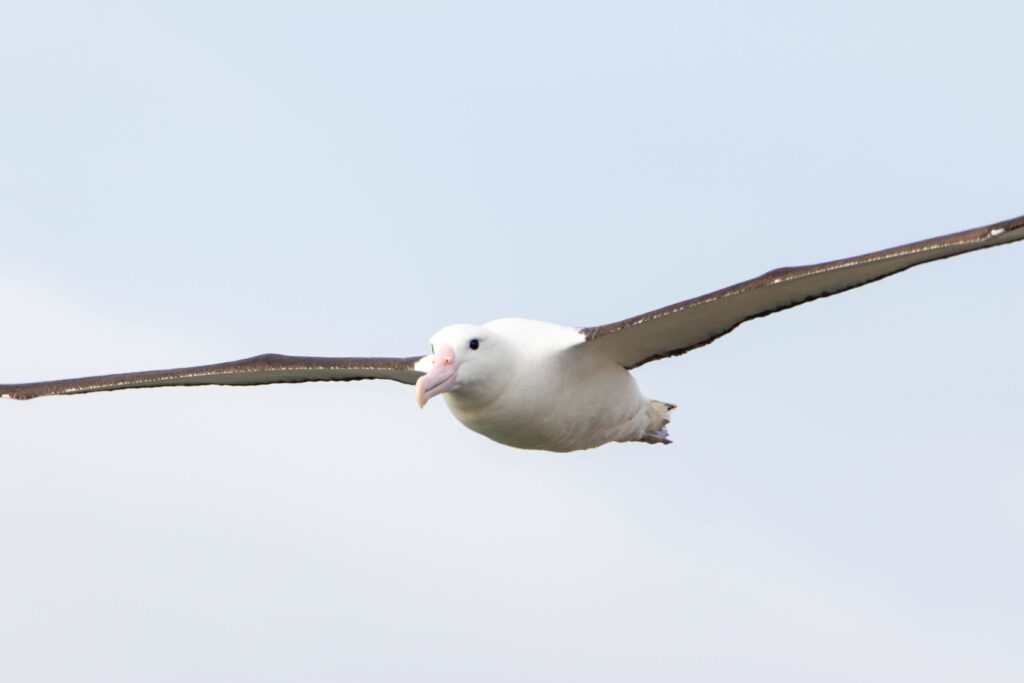
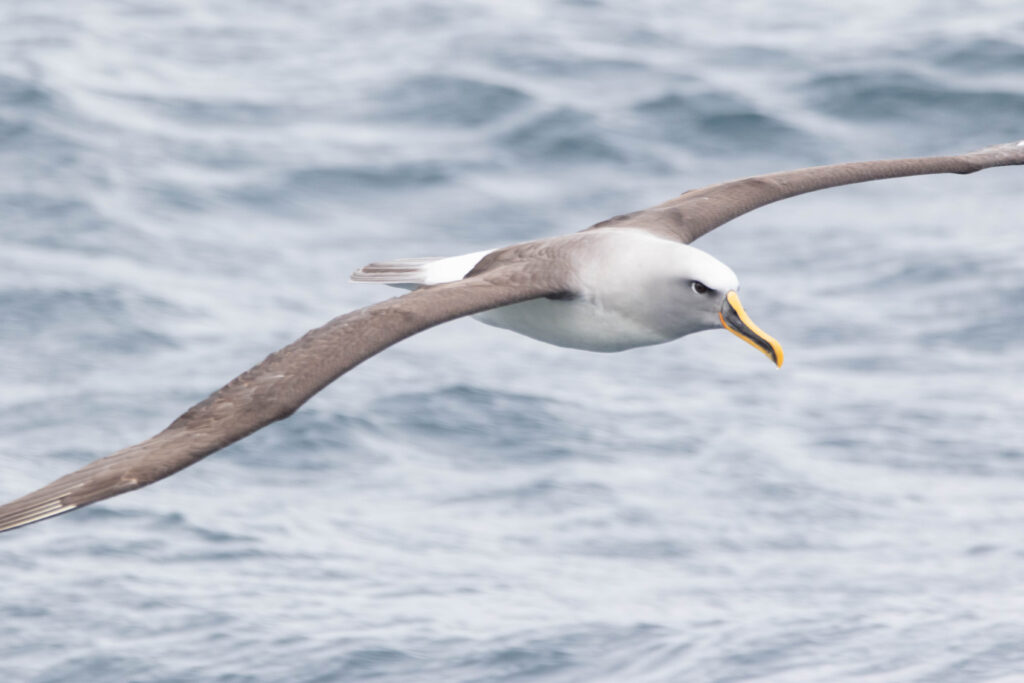
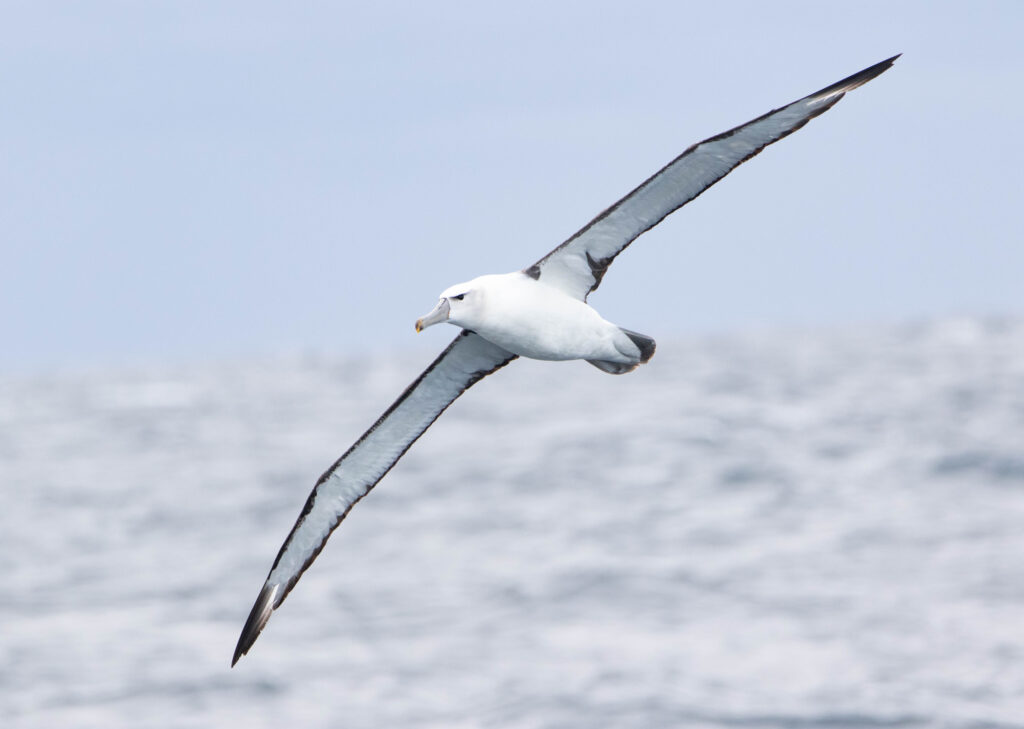
Although albatrosses are the most majestic pelagic birds (and birds in general… entirely objectively 😁), other interesting families can also be found, such as petrels and shearwaters. These include Southern Giant Petrel (Macronectes giganteus), Northern Giant Petrel (Macronectes halli), Masatierra Petrel (Pterodroma defilippiana) and Juan Fernandez Petrel (Pterodroma externa). Other shearwaters are also present, including Buller’s Shearwater (Ardenna bulleri), Manx Shearwater (Puffinus puffinus), Westland Petrel (Procellaria westlandica), White-chinned Petrel (Procellaria aequinoctialis) and Pink-footed Shearwater (Ardenna creatopus).
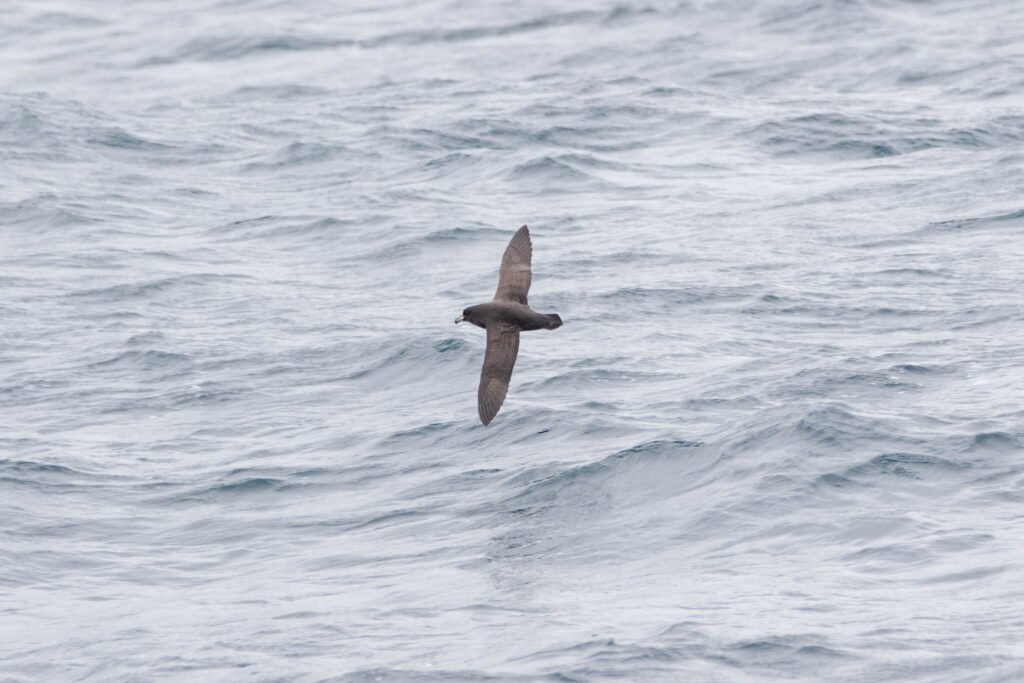
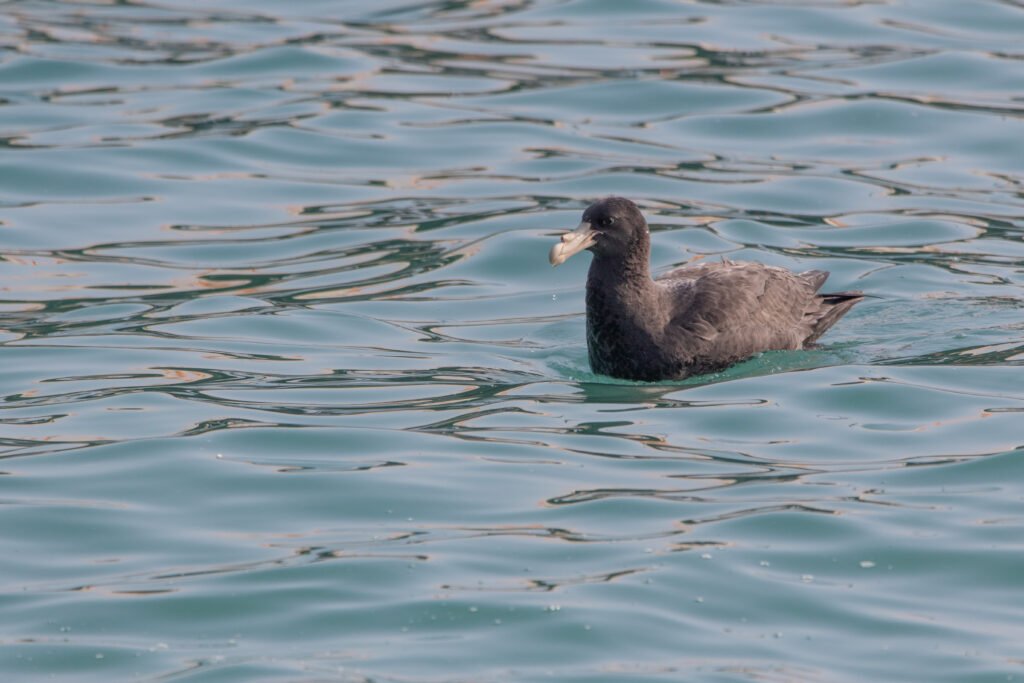
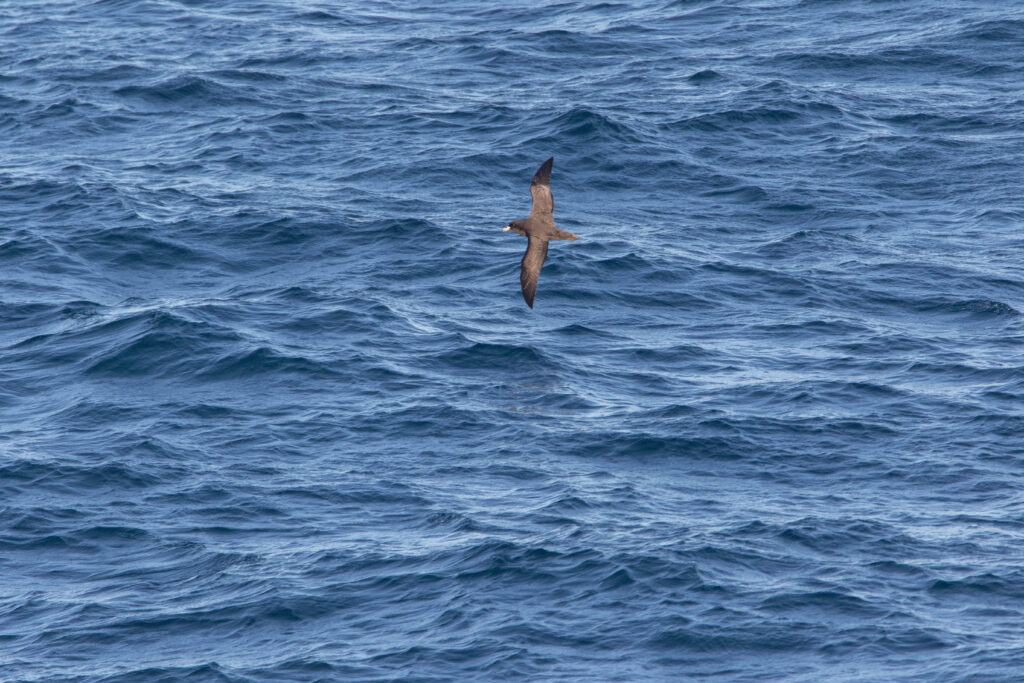
Among the other pelagic birds, you may see Pintado Petrel (Daption capense), Southern Fulmar (Fulmarus glacialoides), Chilean Skua (Stercorarius chilensis), Peruvian Diving Petrel (Pelecanoides garnotii) and Wilson’s Storm Petrel (Oceanites oceanicus).
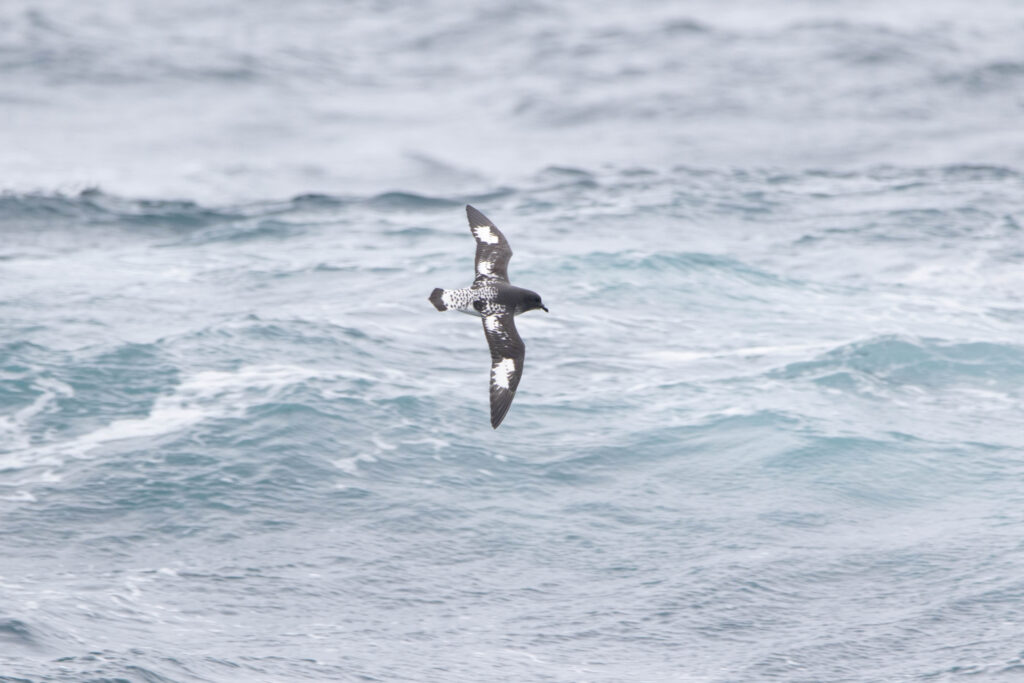
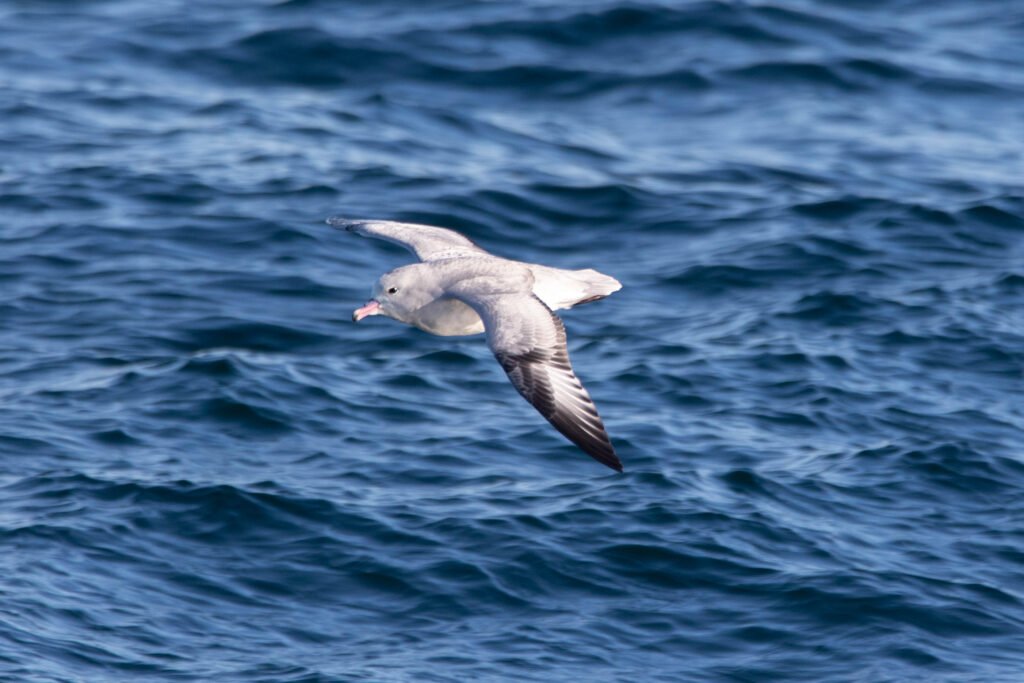
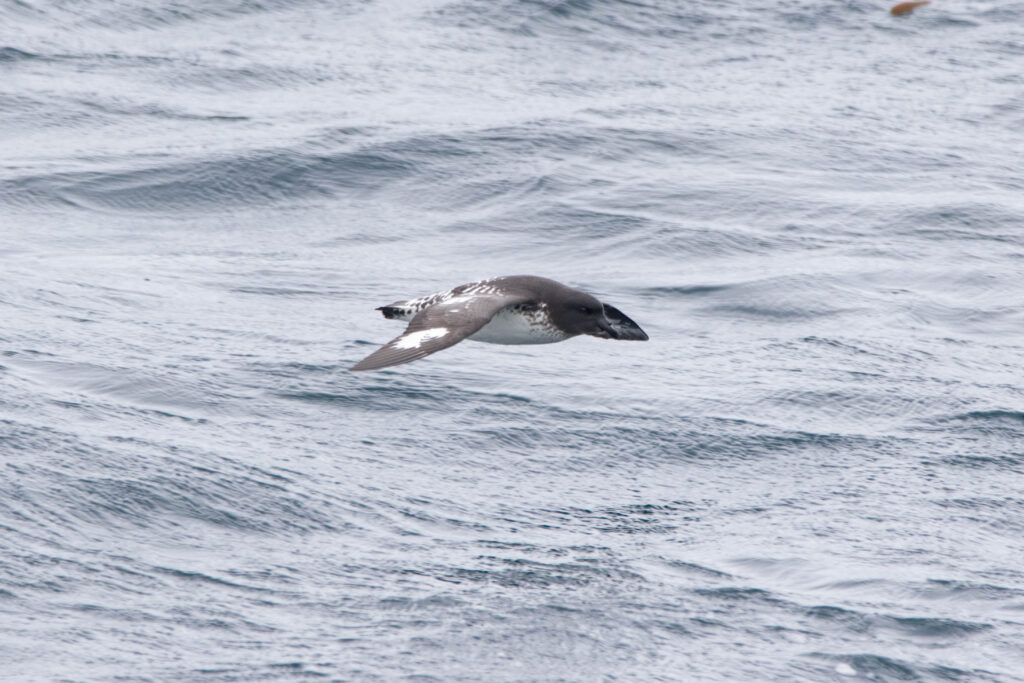
As for rarities, you may see Slender-billed Prion (Pachyptila belcheri) or Arctic Tern (Sterna paradisaea).
Posada del parque
Posada del Parque is located further north of Viña del Mar, about 30 minutes from Valparaíso. It is a private reserve made up of several ecosystems and owned by the same family for many years. The owners protect this area and the Mantagua Wetland. For 4,500 CLP per person, you can walk along the trails in the reserve. There is no public transport to get there. You will need your own vehicle or take a taxi to the location below.
Here is the map of Posada del Parque:

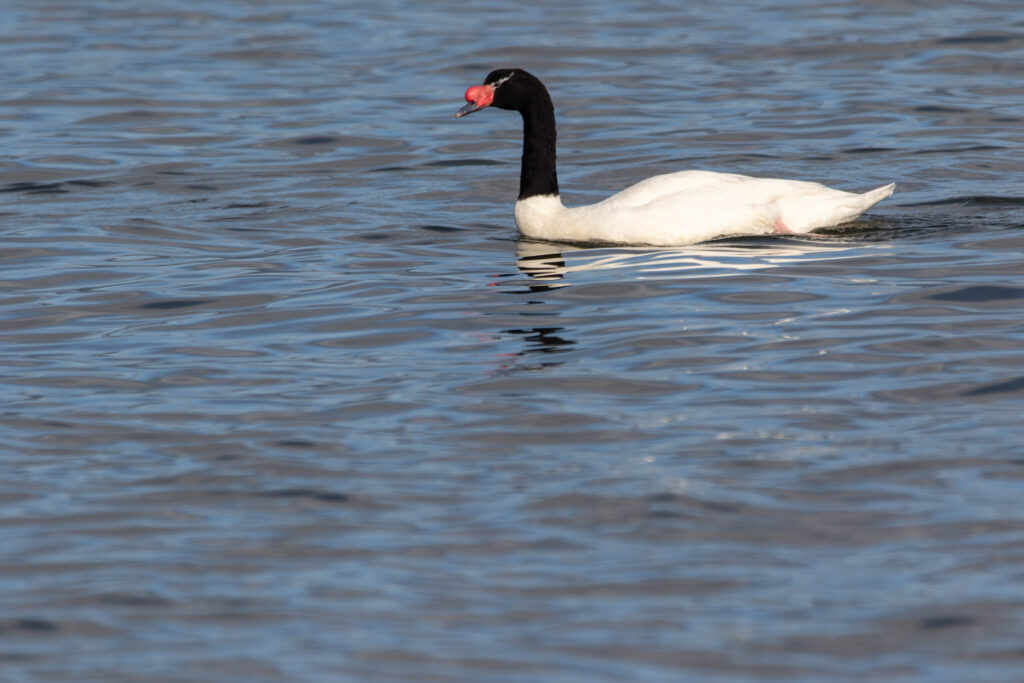
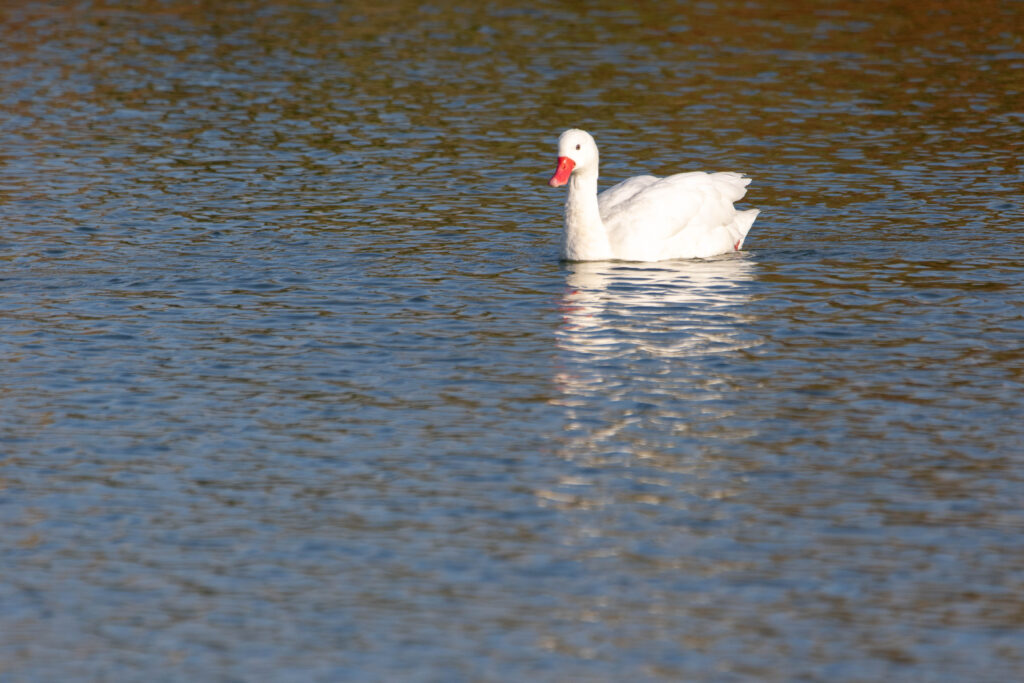
Some trails lead to ponds, while others reach the coastal areas, passing through a variety of habitats that provide shelter for numerous bird species. Several species of waterfowl can be observed along the estuary or at the reservoir (14 species on the map), including Cinnamon Teal (Spatula cyanoptera), Yellow-billed Pintail (Anas georgica), Chiloe Wigeon (Mareca sibilatrix) and Black-headed Duck (Heteronetta atricapilla).
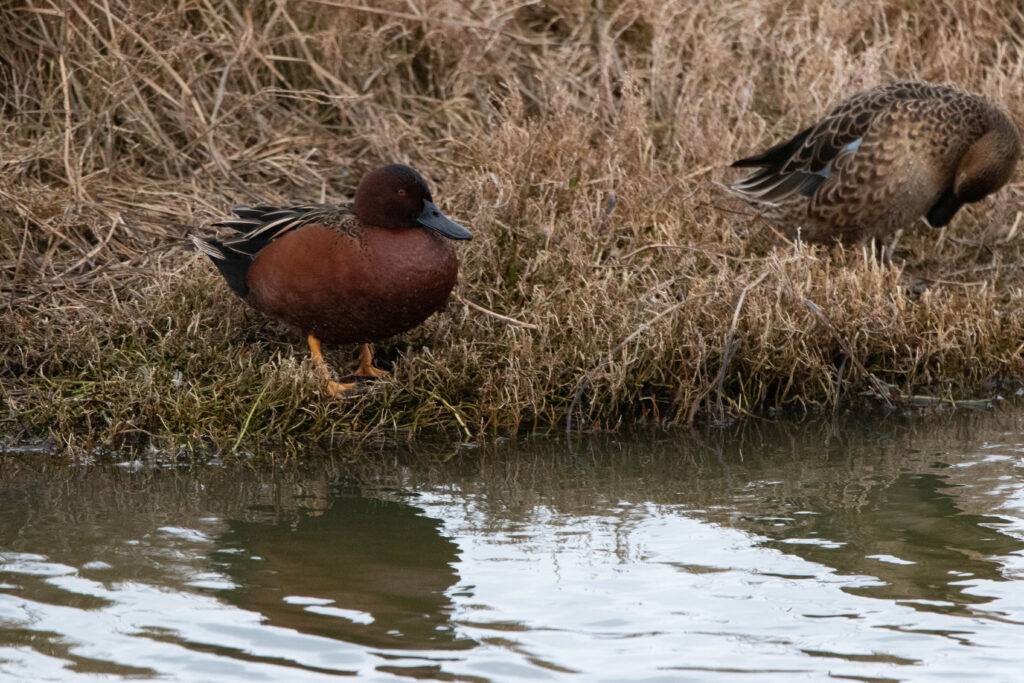
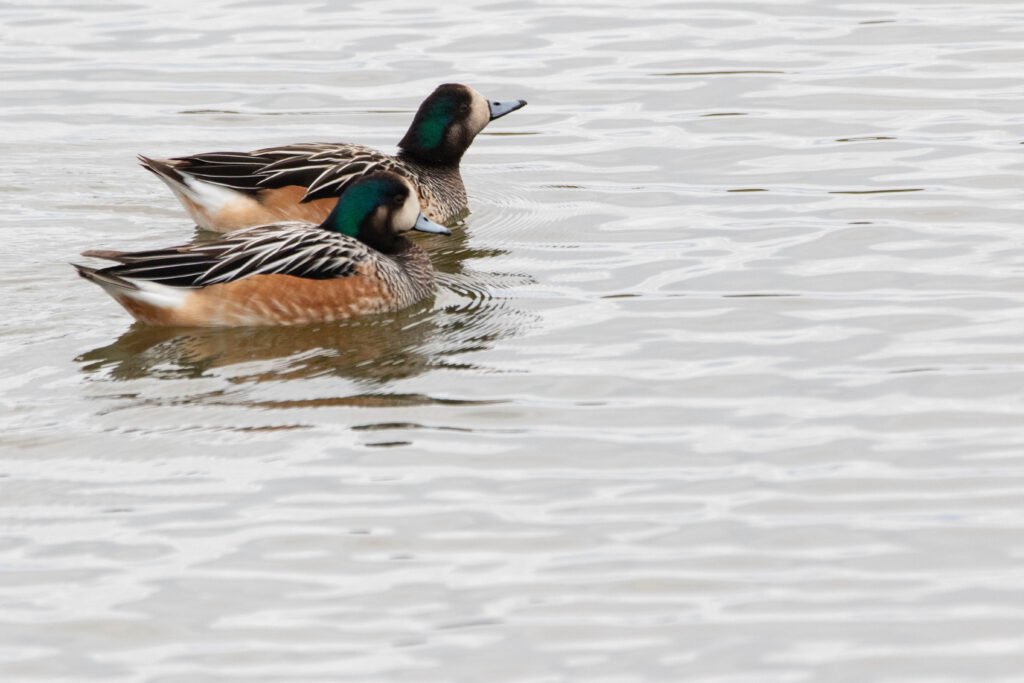
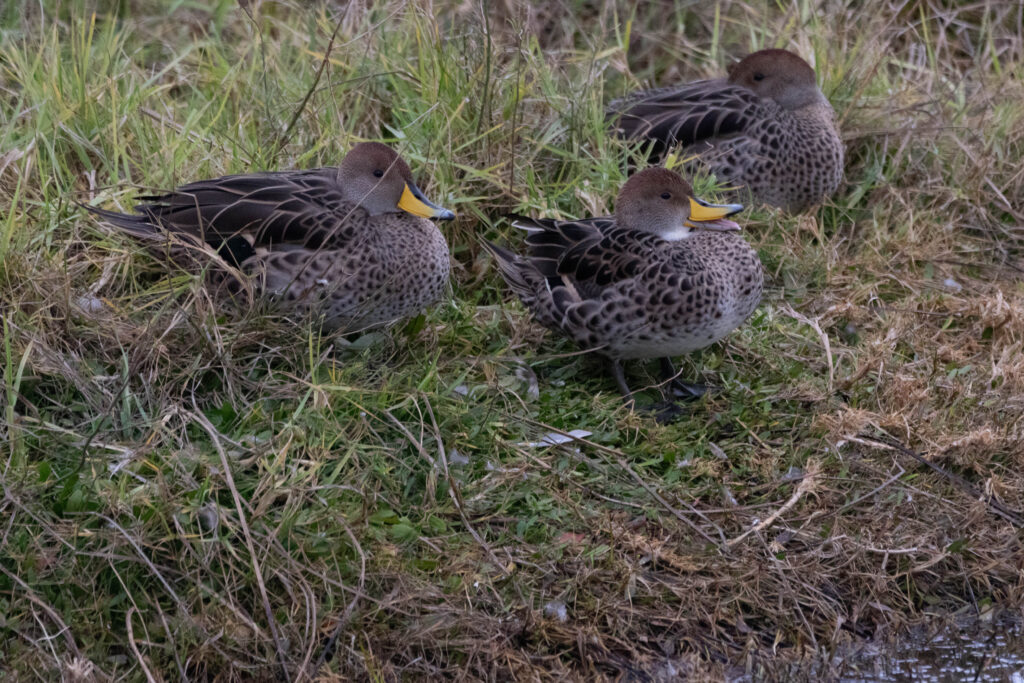
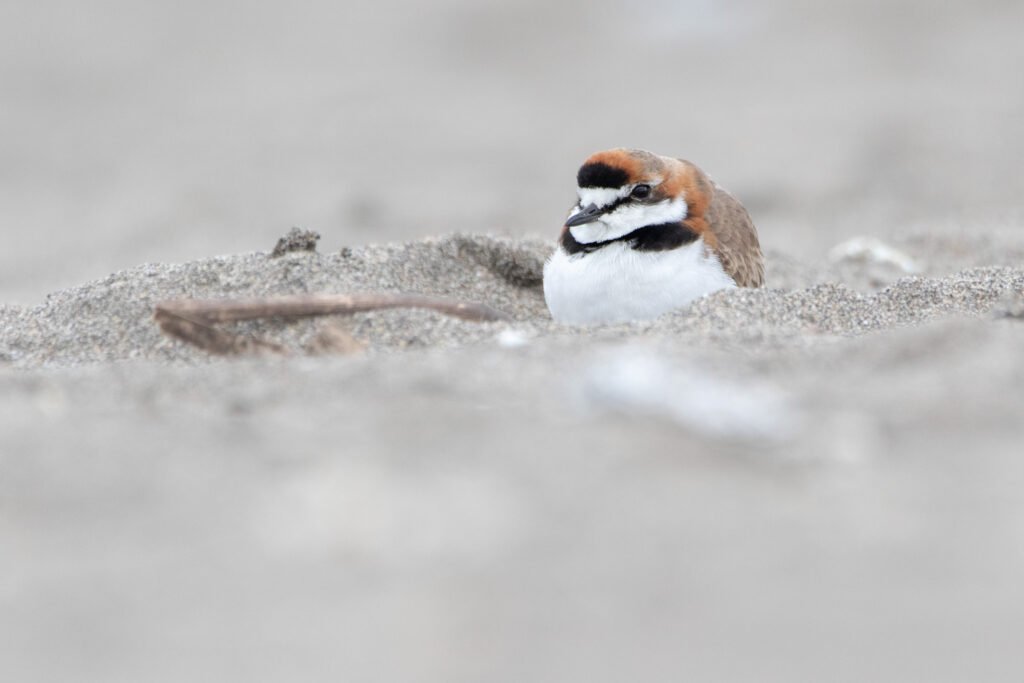
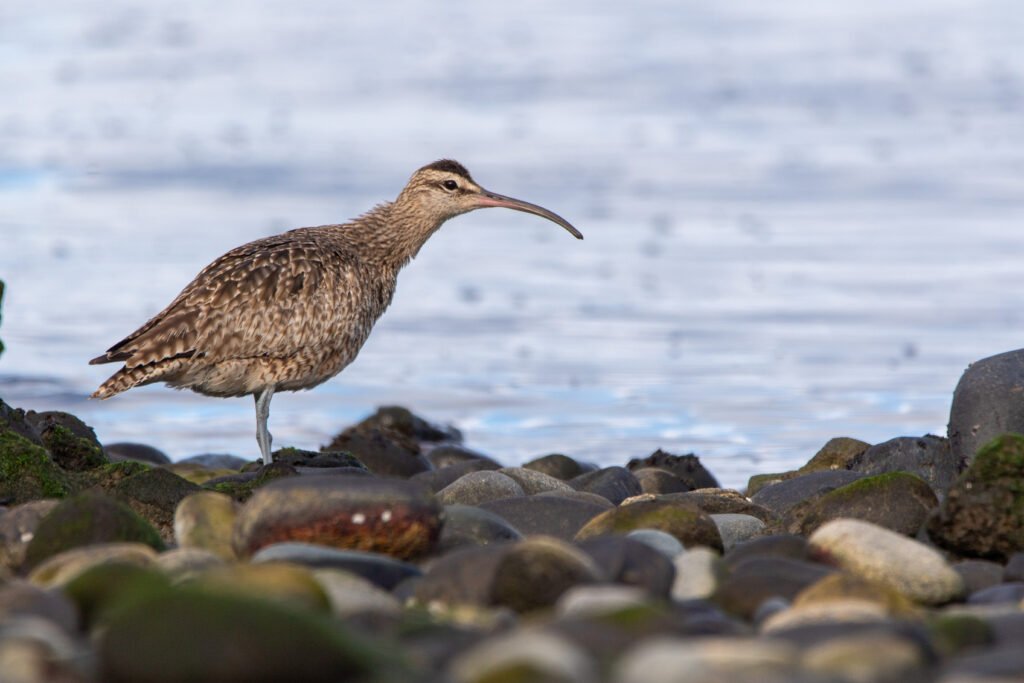
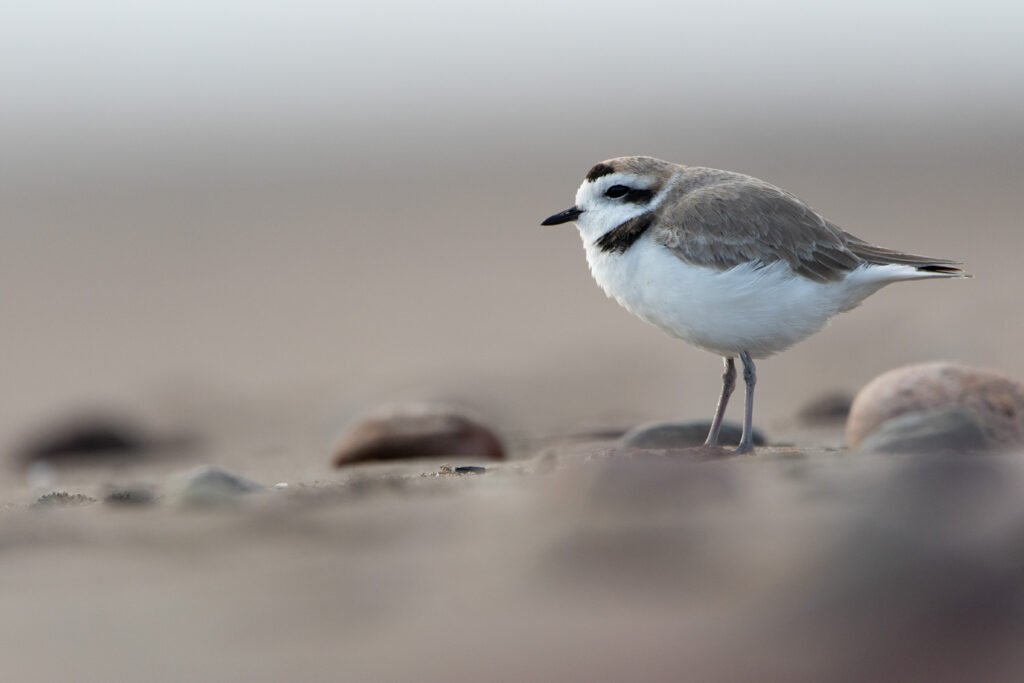
Along the dunes and beaches, you can find Hudsonian Whimbrel (Numenius hudsonicus), Snowy Plover (Anarhynchus nivosus), Collared Plover (Anarhynchus collaris), Rufous-chested Dotterel (Zonibyx modestus), Black-necked Stilt (Himantopus mexicanus) and Grey Gull (Leucophaeus modestus). Other shorebirds can be found along the estuary, including Magellanic Snipe (Gallinago magellanica), Semipalmated Sandpiper (Calidris pusilla), Grey Plover (Pluvialis squatarola), Baird’s Sandpiper (Calidris bairdii) and many other sandpipers and shorebirds.
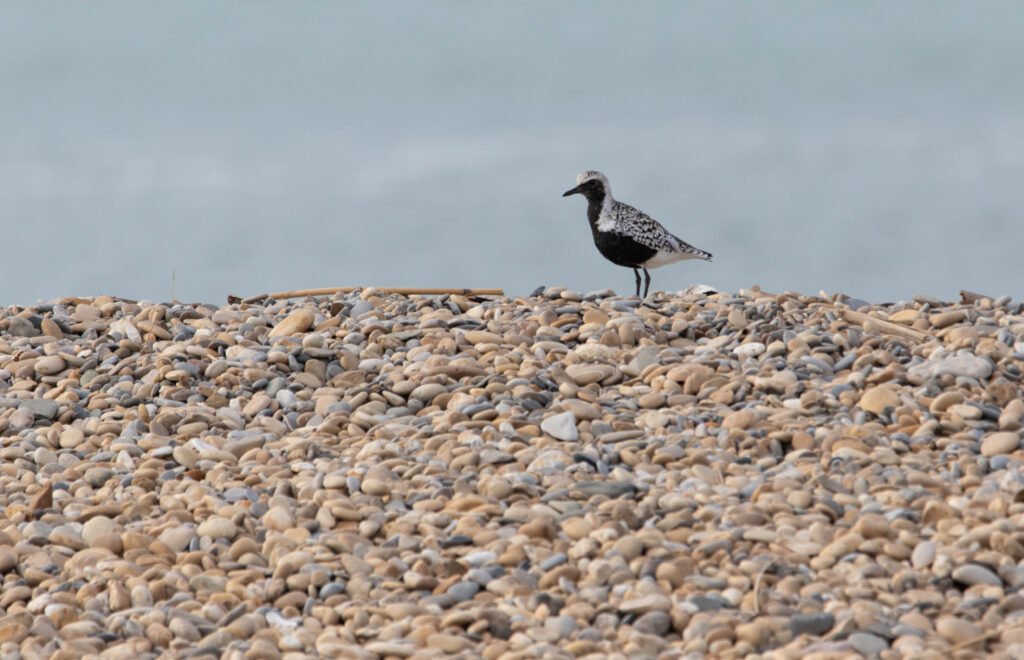
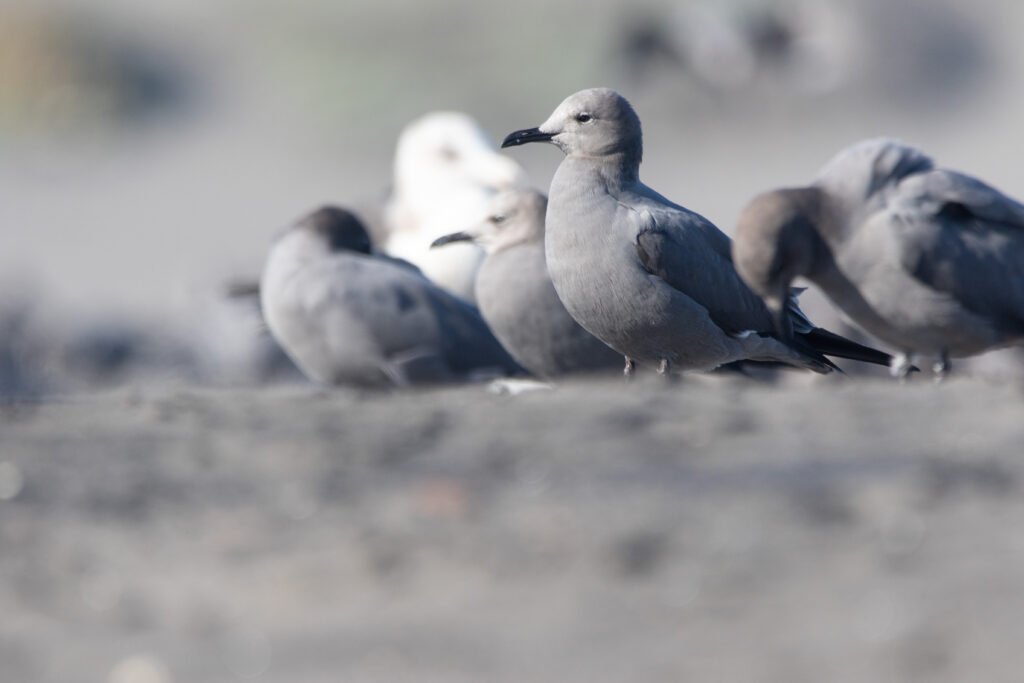
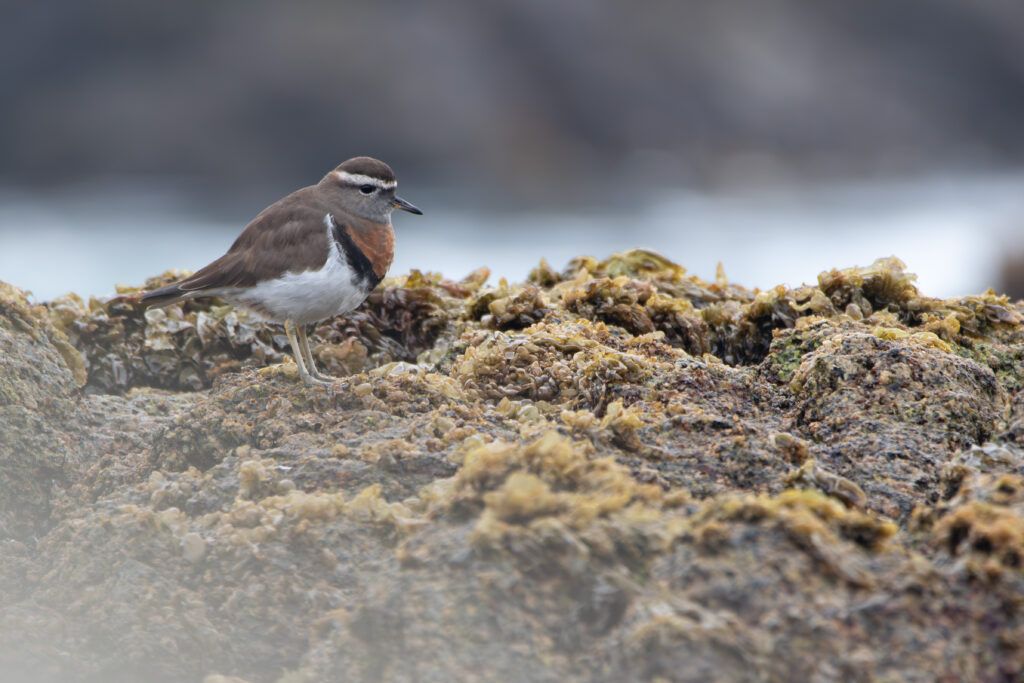
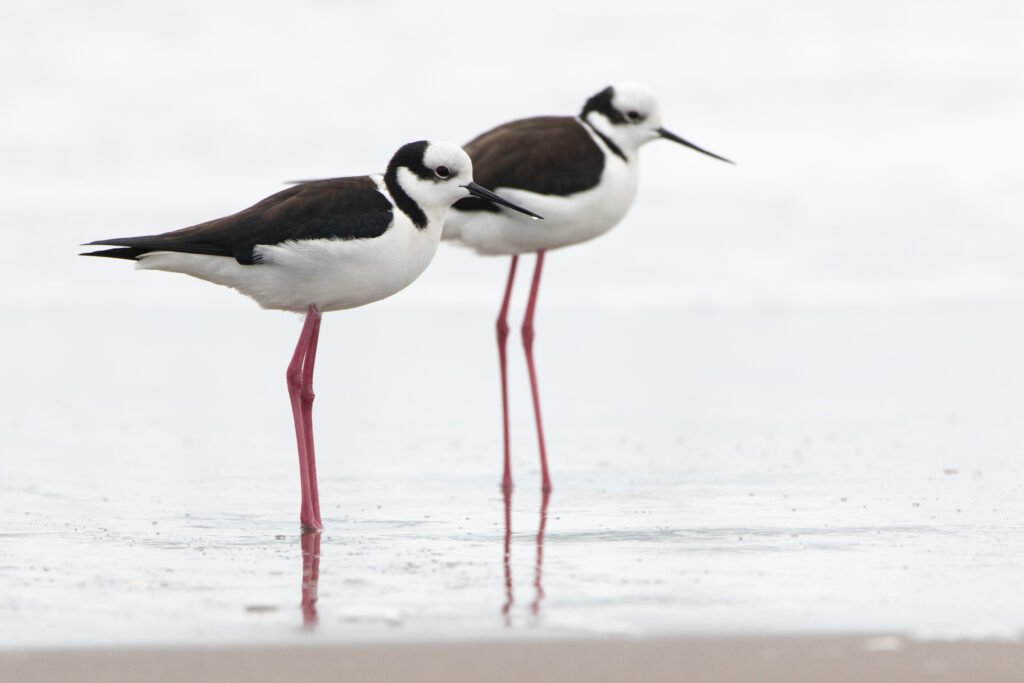
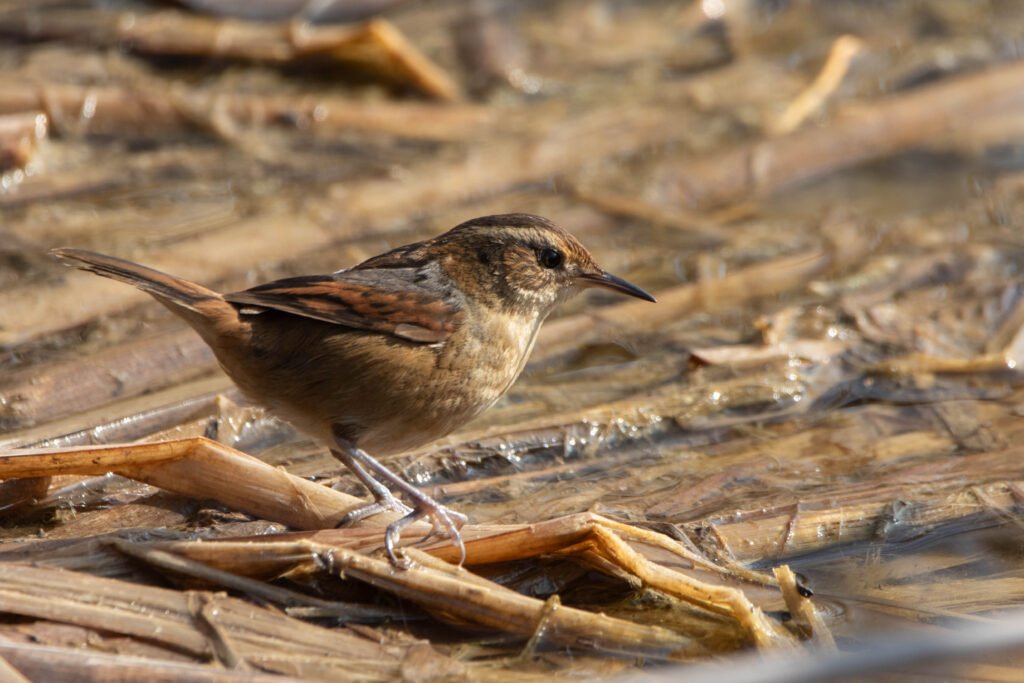
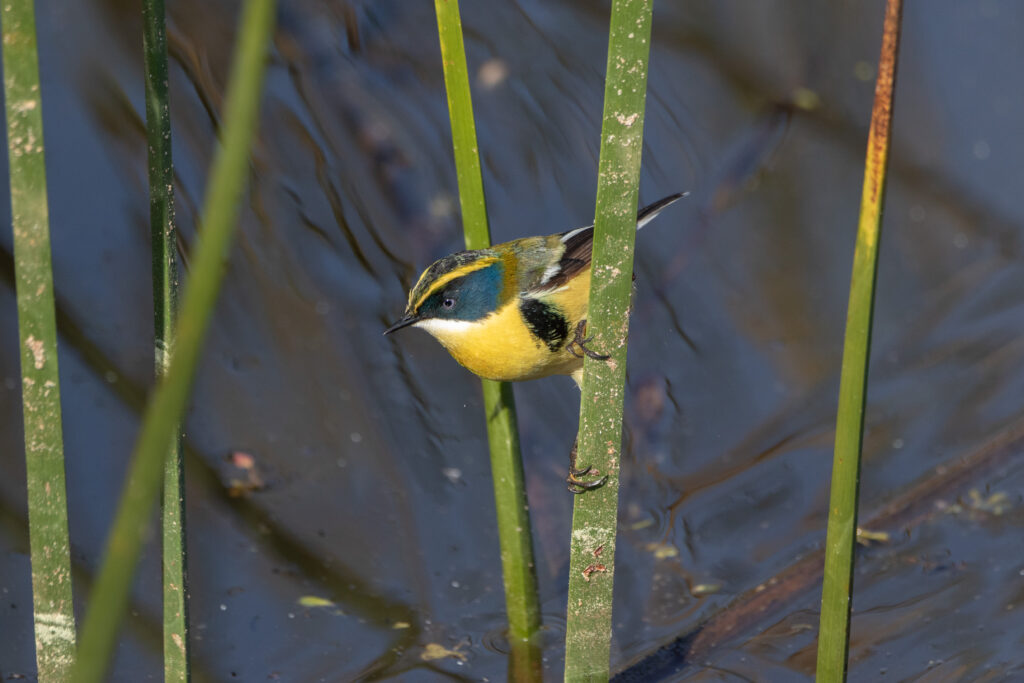
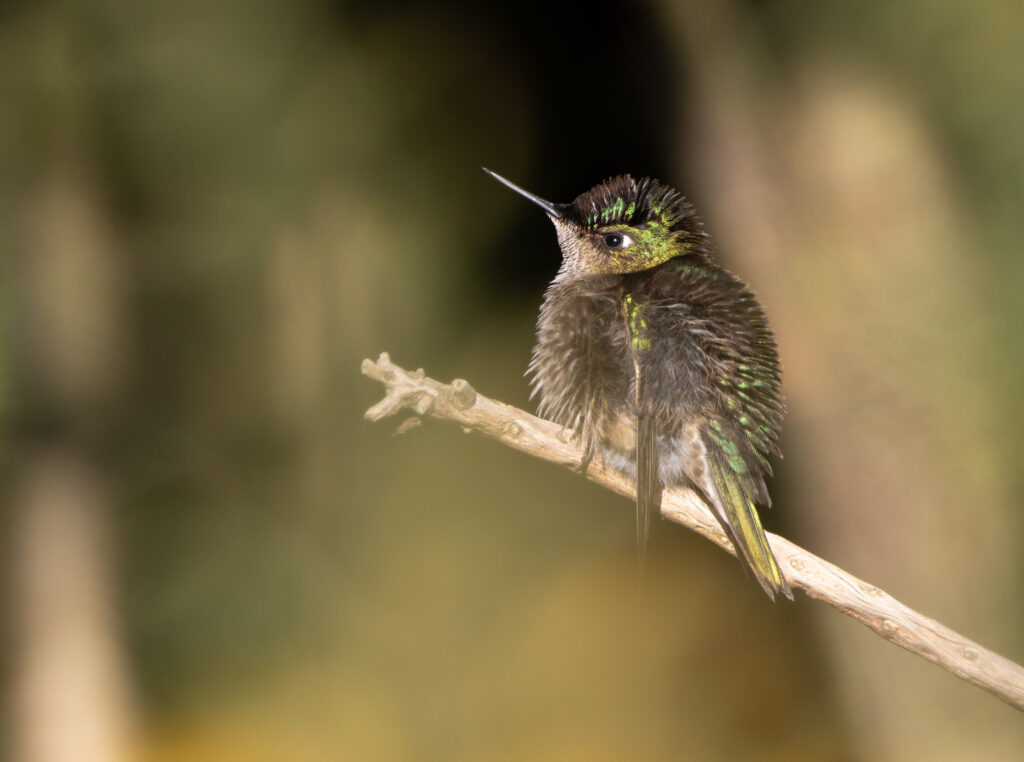
Many passerines can also be found in the forests, reedbeds and along the trails surrounding the ponds. Among them are the beautiful Many-colored Rush Tyrant (Tachuris rubrigastra) and its companion, the Wren-like Rushbird (Phleocryptes melanops), as well as more elusive species such as Dusky Tapaculo (Scytalopus fuscus), Patagonian Forest Earthcreeper (Upucerthia saturatior) and Austral Canastero (Asthenes anthoides). Large numbers of Green-backed Firecrowns (Sephanoides sephaniodes) can also be seen.
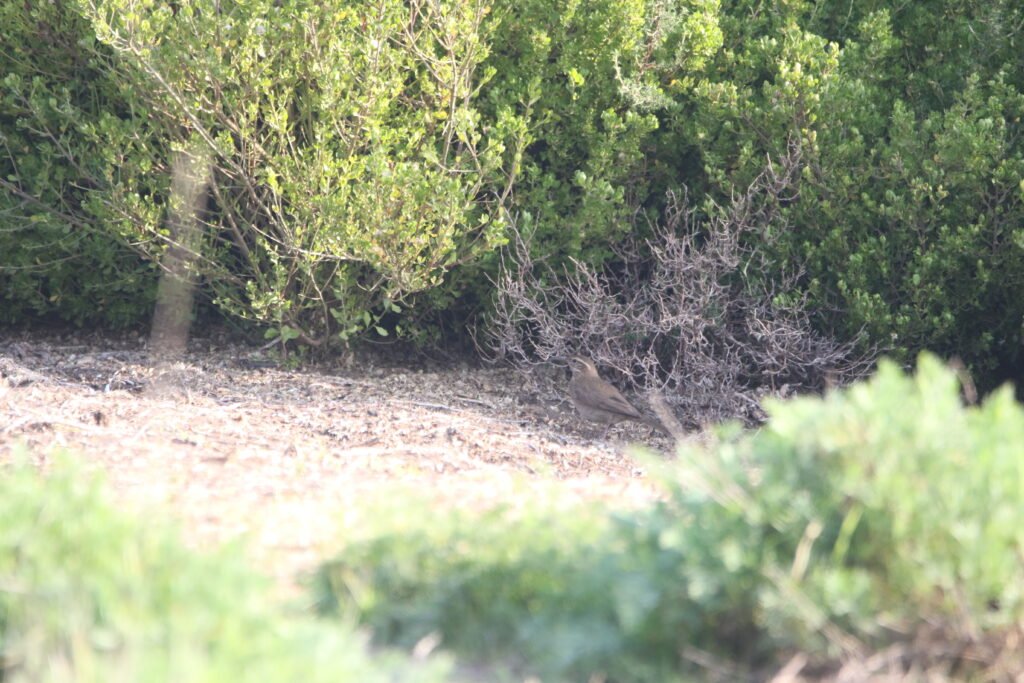
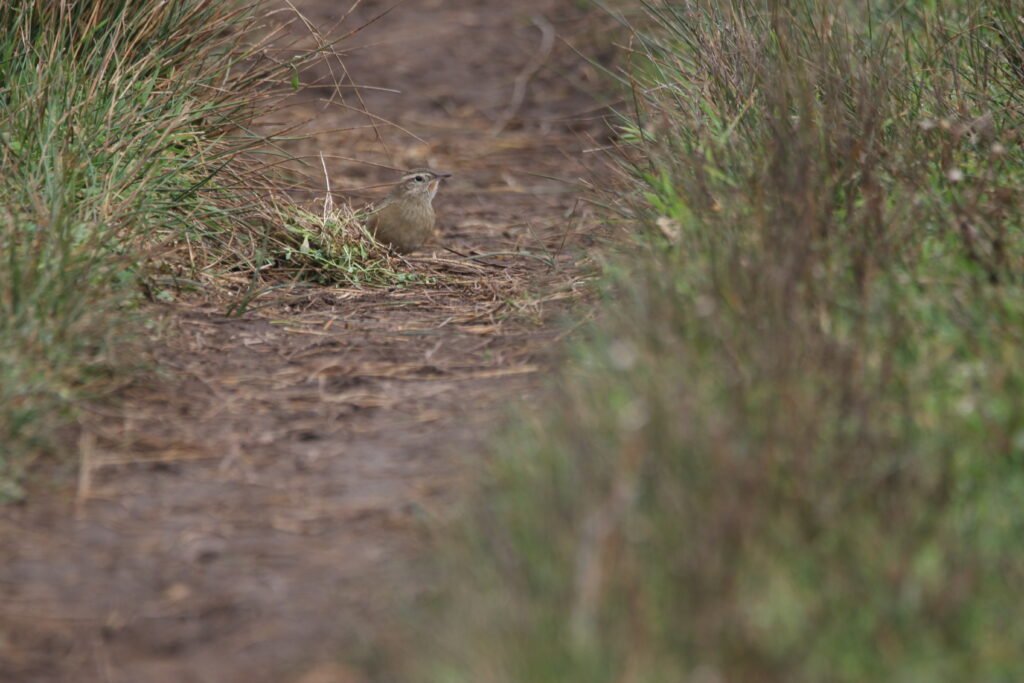
With a bit of luck, a Lesser Horned Owl (Bubo magellanicus) can be spotted in the forest. A few rarities also turn up from time to time at Posada del Parque. These include Black Rail (Laterallus jamaicensis), White-banded Mockingbird (Mimus triurus), Least Sandpiper (Calidris minutilla) and Pectoral Sandpiper (Calidris melanotos).
How to Get to Valparaíso or Viña del Mar?
Getting to Valparaíso or Viña del Mar is straightforward. If you have your own vehicle, both cities are served by major roads, so you should have no problem reaching them. However, the city centre of Valparaíso can be quite congested. Driving through the historic neighbourhoods is difficult, if not impossible, on some streets. You will need to park in one of the city’s car parks.
Public transport is just as easy. The main bus companies serve Valparaíso and Viña del Mar from nearby cities. For example, from Santiago de Chile, there should be a bus every 15 minutes heading to Valparaíso from either San Borja Terminal or Alameda Terminal.
Where to Stay in Valparaíso?
As in any large city, finding accommodation in Valparaíso is not a problem. We recommend staying in Valparaíso rather than Viña del Mar. Valparaíso is prettier and much more authentic. You can then travel to the different locations mentioned in this article for your birdwatching outings.
In Valparaíso, you can stay in the beautiful Cerro Alegre or Cerro Concepción neighbourhoods. You could choose a hotel such as Hotel Manoir Atkinson or Ayca La Flora Hotel Boutique. You can also book beautiful Airbnb accommodation right in the heart of the colourful neighbourhoods, or stay in a hostel if you are travelling on a smaller budget.


Pingback: Posada del Parque: At the Gateway to the Mantagua Wetland in Valparaíso - Birdalia