


Birding at Kinabalu Park
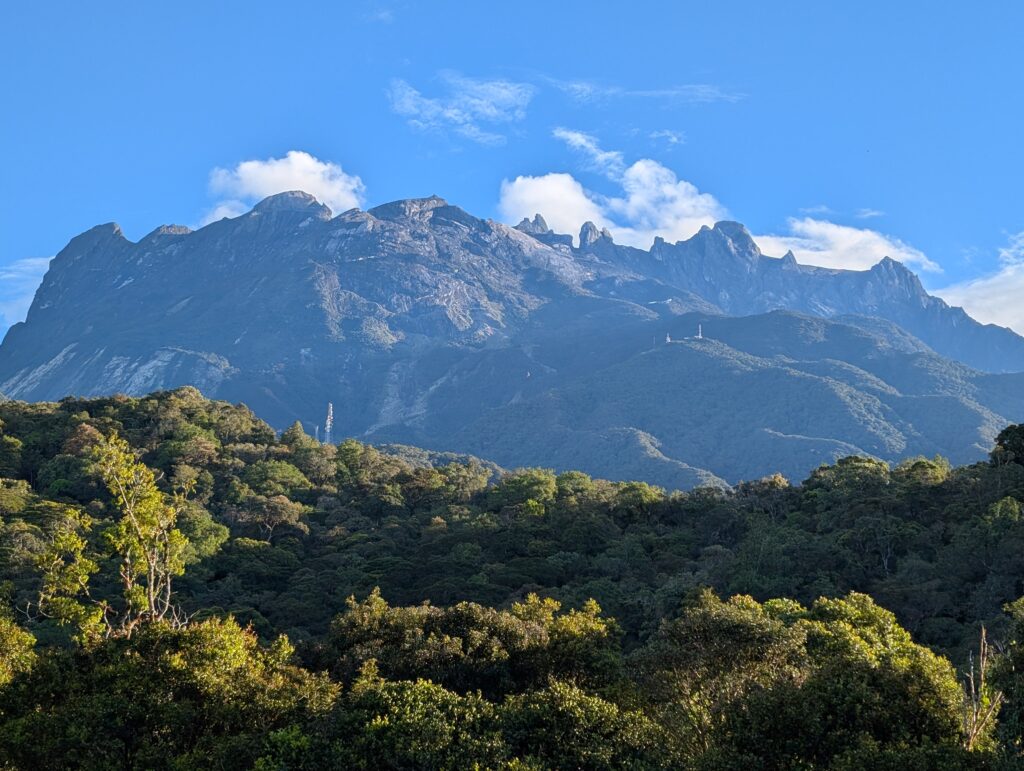
Kinabalu Park is extremely well known and heavily visited for its summit rising to 4,095 meters: Mount Kinabalu. This altitude makes it the highest peak in Malaysia. Among the many visitors to the park are hikers, guides, and porters climbing toward the summit. But alongside them are also a few birdwatchers in search of rare and Borneo-endemic species.
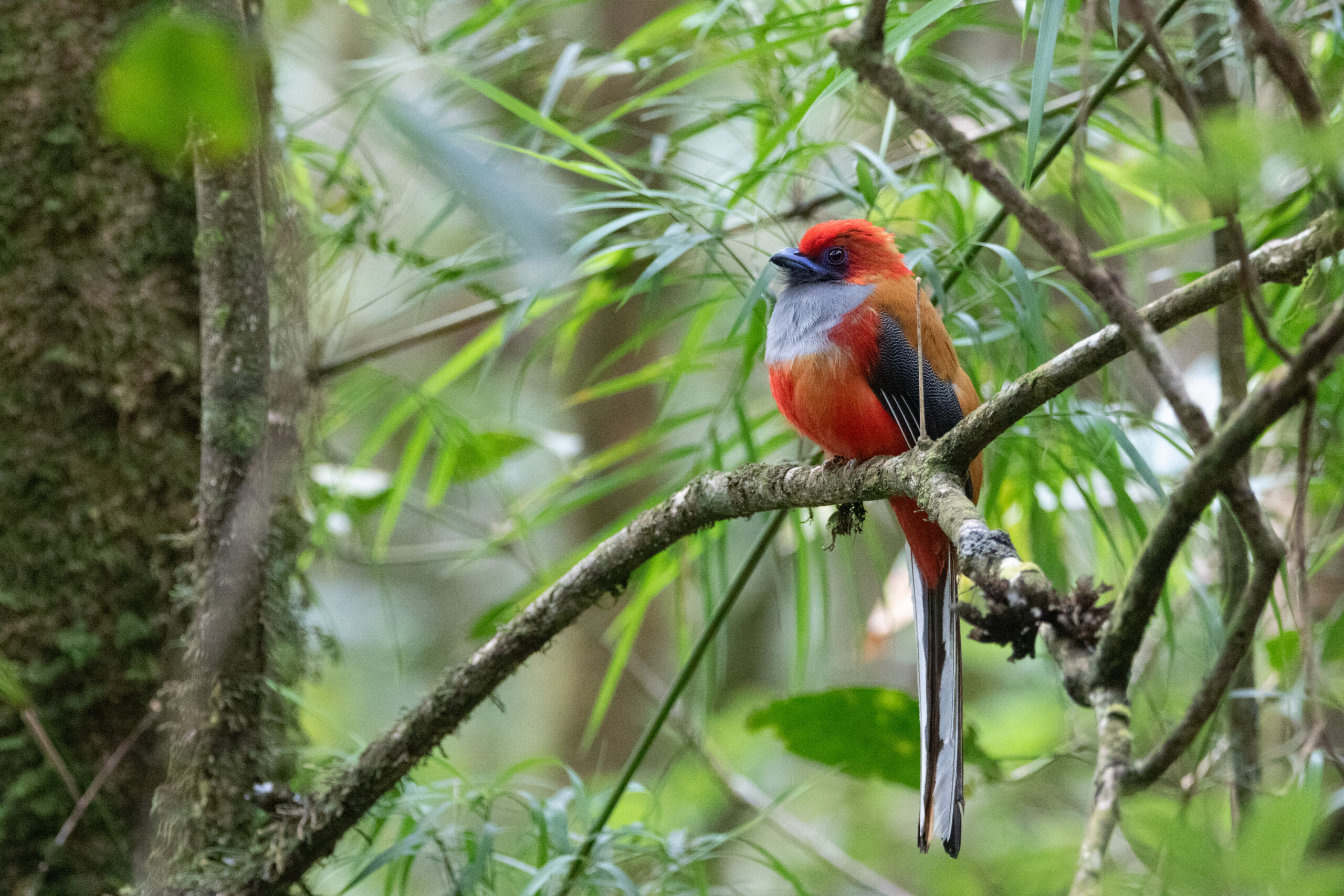
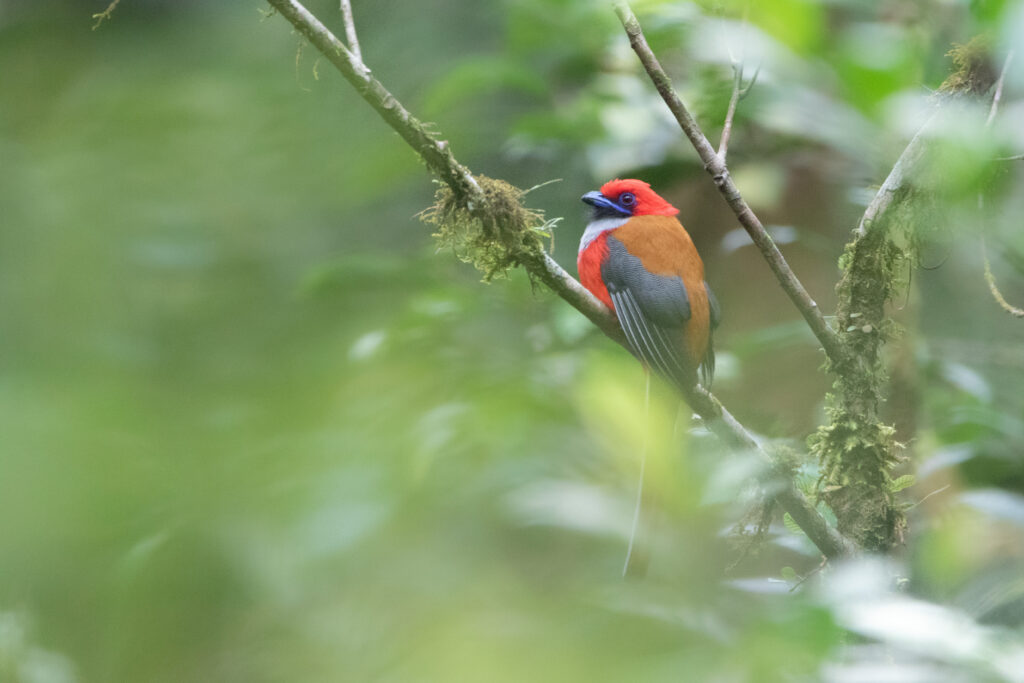
Kinabalu Park is particularly famous for hosting a legendary trio of birds known as Whitehead’s trio, which includes Whitehead’s Trogon (Harpactes whiteheadi), Whitehead’s Broadbill (Calyptomena whiteheadi), and Whitehead’s Spiderhunter (Arachnothera juliae). The trogon is generally the easiest to see, followed by the broadbill, while the spiderhunter is often the most challenging to find. Kinabalu Park makes for an excellent stop either before or after visiting Crocker Range or Kota Kinabalu.
Where to see birds in Kinabalu Park?
Lower part of Power Station Road
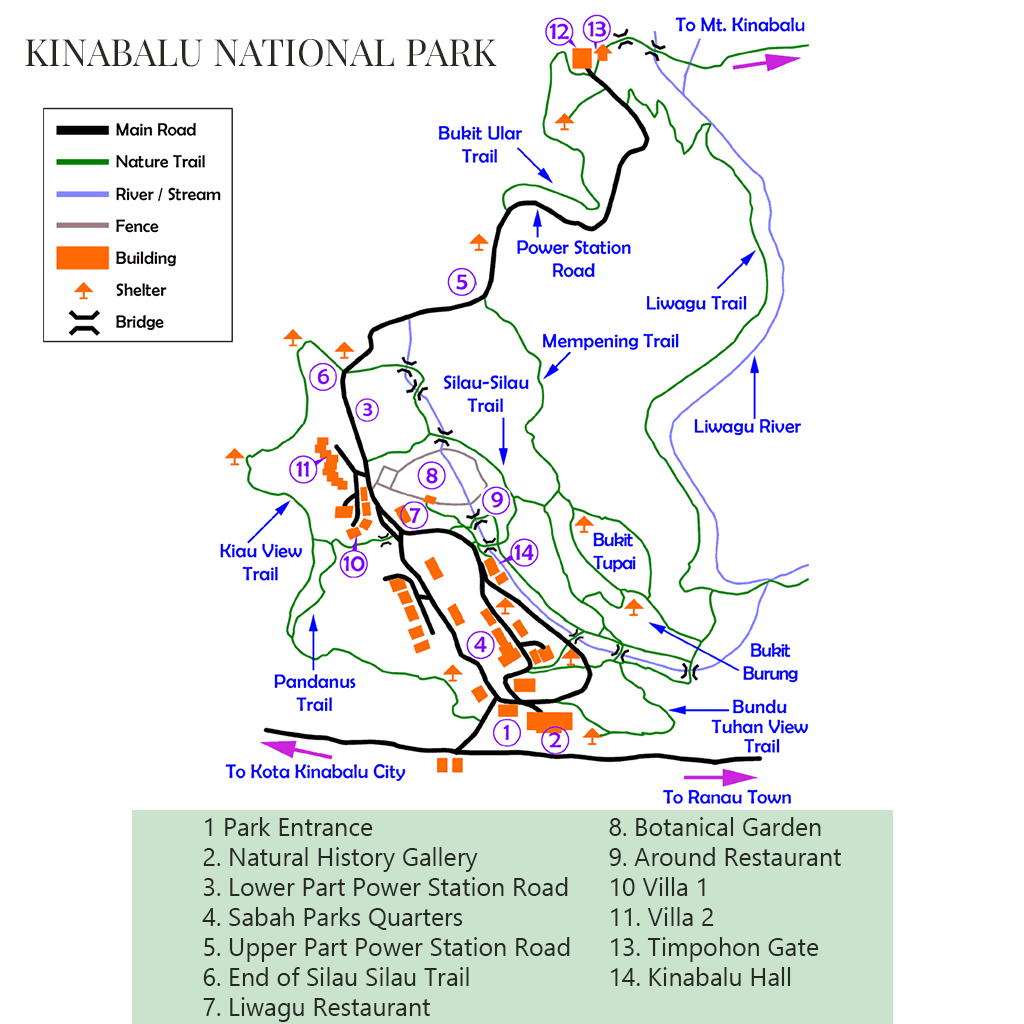
Power Station Road is the main road crossing a large part of the park up to the Timpohon Gate. The lower section corresponds to road segment (3) between Liwagu Restaurant (7) and the end of the Silau Silau Trail (6).
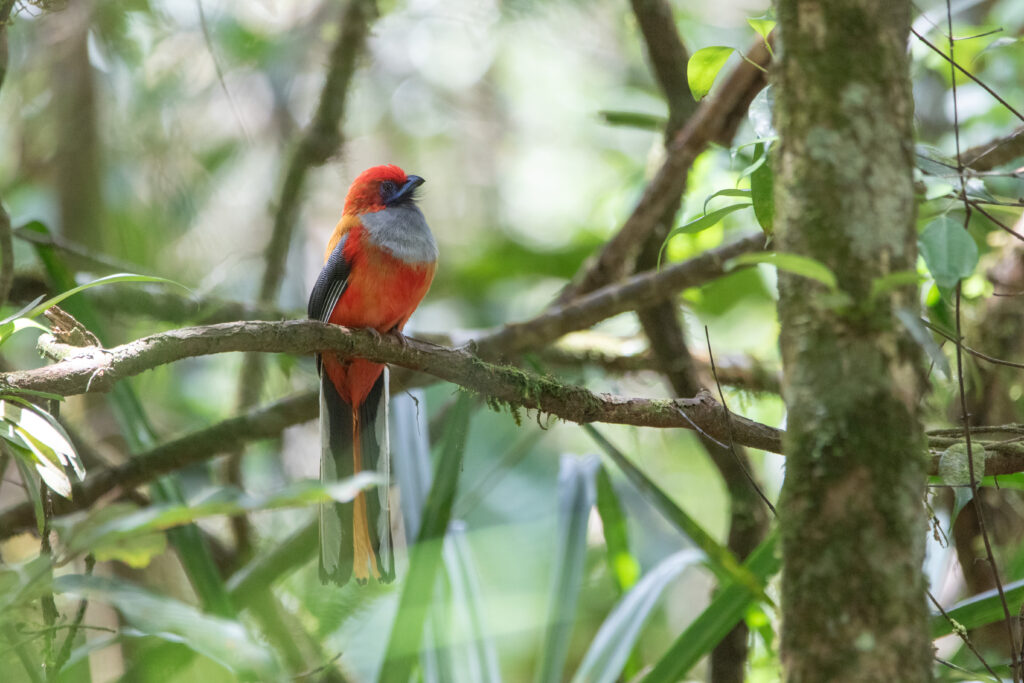
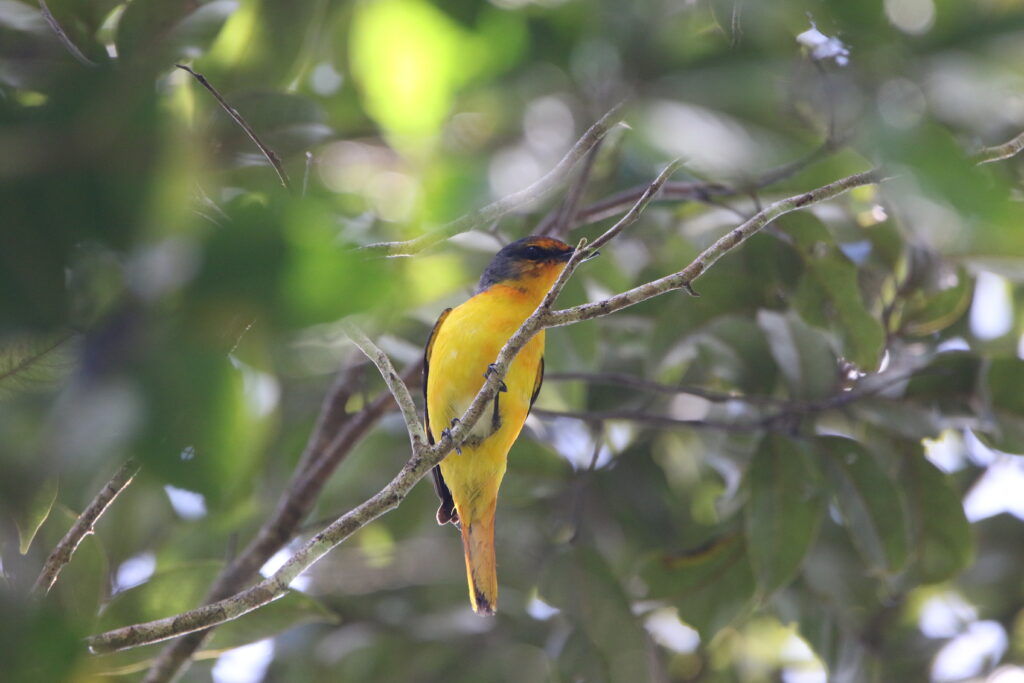
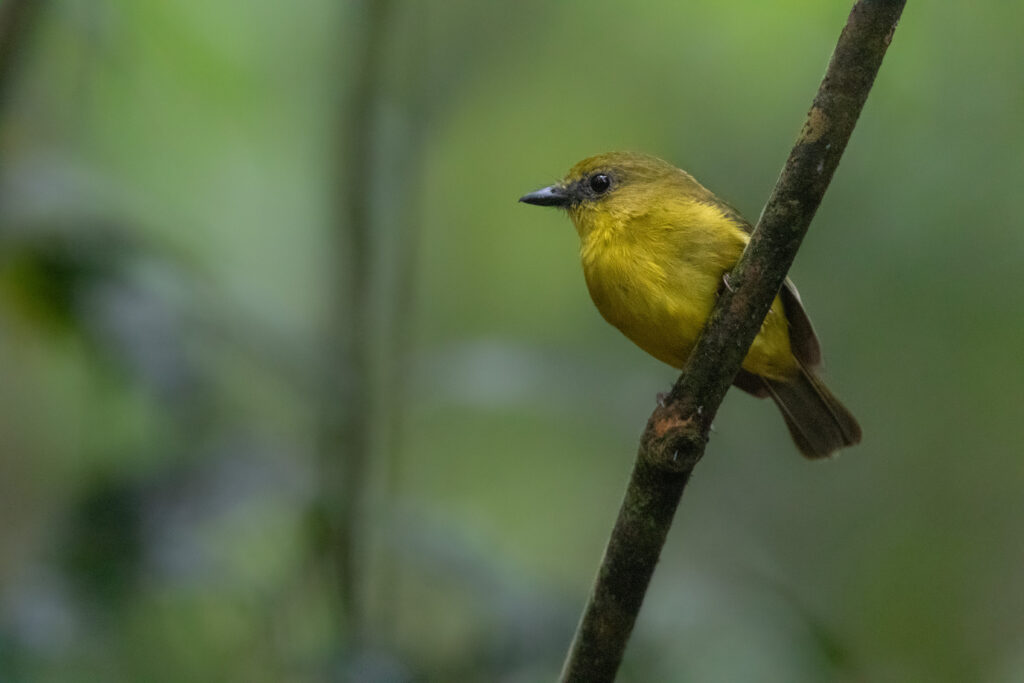
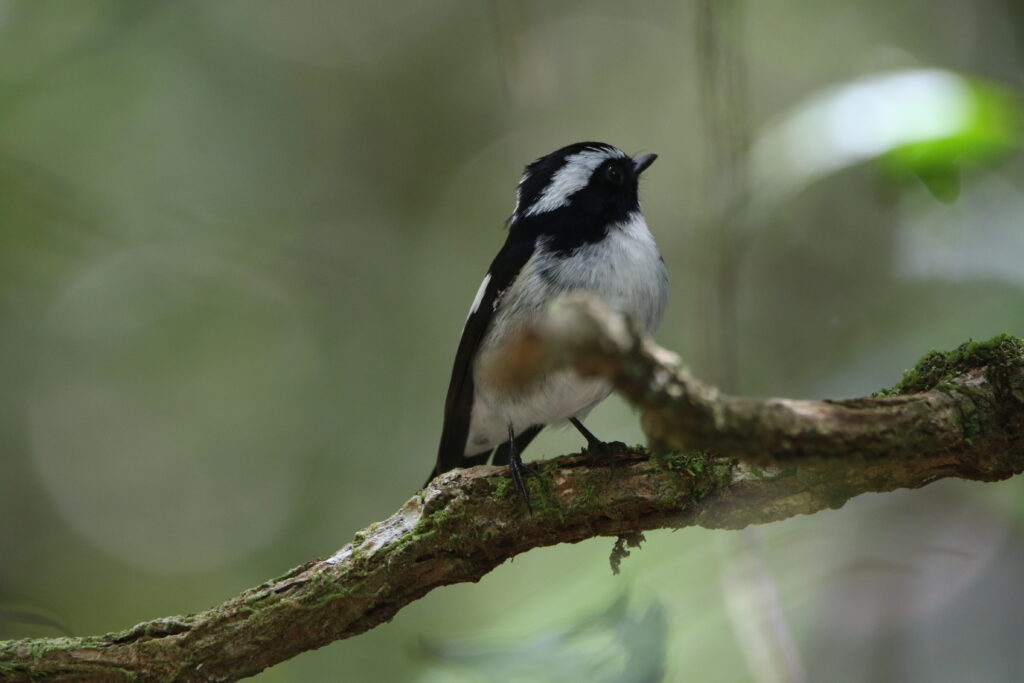
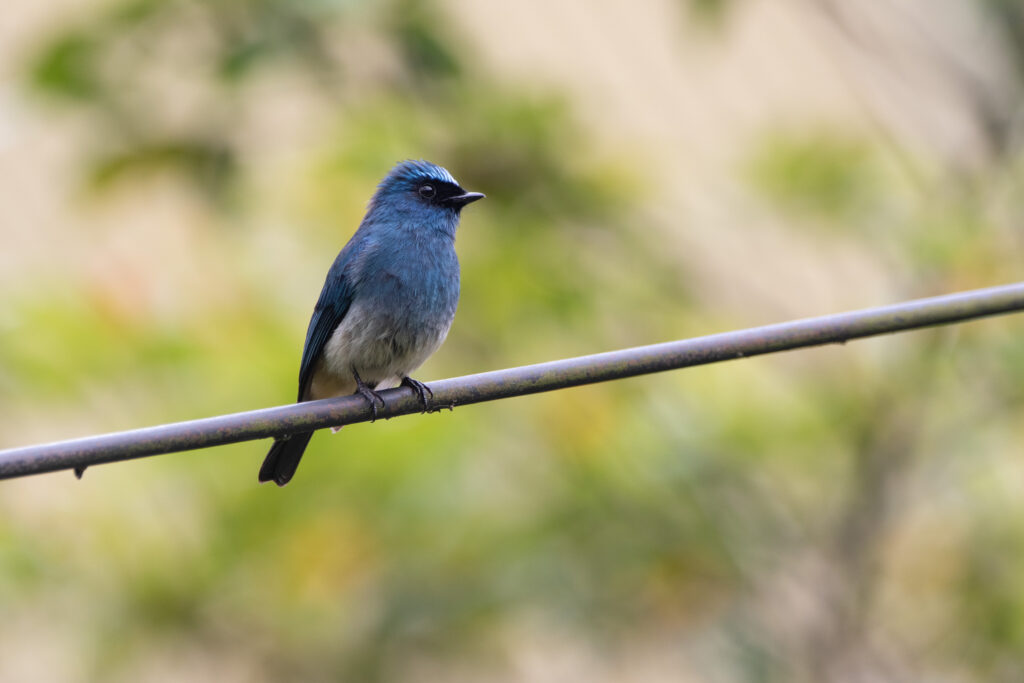
This is the most popular area among birdwatchers. Why? Because it is where Whitehead’s Trogon (Harpactes whiteheadi) is frequently seen and where Whitehead’s Broadbill (Calyptomena whiteheadi) has nested in the past. In addition to these iconic species, you may also observe birds such as the Bornean Whistler (Pachycephala hypoxantha), Grey-chinned Minivet (Pericrocotus solaris), Little Pied Flycatcher (Ficedula westermanni), Pygmy Flycatcher (Ficedula hodgsoni), Indigo Flycatcher (Eumyias indigo), and Eyebrowed Jungle Flycatcher (Vauriella gularis).
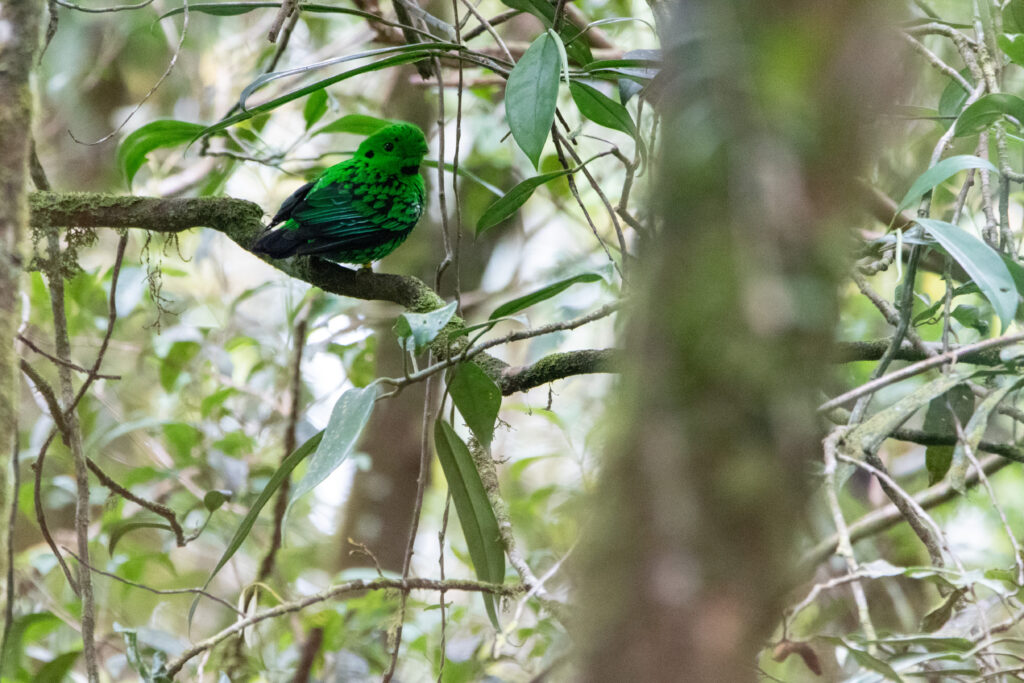
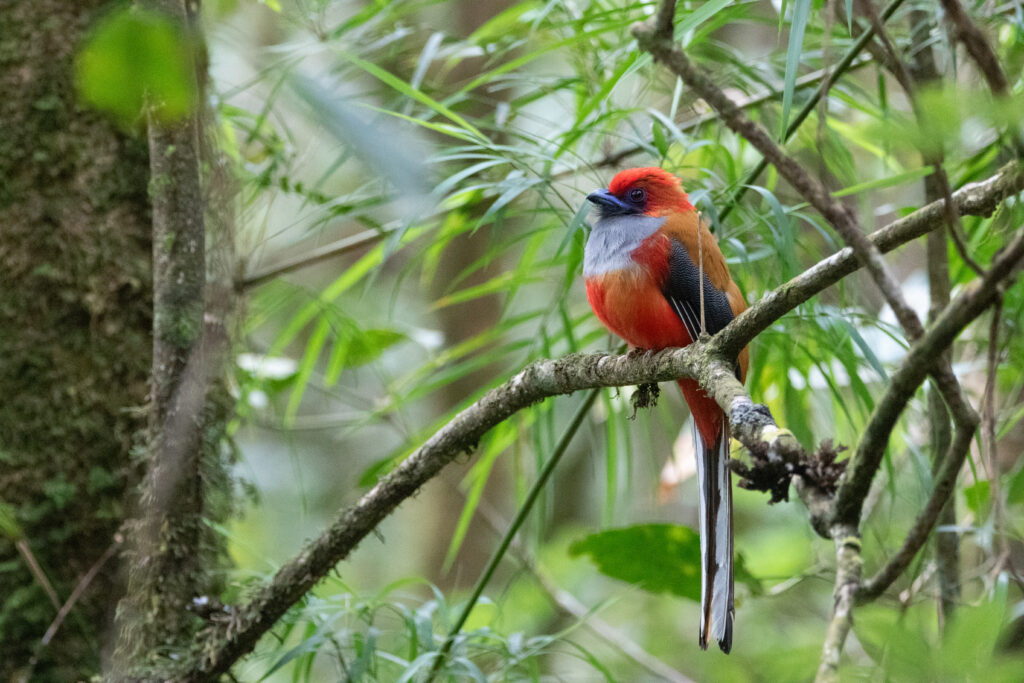
Do not hesitate to spend time along this stretch of road, as it can be very productive for birding. Unfortunately, traffic is fairly heavy due to cars and minibuses transporting hikers to the start of the climb. Even though drivers are generally used to birdwatchers, it is important to remain cautious.
Upper part of Power Station Road
This is the second part of the main road (5) that runs through the park. It starts at the end of the Silau Silau Trail (6) and goes all the way up to the starting point of the Mount Kinabalu ascent at the Timpohon Gate (13). You can walk this section, but it is quite long and fairly steep. If you have a vehicle, you can make many short stops along the way.
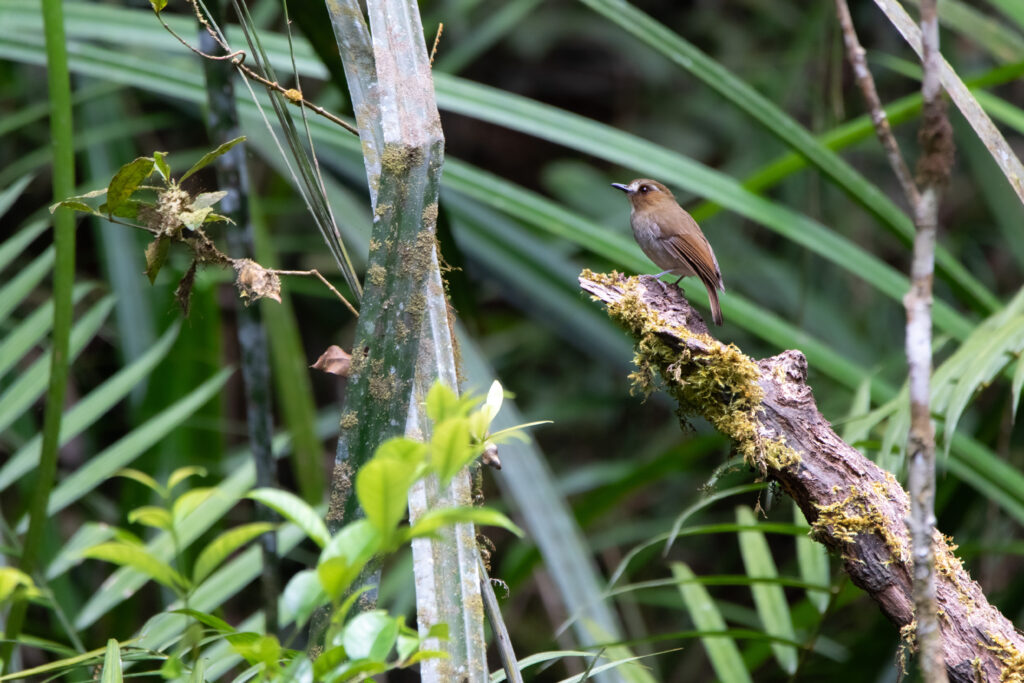
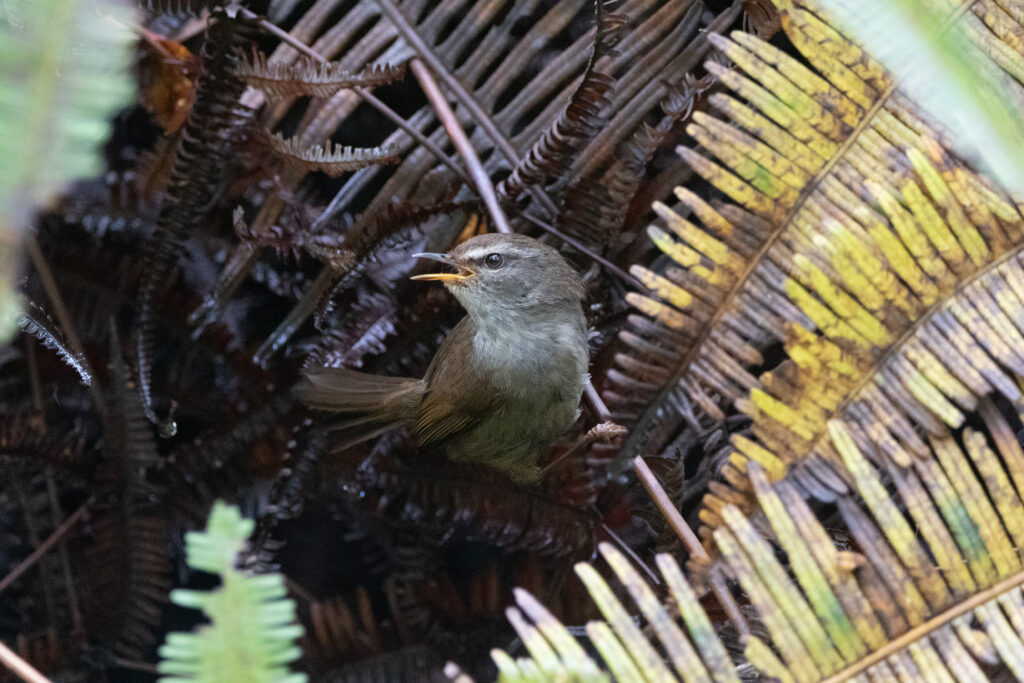
You may be rewarded with excellent roadside sightings of more discreet species such as the Aberrant Bush Warbler (Horornis flavolivaceus), Mountain Tailorbird (Phyllergates cucullatus), Mountain Wren-Babbler (Gypsophila crassa), and the Bornean Stubtail (Urosphena whiteheadi). The latter is even considered by some ornithologists to complete Whitehead’s trio, due to its scientific name: Urosphena whiteheadi. Whitehead’s Spiderhunter (Arachnothera juliae) can also sometimes be seen at a distance along this road, feeding on Wightia flowers growing on the opposite slope of the mountain.
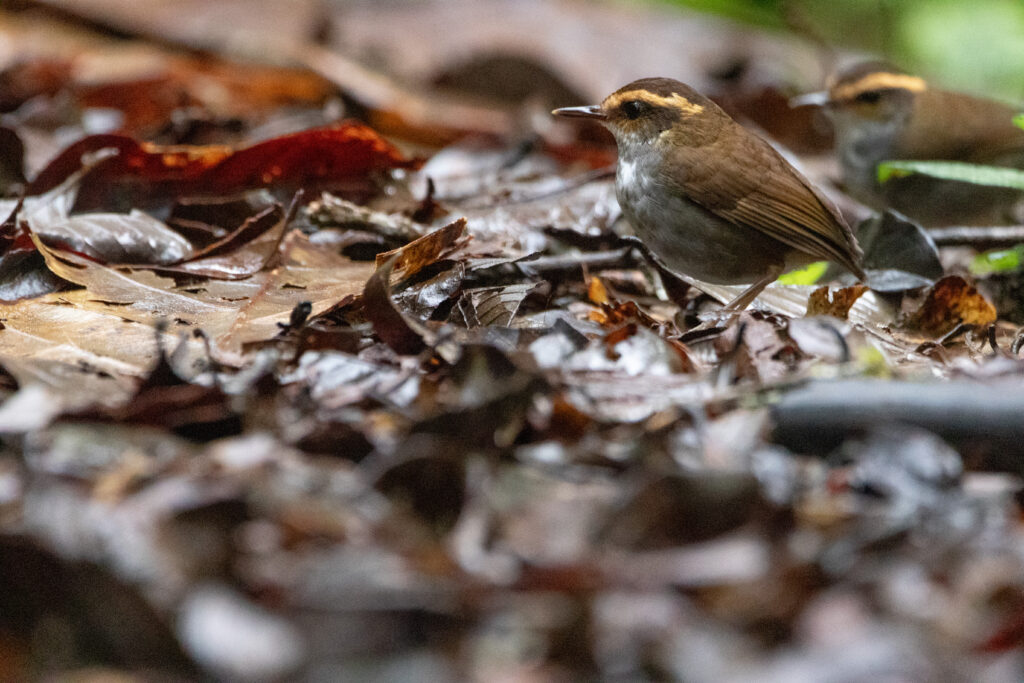
If visibility is good, be sure to scan the sky at Kiau Gap View or elsewhere in search of the Mountain Serpent Eagle (Spilornis kinabaluensis).
Silau Silau Trail
The Silau Silau Trail is one of the best trails in the park for birdwatching.
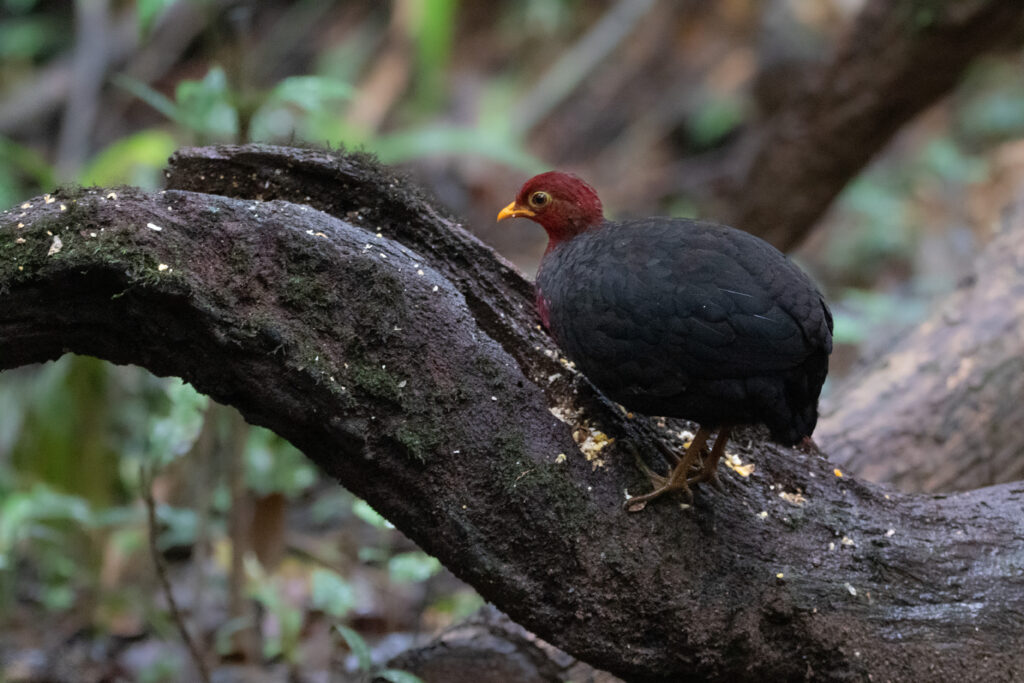
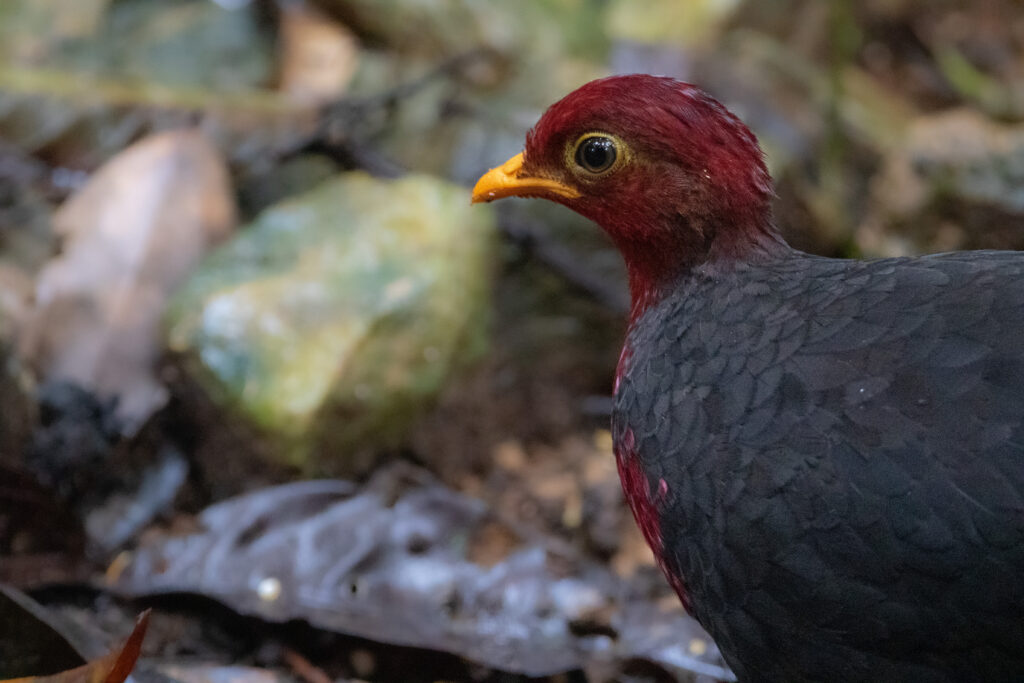
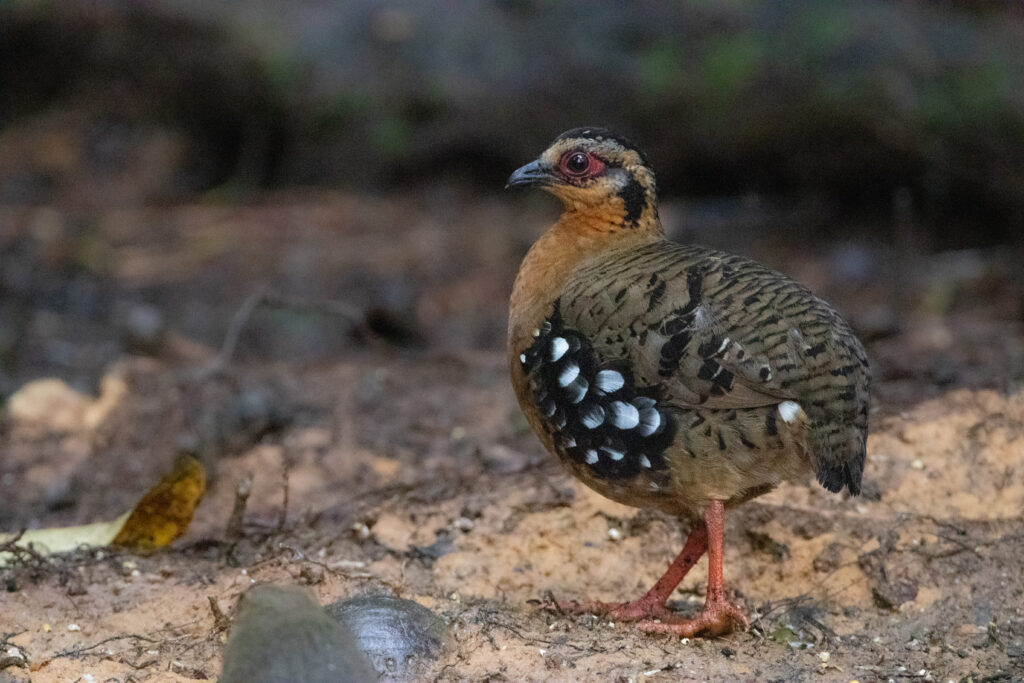
Right at the entrance (or exit, depending on where you start), near the gazebo, you may spot Whitehead’s Trogon (Harpactes whiteheadi). This is also a good place to look for partridges hiding in the undergrowth, such as the iconic Crimson-headed Partridge (Haematortyx sanguiniceps) or the Red-breasted Partridge (Arborophila hyperythra).
Around restaurant
Around Liwagu Restaurant, there are several small trails and green areas (9) where I have often encountered productive mixed-species flocks.
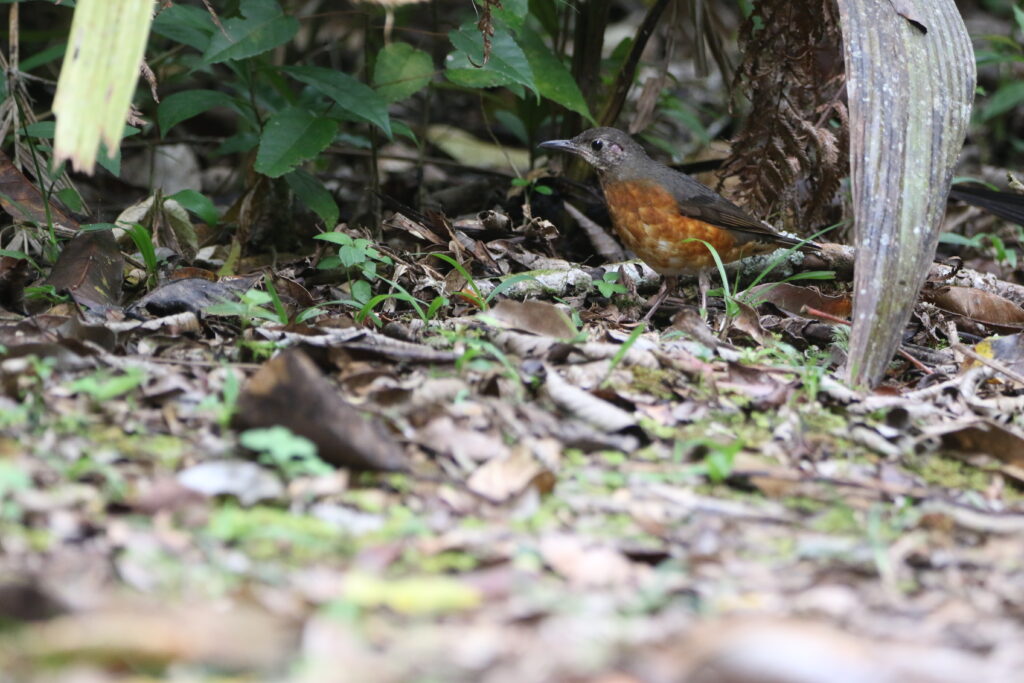
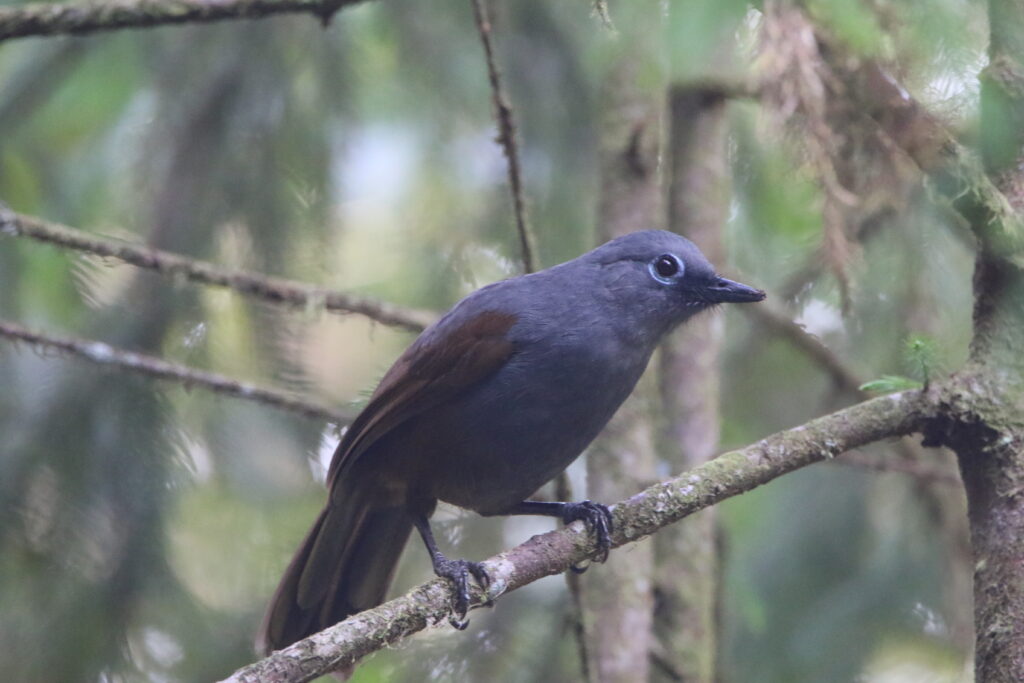
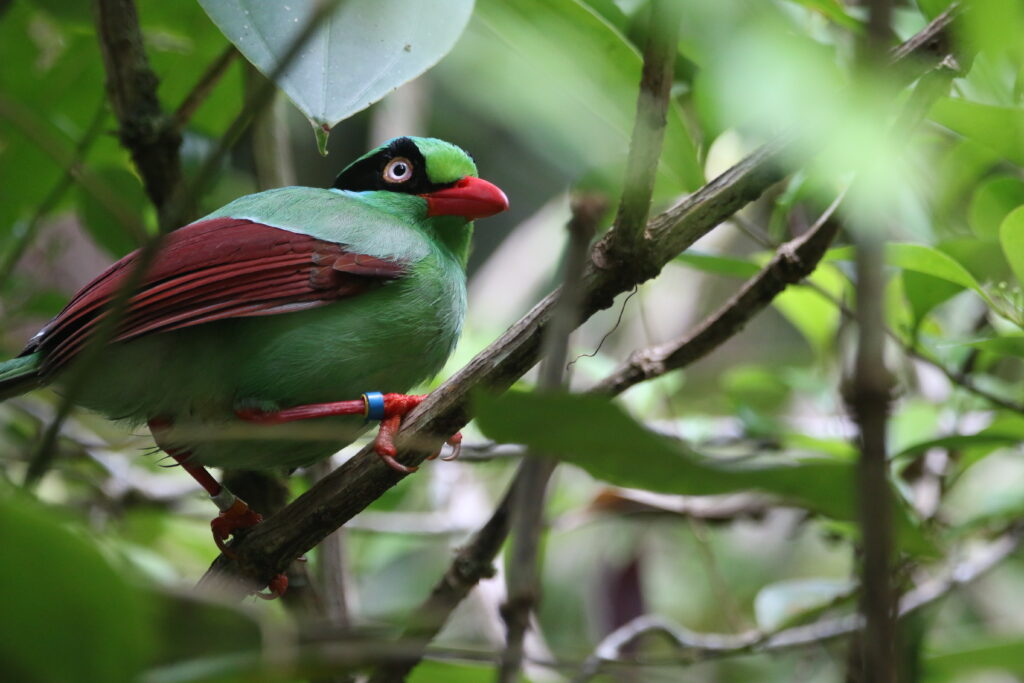
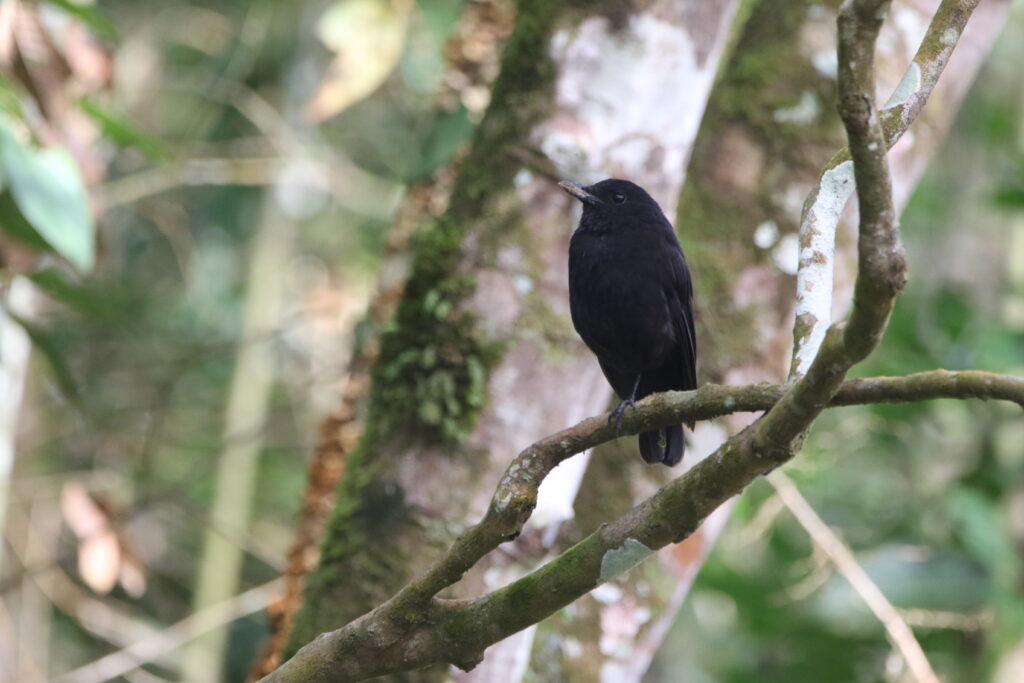
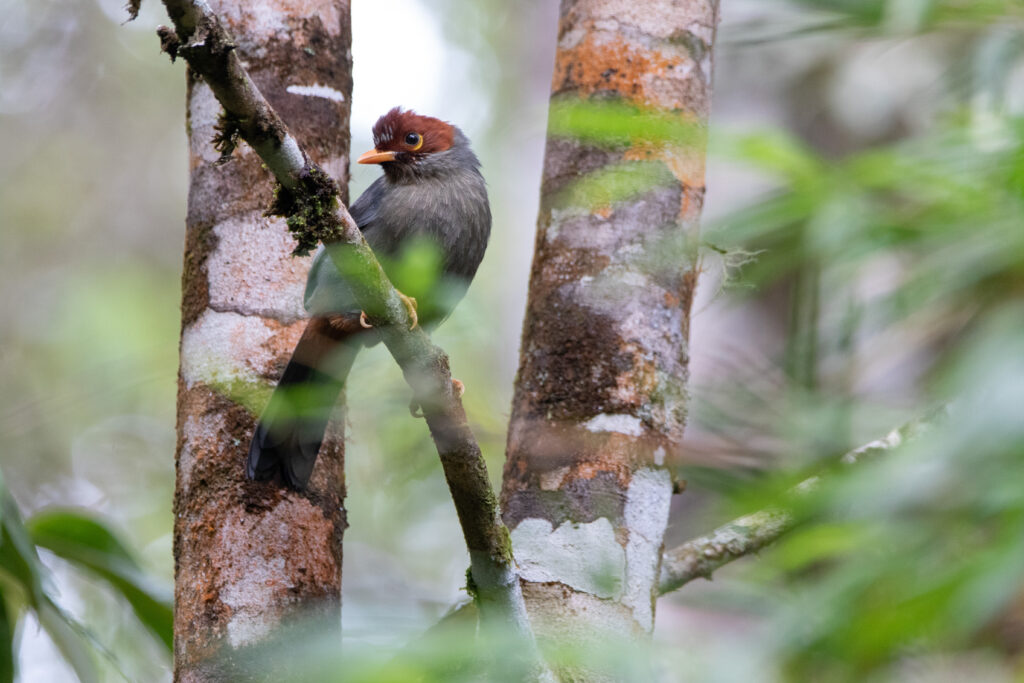
This is one of the best areas to look for the Bornean Green Magpie (Cissa jefferyi), Chestnut-hooded Laughingthrush (Pterorhinus treacheri), and Sunda Laughingthrush (Garrulax palliatus). With a bit of luck, you may also find ground-dwelling species such as Everett’s Thrush (Zoothera everetti) and the Bornean Whistling Thrush (Myophonus borneensis) hiding nearby.
Botanical Gardens
The Botanical Garden (8) is another area of the park that can be explored for birdwatching. Entry is paid, so you will need to pay a small additional fee to access it. However, the surrounding areas are free and are just as worthwhile to scan with binoculars.
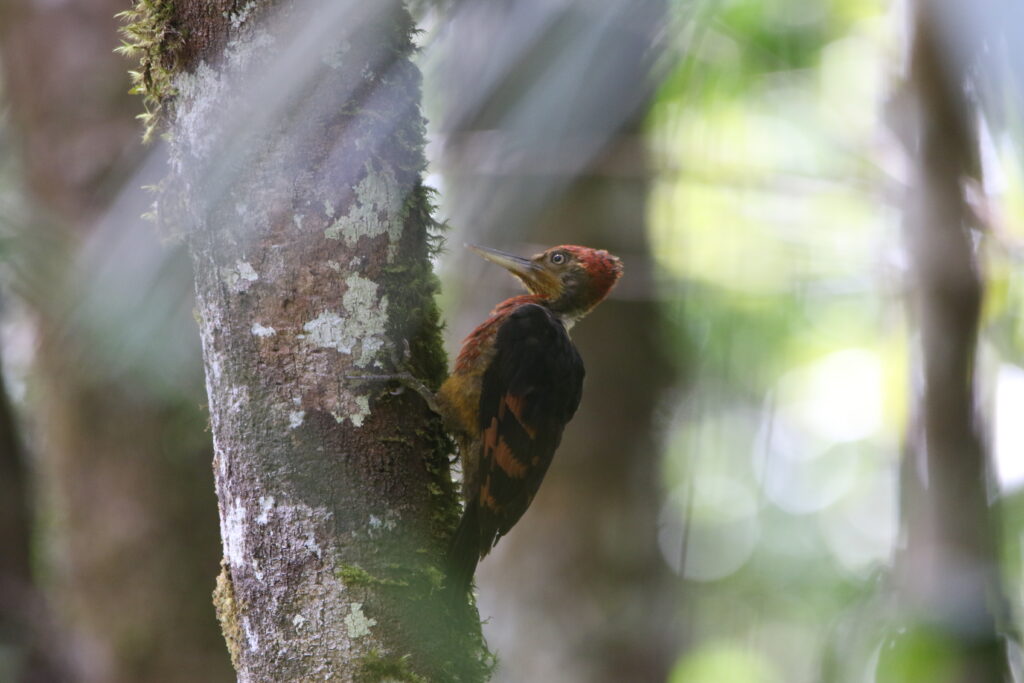
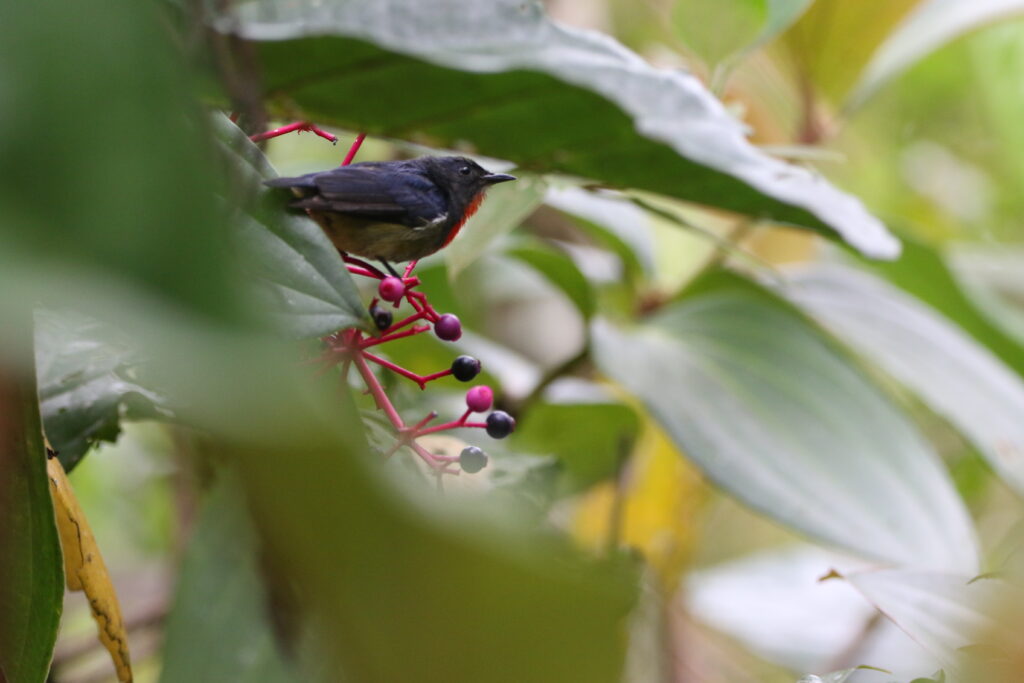
Along the streams, look for the Malaysian Blue-banded Kingfisher (Alcedo peninsulae) and the Bornean Forktail (Enicurus borneensis). You can also watch for the Orange-backed Woodpecker (Chrysocolaptes validus) hammering on tree trunks, the Black-sided Flowerpecker (Dicaeum monticolum), or Temminck’s Sunbird (Aethopyga temminckii) feeding around flowers. The Penan Bulbul (Alophoixus ruficrissus) is also frequently seen in this area.

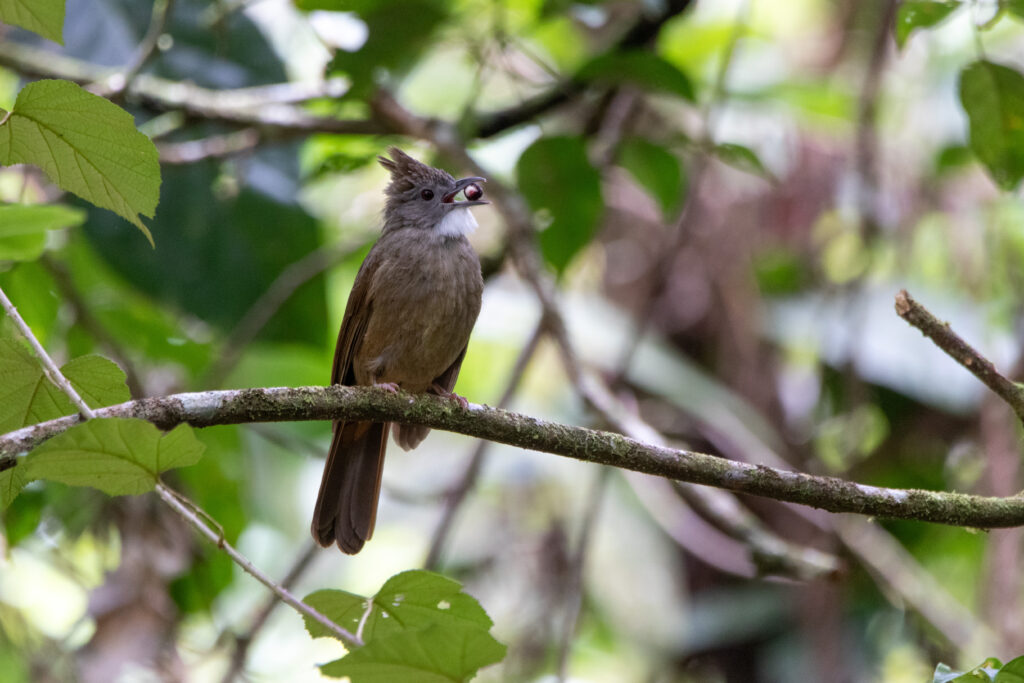
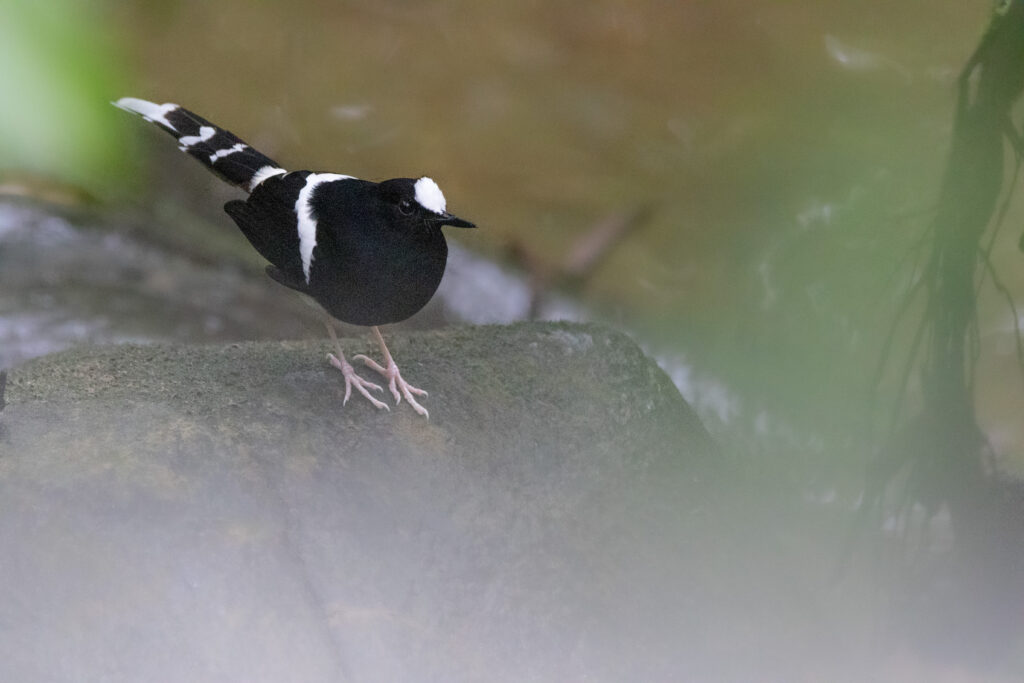
Park entrance
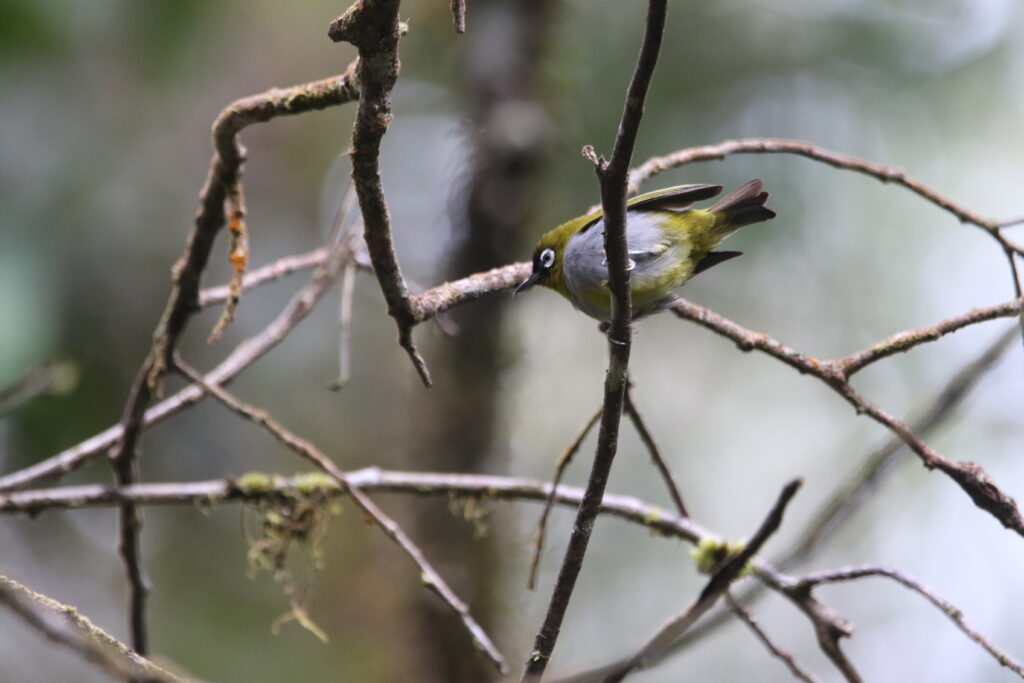
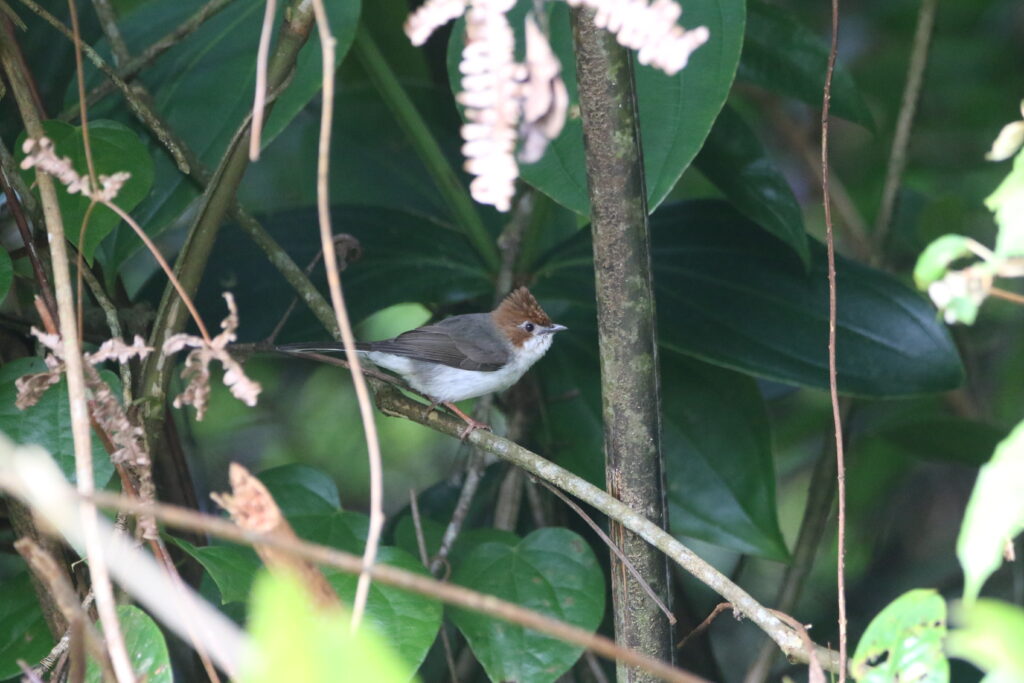
From the entrance of Kinabalu Park (1) and throughout all the areas described here, keep an eye out for mixed-species flocks of small passerines, including the Yellow-breasted Warbler (Phylloscopus montis), Mountain Leaf Warbler (Phylloscopus trivirgatus), Chestnut-crested Yuhina (Staphida everetti), and Black-capped White-eye (Zosterops atricapilla). In the treetops, you may also spot the Sunda Cuckooshrike (Coracina larvata). Finally, if you haven’t managed to see it elsewhere, this is another good place to try for Whitehead’s Spiderhunter (Arachnothera juliae), often detected by its distinctive call.
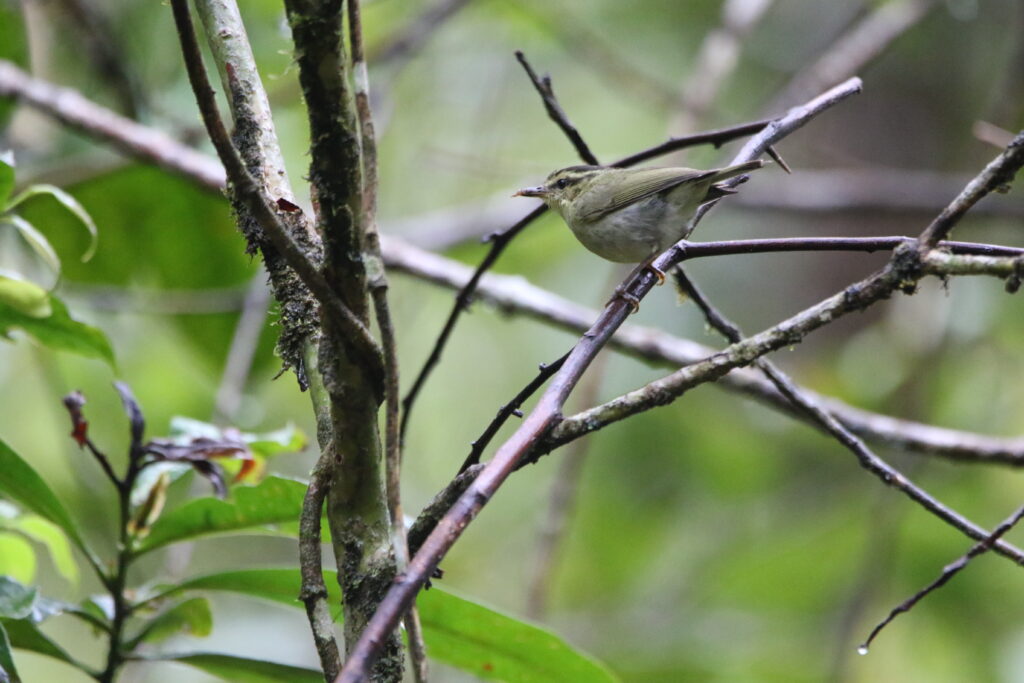
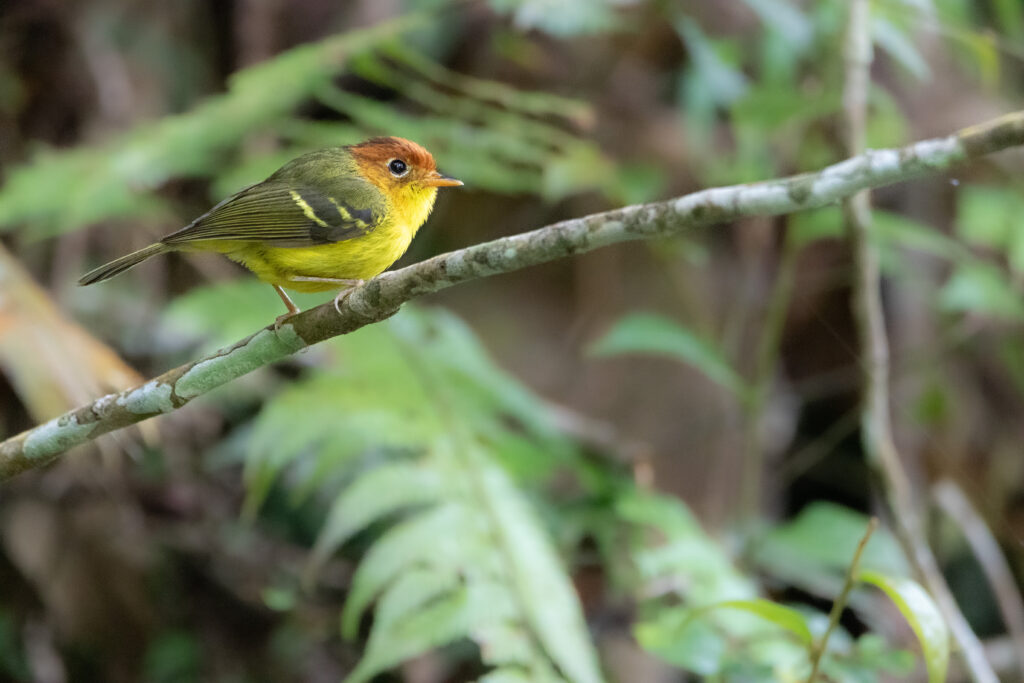
Timpohon gate
This is the highest point you can reach by car within Kinabalu Park before beginning the ascent of Mount Kinabalu. An observation tower is located here, along with a café.
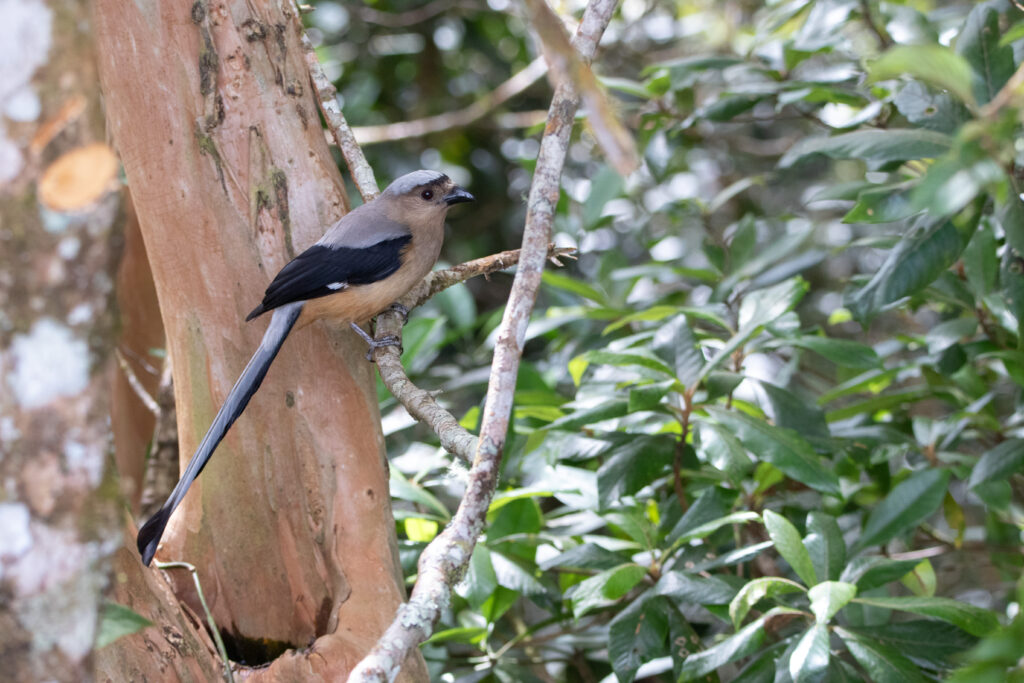
This is one of the best places to see the Bornean Treepie (Dendrocitta cinerascens), and with a great deal of luck, the Fruithunter (Chlamydochaera jefferyi).
Poring Hot Springs
Still within Kinabalu Park, Poring Hot Springs are located about 40 km from the park headquarters. The site is well known and very popular with locals and tourists for its hot baths. At roughly 1,000 meters lower in elevation, this area is rich in birdlife and relatively under-visited by birdwatchers. Entry to Kinabalu Park also applies here, so you do not need to purchase another ticket.
Around hot springs
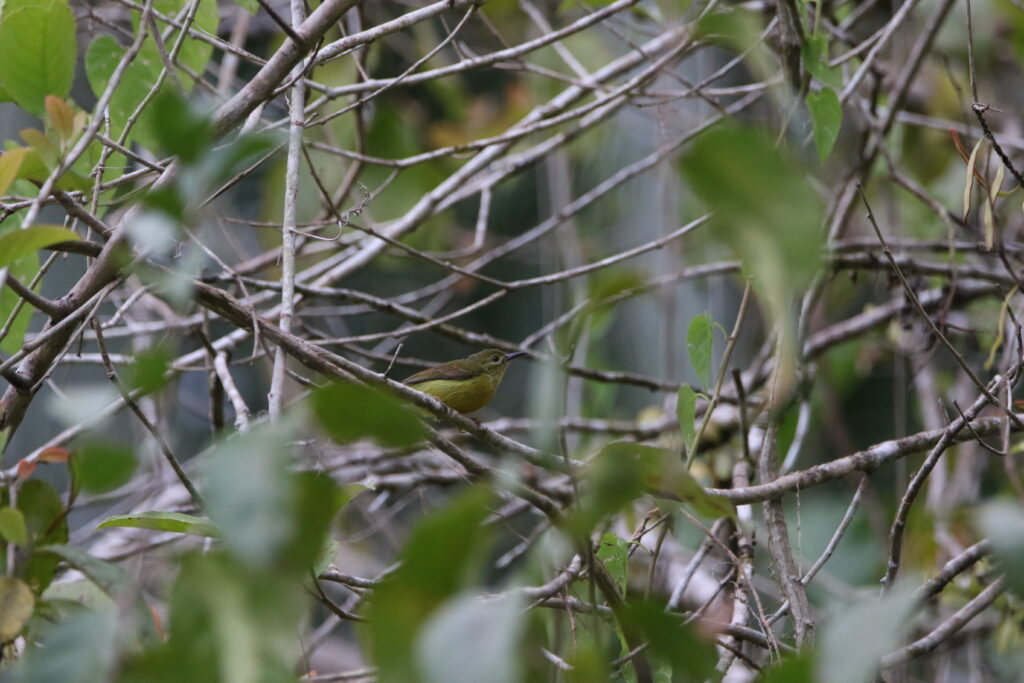
The first birding area is around the baths themselves, within the gardens. Here you can observe relatively common species such as the Plain Sunbird (Anthreptes simplex), Brown-throated Sunbird (Anthreptes malacensis), Rufous-tailed Tailorbird (Orthotomus sericeus), and White-crowned Shama (Copsychus stricklandii).

Trail to waterfall
A long trail leading to a waterfall is the second major birding area in the vicinity. Along this path, you have a (very) small chance of encountering the Blue-banded Pitta (Erythropitta arquata) or the Bornean Banded Pitta (Hydrornis schwaneri). More regularly, you may see the Rufous-collared Kingfisher (Actenoides concretus), Whitehead’s Broadbill (Calyptomena whiteheadi), and numerous babblers.
Canopy Walkway
The final area to explore at Poring Hot Springs is the canopy walkway. This elevated walk allows you to observe birds at treetop level with a clear view over the surrounding forest. I recommend spending a good amount of time here and, if possible, visiting early in the morning. Bird activity is high, and we made many excellent observations.
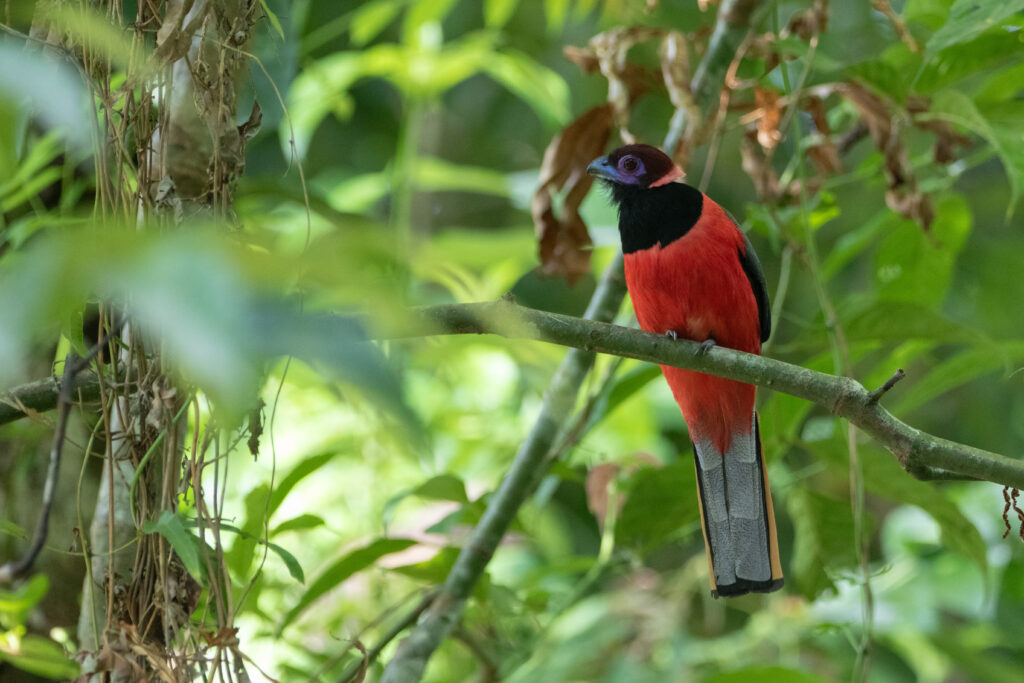
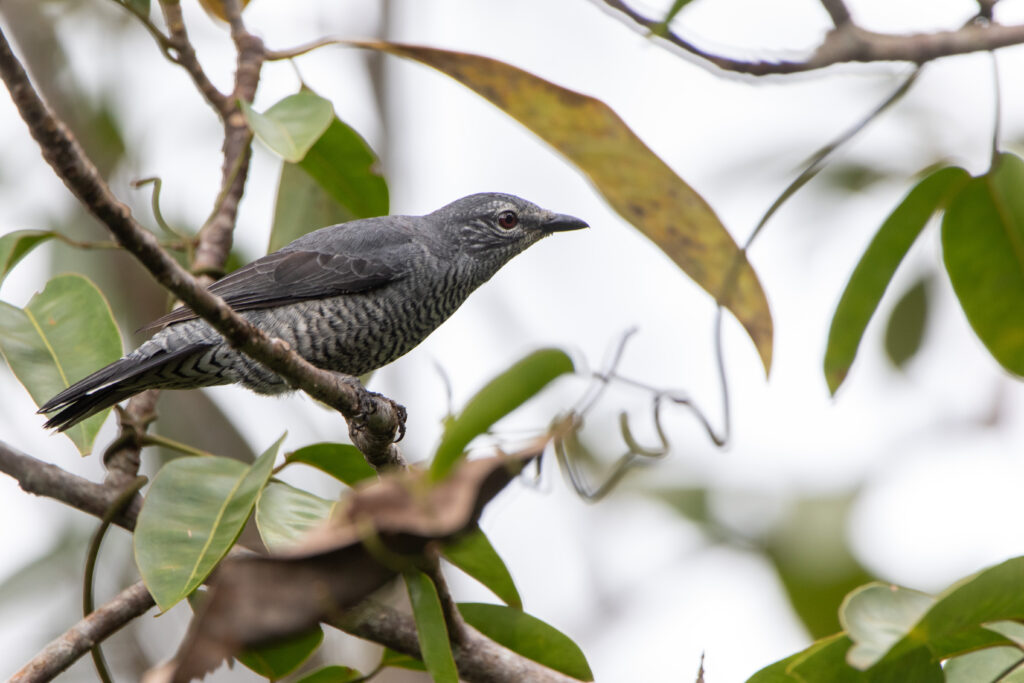
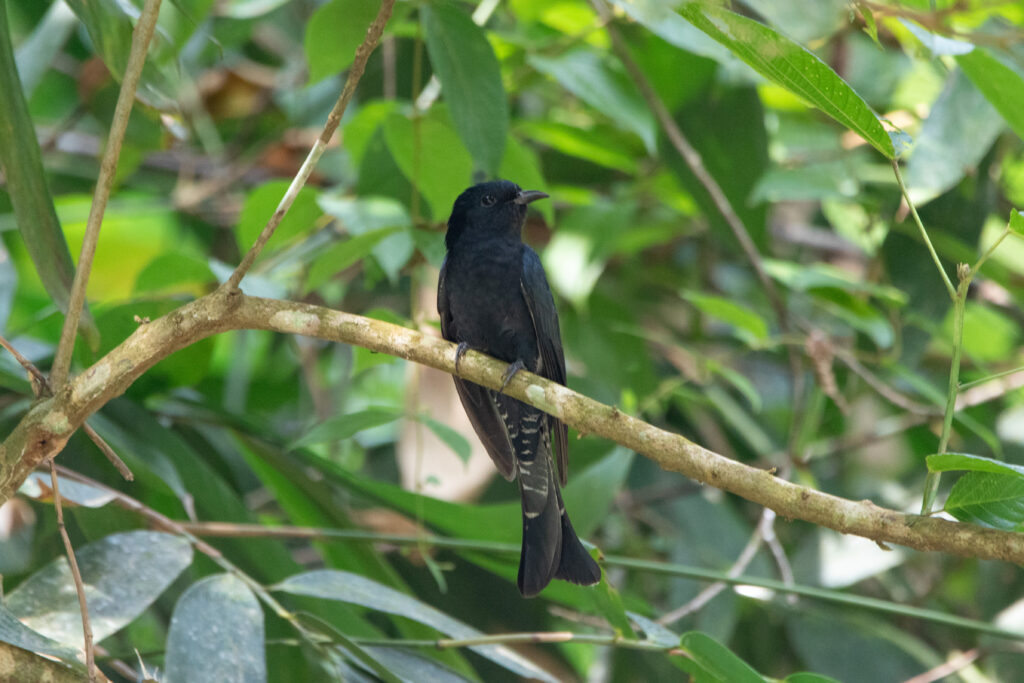
Here you can look for species such as the Raffles’s Malkoha (Rhinortha chlorophaea), Square-tailed Drongo-Cuckoo (Surniculus lugubris), Diard’s Trogon (Harpactes diardii), Lesser Cuckooshrike (Lalage fimbriata), and Black-and-yellow Broadbill (Eurylaimus ochromalus).

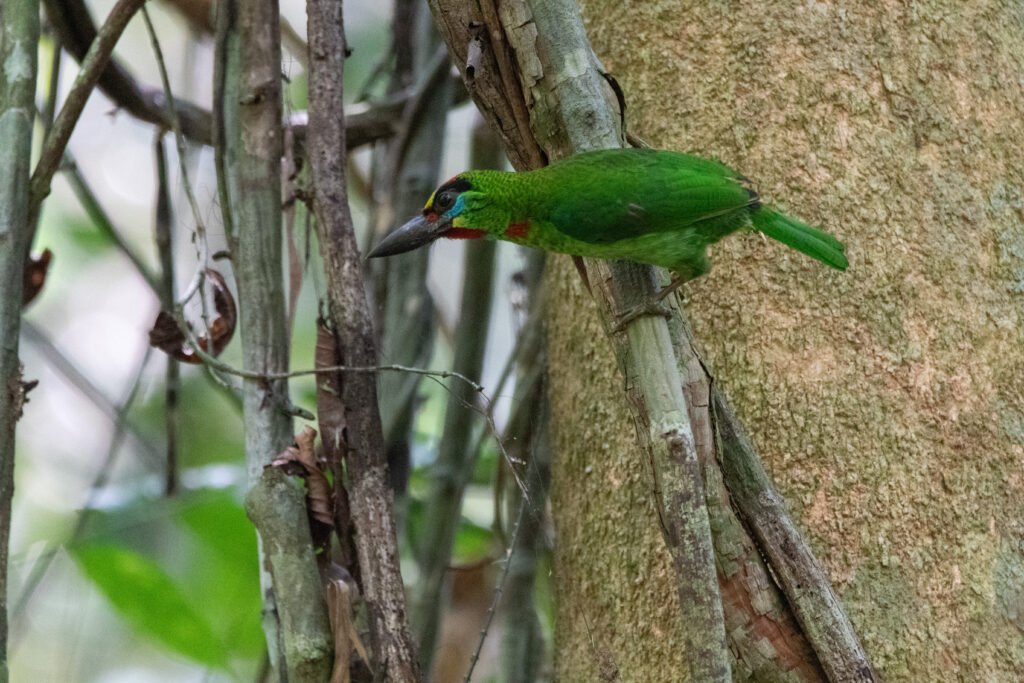
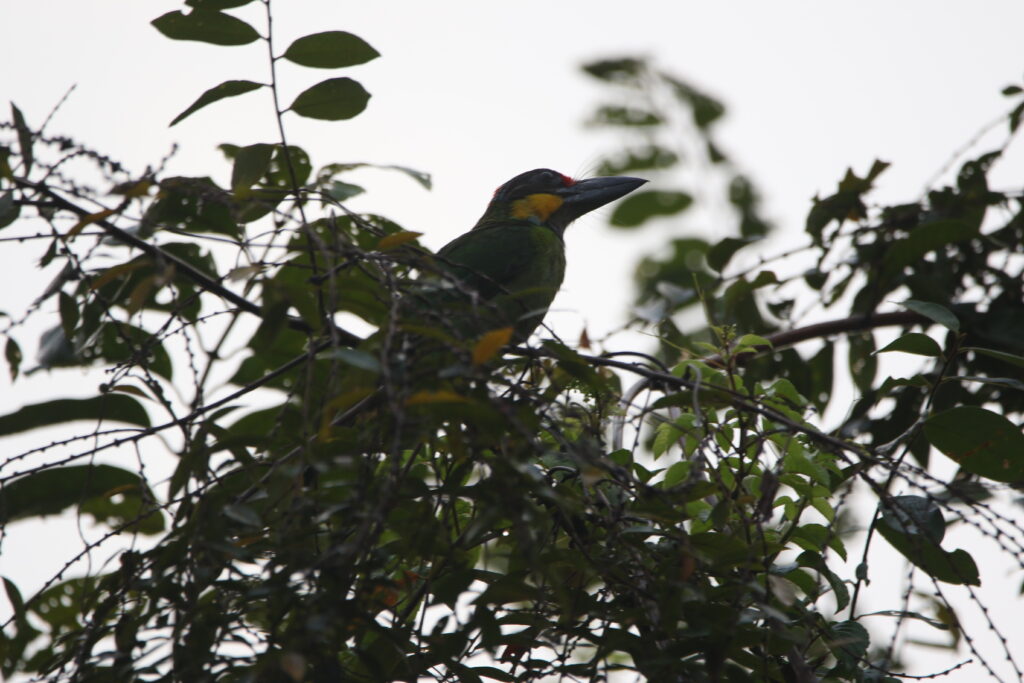
Barbets are also well represented in the area, including the Red-throated Barbet (Psilopogon mystacophanos), Yellow-crowned Barbet (Psilopogon henricii), Blue-eared Barbet (Psilopogon cyanotis), and Golden-whiskered Barbet (Psilopogon chrysopogon).

How to get to Kinabalu Park?
There are several entrance gates to this national park. The main one is located at the park headquarters, at the address below:
The entrance fee is 50 RM for international visitors. In theory, the ticket is valid for only one day. However, as a birdwatcher, you can request a 3-day pass, which allows you to pay the entrance fee only once and gives you access by car all the way up to the Timpohon Gate. To request this pass, simply go to the reception desk and explain that you are a birdwatcher wishing to visit the park. After completing a few formalities, you will normally be issued a small card that will serve as your pass for the following days. You will then just need to show this pass to the different guards to gain access.
If you are traveling by car, you can either park just inside the park entrance after the gates or drive freely within the park once you have obtained the 3-day access pass.
In this article, we also mention Poring Hot Springs, which are located about 40 km from the main park entrance.
It is important to note that the entrance ticket is valid for both locations.
Where to stay near Kinabalu Park?
There are several accommodation options around Kinabalu Park, which fall into two main categories: staying inside the park or outside the park. Unsurprisingly, the second option is the most budget-friendly. Many comfortable accommodations are located less than 1 km from the park headquarters, such as:
All of these lodges offer rooms priced between 75 to 150 RM per night.
If you prefer—and if availability allows—you can also stay inside the park at one of the following accommodations:
- The Peak Lodge
- Liwagu Suite
- Nepentes Villa & Suite
These accommodations are very popular with Mount Kinabalu climbers, so it is highly recommended to book well in advance if you wish to stay there.