


Birding at Kota Kinabalu
Kota Kinabalu is the capital of the state of Sabah on the island of Borneo. If you are visiting the island, there is a good chance that you will arrive by plane in Kota Kinabalu. So why not take some time to look for a few birds in this large city and its surroundings? Although it is clearly not the best place for birdwatching, there are still a few species that can be found here and are difficult to see elsewhere.
If you do not arrive in Borneo via Kota Kinabalu but instead through Sandakan, there is little reason to make a special detour here.
Where to see birds in Kota Kinabalu?
Wetland Ramsar Site
This is one of the best-known sites in Kota Kinabalu, the capital of Sabah in Borneo. Covering 24 hectares, it is located in the heart of the city and consists of a mangrove forest with numerous boardwalks. Despite this, we were somewhat disappointed by the site during our visit in 2025. The boardwalks were poorly maintained and some paths were inaccessible. An entrance fee of around 10 RM is required.
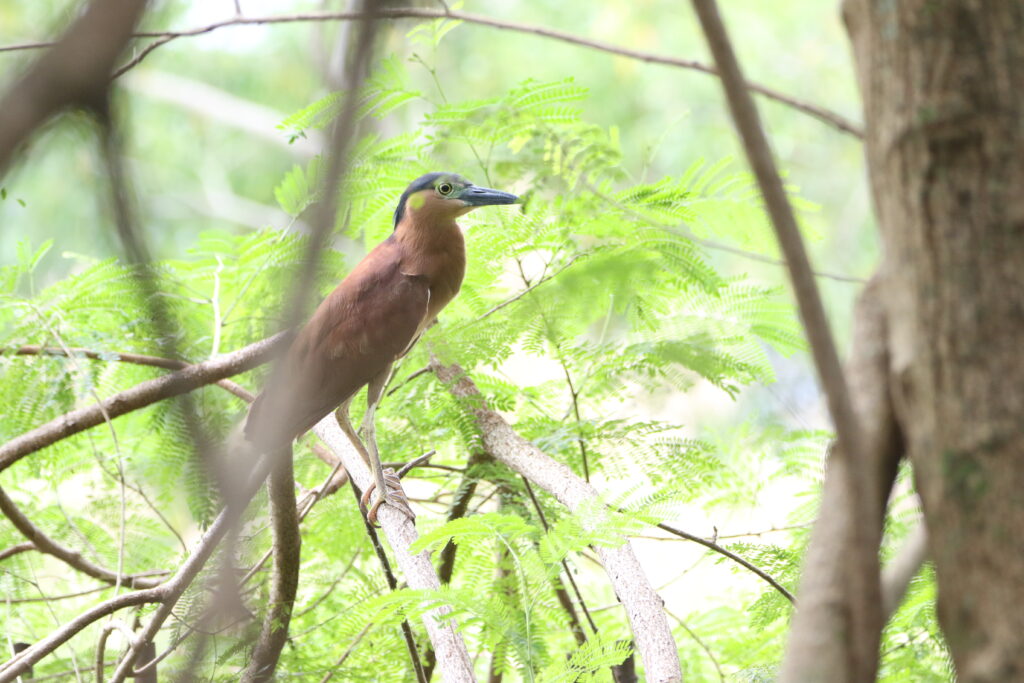
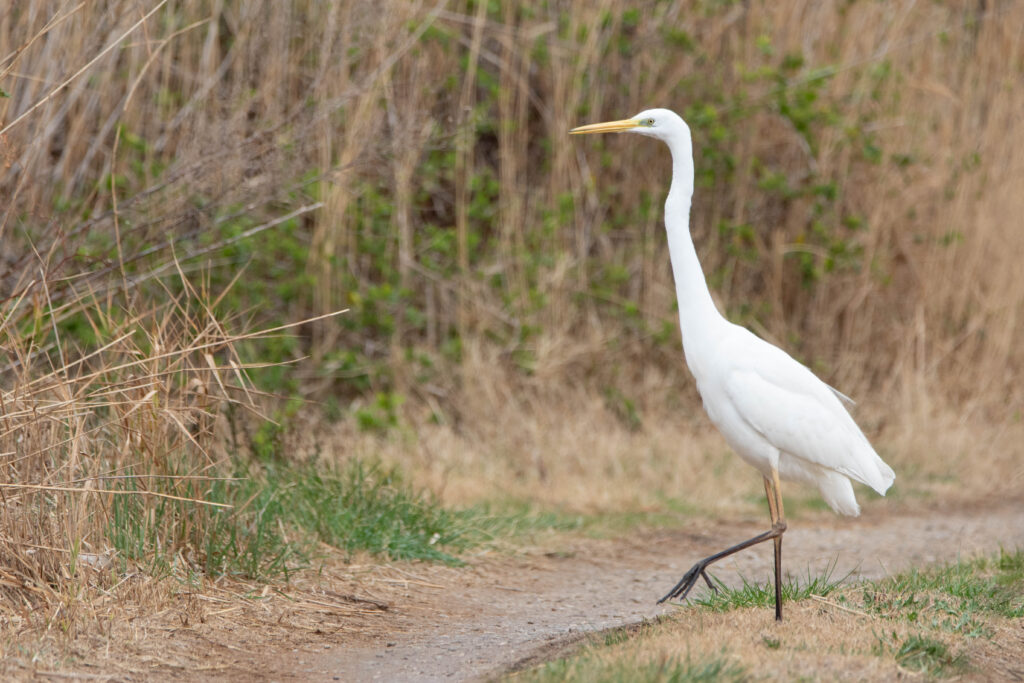
Even so, several birds can be observed here, particularly herons and egrets such as Little Heron (Butorides atricapilla), Purple Heron (Ardea purpurea), Eastern Cattle Egret (Ardea coromanda), Great Egret (Ardea alba), and Little Egret (Egretta garzetta). Black-crowned Night Heron (Nycticorax nycticorax) and Nankeen Night Heron (Nycticorax caledonicus) are also present, although the latter is often easier to see along the canals in the city.




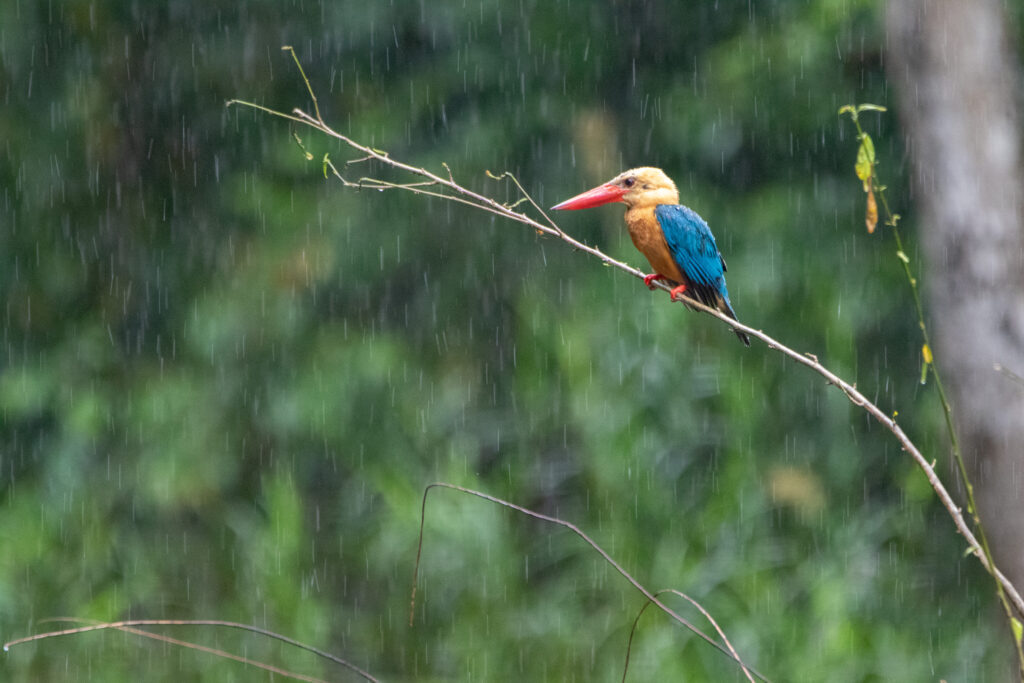
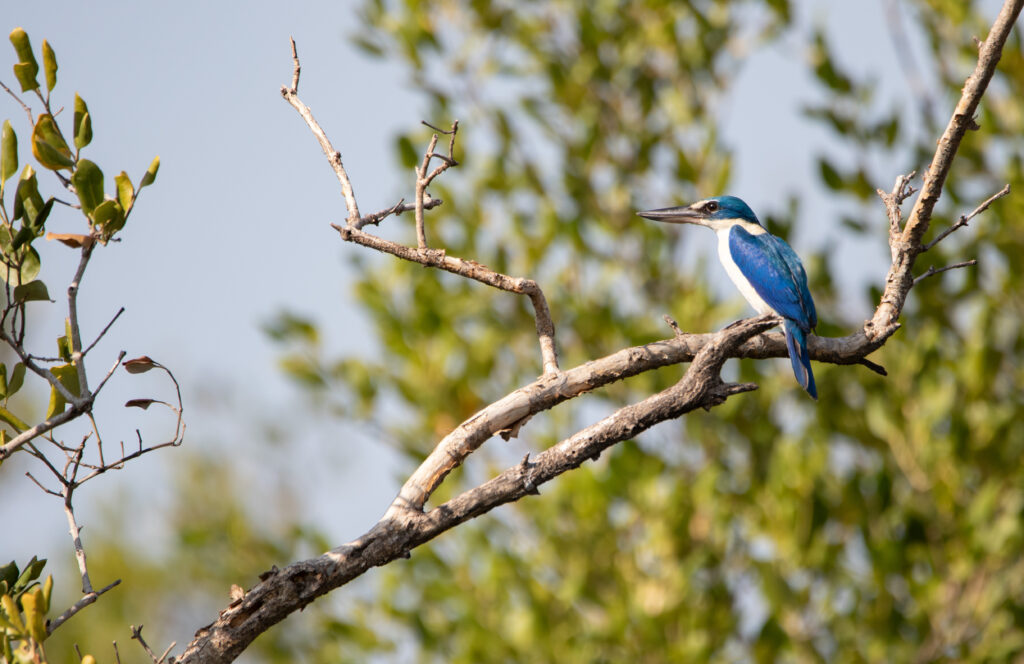
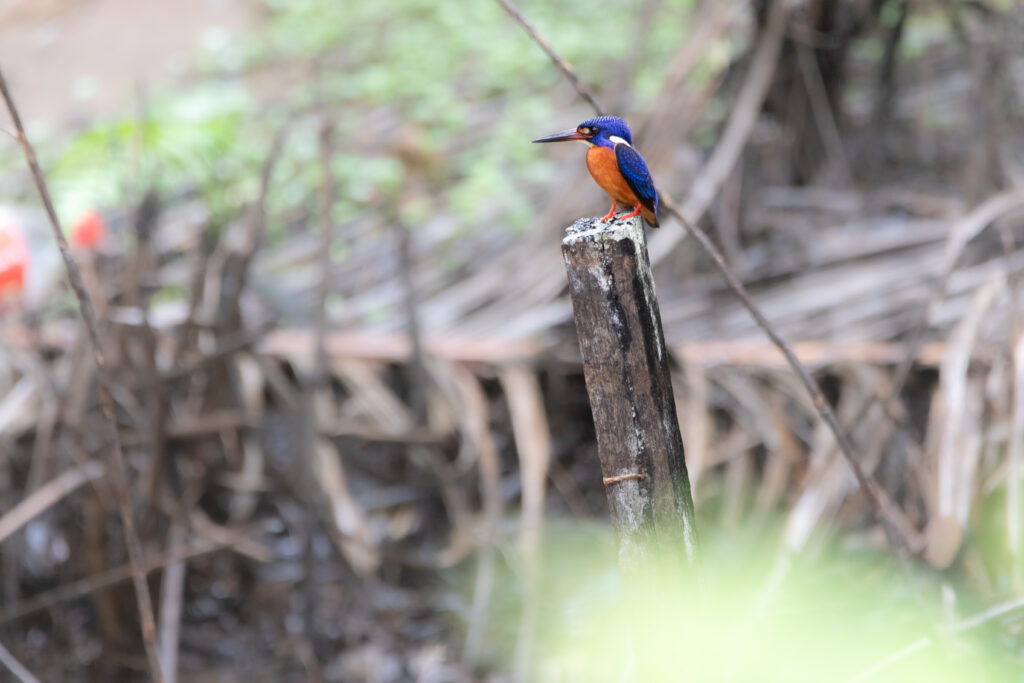
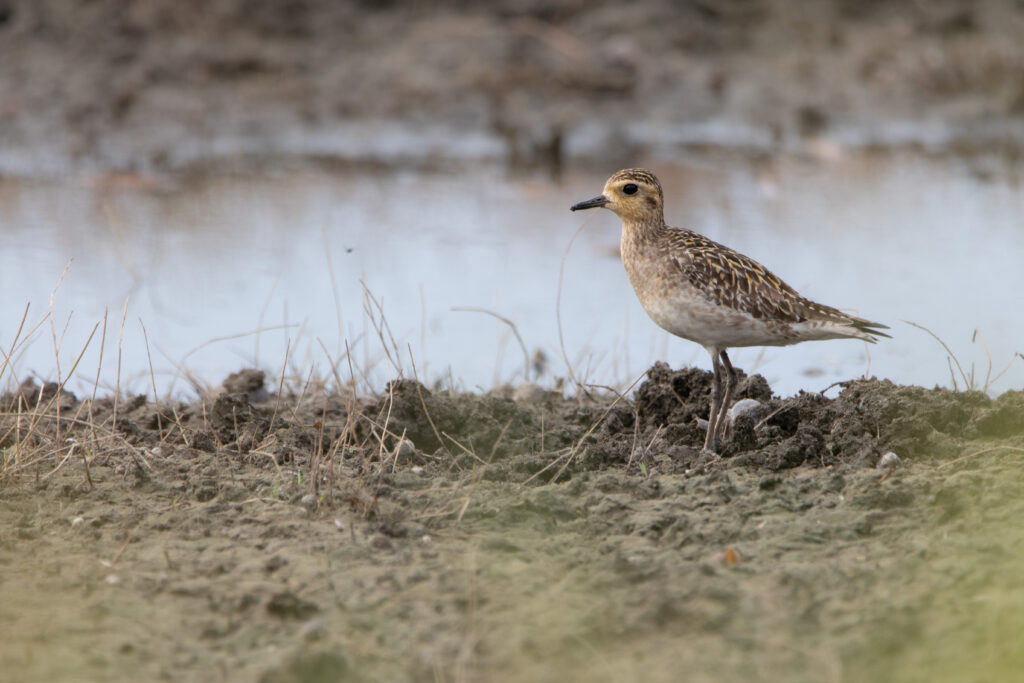
Three kingfisher species also frequent the area: Blue-eared Kingfisher (Alcedo meninting), Collared Kingfisher (Todiramphus chloris), and Stork-billed Kingfisher (Pelargopsis capensis). Depending on the water level near the observation tower, some waders may also be present, including Pacific Golden Plover (Pluvialis fulva) and Wood Sandpiper (Tringa glareola).
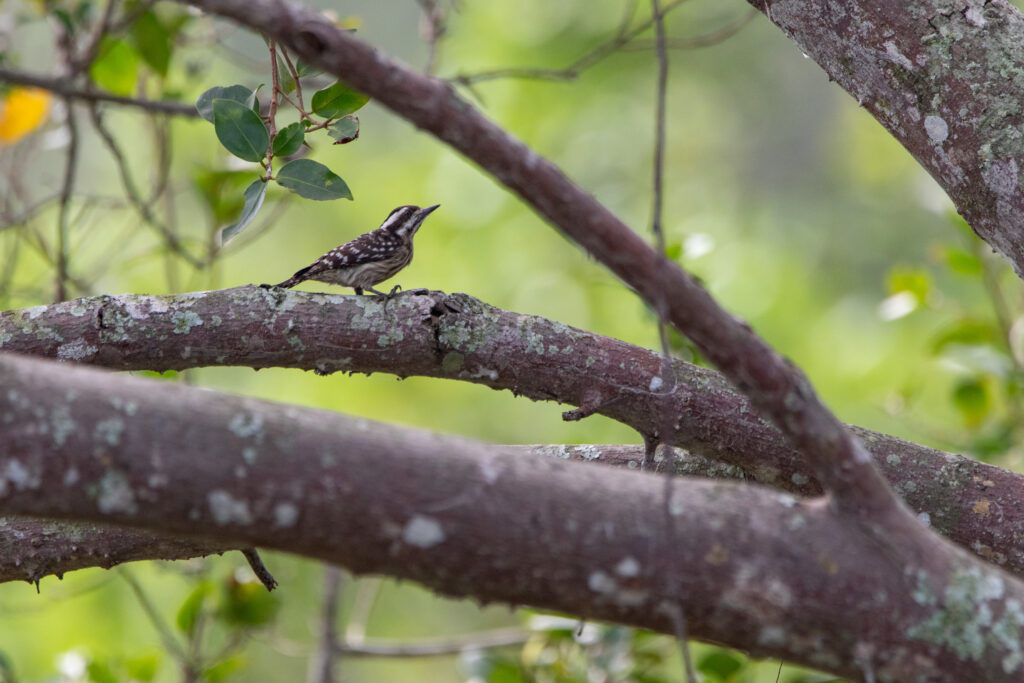
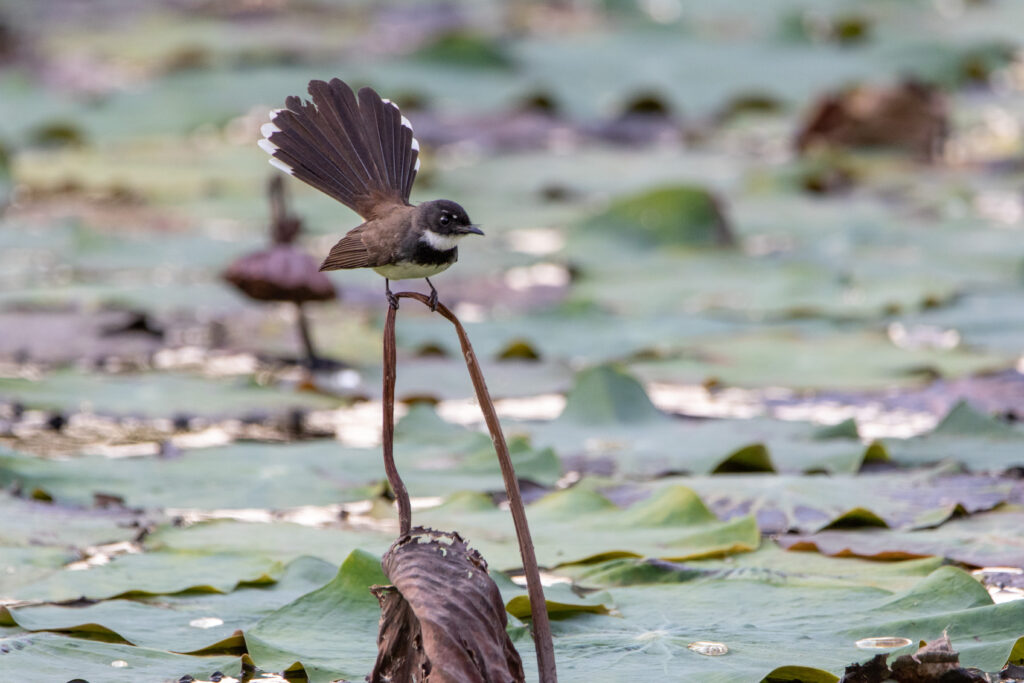
Many Malaysian Pied Fantail (Rhipidura javanica) can be seen here, and you can also search the trees near the entrance for Sunda Pygmy Woodpecker (Yungipicus moluccensis).

Tanjung Aru Beach & Prince Philip Park
Tanjung Aru is a popular beach for both tourists and locals who come here for a walk. Prince Philip Park, which borders the beach and was recently renovated, is a very interesting place to observe a particular bird species.
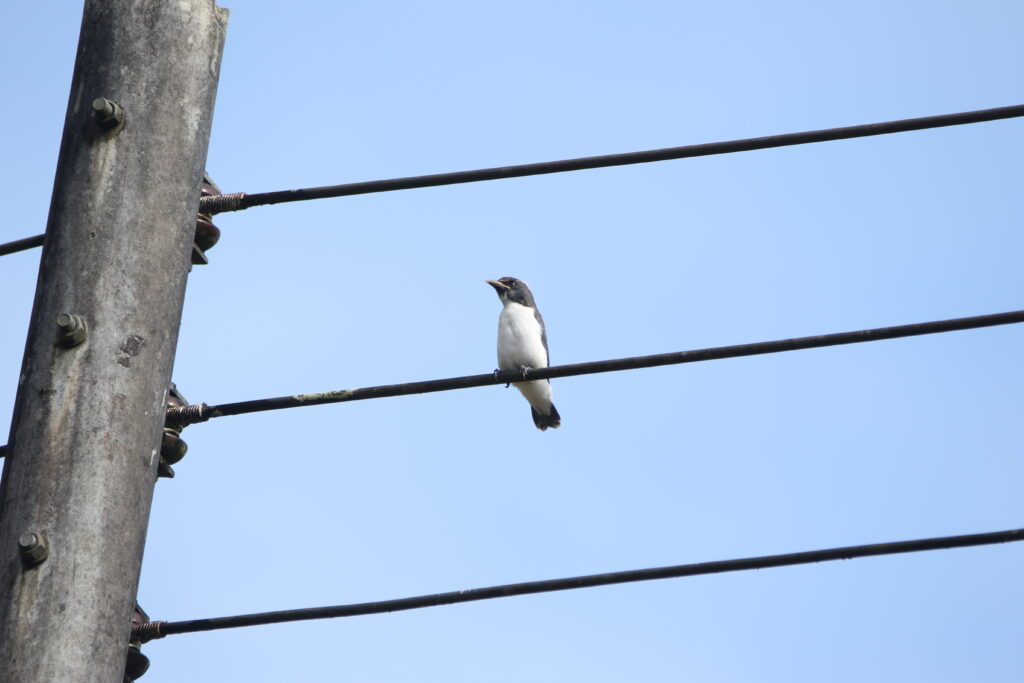
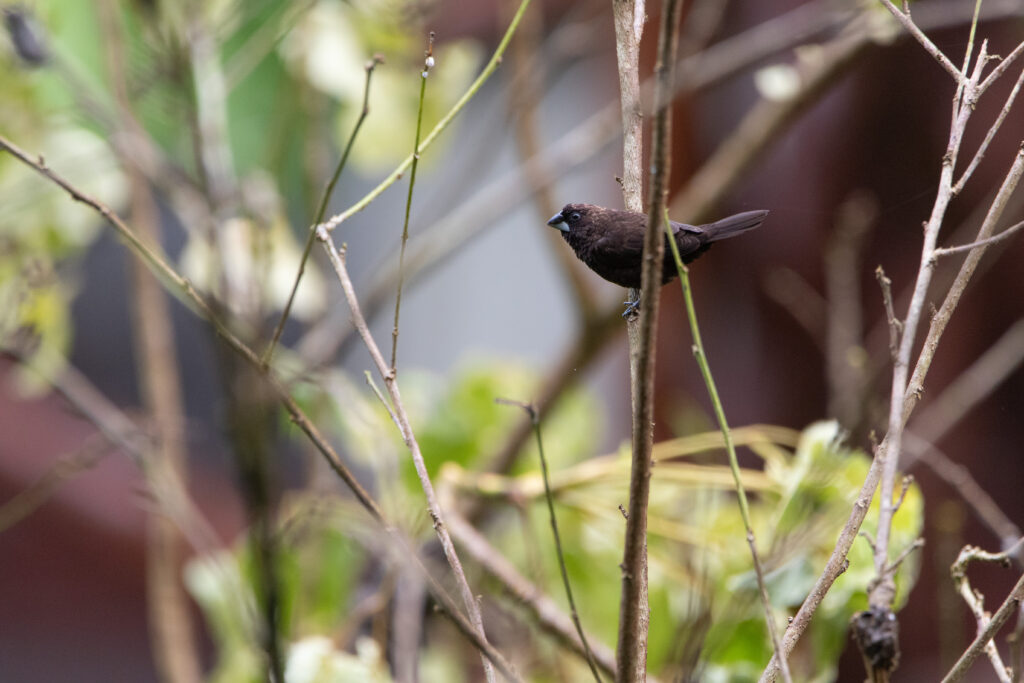
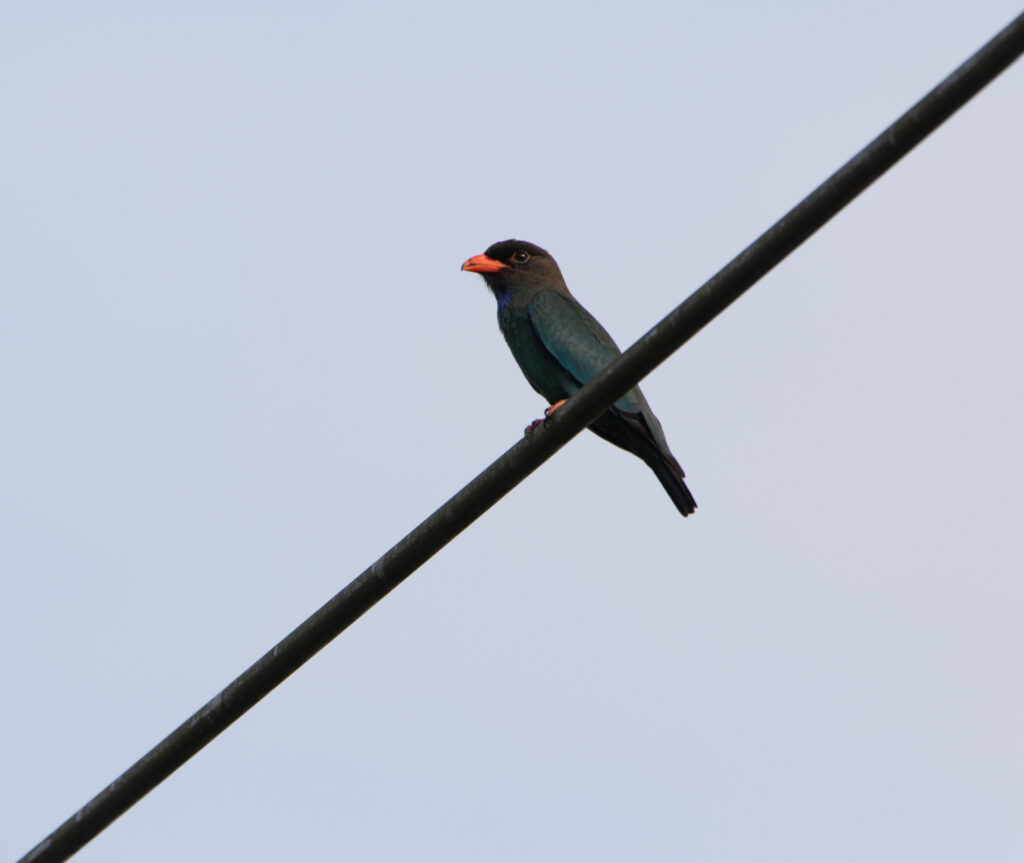
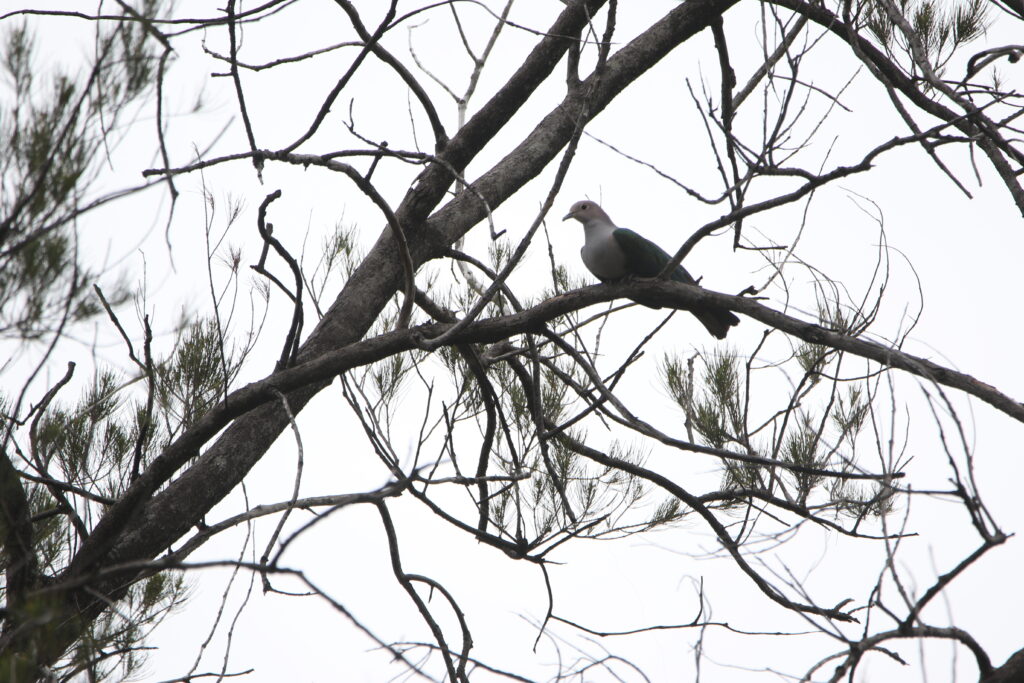
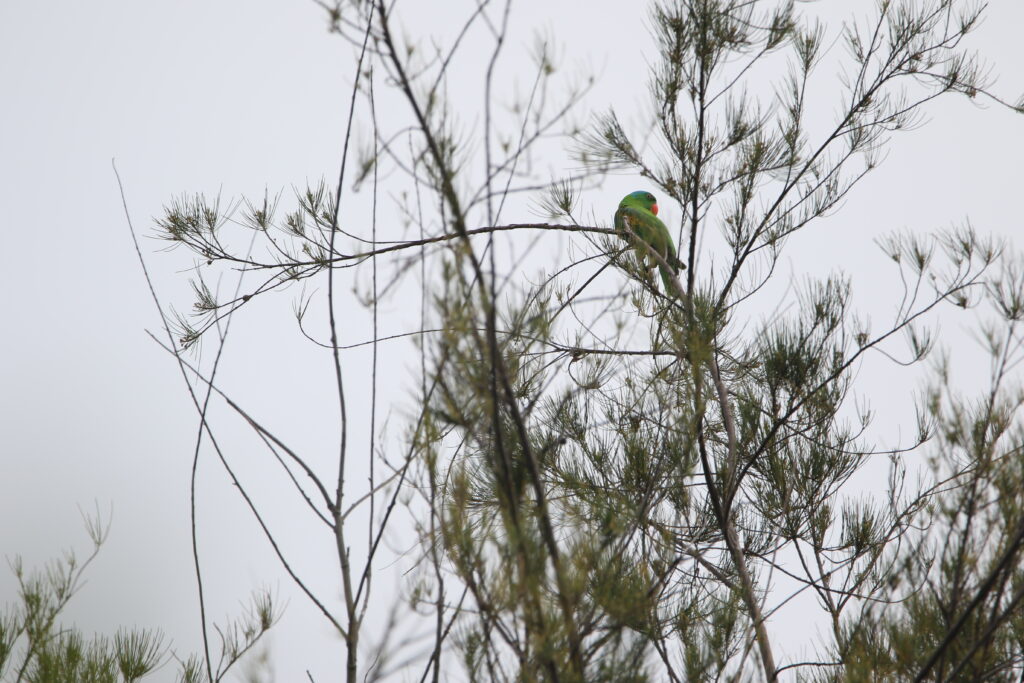
Originally from the Philippines, Blue-naped Parrot (Tanygnathus lucionensis) has been introduced here. Thanks to its beautiful colors, it has become one of the city’s star birds and this is the easiest and most accessible place to observe it in Malaysia. Be careful not to confuse it with Long-tailed Parakeet (Psittacula longicauda), which also occurs in the park. You can then explore the various trails around the park where you may see Green Imperial Pigeon (Ducula aenea), Dusky Munia (Lonchura fuscans), Chestnut Munia (Lonchura atricapilla), Baya Weaver (Ploceus philippinus), White-breasted Woodswallow (Artamus leucorynchus), and the beautiful Oriental Dollarbird (Eurystomus orientalis).



Penampang Fields and Rice Paddies
After being somewhat disappointed by the Wetland Ramsar Site, the fields and rice paddies of Penampang were a pleasant surprise. Located on the outskirts of the city and fairly close to the airport, this area hosts a very interesting birdlife. It consists of several cultivated rice paddies along a small road and a dirt track. Birds move depending on the water level in the paddies, so you may need to explore a bit to find the most productive field.
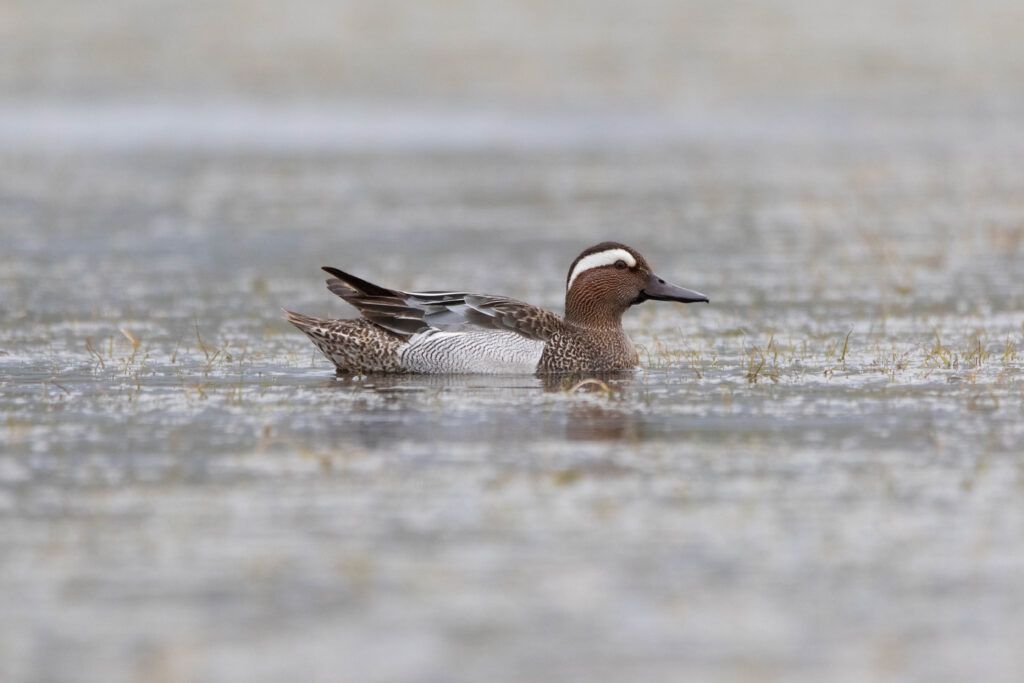
Starting with ducks, you can see Wandering Whistling Duck (Dendrocygna arcuata), Garganey (Spatula querquedula), and Northern Shoveler (Spatula clypeata). Hidden among the grass clumps, you may find Buff-banded Rail (Hypotaenidia philippensis), White-breasted Waterhen (Amaurornis phoenicurus), Watercock (Gallicrex cinerea), Common Moorhen (Gallinula chloropus), and Black-backed Swamphen (Porphyrio indicus).
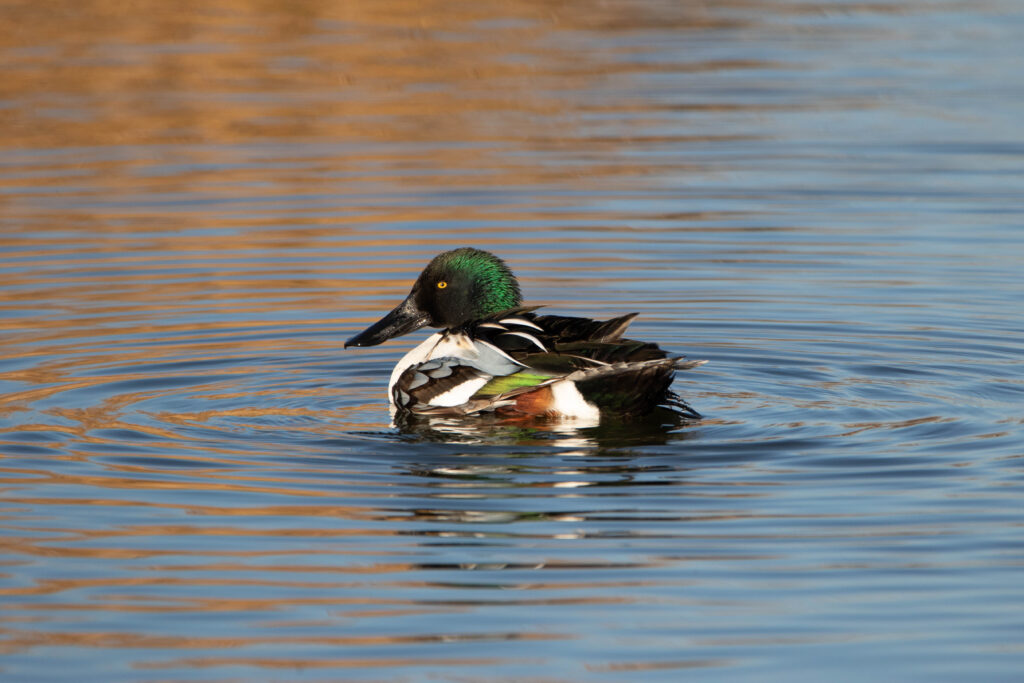
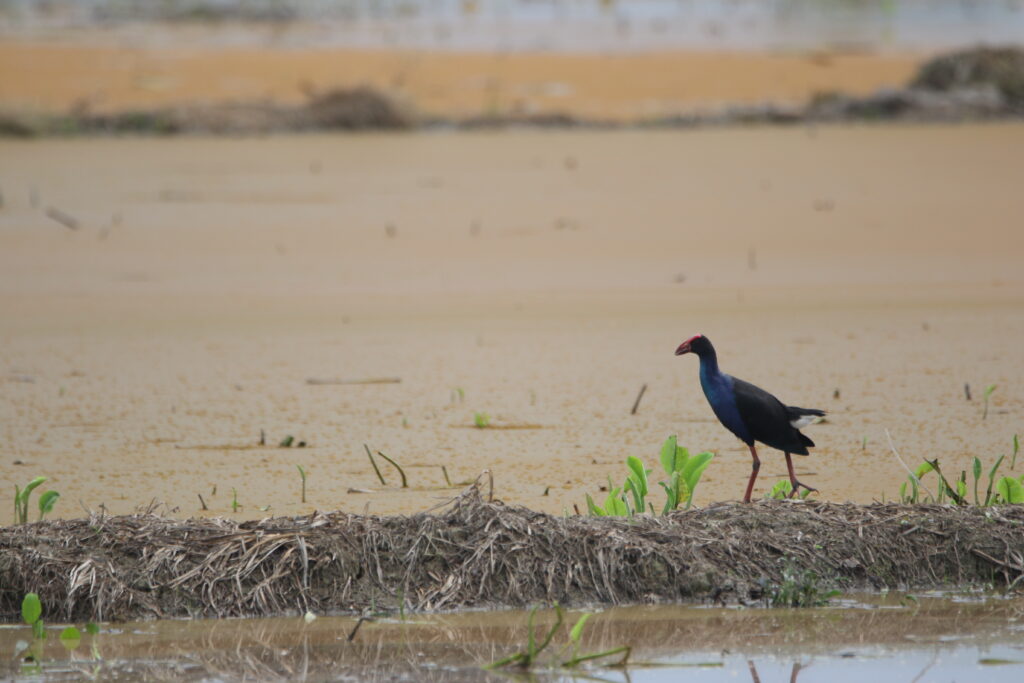
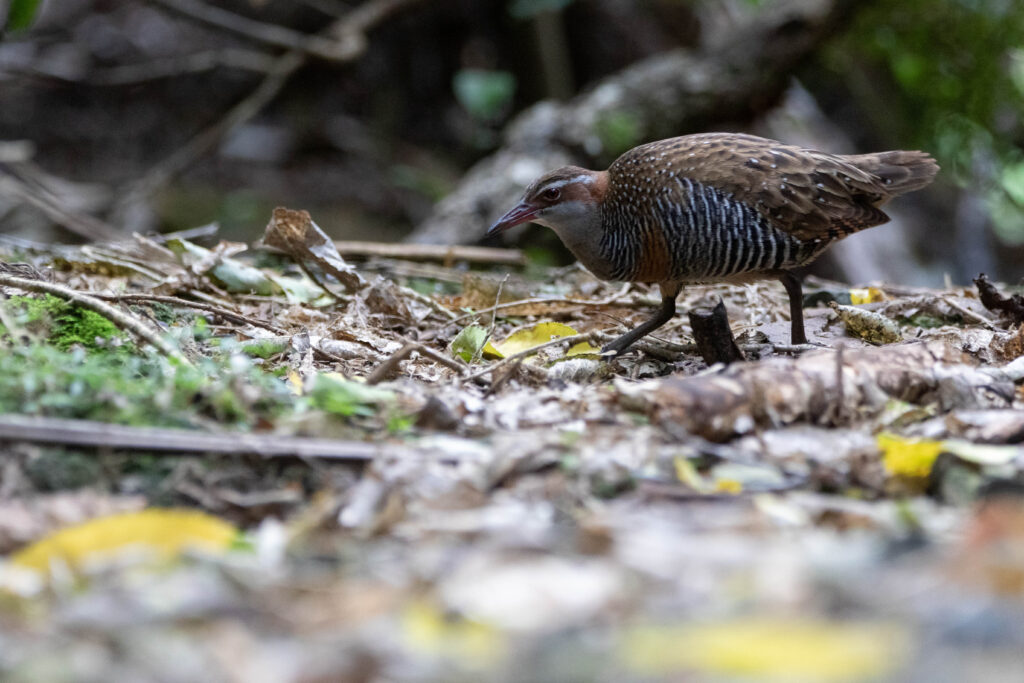
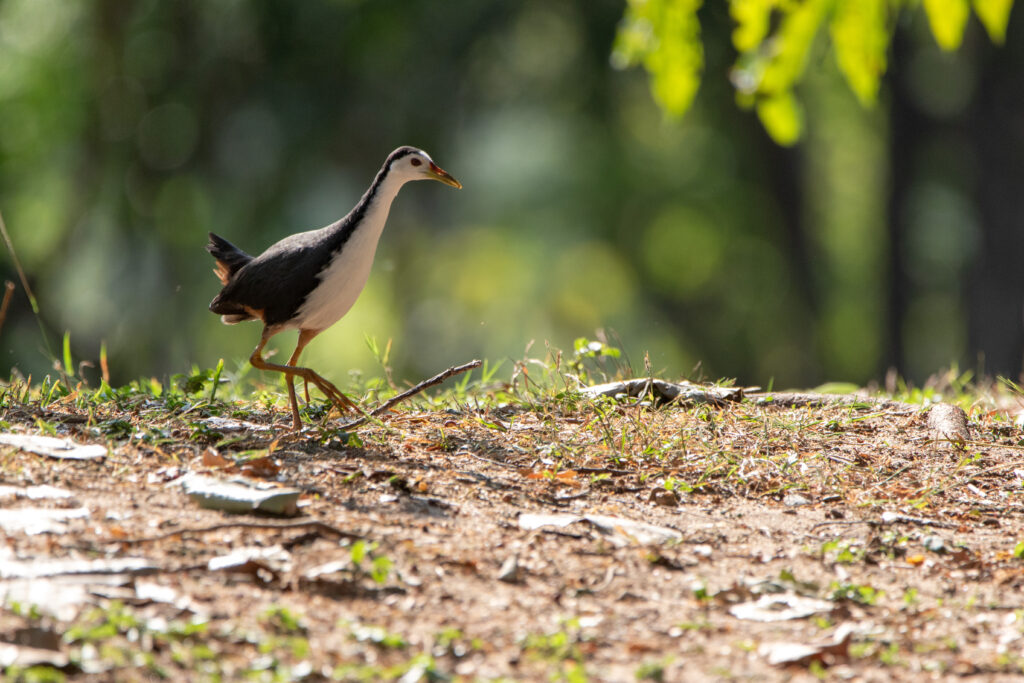
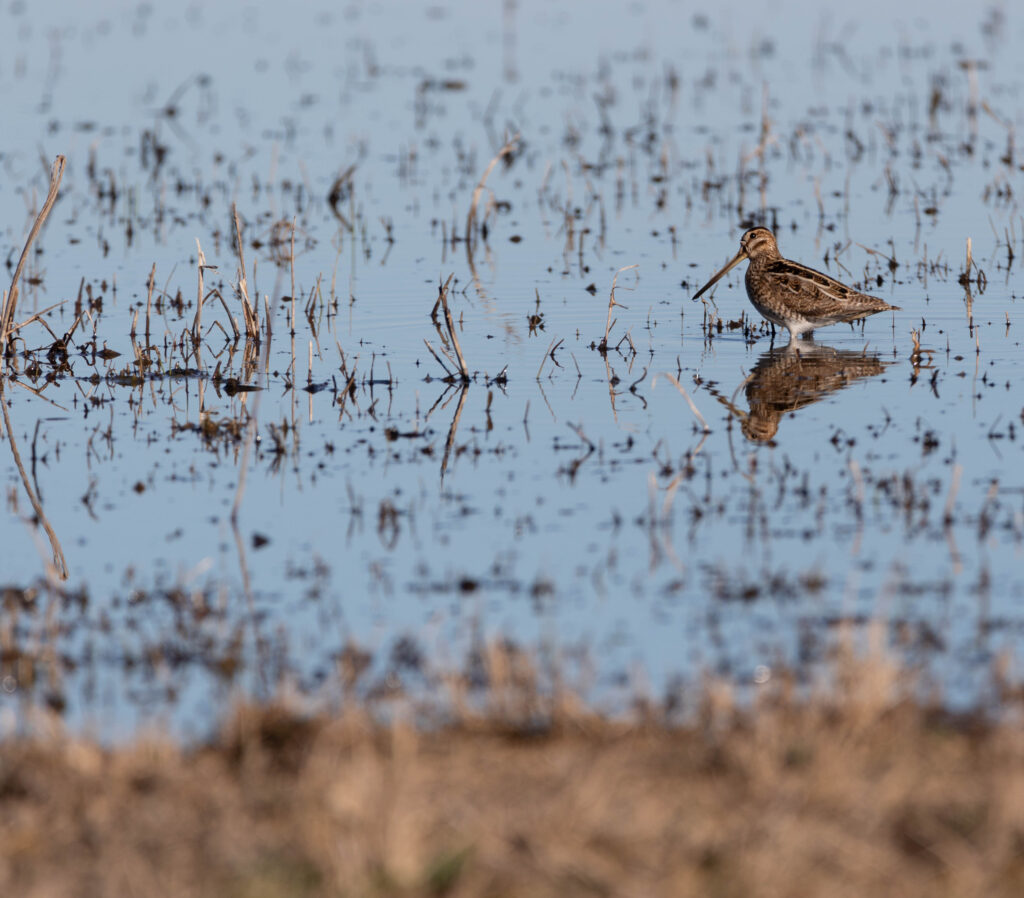
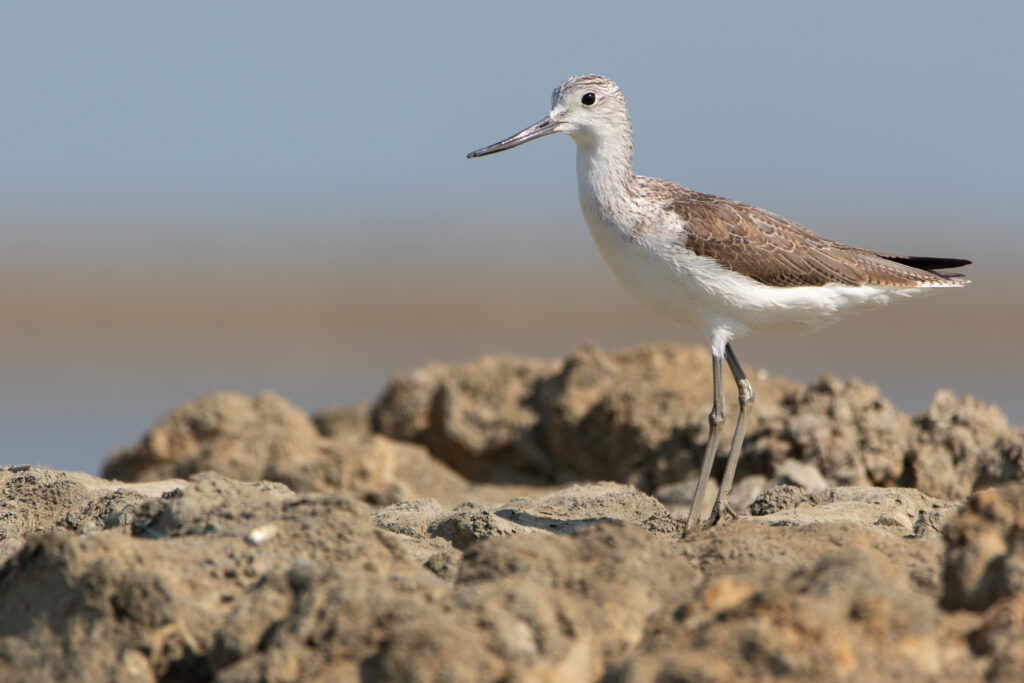
Many waders are also present, with species varying depending on the season, including Black-winged Stilt (Himantopus himantopus), Little Ringed Plover (Charadrius dubius), Common Snipe (Gallinago gallinago), Wood Sandpiper (Tringa glareola), Common Greenshank (Tringa nebularia), and Long-toed Stint (Calidris subminuta).

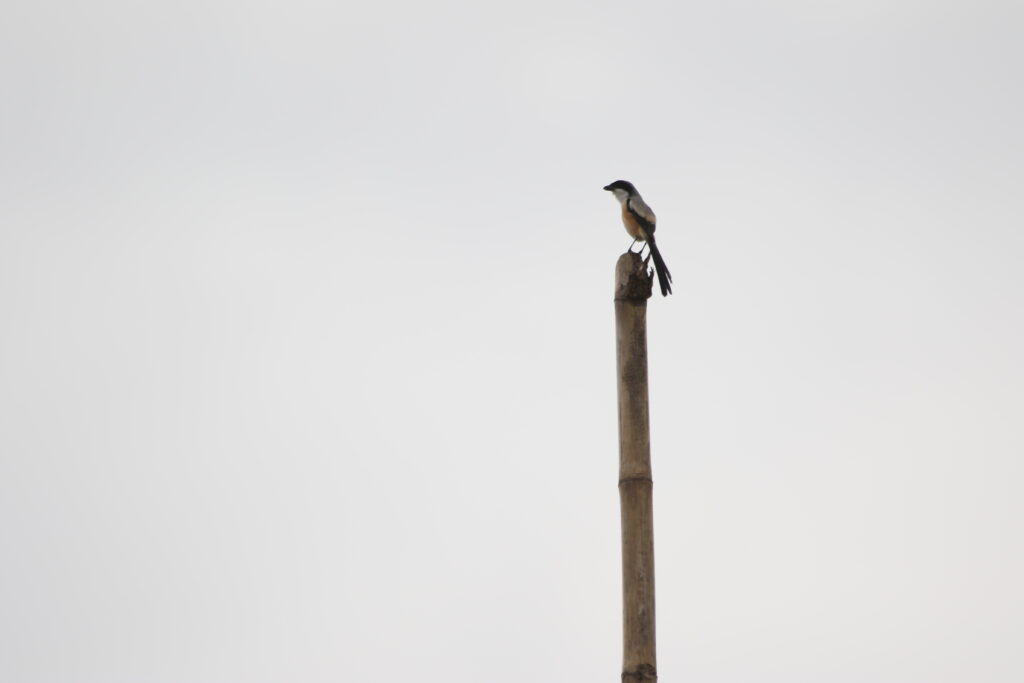
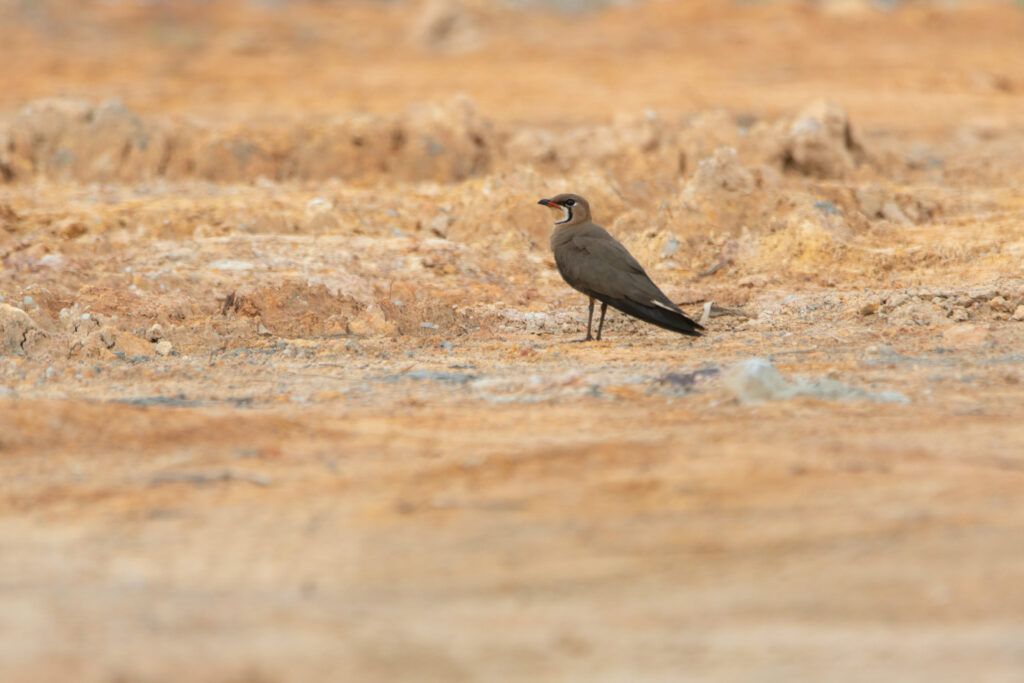
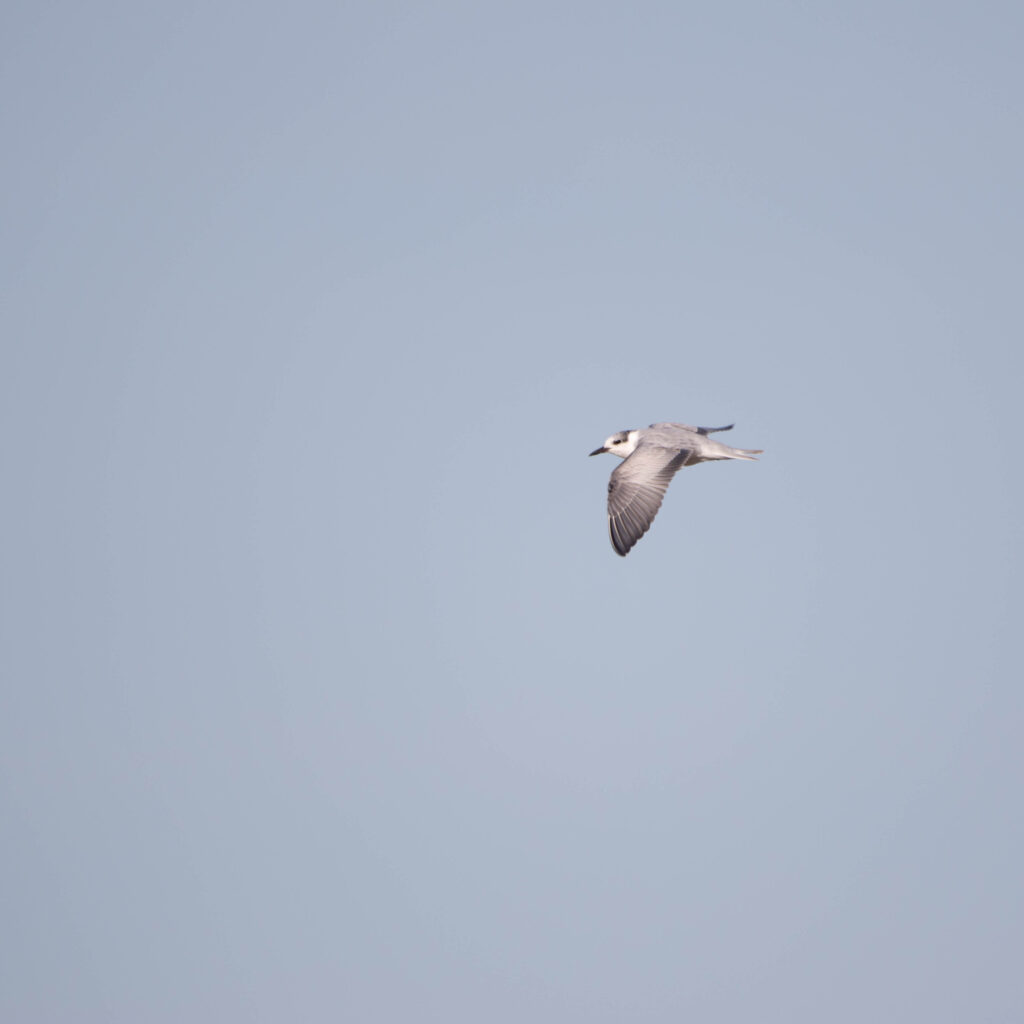
You may also observe Oriental Pratincole (Glareola maldivarum) and Whiskered Tern (Chlidonias hybrida). Among passerines, look for Long-tailed Shrike (Lanius schach), Little Grassbird (Poodytes gramineus), or introduced species such as Red Avadavat (Amandava amandava) and Java Sparrow (Padda oryzivora).

Nearby Islands
These islands are not really worth visiting specifically for birdwatching. However, if you plan to visit Pulau Mamutik, Manukan Island, or any island in the Tunku Abdul Rahman Marine Park, you may have the chance to see one or two additional species. Unfortunately, these islands have been heavily impacted by mass tourism.
On Pulau Mamutik, for example, you may observe Pied Imperial Pigeon (Ducula bicolor), which is difficult to see elsewhere, Pacific Reef Heron (Egretta sacra), and a few White-breasted Woodswallow (Artamus leucorynchus).


How to Get to Kota Kinabalu?
If you are traveling to Kota Kinabalu from abroad, you will most likely need to take a domestic flight from Kuala Lumpur in Peninsular Malaysia. Traveling by boat is technically possible, but it is extremely long and requires several connections. If you are already in Borneo, you can easily reach Kota Kinabalu by car or by bus from other cities on the island.
Où dormir à Kota Kinabalu ?
There are dozens, if not hundreds, of accommodation options in Kota Kinabalu, covering all price ranges.
Personally, I recommend The Atelier Hotel. The rooms are extremely clean and comfortable, and the prices are very reasonable. It is conveniently located near the airport, but also close to Tanjung Aru and the Penampang rice fields. In addition, parking is easy in the lot below the building (although it can be more difficult on market days such as Saturday), and you can access your room independently.