



Birding at Sepilok and Rainforest Discovery Center (RDC)
Sepilok is mainly known among tourists for its orangutan rehabilitation centre, but it also offers another major highlight for birdwatchers: the RDC. The Rainforest Discovery Center is a network of towers, canopy walkways, and forest trails that allow visitors to explore the incredible biodiversity of this part of Borneo.
If you are visiting the state of Sabah for birdwatching, this is an essential stop on your trip, as the diversity of birds here is remarkable. The canopy walkway and observation towers are positioned at the level of the treetops, allowing visitors to observe birds at eye level. For photographers, it is the perfect opportunity to capture images at the same height as the birds. Beyond birds, the RDC is also home to an exceptional variety of wildlife. Here is everything you need to know.
Where to see birds in Sepilok and at the RDC
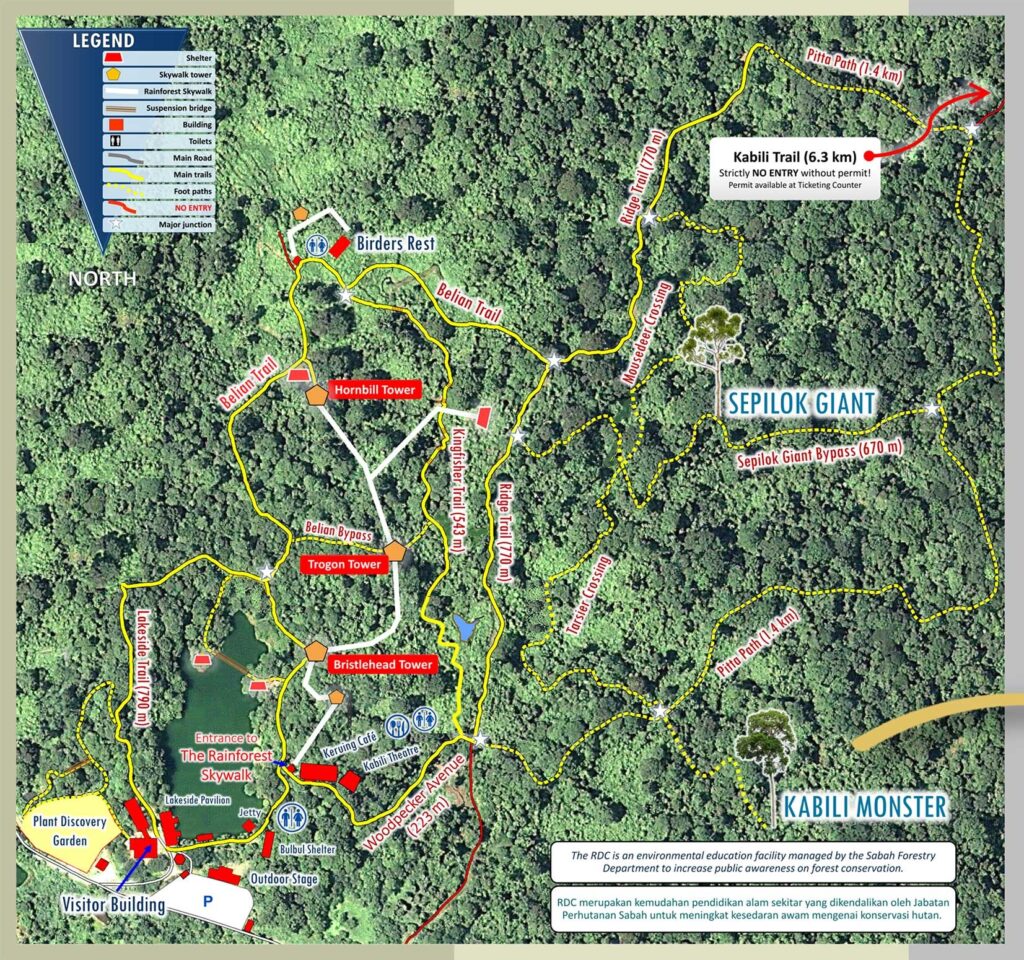
Below is the official map of the Rainforest Discovery Center (RDC).
Pitta Path & hide
The RDC has several kilometres of interesting trails. For example, the Sepilok Giant Bypass allows visitors to see trees that are nearly 1,000 years old. The Ridge Trail is a wide path that runs alongside the canopy walkway, while the Pitta Trail is narrower with denser vegetation. This is where several pittas are occasionally seen. If you have time, you can explore all the trails, but if you must choose, this one is definitely among the most interesting. A bird hide has also been built along this trail.
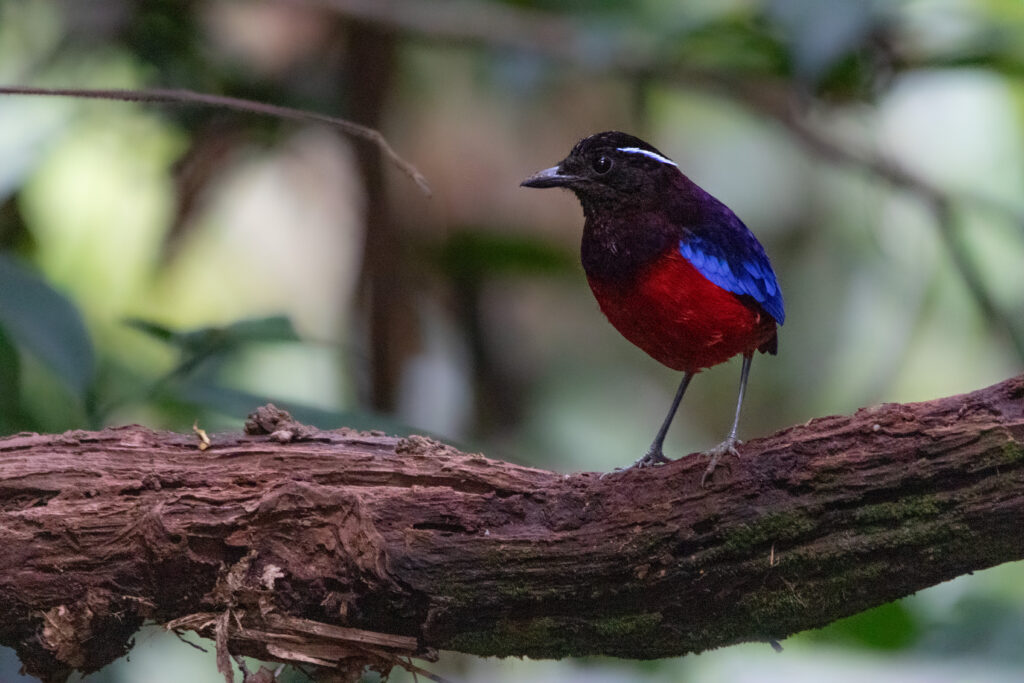
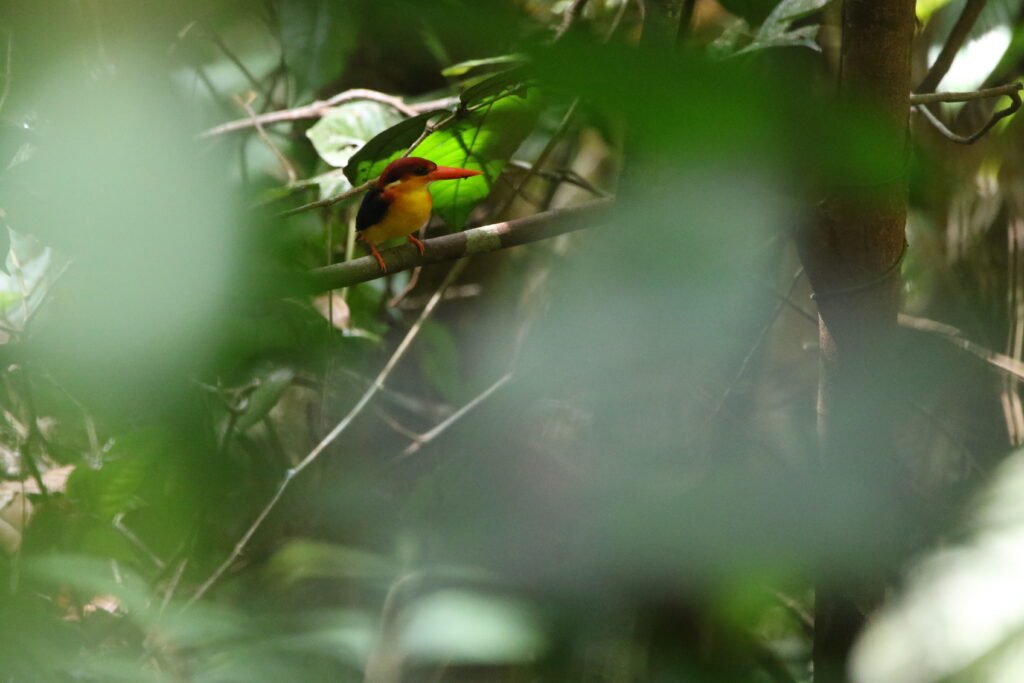
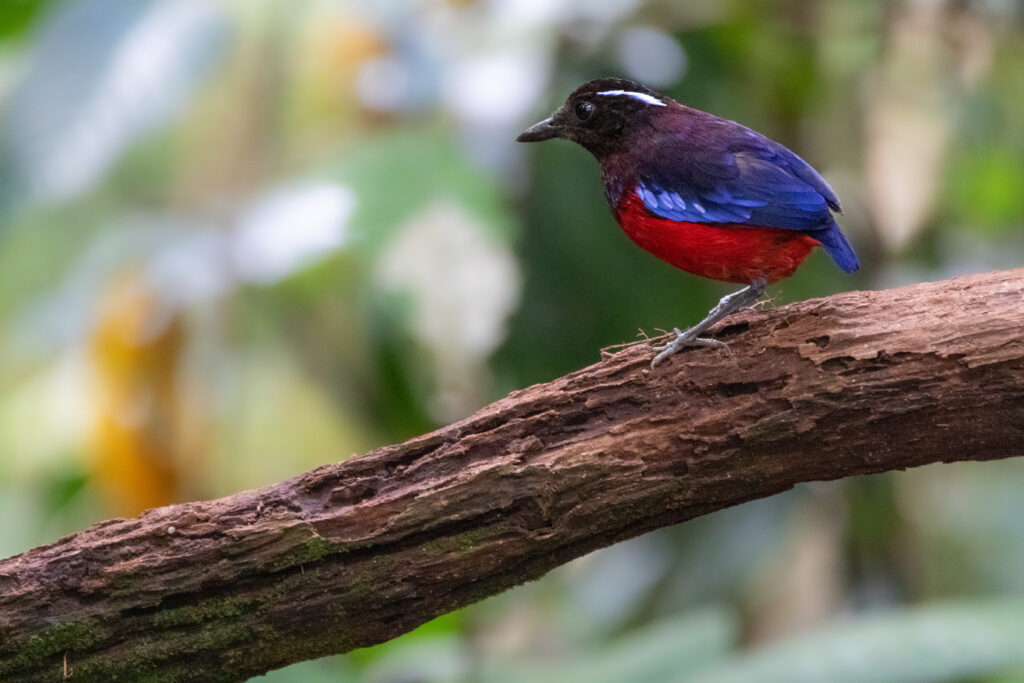
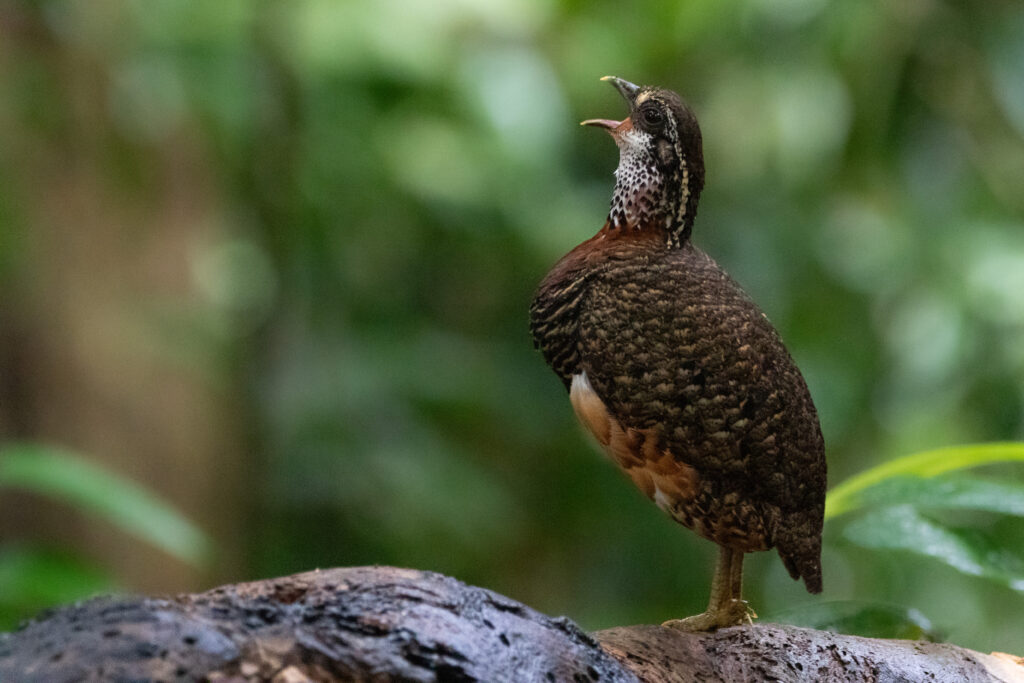
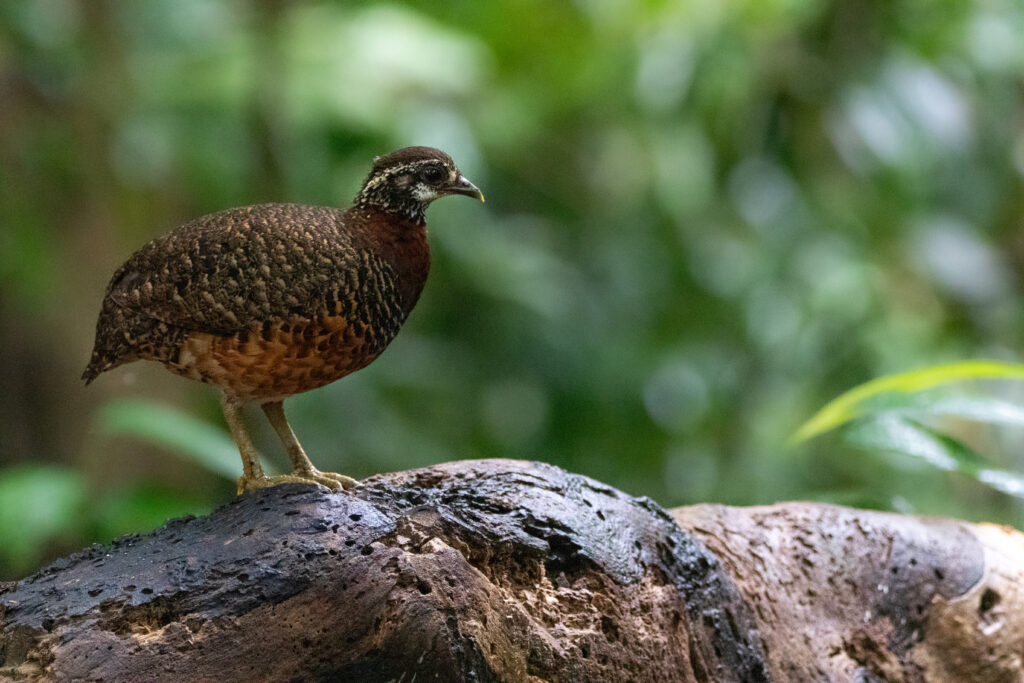
The hide was originally constructed to observe an endemic Bornean bird, Sabah Partridge (Tropicoperdix graydoni). However, because this partridge has become too accustomed to humans (mainly due to careless observers and photographers overusing feeding and playback), it often approaches the path and visitors even outside the hide. Along this trail you may also look for the tiny Rufous-backed Dwarf Kingfisher (Ceyx rufidorsa) or the Rufous-collared Kingfisher (Actenoides concretus). Finally, as the name suggests, the trail is also a good place to search for two stunning endemic pittas with bright colours: Black-crowned Pitta (Erythropitta ussheri) and, more rarely, the Blue-headed Pitta (Hydrornis baudii).
Canopy Walk & observation towers
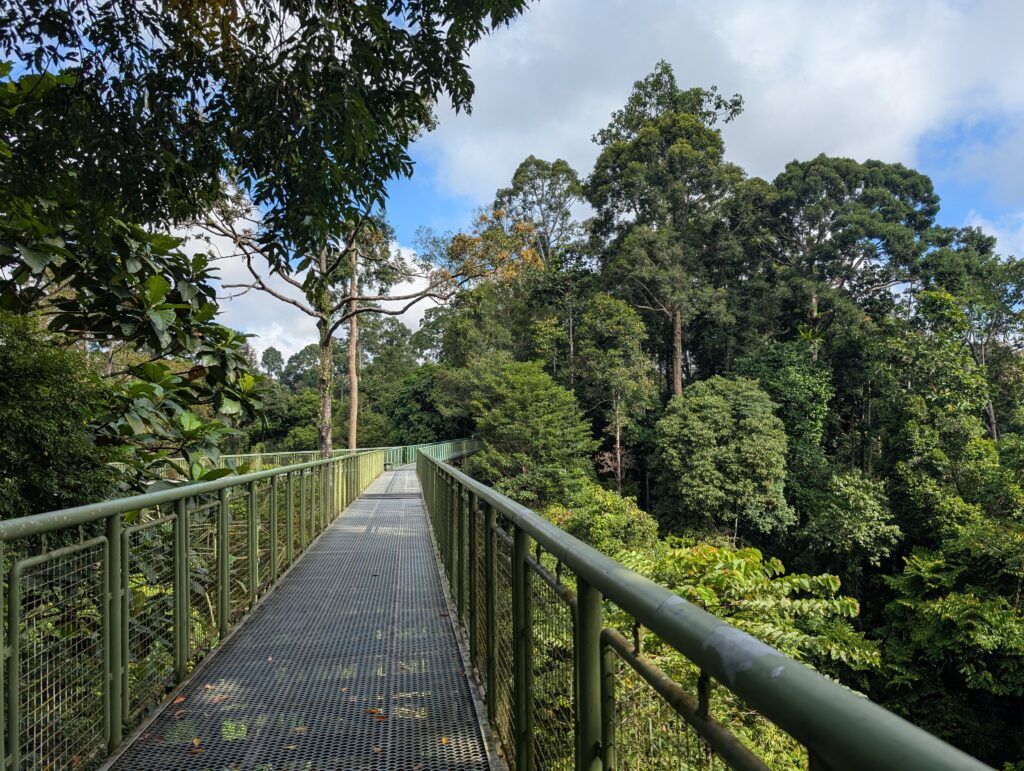
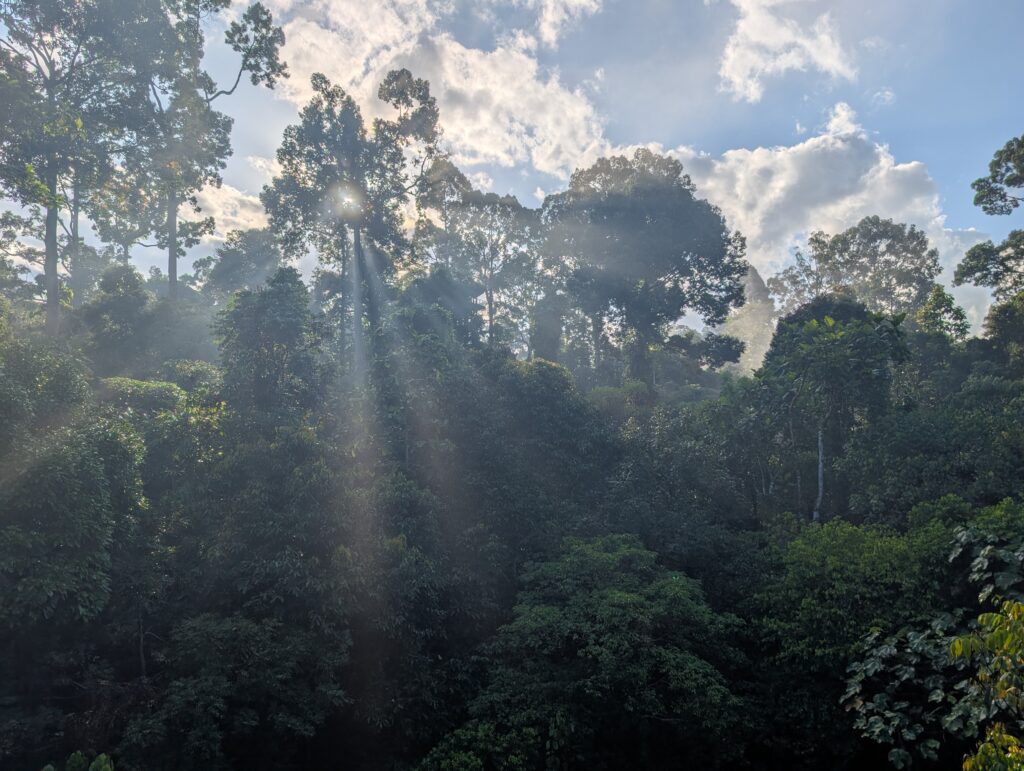
The Canopy Walk is the most important structure of the RDC and makes it one of the best places for birdwatching in Borneo. The Rainforest Skywalk stretches over 600 metres and allows visitors to observe birds flying above the canopy or perched in the treetops. In addition to the walkway, three observation towers — the Trogon Tower, Hornbill Tower, and Bristlehead Tower — provide excellent vantage points, with the tallest reaching 25 metres high.
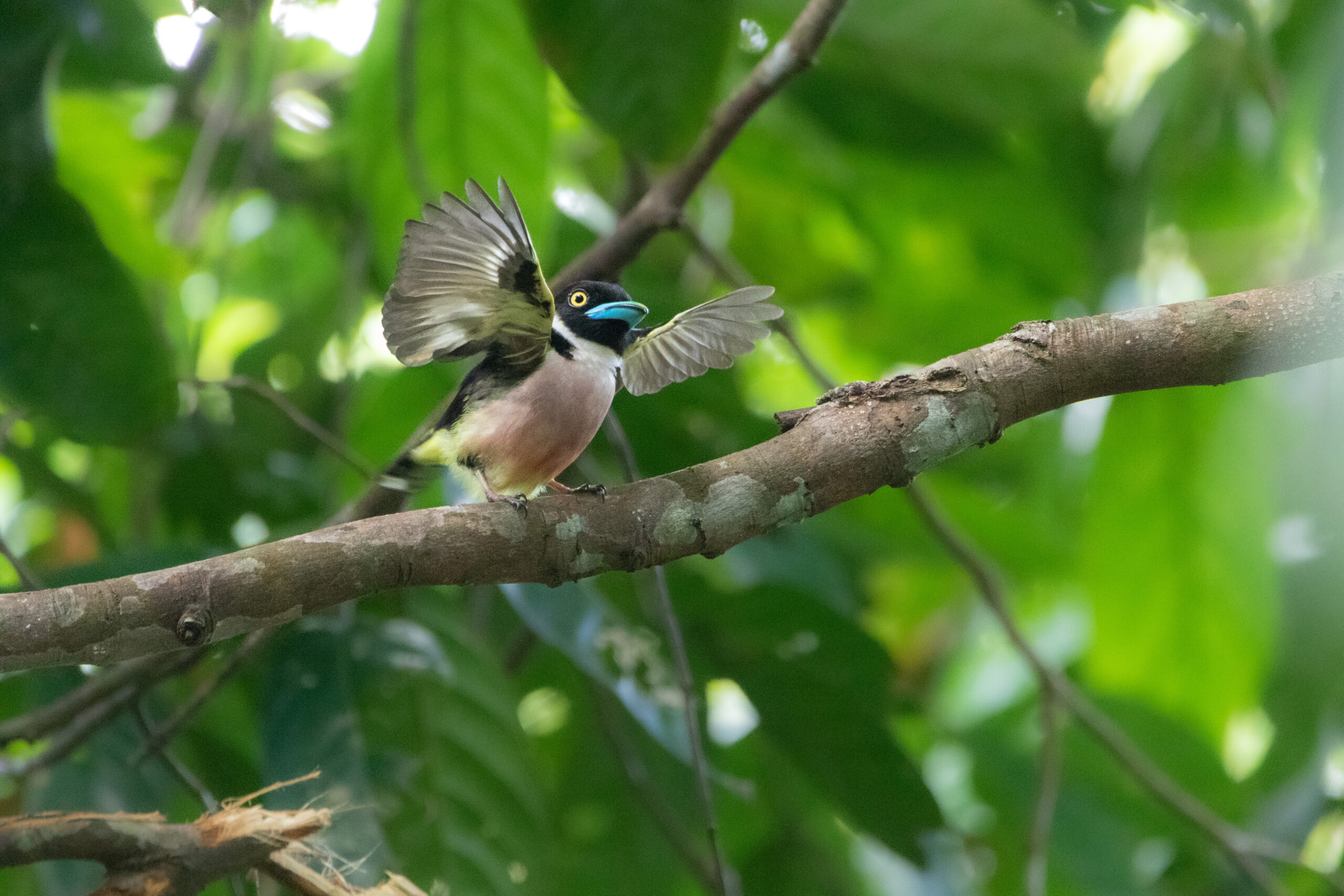
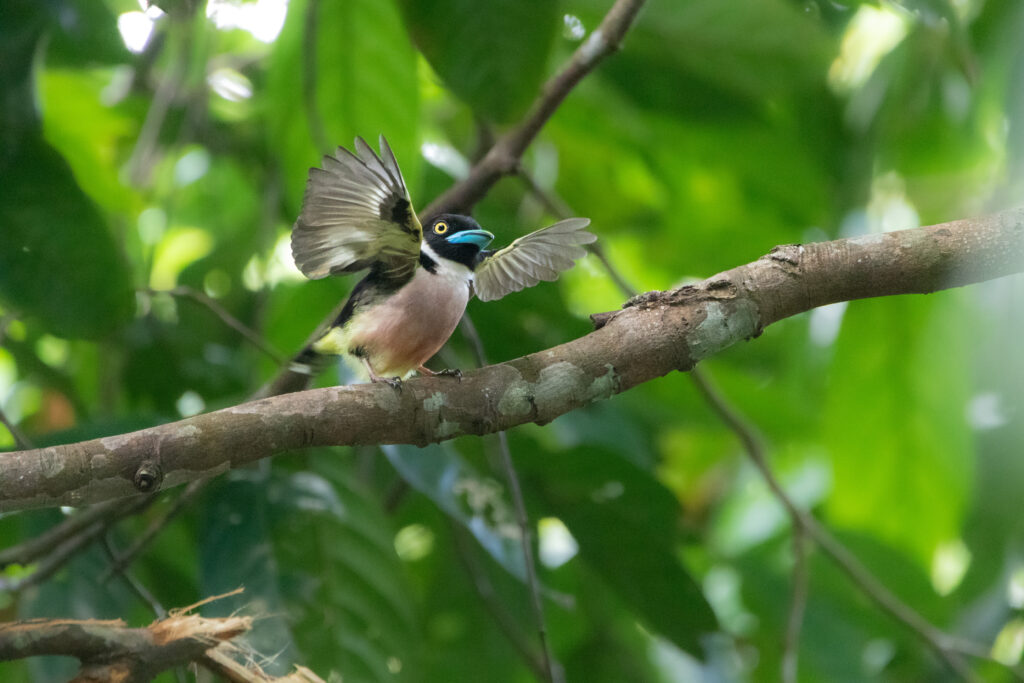
Let’s start with a few birds that are relatively easy to see and photograph along the walkway: Black-and-yellow Broadbill (Eurylaimus ochromalus), which sometimes approaches photographers closely, Red-bearded Bee-eater (Nyctyornis amictus), and Greater Racket-tailed Drongo (Dicrurus paradiseus). Small passerines can also be seen feeding around flowering trees, such as Ruby-cheeked Sunbird (Chalcoparia singalensis), Crimson Sunbird (Aethopyga siparaja) and Little Spiderhunter (Arachnothera longirostra).
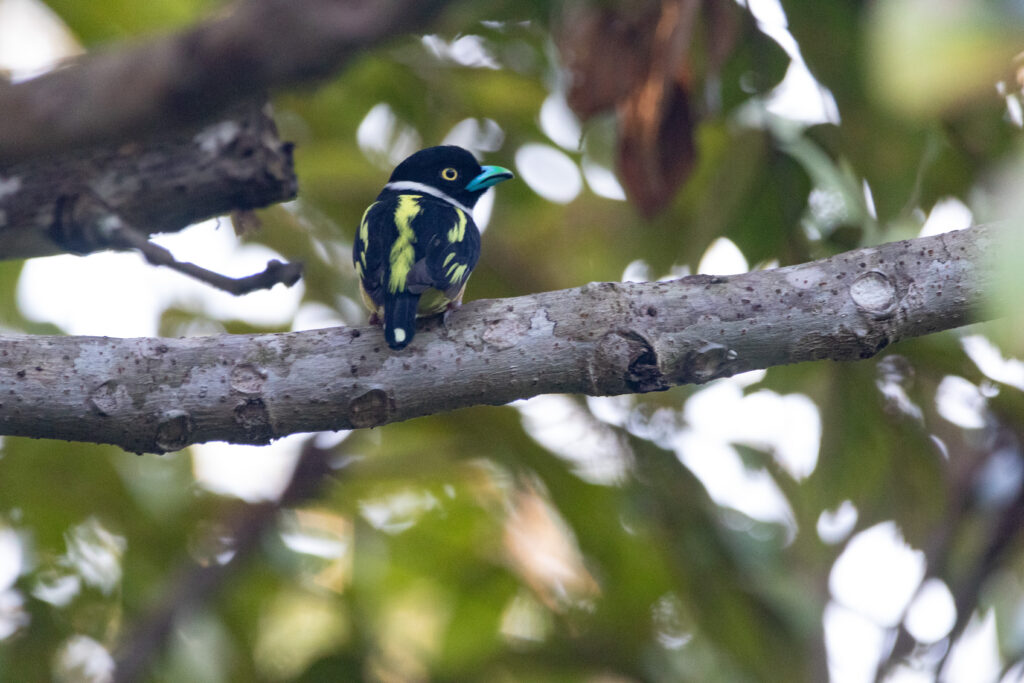
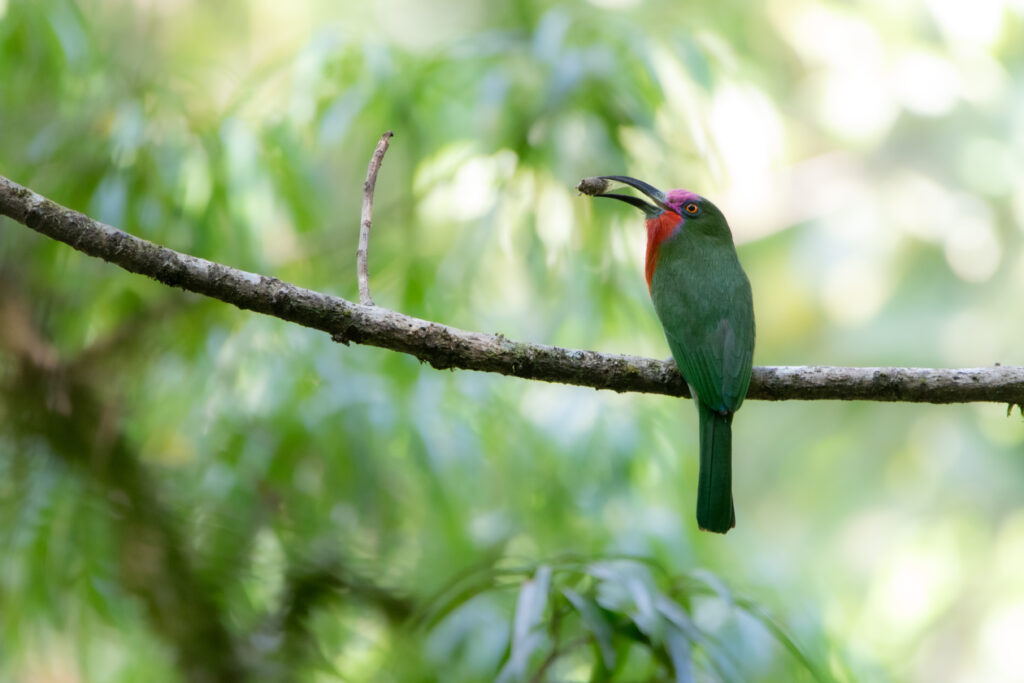

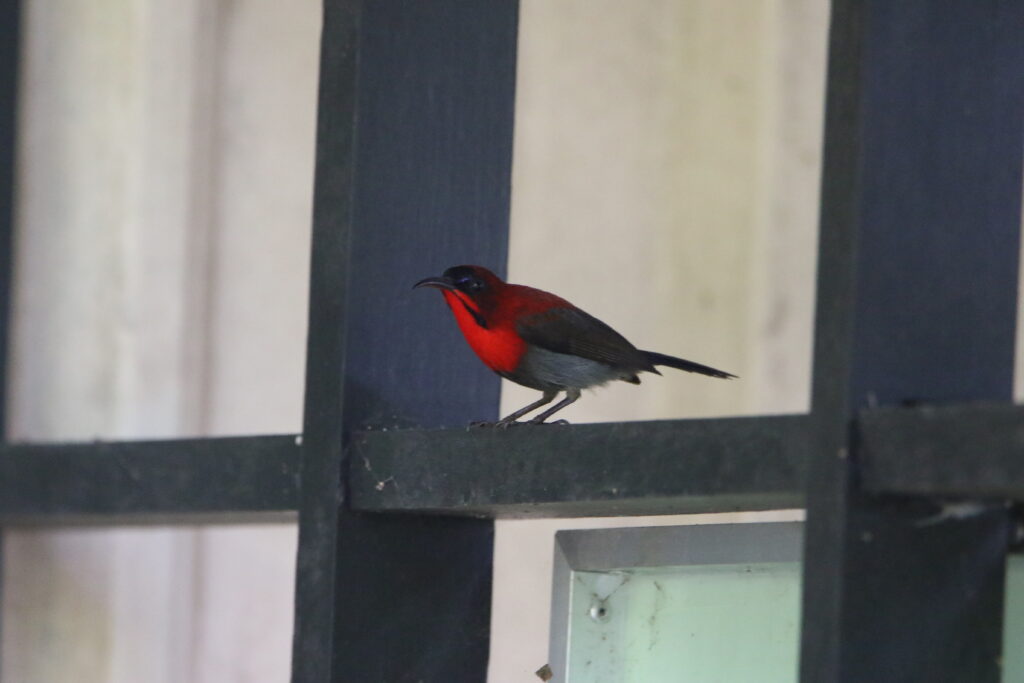
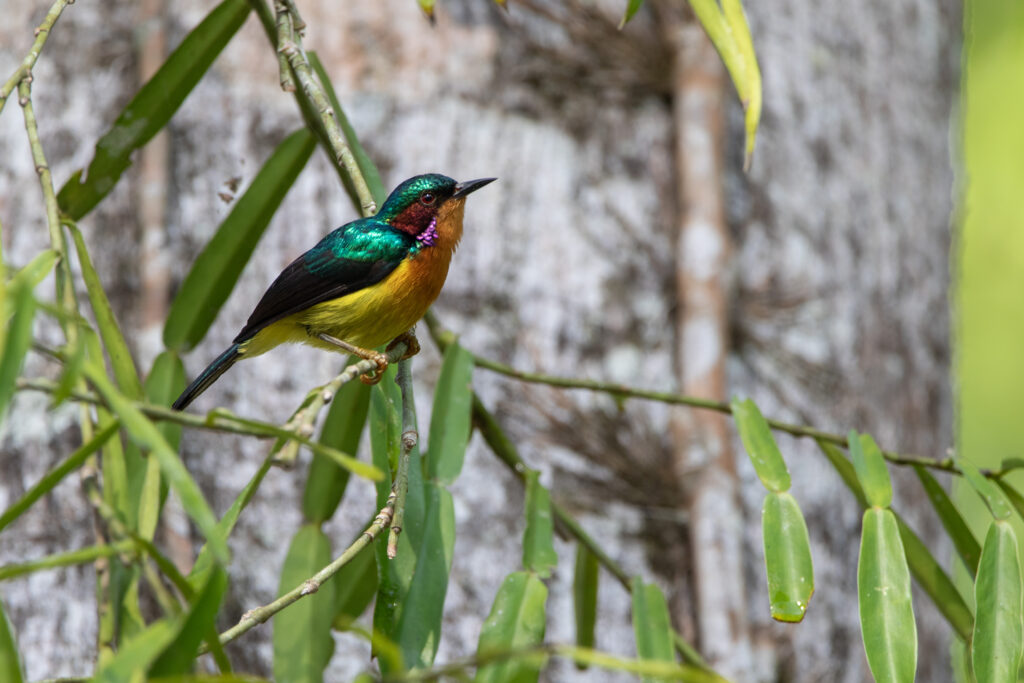
Bulbuls are also well represented in this area. Among the species that can be observed are Streaked Bulbul (Ixos malaccensis), Olive-winged Bulbul (Pycnonotus plumosus), Asian Red-eyed Bulbul (Pycnonotus brunneus), Grey-cheeked Bulbul (Alophoixus tephrogenys), Hairy-backed Bulbul (Tricholestes criniger), and less frequently Charlotte’s Bulbul (Iole charlottae) or Cream-eyed Bulbul (Pycnonotus pseudosimplex).


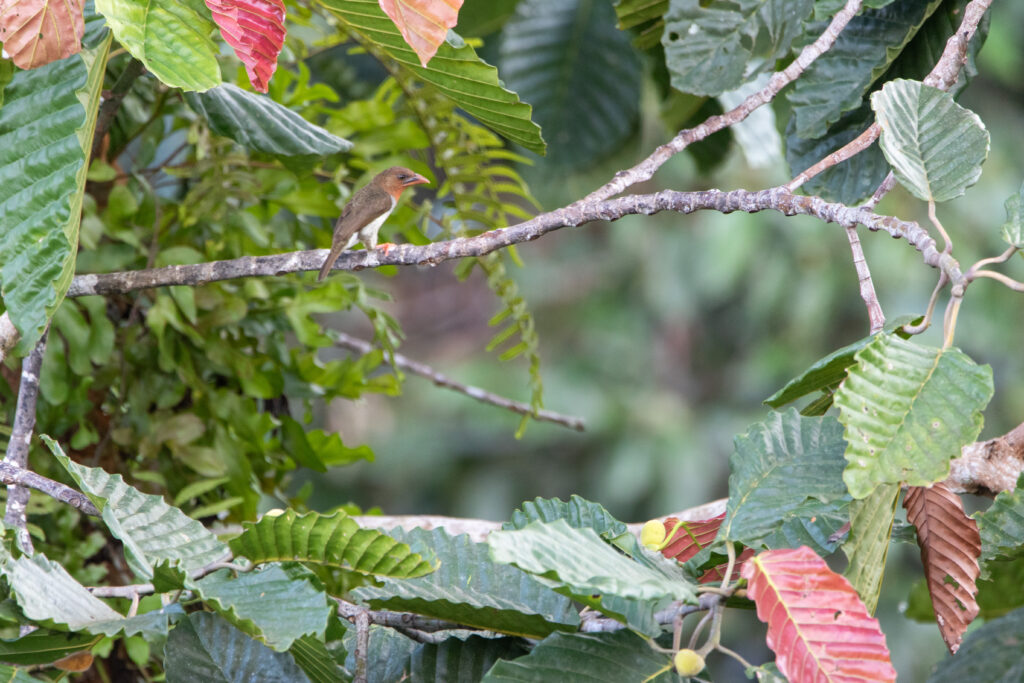
From the top of the towers, it is finally possible to observe barbets at eye level, which is ideal for spotting Brown Barbet (Caloramphus fuliginosus) or Black-eared Barbet (Psilopogon duvaucelii). Hornbills can also be seen from these vantage points, sometimes at a distance but occasionally close enough for excellent views. Among the species present are Black Hornbill (Anthracoceros malayanus) and Rhinoceros Hornbill (Buceros rhinoceros).
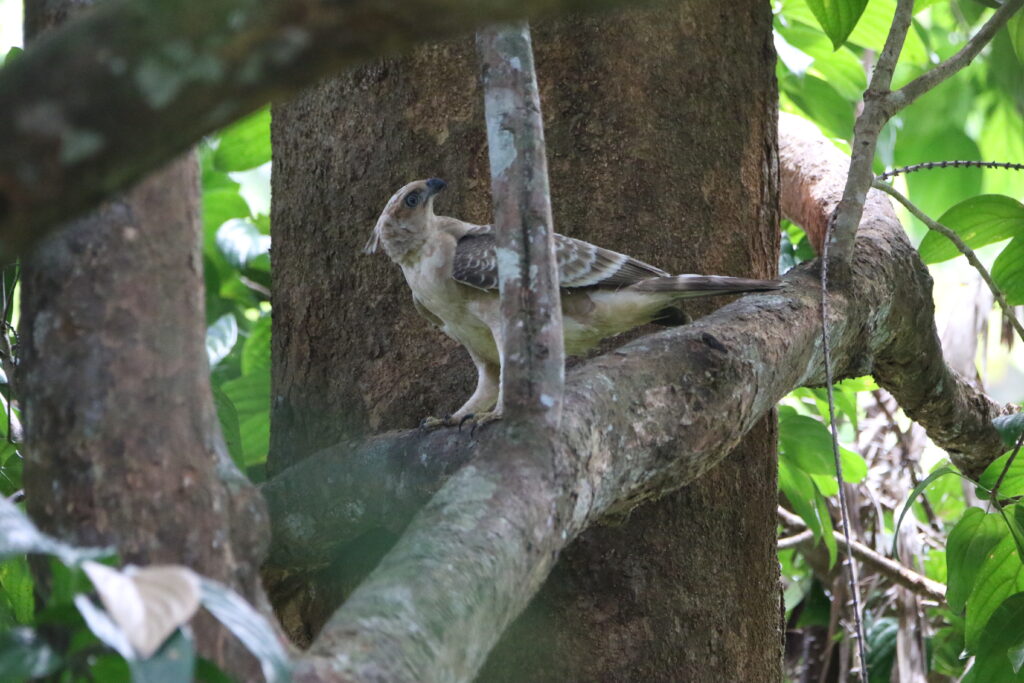
One of the most common raptors at the RDC is Wallace’s Hawk-Eagle (Nisaetus nanus). It is difficult to miss its presence because when it approaches, most passerines immediately flee.


Finally, an iconic endemic bird of Borneo can sometimes be seen at the RDC: Bornean Bristlehead (Pityriasis gymnocephala). It may appear anywhere along the canopy walkway, although its presence here is not guaranteed depending on the period.
Birders Rest
Located north of the main canopy walkway, the Birders Rest is an area with toilets and picnic tables. What makes it interesting, however, is the small walkway of a few dozen metres and the small observation tower (Broadbill Tower) located there.
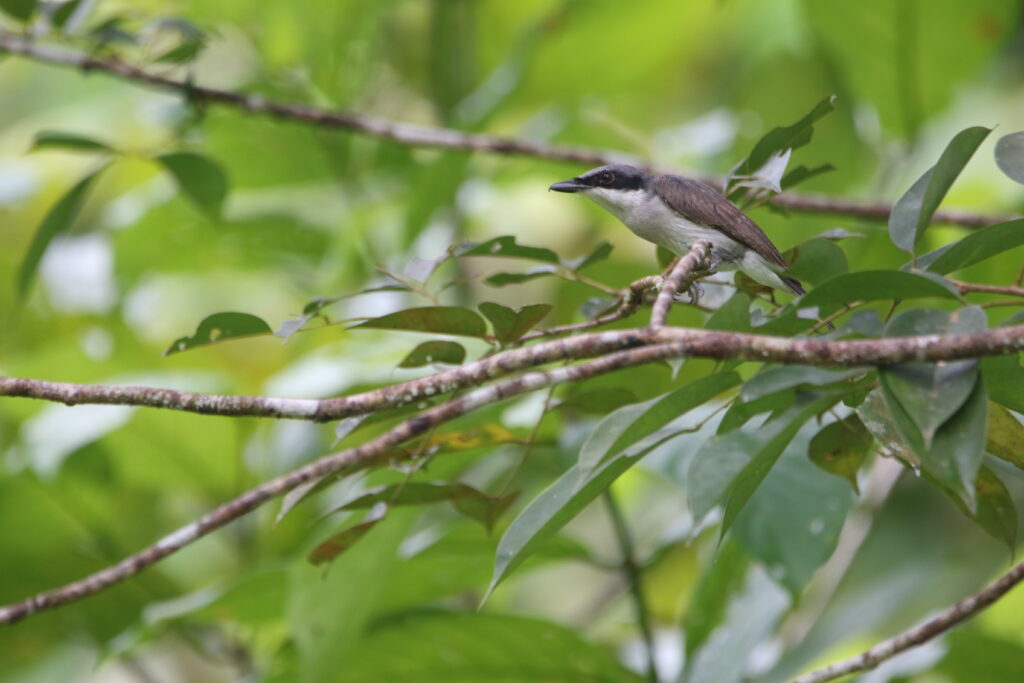
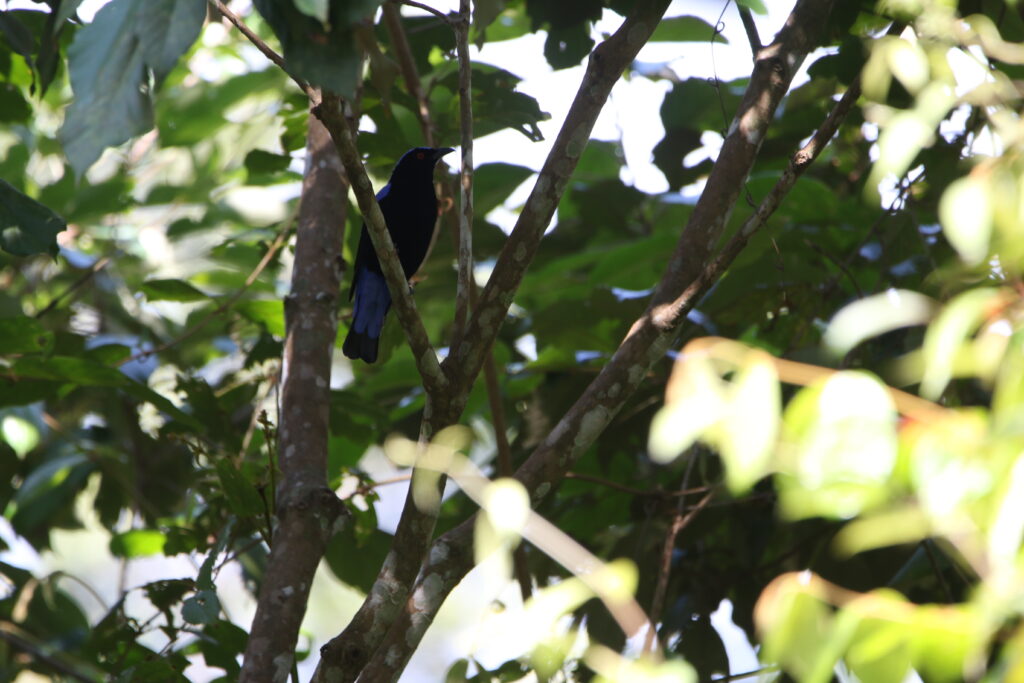
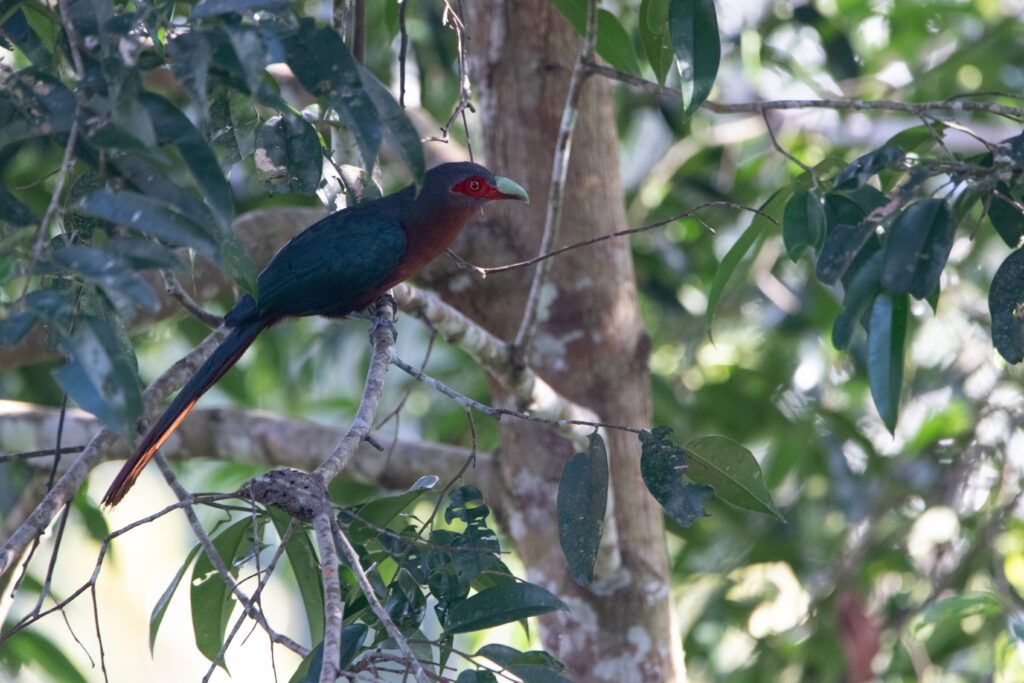
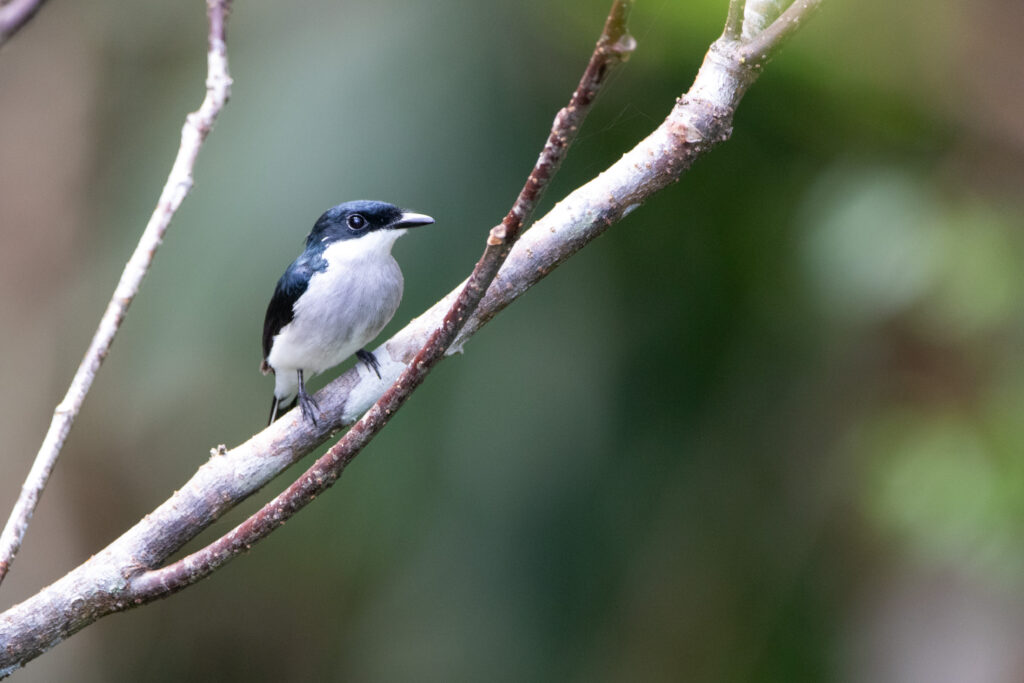
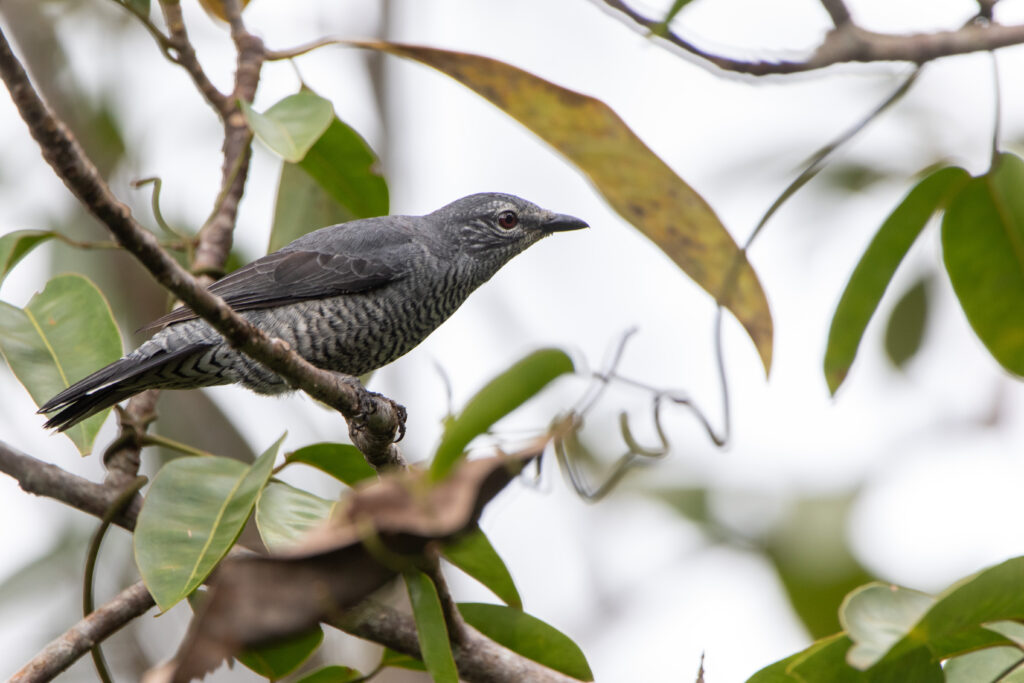
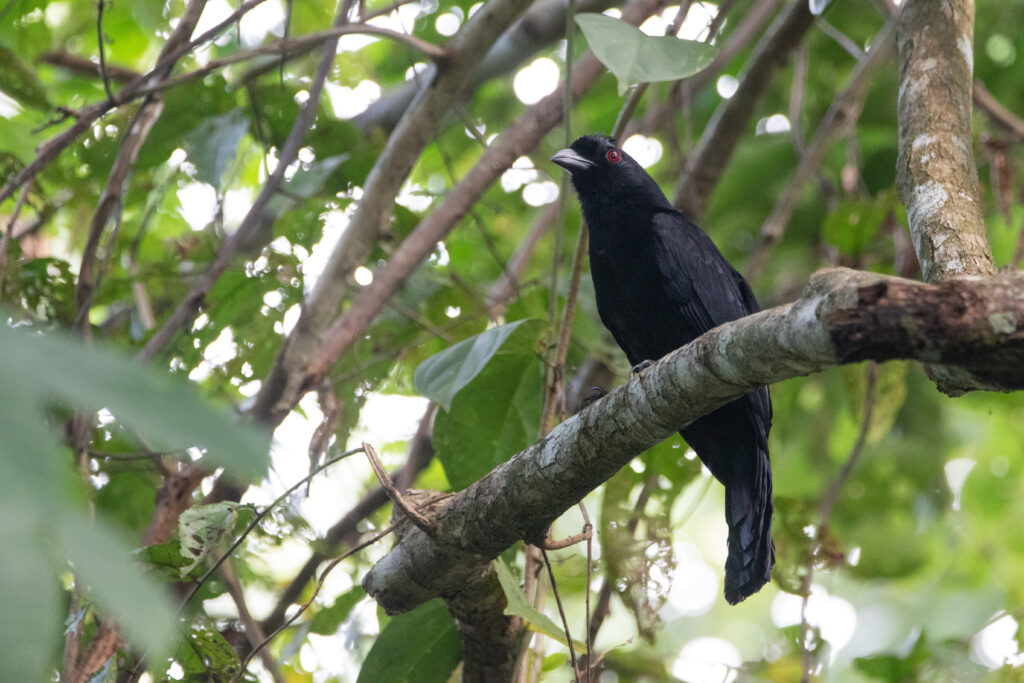
Despite the small size of this walkway, many bird species can be observed here. For example, Large Woodshrike (Tephrodornis virgatus), Black-winged Flycatcher-shrike (Hemipus hirundinaceus), Lesser Cuckooshrike (Lalage fimbriata), Raffles’s Malkoha (Rhinortha chlorophaea), and Chestnut-breasted Malkoha (Phaenicophaeus curvirostris) are all regularly seen in this area. Among the smaller passerines, you may also notice Asian Fairy-bluebird (Irena puella), which is fairly common at the RDC, Purple-naped Spiderhunter (Kurochkinegramma hypogrammicum), Spectacled Spiderhunter (Arachnothera flavigaster), and the rarer Purple-throated Sunbird (Leptocoma sperata).
Lakeside Trail
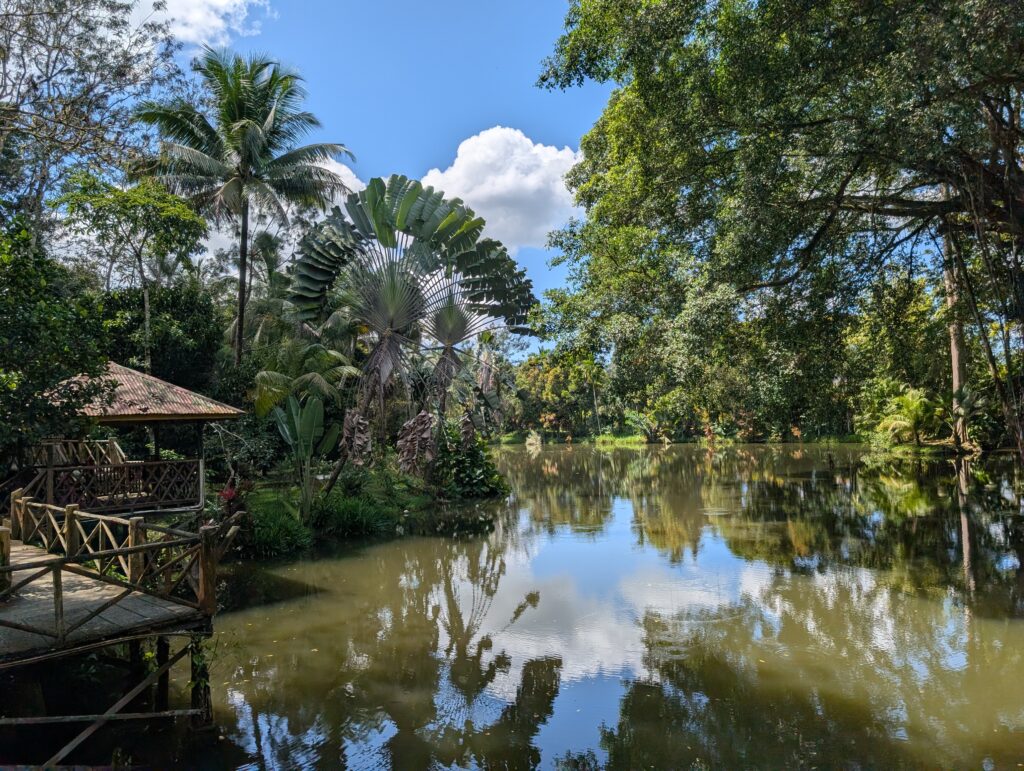
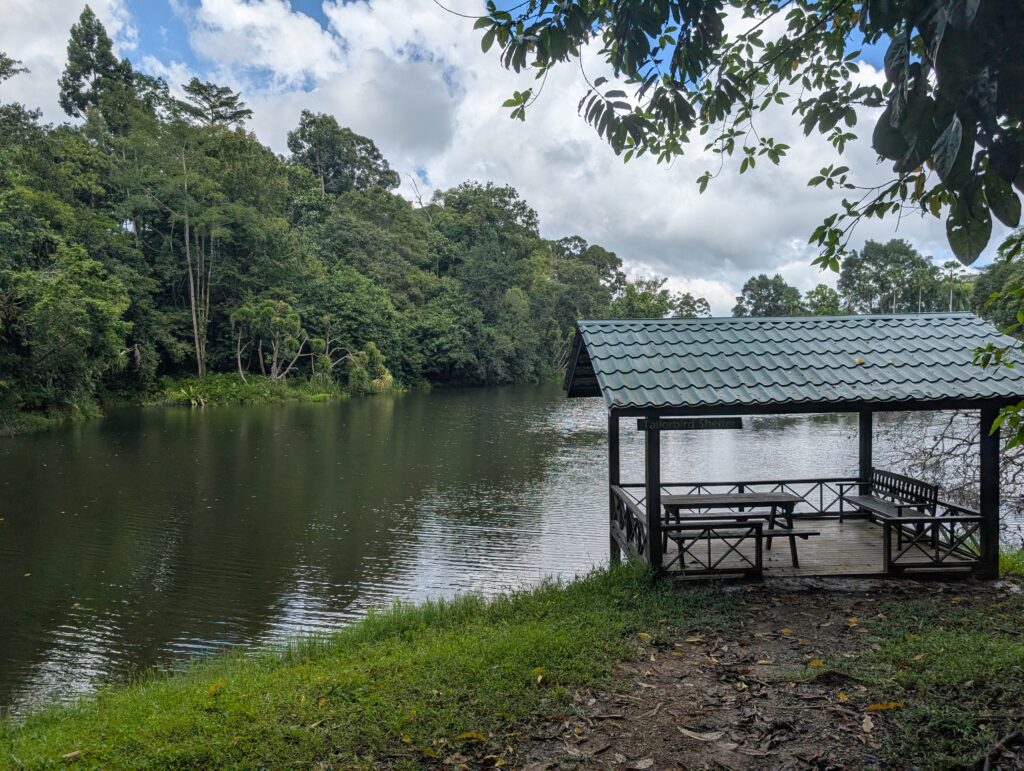
At the entrance of the RDC there is a lake. You can take the Lakeside Trail to walk around it and continue into the forest. Along this trail you will find a boardwalk above the water and small observation pavilions for watching birds. As you might expect, this is a very good place to see species that are different from those mentioned earlier. The Lakeside Trail then continues into the forest where it connects with other paths in the RDC trail network.
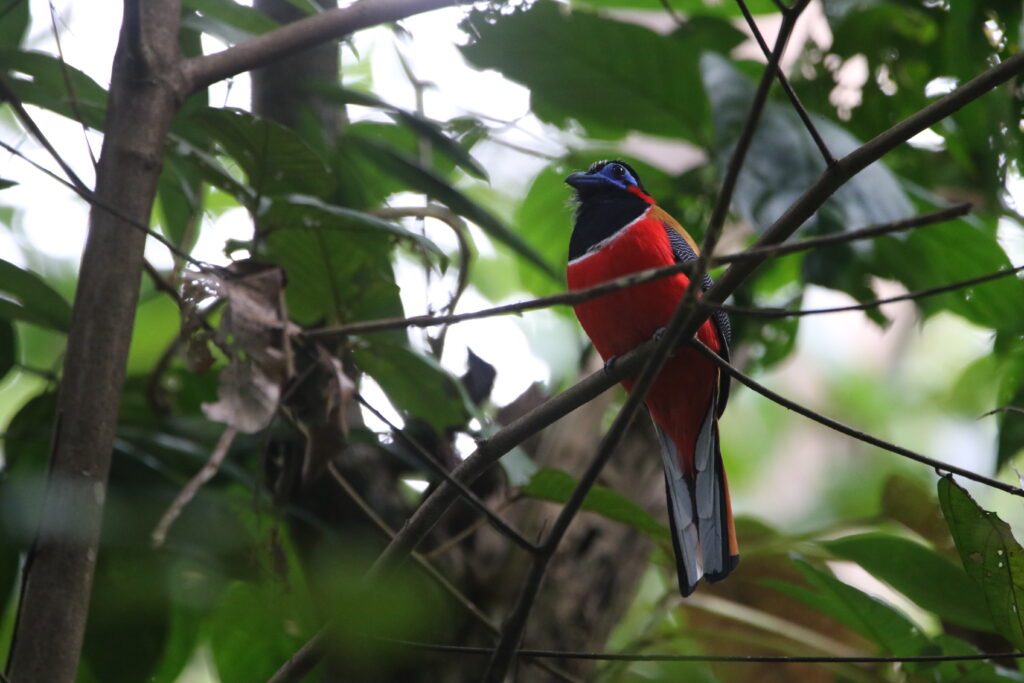
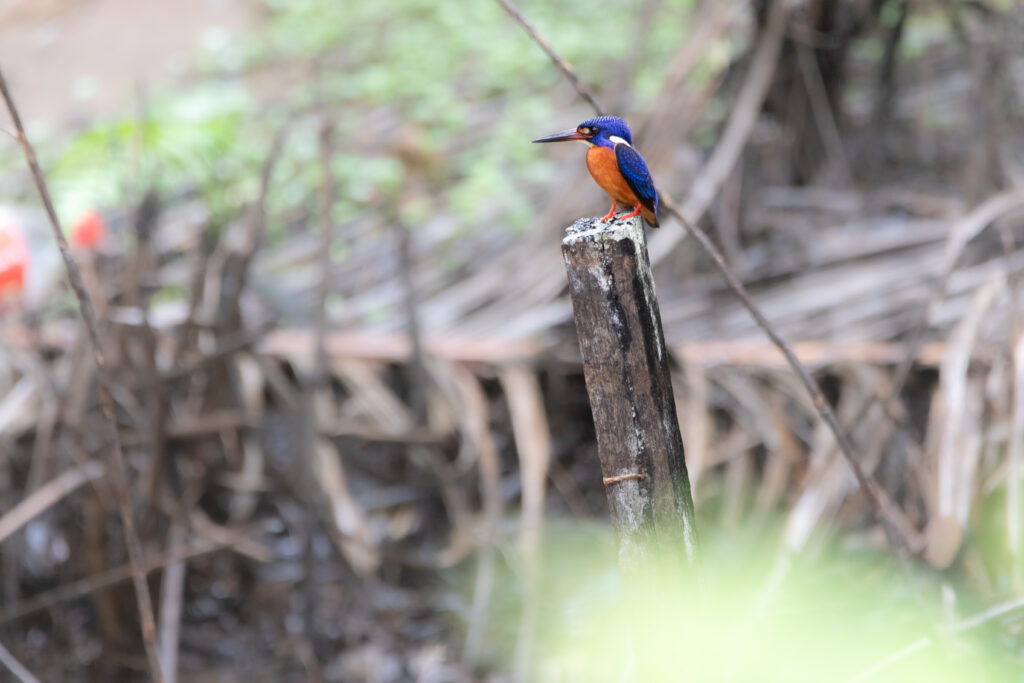
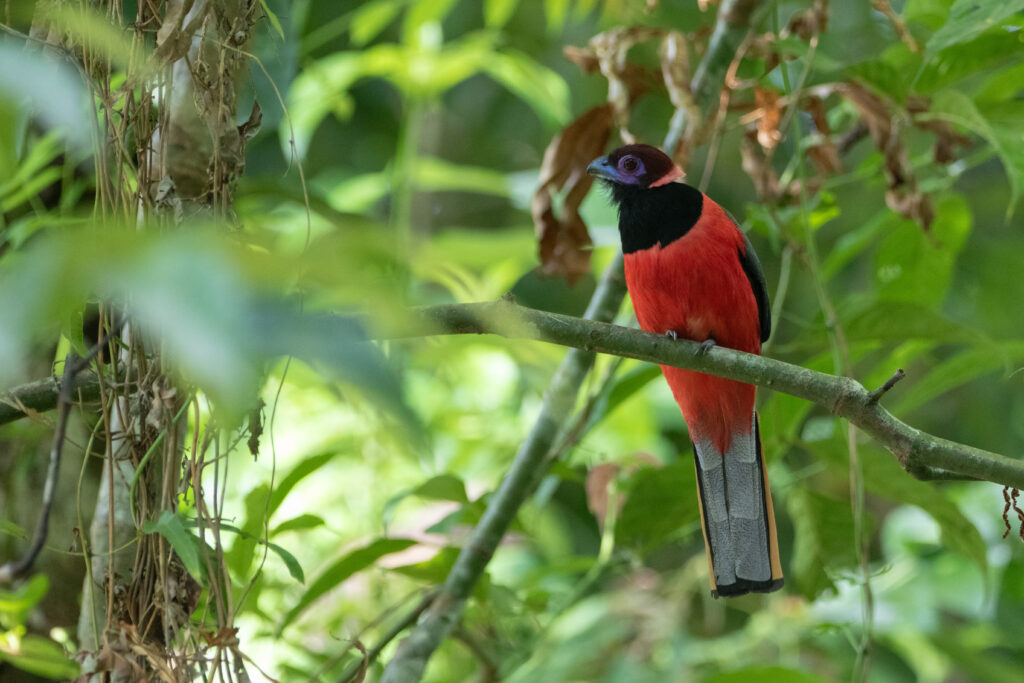
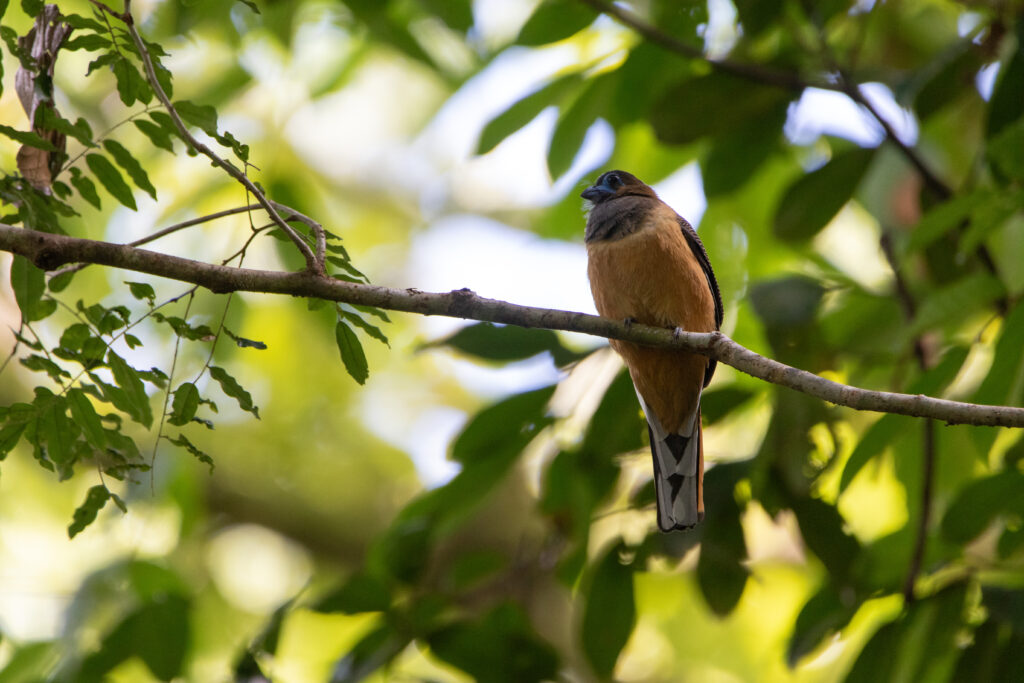
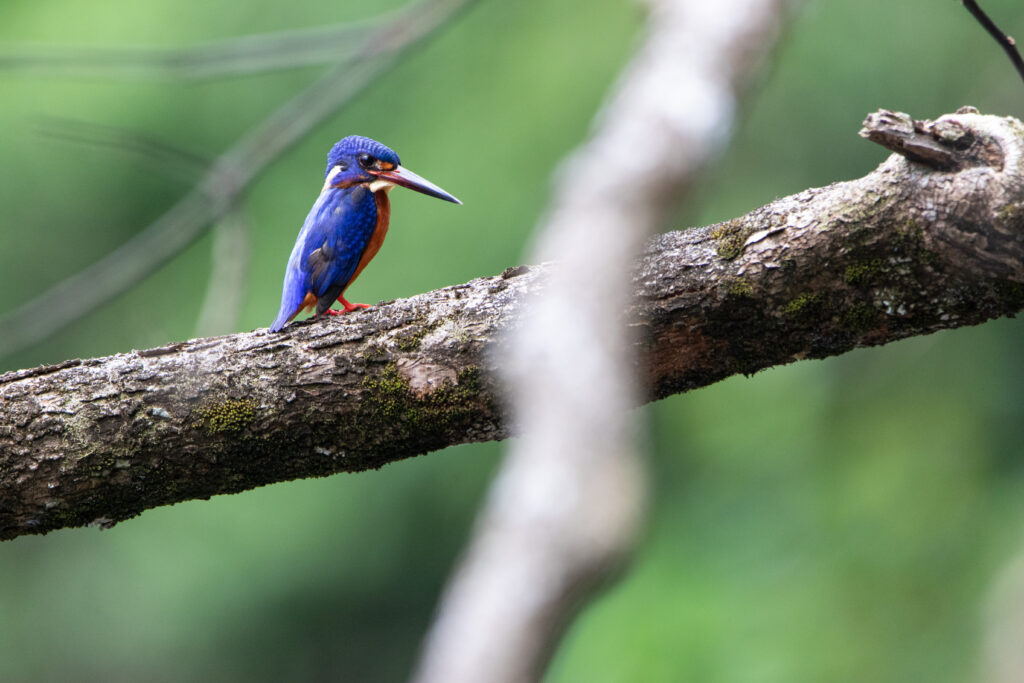
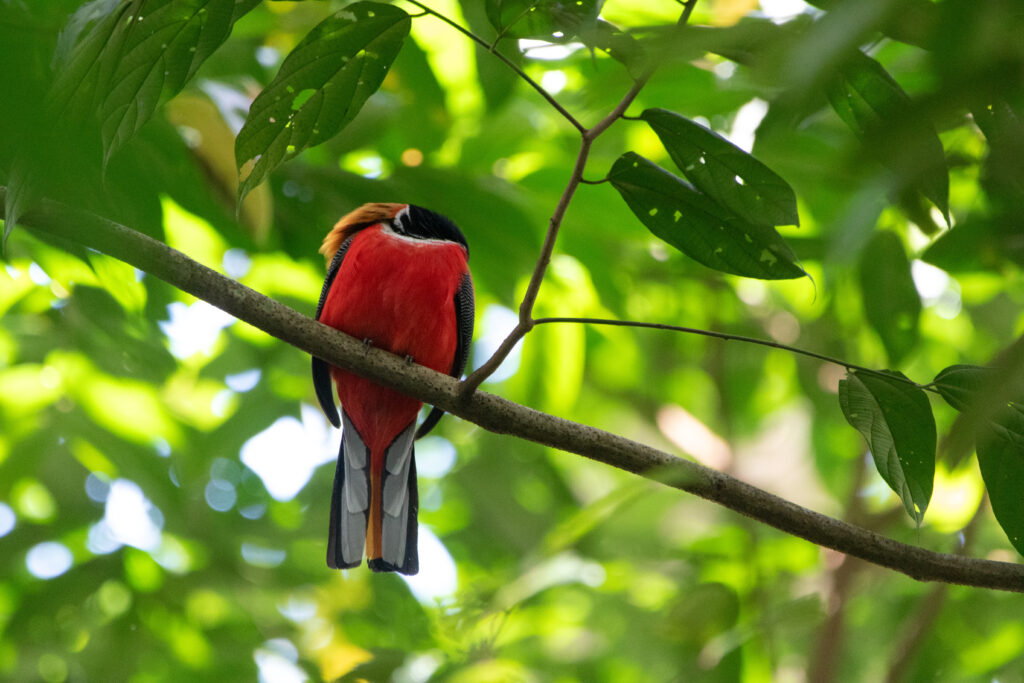
Around the lake and from the observation pavilion, several Blue-eared Kingfishers (Alcedo meninting) can often be observed quite easily. Blue-throated Bee-eater (Merops viridis) may also be seen above this area, perched high in the trees. From the jetty in the evening, different species of swifts and swiftlets can be seen feeding above the lake. For example, Plume-toed Swiftlet (Collocalia affinis) is often present in large numbers, but rarer species such as Silver-rumped Spinetail (Rhaphidura leucopygialis) or Brown-backed Needletail (Hirundapus giganteus) can also be observed. As the trail continues deeper into the forest, it becomes a good place to search for trogons, which usually remain below the level of the canopy walkways. Here you may encounter Diard’s Trogon (Harpactes diardii) and Red-naped Trogon (Harpactes kasumba).
Ridge Trail
This is the easiest and most accessible trail at the RDC. It is fairly wide and runs alongside the canopy walkway while passing through the forest.
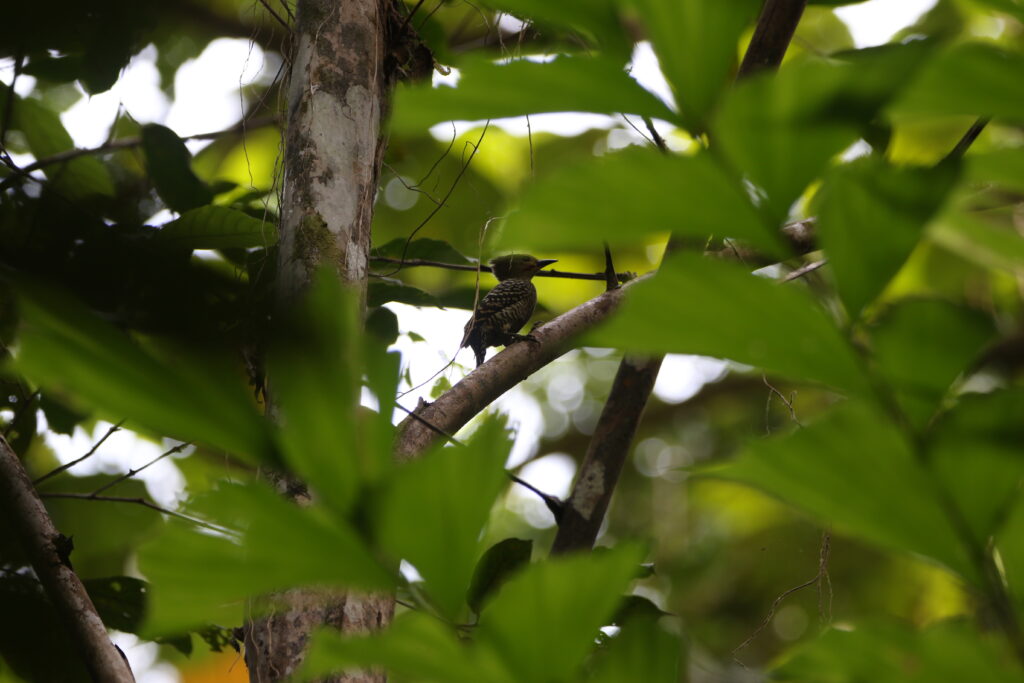
Although it is not as dense as some of the other trails, it is still possible to observe a few species here such as White-bellied Erpornis (Erpornis zantholeuca) or Bornean Black Magpie (Platysmurus aterrimus), another endemic species. You may also see many woodpeckers including Buff-rumped Woodpecker (Meiglyptes grammithorax), Banded Woodpecker (Chrysophlegma miniaceum), White-bellied Woodpecker (Dryocopus javensis), Rufous Woodpecker (Micropternus brachyurus), and Maroon Woodpecker (Blythipicus rubiginosus).



Sepilok Jungle Resort
Sepilok Jungle Resort is a large lodge located about five minutes by car from the RDC. This accommodation has a few small trails and a large pond.
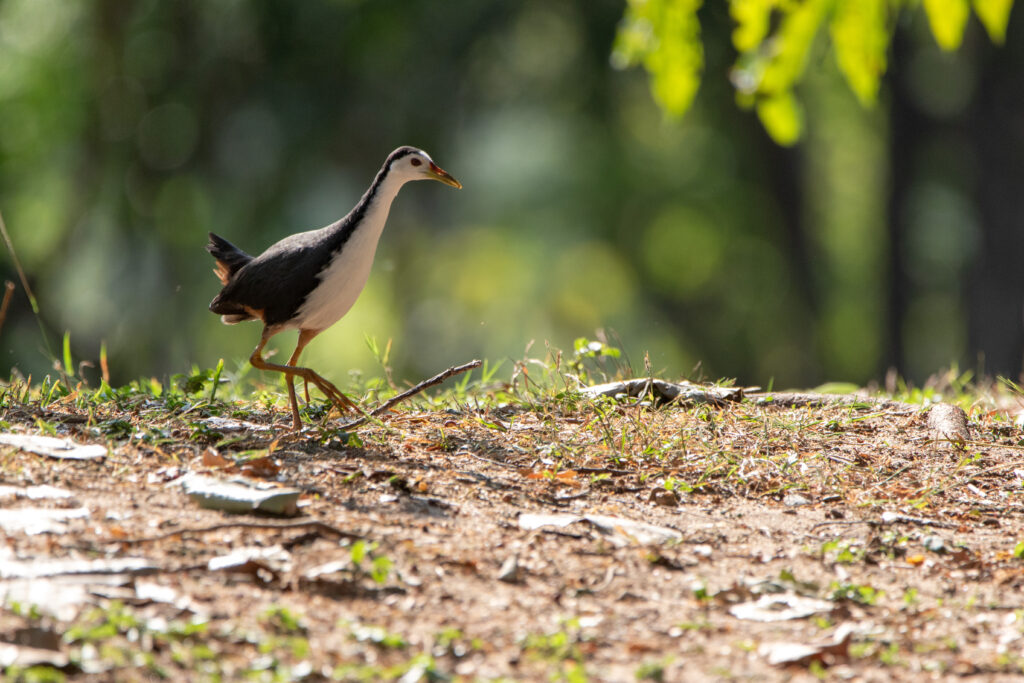
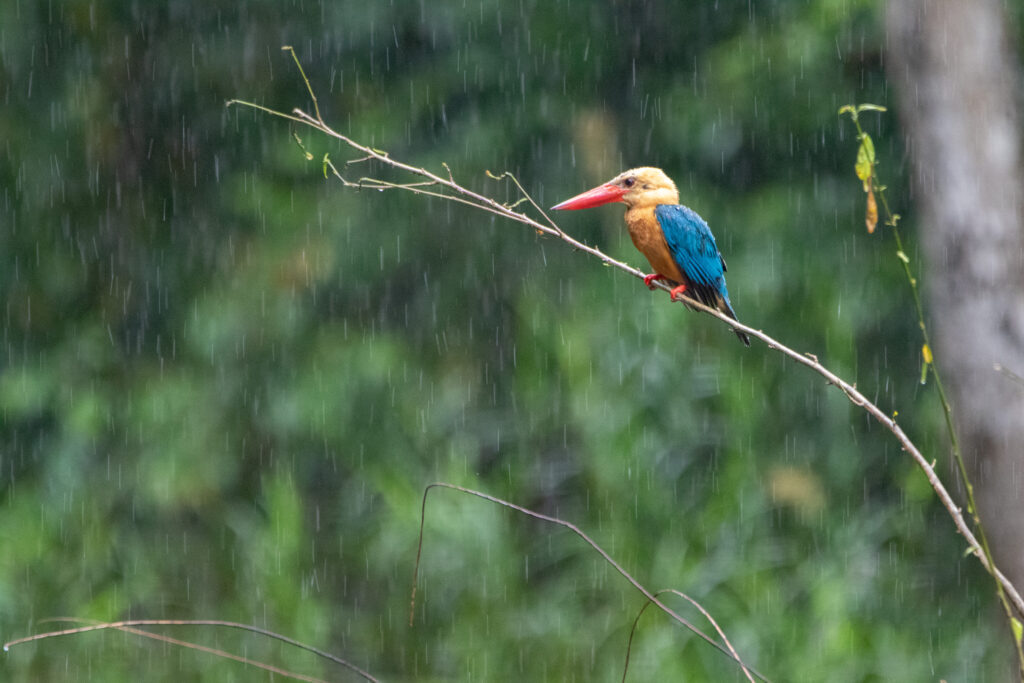
Other types of waterbirds can be observed here such as Stork-billed Kingfisher (Pelargopsis capensis), White-breasted Waterhen (Amaurornis phoenicurus), or Little Heron (Butorides atricapilla).

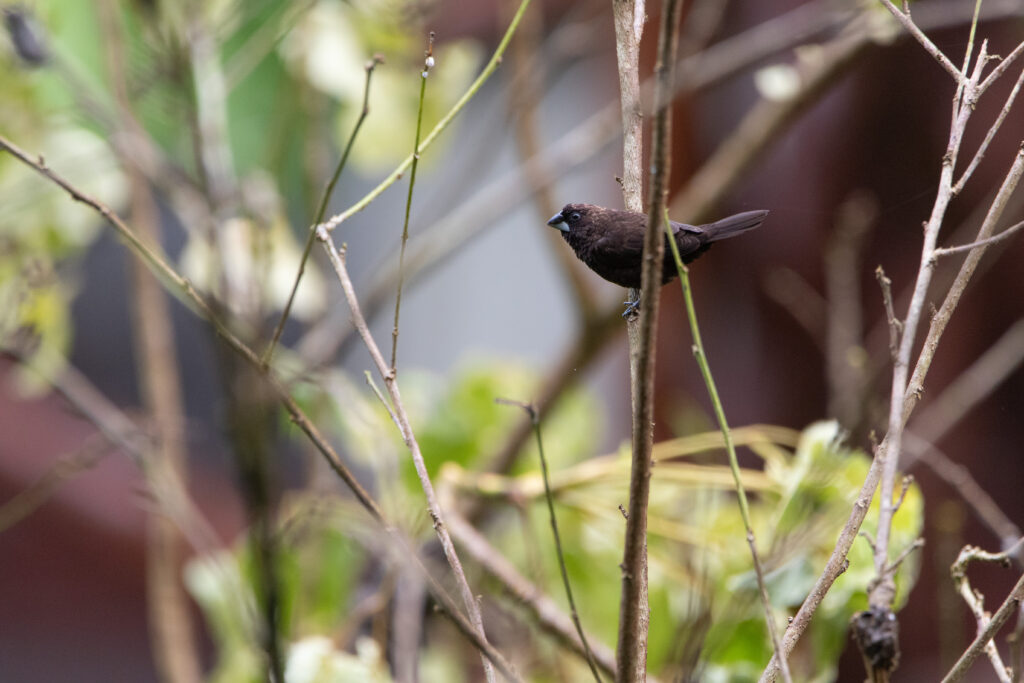
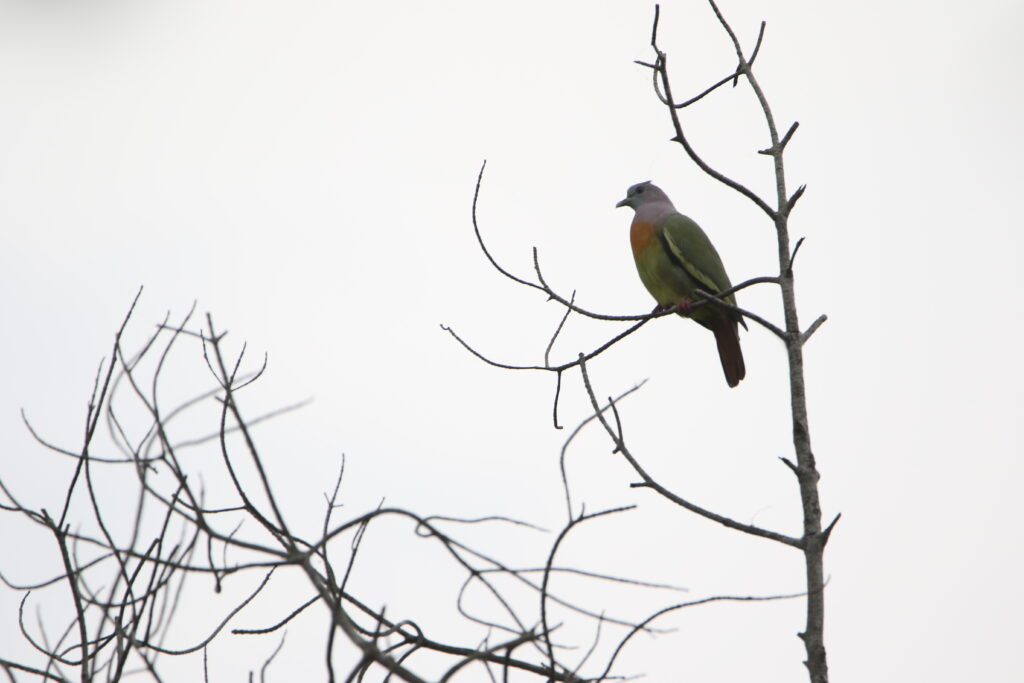
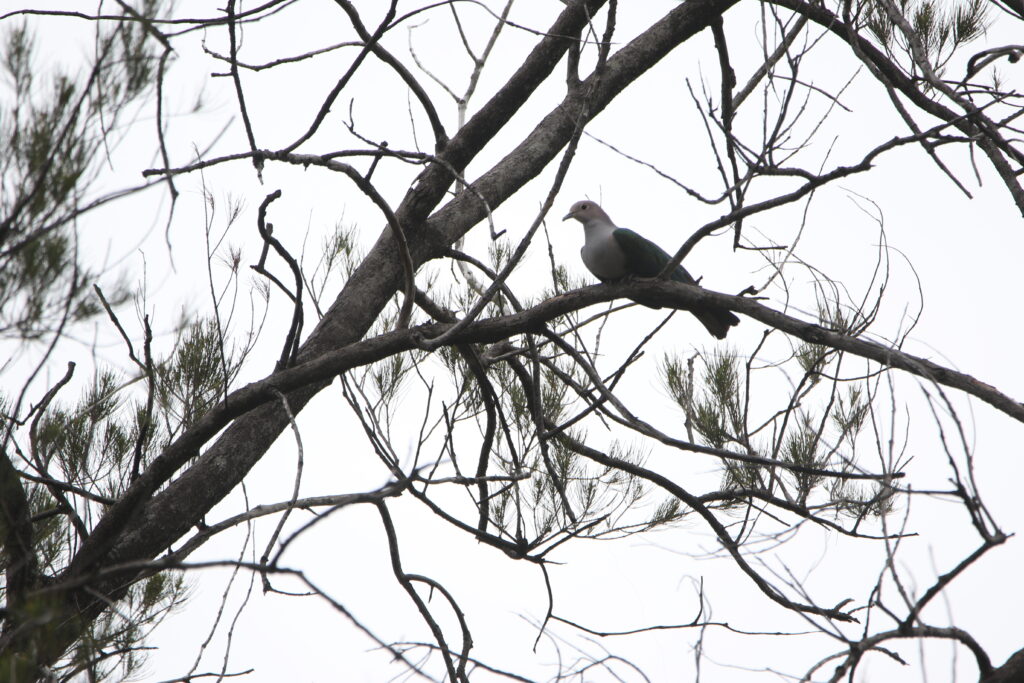
Along the paths surrounding the lodge, you can see seed-eating birds such as Dusky Munia (Lonchura fuscans) and Chestnut Munia (Lonchura atricapilla), but also pigeons such as Green Imperial Pigeon (Ducula aenea) and Pink-necked Green Pigeon (Treron vernans), as well as a few Long-tailed Parakeets (Psittacula longicauda). White-crowned Shama (Copsychus stricklandii), another endemic bird of Sabah, is also present in the surrounding area.


If you did not manage to see Bornean Bristlehead (Pityriasis gymnocephala) at the Rainforest Discovery Center, you can also try your luck at Sepilok Jungle Resort. This bird is sometimes seen in the gardens of the lodge or nearby.
What other animals can be seen at the RDC?
The RDC hosts an impressive number of mammals. If you are passionate about birds, you will probably also enjoy observing or photographing primates and other wildlife. Since the orangutan rehabilitation centre is located nearby, it is entirely possible to see Bornean Orangutan (Pongo pygmaeus) in the trees of the RDC. You may also encounter Eastern Grey Gibbon (Hylobates funereus) or Southern Pig-tailed Macaque (Macaca nemestrina). During the day several squirrel species are present here such as Cream-coloured Giant Squirrel (Ratufa affinis) and the smaller Prevost’s Squirrel (Callosciurus prevostii).
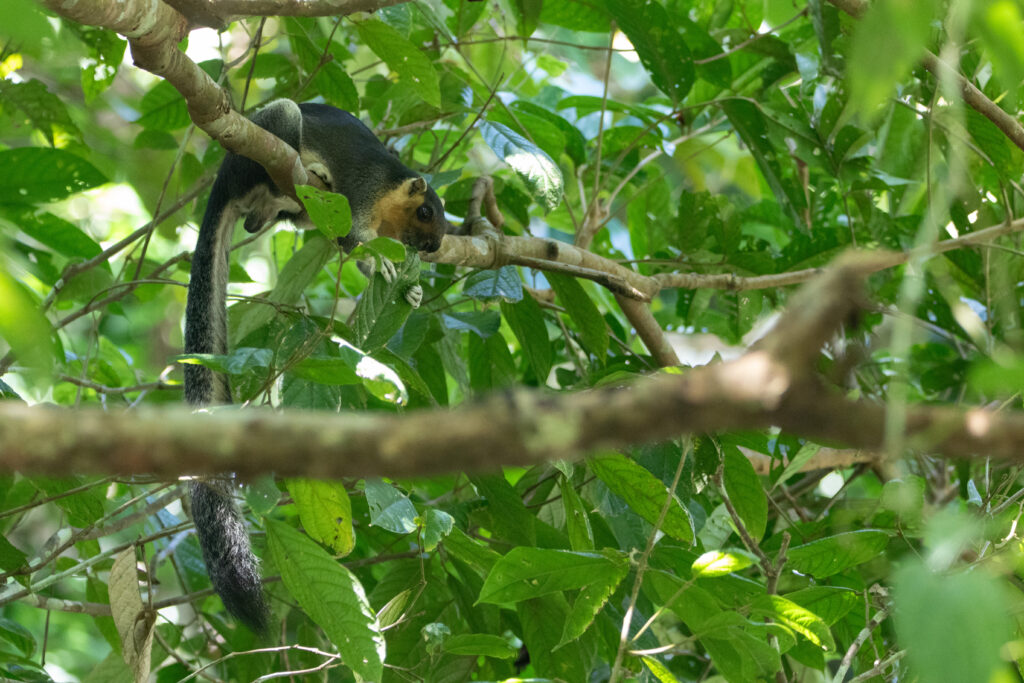
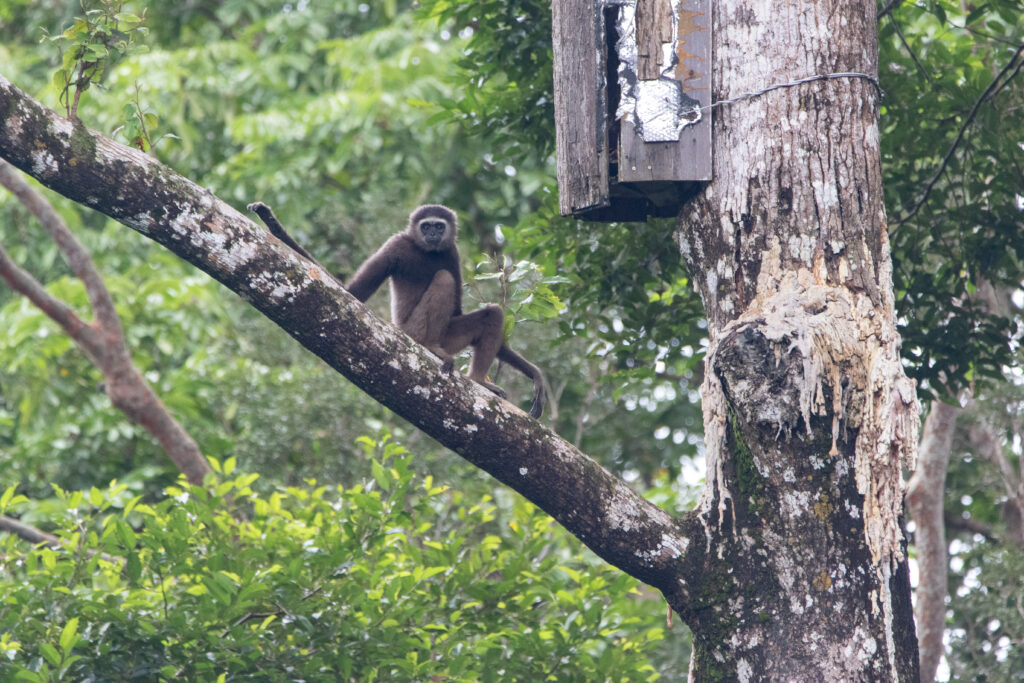
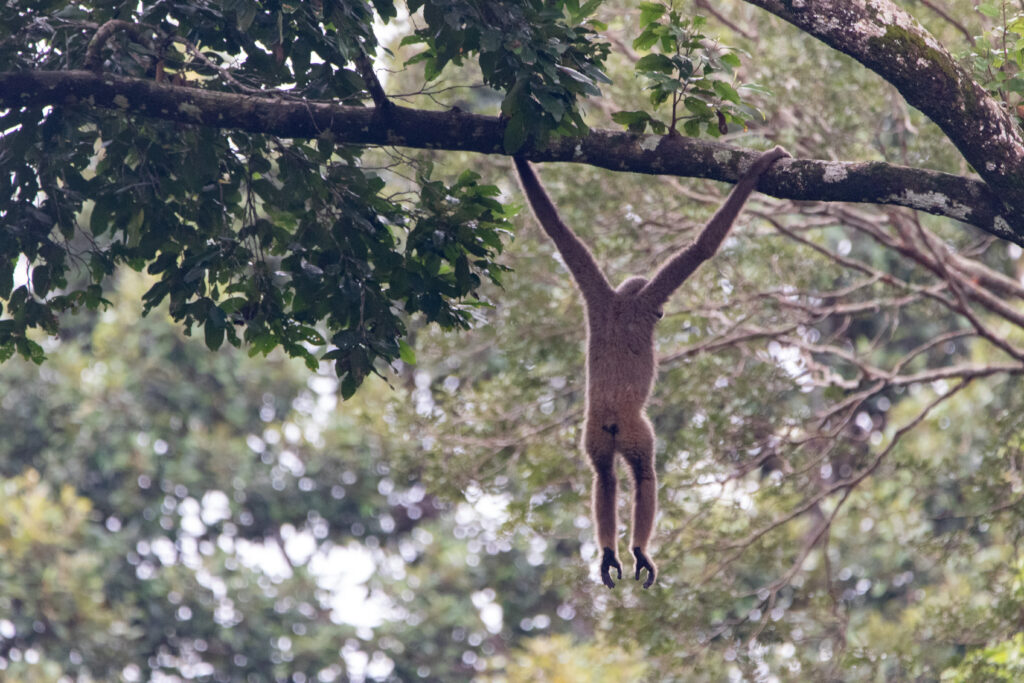
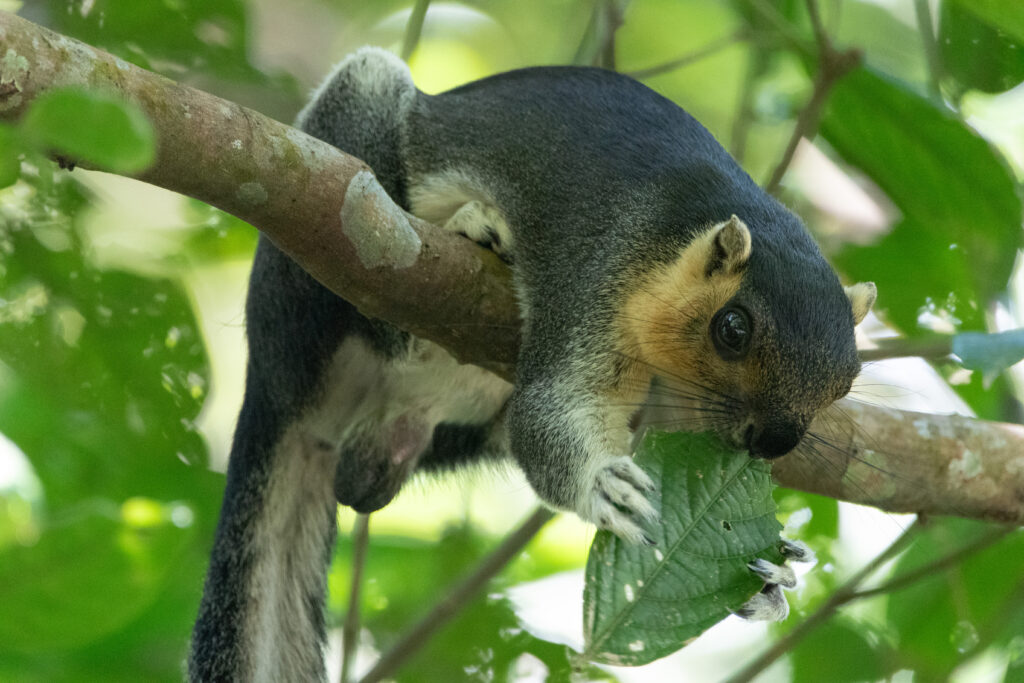
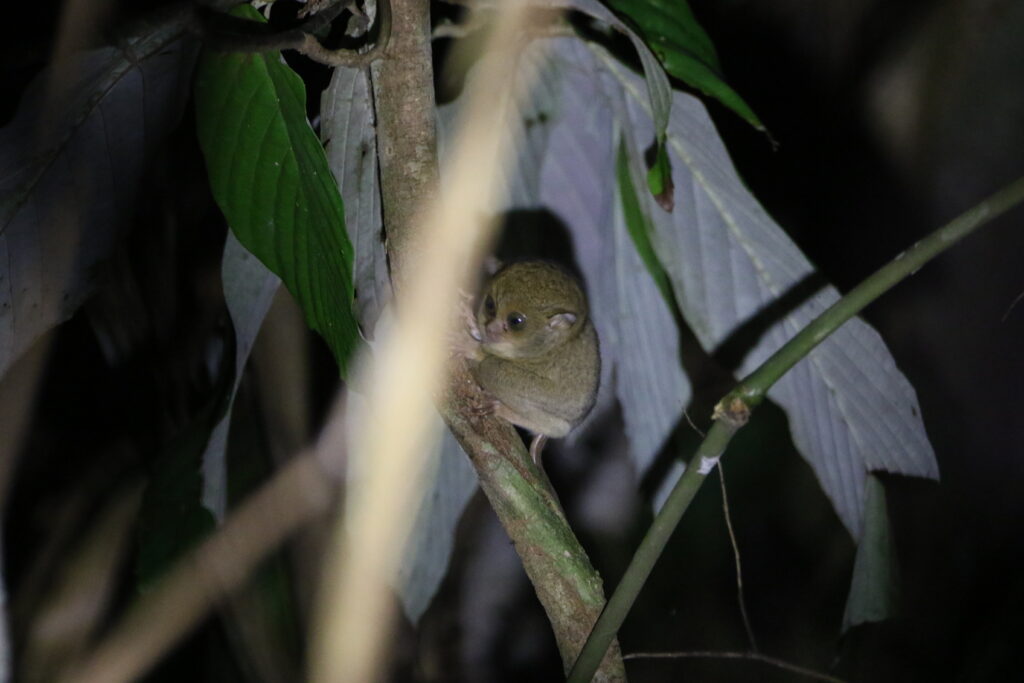
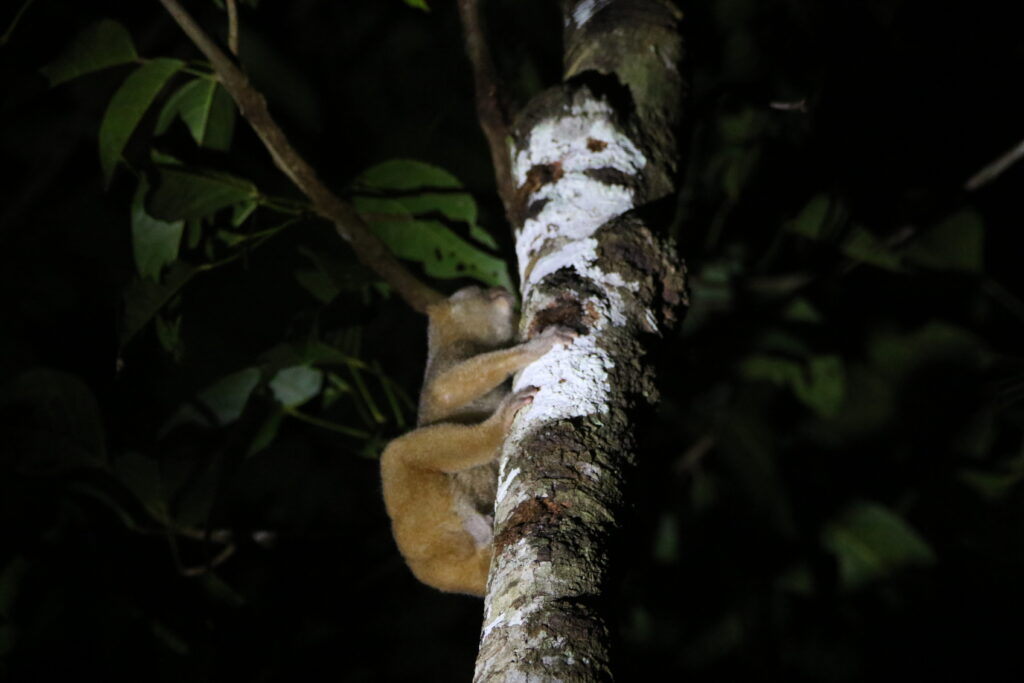
The RDC closes at 5 pm, but it is possible to join a night walk. During this activity, a variety of nocturnal animals can be observed, starting with a species of flying squirrel. You may have noticed nest boxes attached high in the trees above the canopy walkway during the day. At sunset, these squirrels emerge from the boxes and glide between the trees in long flights — an impressive sight. With a bit of luck, you may also encounter other fascinating mammals such as Horsfield’s Tarsier (Cephalopachus bancanus), Bornean Slow Loris (Nycticebus borneanus), Moonrat (Echinosorex gymnura), or Greater Mouse-deer (Tragulus napu).
Where to stay in Sepilok and near the RDC?
There are several accommodation options near the RDC. For budget stays, you can choose Sepilok B&B or Sepilok Hideaway Guesthouse. Mid-range options include Sepilok Jungle Resort or Sepilok Forest Edge Resort. There are also very nice lodges such as Sepilok Nature Lodge or Borneo Sepilok Rainforest Resort.
If you prefer, you can stay in Sandakan and drive to the RDC, which takes about 25 minutes.
How to access the RDC?
To reach the RDC, you can take a bus from the central bus station in Sandakan. You can also take a taxi or use the Grab app from Sandakan.
The entrance fee is about 30 RM per foreign adult. The centre is open from 8 am to 5 pm, but it is possible to enter earlier by purchasing your tickets in advance at the ticket counter and showing them to the guard at the entrance on the day of your visit.

Pingback: Birding at Kota Kinabalu - Birdalia