


The OPERA: Preserving the Yellow-eyed Penguin on the Otago Peninsula
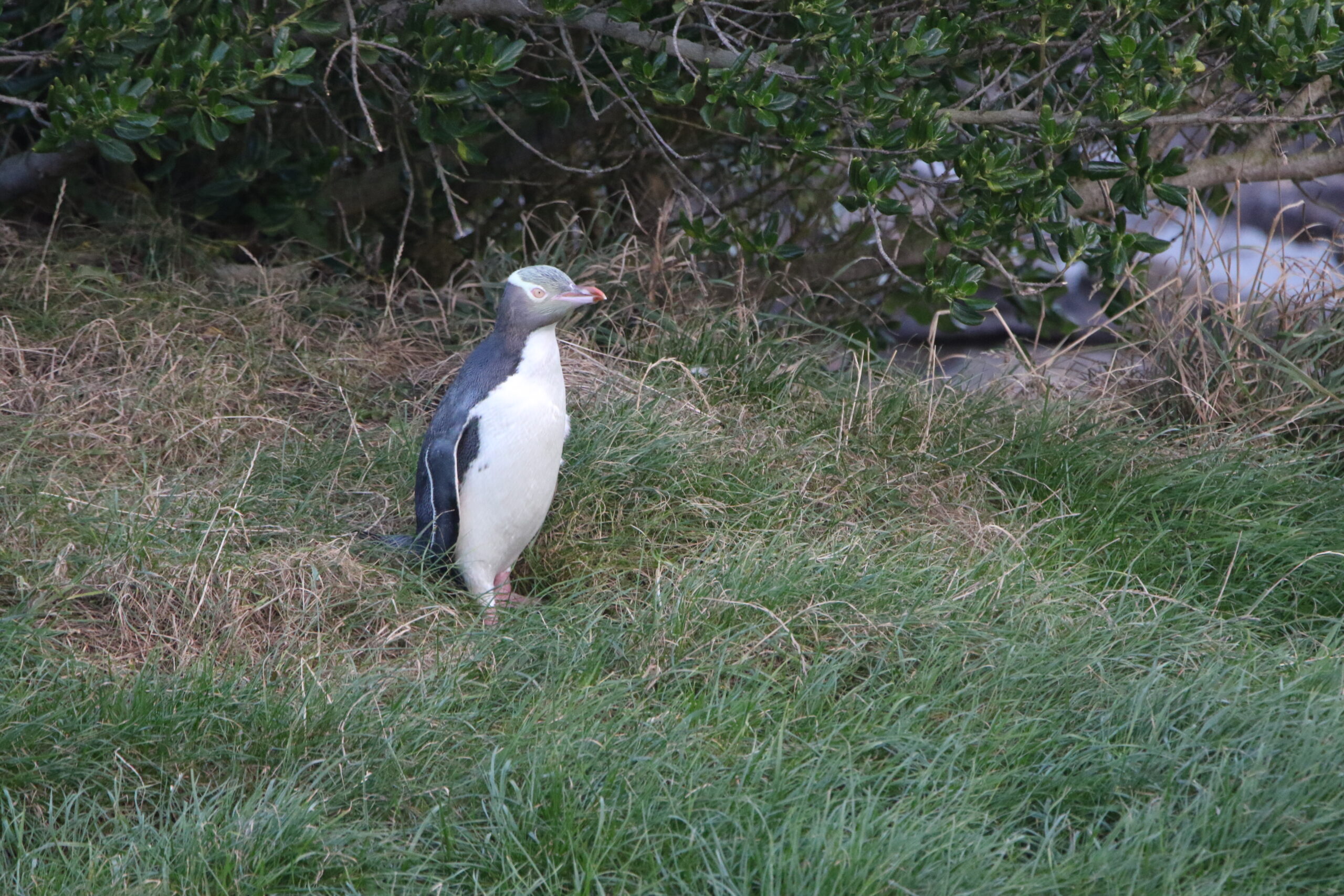
Today, fewer than 1,500 adult Yellow-eyed Penguins (Megadyptes antipodes) remain worldwide. On the Otago Peninsula, near Dunedin in New Zealand, a private reserve covering more than 60 hectares has been working for over 40 years to protect this threatened species: The OPERA (Otago Peninsula Eco Restoration Alliance).
To fund its conservation projects, The OPERA offers a range of guided eco-tourism visits aimed at observing this iconic species. If you have the opportunity and would like to support their work, don’t hesitate to pay them a visit.
Origins of the Reserve
Originally known as Penguin Place, the association initially focused its efforts on the Yellow-eyed Penguin (Megadyptes antipodes), also called hoiho. This species has been heavily impacted by the loss of its natural habitat—coastal forests—mainly due to intensive agriculture and the introduction of predators in New Zealand. The situation is dramatic: in just 20 years, the population has declined by more than 75%, placing the species at serious risk of extinction. It was in response to this alarming trend that The OPERA was created.
The association began by establishing a nature reserve on the penguins’ main breeding grounds, preventing further expansion of agricultural land in this key area. It then launched reforestation projects on former farmland and implemented measures to protect penguins from predators. Later on, artificial nesting boxes were installed to encourage penguin breeding.
Following these actions, several trails and hides were created to allow visitors—always accompanied by a guide—to observe these remarkable birds in a respectful way.
Projects and Actions
The OPERA runs several conservation initiatives. Protecting the Yellow-eyed Penguin remains the flagship project of the association, but other important actions—such as the creation of a wildlife care center, reforestation programs, and educational initiatives—are also underway.
Protection of the Yellow-eyed Penguin
Habitat Restoration
Yellow-eyed Penguins do not breed directly on sand or rocks, but rather in forests along the coastline. The main objective is therefore to protect dunes and coastal areas where the penguins nest. Beyond preserving intact habitats, the reserve actively restores dunes and coastal forests by purchasing degraded land and replanting native vegetation.
Predator Control
You may not know this, but many mammals have been introduced to New Zealand, including rats, possums, ferrets, and stoats. As these species did not originally evolve within New Zealand’s ecosystems, they cause significant damage to native wildlife—especially to flightless birds such as penguins. Nationwide, many measures are implemented to control these invasive species. The OPERA sets numerous traps to reduce predator numbers, thereby increasing the survival chances of the penguins.
Artificial Shelters
Due to the lack of natural cavities, artificial nesting boxes are installed to provide penguins with safe places to nest and shelter. These structures are specifically designed for penguins and help protect them from predators, particularly during the breeding season.
Reforestation
The OPERA looks beyond the protection of the penguin alone. A 100-year project has been established to transform agricultural pastures into native forest. The goal is to reach 200 hectares of protected reserve in order to restore the original vegetation of the Otago Peninsula.
Rehabilitation Centre
The OPERA also runs a rehabilitation centre for injured, sick, or undernourished penguins. It cares not only for Yellow-eyed Penguins (Megadyptes antipodes), but also for any other penguin species that may need assistance. The objective is clear: avoid imprinting so that individuals can be released back into the wild. Unfortunately, some individuals return several times a year.
Awareness and Science Outreach
To raise public awareness, guided visits of the reserve are organised. Visits are only possible when accompanied by a local guide. A network of trails and observation hides allows visitors to discover penguins and other wildlife in their natural habitat, without disturbing their behaviour.
Before each visit, a presentation is given to inform visitors about the biology of the Yellow-eyed Penguin, the threats it faces, and the actions that can be taken to help protect it.
How to Support The OPERA?
Join a Guided Tour
The most practical way to support The OPERA—while also benefiting from the experience—is to take part in one of their tours. You will discover their private reserve and, if you are lucky, observe a Yellow-eyed Penguin. Several tours are available: private tours, sunset tours, penguin-focused tours, reserve visits, and penguin & albatross combo tours.
Tours include an educational presentation, a visit to the reserve, and access to the rehabilitation centre. Bookings can be made online directly on The OPERA’s website.
Make a Donation
You can directly contribute to the conservation of the Yellow-eyed Penguin by making a donation on their website: theopera.co.nz/donate.
Become a Volunteer
Volunteer opportunities are available. To learn more, contact them at: info@theopera.co.nz
What birds can you see in The OPERA reserve?
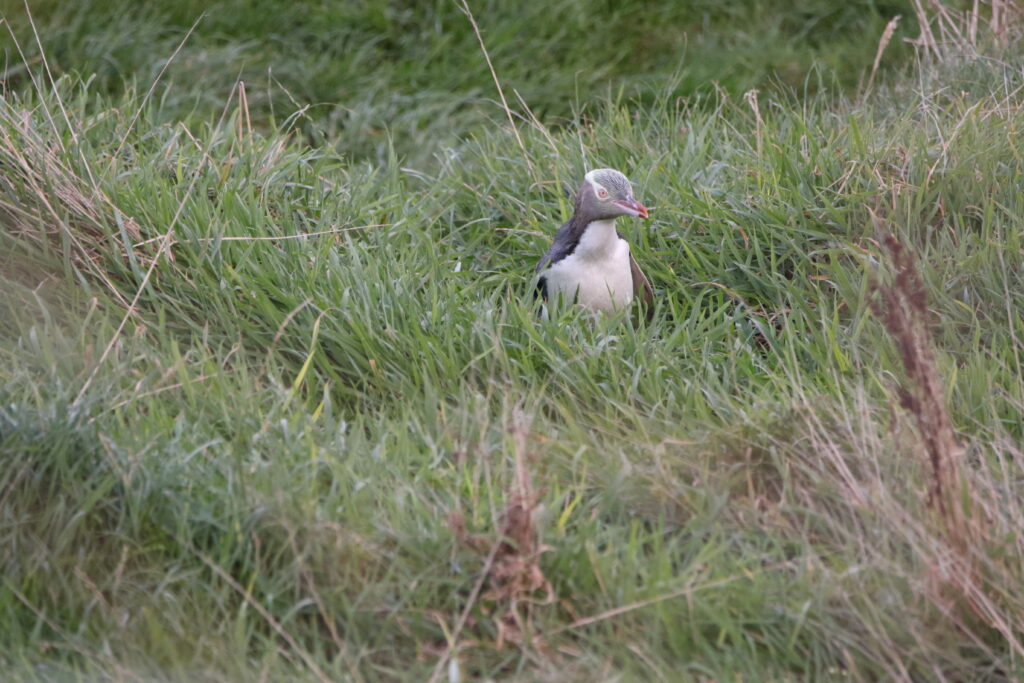
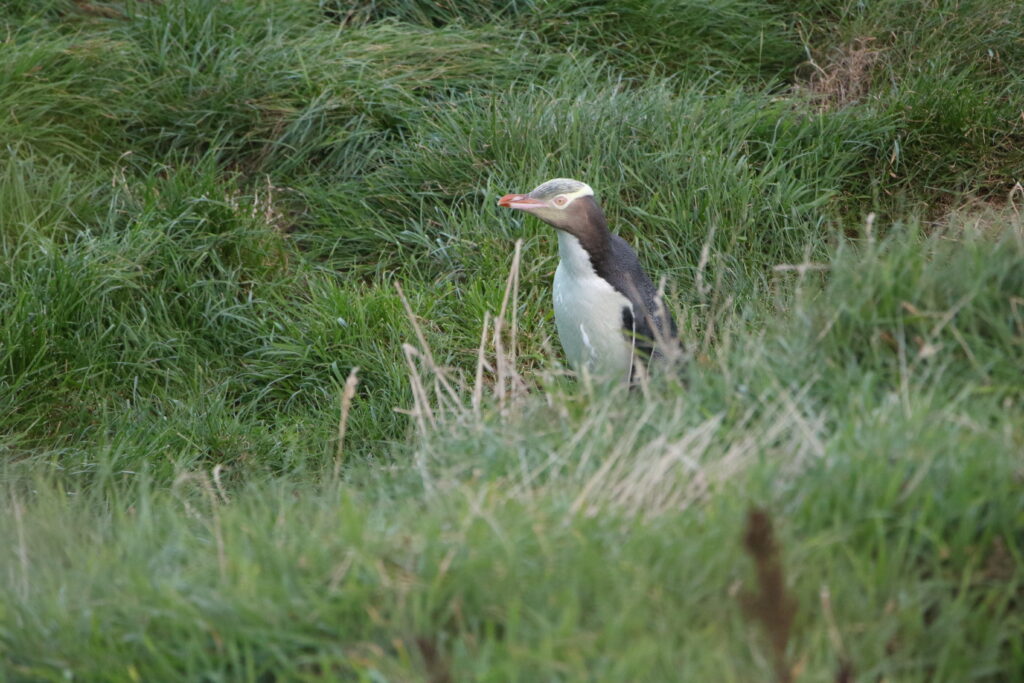
It won’t come as a surprise that you can see the Yellow-eyed Penguin (Megadyptes antipodes) here. It is the flagship species of the reserve, although sightings are not guaranteed. Yellow-eyed Penguins can be observed when they return from feeding at sea. Unlike some other penguin species, their return time is not fixed and may occur at different moments of the day. If this coincides with your visit, you may be lucky enough to see one.
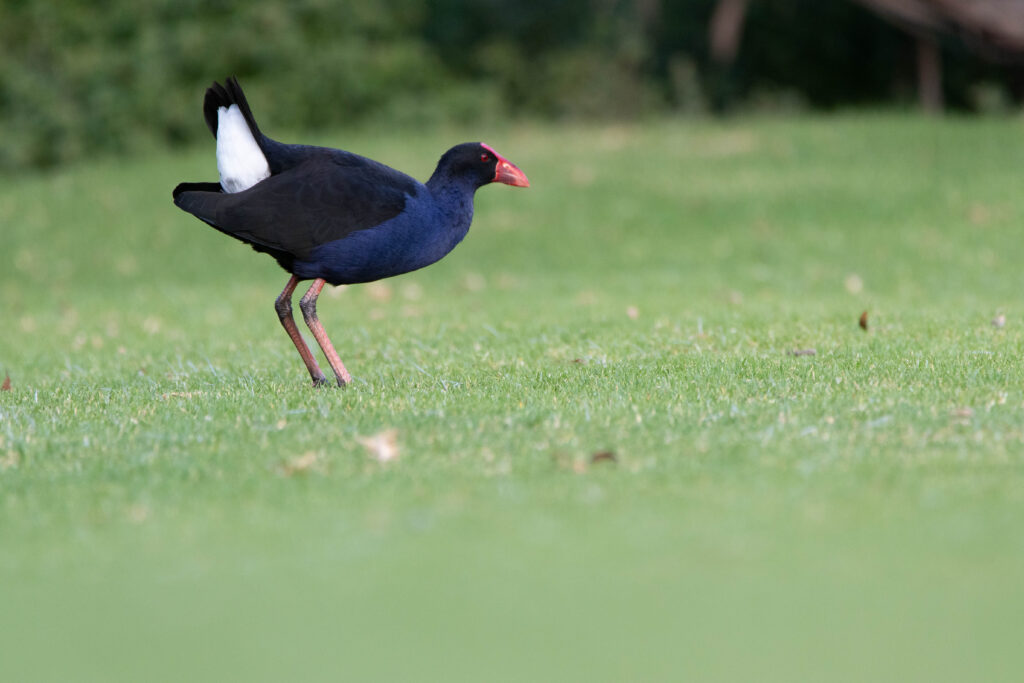
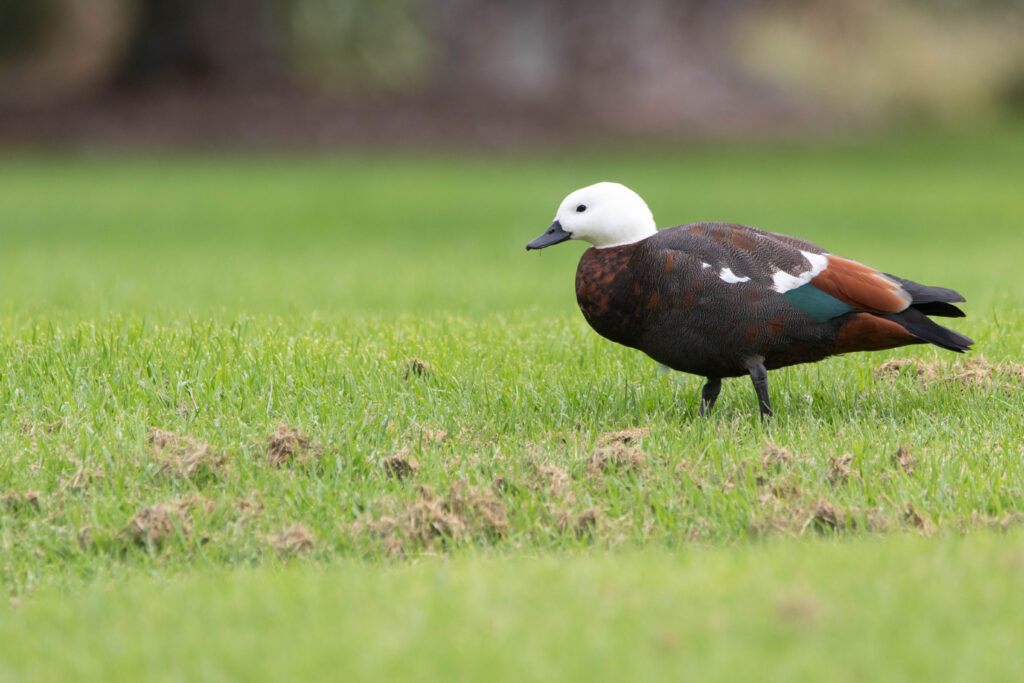
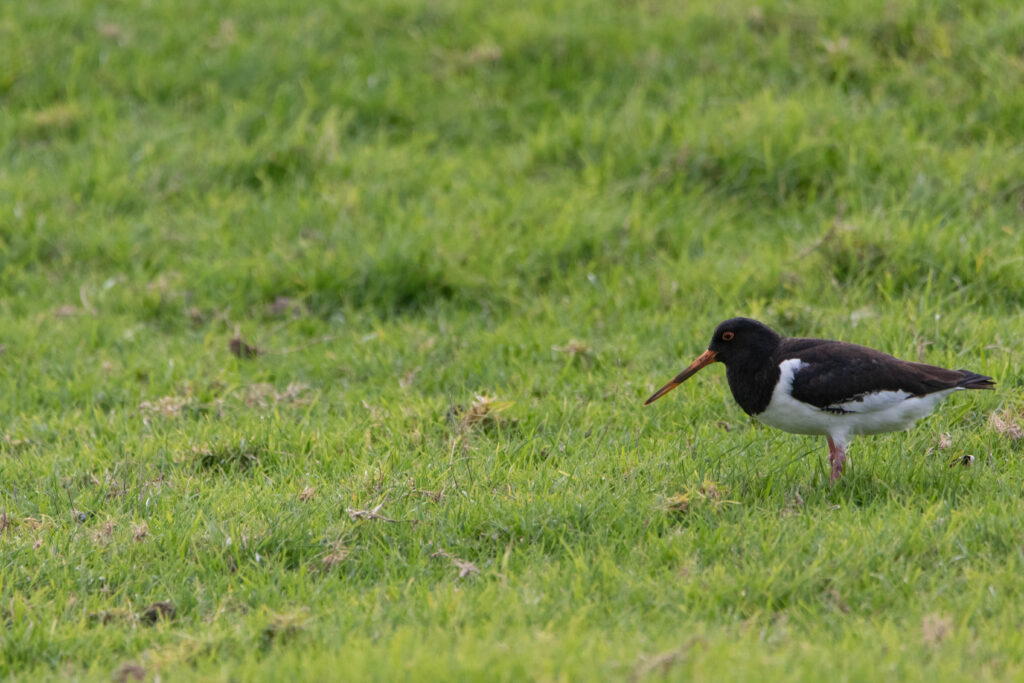
In addition to the Yellow-eyed Penguin, you may also spot the Little Penguin (Eudyptula minor) using one of the nesting boxes within the reserve. Other more common species such as the Paradise Shelduck (Tadorna variegata), South Island Oystercatcher (Haematopus finschi), and Australasian Swamphen (Porphyrio melanotus) are also likely to be seen during your visit.
How to Access The OPERA Reserve?
The reserve is located on the Otago Peninsula, near Dunedin. Access is by reservation only and visits must be accompanied by a guide.