


Birding in Chiloé Island
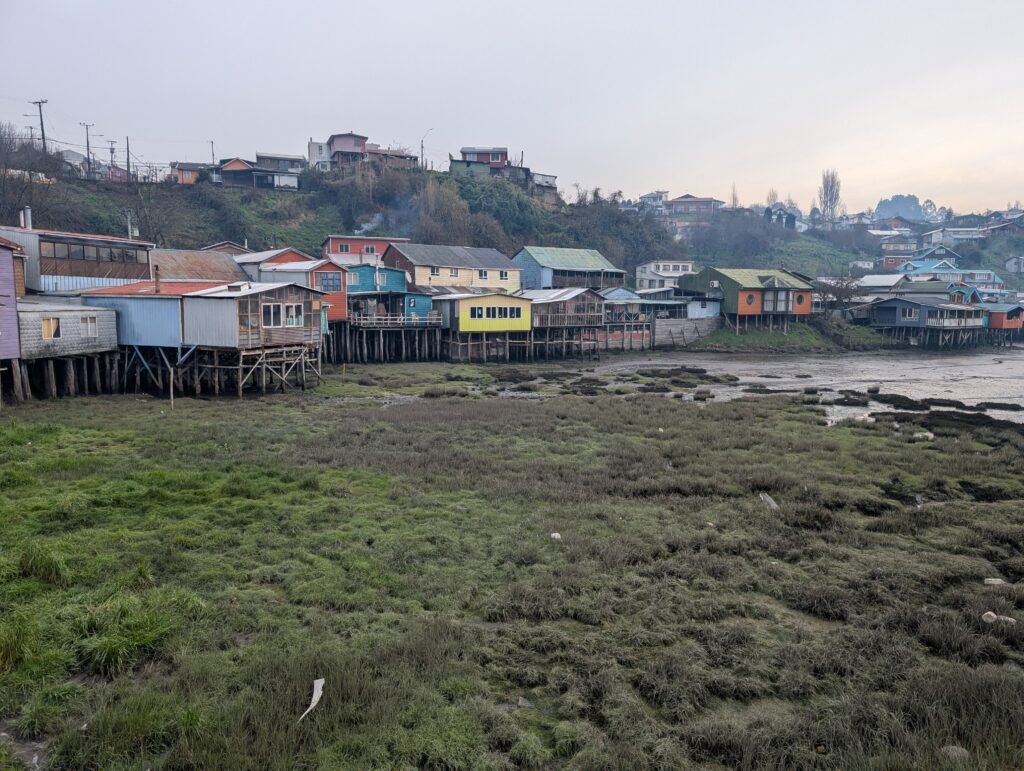
At the gateway to the glaciers of Patagonia, in southern Chile, Chiloé Island attracts many tourists with its famous palafitos, colorful houses built on stilts, and its wooden churches, which are listed as UNESCO World Heritage Sites. Located between the Pacific Ocean and the Gulf of Ancud, this wild island is home to remarkable wildlife that is well worth discovering.
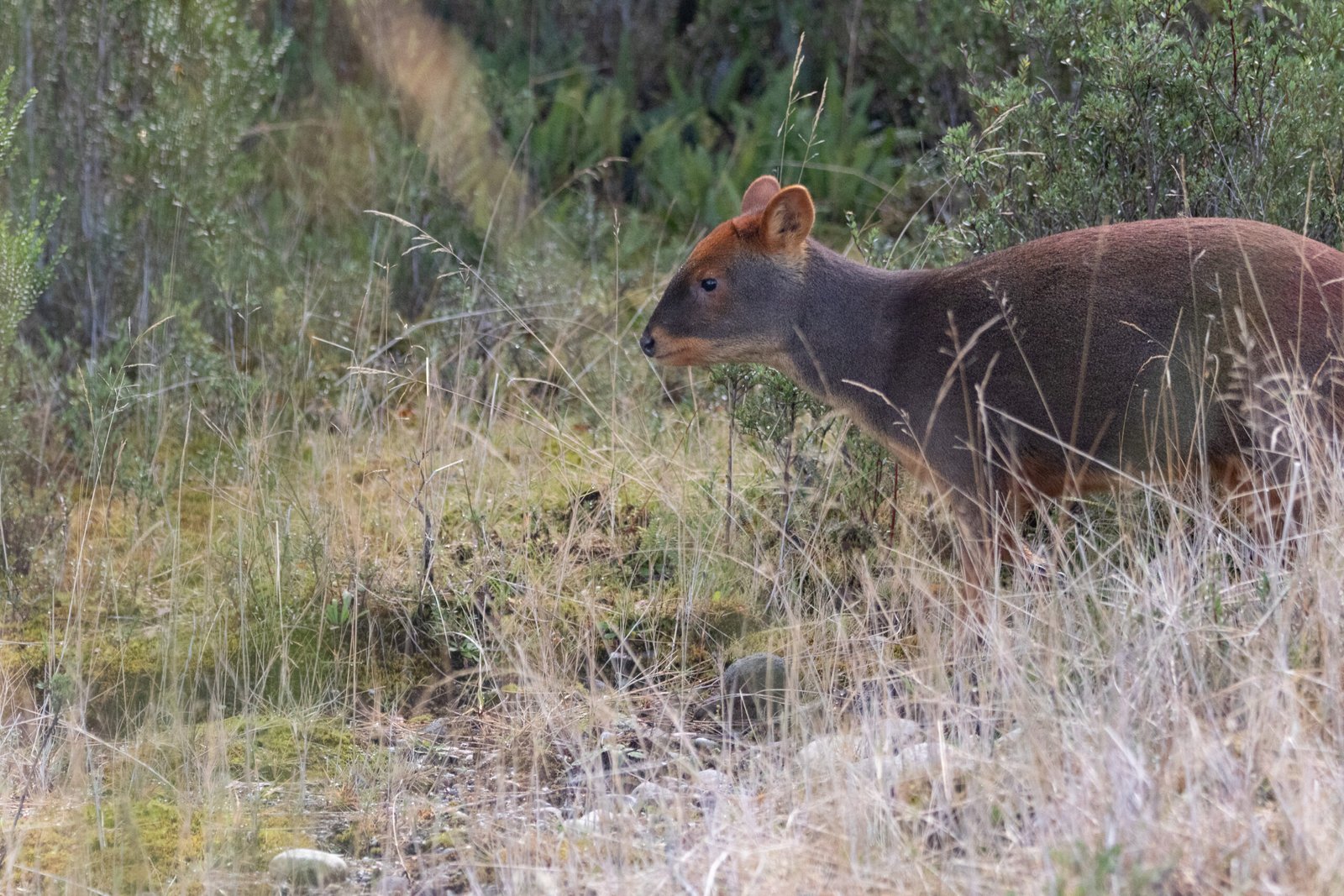
From the elusive Darwin’s Fox (Lycalopex fulvipes) to one of the smallest deer species in the world, the Southern Pudu (Pudu puda), the island’s mammals are particularly fascinating. But for birders, another question arises: how does Chiloé fare when it comes to birds? Between the ocean, wetlands and temperate forests, Chiloé offers a wide variety of habitats, supporting a rich and diverse birdlife.
Where to see birds on Chiloé Island?
Ancud
Ancud is the former capital of the island, located in northern Chiloé. It is often one of the first stops when exploring the island.
Ancud City
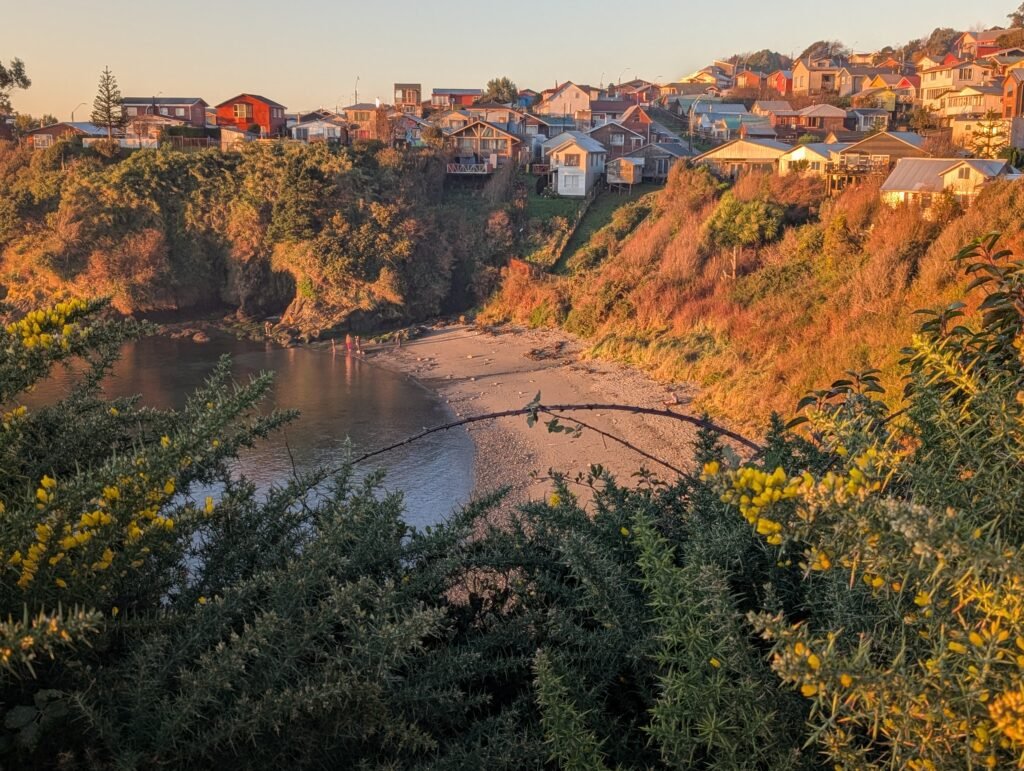
Near Ancud’s small town center, you can walk along the Costanera for views over the bay. You can also visit Fort San Antonio or head down to the small beach below to look for a few bird species.
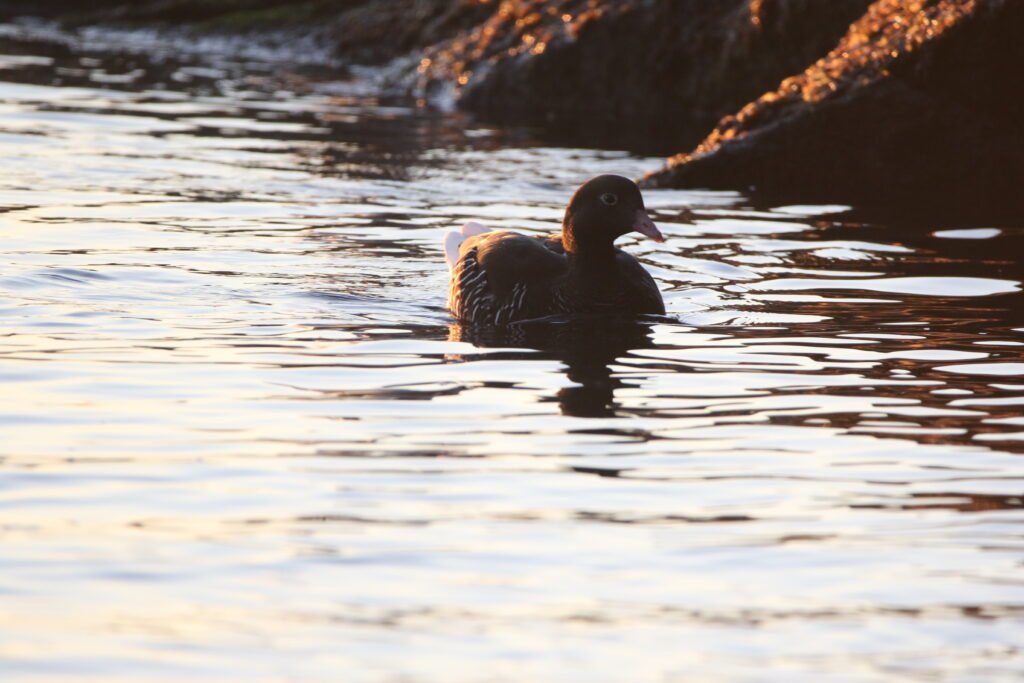
By scanning the ocean from the avenue, you may spot Marine Otters (Lontra felina) and South American Sea Lions (Otaria flavescens). You can also look for some species that are particularly interesting to see on Chiloé, such as Rock Shags (Leucocarbo magellanicus) and Fuegian Steamer Ducks (Tachyeres pteneres).
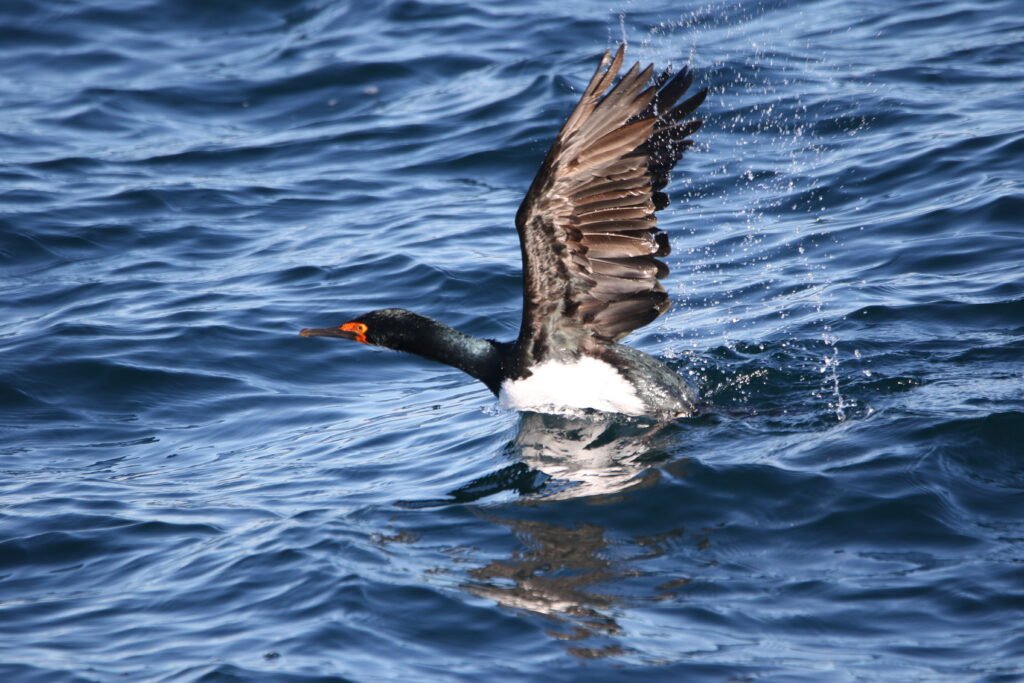
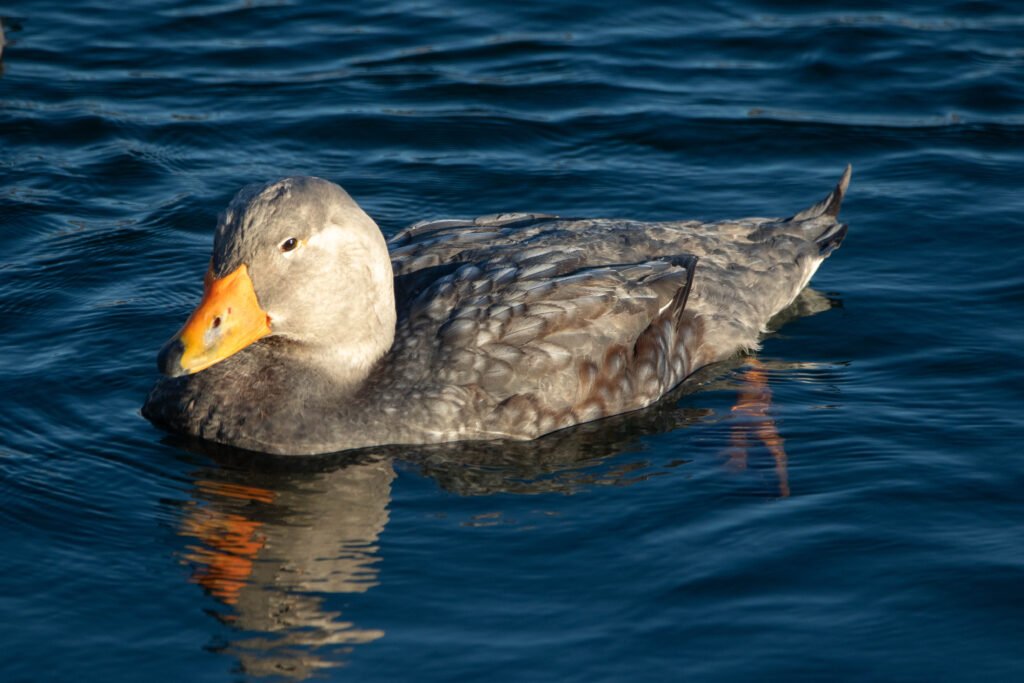
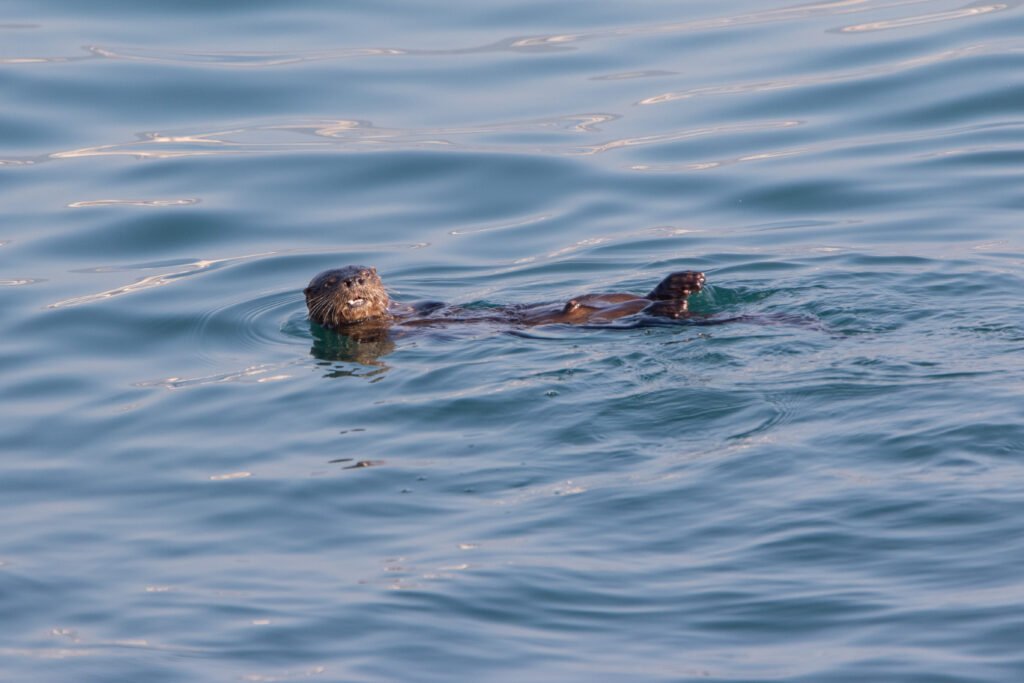
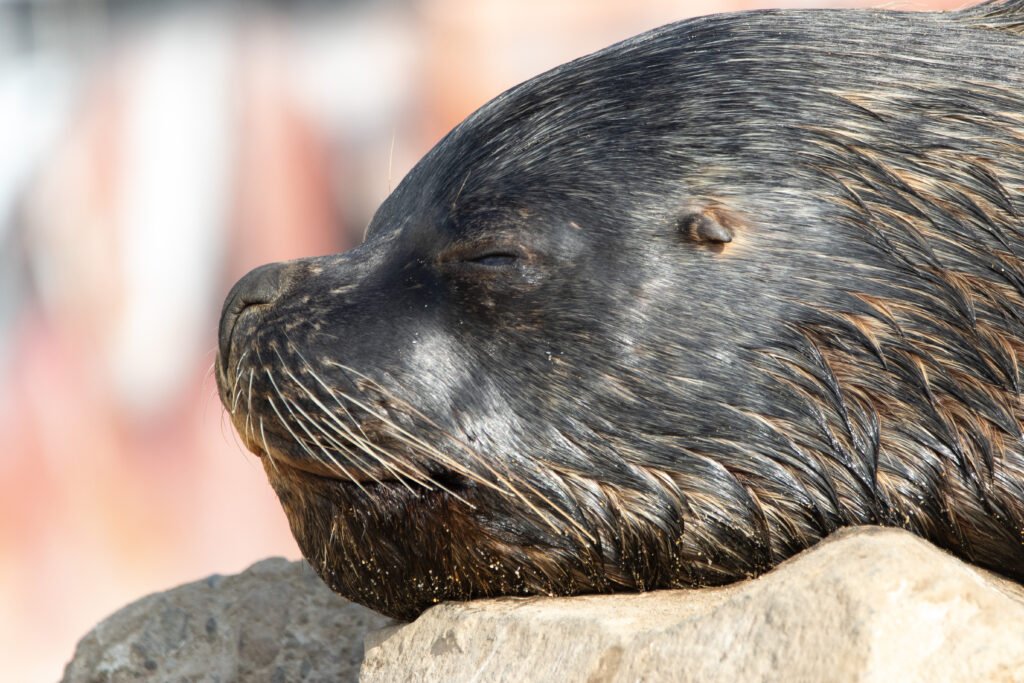
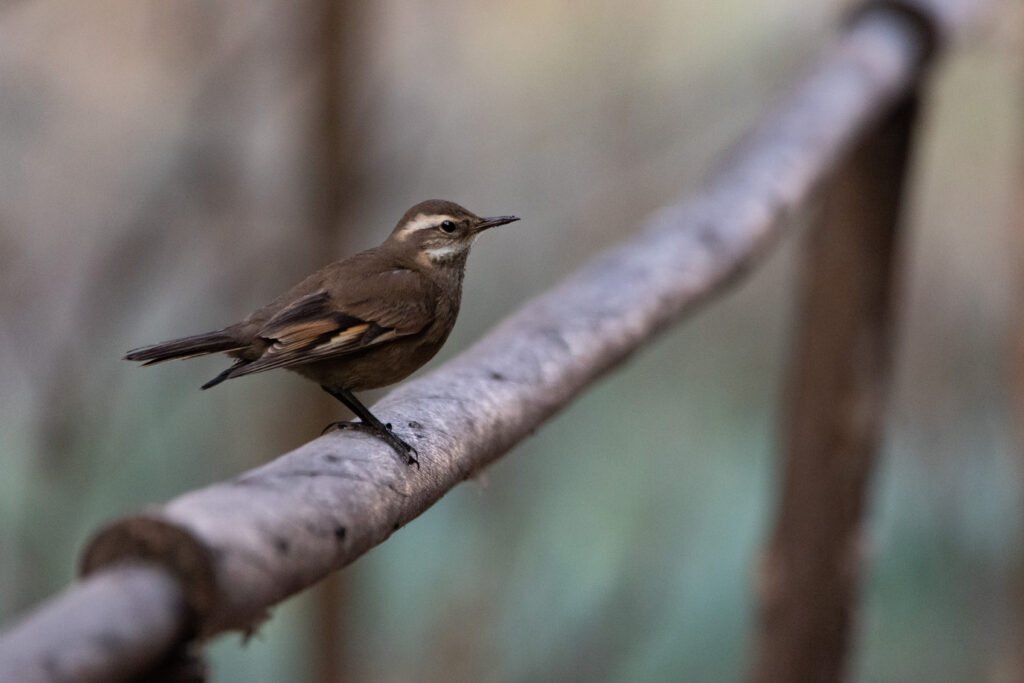
On the coastal rocks, such as those at Playa Arena Gruesa, you can look for Kelp Goose (Chloephaga hybrida), a waterfowl species found in southern Chile. It is also possible to spot three different species of cinclodes: Grey-flanked Cinclode (Cinclodes oustaleti), Dark-bellied Cinclode (Cinclodes patagonicus) and Buff-winged Cinclode (Cinclodes fuscus).
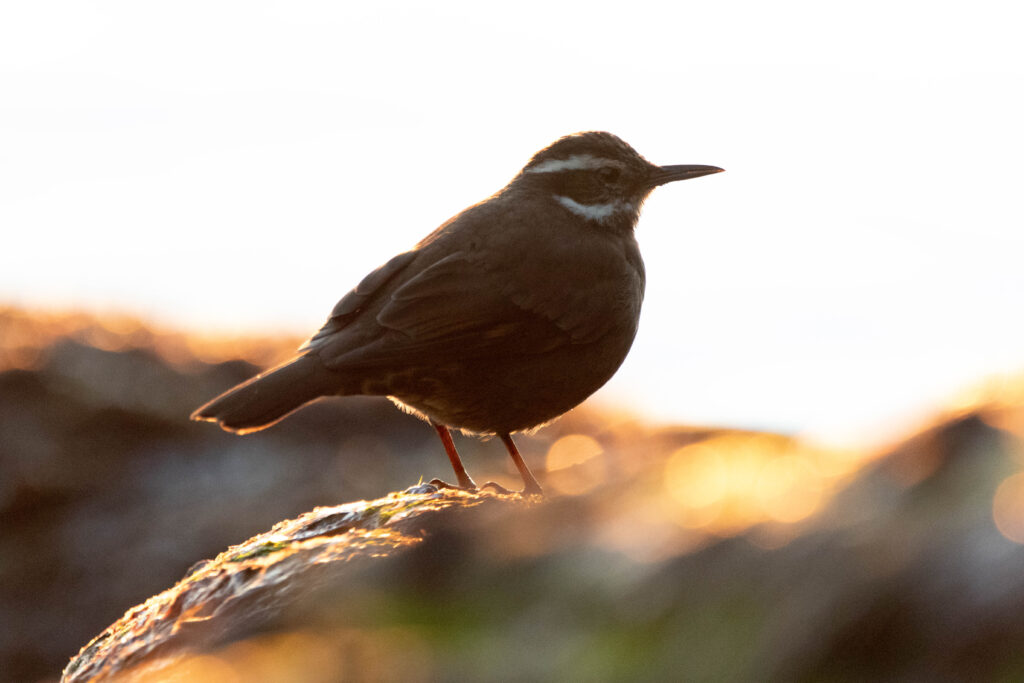
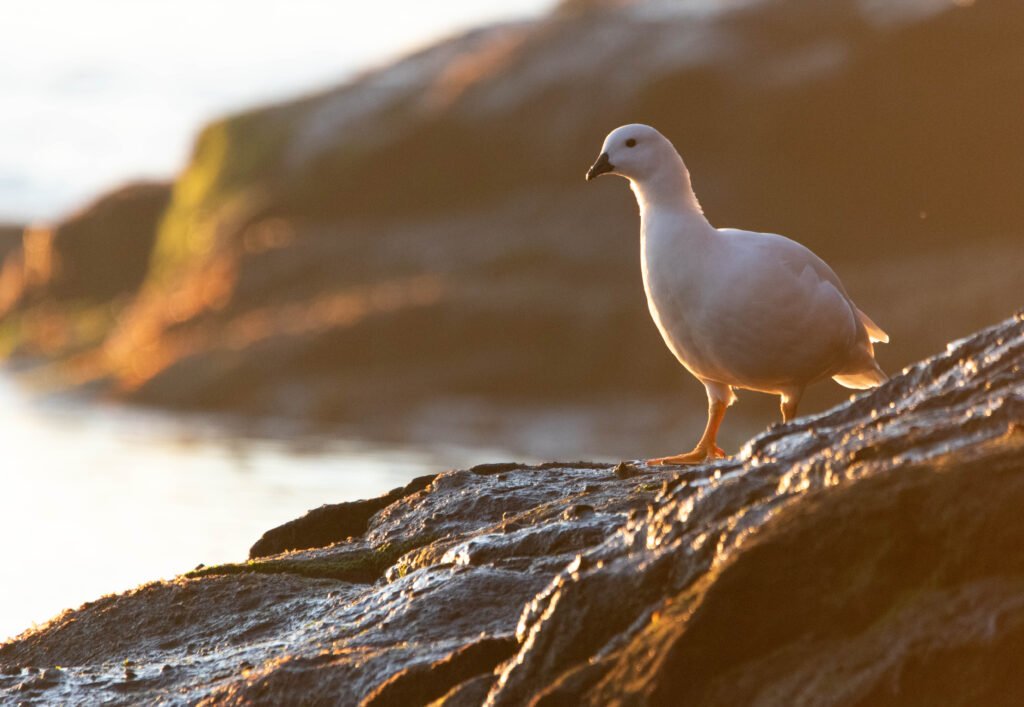
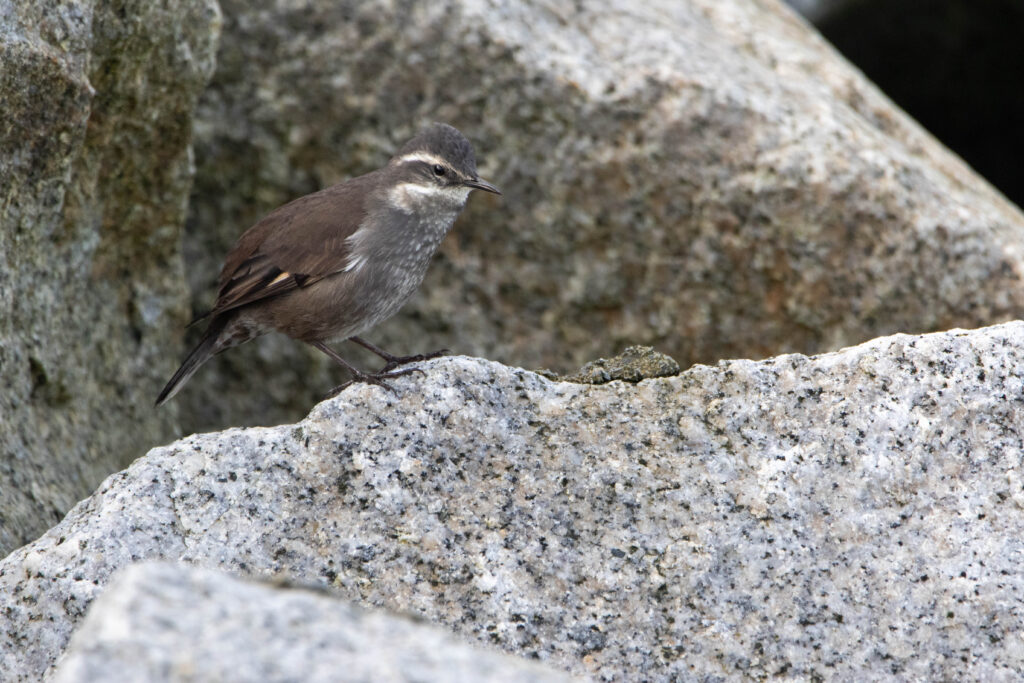
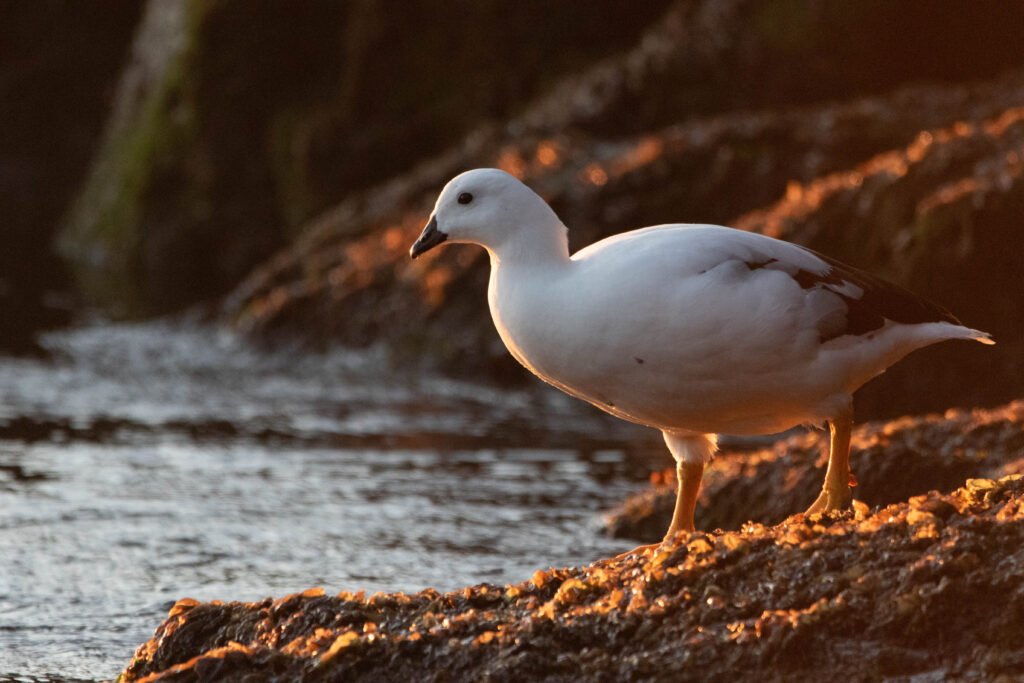
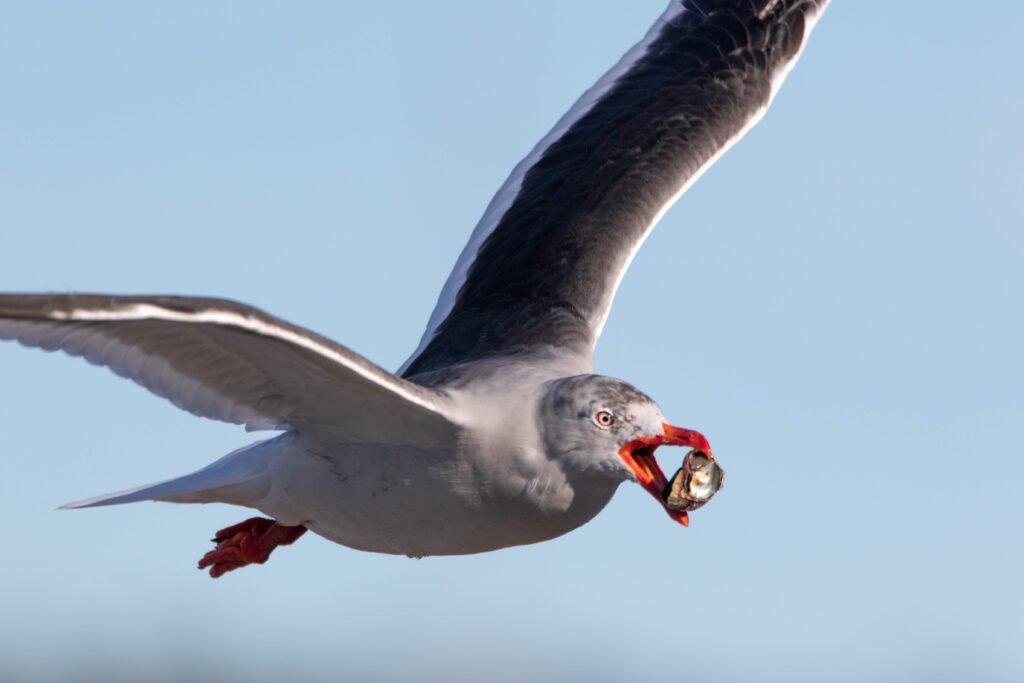
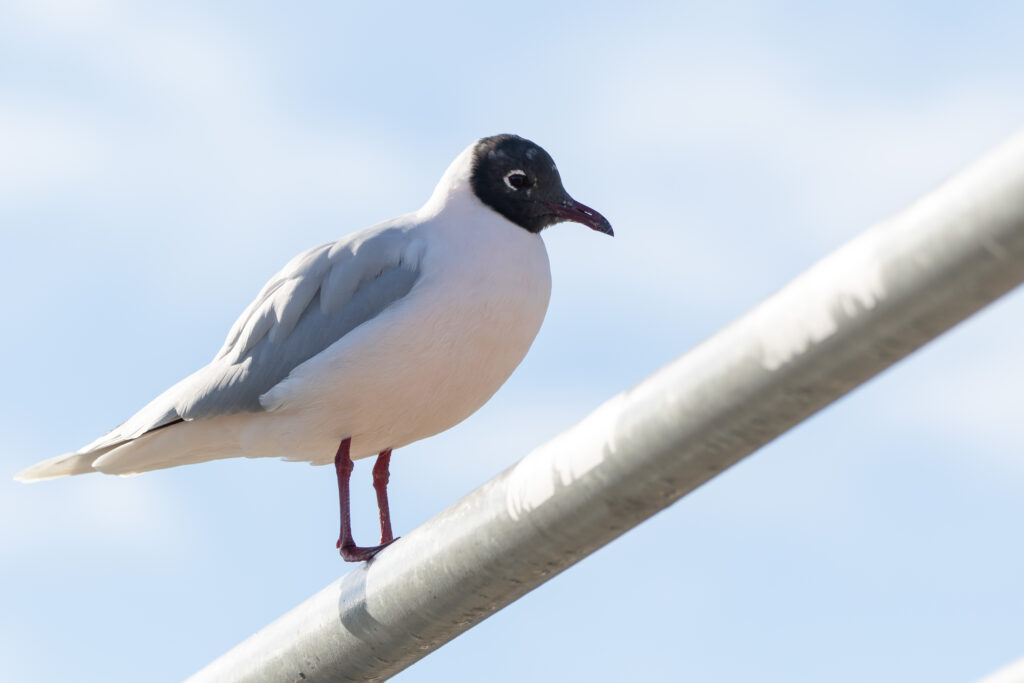
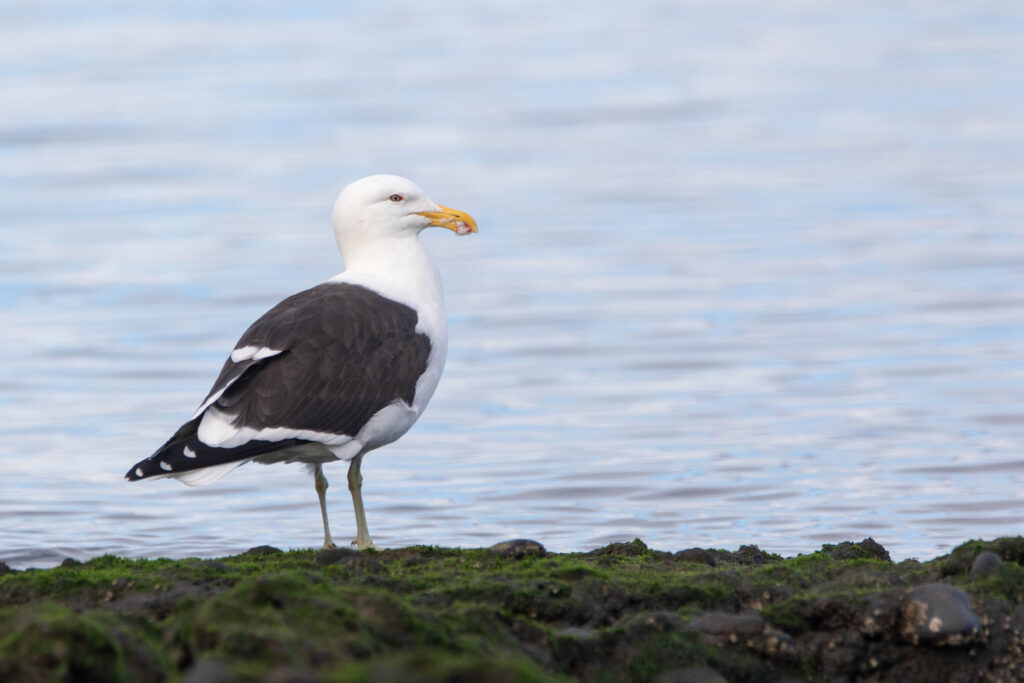
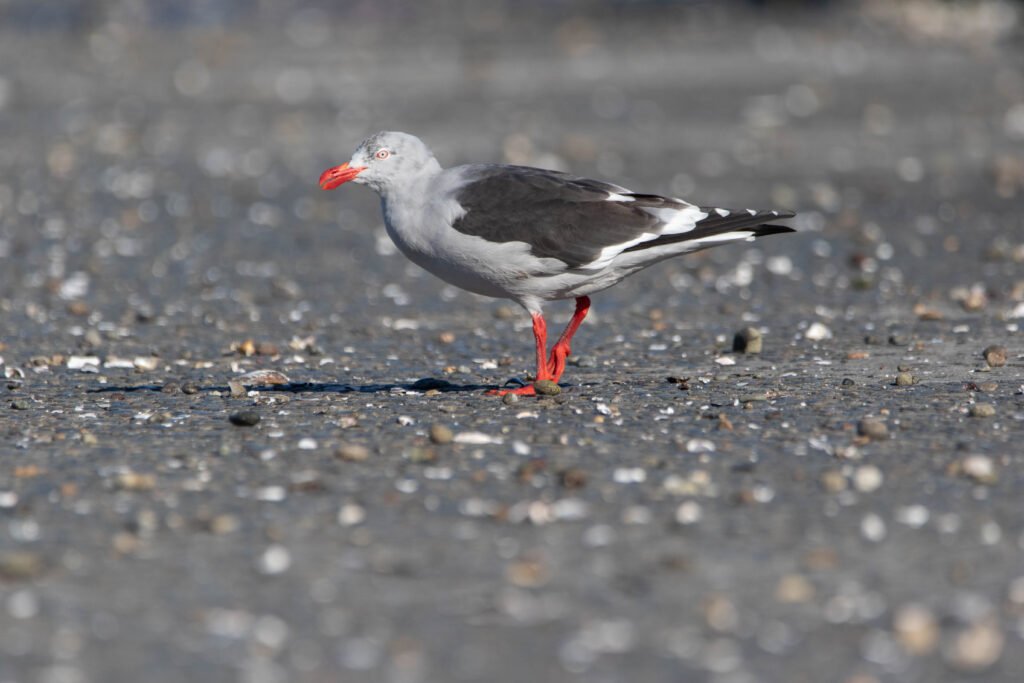
Several gull species can be seen around Ancud, including Brown-hooded Gull (Chroicocephalus maculipennis) and Kelp Gull (Larus dominicanus), but the most interesting is probably the Dolphin Gull (Leucophaeus scoresbii). This species can also be seen at Pudeto Bridge, just outside the town.
Pudeto Wetlands
Pudeto Wetland is a small wetland located east of Ancud. To reach it, you will need to walk along the “Camino a Pupelde”.
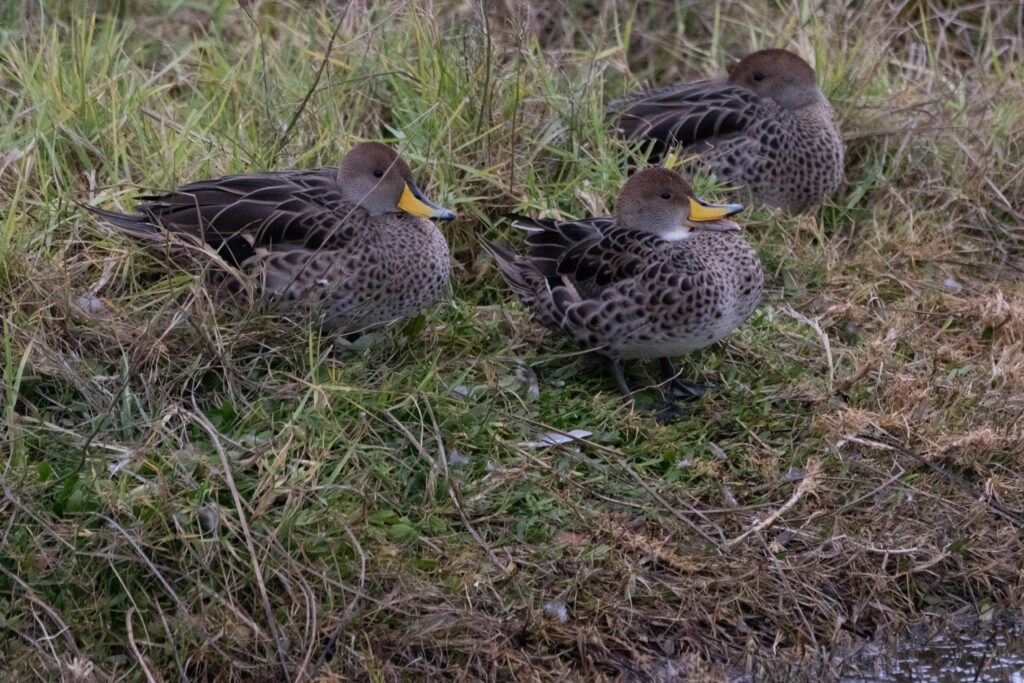
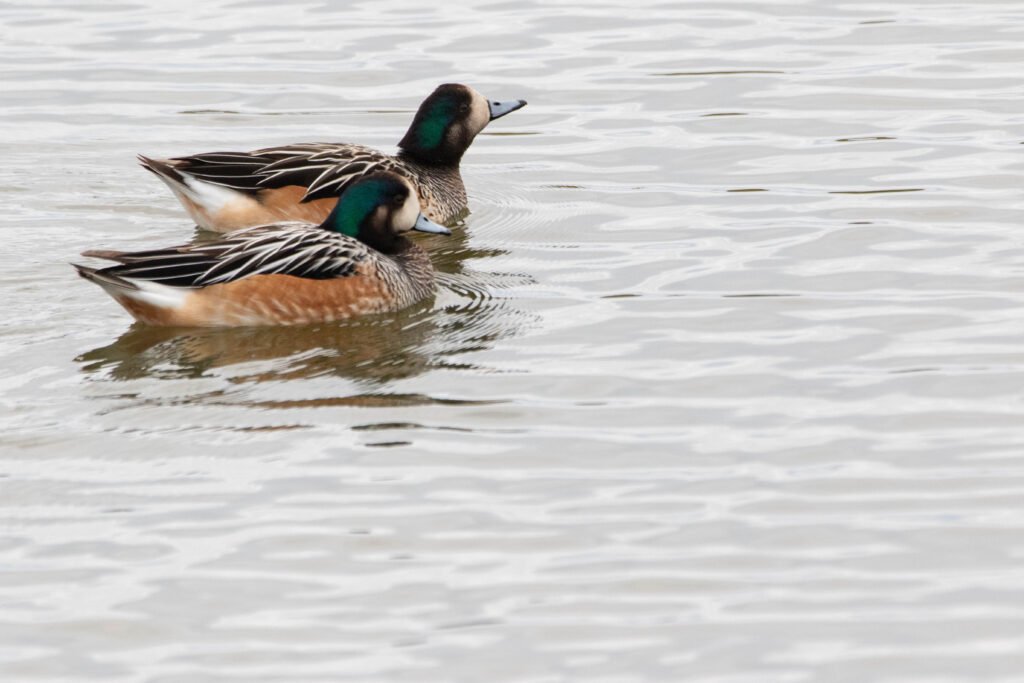
In the ponds, you can see Chiloe Wigeons (Mareca sibilatrix). Despite its name, this duck is also found in other parts of Chile. Other waterfowl can be seen here, including Yellow-billed Teal (Anas flavirostris), Red Shoveler (Spatula platalea) and Yellow-billed Pintail (Anas georgica). Numerous coots, grebes and other herons also inhabit the area.
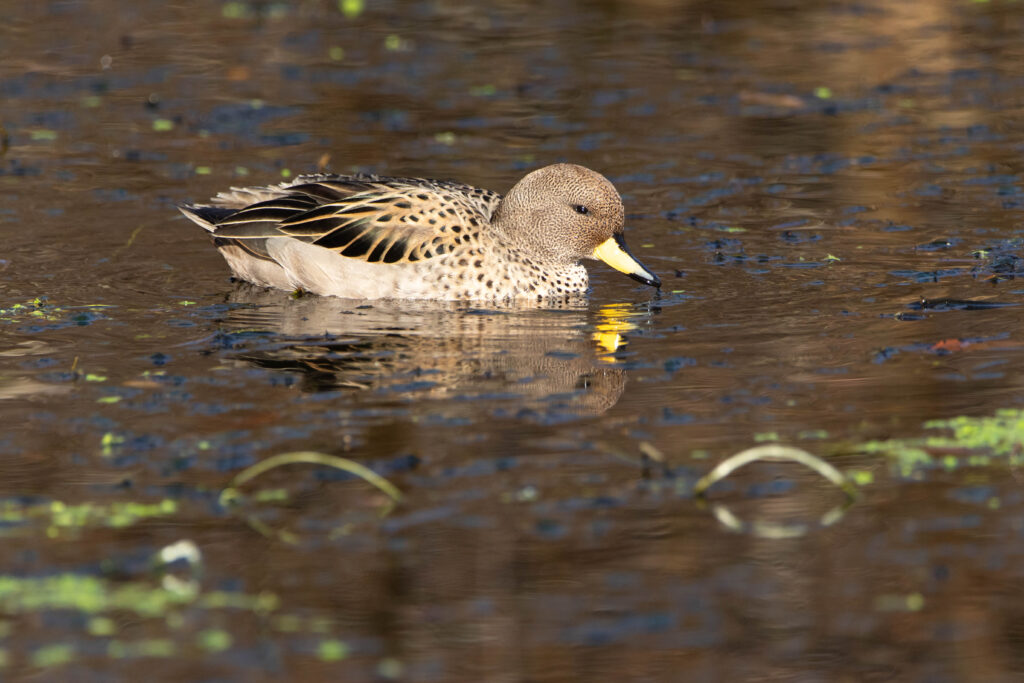
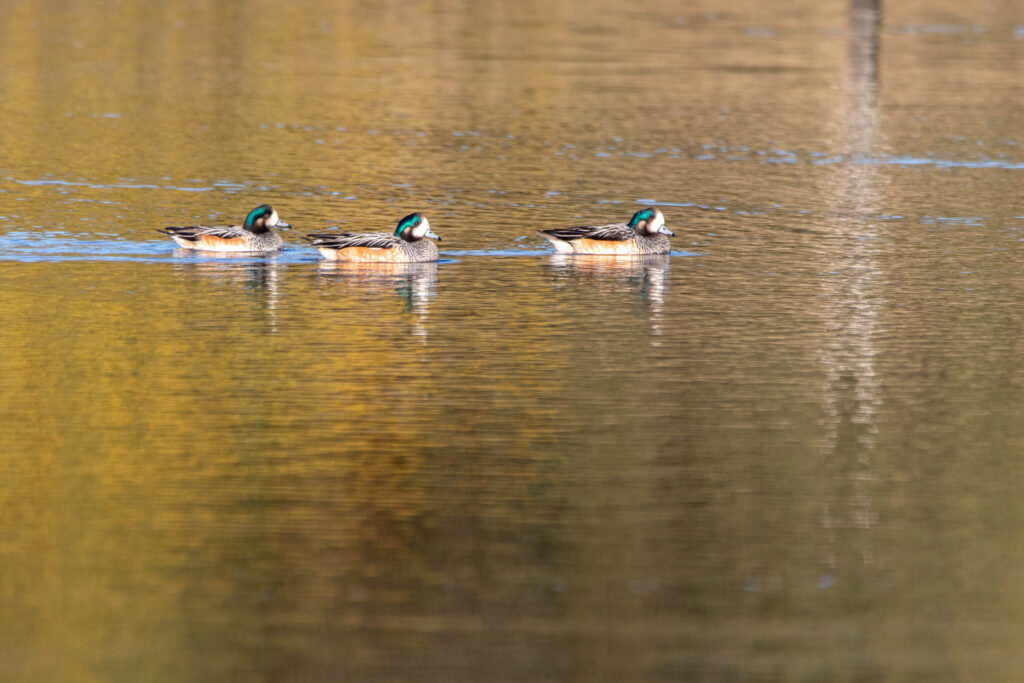
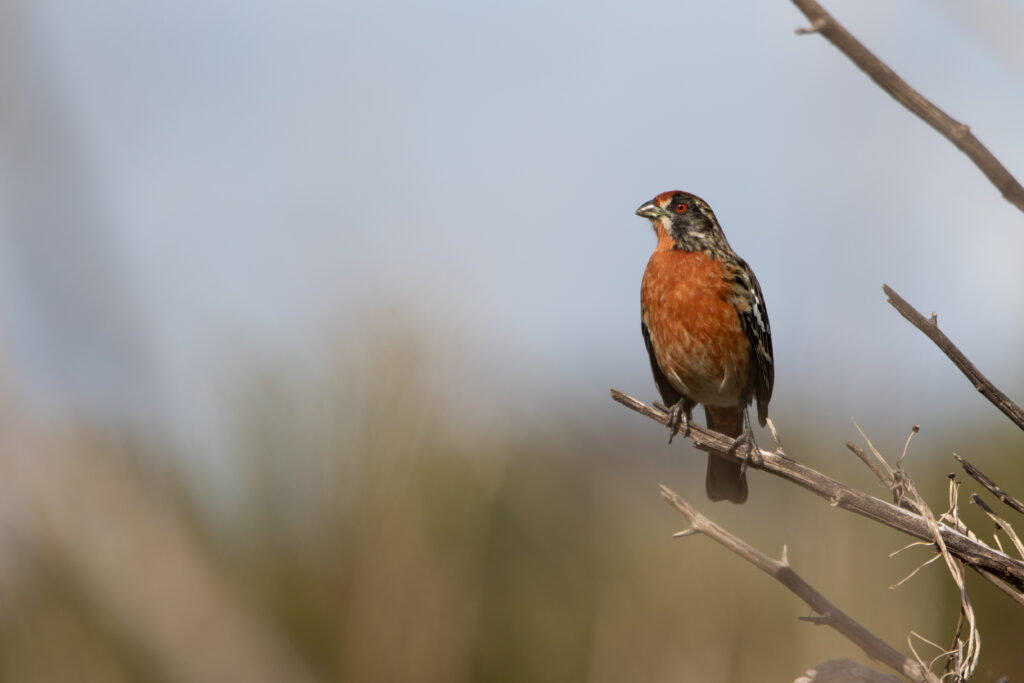
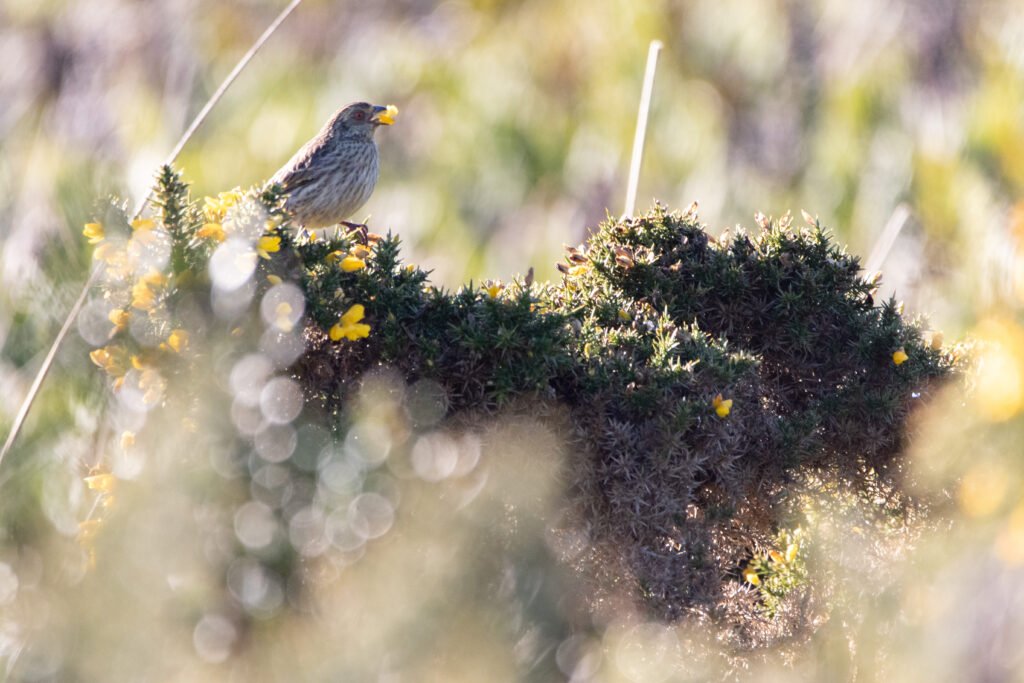
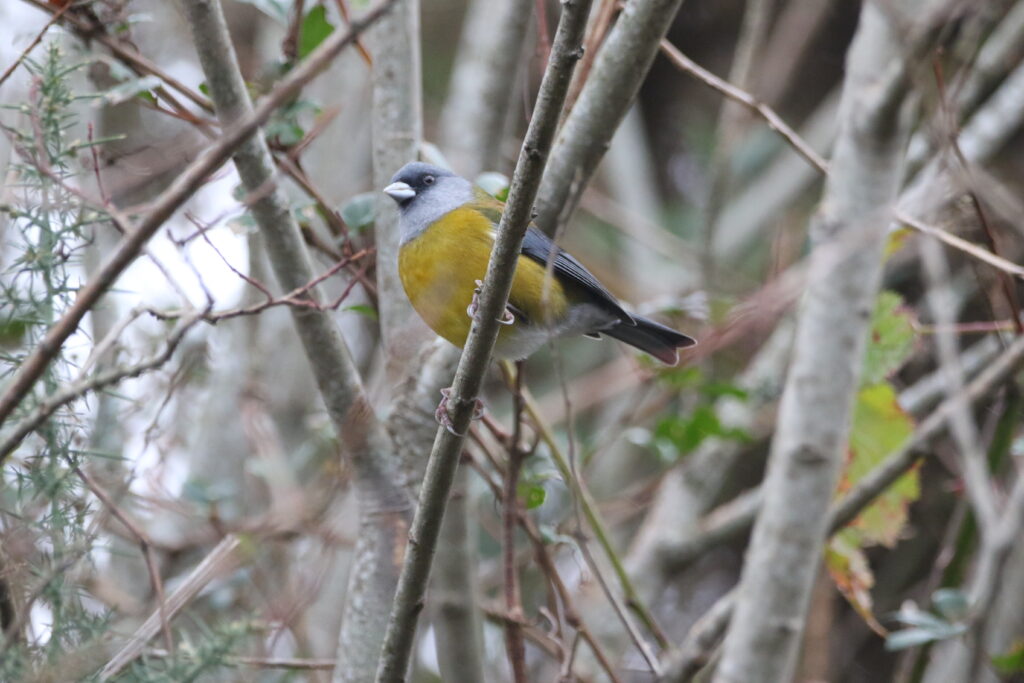
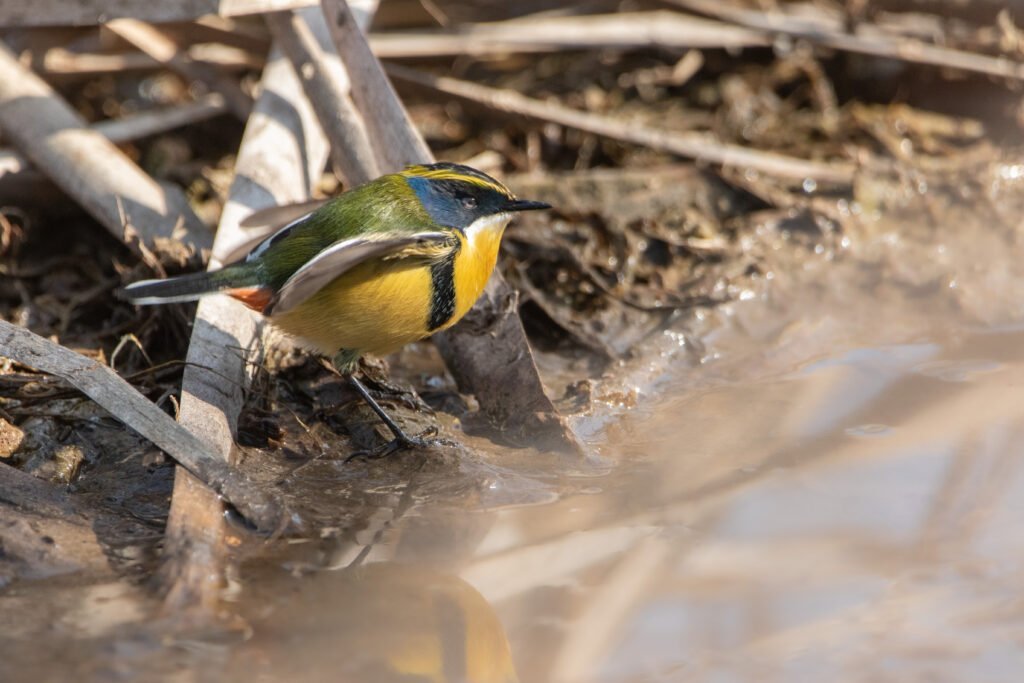
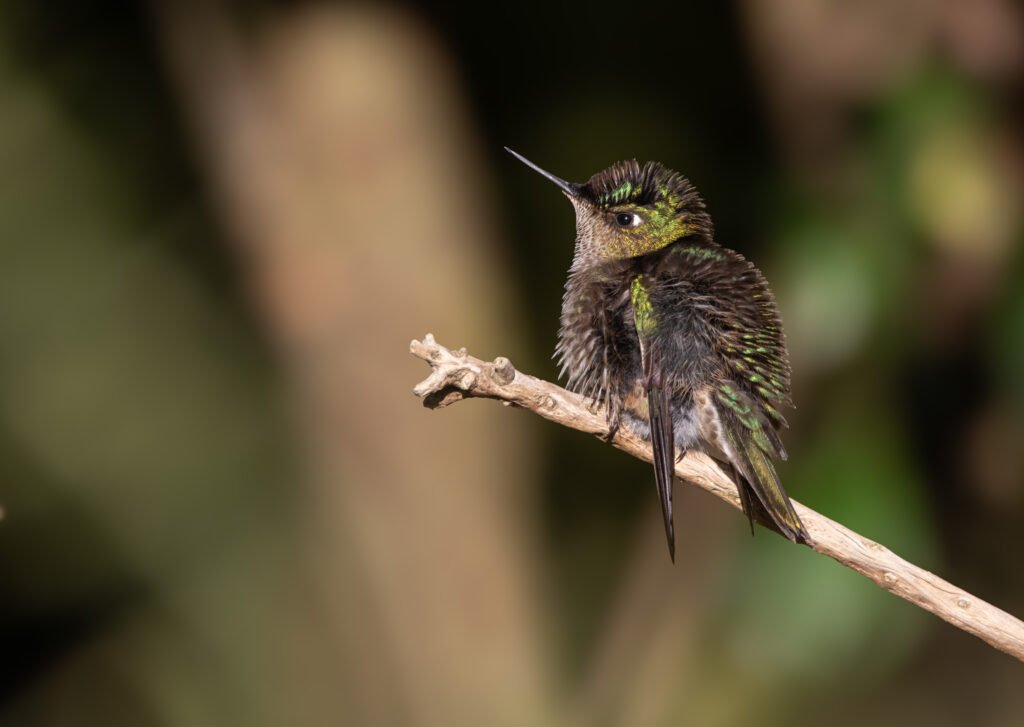
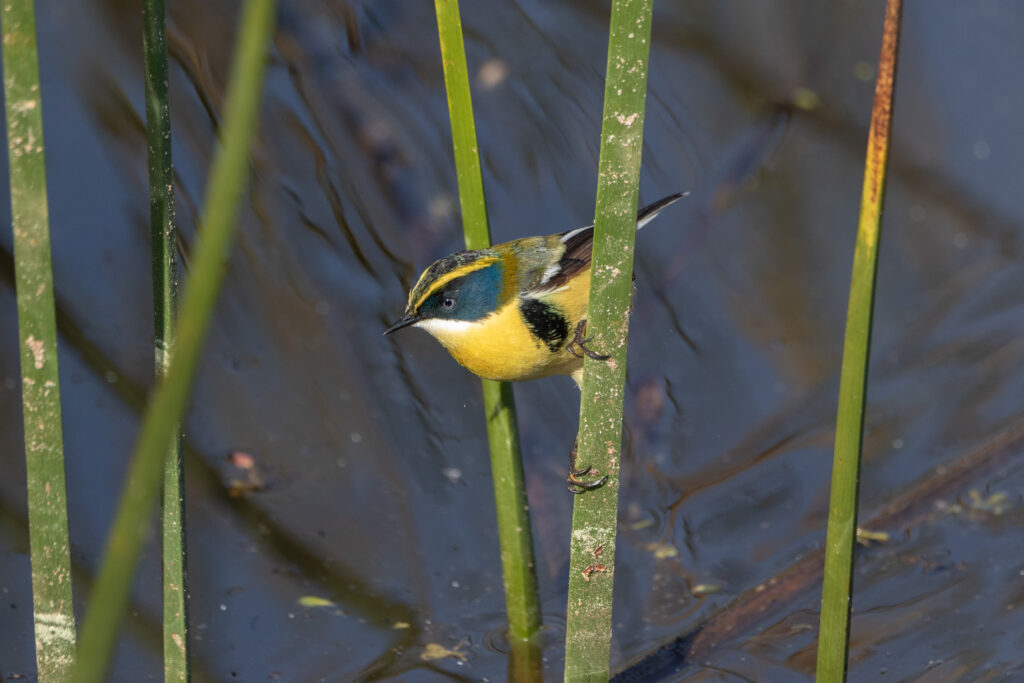
Several common passerines can be seen around Pudeto Wetland, including Rufous-tailed Plantcutters (Phytotoma rara), Des Murs’s Wiretails (Sylviorthorhynchus desmurii), Green-backed Firecrowns (Sephanoides sephaniodes), Patagonian Sierra Finches (Phrygilus patagonicus) and Southern House Wrens (Troglodytes musculus). In the reedbeds, keep an eye out for the famous “Siete Colores”, the Many-colored Rush Tyrant (Tachuris rubrigastra).
Caulín Bay
About 20 kilometers from Ancud, in northern Chiloé, lies the village of Caulín and its bay. The area is difficult to reach by public transport, so having your own vehicle will make things much easier.
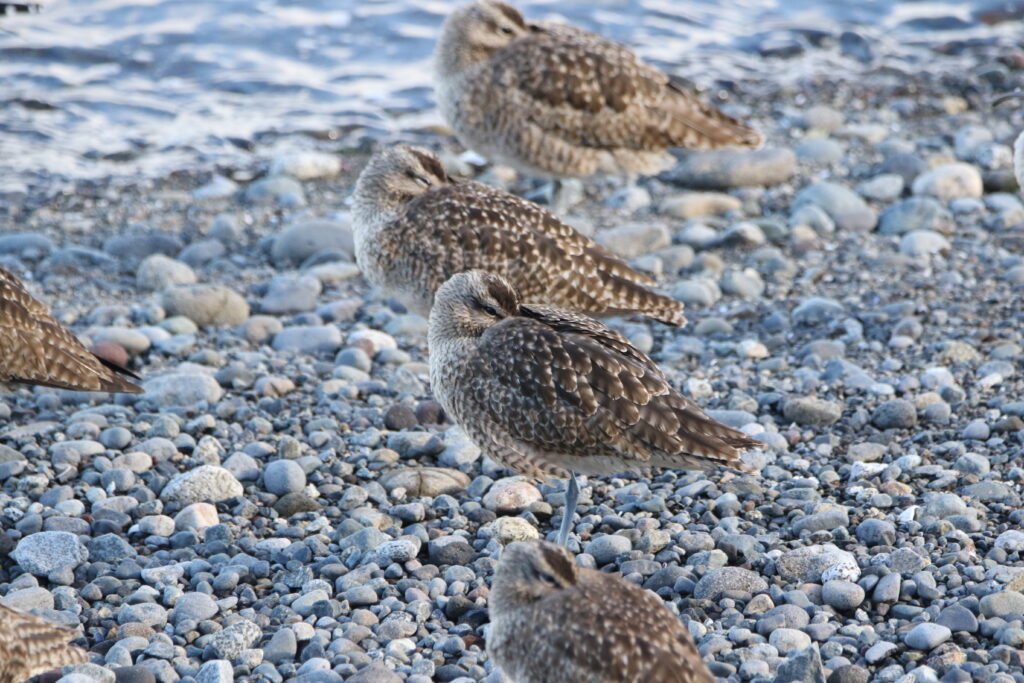
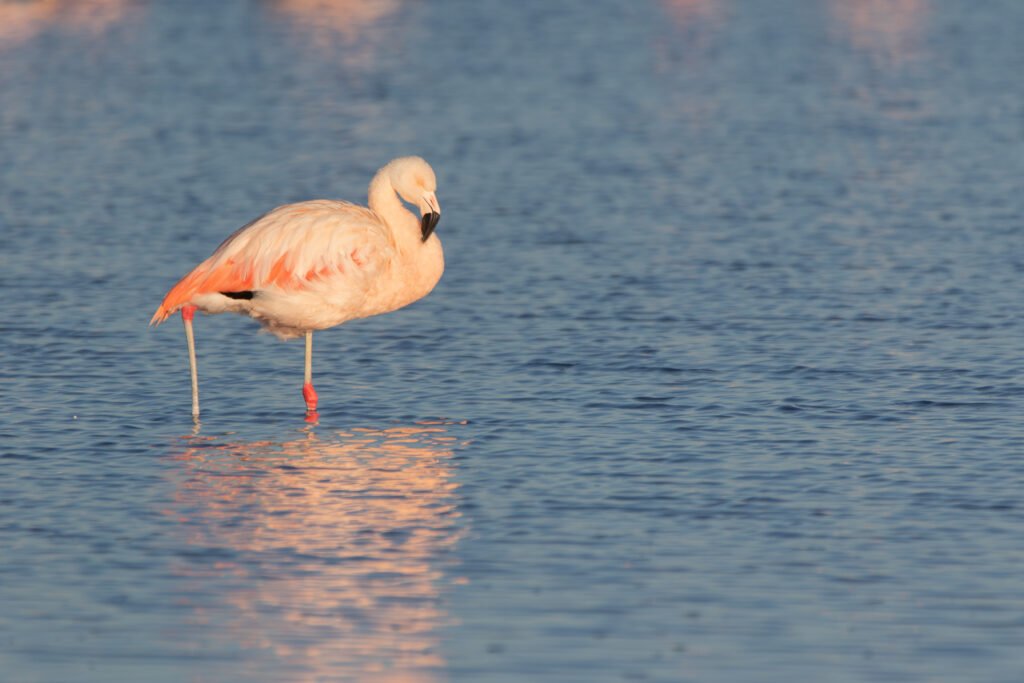
The bird species you can see vary depending on the time of year. Chilean Flamingos (Phoenicopterus chilensis) winter here and can be seen between March and September. Many shorebirds, on the other hand, are present during the other part of the year, including Red Knots (Calidris canutus), Sanderlings (Calidris alba), Rufous-chested Dotterels (Zonibyx modestus), Greater Yellowlegs (Tringa melanoleuca), Lesser Yellowlegs (Tringa flavipes), Baird’s Sandpipers (Calidris bairdii) and many others.
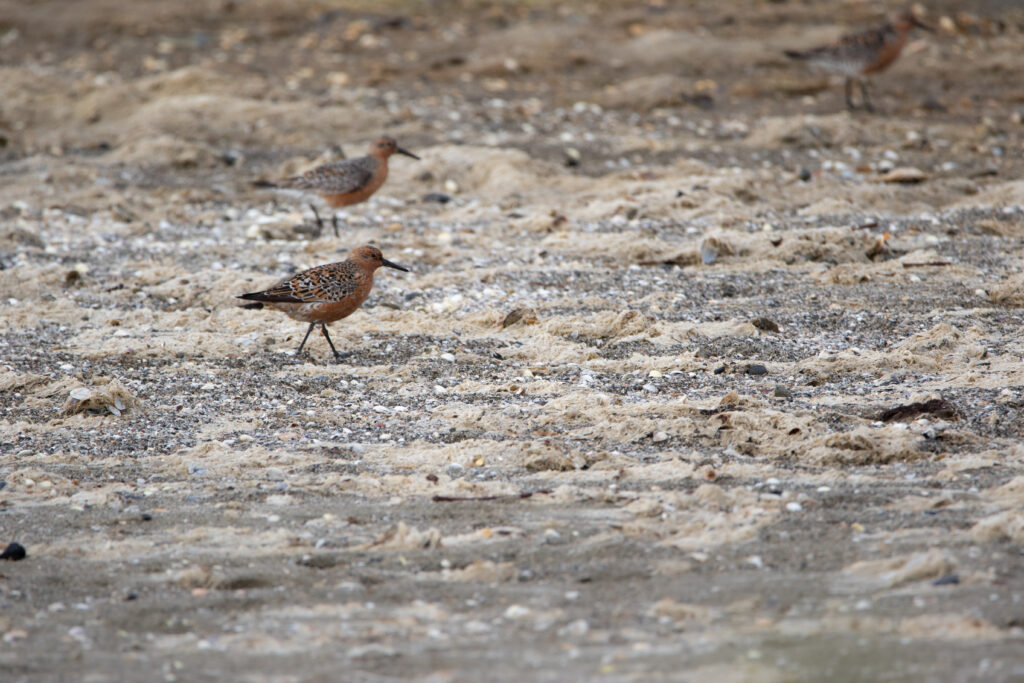
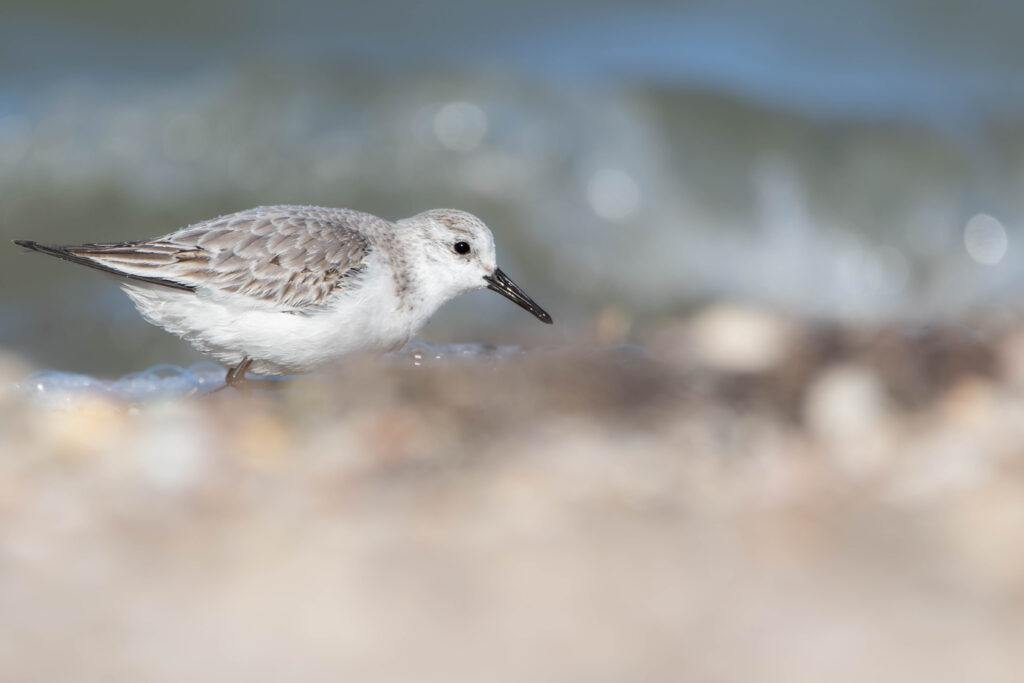
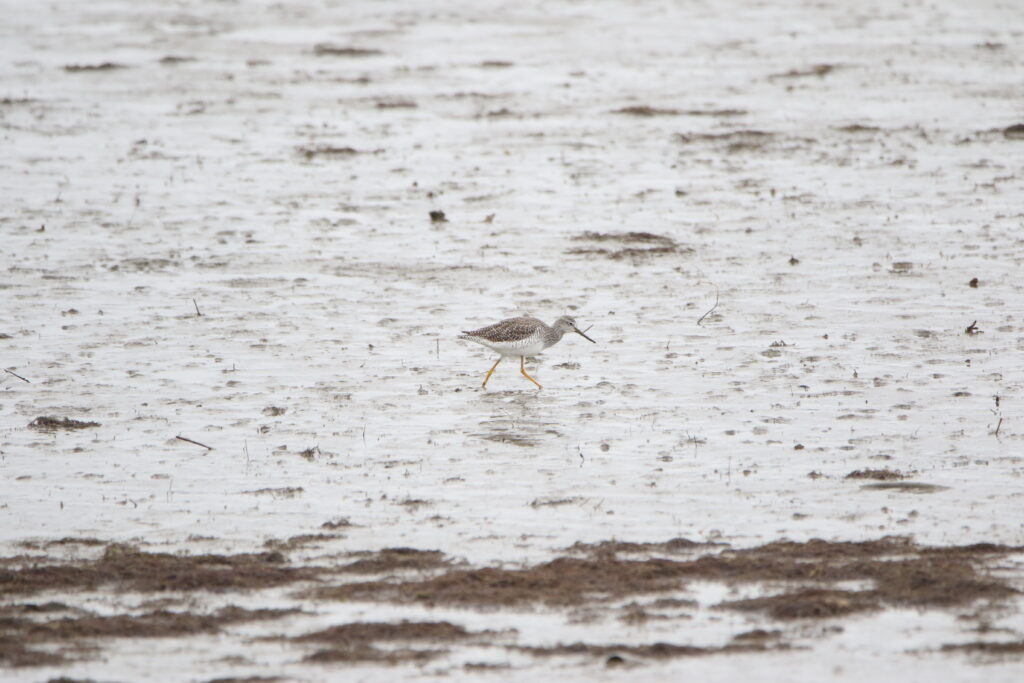
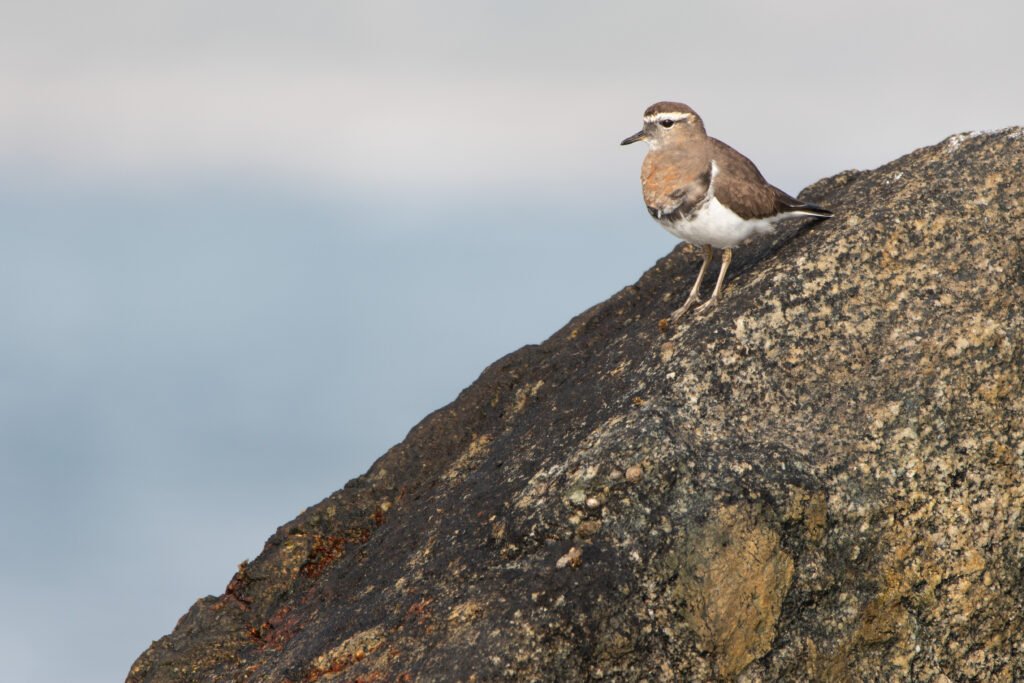
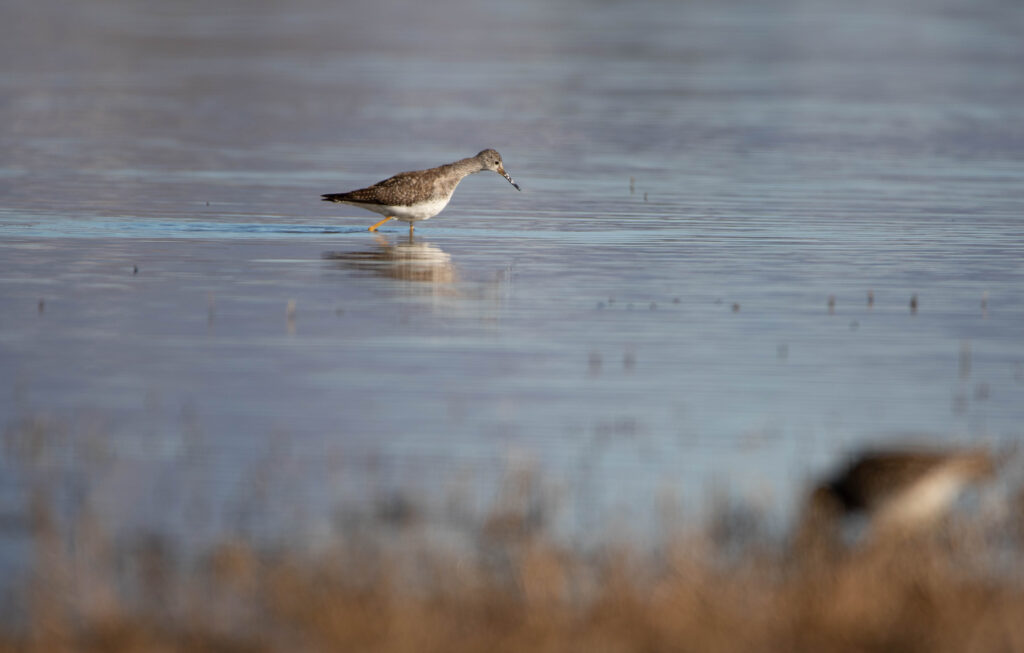
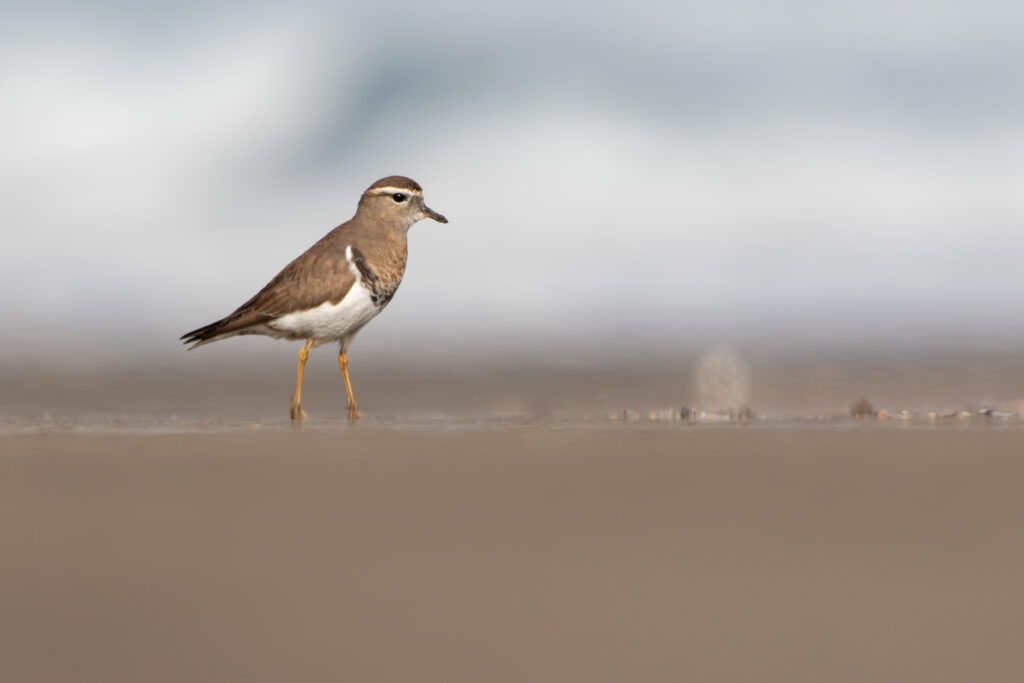
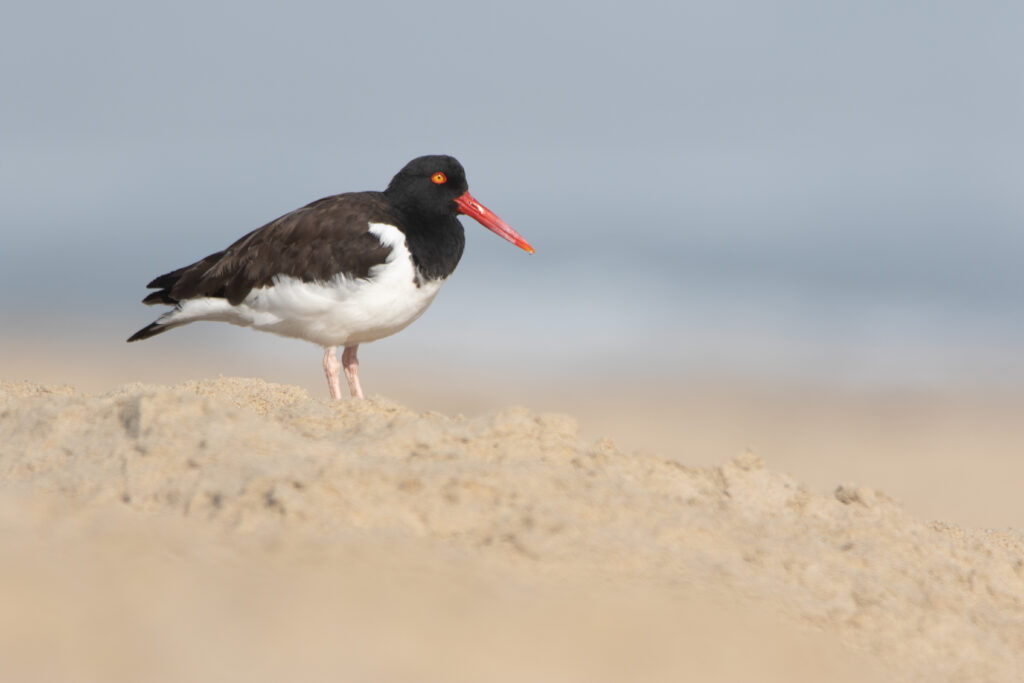
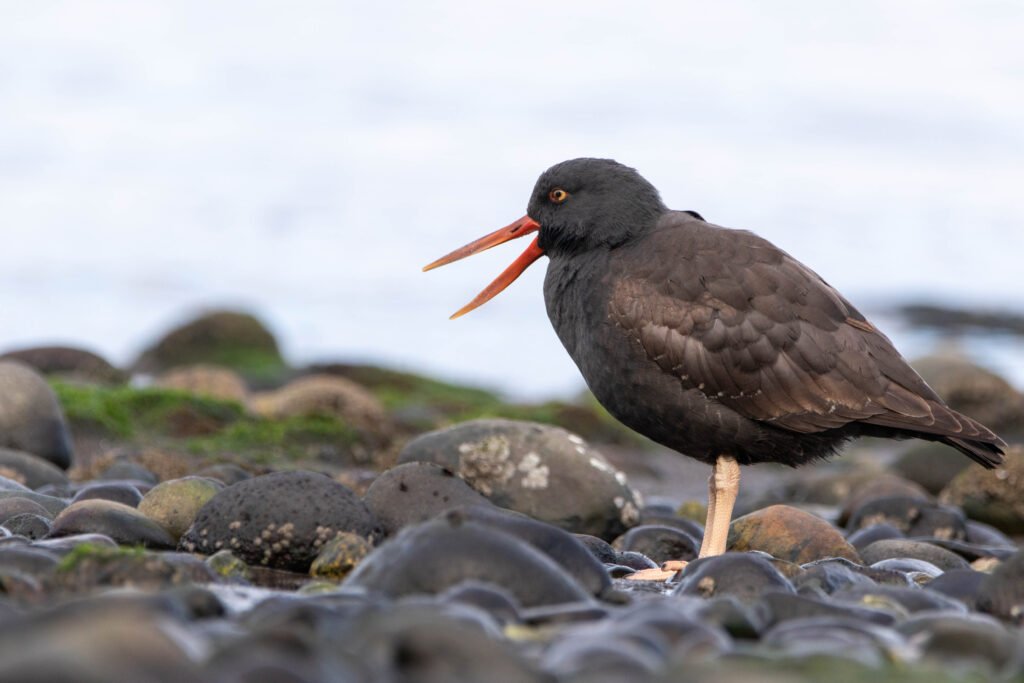
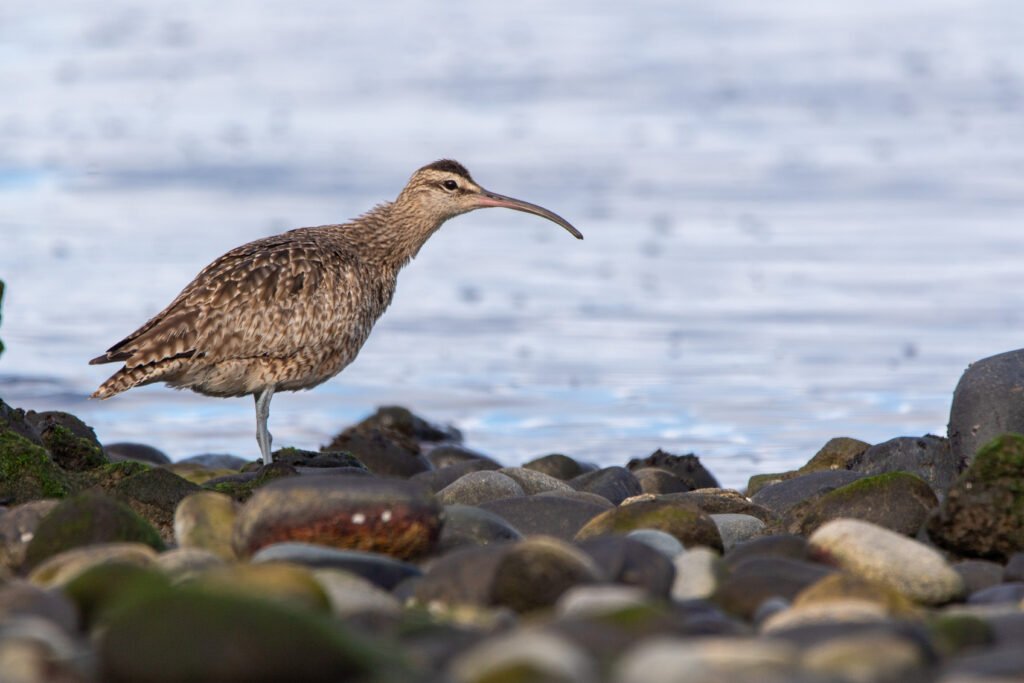
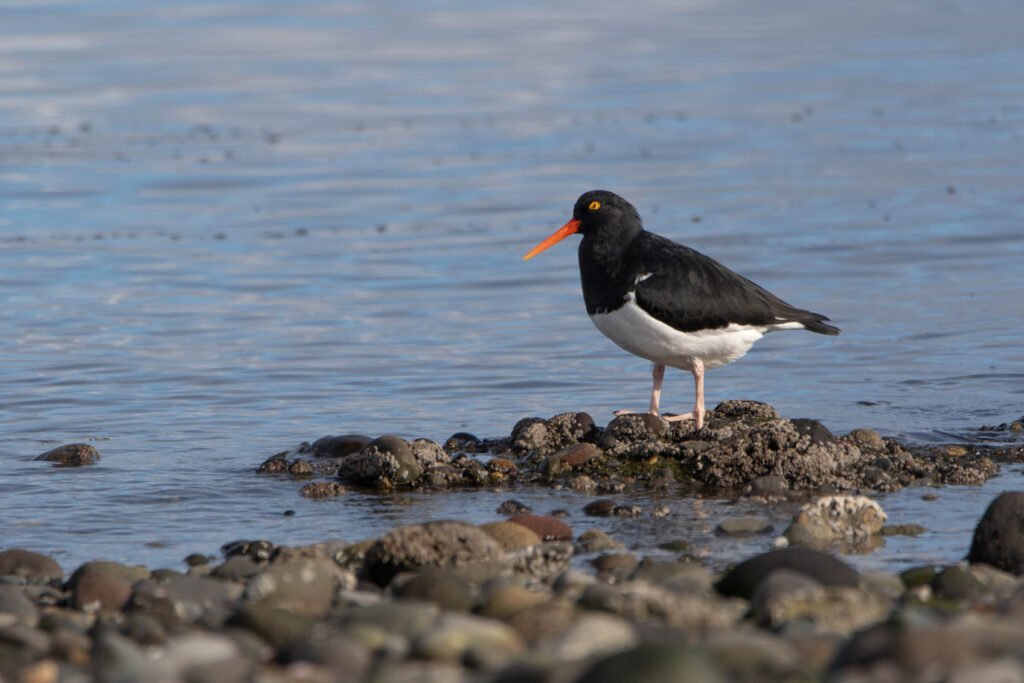
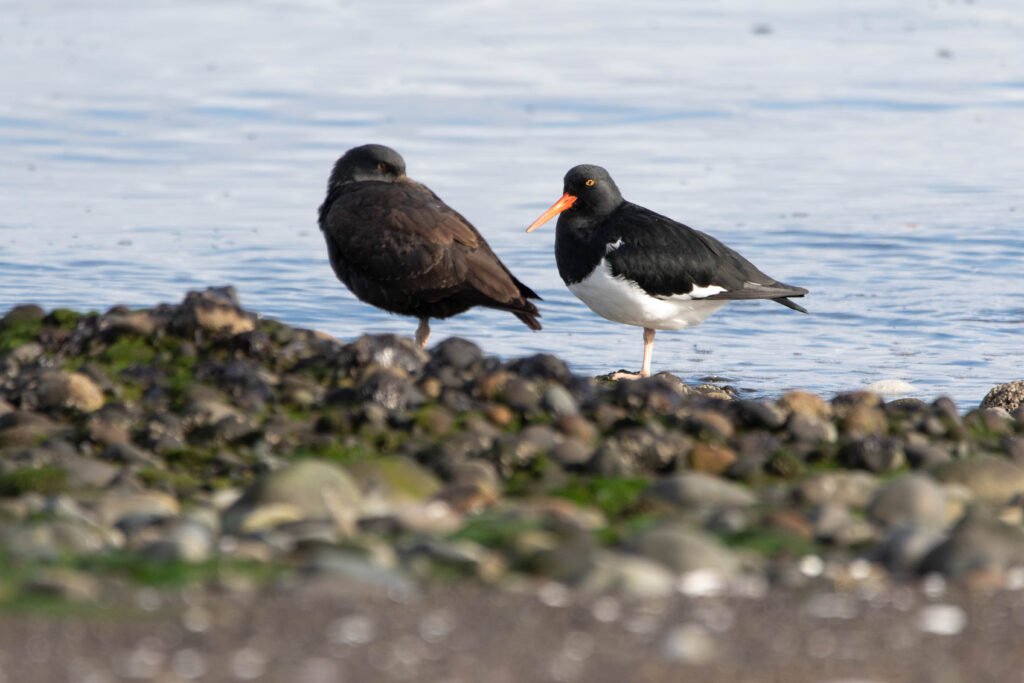
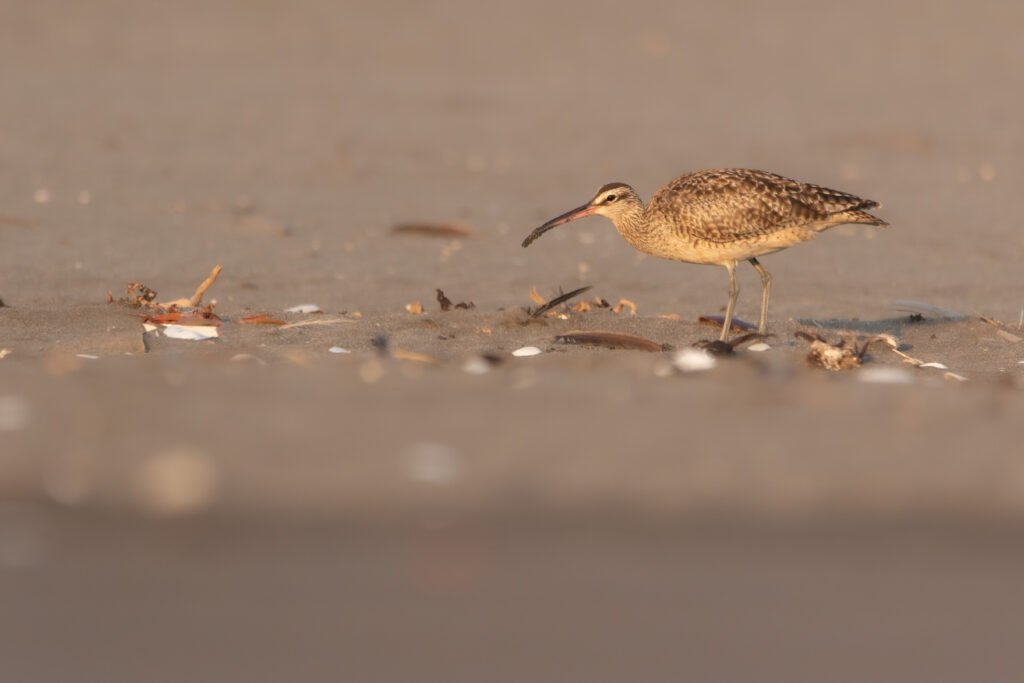
You can also find Black-crowned Night Herons (Nycticorax nycticorax), Black Skimmers (Rynchops niger), Hudsonian Godwits (Limosa haemastica), Hudsonian Whimbrels (Numenius hudsonicus) and Two-banded Plovers (Anarhynchus falklandicus). Three species of oystercatcher can be found here: Magellanic Oystercatchers (Haematopus leucopodus), Blackish Oystercatchers (Haematopus ater) and American Oystercatchers (Haematopus palliatus).

Puñihuil Islands
Between September and March, the small Puñihuil Islands become nesting grounds for penguins. A local tour operator runs boat trips to observe them. As a result, this is a popular destination for tourists who are not necessarily birders but want to experience some of Chiloé’s wildlife. Naturally, the penguins are observed exclusively from the boat. Outside this period, very few penguins remain on the islands and no boats operate trips there.
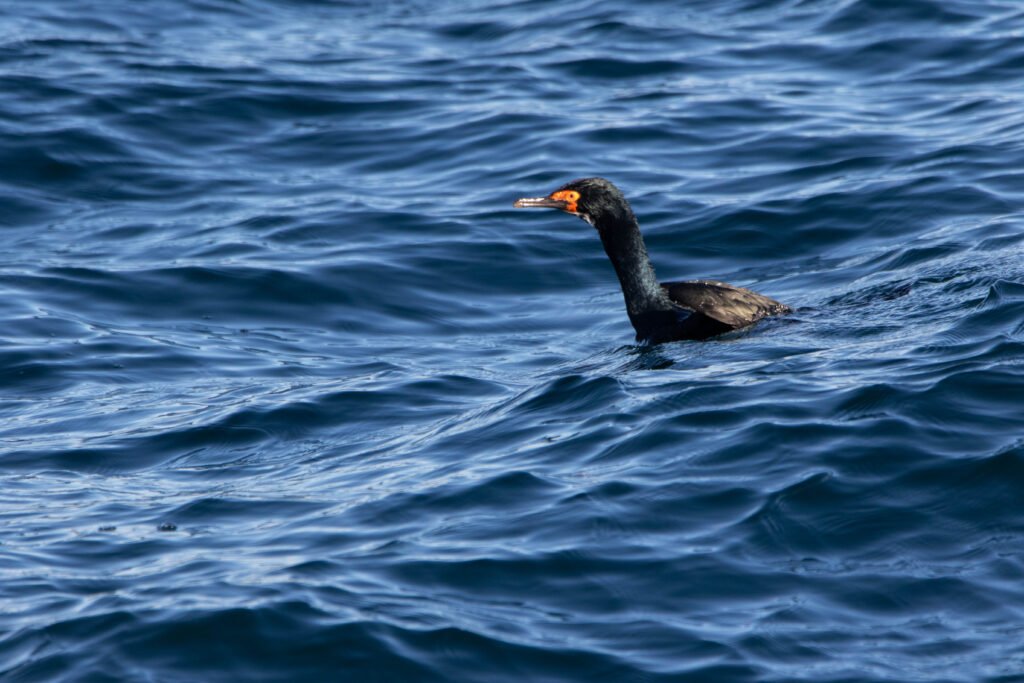
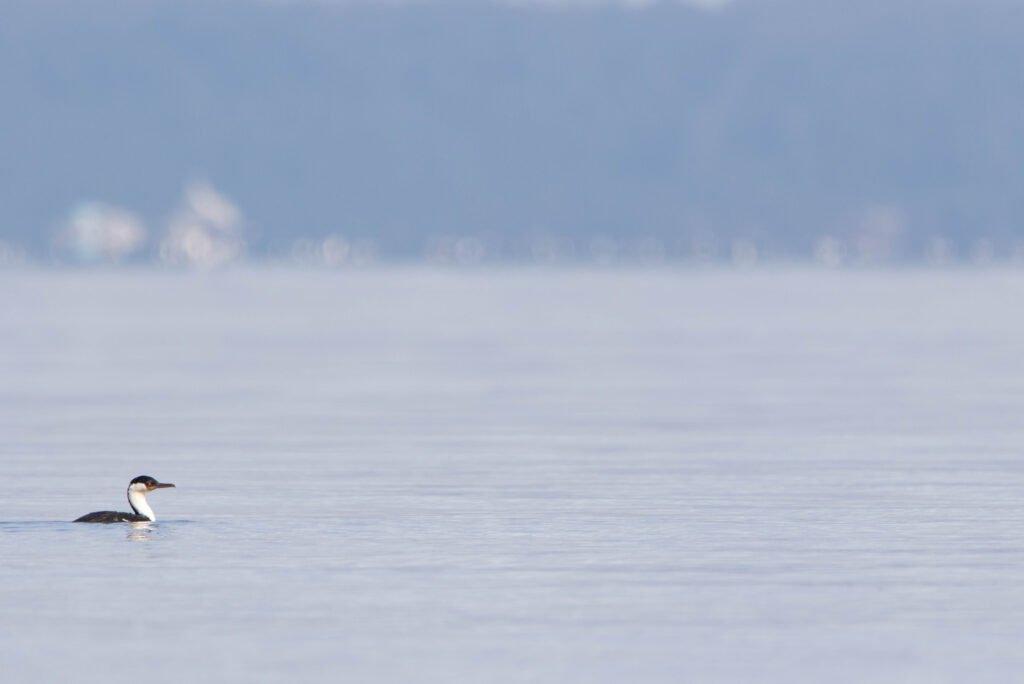
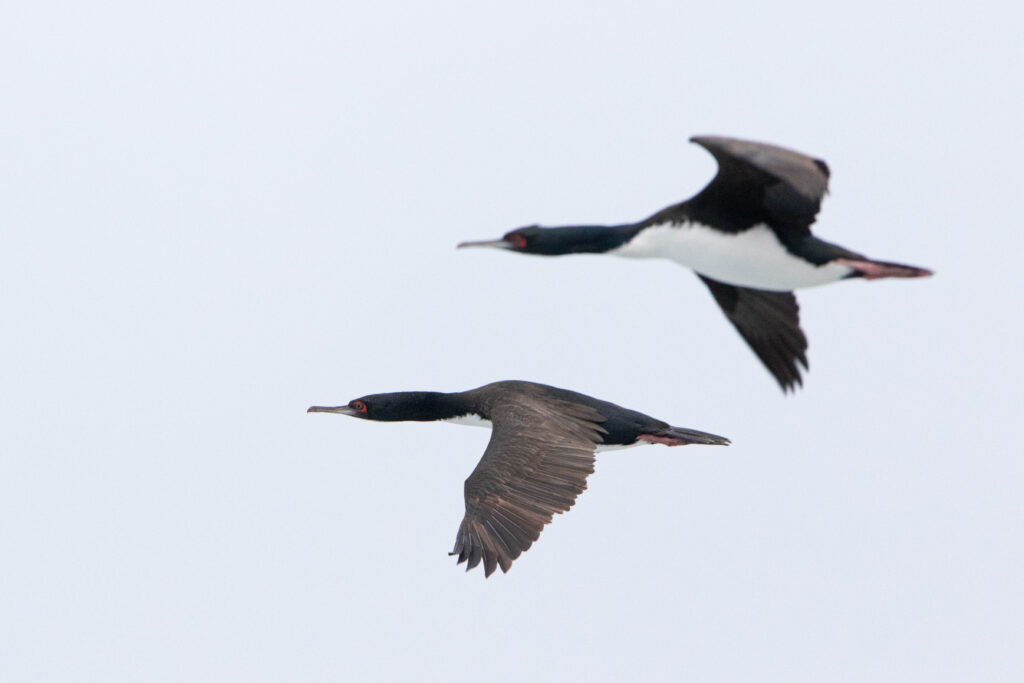
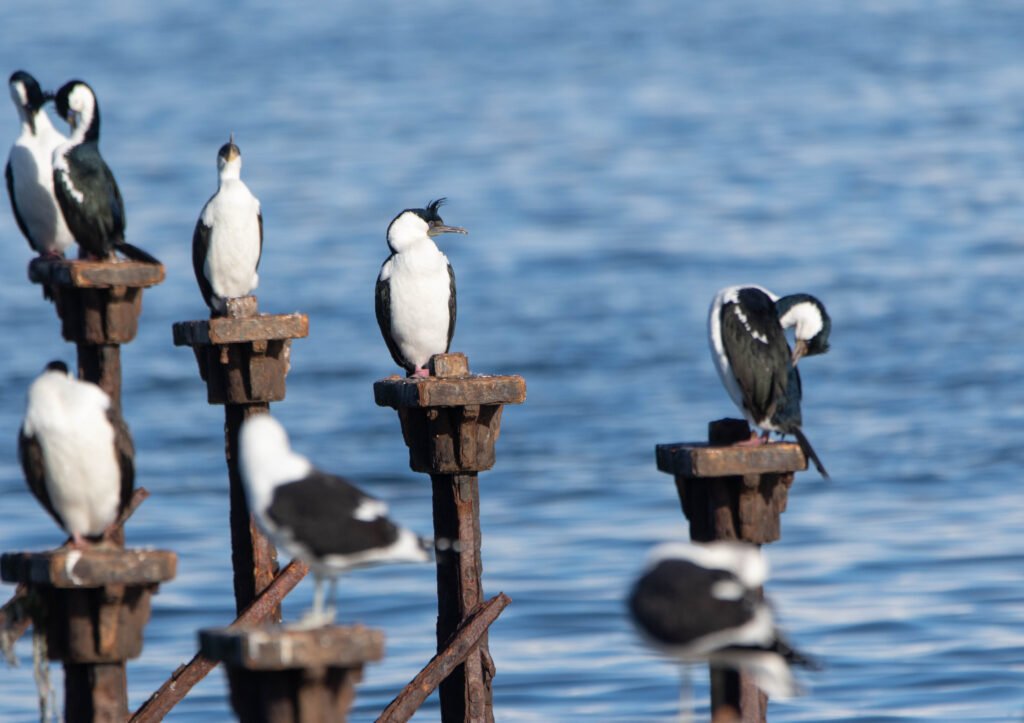
Two penguin species can be found on the islands: Magellanic Penguins (Spheniscus magellanicus) and Humboldt Penguins (Spheniscus humboldti). During the boat trip, you can also see four species of cormorant: Guanay Cormorants (Leucocarbo bougainvilliorum), Red-legged Cormorants (Poikilocarbo gaimardi), Rock Shags (Leucocarbo magellanicus) and Imperial Shags (Leucocarbo atriceps). While exploring the islands, keep an eye out for Surfbirds (Calidris virgata) and Kelp Goose (Chloephaga hybrida).
Castro
Castro has been the capital of Chiloé Province since the early 1980s. Famous for its colorful houses built on stilts, the palafitos, it is not necessarily the best place on the island for birdwatching. Nevertheless, there are a few interesting spots to explore.
Castro City
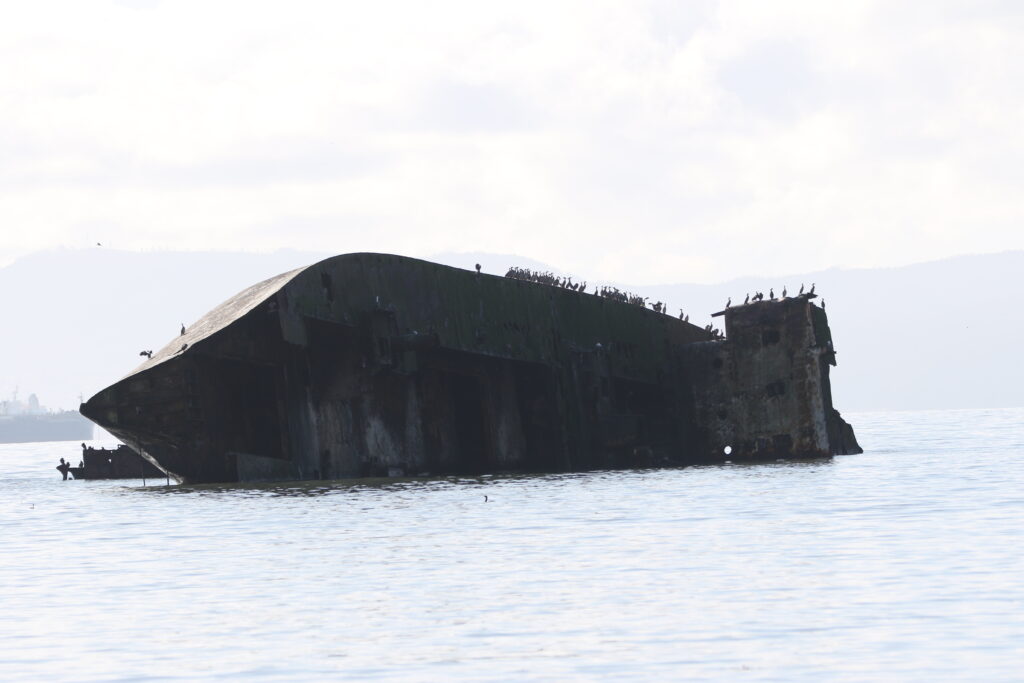
If you walk around Castro, you can spot several common coastal species. Boat trips departing from the harbor also offer the opportunity to discover Castro Fjord.
The short boat trip takes you closer to the famous palafitos, while also giving you the chance to see various cormorants, pelicans and even flamingos !
Putemun Wetlands
A few kilometers north of the small town of Castro, there is a wetland that may well be worth a visit. You can easily reach the village of Putemun from Castro by bus or with your own vehicle. From there, simply take one of the roads bordering the wetland. Depending on the tide, the birds can be quite far away. If you have a spotting scope, this is a good opportunity to get it out!
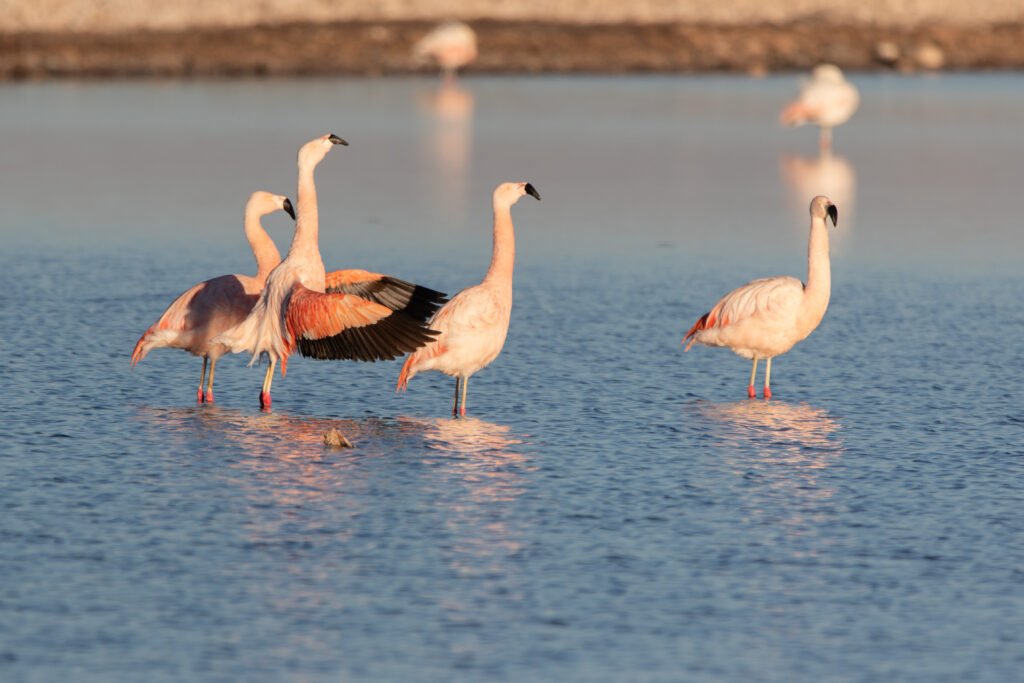
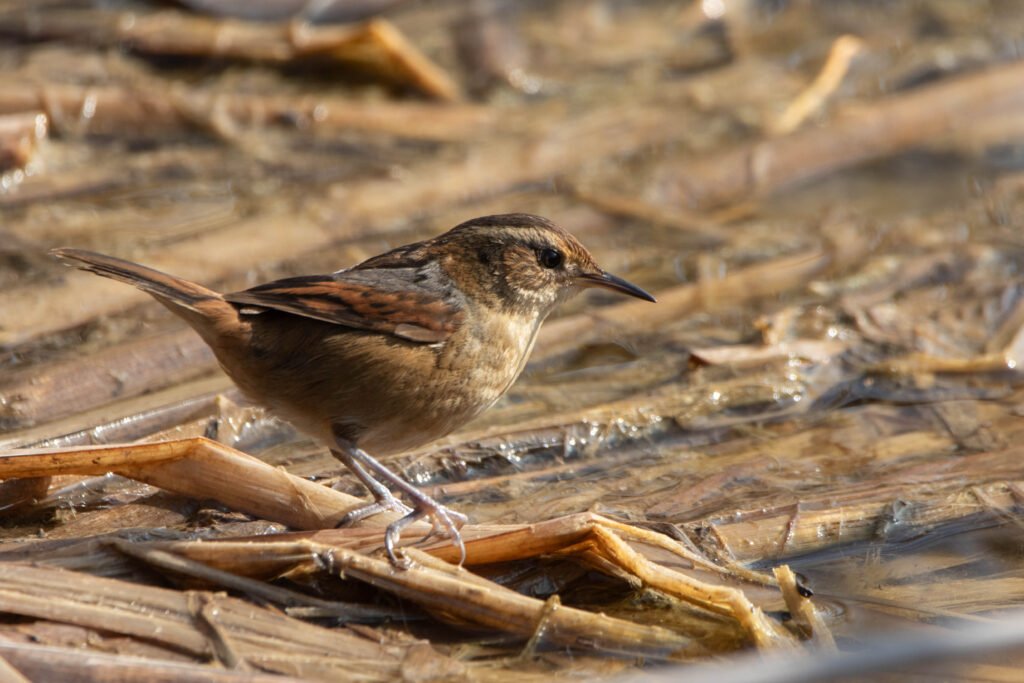
This is a great place to see Chilean Flamingos (Phoenicopterus chilensis) on Chiloé Island. They remain on the island between April and August, spending the rest of the year on the Andean Altiplano, around places such as San Pedro de Atacama. Depending on the time of year, you can also see numerous ducks, herons and shorebirds. Among the passerines, look for Wren-like Rushbirds (Phleocryptes melanops) and Grass Wrens (Cistothorus platensis).
Tepehueco Park & Chiloé National Park
If you want to discover other bird and mammal species, you should definitely visit one of the parks near Castro. You can head to Chiloé National Park from Cucao or visit Tepehueco Park. No public transport will take you directly to these parks, so having your own vehicle is strongly recommended (unless you’re comfortable hitchhiking).
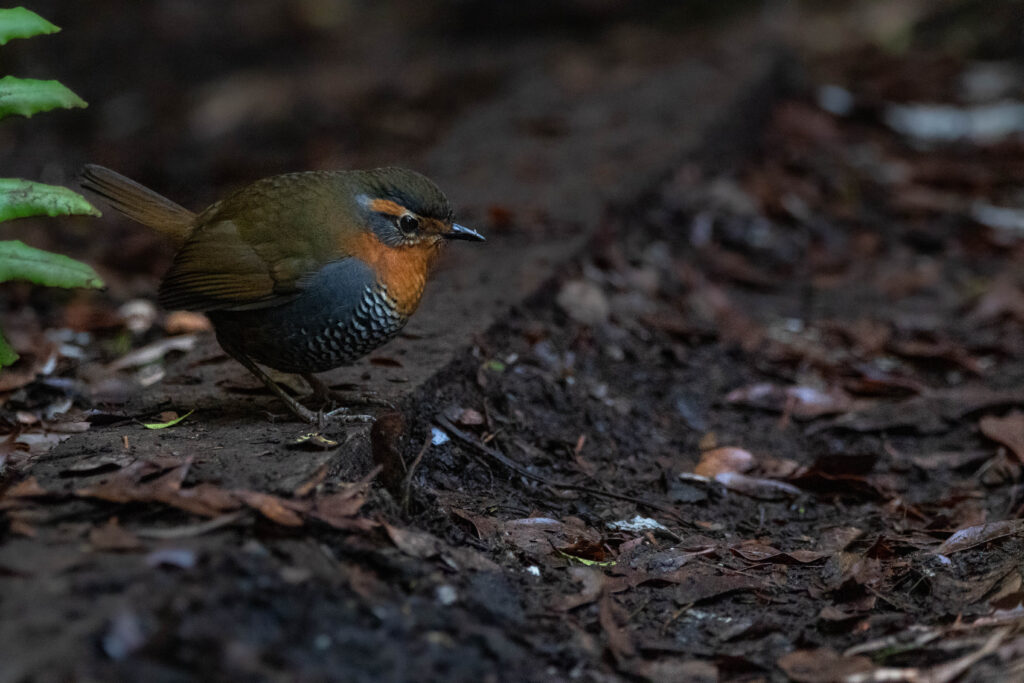
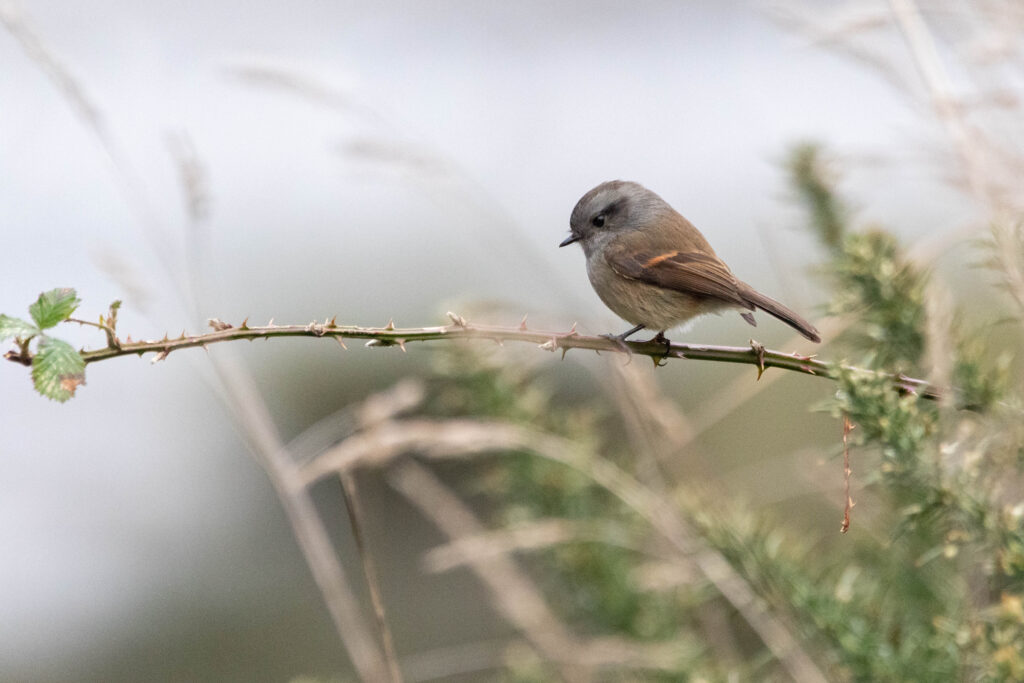
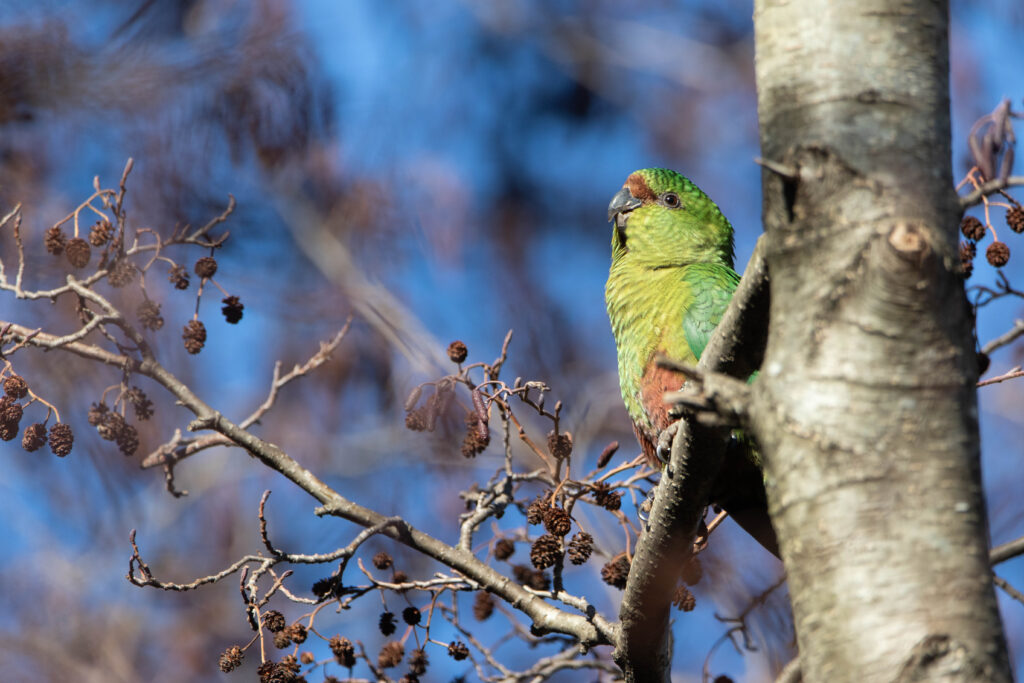
These parks are covered by Chiloé’s native forests, where you can find Magellanic Woodpeckers (Campephilus magellanicus), Austral Parakeets (Enicognathus ferrugineus) and Patagonian Tyrants (Colorhamphus parvirostris). The elusive Chucao Tapaculo (Scelorchilus rubecula), Black-throated Huet-huet (Pteroptochos tarnii) and Magellanic Tapaculo (Scytalopus magellanicus) can also be found in these parks.
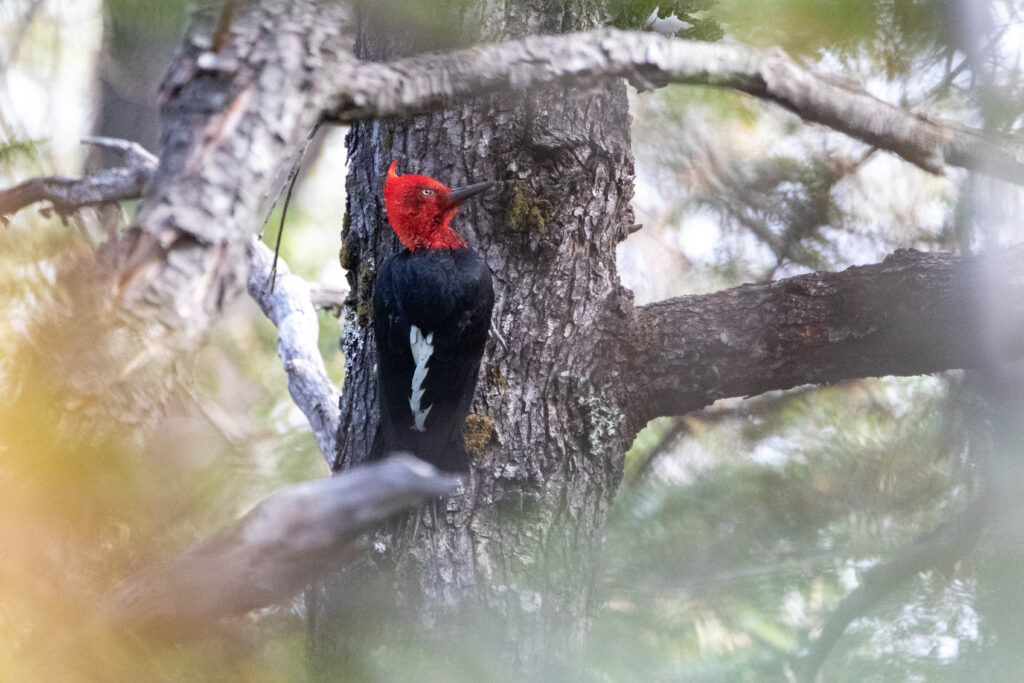
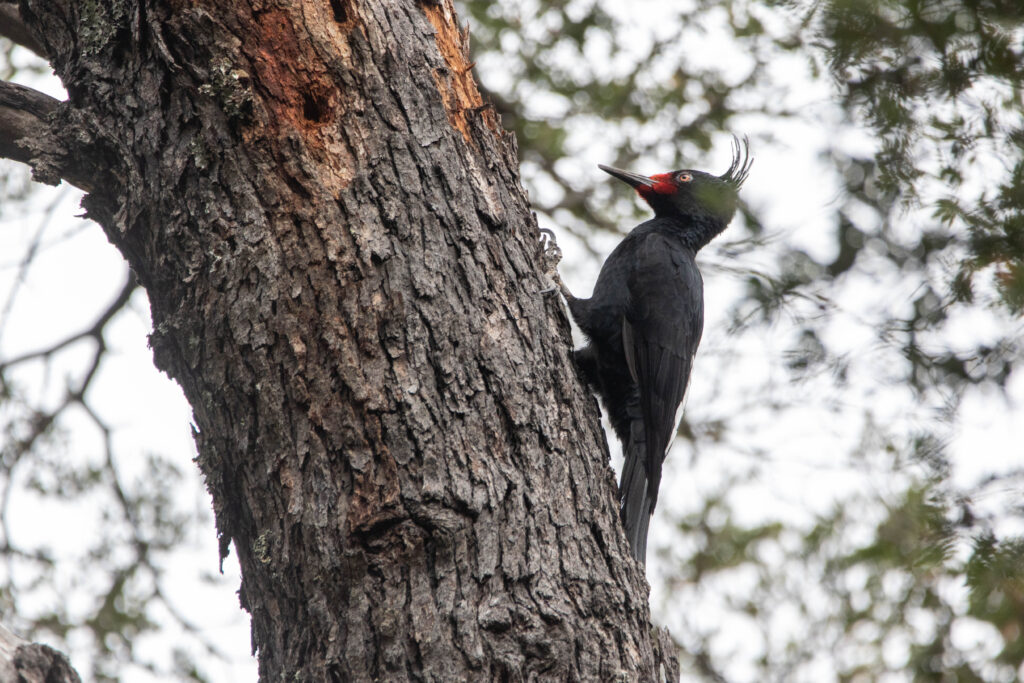
Among the birds of prey, you may spot Rufous-tailed Hawks (Buteo ventralis) or Austral Pygmy Owls (Glaucidium nana).
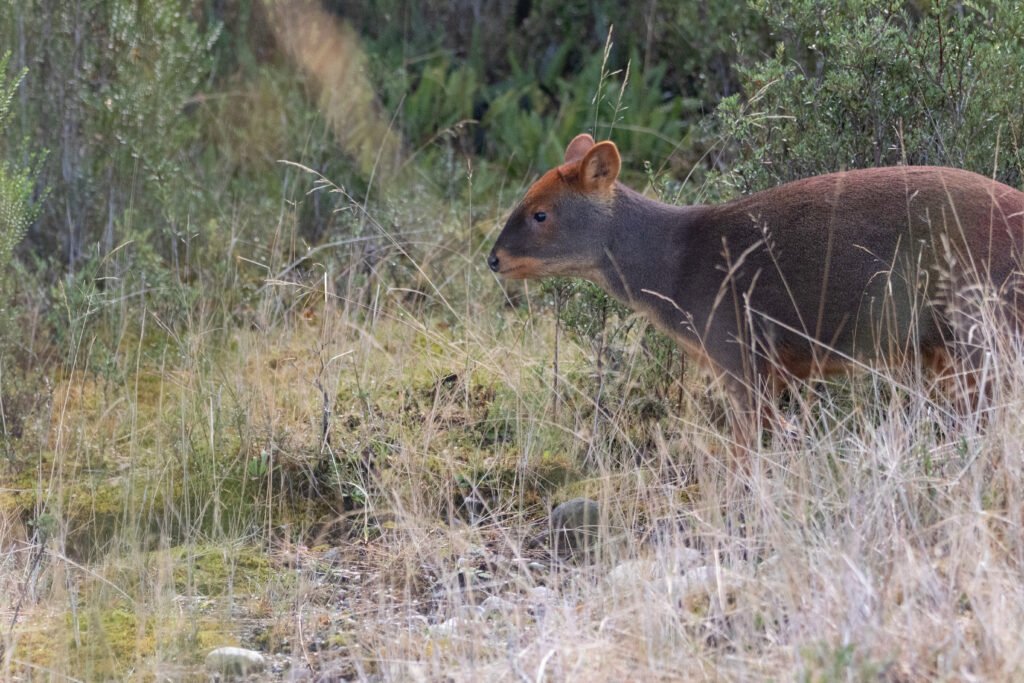
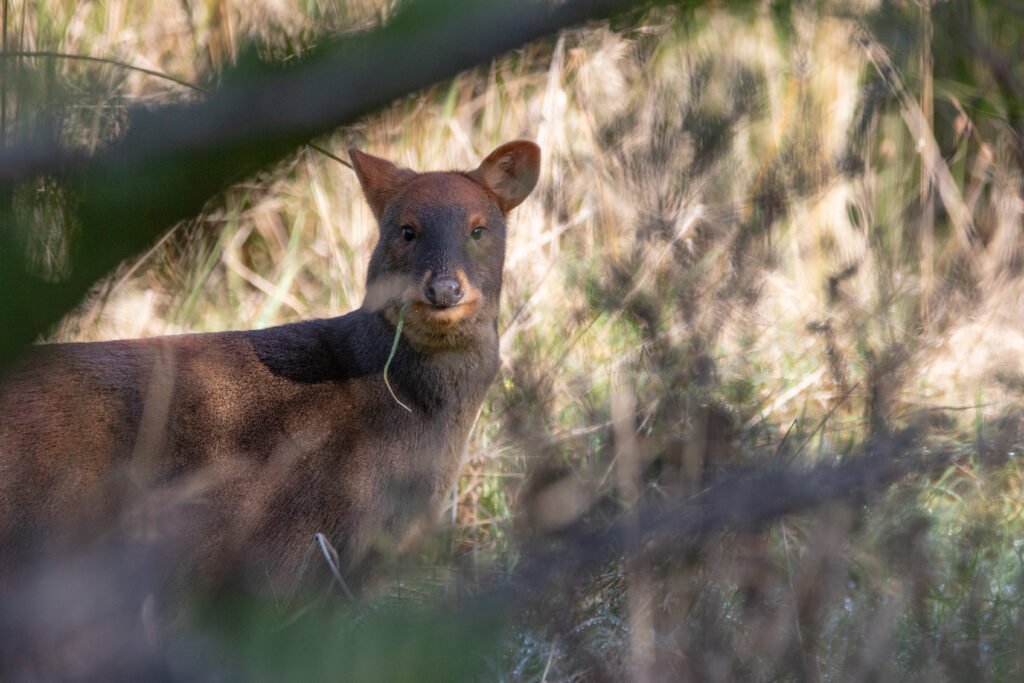
As for mammals, these parks are home to some extremely rare species on Chiloé. The world’s smallest deer, the Southern Pudu (Pudu puda), and one of the world’s smallest foxes, Darwin’s Fox (Lycalopex fulvipes), can both be found here. The former is easier to spot than the latter, as Darwin’s Fox is extremely elusive.
Chiloé Ferry
At the time of writing, the bridge connecting Chiloé to the mainland is not yet finished, so the island can only be reached by ferry. But that’s not necessarily a disadvantage for birders! The ferry crossing is the perfect opportunity for a short pelagic trip at a very low cost. Once on board, get off your bus or out of your car and head up to the upper deck with your binoculars. Then scan the sea during the crossing for interesting sightings.
What if I told you that Pincoya Storm Petrels (Oceanites pincoyae), a rare species endemic to Chile, have been recorded from this ferry? That’s certainly enough motivation to get your binoculars out! Other very interesting birds can also be seen during the crossing, including Pink-footed Shearwaters (Ardenna creatopus), Sooty Shearwaters (Ardenna grisea), Southern Fulmars (Fulmarus glacialoides), Black-browed Albatrosses (Thalassarche melanophris) and Southern Giant Petrels (Macronectes giganteus).
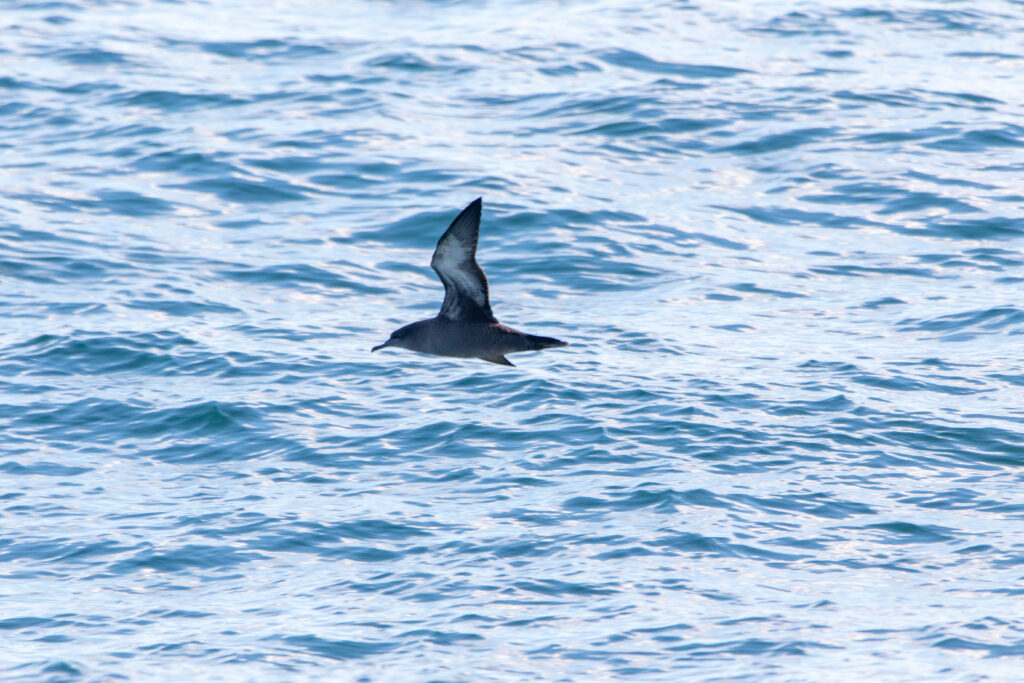
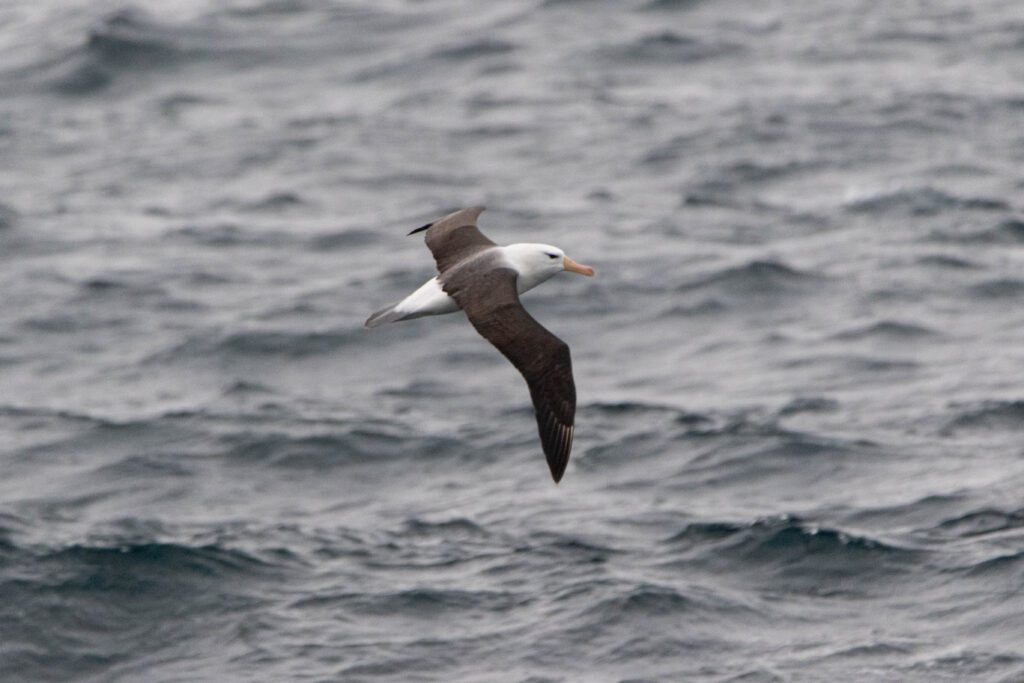
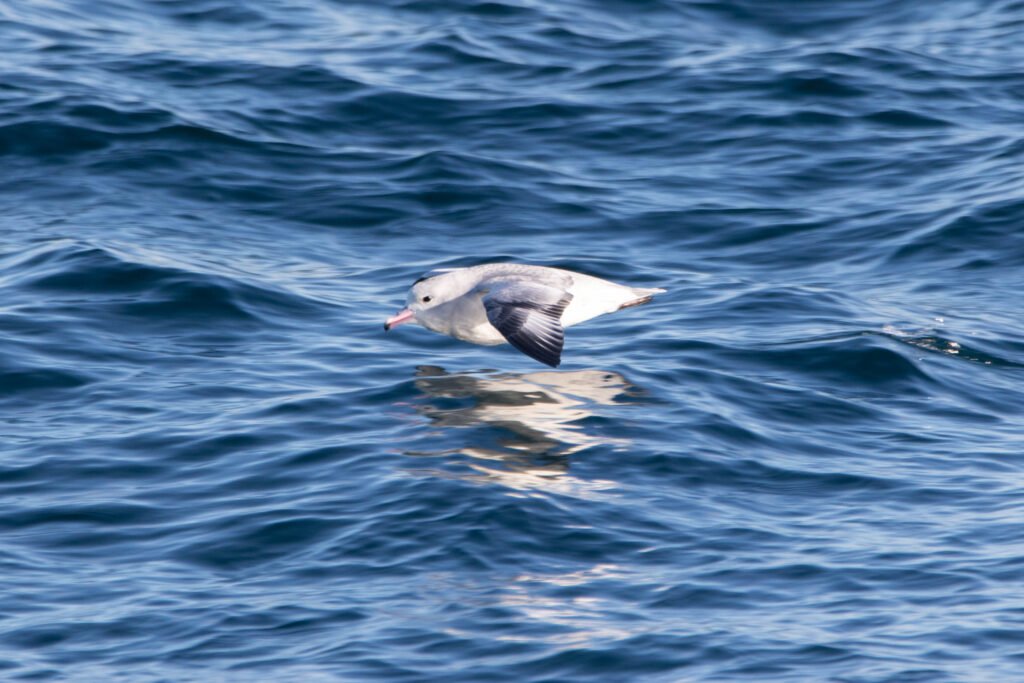
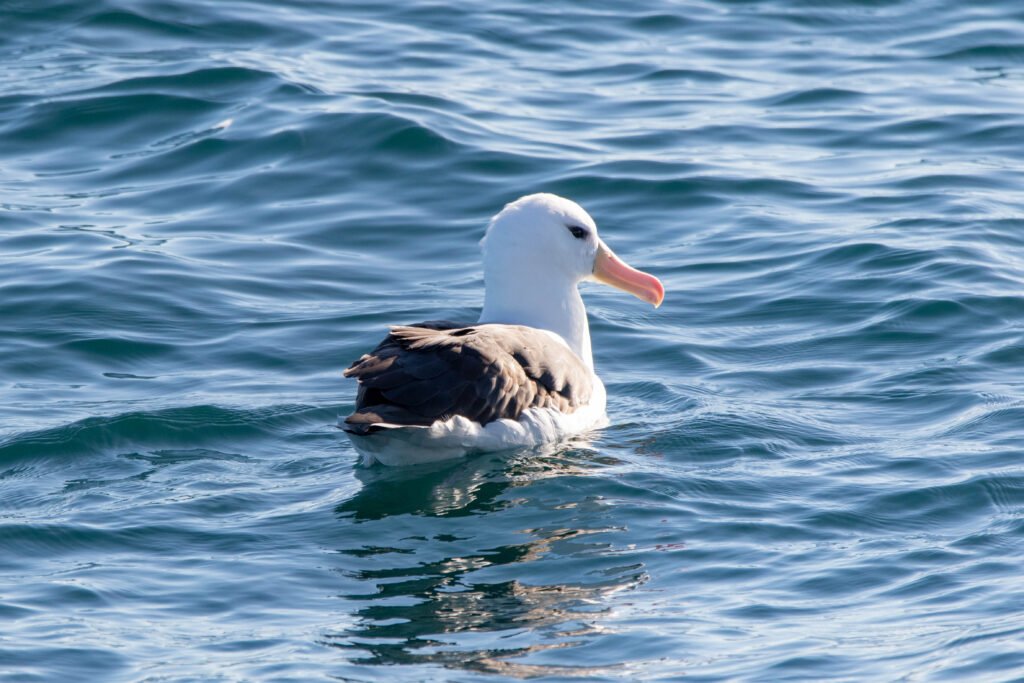
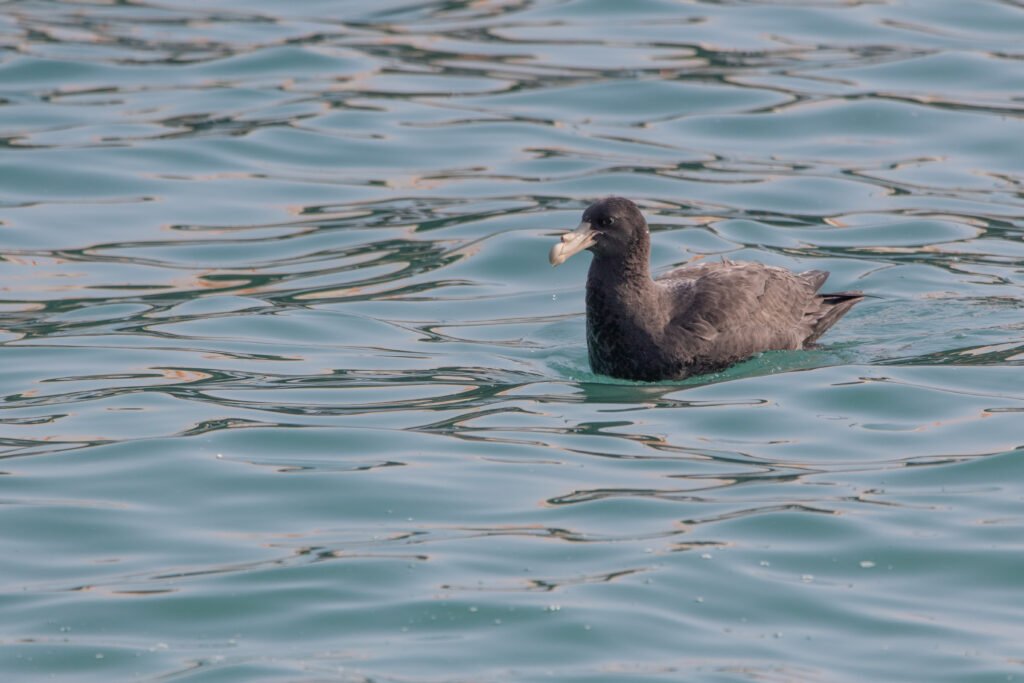
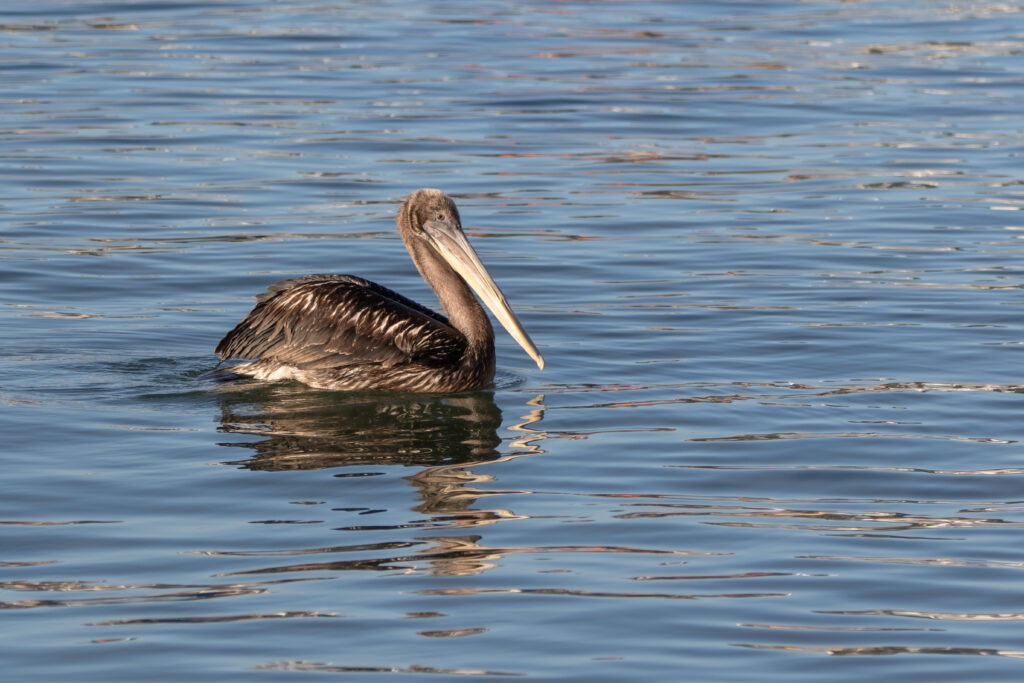
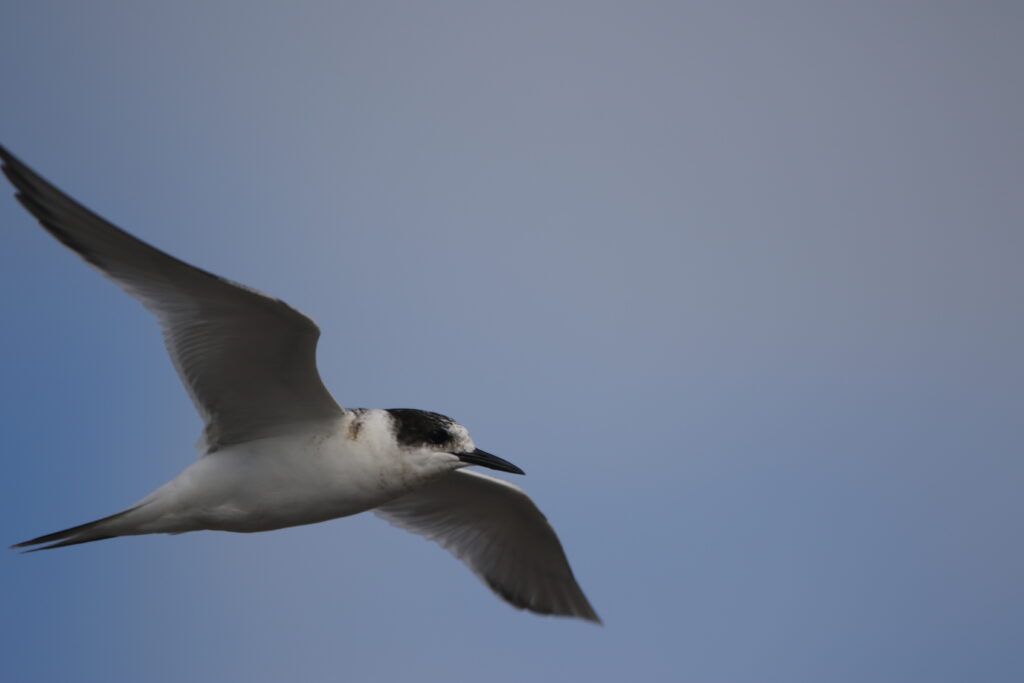
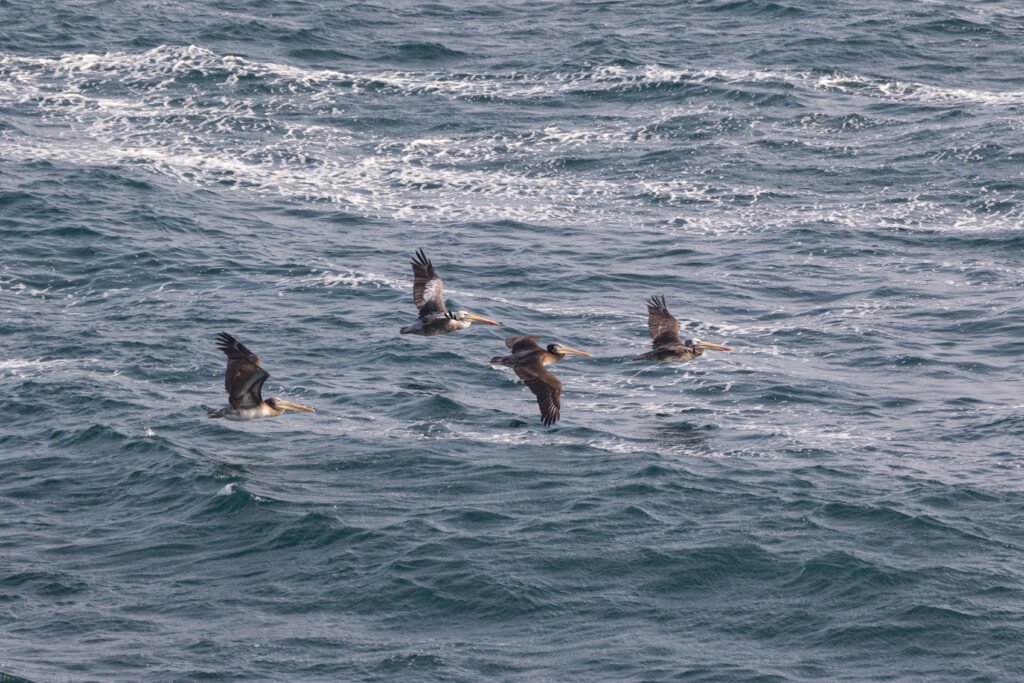
You may also see Magellanic Penguins (Spheniscus magellanicus), Rock Shags (Leucocarbo magellanicus), Imperial Shags (Leucocarbo atriceps), South American Terns (Sterna hirundinacea), Fuegian Steamer Ducks (Tachyeres pteneres) and Peruvian Pelicans (Pelecanus thagus).
How to get to Chiloé Island?
To reach Chiloé Island from the north, you need to take the ferry from Pargua to Chacao across the Chacao Channel. A bridge is currently under construction and should eventually connect the island to the mainland. From Puerto Montt, numerous bus companies operate daily services to Chiloé. It takes a little over 2 hours to reach Ancud and around 3 hours to reach Castro.
If you arrive from the south, particularly after traveling along the Carretera Austral, you will need to take the ferry from Chaitén to Quellón. This crossing is the main gateway to Chiloé from Chilean Patagonia and offers beautiful views of the region’s fjords and coastline.
Where to stay on Chiloé?
In Ancud
You shouldn’t have any trouble finding accommodation in Ancud. There are plenty of hospedaje guesthouses at very reasonable prices on Airbnb and Booking. You could choose the Hospedaje Ayelen, for example, with friendly hosts and basic but comfortable facilities. If you’d prefer a slightly more comfortable hotel, you can opt for the Panamericana Hotel next to Fort San Antonio.
In Castro
Finding accommodation in Castro is no problem either! Unlike Ancud, Castro is more tourist-oriented, so you’ll find plenty of hotels. For a budget option, you can get a clean and comfortable private room on the Costanera at the Estacion Hostel. For more comfort in the historic center, there is the Hotel de Castro. If you’d like to stay in a palafito, slightly outside the city center, you can choose the Palafito Hotel Boutique.