


Birding along the Chilean Coast near Santiago
On Chilean Pacific coast, around 60 km south of Valparaíso and just 1.5 hours from Santiago, several wetlands and coastal sites offer excellent opportunities for birdwatching and seawatching. A series of small towns stretches along the coast, including El Quisco, El Tabo, Las Cruces, San Sebastián, Cartagena, San Antonio, and Santo Domingo. But both within and around these towns, natural areas provide important habitats for birds. From the wetlands of Cartagena to the rocky headland of Punta de Tralca, this stretch of coastline is home to a wide variety of waterbirds, including ducks, gulls, shorebirds, and many more!
Where to see birds along the Chilean Coast ?
Punta de Tralca
Located in the municipality of El Quisco, Punta de Tralca is both a residential area and a natural site featuring a beach, a rocky headland extending into the ocean, and a wetland known as El Totoral. Numerous buses run to the area from Valparaíso and Chile’s capital, Santiago. Once there, local buses, taxis, and a little walking will allow you to reach the different birding sites.
Seawatching at Punta de Tralca
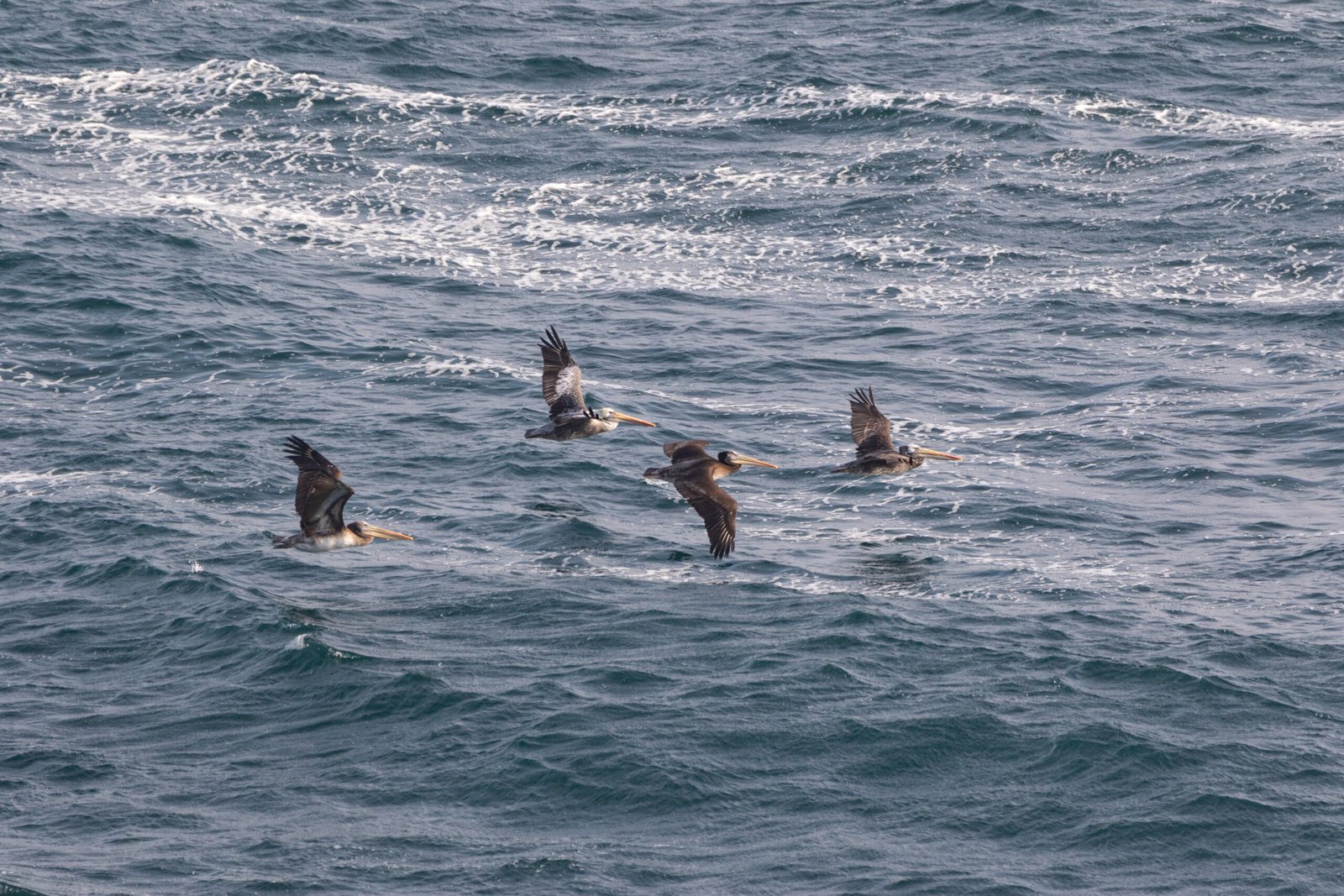
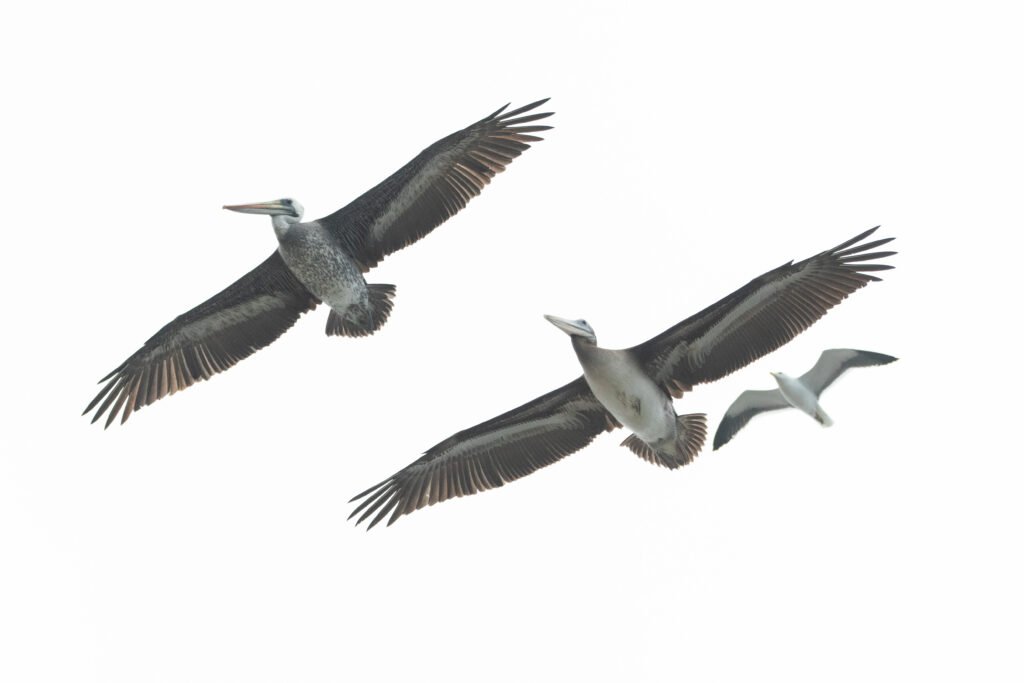
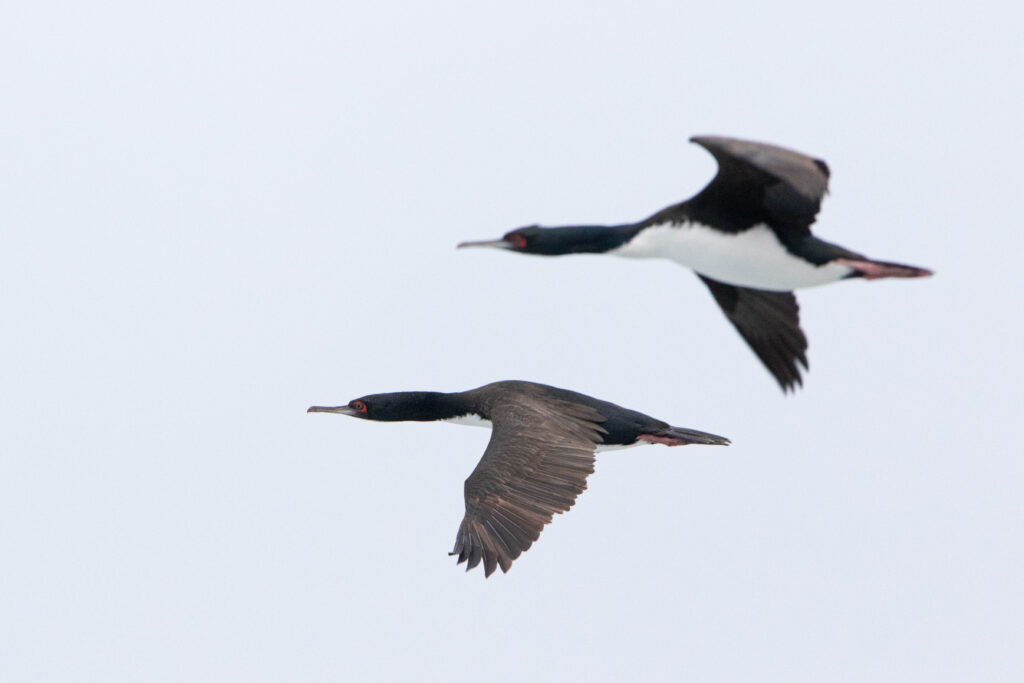
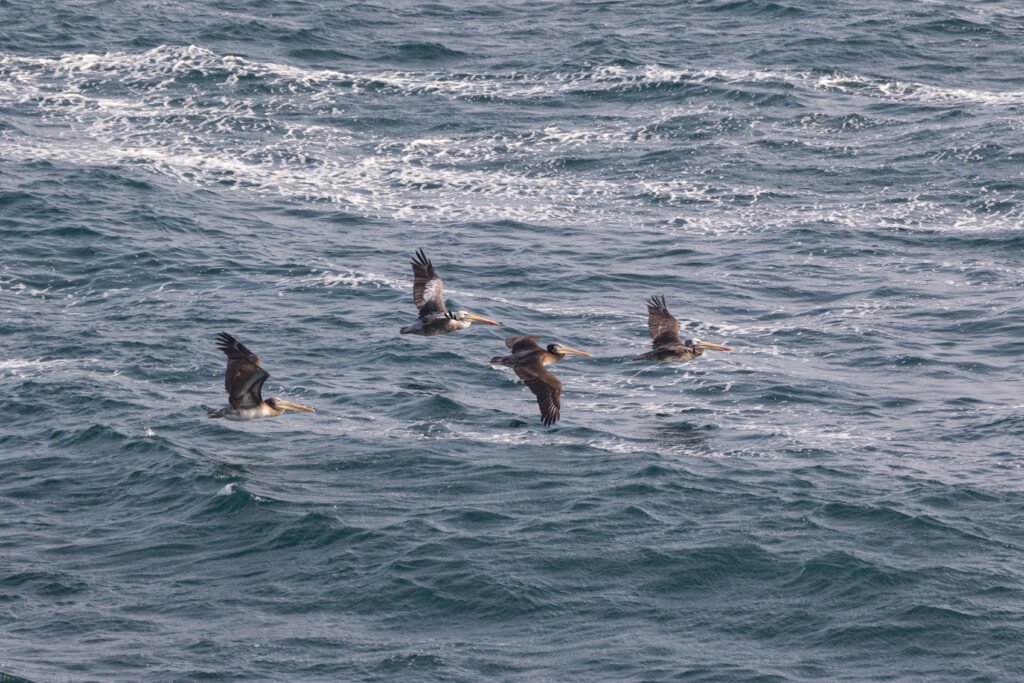
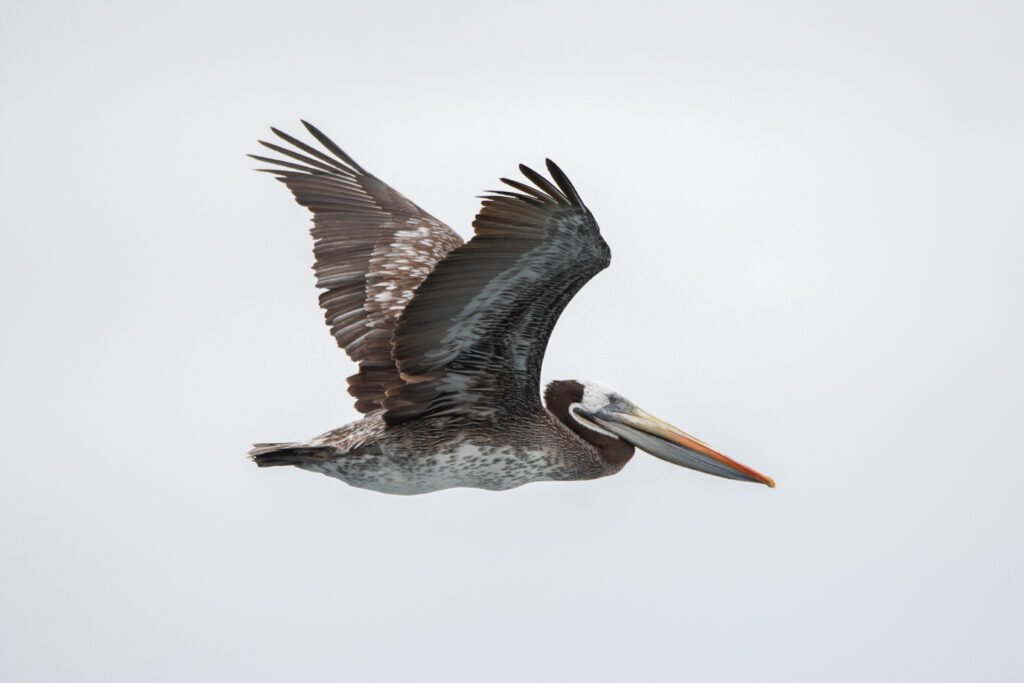
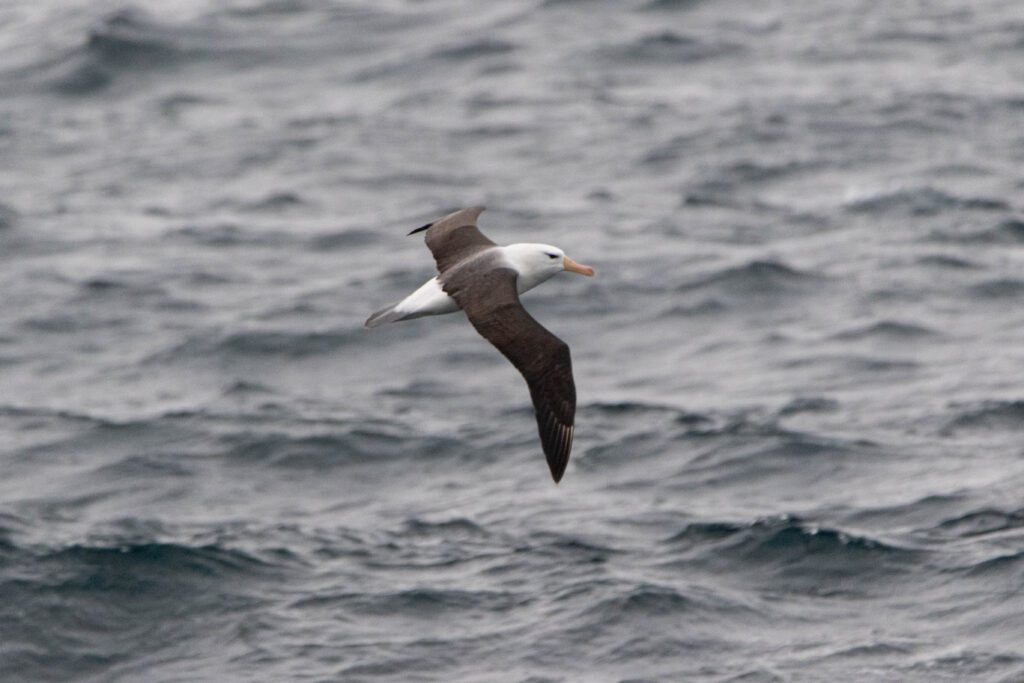
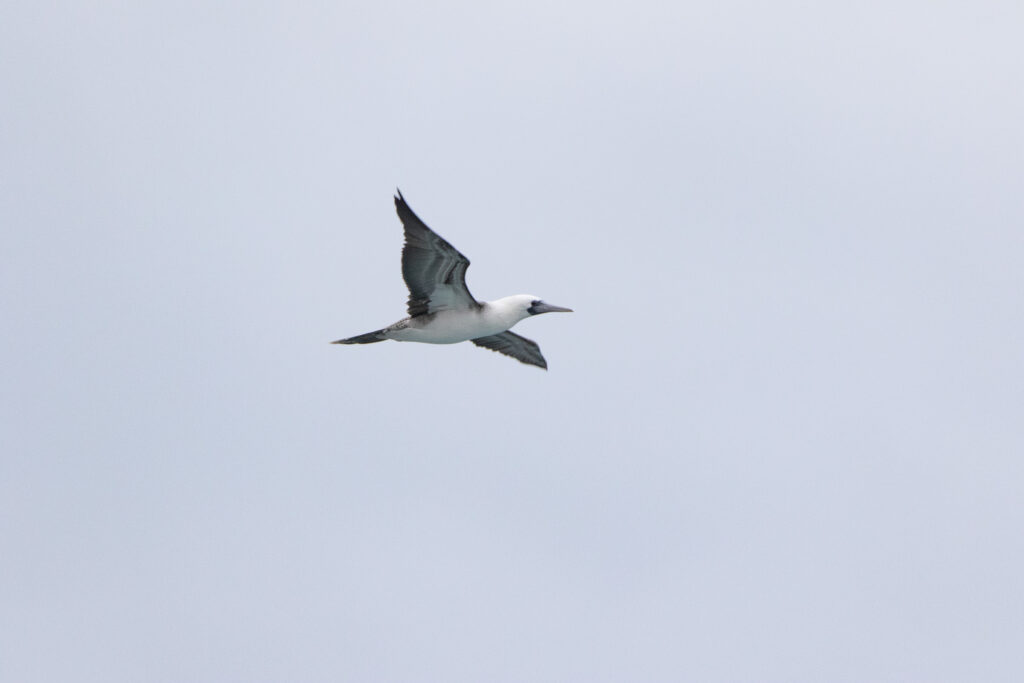
From the tip of Punta de Tralca, you can enjoy some excellent seawatching and look for a wide range of seabirds. Let’s start with the giants of the ocean: albatrosses, including the Black-browed Albatross (Thalassarche melanophris) and Salvin’s Albatross (Thalassarche salvini). Other impressive birds, such as the Southern Giant Petrel (Macronectes giganteus), can also be seen, alongside more familiar species like the Peruvian Booby (Sula variegata) and Peruvian Pelican (Pelecanus thagus). With favourable winds, birds can come closer to the coast, giving you a chance to spot the Peruvian Diving Petrel (Pelecanoides garnotii), Sooty Shearwater (Ardenna grisea), Humboldt Penguin (Spheniscus humboldti), or even the Chilean Skua (Stercorarius chilensis). At sunrise and sunset, large flocks of Guanay Cormorants (Leucocarbo bougainvilliorum) and Red-legged Cormorants (Poikilocarbo gaimardi) can sometimes be seen flying over the sea.
Passerines at Punta de Tralca
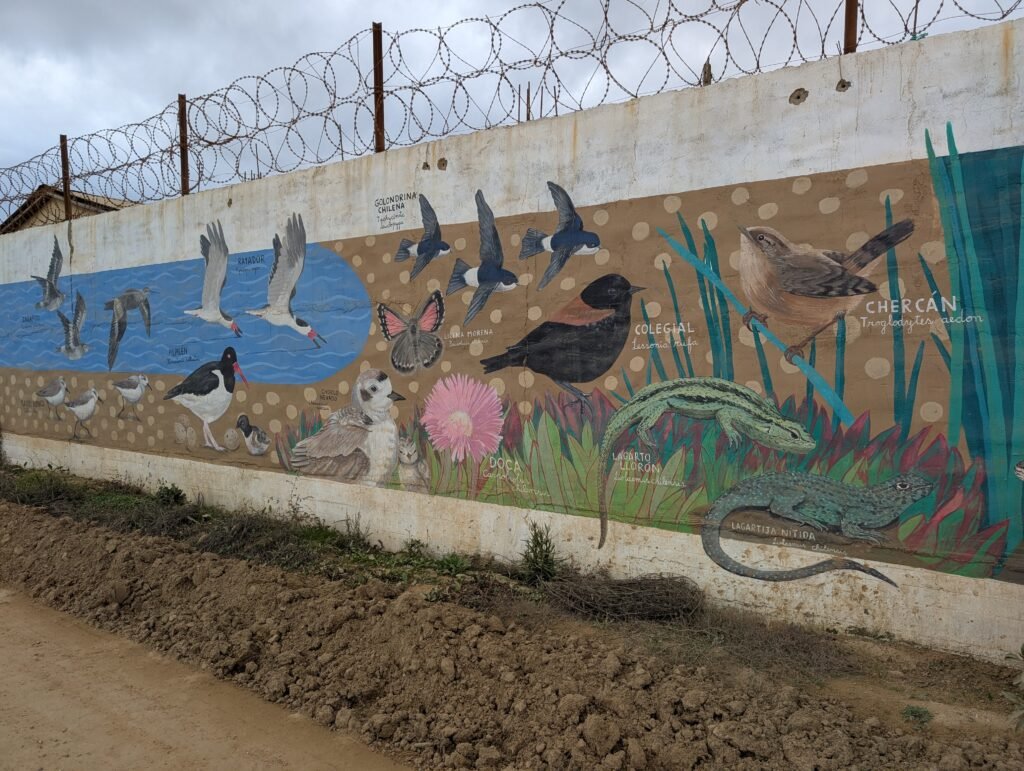
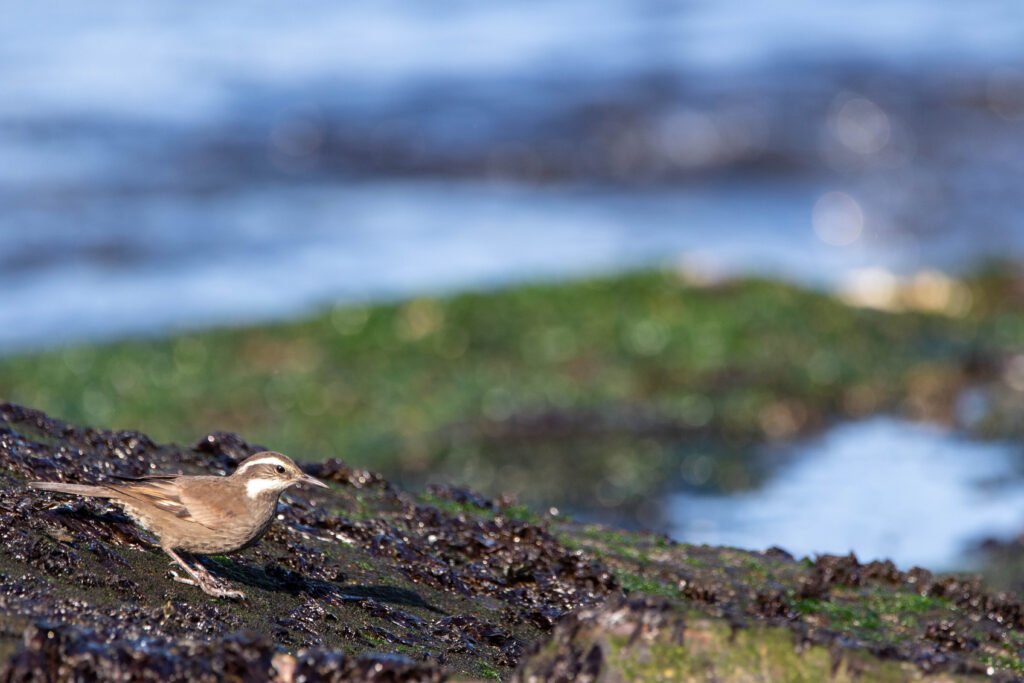
On your way to the rocky headland, you may come across several passerines, including the Grey-flanked Cinclodes (Cinclodes oustaleti), Chilean Seaside Cinclodes (Cinclodes nigrofumosus), Buff-winged Cinclodes (Cinclodes fuscus), Dark-faced Ground Tyrant (Muscisaxicola maclovianus), and Austral Negrito (Lessonia rufa).
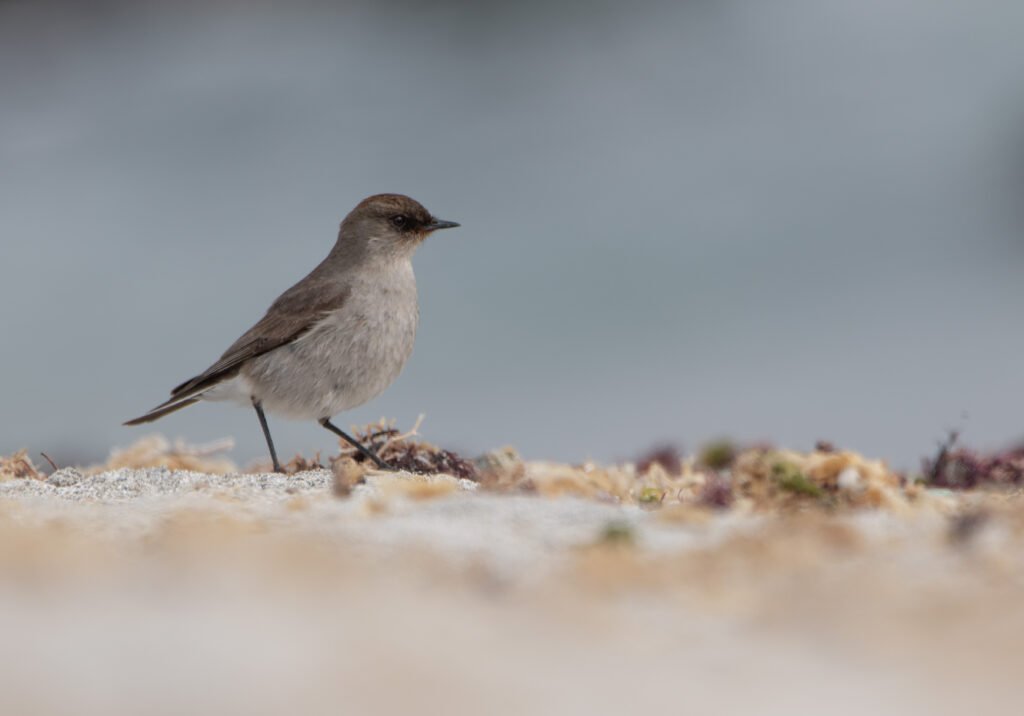
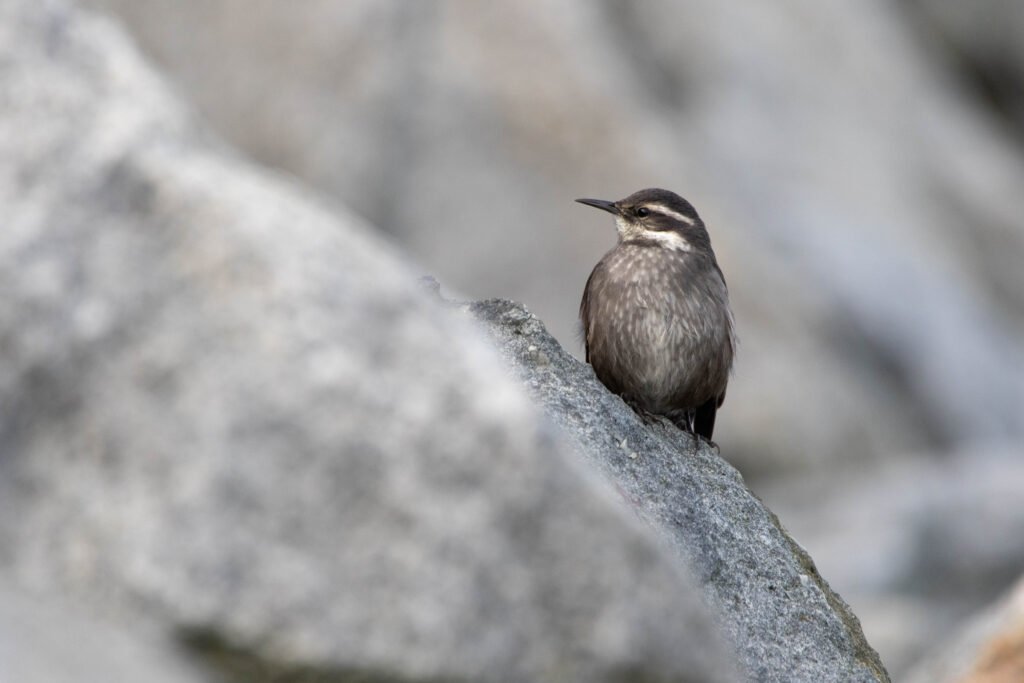
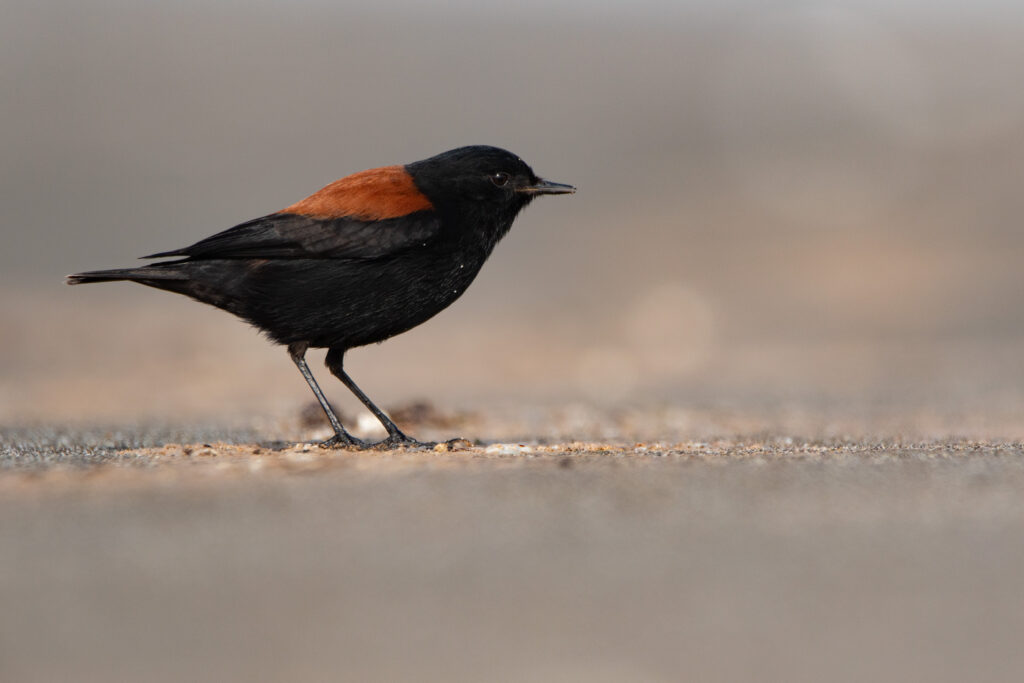
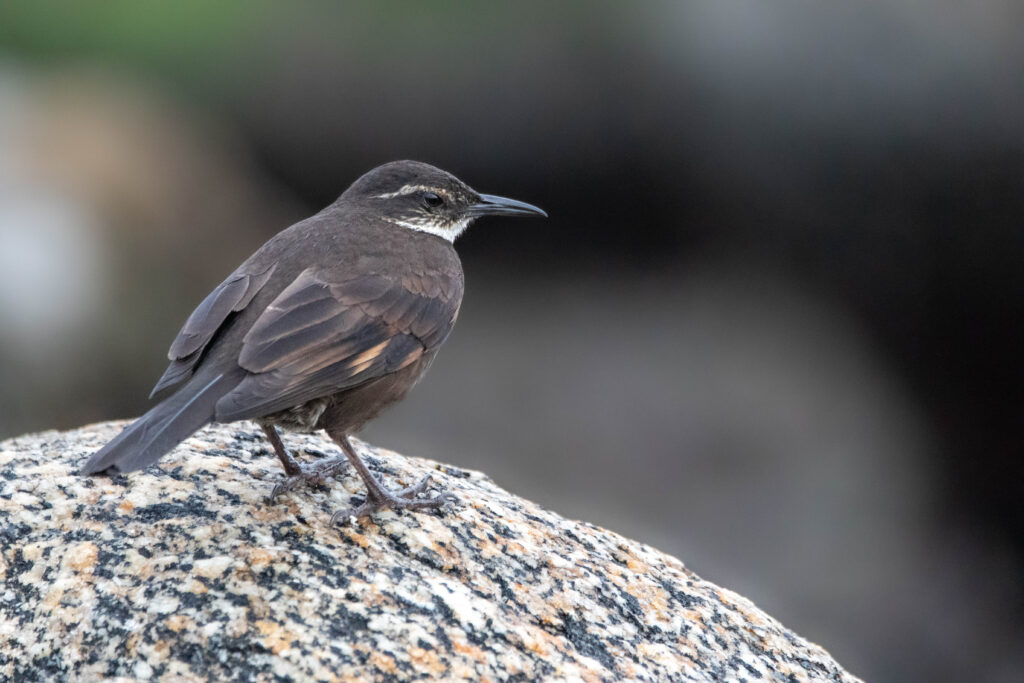
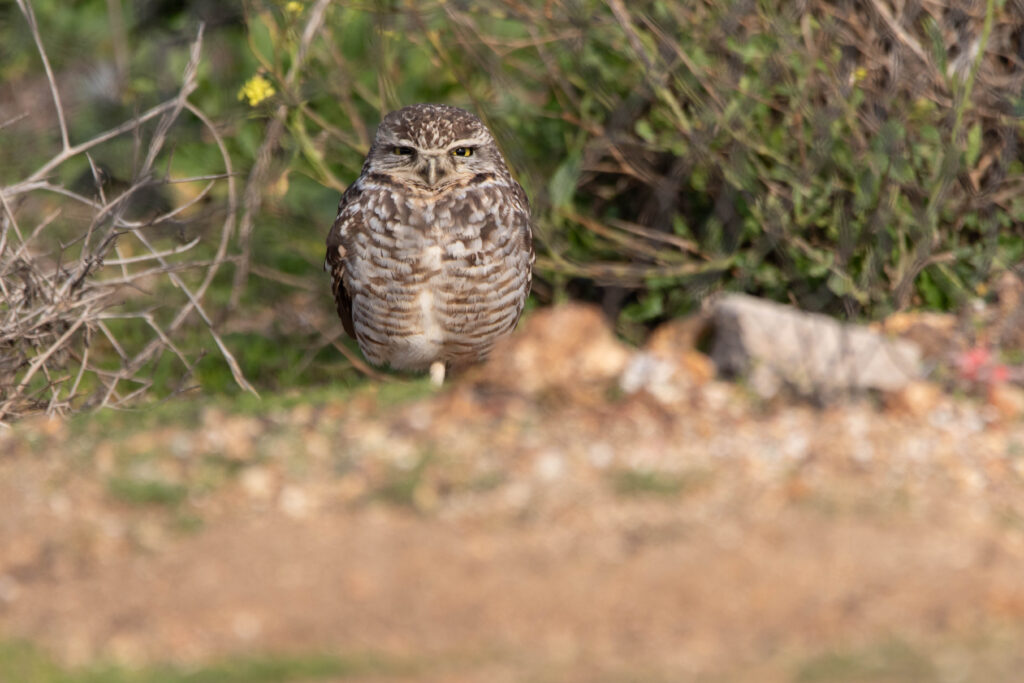
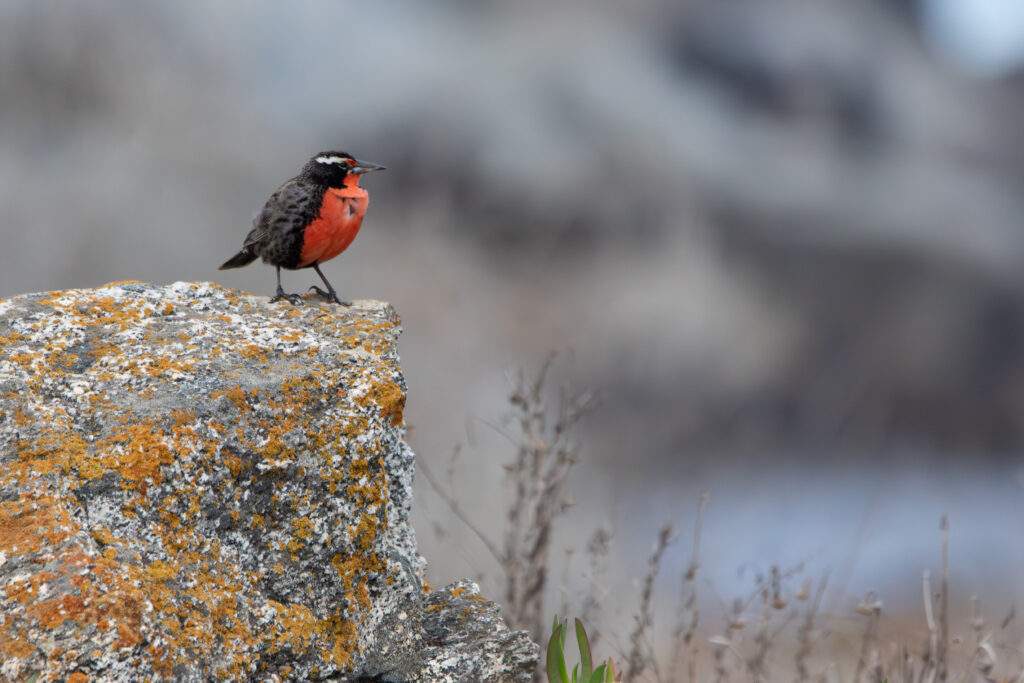
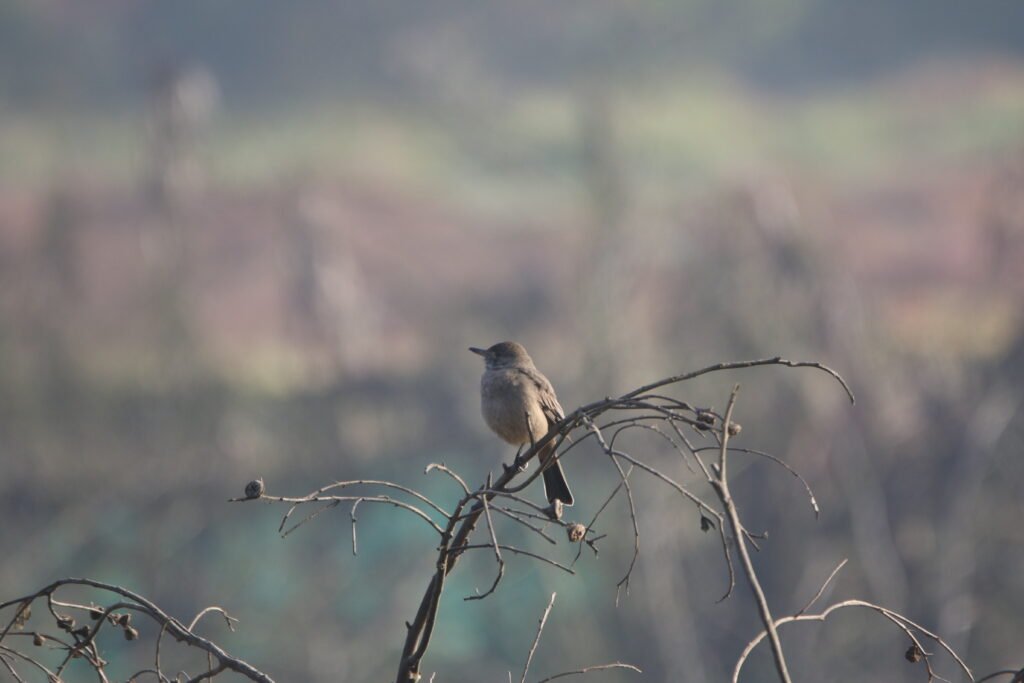
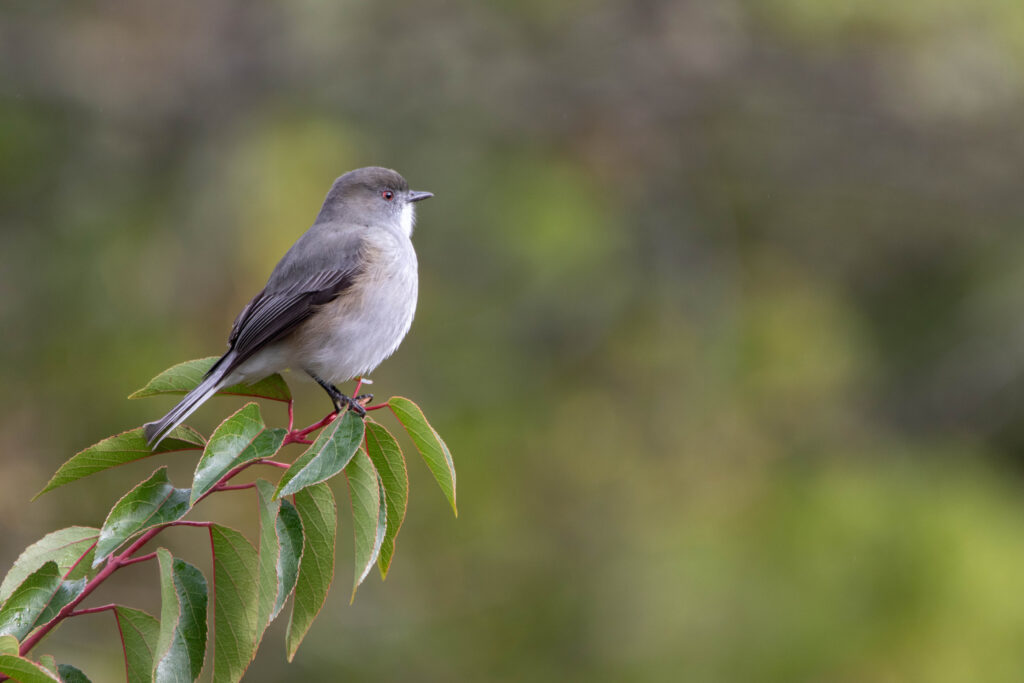
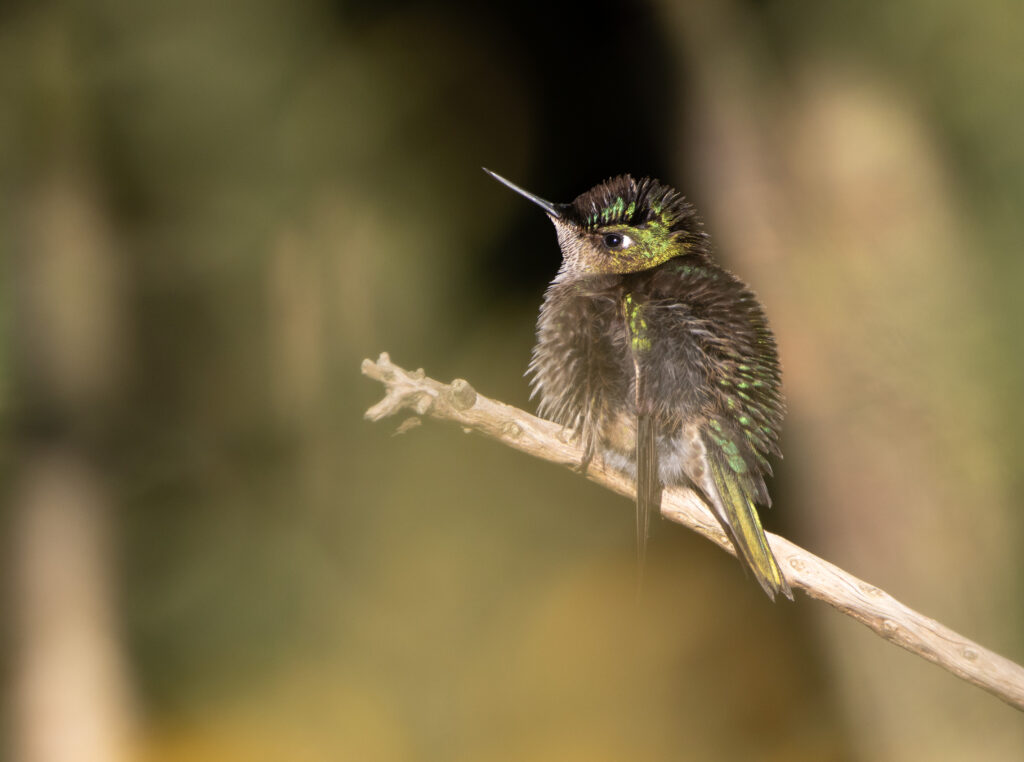
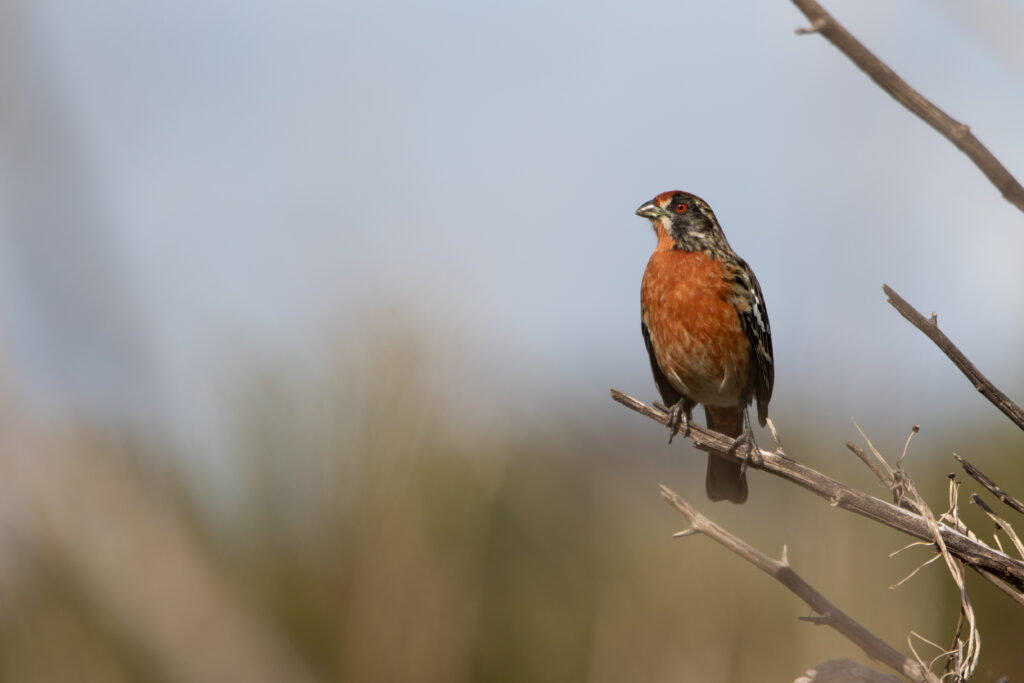
All around Punta de Tralca, explore the dunes and scattered bushes along the coast for more passerines. You may find the Great Shrike-Tyrant (Agriornis lividus), Green-backed Firecrown (Sephanoides sephaniodes), Fire-eyed Diucon (Pyrope pyrope), Rufous-tailed Plantcutter (Phytotoma rara), and Long-tailed Meadowlark (Leistes loyca). A small family of Burrowing Owls (Athene cunicularia) also lives in the surrounding area.
Humedal Río Maipo
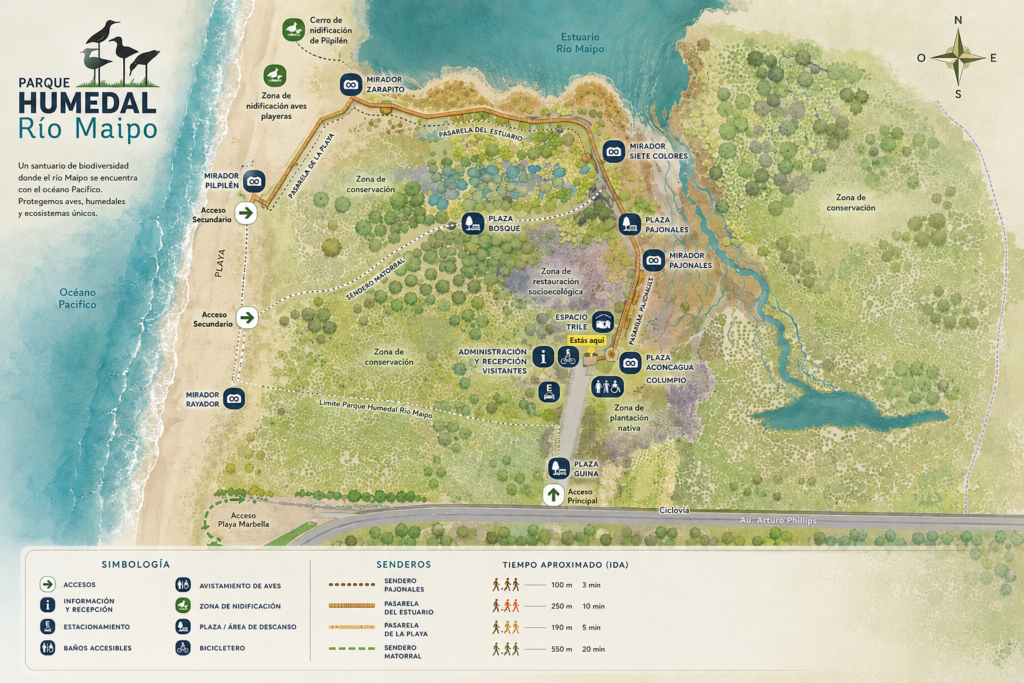
Another site that is definitely worth visiting if you’re in the area is Humedal Río Maipo Park. This large nature reserve lies between San Antonio and Santo Domingo, on the opposite side of the Río Maipo. It protects 60 hectares of diverse habitats, including reedbeds, marshes, dunes, beaches, and more wooded areas. Bird hides and boardwalks have been built throughout the park, making it easier to observe some of the 190 bird species recorded here. Entry is free, but it’s important to book your visit in advance on the park’s website.
Below is a map of Humedal Río Maipo:
Around the Río Maipo Reedbeds (Between Mirador Siete Colores and Mirador Zarapito)
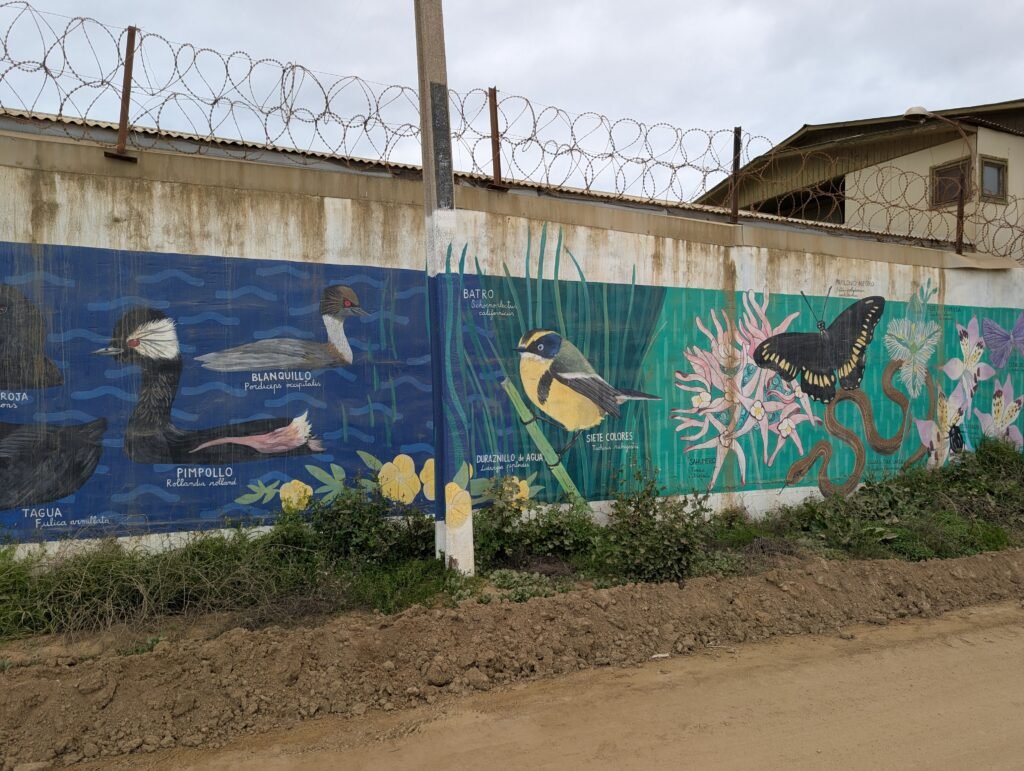
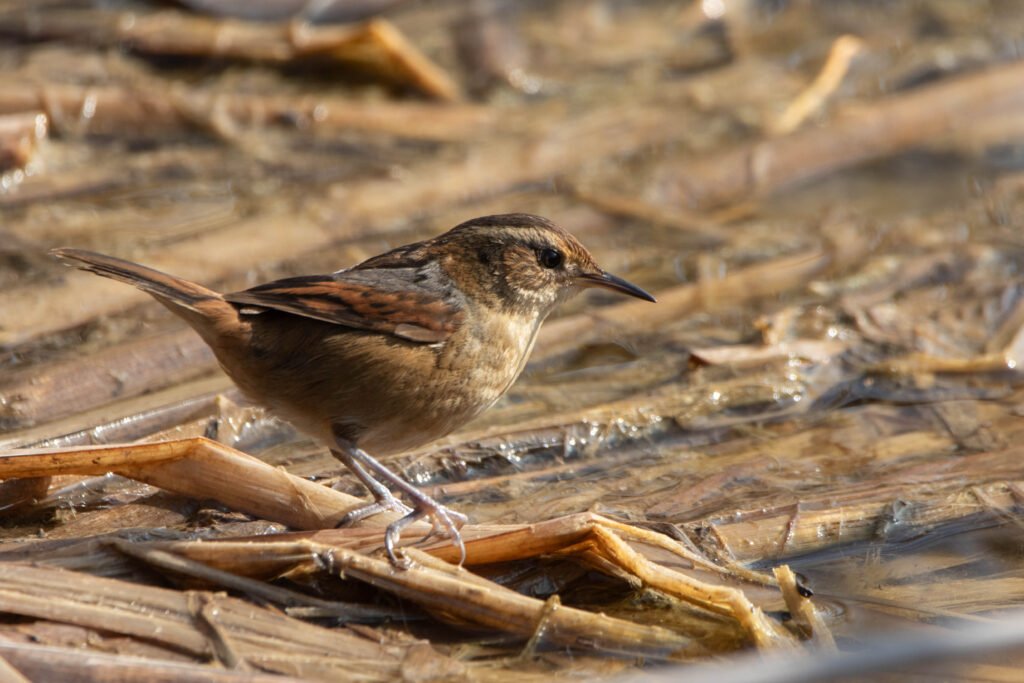
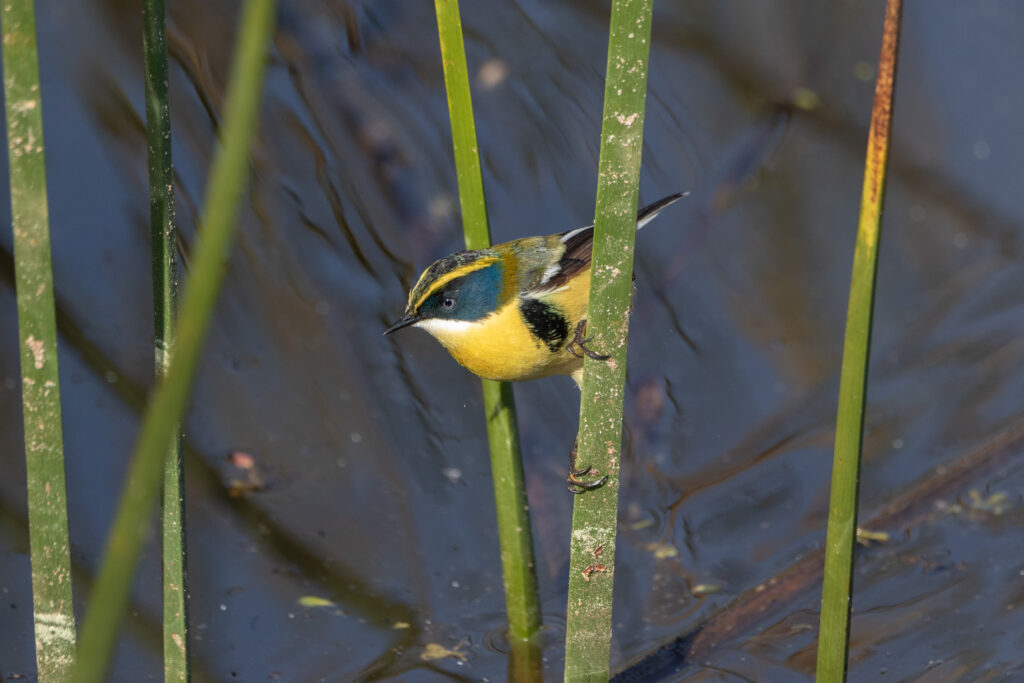
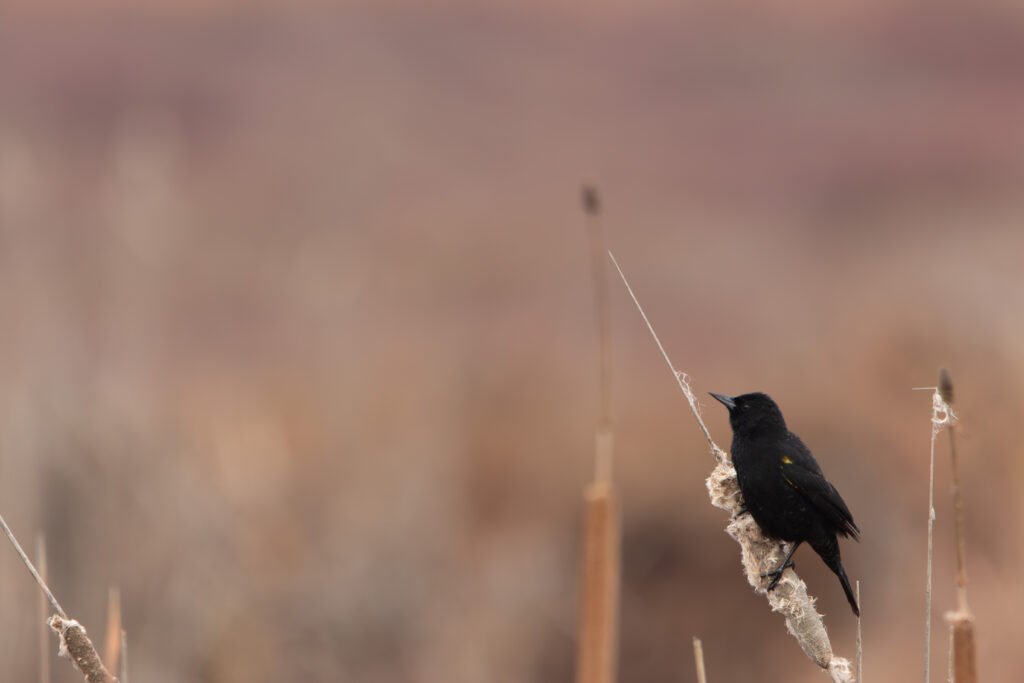
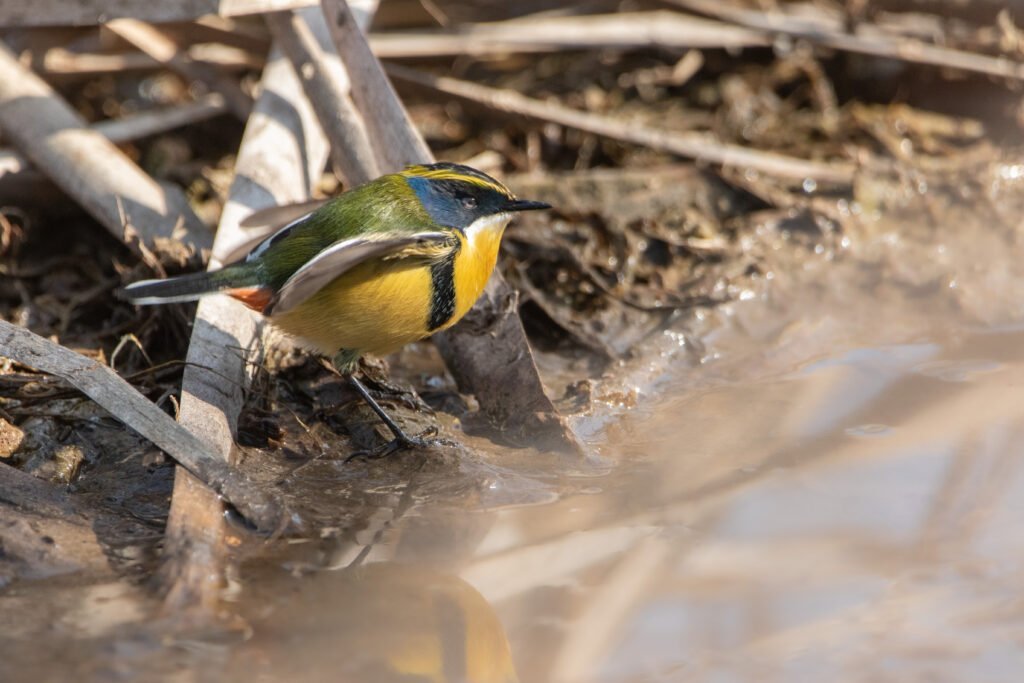
I’m not going to list all 190 species recorded here, but rather highlight some of the most interesting ones. In the reedbeds, you can find the beautiful Many-colored Rush Tyrant (Tachuris rubrigastra), Wren-like Rushbird (Phleocryptes melanops), Ticking Doradito (Pseudocolopteryx citreola), and Yellow-winged Blackbird (Agelasticus thilius).
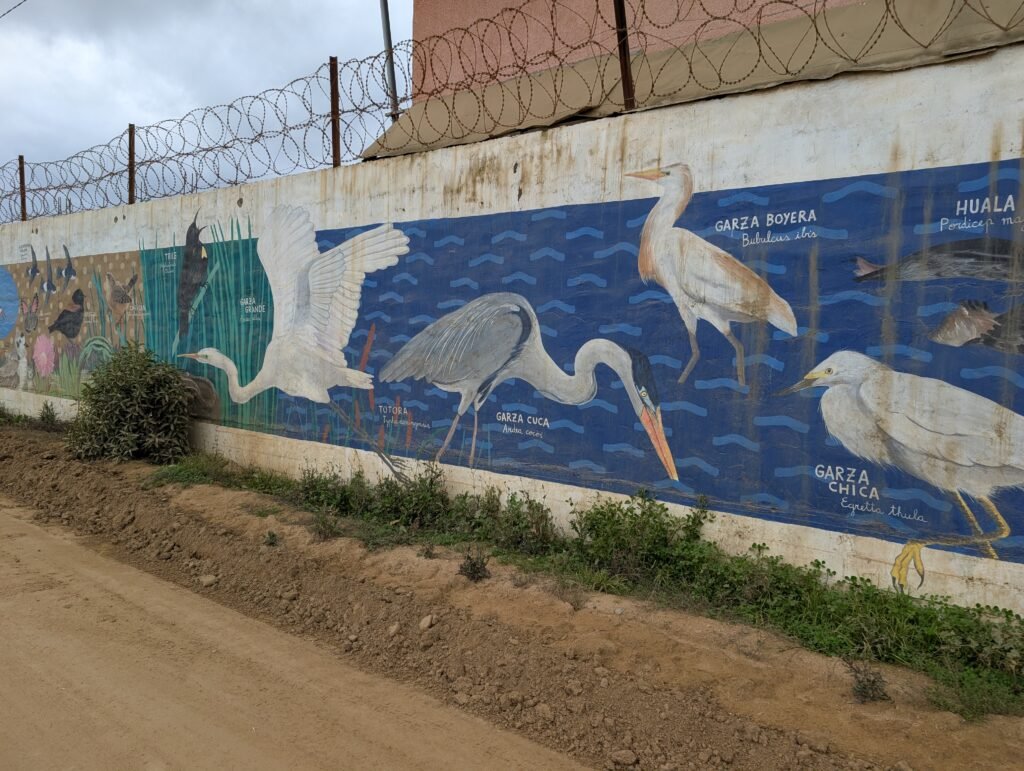
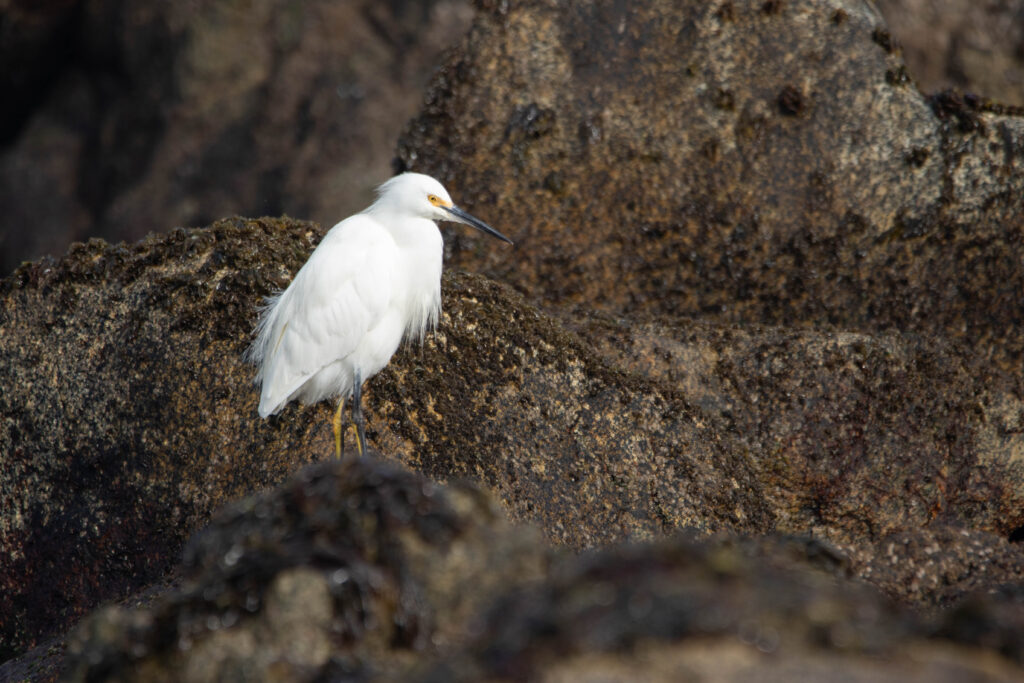
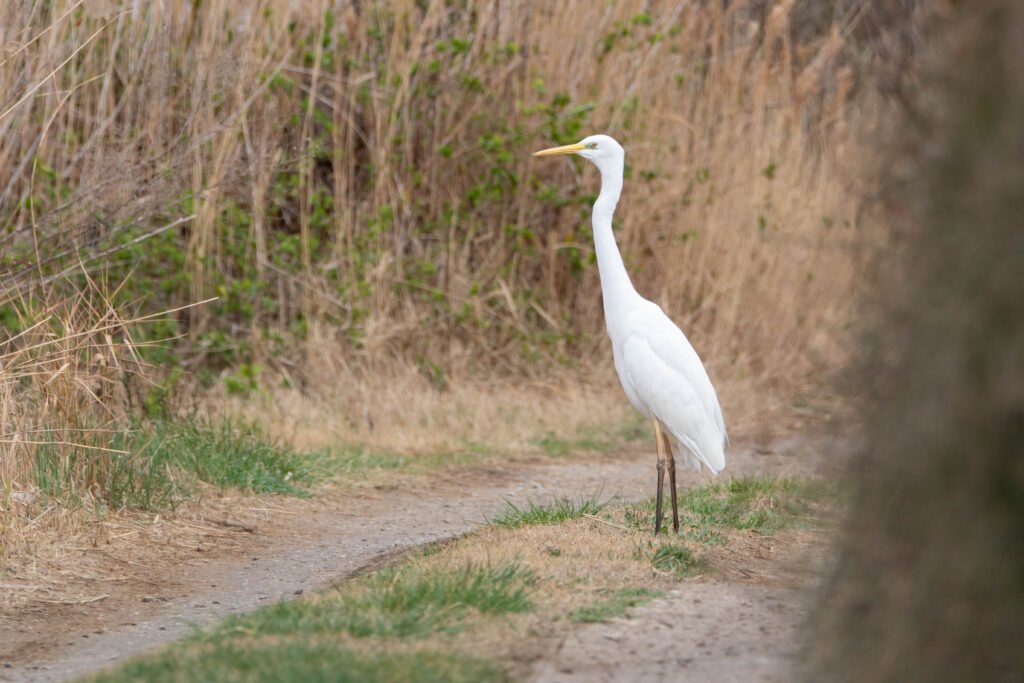
Several species of herons and egrets can also be seen, including the Black-crowned Night Heron (Nycticorax nycticorax), Great Egret (Ardea alba), and Snowy Egret (Egretta thula). More rarely, you may also spot a Stripe-backed Bittern (Botaurus involucris).

Humedal Río Maipo Beach (Zona de Nidificación Aves Playeras)
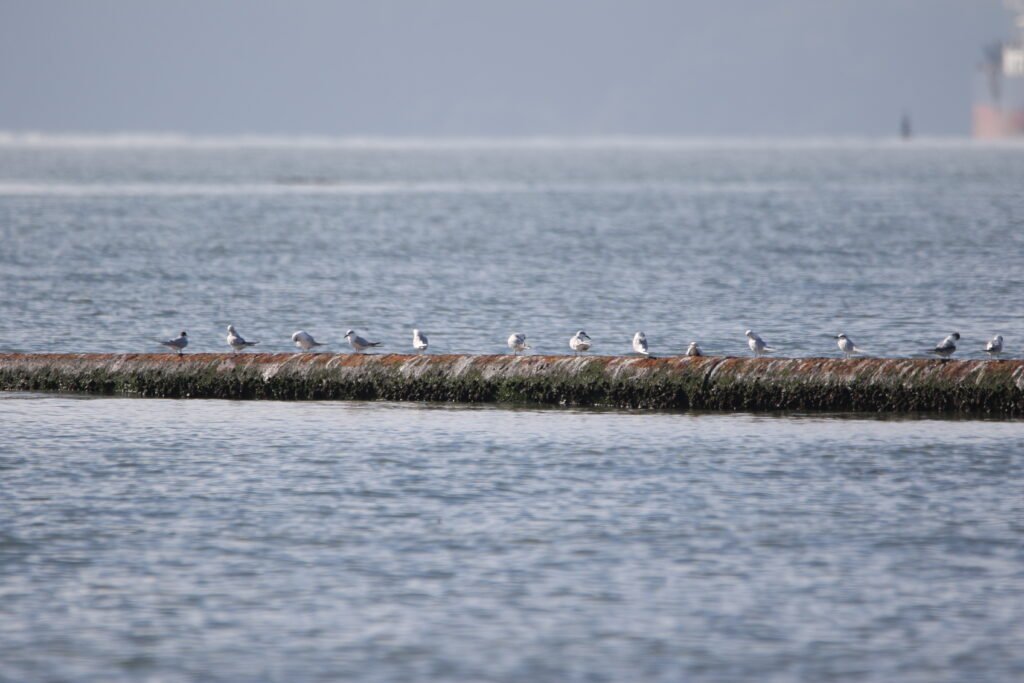
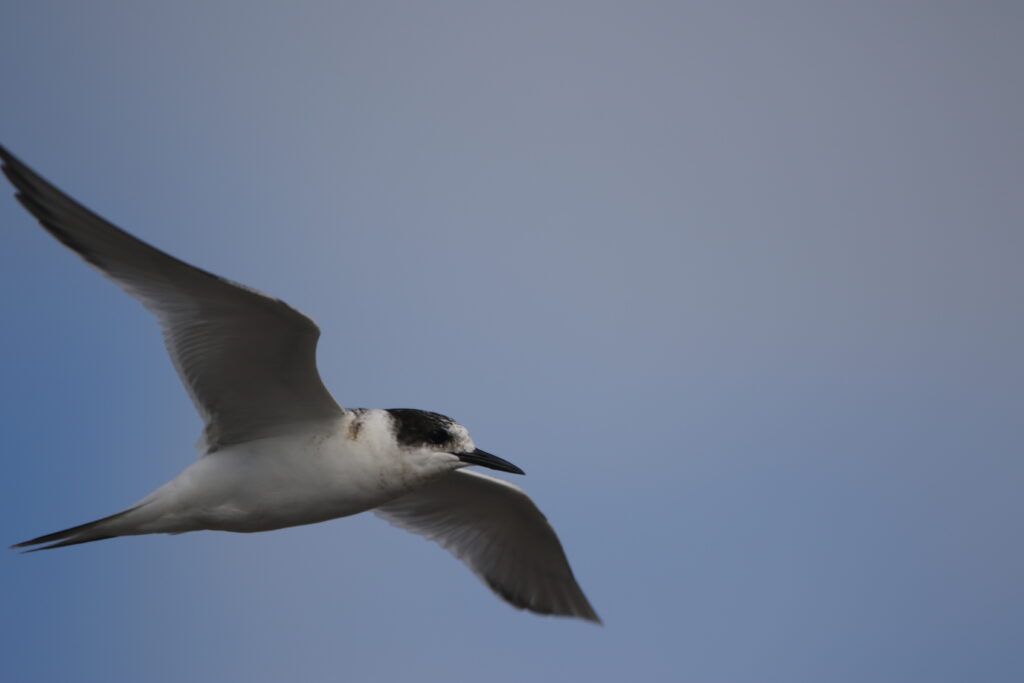
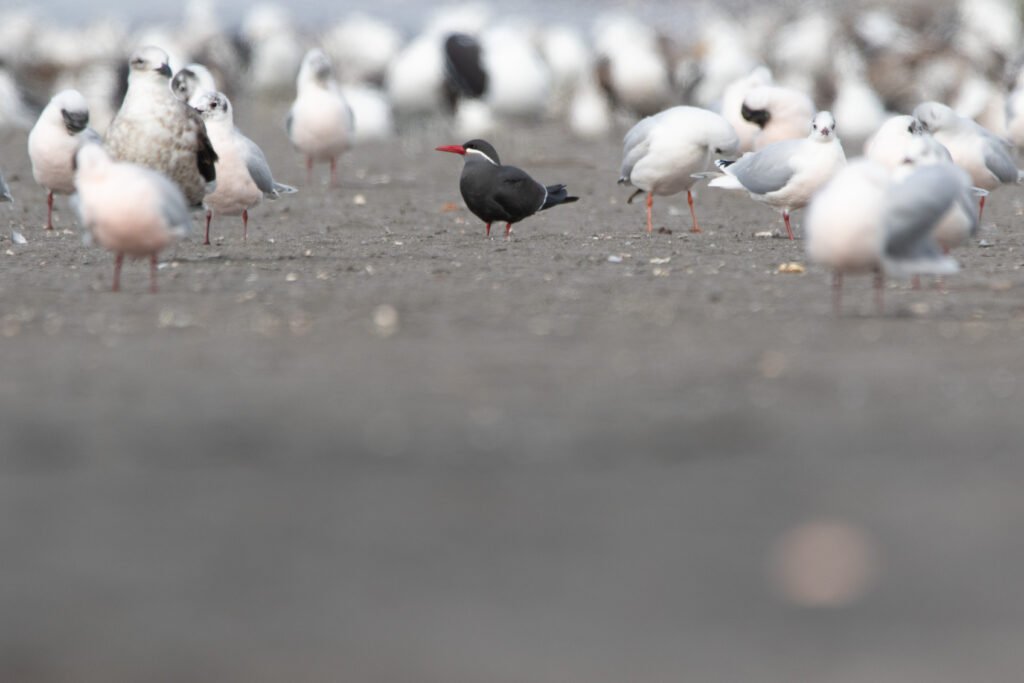
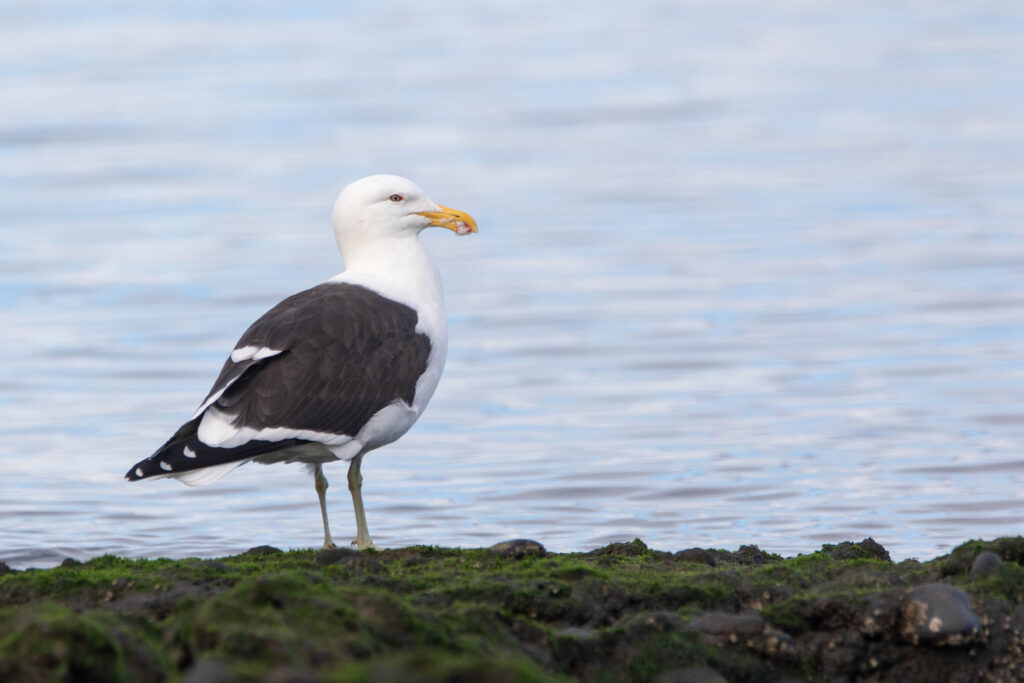
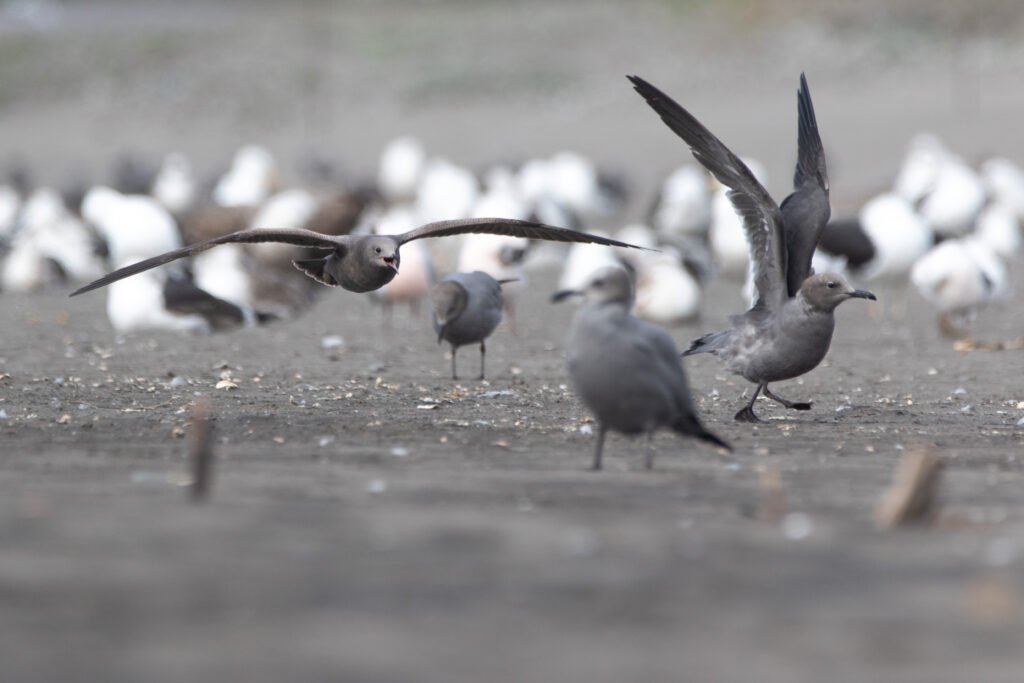
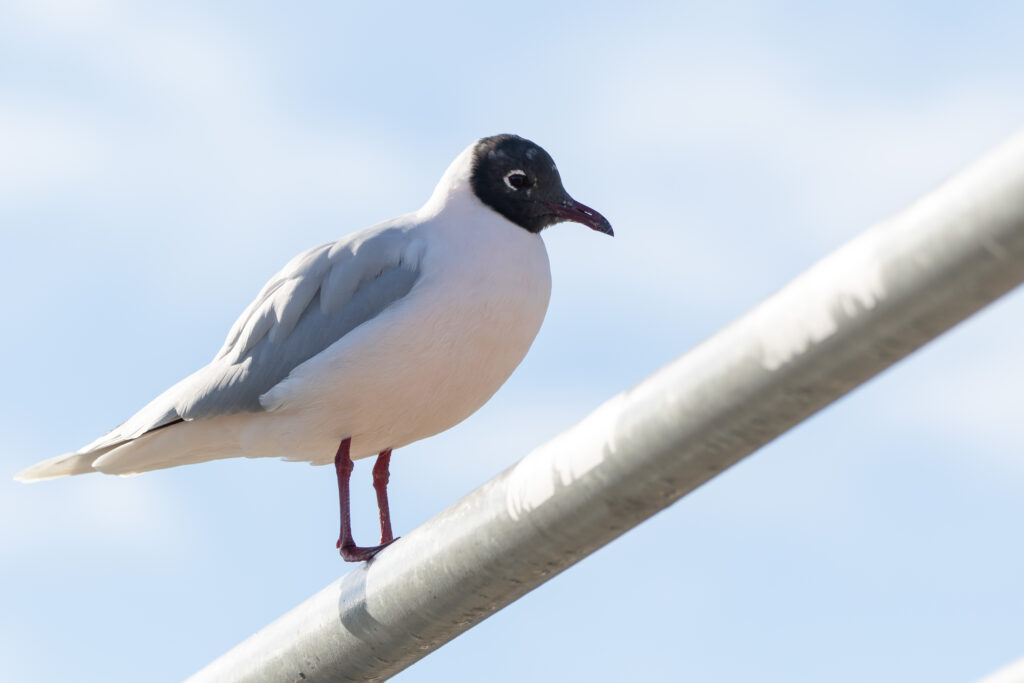
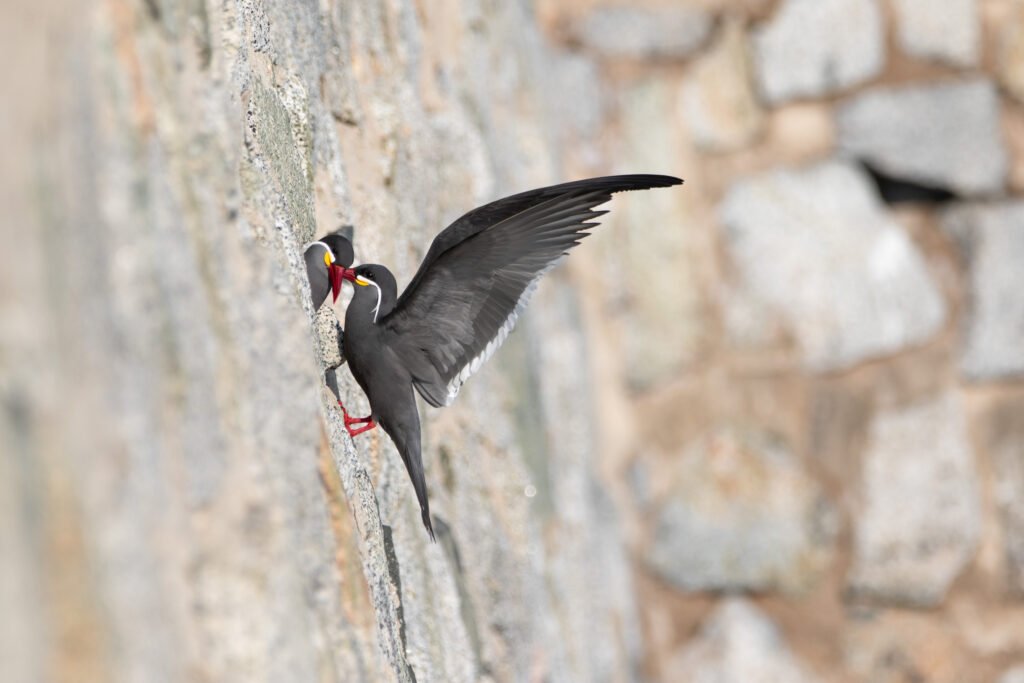
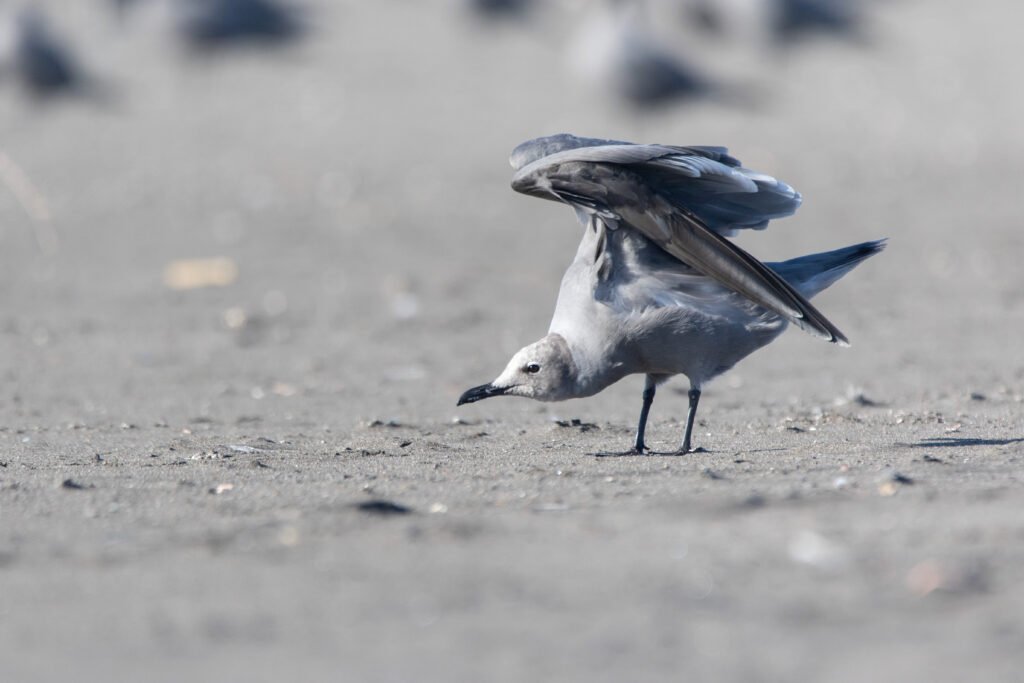
On the beach near the estuary, large gatherings of gulls and terns can be found, including Brown-hooded Gull (Chroicocephalus maculipennis), Grey Gull (Leucophaeus modestus), Kelp Gull (Larus dominicanus), Inca Tern (Larosterna inca), Snowy-crowned Tern (Sterna trudeaui), South American Tern (Sterna hirundinacea), and Black Skimmer (Rynchops niger).
Shorebirds at Río Maipo (Mirador Zarapito)
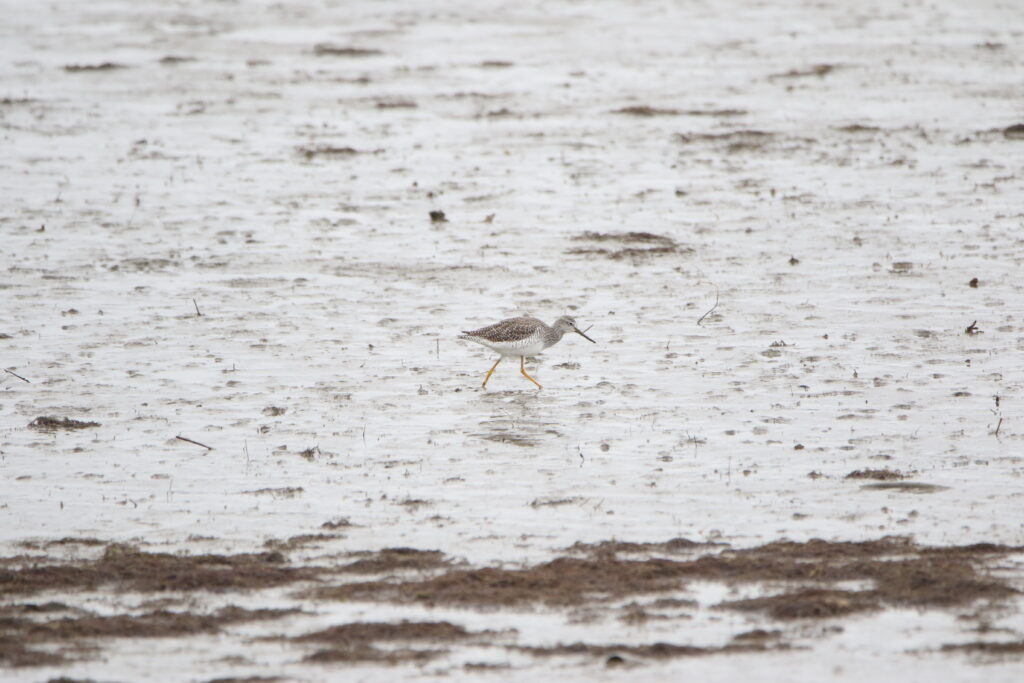
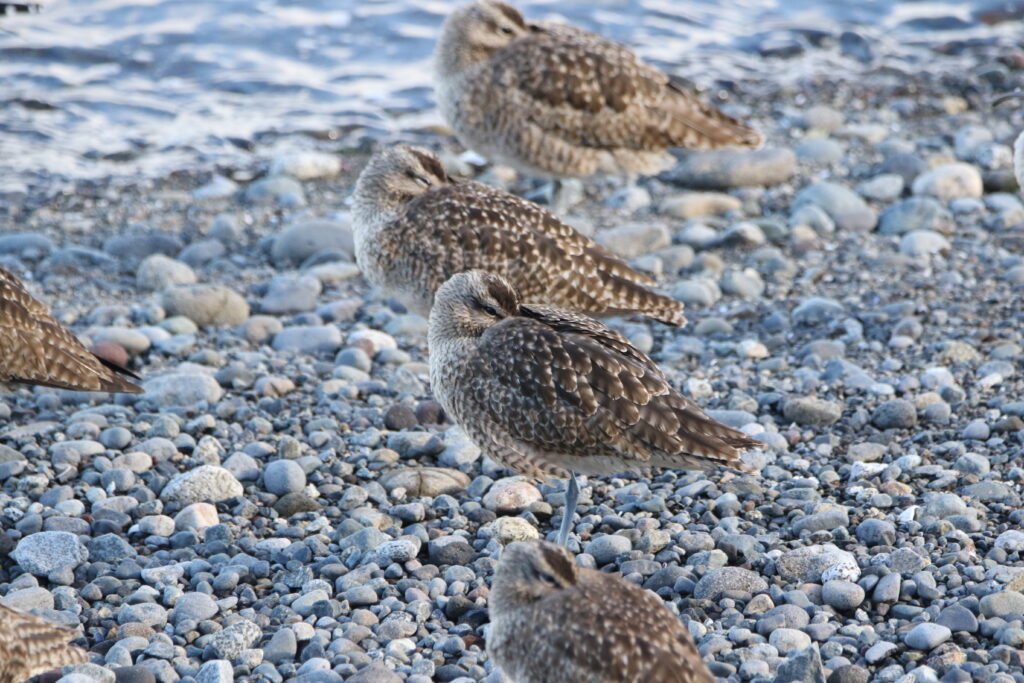
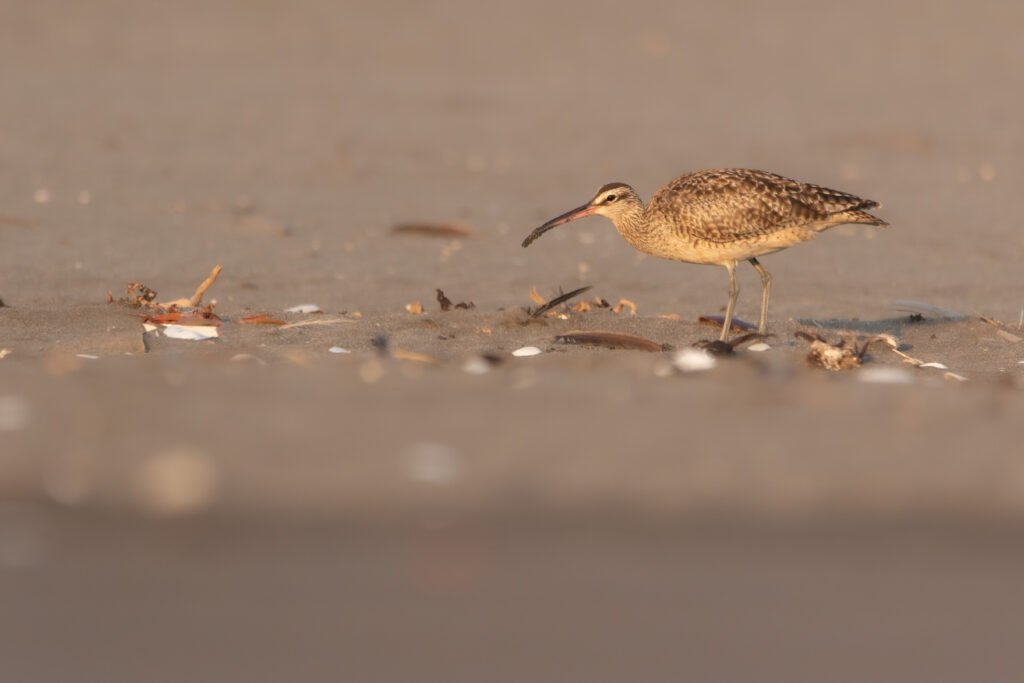
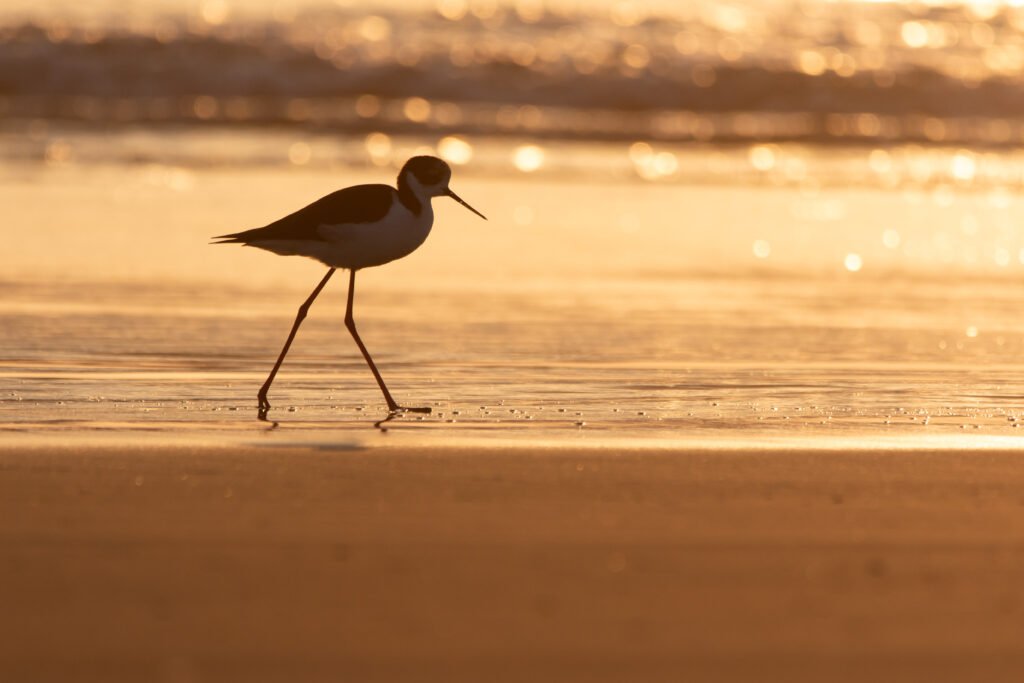
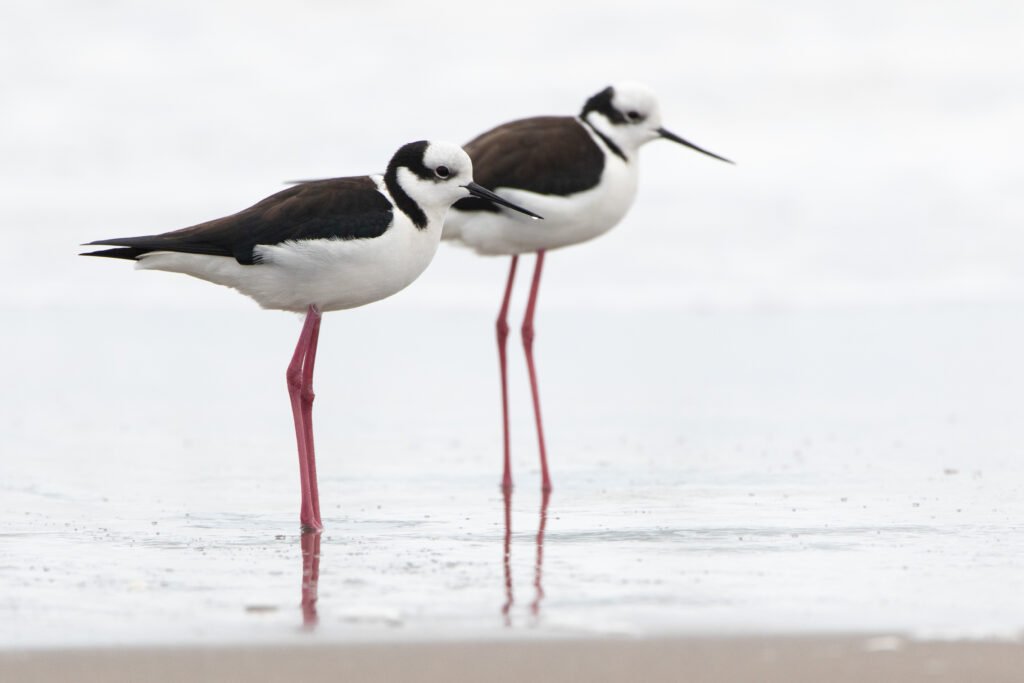
Depending on the tide, the number of shorebirds around the bird hides can vary considerably. At the right time, however, you can enjoy excellent views of large numbers of birds at close range. Some of the most frequently observed species include the Black-necked Stilt (Himantopus mexicanus), Hudsonian Godwit (Limosa haemastica), Hudsonian Whimbrel (Numenius hudsonicus), and Magellanic Snipe (Gallinago magellanica). Among the larger sandpipers and allies, you can find the Willet (Tringa semipalmata), Lesser Yellowlegs (Tringa flavipes), and Greater Yellowlegs (Tringa melanoleuca).
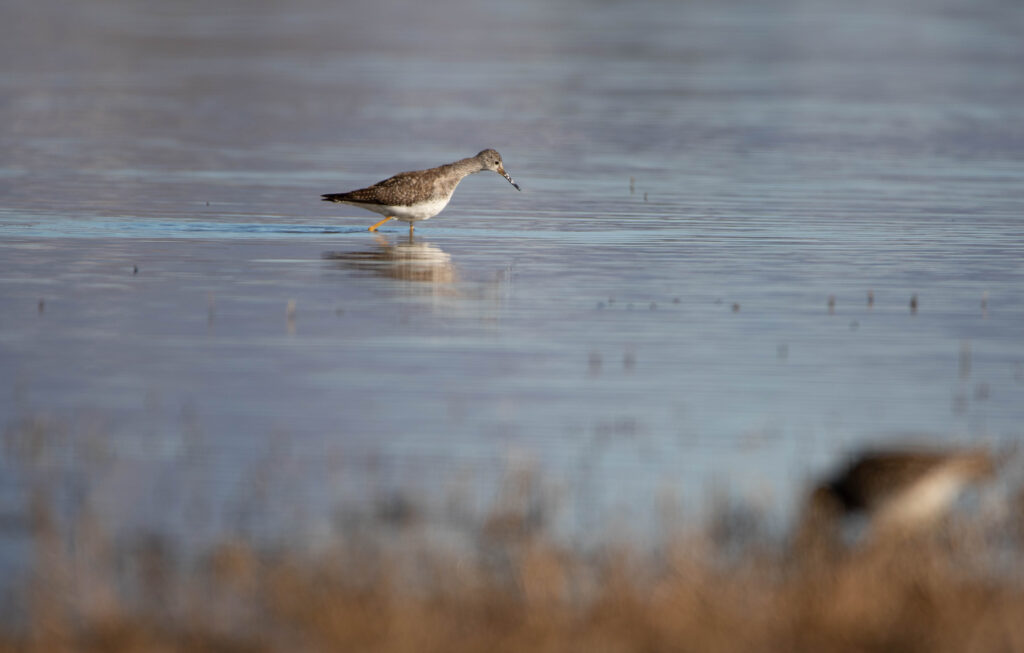
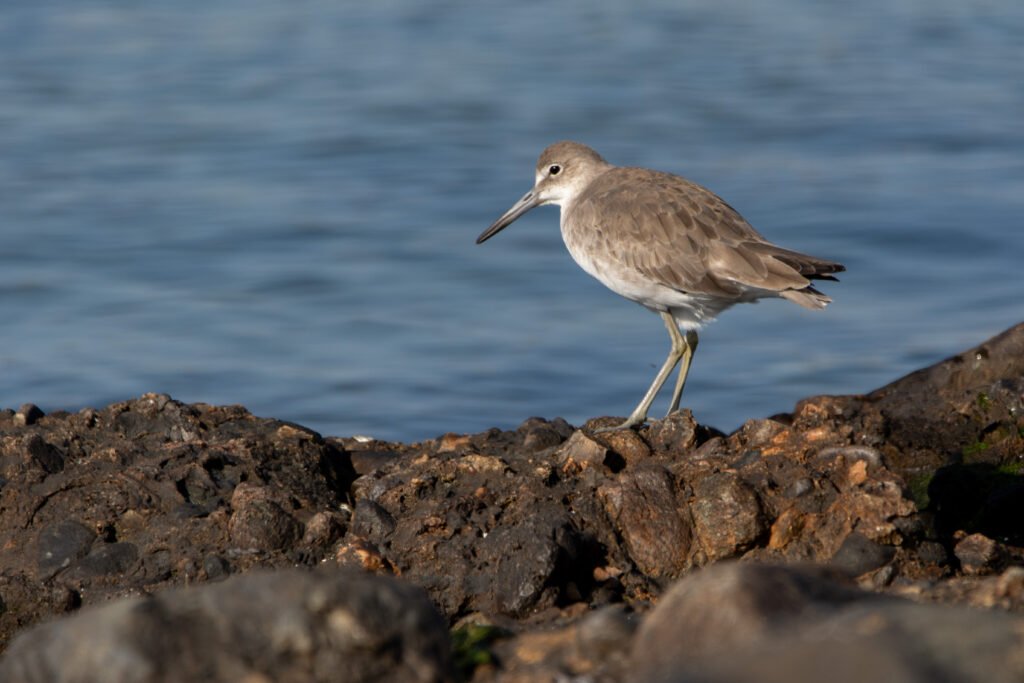
For smaller sandpipers, plover and allies look for Semipalmated Sandpiper (Calidris pusilla), Red Knot (Calidris canutus), Least Sandpiper (Calidris minutilla), and Baird’s Sandpiper (Calidris bairdii). Finally, among the plovers and dotterels, you may see Semipalmated Plover (Charadrius semipalmatus), Rufous-chested Dotterel (Zonibyx modestus), Grey Plover (Pluvialis squatarola), and American Golden Plover (Pluvialis dominica).
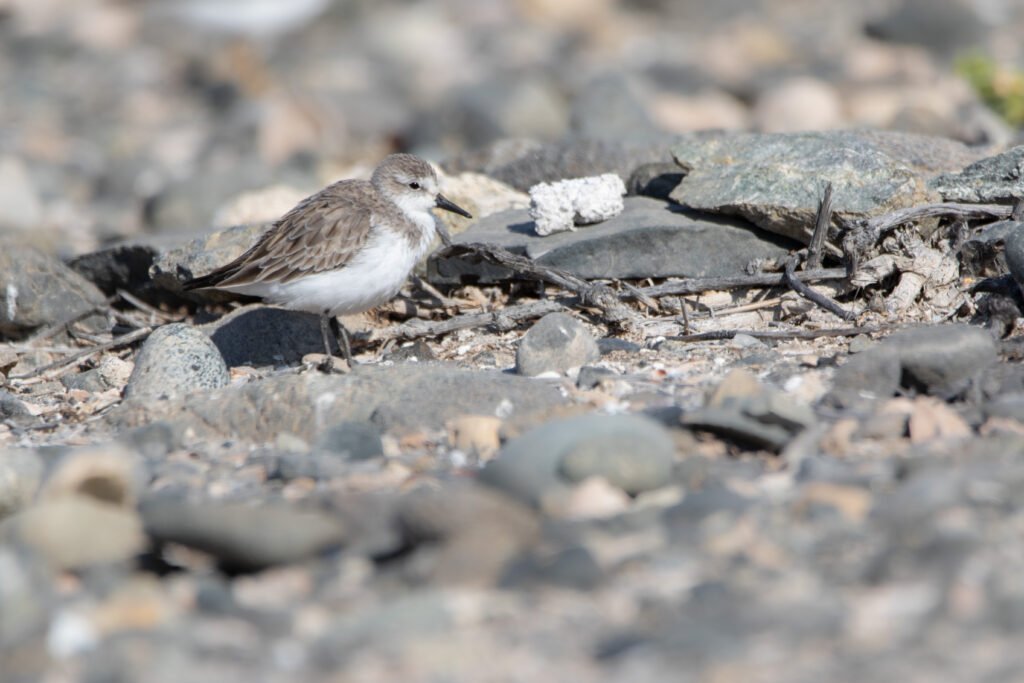
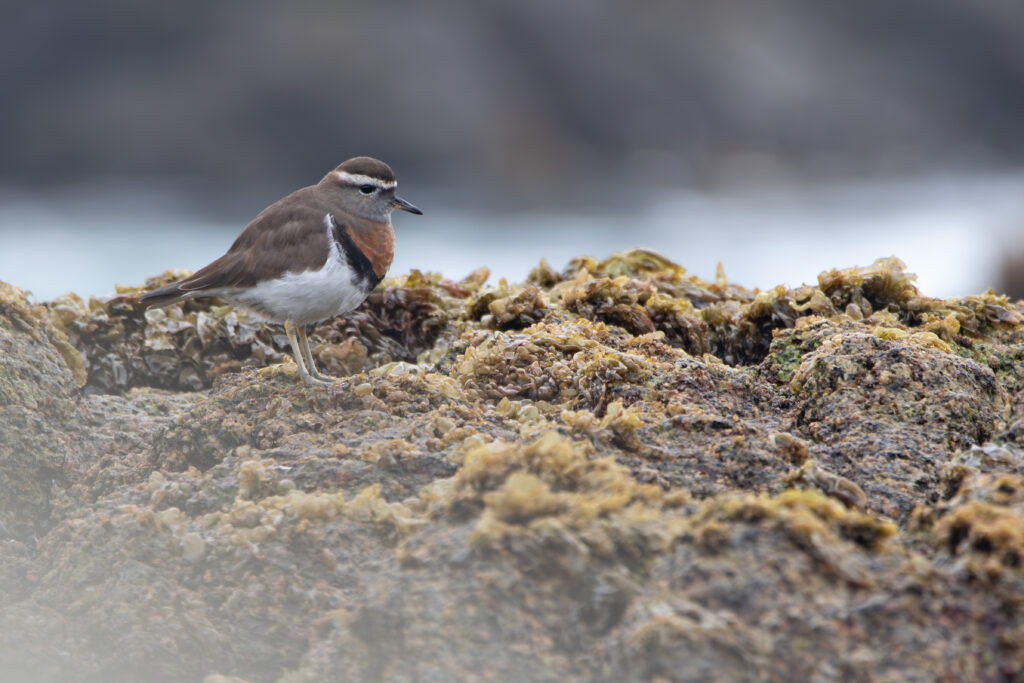
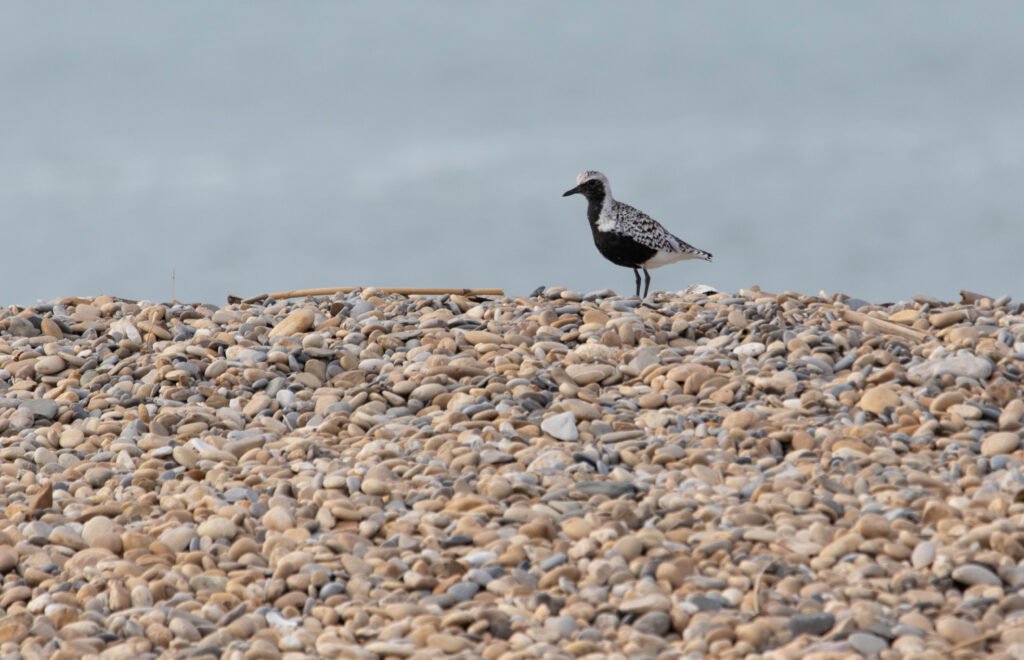
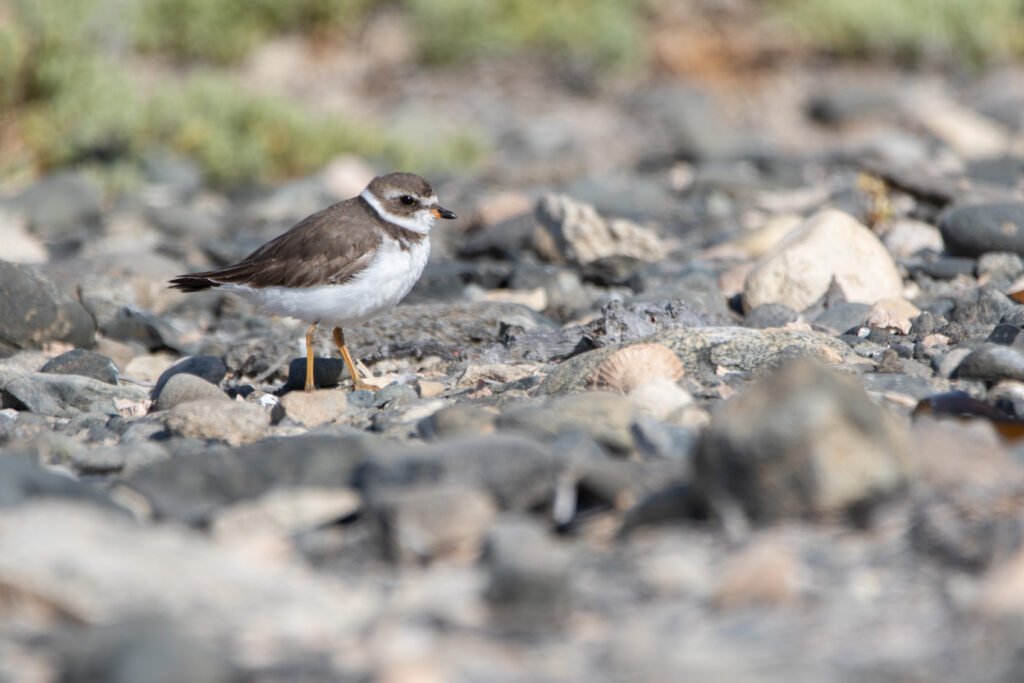
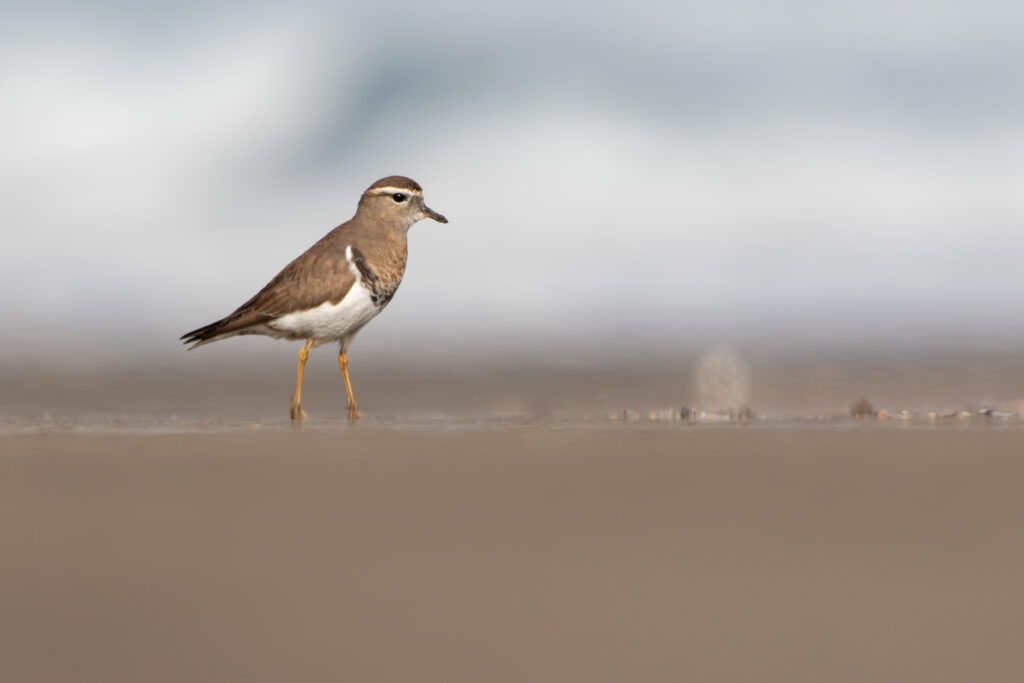
Several rarer species also visit Humedal Río Maipo, including Pectoral Sandpiper (Calidris melanotos), Western Sandpiper (Calidris mauri), White-rumped Sandpiper (Calidris fuscicollis), Fork-tailed Flycatcher (Tyrannus savana), Arctic Tern (Sterna paradisaea), and Least Seedsnipe (Thinocorus rumicivorus).
Humedales de Cartegena
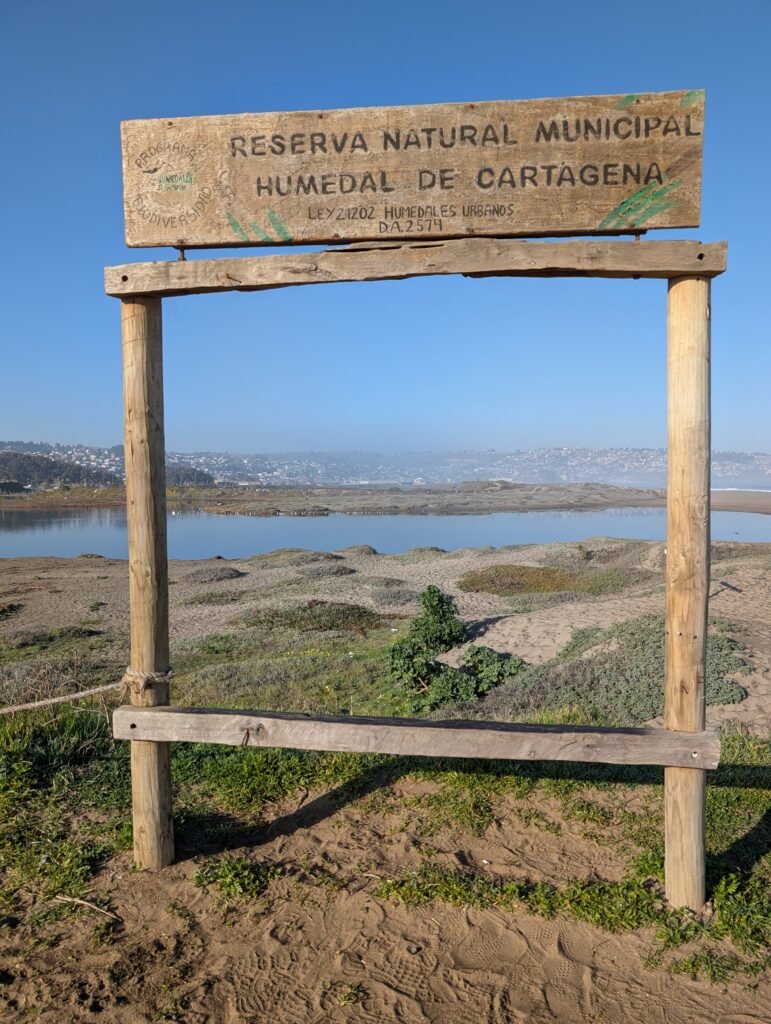
Between San Sebastián and Cartagena lie the Cartagena Wetlands. This wetland complex includes a lagoon that can only be accessed from the south. Entry is free, but you need to register before visiting, and visitor numbers are limited. Around the Humedal de Cartagena, the nearby estuary is also an excellent place for birdwatching. Numerous small shorebirds can be found along the beach.
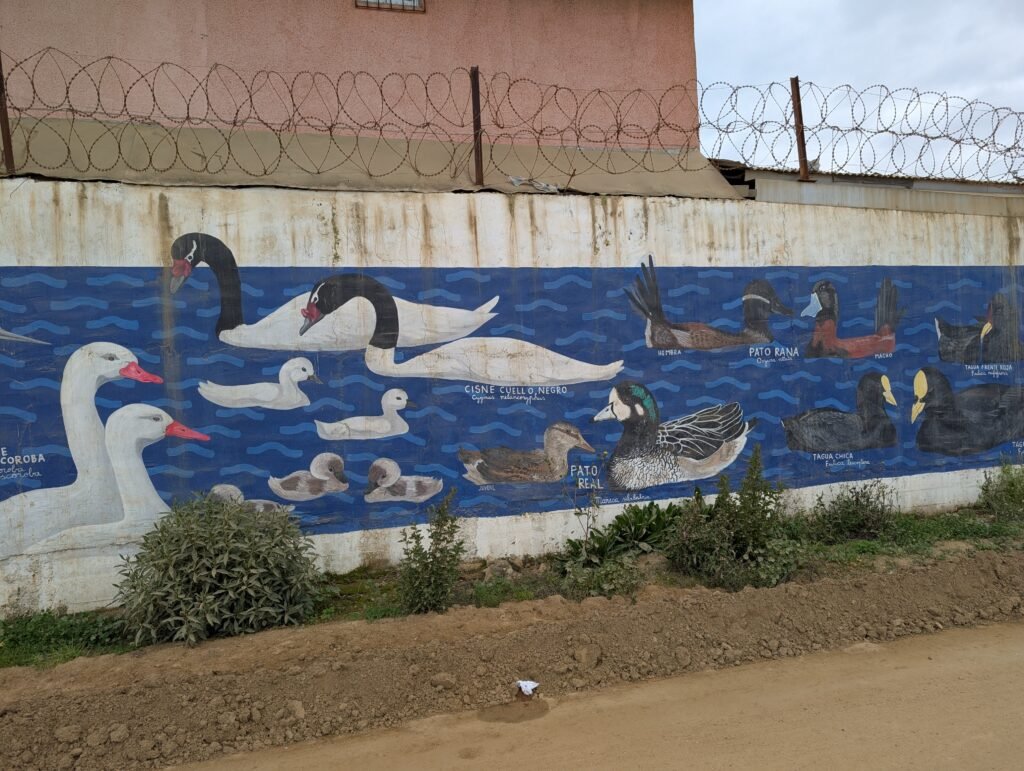
Alongside Coscoroba Swan (Coscoroba coscoroba) and Black-necked Swan (Cygnus melancoryphus), the wetlands are home to many species of ducks. These include Cinnamon Teal (Spatula cyanoptera), Yellow-billed Teal (Anas flavirostris), Red Shoveler (Spatula platalea), Chiloe Wigeon (Mareca sibilatrix), Yellow-billed Pintail (Anas georgica), and Lake Duck (Oxyura vittata).
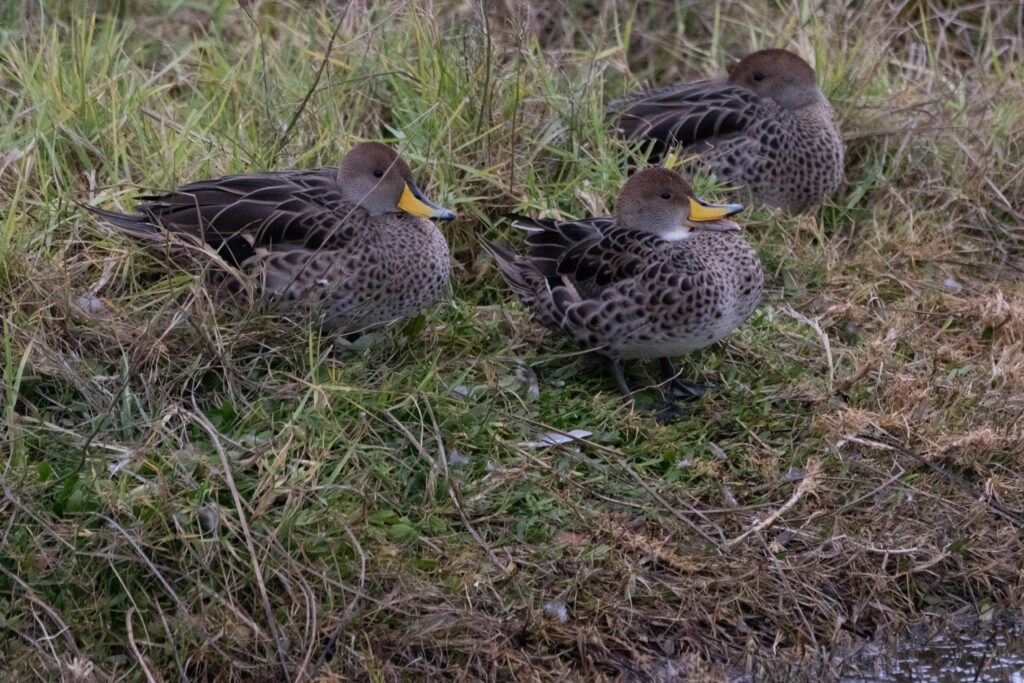
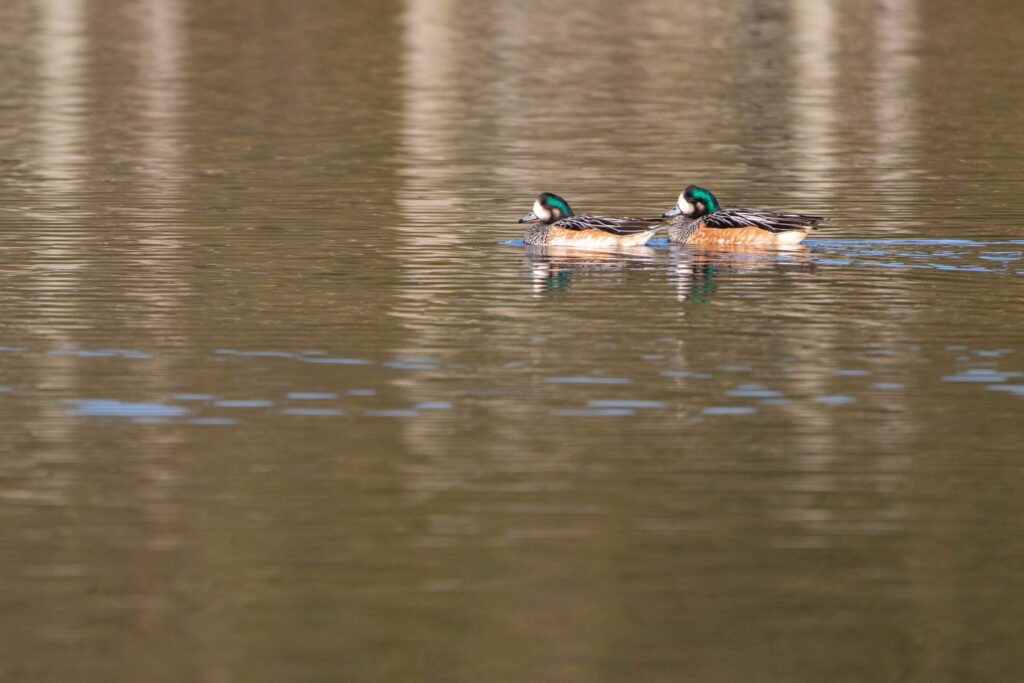
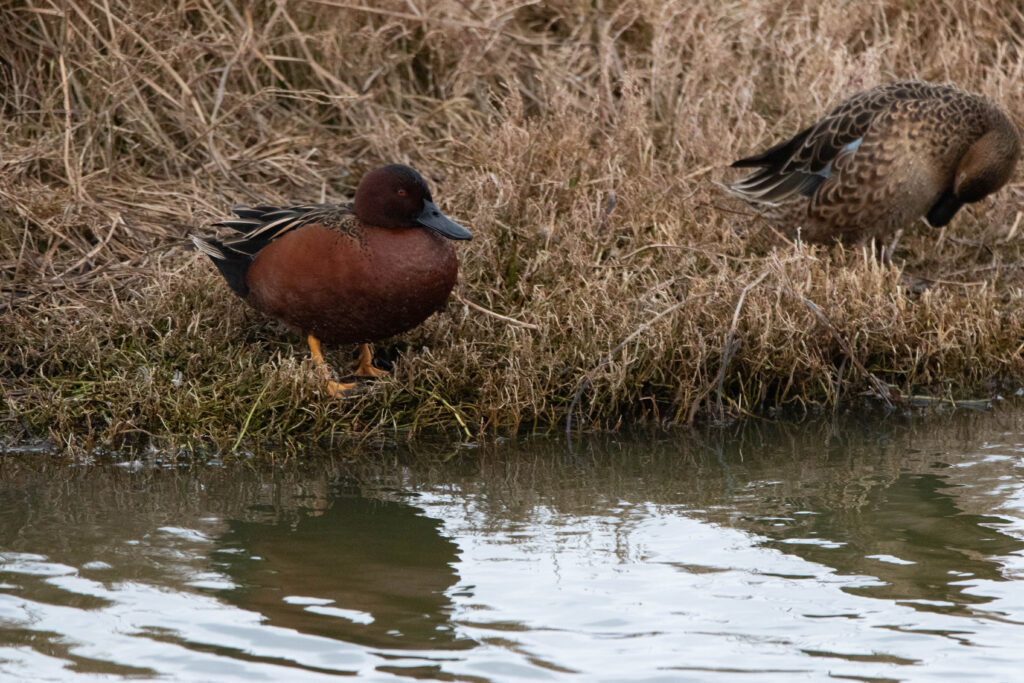
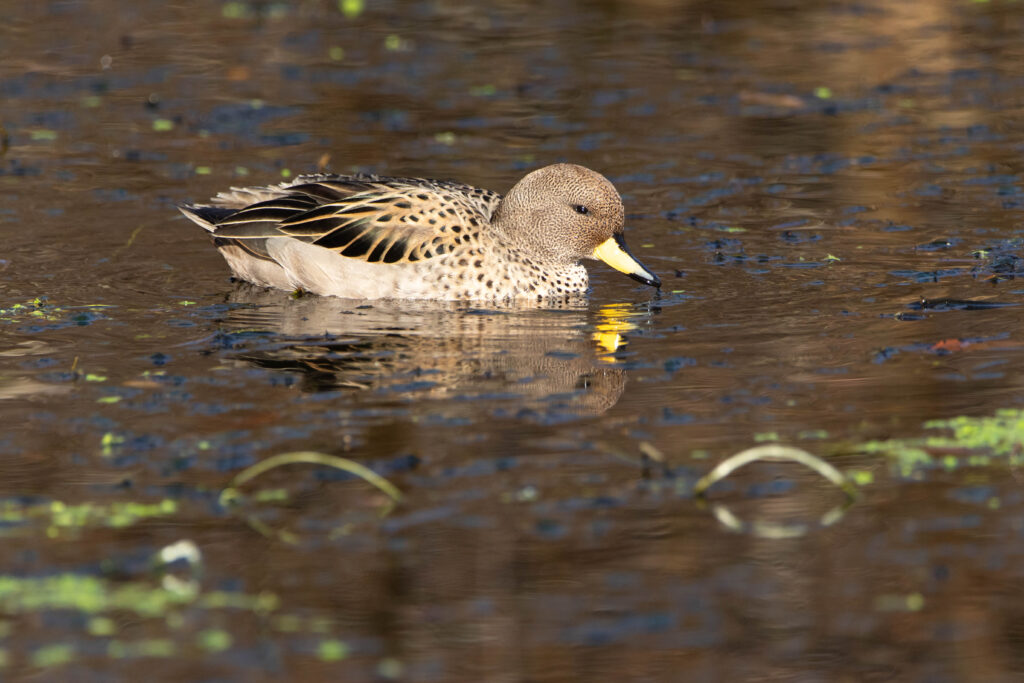
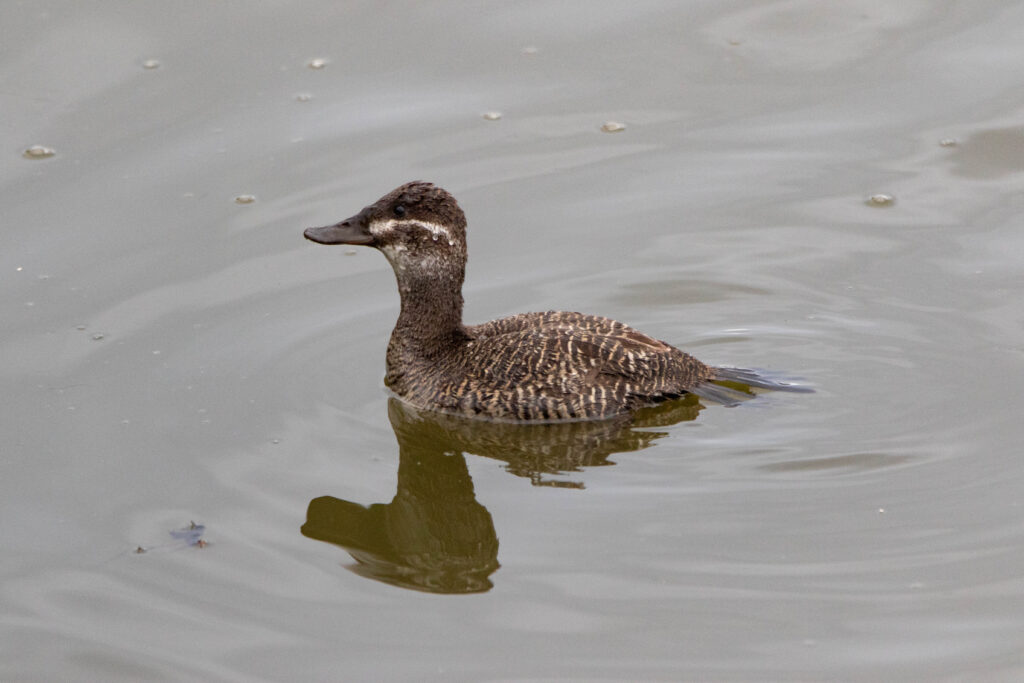
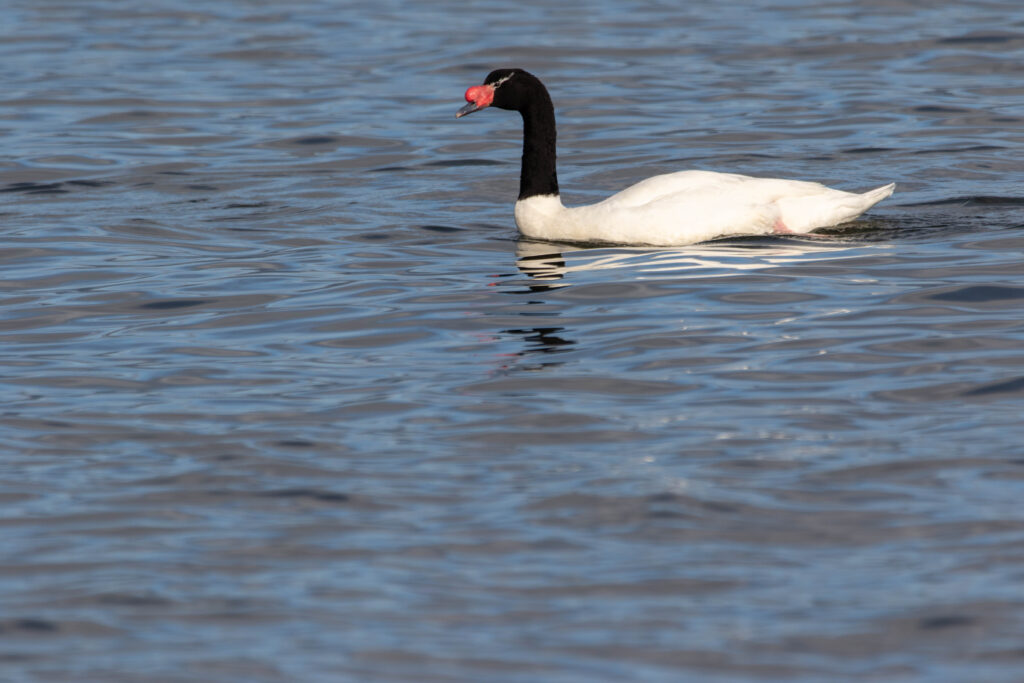
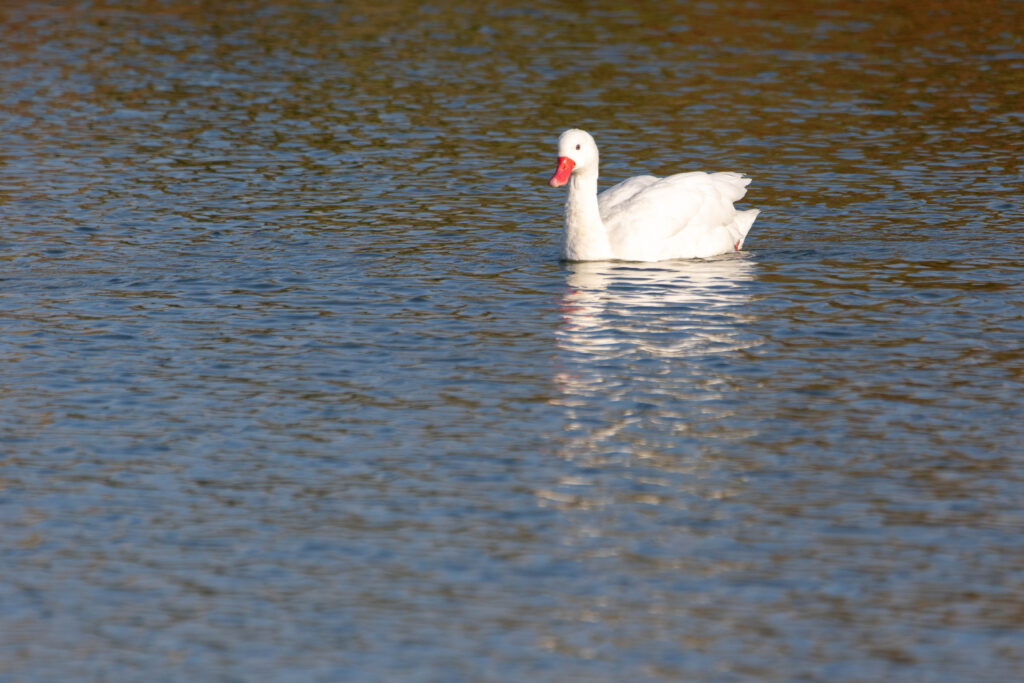
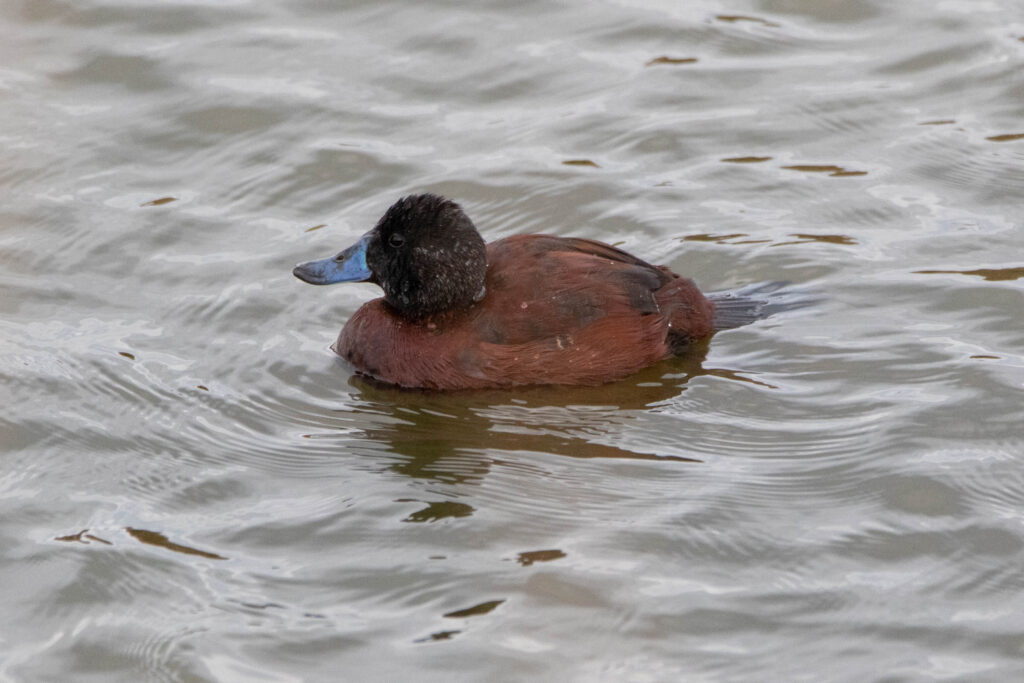
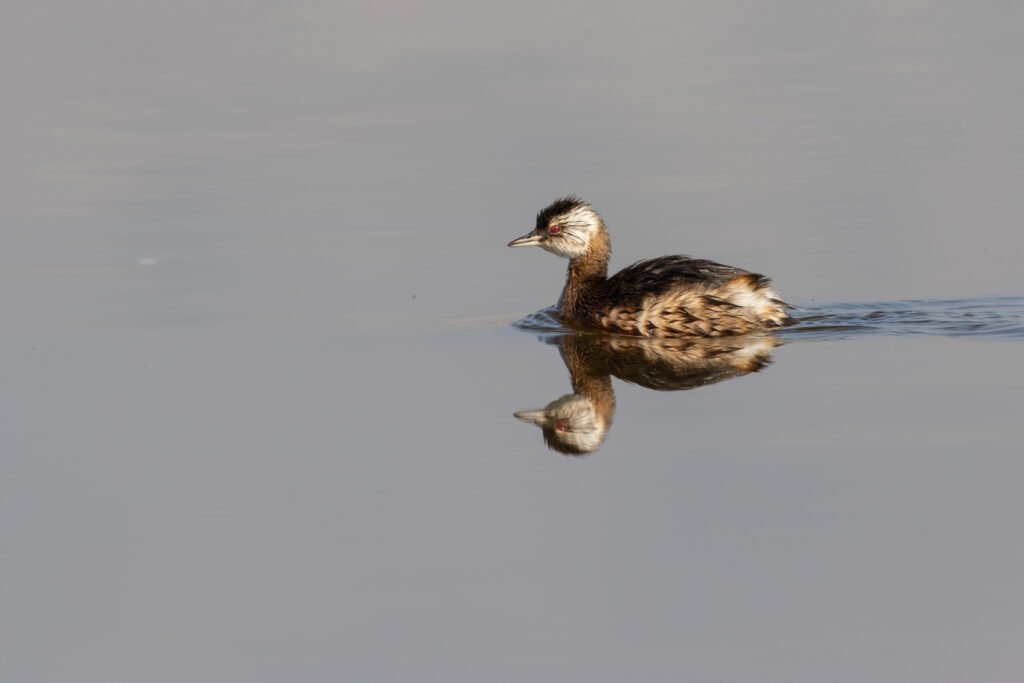
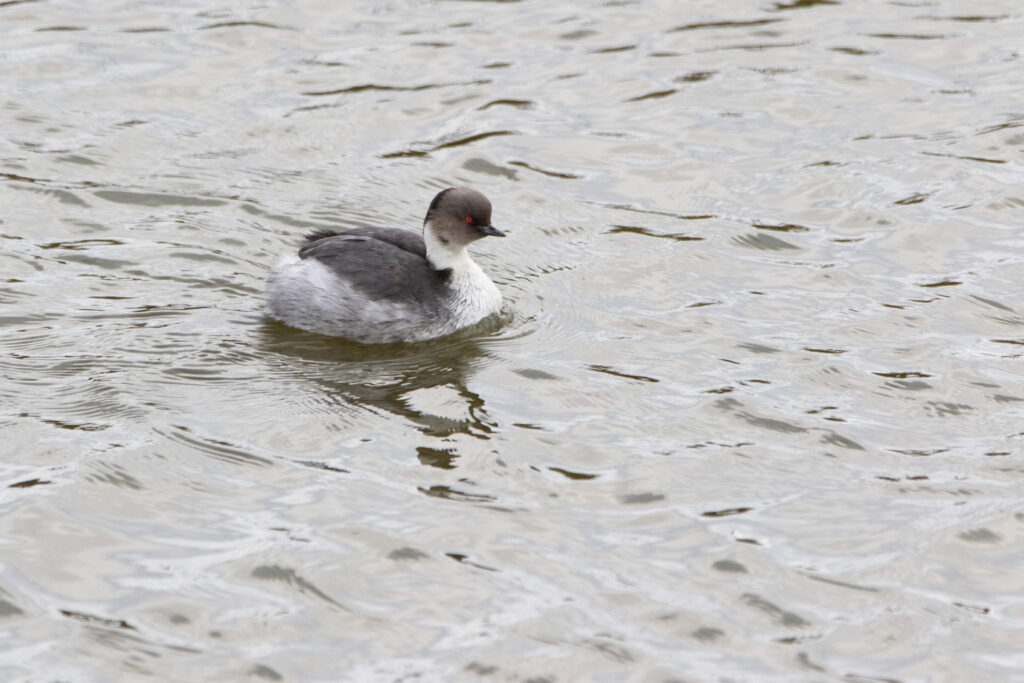
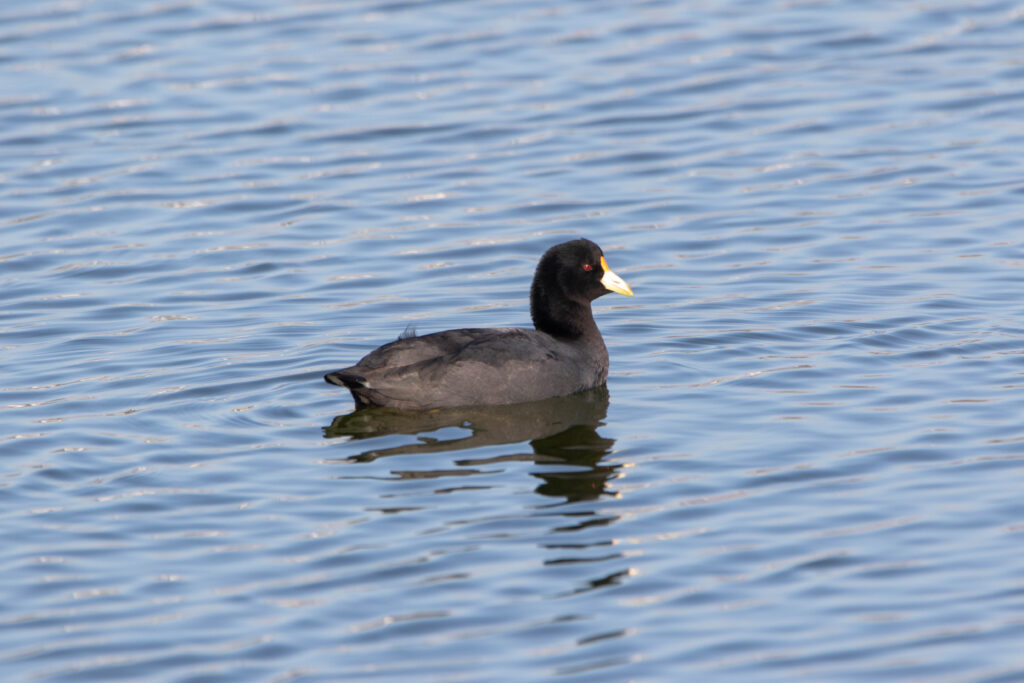
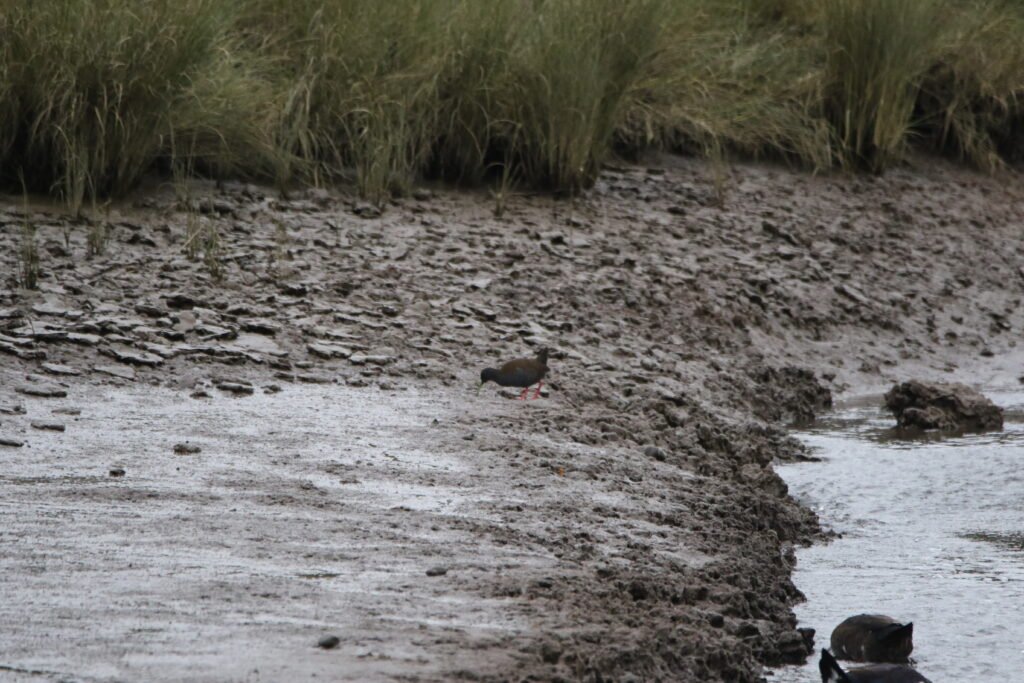
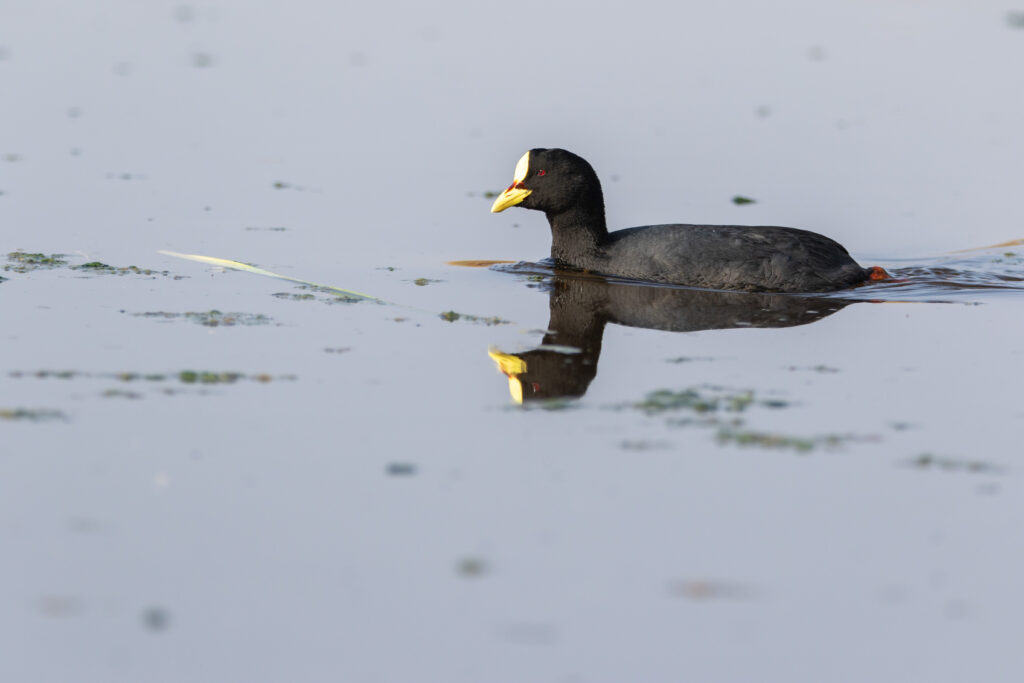
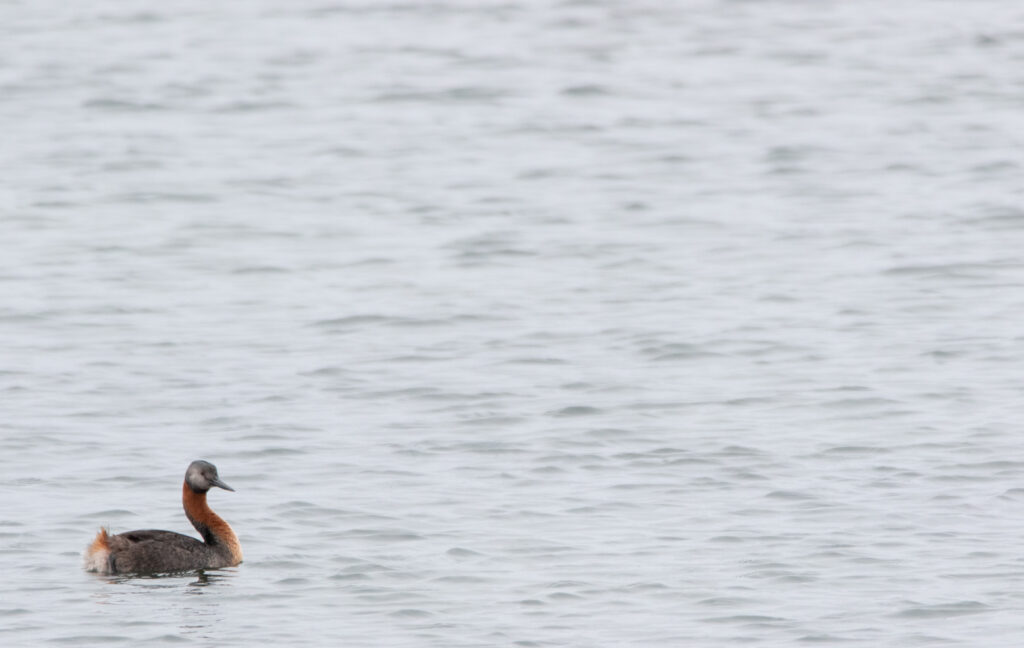
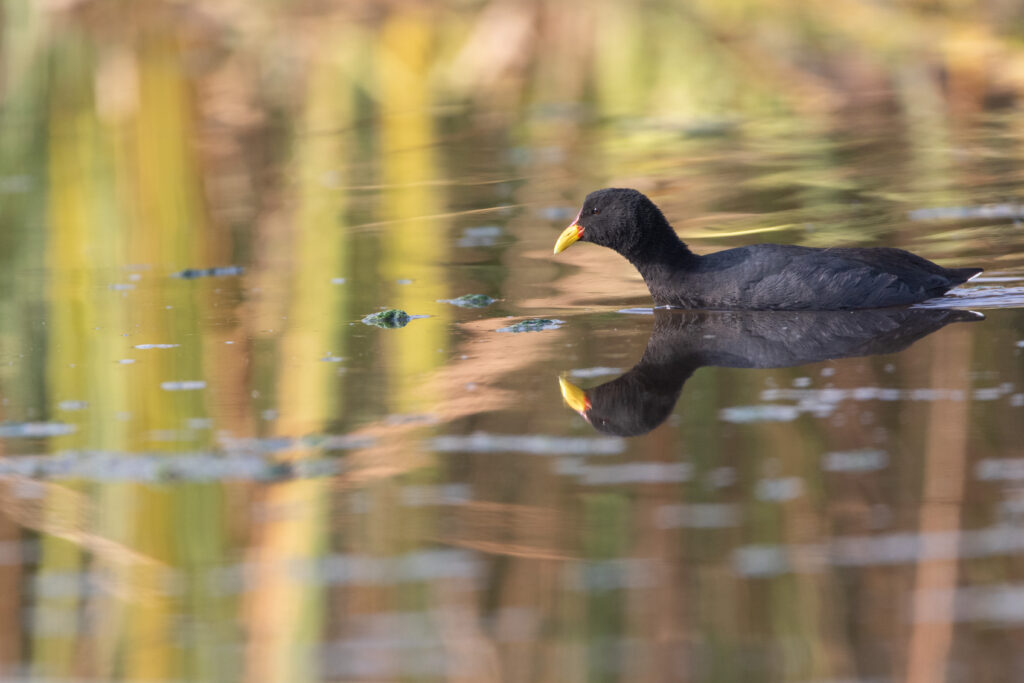
There are also three species of coot: Red-fronted Coot (Fulica rufifrons), Red-gartered Coot (Fulica armillata), and White-winged Coot (Fulica leucoptera). The Many-colored Rush Tyrant (Tachuris rubrigastra) and its regular neighbour, the Wren-like Rushbird (Phleocryptes melanops), are also present in the wetland, along with Great Grebe (Podiceps major), White-tufted Grebe (Rollandia rolland), Silvery Grebe (Podiceps occipitalis), Cocoi Heron (Ardea cocoi), Plumbeous Rail (Pardirallus sanguinolentus), and Spot-flanked Gallinule (Porphyriops melanops).
On the beach, you can find plenty of American Oystercatchers (Haematopus palliatus), Blackish Oystercatchers (Haematopus ater), and Black-necked Stilts (Himantopus mexicanus). Keep an eye out for the small Collared Plover (Anarhynchus collaris) and Snowy Plover (Anarhynchus nivosus) as they run quickly across the sand.
Humedales Ojos del Mar
This certainly isn’t the most picturesque birding location, as it’s located right in the middle of San Antonio’s industrial port area. But like many unattractive places, it has birds!
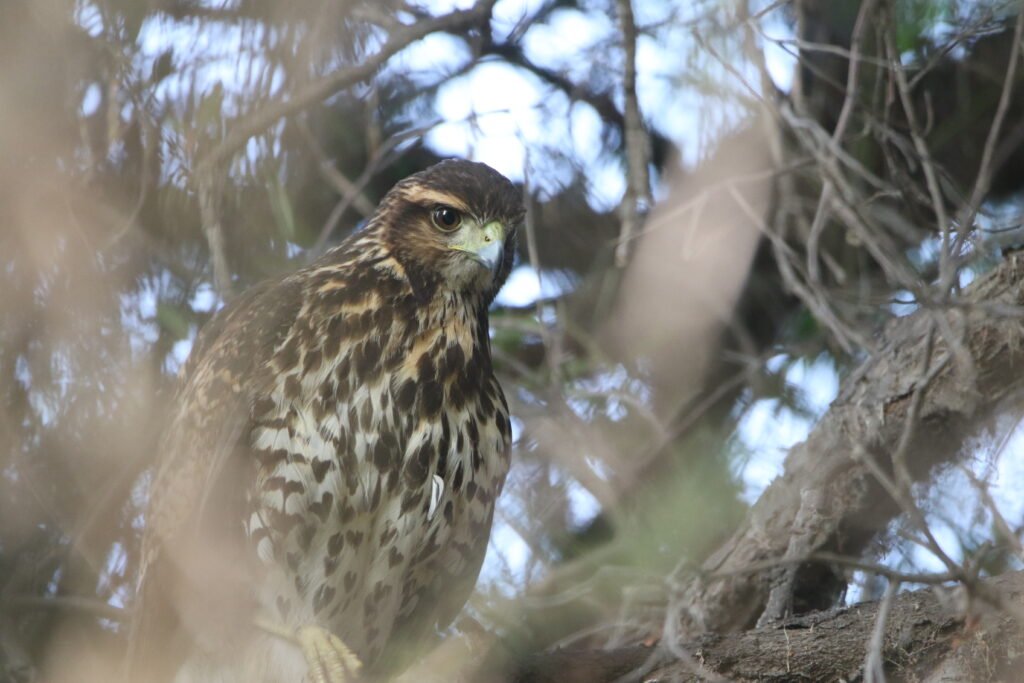
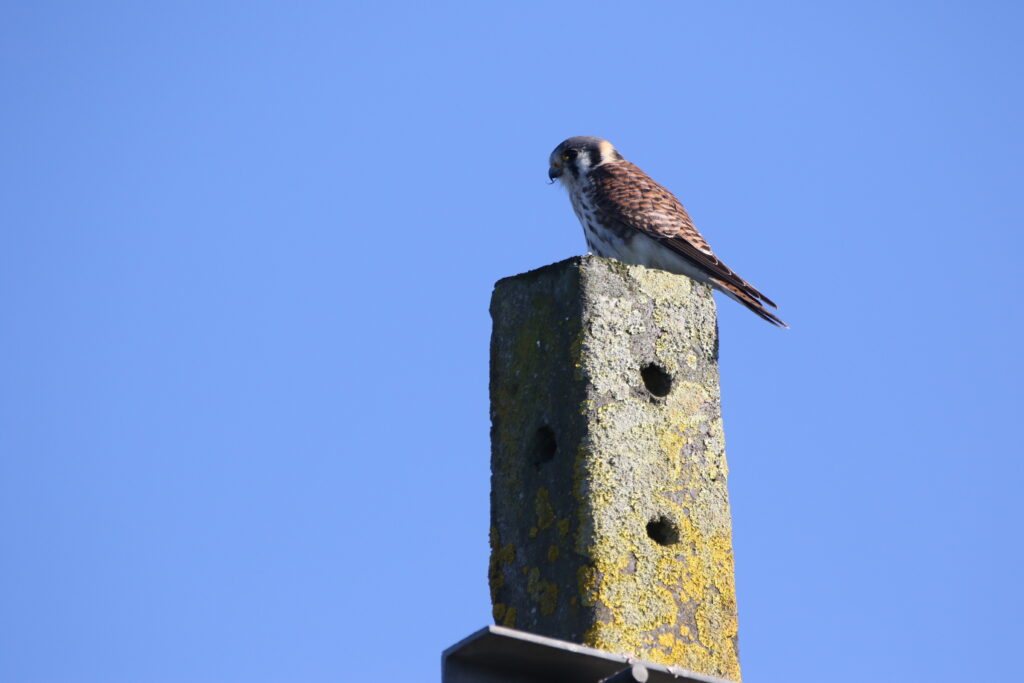
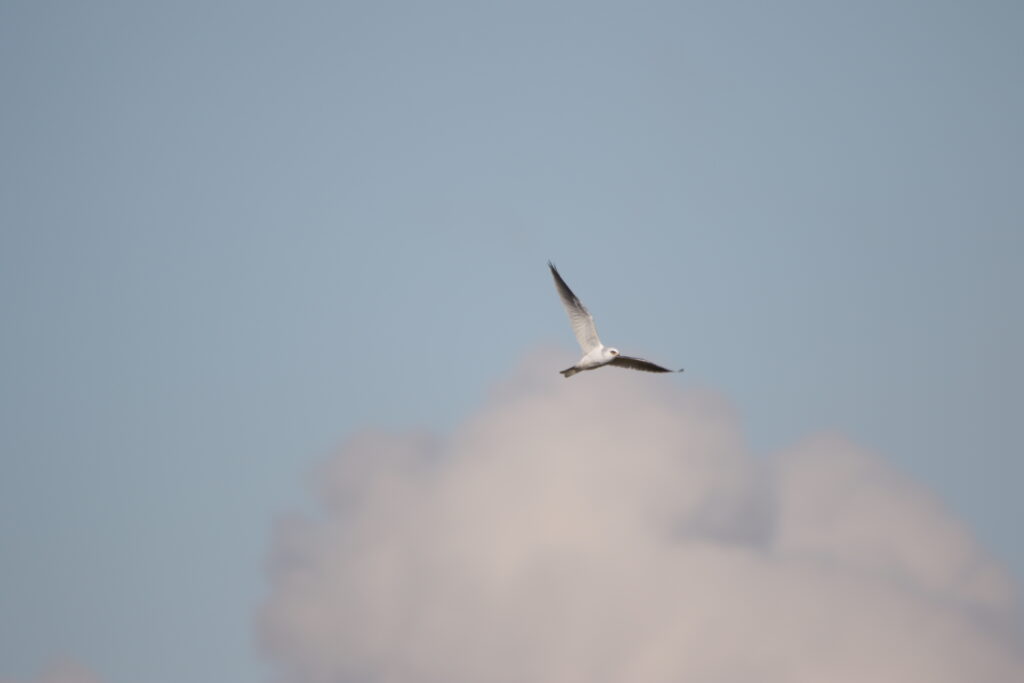
Most of the species are similar to those found at the other sites mentioned in this article. Among the species not yet mentioned are the Pied-billed Grebe (Podilymbus podiceps), White-tailed Kite (Elanus leucurus), American Kestrel (Falco sparverius), and Harris’s Hawk (Parabuteo unicinctus).
Laguna El Peral
This is another site worth visiting in the area. It’s a much more pleasant place than the Ojos del Mar wetlands, as this nature sanctuary is well suited to wildlife observation. Although it is located close to the main road, its trails and bird hides provide excellent opportunities to observe a wide range of species.
You’ll find many of the same birds mentioned throughout this article, along with some less frequently encountered species such as the Rosy-billed Pochard (Netta peposaca), Silver Teal (Spatula versicolor), and Black-headed Duck (Heteronetta atricapilla).
How to Get to the Chilean Coast (El Quinto, Carthagène, San Antonio) ?
If you have your own car, or a rental, getting to Chile’s Pacific coast couldn’t be easier! The roads are in good condition, and the journey is relatively quick from either Santiago or Valparaíso.
By public transport, there is no train service, but numerous buses run to El Quisco, Cartagena, and San Antonio. From Santiago’s San Borja or Alameda bus terminals, TurBus, Condor, and other companies operate services several times per hour. The journey to El Quisco takes around 1 hour and 40 minutes, with fares starting at approximately 5,000 CLP.

Where to Stay on the Chilean Coast?
The area is popular with domestic tourists looking to enjoy the sun and the sea, but it receives relatively little international tourism. While there are a few excellent hotels in the region, such as Hotel Boutique Mar de Royal and B&B Rocas Santo Domingo, they are often not ideally located for exploring the different birding sites.
For this reason, I recommend using Airbnb, where you’ll find plenty of accommodation options at reasonable prices.