


Birding in Kuala Selengor
If you are passing through the Malaysian capital, the small coastal town of Kuala Selangor is well worth a detour. Most tourists come here for a nocturnal boat trip to see the hundreds of fireflies that light up the mangroves. But this town has other attractions, and it would be a shame to focus only on the fireflies—especially if you are passionate about birdwatching. The avifauna in Kuala Selangor’s reserve is very rich, as is the coastline of the neighboring villages, which host thousands of waders.
So don’t hesitate to go to Kuala Selengor after visiting Taiping or Fraser’s Hill.
Where to find birds in Kuala Selengor ?
Kuala Selengor’s reserve
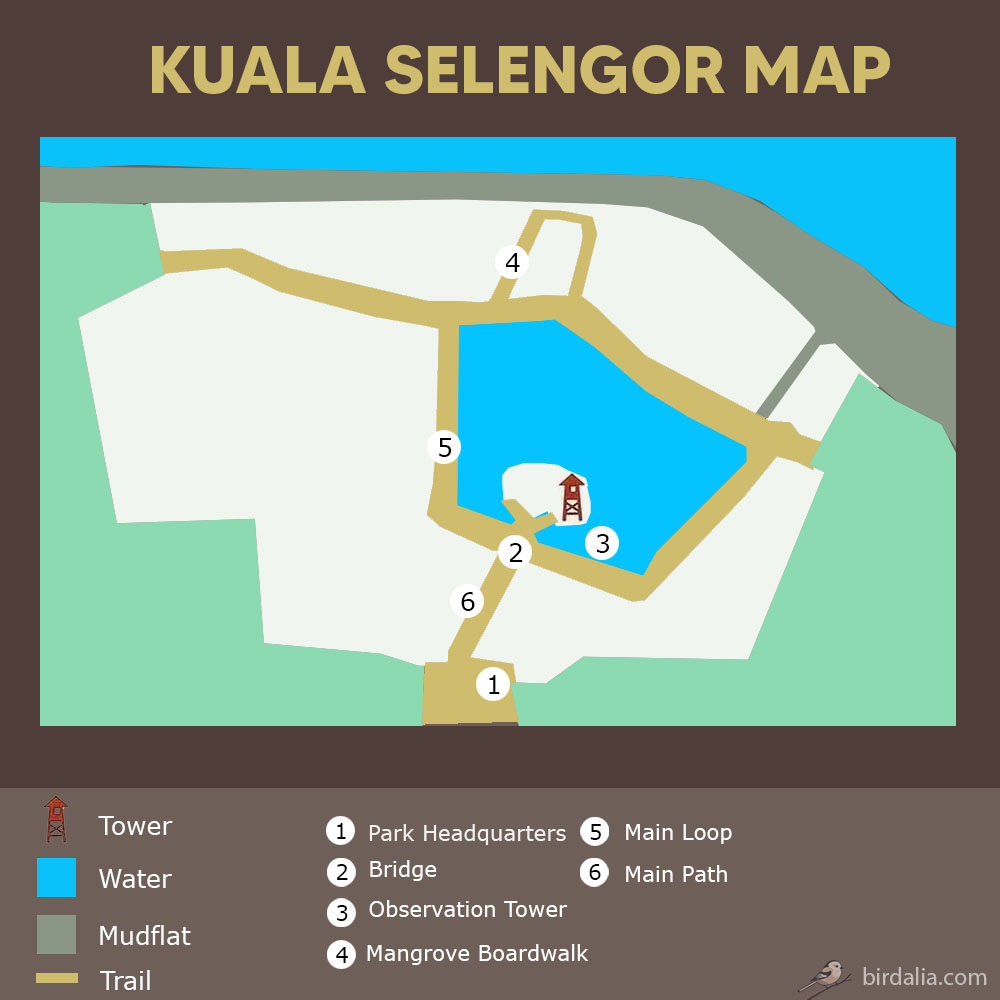
Just a few hundred meters from the city center, this small reserve costs only 4 RM per person.
A morning is enough to visit the reserve, but if you wish, you can stay a little longer to maximize your chances of seeing more species. Be sure to bring mosquito repellent to avoid being bitten. 🦟
Park’s entrance
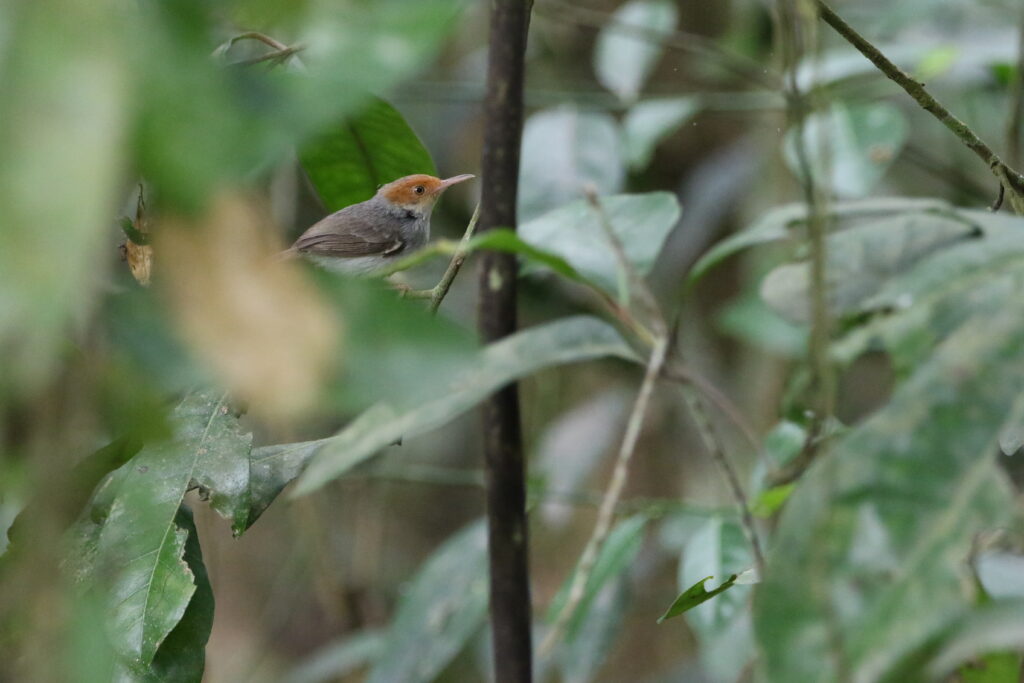
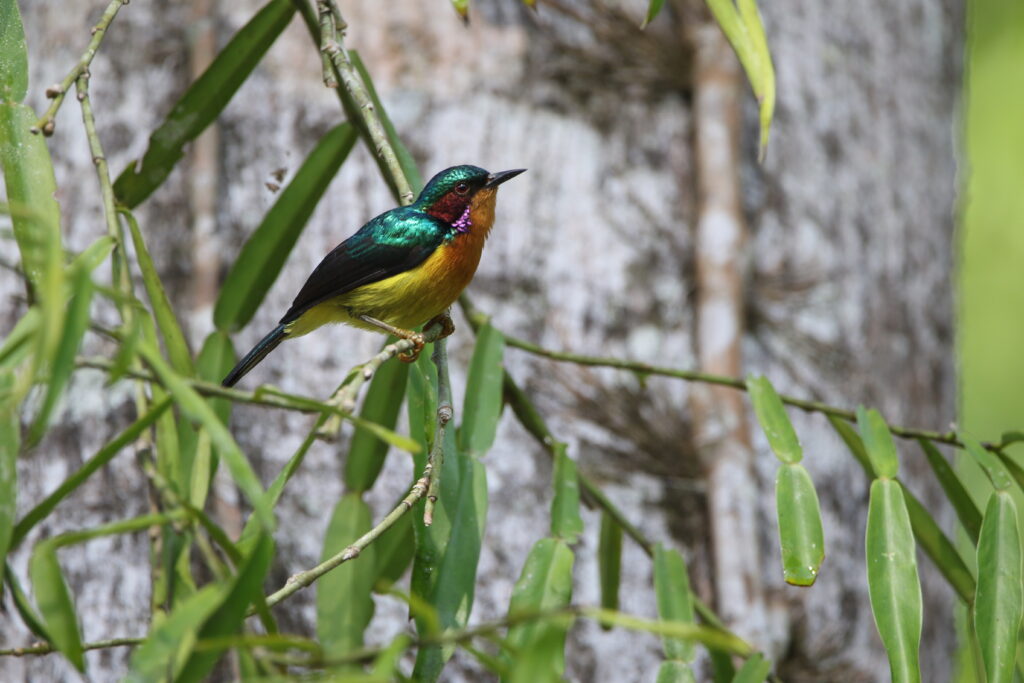
The first part of the reserve is a trail (6) between the Visitor Center (1) and a bridge over a small canal (2). This trail is surrounded by forest, where you can look for three barbet species: Lineated Barbet (Psilopogon lineatus), Coppersmith Barbet (Psilopogon haemacephalus), and Black-eared Barbet (Psilopogon duvaucelii). Keep an eye out as well for smaller birds such as the Ashy Tailorbird (Orthotomus ruficeps) and the Ruby-cheeked Sunbird (Chalcoparia singalensis).


Observation tower
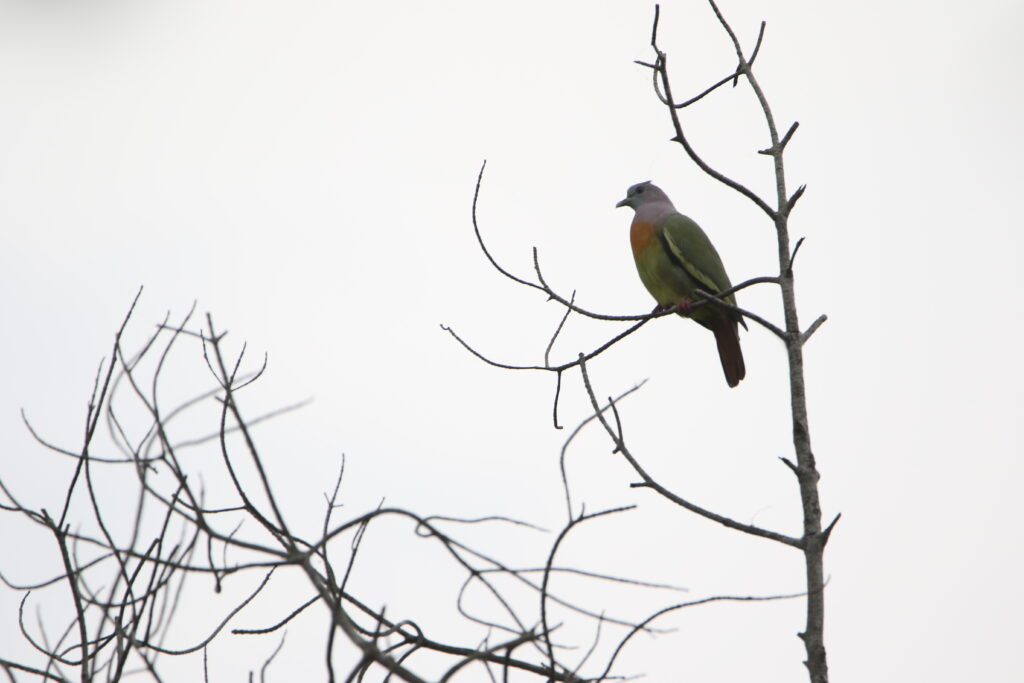
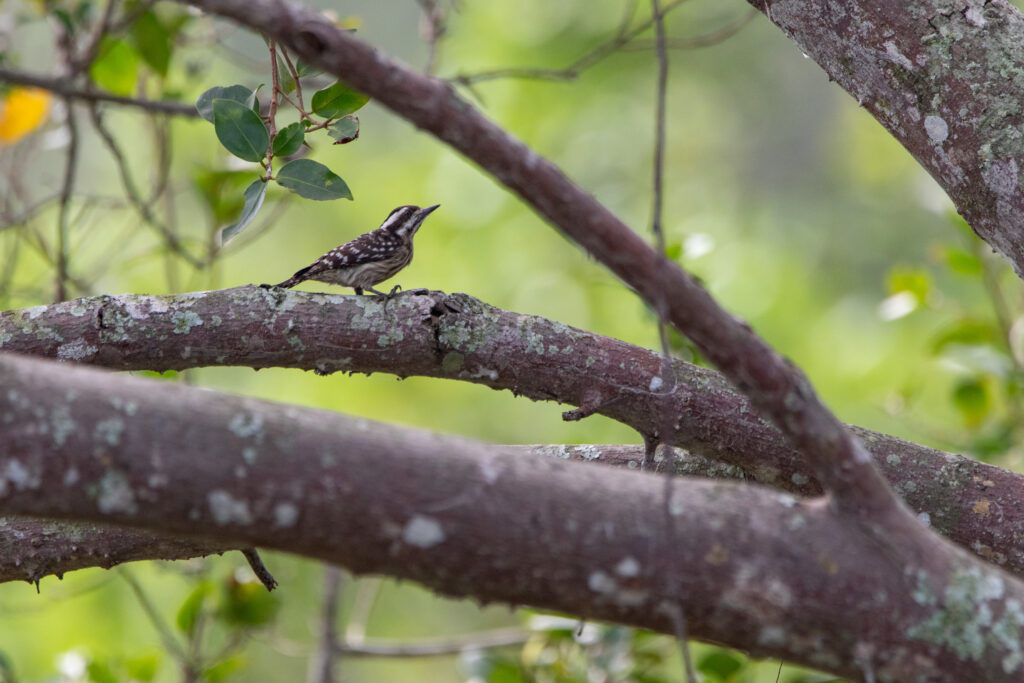
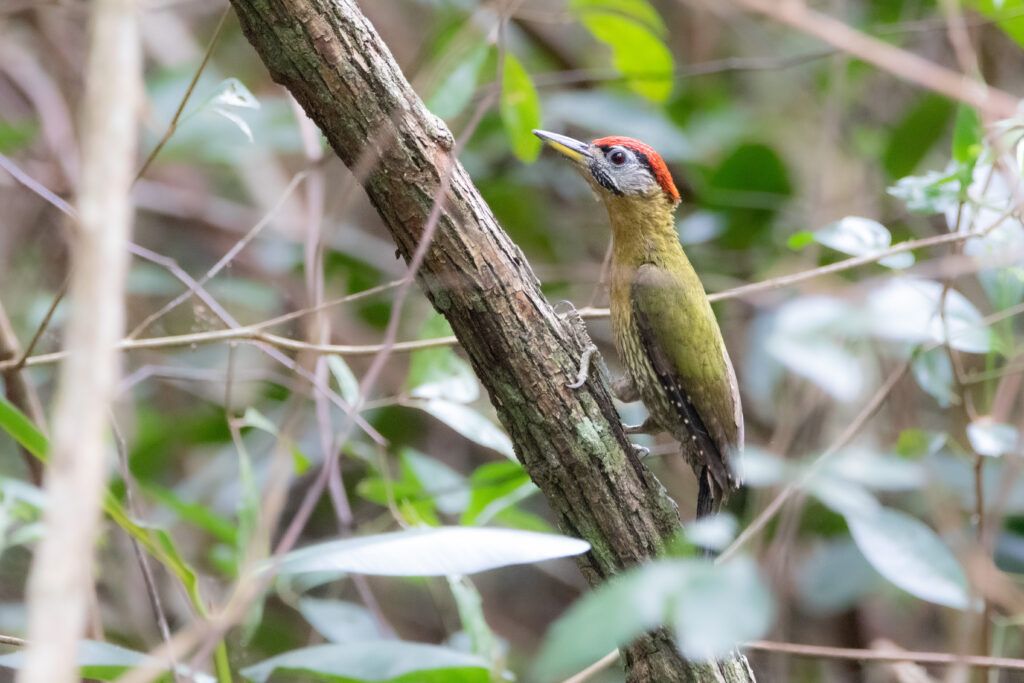
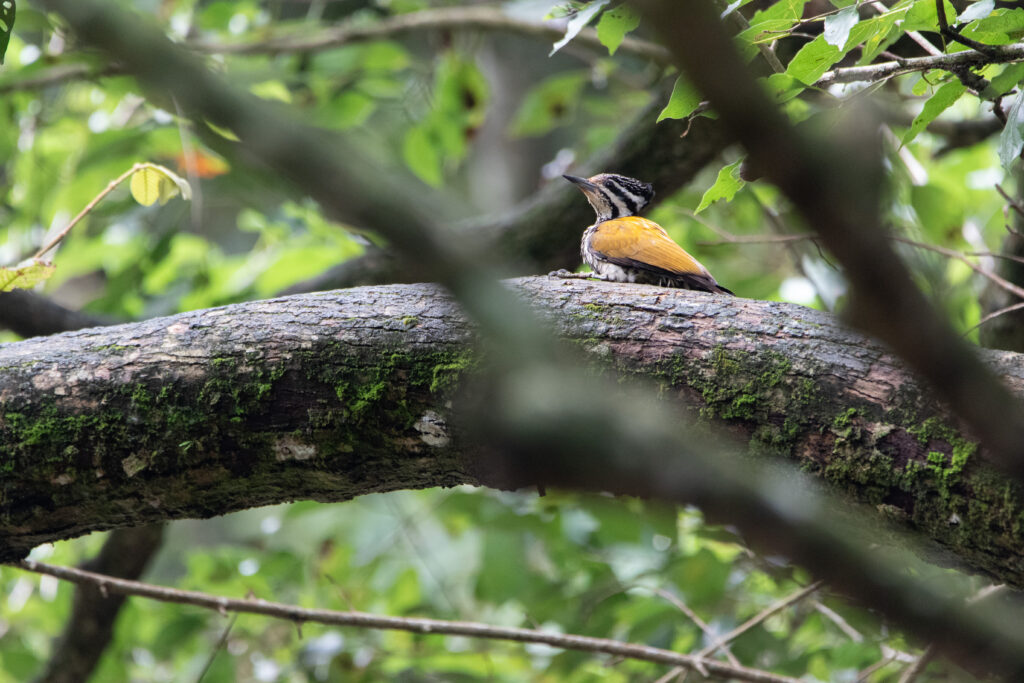
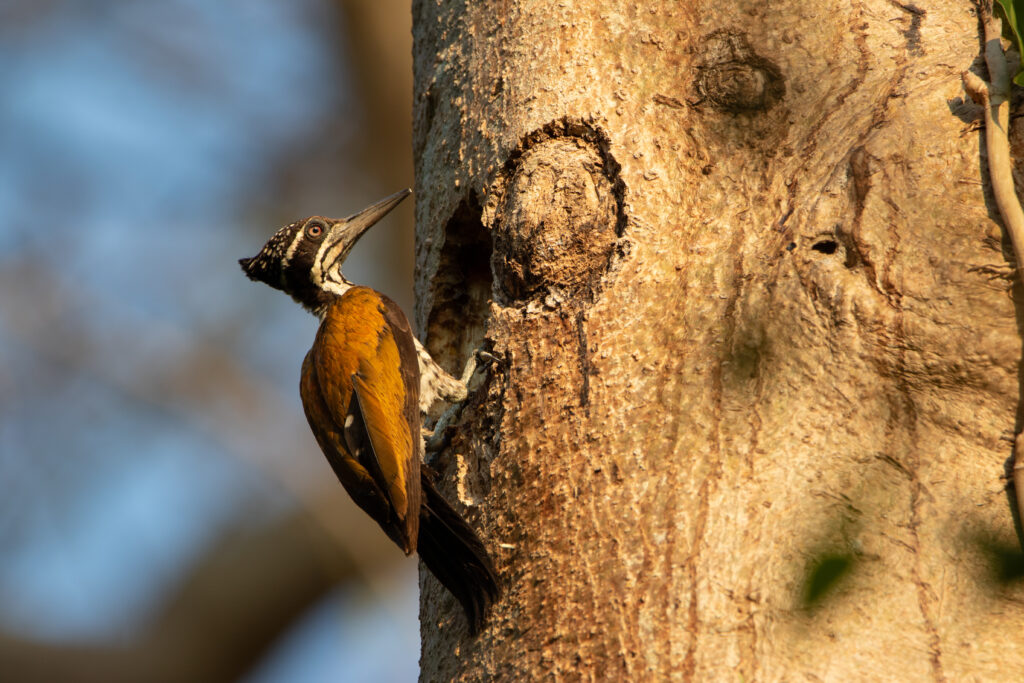
After crossing the canal, you can head to the observation tower (3). From here, you’ll be at canopy level with several woodpecker species, including Sunda Pygmy Woodpecker (Yungipicus moluccensis), Laced Woodpecker (Picus vittatus), Common Flameback (Dinopium javanense), and Greater Flameback (Chrysocolaptes guttacristatus). From the top of the tower, numerous raptors, swifts, and pigeons can be seen. Among the pigeons, look out for Pink-necked Green Pigeon (Treron vernans), Little Green Pigeon (Treron olax), and Mountain Imperial Pigeon (Ducula badia).
Around the small lake
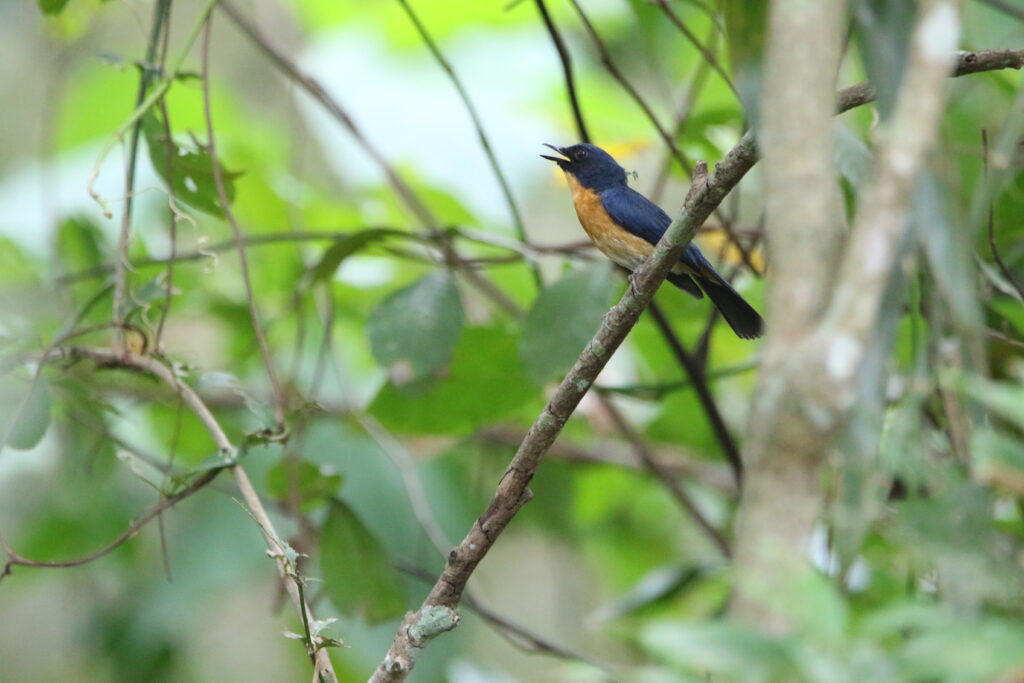
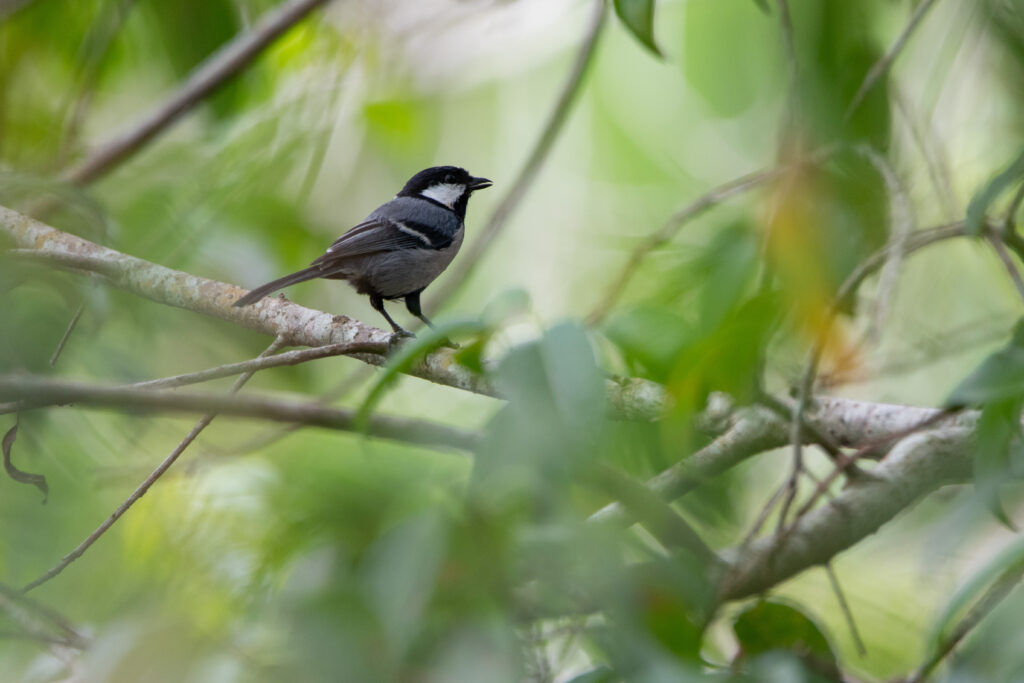
After spending some time at the observation tower, you can walk around the small lake (5). The trail is surrounded by dense vegetation. Passerine birds such as the Cinereous Tit (Parus cinereus), often seen in small groups, the Mangrove Whistler (Pachycephala cinerea), and the Mangrove Blue Flycatcher (Cyornis rufigastra) can be found here. It is also possible to spot various cuckoo species, including the Little Bronze Cuckoo (Chalcites minutillus) and the Indian Cuckoo (Cuculus micropterus).
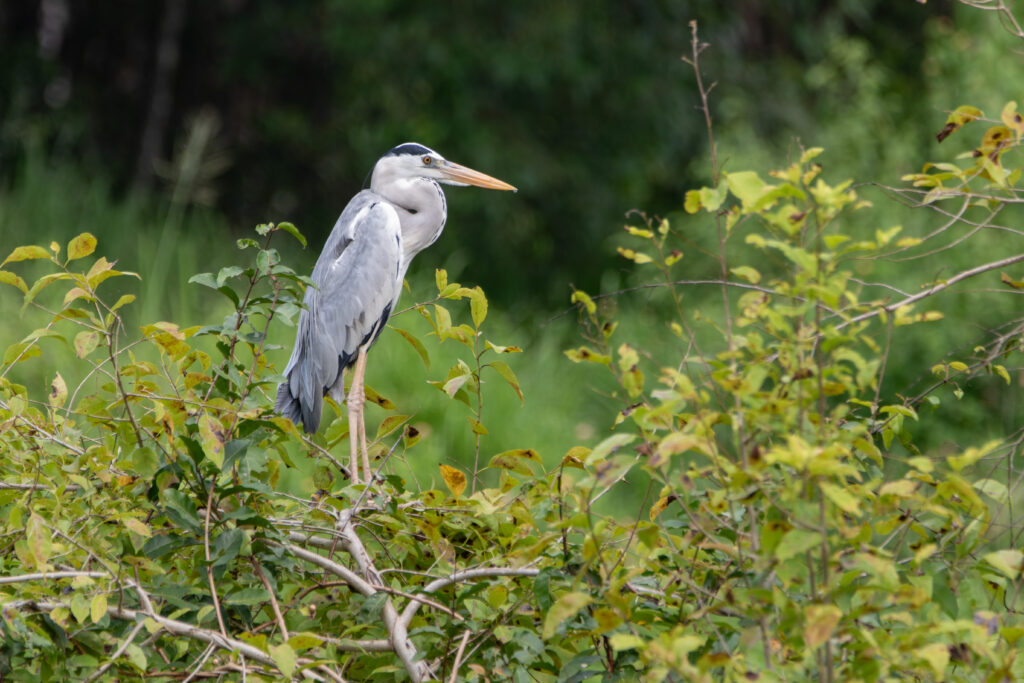
Around the lake itself, numerous herons, egrets, and other waterbirds can be easily observed.
Loop in the mangrove
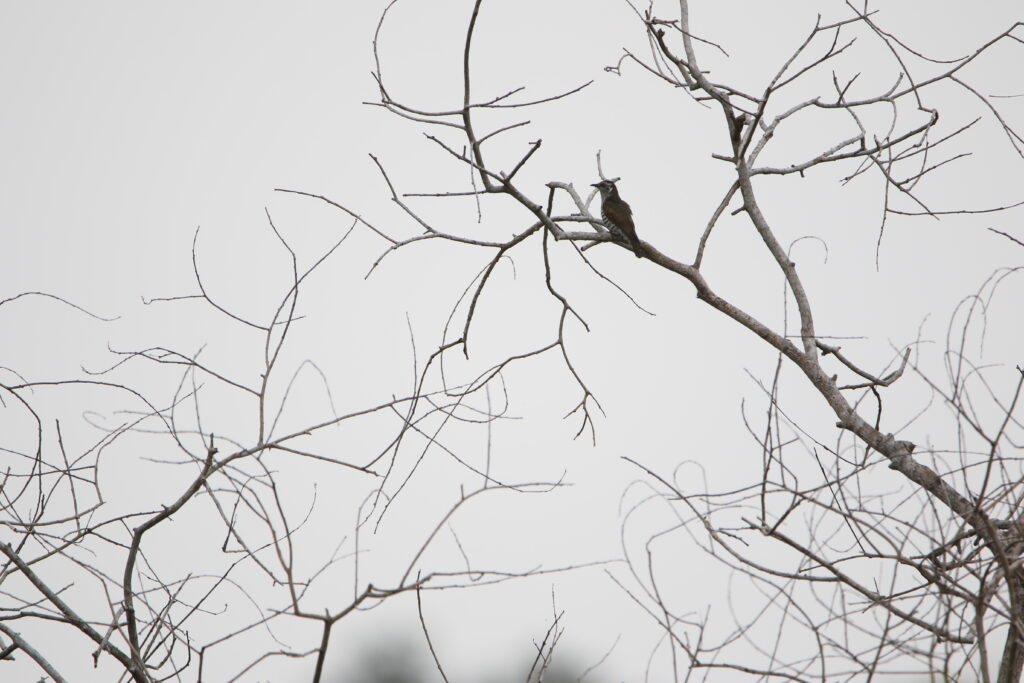
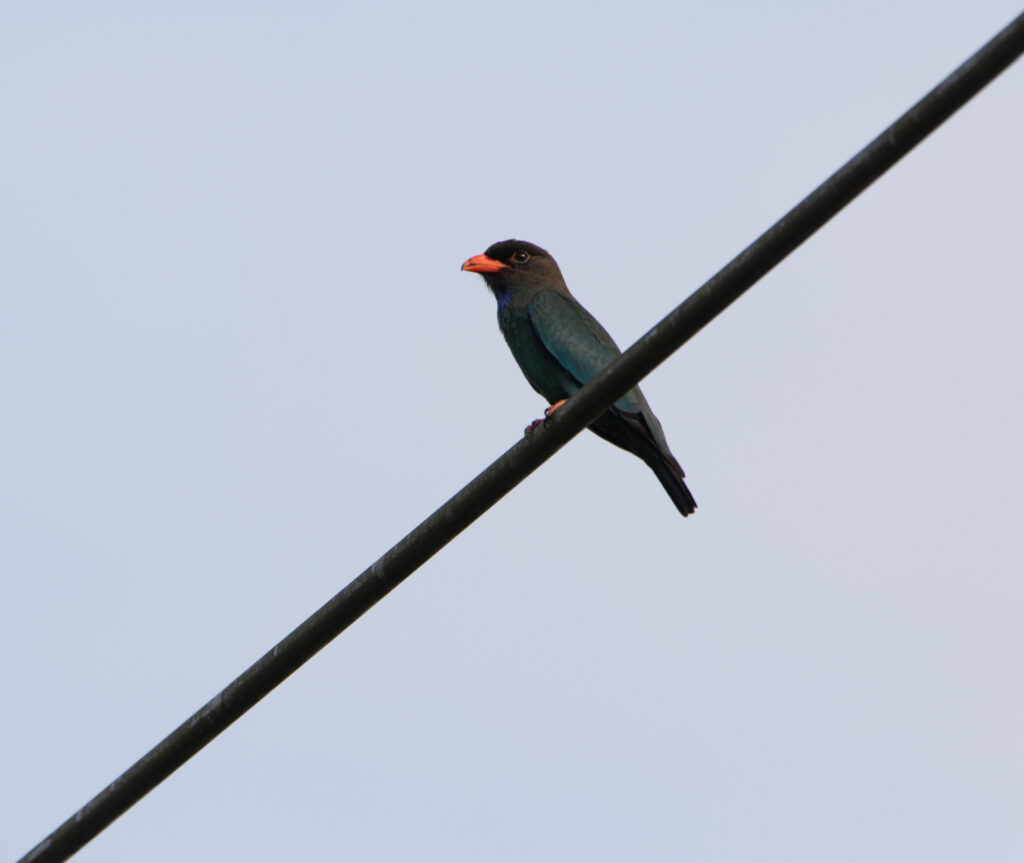
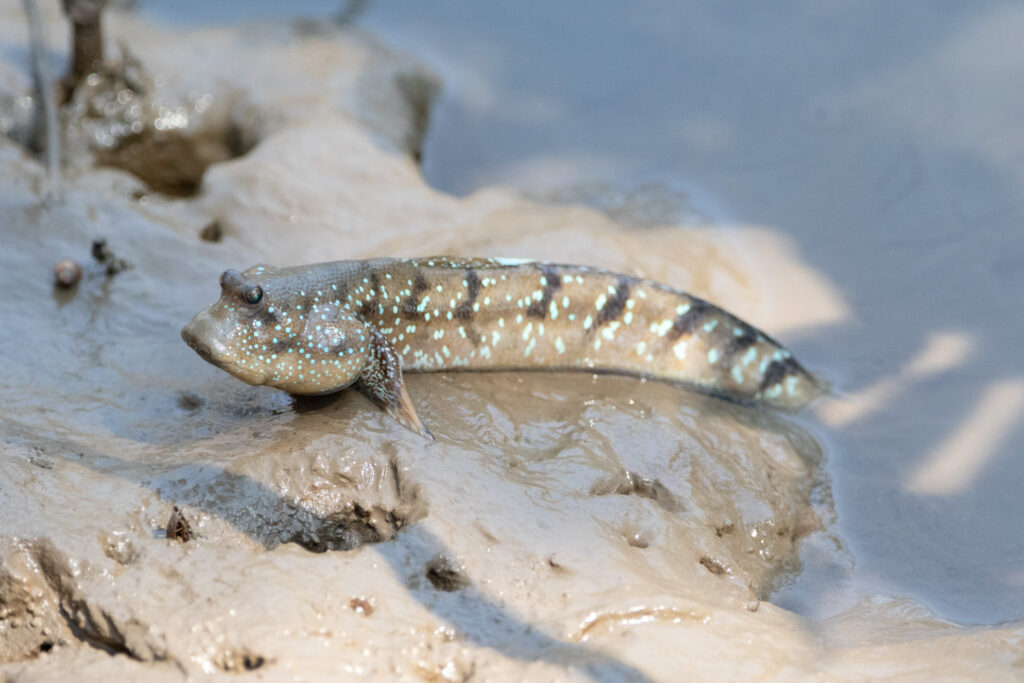
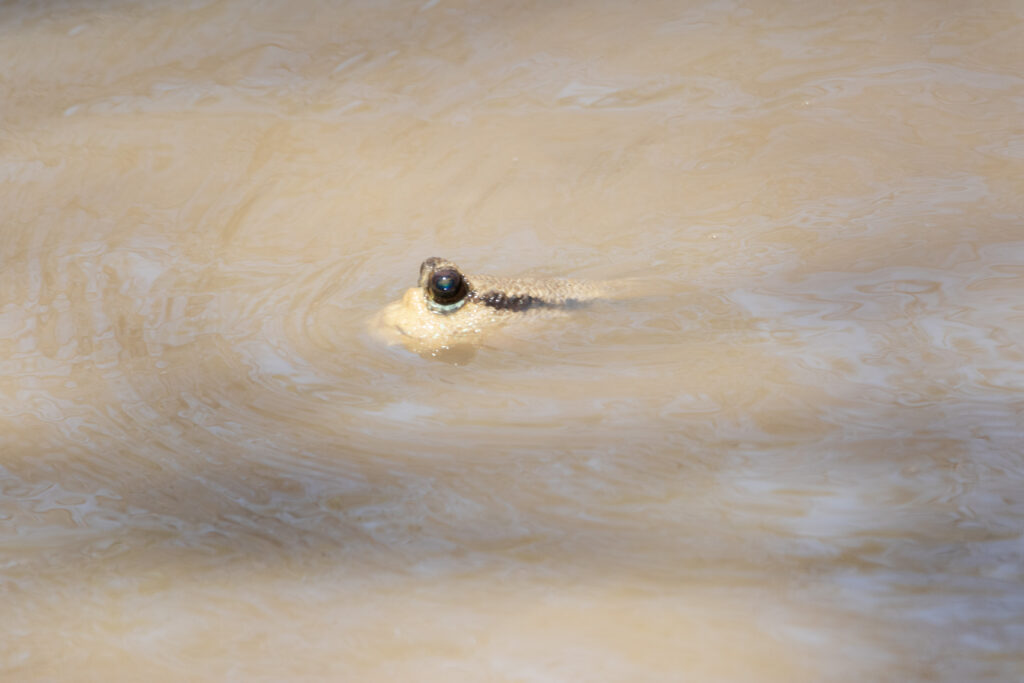
To end your visit to the Kuala Selangor reserve, you also have the option of taking a small loop (4) along boardwalks above the mangroves. In addition to the many gobies, you may see Oriental Dollarbird (Eurystomus orientalis) perched atop dead trees. Woodpeckers are also present on these same trees.
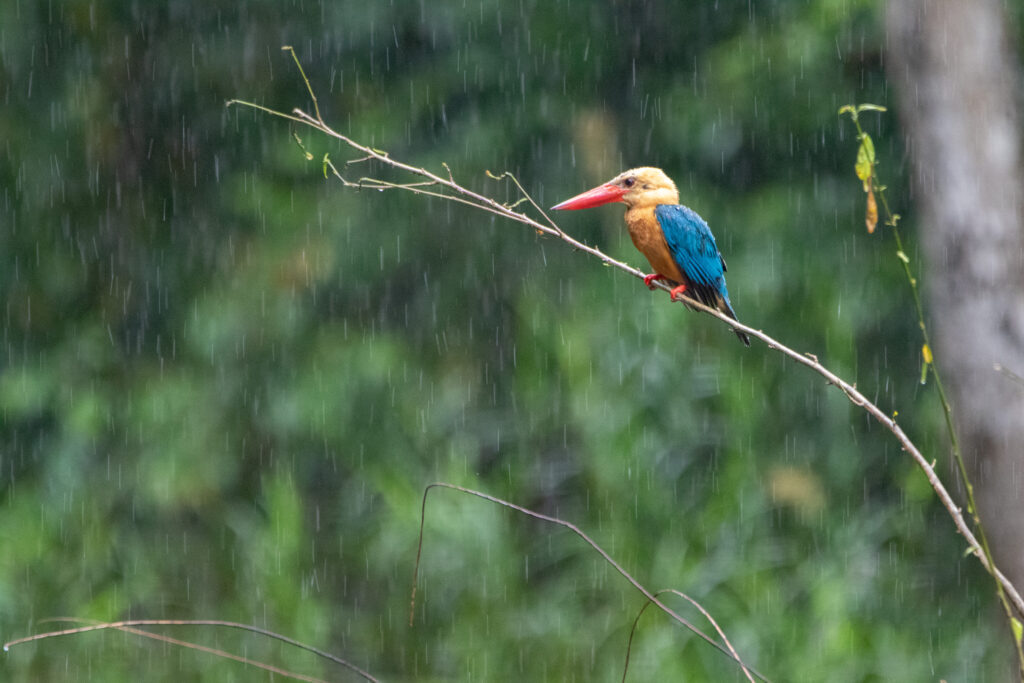
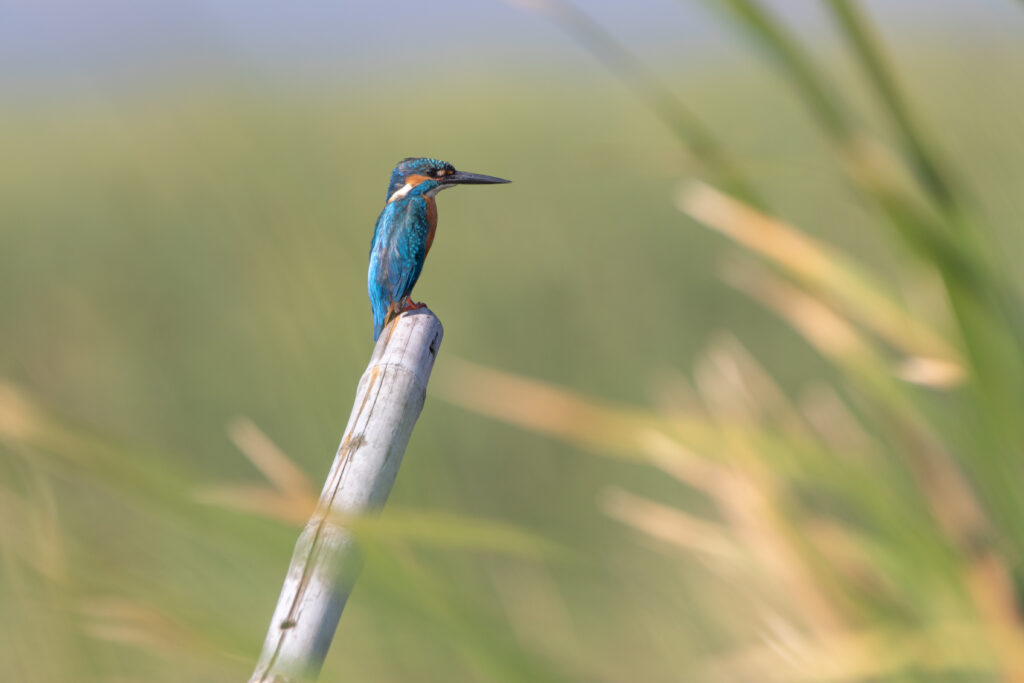
Five kingfisher species can be observed in this park, particularly around the mangroves: the familiar Collared Kingfisher (Todiramphus chloris), as well as Black-capped Kingfisher (Halcyon pileata), Stork-billed Kingfisher (Pelargopsis capensis), White-throated Kingfisher (Halcyon smyrnensis), and Common Kingfisher (Alcedo atthis).



Beach and mudflats near Jeram
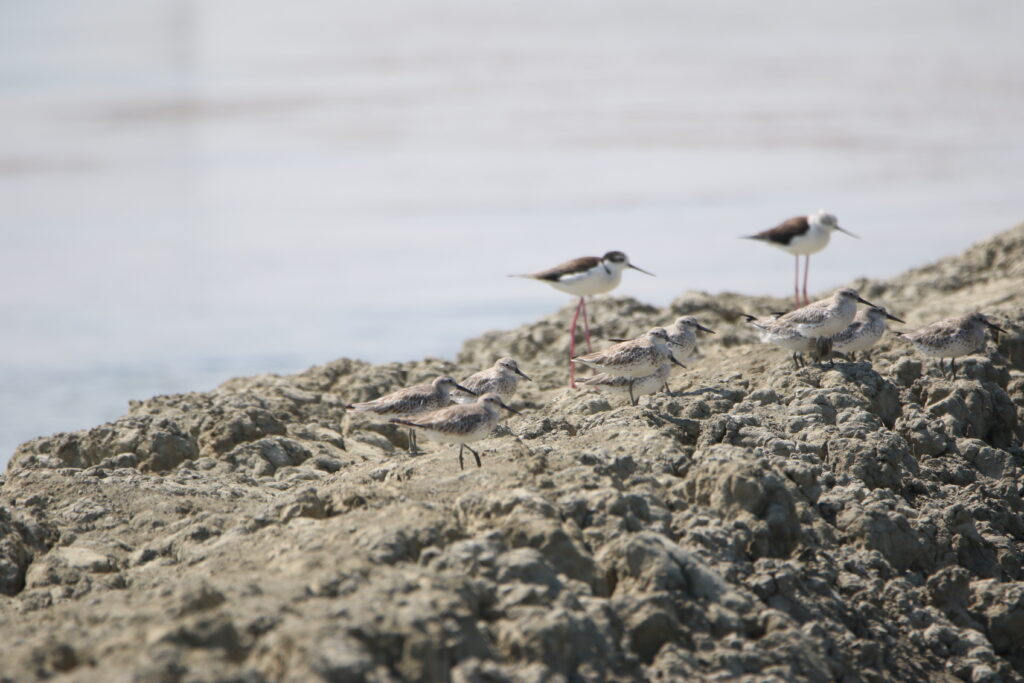
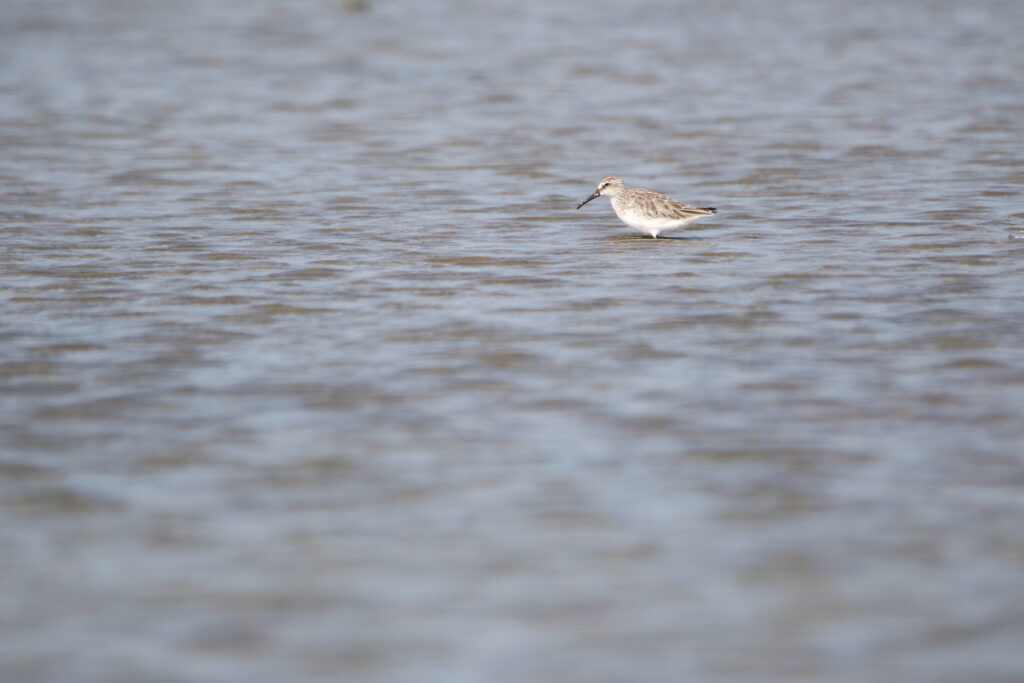
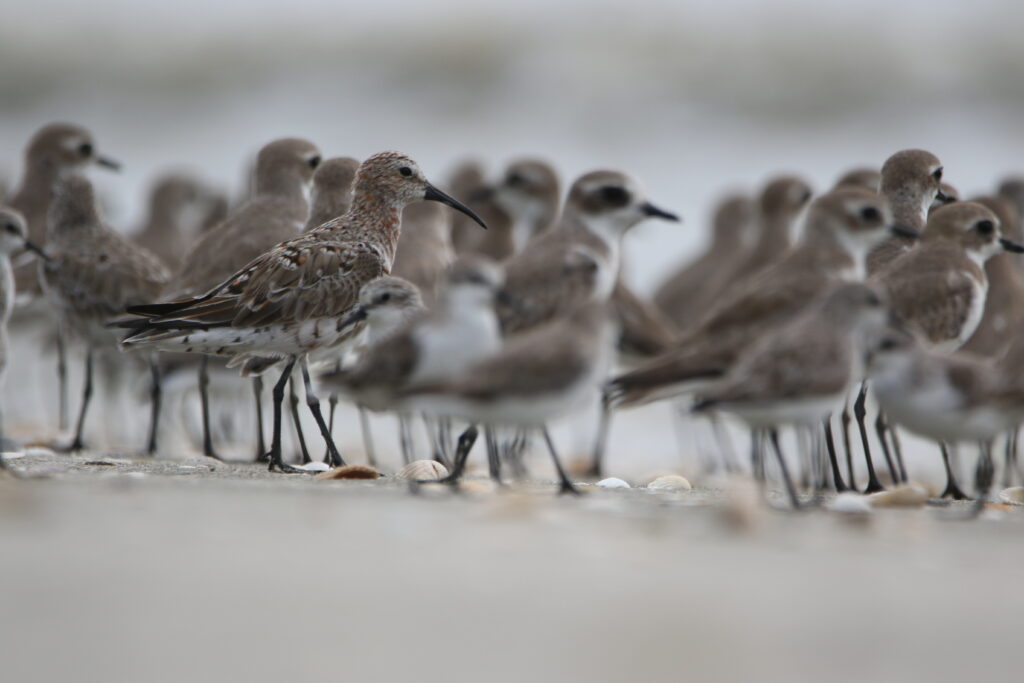
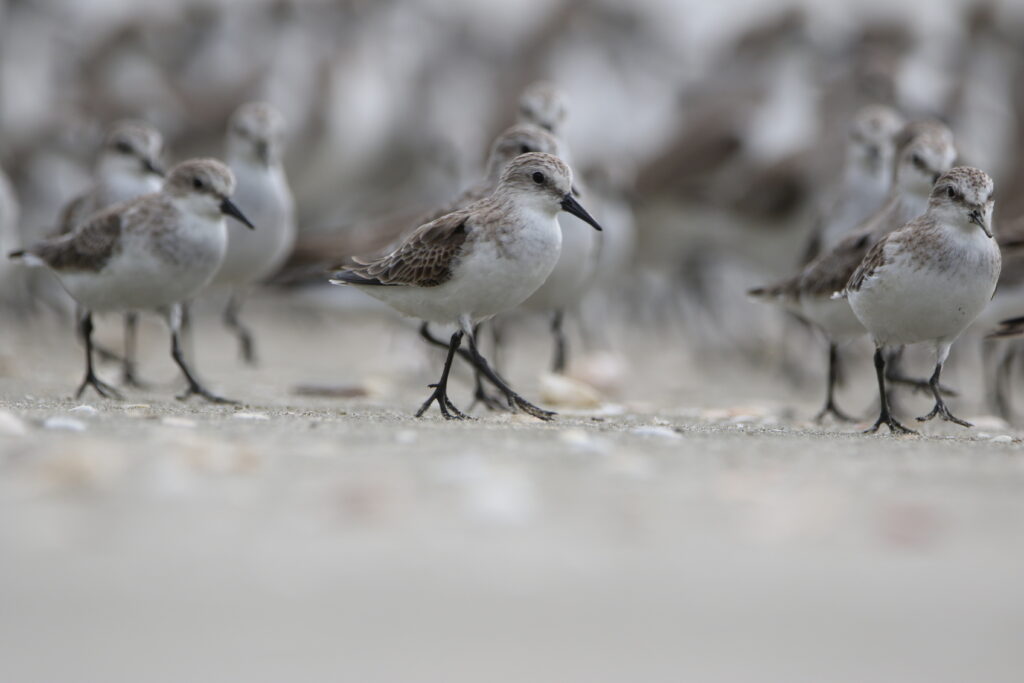
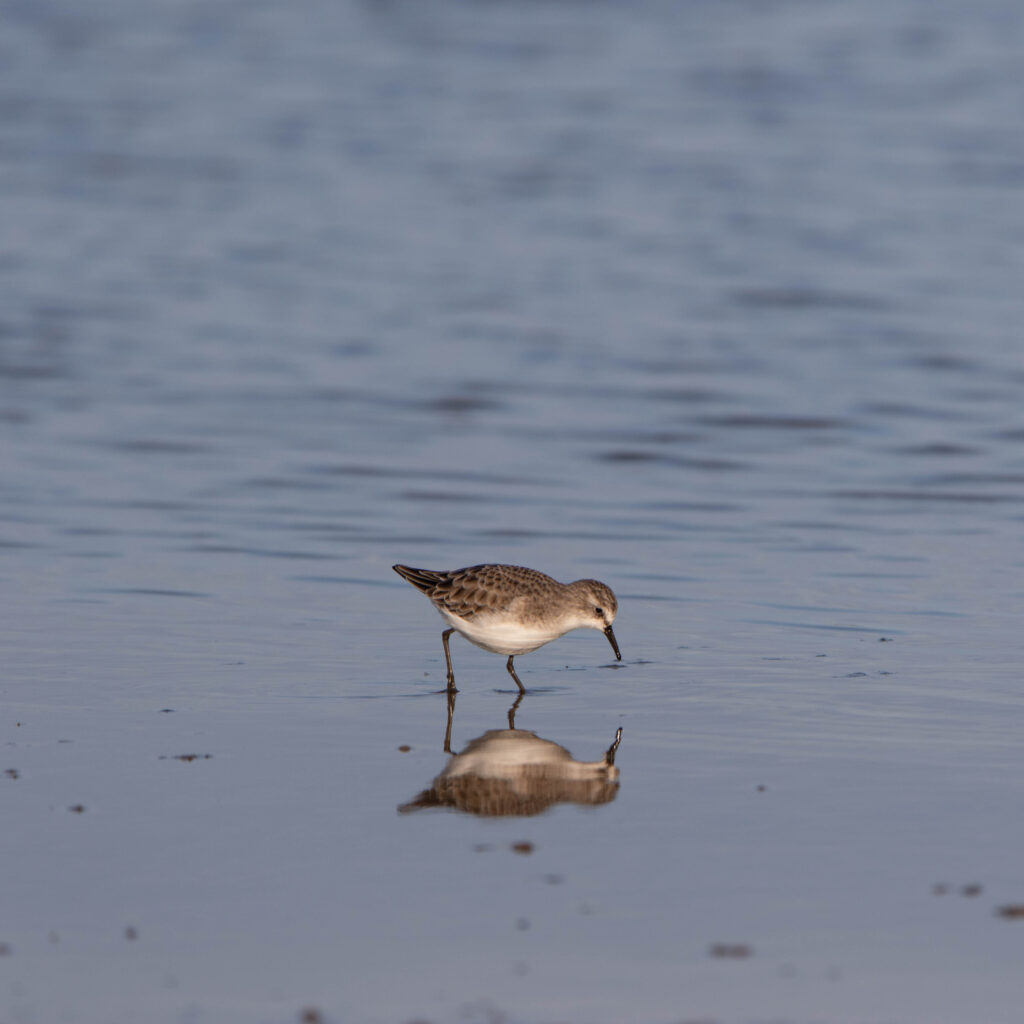
If you make the detour to Kuala Selangor, it’s worth doing a short wader session. Along the seashore, numerous mudflats attract large numbers of waders. These birds can also be found on the sandy beaches. There are several good spots along the coast, but the beaches of Jeram are particularly recommended. Once again, it can be useful to check eBird to see what has been recorded in the area in recent days.
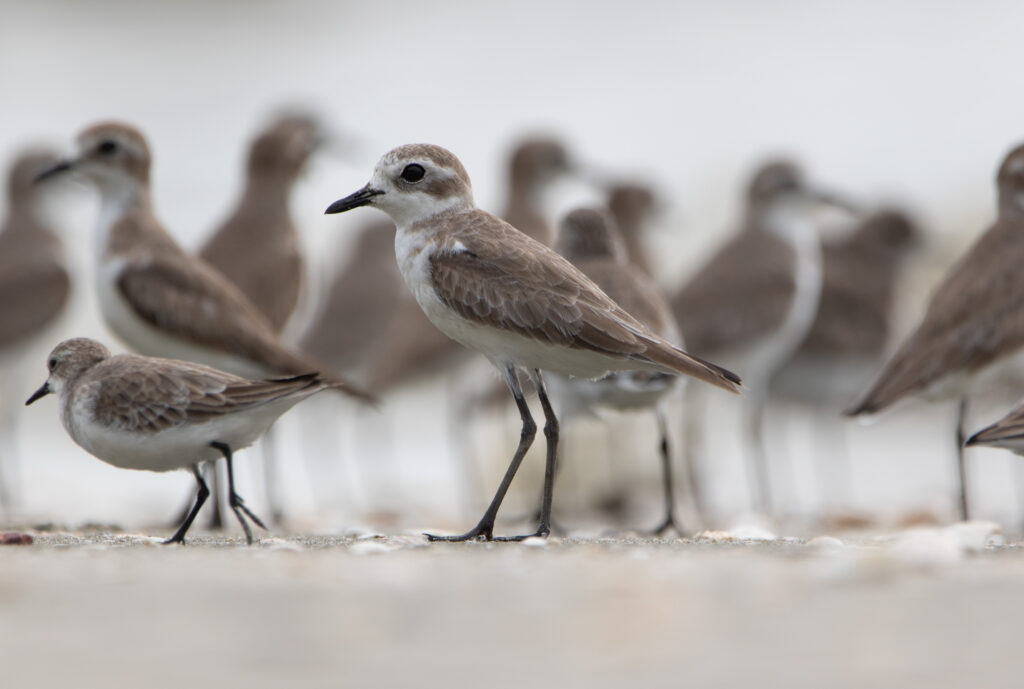
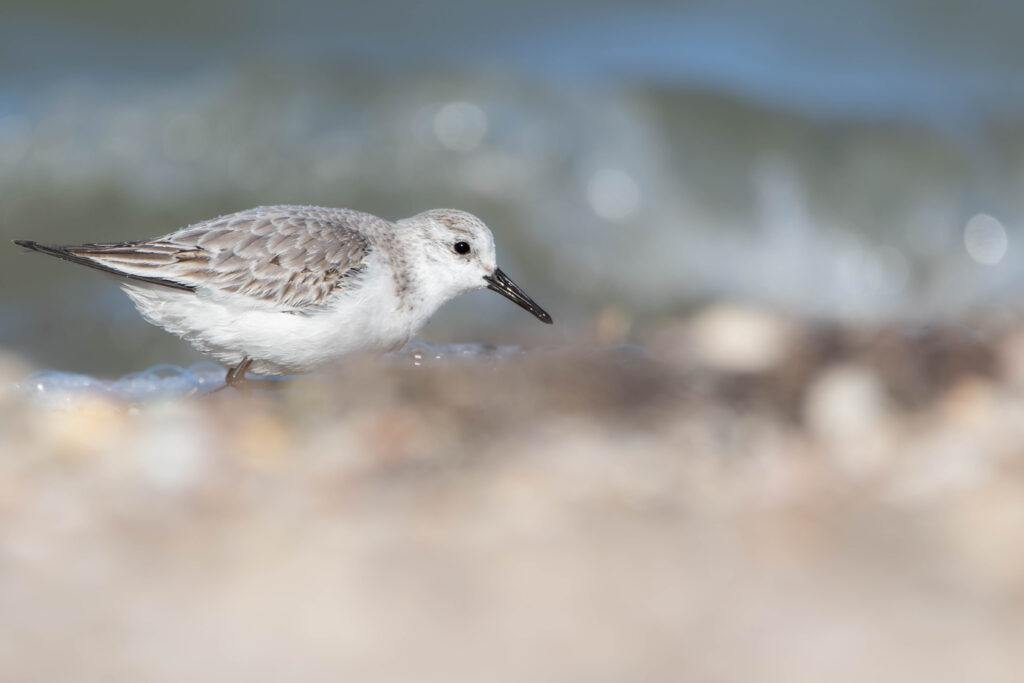
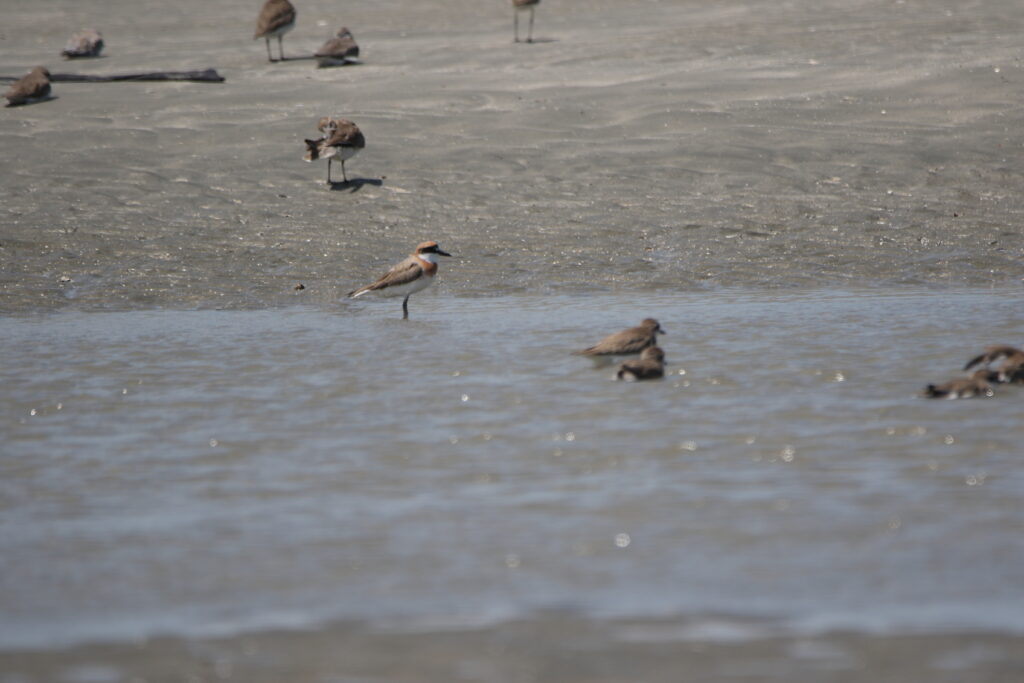
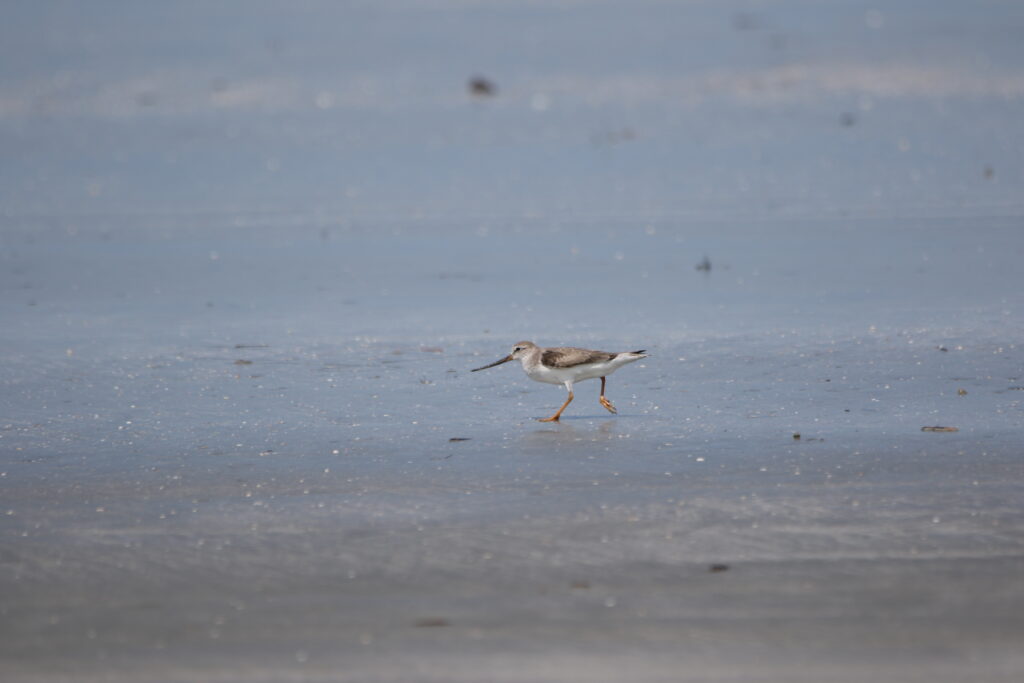
The waders that can be seen here include Broad-billed Sandpiper (Calidris falcinellus), Great Knot (Calidris tenuirostris), Curlew Sandpiper (Calidris ferruginea), and Red-necked Stint (Calidris ruficollis). Rarer species such as Red Knot (Calidris canutus), Little Stint (Calidris minuta), or Sanderling (Calidris alba) may also be observed depending on the season. Other notable targets include Lesser Adjutant (Leptoptilos javanicus), Terek Sandpiper (Xenus cinereus), and numerous plovers such as Tibetan Sand Plover (Anarhynchus atrifrons) and Greater Sand Plover (Anarhynchus leschenaultii).
Which other animals can be seen in Kuala Selengor ?
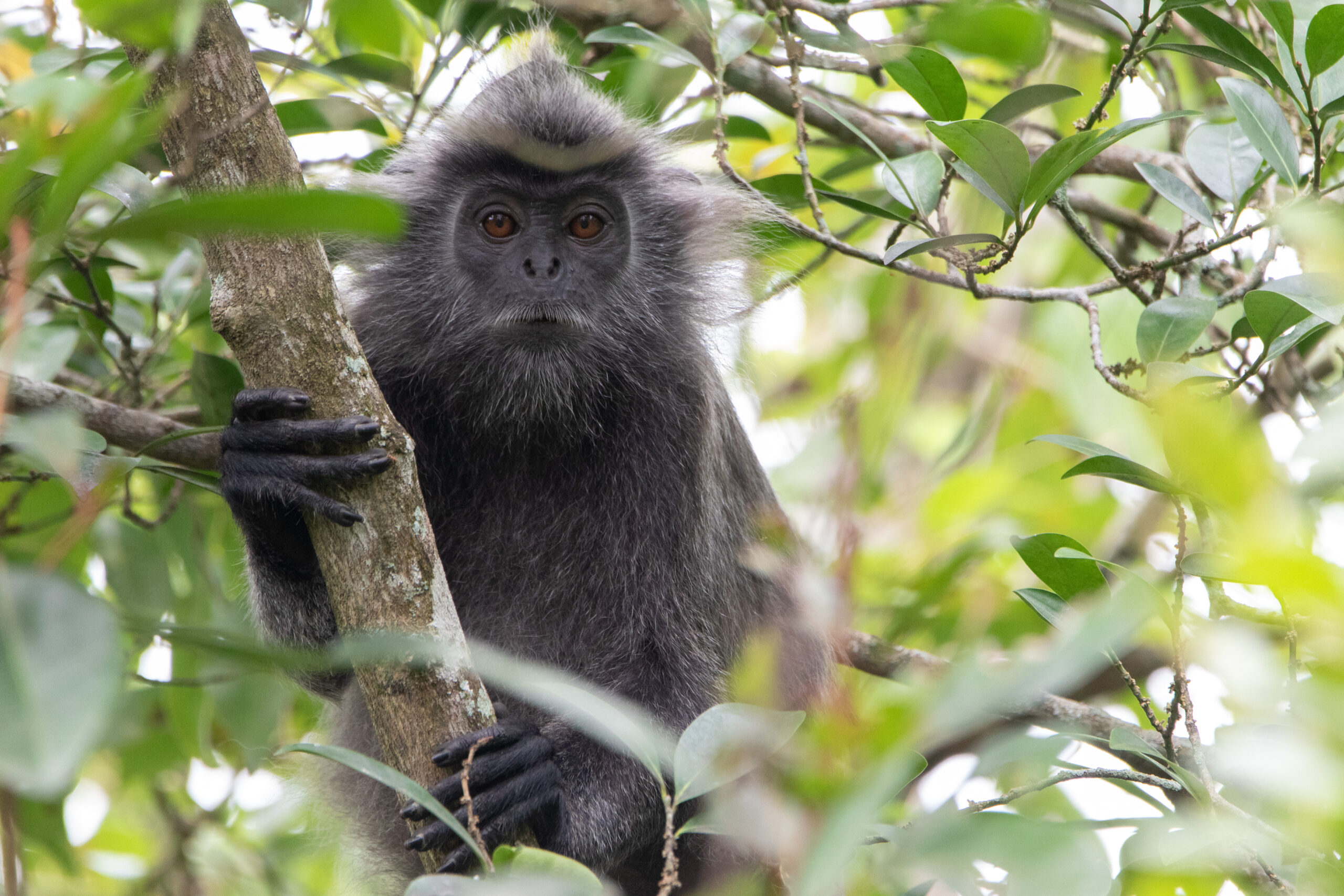
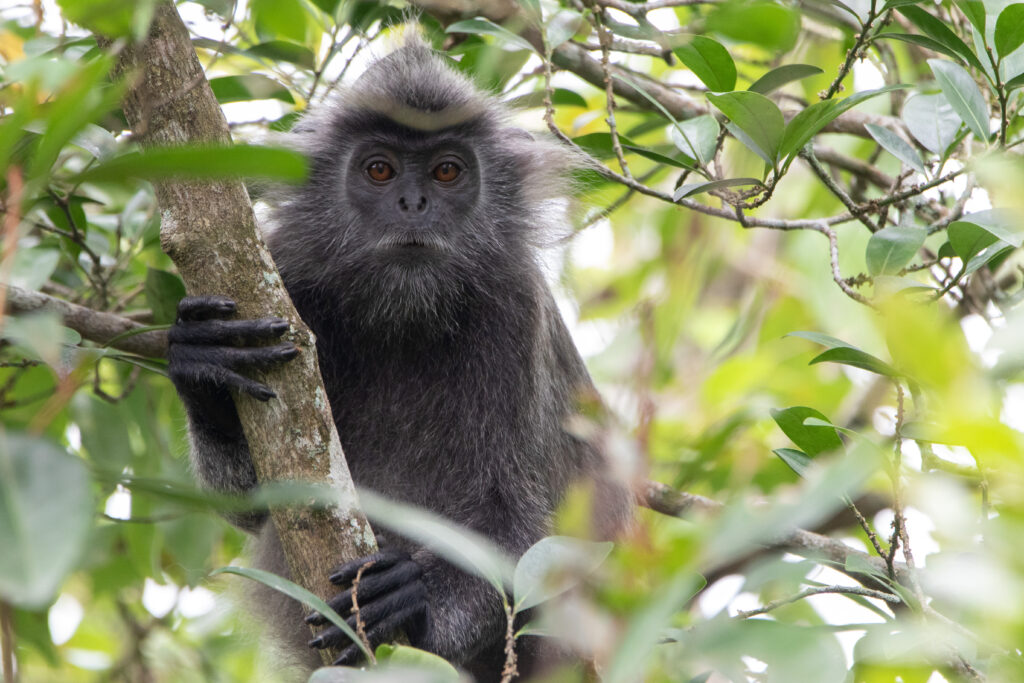
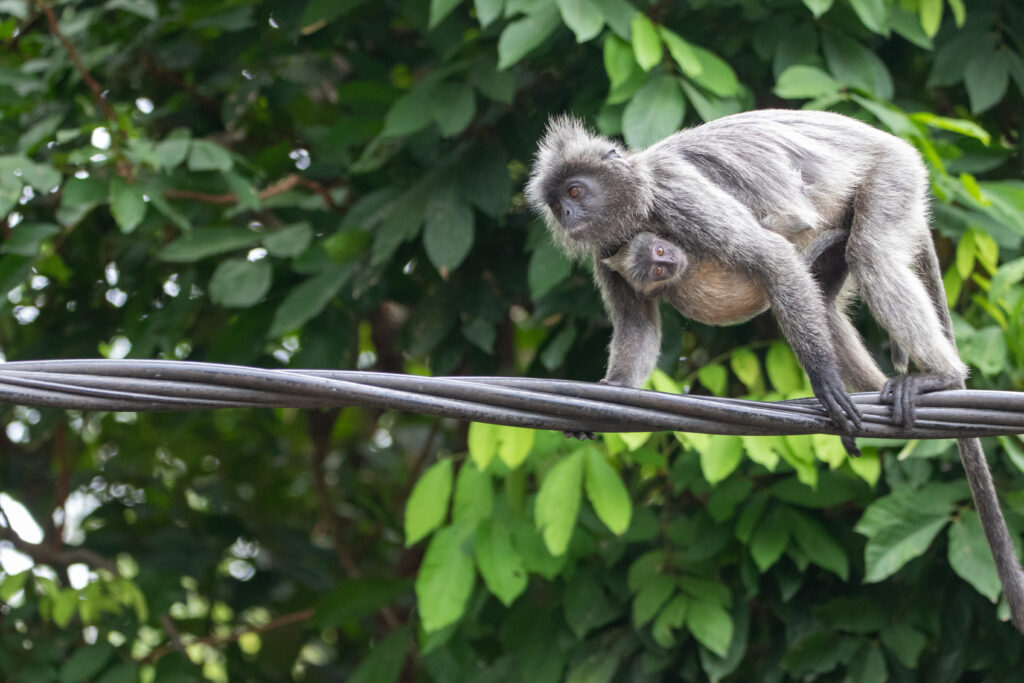
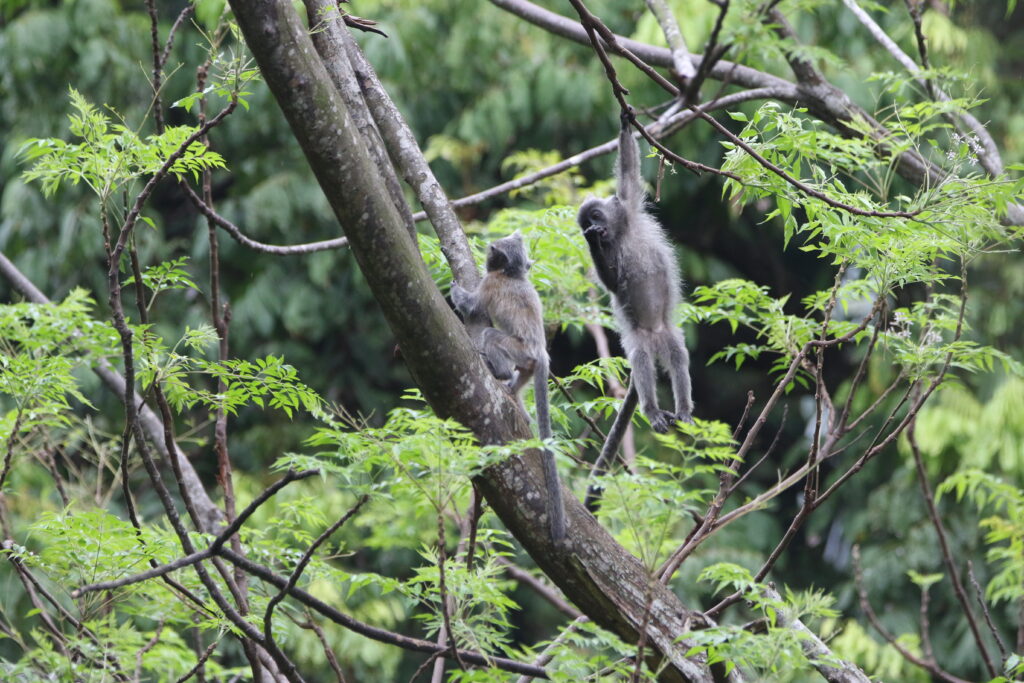
If you are a birder, you may also be interested in the local wildlife in general. Kuala Selangor is well known for one primate in particular: the Selangor Langur (Trachypithecus selangorensis), also called the Selangor Silvered Langur. This species was only recently separated from the other Silvered Langurs, although the two look very similar. Other monkeys, such as the very common Long-tailed Macaque (Macaca fascicularis) and the Dusky Langur (Trachypithecus obscurus), are also found in the park.
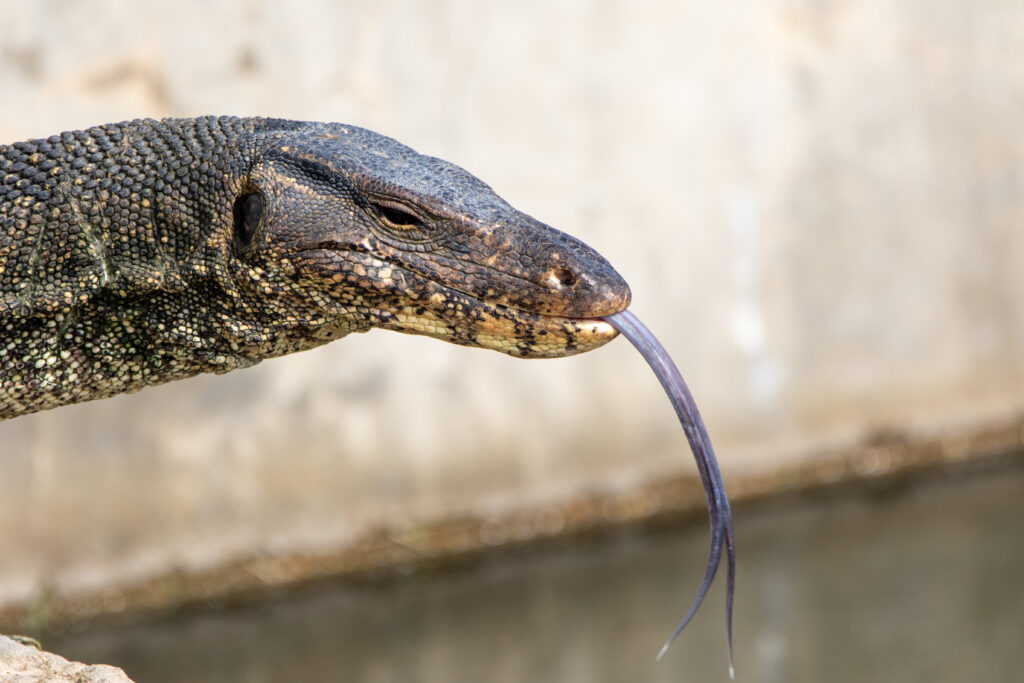
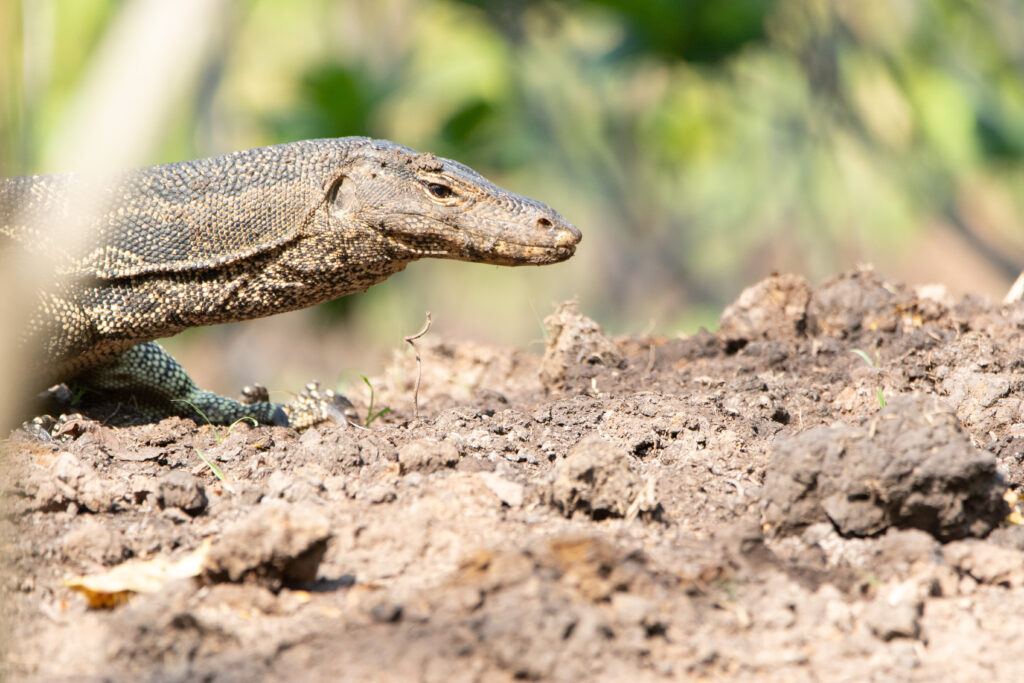
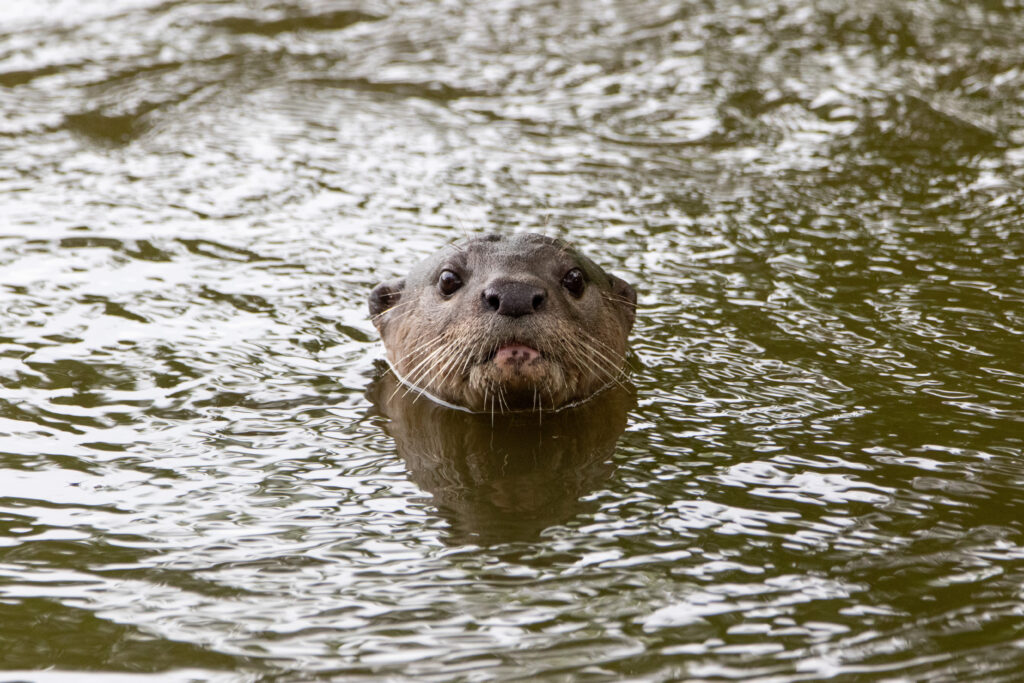
Other animals such as the Malayan Monitor Lizard, crabs, and gobies are found everywhere in the mangroves. With a bit more luck, otters may also be spotted in the park.
How to get to Kuala Selengor ?
To reach Kuala Selangor with your own car, you will have no difficulty apart from traffic if you are coming from the capital, Kuala Lumpur.
By public transport, the journey is much longer. You must first take a bus from Kuala Lumpur to Klang, then a second bus from Klang to Kuala Selangor. The trip is rather tedious and takes several hours. If you want to save money, this is the best option, but you will lose quite a bit of time.
The last possibility, a little more expensive but much more comfortable, is to use a taxi or the Grab app, which works very well here.
Where to stay in Kuala Selengor ?
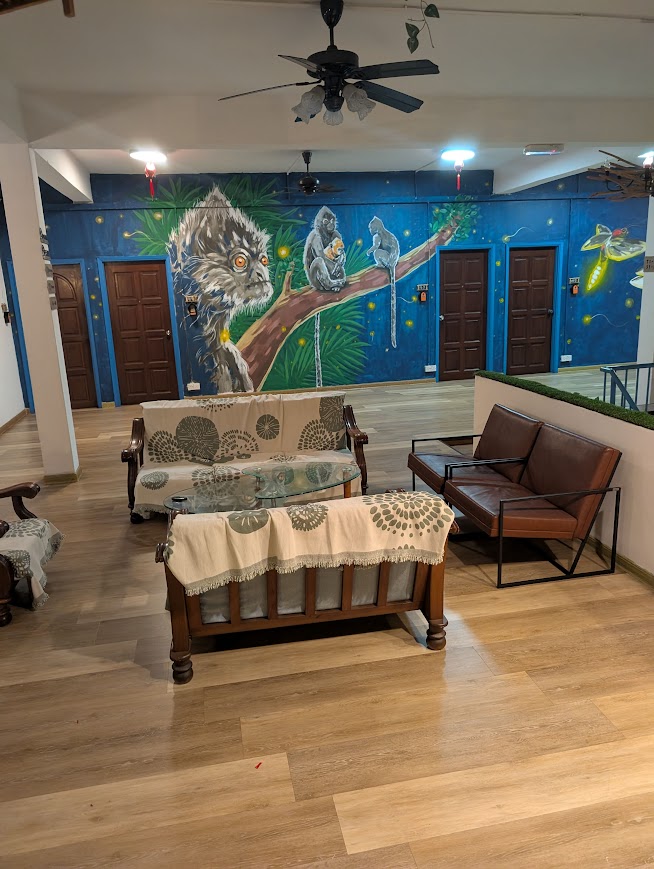
Finding a hotel in Kuala Selangor is not difficult either, as there are several options available. I personally stayed at Dizhu Guesthouse, which offered very comfortable rooms and a shared bathroom, all for a low budget. With a more generous budget, you can choose the De Palma Resort, which also allows for some birdwatching directly from its gardens.