


Self-Birding Trip Report : New Zealand South Island
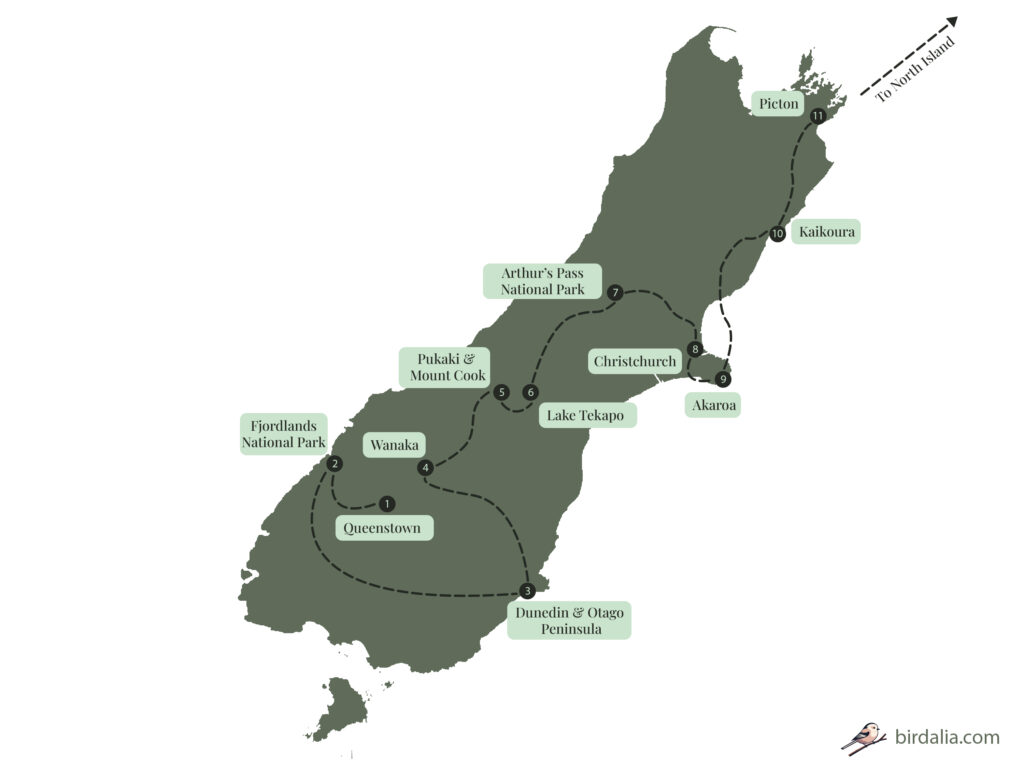
Welcome to this birdwatching trip report dedicated to New Zealand’s South Island! Here we share our 17-day self-guided journey across this stunning mountainous island of Middle-earth. We planned an itinerary not solely focused on birding, but based on our interests, time, and budget. It allowed us to discover the breathtaking landscapes of the South Island while encountering incredible wildlife.
Although New Zealand’s birdlife is not as diverse as that of neighbouring Australia, it still hosts some remarkable species, especially pelagic ones. Through this journey, you’ll discover our first encounters with albatrosses, takahē, penguins, and many other birds of the region!
Arrival on the South Island
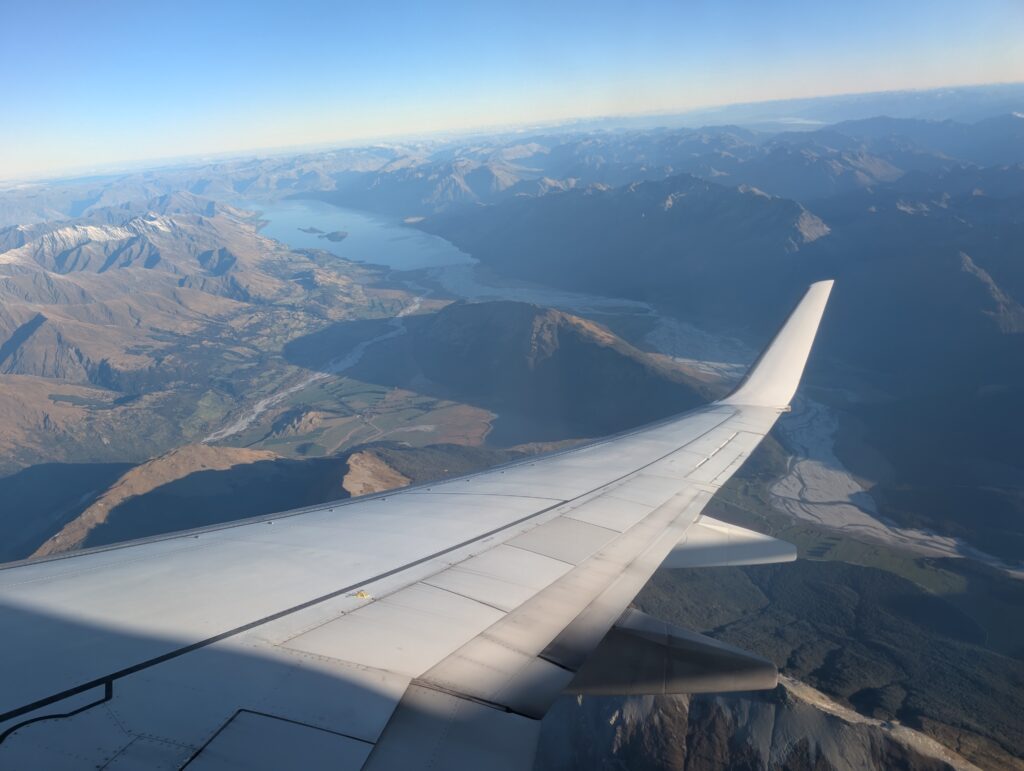
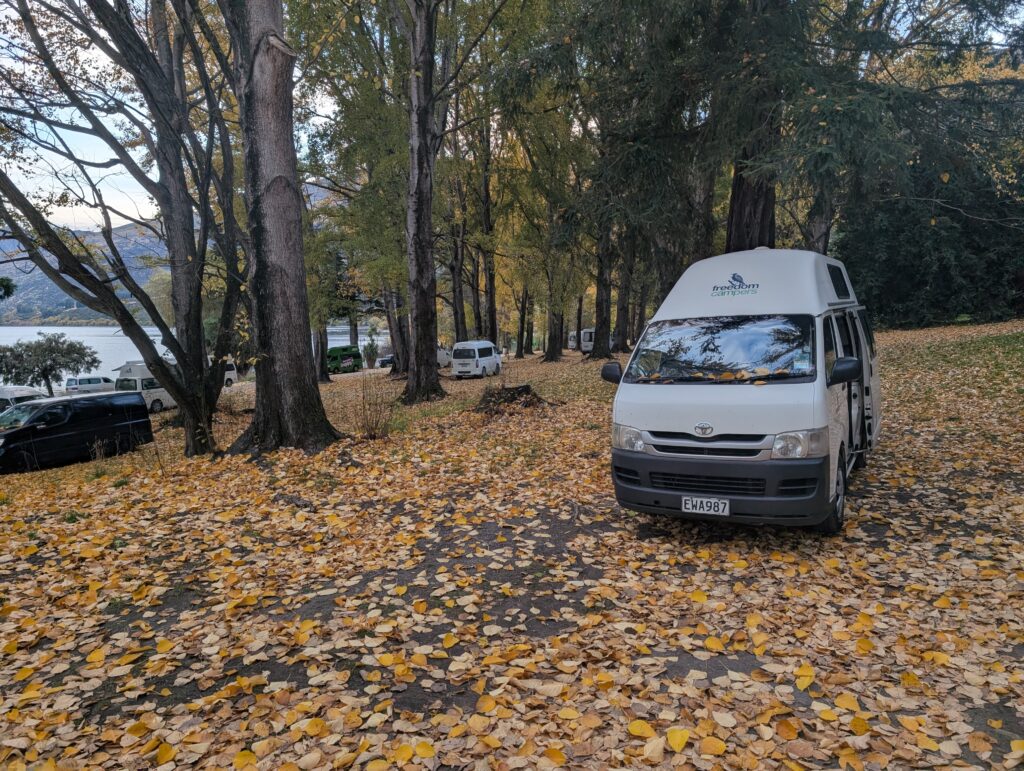
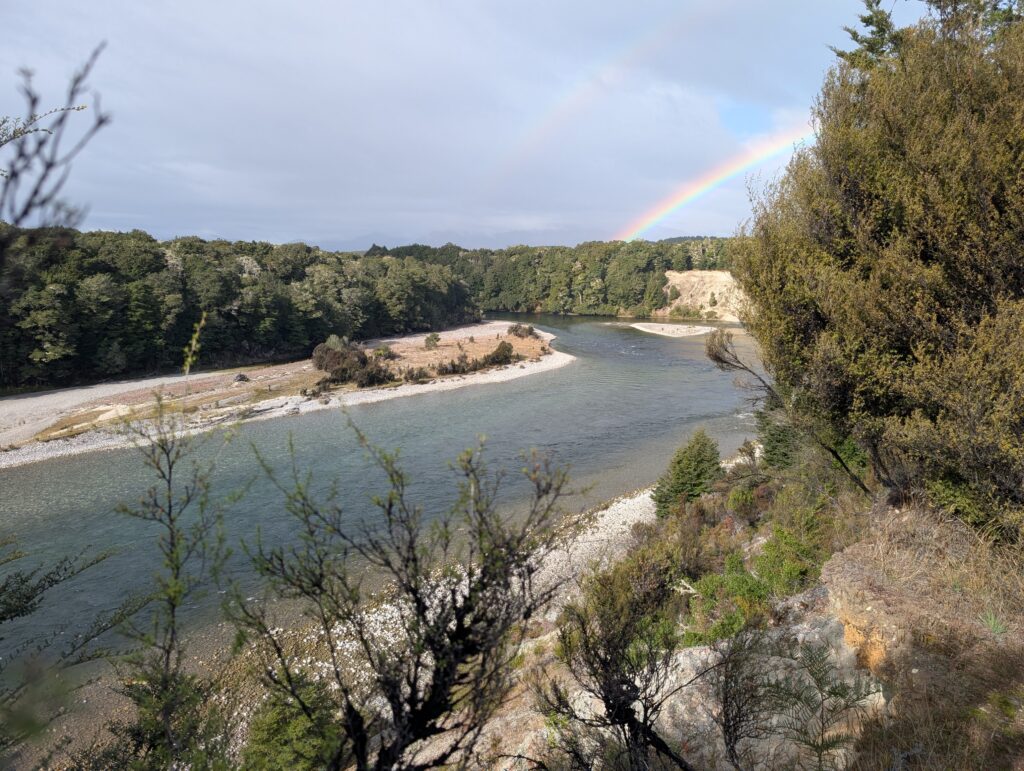
To begin our trip in New Zealand, we landed in Queenstown on the South Island. The first step was to pick up our campervan — our home on wheels — which would accompany us throughout the journey.
Kingston Lake
Our birdwatching journey in New Zealand truly begins after a night by Lake Wakatipu, at Kingston Lake Camp.
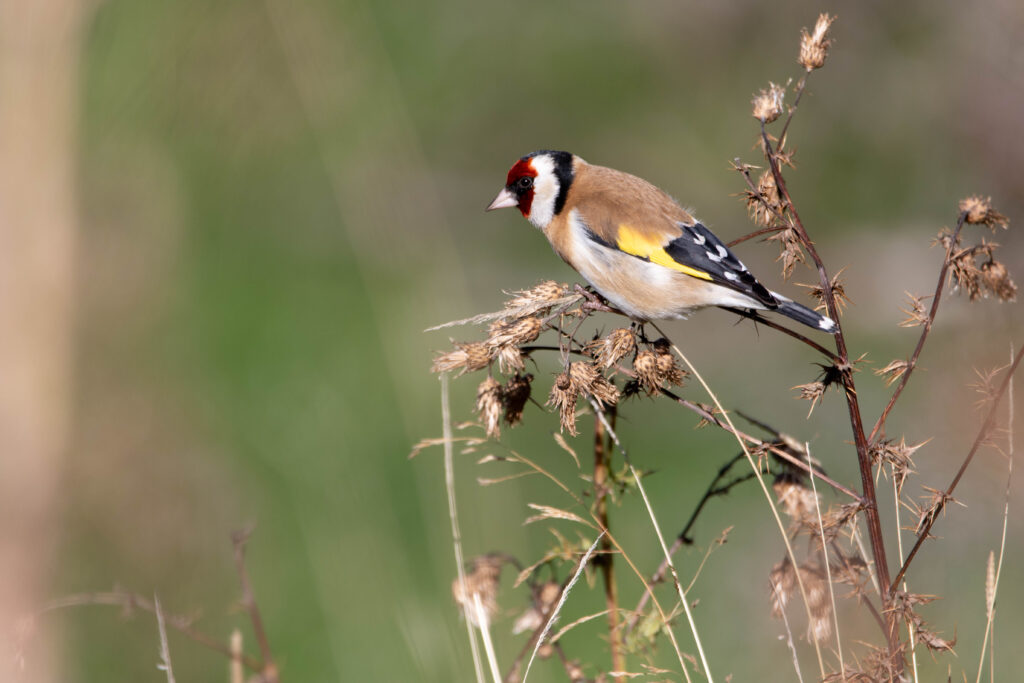
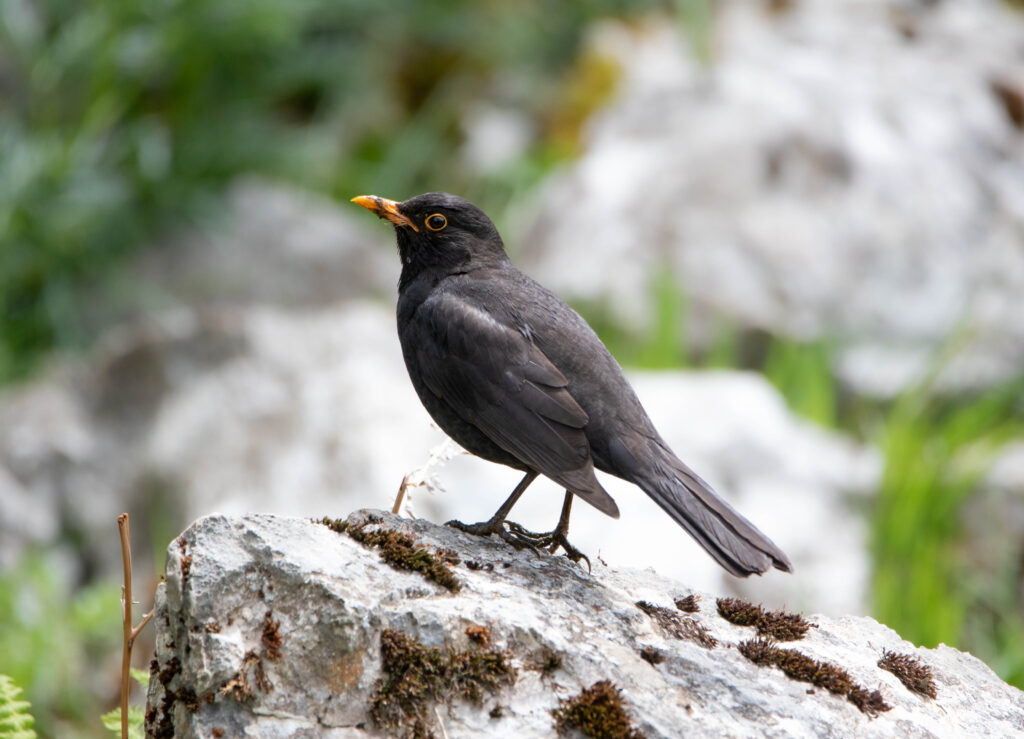
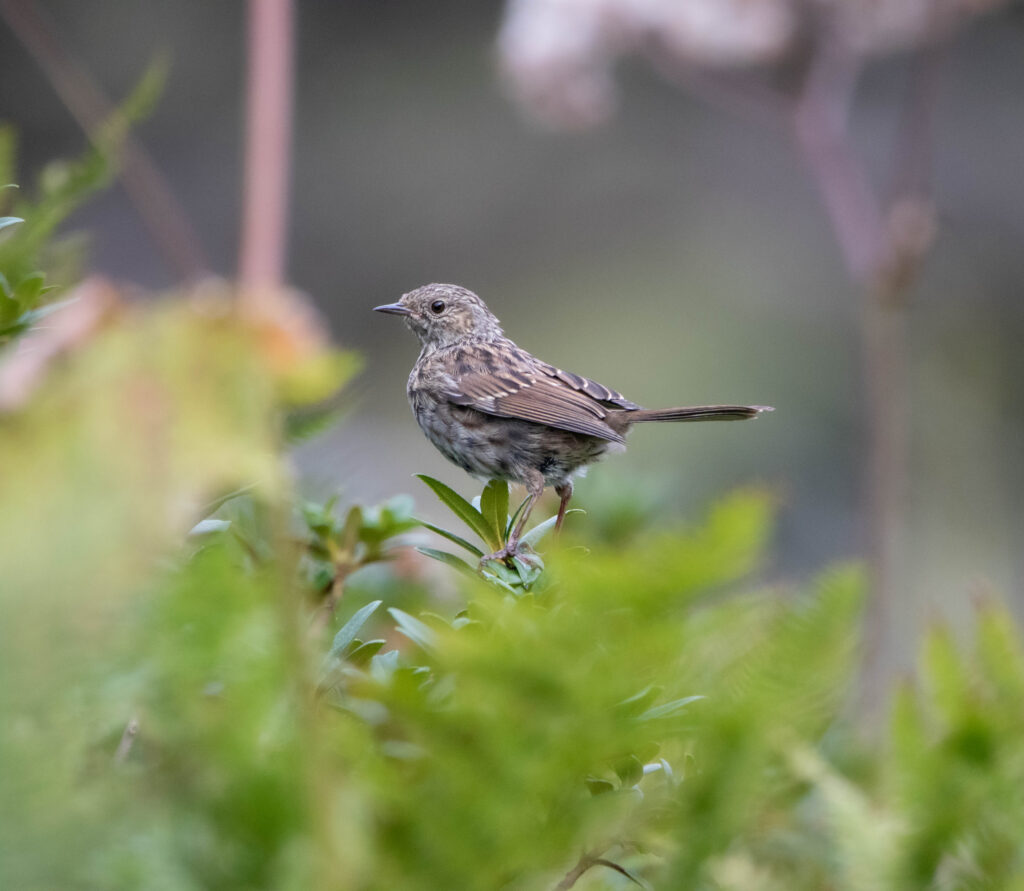
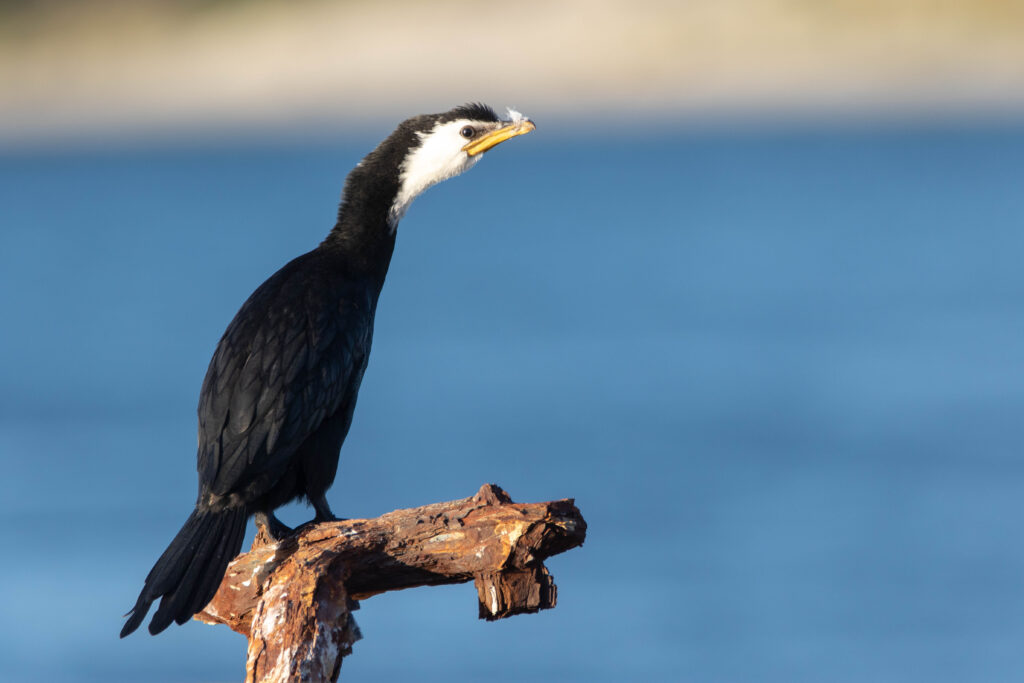
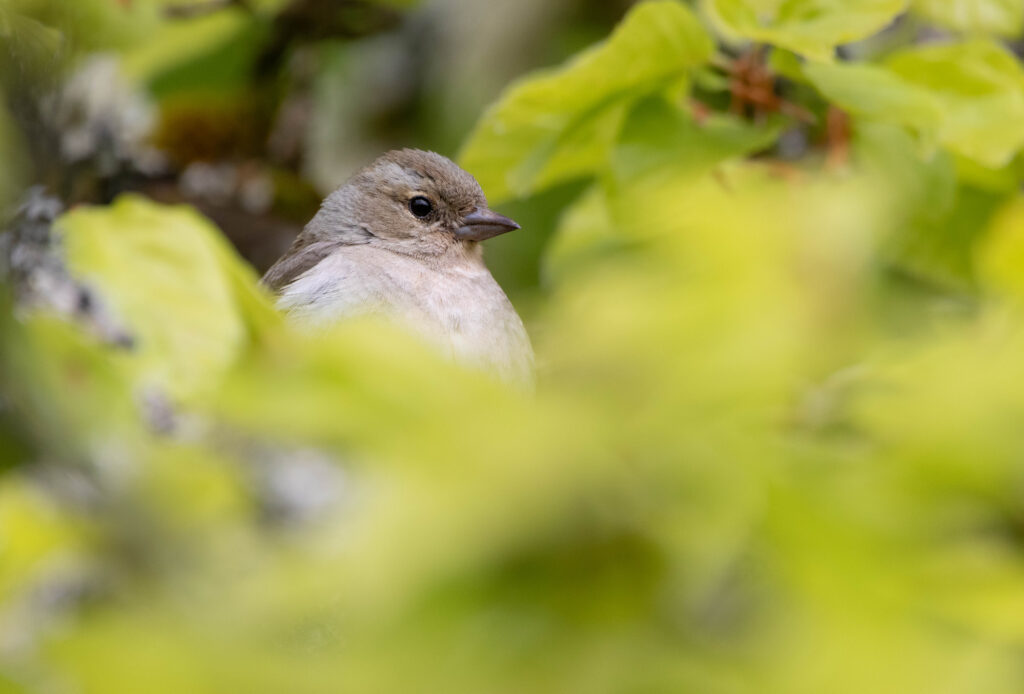
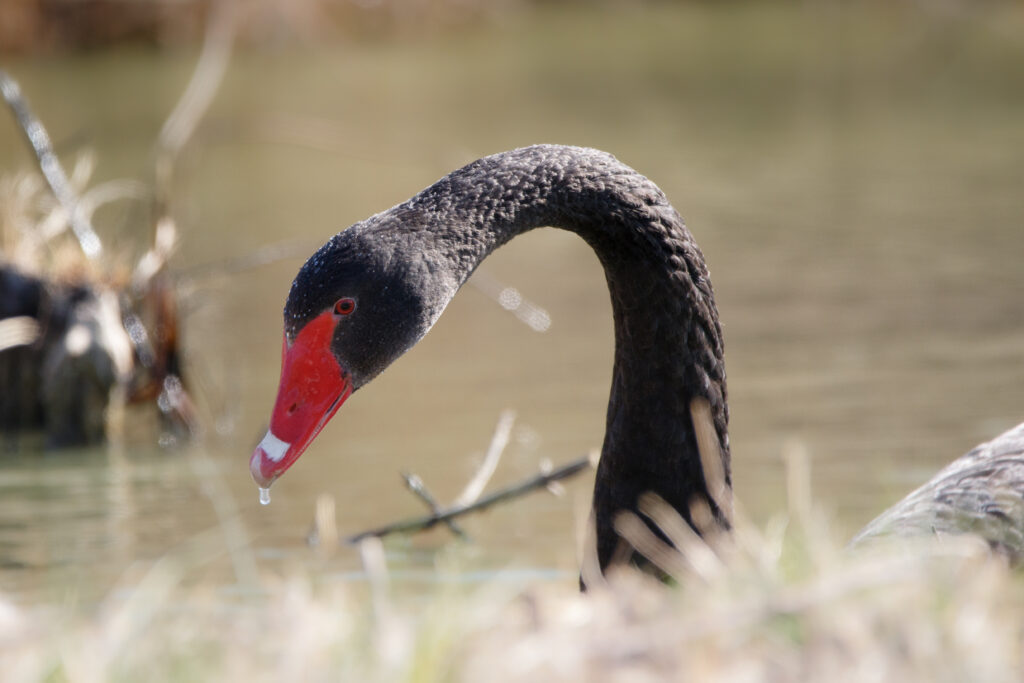
This is where we had our first encounters with local species. But the first surprise came quickly: we realized that many species had been introduced from Europe or Australia over the past centuries. As Europeans arriving from Australia, we had already seen many of these species before. So we were surprised to come across Common Blackbird (Turdus merula), Common Starling (Sturnus vulgaris), Dunnock (Prunella modularis), Eurasian Chaffinch (Fringilla coelebs), and European Goldfinch (Carduelis carduelis). Among waterbirds, we also observed Black Swan (Cygnus atratus), Great Crested Grebe (Podiceps cristatus), and Little Pied Cormorant (Microcarbo melanoleucos).
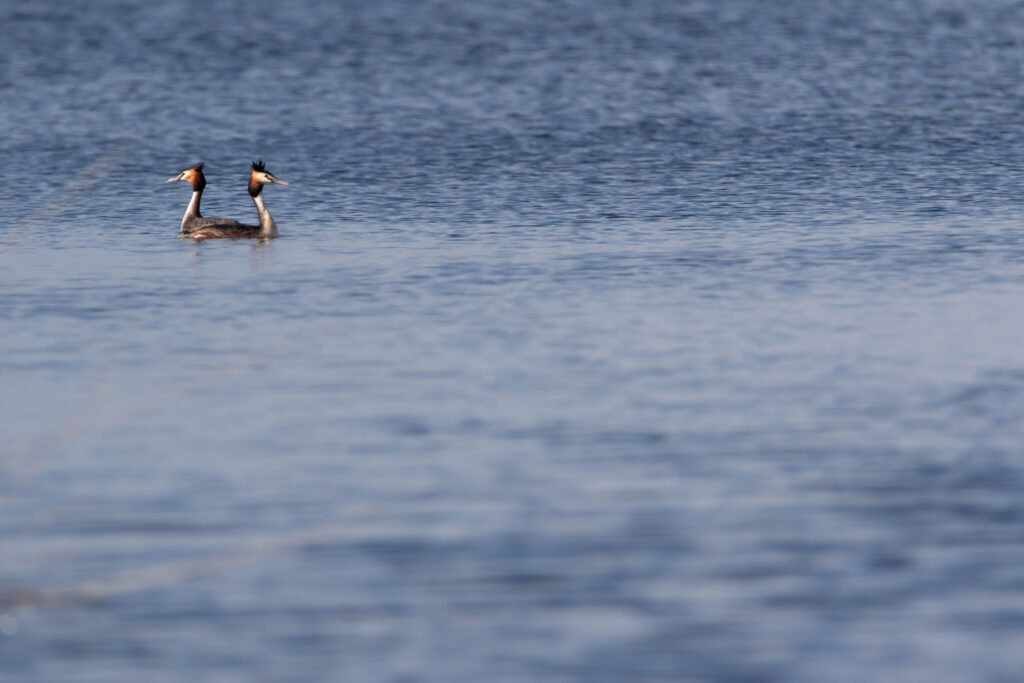
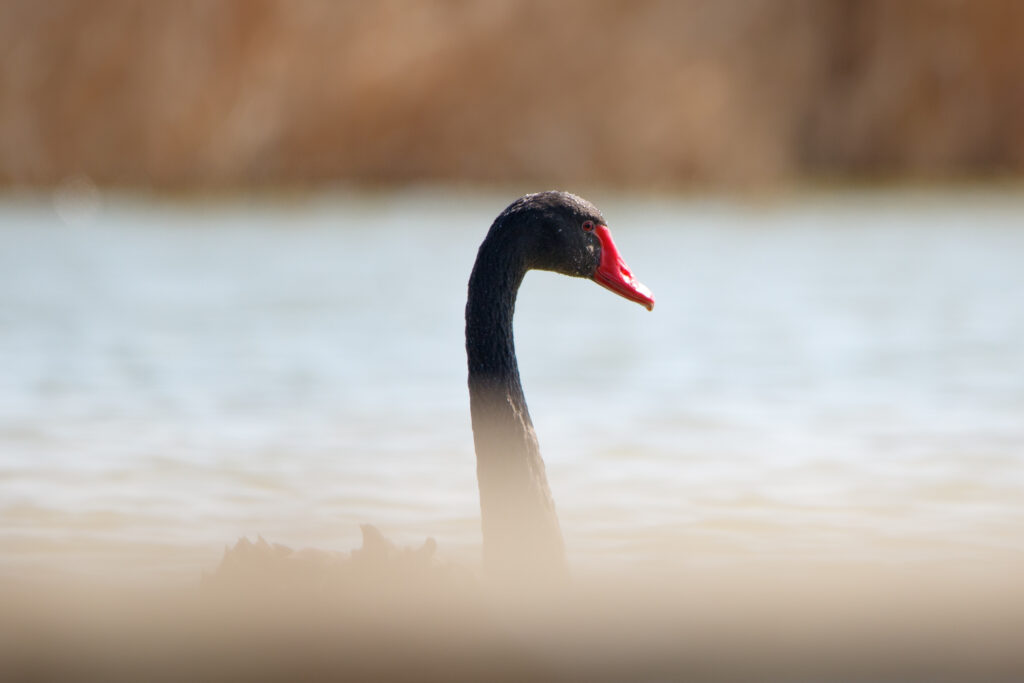
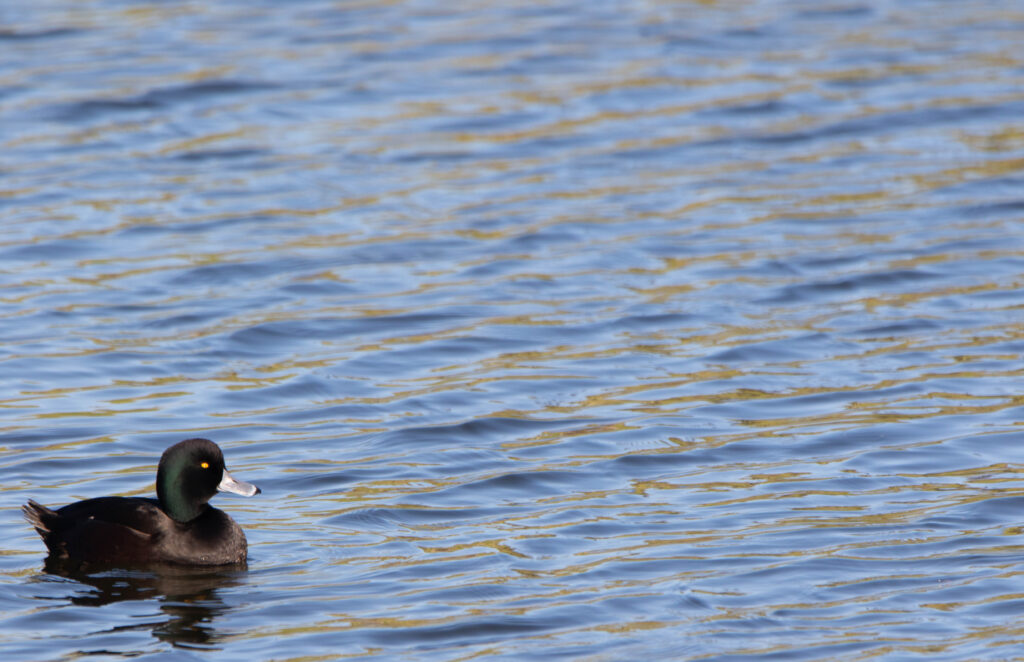
Let’s now focus on the species that were new to us. We encountered New Zealand Bellbird (Anthornis melanura), New Zealand Falcon (Falco novaeseelandiae), and New Zealand Scaup (Aythya novaeseelandiae) on the lake.
Te Anau
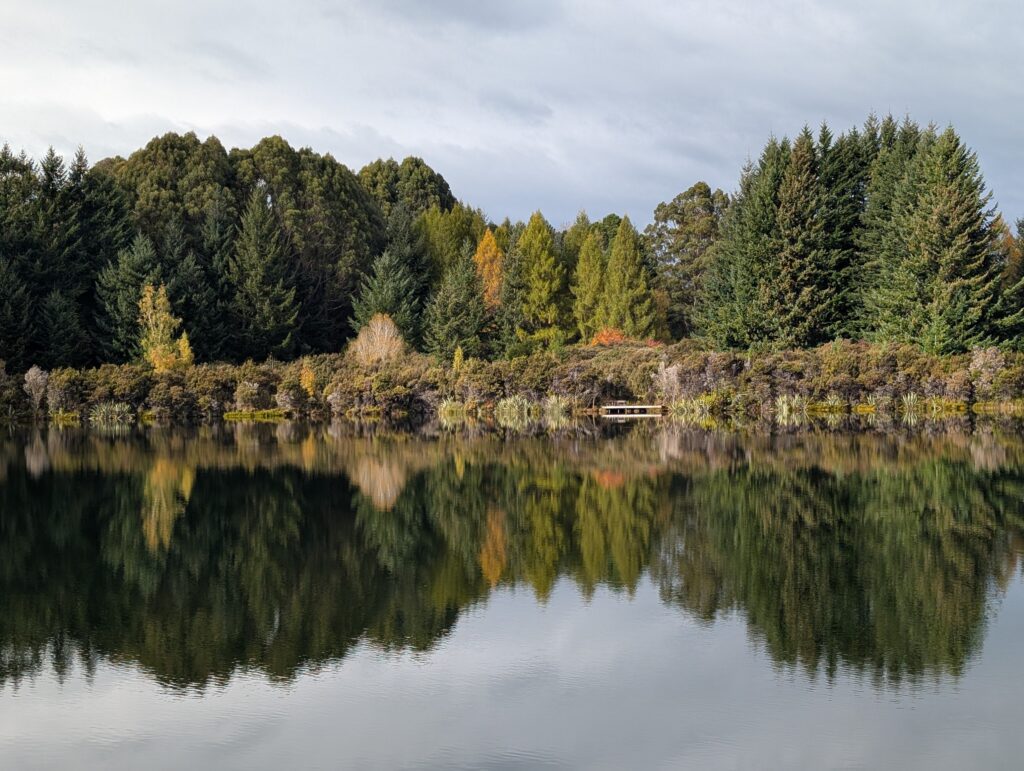
As our goal was to reach Milford Sound, we then headed towards Te Anau. It may not seem obvious on the map, but distances in New Zealand are quite long. So we made a short stop at Lake Henry and its small park.
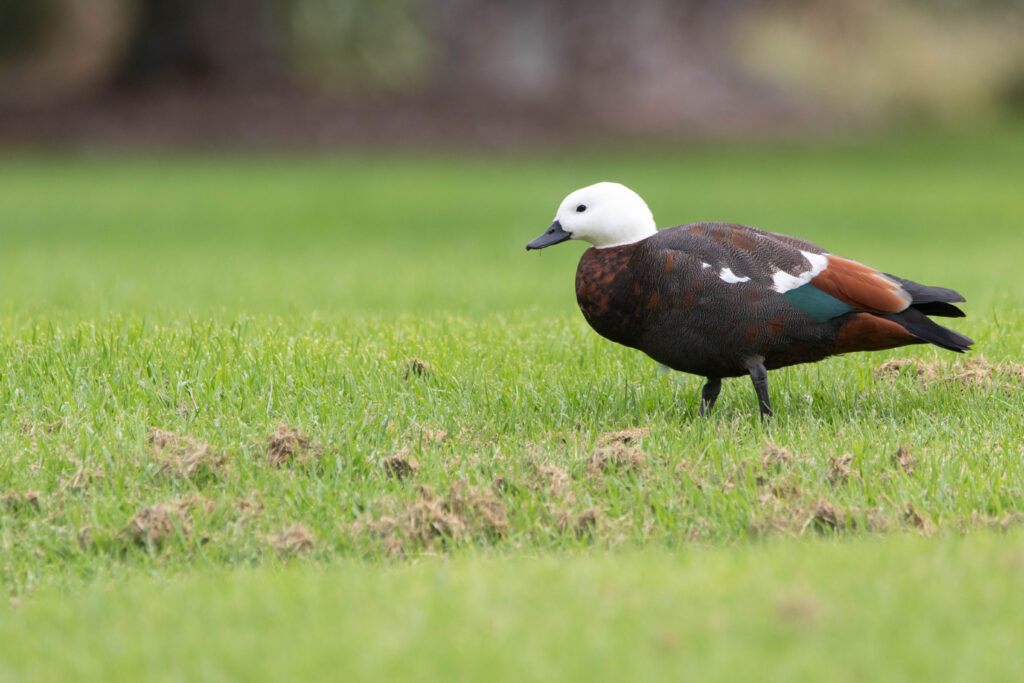
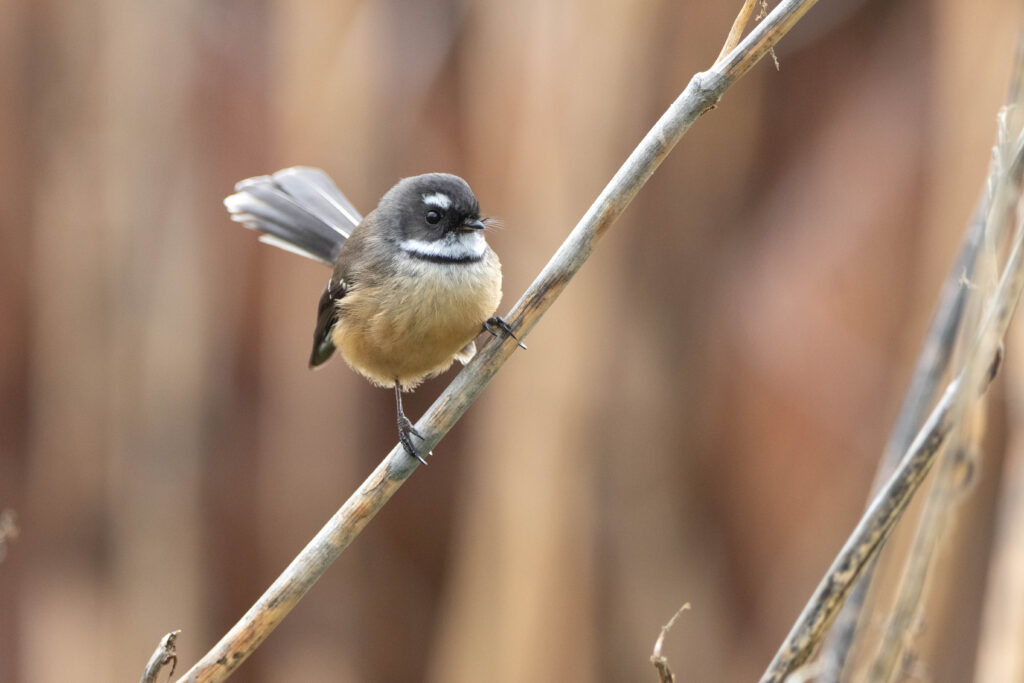
It’s a pleasant loop through forest around a lake where we once again saw Black Swans (Cygnus atratus), Great Crested Grebes (Podiceps cristatus), and even Mallards (Anas platyrhynchos). It was autumn, and the colours were stunning. We also encountered New Zealand Fantail (Rhipidura fuliginosa), Paradise Shelduck (Tadorna variegata), and Grey Gerygone (Gerygone igata).
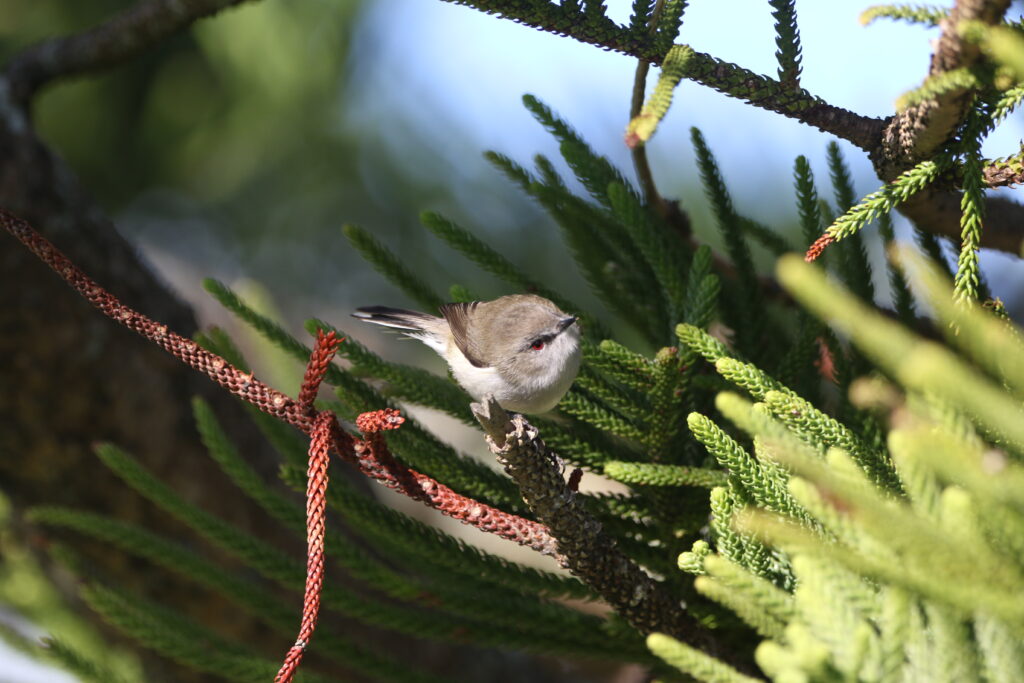
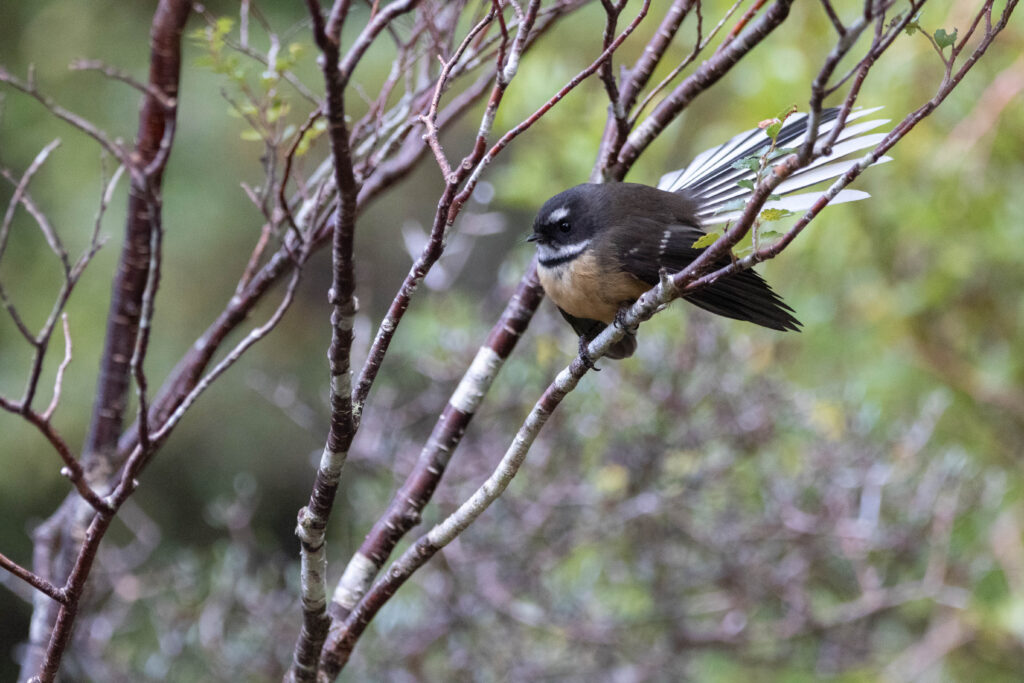
Let’s go to Milford Sound
Eglinton Valley
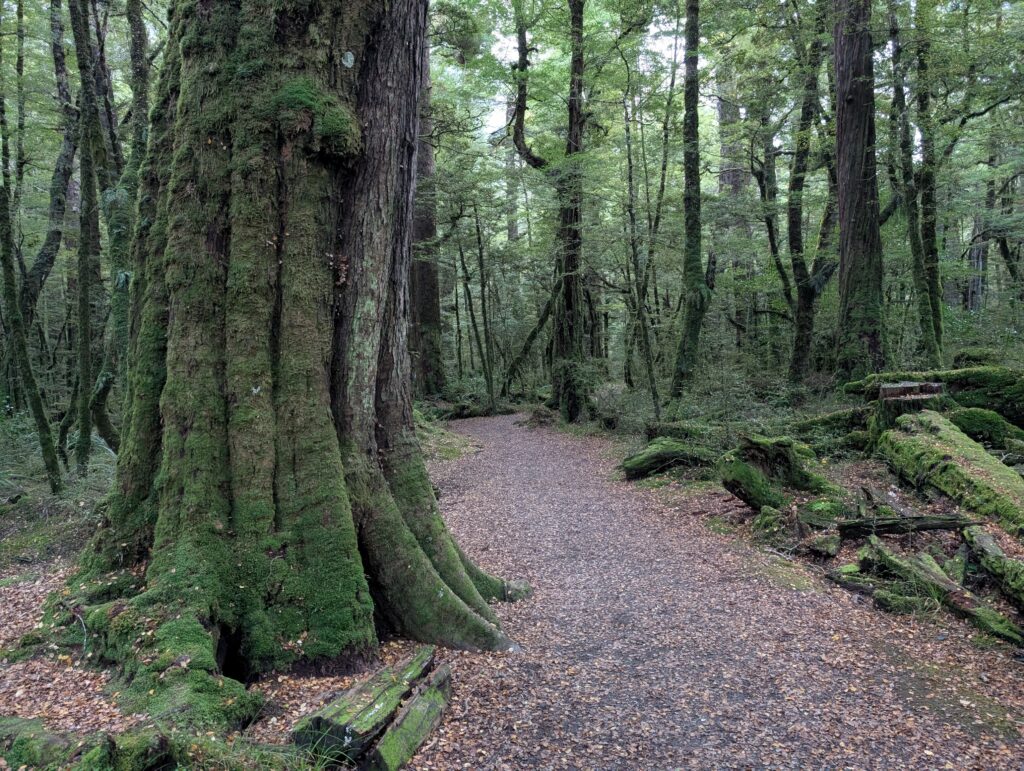
After visiting the Te Anau reserve, we set off on the road towards Milford Sound. Throughout the journey, the views are breathtaking. We felt like stopping every 200 metres to admire the landscapes and take photos.
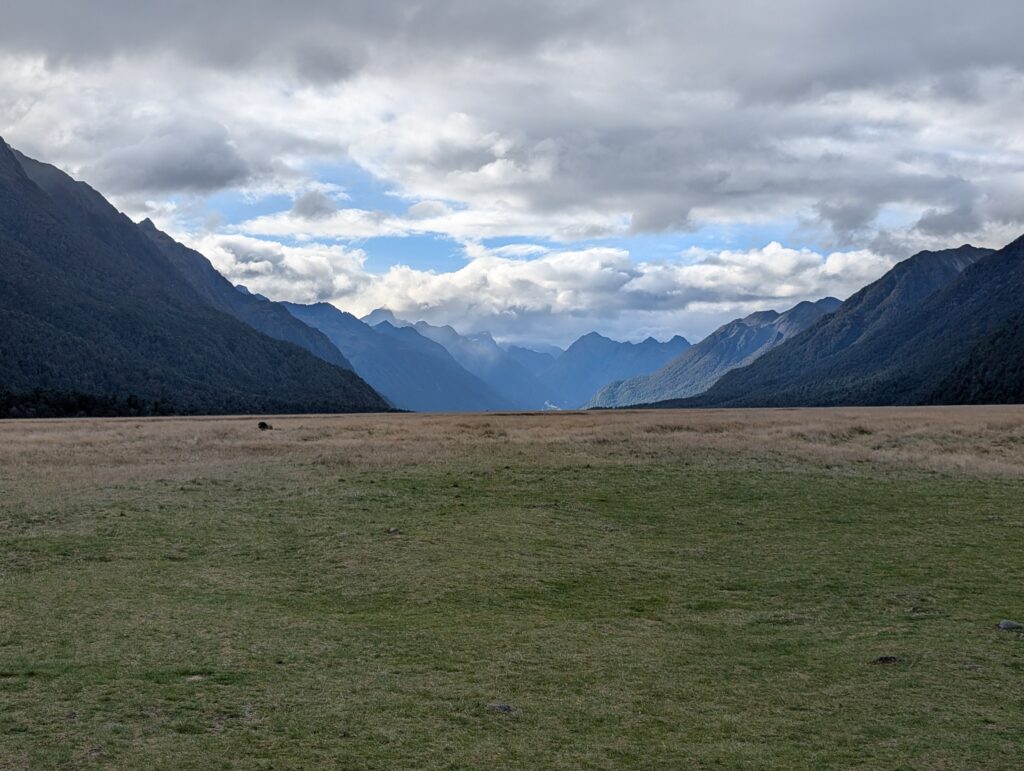
Our first stop was in the Eglinton Valley fields, a landscape worthy of the battle plains from The Lord of the Rings. This first stop allowed us to observe New Zealand Fernbird (Poodytes punctatus) as well as Welcome Swallow (Hirundo neoxena).
Mirror Lakes
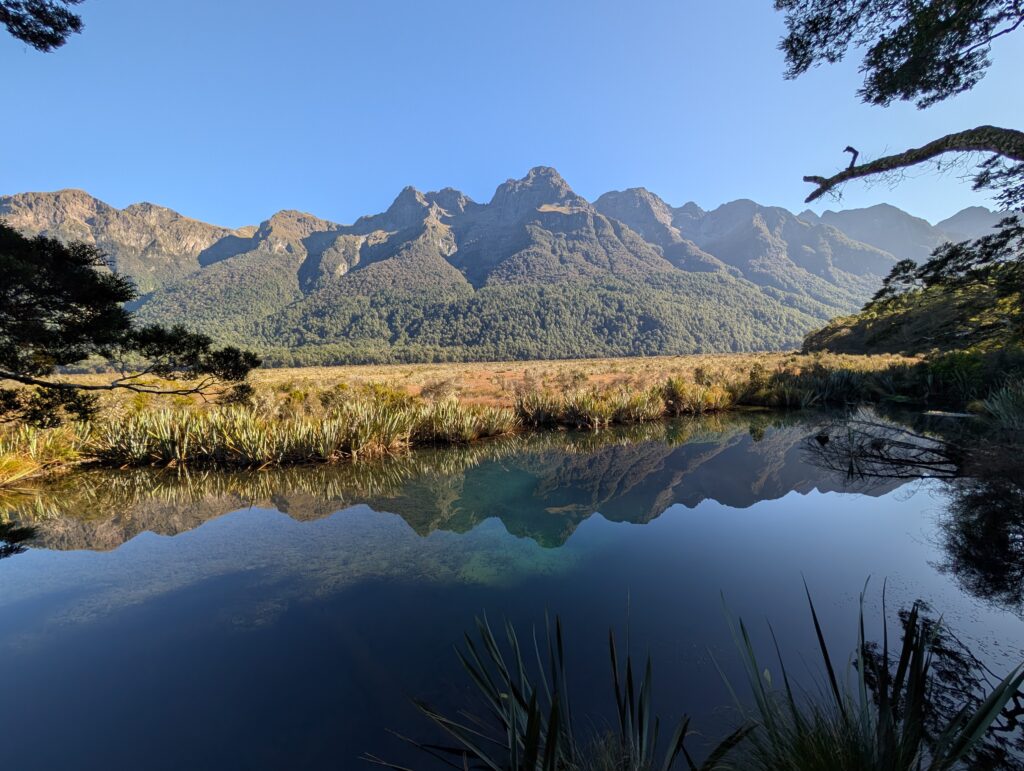
Our second stop was at the Mirror Lakes. This is a short walk which, with the right light, offers beautiful reflections of the Earl Mountains in the water.
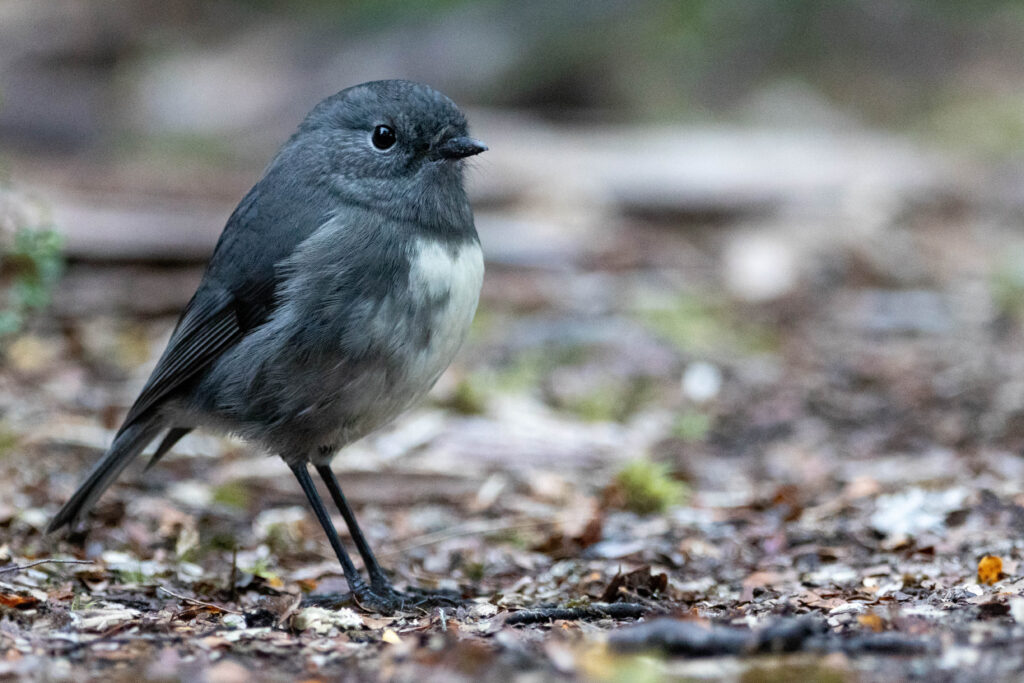
In terms of birds, we mainly saw New Zealand Scaup (Aythya novaeseelandiae). Another, rarer duck can sometimes be found in the fast-flowing rivers of Fiordland National Park: Blue Duck (Hymenolaimus malacorhynchos). Unfortunately, we did not spot this species. However, we did encounter the friendly and rather tame South Island Robin (Petroica australis).
Cascade Creek Campground & Lake Gunn nature walk
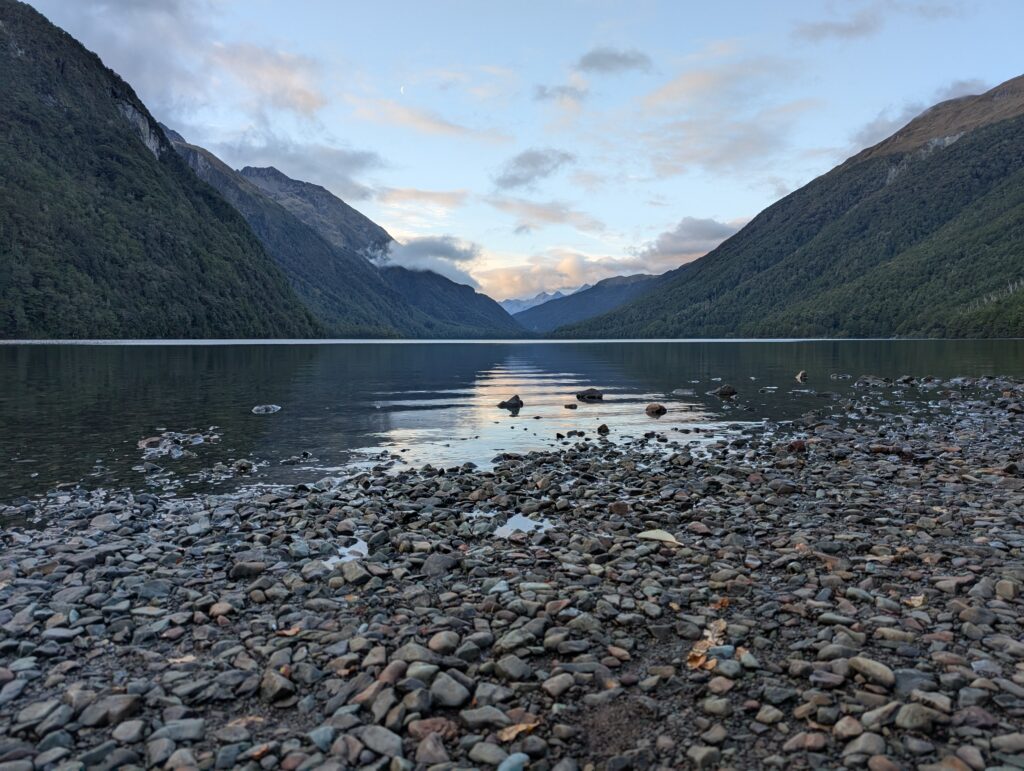
Our final stop of the day — and our campsite for the night — was Cascade Creek. This campsite is managed by the DOC and can be booked online. It is also possible to pay on-site in cash by placing the money in the honesty box. Just a few dozen metres from the campsite, the start of the Lake Gunn Nature Walk offers a pleasant forest walk leading to Lake Gunn.
Right at the campsite, a few birds came to visit us, likely too accustomed to human presence. The first was South Island Robin (Petroica australis), which came looking for crumbs. The second was the noisy Weka (Gallirallus australis). This species is not very common in other parts of New Zealand, so it is worth enjoying it here. They wander around the campervans at sunrise and sunset.
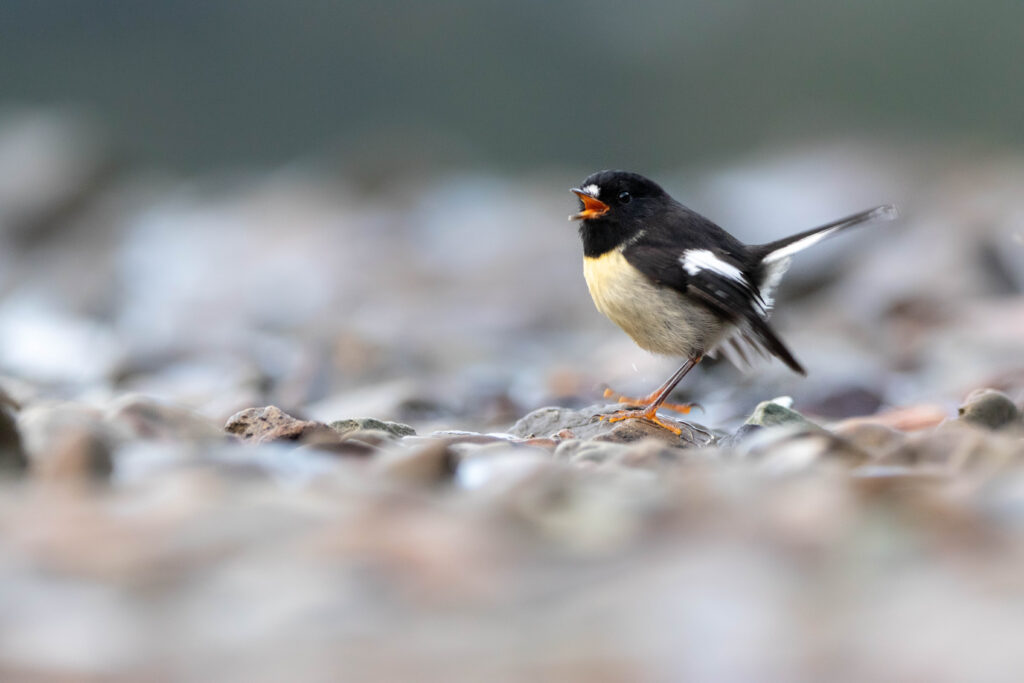
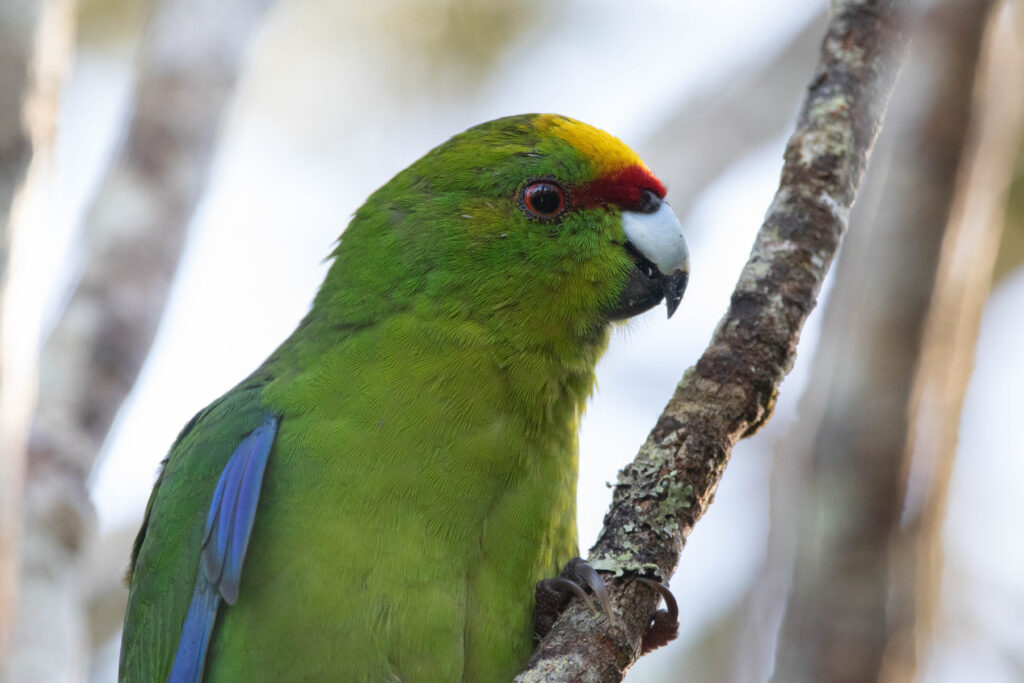
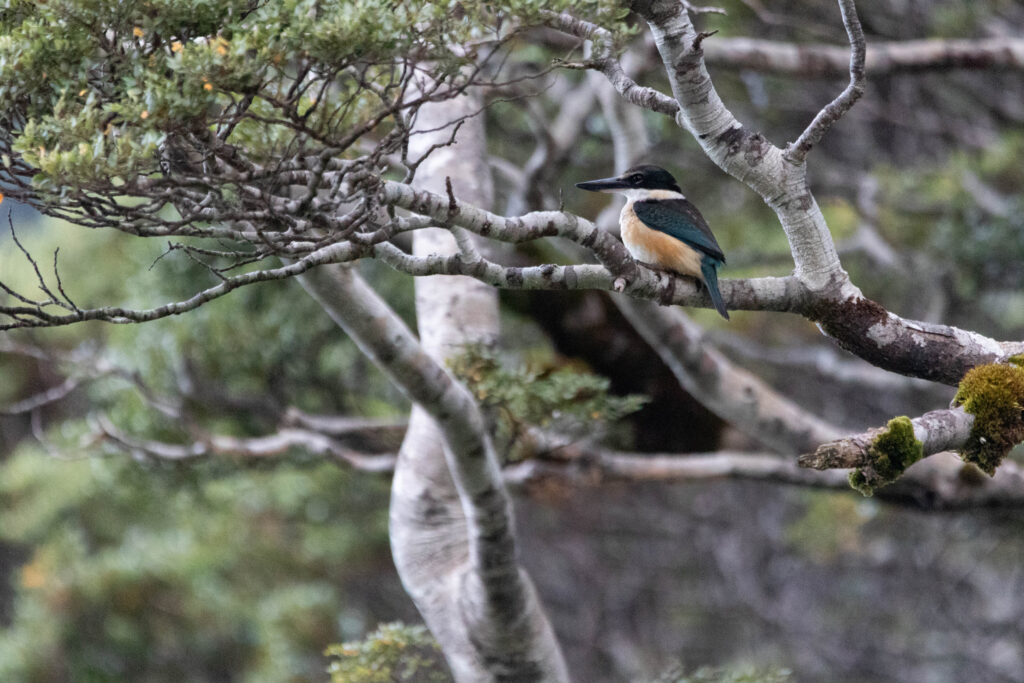
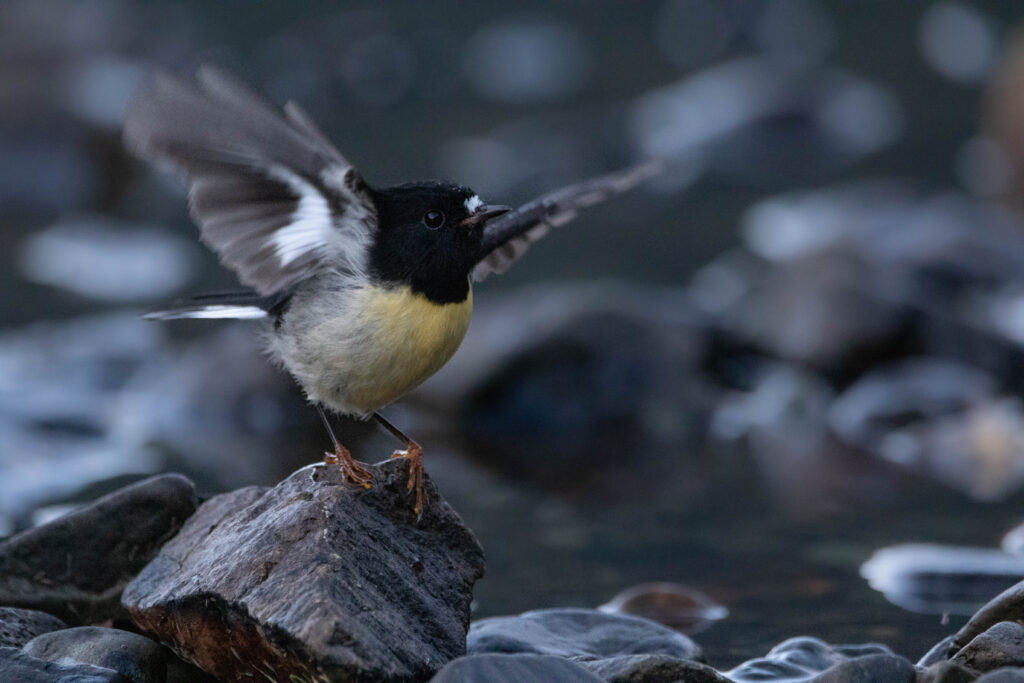
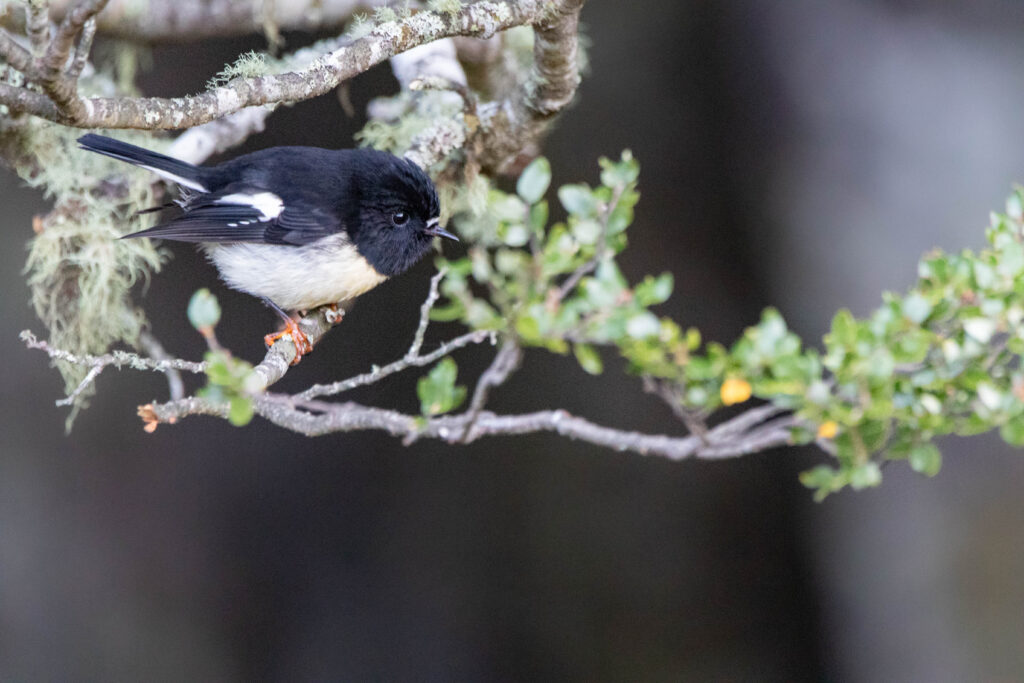
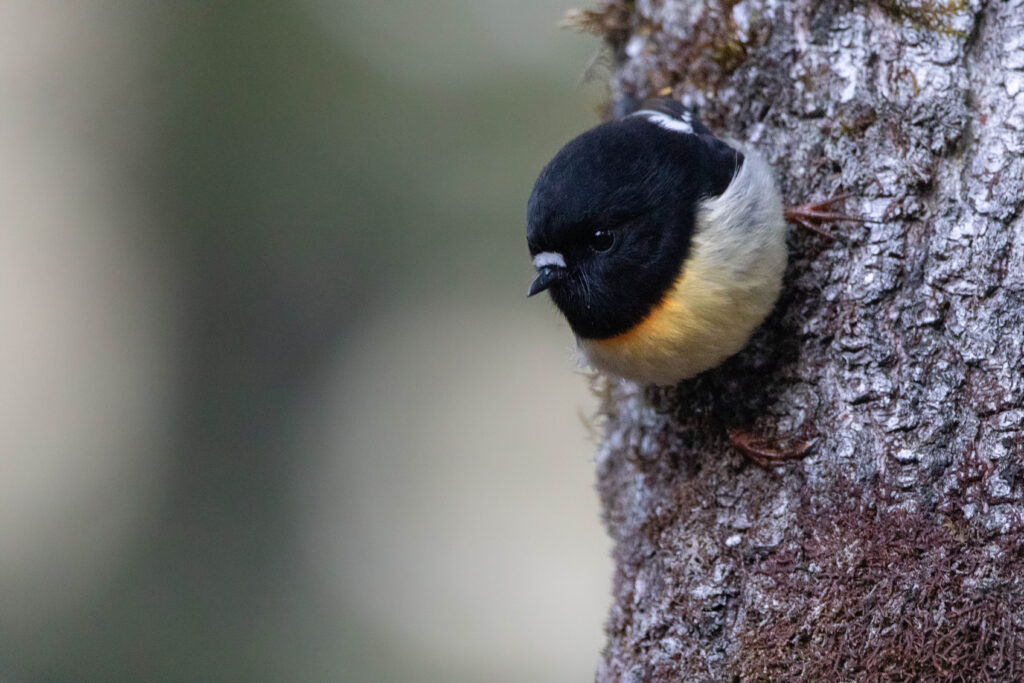
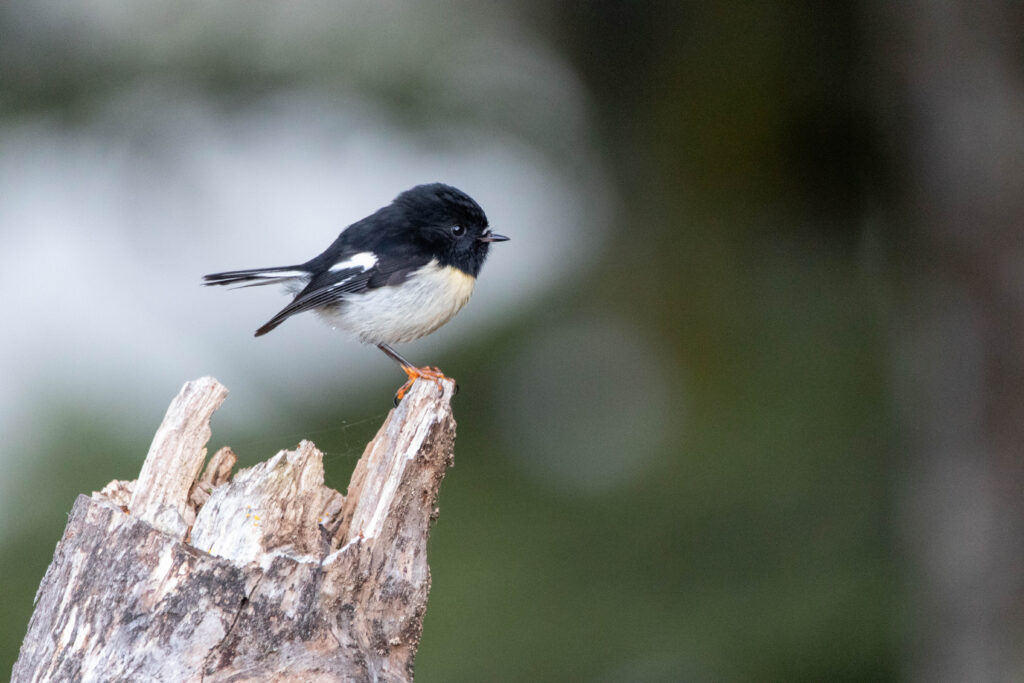
Along the Lake Gunn Nature Walk, many passerines can be seen in the forest. But it was by the lakeshore that we encountered a Sacred Kingfisher (Todiramphus sanctus) perched on a branch. Shortly after, a very discreet Yellow-crowned Parakeet (Cyanoramphus auriceps) briefly appeared while feeding in a small bush. Finally, we took advantage of the tame nature of the small and fluffy Tomtit (Petroica macrocephala) to capture some nice photos.
The Chasm
After a good night’s sleep at Cascade Creek Campground, without hearing any kiwi calls, we headed towards the fjords. But on the way, we made a first stop at The Chasm. It is a short walk through the forest leading to a waterfall. Unfortunately, the bridge that once provided a viewpoint over the falls now seems to be permanently closed.
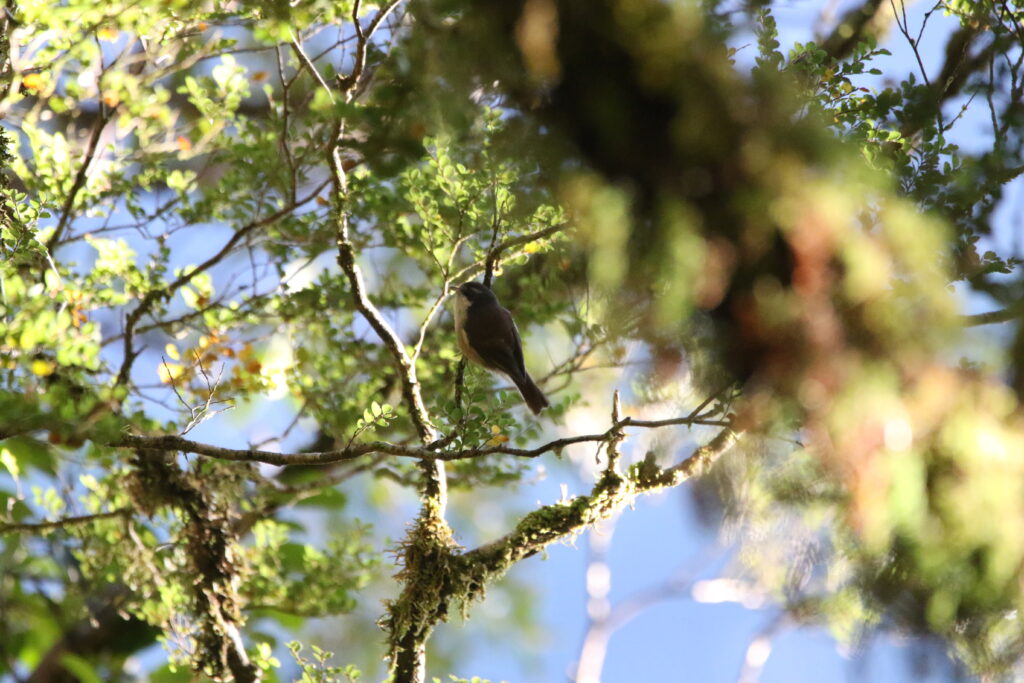
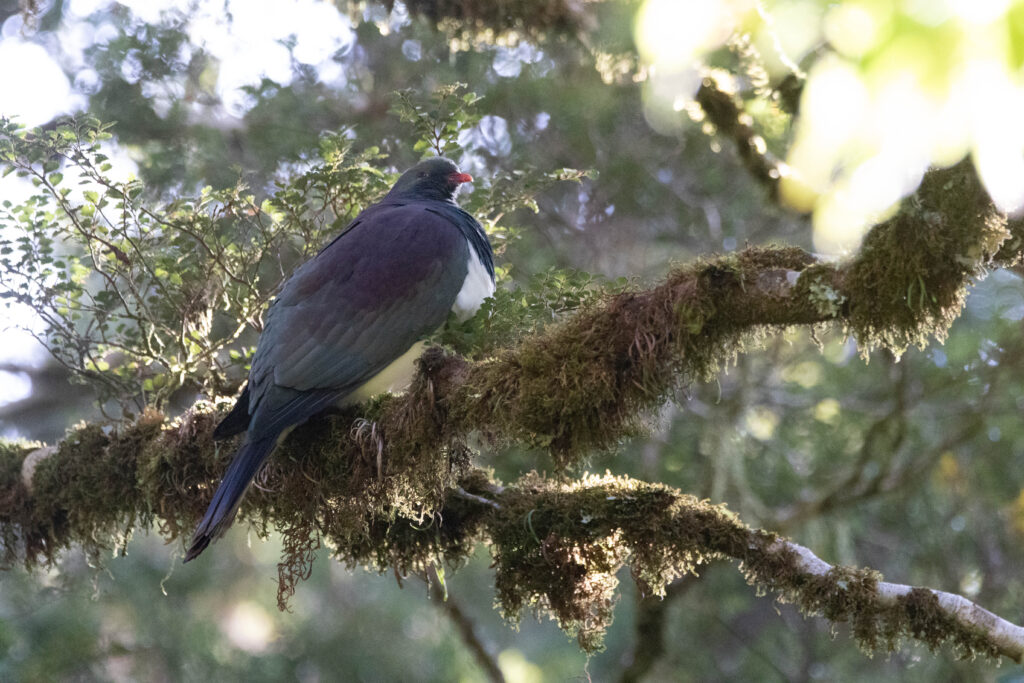
Signs in the parking area indicate that Kea (Nestor notabilis) can sometimes be seen here. But for now, we were not lucky enough to observe these incredible mountain parrots — we would have to wait! However, we did spot New Zealand Pigeon (Hemiphaga novaeseelandiae) as well as a group of Pipipi (Mohoua novaeseelandiae), two new species for us in this country.
Cruise on Milford Sound
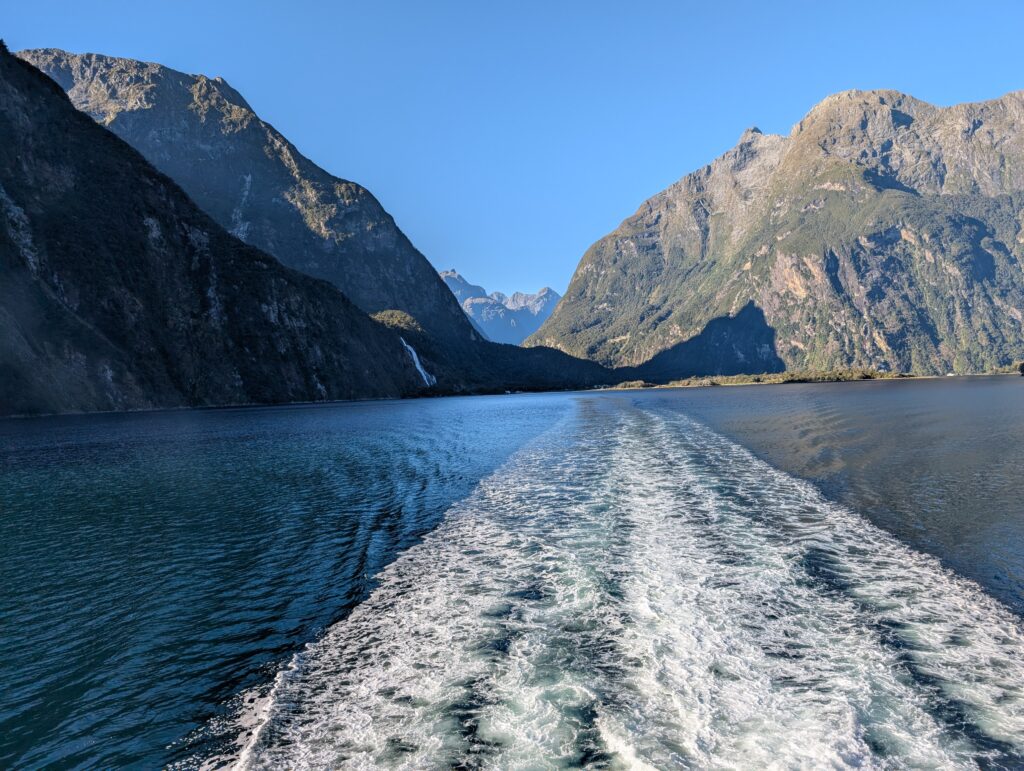
Milford Sound is the main attraction of the national park. Most tourists visiting New Zealand’s South Island come here. To explore the fjord, you need to choose a cruise company. We chose Southern Discoveries, which best matched our expectations in terms of ethics and budget.
During the cruise, it is possible to observe a few bird species. On the boat, Black-billed Gull (Chroicocephalus bulleri) and Kelp Gull (Larus dominicanus) landed nearby. At the exit of the fjord, we also saw an Australasian Gannet (Morus serrator) out at sea. Unfortunately, the Fiordland Penguin (Eudyptes pachyrhynchus), an iconic and very rare species, was not present in May when we took the cruise. We will have to return at another time of year to have a chance of seeing it.
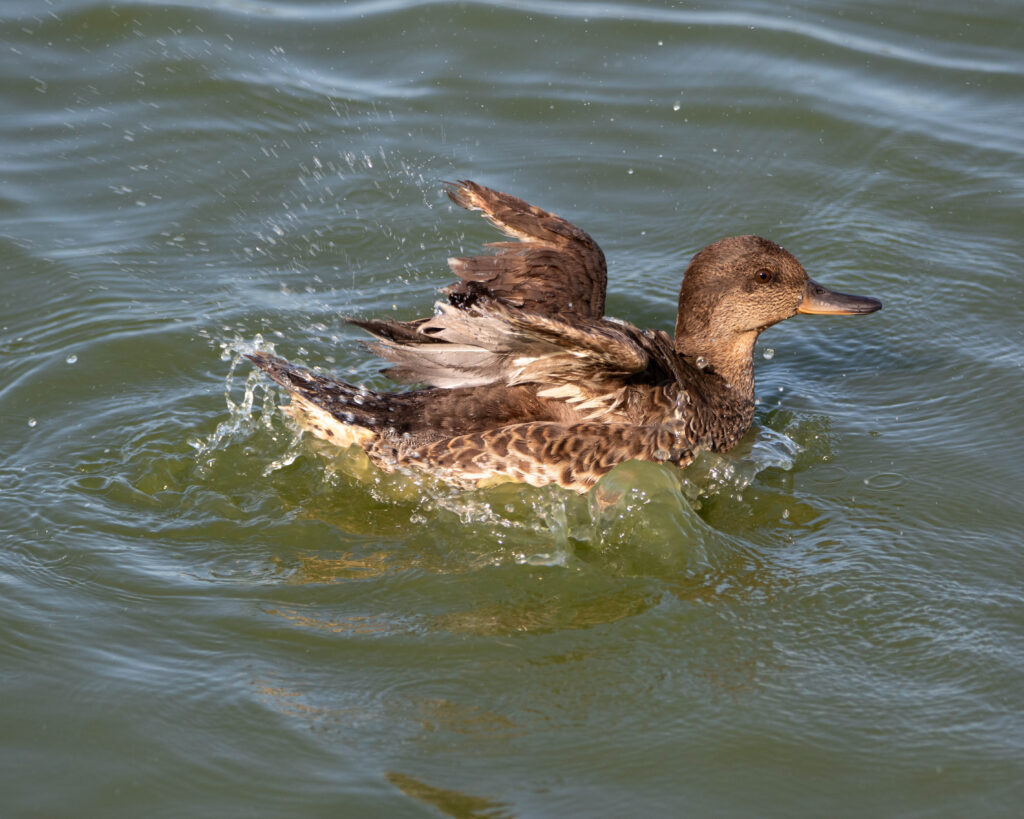
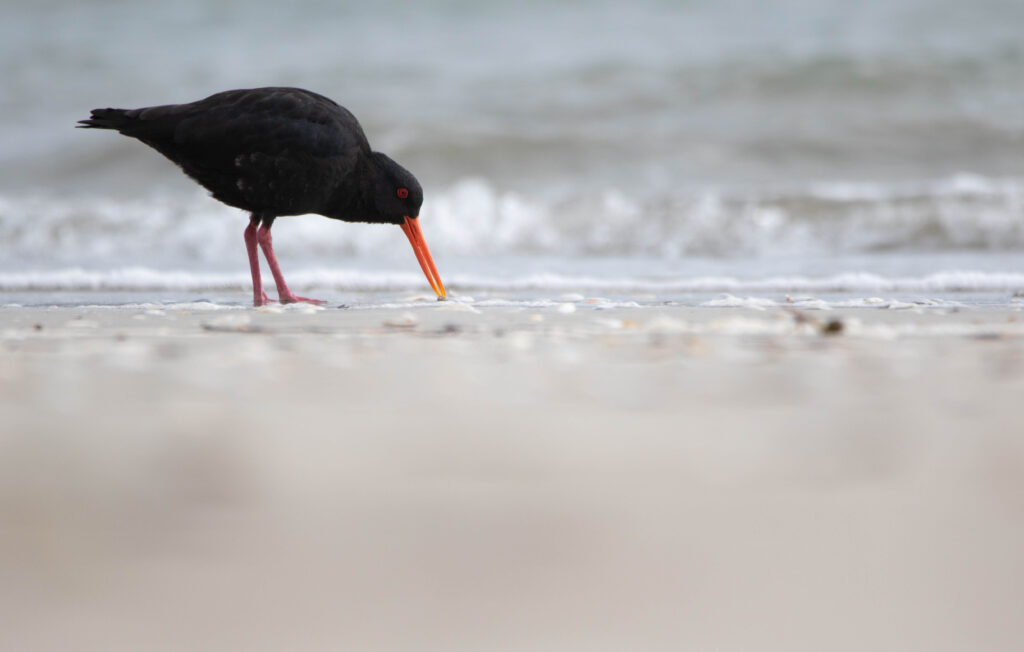
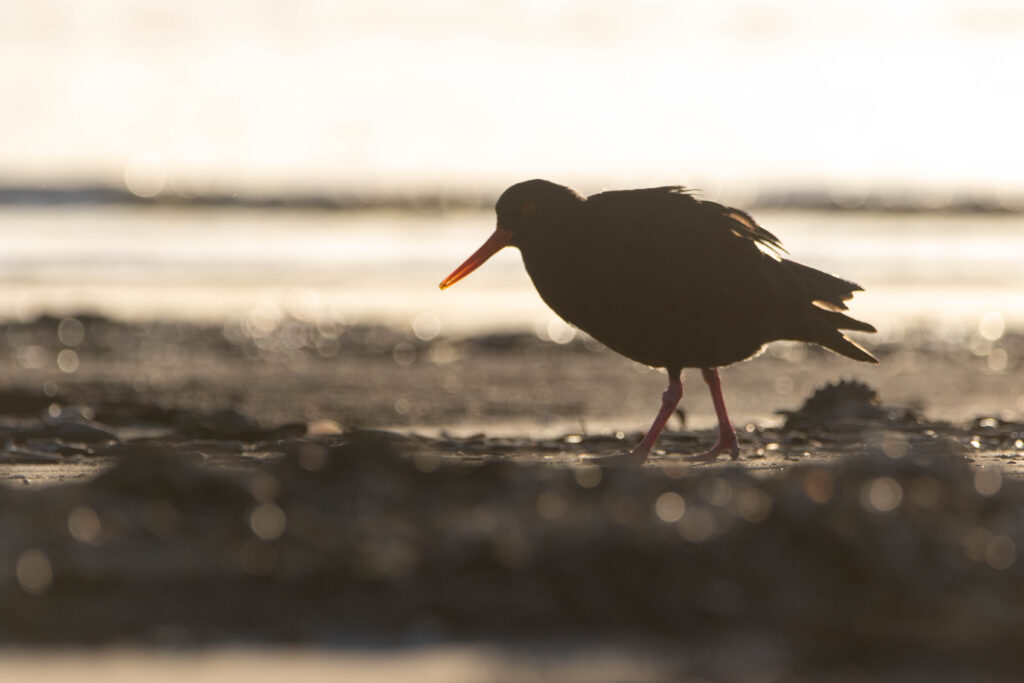
From the harbour at the beginning of the fjord, along the path leading back to the parking area, we also observed a Pacific Black Duck (Anas superciliosa), which did not appear to be hybridised with a Mallard (Anas platyrhynchos). We also saw a Variable Oystercatcher (Haematopus unicolor) and another Weka (Gallirallus australis).

Homer Tunnel
On the way back, a traffic light is positioned before the entrance to the Homer Tunnel. Several cars are stopped, and we have to wait.
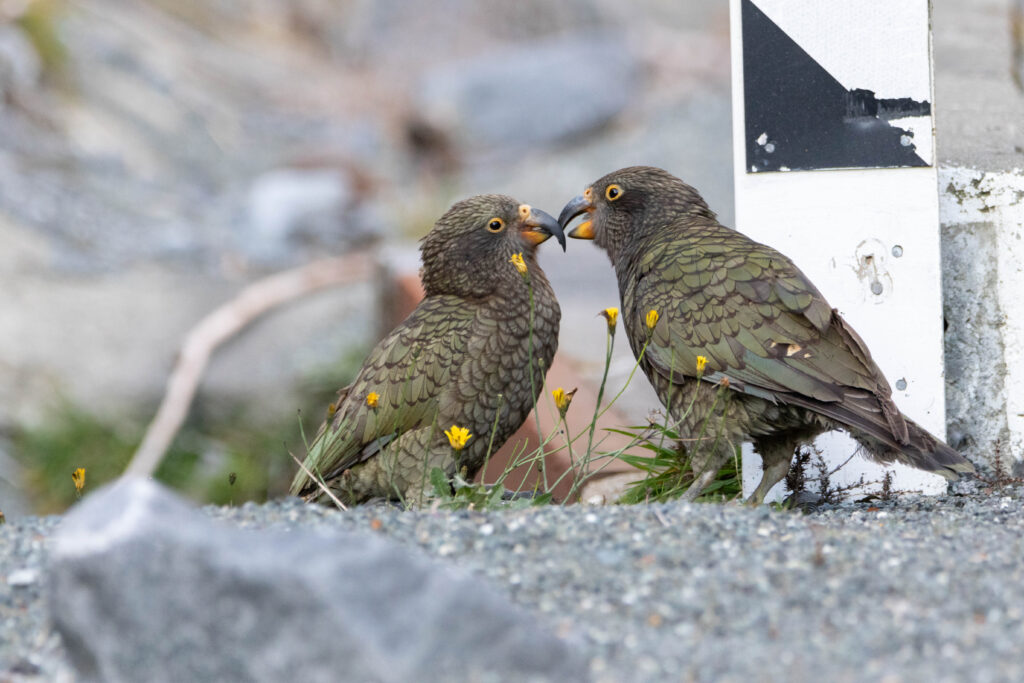
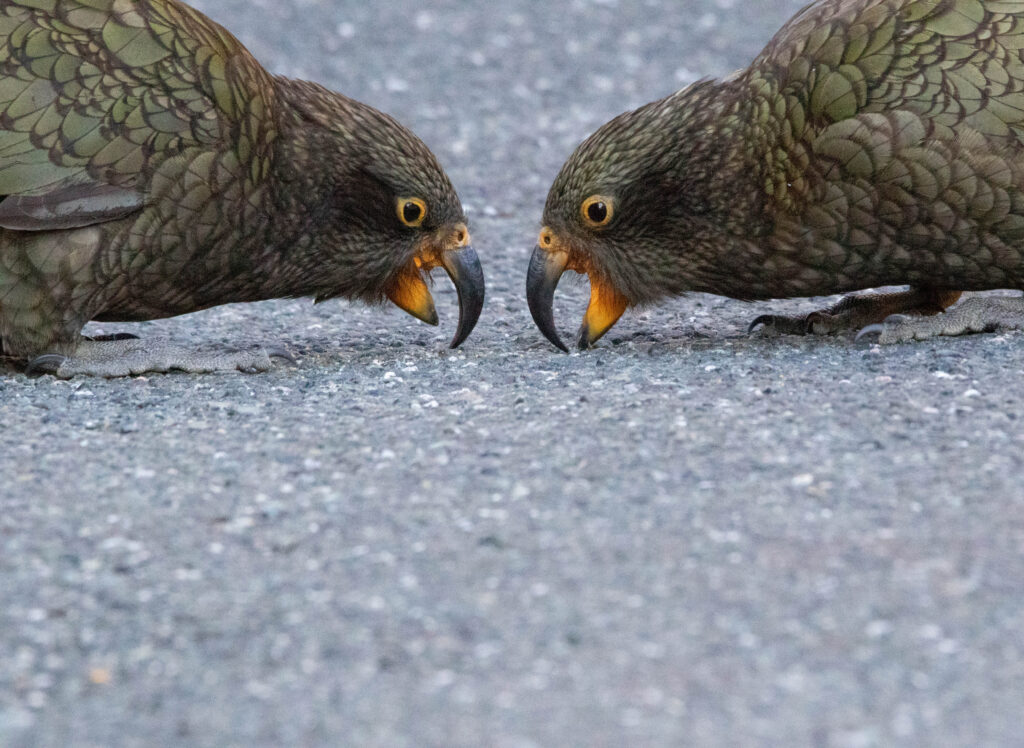
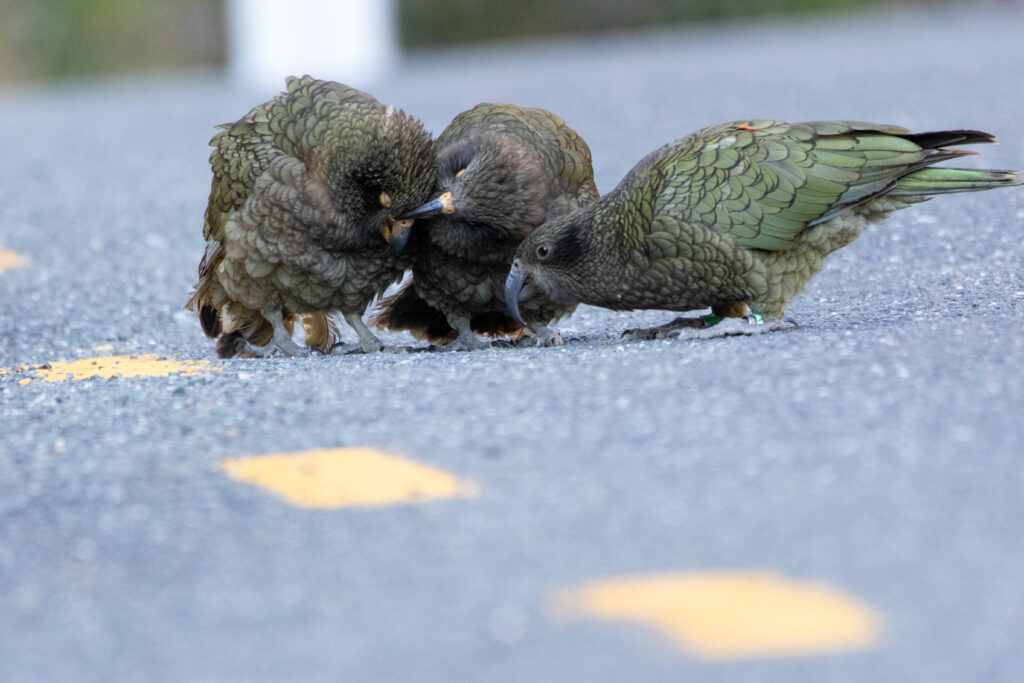
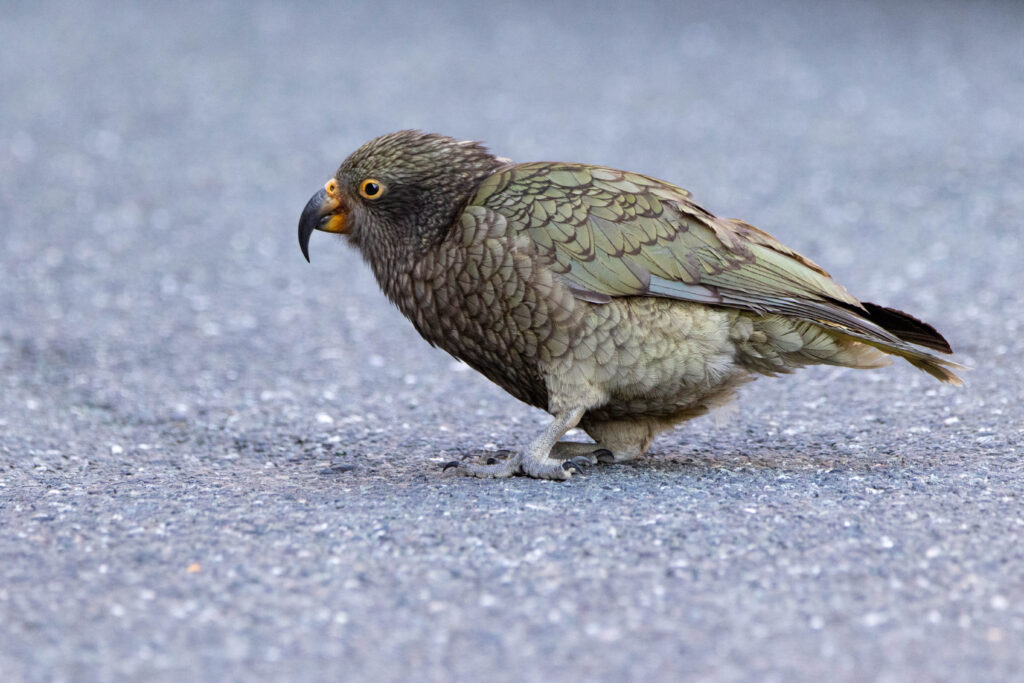
We get a great surprise during this pause as three Kea (Nestor notabilis) — two juveniles and one adult — put on quite a show. We take the opportunity to get out of the car and watch them on the road. The setting is not ideal, but it is our first encounter with this iconic and unique mountain parrot, which is listed as endangered by the IUCN.
Gertrude Valley
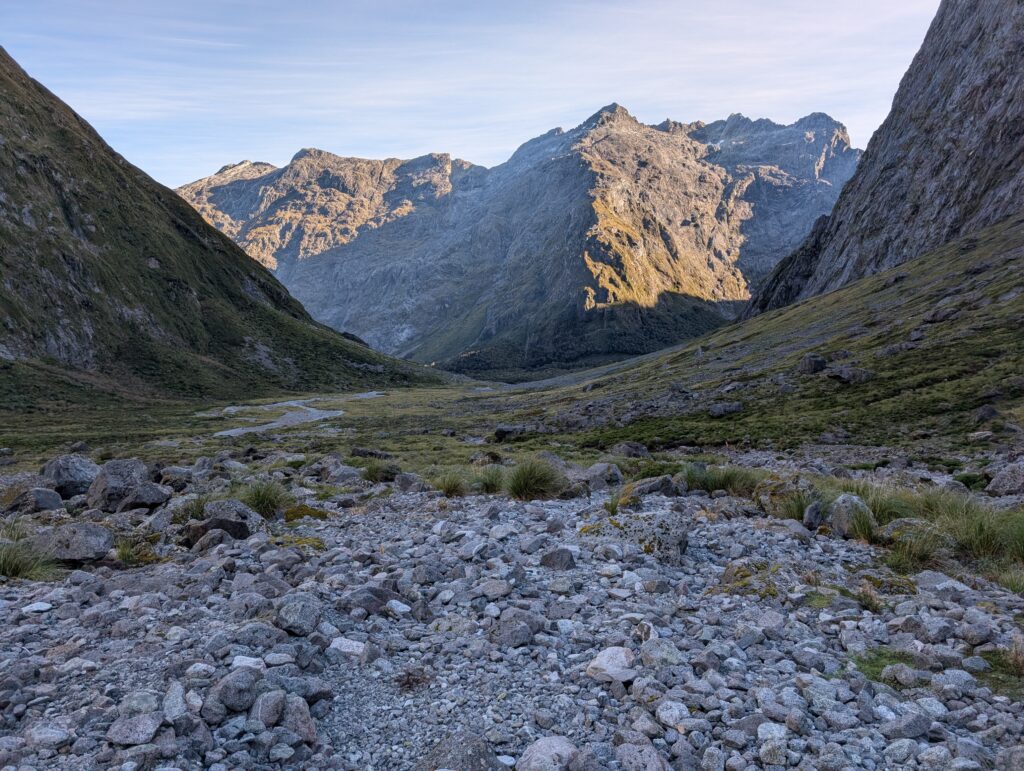
Gertrude Valley is a superb hike, but it should not be attempted in snowy conditions. The trailhead is located a few kilometres past the Homer Tunnel.
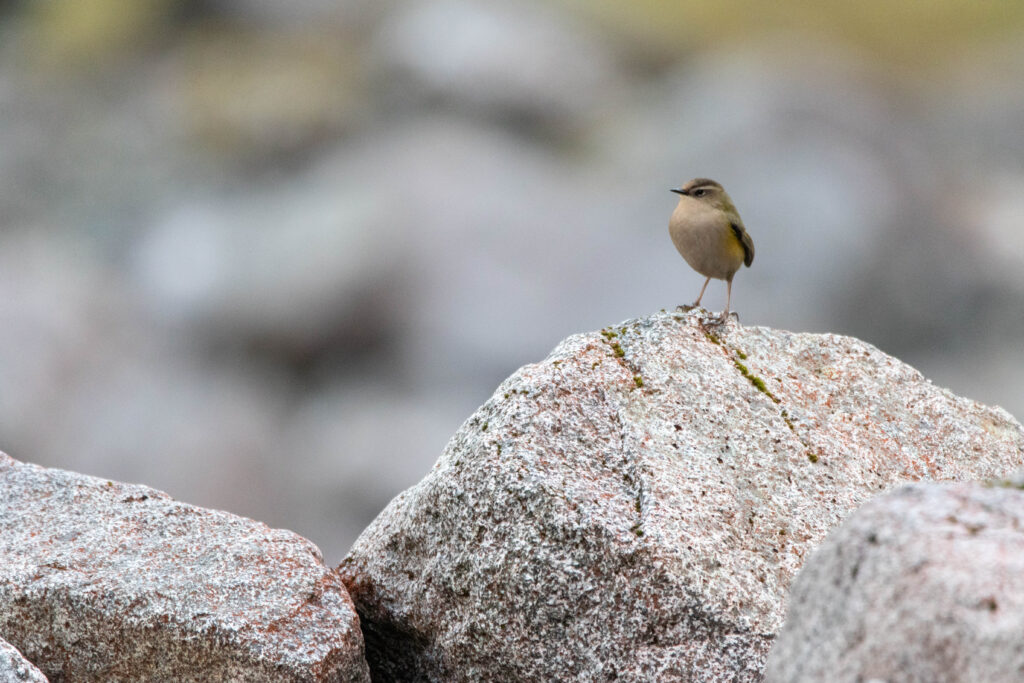
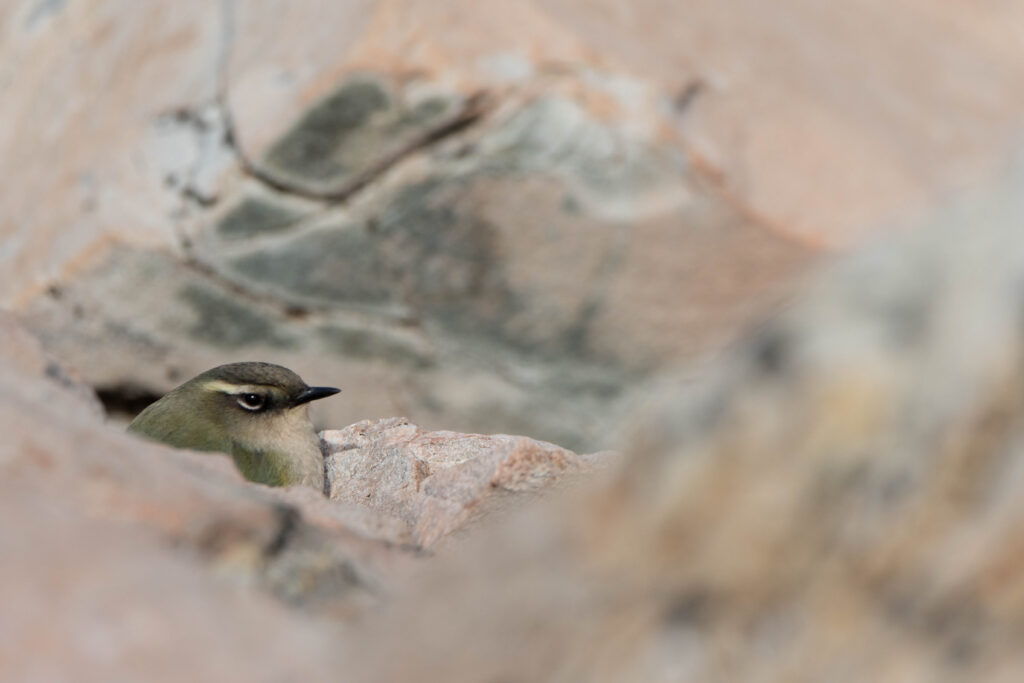
If we stop at Gertrude Valley, it is not only for the hike. We had noted that a small alpine passerine had been observed here many times. We therefore walk the first kilometres of the trail until we reach a rocky scree field. After several minutes, we finally hear the subtle whistle of the New Zealand Rockwren (Xenicus gilviventris). We carefully scan every rock with our binoculars before spotting it. After sitting down, this tiny bird slowly approaches us, allowing us to take some beautiful photos.
Key Summit Trail hike
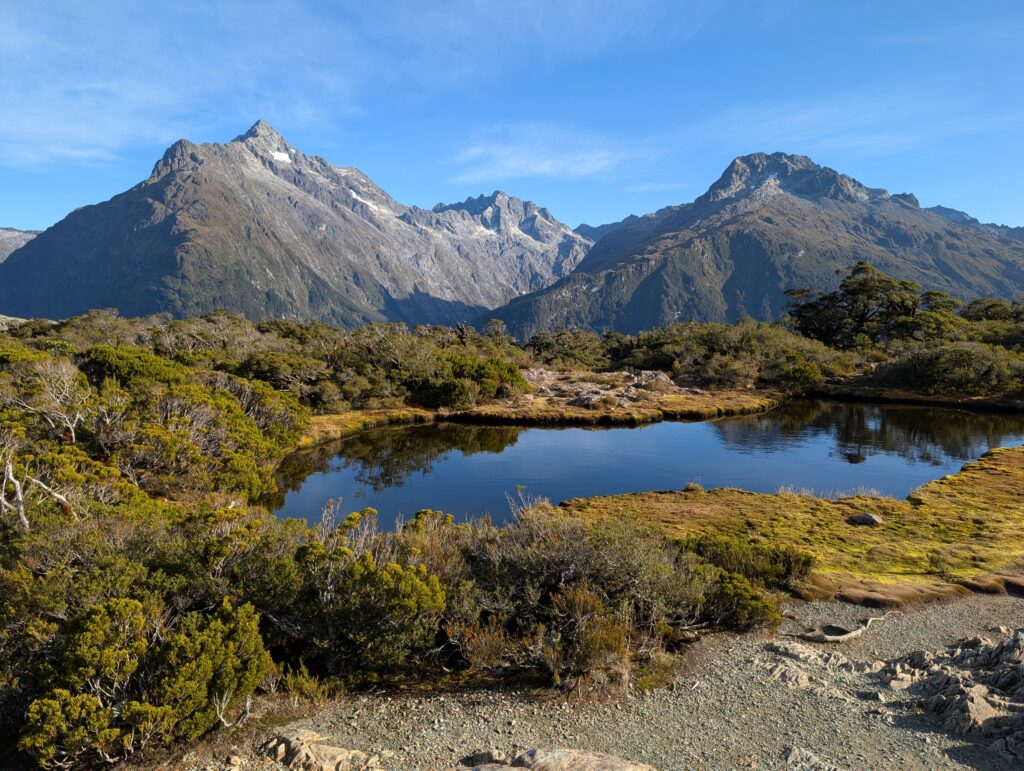
We spend another night at Cascade Creek campground before heading to the Key Summit hike. This trail is just over 6 km long and presents no particular difficulty. It is our last hike before leaving Fiordland National Park.
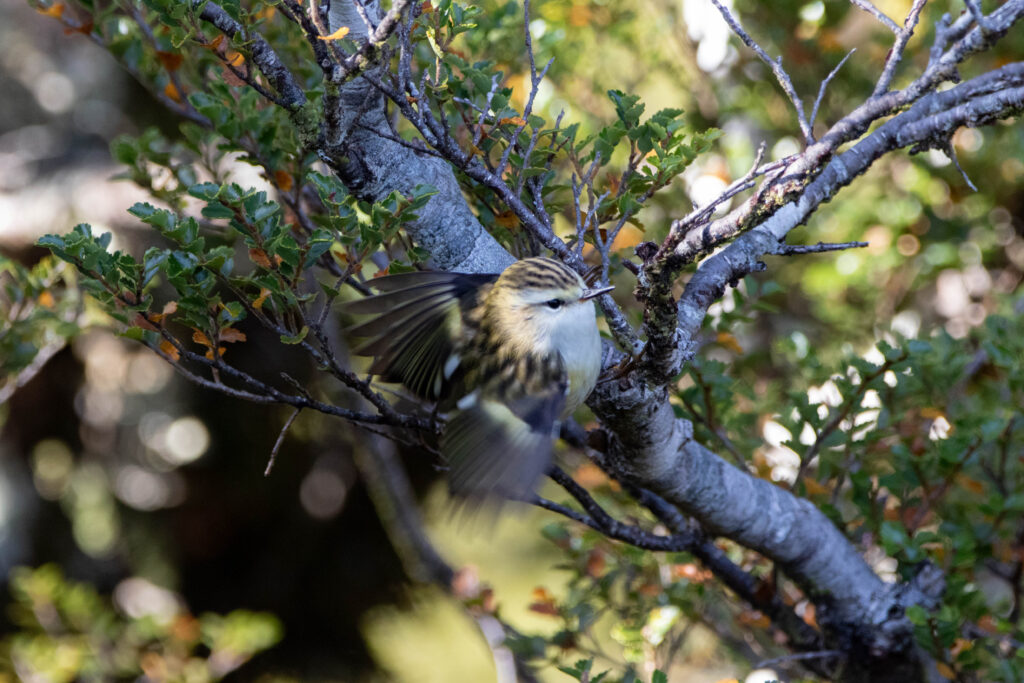
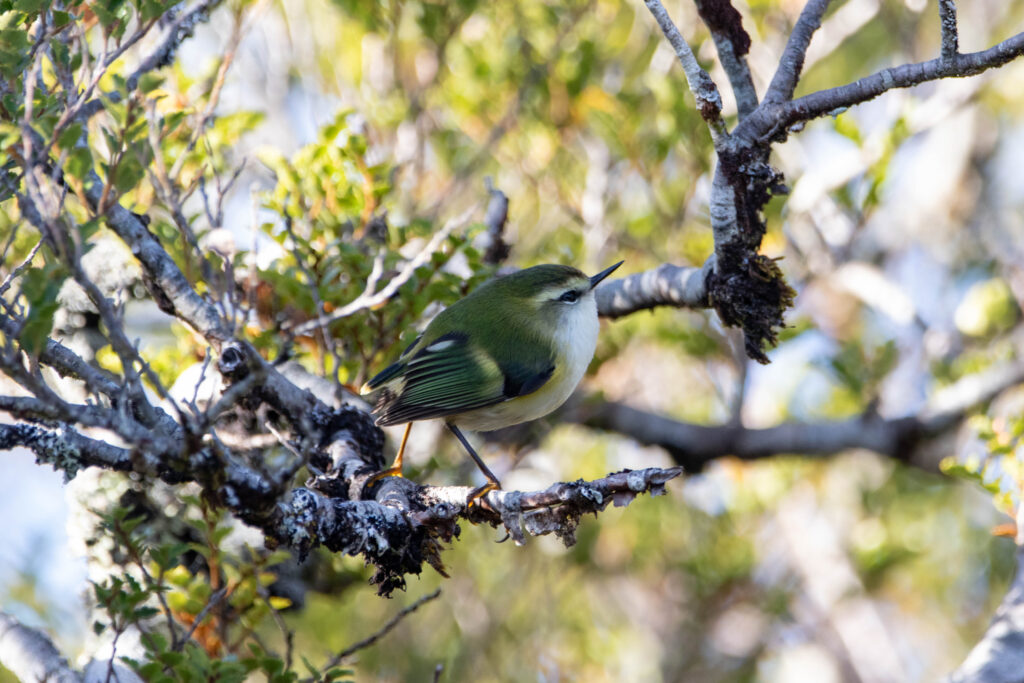
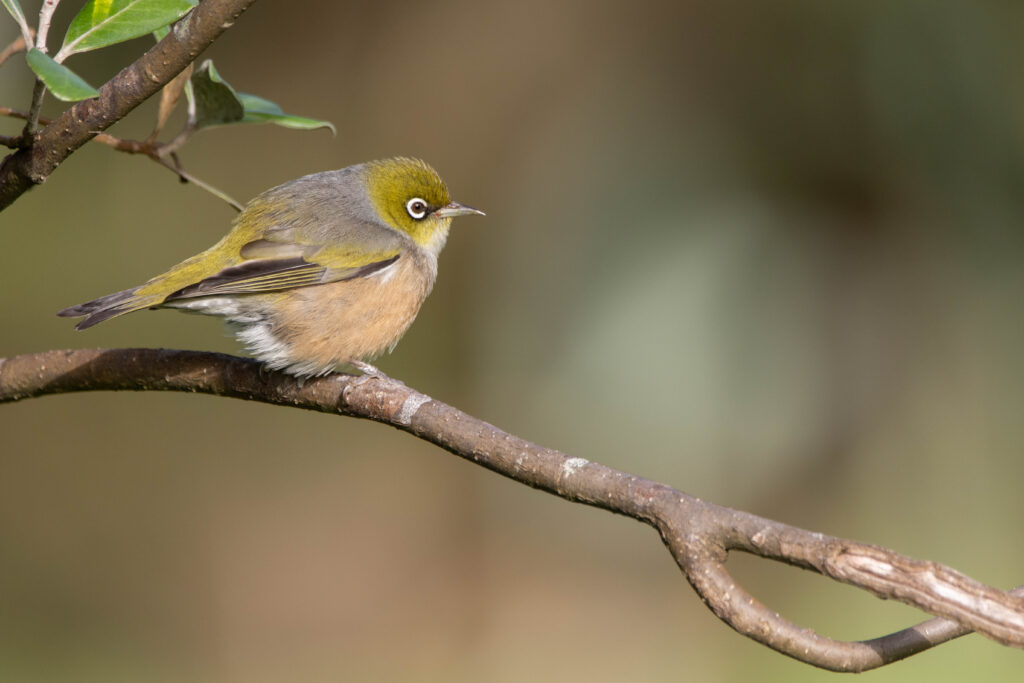
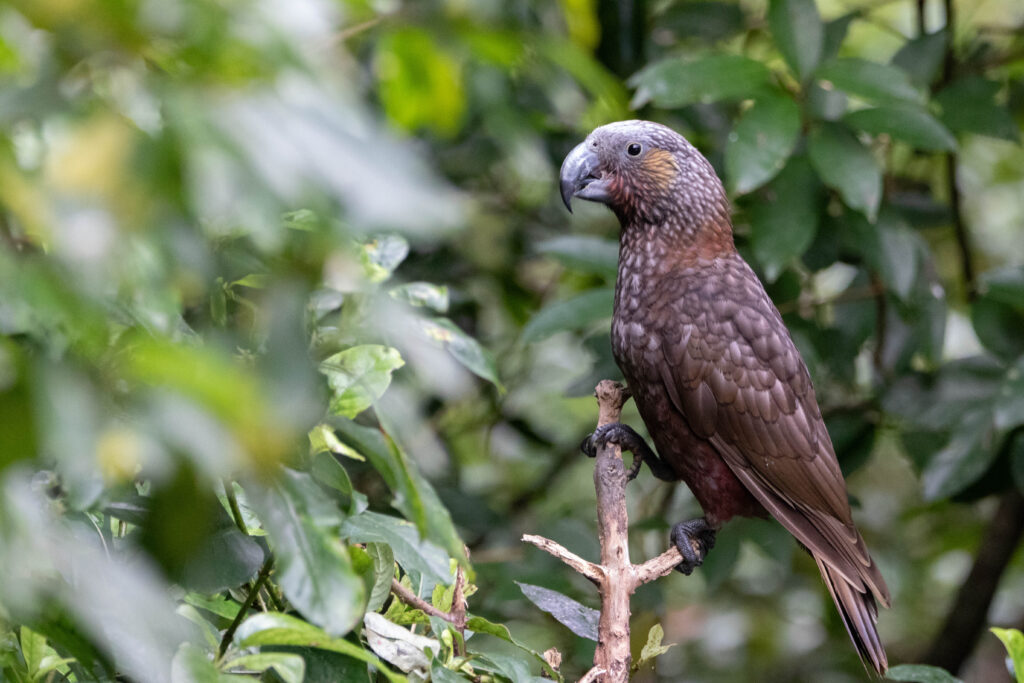
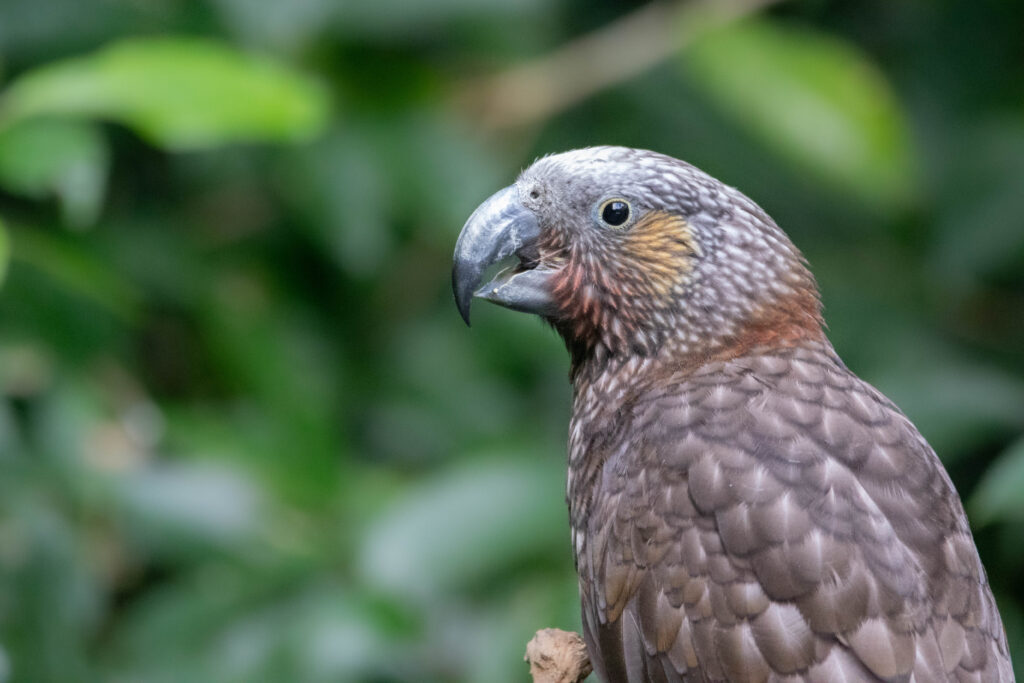
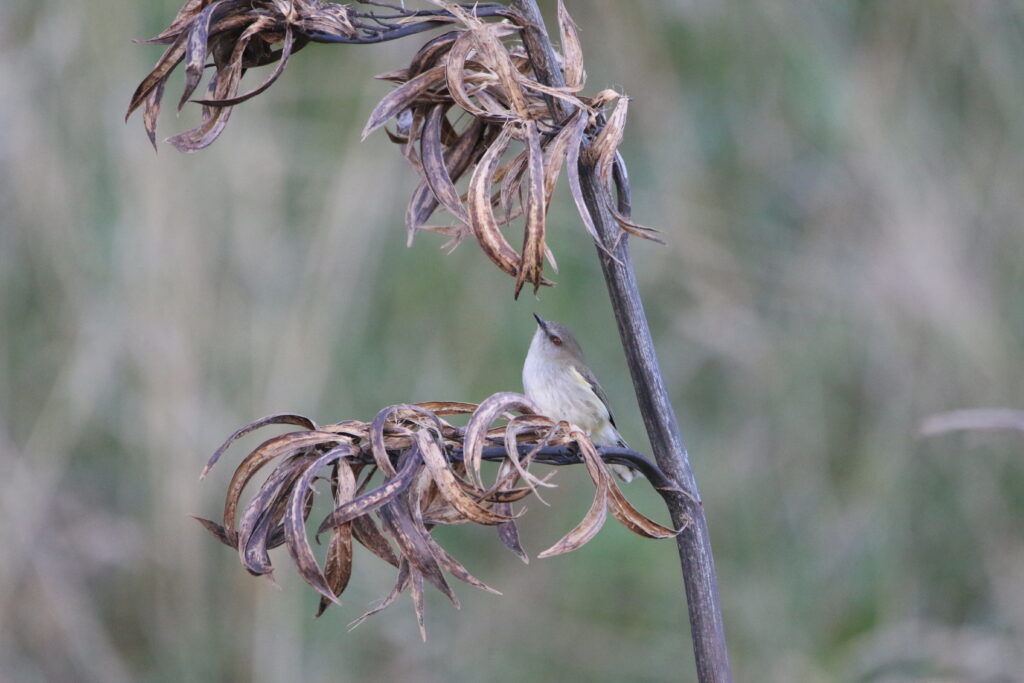
In the parking area, we observe a Weka (Gallirallus australis), which will be our final sighting of this species during the entire trip. In the lower forest levels, we observe New Zealand Pigeon (Hemiphaga novaeseelandiae), New Zealand Bellbird (Anthornis melanura), Tomtit (Petroica macrocephala), South Island Robin (Petroica australis), as well as Silvereye (Zosterops lateralis). We also record two new species here. First, the other New Zealand parrot, New Zealand Kaka (Nestor meridionalis). Then, in the shrubs near the summit, several Rifleman (Acanthisitta chloris) appear briefly. This bird is quite similar to the New Zealand Rockwren (Xenicus gilviventris), but it lives in a very different habitat.
Dunedin & Otago Peninsula
Royal Albatros Center
After visiting Fiordland National Park, we head towards Dunedin! Located about 4.5 hours away by car, we make a stop to spend the night before reaching the Otago Peninsula. We had heard a lot about this peninsula, where it is possible to observe iconic seabirds such as albatrosses and penguins.
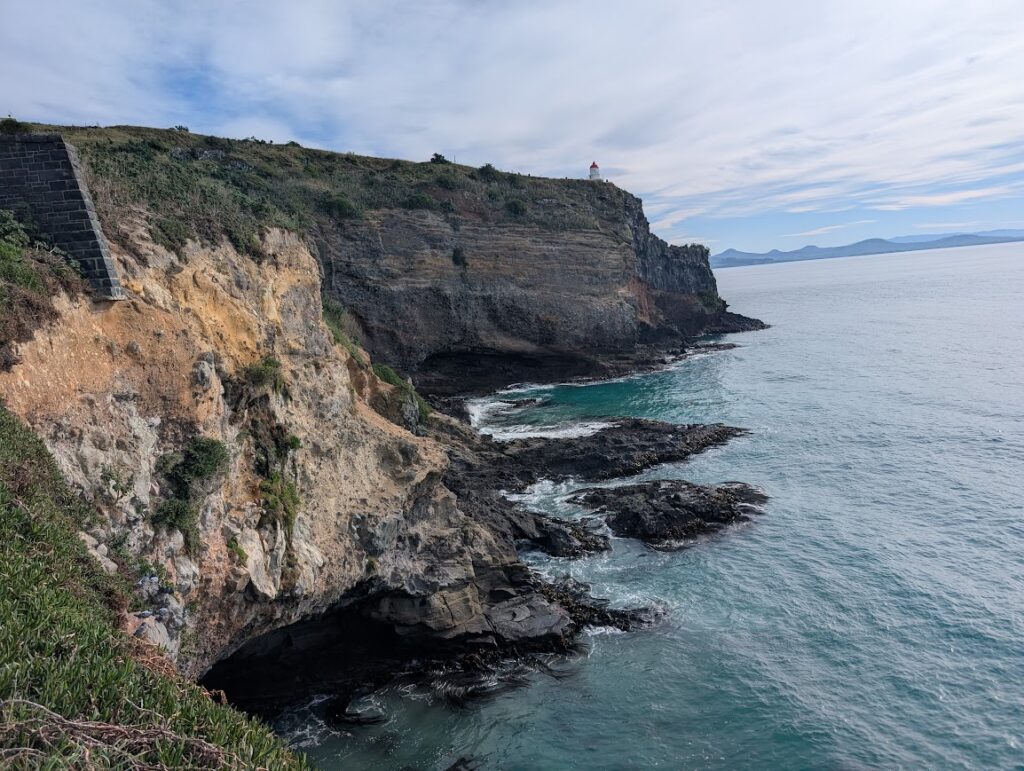
We head straight to the Royal Albatross Centre at the tip of the peninsula. The road leading there is stunning, winding along the coastline of this narrow strip of land.
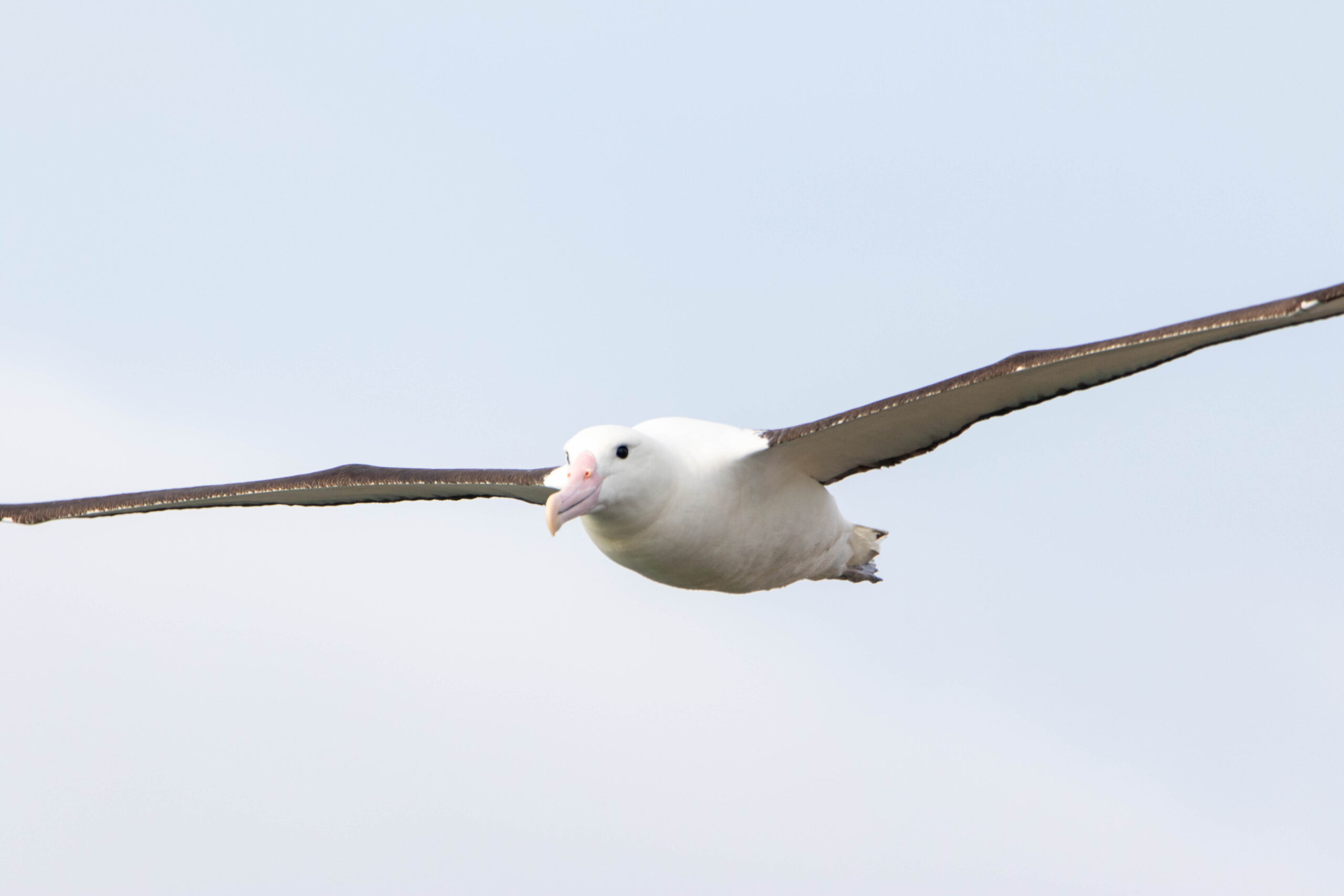
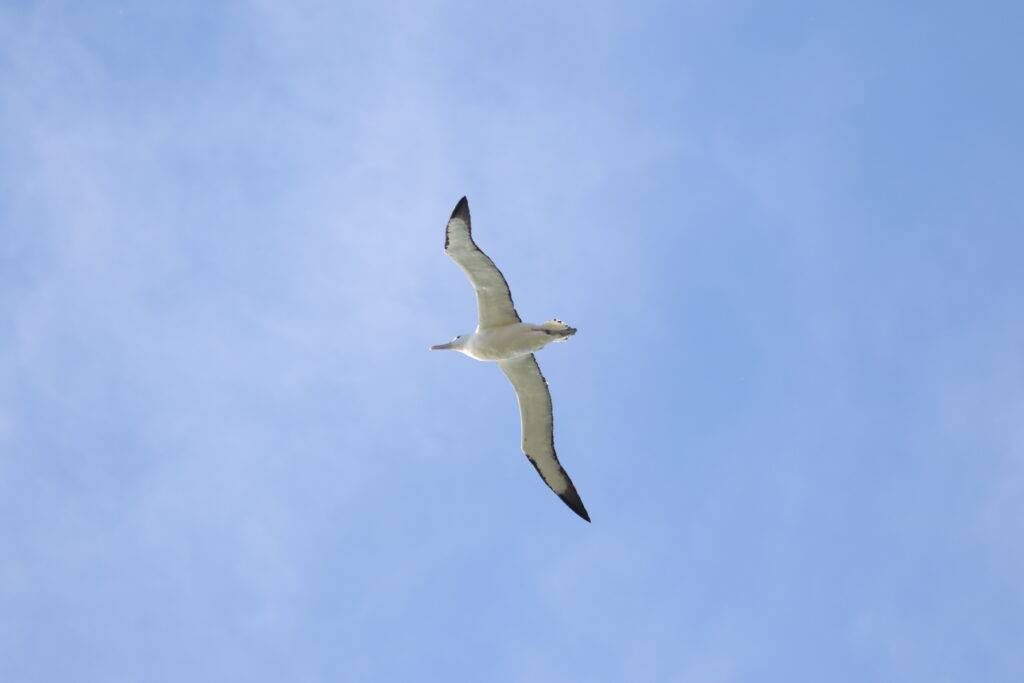
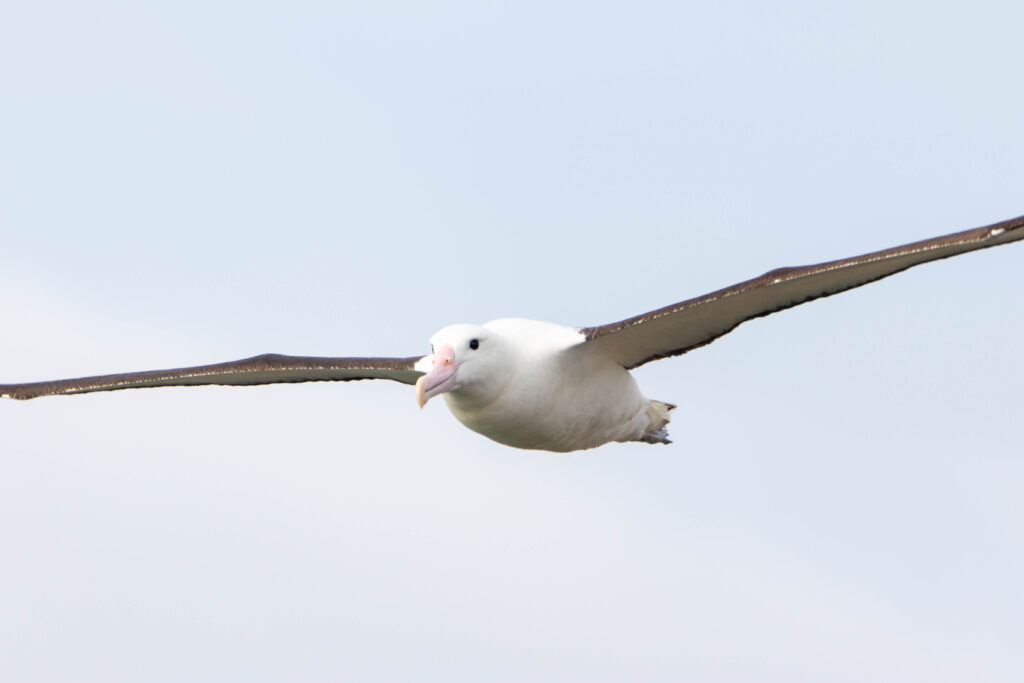
This centre is particularly well known because it hosts one of the oldest and largest mainland colonies of Northern Royal Albatross (Diomedea sanfordi). As we are visiting Dunedin in May, the breeding season is already over. We therefore only go to the observation platform located below the centre. It is a very windy day, which means seabirds are active and close to the shore. We observe many Northern Royal Albatrosses flying above our heads — a breathtaking spectacle that never gets old!
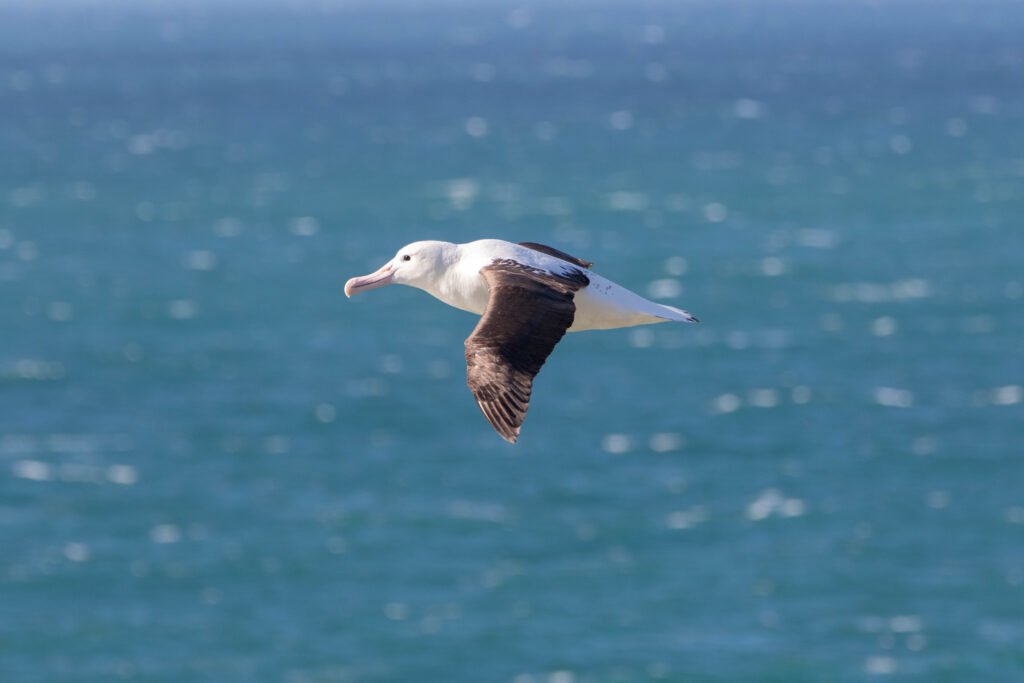
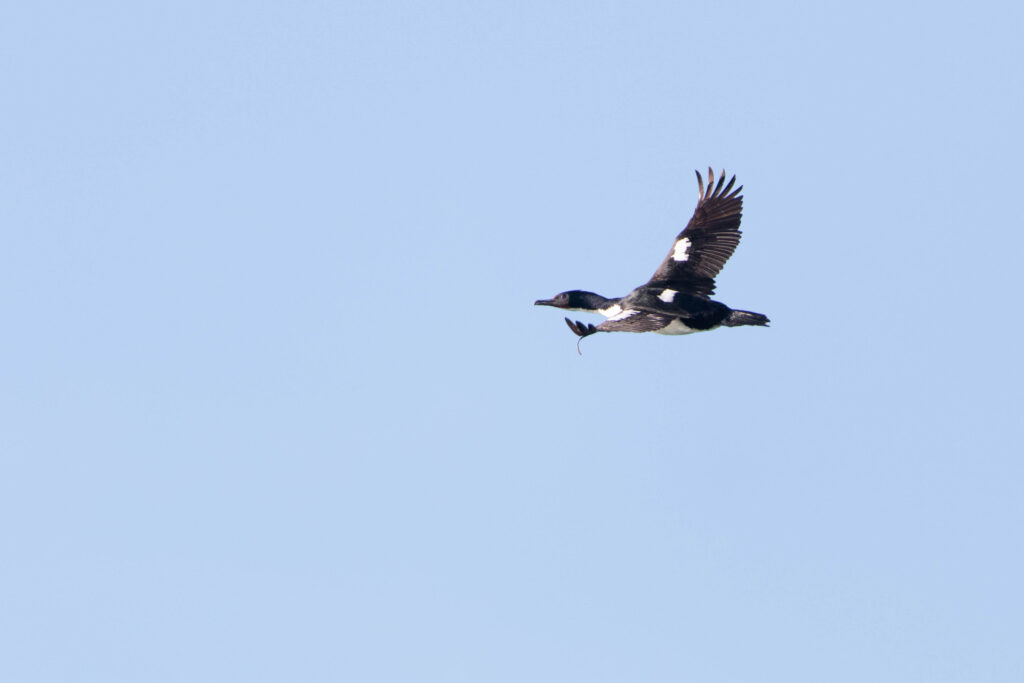
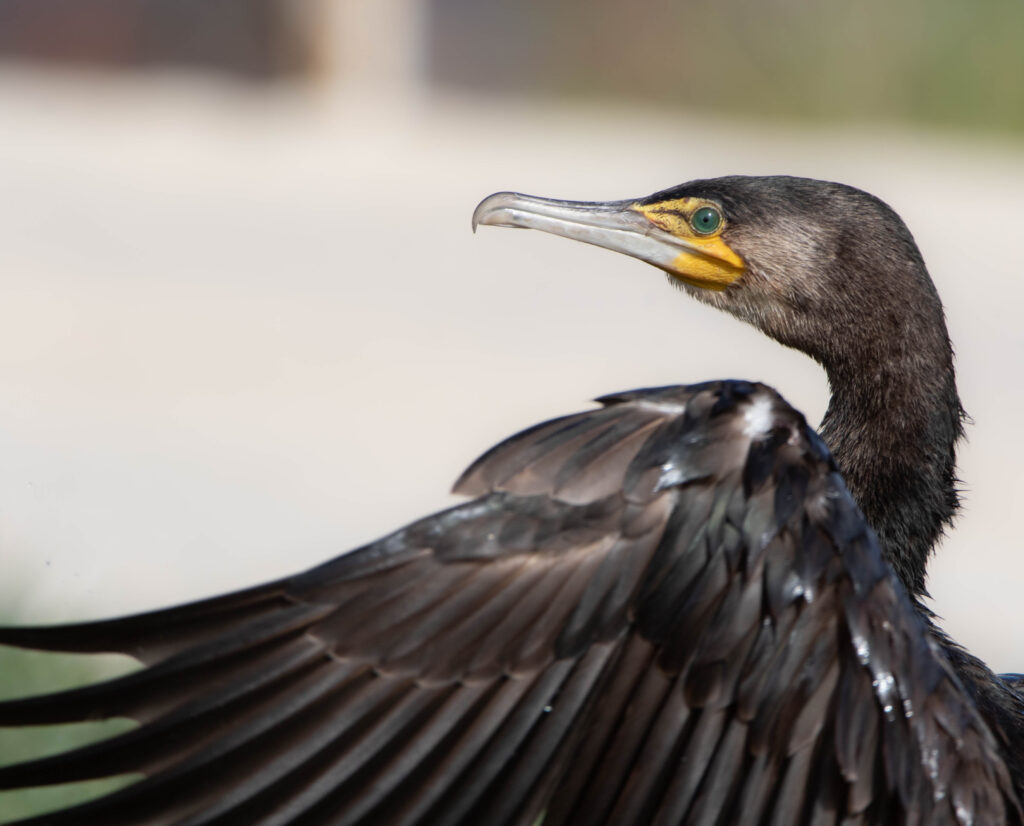
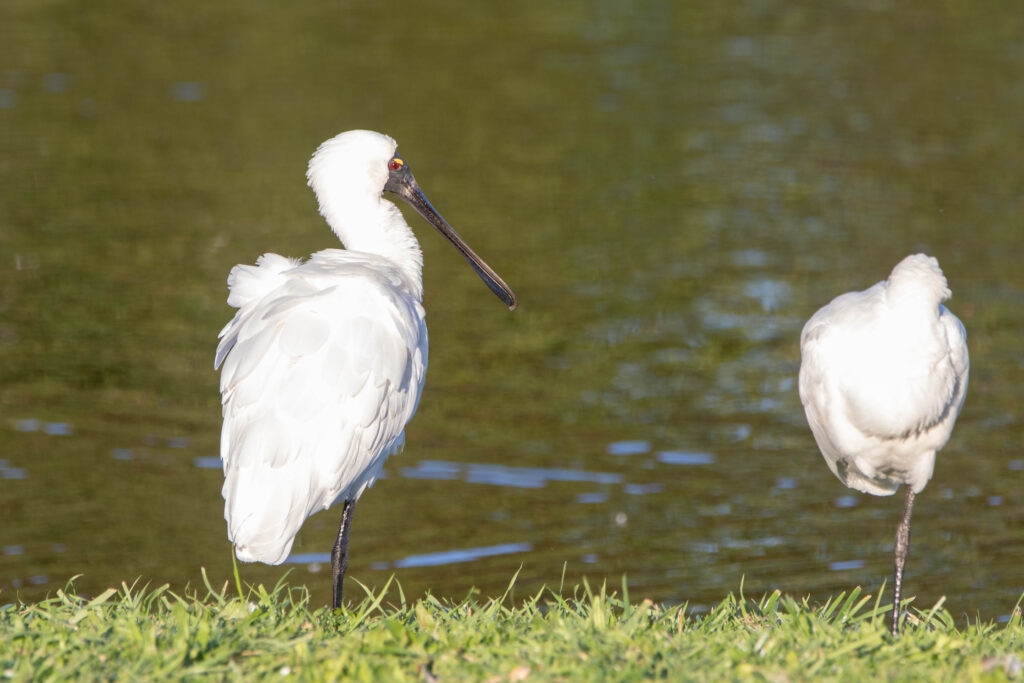
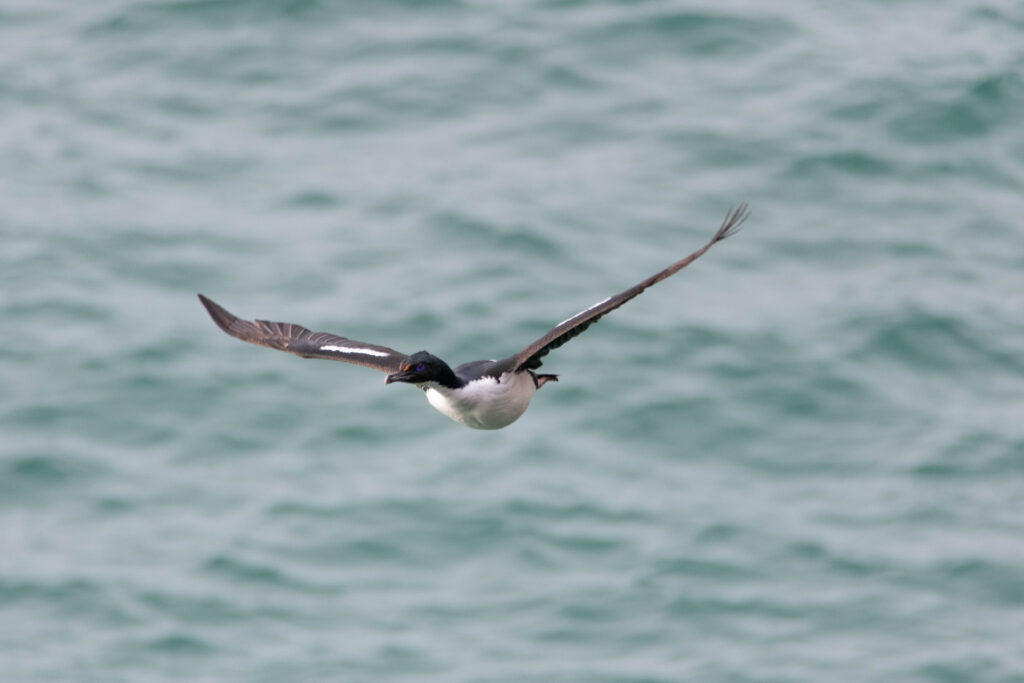
In addition to this iconic species, we also see new birds such as Royal Spoonbill (Platalea regia), Kelp Gull (Larus dominicanus), Caspian Tern (Hydroprogne caspia), Black-fronted Tern (Chlidonias albostriatus), and Great Cormorant (Phalacrocorax carbo). We also observe a cormorant species that can only be seen in the southern part of New Zealand’s South Island: Stewart Island Shag (Leucocarbo chalconotus).

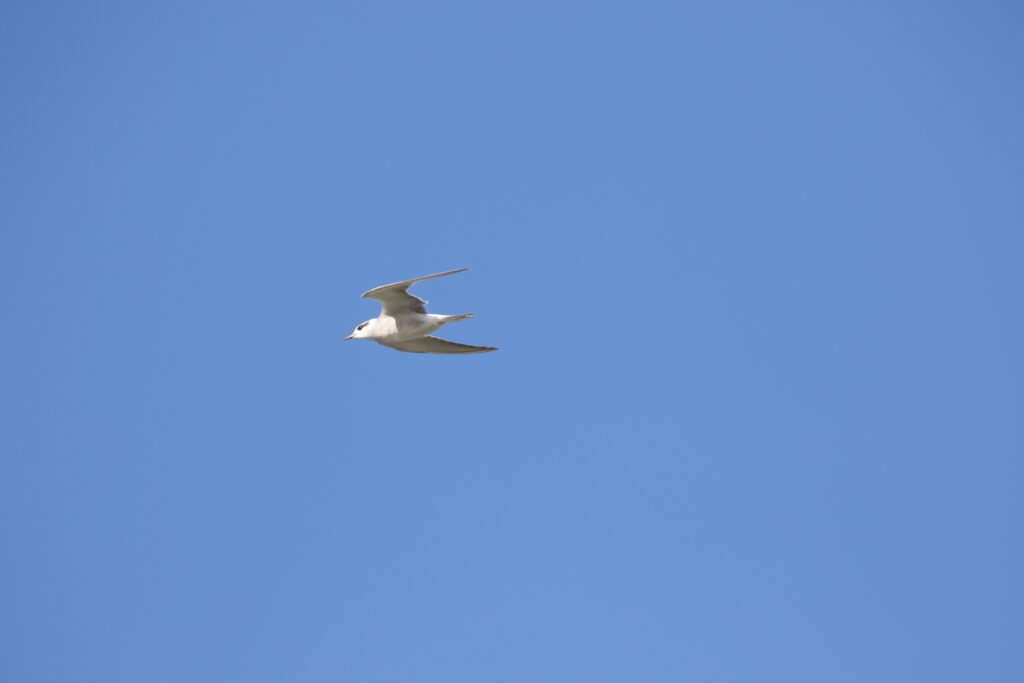
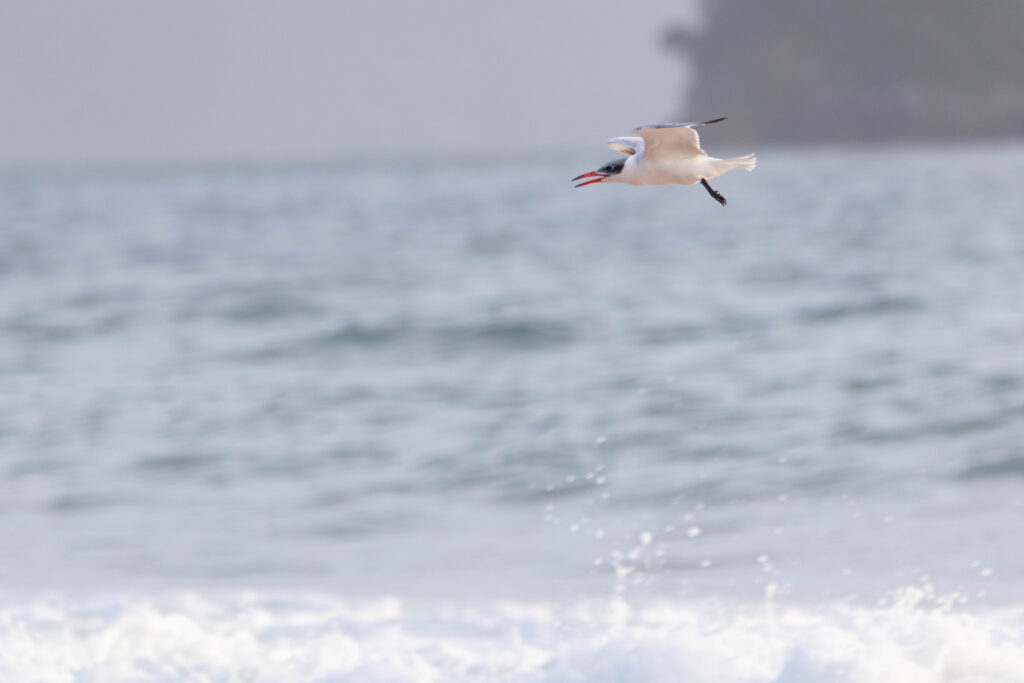
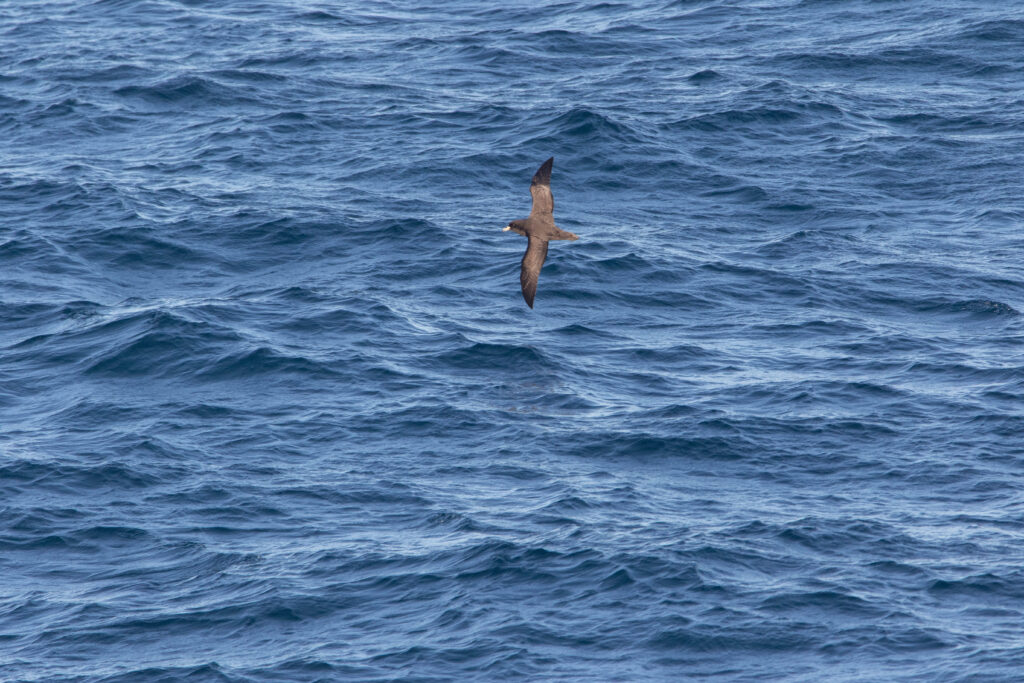
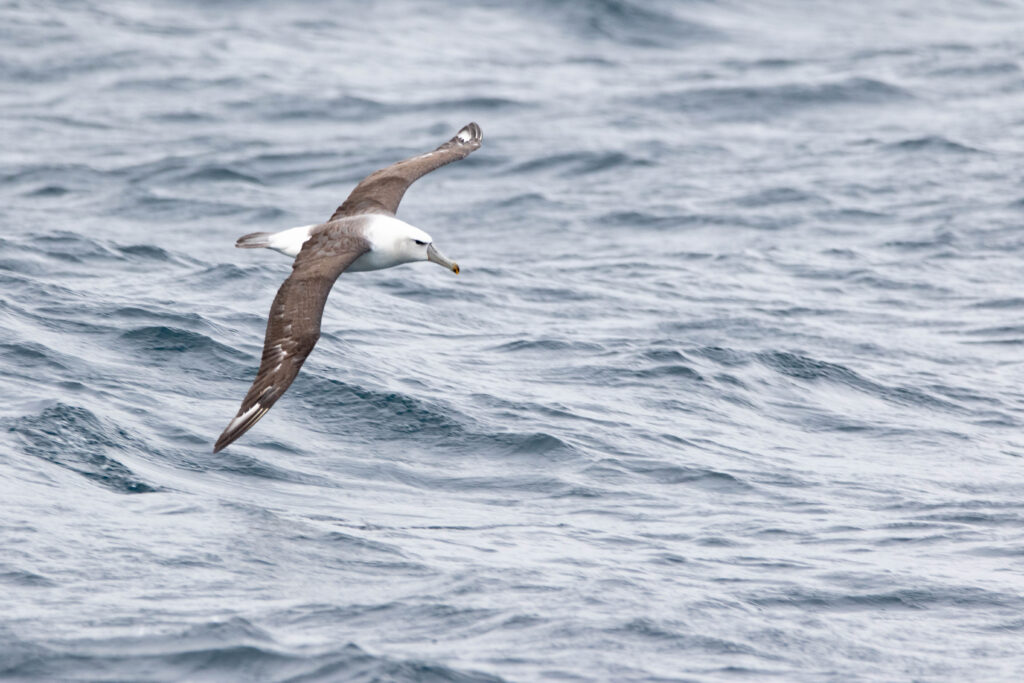
We even return to this observation platform a few days later. This time, it offers us sightings of additional albatross species: Southern Royal Albatross (Diomedea epomophora) and Shy Albatross (Thalassarche cauta), as well as a White-chinned Petrel (Procellaria aequinoctialis). We are very lucky to observe them so close to shore, as without wind, no albatrosses would be visible flying at sea.
Hoopers Inlet mudflats
About twenty minutes from the centre, towards Portobello, it is possible to access a small bay: Little Hoopers Inlet.
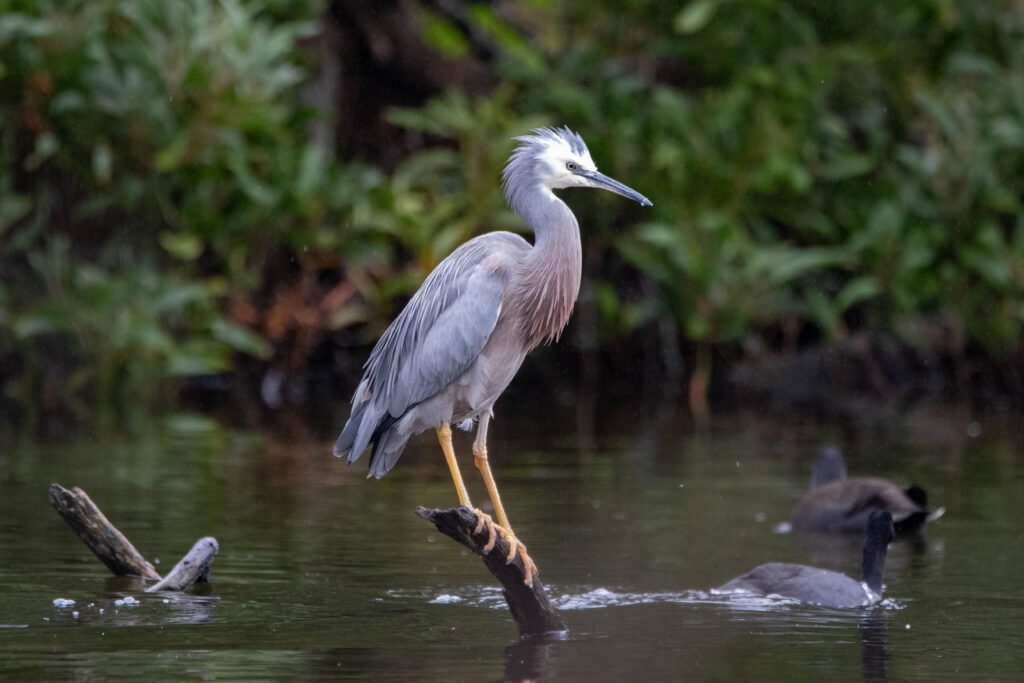
At low tide, mudflats appear here, making it a great spot for waders and ducks: Black Swan (Cygnus atratus), Paradise Shelduck (Tadorna variegata), Mallard (Anas platyrhynchos), Grey Teal (Anas gracilis), White-faced Heron (Egretta novaehollandiae), Australasian Swamphen (Porphyrio melanotus), Pied Stilt (Himantopus leucocephalus), South Island Oystercatcher (Haematopus finschi), Variable Oystercatcher (Haematopus unicolor), and Masked Lapwing (Vanellus miles).
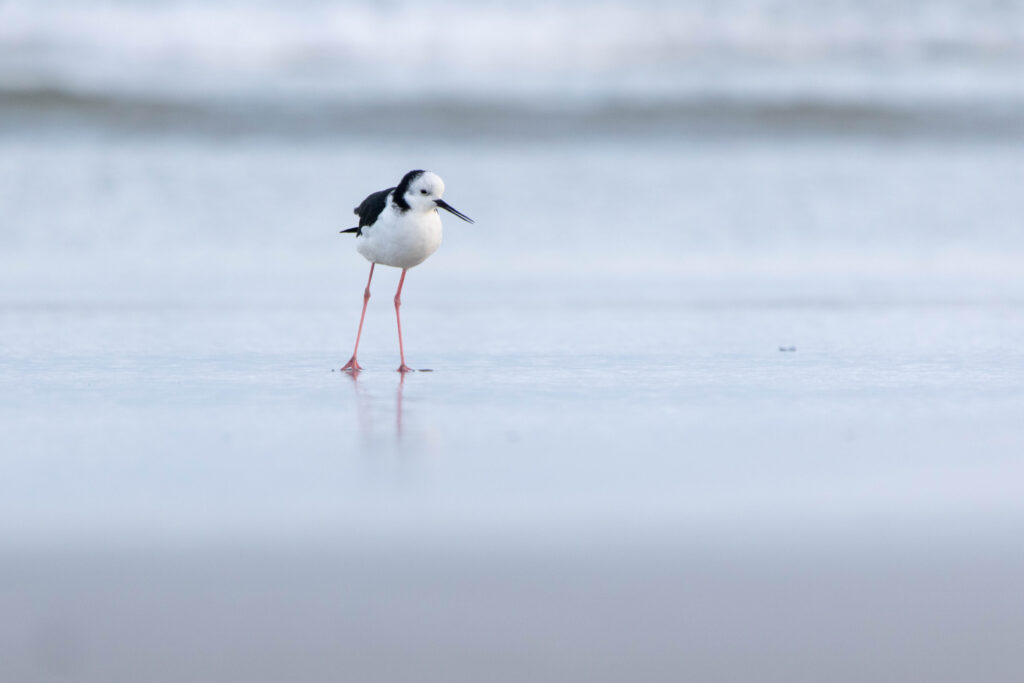
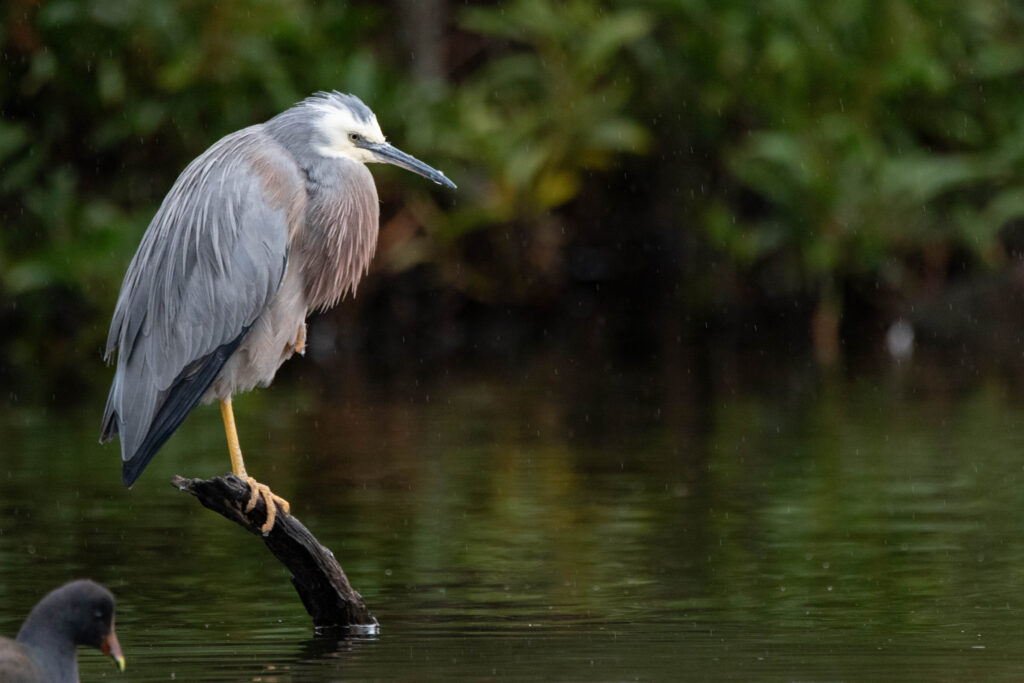
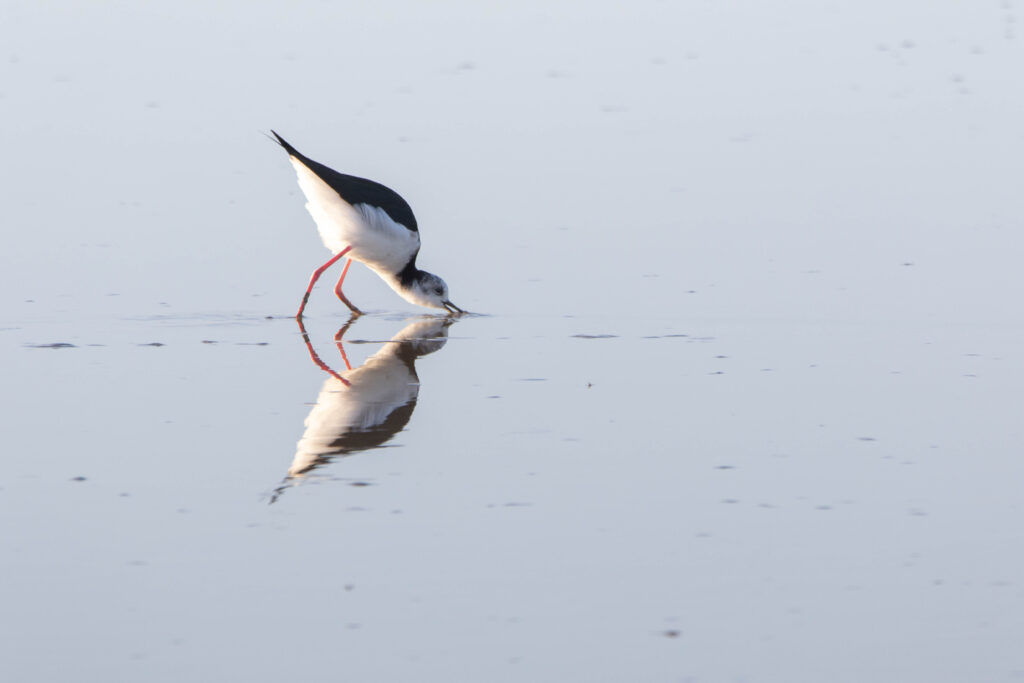
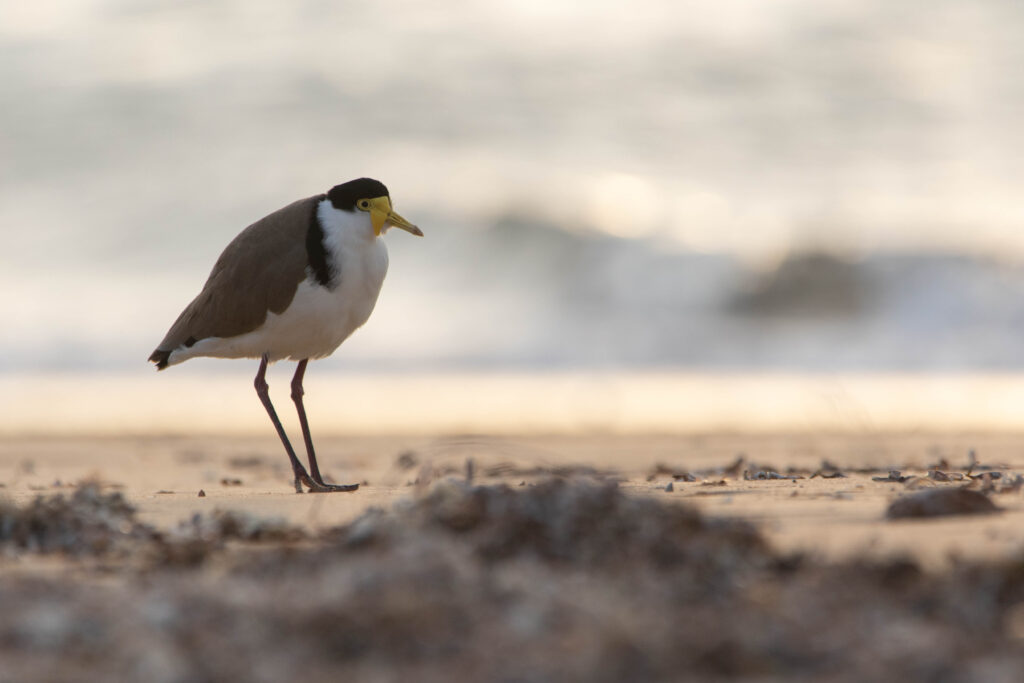
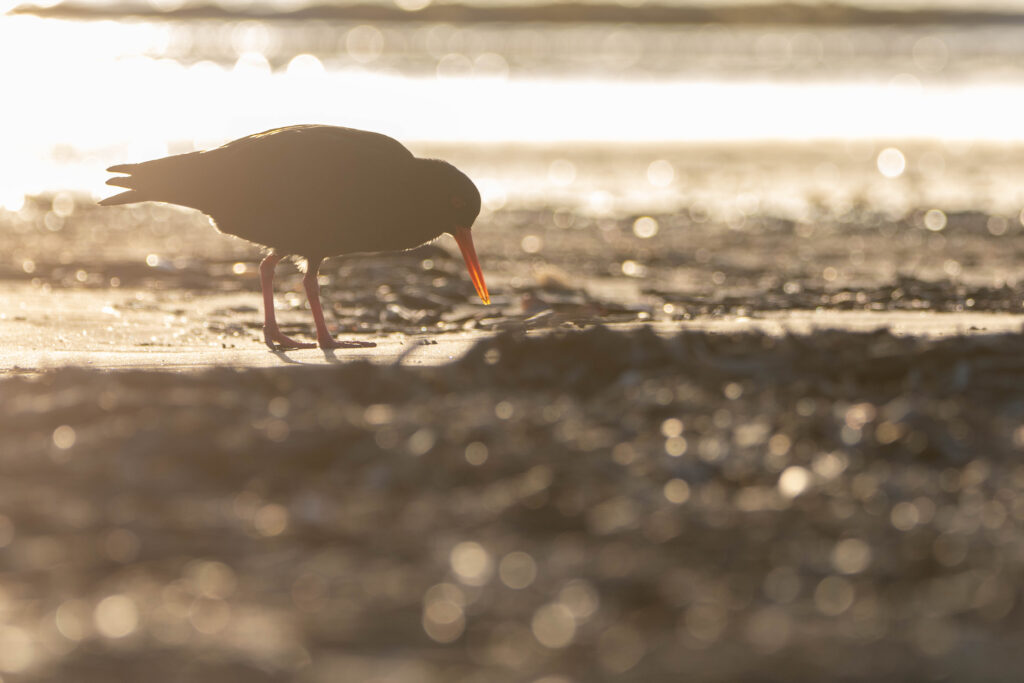
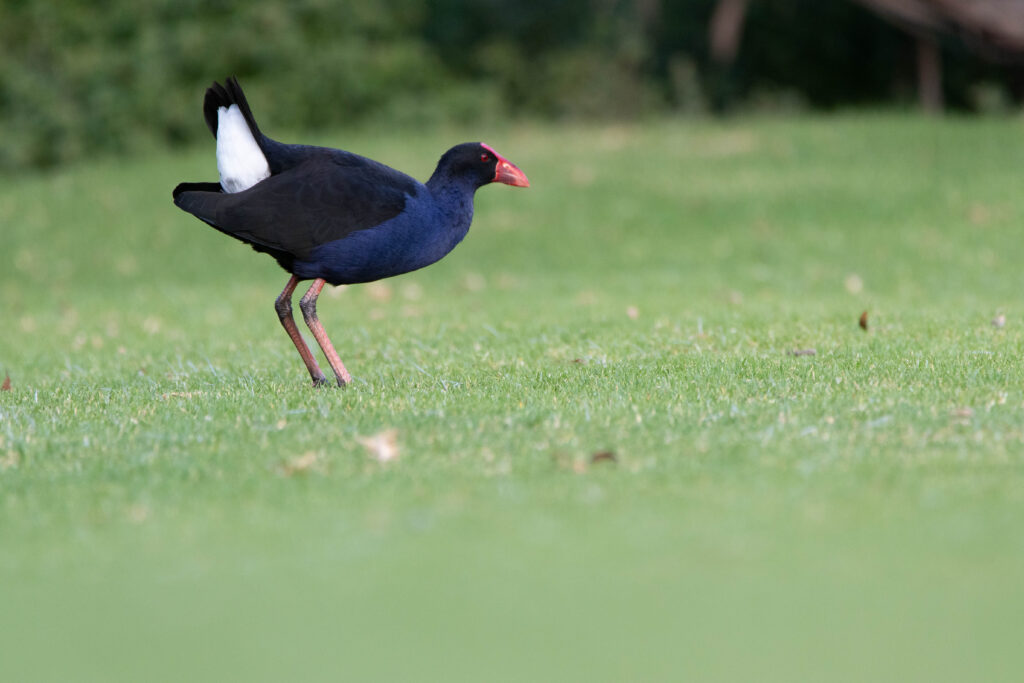
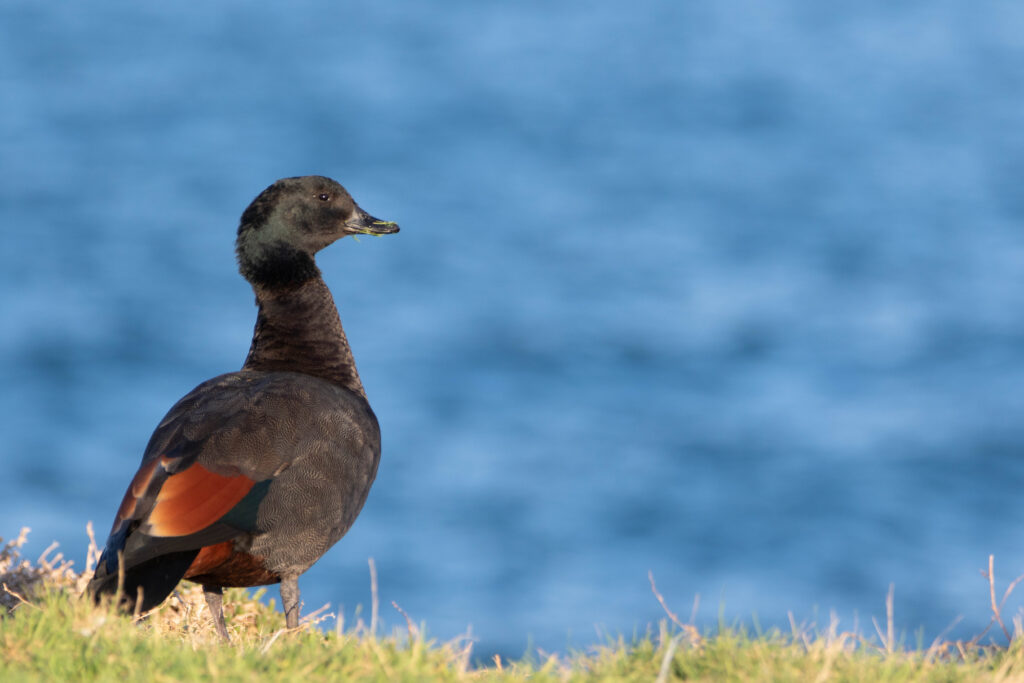


On the other side of the road, in the vegetation, you may see New Zealand Pigeon (Hemiphaga novaeseelandiae), New Zealand Bellbird (Anthornis melanura), New Zealand Fantail (Rhipidura fuliginosa), Eurasian Chaffinch (Fringilla coelebs), and European Goldfinch (Carduelis carduelis). Keep an eye on the sky for Welcome Swallow (Hirundo neoxena) or Swamp Harrier (Circus approximans). It is also not uncommon to see Sacred Kingfisher (Todiramphus sanctus) hunting fish.
Sunrise at Aramoana Mole
We then look for a place to spend the night in our van and choose the Aramoana Mole parking area, opposite the Otago Peninsula. This breakwater marks the entrance of the sea into Dunedin Bay.
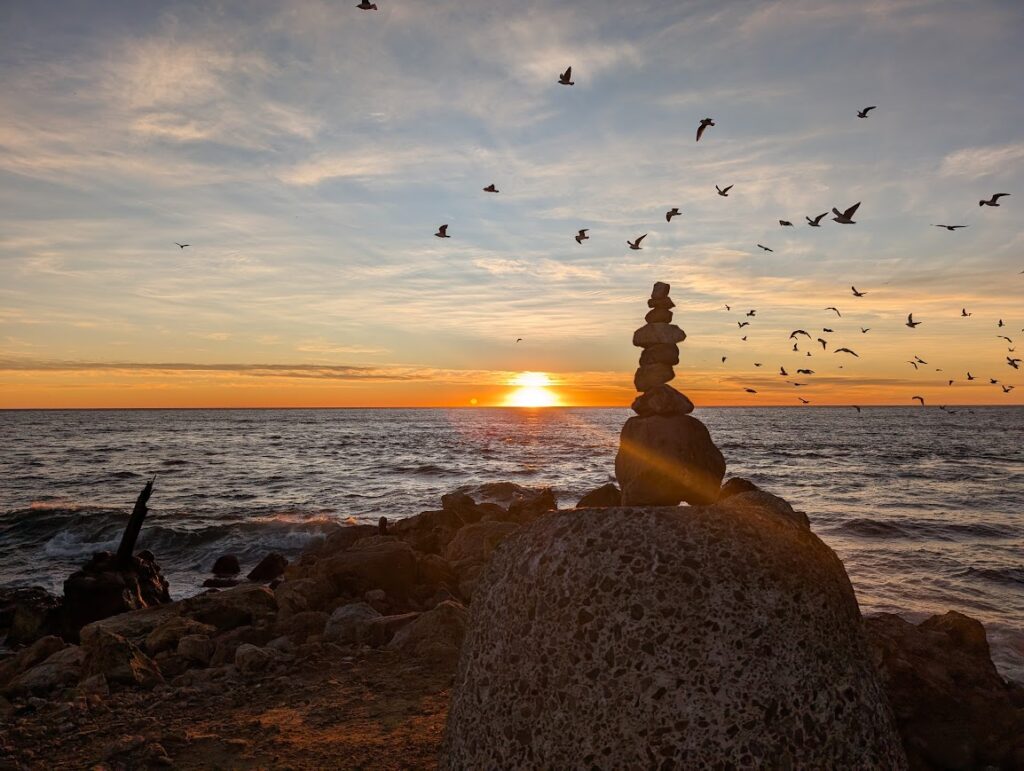
We wake up at dawn to enjoy a stunning sunrise, surrounded by hundreds of Silver Gull (Chroicocephalus novaehollandiae). We also spot other Laridae such as Black-billed Gull (Chroicocephalus bulleri), White-fronted Tern (Sterna striata), Black-fronted Tern (Chlidonias albostriatus), and Kelp Gull (Larus dominicanus).
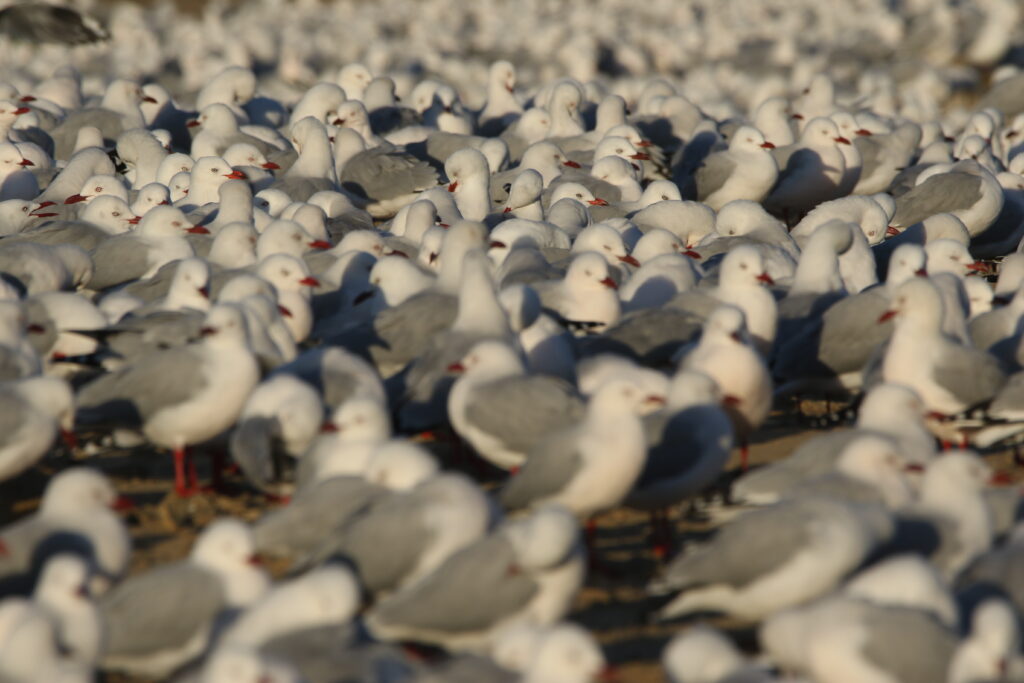
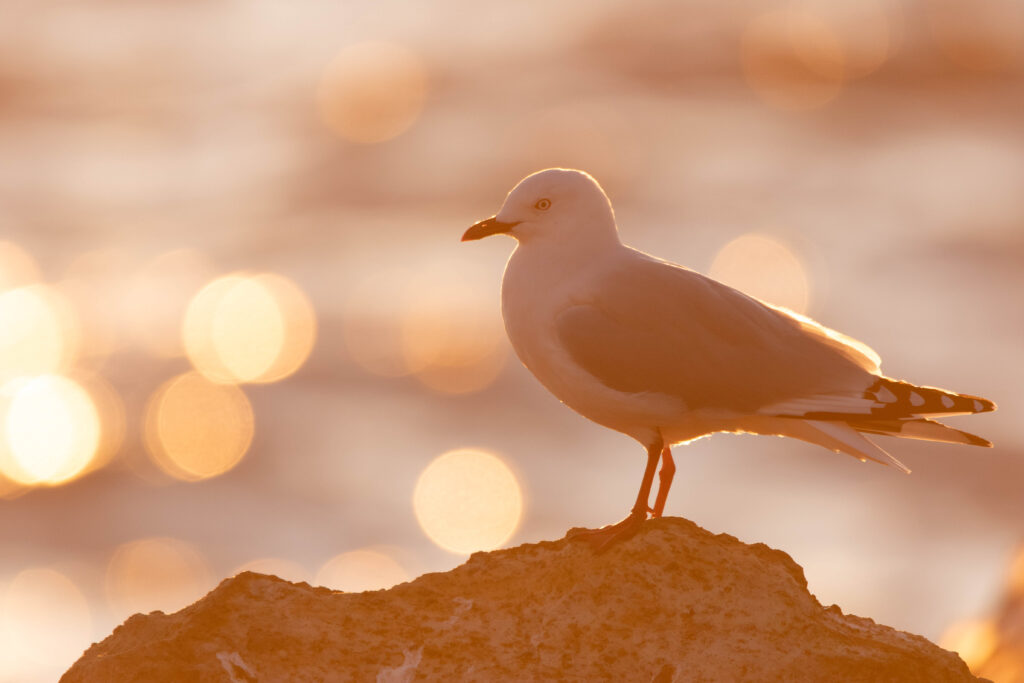
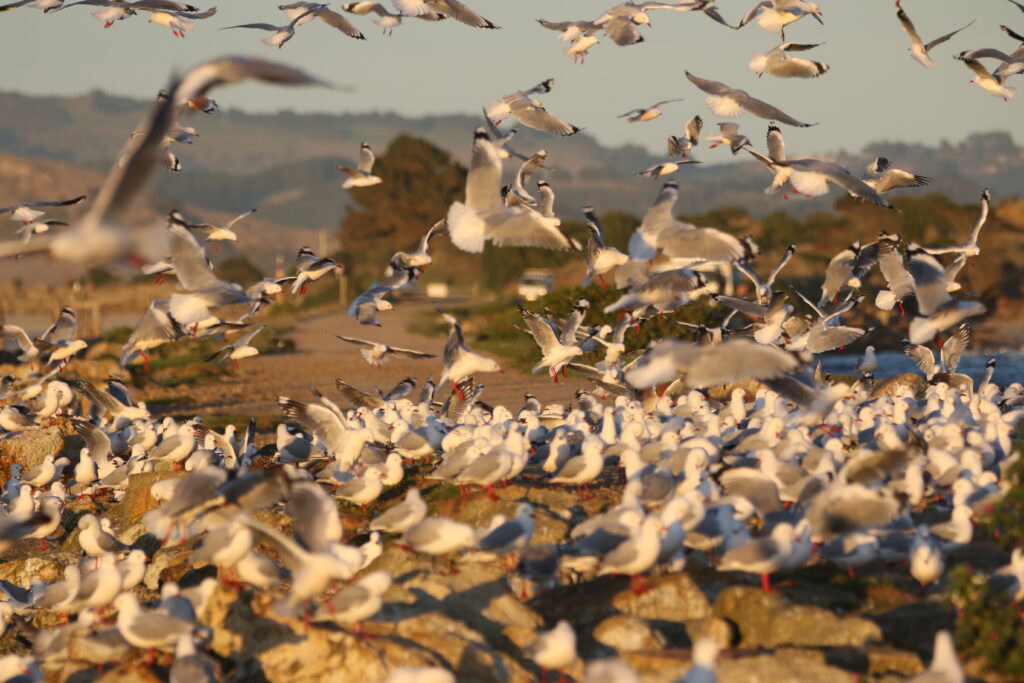
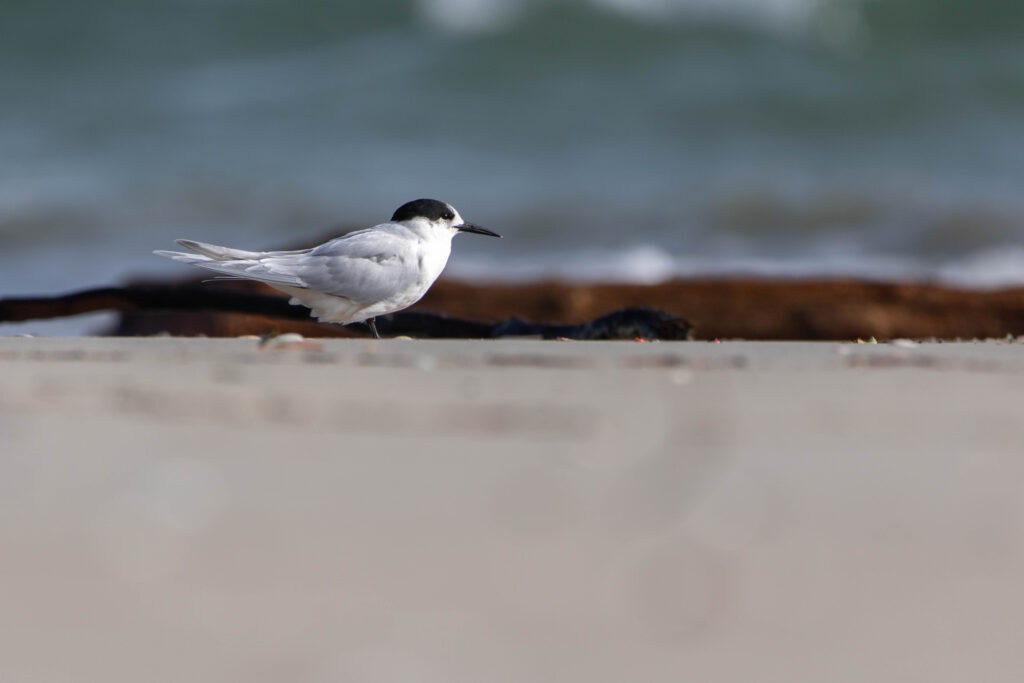
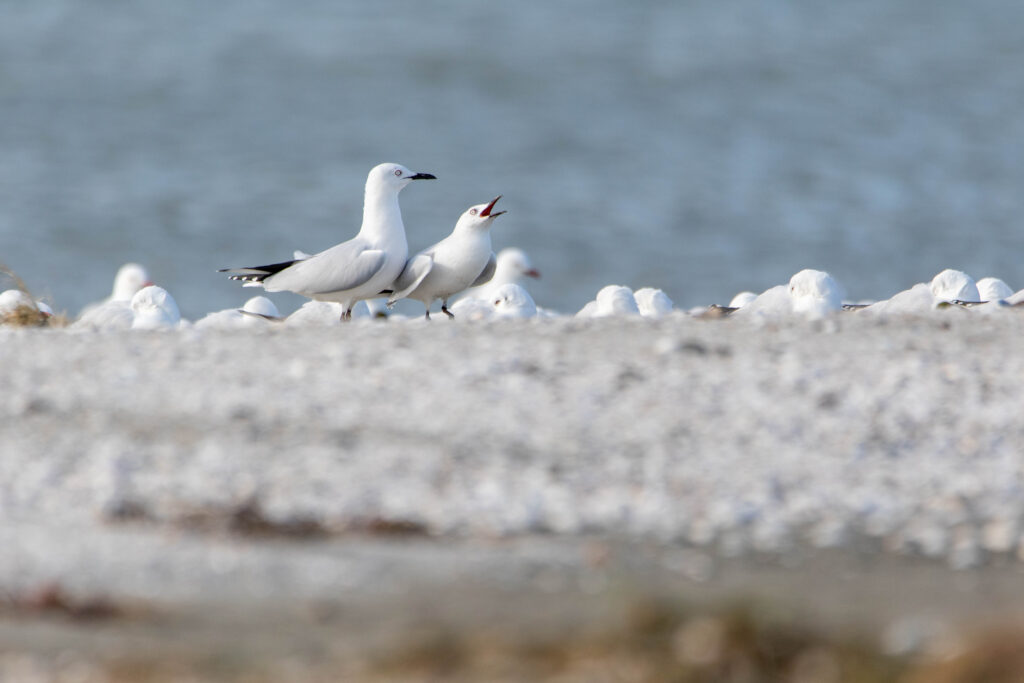
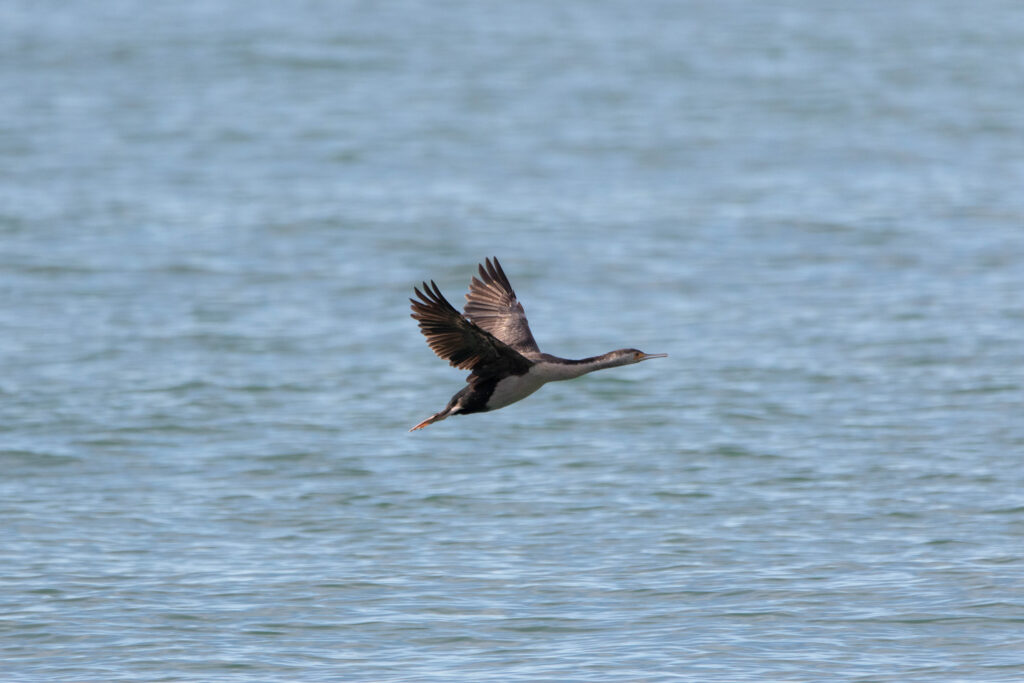
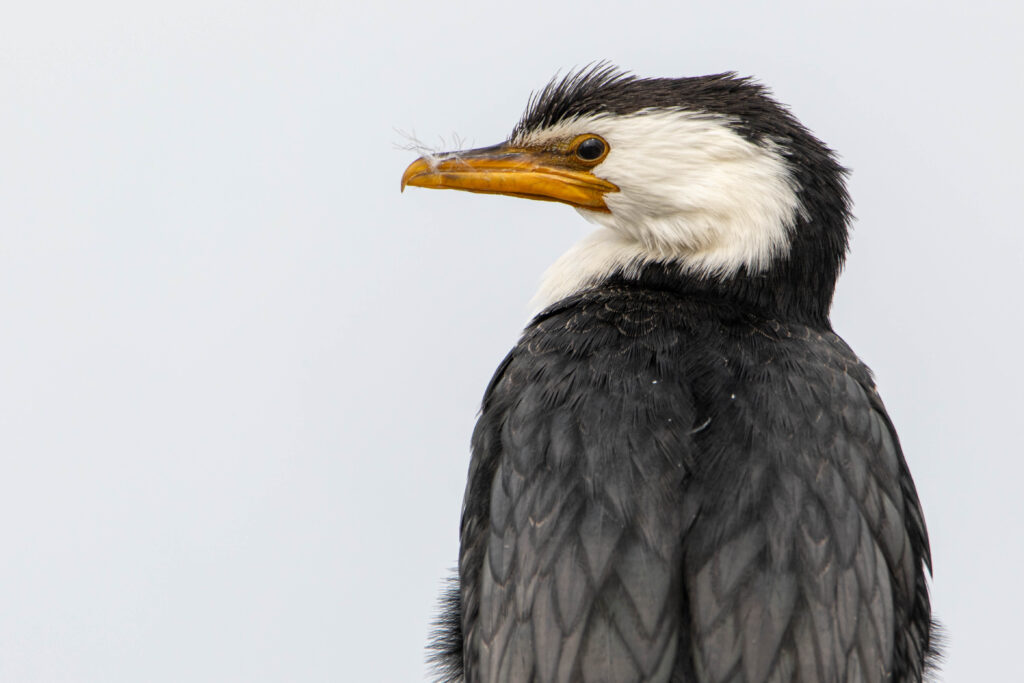
We also take the opportunity to do some sea-watching, scanning for resident seabirds such as Northern Royal Albatross (Diomedea sanfordi) or Shy Albatross (Thalassarche cauta). We even observe a Sooty Shearwater (Ardenna grisea). We also record new cormorant species, including Little Pied Cormorant (Microcarbo melanoleucos) and Spotted Shag (Phalacrocorax punctatus), in addition to the previously seen Stewart Island Shag (Leucocarbo chalconotus).
Pelagic boat trip
Watching albatrosses from land is great, but it’s even better from the sea! We join a trip with Monarch Wildlife Cruise, which offers short and affordable boat tours. We head towards Taiaroa Head, at the tip of the Otago Peninsula.
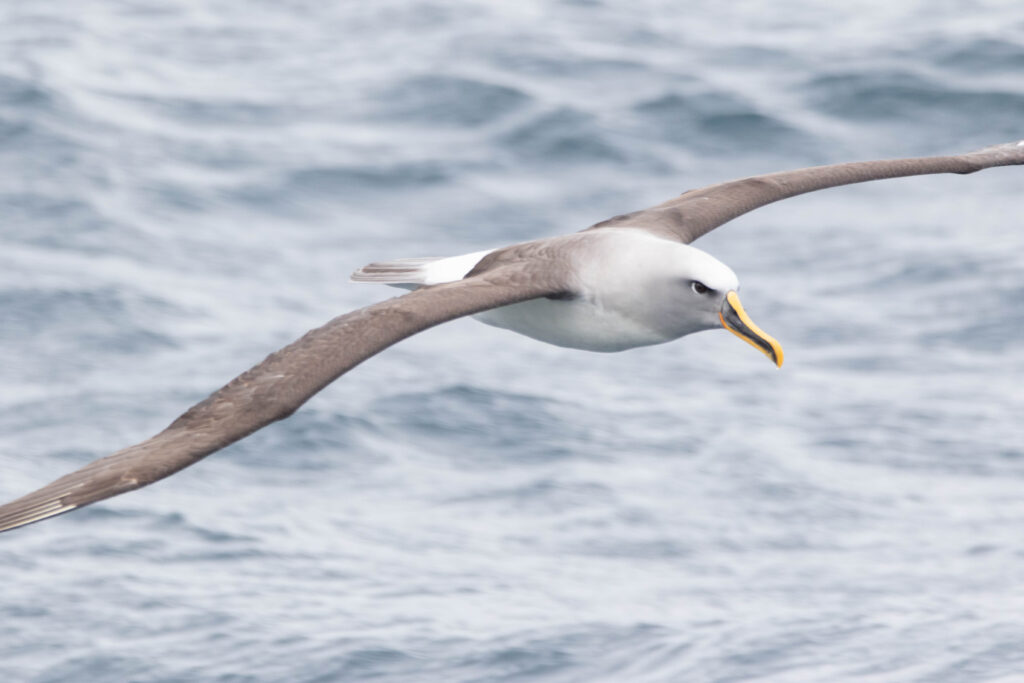
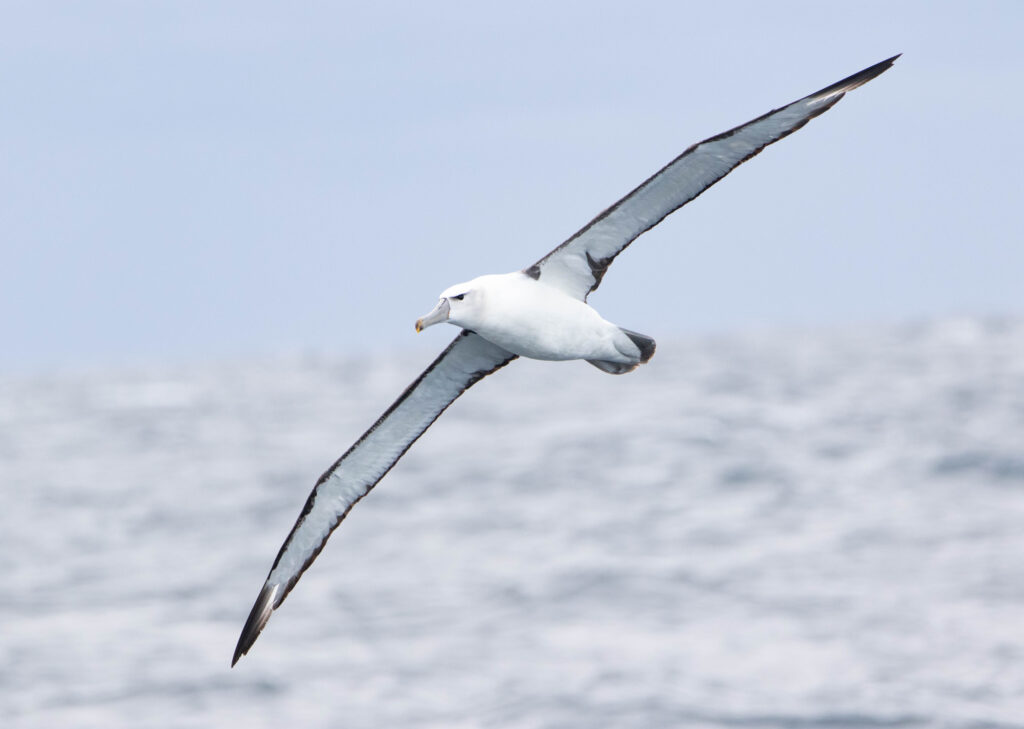
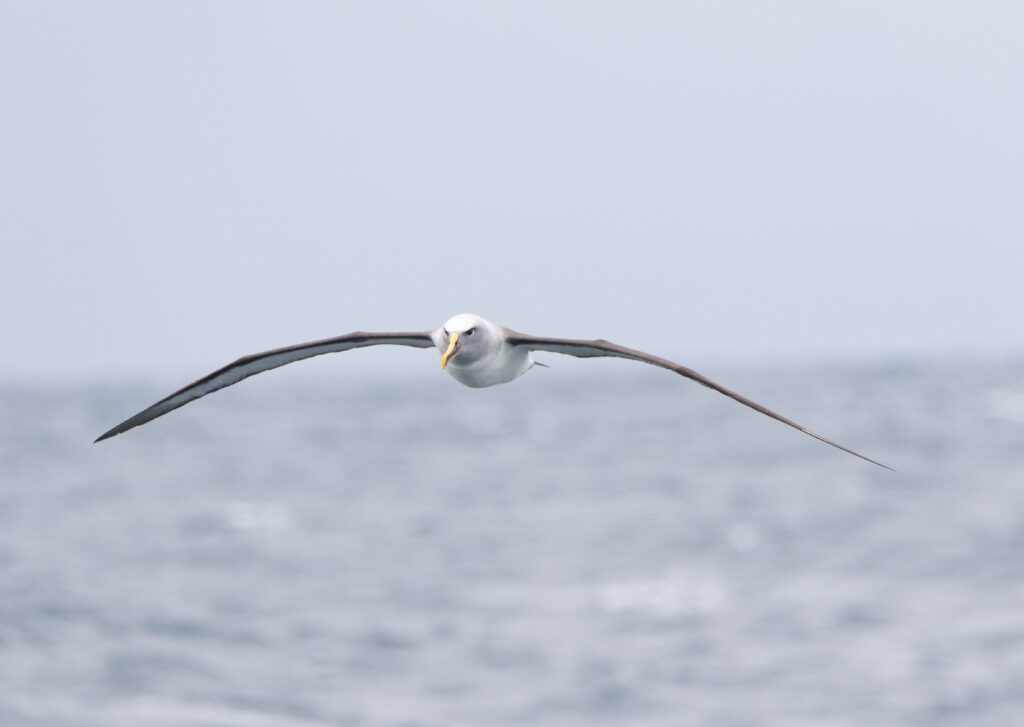
The trip goes very well and allows us to observe up close Northern Royal Albatross (Diomedea sanfordi), Buller’s Albatross (Thalassarche bulleri), and Shy Albatross (Thalassarche cauta). We don’t record any new species, but the experience is absolutely worth it. The birds circle around the boat and sometimes skim just above the water’s surface.
The OPERA
The boat trip is combined with a visit to The OPERA. If you’re not familiar with this conservation organization working to protect penguins, we recommend checking out the article dedicated to them.
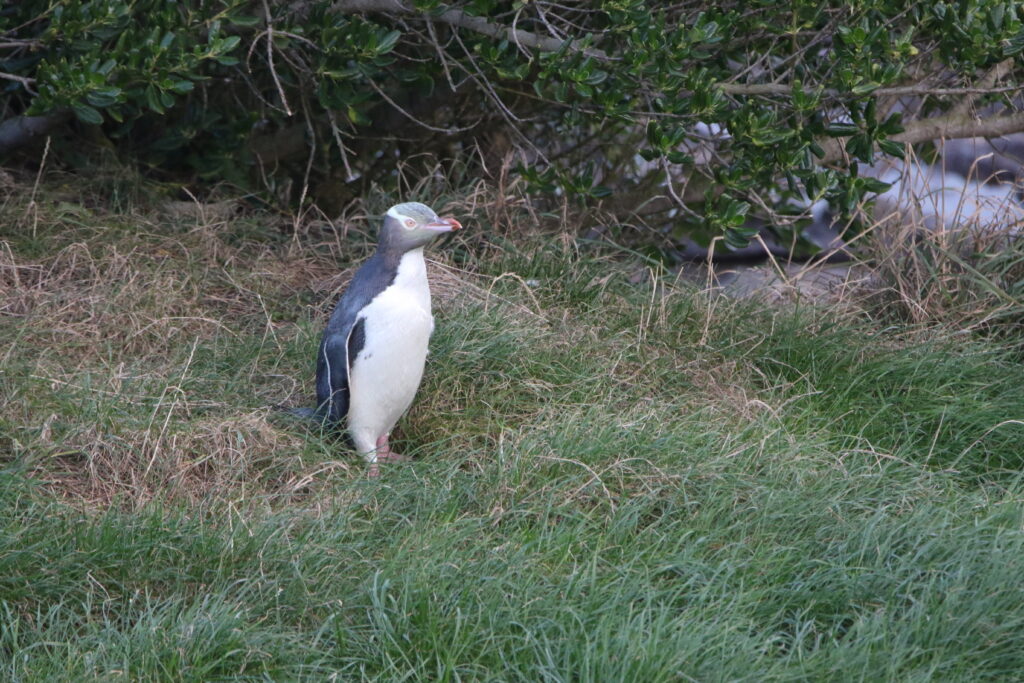
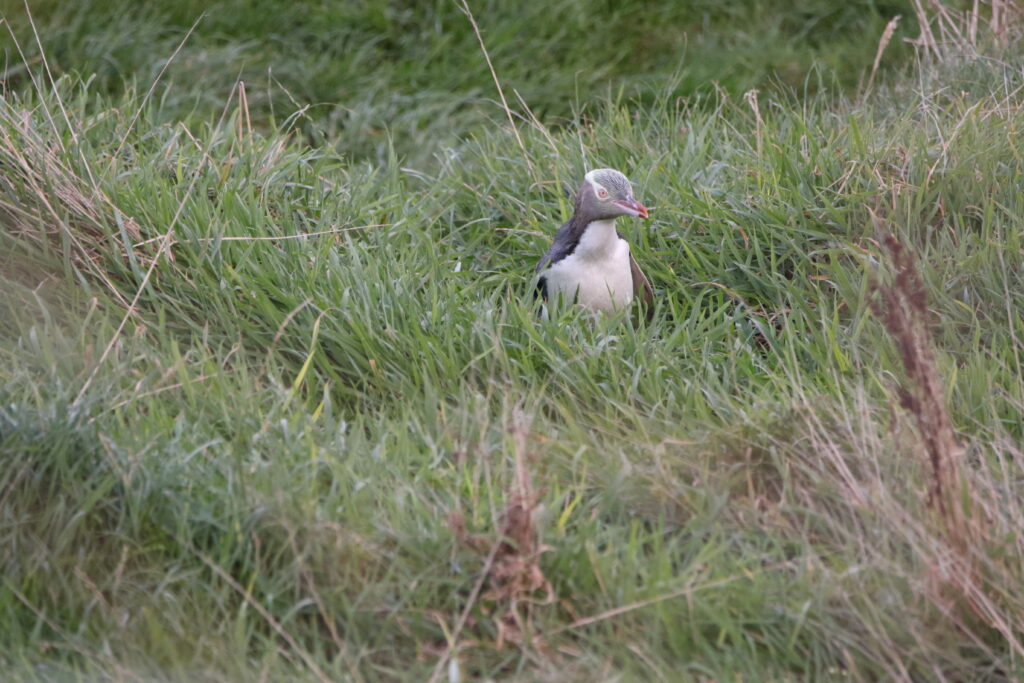
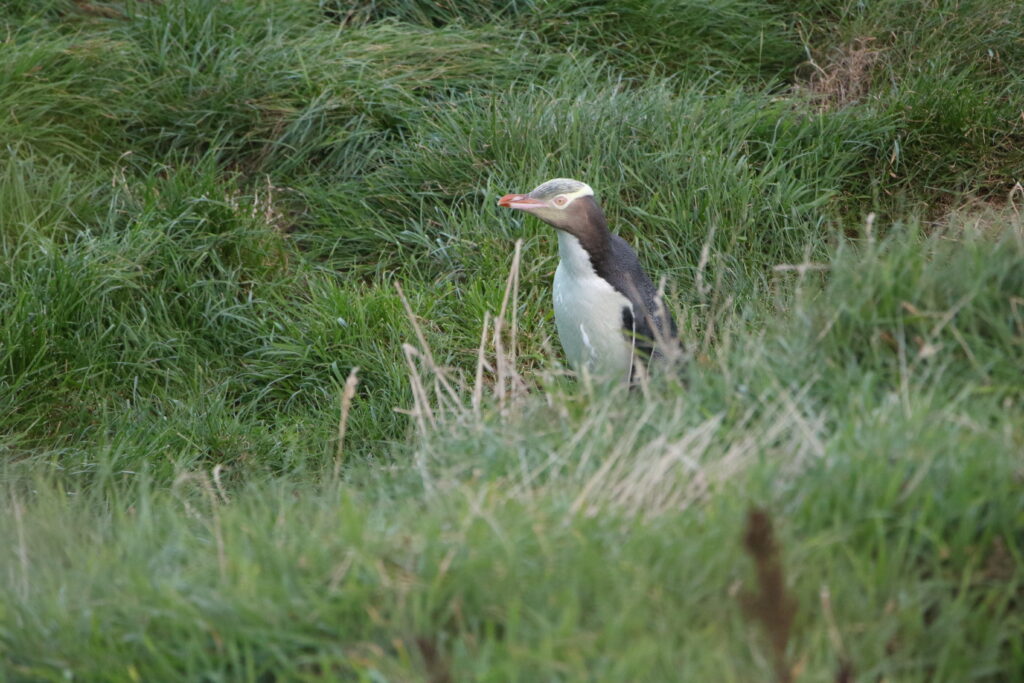
This guided visit gives us the chance to observe the second emblematic bird of the Otago Peninsula: the Yellow-eyed Penguin (Megadyptes antipodes). We are lucky enough to see one returning to land after a day of fishing at sea. The beach where we observe it is only accessible through the guided tour. We also see a few Little Penguins (Eudyptula minor) inside their nesting boxes.
Sandfly Bay
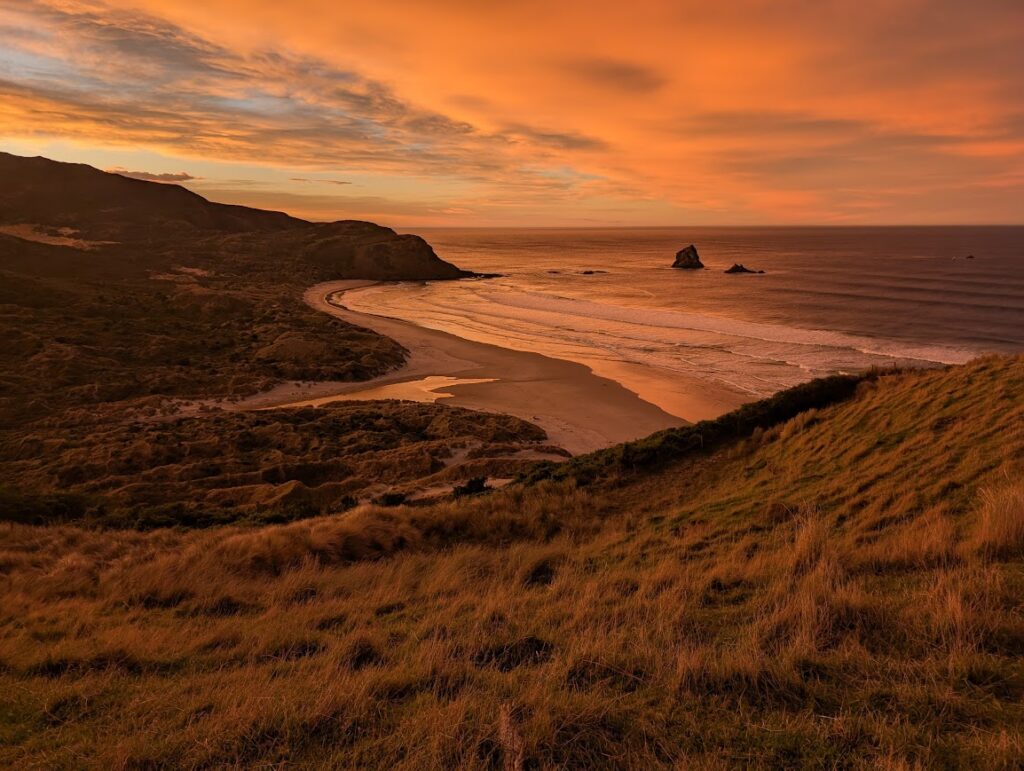
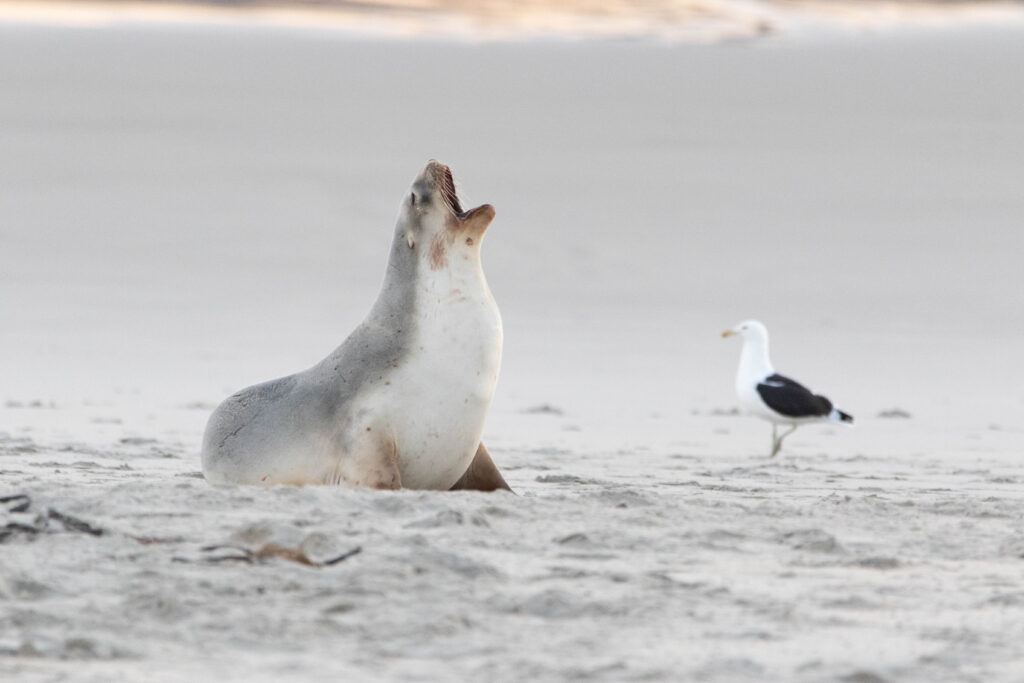
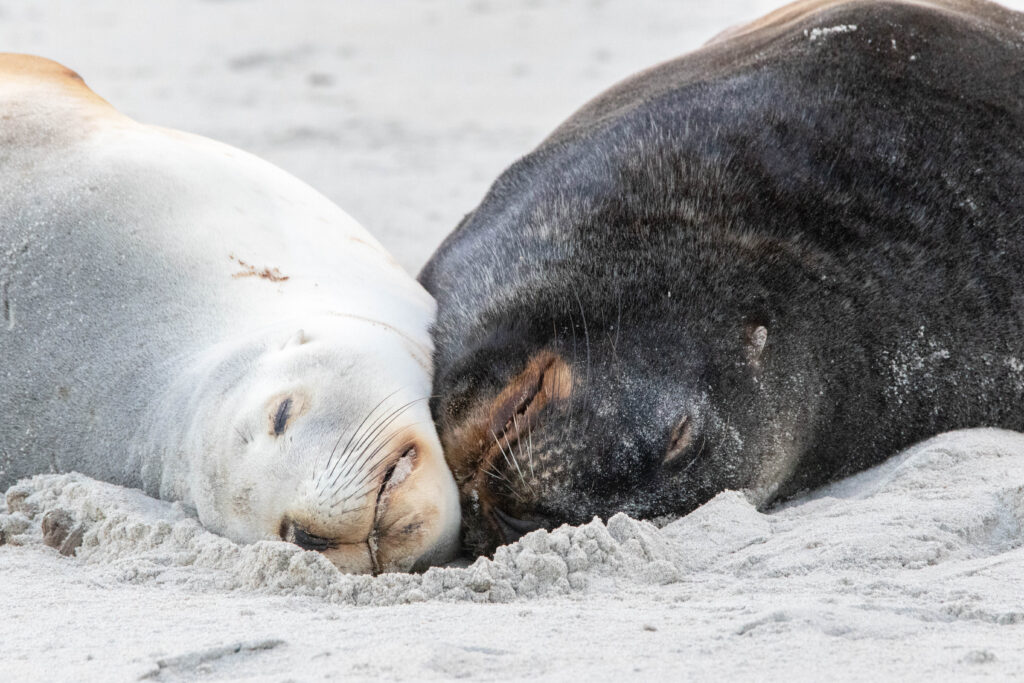
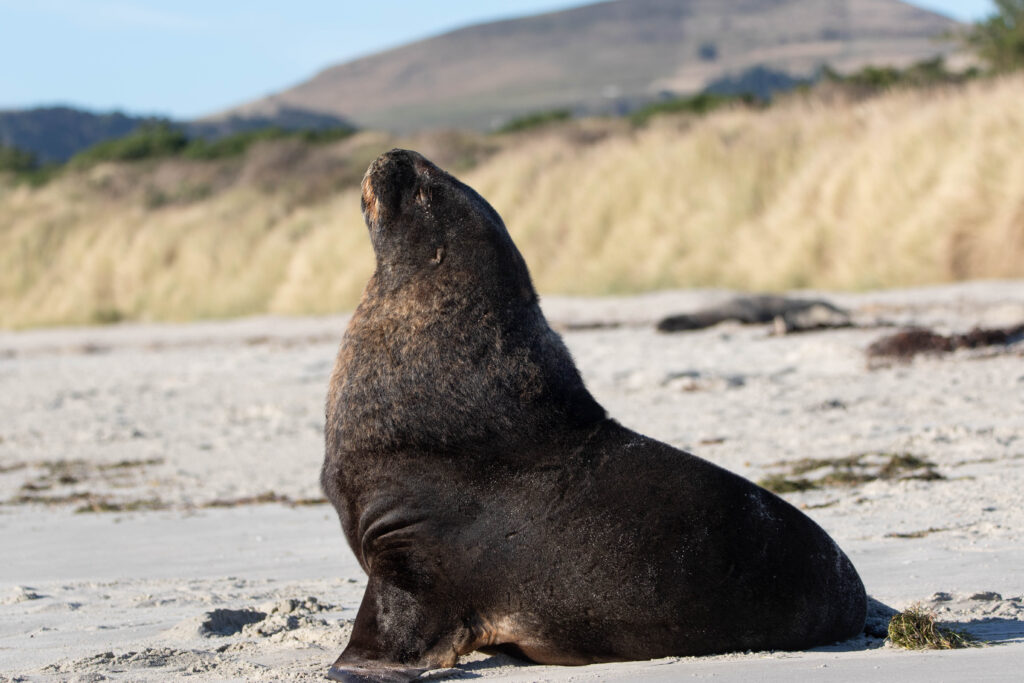
Our last night on the Otago Peninsula is spent at Sandfly Bay, where we watch the sunrise on the beach. The walk down (and back up) from the parking area is a bit challenging, but absolutely worth it! The beach is home to many New Zealand Sea Lions (Phocarctos hookeri), lazily resting along the shore. It is also one of the (free) spots where you might see the Yellow-eyed Penguin (Megadyptes antipodes), although we are not lucky enough to spot one here.
We also observe Paradise Shelduck (Tadorna variegata), South Island Oystercatcher (Haematopus finschi), Variable Oystercatcher (Haematopus unicolor), and many other waterbirds.
Wanaka
Wanaka City Center
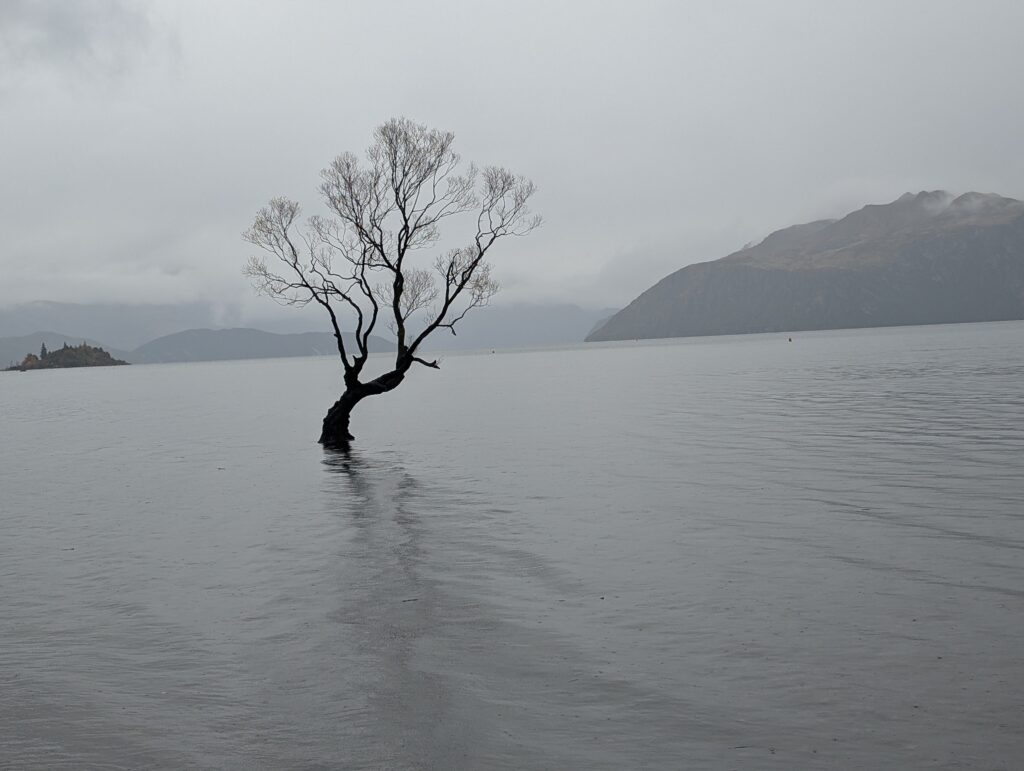
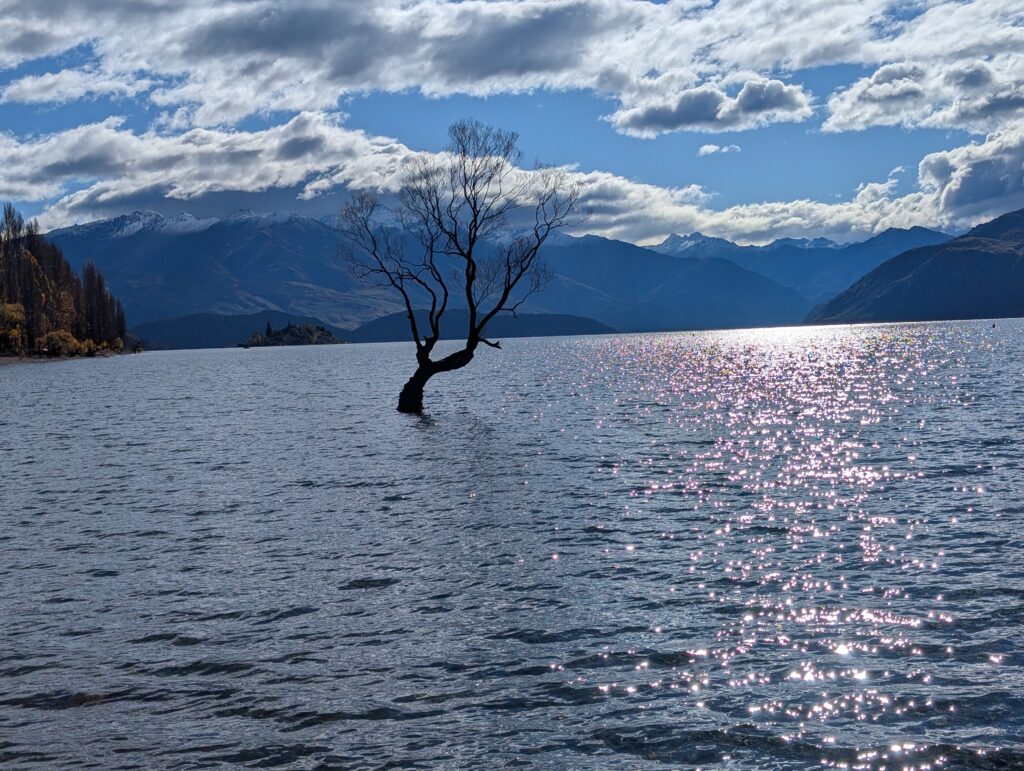
After our stay on the Otago Peninsula, discovering pelagic birds, we head back inland towards Wanaka and its beautiful lake, located about 3.5 hours from Dunedin. We take the opportunity to walk along the lakeside and visit the famous Wanaka Tree, which isn’t particularly special apart from attracting a bit too many tourists. Still, Lake Wanaka and its surroundings remain absolutely stunning.
During this walk, we observe the usual Mallard (Anas platyrhynchos), New Zealand Scaup (Aythya novaeseelandiae), Eurasian Coot (Fulica atra), Little Pied Cormorant (Microcarbo melanoleucos), as well as a few Canada Geese (Branta canadensis).
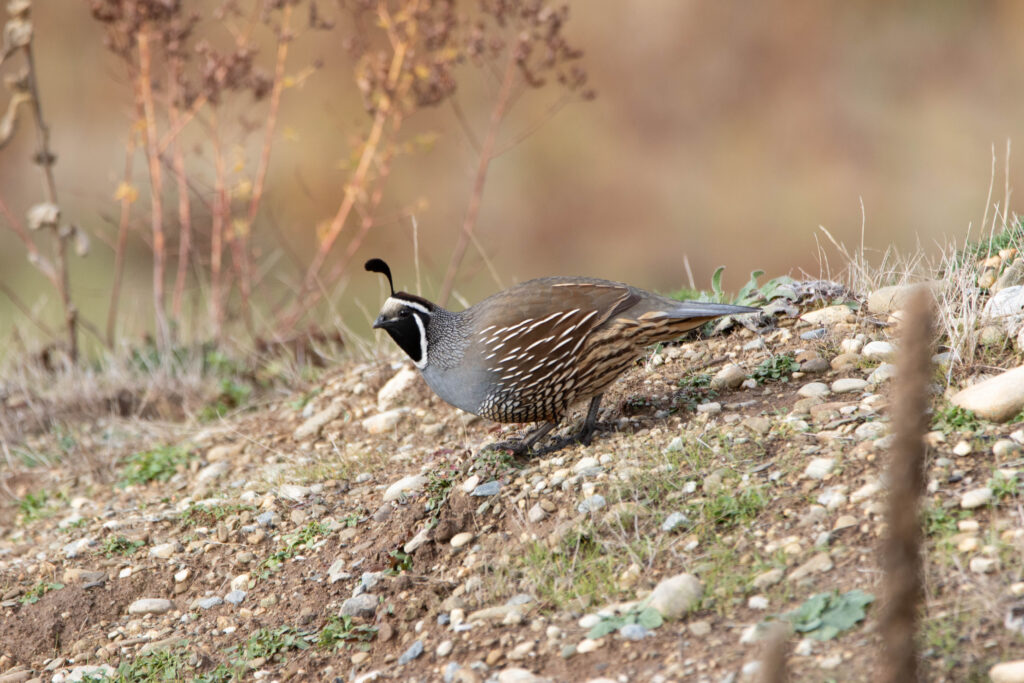
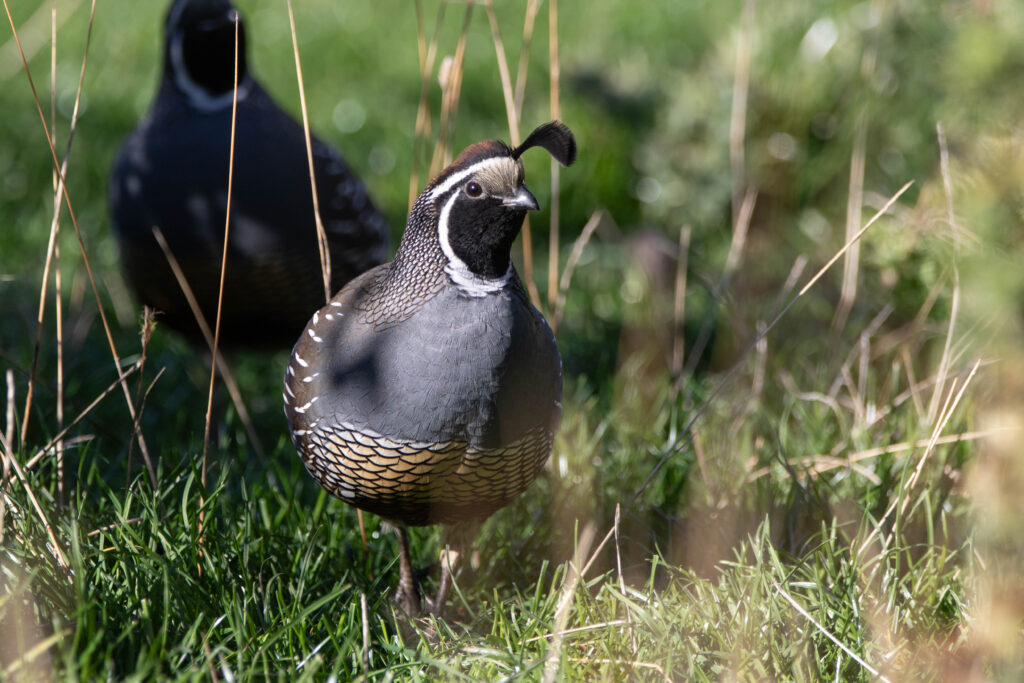
We spend the night at Red Bridge Campground, where we add a new species to our New Zealand list with a small colony of California Quail (Callipepla californica).
Roy’s Peak Track
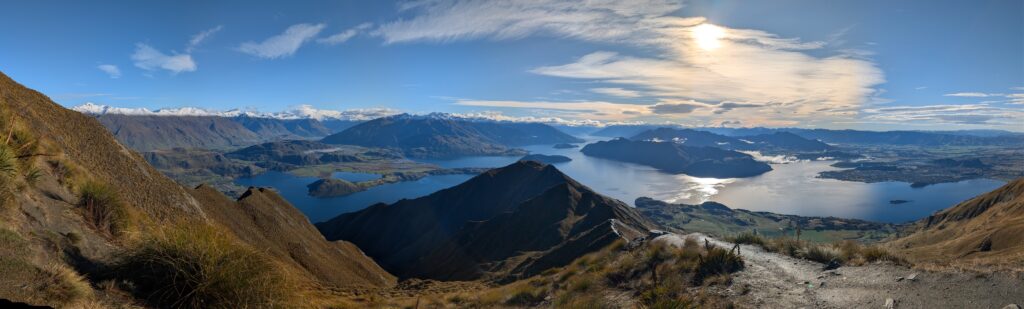
The next morning, we wake up early to hike the Roy’s Peak Track. It offers stunning panoramic views over the surrounding mountains and lakes and is one of the iconic hikes of the South Island. The trail is 6 km round trip with 1300 meters of elevation gain. If you enjoy hiking, it’s definitely worth it.
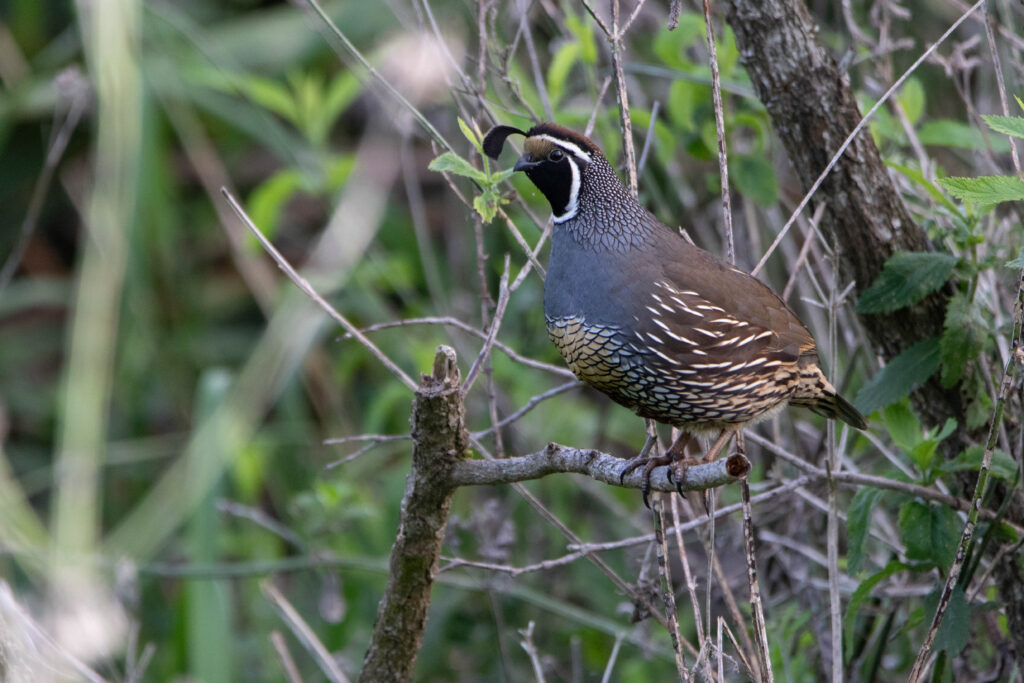
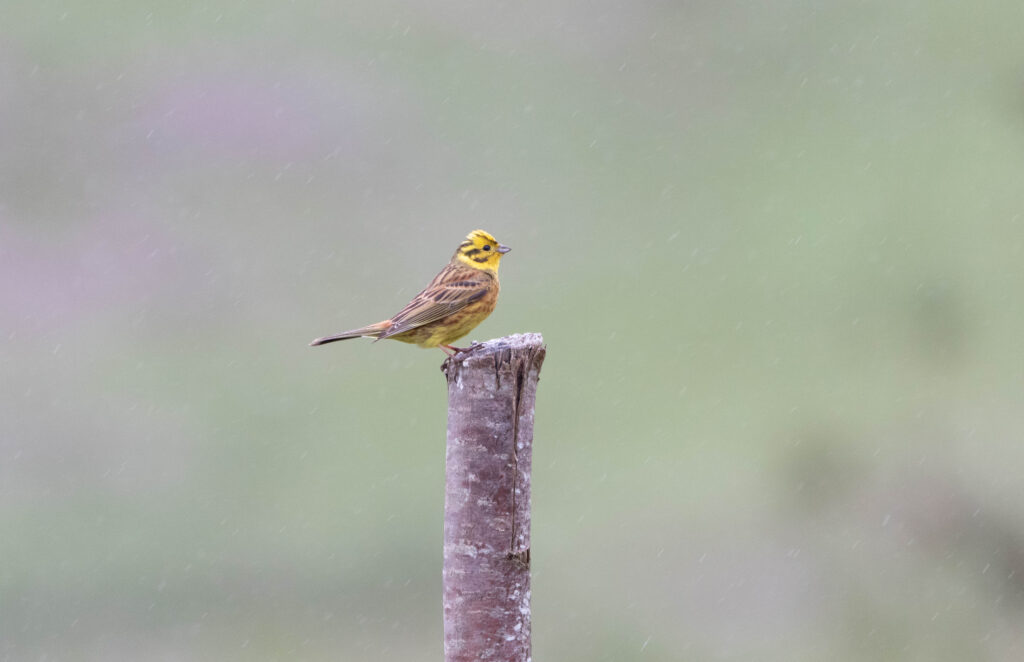
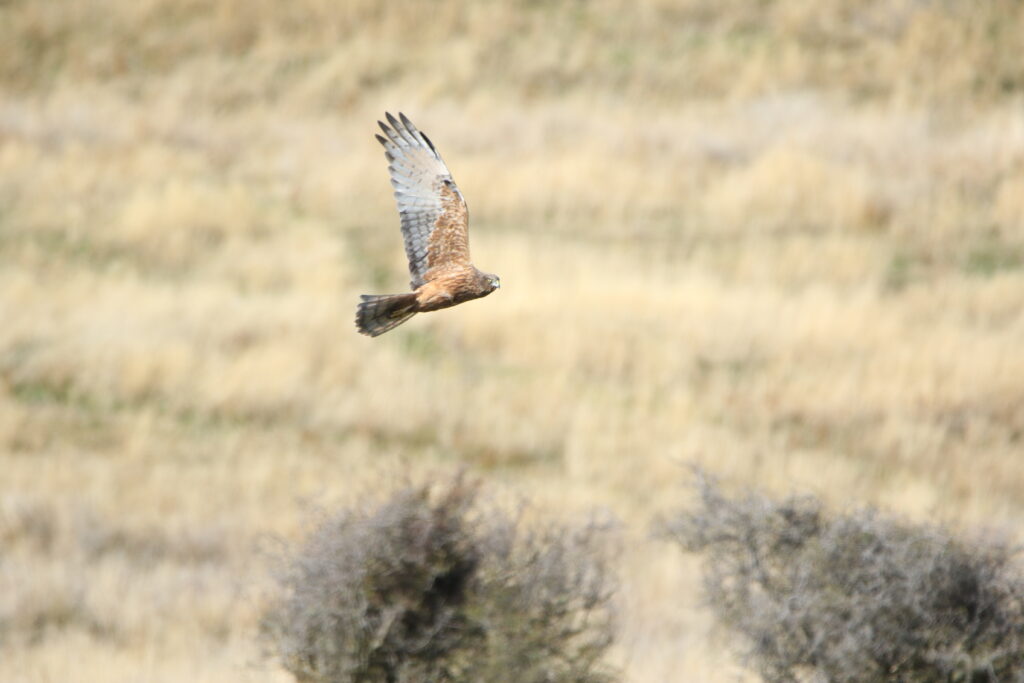
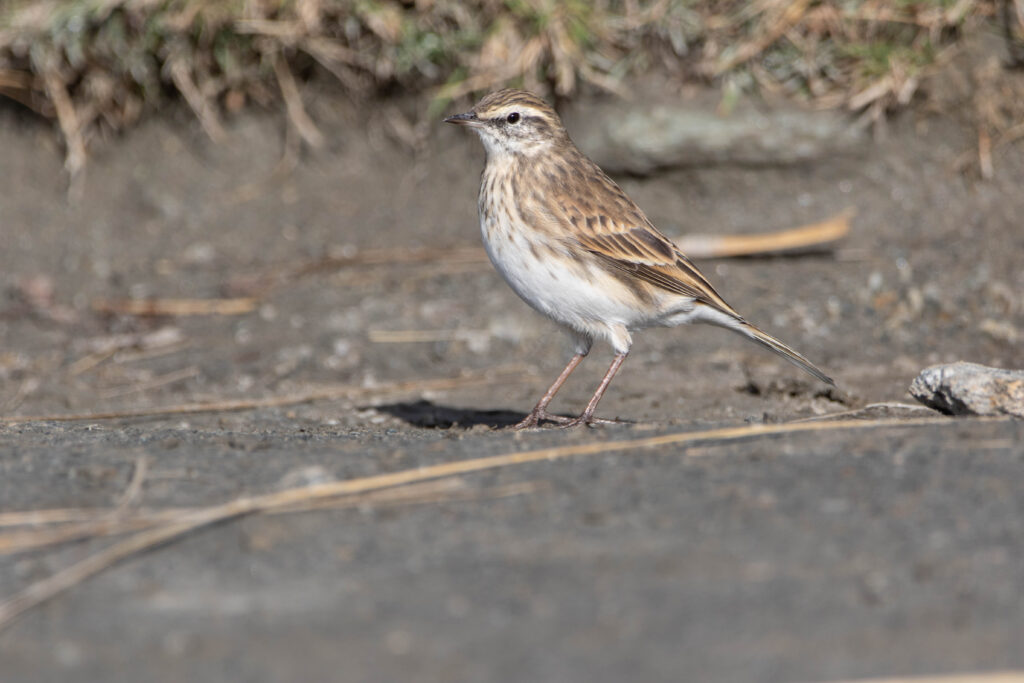
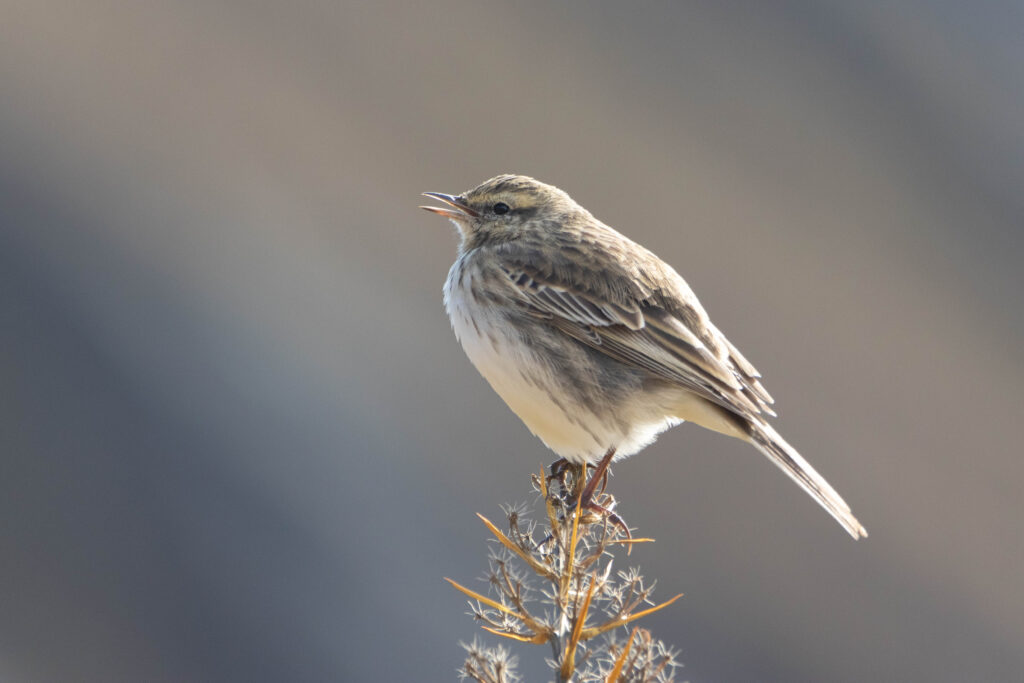
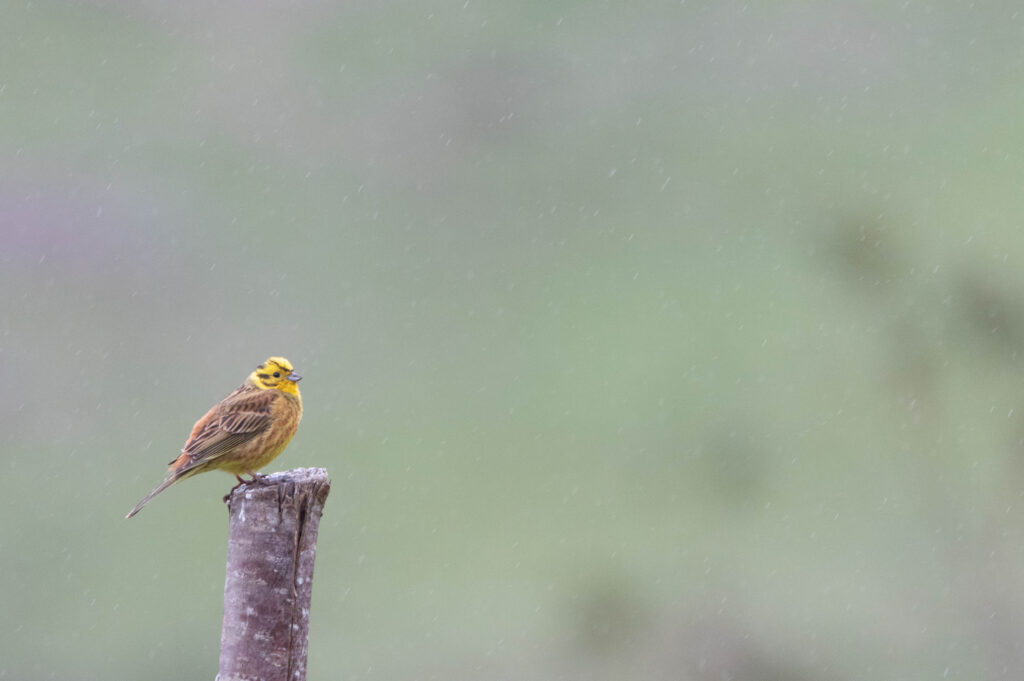
We make a few nice observations along the way: California Quail (Callipepla californica), Swamp Harrier (Circus approximans), New Zealand Falcon (Falco novaeseelandiae), Song Thrush (Turdus philomelos), European Greenfinch (Chloris chloris), and Yellowhammer (Emberiza citrinella). It is also here that we encounter New Zealand Pipit (Anthus novaeseelandiae) for the first time.
Lake Pukaki & Mont Cook

Right shore of Lake Pukaki
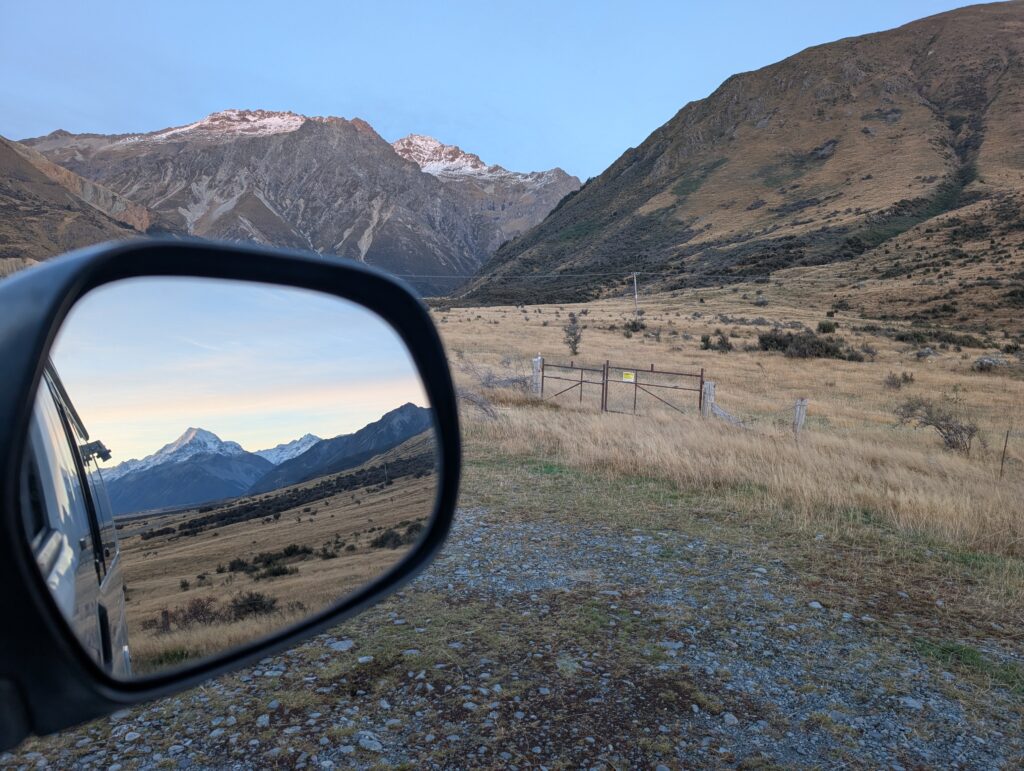
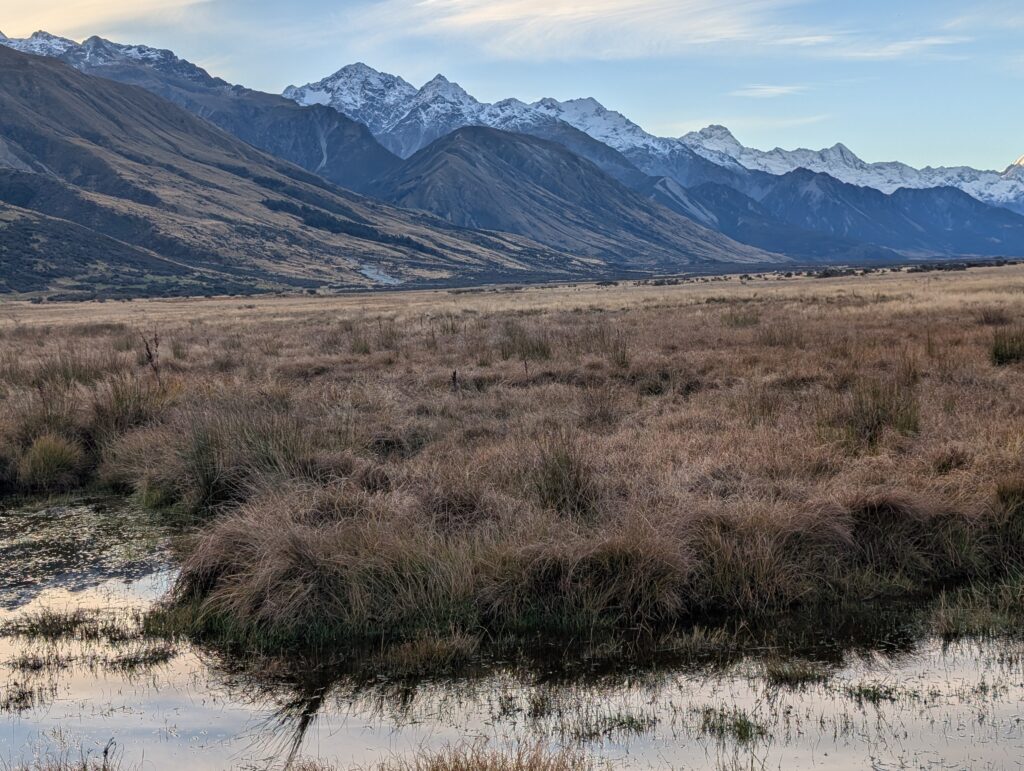
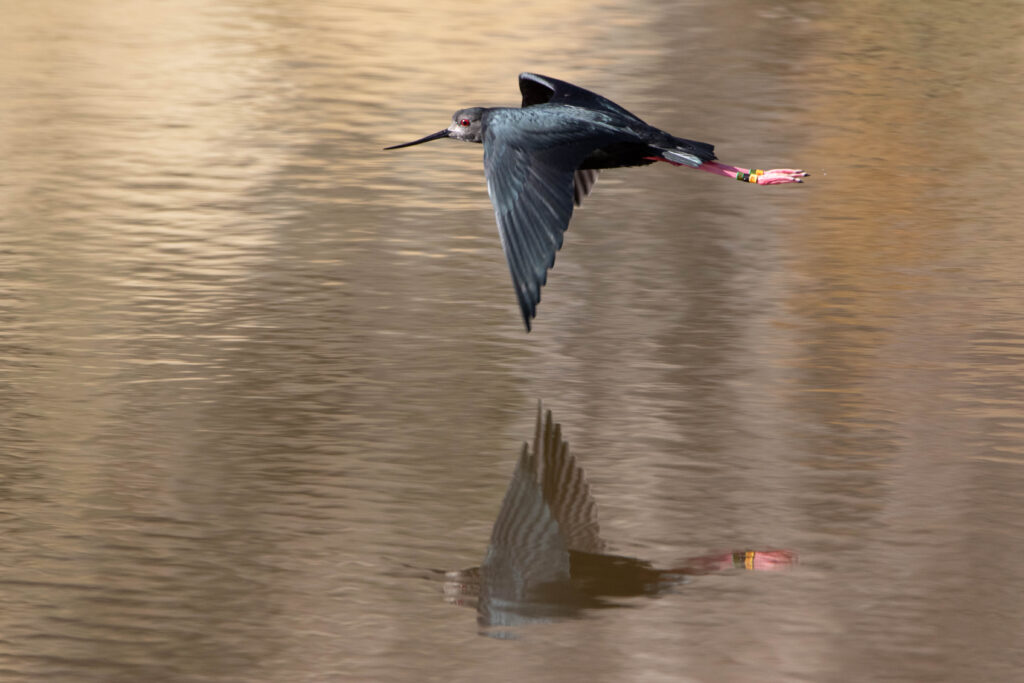
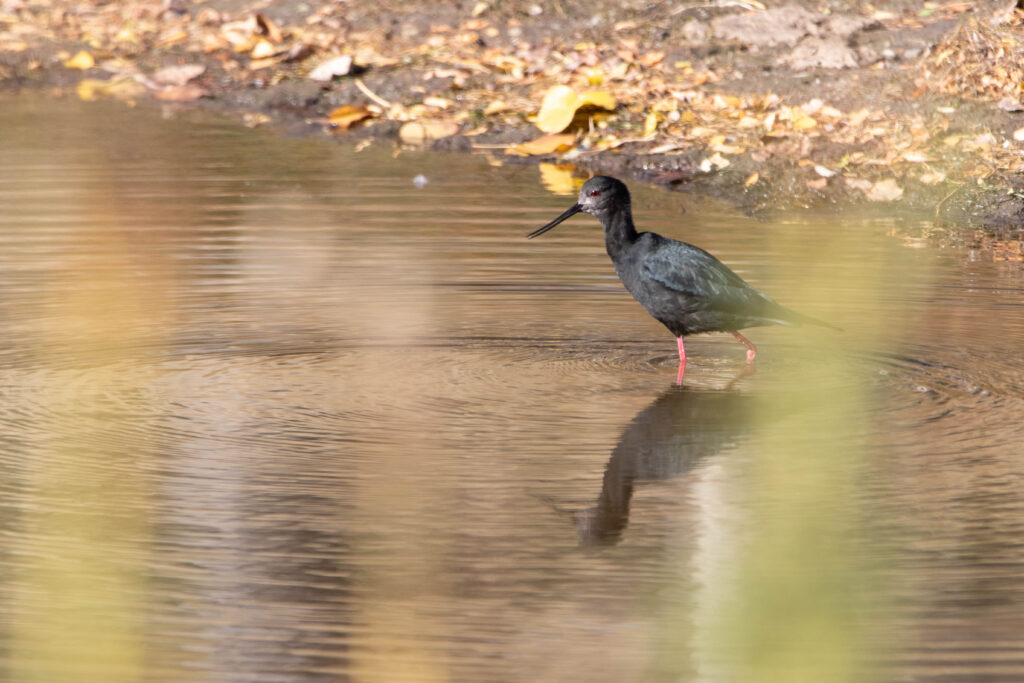
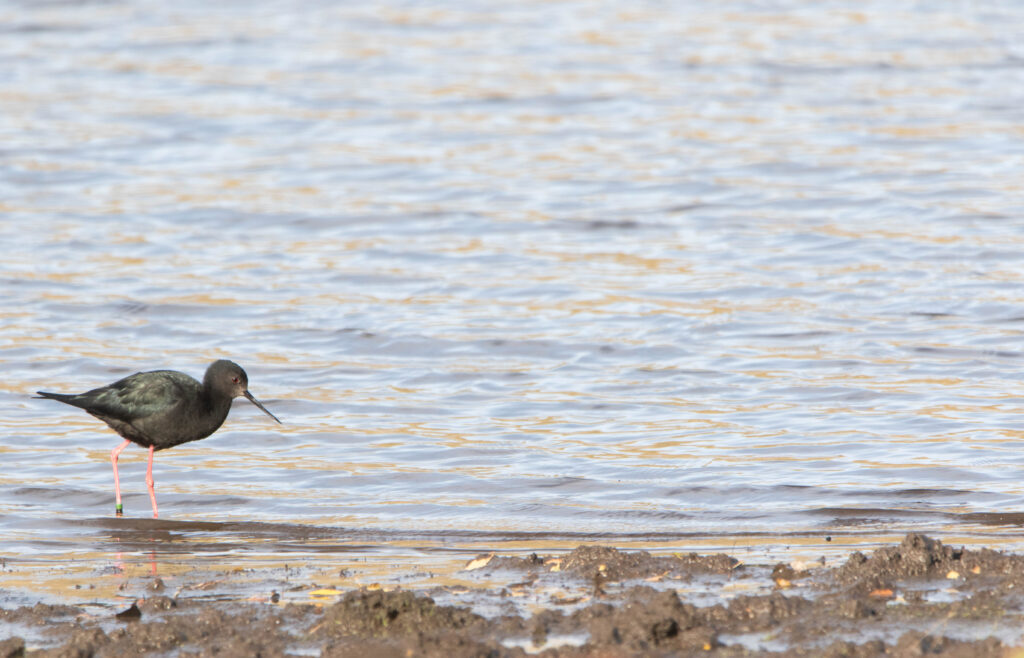
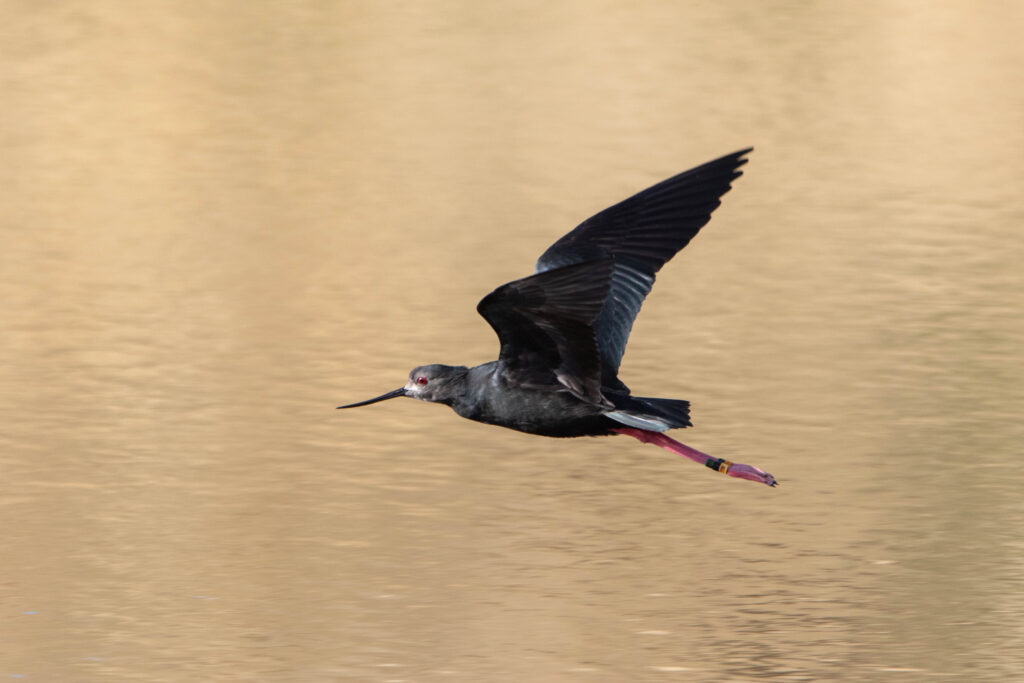
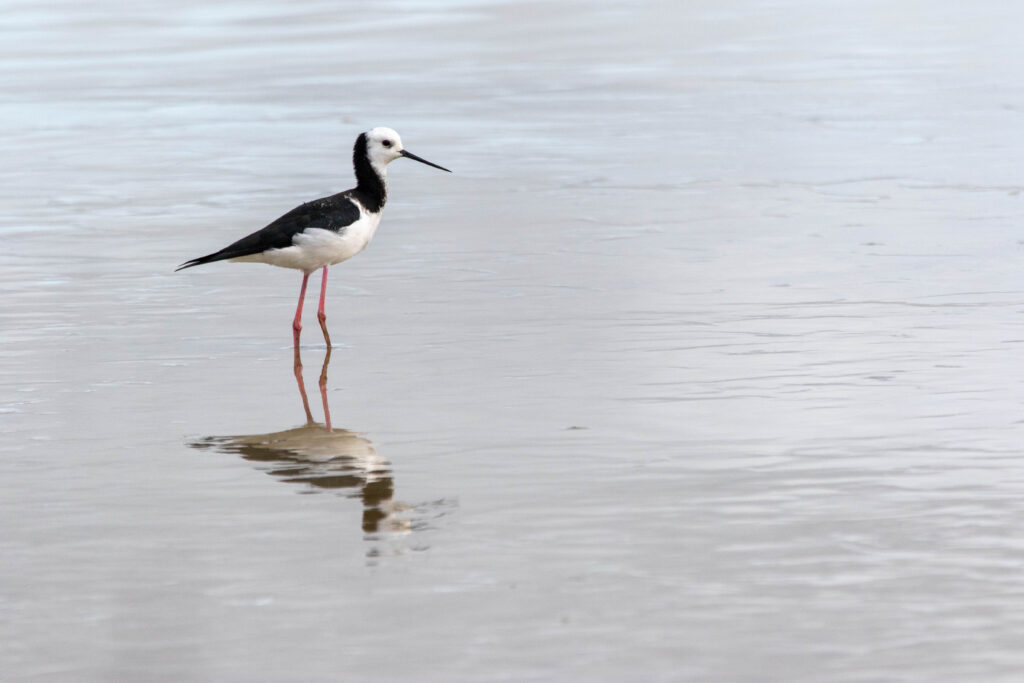
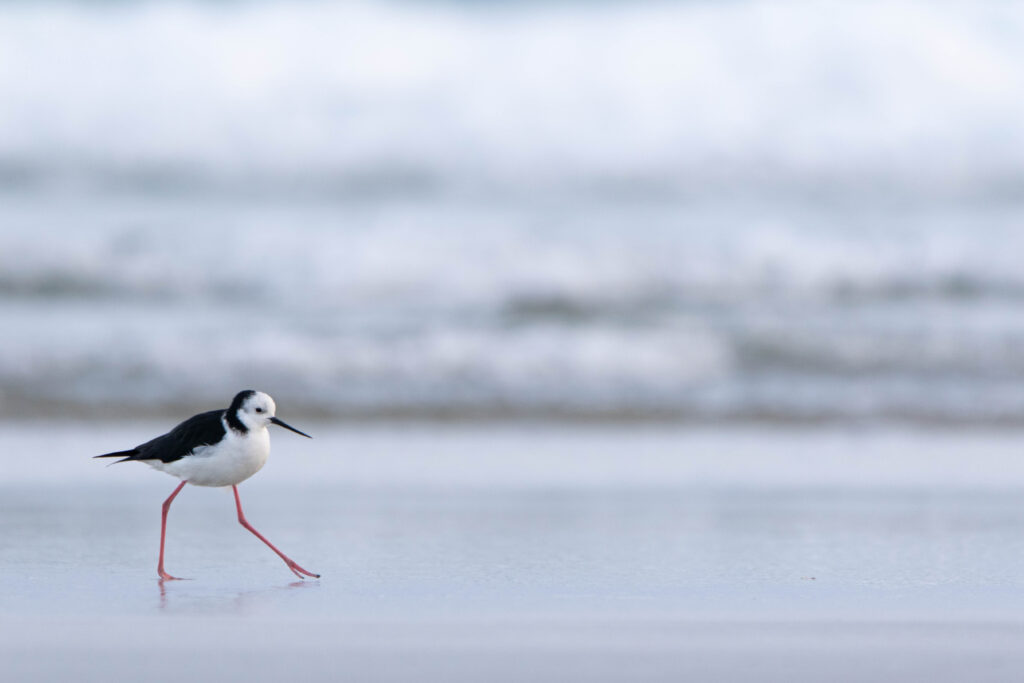
After completing the Roy’s Peak hike, we drive towards Lake Pukaki. This lake is known for hosting one of the most endangered bird species in the world: the Black Stilt (Himantopus novaezelandiae). With fewer than 200 individuals remaining, this species has benefited from conservation programs. To try to observe it, we follow the road along the right side of the lake (Hayman Road) until we find suitable shallow water areas.
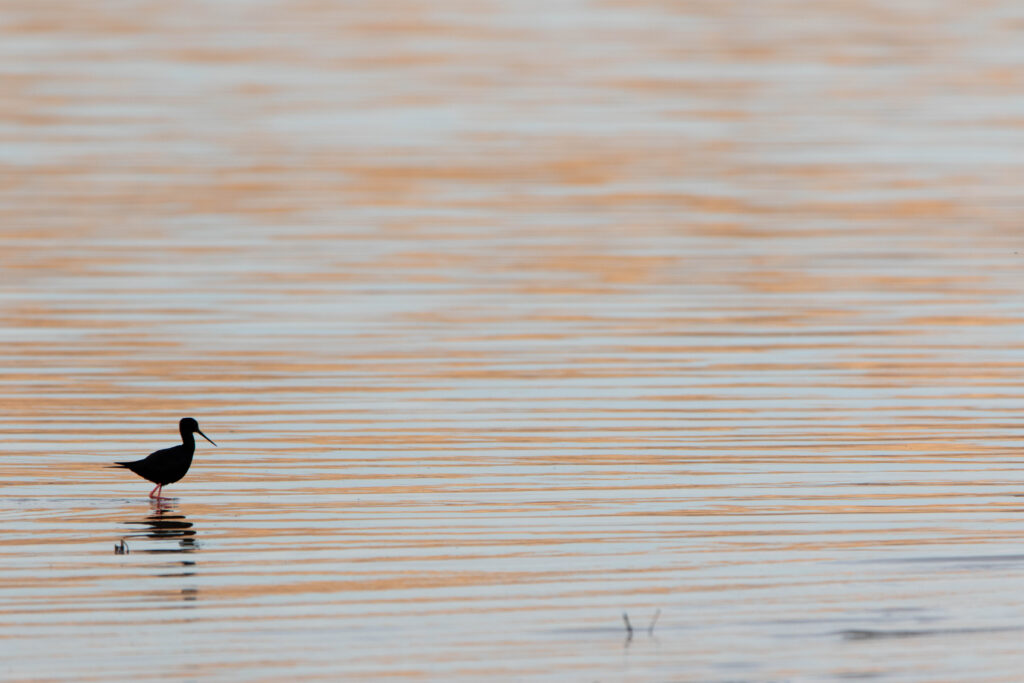
After scanning the lake with our binoculars, we finally spot three individuals in a small pond on the other side. All of them are ringed. We take time to observe them without disturbing them. We also see two Redpoll (Acanthis flammea) nearby. We then spend the night by the lake, enjoying beautiful evening light.
Glentanner
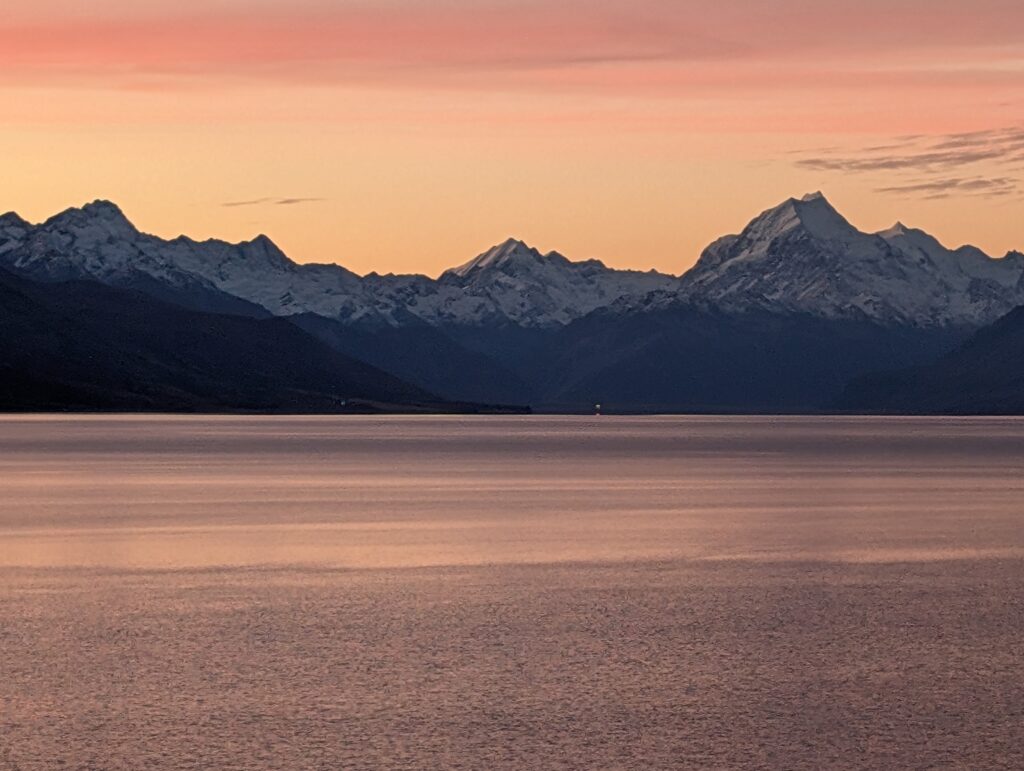
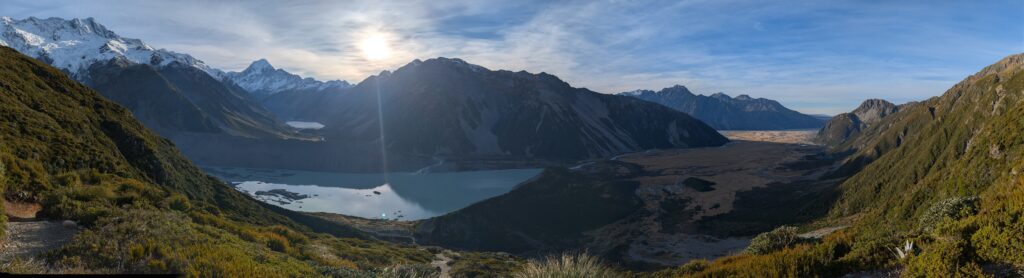
This is probably one of the most scenic viewpoints in New Zealand. On one side stands Mount Cook, on the other Lake Pukaki, all surrounded by mountains and open grasslands. A true highlight of the trip. This viewpoint is accessible near the airfield.
It is also a well-known spot to observe the Black Stilt (Himantopus novaezelandiae). This time, we spot no fewer than nine individuals, though quite far out on the lake.
Mueller’s Hut
We wake up early again to tackle the Mueller’s Hut Track. No specific bird target here, just a challenging hike (10 km round trip with 1000 meters of elevation gain). As expected, the climb is demanding but offers incredible views over the glaciers of Mount Cook.
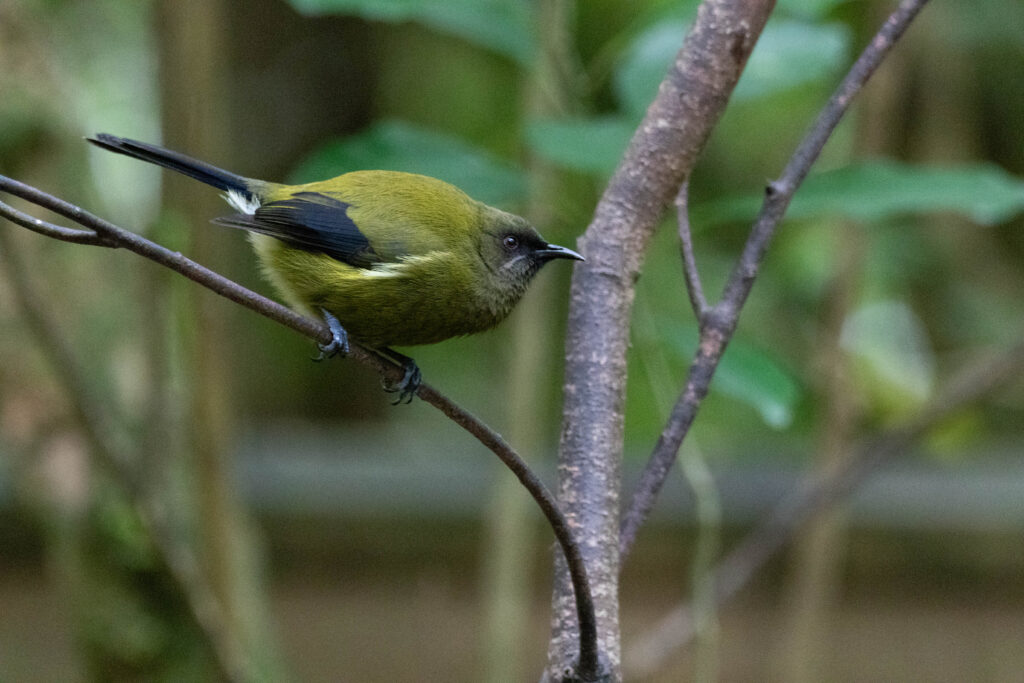
During the hike, we still manage to observe New Zealand Bellbird (Anthornis melanura), Tomtit (Petroica macrocephala), and Silvereye (Zosterops lateralis) at lower elevations. Higher up, we encounter Kea (Nestor notabilis) and New Zealand Rockwren (Xenicus gilviventris). Once at the top, several New Zealand Pipits (Anthus novaeseelandiae) keep us company during our picnic.
Arthur’s Pass
Hawdon Valley
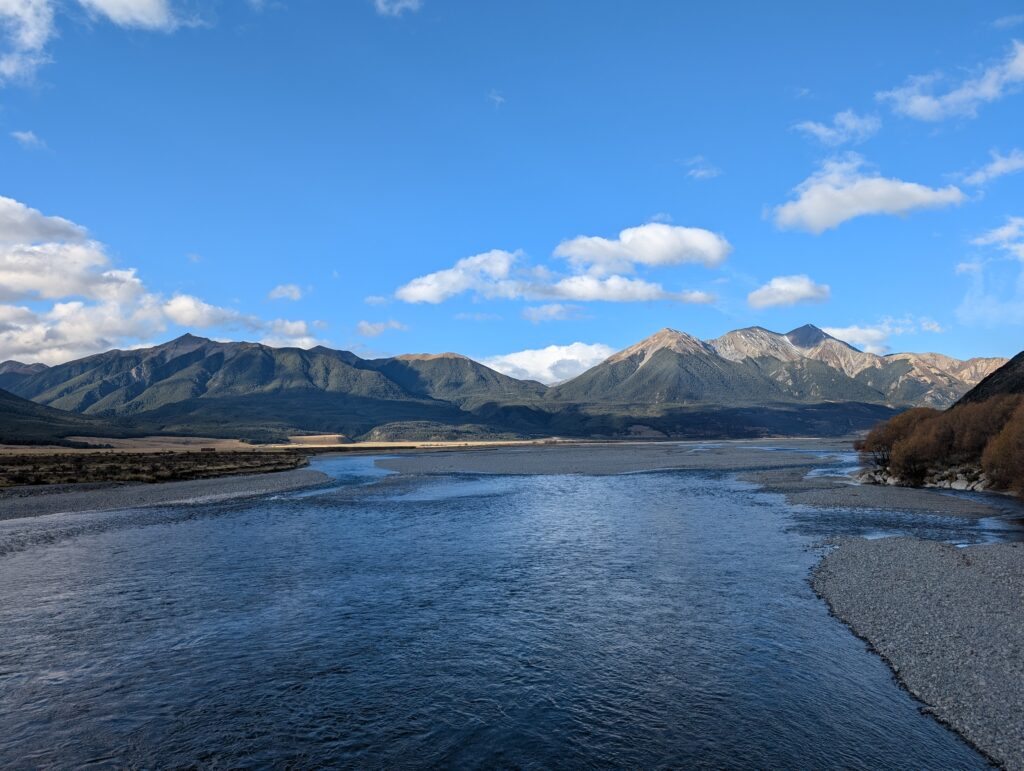
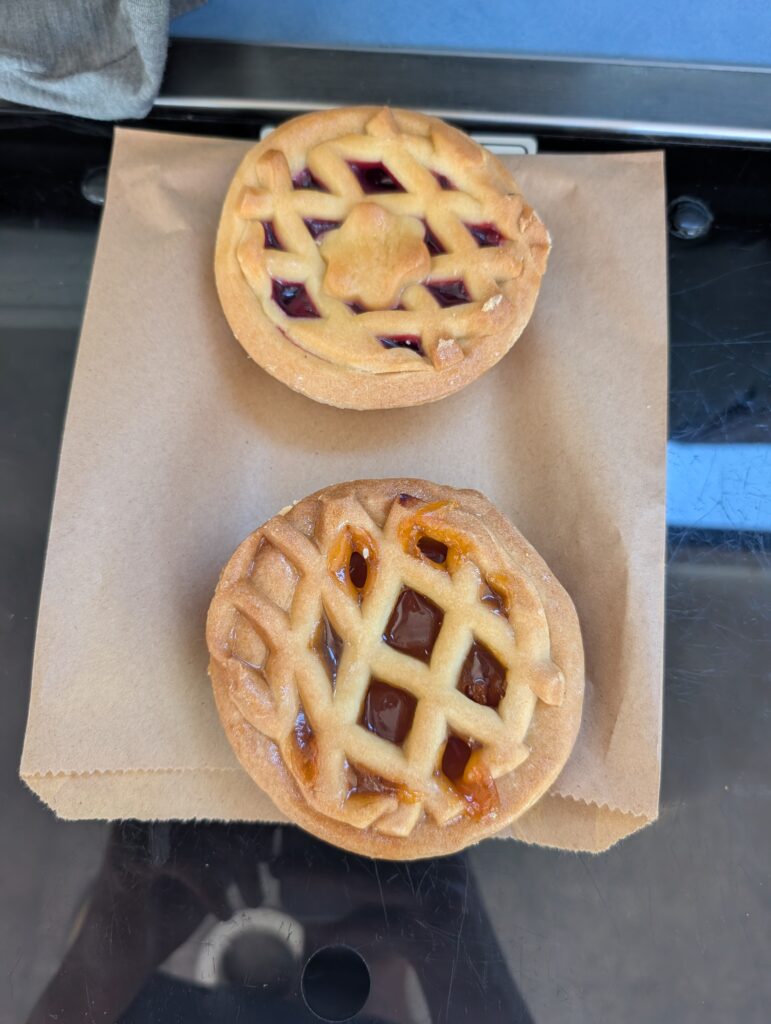
After our beautiful hike near Mount Cook, we leave the center of the South Island and head towards Arthur’s Pass National Park. We make a short stop at Lake Tekapo and its old church by the lake. Then another (almost mandatory 😄) stop along the way: the World Famous Sheffield Pies – Sheffield store, which sells excellent savory and sweet pies. Once in the national park, we spend the night at Hawdon Shelter Campground, a non-powered DOC campsite. We had the place entirely to ourselves.
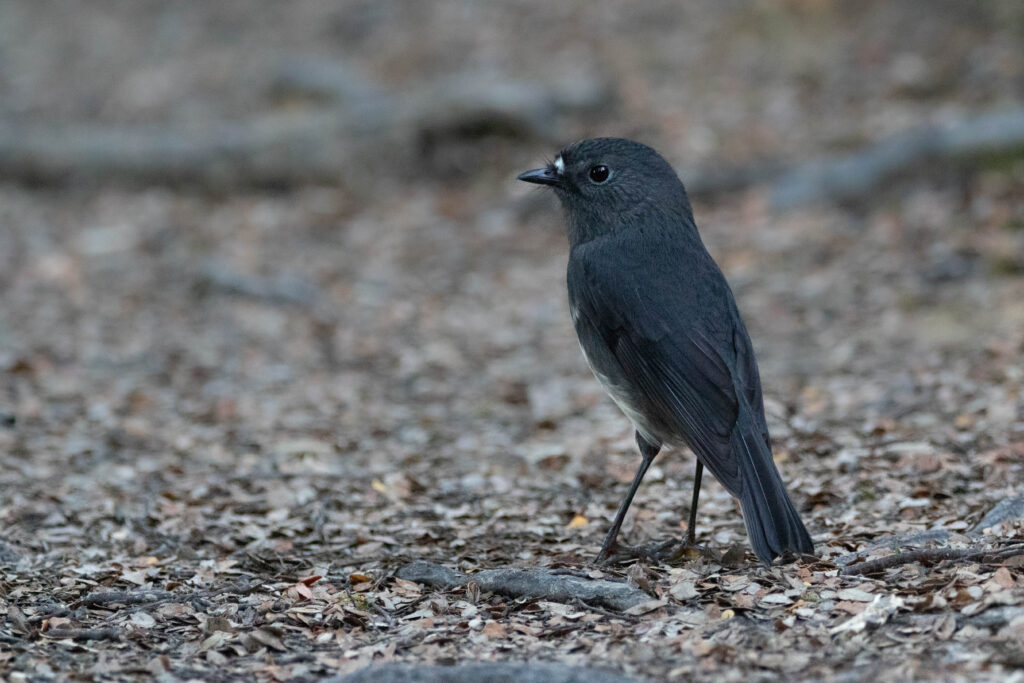
We begin exploring the park with a short walk through the forest, where we observe Grey Gerygone (Gerygone igata), New Zealand Fantail (Rhipidura fuliginosa), Eurasian Chaffinch (Fringilla coelebs), Tomtit (Petroica macrocephala), and a very friendly South Island Robin (Petroica australis). It comes close to feed on insects around us, making it easy to photograph. A night walk allows us to hear a Morepork (Ninox novaeseelandiae), but we don’t manage to see it. Unfortunately, no sign of Great Spotted Kiwi (Apteryx maxima) either…
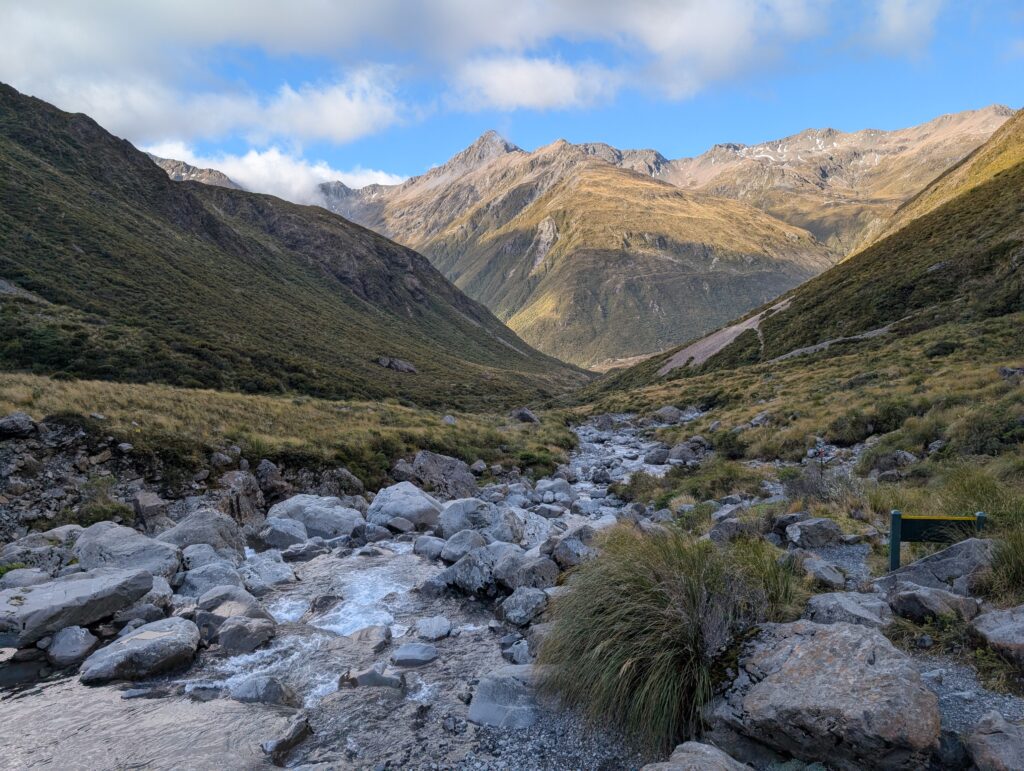
We attempt the Hawdon Valley hike to look for the very rare Yellowhead (Mohoua ochrocephala). Unfortunately, the river level is too high, making it impossible to cross. We continue exploring the forest around the campsite, but without any success in finding them.
Around Arthur’s Pass village
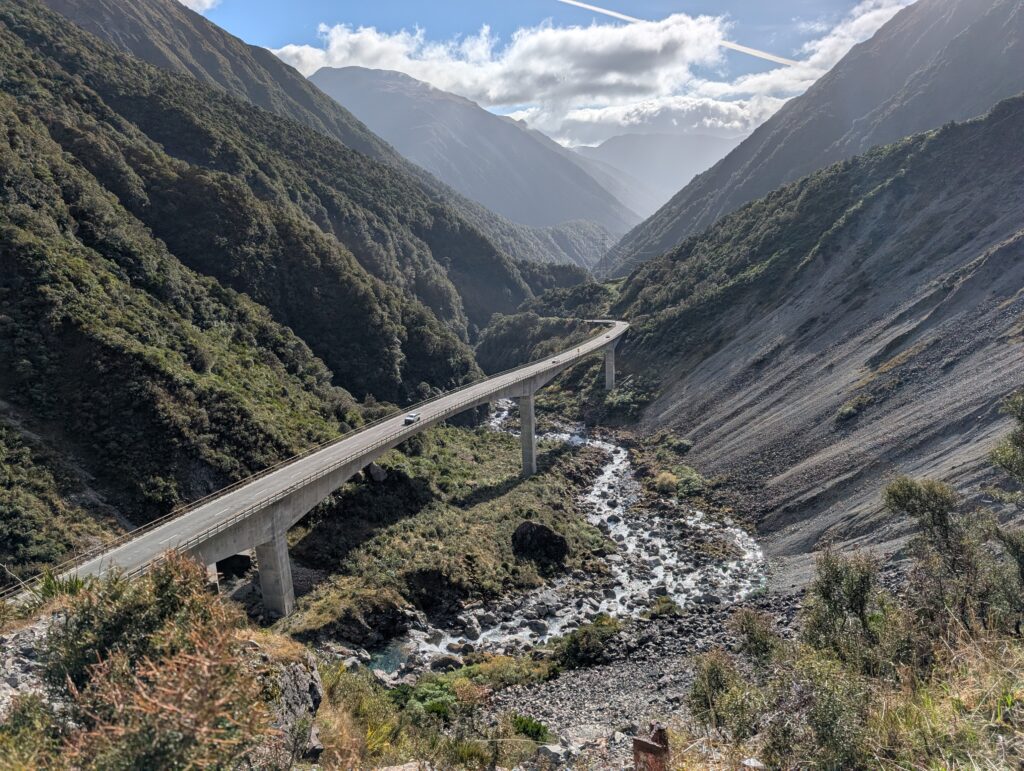
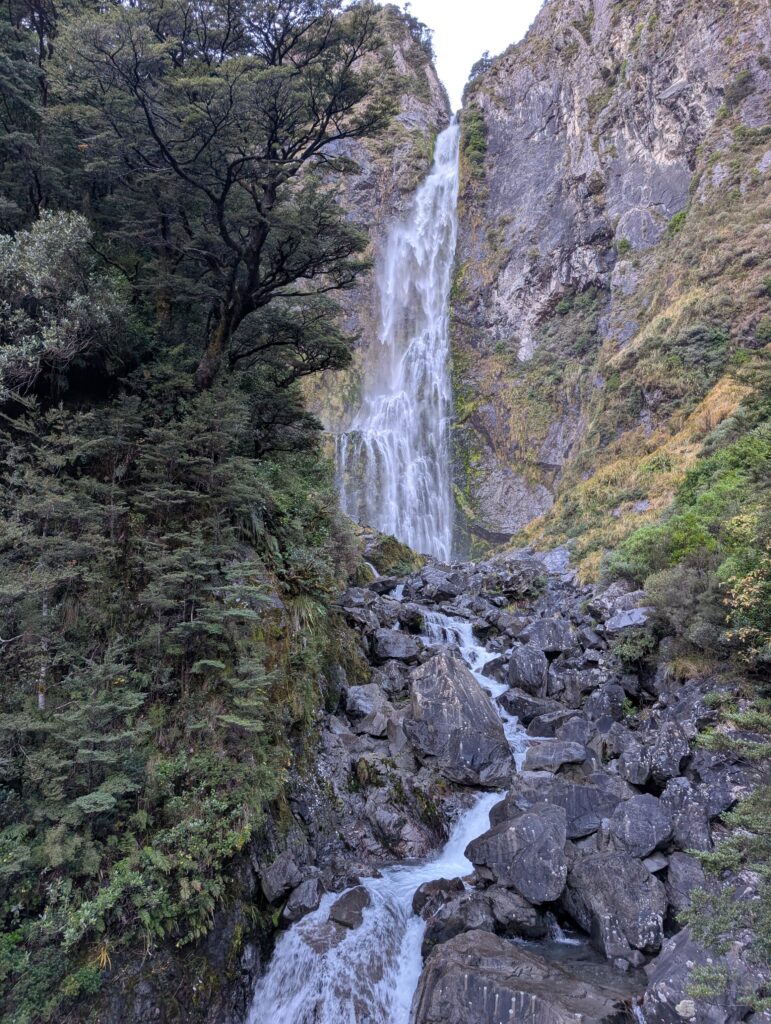
The next day, we head towards Arthur’s Pass village, where we go on several short walks. We start with the Devil’s Punchbowl track (30 minutes), then continue further into the pass to the Otira Viaduct Lookout. We finish with the Otira Valley Track (3.7 km round trip with 181 meters of elevation gain).
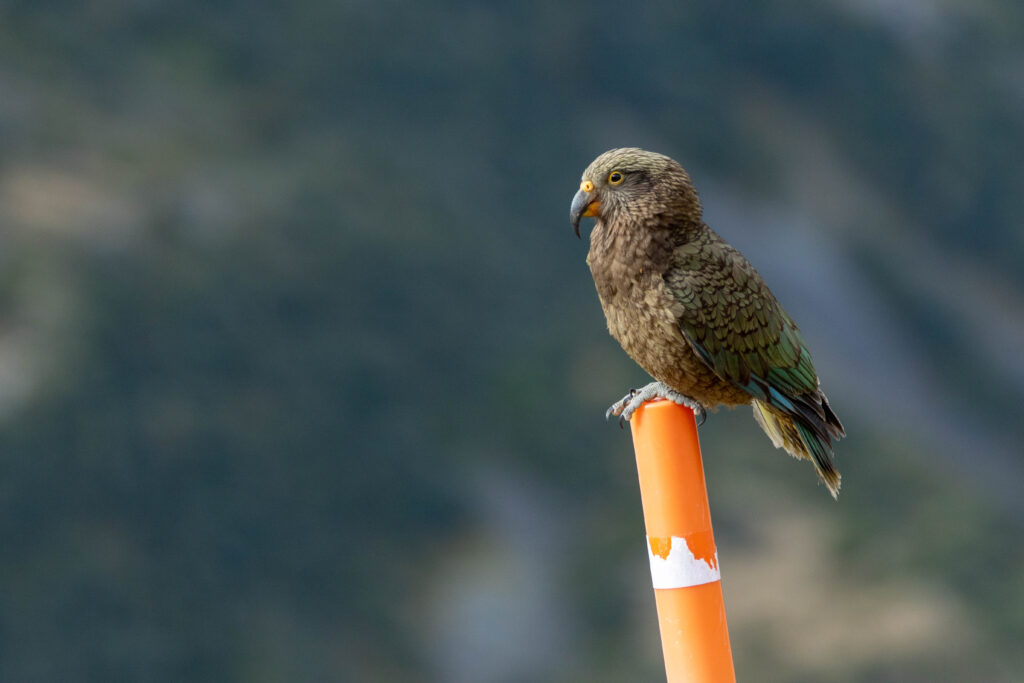
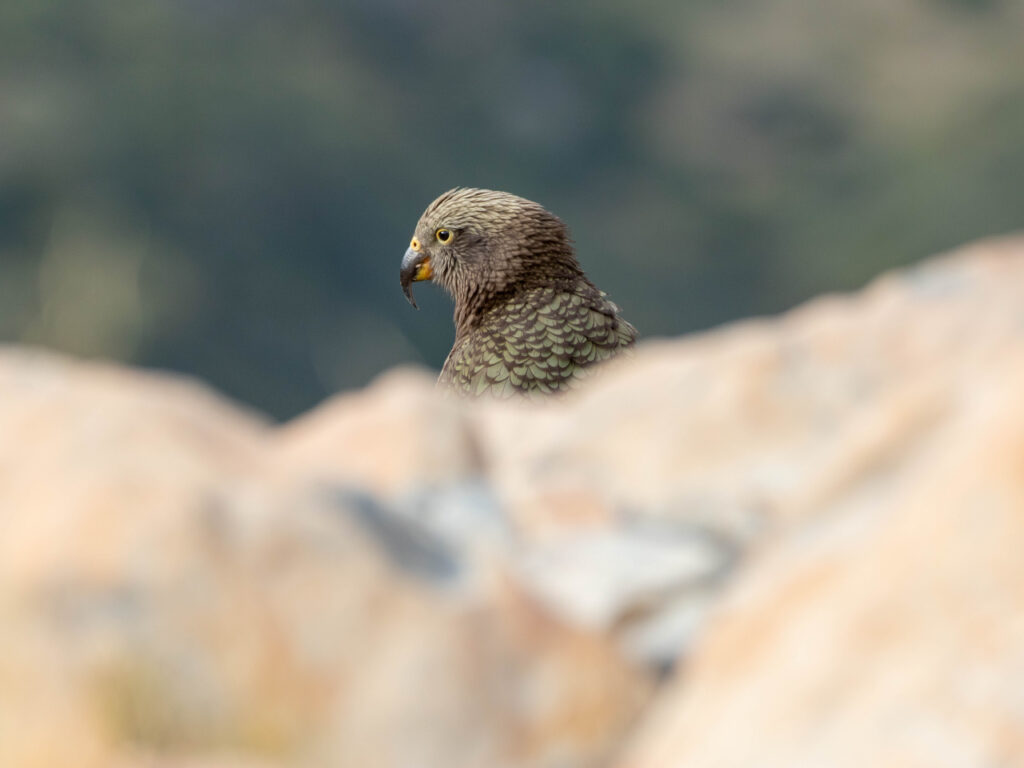
It’s a chance to say goodbye to several species that are only found on the South Island, such as Kea (Nestor notabilis) and New Zealand Rockwren (Xenicus gilviventris). We don’t find any Blue Duck (Hymenolaimus malacorhynchos) in the Bealey River, nor any kiwi along the Arthur’s Pass Walking Track. We’ll have to wait a bit longer to see one of New Zealand’s most iconic birds.
Christchurch and surroundings
Lake Ellesmere
Our road trip continues towards Christchurch, with another essential stop at the World Famous Sheffield Pies shop. We then head towards the shores of Lake Ellesmere.
It’s difficult to get close to the lake as the area is very wet and muddy. We still manage to observe Canada Goose (Branta canadensis), Black Swan (Cygnus atratus), Masked Lapwing (Vanellus miles), and White-faced Heron (Egretta novaehollandiae). We also see a few passerines nearby such as Eurasian Skylark (Alauda arvensis), European Greenfinch (Chloris chloris), Redpoll (Acanthis flammea), and Yellowhammer (Emberiza citrinella). Not very “New Zealand-like” birds, you might say? Indeed, these are all European species introduced in past centuries. We also encounter a new species for our New Zealand list, Common Pheasant (Phasianus colchicus), another introduced species, as well as the very cute Double-banded Plover (Anarhynchus bicinctus).

Akaroa
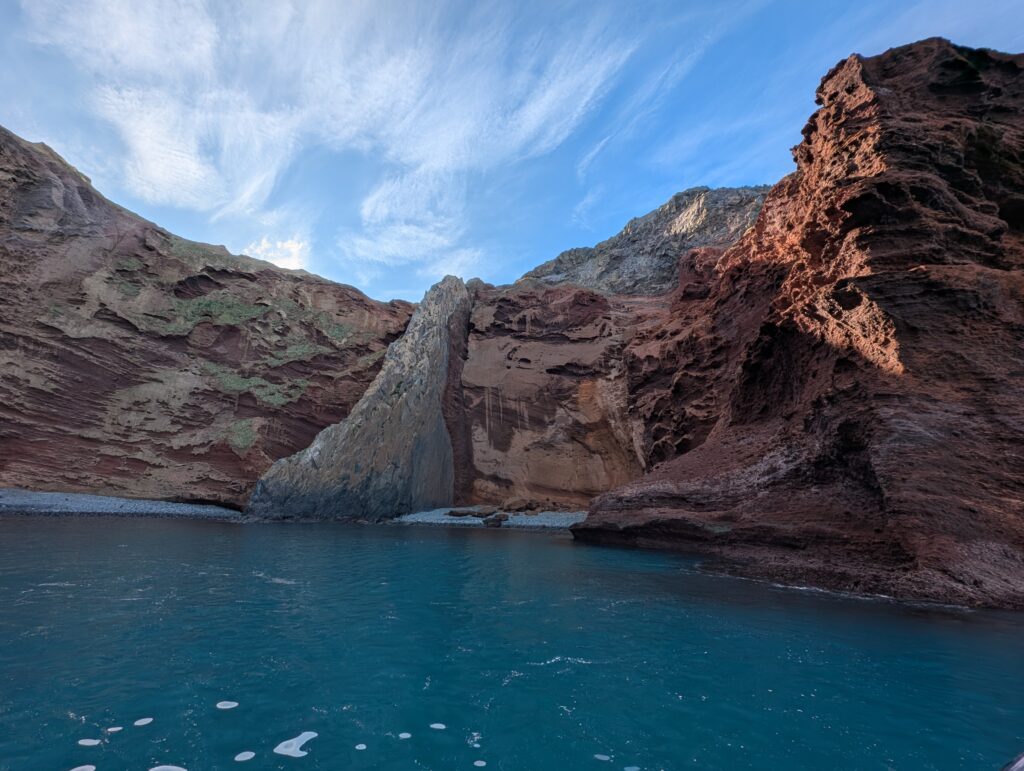
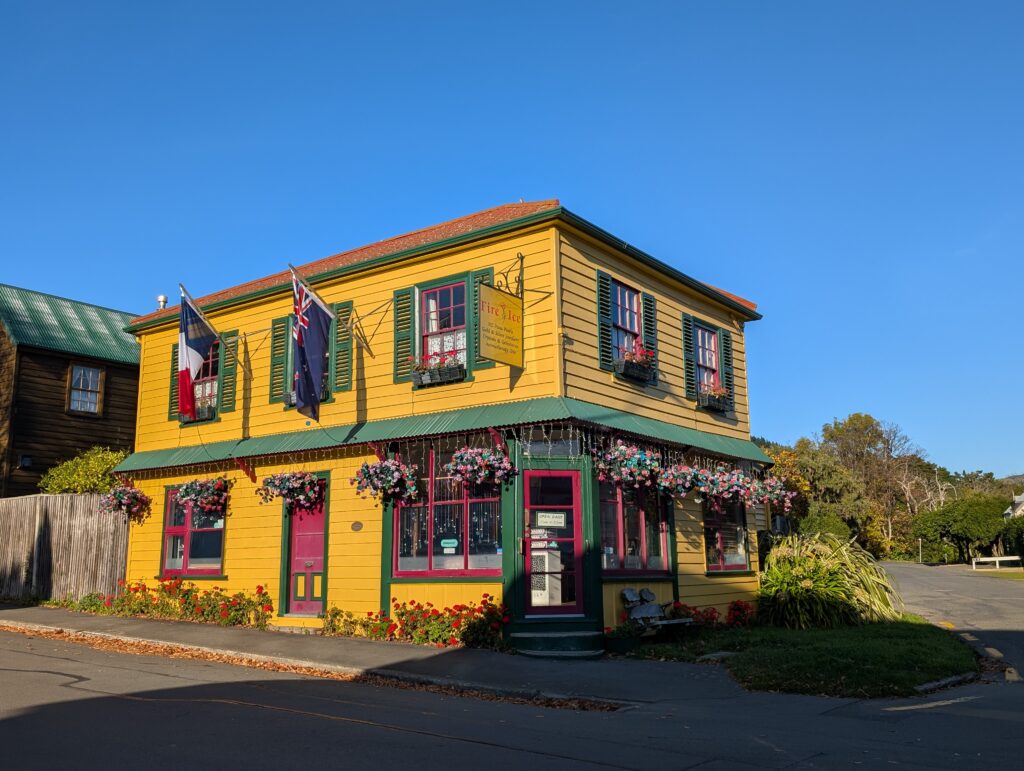
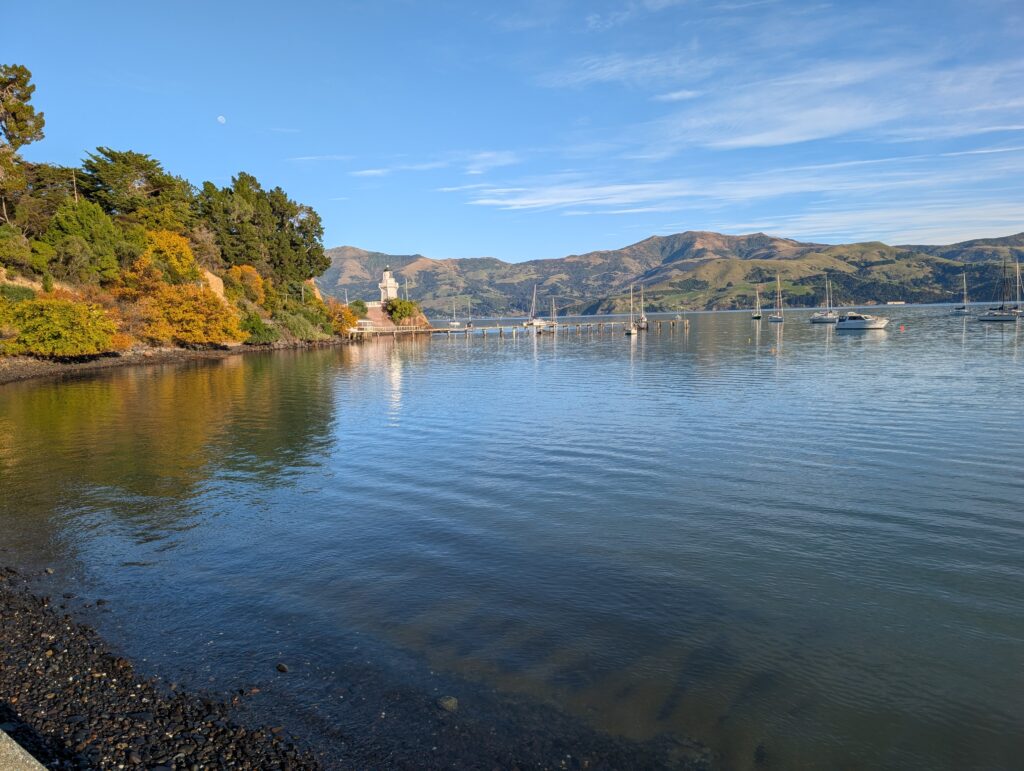
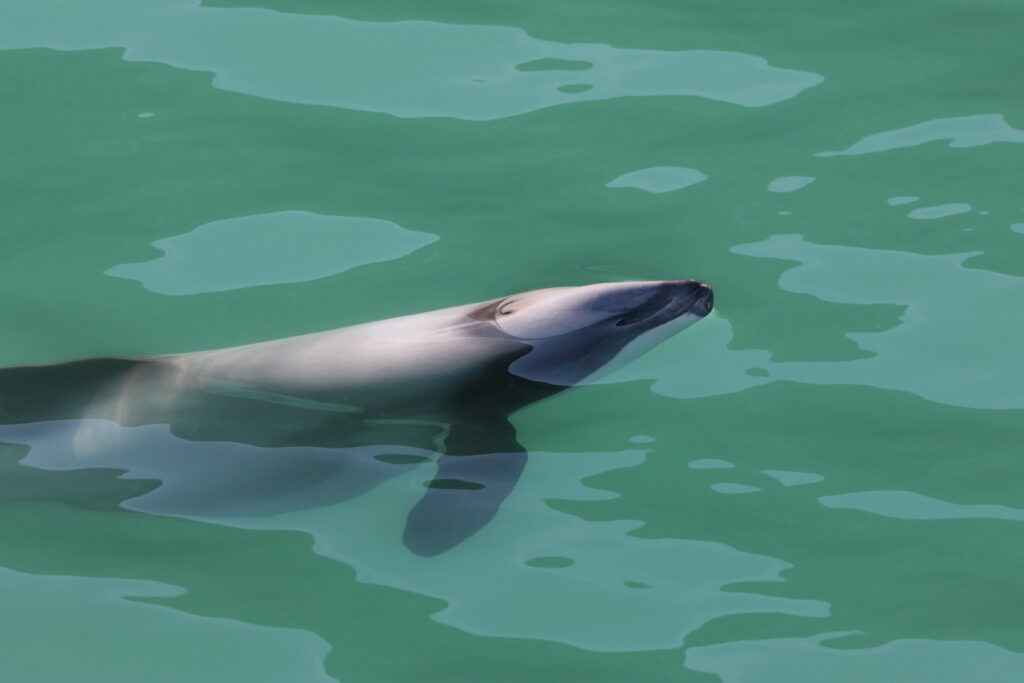
We then head to Akaroa, a charming coastal town and former French colony. The houses and street names still retain a French influence. For nature lovers, Akaroa is known for hosting one of the world’s rarest dolphins: Hector’s Dolphin (Cephalorhynchus hectori), with a population estimated at fewer than 15,000 individuals. To observe them, we choose to go on a cruise with Akaroa Dolphins, an ethical company that respects these cetaceans. Not all companies do — some even offer swimming with dolphins, which is unacceptable.
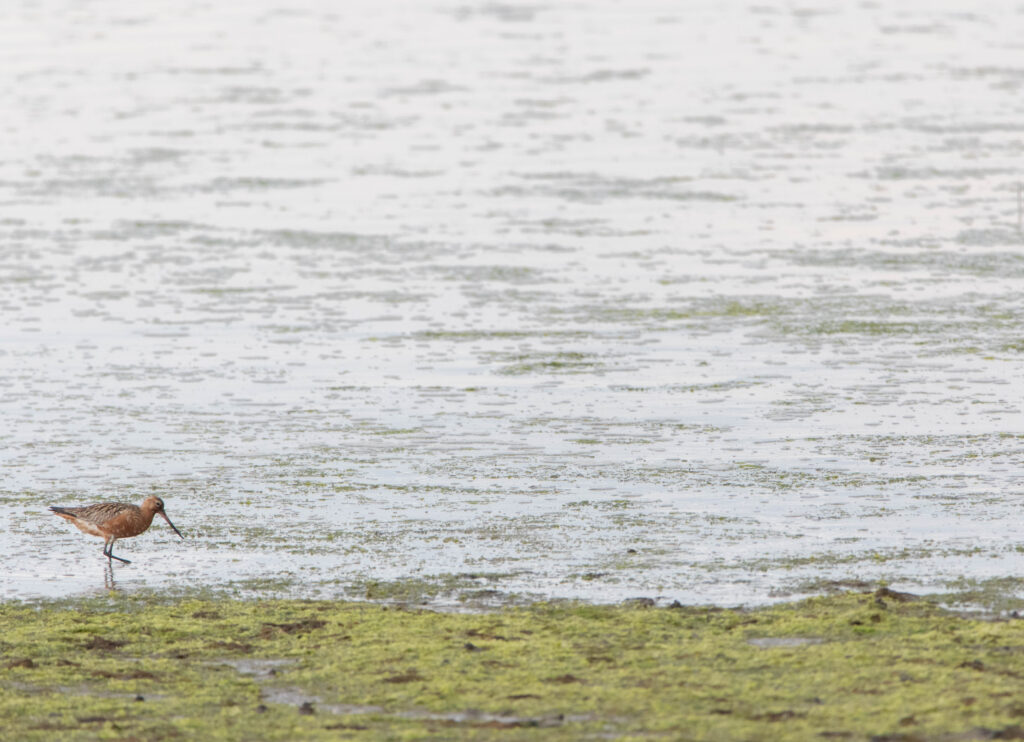
On the walk to the harbor, we encounter South Island Oystercatcher (Haematopus finschi), Variable Oystercatcher (Haematopus unicolor), White-fronted Tern (Sterna striata), Pied Stilt (Himantopus leucocephalus), Double-banded Plover (Anarhynchus bicinctus), Royal Spoonbill (Platalea regia), and Bar-tailed Godwit (Limosa lapponica).
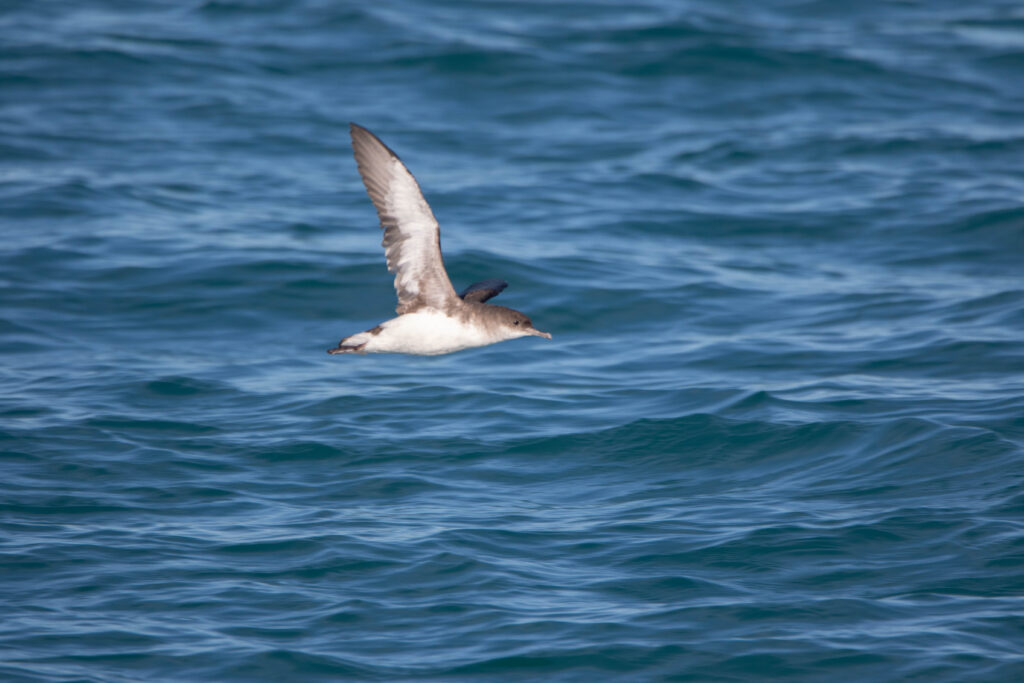
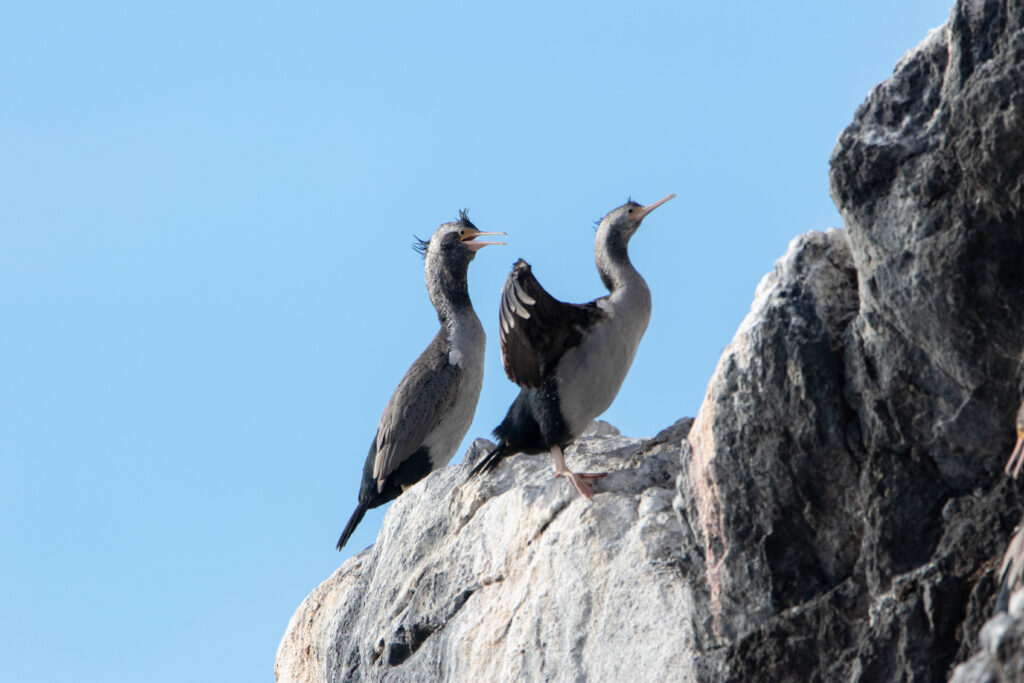
After spending the night at Akaroa Freedom Campsite SC, we head out on a 2-hour cruise. It doesn’t take long before we spot our first group of Hector’s Dolphins (Cephalorhynchus hectori) swimming close to the boat — a perfect opportunity for photos and videos. As we exit the bay, many pelagic birds are present. We observe Parasitic Jaeger (Stercorarius parasiticus), Spotted Shag (Phalacrocorax punctatus), Fluttering Shearwater (Puffinus gavia), and Hutton’s Shearwater (Puffinus huttoni). The latter two can be tricky to distinguish, but there are a few identifying features. On the way back to the harbor, a Little Penguin (Eudyptula minor) is seen swimming in the bay.
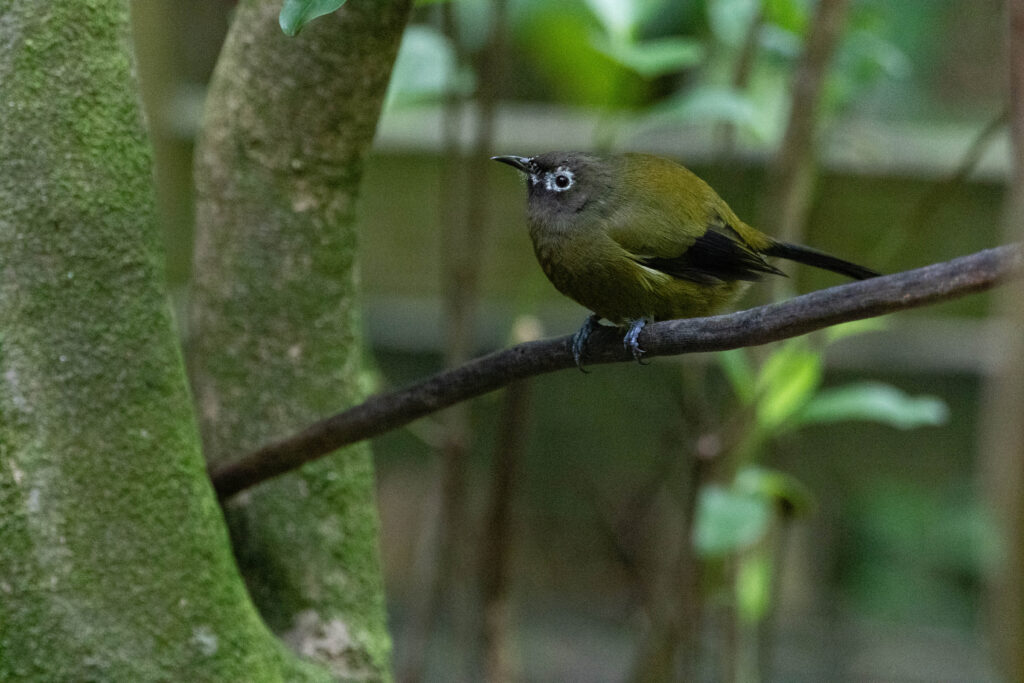
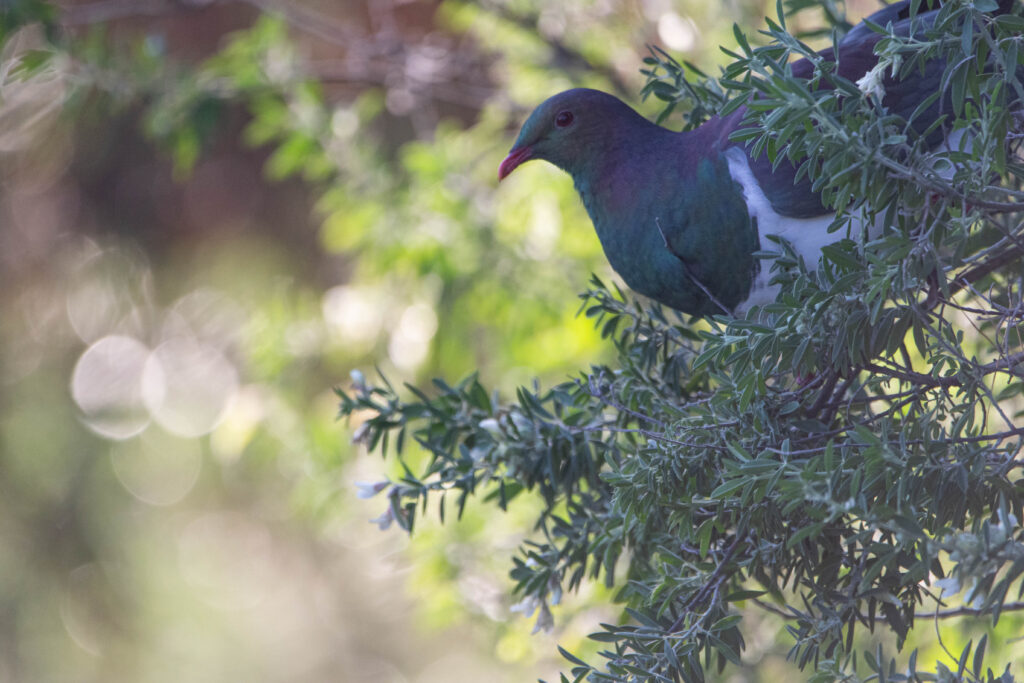
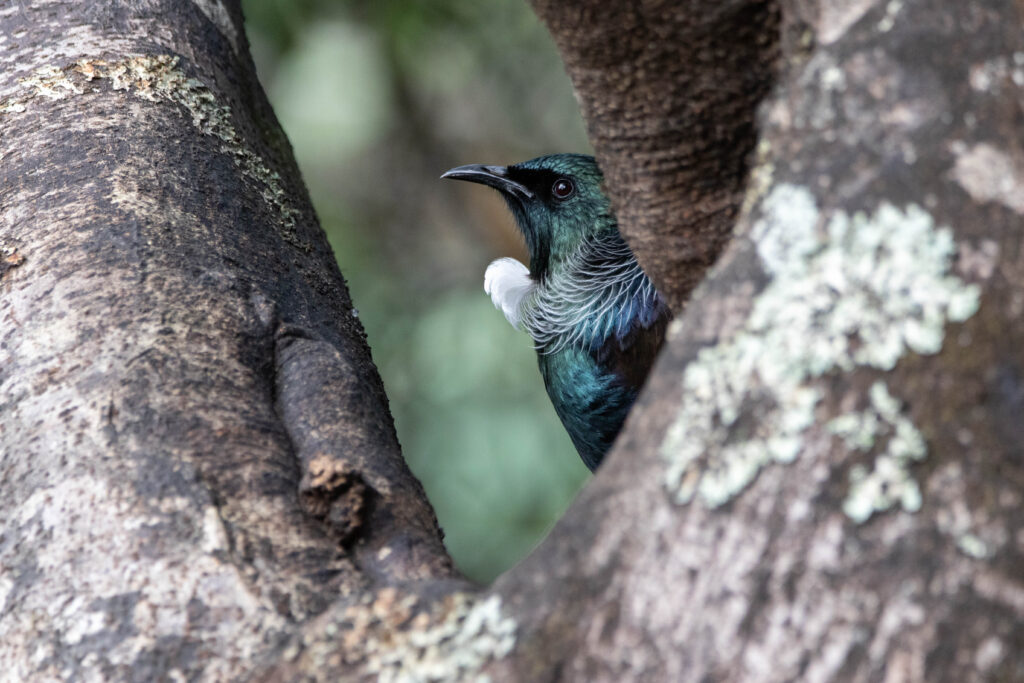
We end our stay in Akaroa with a walk to the Garden of Tane park, which offers a beautiful view over the bay. There, we observe New Zealand Pigeon (Hemiphaga novaeseelandiae), as well as Tui (Prosthemadera novaeseelandiae) and New Zealand Bellbird (Anthornis melanura).
Kaikoura
Point Kean Viewpoint
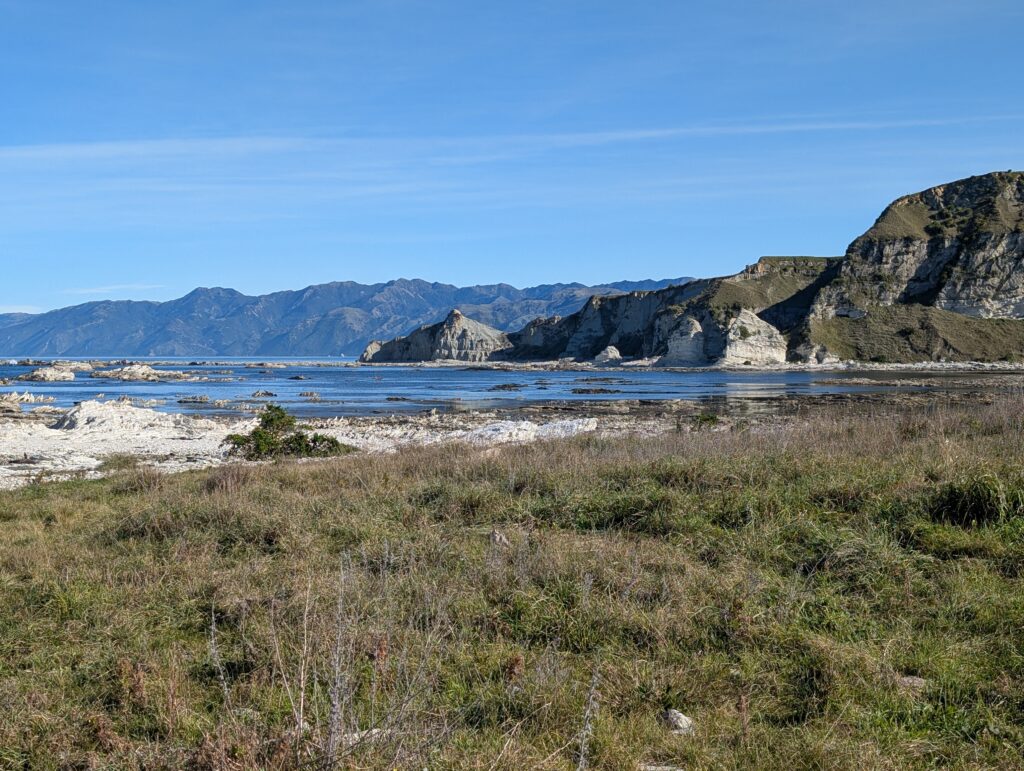
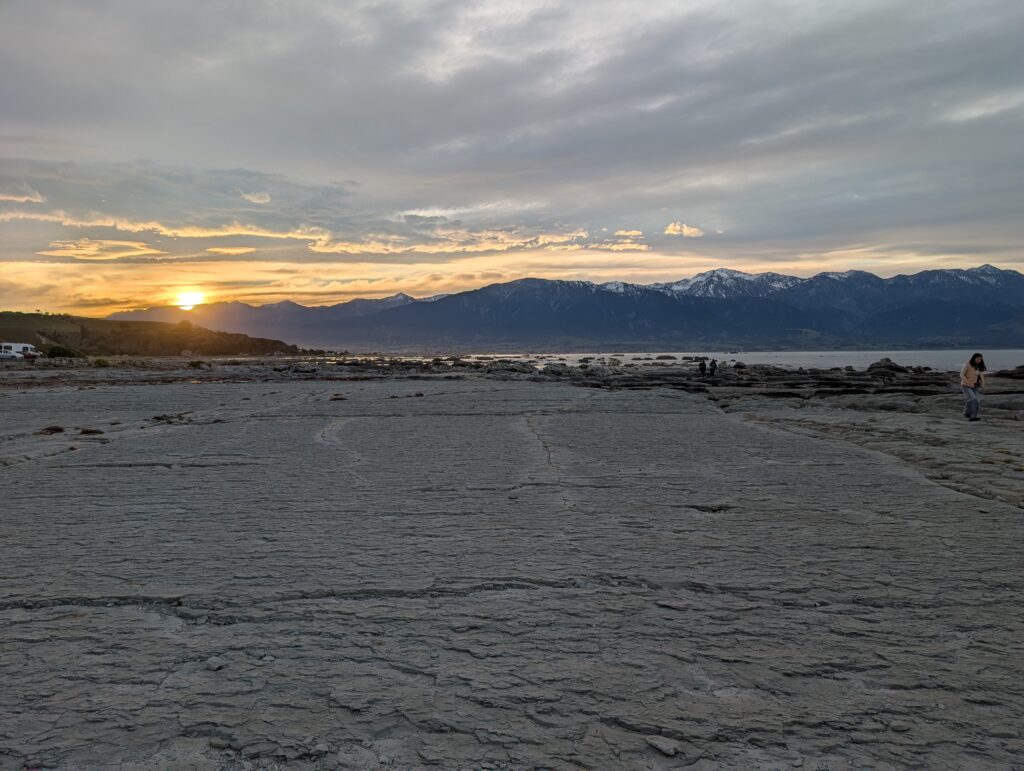
After exploring the Christchurch and Akaroa areas, we continue up the east coast of the island towards Kaikoura, a small coastal town. Once again, this destination is well known among nature lovers for its rich marine wildlife. The Kaikoura Canyon lies close to the shore and along major cetacean migration routes, making it a prime location to observe ocean giants. Before heading out to look for whales, we go to Point Kean to try spotting some pelagic birds.
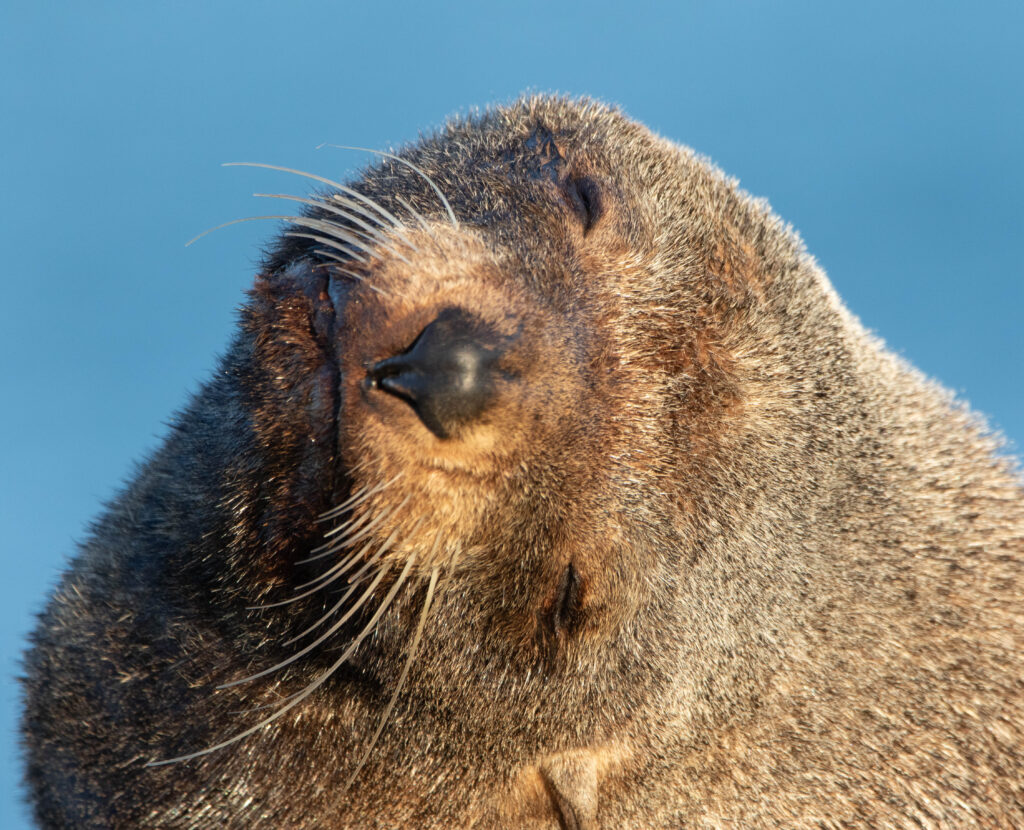
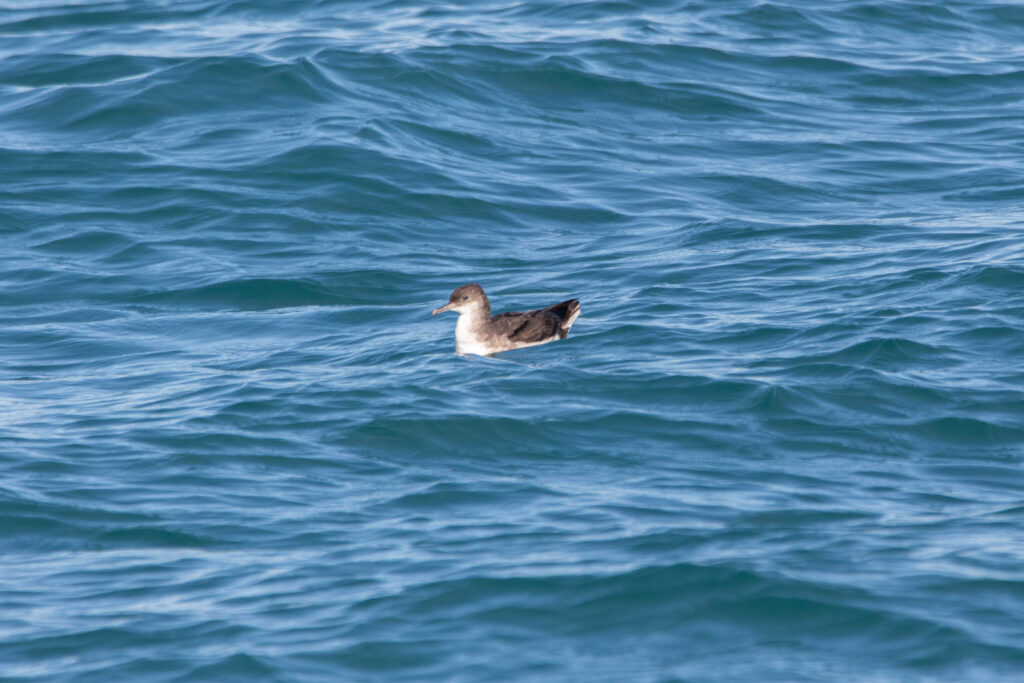
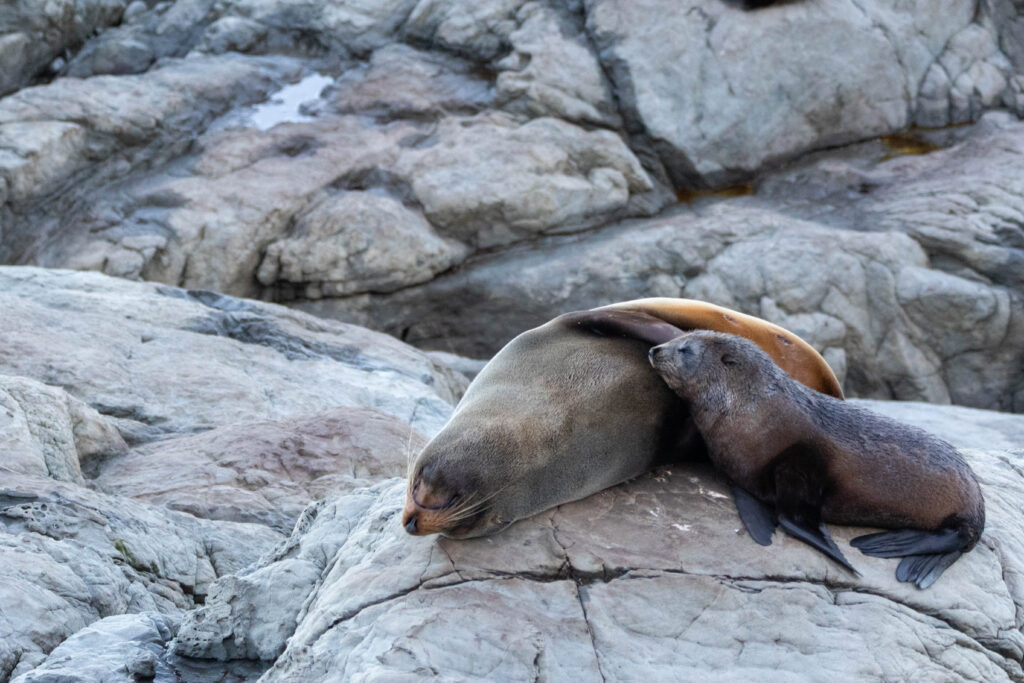
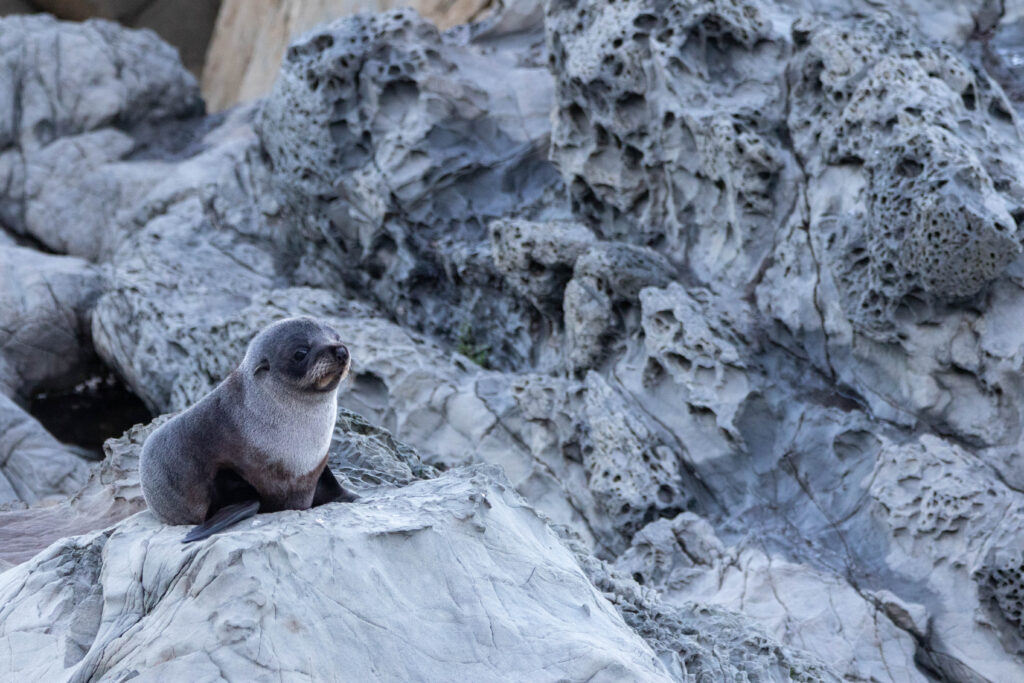
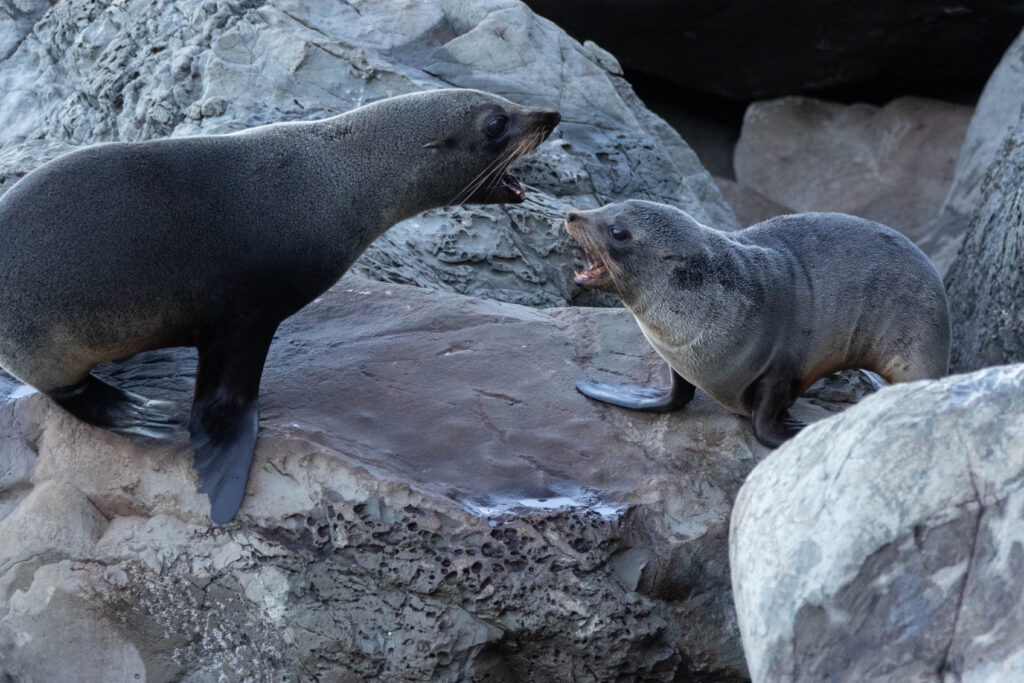
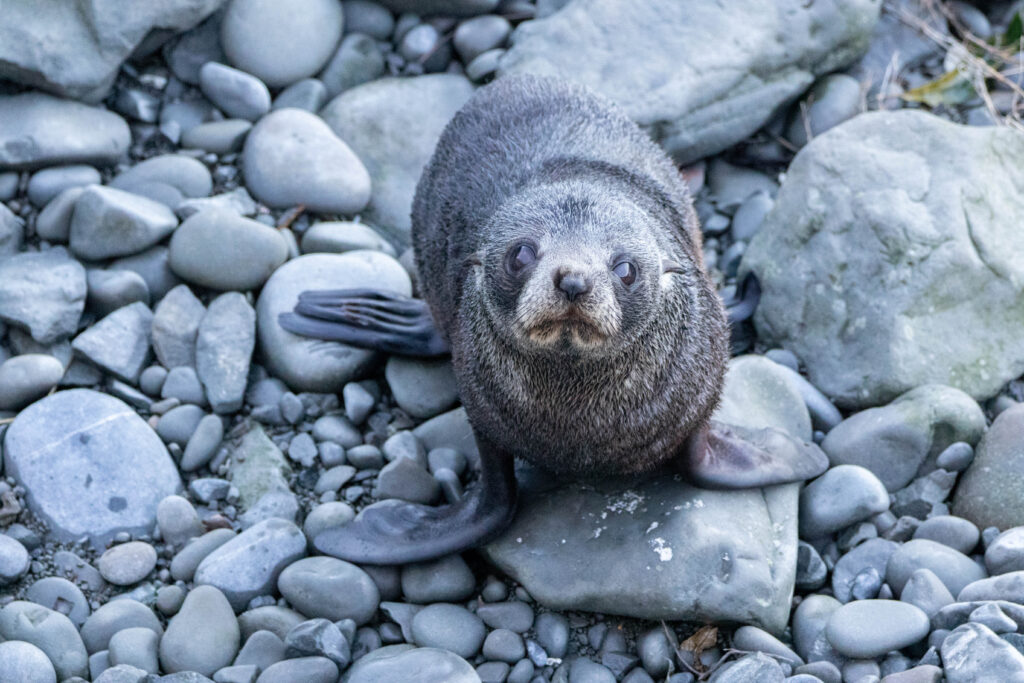
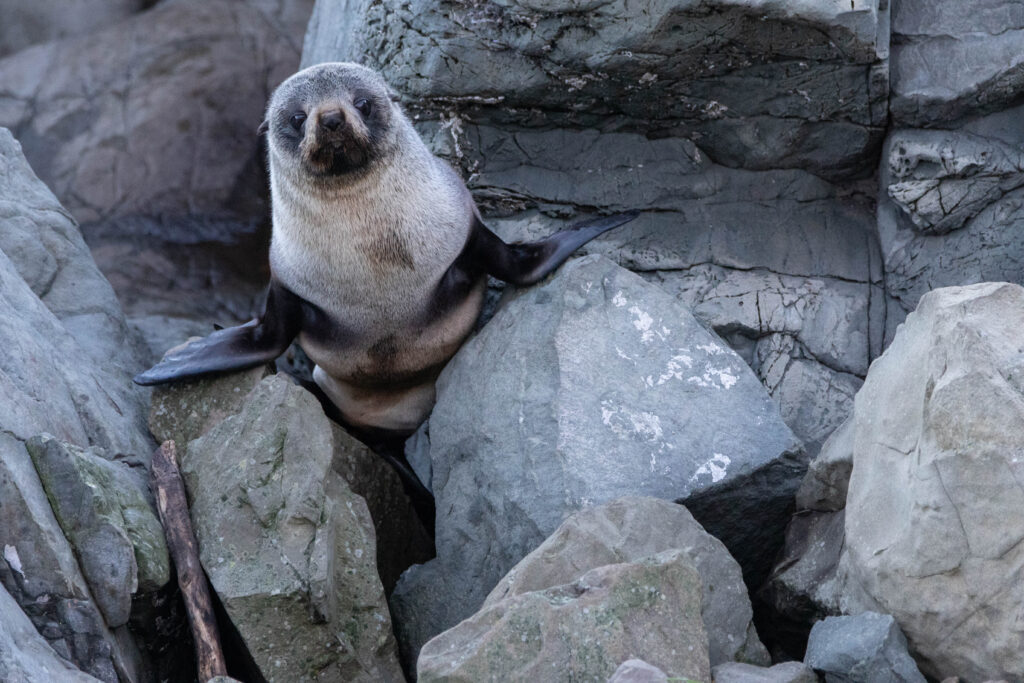
Upon arrival at Point Kean, we first encounter a colony of New Zealand Fur Seals (Arctocephalus forsteri). We return to this viewpoint several times during our stay in Kaikoura. Depending on the wind, pelagic birds can be closer or farther from shore. Walking along the coastline, we observe Northern Giant Petrel (Macronectes halli), Fluttering Shearwater (Puffinus gavia), and Australasian Gannet (Morus serrator).
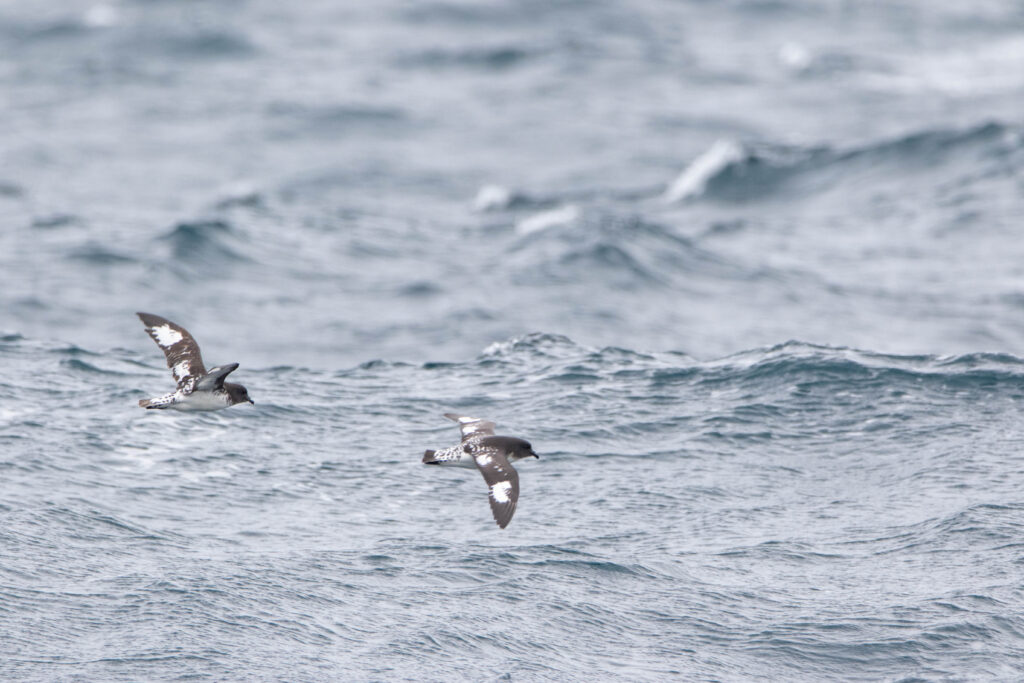
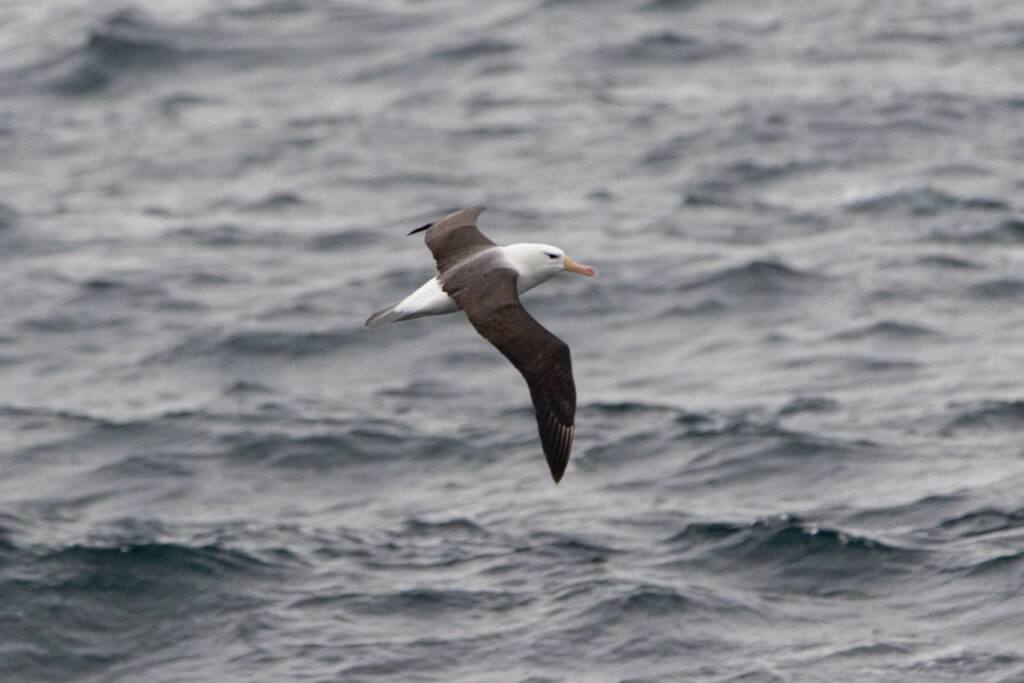
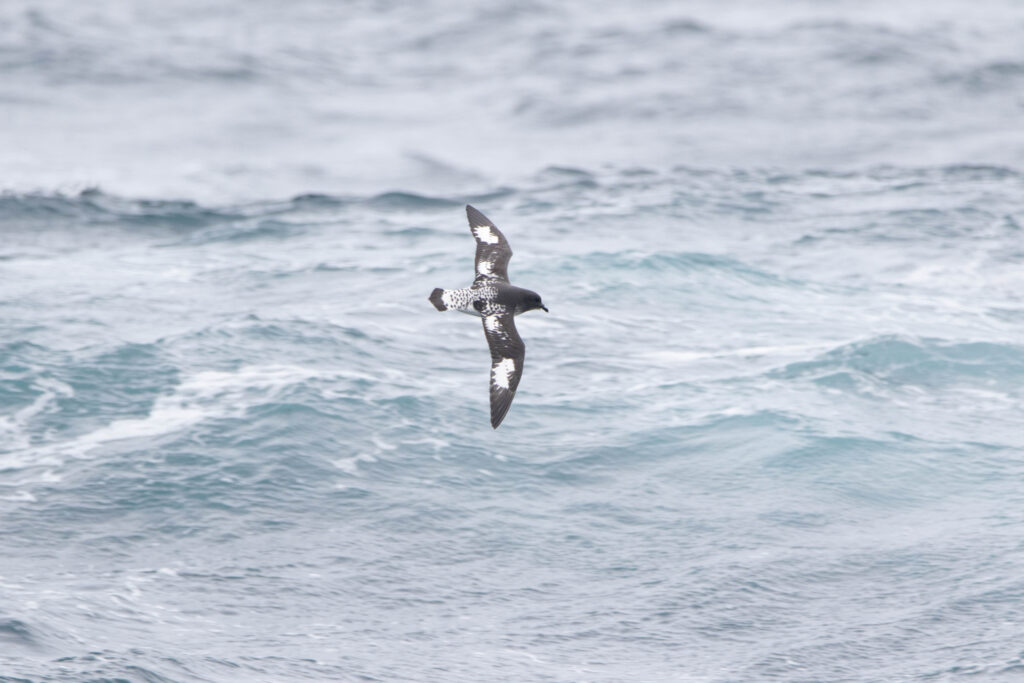
After a night at the town’s Freedom Camping Car Park, we head back to the Point Kean Seal Colony. This time, thanks to strong winds, we are lucky enough to observe Antipodean Albatross (Diomedea antipodensis), Buller’s Albatross (Thalassarche bulleri), many Shy Albatross (Thalassarche cauta), two Black-browed Albatross (Thalassarche melanophris), and two Pintado Petrels (Daption capense).
Whale Watch Kaikoura
What better way to end our time in Kaikoura than with a whale-watching tour? We choose Whale Watch Kaikoura for a 2-hour boat trip. After several delays due to weather conditions, we finally board despite a rough sea.
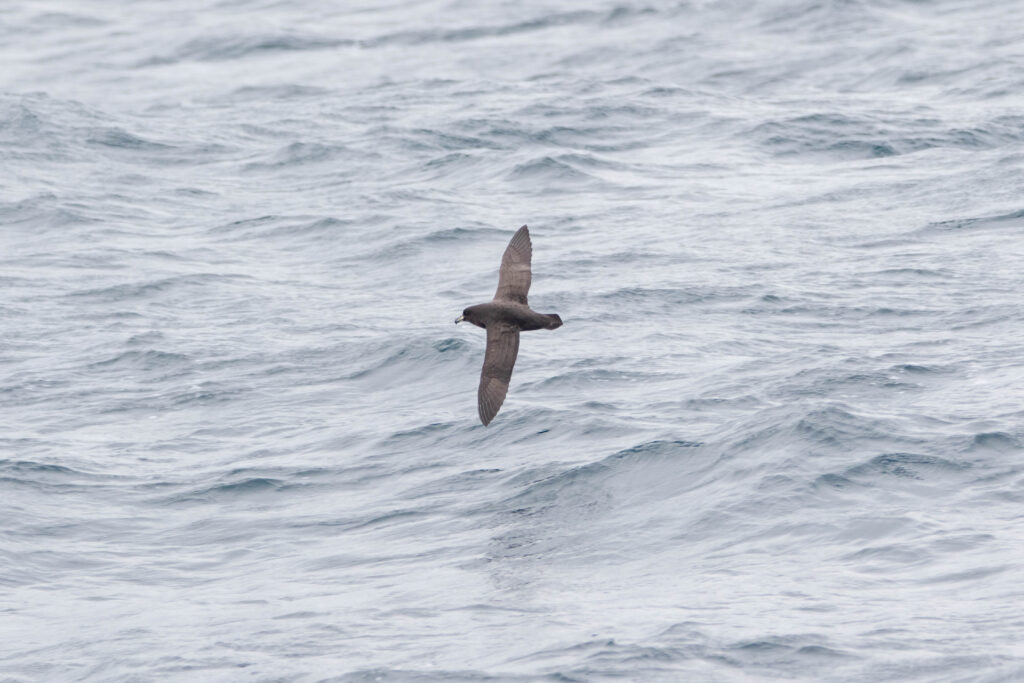
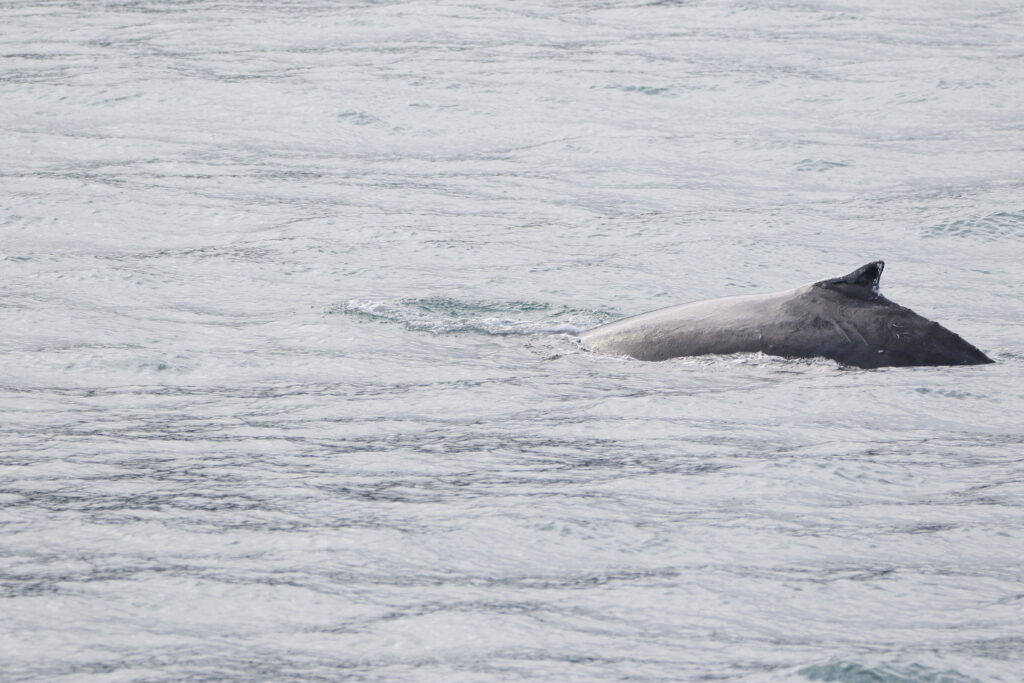
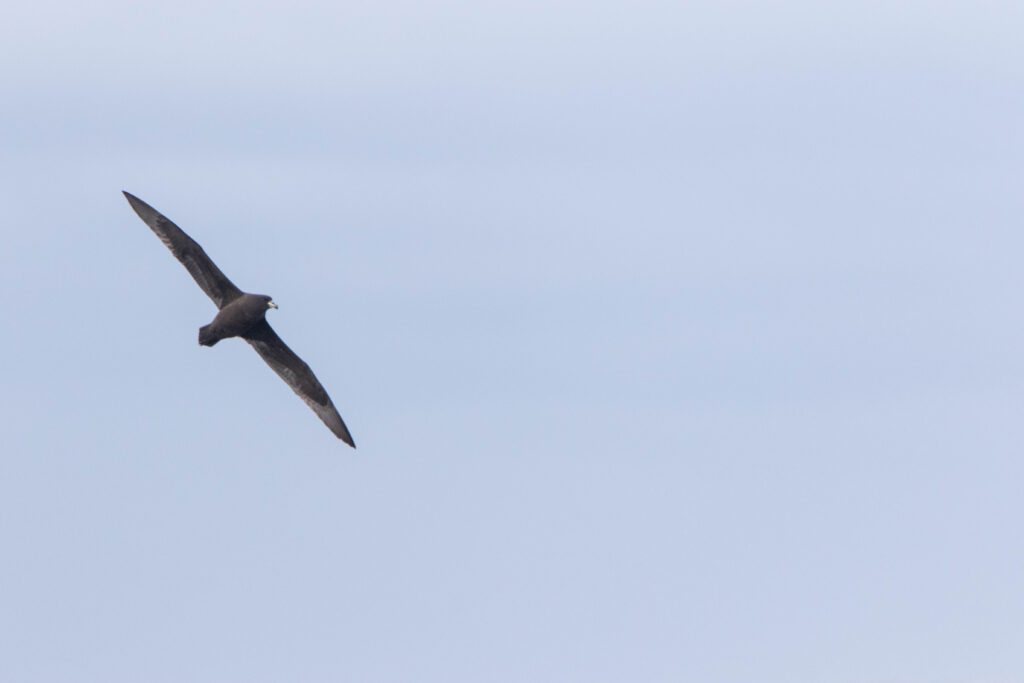
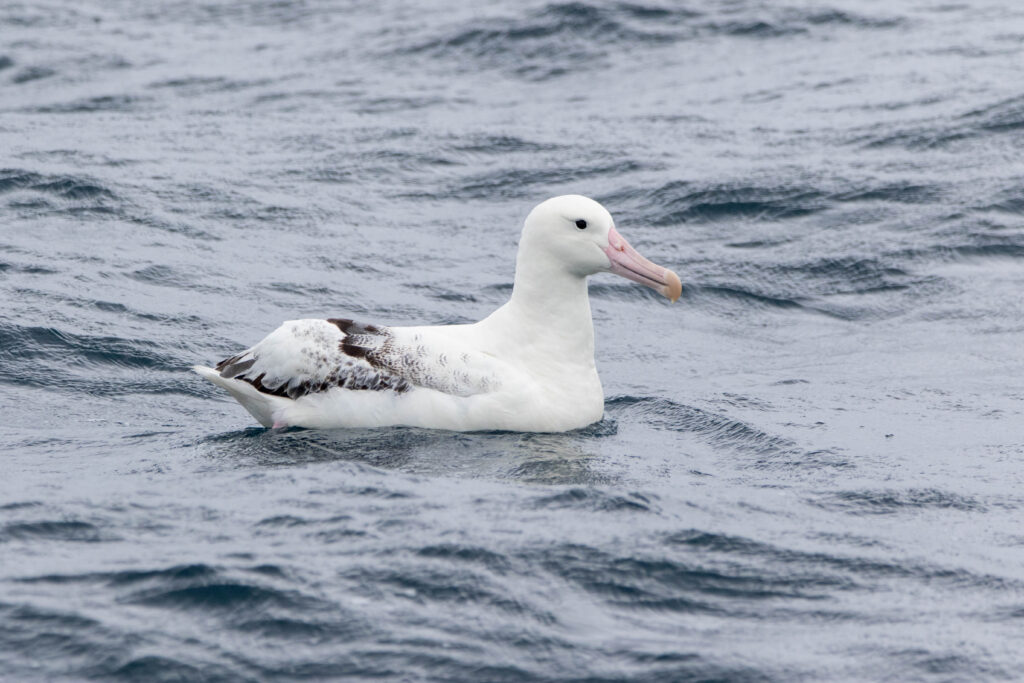
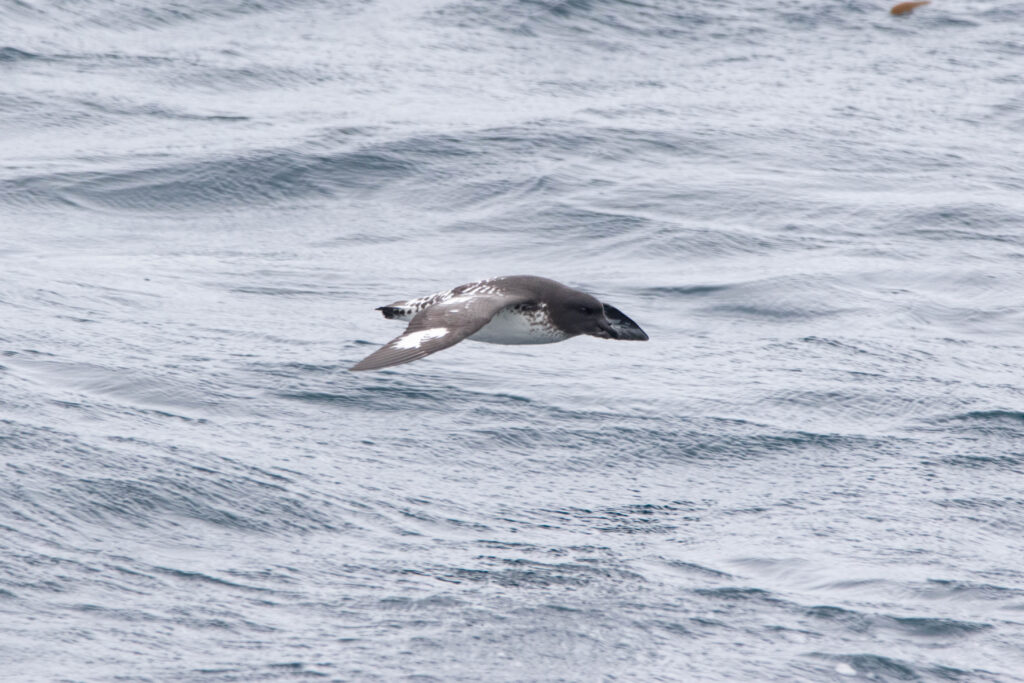
We are not particularly lucky with whale sightings on this trip. Nature isn’t a zoo, and sightings are never guaranteed. We only catch a brief glimpse of a juvenile Humpback Whale (Megaptera novaeangliae) for a few seconds on the way back. While many passengers seem disappointed, we are not. Thanks to the strong winds, we enjoy incredible close encounters with pelagic birds. We observe the king of the seas, Southern Royal Albatross (Diomedea epomophora), as well as Antipodean Albatross (Diomedea antipodensis), Buller’s Albatross (Thalassarche bulleri), Shy Albatross (Thalassarche cauta), Pintado Petrel (Daption capense), Westland Petrel (Procellaria westlandica), and Sooty Shearwater (Ardenna grisea).
Picton & Queen Charlotte Sound
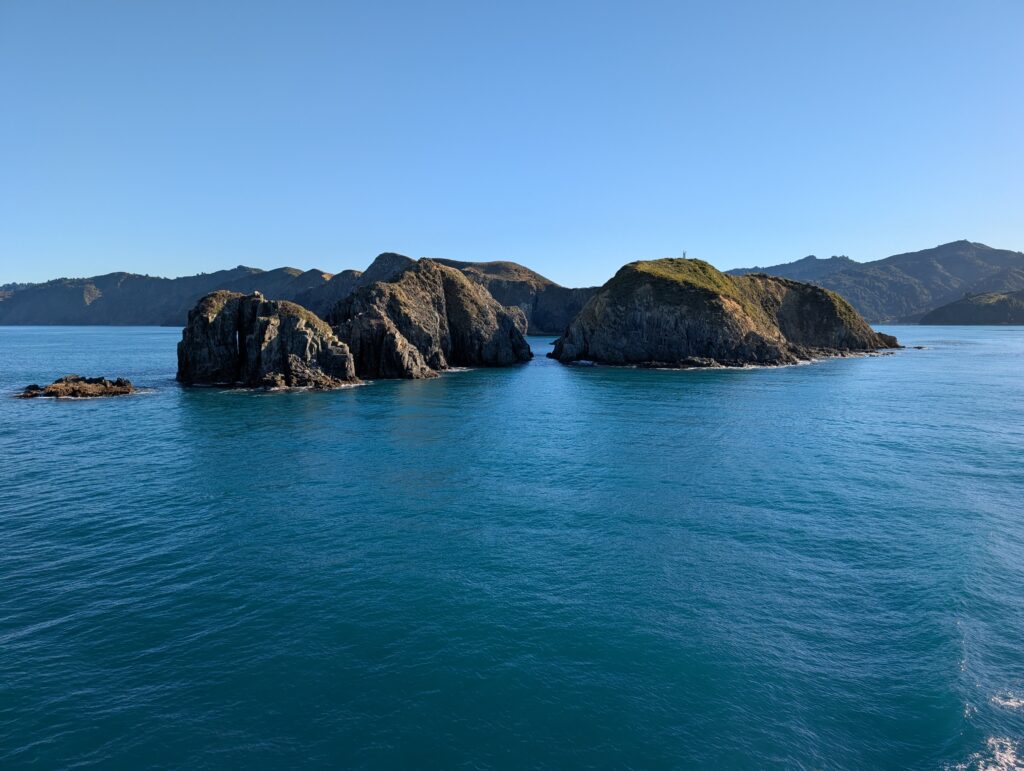
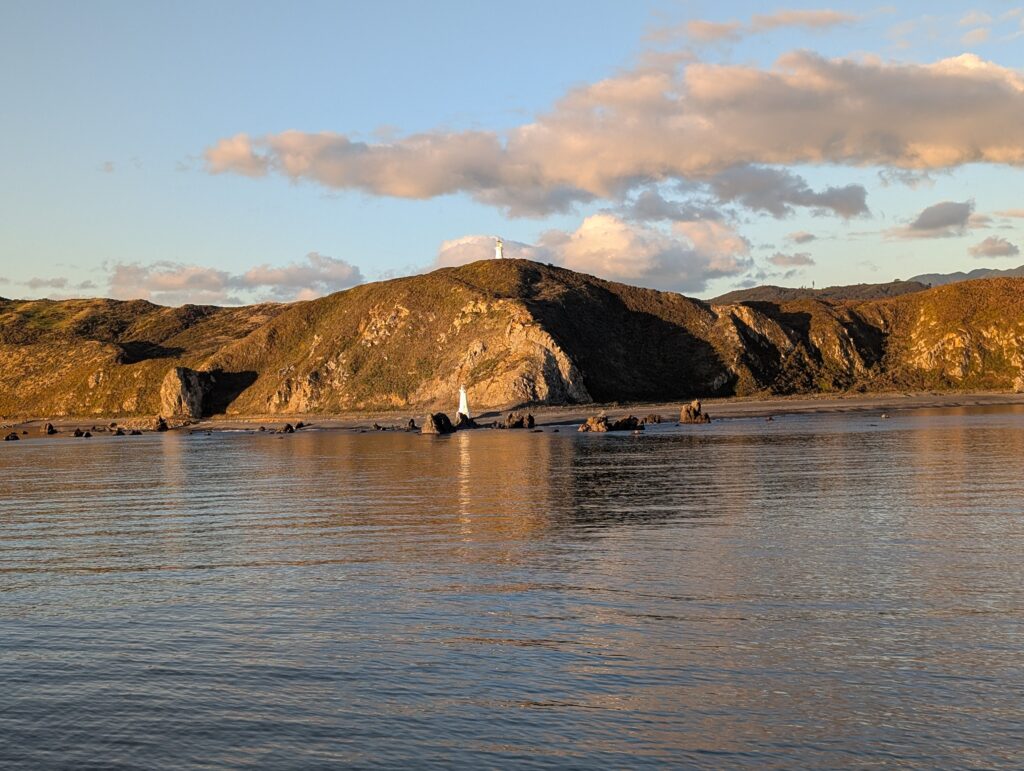
We end our South Island journey in the town of Picton, located along Queen Charlotte Sound. This fjord is the route taken by the ferry connecting the South Island to the North Island.
Before boarding the ferry to Wellington, we search for a particular species in Picton: the New Zealand King Shag. We find no trace of it in the bay. It is only during the ferry crossing to Wellington—where it’s highly recommended to stay on deck with binoculars—that we finally observe the New Zealand King Shag (Leucocarbo carunculatus), a rare and endemic cormorant of the Marlborough Sounds. This will be our final bird observation on the South Island!
We conclude this 19-day trip on the South Island with no fewer than 89 bird species observed. Among them are iconic species such as the Yellow-eyed Penguin, Northern Royal Albatross, and Kea. We didn’t manage to see any kiwi species, but we hope for better luck with those on the North Island. You can find all our bird lists on eBird. We leave this island with unforgettable memories of breathtaking landscapes: mountains, glaciers, fjords, and ocean.