


Birding at Dunedin & Otago Peninsula
The Otago Peninsula lies just outside the city of Dunedin on New Zealand’s South Island. It is an essential destination for nature lovers and especially birdwatchers! This 20-kilometre peninsula is home to an exceptional birdlife that is often easier to observe here than anywhere else in the country. Among its highlights are iconic species of penguins and albatrosses.
In this article, you’ll discover the best birdwatching locations on the Otago Peninsula and its surroundings. If you’d like to learn more, check out our 17-day South Island New Zealand itinerary.
Where to see birds on the Otago Peninsula?
Albatros Royal Center
If the Otago Peninsula is famous for birdwatching in New Zealand, it is largely thanks to one remarkable family of birds: the albatrosses. The Royal Albatross Centre, located at the tip of the peninsula, offers an excellent opportunity to observe these magnificent seabirds in their natural environment.
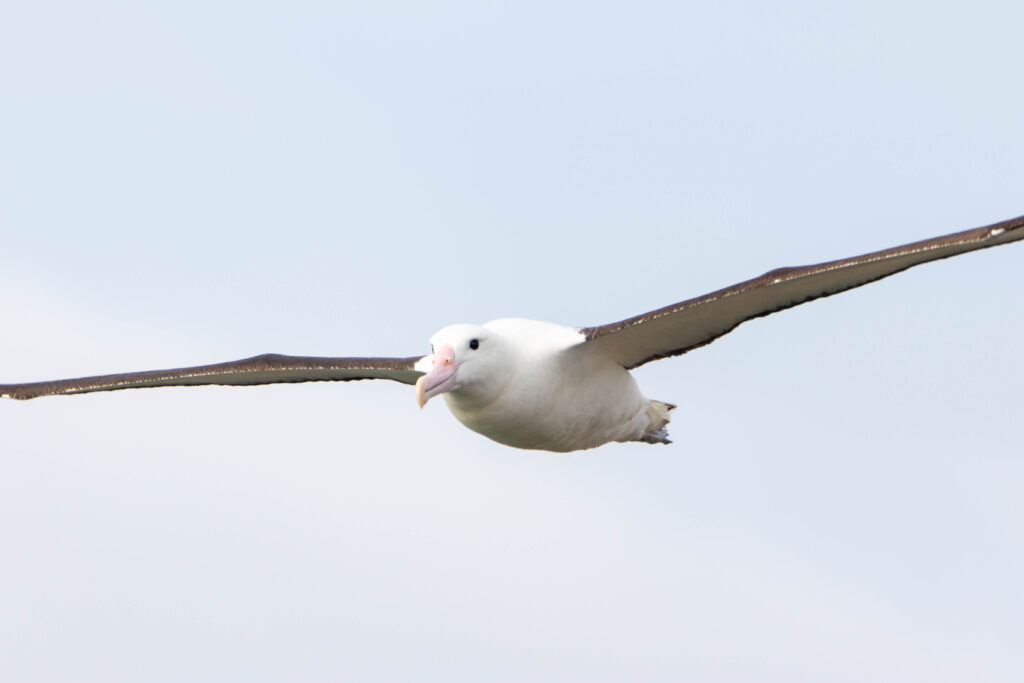
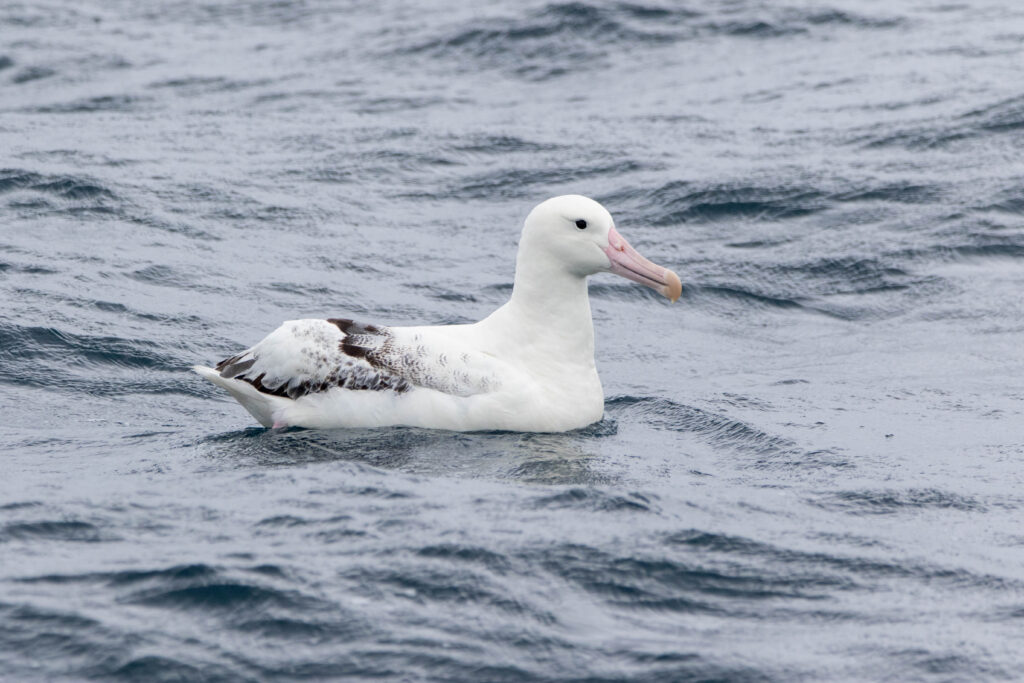
The peninsula hosts the world’s largest mainland breeding colony of Northern Royal Albatross (Diomedea sanfordi), a species that was only recently split from the Southern Royal Albatross (Diomedea epomophora). Guided tours are available at the Royal Albatross Centre, allowing visitors to observe the colony during the breeding season. Naturally, all observations are conducted from dedicated viewing hides, ensuring minimal disturbance to the birds.
Waiwhakaheke Seabird Lookout
If you prefer not to join a guided tour, you can visit the Waiwhakaheke Viewpoint instead. It is located right next to the Royal Albatross Centre parking area.
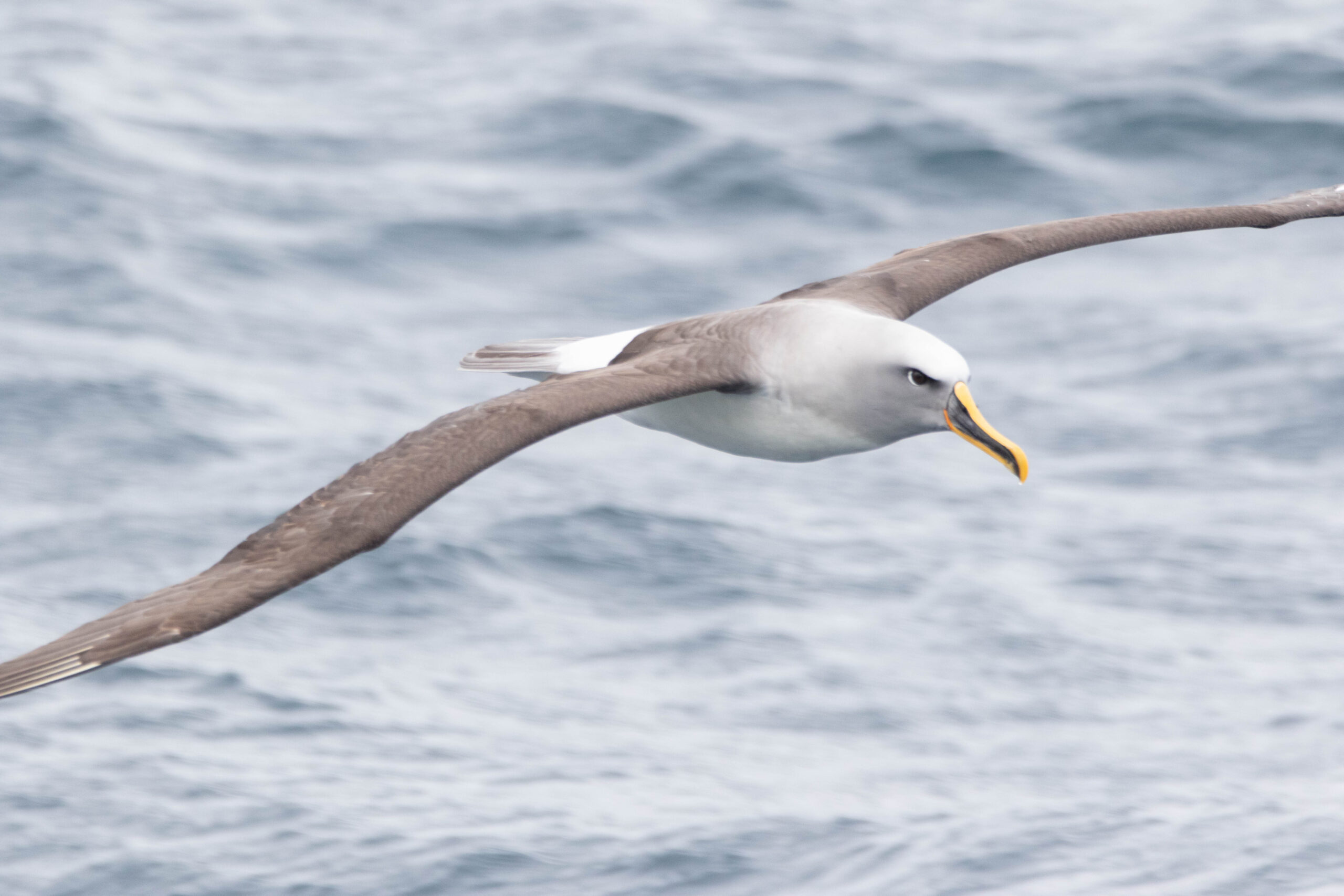
From this viewpoint, you can watch these giants of the ocean soaring overhead. It is a truly majestic spectacle, especially on windy days when albatrosses are at their most active. In addition to Northern Royal Albatross (Diomedea sanfordi) and Southern Royal Albatross (Diomedea epomophora), several other species can be observed, including Buller’s Albatross (Thalassarche bulleri), Shy Albatross (Thalassarche cauta), Black-browed Albatross (Thalassarche melanophris), and Salvin’s Albatross (Thalassarche salvini).
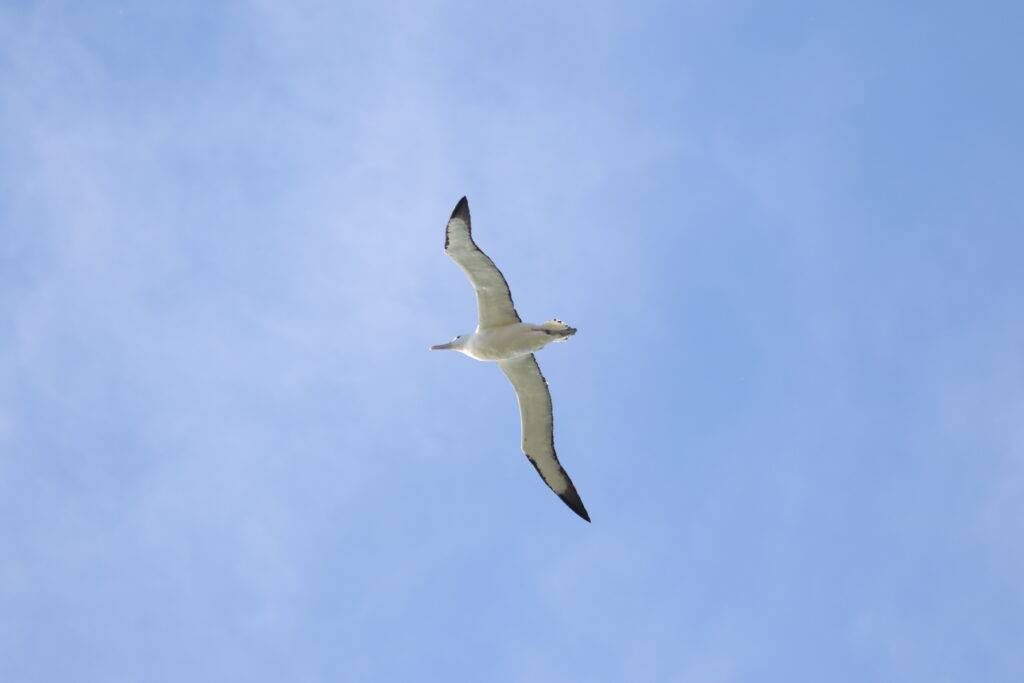
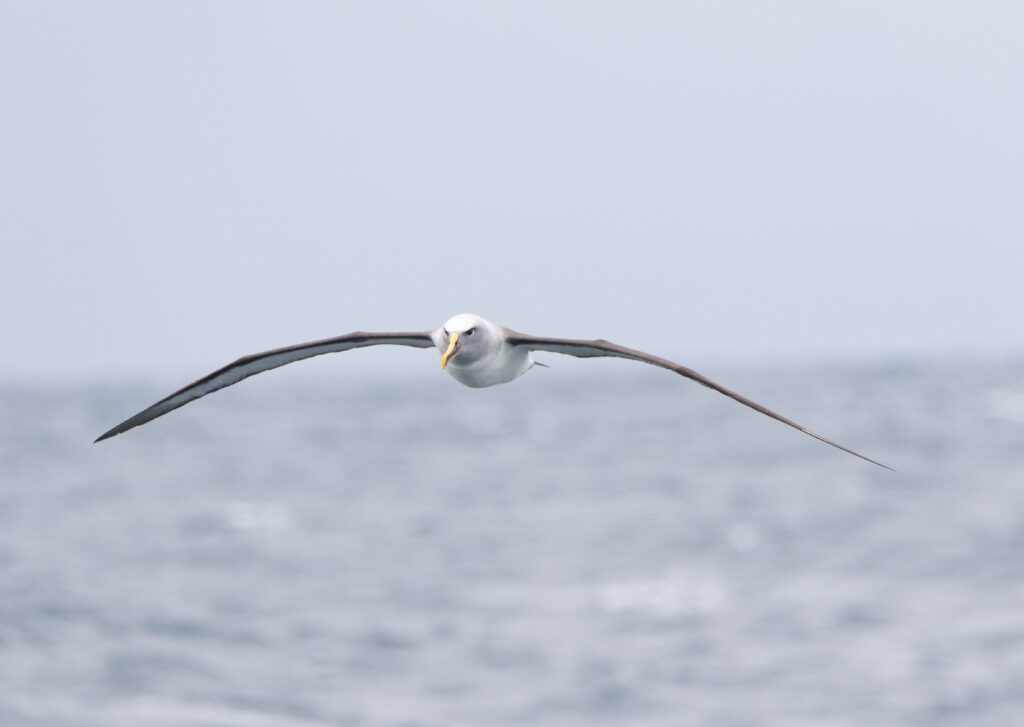
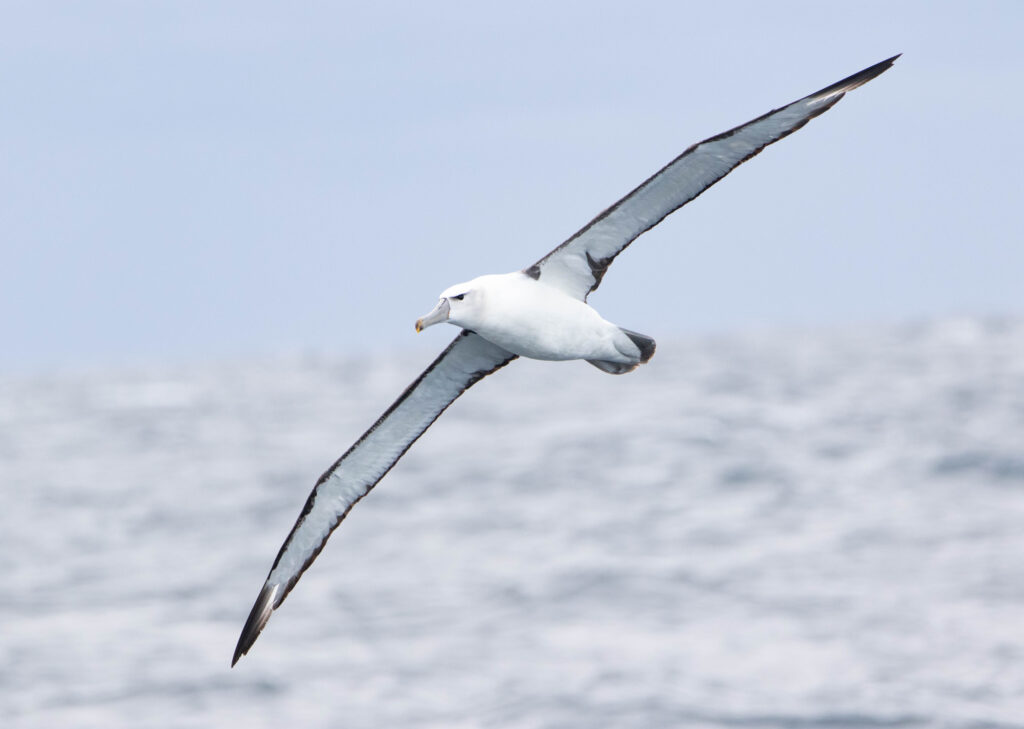
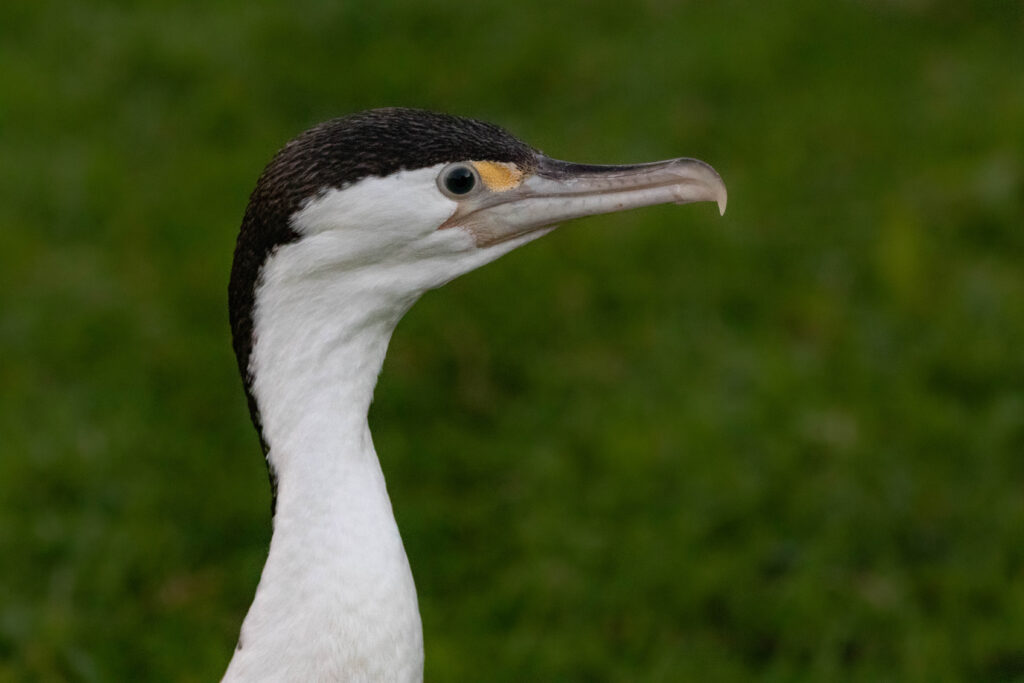
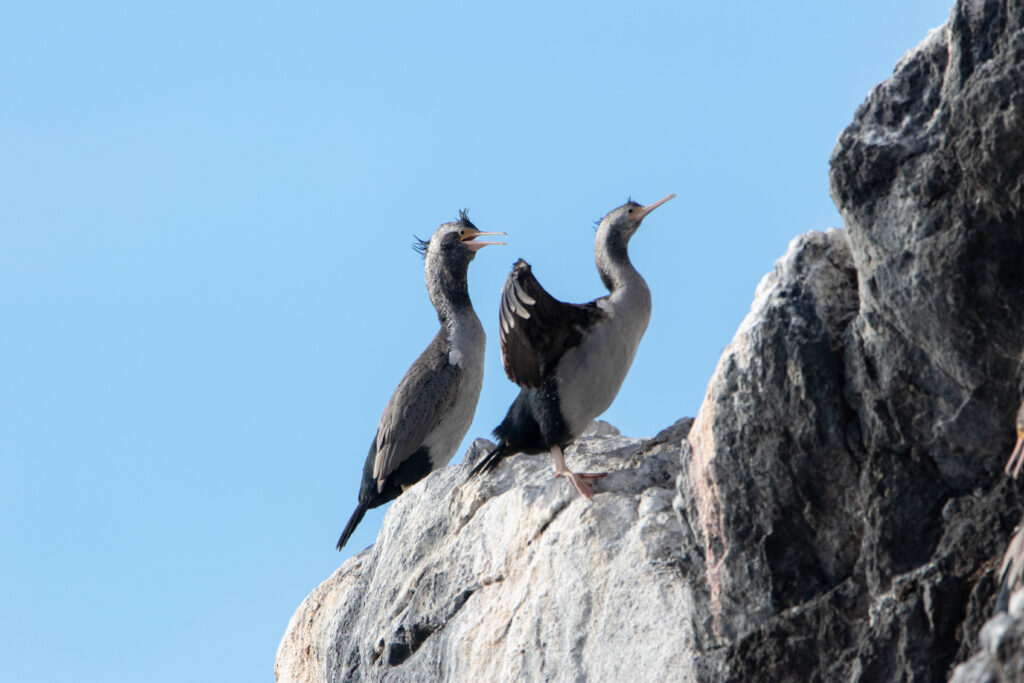
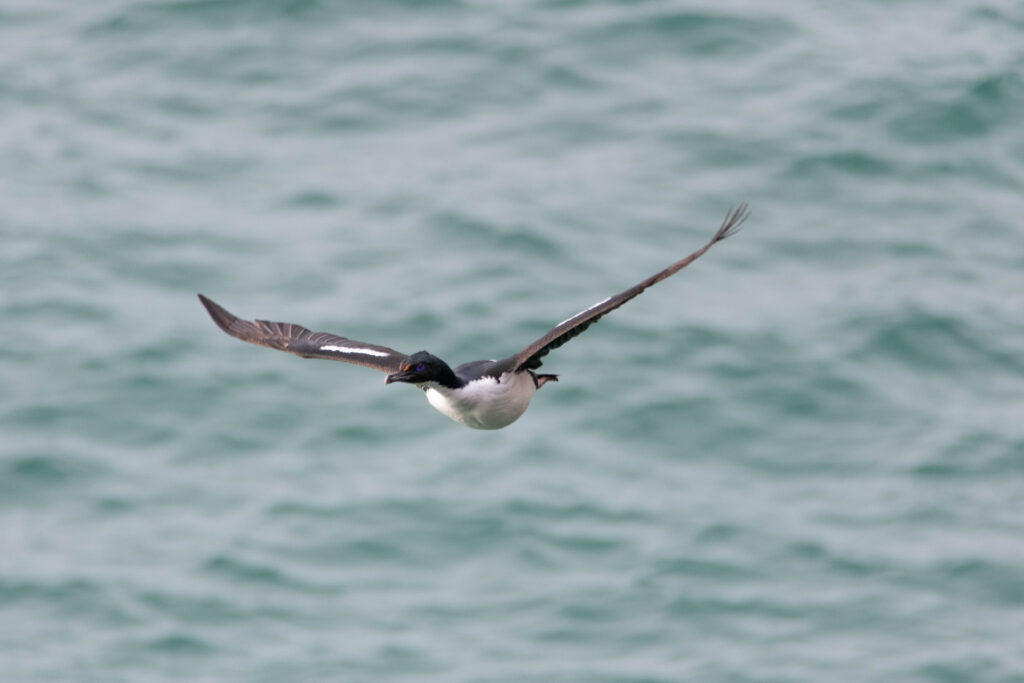
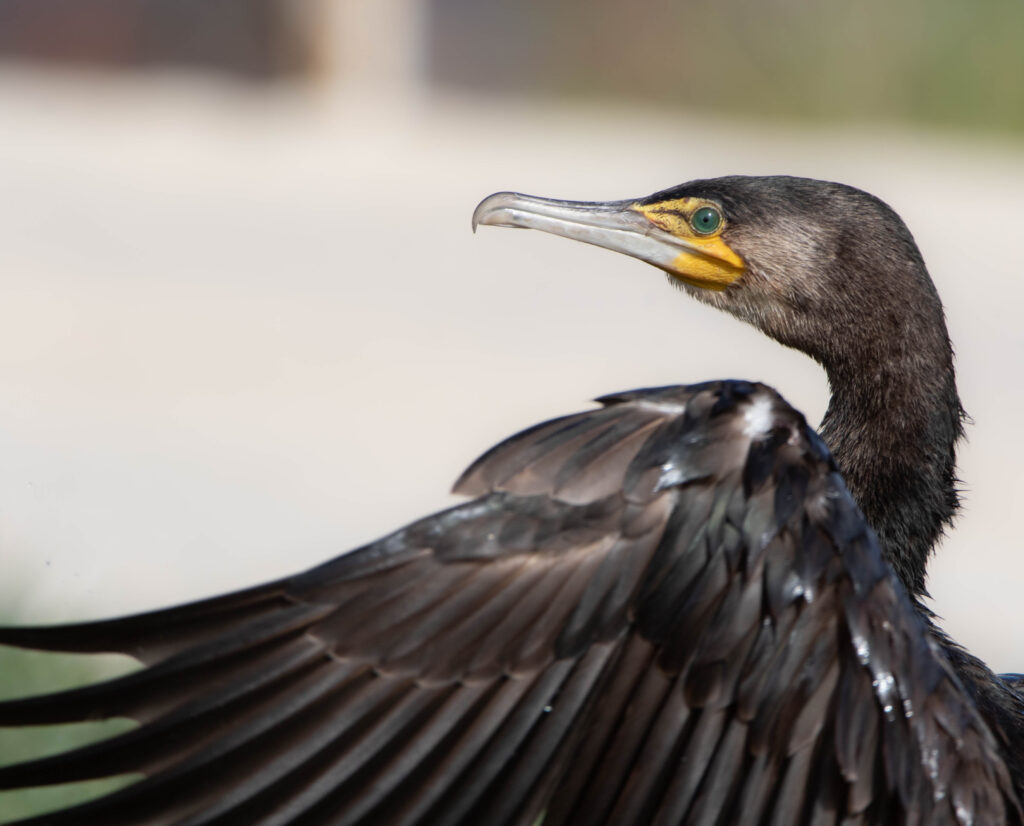
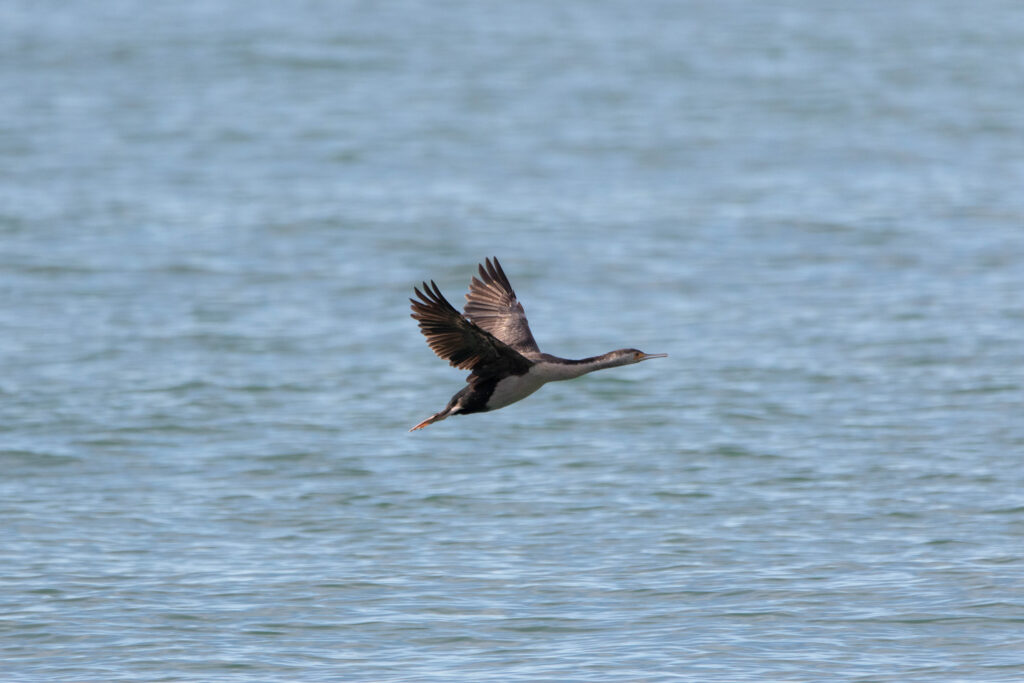
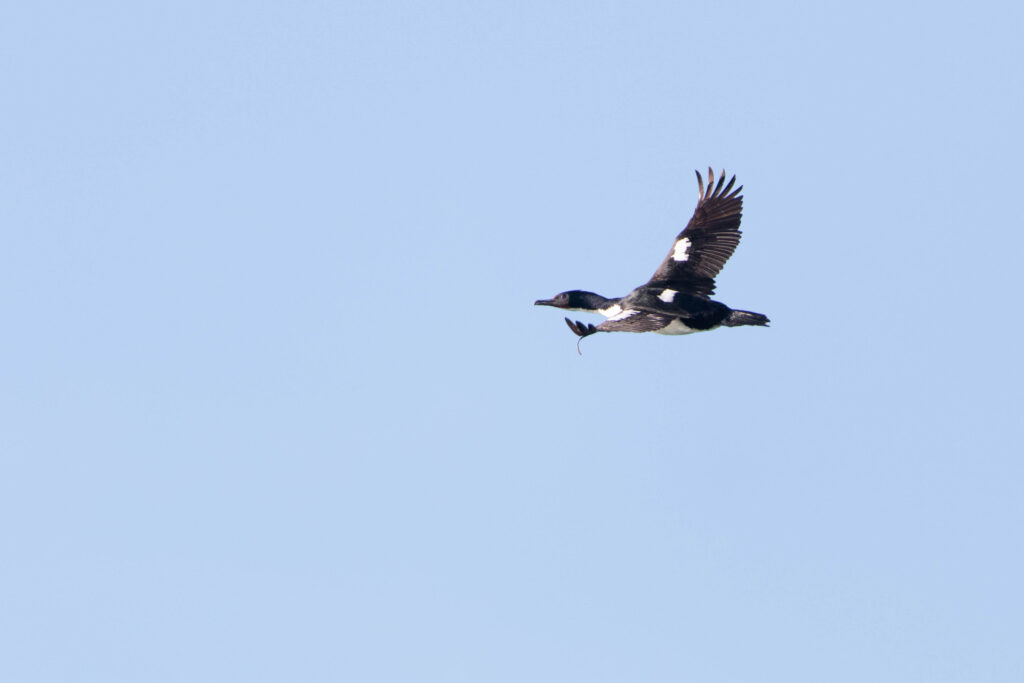
It is also an excellent location for observing, either in flight, at sea, or perched on the cliffs, Stewart Island Shag (Leucocarbo chalconotus), Spotted Shag (Phalacrocorax punctatus), Australian Pied Cormorant (Phalacrocorax varius), and Great Cormorant (Phalacrocorax carbo).
Blue Penguins Pukekura
If you walk down the stairs from the Royal Albatross Centre parking area, you will reach Pilots Beach.
At night, you can book a tour to watch numerous Little Penguins (Eudyptula minor) returning from a day of fishing at sea. These tours are operated by Blue Penguins Pukekura.
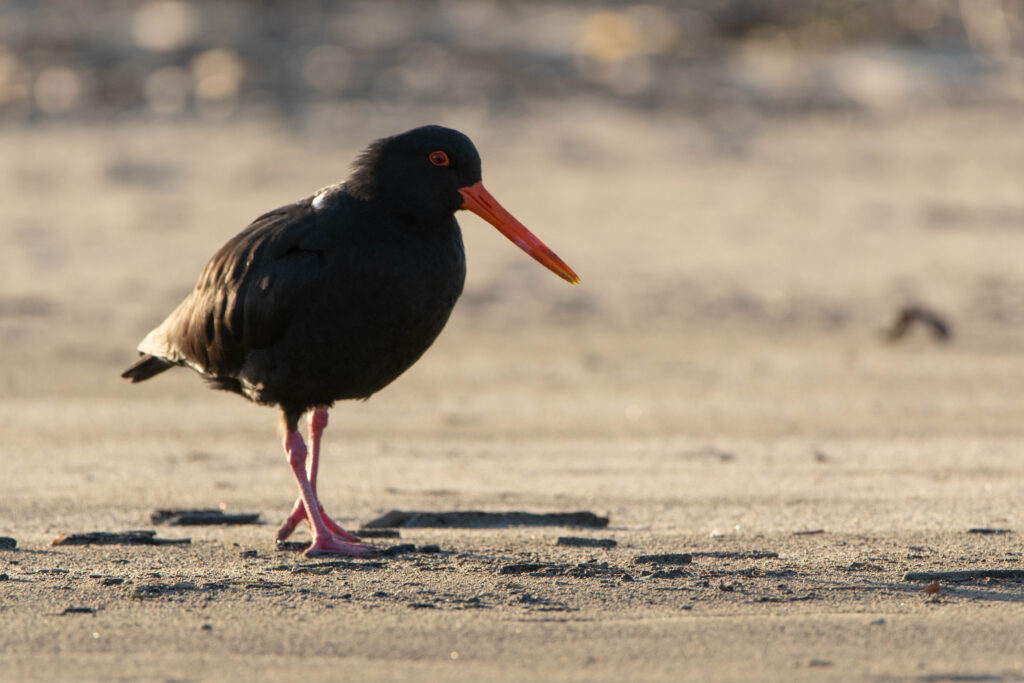
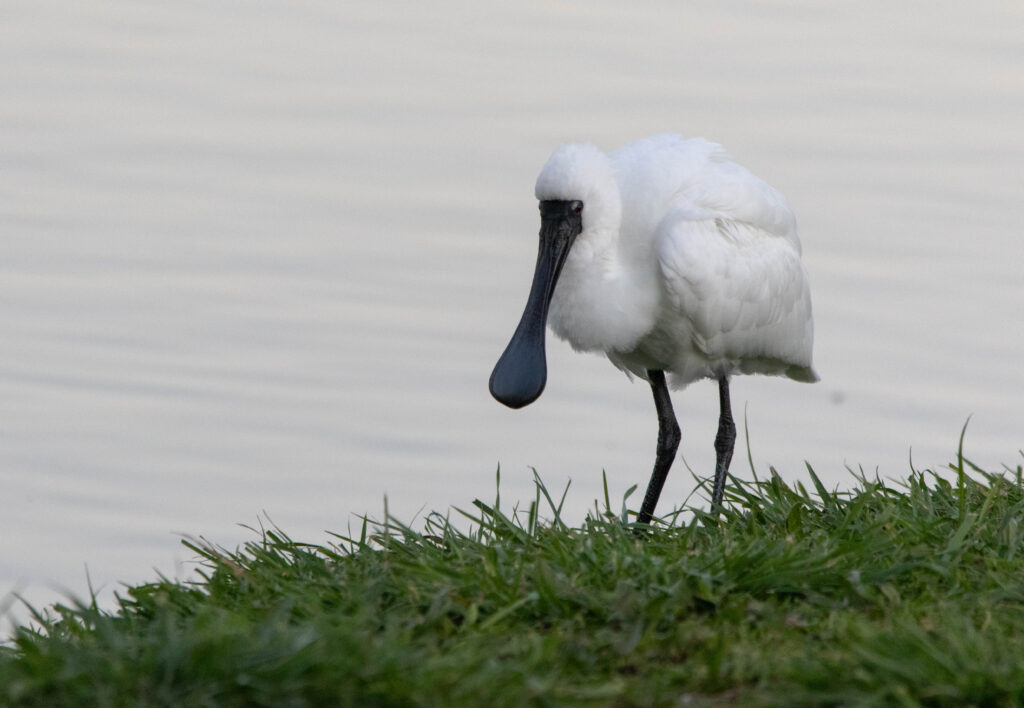
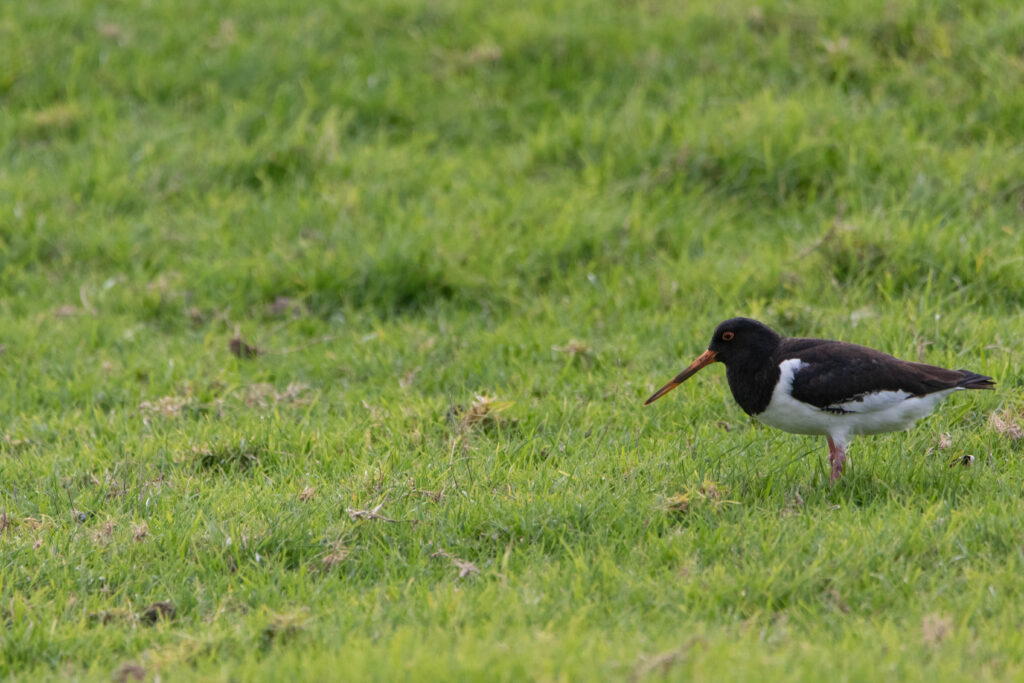
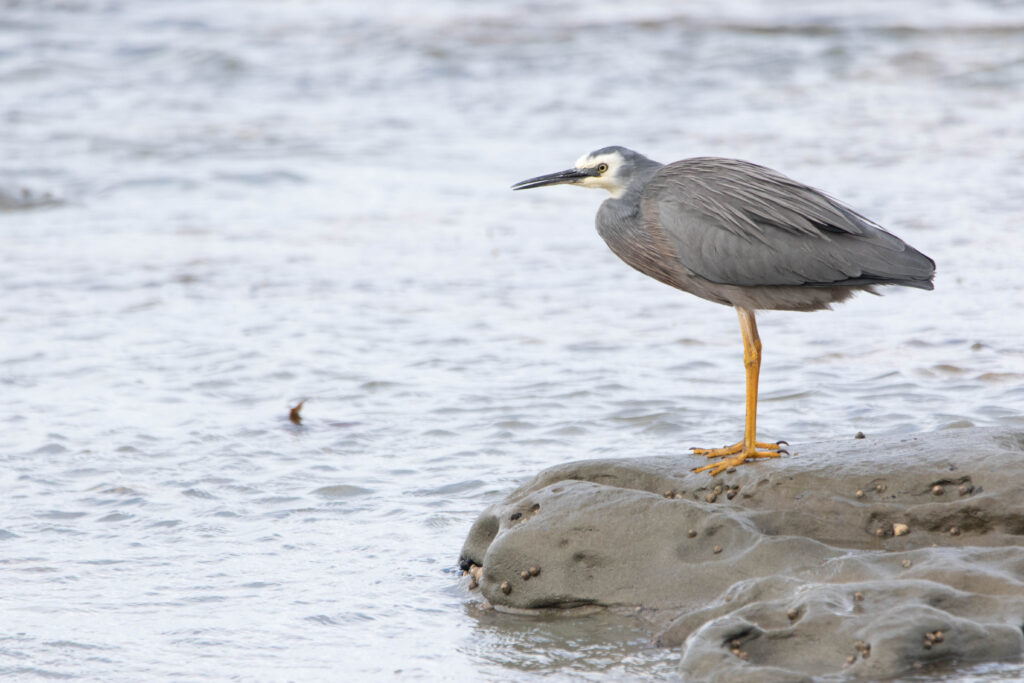
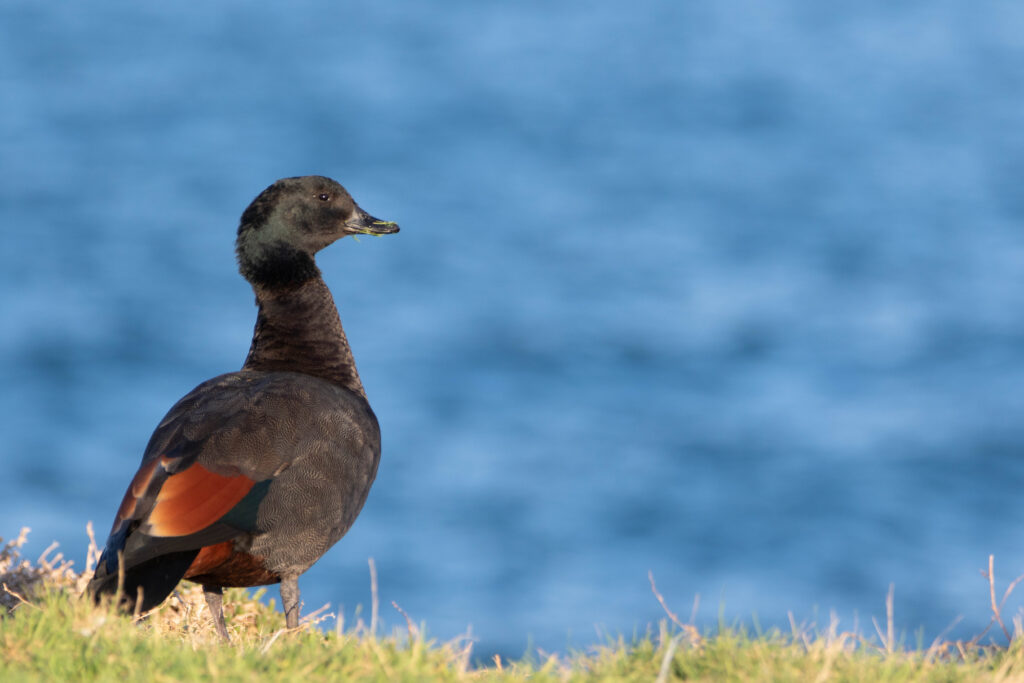
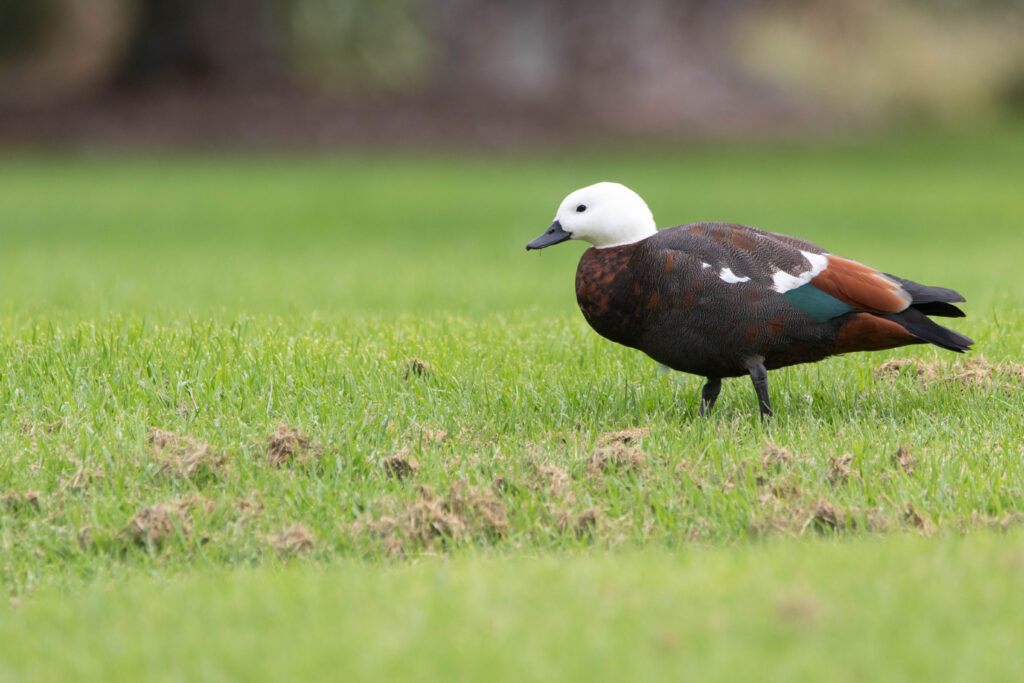
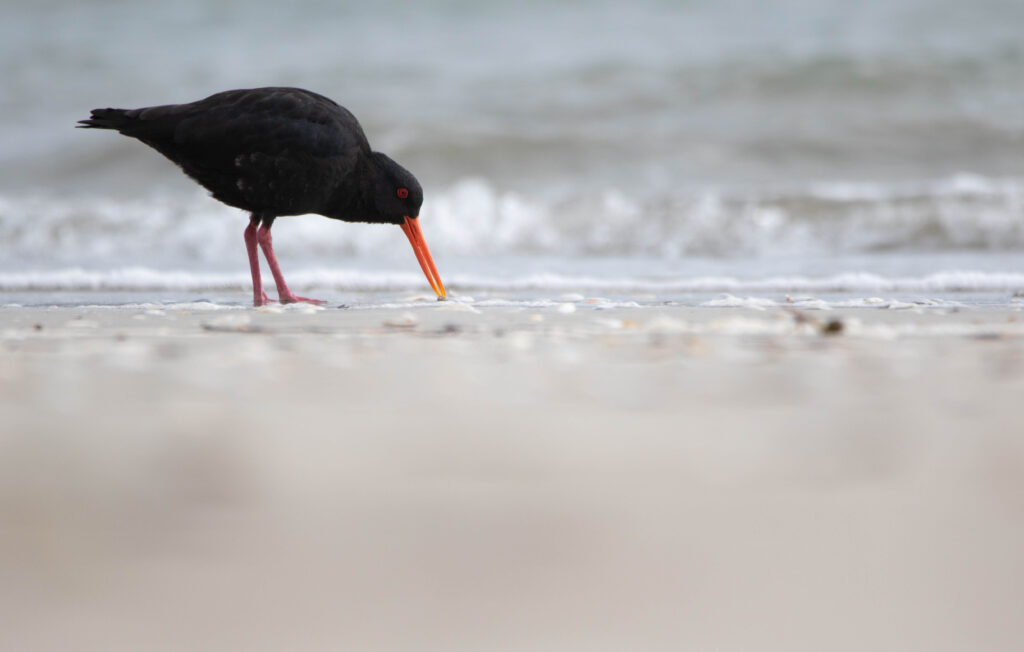
During the day, you can access the beach and freely observe other bird species such as Royal Spoonbill (Platalea regia), Paradise Shelduck (Tadorna variegata), White-faced Heron (Egretta novaehollandiae), South Island Oystercatcher (Haematopus finschi), and Variable Oystercatcher (Haematopus unicolor).
The OPERA
Another paid site? Yes, indeed! But this one was a real highlight of our time on the Otago Peninsula. We also featured this conservation initiative in a dedicated article.
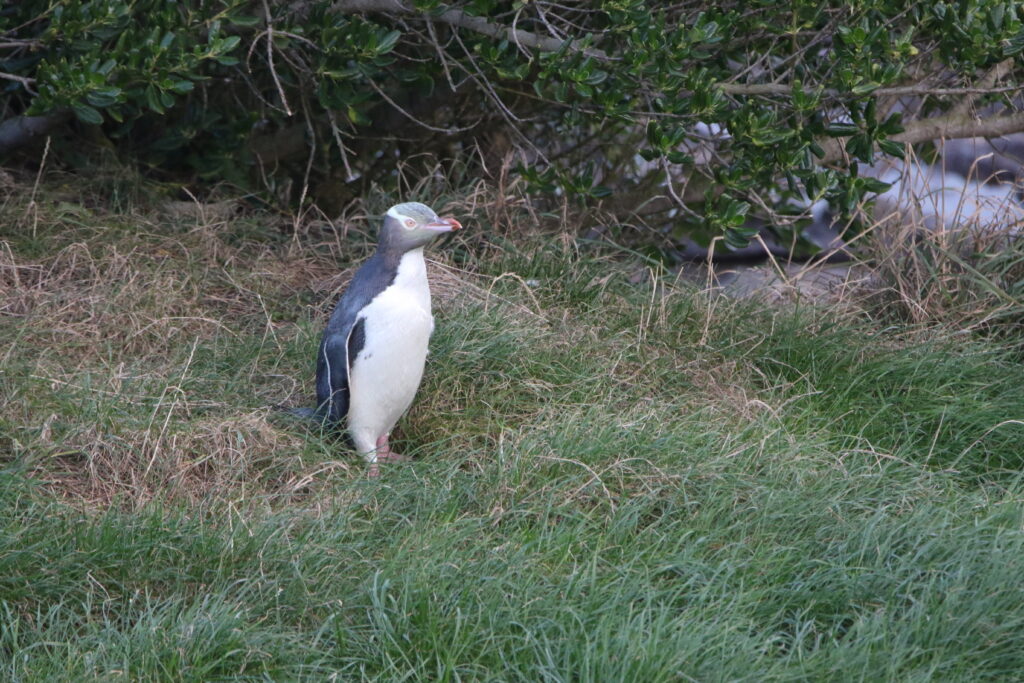
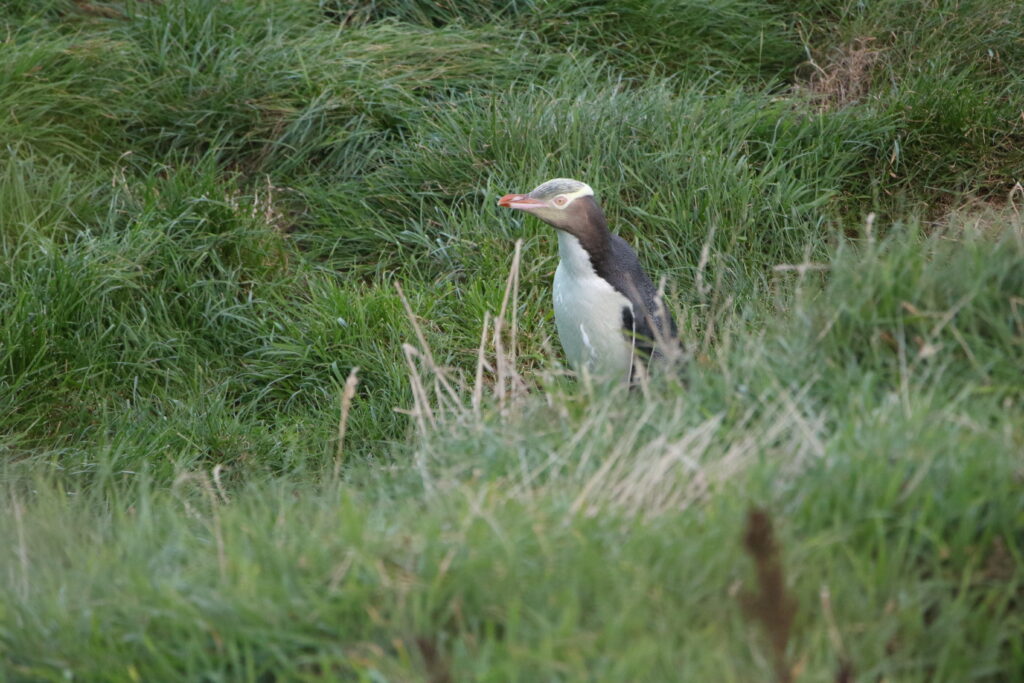
The OPERA offers guided visits to its private reserve. If you’re lucky, you may have the chance to observe a Yellow-eyed Penguin (Megadyptes antipodes) returning from a day of fishing at sea. Unlike Little Penguins (Eudyptula minor), Yellow-eyed Penguins return individually at varying times throughout the afternoon, so it is rare to see several birds arriving together.
Wellers Rock Wharf Cruises
If you would like to observe albatrosses from the water, you can join a one-hour cruise operated by Monarch Wildlife Cruise from Wellers Rock Wharf.
The boat departs from Harrington Point on the Otago Peninsula and heads towards Taiaroa Head. No bird feeding takes place during the trip, yet several albatross species may still circle around the boat. Being surrounded by these giants of the ocean is an unforgettable experience. Besides albatrosses, you may also encounter shearwaters and petrels, including Southern Giant Petrel (Macronectes giganteus) and Northern Giant Petrel (Macronectes halli).
Sandfly Bay
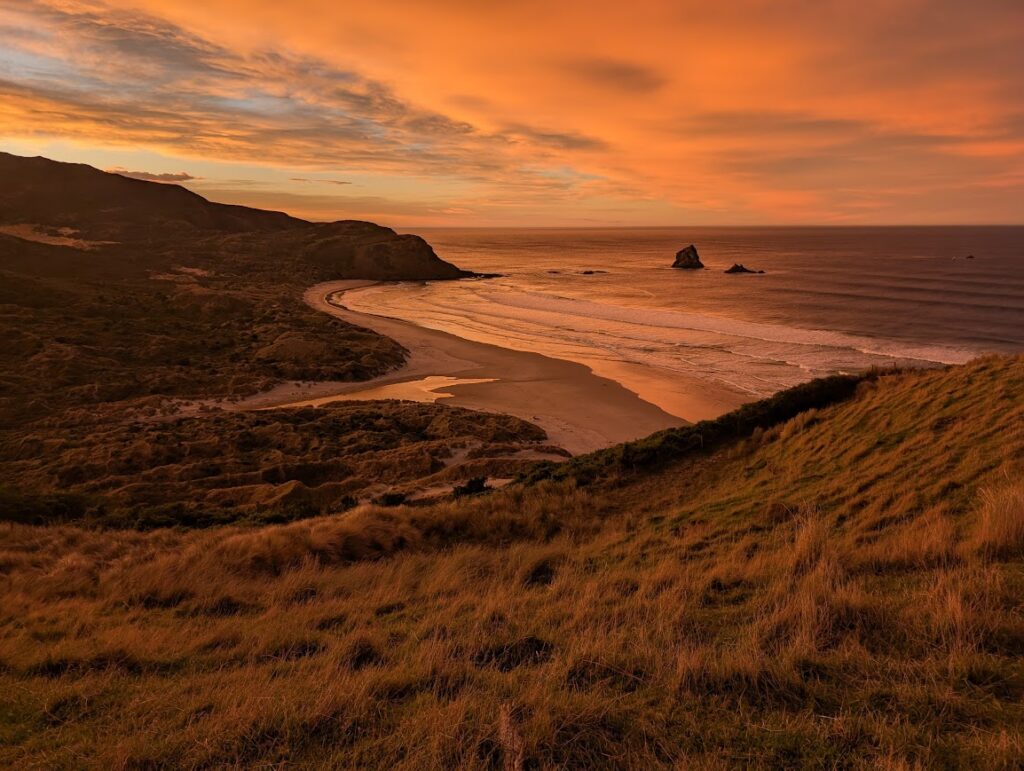
Sandfly Bay is a vast and beautiful beach located on the eastern coast of the Otago Peninsula. Reaching the beach requires about a 30-minute walk downhill from the parking area. Visitors should carefully follow all signage and avoid entering the protected conservation area during the breeding season.
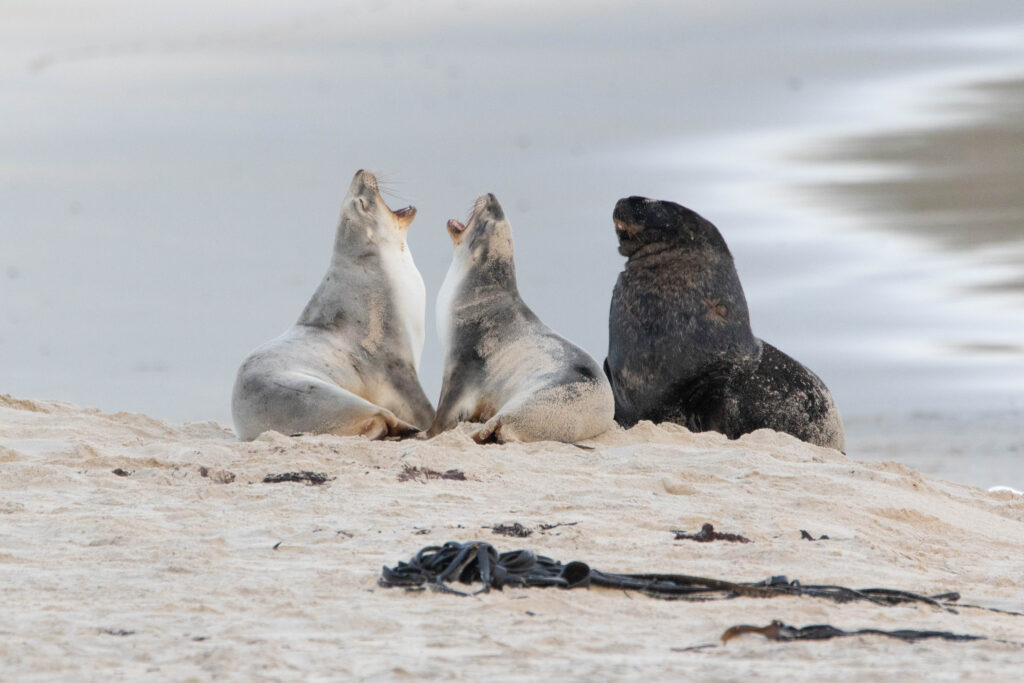
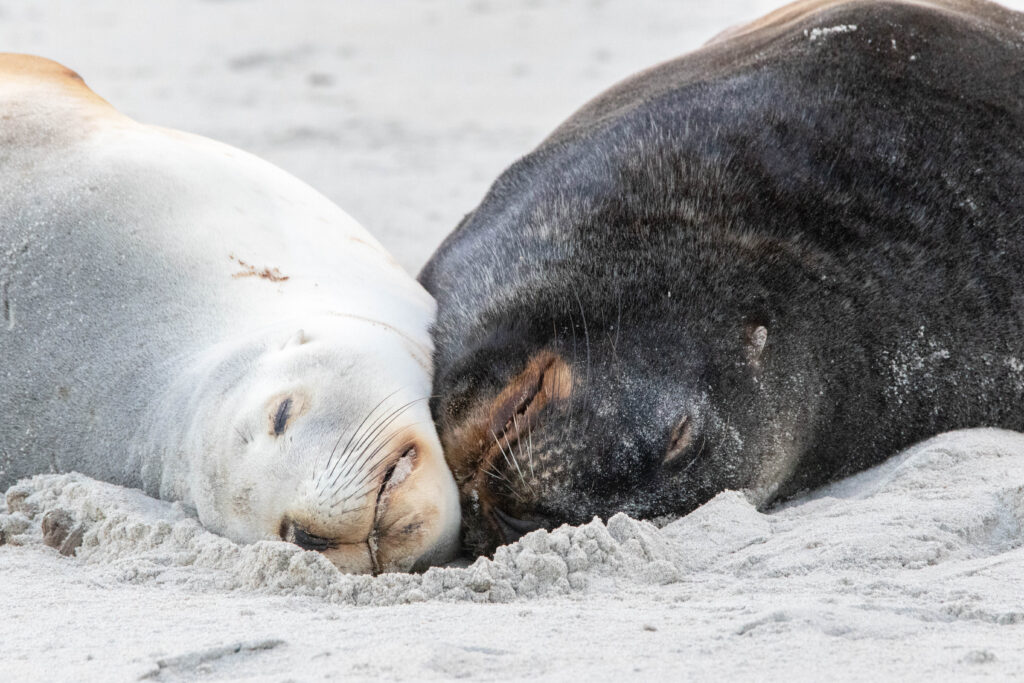
It is one of the best places to observe New Zealand Sea Lions (Phocarctos hookeri), which can often be seen resting across the beach. It is also an excellent free alternative to The OPERA for observing Yellow-eyed Penguins (Megadyptes antipodes). However, it is essential to keep a respectful distance from wildlife: at least 10 metres from sea lions and 200 metres from penguins. Yellow-eyed Penguins are particularly sensitive to disturbance, and failing to respect these distances can negatively impact their breeding success and conservation.
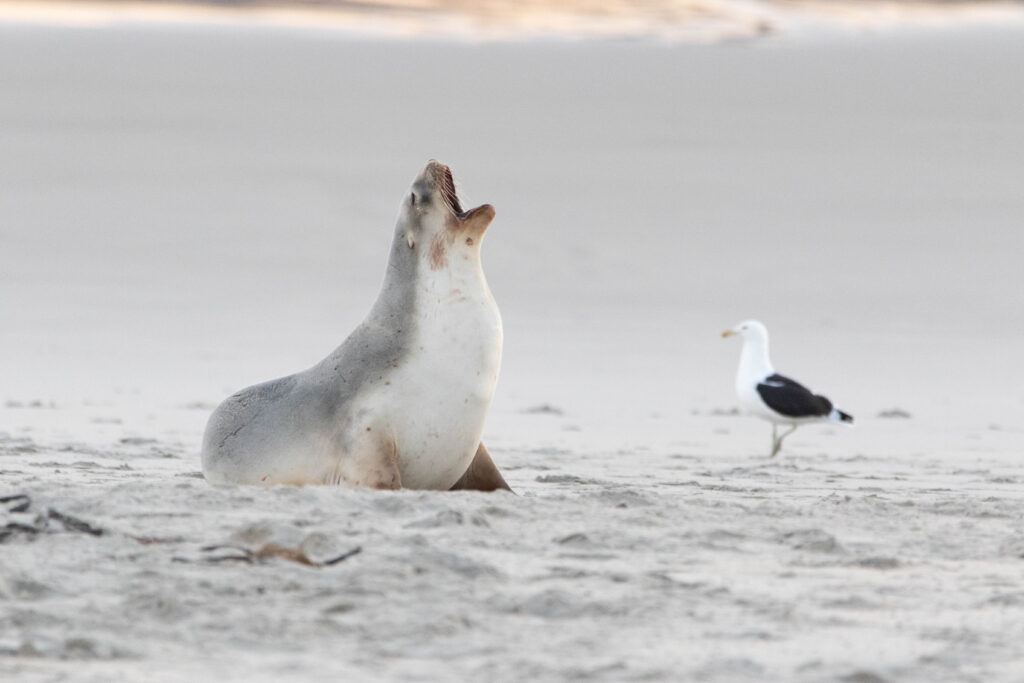
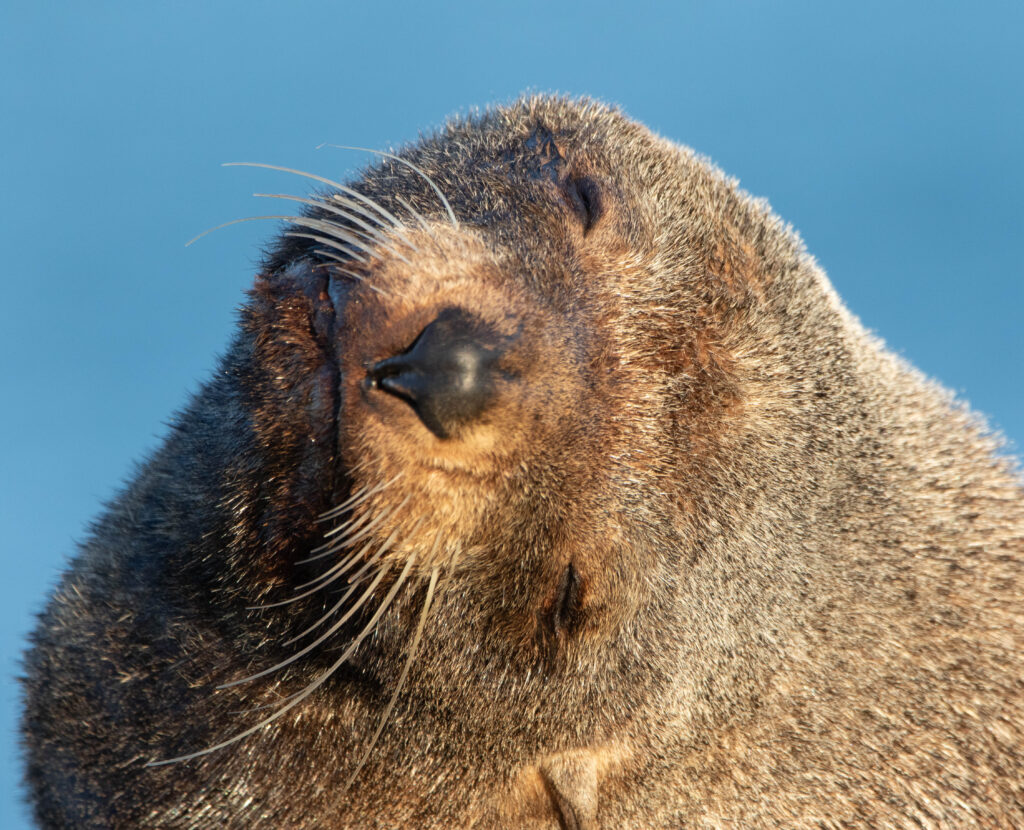
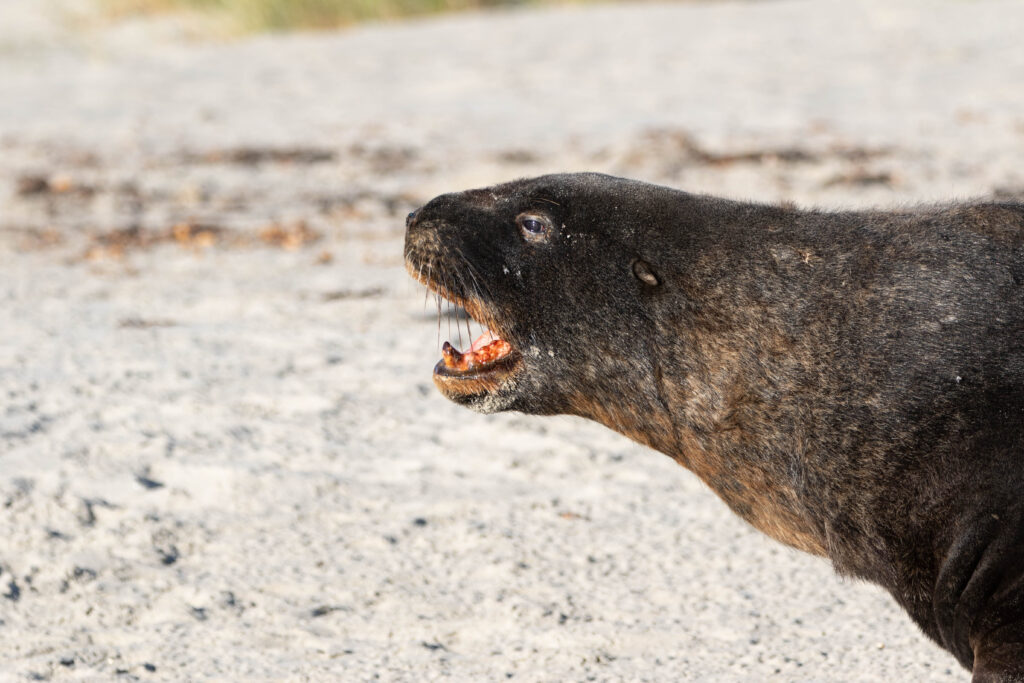
Aramoana Mole
Although it is not technically located on the Otago Peninsula, Aramoana Mole is very close and well worth a visit. It lies on the opposite side of the harbour entrance from the peninsula, where an artificial breakwater has been built. At the end of this mole, you can enjoy a spectacular sunrise while watching a wide variety of seabirds.
Sea-watching from the mole offers many of the albatrosses and petrels mentioned earlier. It is also an excellent place to observe shearwaters such as Sooty Shearwater (Ardenna grisea), White-chinned Petrel (Procellaria aequinoctialis), Westland Petrel (Procellaria westlandica), Buller’s Shearwater (Ardenna bulleri), Fluttering Shearwater (Puffinus gavia), and Hutton’s Shearwater (Puffinus huttoni). The latter two species can be particularly difficult to separate, especially at long range. Other pelagic birds regularly seen in the area include Australasian Gannet (Morus serrator), Pintado Petrel (Daption capense), White-faced Storm Petrel (Pelagodroma marina), and Fairy Prion (Pachyptila turtur). You never know when a rarity might appear offshore.
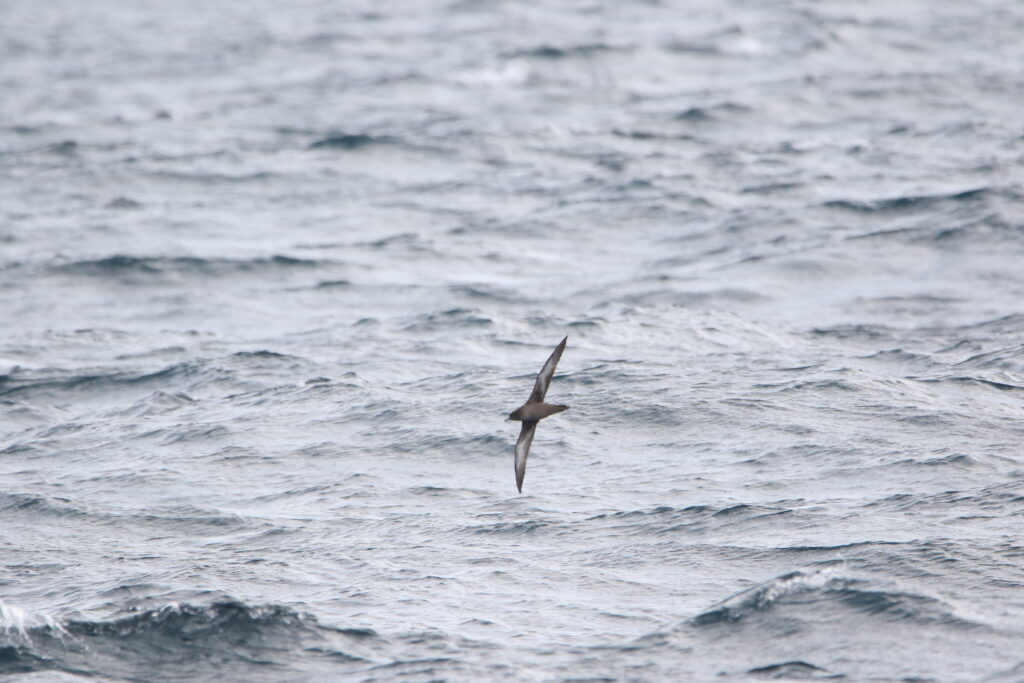
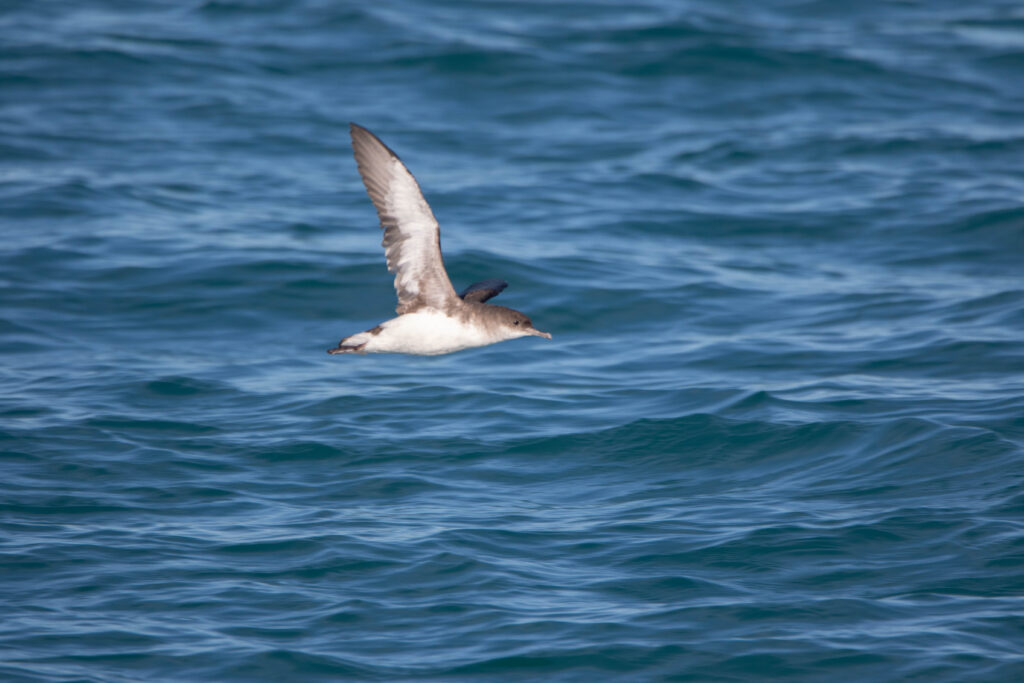
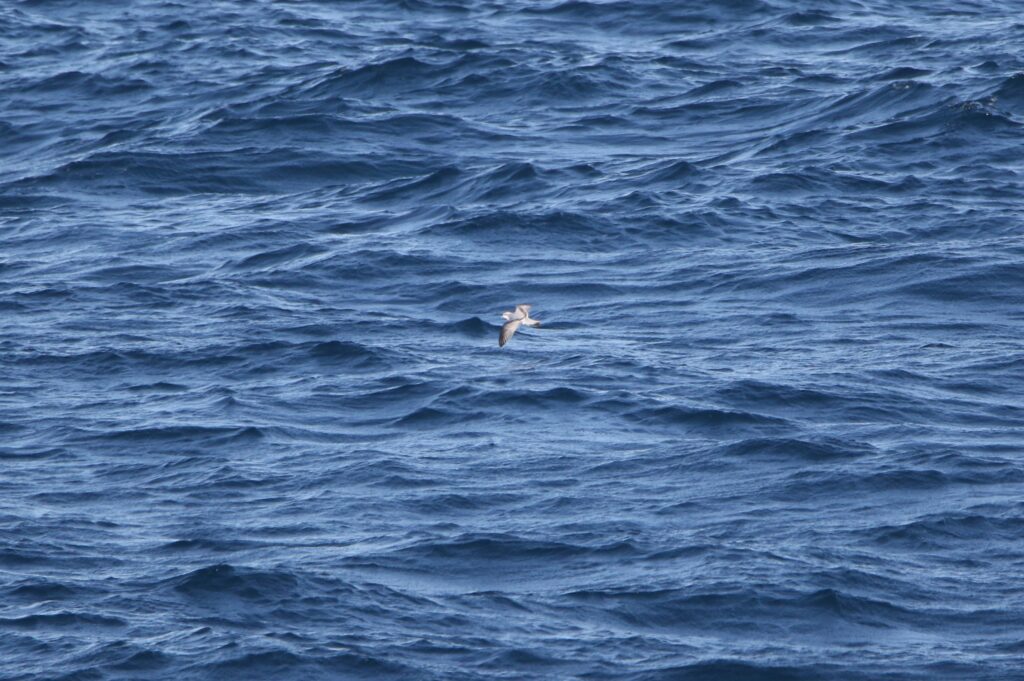
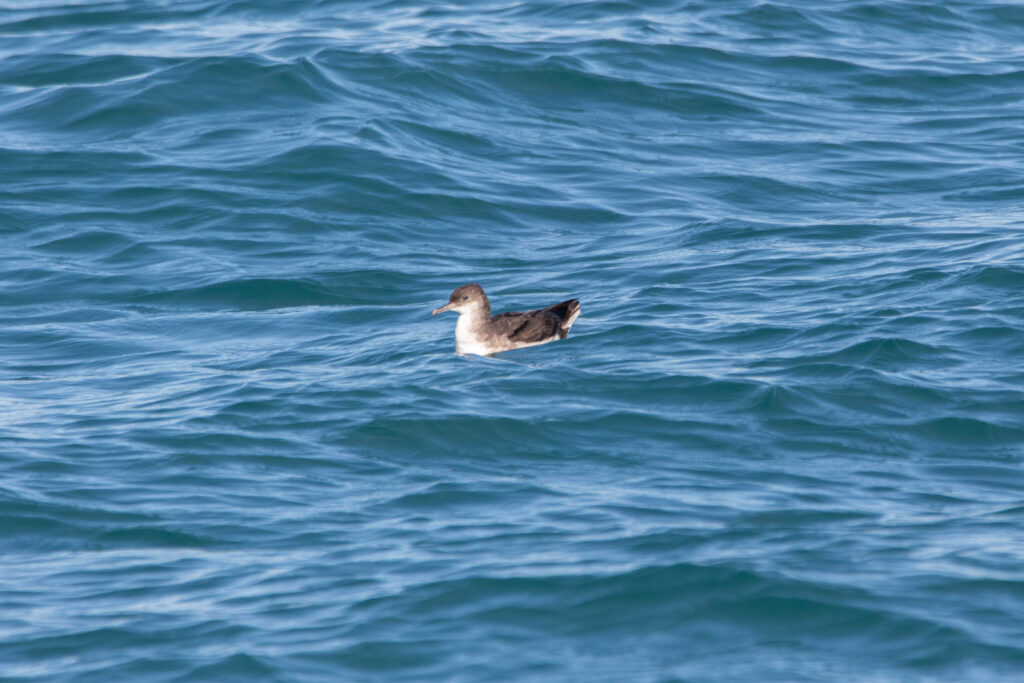
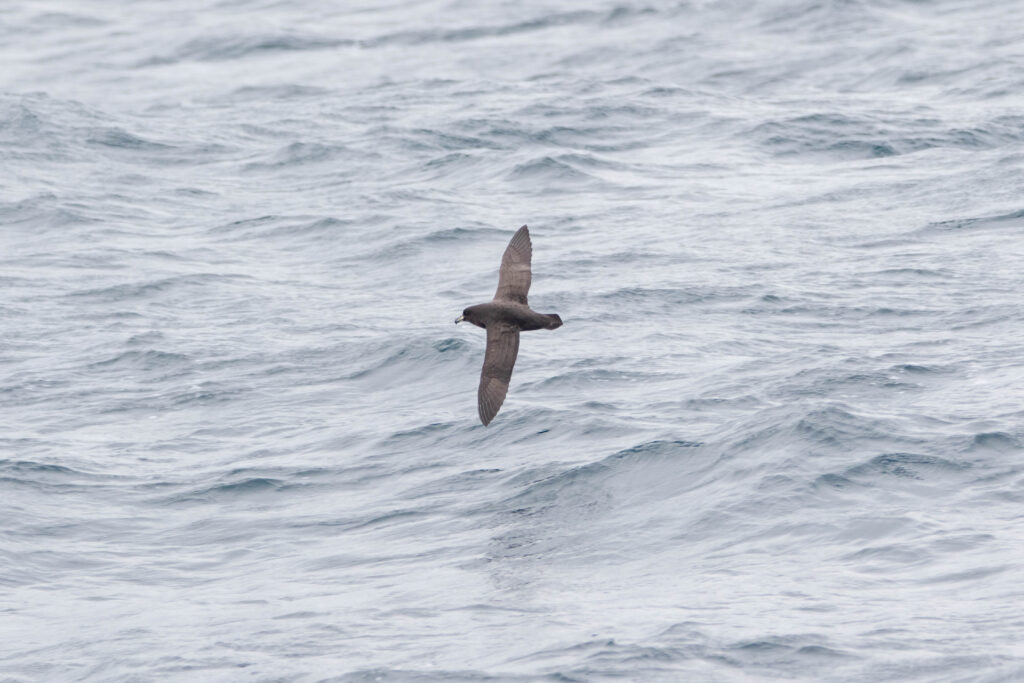
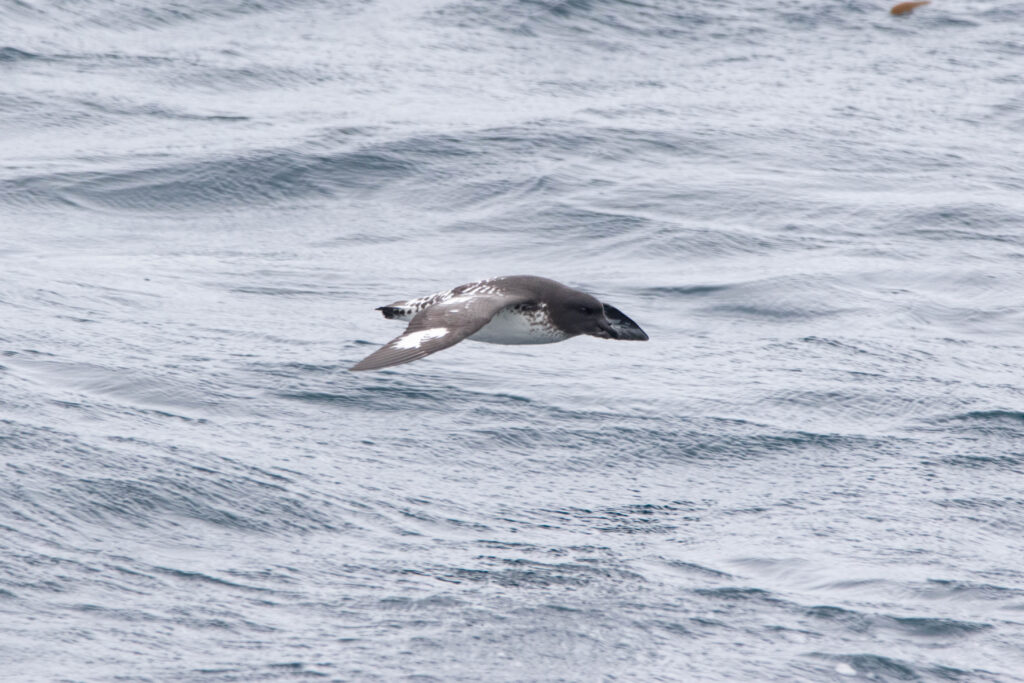
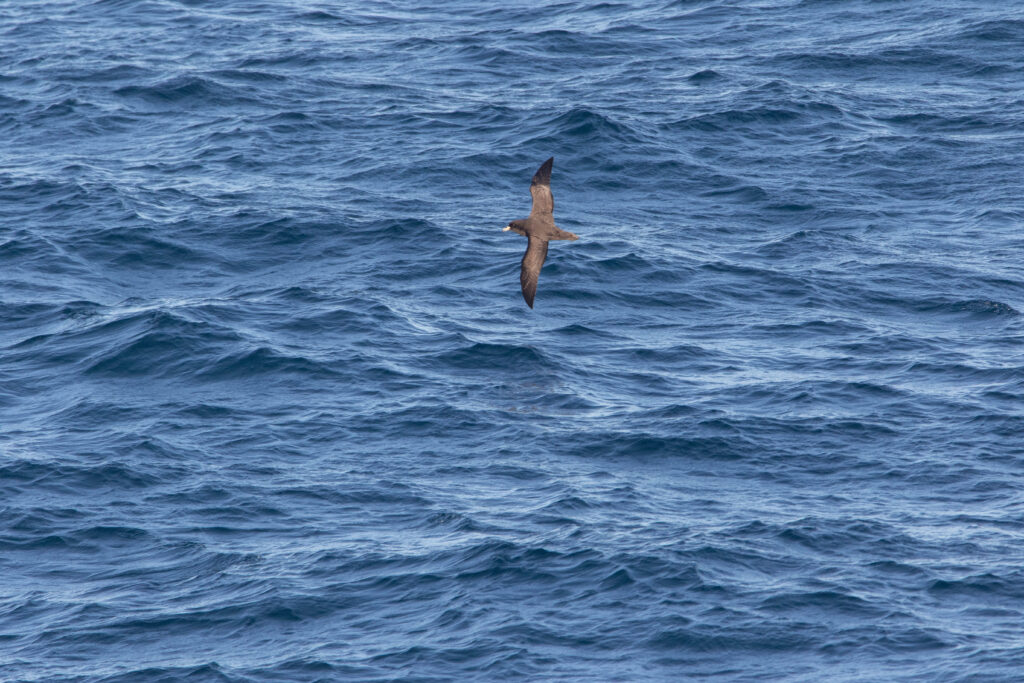
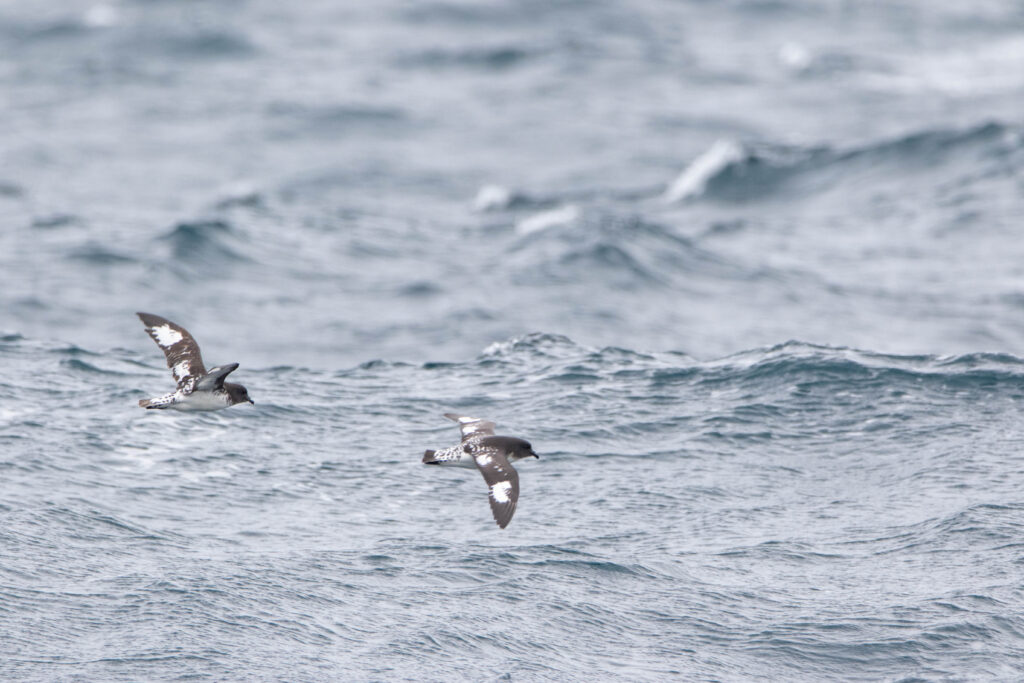
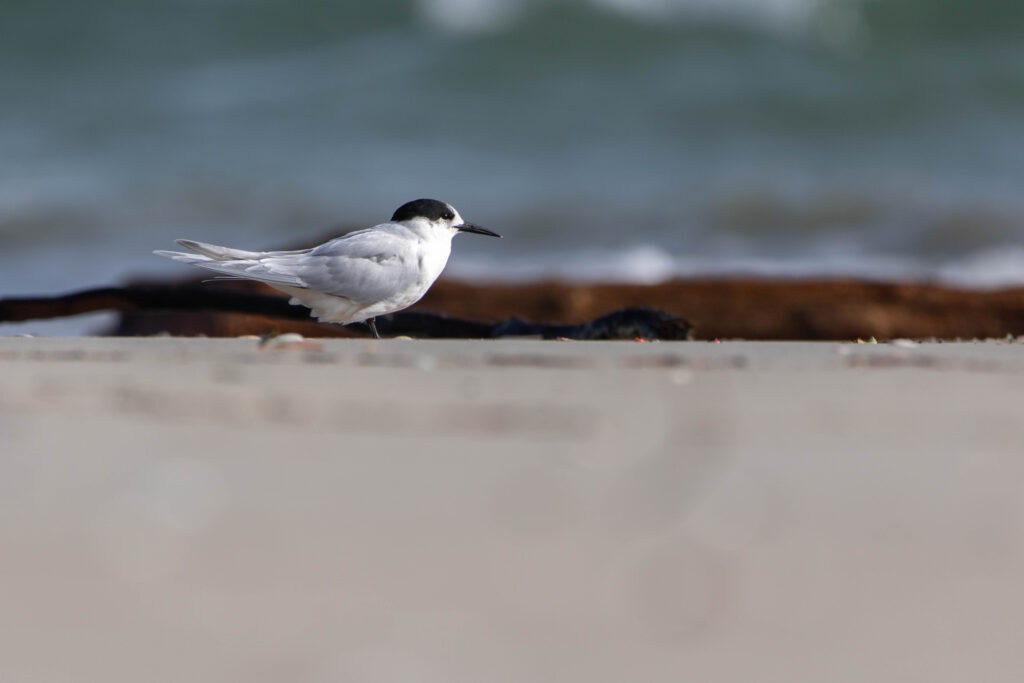
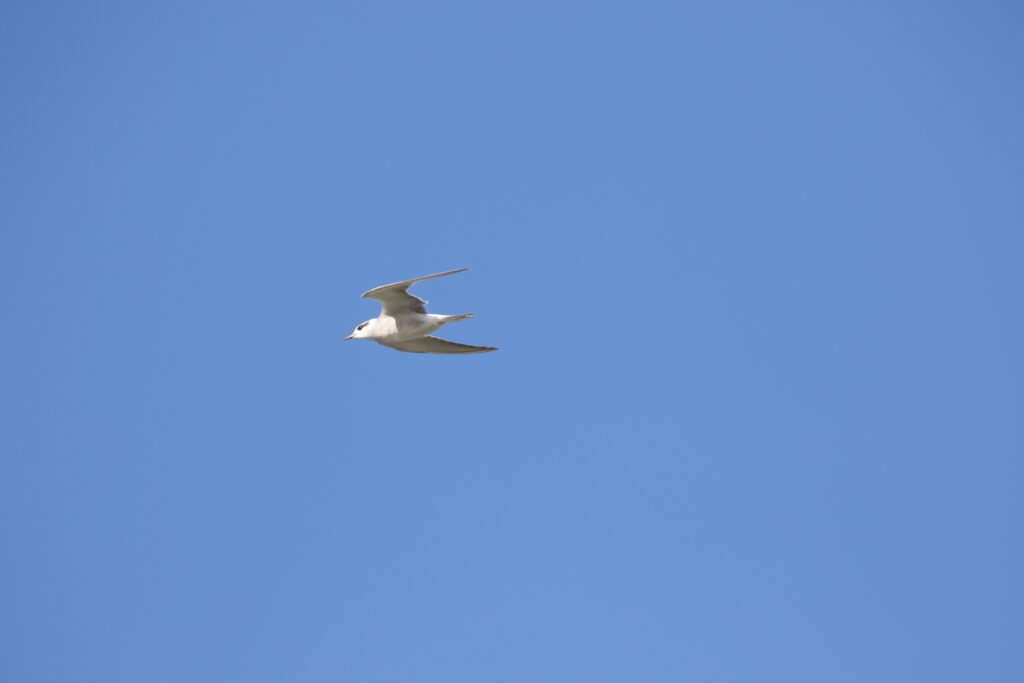
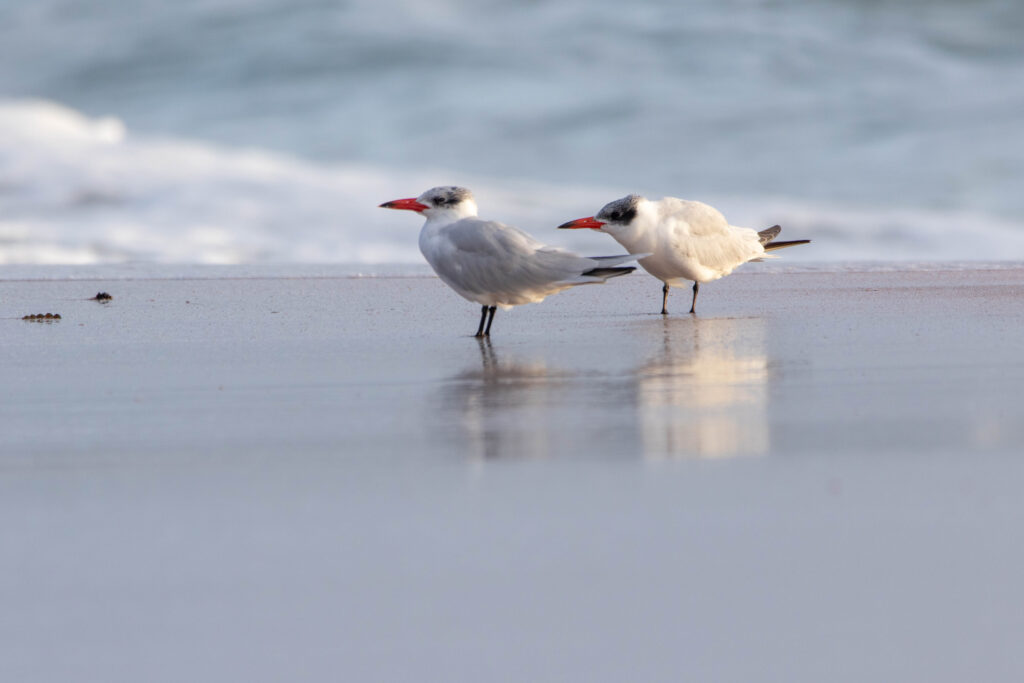
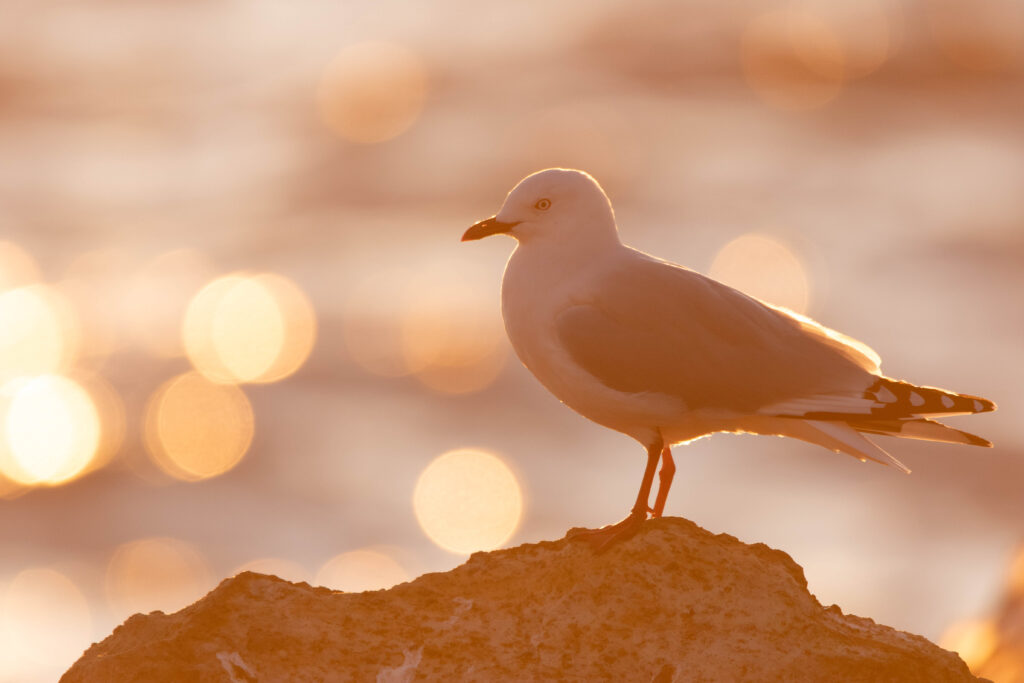
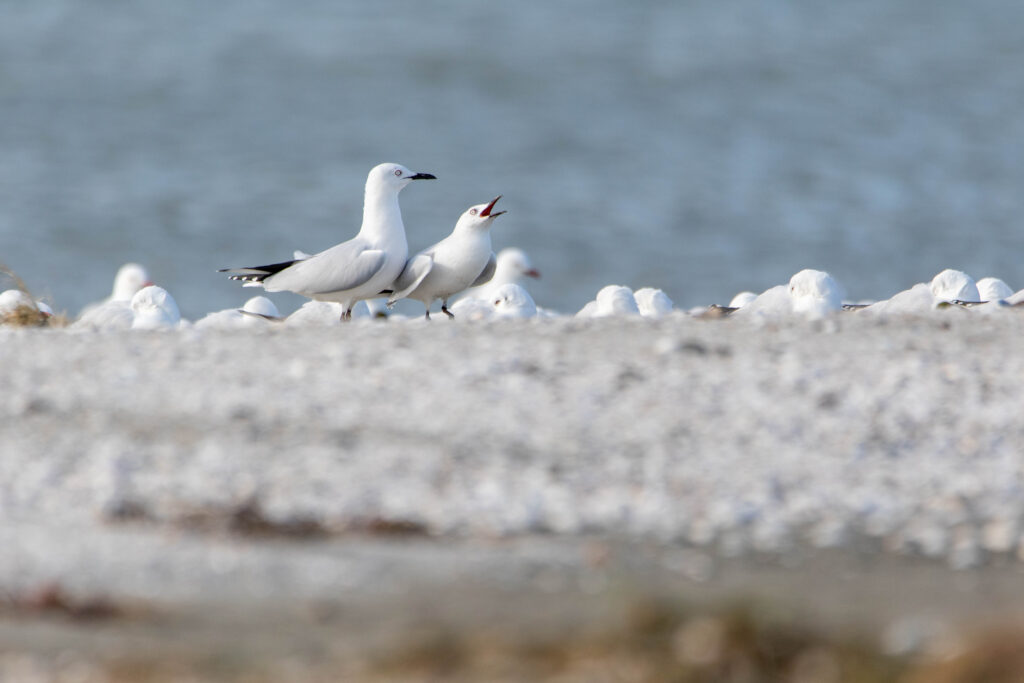
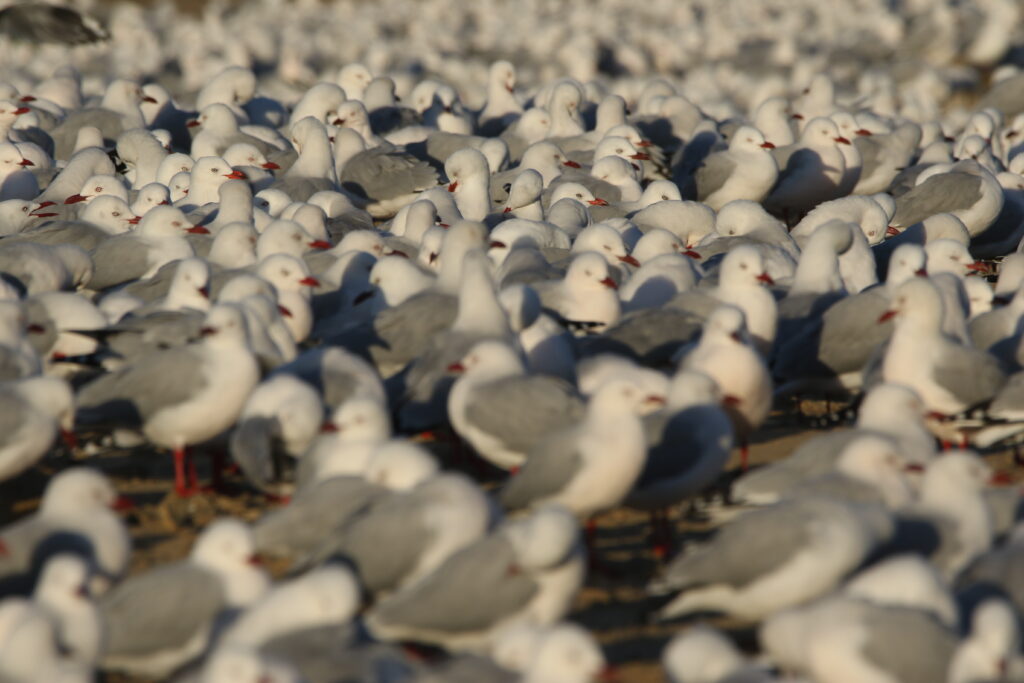
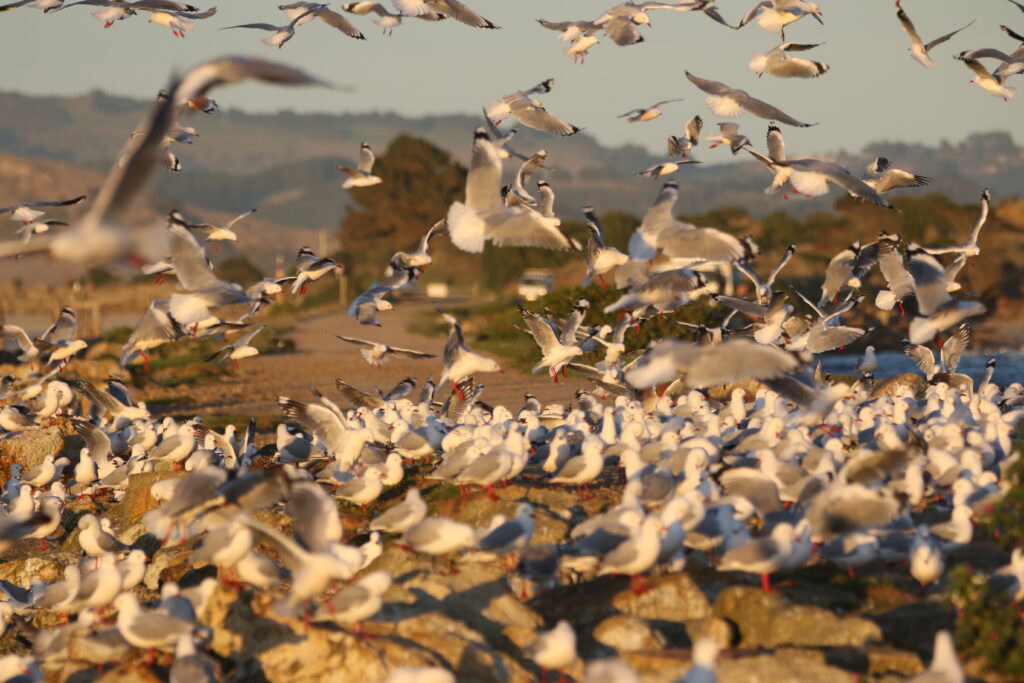
Many gulls and terns roost on the breakwater overnight, including Black-billed Gull (Chroicocephalus bulleri) and the more common Silver Gull (Chroicocephalus novaehollandiae). Other species regularly encountered include Kelp Gull (Larus dominicanus), Caspian Tern (Hydroprogne caspia), White-fronted Tern (Sterna striata), and Black-fronted Tern (Chlidonias albostriatus).

Aramoana Road and Port Chalmers Road
The road leading from Dunedin to Aramoana Mole is also a productive area for shorebird watching.
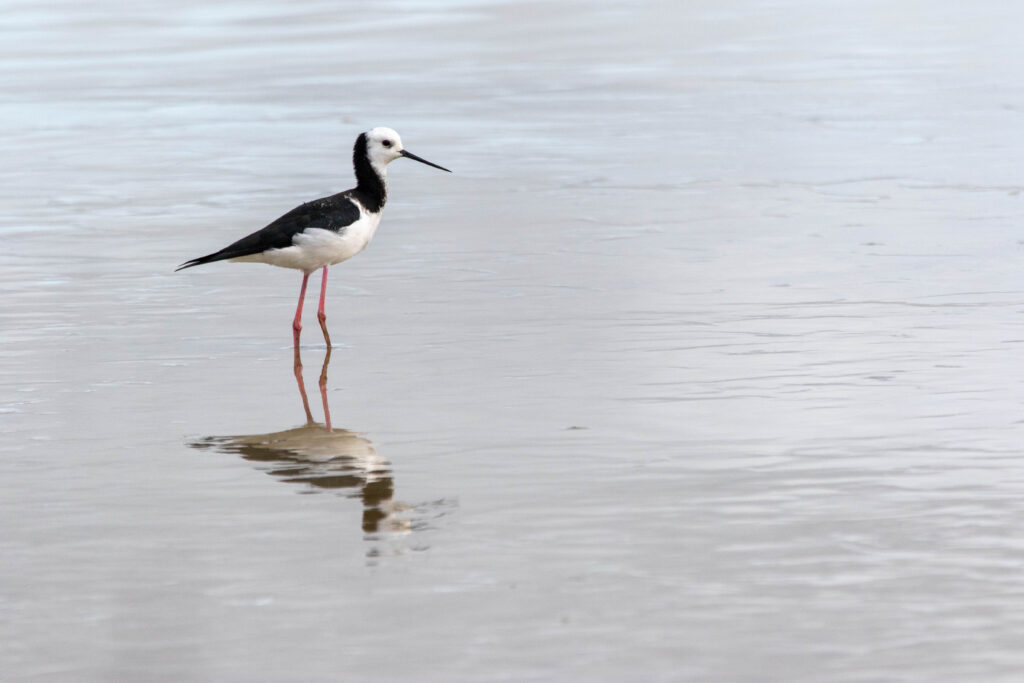
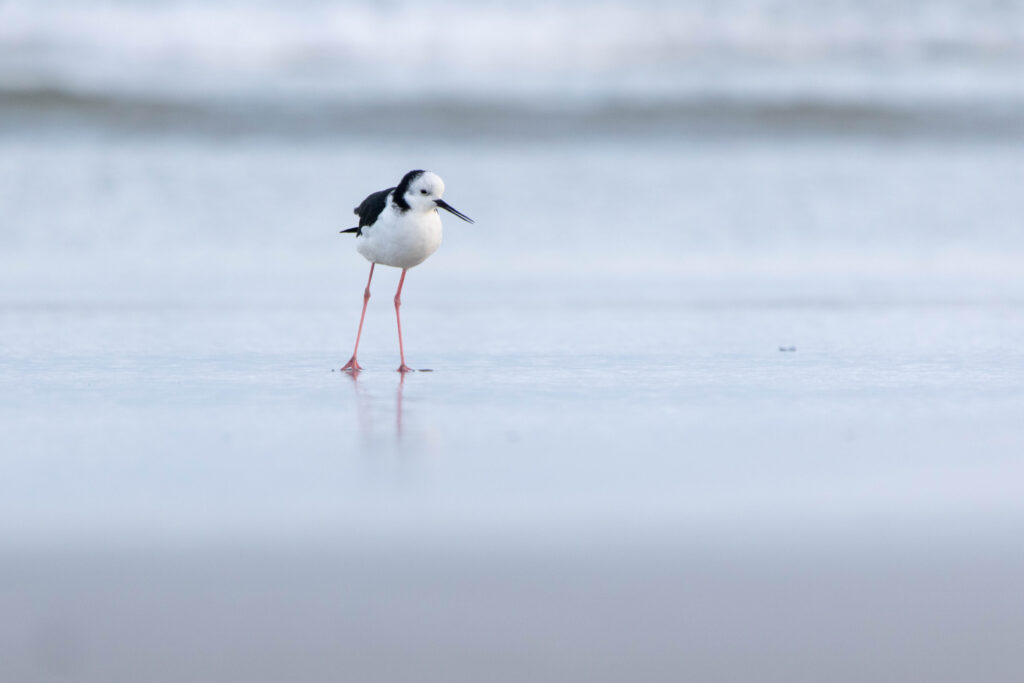
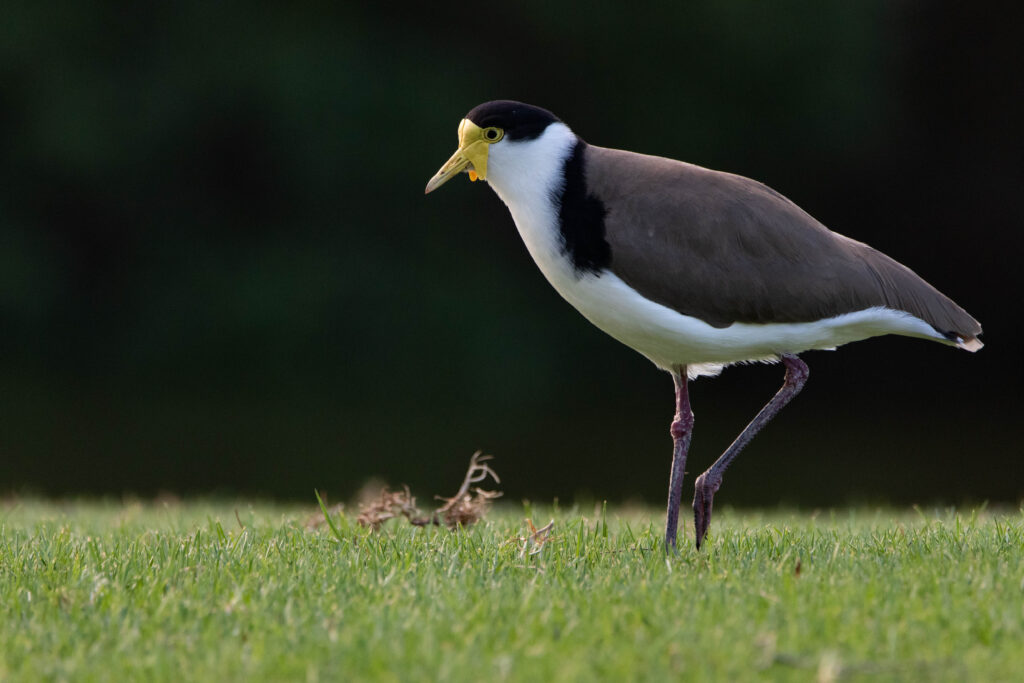
As the tide recedes, large numbers of birds gather on the mudflats to feed. While it would be impossible to list them all, common species include Pied Stilt (Himantopus leucocephalus), Masked Lapwing (Vanellus miles), Double-banded Plover (Anarhynchus bicinctus), and Bar-tailed Godwit (Limosa lapponica).


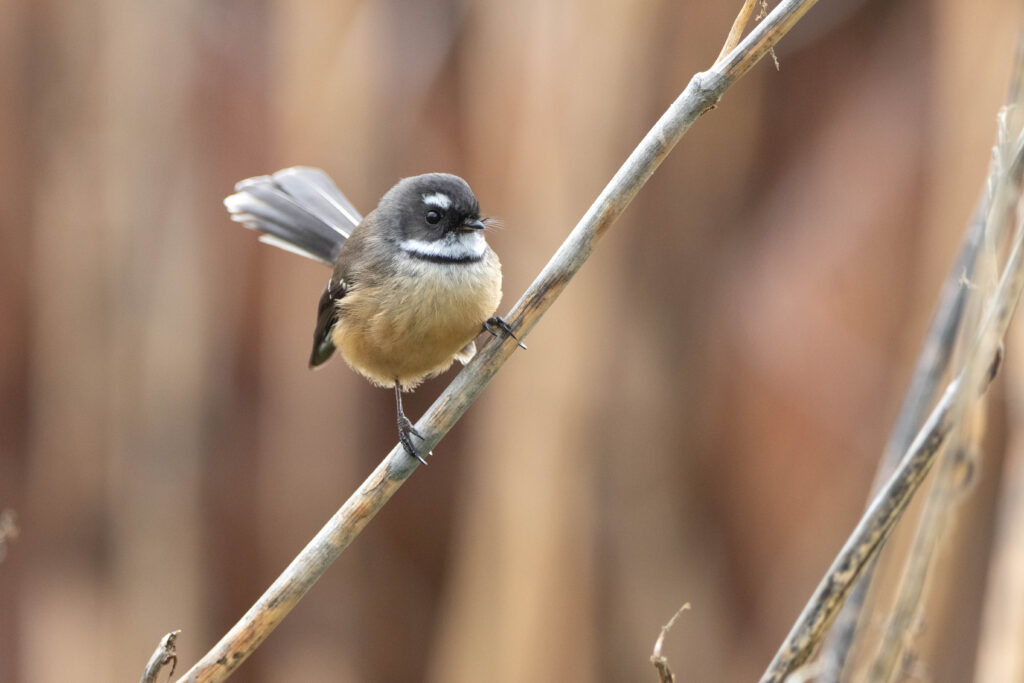
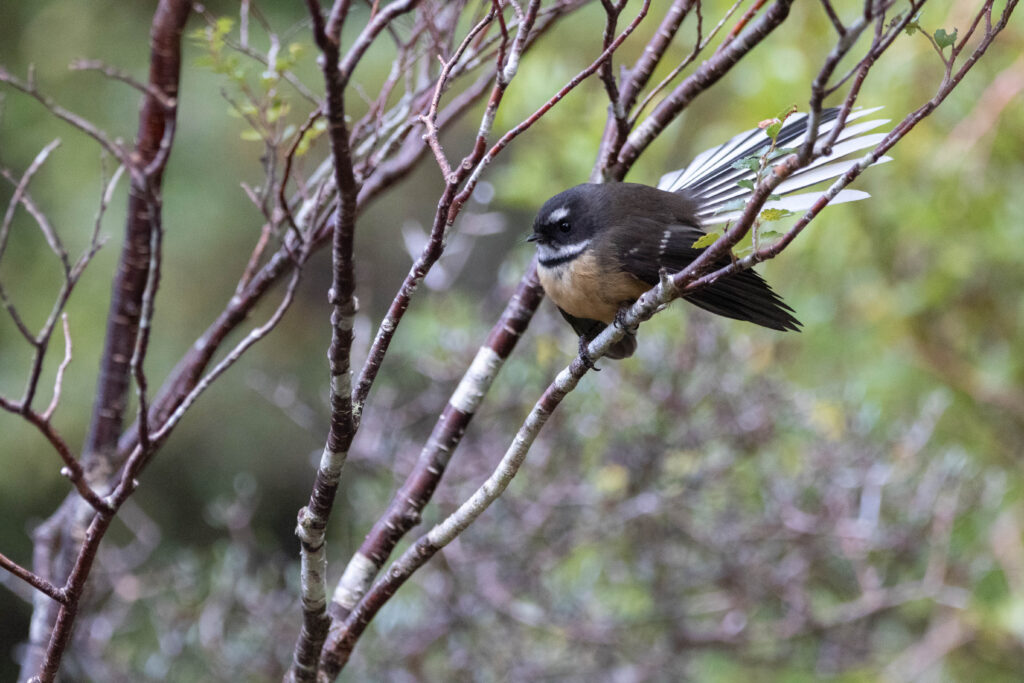
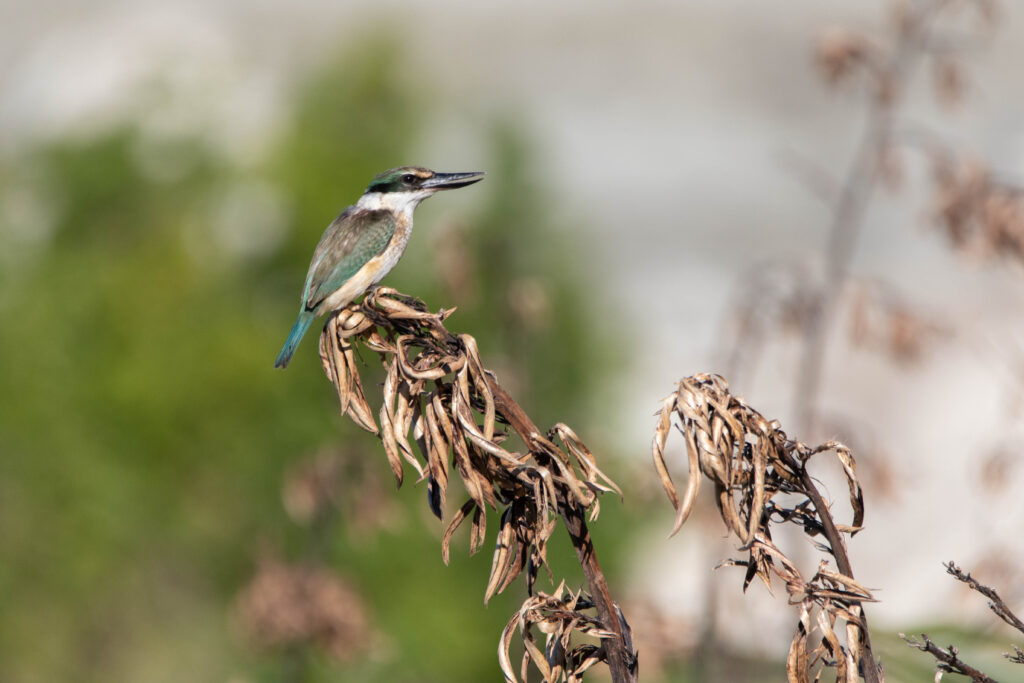
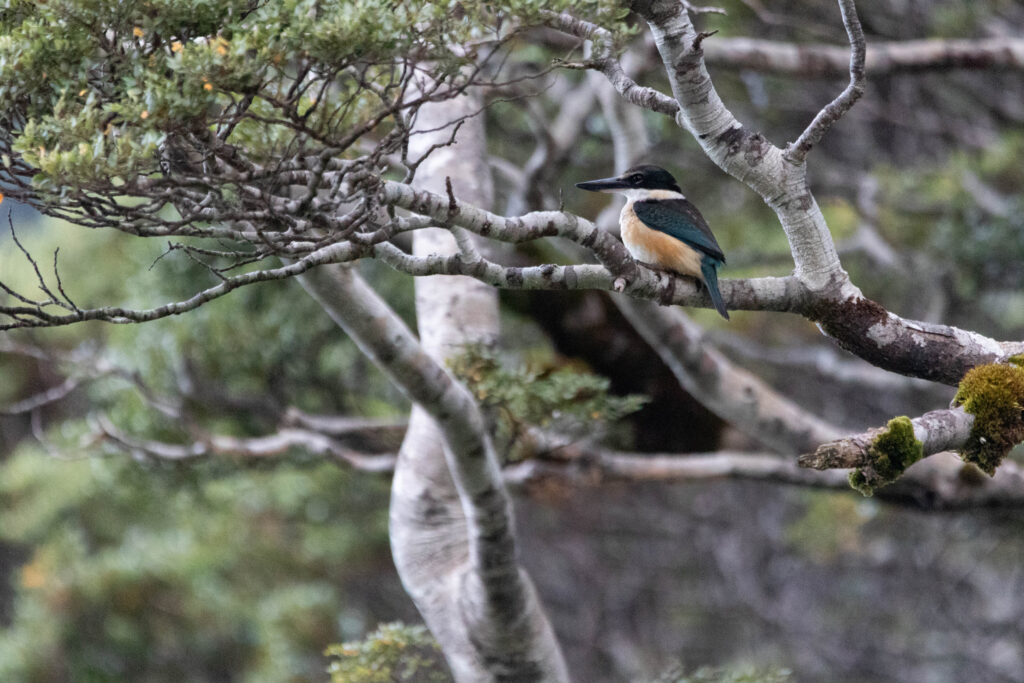
You may also encounter passerines such as New Zealand Fantail (Rhipidura fuliginosa) and Sacred Kingfisher (Todiramphus sanctus).
Orokonui Eco Sanctuary
Orokonui Ecosanctuary is not located on the Otago Peninsula either, but it is close enough to Dunedin to make an excellent birding excursion. The sanctuary protects several species that are difficult to observe elsewhere on the peninsula, and in some cases, elsewhere in New Zealand.
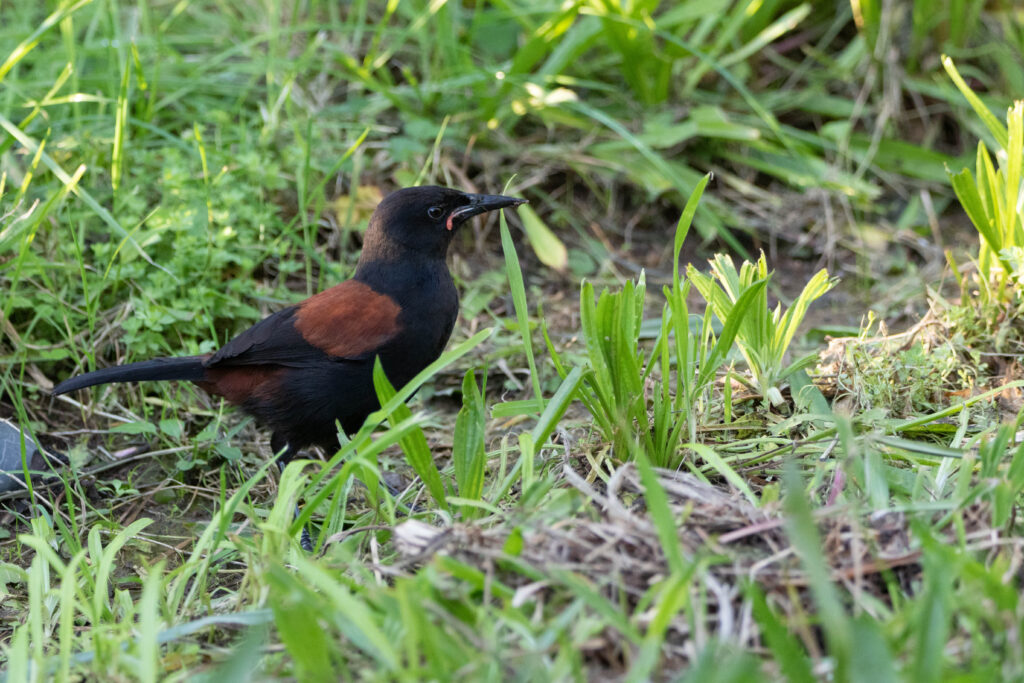
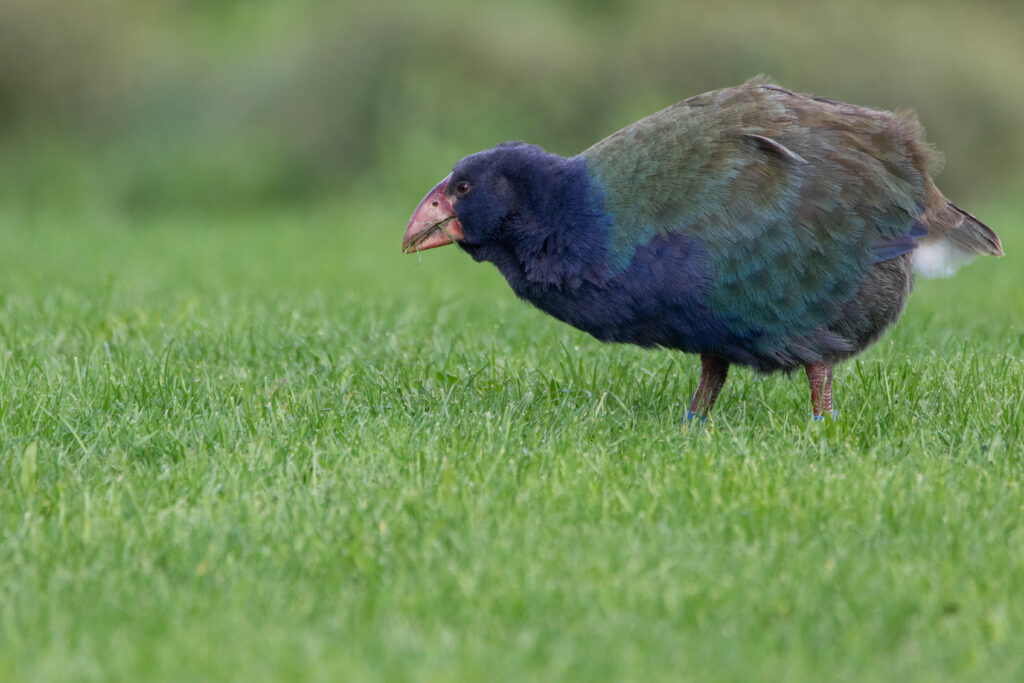
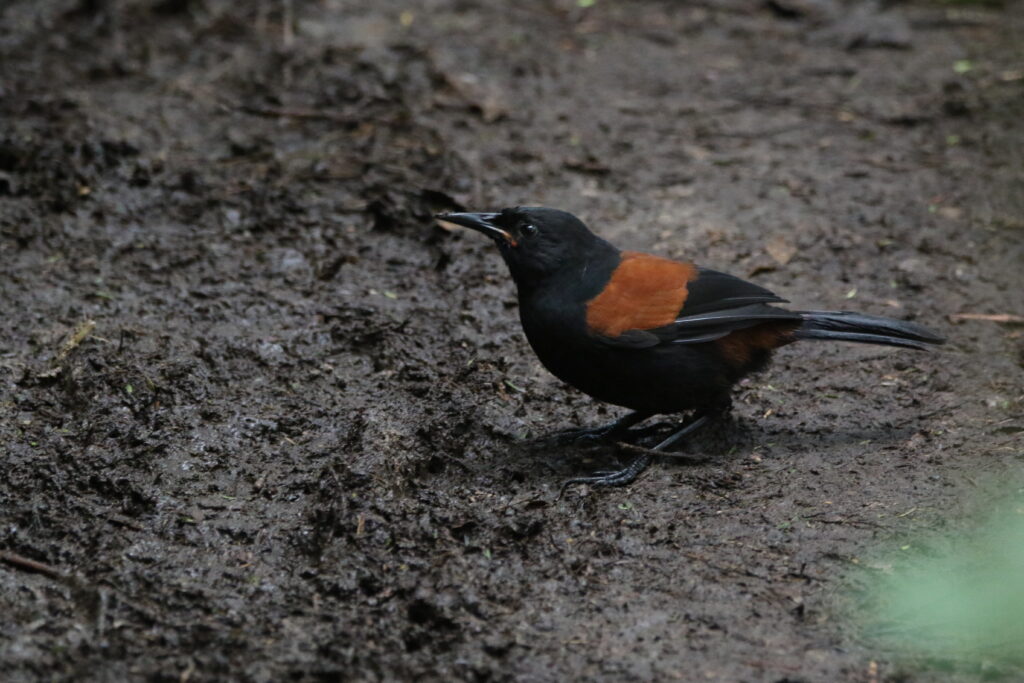
One of its flagship species is the South Island Takahe (Porphyrio hochstetteri). Large, flightless, and unmistakable, these birds are almost impossible to see outside managed sanctuaries. Visitors can also observe New Zealand Kaka (Nestor meridionalis) and, with a great deal of luck, North Island Saddleback (Philesturnus carunculatus). Many other native passerines are also present throughout the reserve.
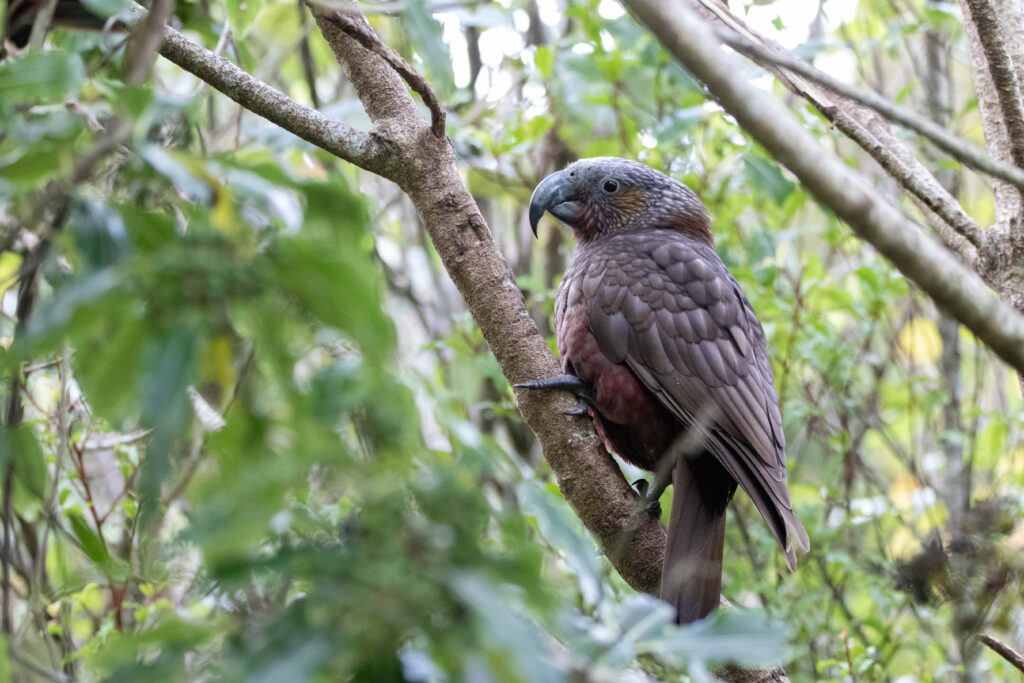
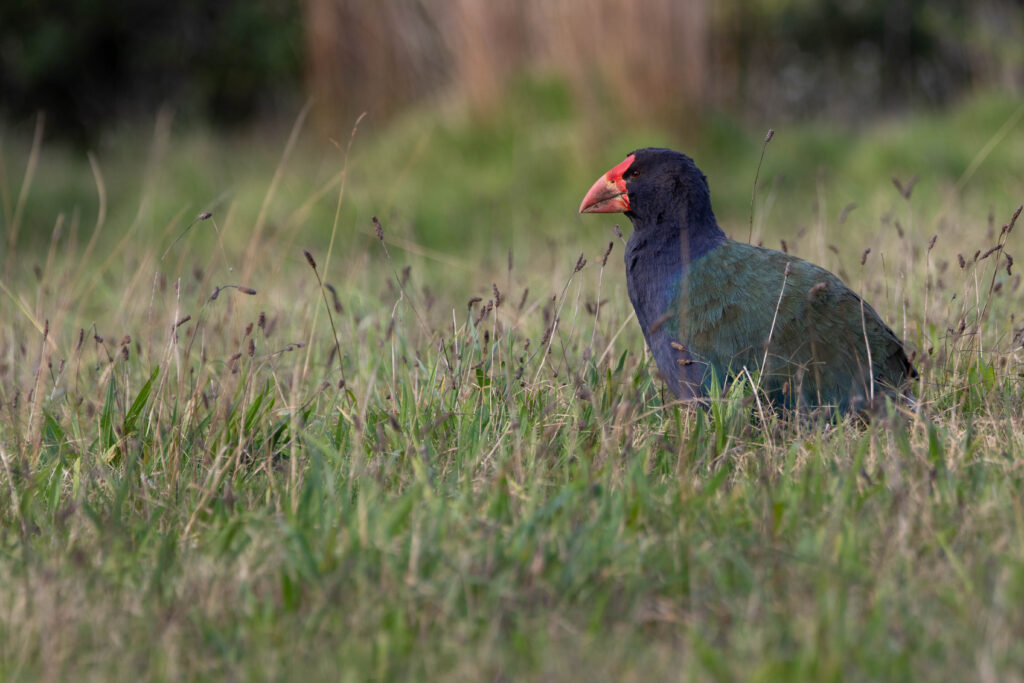
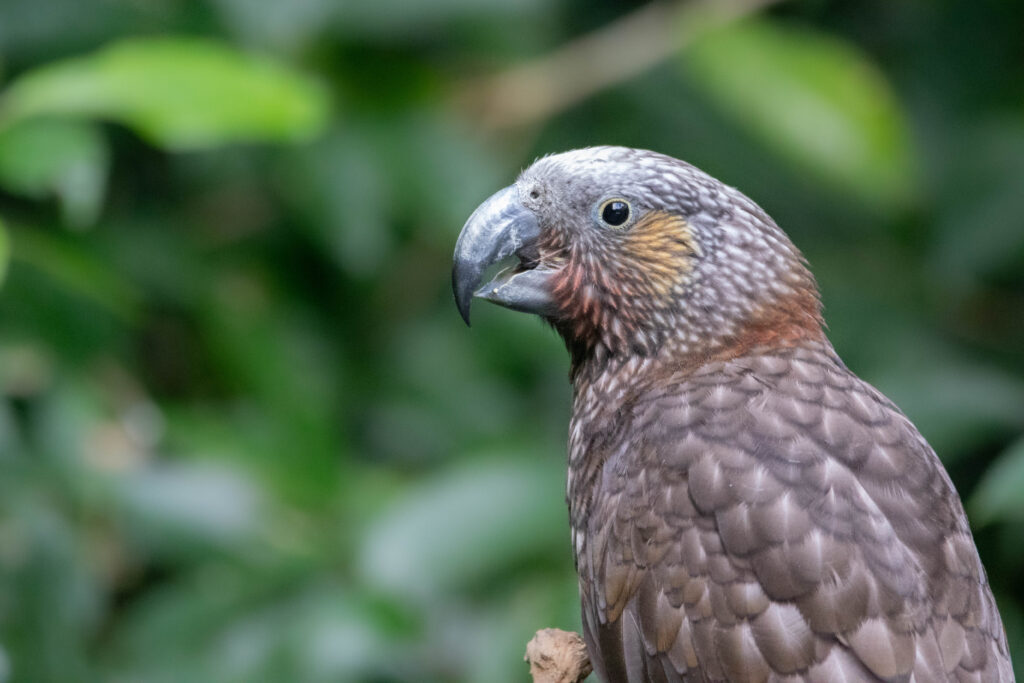
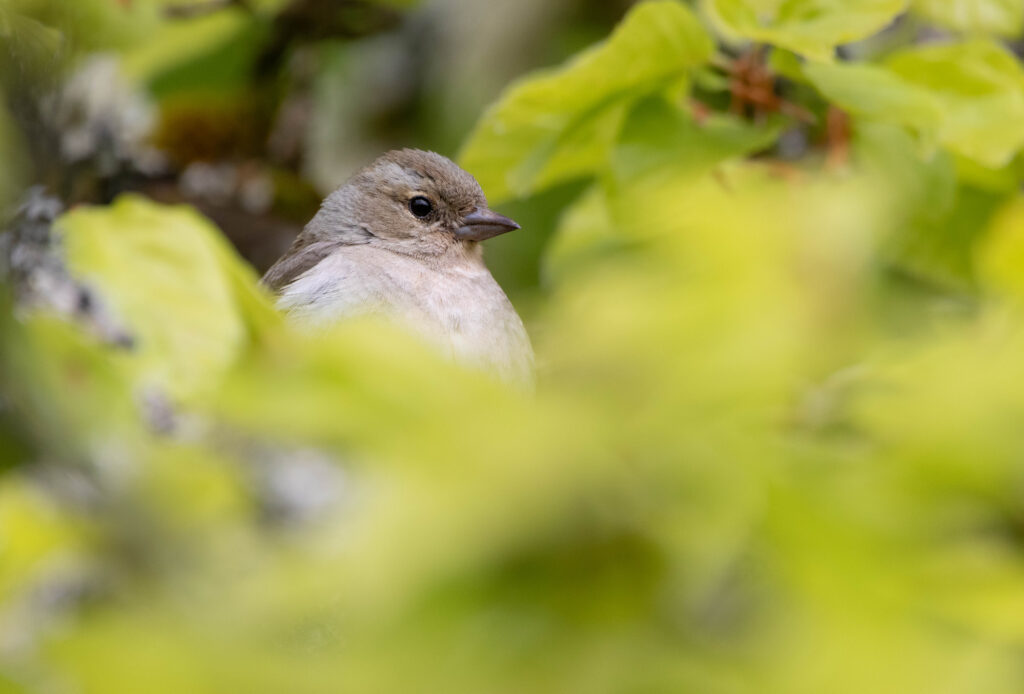
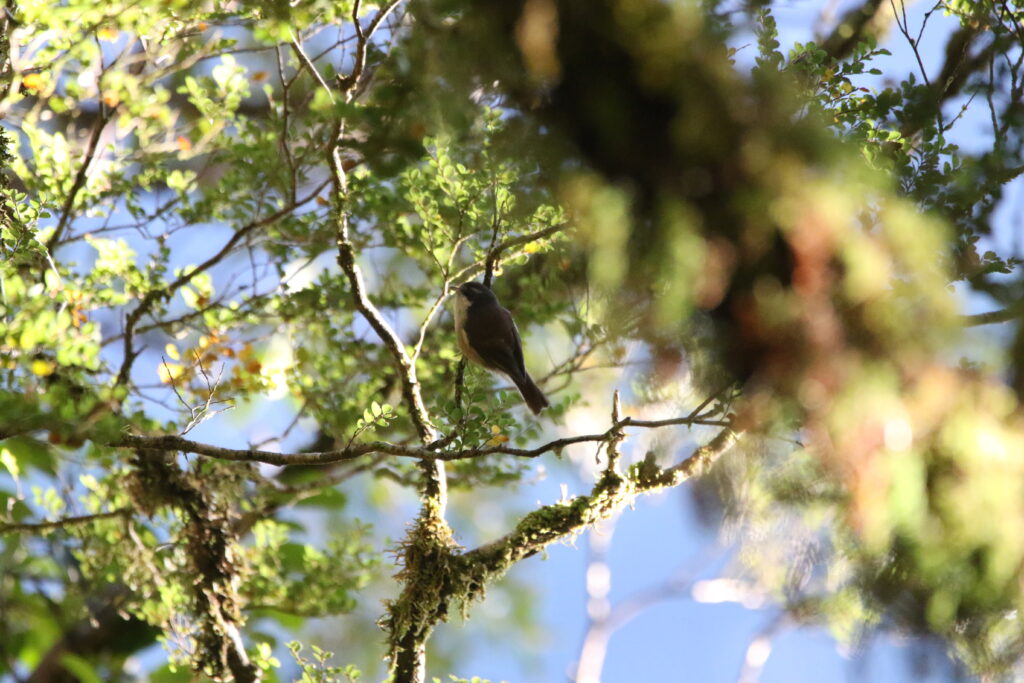
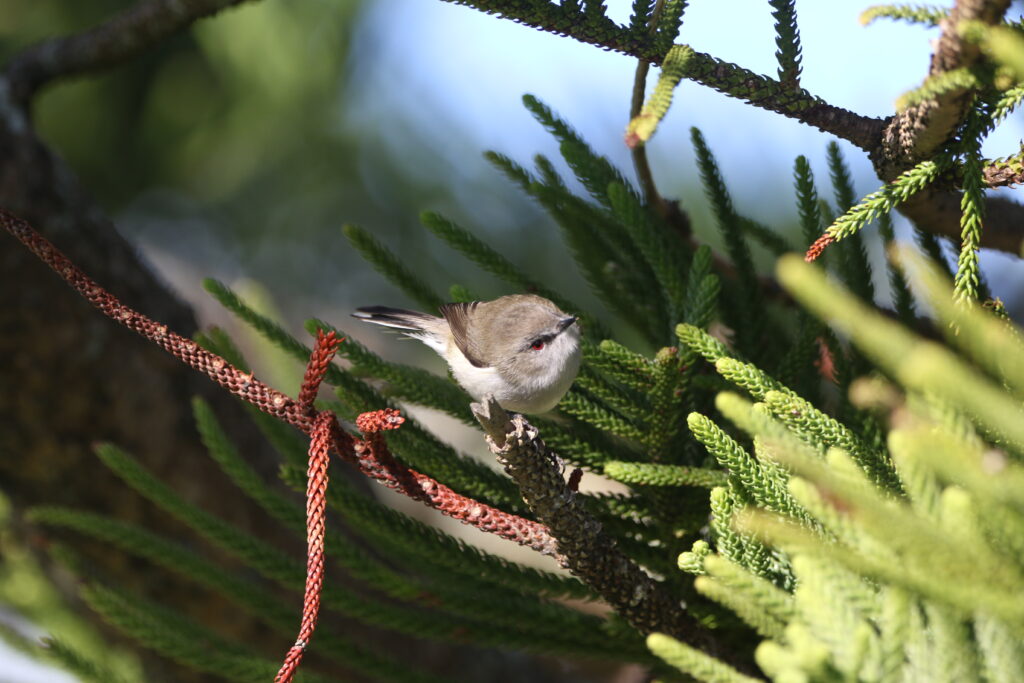
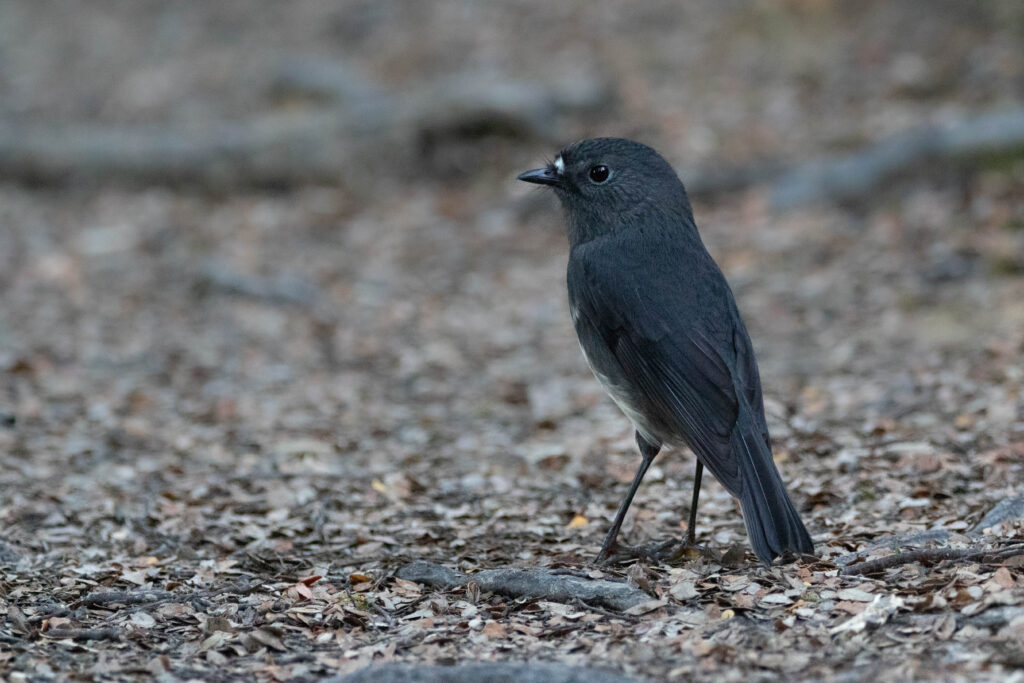
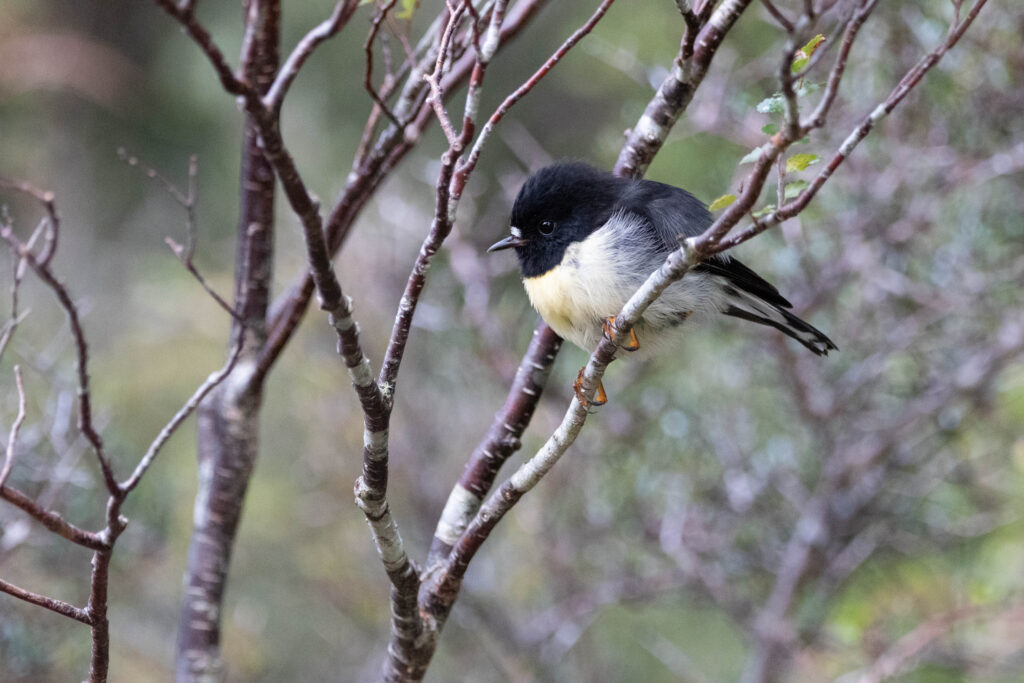
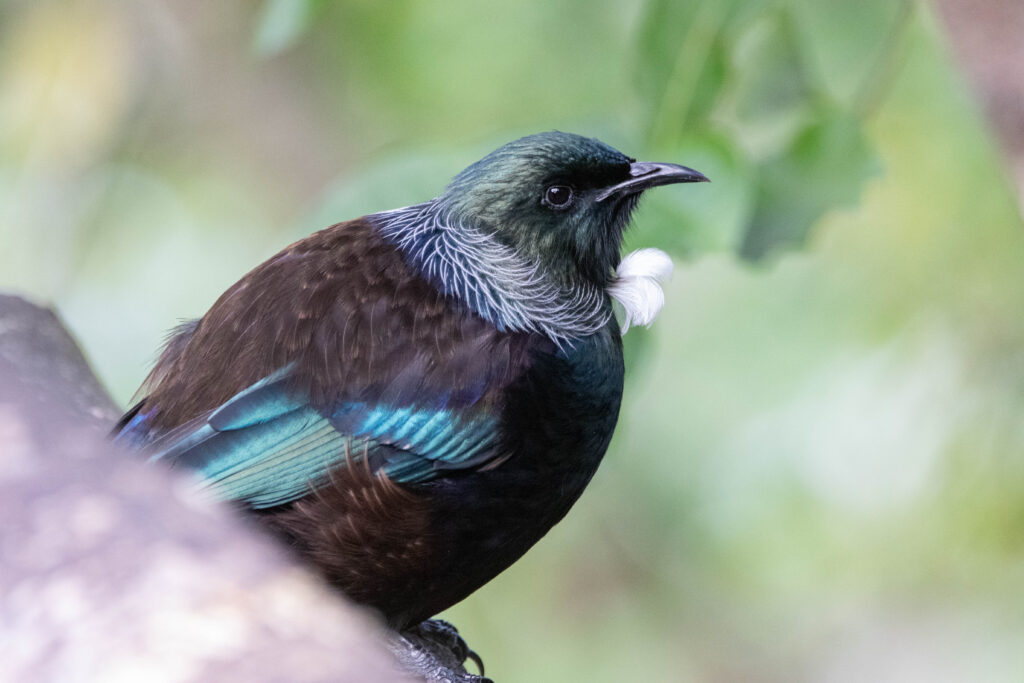
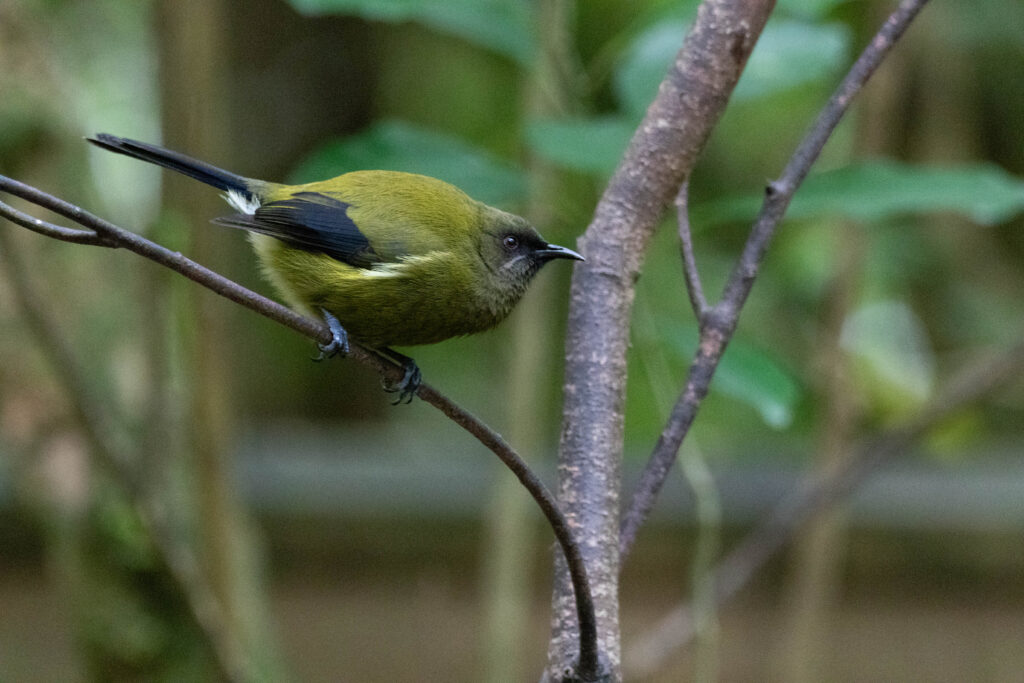
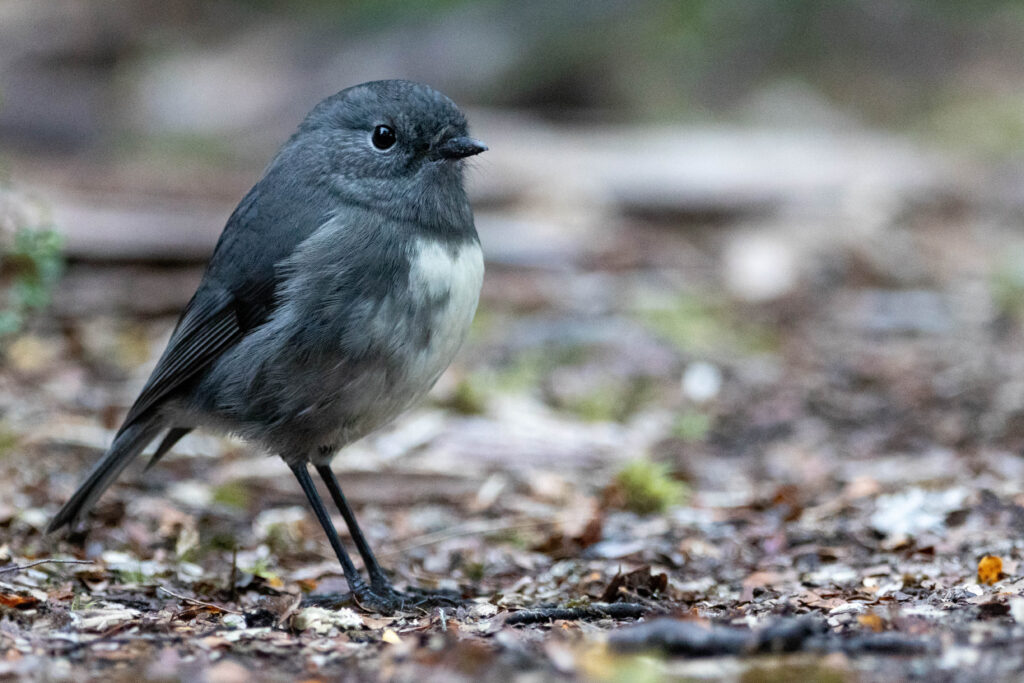
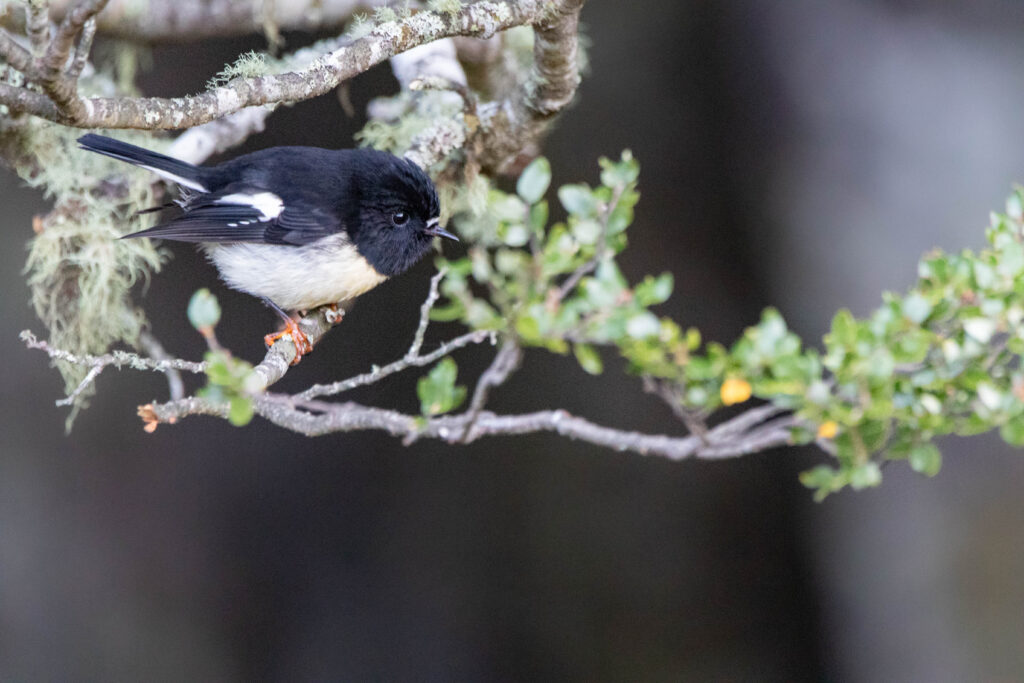
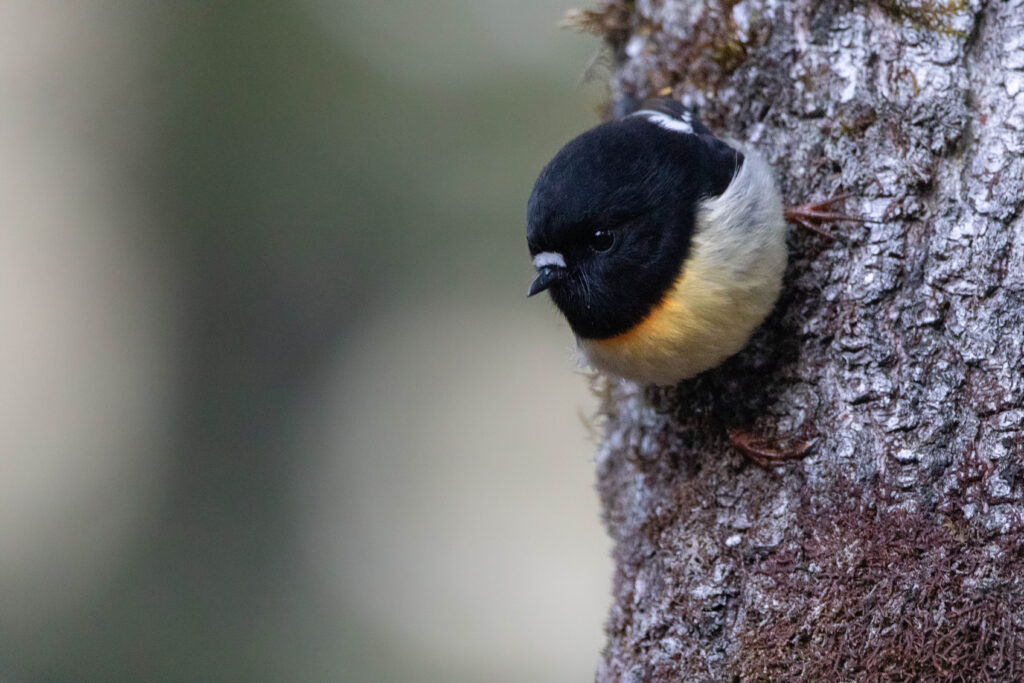
The sanctuary is home to numerous introduced European birds, including Common Starling (Sturnus vulgaris), Eurasian Chaffinch (Fringilla coelebs), Common Blackbird (Turdus merula), and others. It also hosts many of New Zealand’s most characteristic small birds, such as Tomtit (Petroica macrocephala), South Island Robin (Petroica australis), Tui (Prosthemadera novaeseelandiae), New Zealand Bellbird (Anthornis melanura), Pipipi (Mohoua novaeseelandiae), and Grey Gerygone (Gerygone igata).

Tomahawk Laggoon
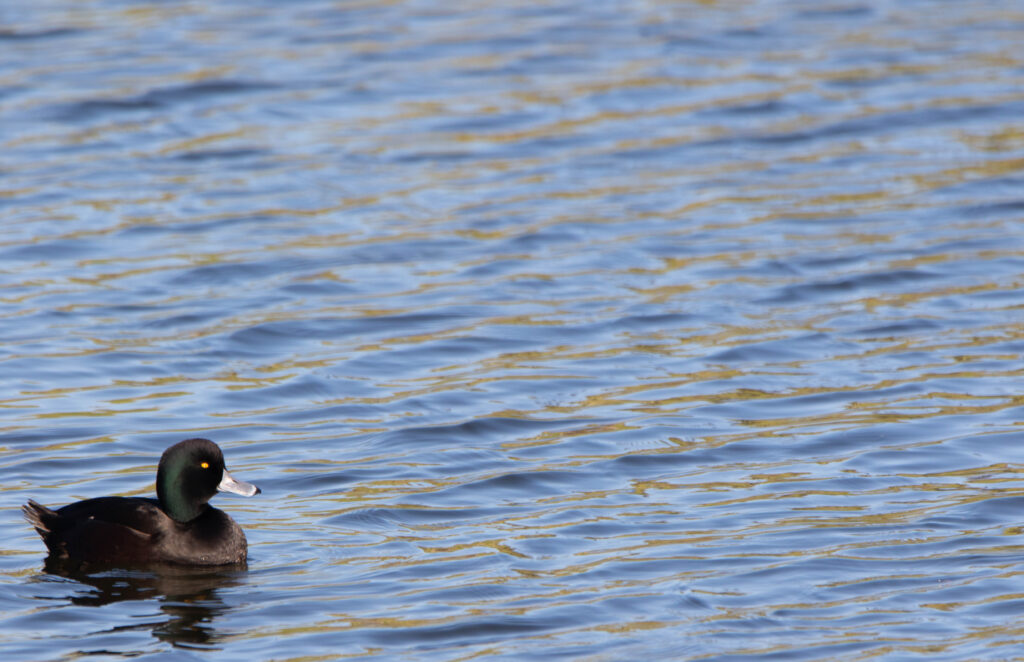
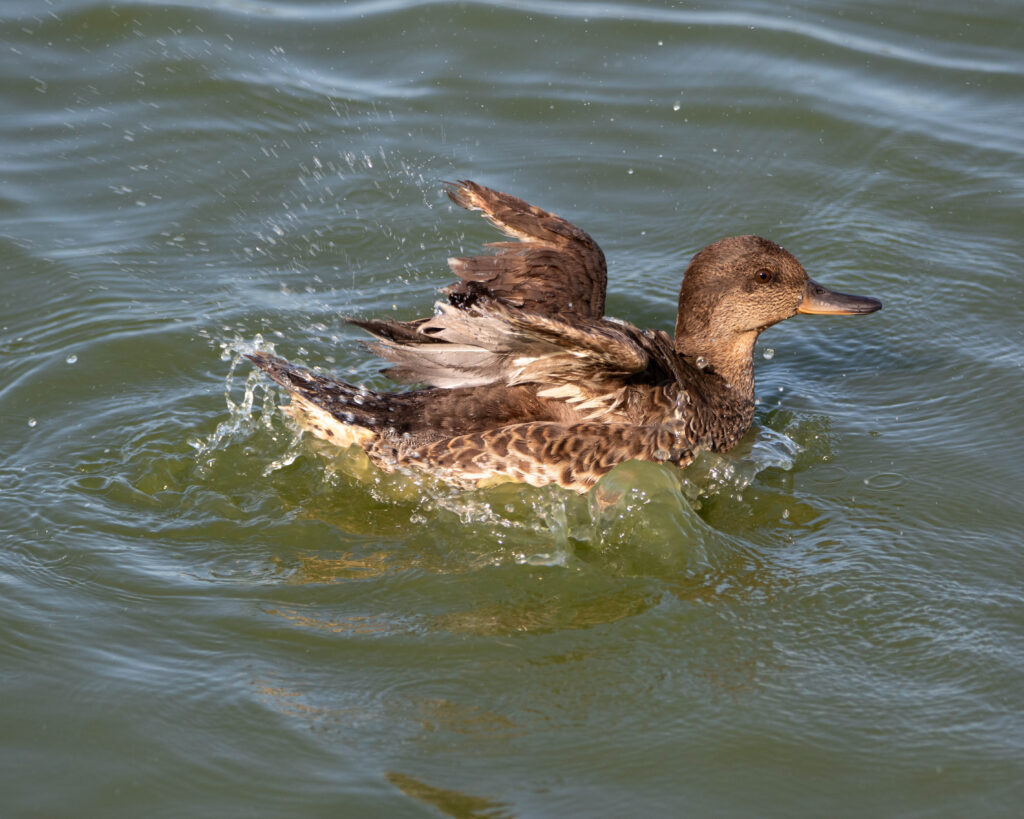
This small pond on the Otago Peninsula is an excellent place to observe several of New Zealand’s duck species.
Common waterfowl include Mallard (Anas platyrhynchos), Grey Teal (Anas gracilis), and New Zealand Scaup (Aythya novaeseelandiae). You may also encounter Black Swan (Cygnus atratus), Greylag Goose (Anser anser), and Canada Goose (Branta canadensis).


How to get to the Otago Peninsula ?
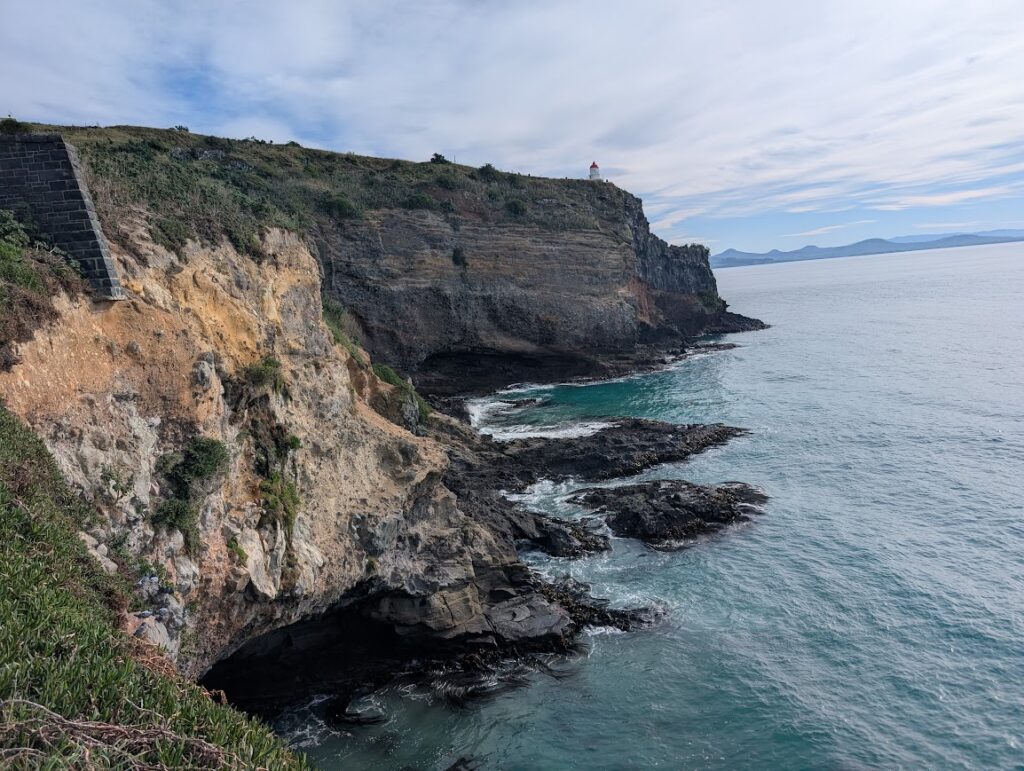
To reach the Otago Peninsula, you will first need to travel through the city of Dunedin. Having your own vehicle is highly recommended, if not essential. While bus services connect Dunedin with major South Island cities such as Queenstown and Christchurch, no public transport serves the birding locations described above. Most sites are too far apart to be explored on foot.
Where to stay on the Otago Peninsula ?
If you are travelling by campervan, there are plenty of accommodation options across the Otago Peninsula. Using a camping app can help you find the spot that best suits your needs. For example, several free overnight parking spaces for self-contained campervans are available in the villages of Harwood and Harrington Point. However, these roadside spots are not particularly scenic or quiet.
There are also more natural camping locations, such as those near Sandfly Bay and Aramoana Mole on the opposite side of the peninsula. For travellers looking for additional facilities, paid campgrounds such as Portobello Village Tourist Park are also available.
If you are not travelling by campervan, you will find several guesthouses and hotels throughout the peninsula. Budget-conscious travellers may consider The Views Accommodation or Tui2 Homestay. For a more comfortable stay, Kaimata Retreat and Hereweka Garden Retreat offer excellent accommodation in beautiful surroundings.