


Self-birding Trip Report : New Zealand North Island
After spending more than two weeks exploring New Zealand’s South Island, we continued our birdwatching journey on the North Island. Following our crossing of Queen Charlotte Sound, we picked up our campervan and began our adventure in the country’s capital city: Wellington.
Arrival on the North Island in Wellington
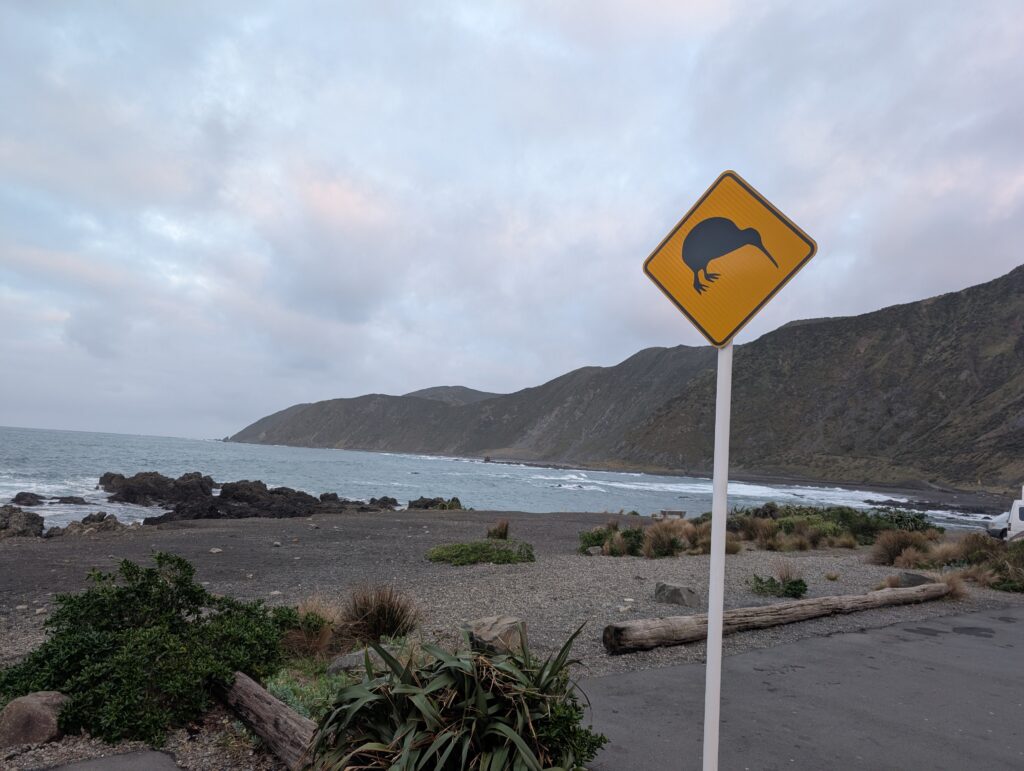
Owhyro Bay
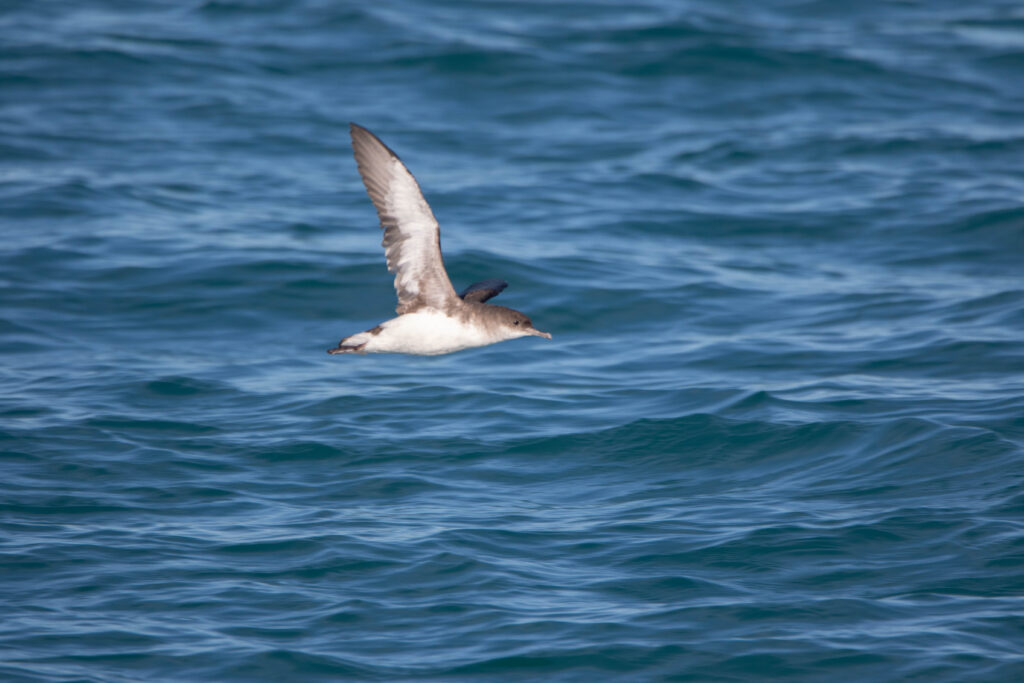
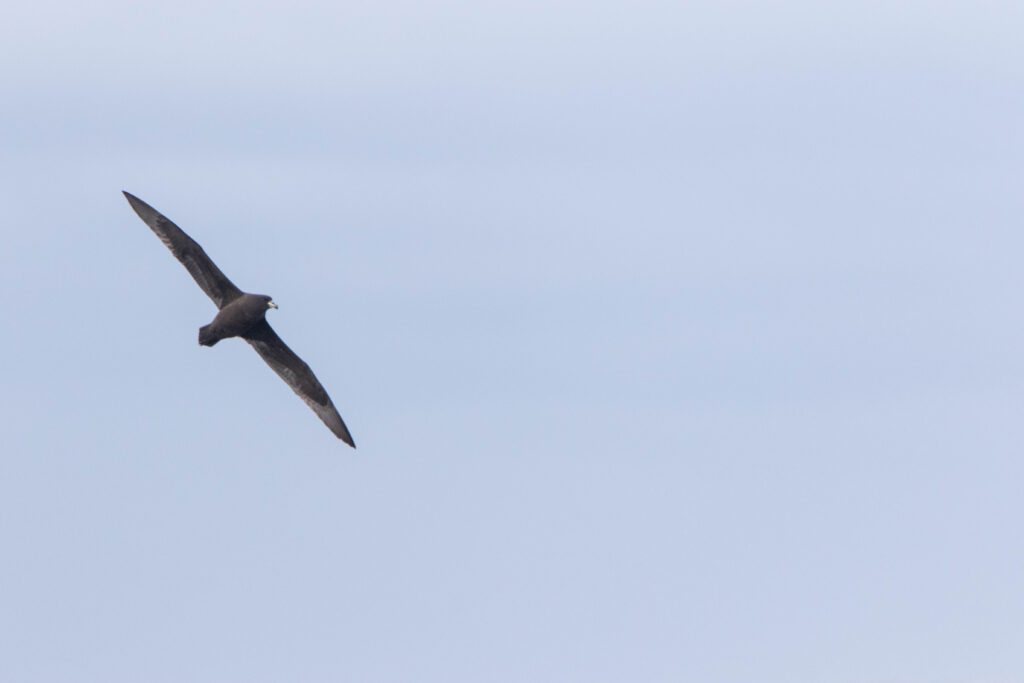
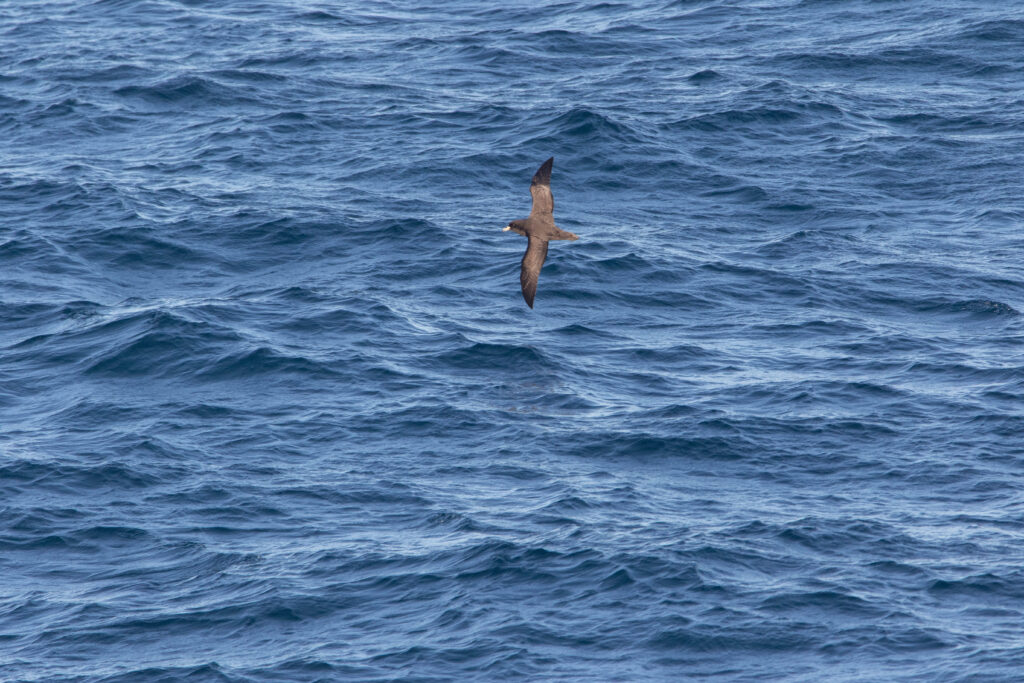
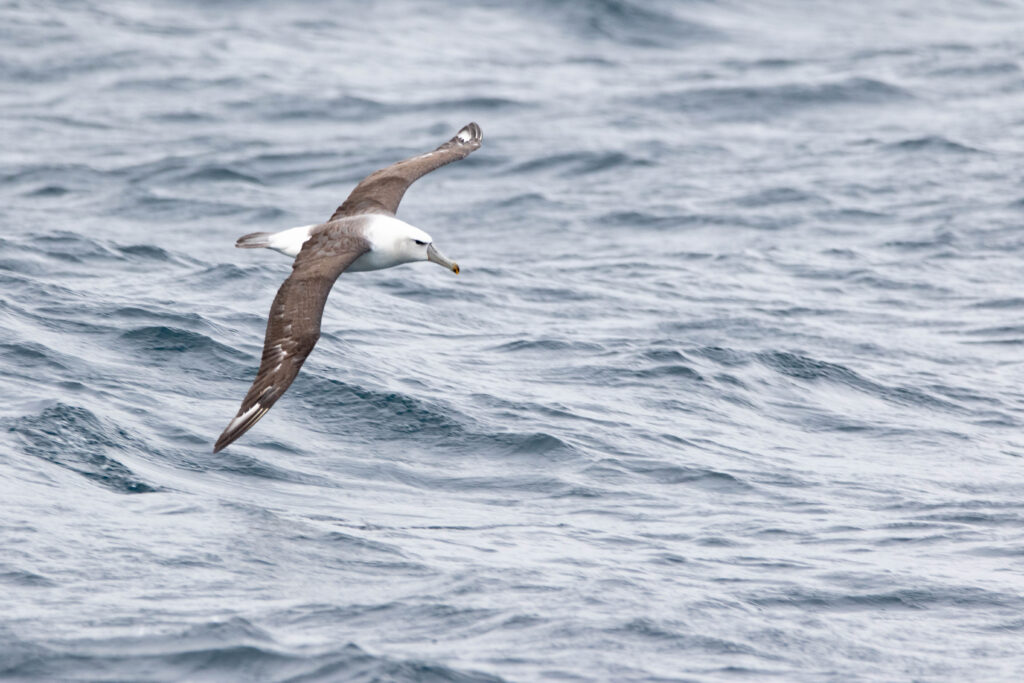
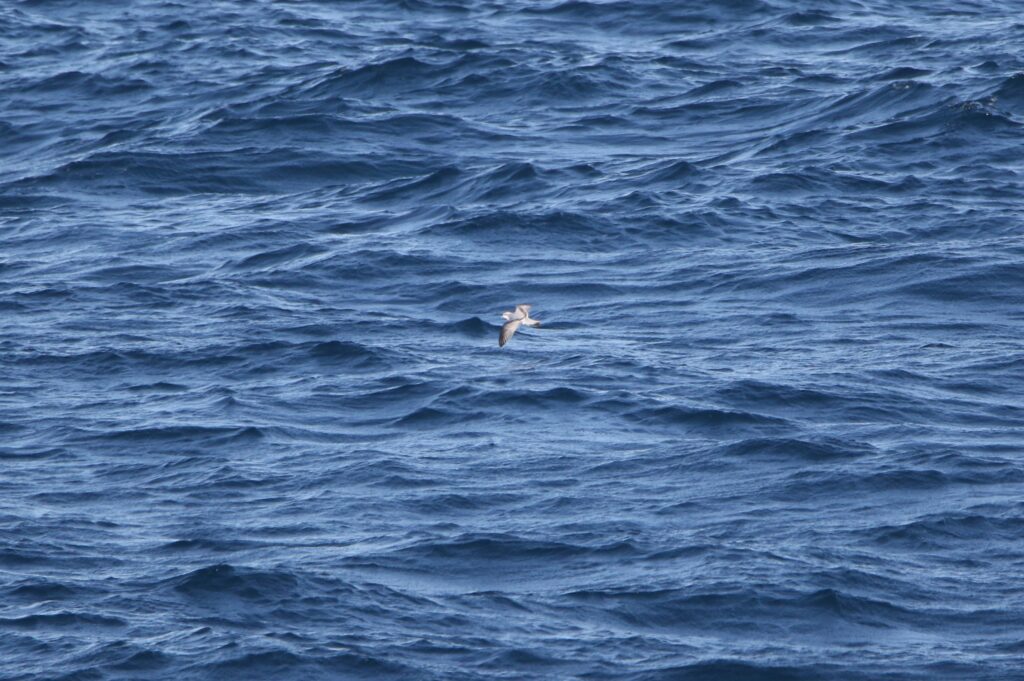
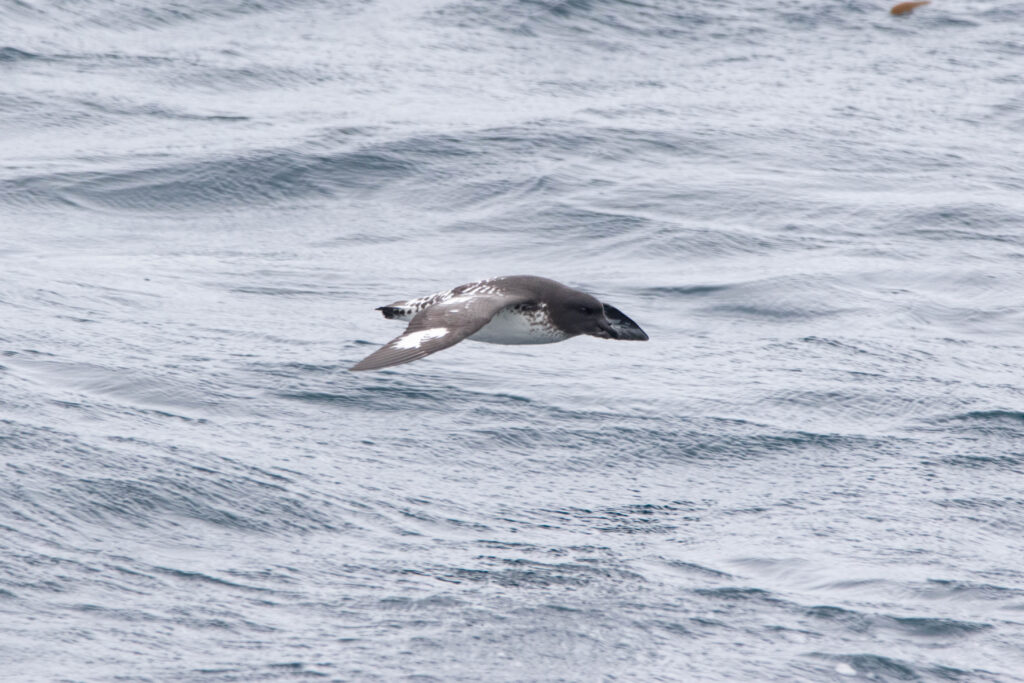
The 3.5-hour crossing aboard the Interislander was a reminder of the incredible diversity of pelagic birds that can be found in New Zealand waters. From the deck, sightings came one after another: Shy Albatross (Thalassarche cauta), Pintado Petrel (Daption capense), Fairy Prion (Pachyptila turtur), numerous Fluttering Shearwaters (Puffinus gavia), White-chinned Petrels (Procellaria aequinoctialis), a Westland Petrel (Procellaria westlandica), and even a Common Diving Petrel (Pelecanoides urinatrix). A fantastic introduction before reaching Wellington.
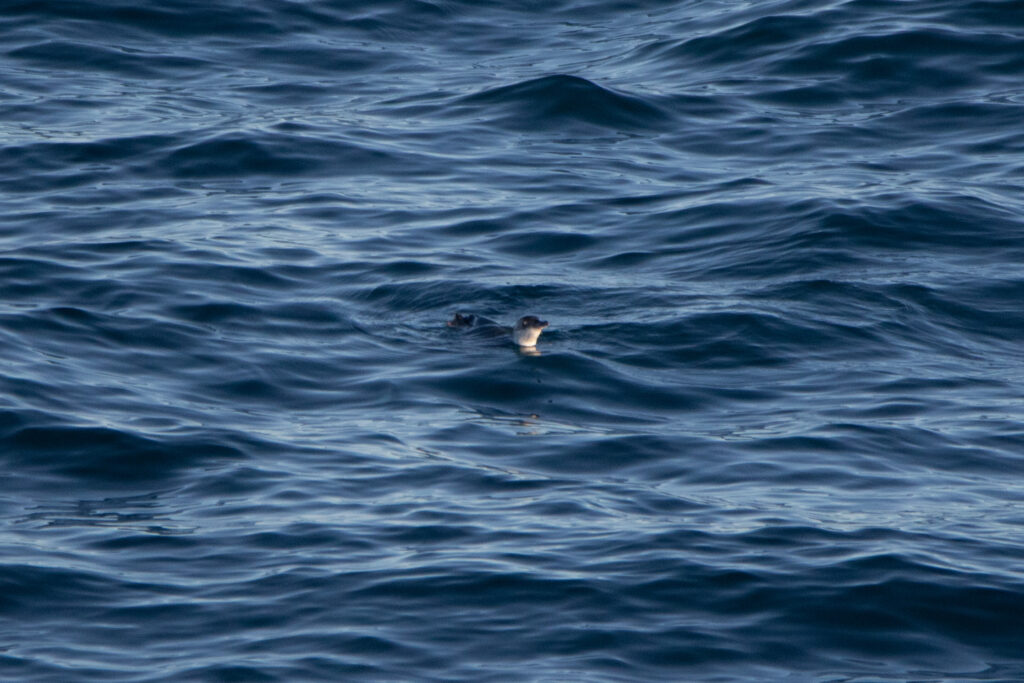
We arrived in Wellington late in the day as the sun was already setting. While driving towards the Owhiro Bay freedom campground, a Little Penguin (Eudyptula minor) suddenly crossed the road before disappearing beneath a parked car. It was a lovely encounter and a reminder of the importance of driving carefully, especially at night, to avoid accidents involving wildlife.
Zealandia
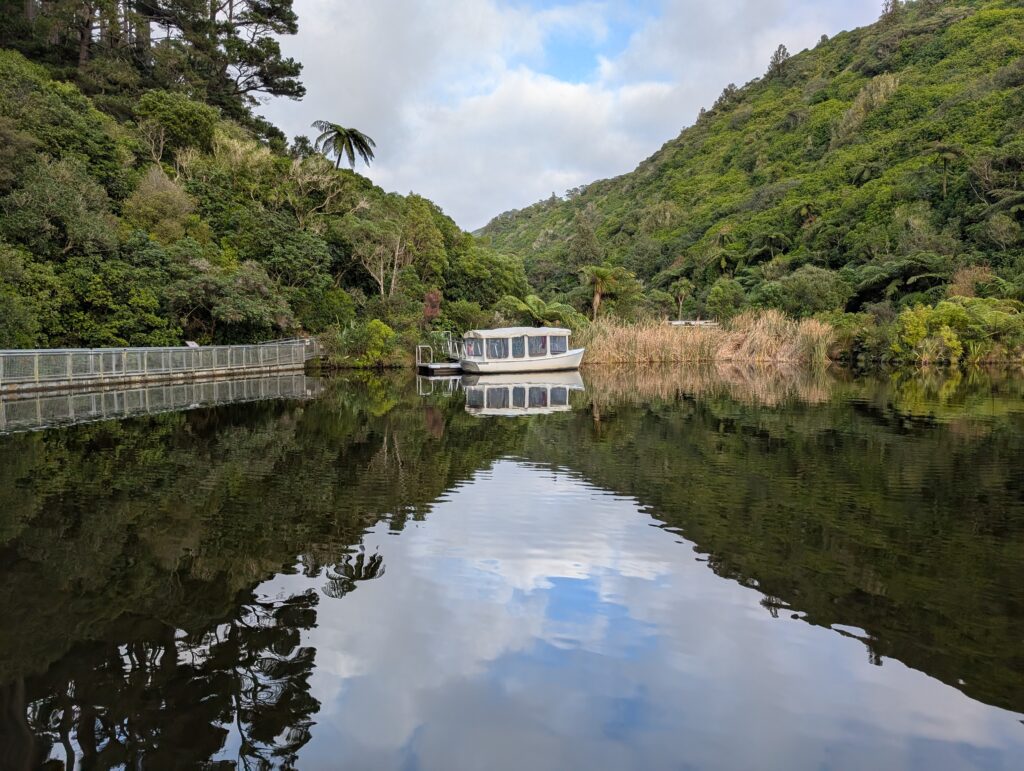
Zealandia Te Māra a Tāne is an essential destination for any birder visiting the capital. This 225-hectare ecosanctuary was created to protect New Zealand’s endangered endemic birds. Many native species have declined dramatically due to human expansion and the introduction of mammalian predators.
A brief introduction to New Zealand’s sanctuaries
This ecosanctuary recreates a fragment of New Zealand as it existed before the arrival of introduced mammals. Throughout the country, many endemic bird species are now rare and largely confined to protected areas such as this one. Zealandia is entirely enclosed by a predator-proof fence, allowing birds to move freely while remaining safe from invasive predators. The difference is immediately noticeable as soon as you enter the sanctuary.
For millions of years, New Zealand’s birdlife evolved without terrestrial predators. As a result, many species became large, tame, and in some cases flightless, such as kiwis and takahes. The arrival of human settlers a few centuries ago dramatically altered this balance. Rats, possums, stoats, and weasels devastated bird populations that had no natural defenses against them. Although responsibility lies more with humans than with the introduced animals themselves, New Zealand now invests enormous efforts into controlling invasive species. In this conservation battle, sanctuaries like Zealandia play a crucial role in preserving the country’s unique biodiversity.
These sites are not zoos, as the birds are completely free-ranging. They are large protected areas, often enclosed by predator-proof fencing or located on offshore islands, where endemic species can live and breed safely. Some sanctuaries provide feeding stations, making birdwatching easier. For birders, these sanctuaries offer one of the best opportunities to observe New Zealand’s unique wildlife in conditions that closely resemble their natural habitat.
Our observations at Zealandia
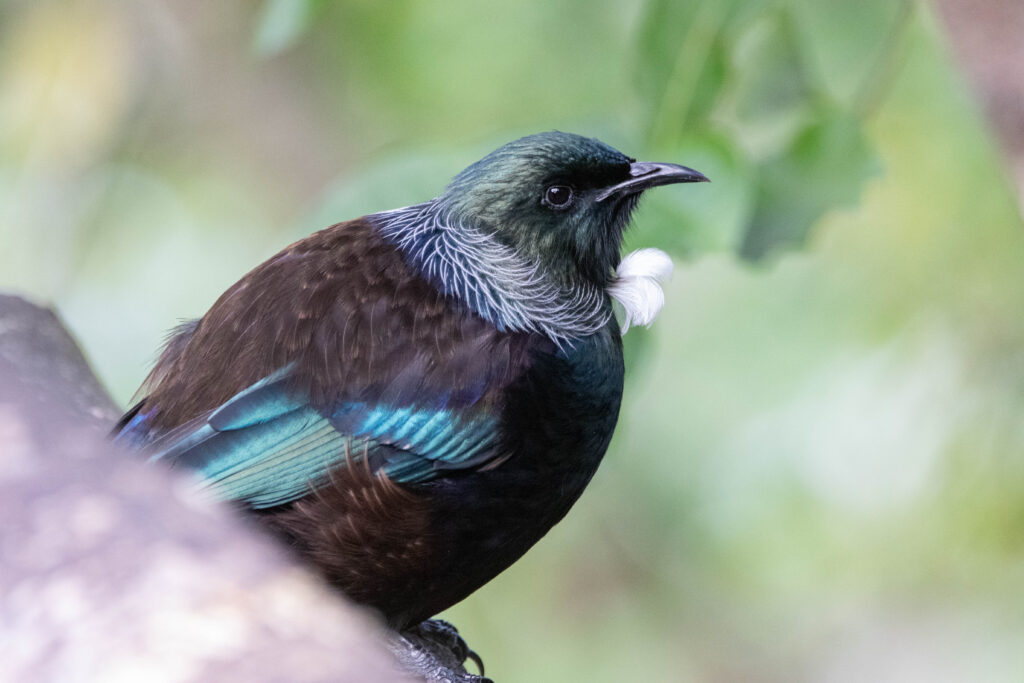
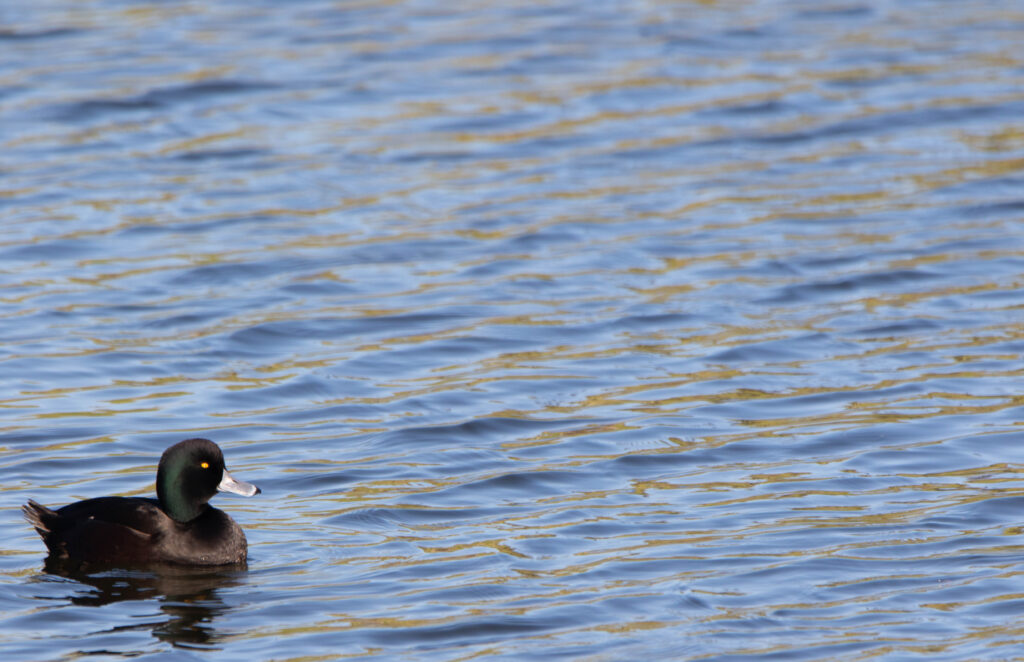
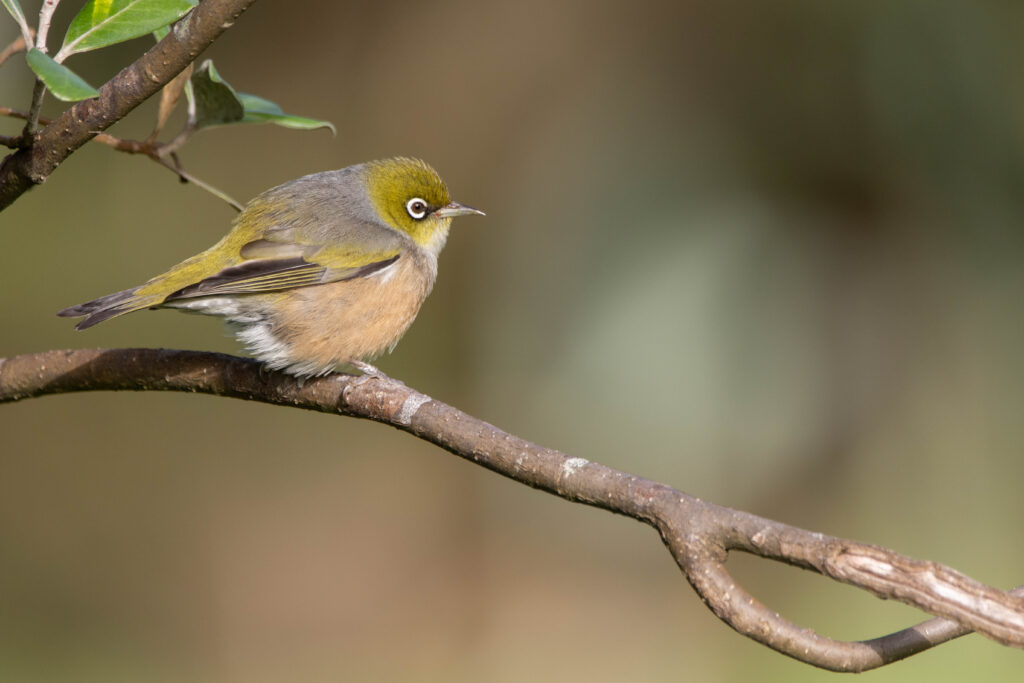
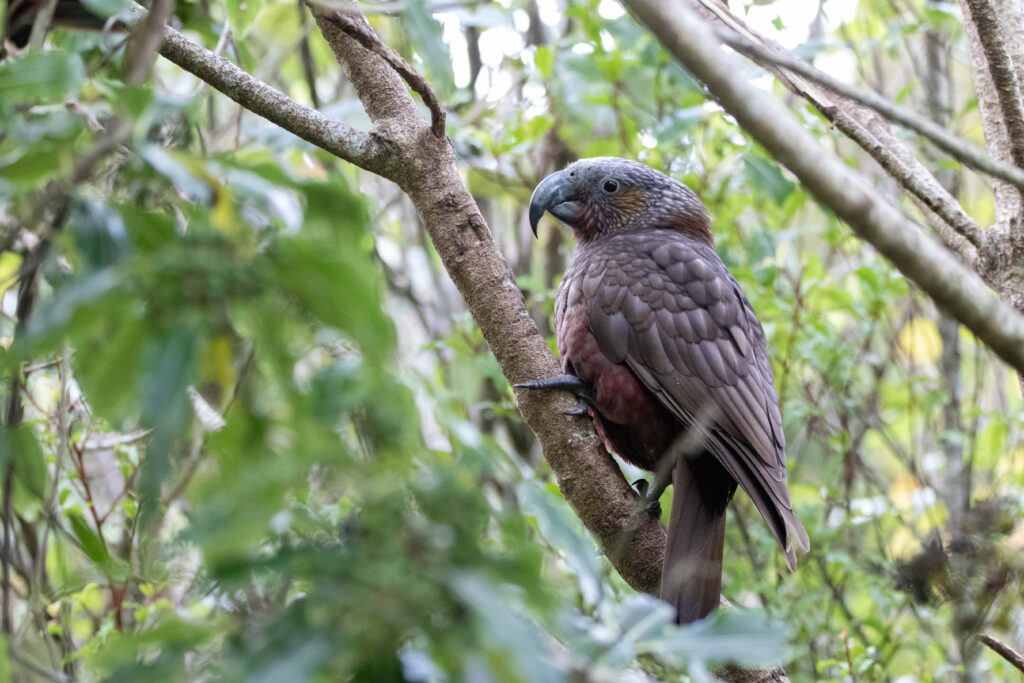
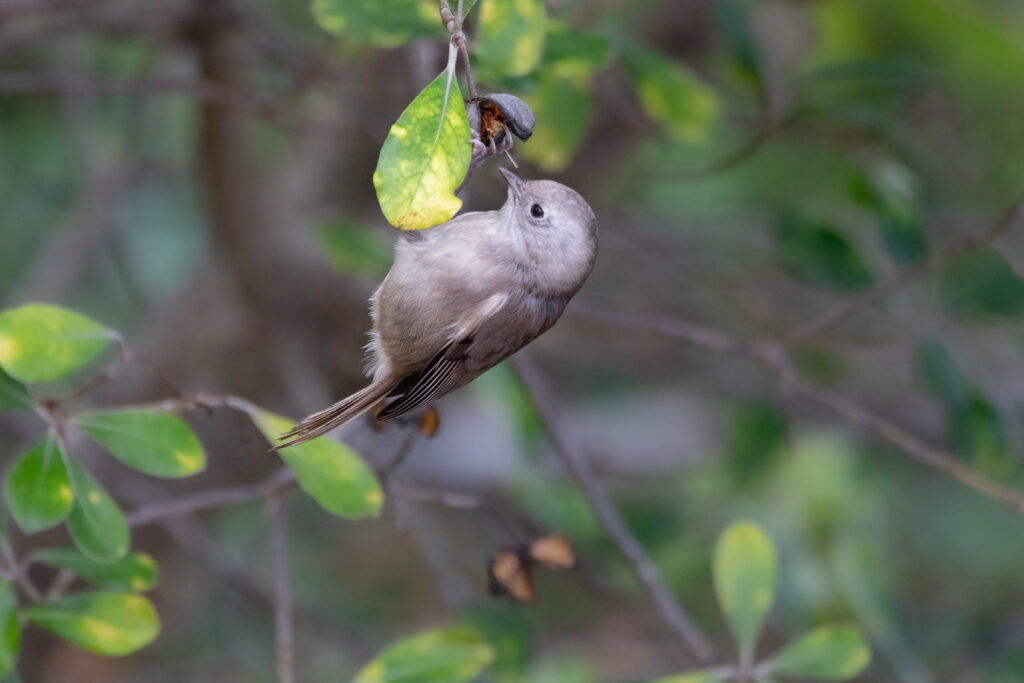
The reserve is vast, with an extensive network of walking trails. We observed several species that we had already encountered on the South Island, including Paradise Shelduck (Tadorna variegata), New Zealand Scaup (Aythya novaeseelandiae), New Zealand Pigeon (Hemiphaga novaeseelandiae), Australian Pied Cormorant (Phalacrocorax varius), Sacred Kingfisher (Todiramphus sanctus), New Zealand Kaka (Nestor meridionalis), Rifleman (Acanthisitta chloris), Tui (Prosthemadera novaeseelandiae), New Zealand Bellbird (Anthornis melanura), New Zealand Fantail (Rhipidura fuliginosa), and Silvereye (Zosterops lateralis).
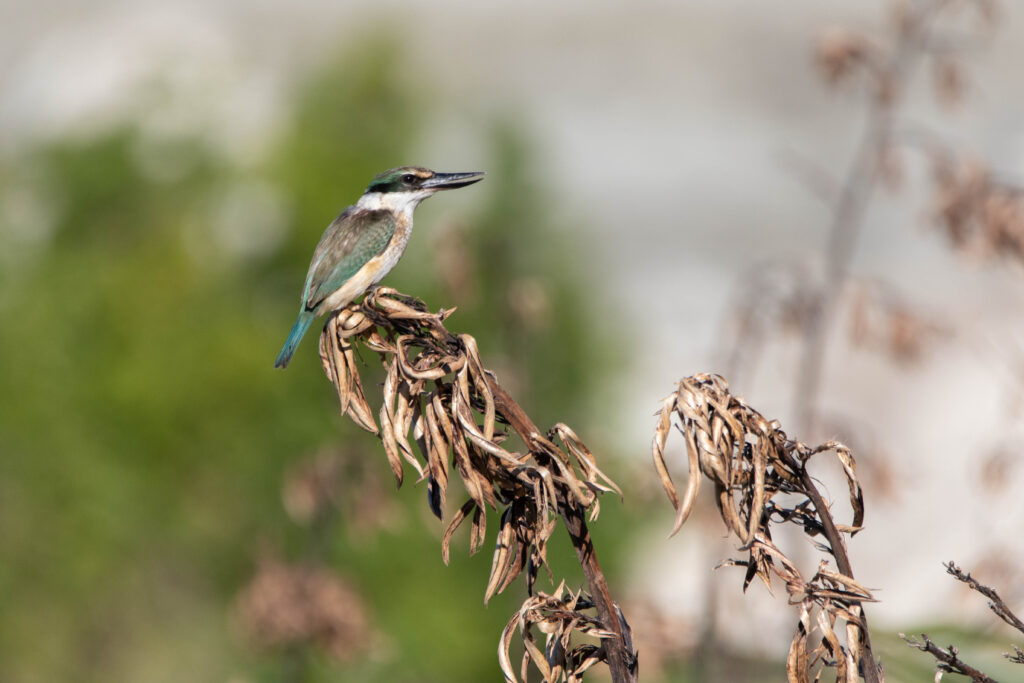
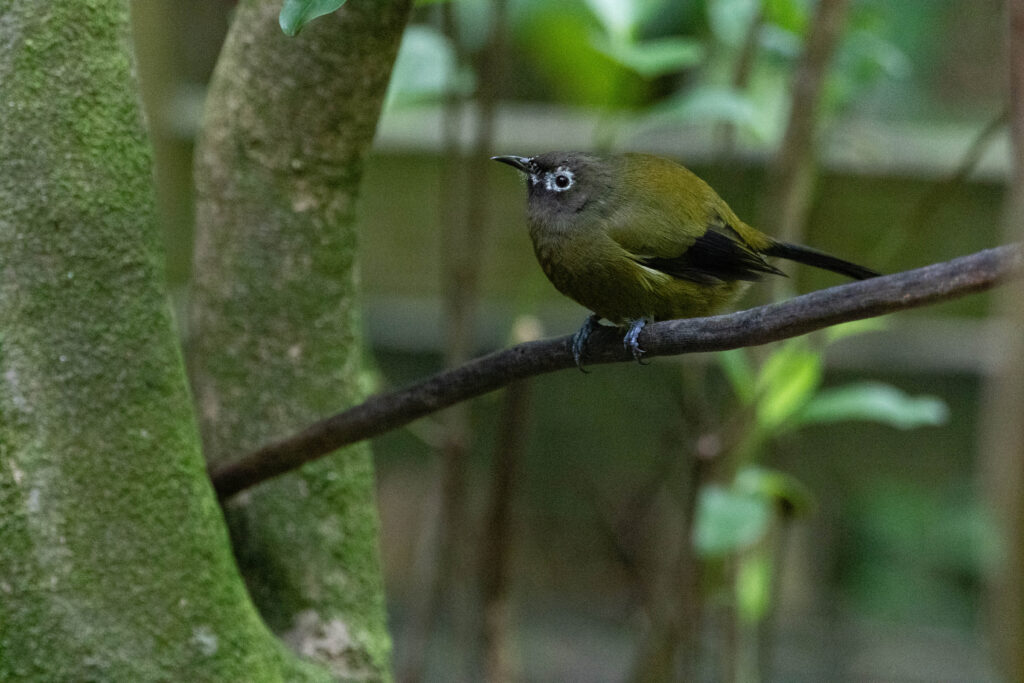
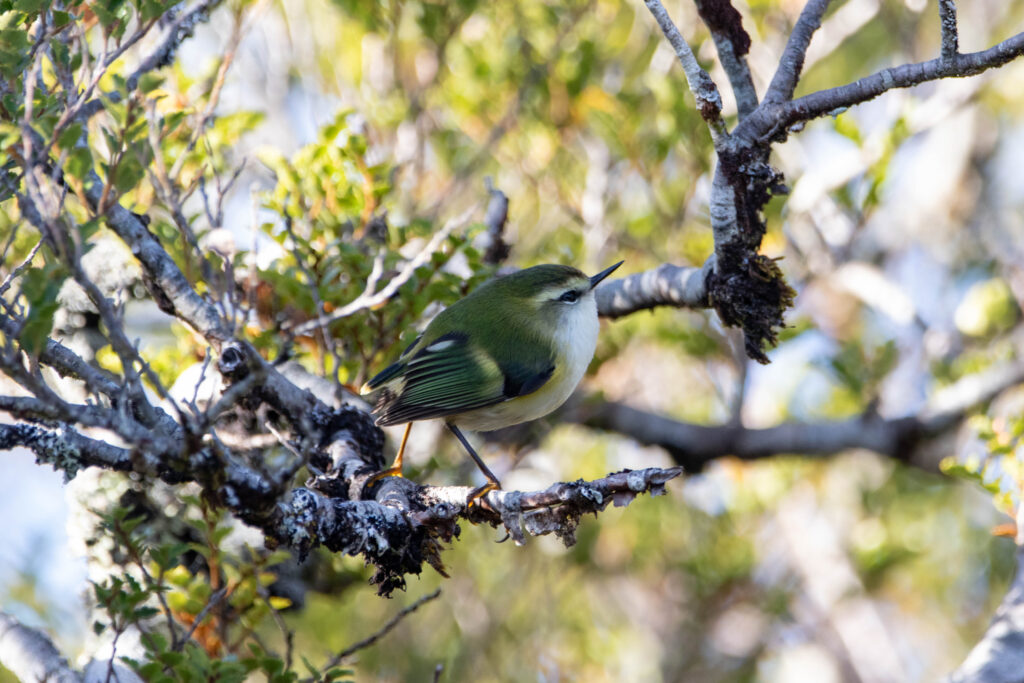
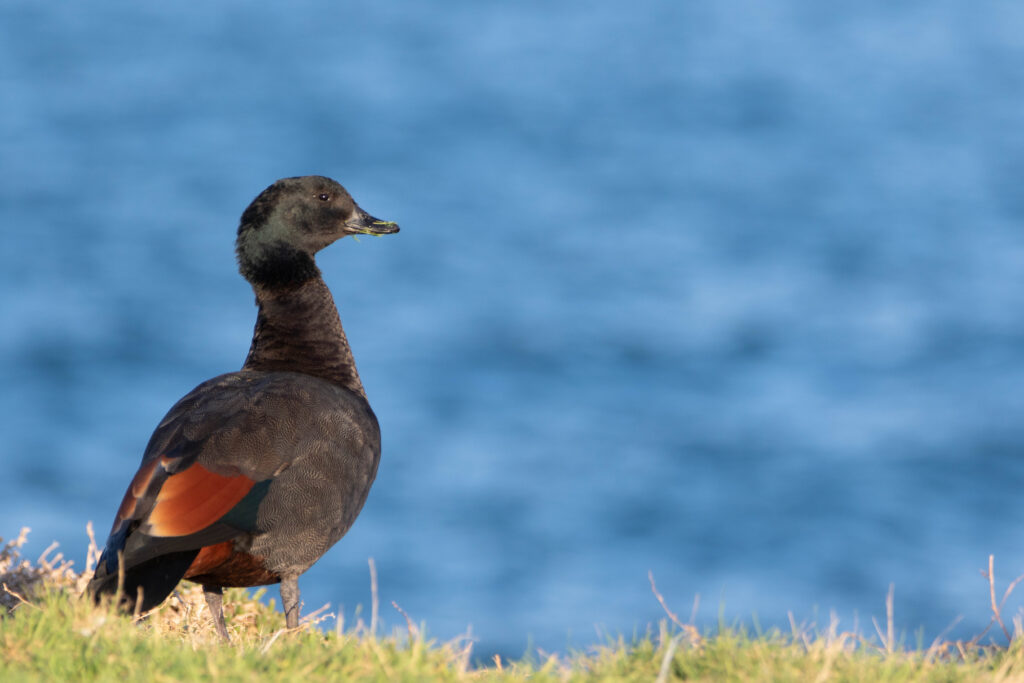
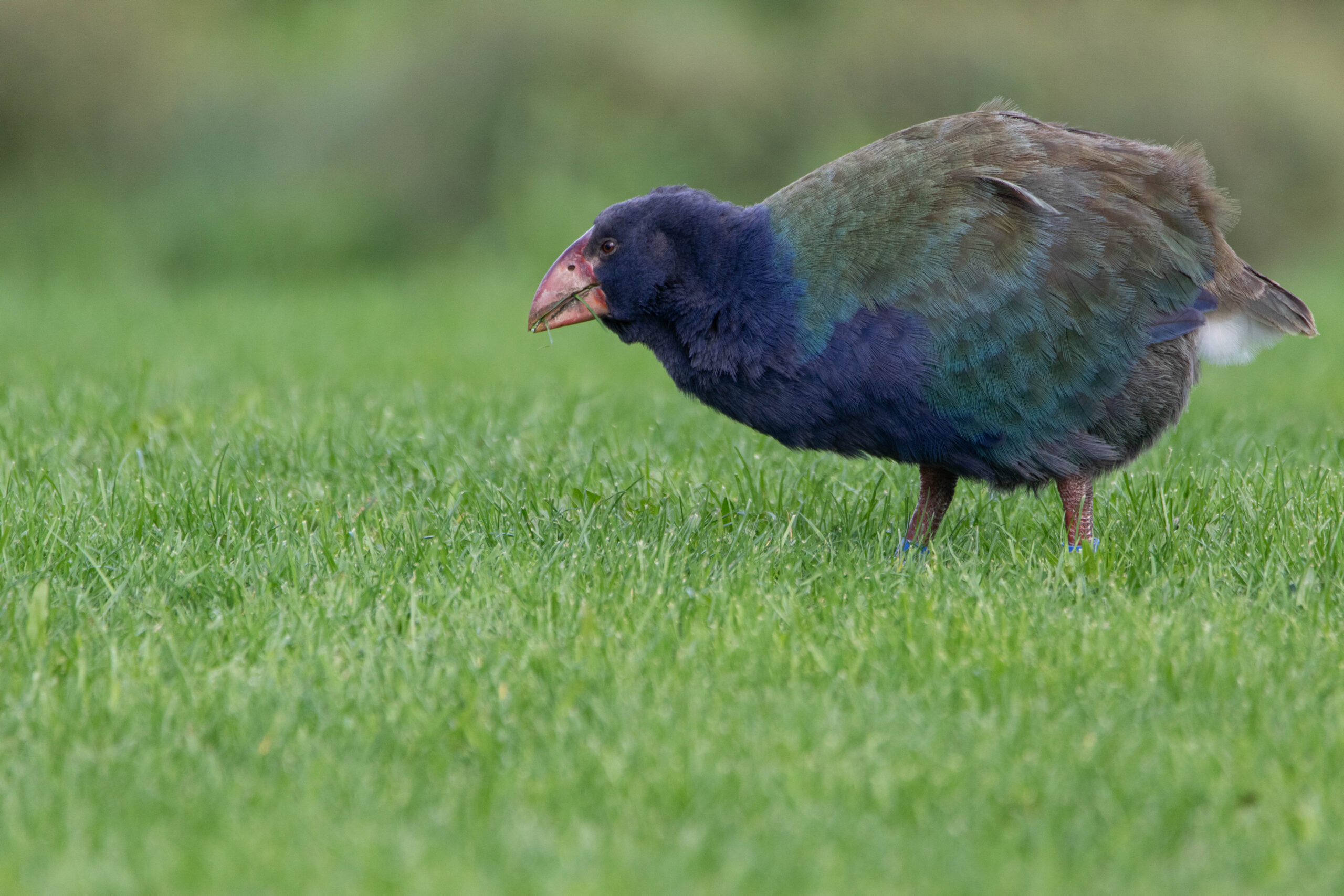
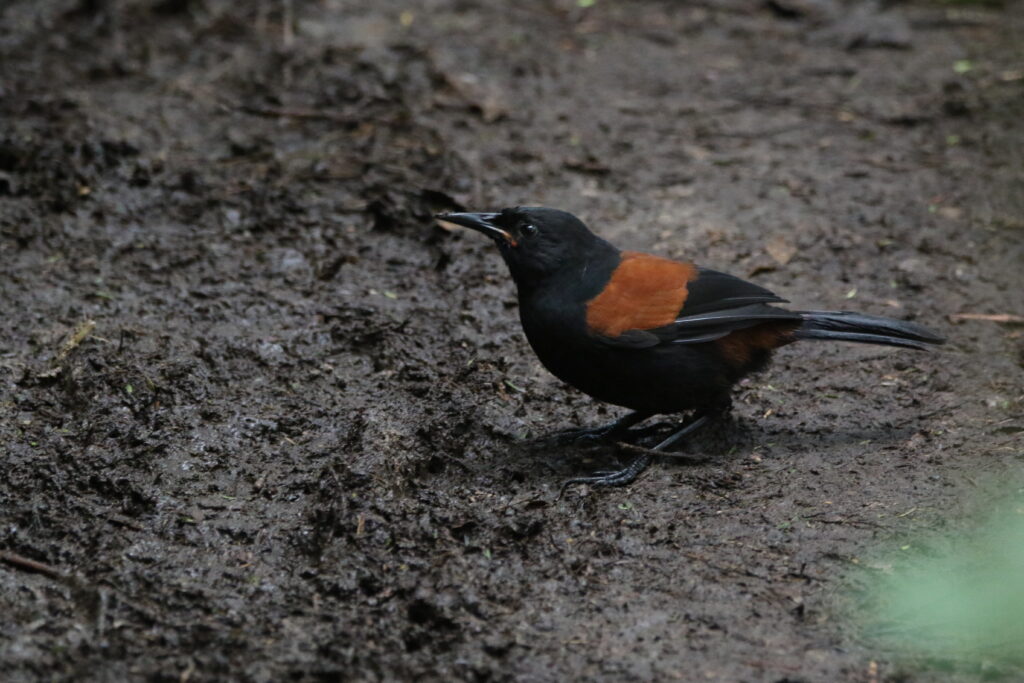
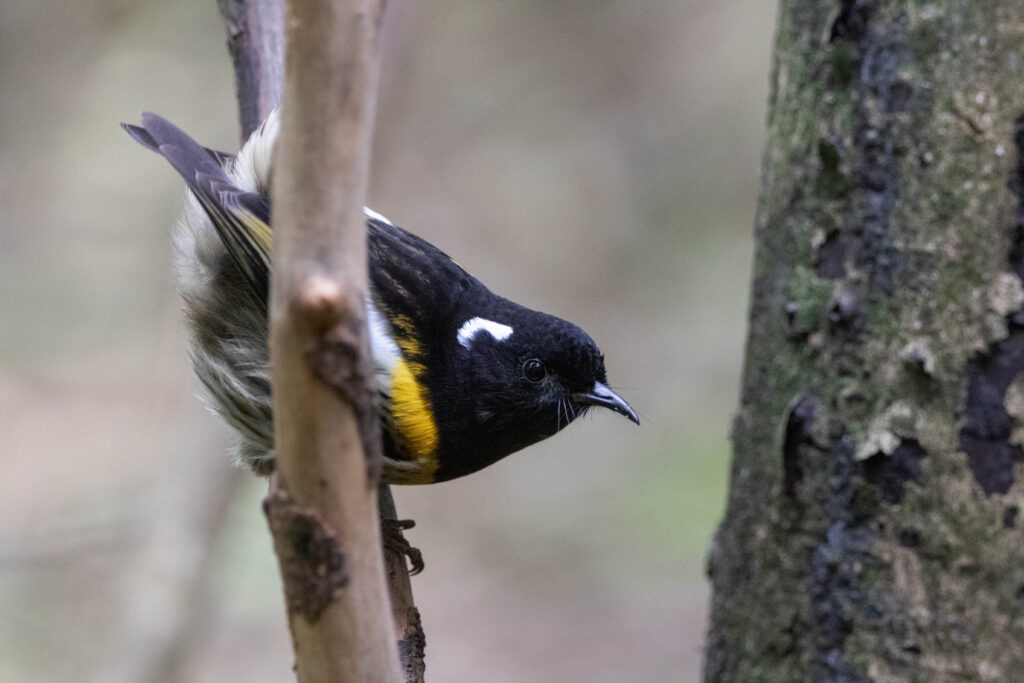
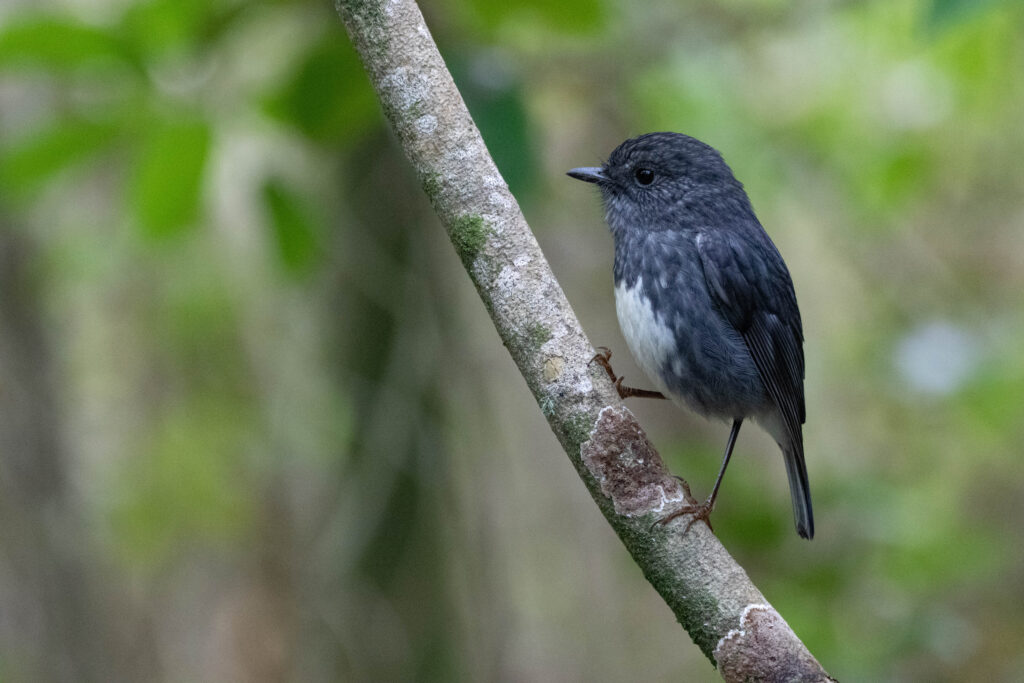
We also recorded several new sightings of iconic North Island species, including the Whitehead (Mohoua albicilla) and the North Island counterpart of the South Island Robin: the North Island Robin (Petroica longipes). Among the species that are difficult to observe outside protected sanctuaries, we encountered the remarkably tame North Island Saddleback (Philesturnus rufusater), the Stitchbird (Notiomystis cincta), and a Red-crowned Parakeet (Cyanoramphus novaezelandiae) flying overhead. We also managed to see the famous South Island Takahe (Porphyrio hochstetteri), although the observation was brief and in a rather dark area, not ideal for photography!
Waikanae Estuary
The next major stop on our North Island journey was the legendary Tongariro Alpine Crossing. Before reaching it, however, we made a few birding stops along the way. The first was the Waikanae Estuary, recommended to us by a local wildlife photographer.
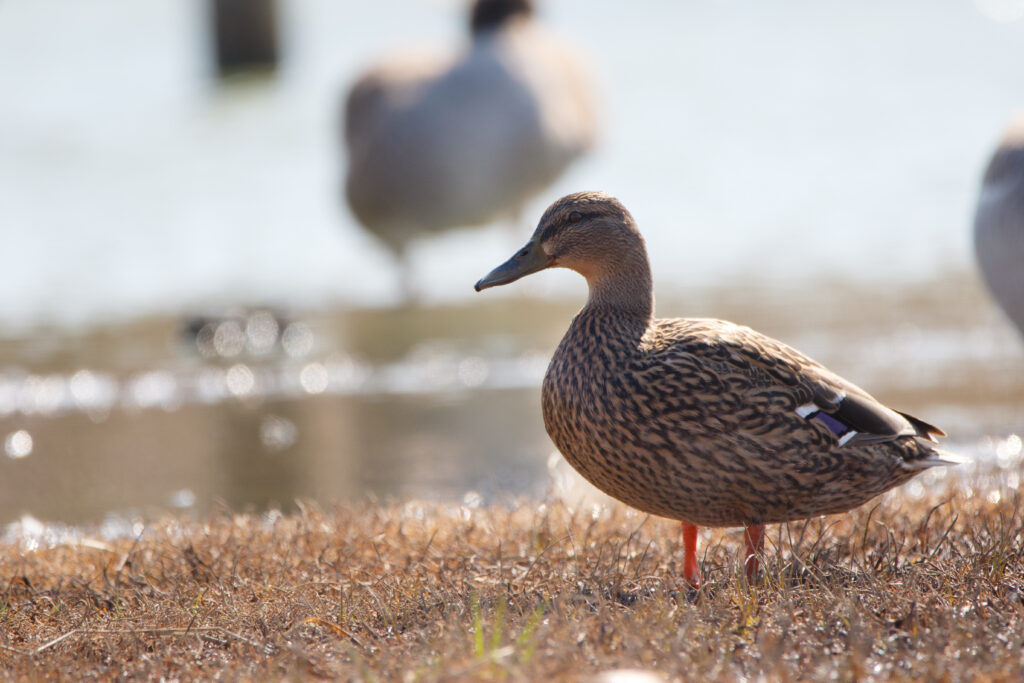
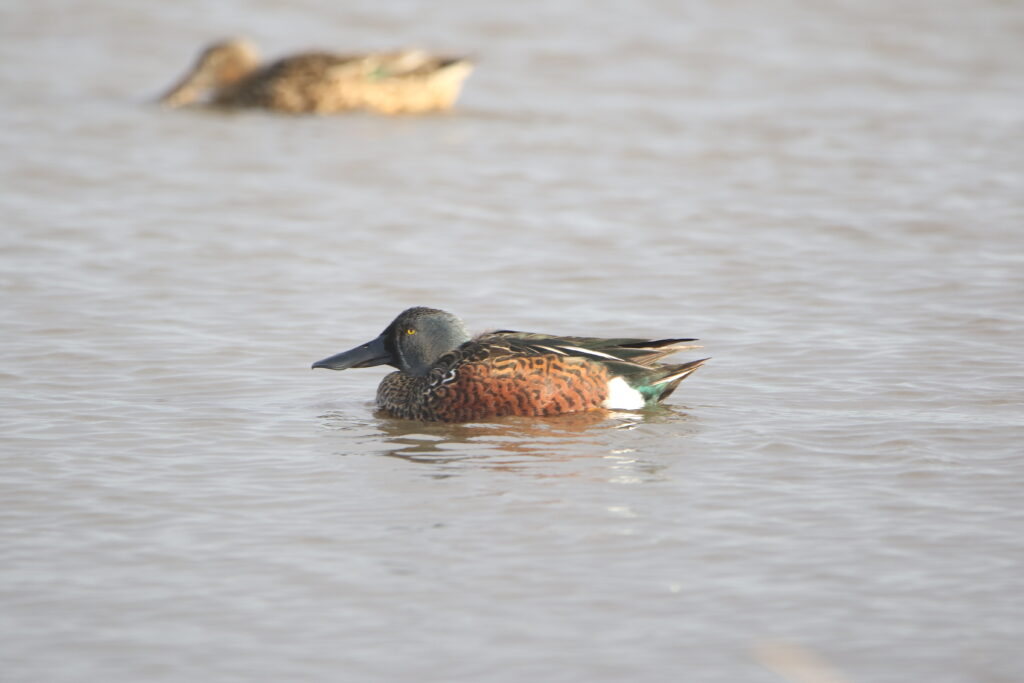
We spent the entire afternoon there, staying until sunset and enjoying excellent photographic opportunities in the warm evening light. The estuary hosts large numbers of waterbirds and shorebirds, including Paradise Shelduck (Tadorna variegata), Australasian Shoveler (Spatula rhynchotis), Mallard (Anas platyrhynchos), Grey Teal (Anas gracilis), New Zealand Scaup (Aythya novaeseelandiae), Eurasian Coot (Fulica atra), Black Swan (Cygnus atratus), and Canada Goose (Branta canadensis).


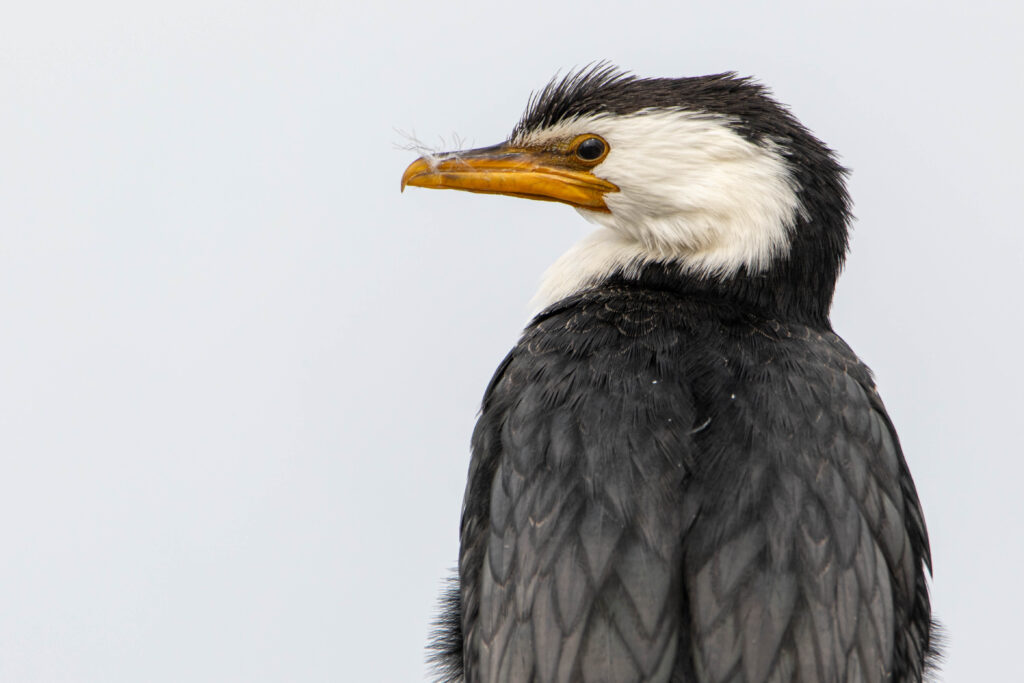
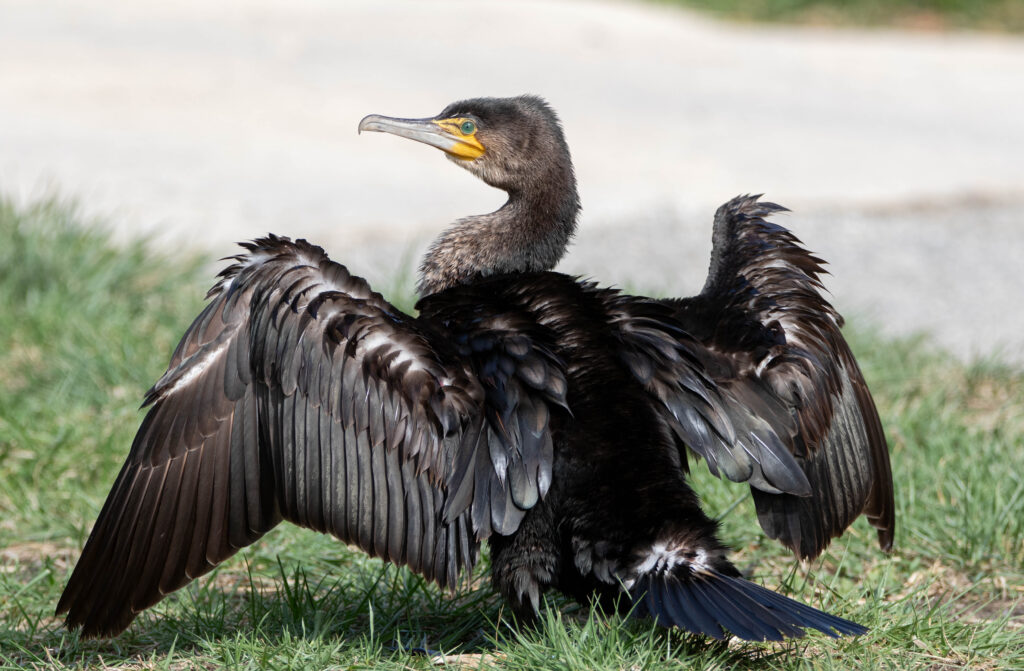
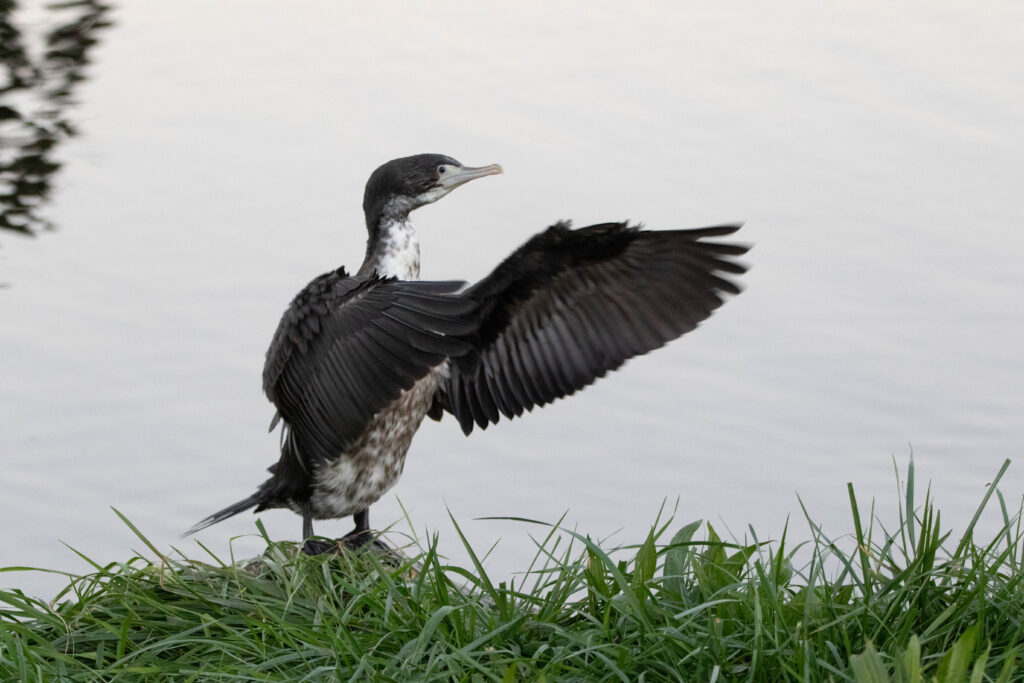
We also observed no fewer than four species of cormorants: Little Pied Cormorant (Microcarbo melanoleucos), Great Cormorant (Phalacrocorax carbo), Little Black Cormorant (Phalacrocorax sulcirostris), and Australian Pied Cormorant (Phalacrocorax varius).
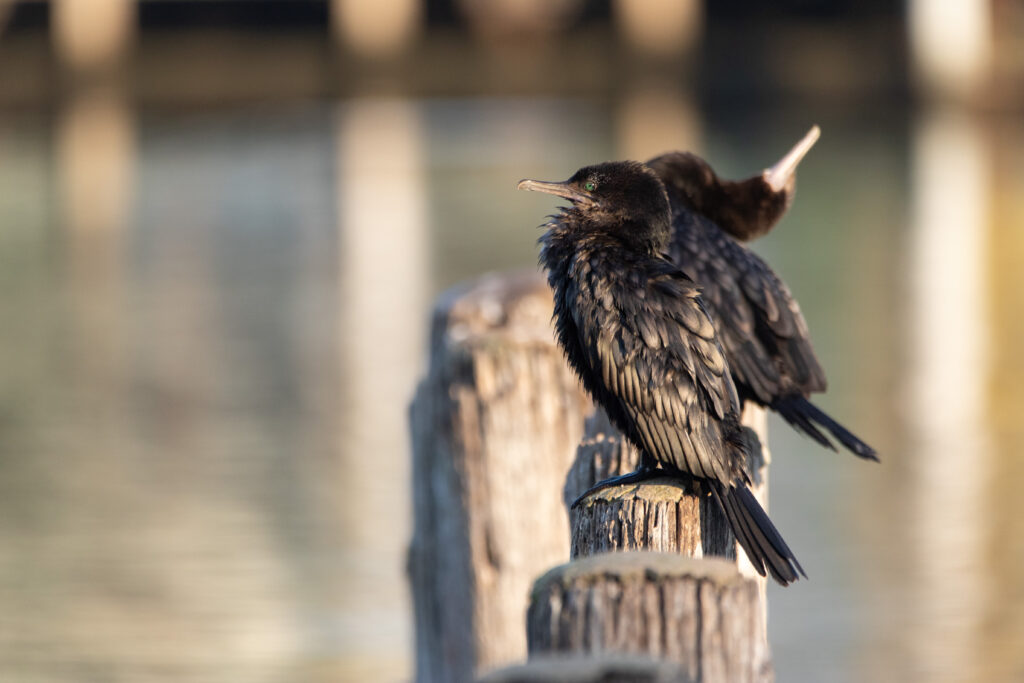
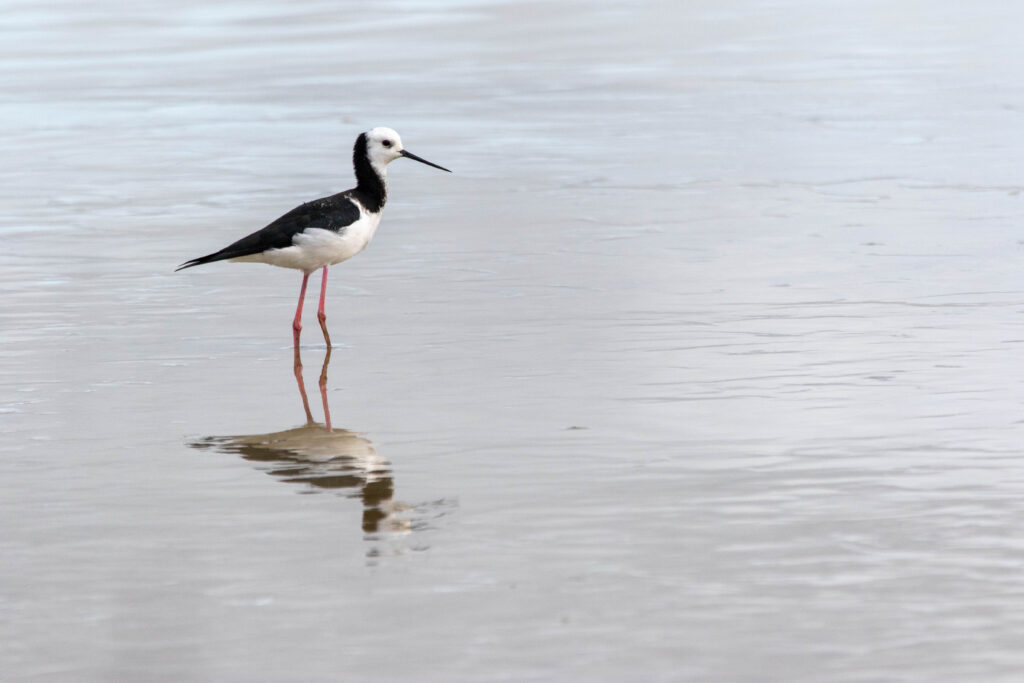
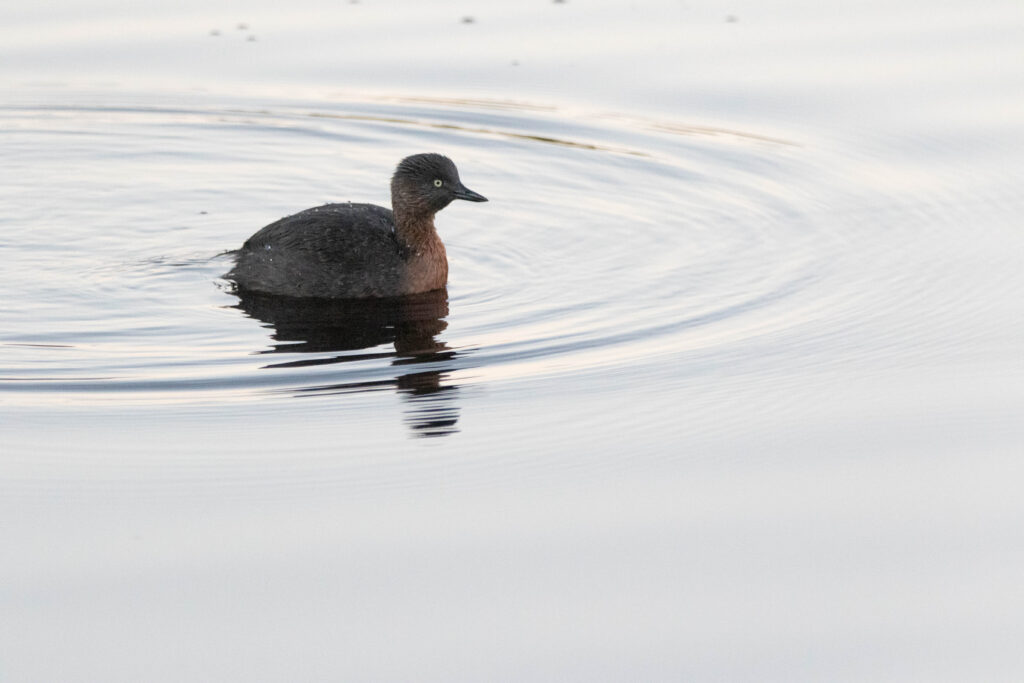
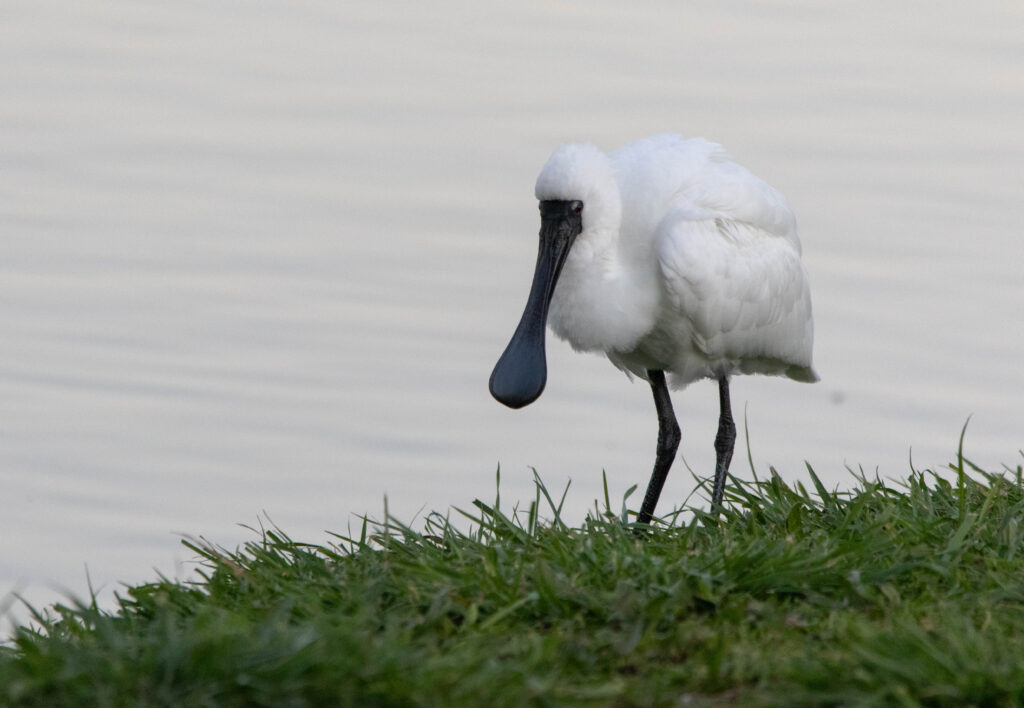
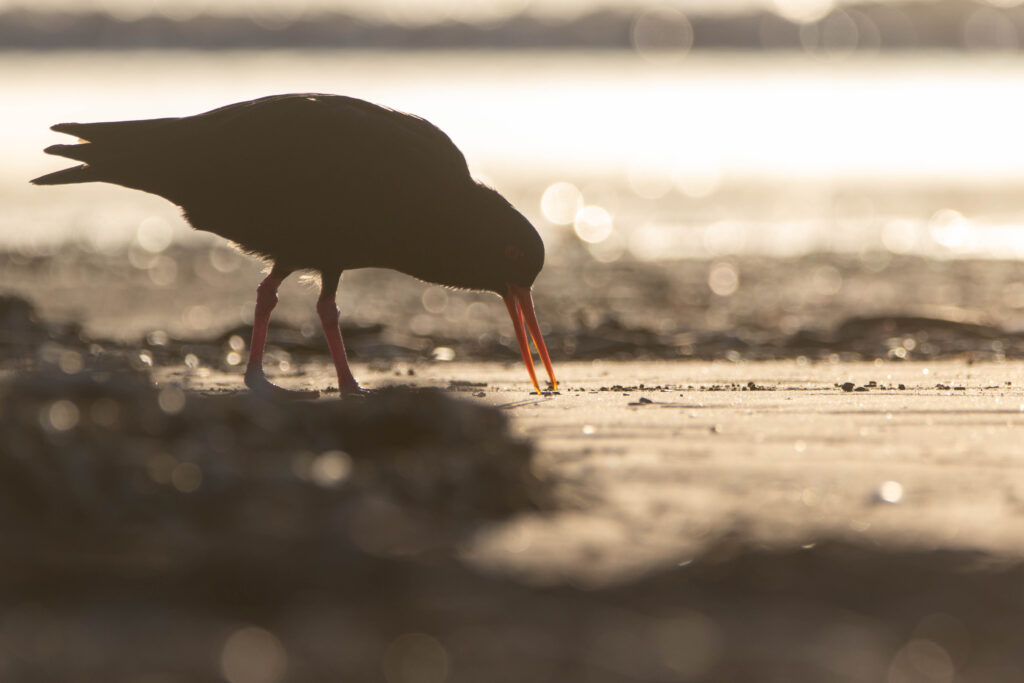
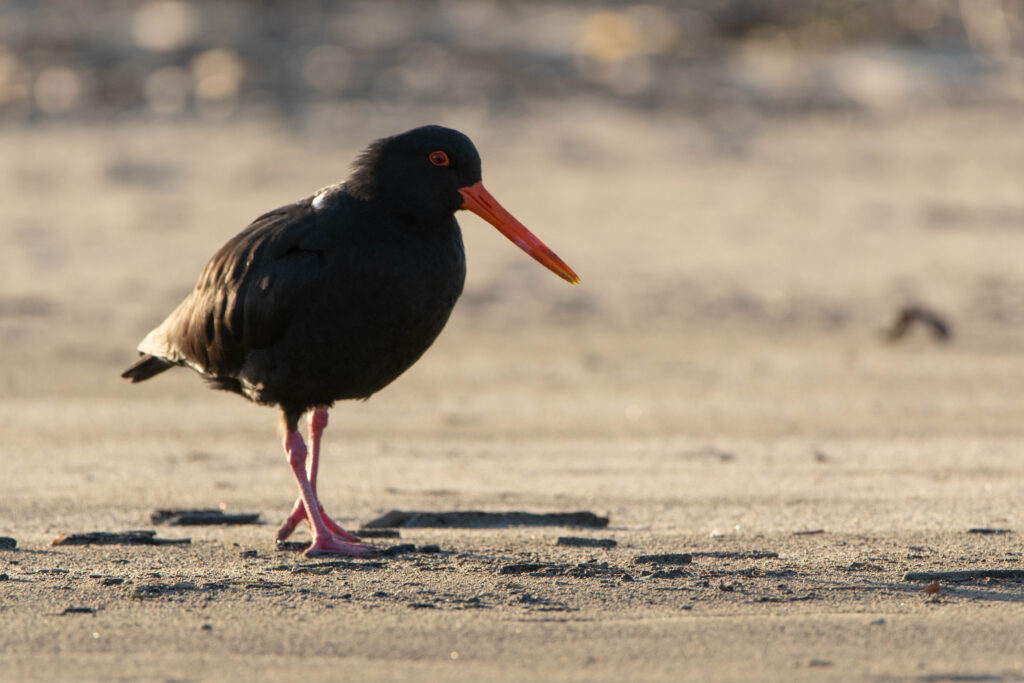
As the sun set, we enjoyed beautiful views of several shorebirds, including Pied Stilt (Himantopus leucocephalus), Variable Oystercatcher (Haematopus unicolor), and Masked Lapwing (Vanellus miles). We also encountered the charming New Zealand Grebe (Poliocephalus rufopectus) and had particularly rewarding views of several Royal Spoonbills (Platalea regia).
New Zealand’s Most Famous Hike: Tongariro
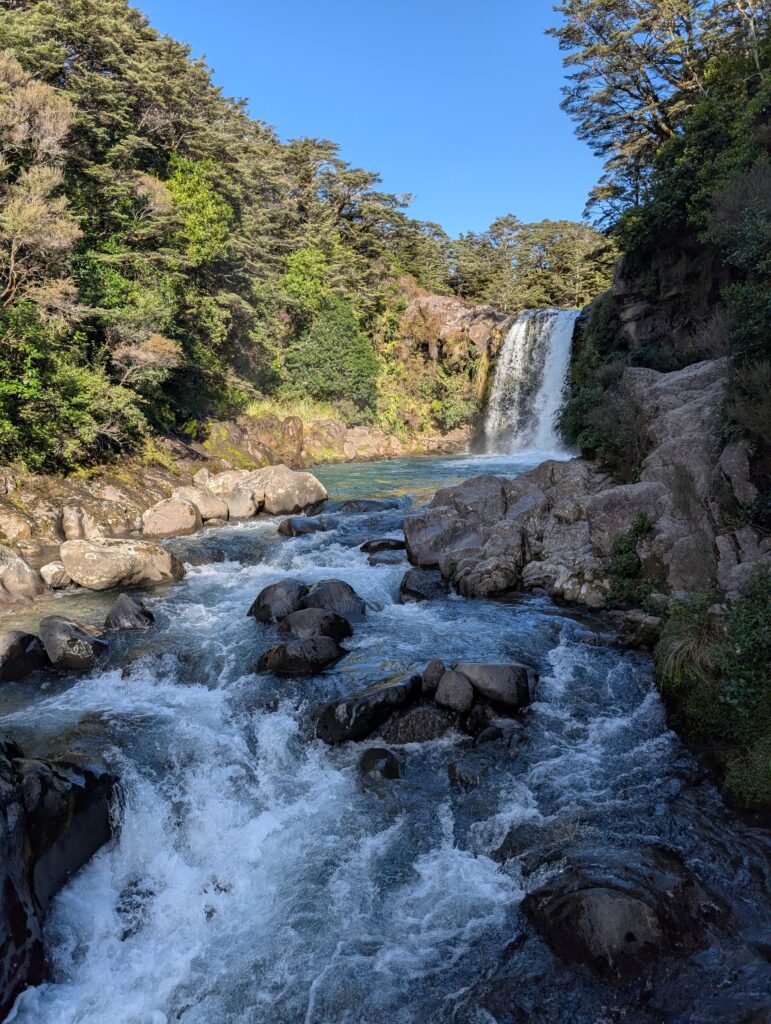
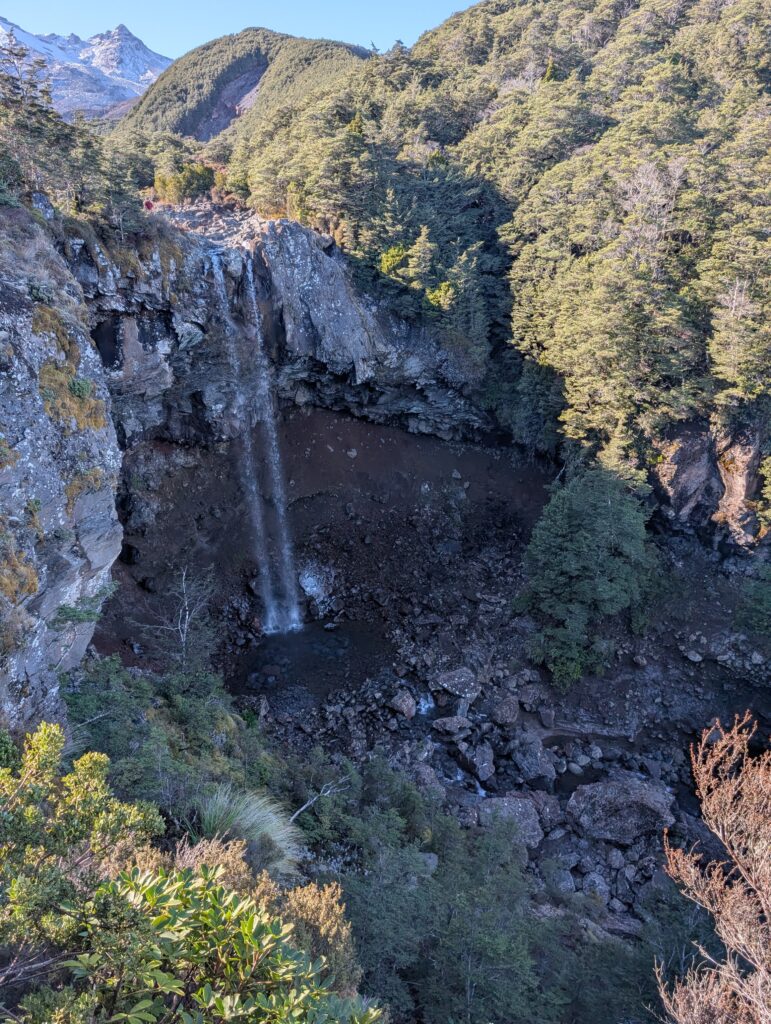
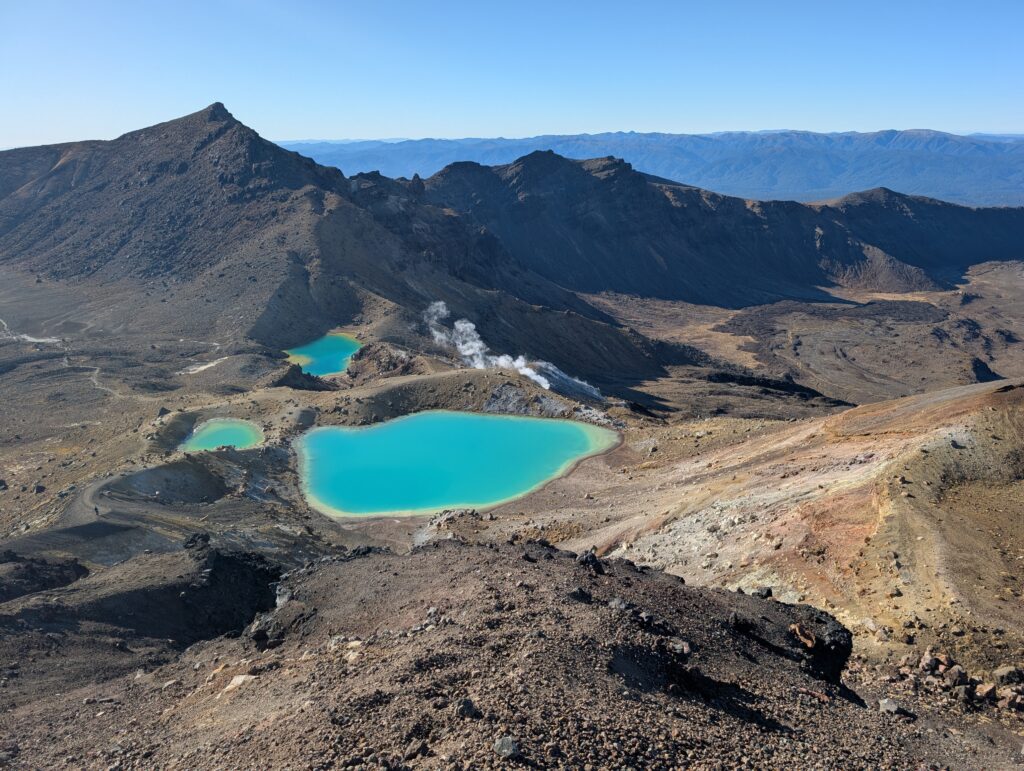
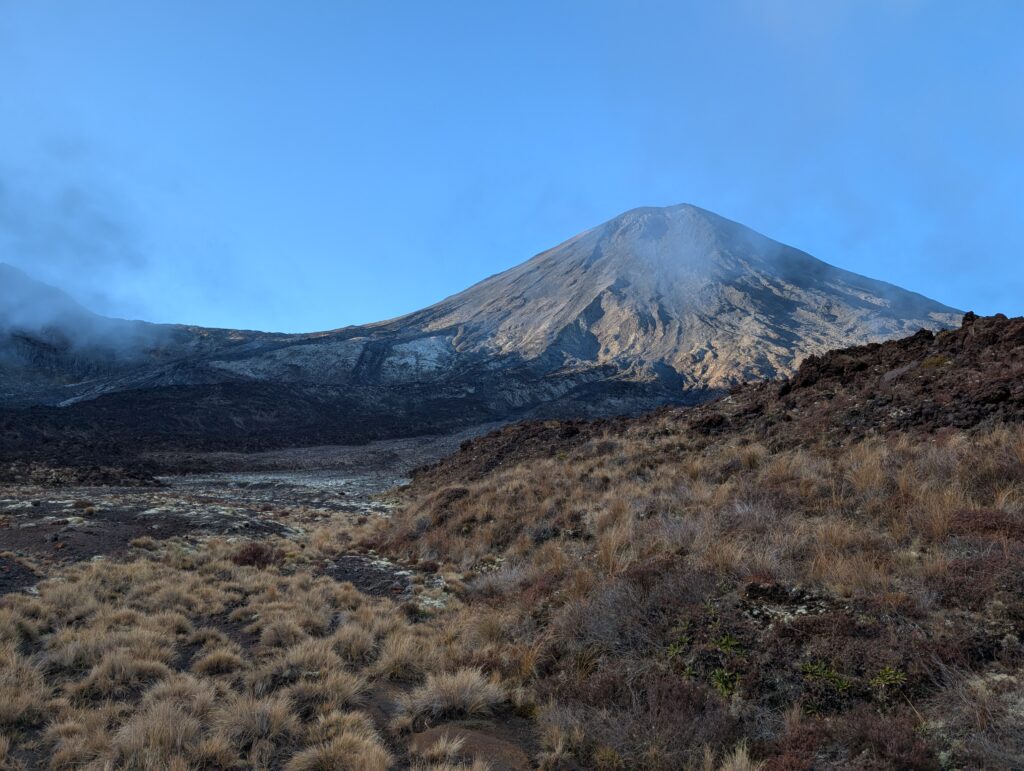
On our way to the legendary Mount Tongariro, we stopped at several filming locations from The Lord of the Rings. The first was Mangawhero Falls, a beautiful 25-metre waterfall with Mount Ruapehu visible in the background. The falls are also known as Gollum’s Pool, featured in a scene where Gollum catches a fish.
Our next stop was Tawhai Falls, a 13-metre waterfall that also served as one of Gollum’s pools in the films. Both waterfalls are easily accessible, requiring no more than a 10-minute walk from their respective parking areas.
We also completed the Waitonga Falls Walk, which leads to the highest waterfall in Tongariro National Park at 39 metres. The trail is 4 km return and relatively easy. The scenery is spectacular throughout, although we did not encounter any particularly noteworthy bird species along the way.
Tongariro Alpine Crossing
After spending the night at the free Waikoko Campsite operated by the DOC, we finally set off for the most famous hike on New Zealand’s North Island. The Tongariro Alpine Crossing is a one-way, 20-kilometre trek. To complete it, we parked at Ketetahi, the end of the trail, and took a shuttle to Mangatepopo, where the hike begins. Unreal volcanic landscapes and breathtaking viewpoints accompany you throughout the entire walk. If you feel like you’ve stepped into Middle-earth, that’s perfectly normal : you are hiking through the land that inspired Mount Doom!
Turangi
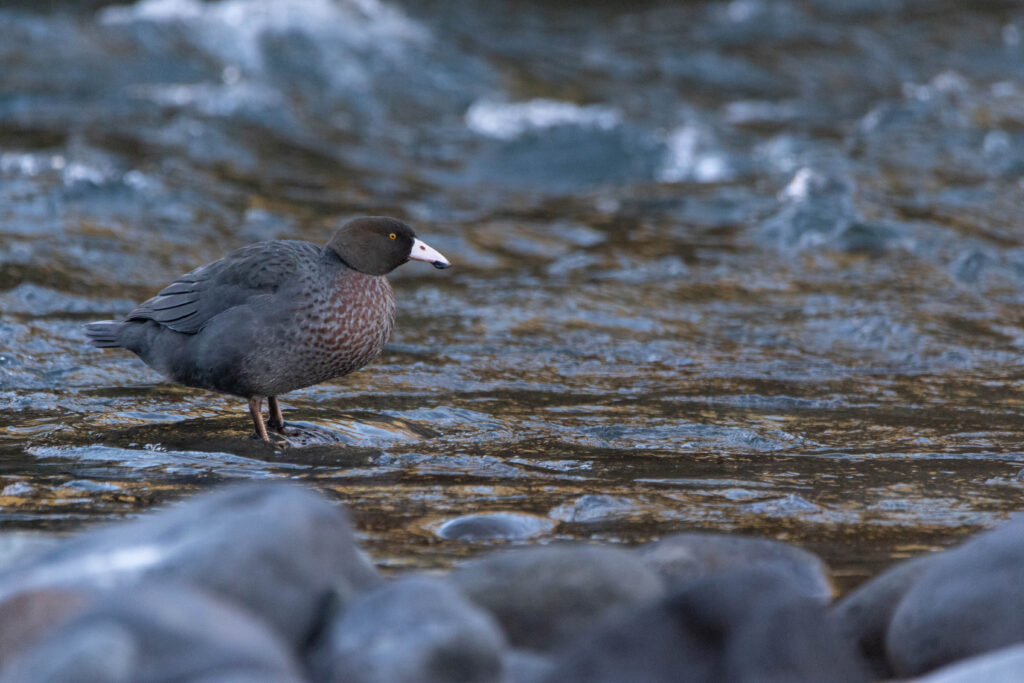
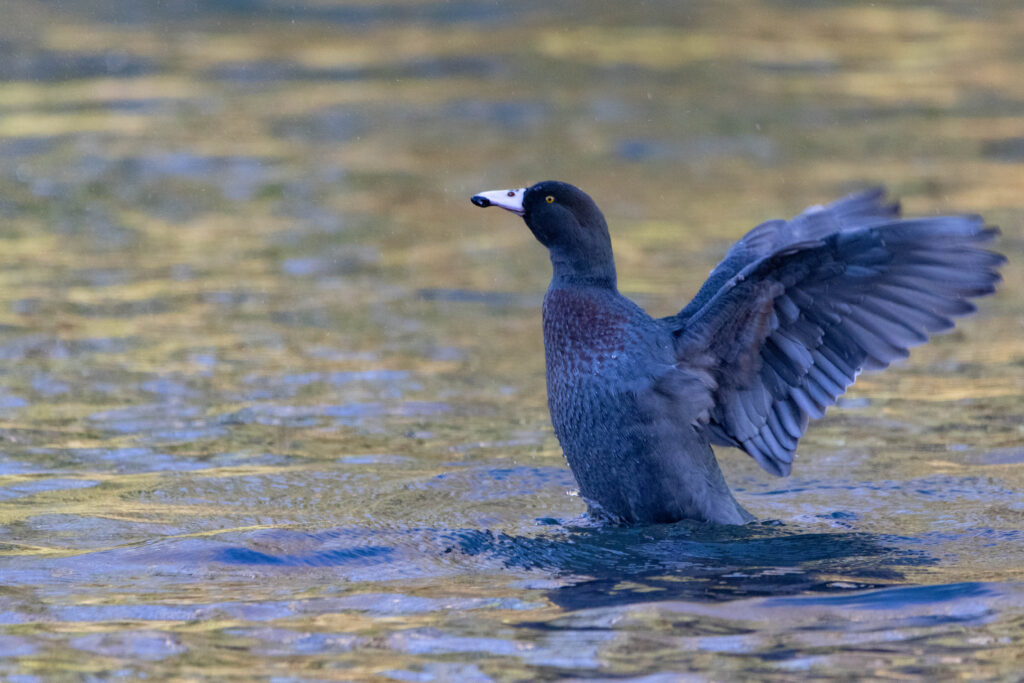
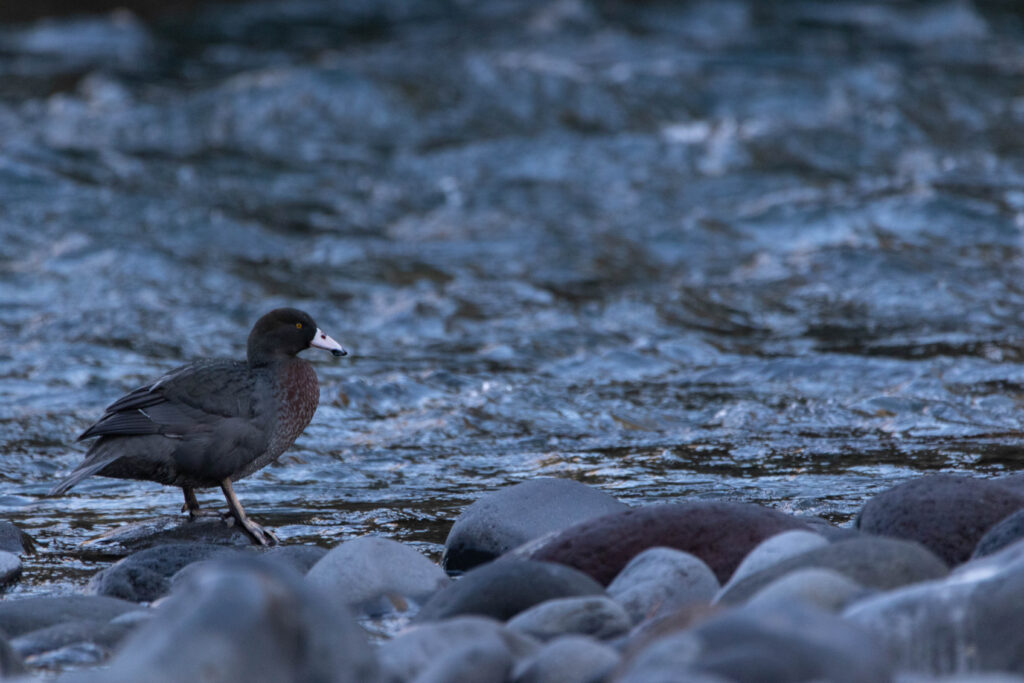
But back to the birds. After the hike, we headed to Turangi, a small town crossed by the Tongariro River, in search of a species we had already unsuccessfully searched for in Fiordland National Park and Arthur’s Pass: the legendary Blue Duck (Hymenolaimus malacorhynchos). The “blue” part of its name might be slightly exaggerated, but after spending so much time looking for this species on the South Island, we were thrilled to finally find it here.
After crossing the bridge several times and exploring the riverbanks, we eventually spotted two individuals. The following morning, we returned to the same area hoping to photograph them and perhaps find a few more birds. This time, we followed the Tongariro River Trail and success! We ended up observing no fewer than eleven Blue Ducks (Hymenolaimus malacorhynchos). It would be the only time during the entire trip that we saw this remarkable species.
Taupo, Rotorua & Beyond
Rotorua
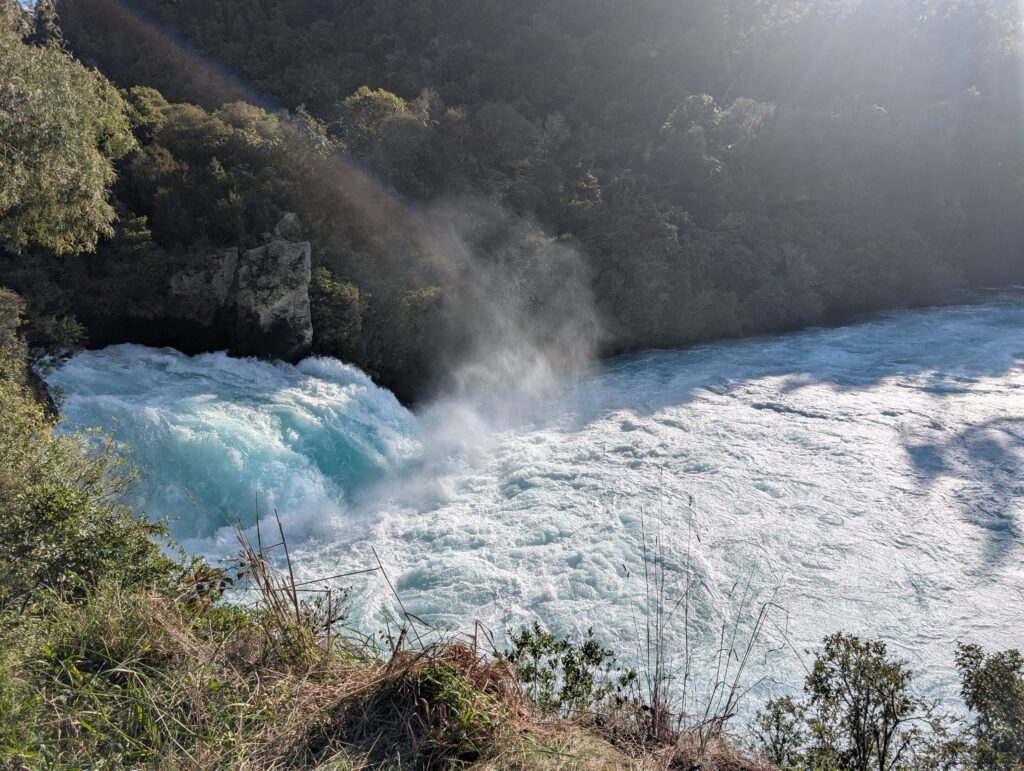
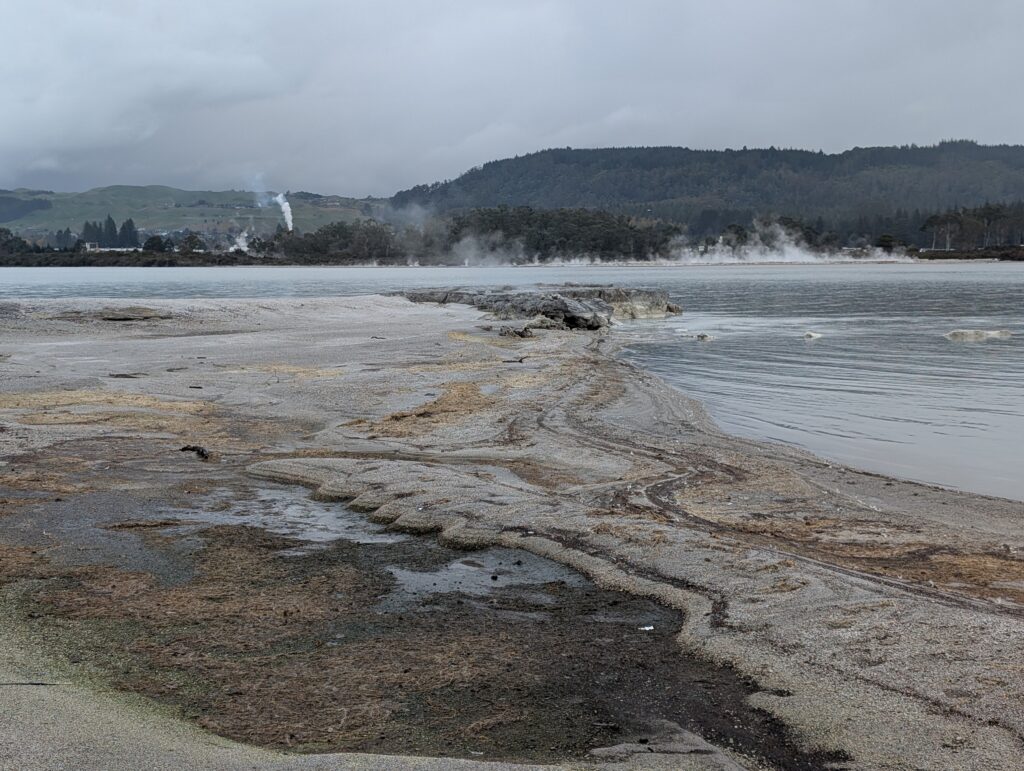
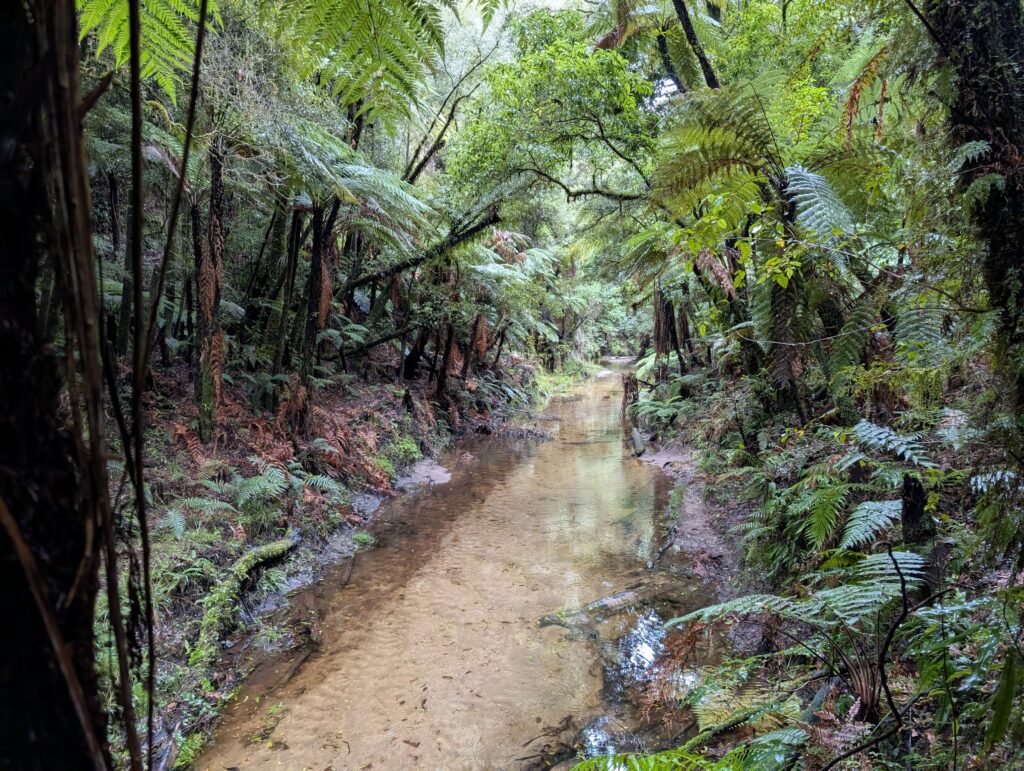
After a brief stop in Taupo and a visit to Huka Falls, we continued on to Rotorua, famous for its giant redwood forest and bubbling mud pools. We took some time to walk along the lakeside boardwalks, but birding was fairly quiet. The most notable sighting was the domestic form of the Greylag Goose (Anser anser), which added another species to our New Zealand list.
Pureora Forest
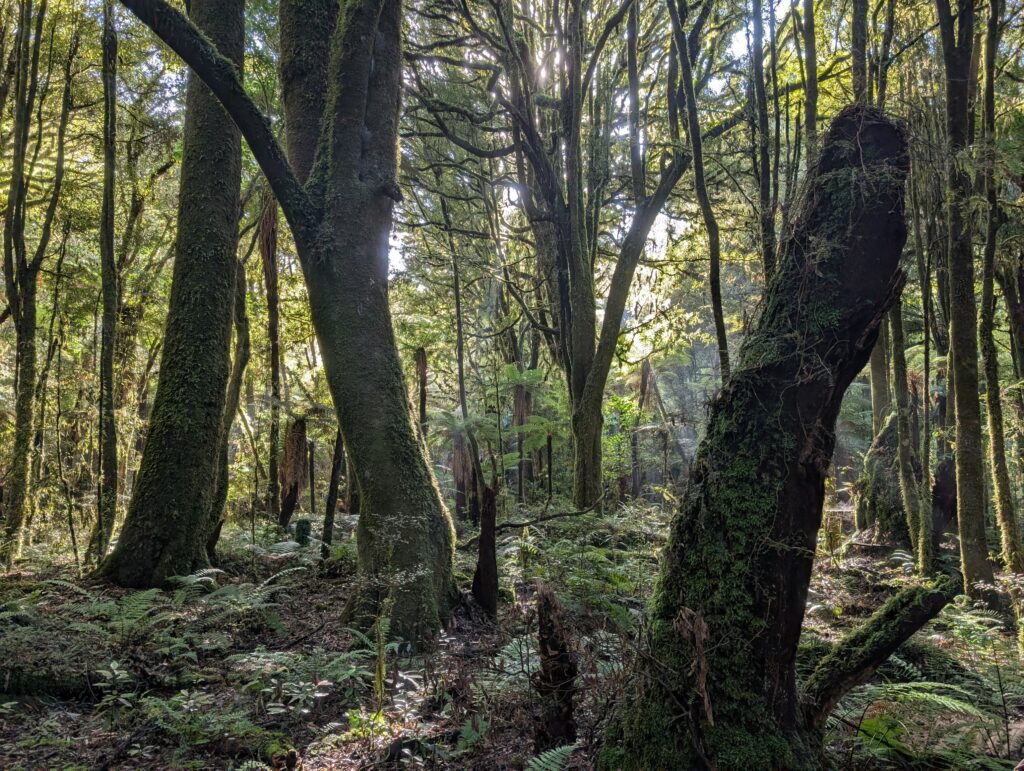
Following a night at the Lake Whakamaru Reserve free campsite, which offers free hot showers and beautiful lake views, we headed towards Pureora Forest in search of the elusive North Island Kokako (Callaeas wilsoni).
We began with the Waipapa Loop Walk, a 2.3-kilometre trail winding through an ancient podocarp forest. Although we failed to find our target species, we still enjoyed several excellent bird sightings, including the discreet Yellow-crowned Parakeet (Cyanoramphus auriceps), our first encounter with the species since Fiordland National Park at the beginning of the trip. Other highlights included New Zealand Kaka (Nestor meridionalis), Whitehead (Mohoua albicilla), Tui (Prosthemadera novaeseelandiae), New Zealand Bellbird (Anthornis melanura), Tomtit (Petroica macrocephala), and North Island Robin (Petroica longipes), along with various introduced passerines.
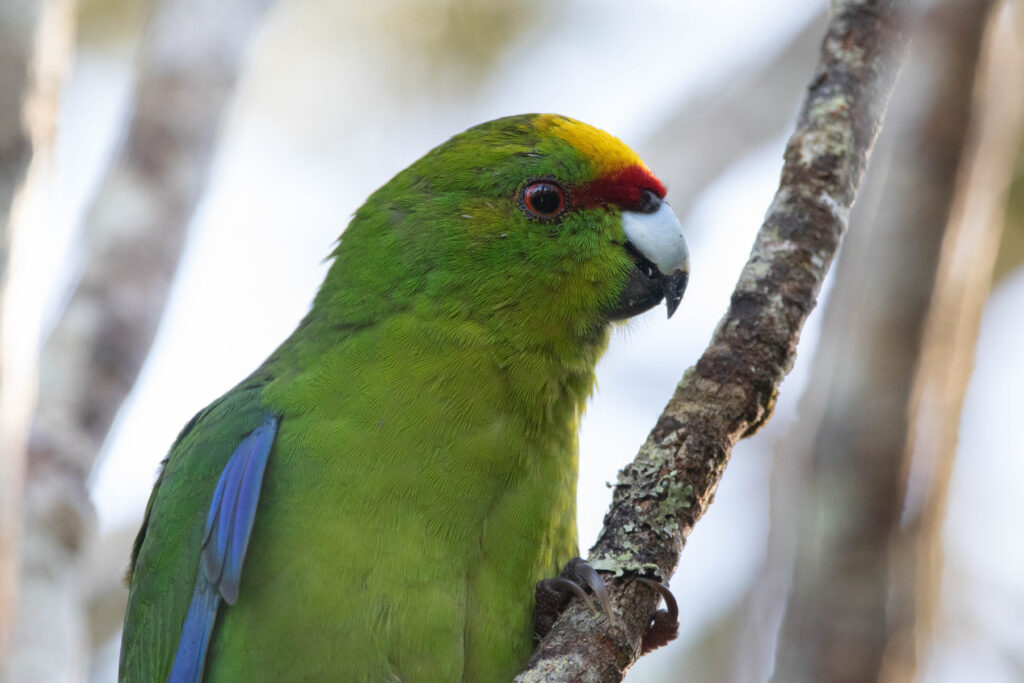
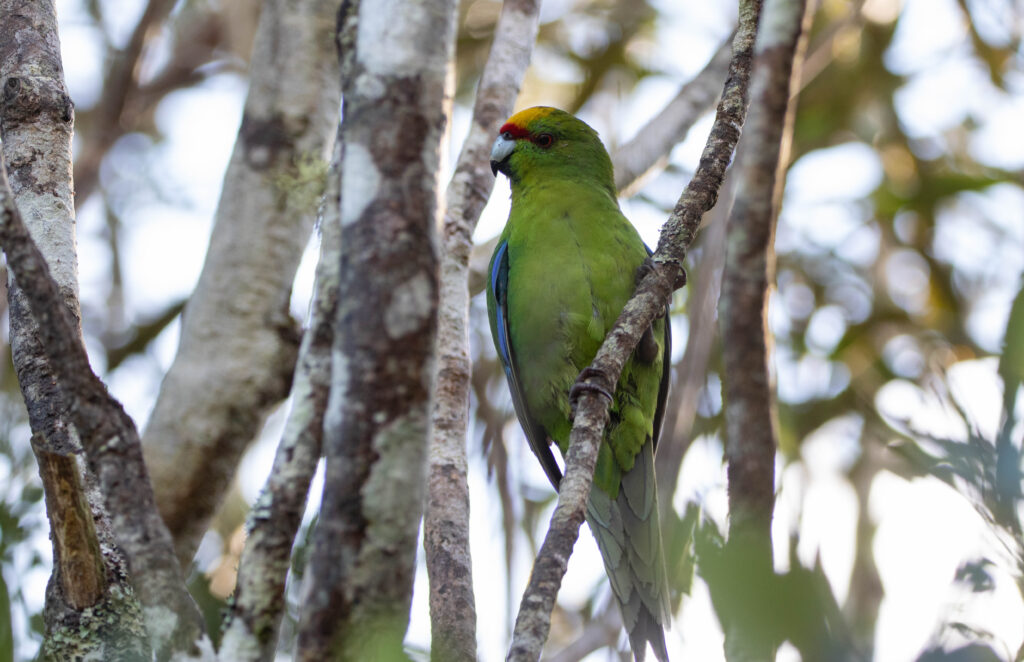
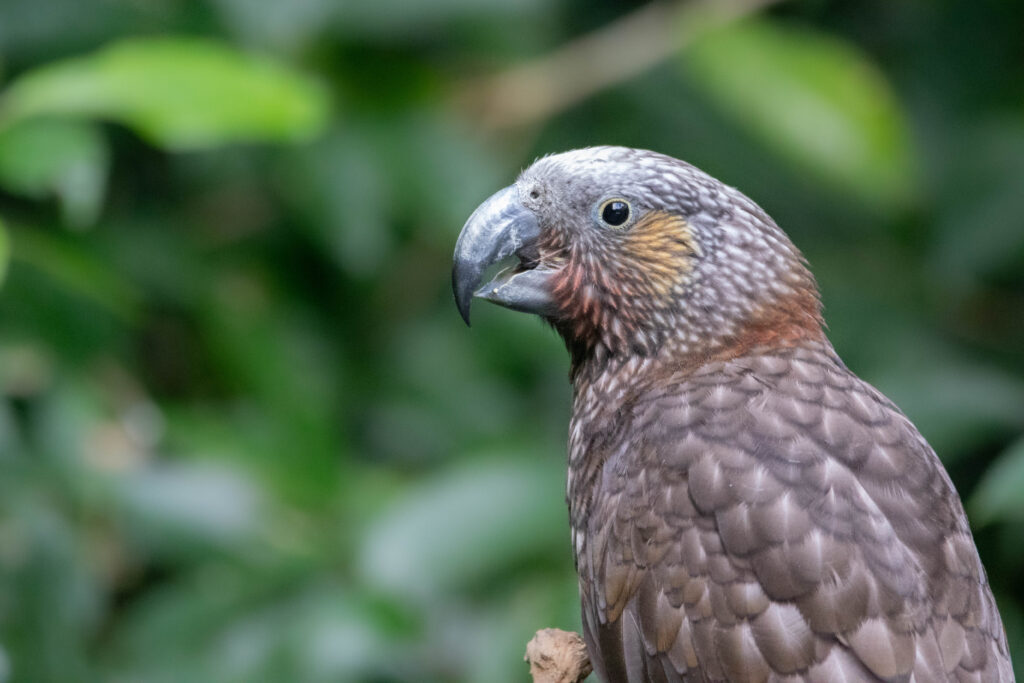
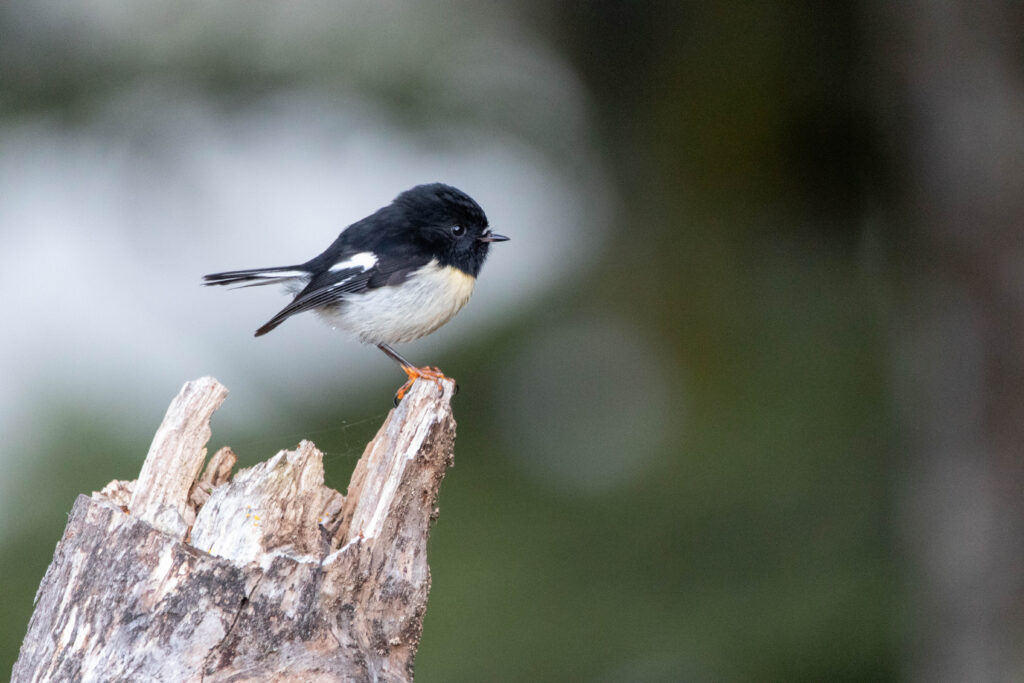
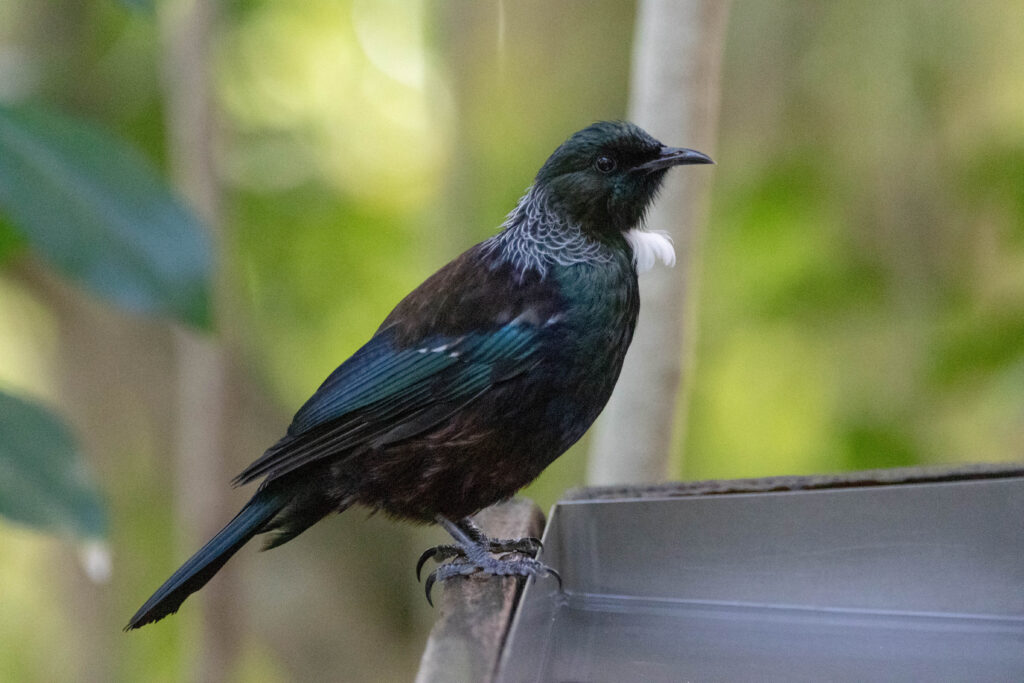
After spending the night at the TECT Park Freedom Camping area, we headed to the short Kokako Track to continue our search for the North Island Kokako (Callaeas wilsoni). Unfortunately, we still failed to find it. Our final chance to observe this iconic species would be on the sanctuary island of Tiritiri Matangi.
Hobbiton
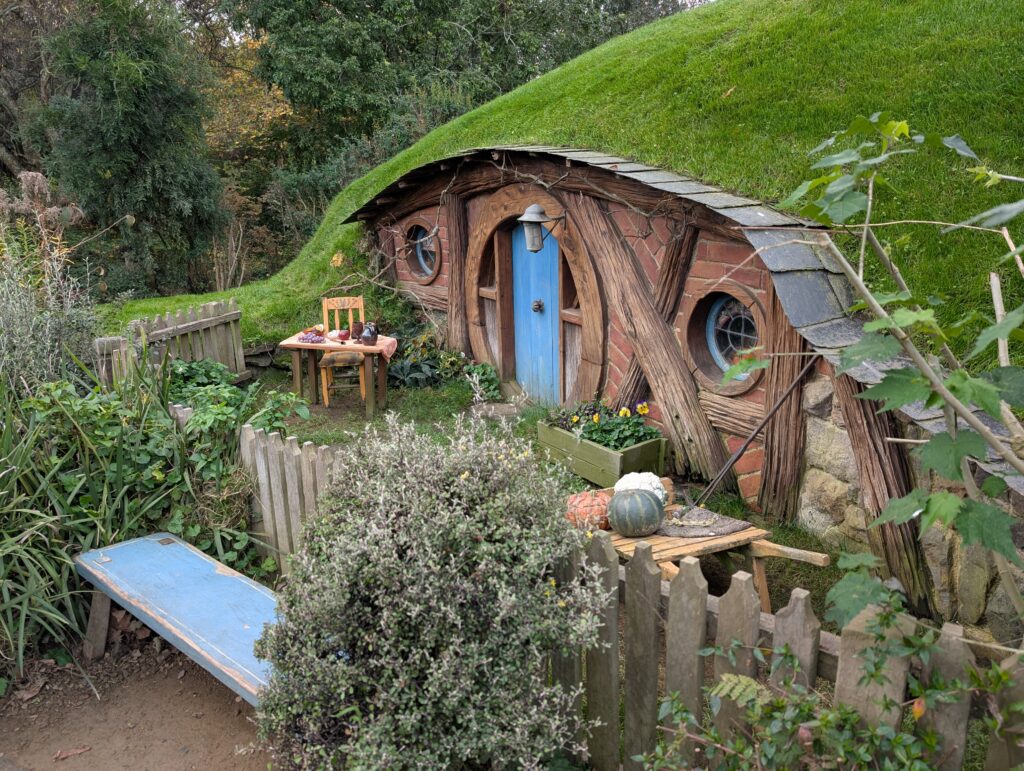
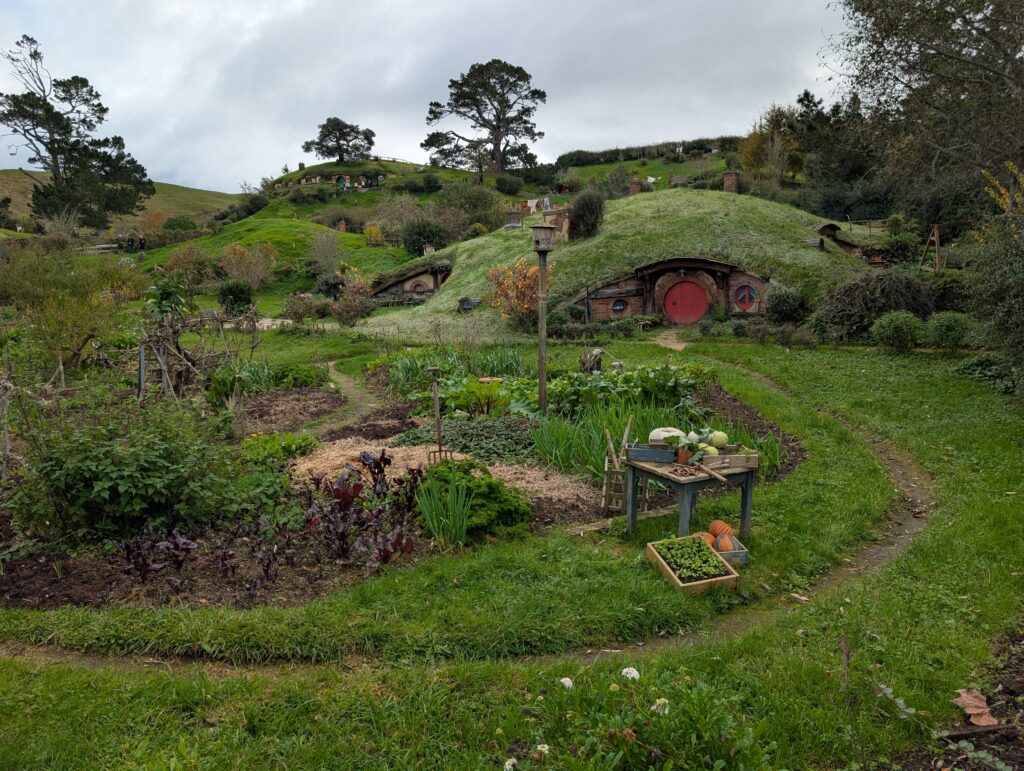
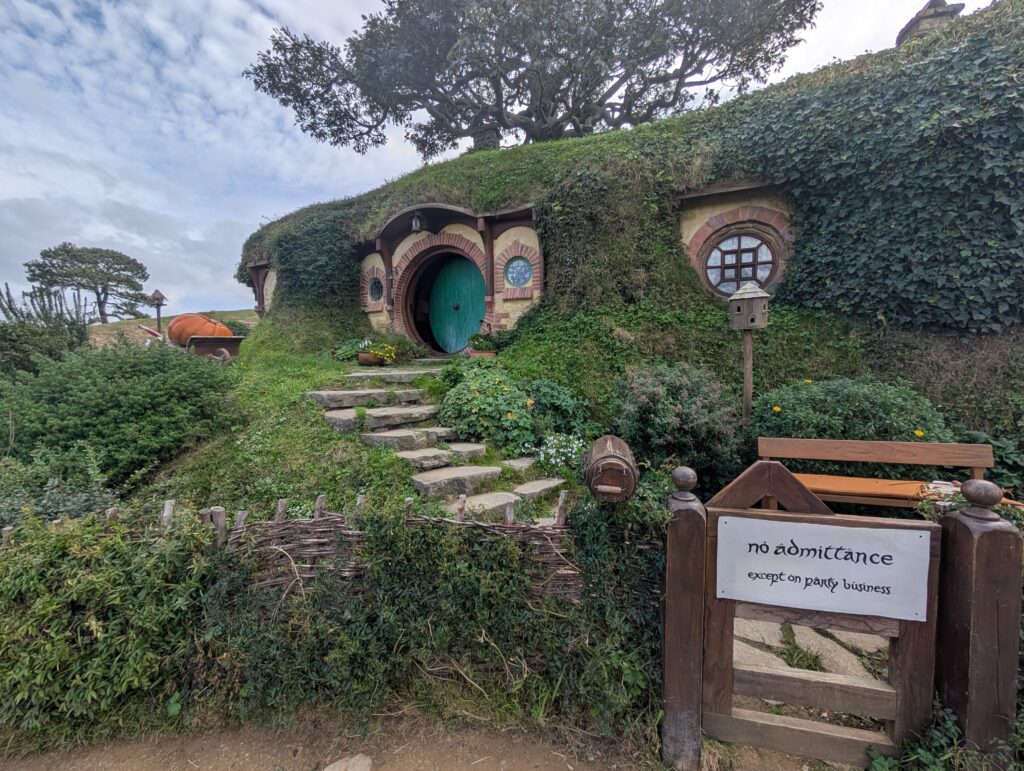
Still No Birds… But Plenty of The Lord of the Rings! We continued our journey north across the North Island and made what felt like an almost mandatory stop at Hobbiton, the filming location of the Hobbit village in the Shire, near Matamata. The guided tour must be booked in advance and lasts just under two hours. The price is fairly high, but if you’re a true Lord of the Rings fan, it’s absolutely worth it. The immersion is incredible, the stories behind the filming are fascinating, and the sets are beautifully preserved.
Wairere Falls
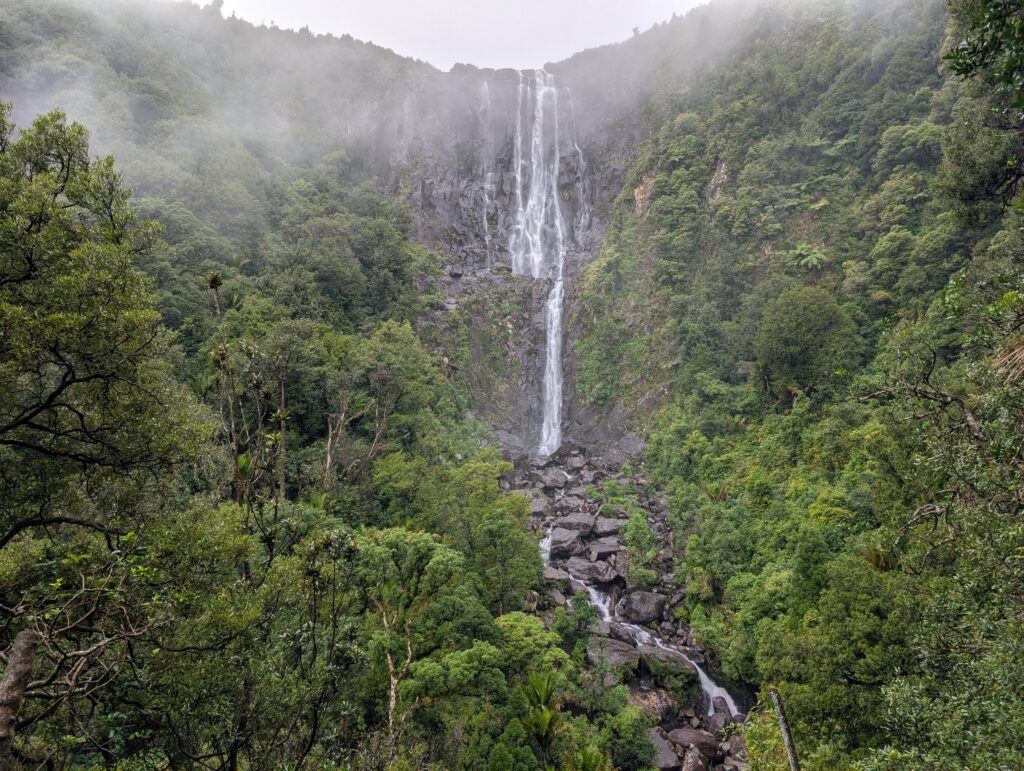
After visiting Hobbiton, we spent the night at the Wairere Falls Freedom Camping area. Although our nocturnal walk failed to produce any kiwi sightings, we did hear a Morepork (Ninox novaeseelandiae) calling in the distance.
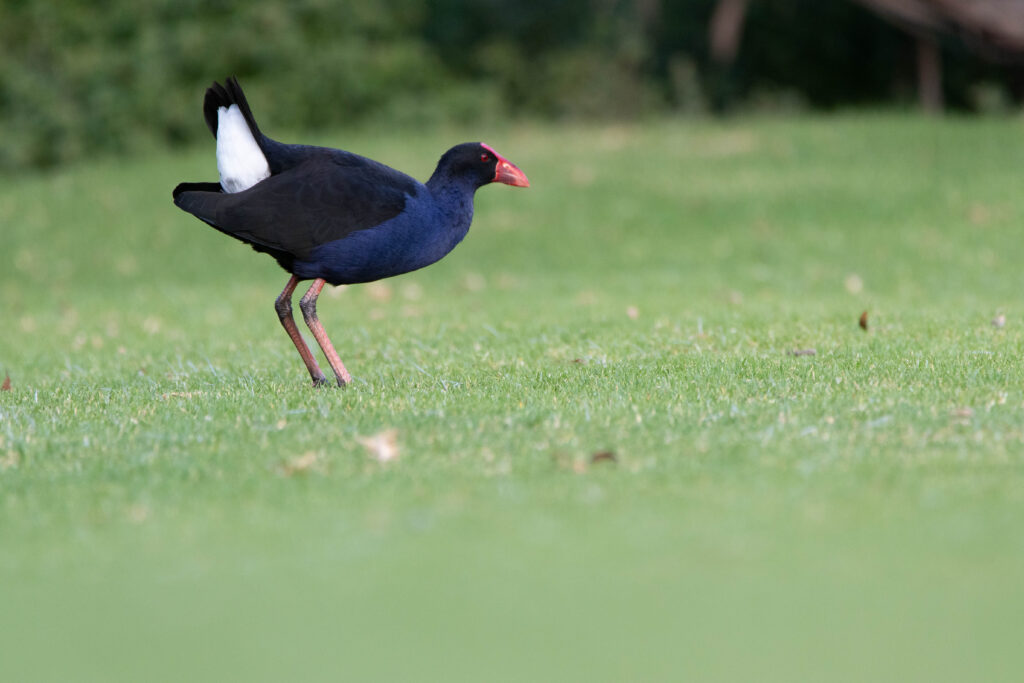
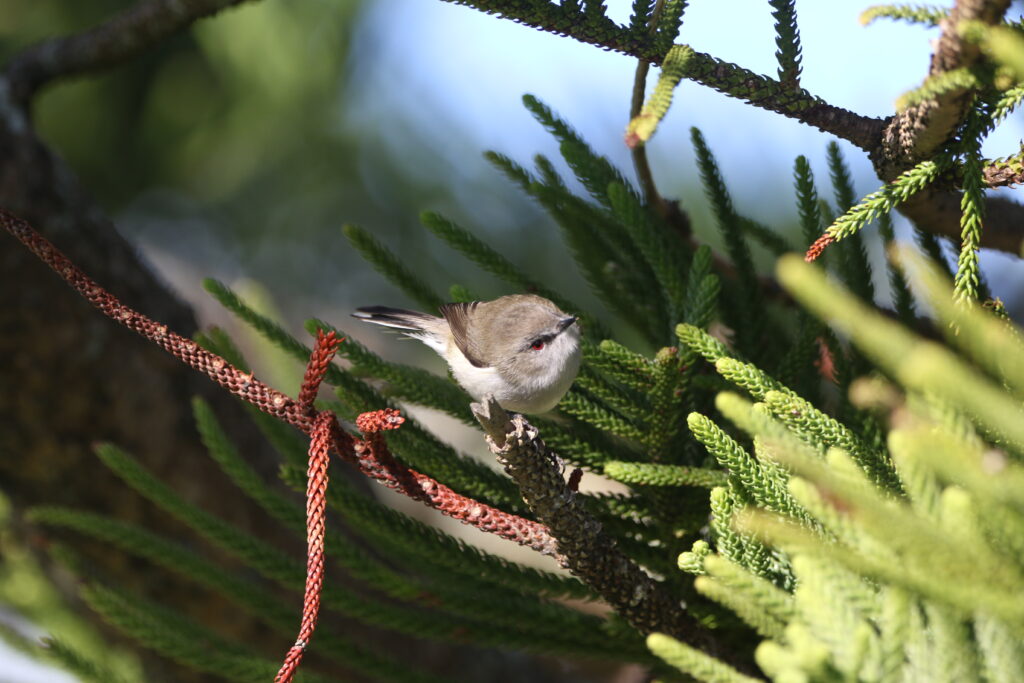
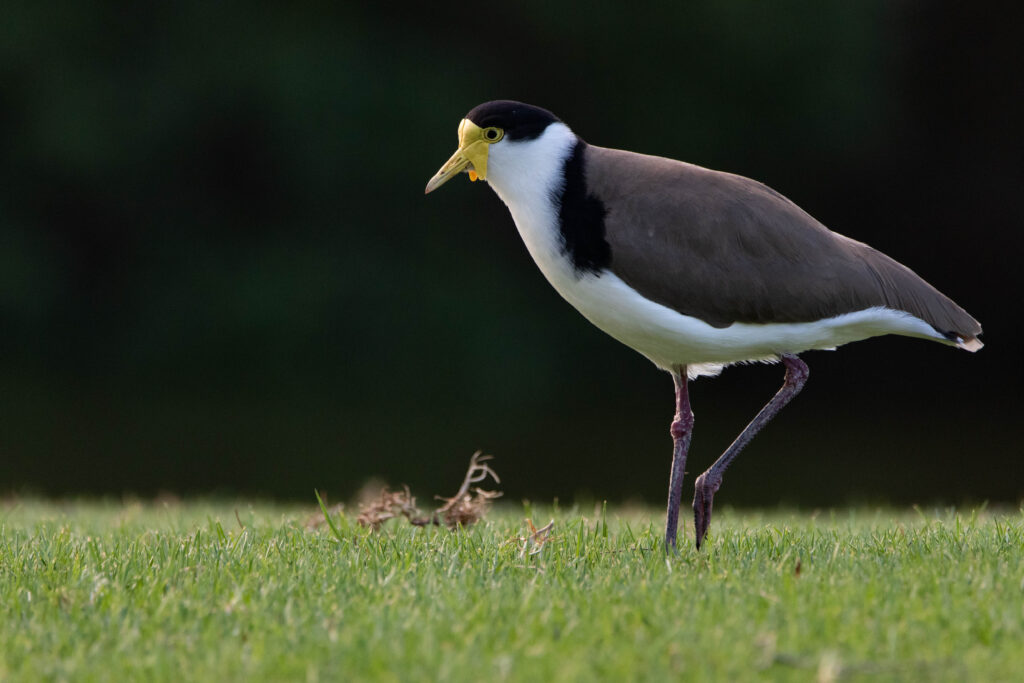
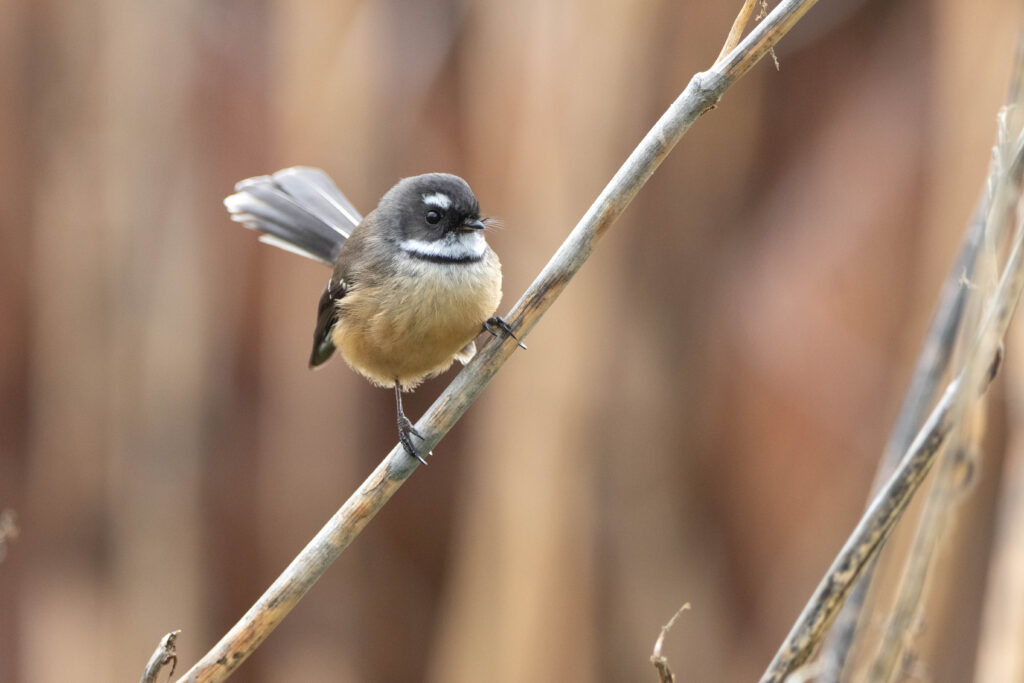
The following morning, we hiked to Wairere Falls, reaching the uppermost of the two viewpoints. The walk is pleasant and offered several passerine sightings, including Grey Gerygone (Gerygone igata), New Zealand Fantail (Rhipidura fuliginosa), and Silvereye (Zosterops lateralis). In the fields surrounding the parking area, Australasian Swamphens (Porphyrio melanotus) and Masked Lapwings (Vanellus miles) were easy to find.
Karangahake Gorge
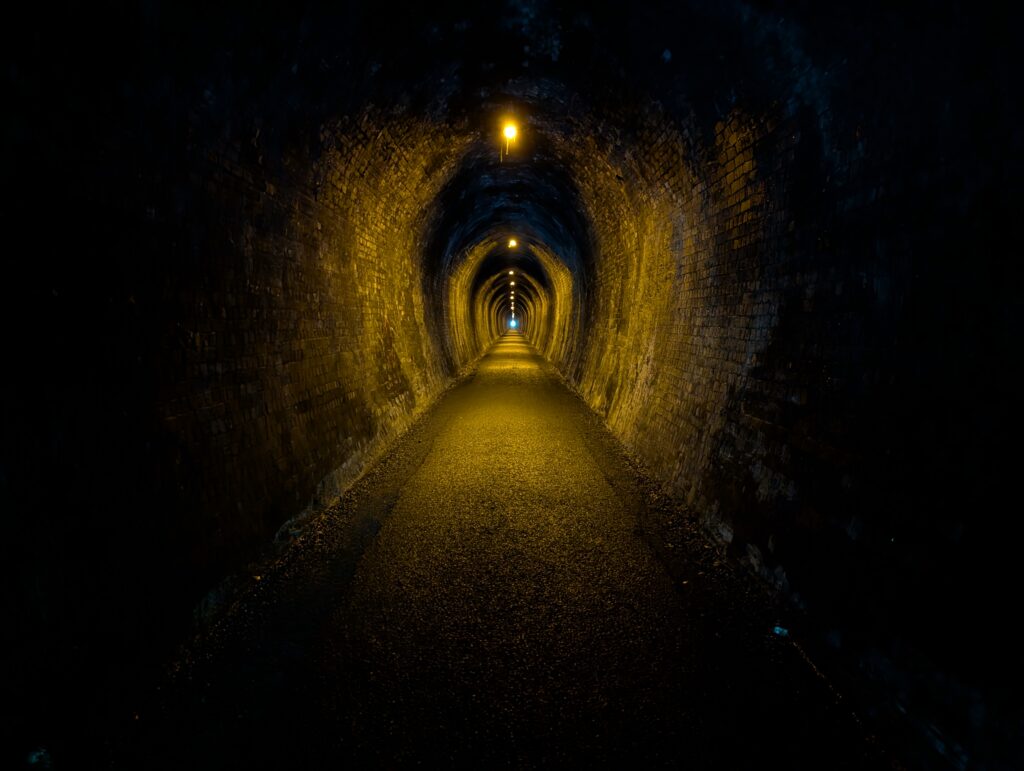
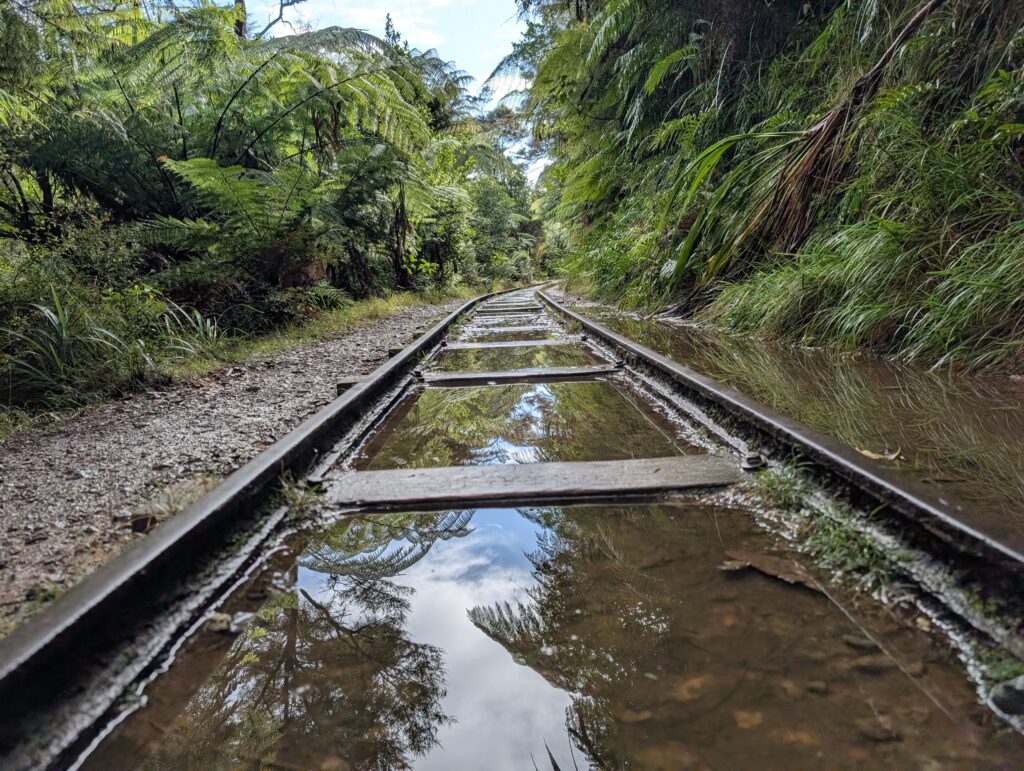
On our way to the Coromandel Peninsula, we stopped to explore the Karangahake Gorge. This is a fantastic walk that passes through a historic gold mine, whose ceiling is home to numerous glowworms. By moving away from the entrances and artificial light sources and allowing your eyes to adjust to the darkness, you can enjoy a truly magical spectacle. Part of the trail follows the old railway tracks once used by the mine. On the way back, we also made a short detour to visit Owharoa Falls.
With its picturesque landscapes, waterfalls, historic gold-mining relics, and glowworm displays, this section of the trip was less focused on birdwatching but exceptionally photogenic.
Coromandel Peninsula
Wharekawa Harbour Sandspit Reserve
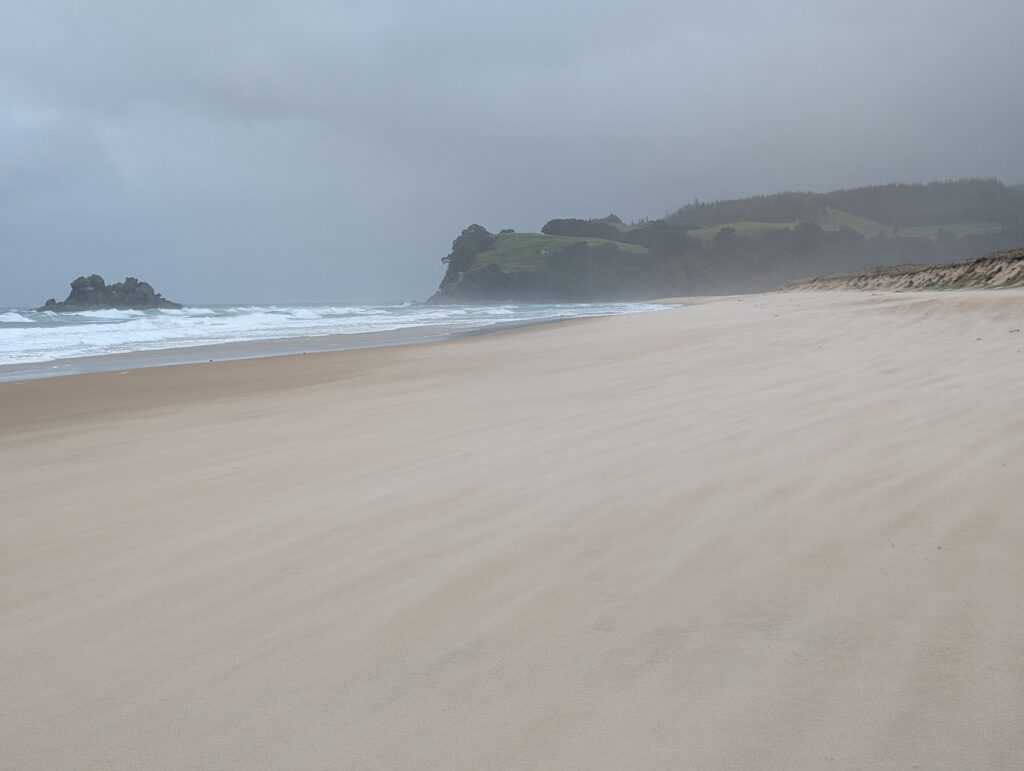
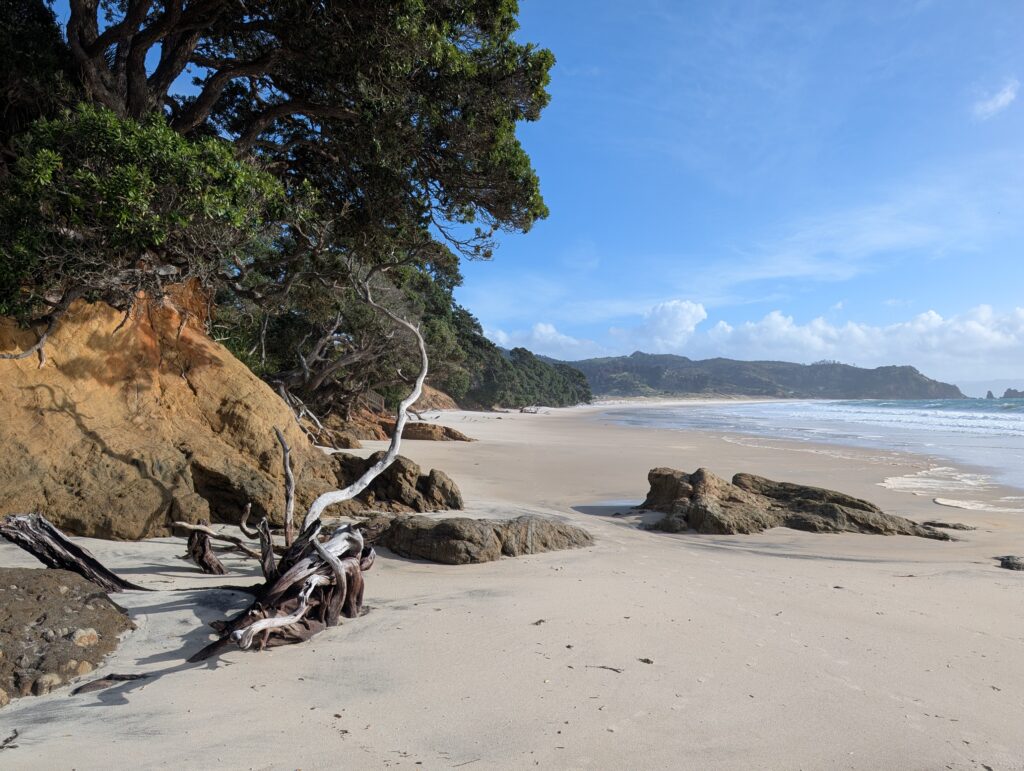
We finally reached the Coromandel Peninsula, beginning with a stop at Wharekawa Harbour Sandspit Reserve. We parked along Ohui Road and followed the boardwalk through a small forest before emerging onto a beautiful and almost deserted beach.
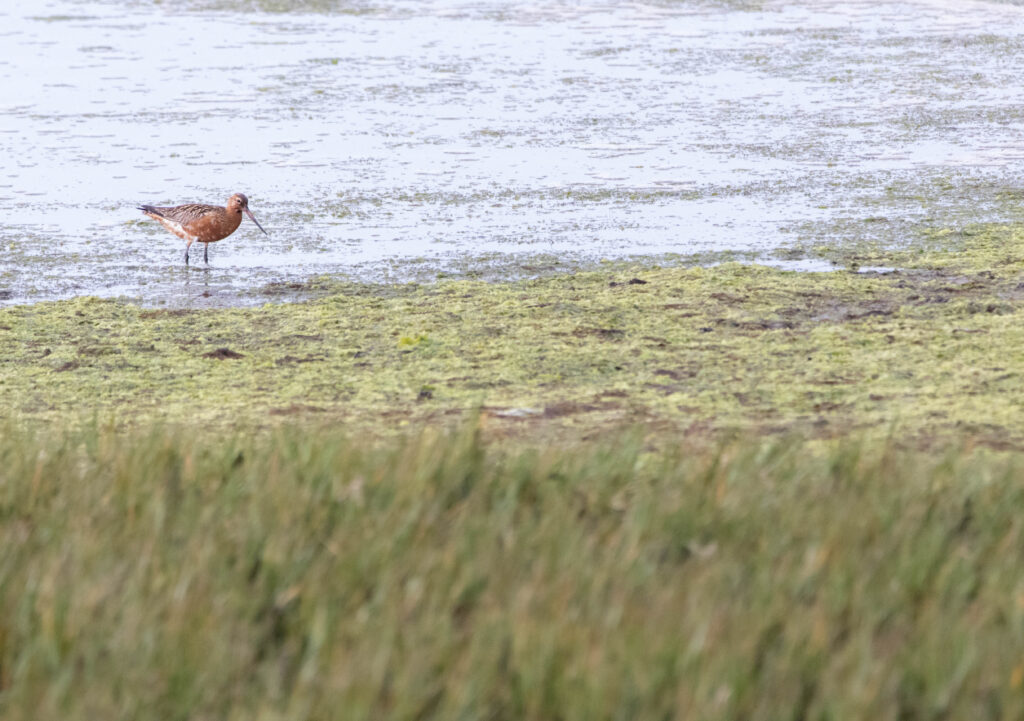
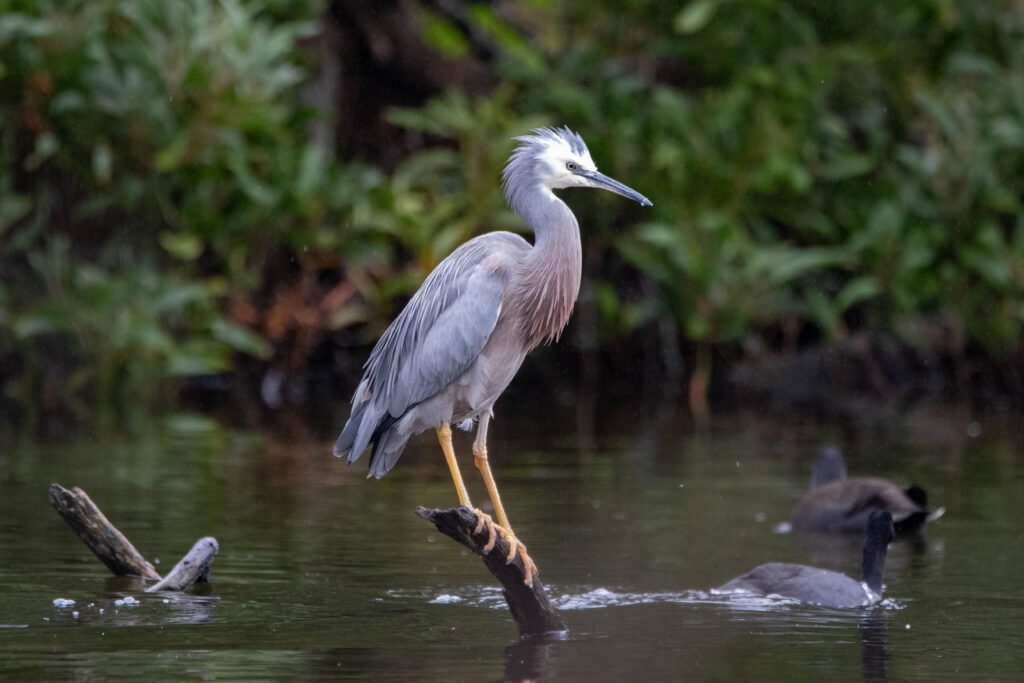
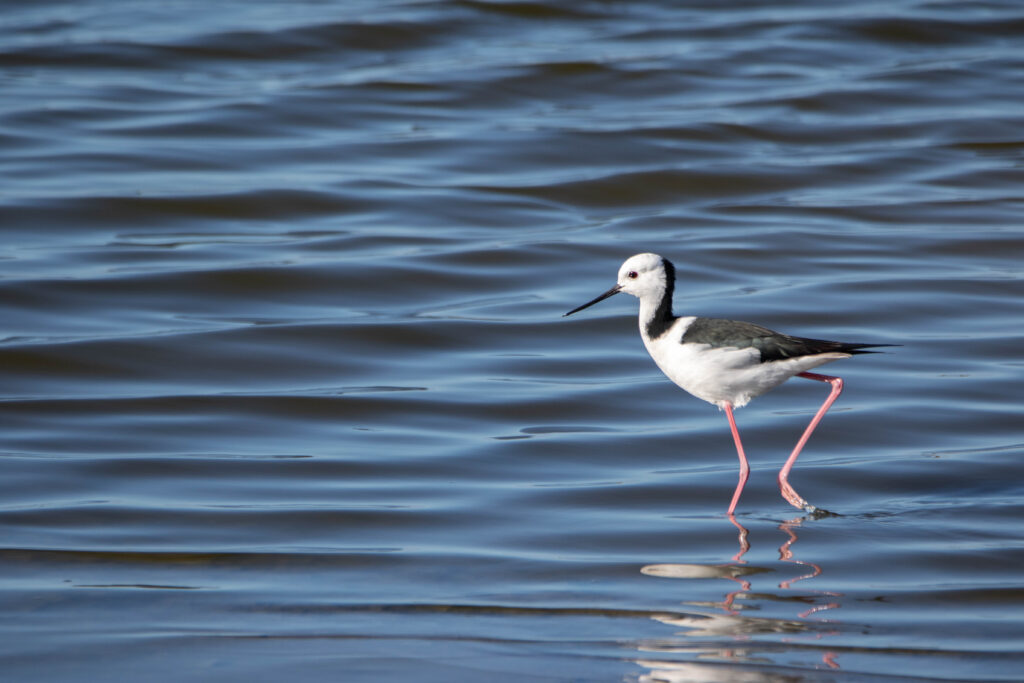
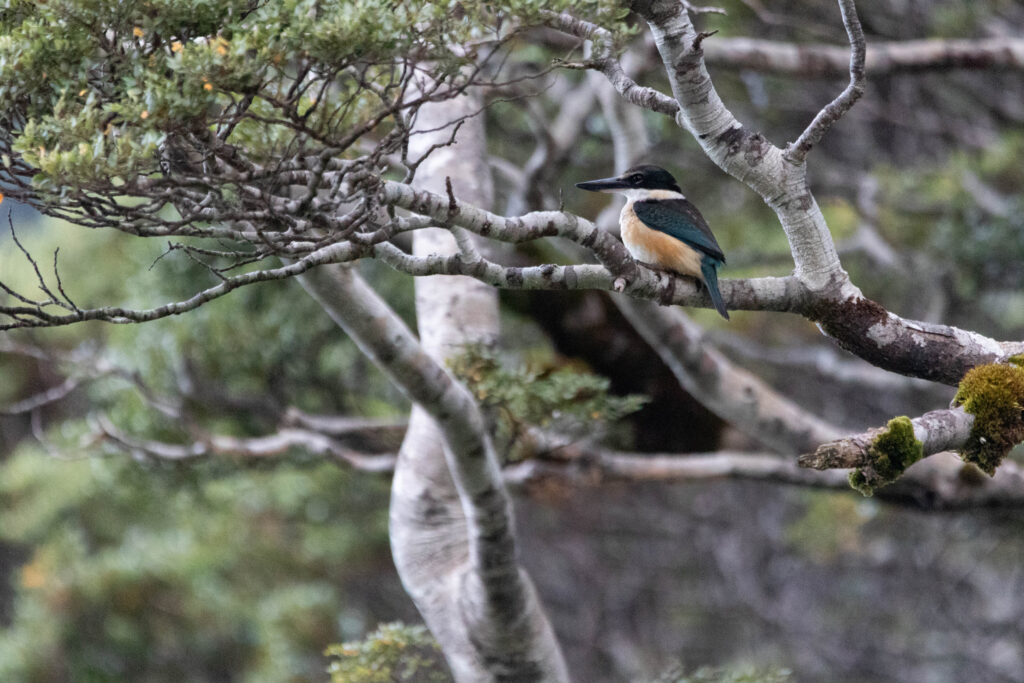
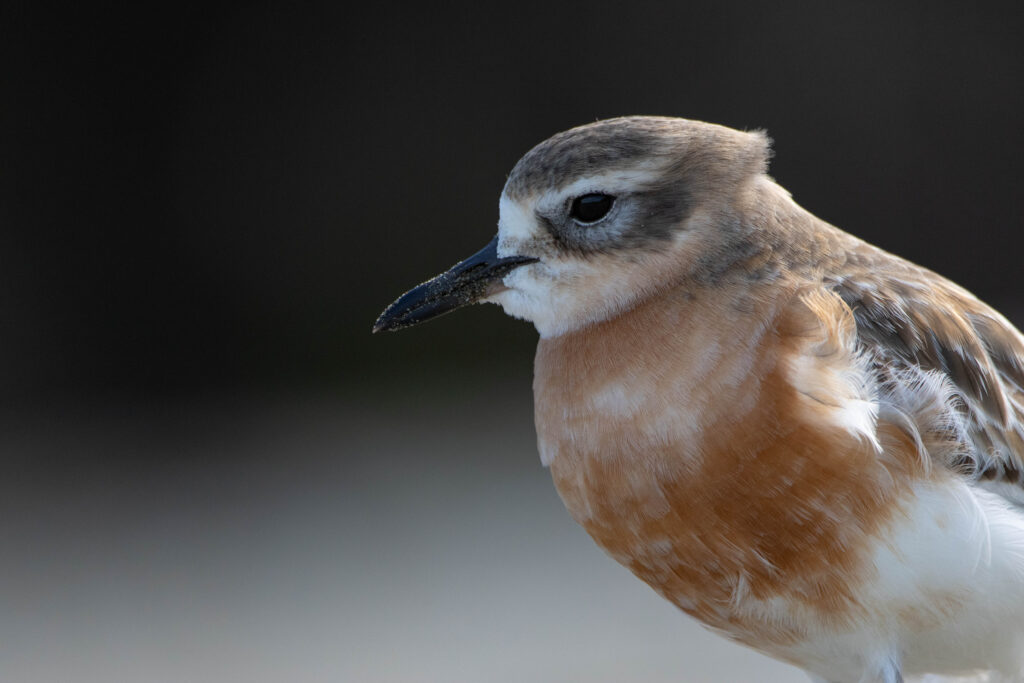
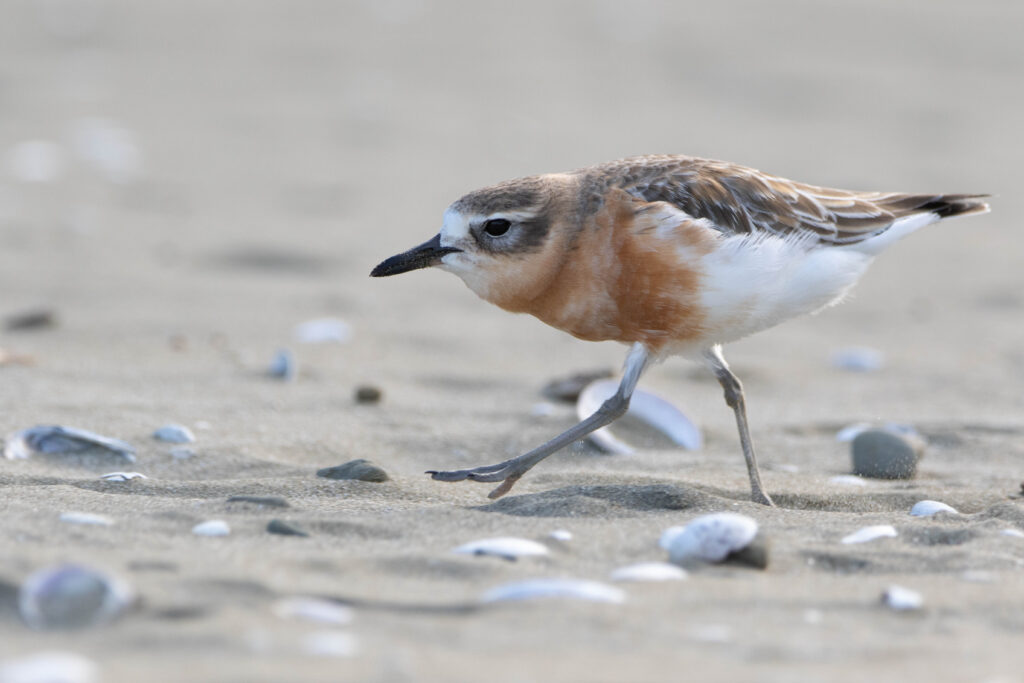
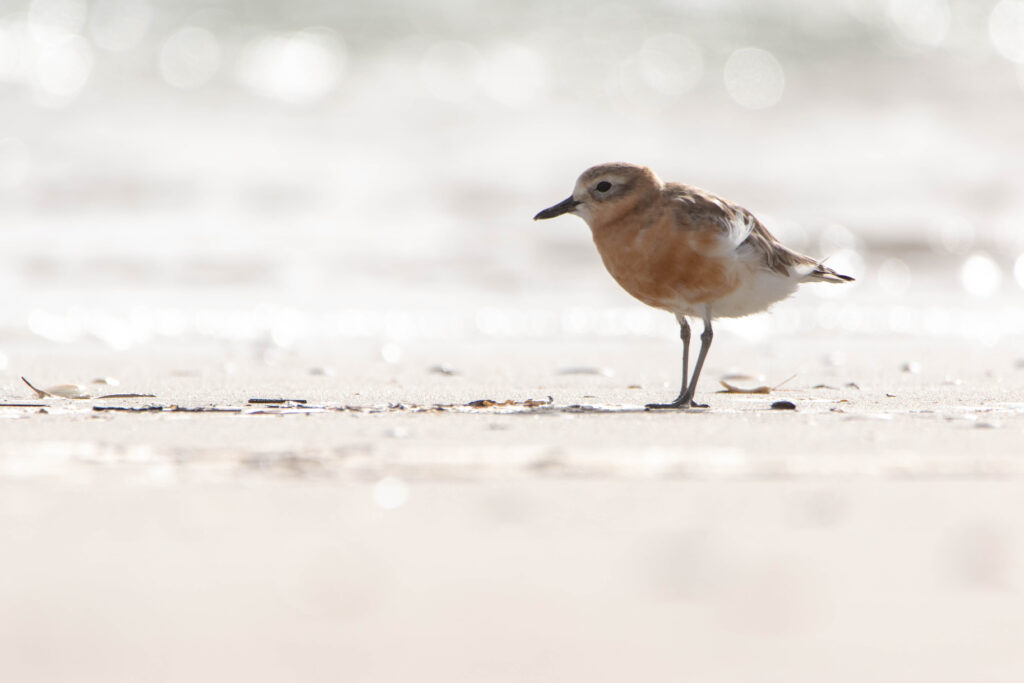
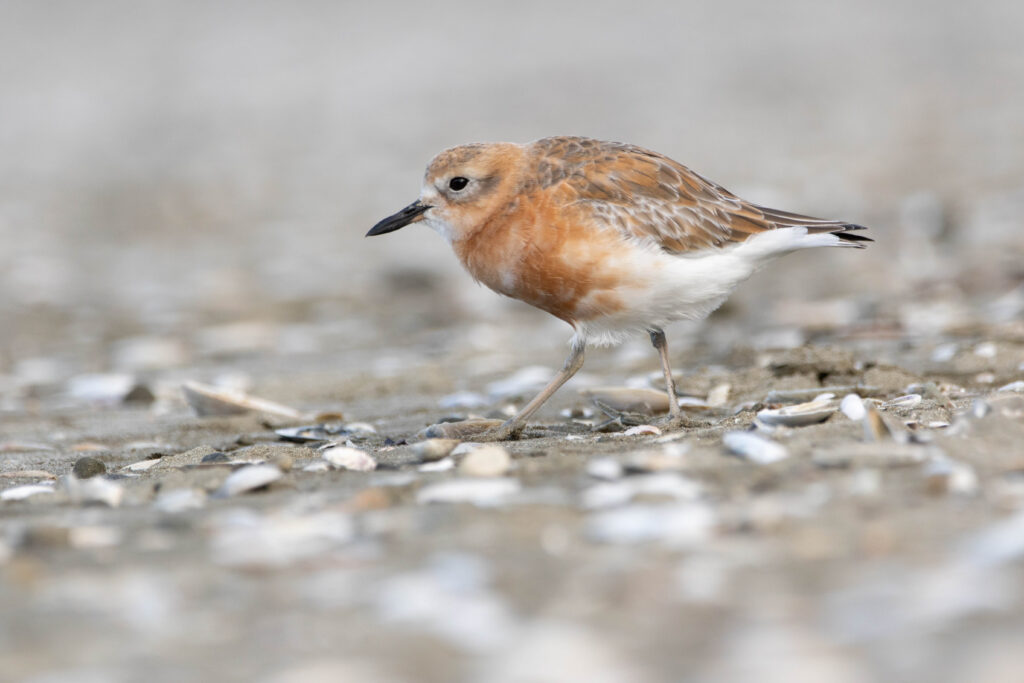
Here, we observed several familiar wetland and coastal species, including Australasian Swamphen (Porphyrio melanotus), Pied Stilt (Himantopus leucocephalus), White-faced Heron (Egretta novaehollandiae), Variable Oystercatcher (Haematopus unicolor), and Sacred Kingfisher (Todiramphus sanctus). Most excitingly, we encountered our first New Zealand Plovers (Anarhynchus obscurus). Unfortunately, they were a little too distant for good photographs. We also observed a lovely group of Bar-tailed Godwits (Limosa lapponica), a species we had already seen on the South Island.
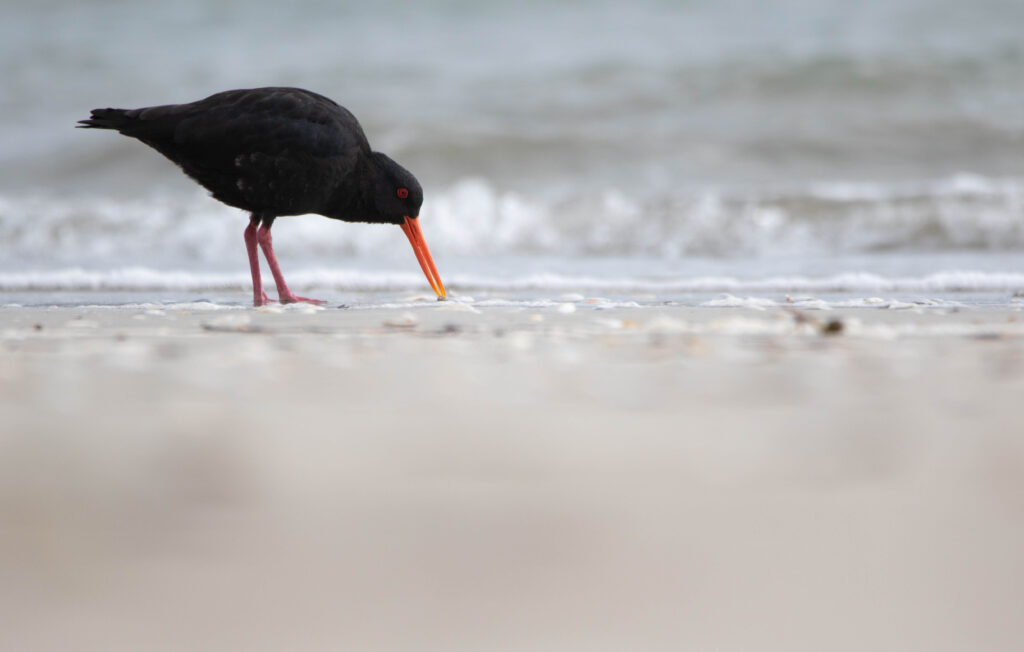
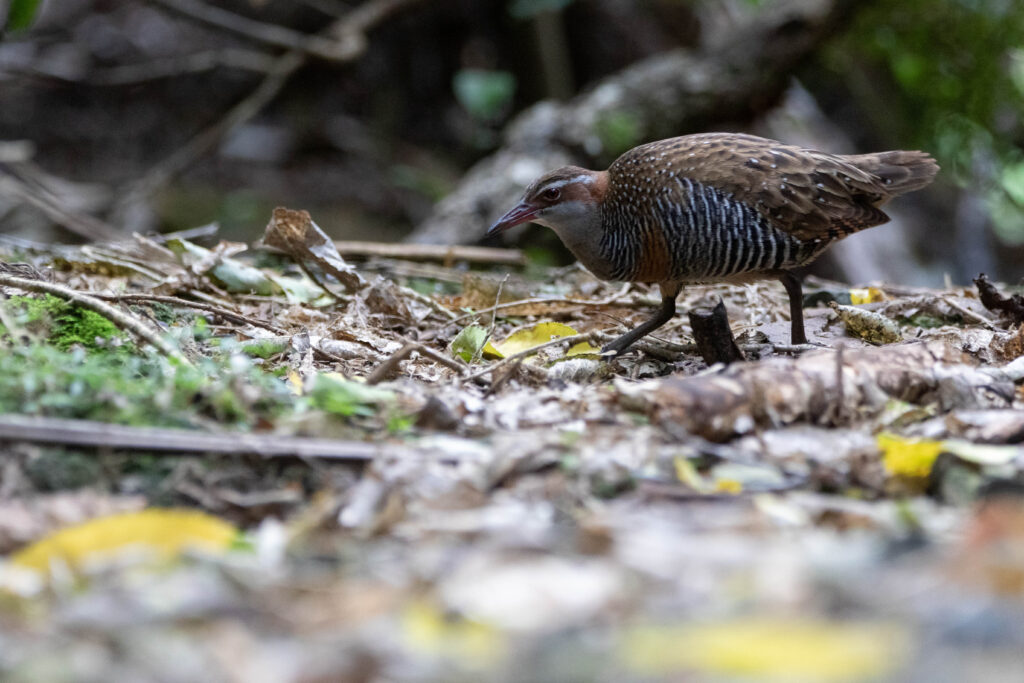
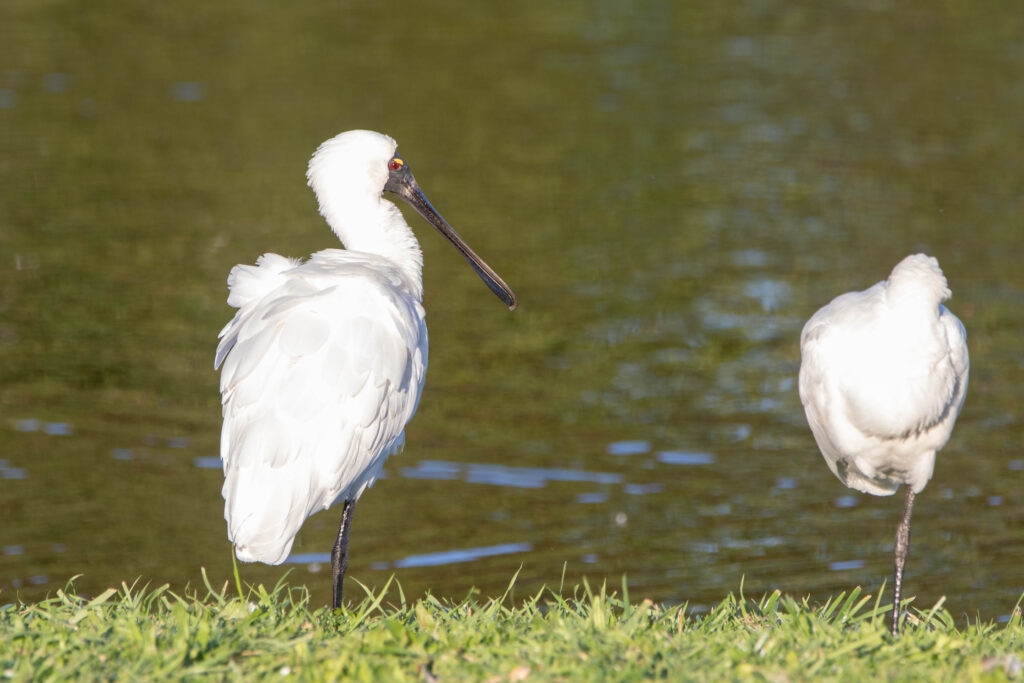
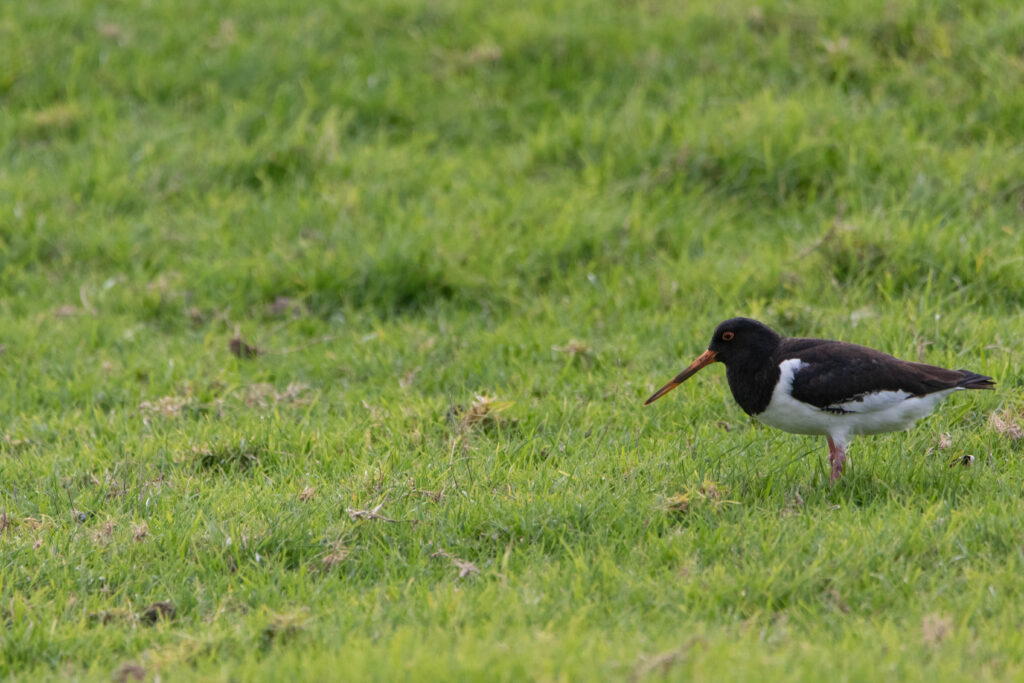
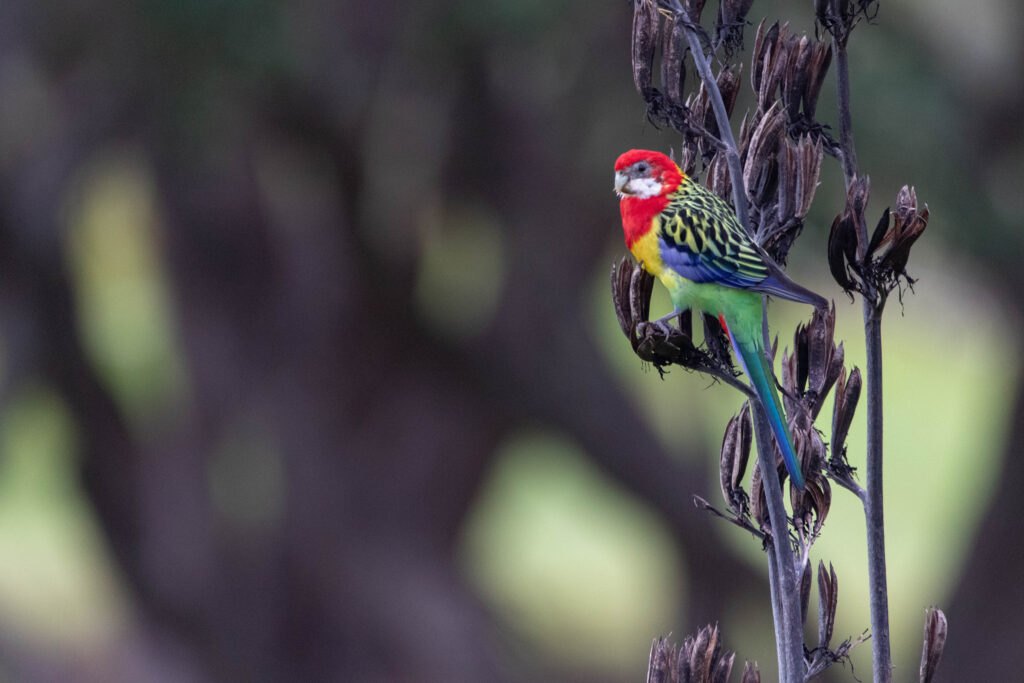
A little further along Opoutere Road, another viewpoint overlooking Lake Wharekawa produced additional species, including Buff-banded Rail (Hypotaenidia philippensis), South Island Oystercatcher (Haematopus finschi), a beautiful flock of Royal Spoonbills (Platalea regia), and several Eastern Rosellas (Platycercus eximius).
Hahei & Cathedral Cove Beach
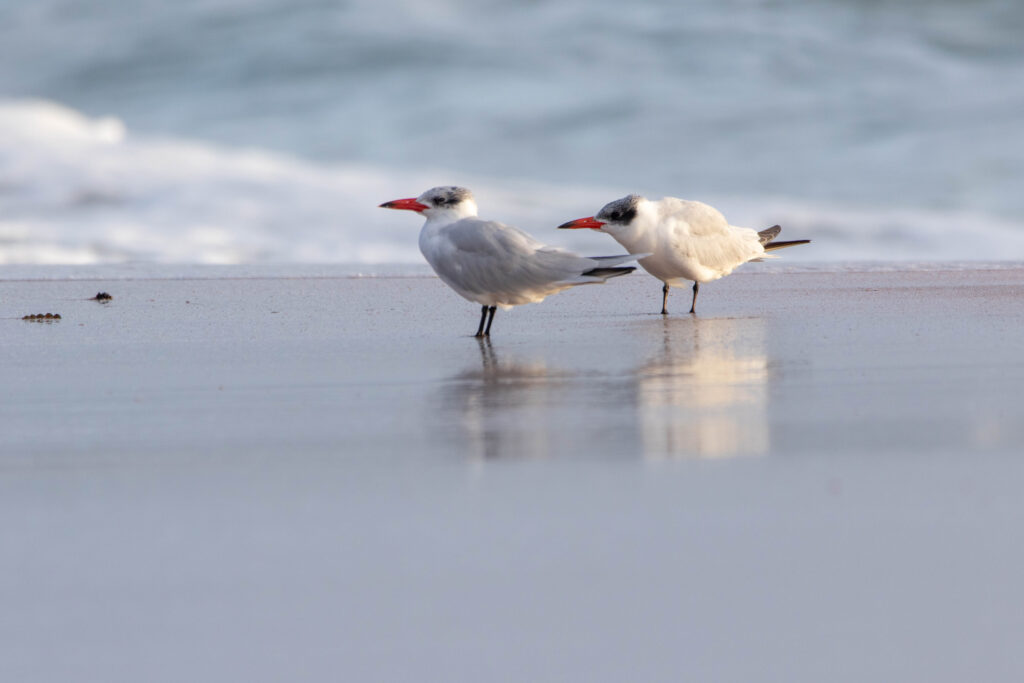
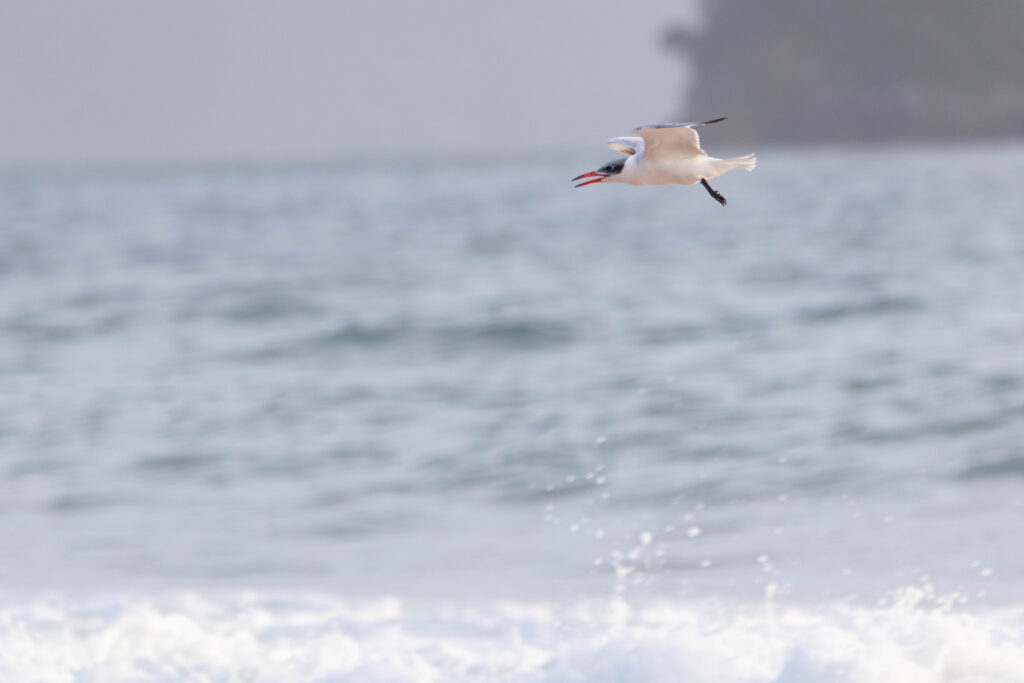
Between Opoutere and Hahei Beach, we spent the night at Coroglen Freedom Camping, a small roadside parking area equipped with basic dry toilets. The following morning, we headed to Hahei Beach to watch the sunrise. Despite arriving early, many people were already walking along the beach. Birdwise, there was little that we had not already encountered elsewhere on the Coromandel Peninsula, apart from a few Caspian Terns (Hydroprogne caspia).
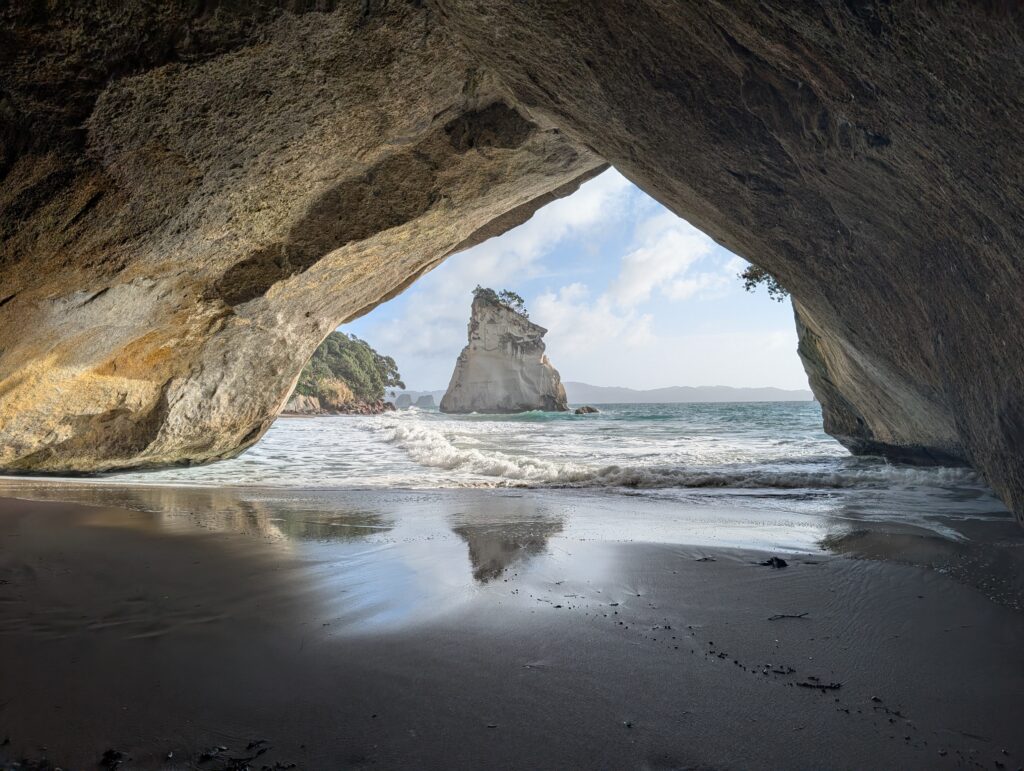
Next, we visited the famous Cathedral Cove, often nicknamed the “Narnia Beach” because of its spectacular natural arch, which can be crossed at low tide. To reach it, you must park in Hahei and take the shuttle service to the trailhead, as parking there is prohibited. The walk to the beach is about 1.5 km one way and offers stunning views over the sea and the islands of the Hauraki Gulf.
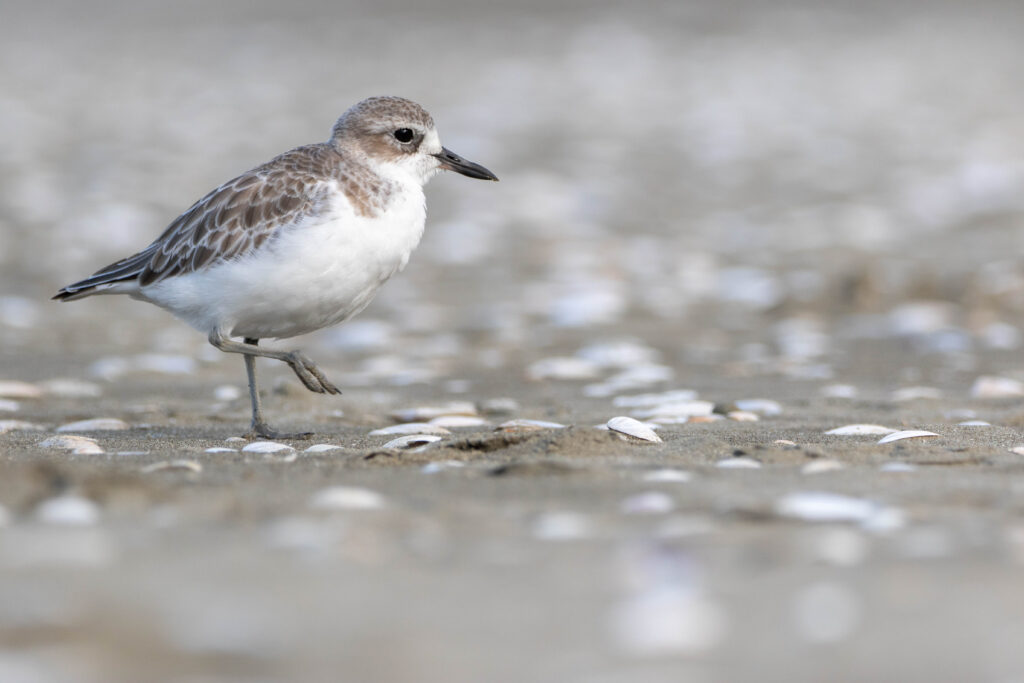
We then continued exploring several beaches around the Coromandel Peninsula, including Cooks Beach in the Purangi Regional Reserve, Otama Saltmarsh & Estuary, and finally Matarangi Spit. These sites provided excellent opportunities to spend time with numerous New Zealand Plovers (Anarhynchus obscurus). Some individuals were remarkably tame and approached us while we sat quietly on the beach, making them perfect subjects for photography.
Coromandel Treatment Plant
It may not sound glamorous, but as birders know, wastewater treatment ponds often attract plenty of wildlife. This was the final stop of our day as we headed to the Coromandel wastewater treatment plant.
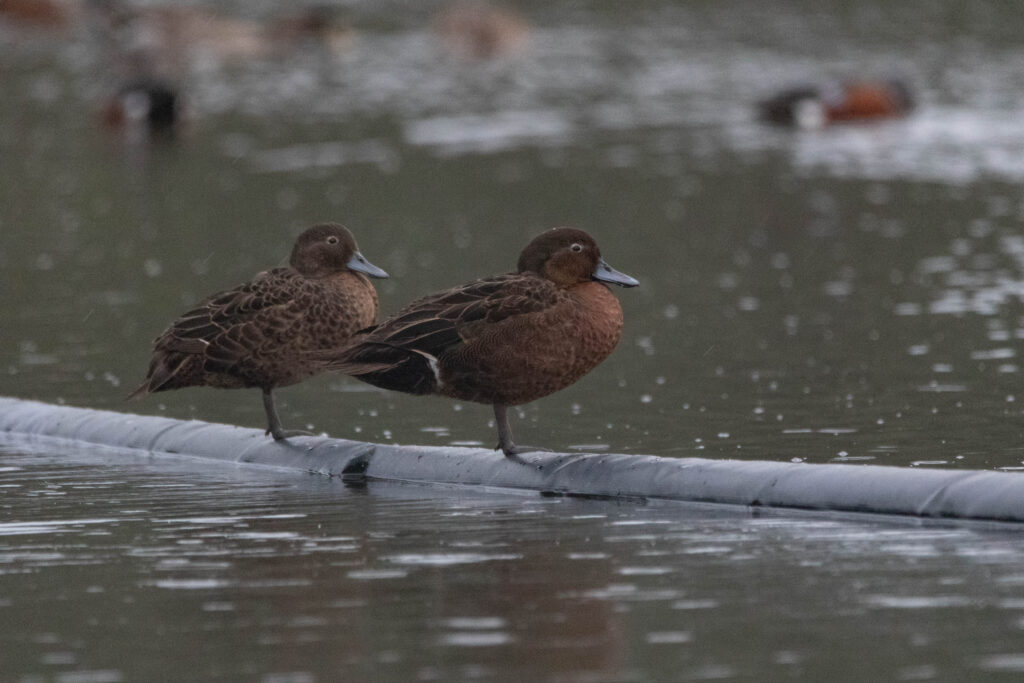
Our main target was a species we had not yet seen during the trip: the Brown Teal (Anas chlorotis). After walking around the perimeter fence surrounding the ponds, we eventually found several individuals resting among Mallards (Anas platyrhynchos) and Australasian Shovelers (Spatula rhynchotis). That evening, we stayed at one of Coromandel’s freedom camping areas (90 Woollams Avenue, Coromandel 3506, New Zealand). This marked the end of our visit to the beautiful Coromandel Peninsula.
The Paradise of New Zealand Shorebirds: Miranda
Piako Wader Roost
Located in the Firth of Thames, Miranda is one of the best places in New Zealand for shorebird watching. Before heading to the Shorebirds Centre, we began our visit at Piako Wader Roost, an important birding site on the southern side of the bay.
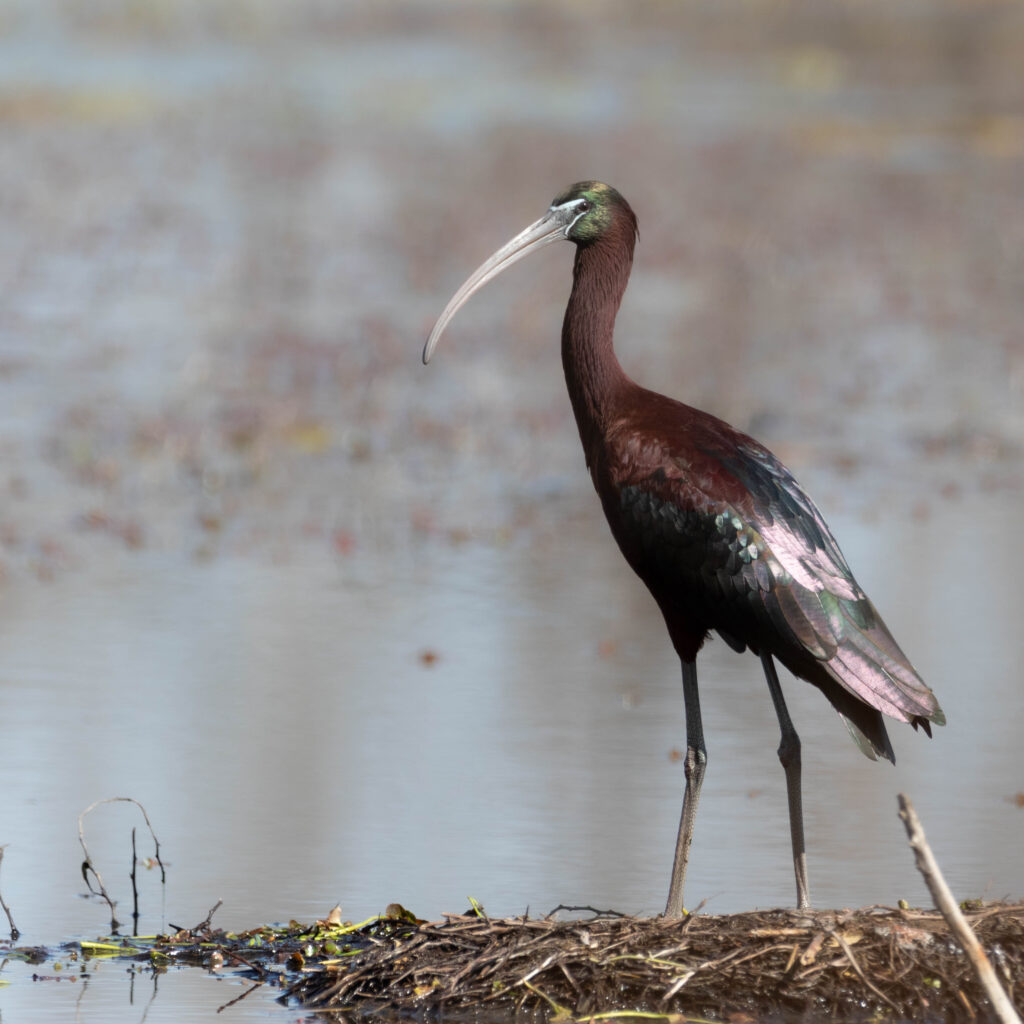
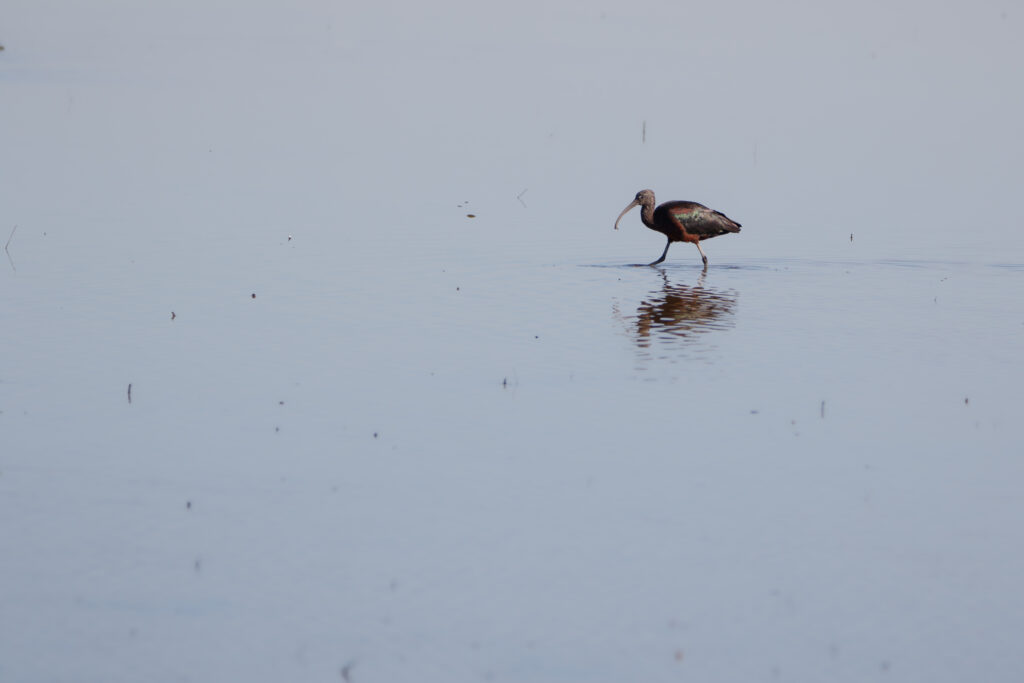
Here, we observed a Swamp Harrier (Circus approximans), several Eastern Cattle Egrets (Ardea coromanda), and a Glossy Ibis (Plegadis falcinellus) that had apparently been lingering in the area for some time.
Pukorokoro Miranda Shorebirds Center
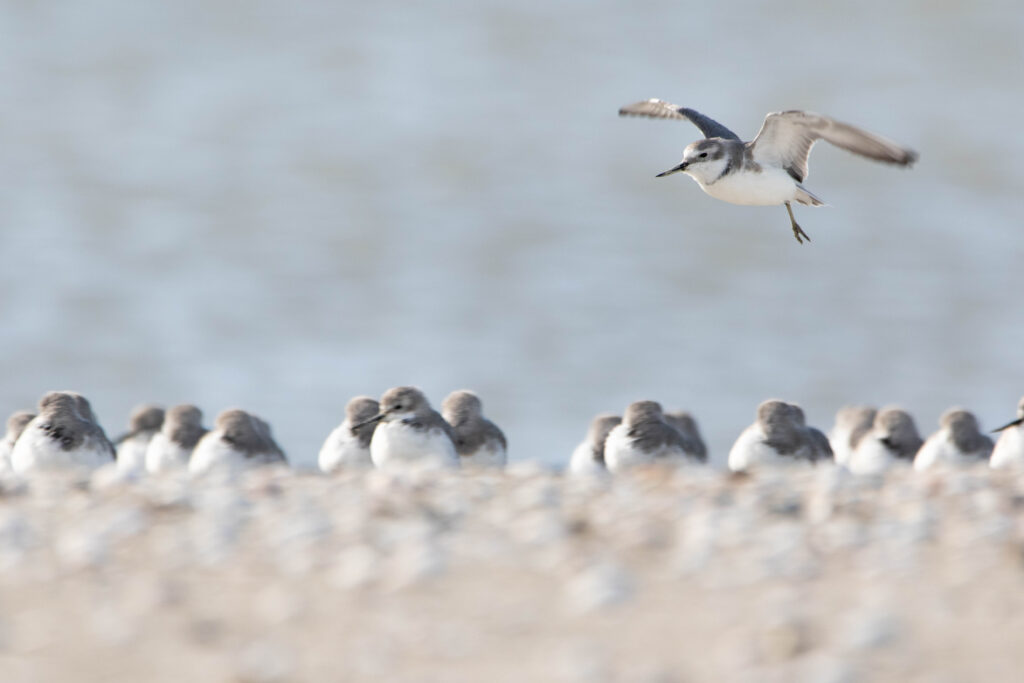
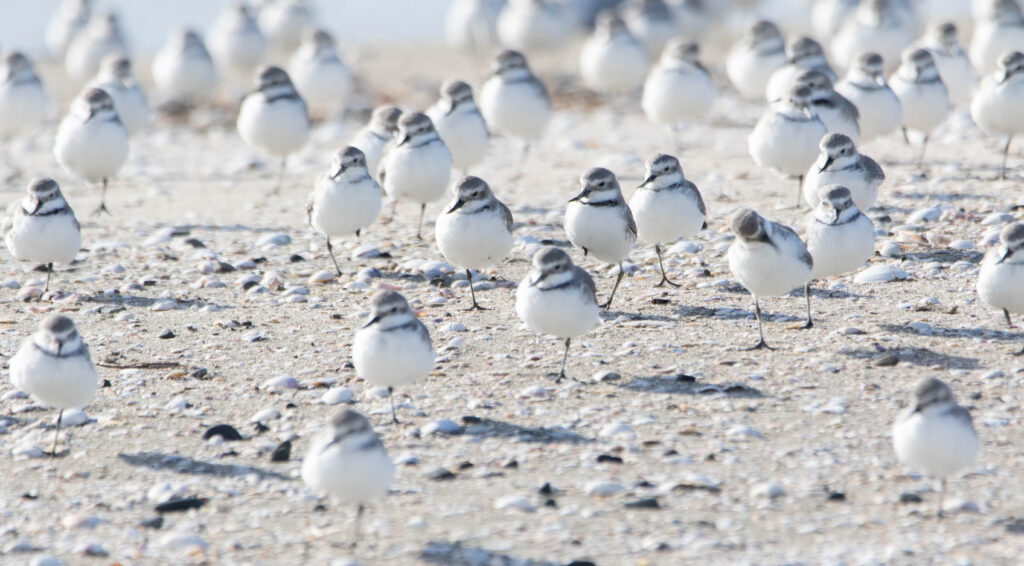
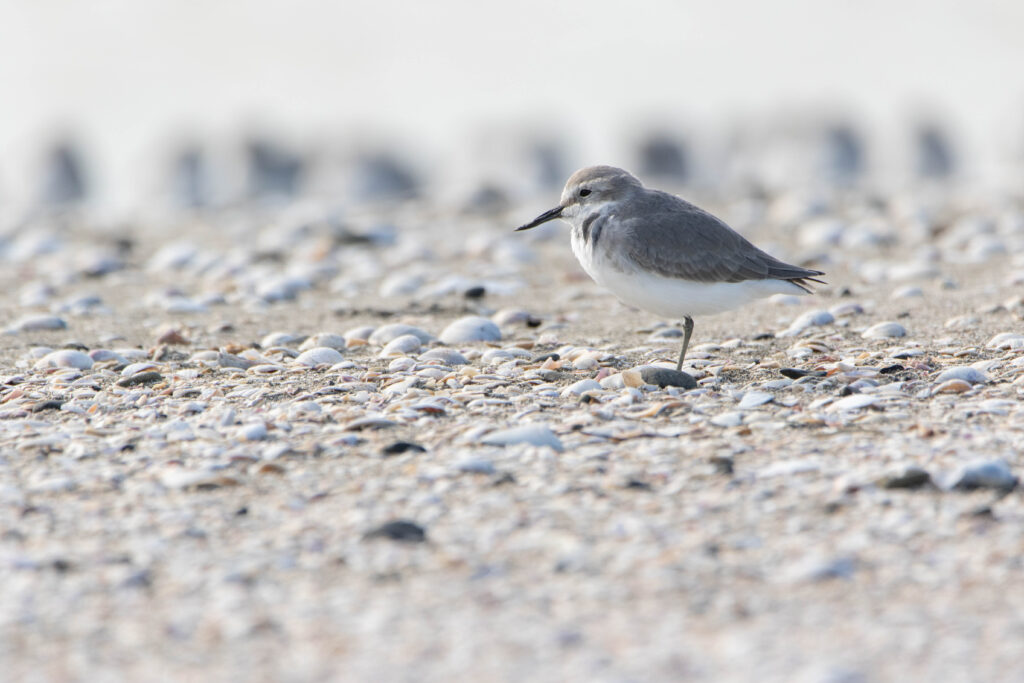
After spending the night at the Whakatīwai Freedom Camping site, we headed to the Robert Findlay Wildlife Reserve in the heart of Miranda. This is one of the best places to see one of New Zealand’s most iconic endemic birds: the Wrybill (Anarhynchus frontalis), famous for its uniquely sideways-curved bill.
Unfortunately, the shorebirds were rather elusive on the day of our visit, and we only managed to spot a single distant Wrybill. Where were the hundreds of birds we had been promised? We still enjoyed good numbers of Pied Stilts (Himantopus leucocephalus), Bar-tailed Godwits (Limosa lapponica), and South Island Oystercatchers (Haematopus finschi). The reserve itself is pleasant to explore and features several bird hides overlooking the mudflats. Species diversity varies throughout the year, but the site is particularly rewarding around high tide, when birds gather closer to the hides.
Taramaire Wildlife Refuge Reserve
Not satisfied with such a brief and distant view of the Wrybill, we decided to search other potential roosting areas. Since they were clearly not gathered at the Miranda Shorebirds Centre, we explored several nearby sites. Our persistence paid off at the busy beach of Ray’s Rest, within the Taramaire Wildlife Refuge Reserve.
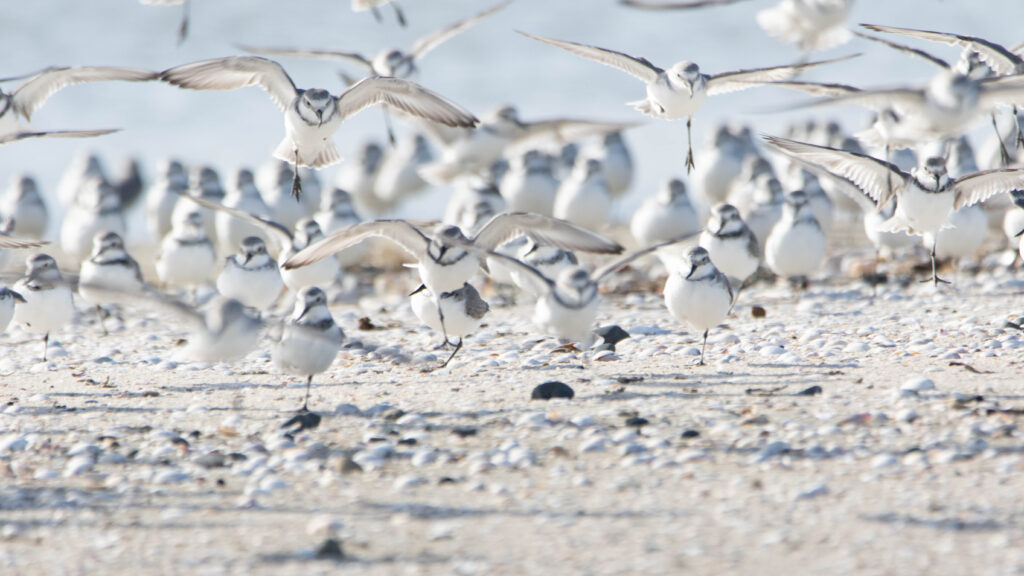
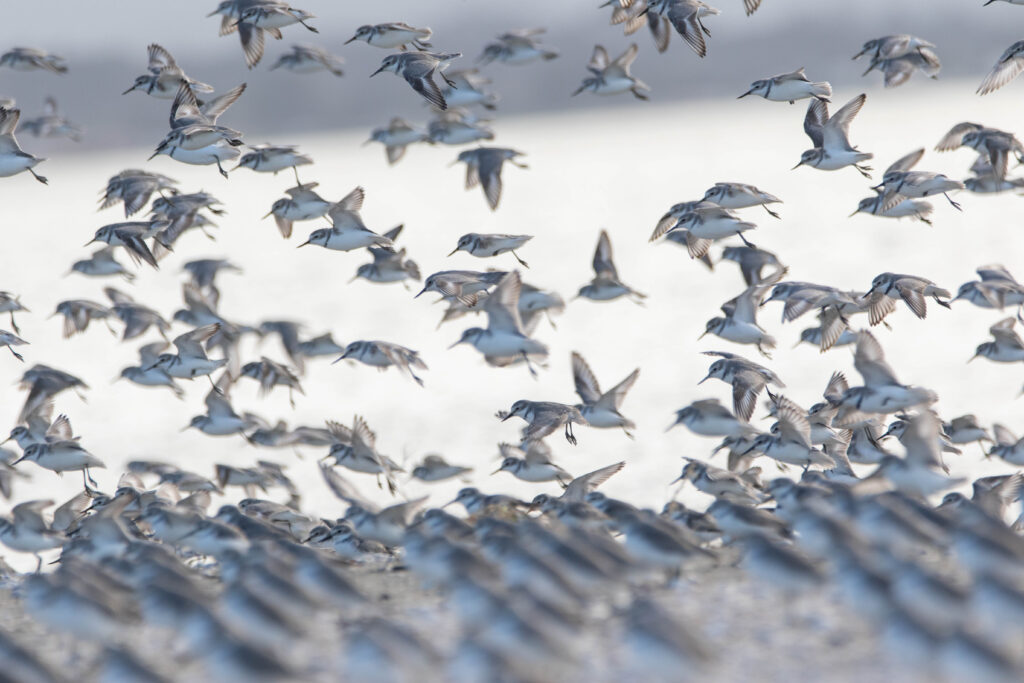
Jackpot! We found hundreds of Wrybills (Anarhynchus frontalis) resting on the sand. We spent a long time admiring this remarkable New Zealand endemic from every angle. We also encountered several Black-billed Gulls (Chroicocephalus bulleri), a species we had not seen since our time on the South Island.
A Tour of New Zealand’s Sanctuaries
Tiritiri Matangi Sanctuary
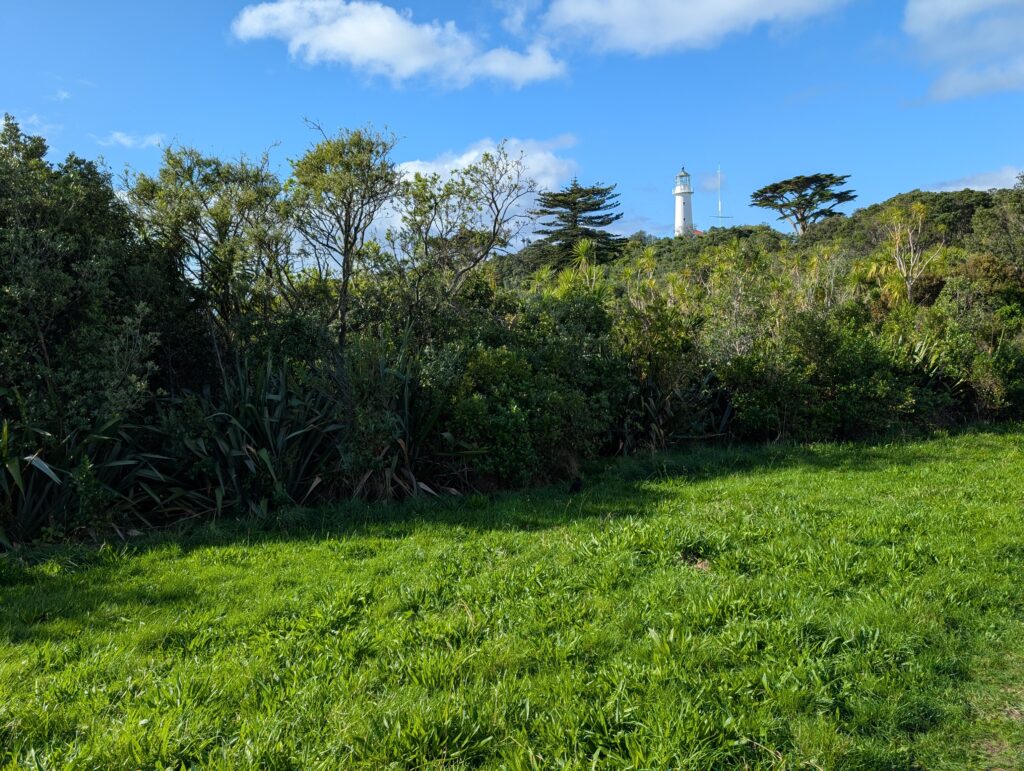
After exploring the Miranda area, we continued north toward Auckland, making a brief stop at Ambury Regional Park. We did not stay long, however, and soon set off to visit one of New Zealand’s most famous eco-sanctuaries: Tiritiri Matangi. From the Whangaparāoa Marina, we took the ferry to Tiritiri Matangi, a true island sanctuary that provides refuge for several bird species that have become extremely rare on mainland New Zealand. We chose to depart from Whangaparāoa rather than Auckland to avoid city traffic and the challenge of finding parking for our campervan. The crossing is also shorter, taking around 30 minutes.
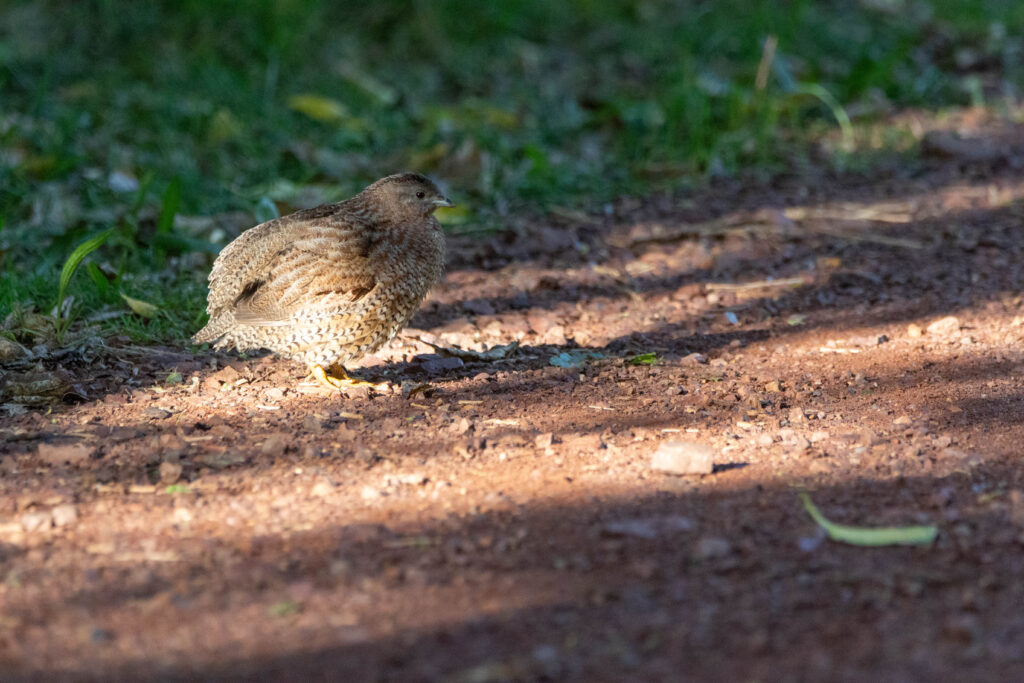
Once on the island, we explored the various trails somewhat at random, beginning with the Wattle Track. It quickly rewarded us with sightings of Brown Quail (Synoicus ypsilophorus), Red-crowned Parakeet (Cyanoramphus novaezelandiae), and North Island Saddleback (Philesturnus rufusater).
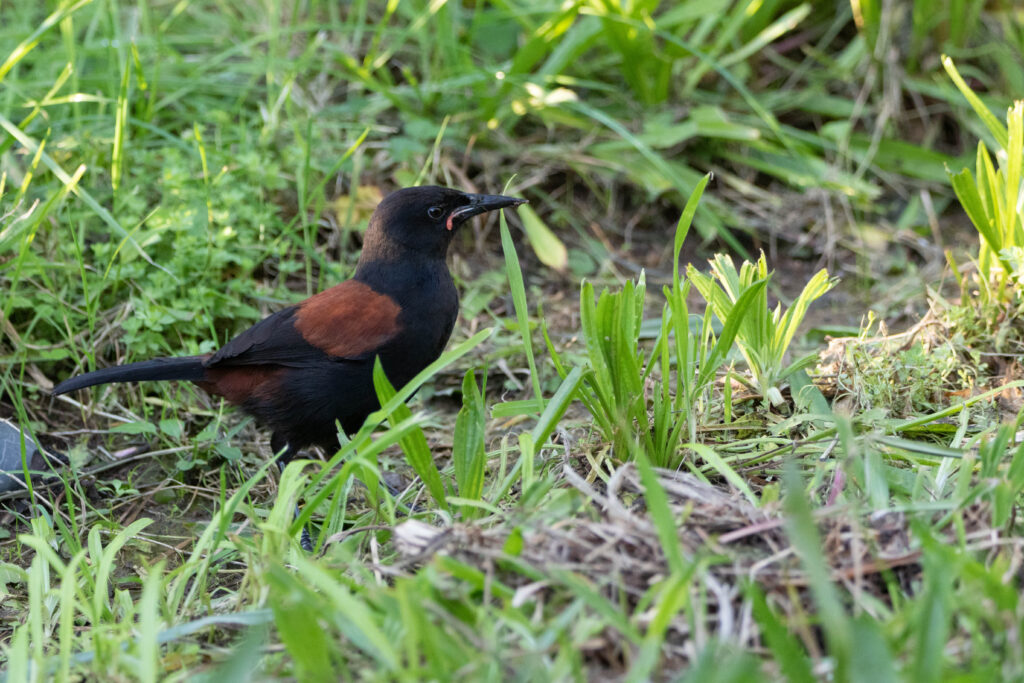
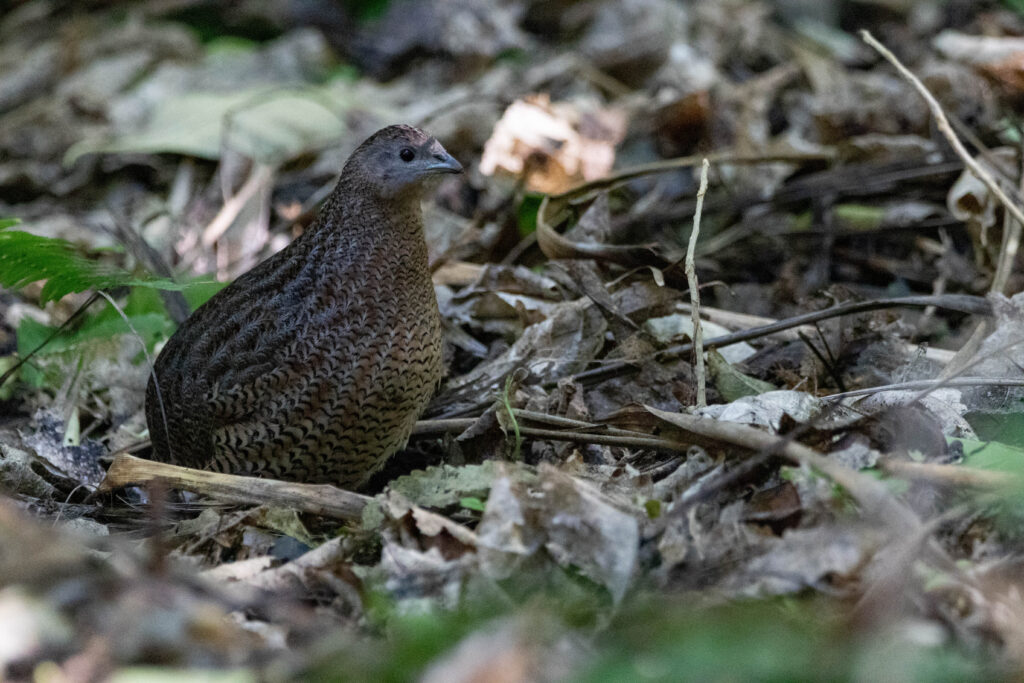
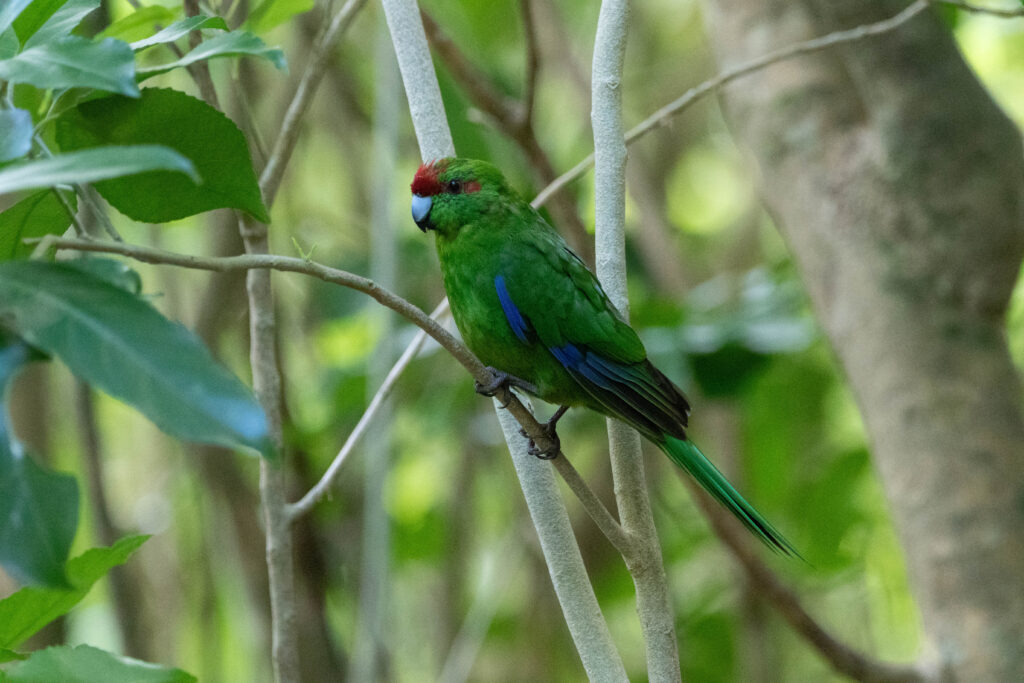
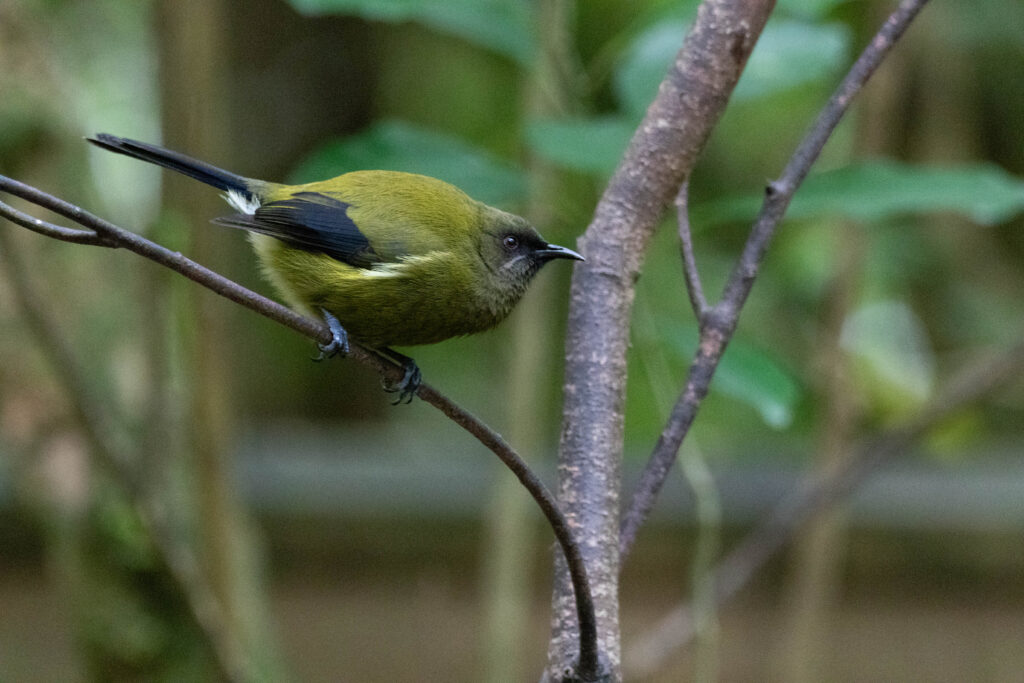
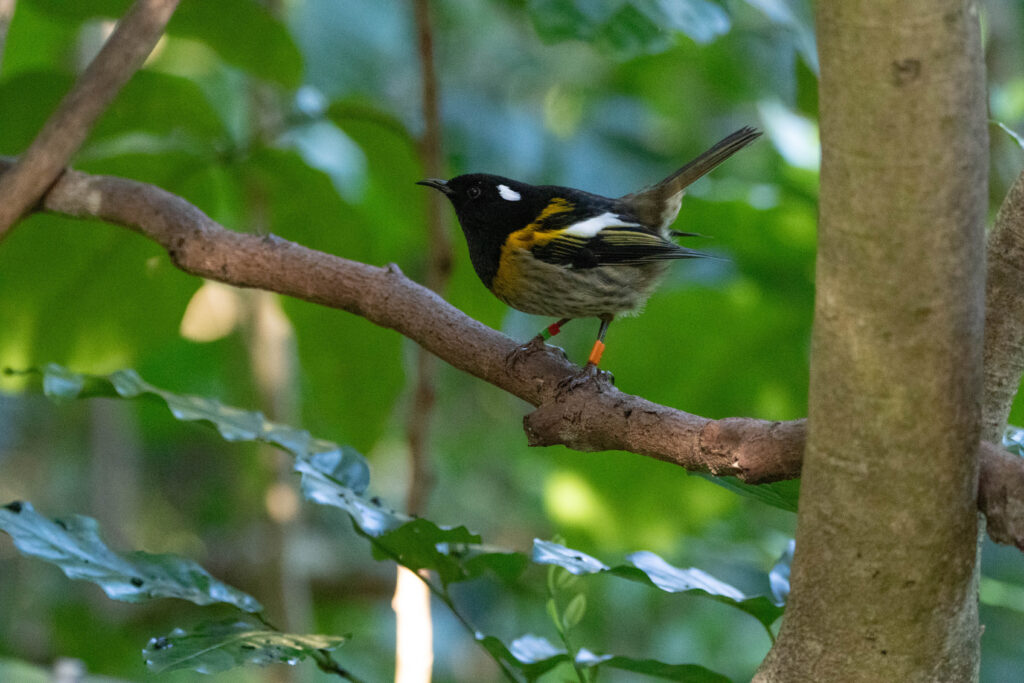
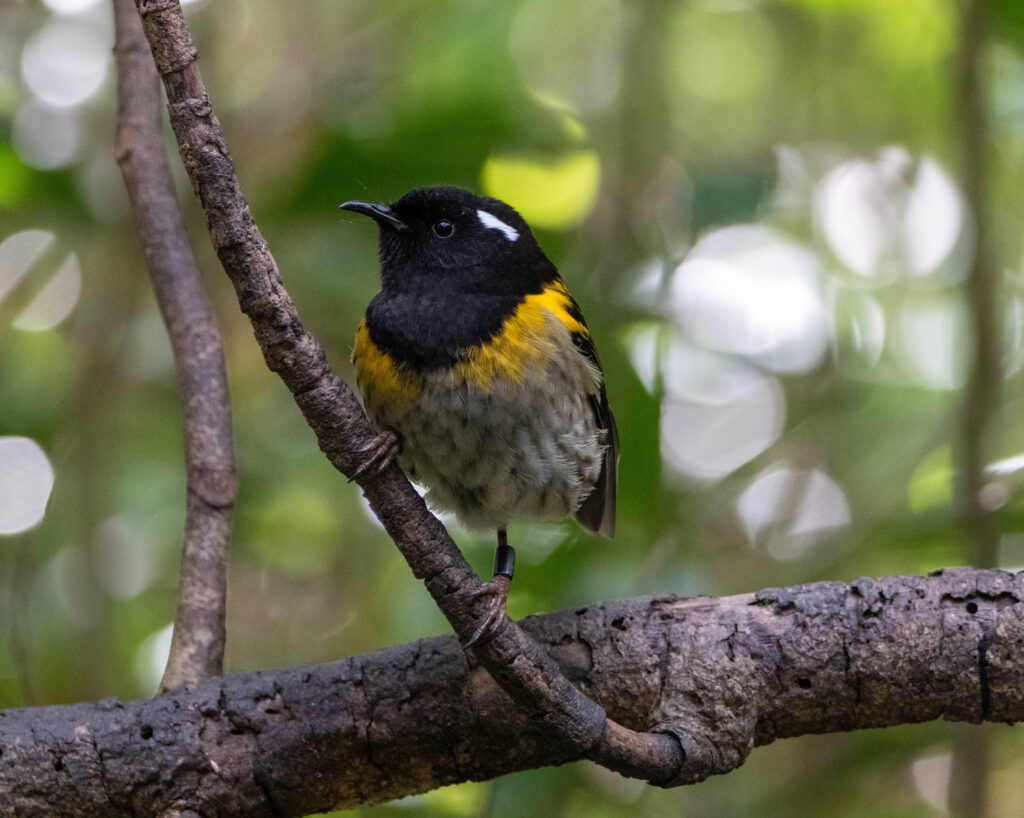
We also encountered New Zealand Bellbird (Anthornis melanura), Stitchbird (Notiomystis cincta), and Whitehead (Mohoua albicilla) around the sugar-water feeders and feeding stations. Like many New Zealand sanctuaries, Tiritiri Matangi provides supplementary food and water for certain species, making them much easier to observe around these feeding areas.
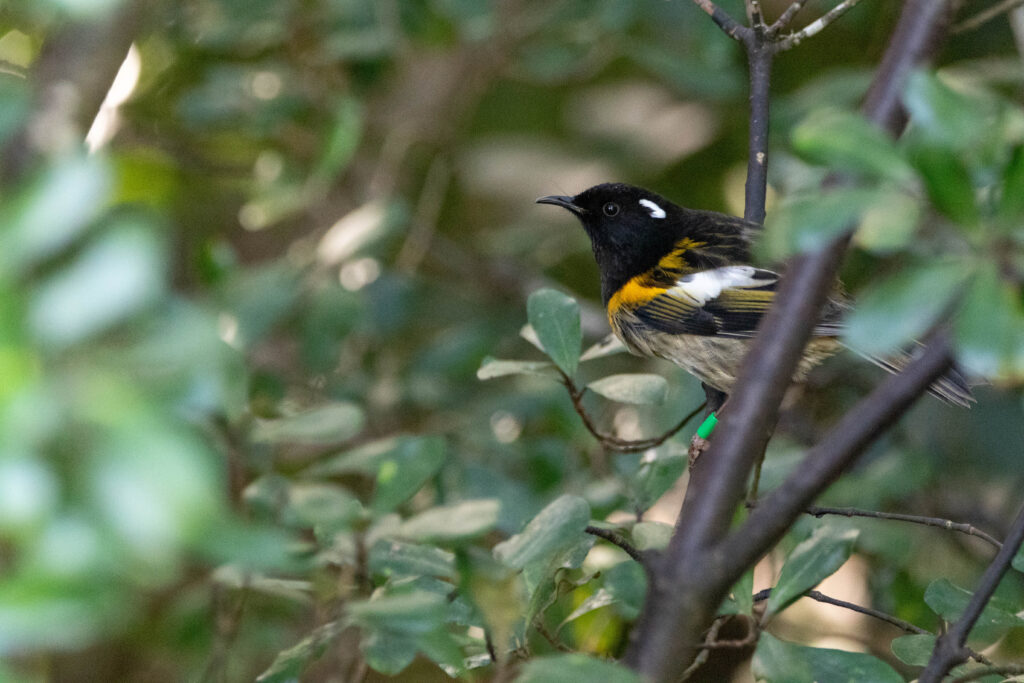
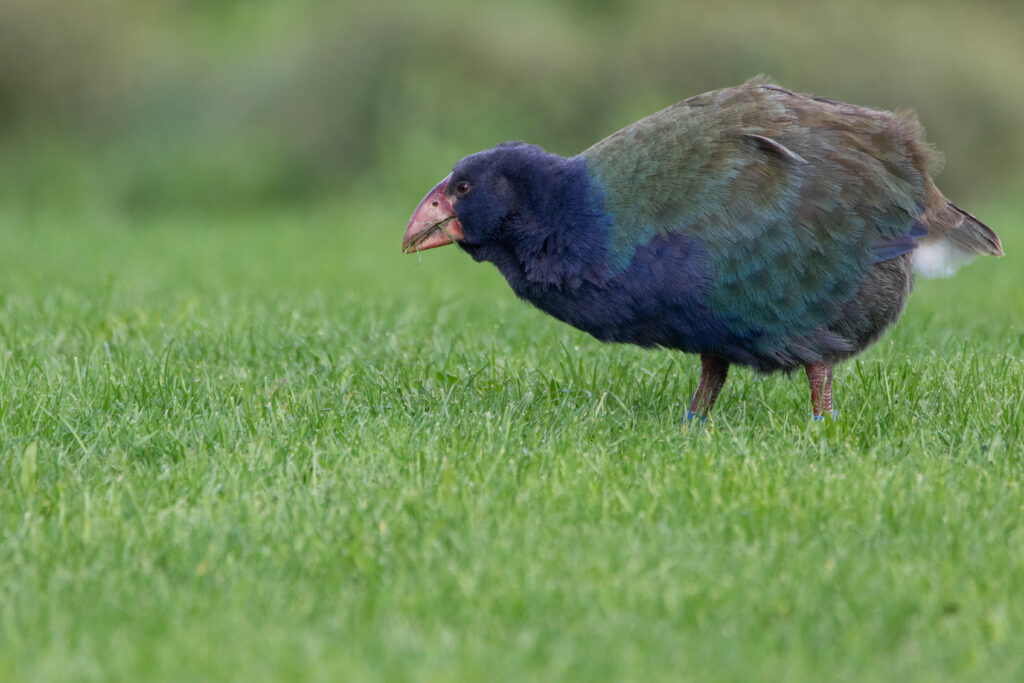
It was only after reaching the island’s lighthouse that we once again came across the remarkable South Island Takahe (Porphyrio hochstetteri). These birds are enormous, flightless, and impossible to confuse with their relatives, the Australasian Swamphen (Porphyrio melanotus). Their conservation story is fascinating: they were once believed extinct in the wild until a surviving population was rediscovered in Fiordland National Park in the 1940s. Since then, major conservation programs have been implemented to save the species.
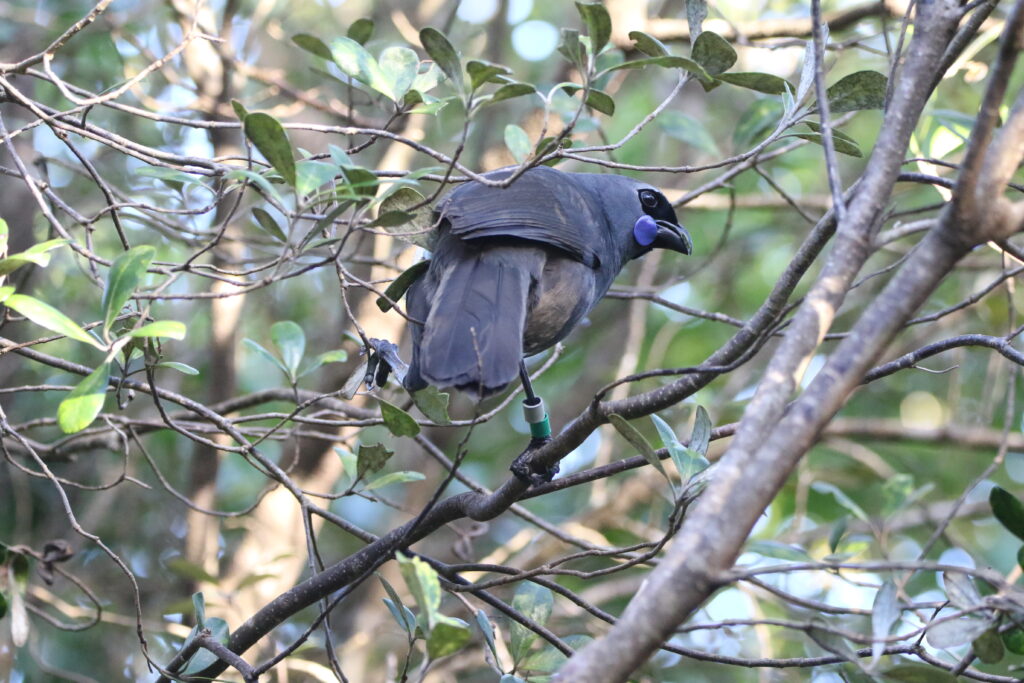
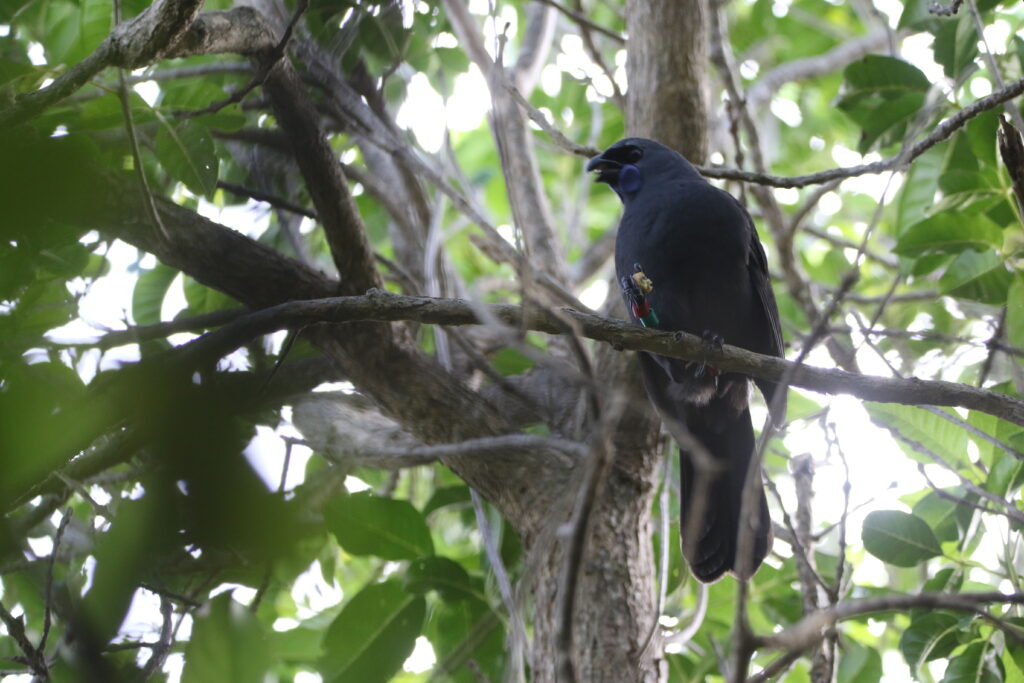
Along one of the trails, we finally managed to find a North Island Kokako (Callaeas wilsoni), a species we had spent a long time searching for in Pureora Forest. We returned to the mainland delighted to have seen several rare New Zealand birds that are difficult to find outside sanctuaries such as Tiritiri Matangi.
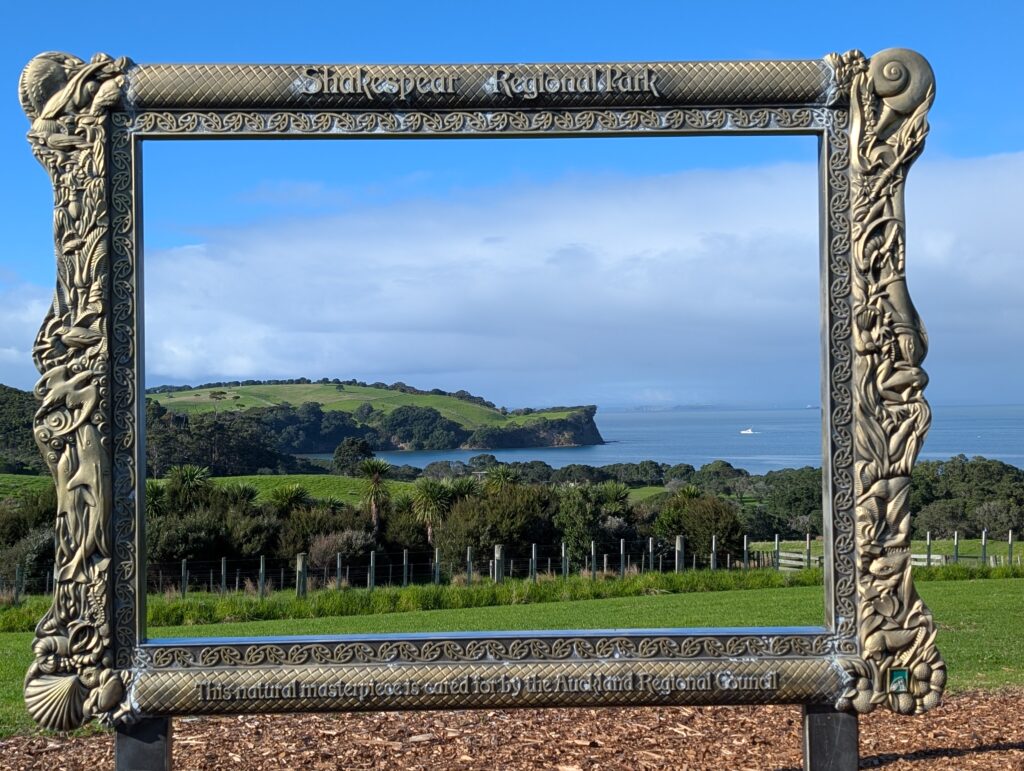
Shakespear Regional Park
After returning from Tiritiri Matangi, we spent the night at Te Haruhi Bay Campground in Shakespear Regional Park. Despite a long nocturnal walk, we still failed to find a Little Spotted Kiwi (Apteryx owenii), either around the campground, along the Kānuka Track, or near Waterfall Gully. We would have to wait a little longer before finally seeing one of New Zealand’s most iconic birds.
Shakespear is another predator-free sanctuary protected by a predator-exclusion fence, much like Zealandia in Wellington. Entry is free, and several walking trails crisscross the park. Before setting out, visitors are encouraged to thoroughly clean their footwear to help prevent the introduction of harmful pathogens that could threaten native trees.
Around the campground, we continued to see many of the common passerines and waterbirds encountered elsewhere on the North Island. We did, however, add an introduced Indian Peafowl (Pavo cristatus) and another Brown Quail (Synoicus ypsilophorus) to our sightings. Deeper within the trails near Waterfall Gully, we observed Red-crowned Parakeet (Cyanoramphus novaezelandiae) and Stitchbird (Notiomystis cincta), two species that remain highlights of any visit to New Zealand’s sanctuaries.
Tawharanui Regional Park
All our hopes were now pinned on Tawharanui Regional Park, another sanctuary protected by a predator-proof fence, for what would likely be our final chance to see a kiwi in New Zealand. Our first walk through the park took us from the campground down to the beach.
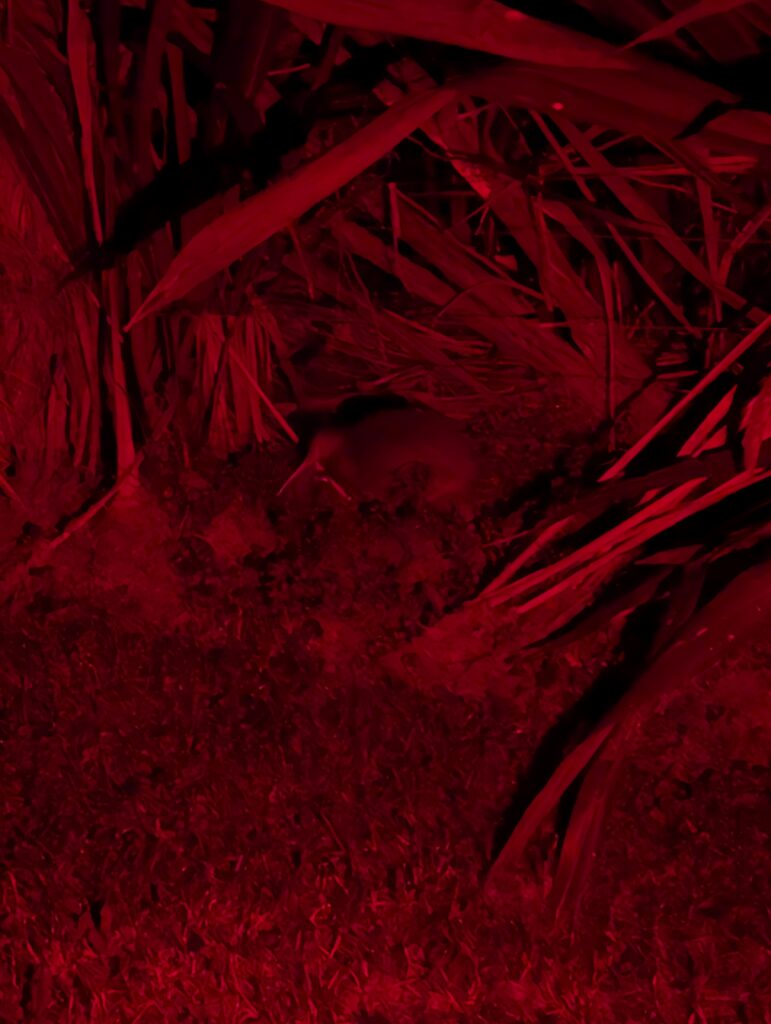
But it was after dark that things became truly exciting. Equipped with a red-light torch (to avoid disturbing wildlife), we set off on foot from our campervan. Almost immediately, we heard the calls of male kiwis in the distance, although getting close to them proved difficult. It was an encouraging start! After more than an hour wandering through the cold night, we still hadn’t seen anything. We eventually began making our way back to the van. Then, along a fence line, we heard something rustling in the vegetation. We pointed our torch toward the sound and there it was at last our first kiwi: a North Island Brown Kiwi (Apteryx mantelli)! We watched it quietly for several minutes, careful not to make any noise. The red light did not appear to disturb its search for food in the slightest.
During our nocturnal kiwi quest, we also encountered South Island Takahe (Porphyrio hochstetteri), Australasian Swamphen (Porphyrio melanotus), Masked Lapwing (Vanellus miles), and Brown Teal (Anas chlorotis), the latter being particularly active after dark.
After a peaceful night in the park, we set out on the Ecology Trail the following morning. This route passes through a variety of habitats, including coastline, coastal scrub, pasture, wetlands, and native forest while following a small river. As a result, it offers excellent bird diversity and the opportunity to encounter several New Zealand endemics. Among the species we observed were Brown Teal (Anas chlorotis), Buff-banded Rail (Hypotaenidia philippensis), South Island Takahe (Porphyrio hochstetteri), New Zealand Kaka (Nestor meridionalis), and North Island Saddleback (Philesturnus rufusater).
We then headed toward the entrance of the park to explore the lagoon area. Aside from the usual species, there was little of note, although we did add an introduced Laughing Kookaburra (Dacelo novaeguineae) to our trip list.

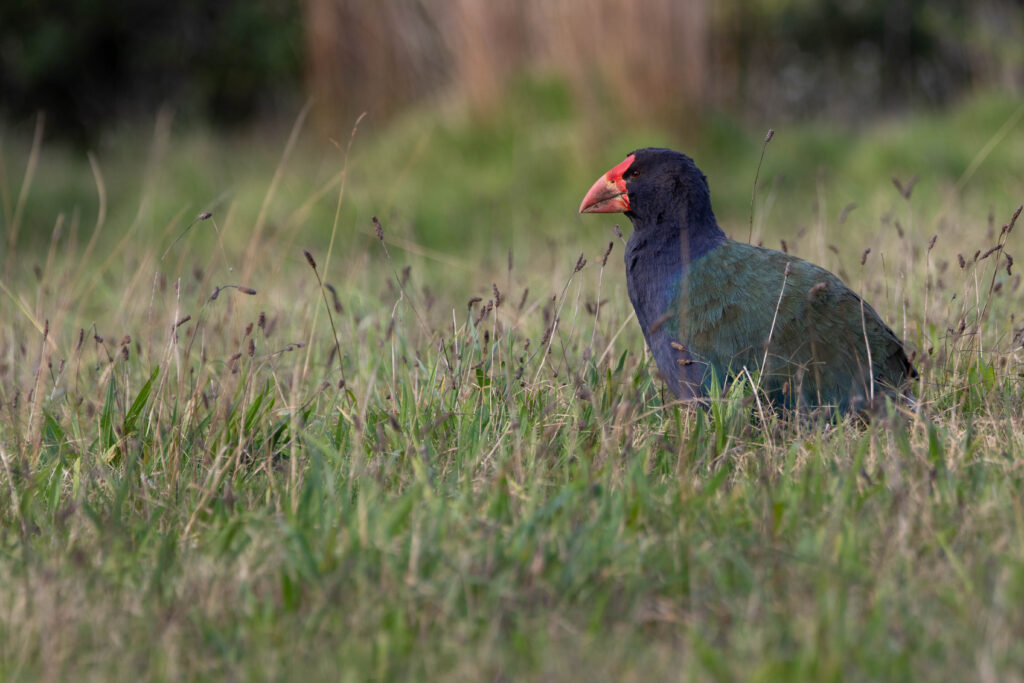
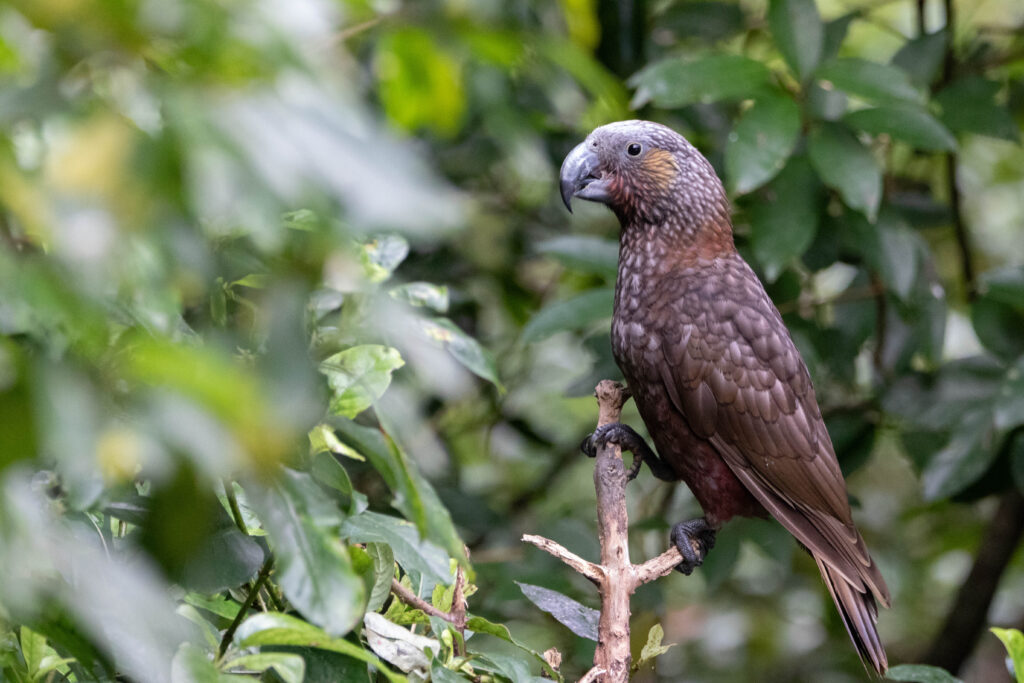

We ultimately left New Zealand’s North Island with an impressive total of 86 bird species observed over 17 days. Among them were several iconic and threatened species, including the South Island Takahe, Blue Duck (Hymenolaimus malacorhynchos), and North Island Kokako (Callaeas wilsoni). Most importantly, we had finally seen New Zealand’s most famous bird: the kiwi. All of our complete checklists can be found on eBird.