



Birding at Crocker Range & Trusmadi
Crocker Range National Park is one of the must-visit birding locations in the Sabah region. Beyond the park itself, Mount Trusmadi is also a very interesting place to observe many iconic species such as the Bulwer’s Pheasant (Lophura bulweri) and the Bornean Banded Pitta (Hydrornis schwaneri). Two paid bird hides are located along the road leading up to the summit.
Visiting Gunung Alab Substation and Trusmadi offers the opportunity to encounter many bird species endemic to the island that are difficult to see elsewhere. You can include this site in your itinerary after Kota Kinabalu or Kinabalu Park.
Where to see birds in Crocker Range?
Gunung Alab Substation
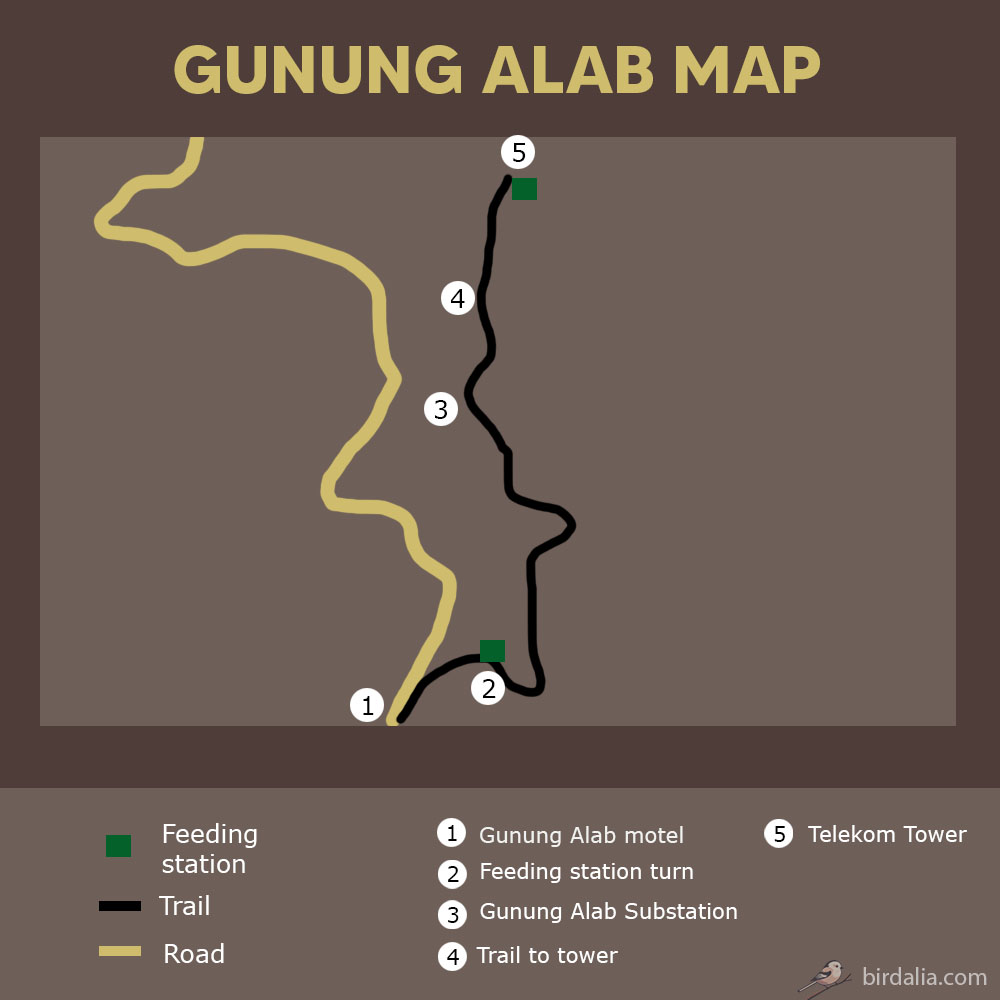
From the motel to the bend (2)
Along the main road between Kota Kinabalu and Tambunan, you will pass the Gunung Alab Motel (1). At the time of writing, accommodation is no longer available there, with only a restaurant and small shop remaining. To begin your birding session, take the side road and start heading uphill toward the first feeding station (2).
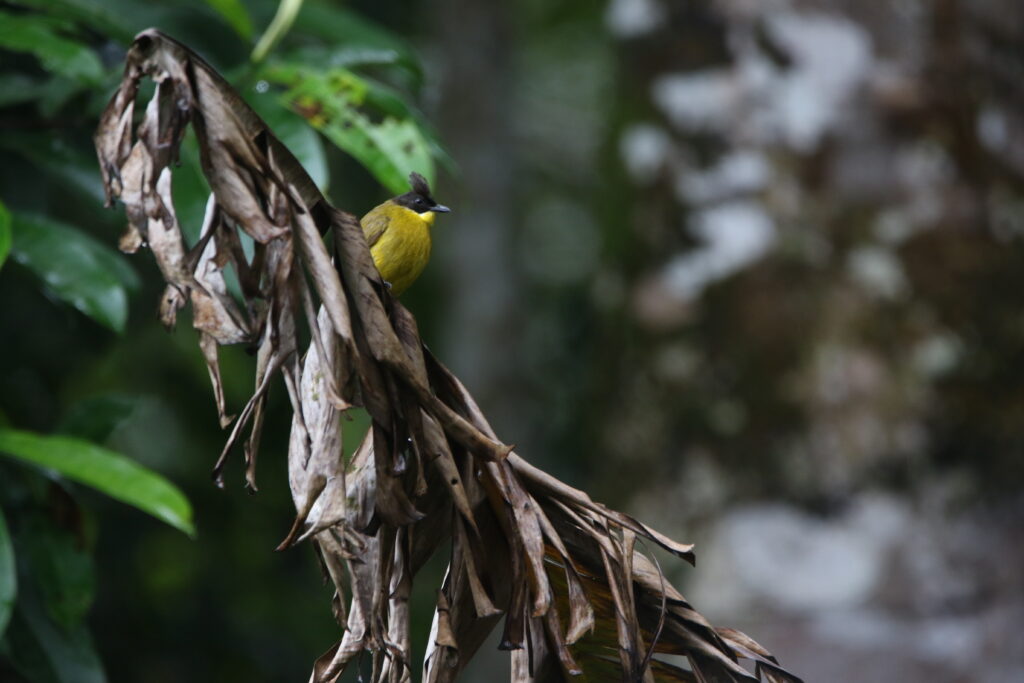
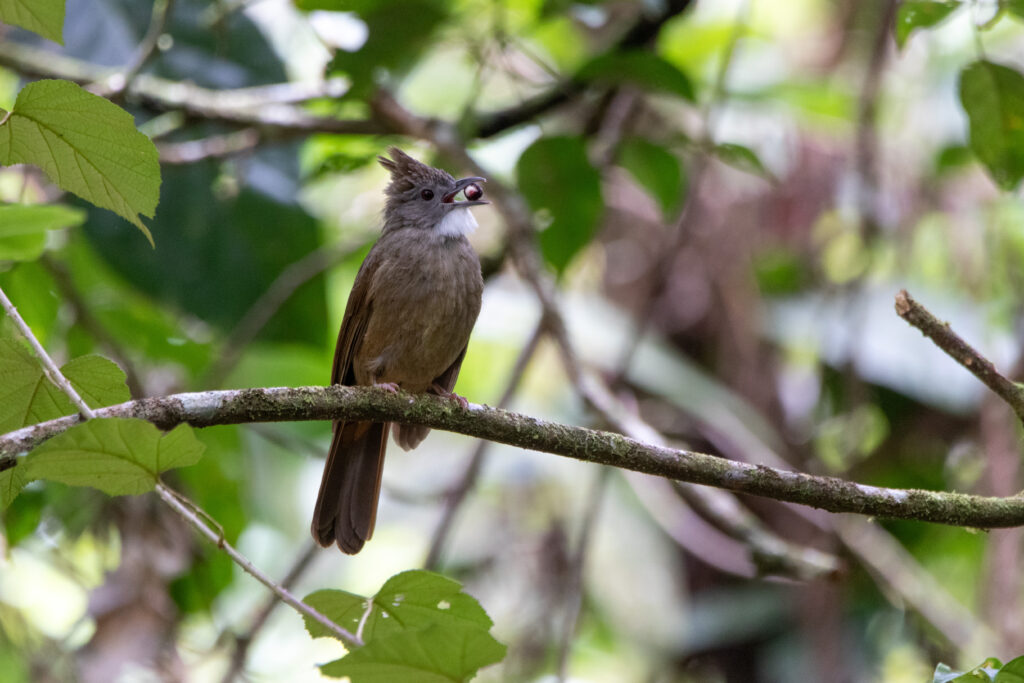
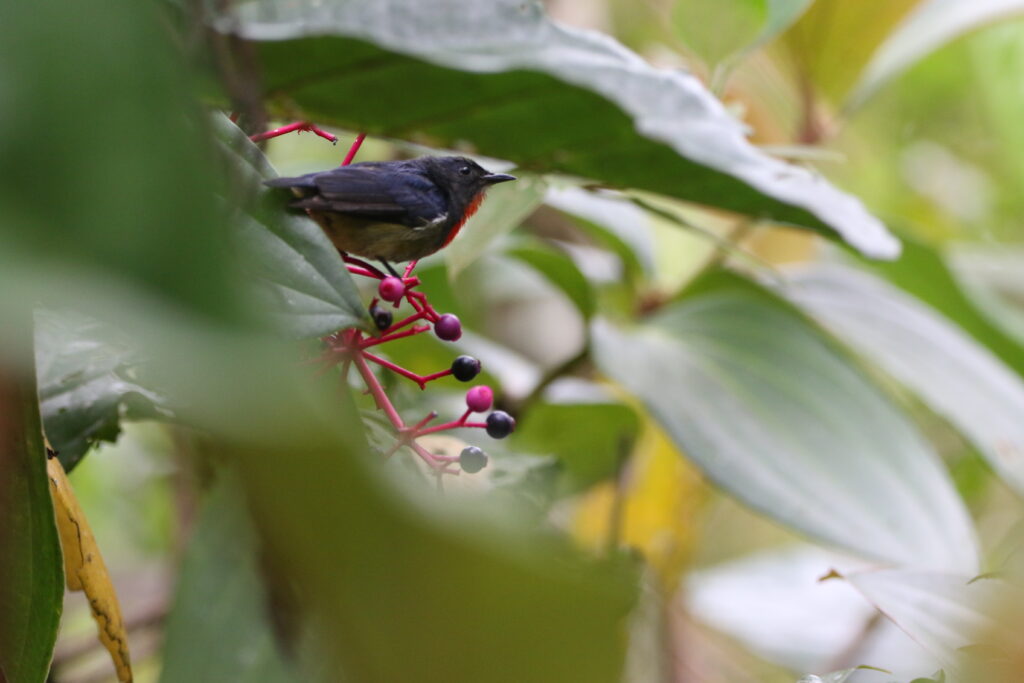
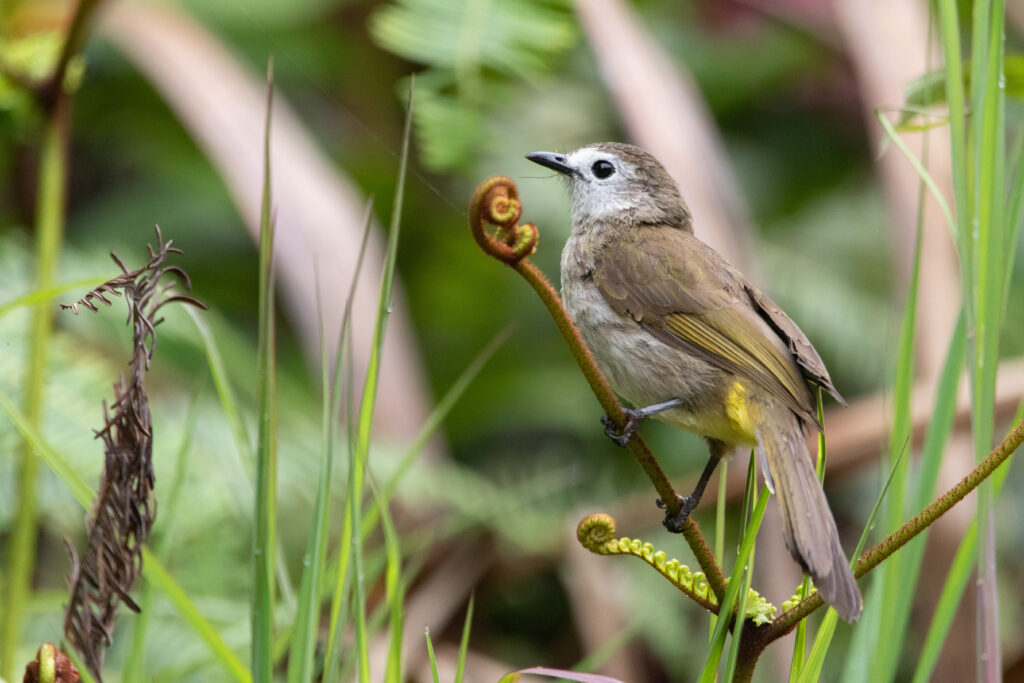
The beginning of this road is surrounded by dense vegetation. This is where you can observe three Borneo endemic bulbul species: the Bornean Bulbul (Rubigula montis), Pale-faced Bulbul (Pycnonotus leucops), and Penan Bulbul (Alophoixus ruficrissus). Also keep an eye out for the Black-sided Flowerpecker (Dicaeum monticolum) with its striking fiery throat, often feeding on flowers along the roadside.
Feeding station bend (2)
As you continue uphill, you will reach a right-hand bend passing over four metal pipes. A small concrete structure stands on the left side. This structure is used by photographers as a “feeding station.” This practice should of course be avoided, especially when taken to extremes. I recommend instead waiting patiently at this bend for birds to show themselves naturally.
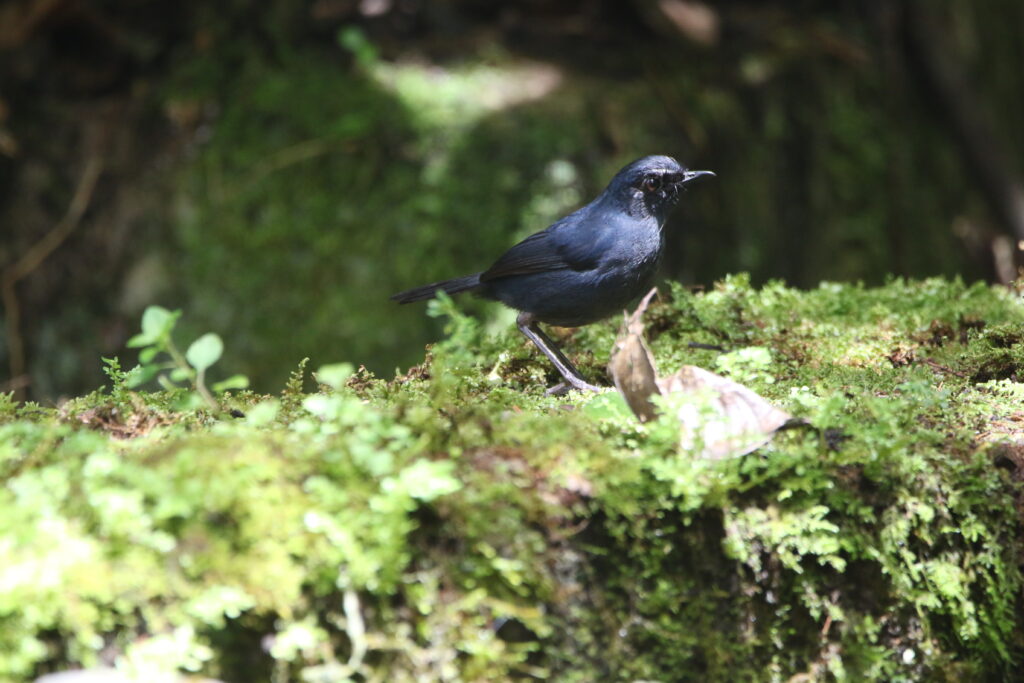
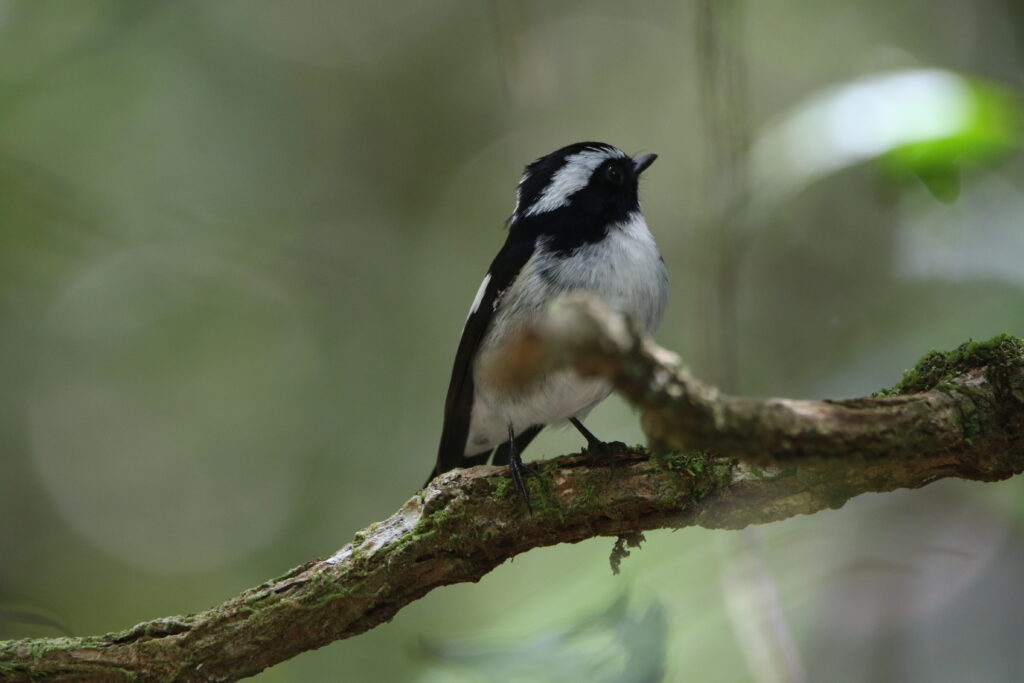
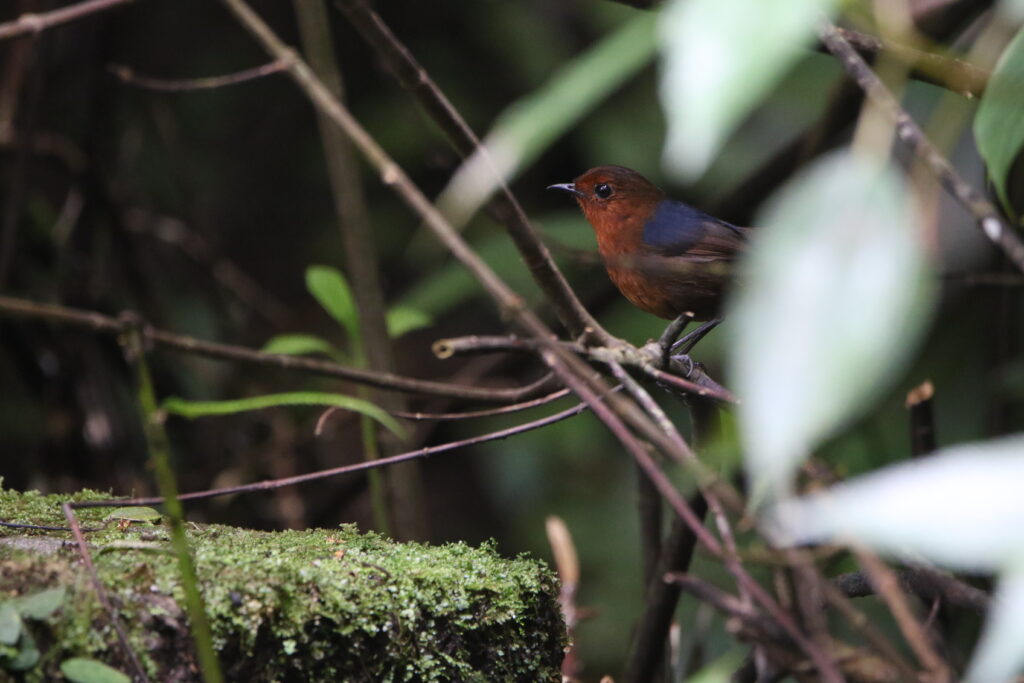
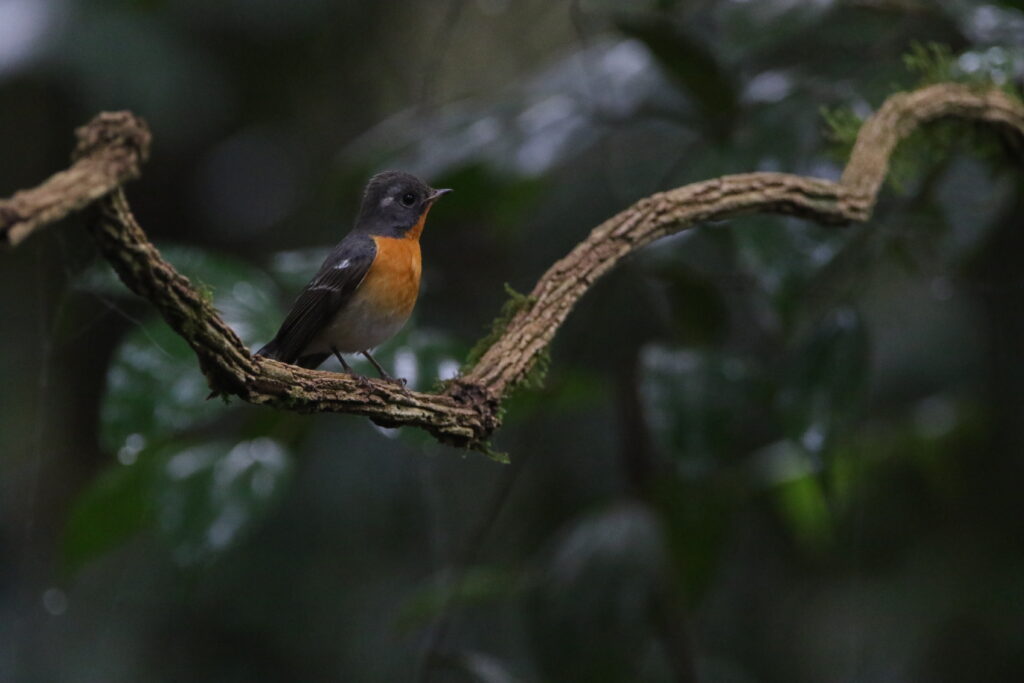
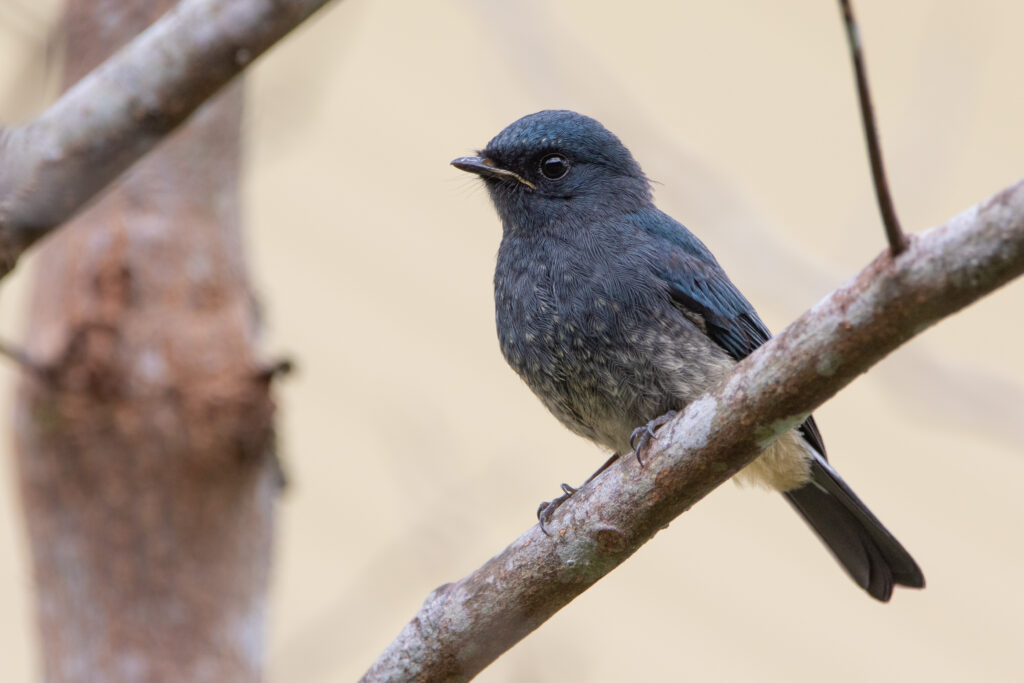
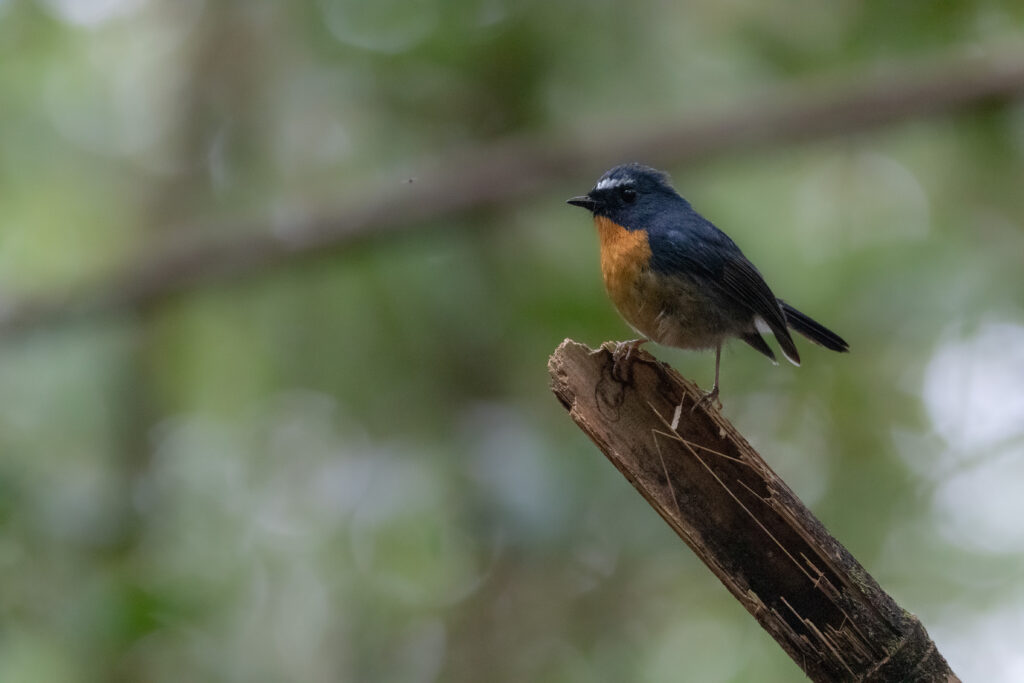
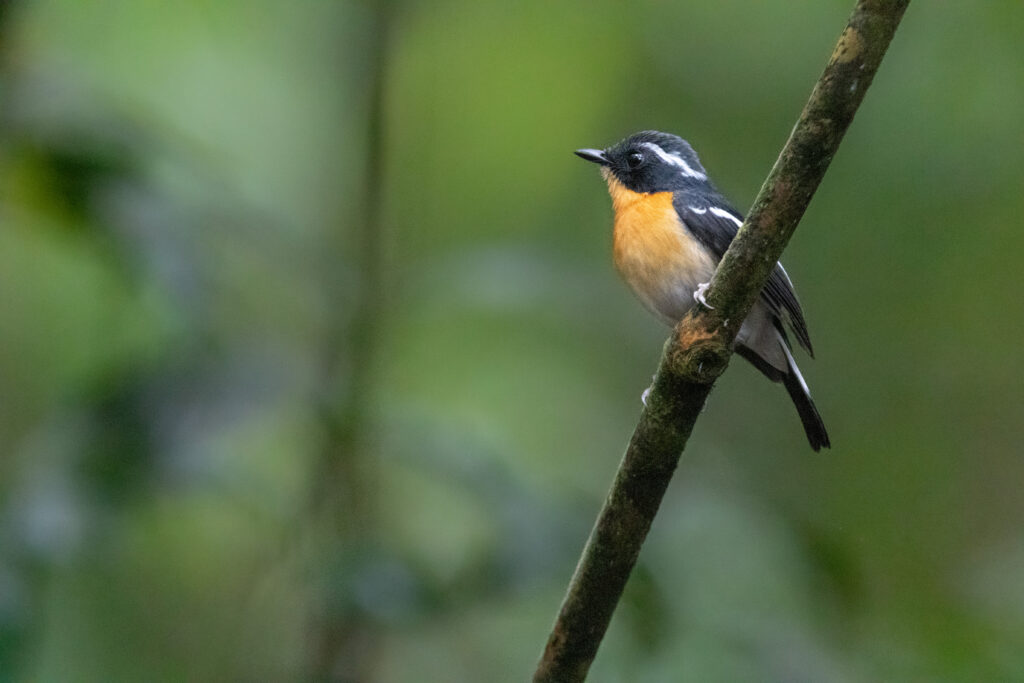
Many species frequent this spot, including the Bornean Shortwing (Brachypteryx erythrogyna). Several flycatchers may also appear, perched on nearby branches, such as the Little Pied Flycatcher (Ficedula westermanni), Indigo Flycatcher (Eumyias indigo), and Mugimaki Flycatcher (Ficedula mugimaki).
From the ranger station to the telecom tower (4)
Continue climbing the road and I recommend parking your car at the ranger station (3), then walking the 2 km up to the electricity pylon (5). This stretch is one of the best birding areas in Crocker Range. It is peaceful, with very little traffic, and hosts many mixed-species flocks including key Bornean endemics.
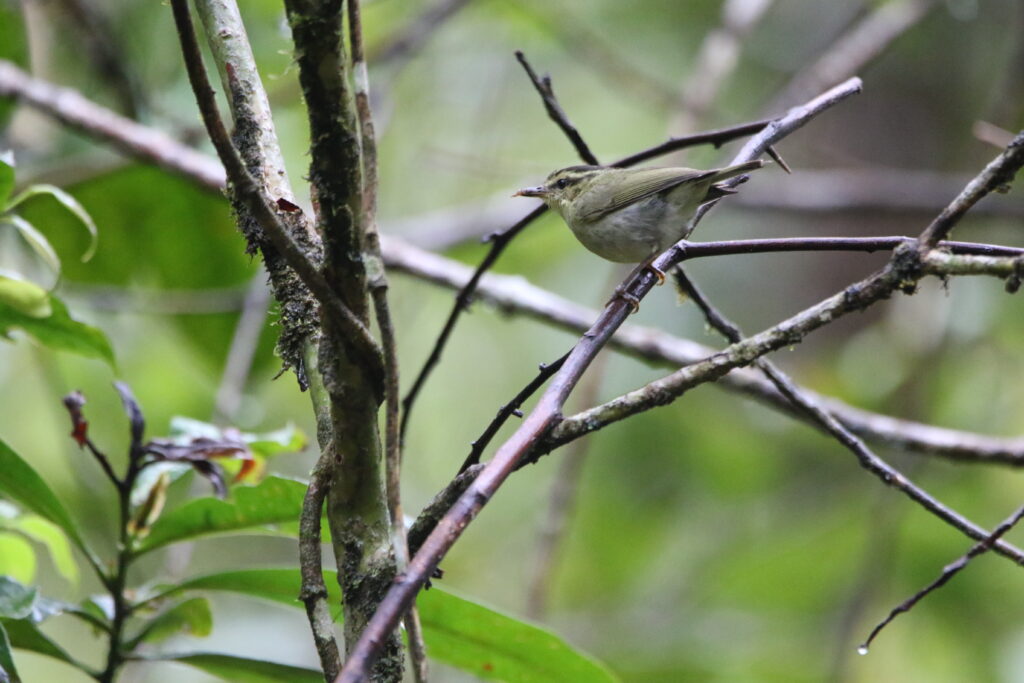
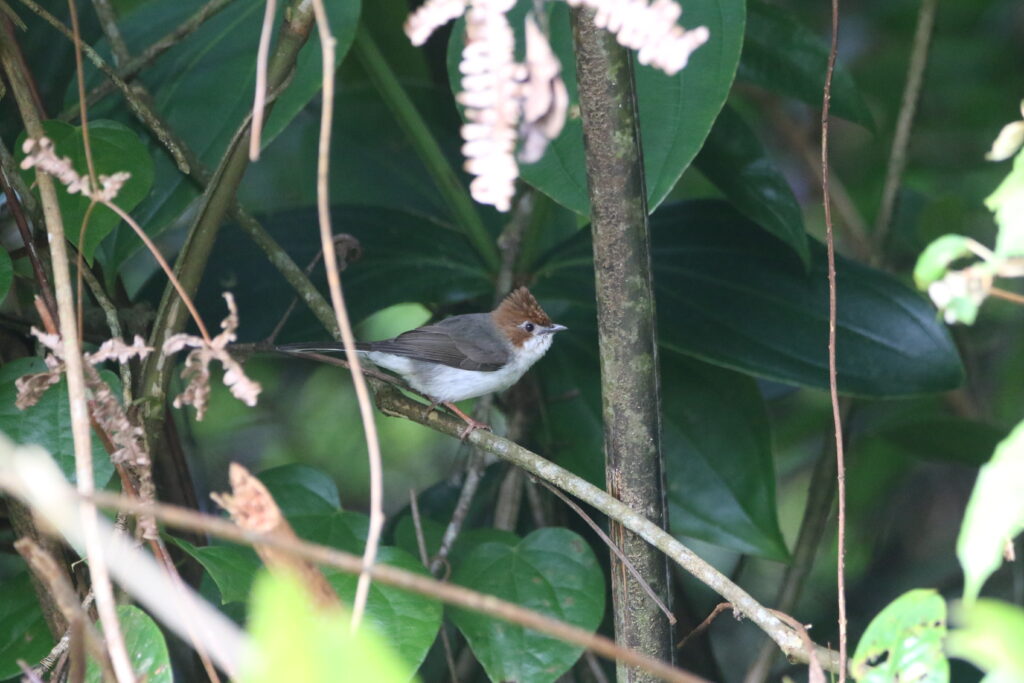
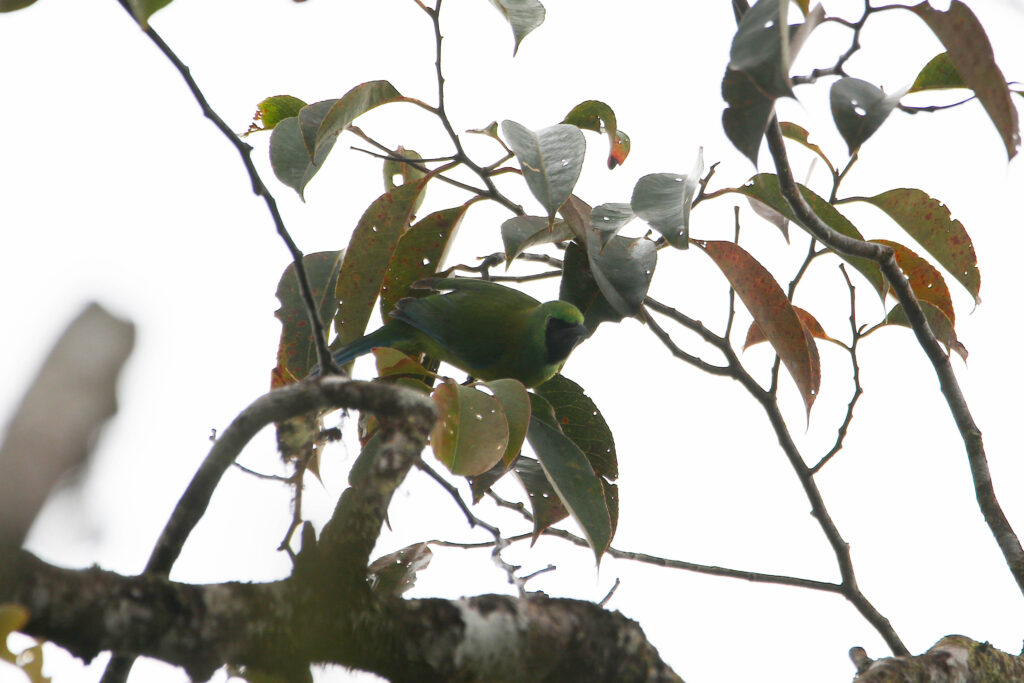
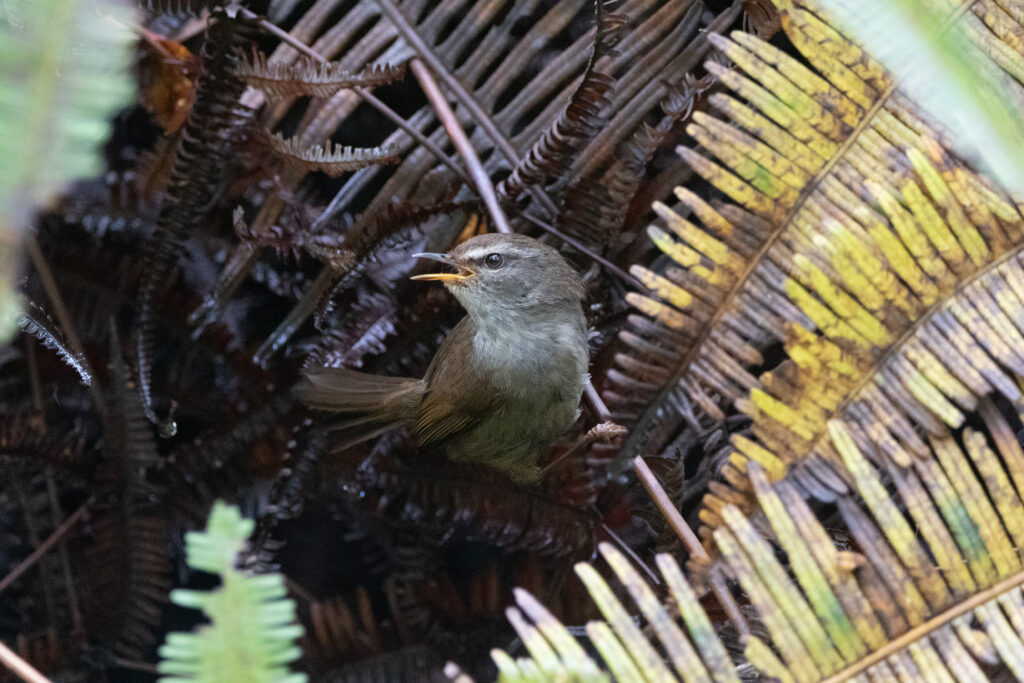
The Aberrant Bush Warbler (Horornis flavolivaceus) is a must-see species here. You will almost certainly hear it, and with patience it will show itself. Pay close attention to mixed flocks where endemics such as the very rare Bornean Leafbird (Chloropsis kinabaluensis), Chestnut-crested Yuhina (Staphida everetti), and Mountain Blackeye (Zosterops emiliae) can appear.
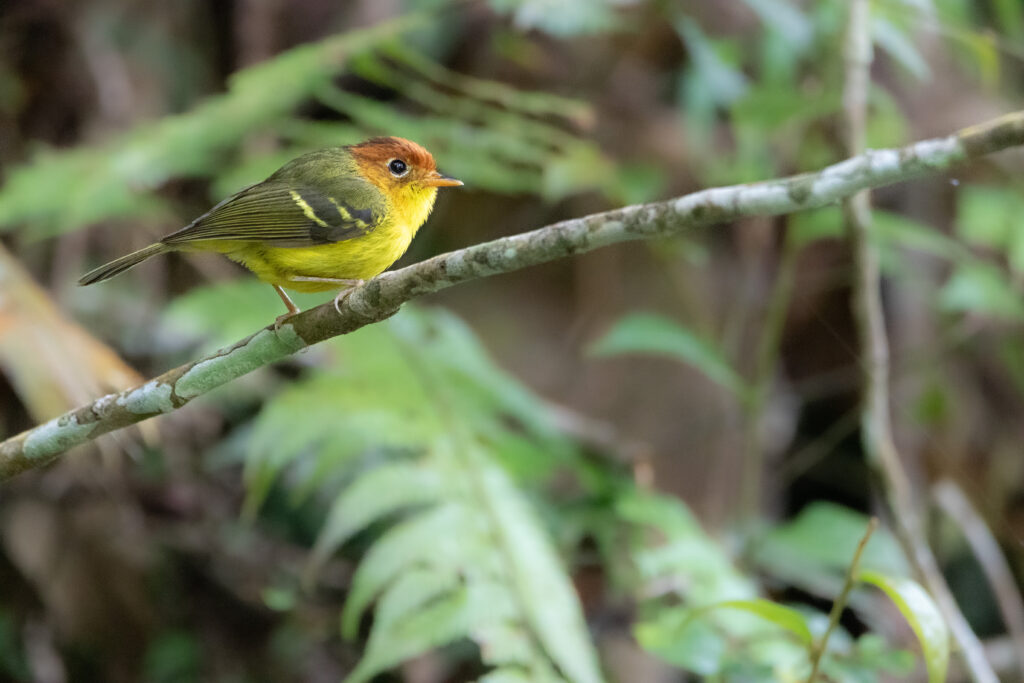
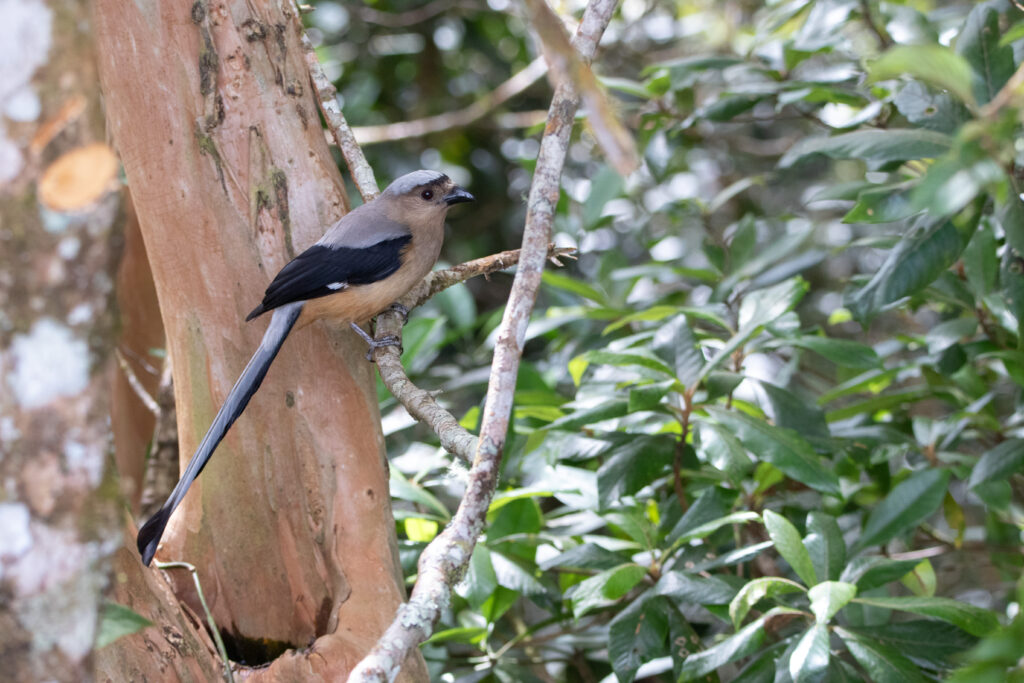
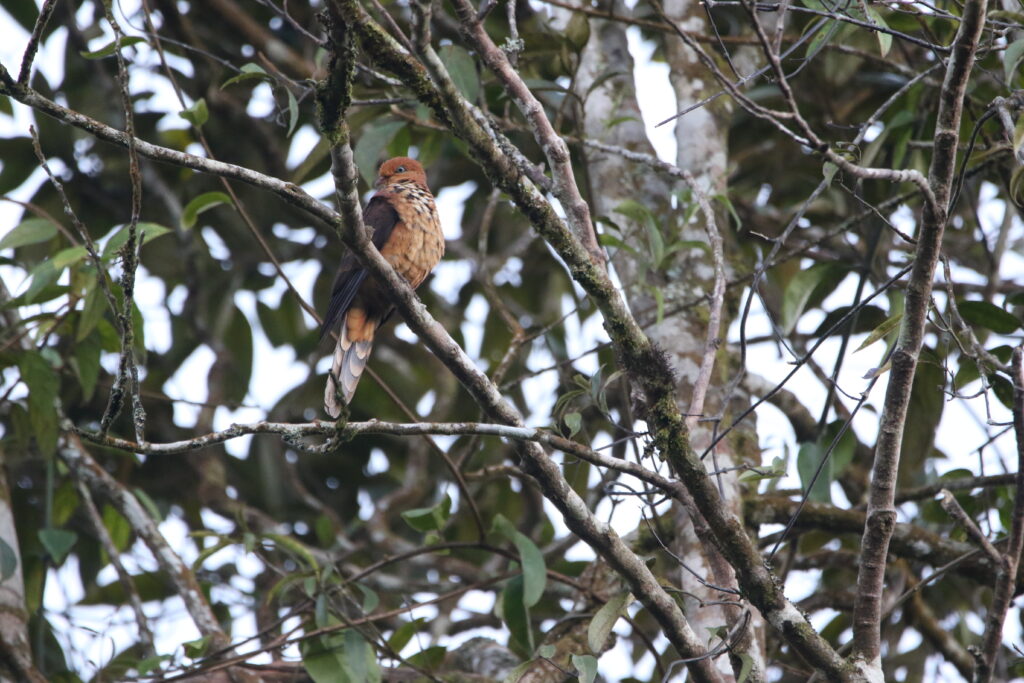
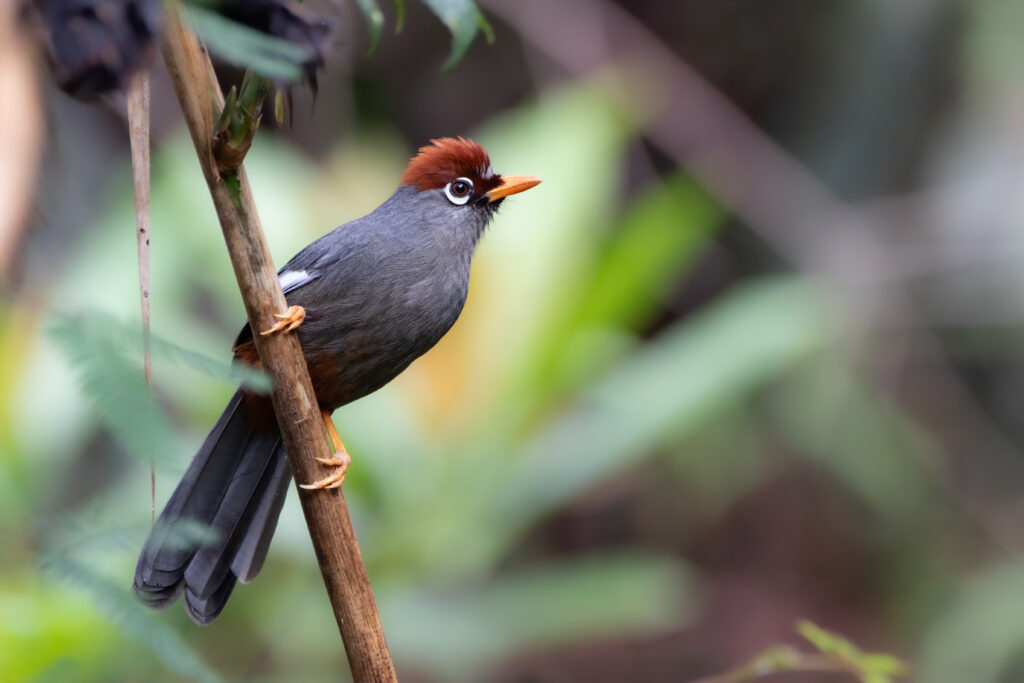
Among the smaller passerines in these flocks are the Mountain Tailorbird (Phyllergates cucullatus), Yellow-breasted Warbler (Phylloscopus montis), and Mountain Leaf Warbler (Phylloscopus trivirgatus). Small groups of Chestnut-hooded Laughingthrush (Pterorhinus treacheri) will likely cross your path, along with the Bornean Treepie (Dendrocitta cinerascens), Golden-naped Barbet (Psilopogon pulcherrimus), and the discreet Little Cuckoo-Dove (Macropygia ruficeps).
Pylon & Gunung Alab hide (5)
Once you reach the antenna, you will likely spot a breeding pair of Peregrine Falcons (Falco peregrinus). They can be seen perched on the metal structure or soaring around the area. A free bird hide is located here. Follow a small path from the parking area about 30 meters before the antenna. The trail descends into the forest and leads directly to the hide.
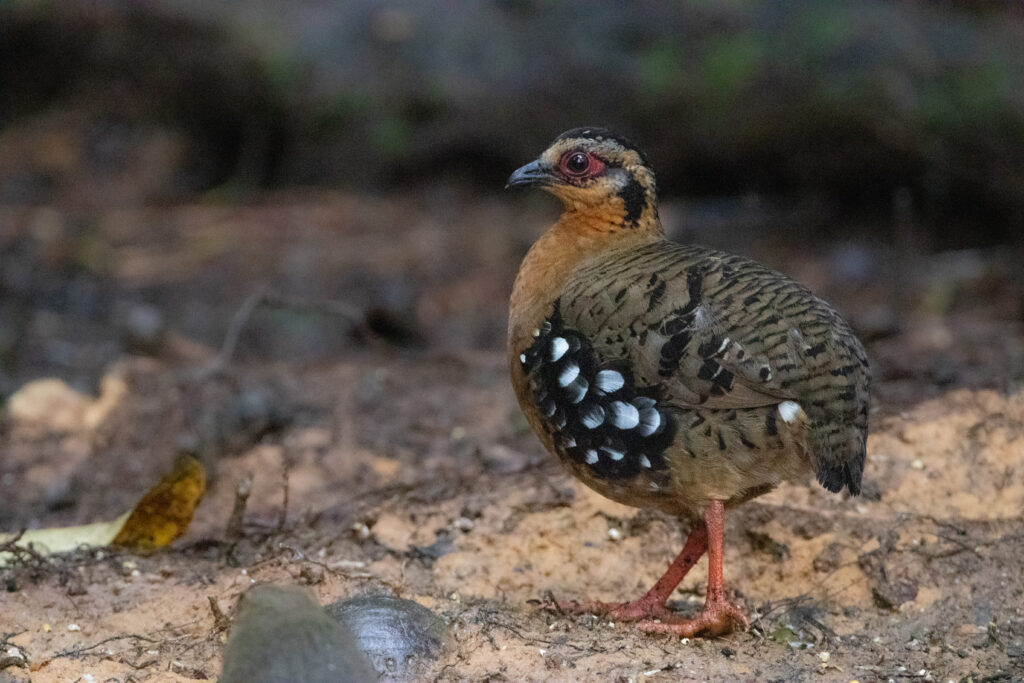
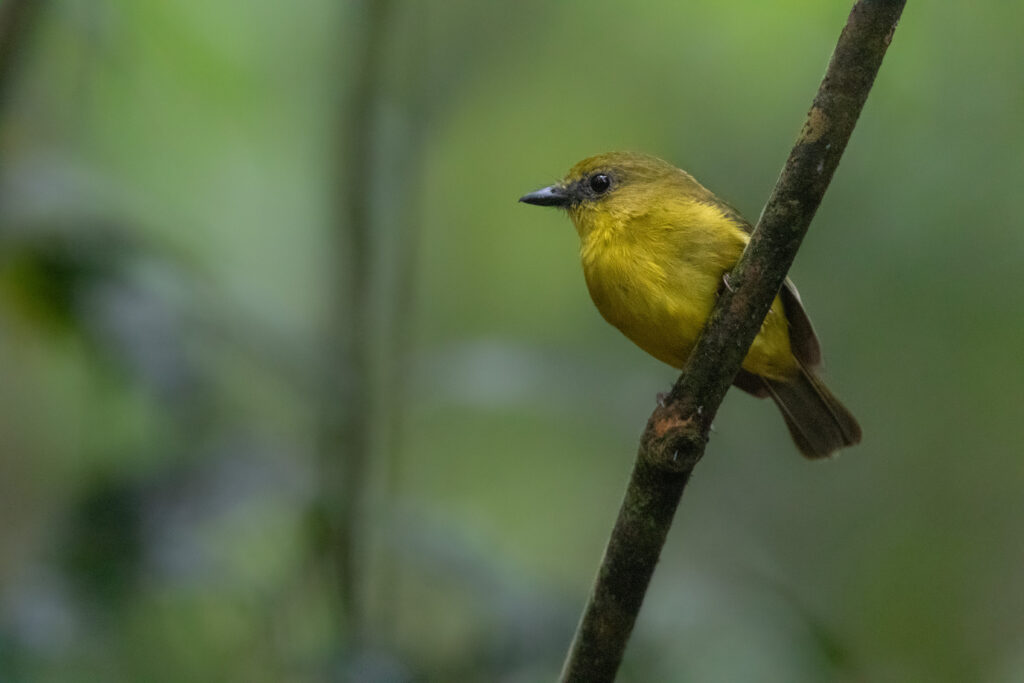
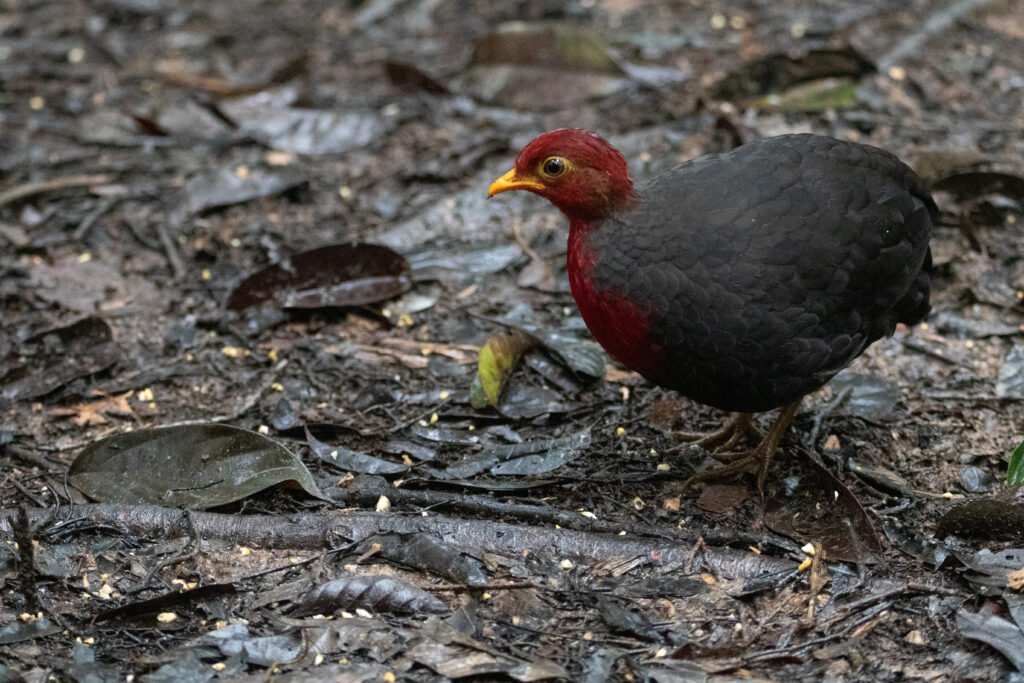
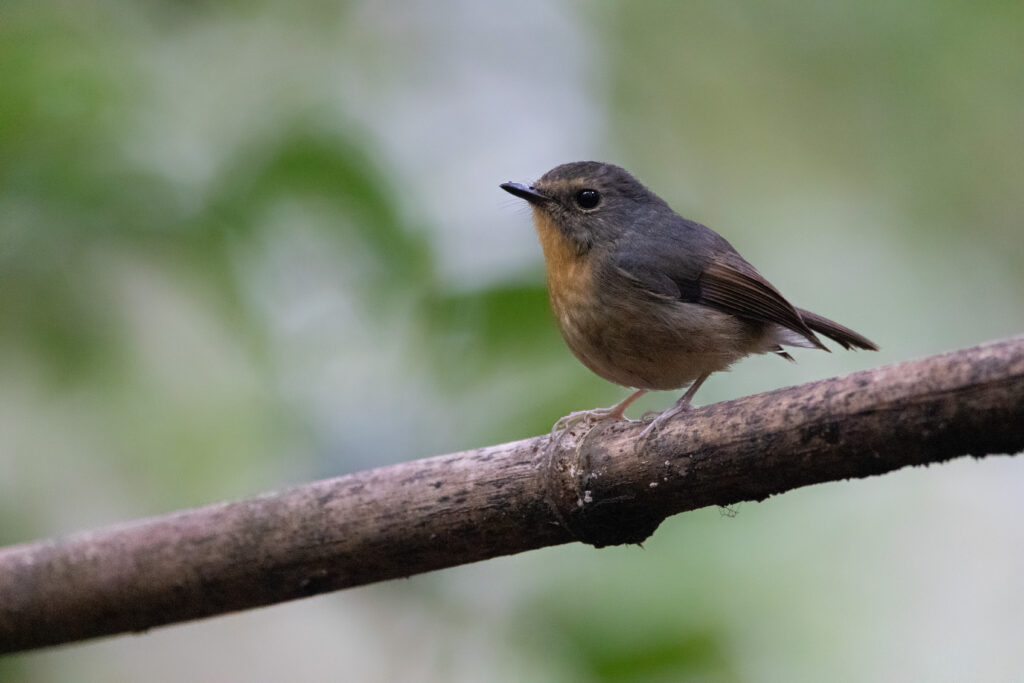
This hide is popular for observing the Red-breasted Partridge (Arborophila hyperythra) and the Crimson-headed Partridge (Haematortyx sanguiniceps), whose calls are extremely loud. Smaller passerines such as the Snowy-browed Flycatcher (Ficedula hyperythra) and the Bornean Whistler (Pachycephala hypoxantha) may also come in to perch.
Rafflesia Information Center
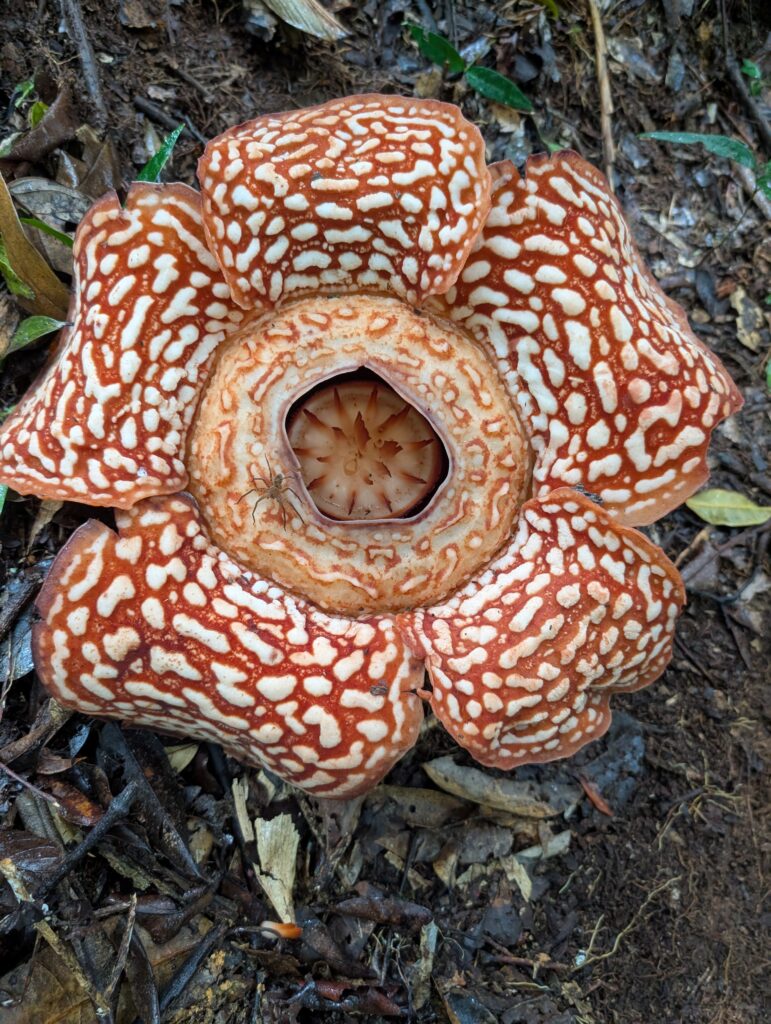
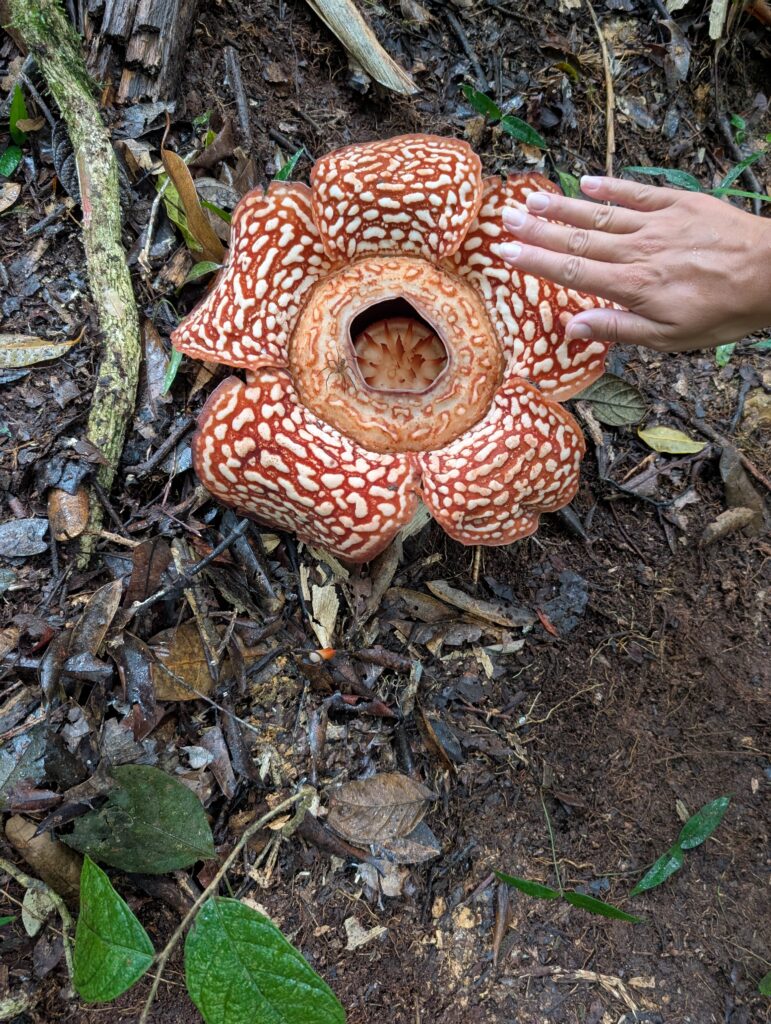
Still within Crocker Range National Park but outside the Gunung Alab area, you can visit the Rafflesia Information Center. It is located a few kilometers from the motel. Depending on the season, you may be able to see the very famous Rafflesia flower. Aside from these giant blooms, many bird species also frequent the area. However, this site requires an entrance fee and you must be accompanied by a guide to enter. The guide is paid on site and costs around 30 RM per person.
Inobong Substation
This substation is not located in the same area as the previous sites and requires a drive from Kota Kinabalu to reach it. If you haven’t seen all the species you were hoping for at the other locations, it can be worth paying a visit.
Trusmadi
Trusmadi hide
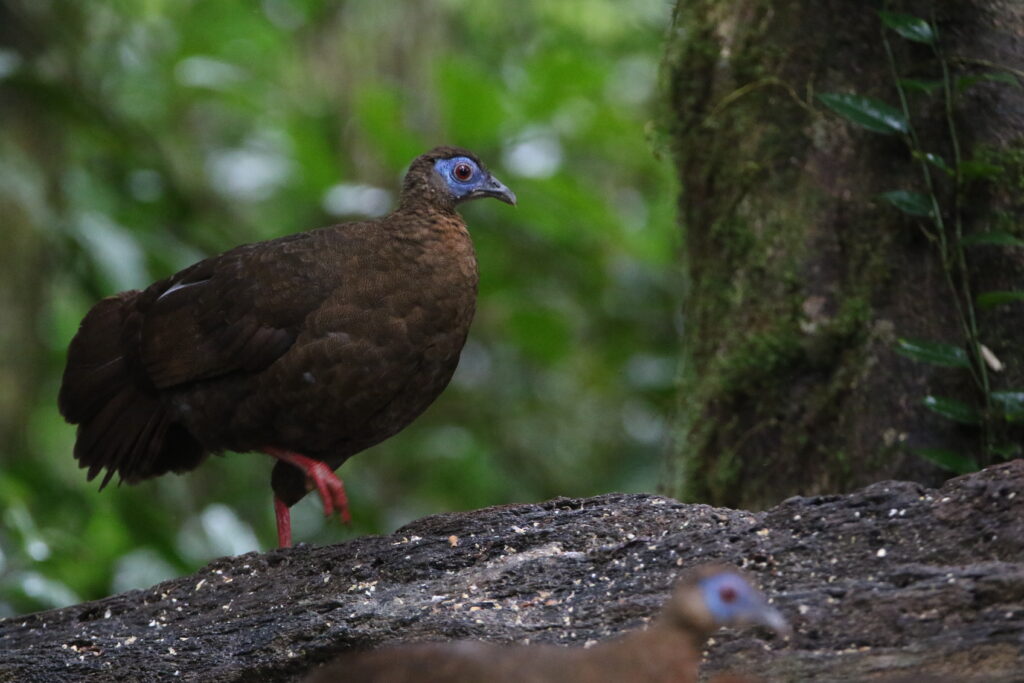
This site is not within Crocker Range National Park but lies slightly further north, near Tambunan. If you are visiting the region, it would be a shame to miss it, as several unique species can be found here. Two people operate bird hides in the area: KK Lee Hide and CP Song Hide. In both cases, prices are (very) high — around 350 RM per person for foreigners (yes, it is more expensive for foreigners than for locals). The hides are comfortable, consisting of well-equipped small cabins with chairs and even breakfast provided. You need to arrive very early, before sunrise, to maximize your chances of seeing birds.
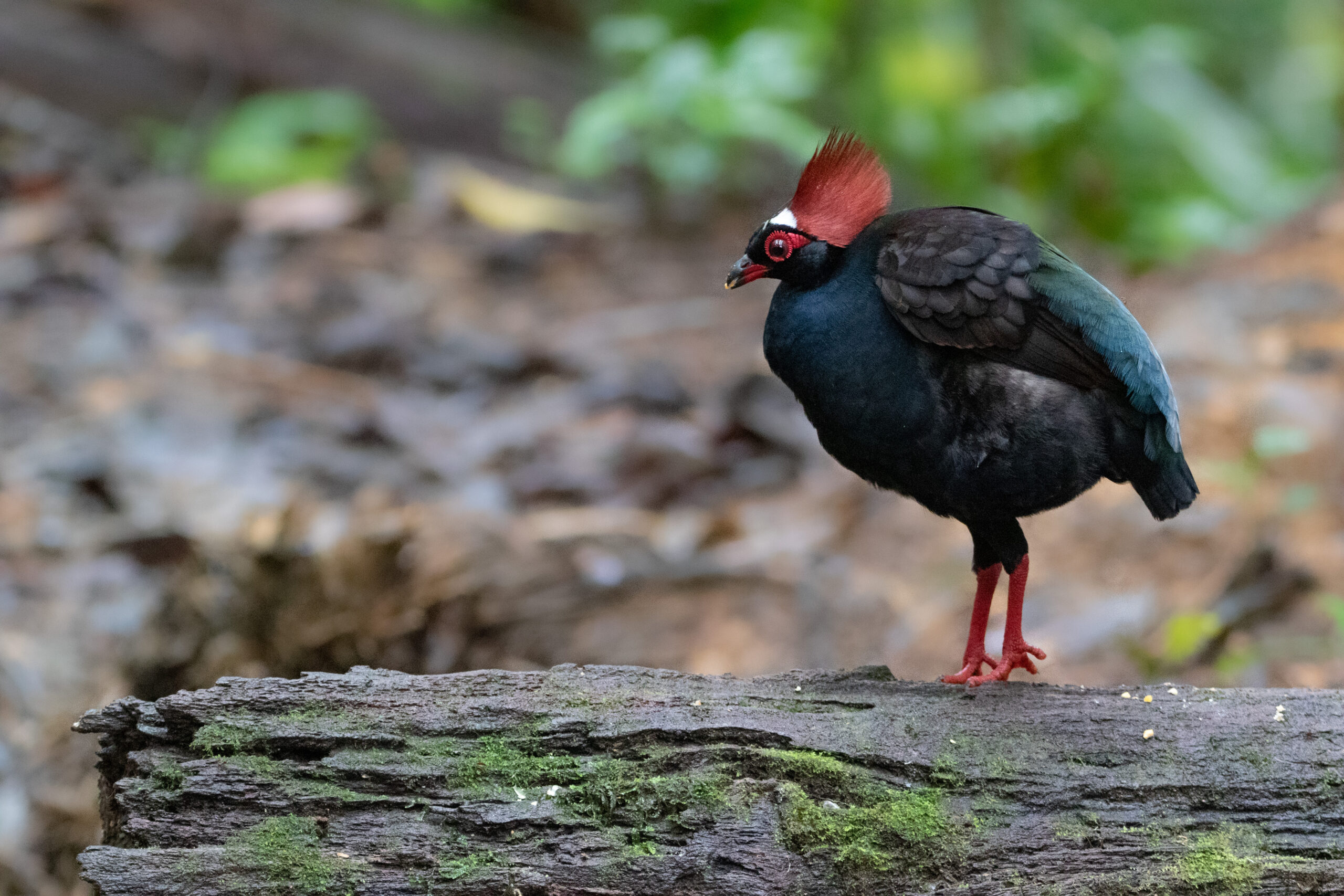
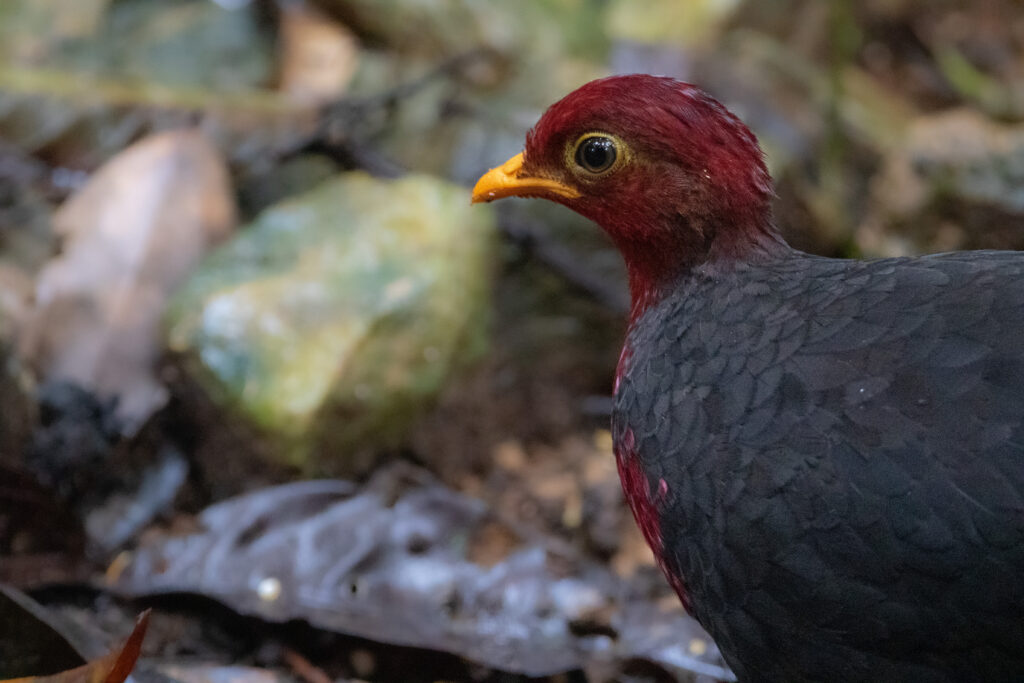
The hides are particularly famous for hosting many gallinaceous birds such as the Bulwer’s Pheasant (Lophura bulweri), the punk-looking Crested Partridge (Rollulus rouloul), the Crimson-headed Partridge (Haematortyx sanguiniceps), and the Red-breasted Partridge (Arborophila hyperythra).
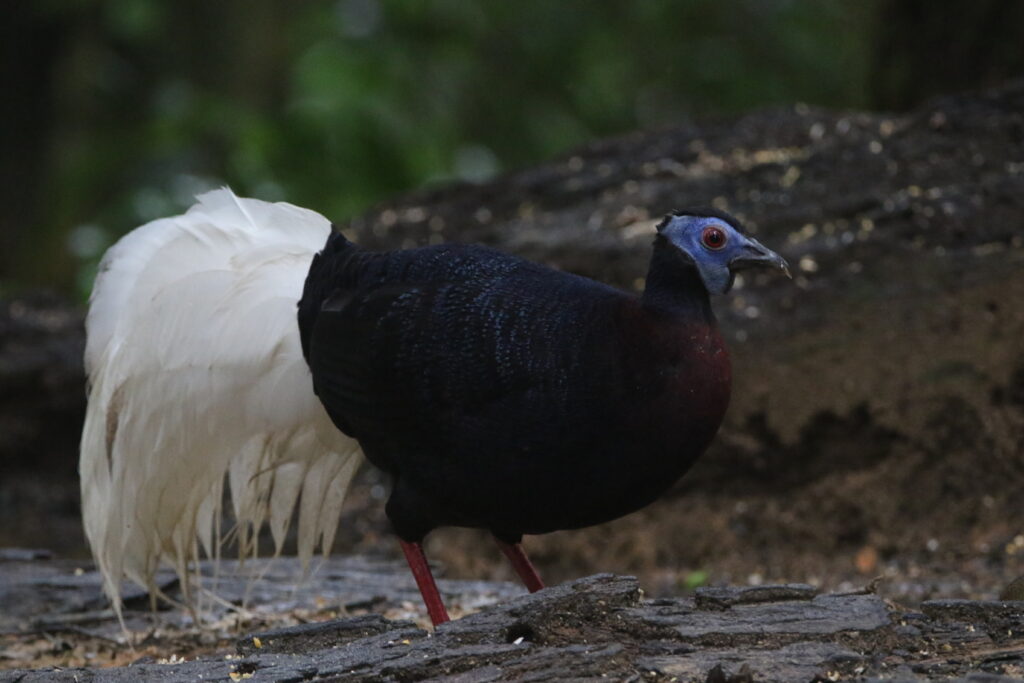
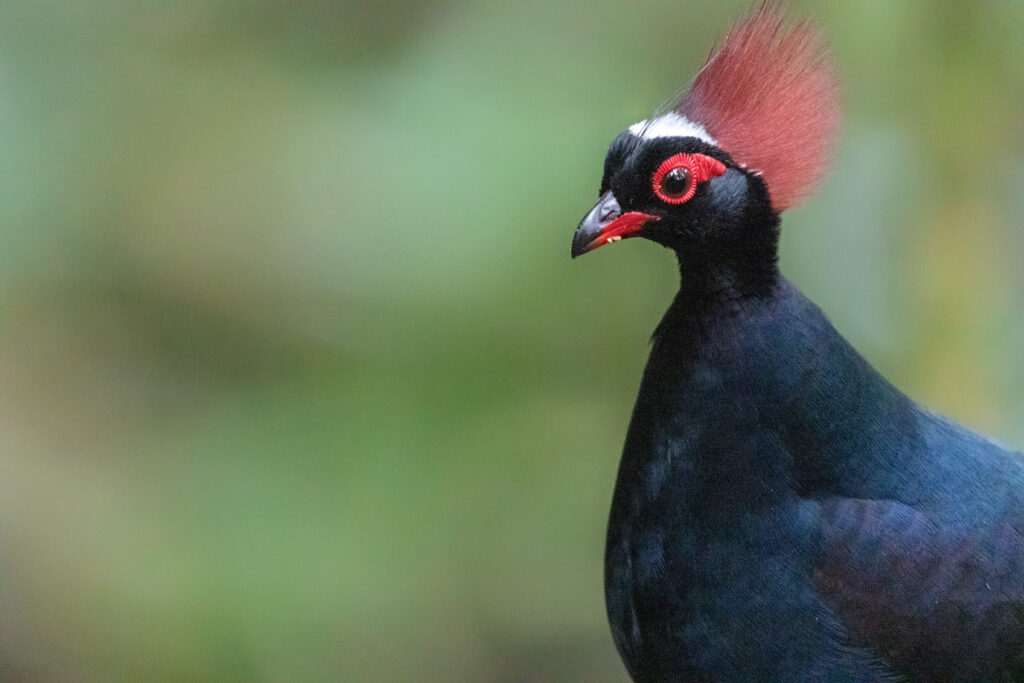
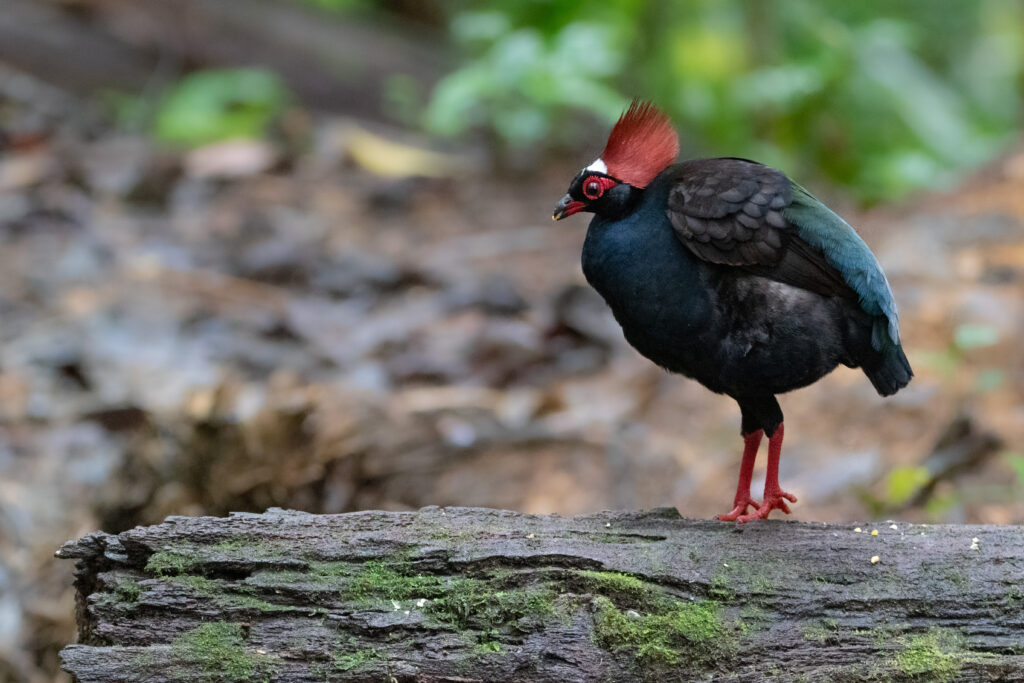
The many perches set up around the hide attract a wide range of other species, including the Yellow-bellied Bulbul (Alophoixus phaeocephalus), Common Emerald Dove (Chalcophaps indica), Orange-headed Thrush (Geokichla citrina), and Bornean Whistler (Pachycephala hypoxantha).
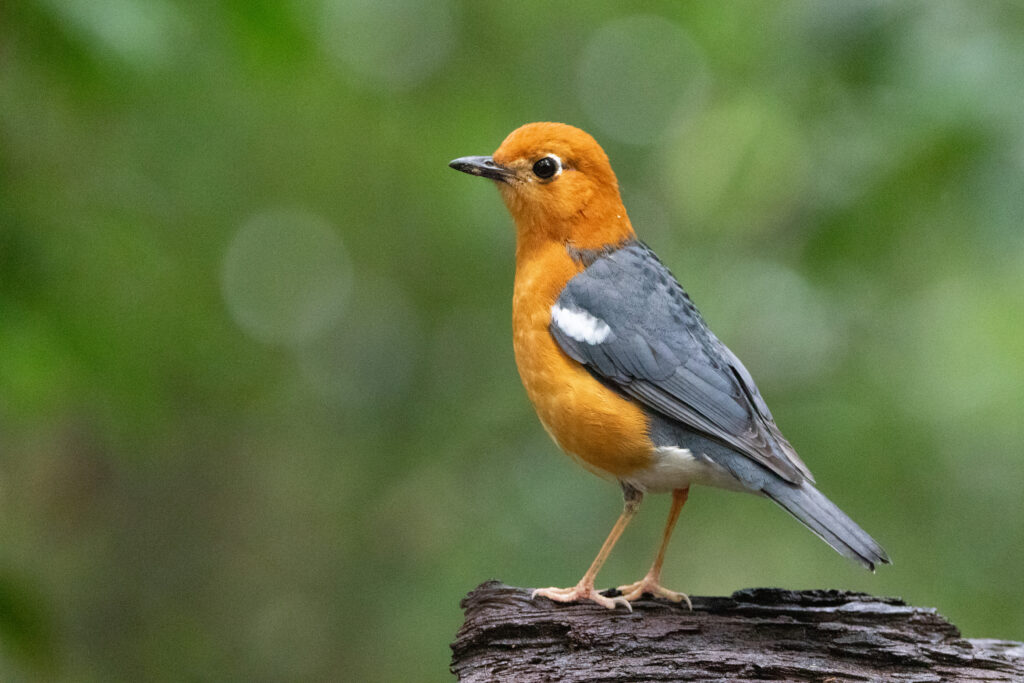
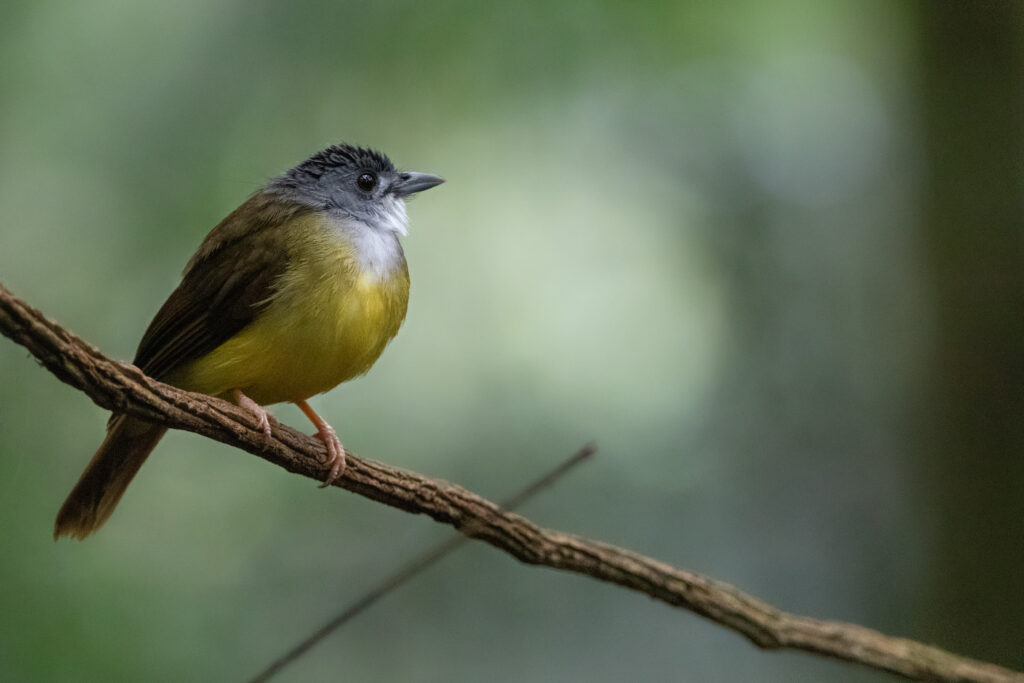
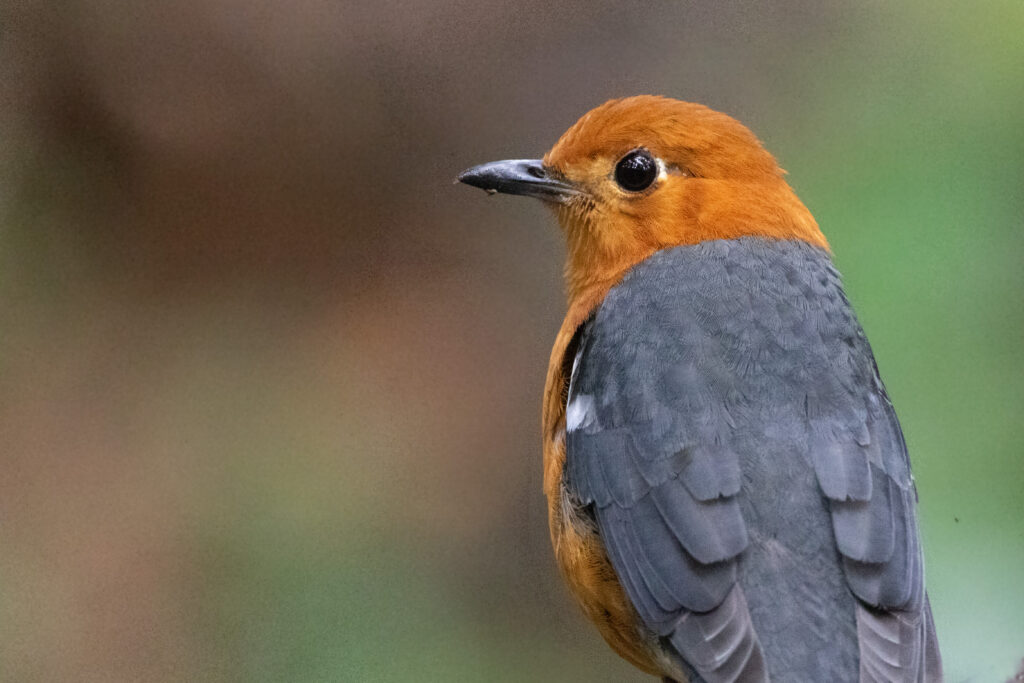
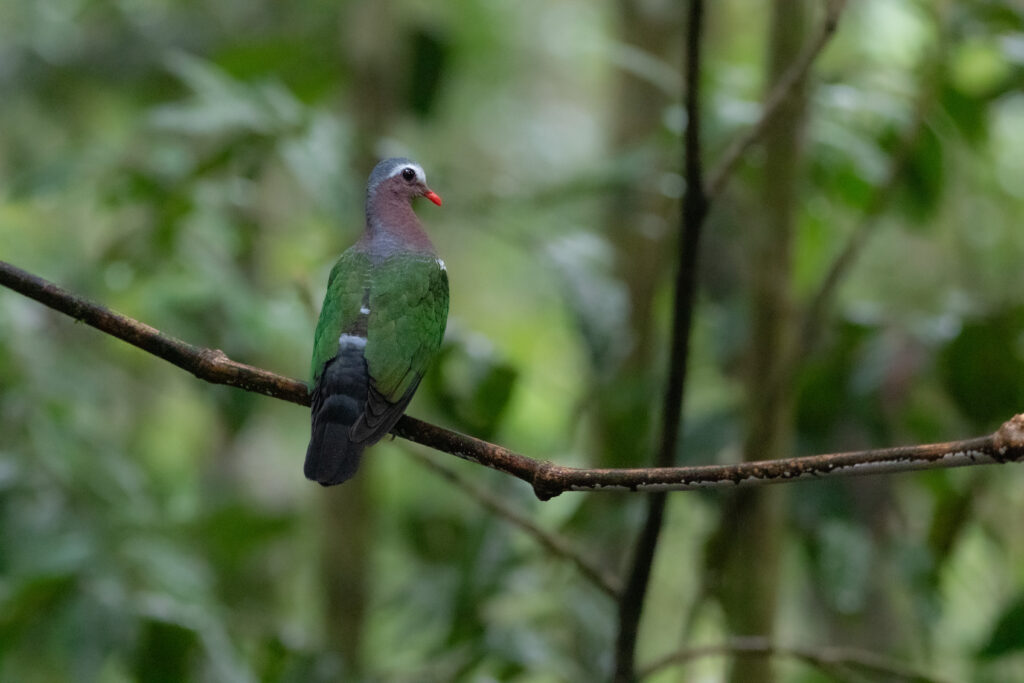
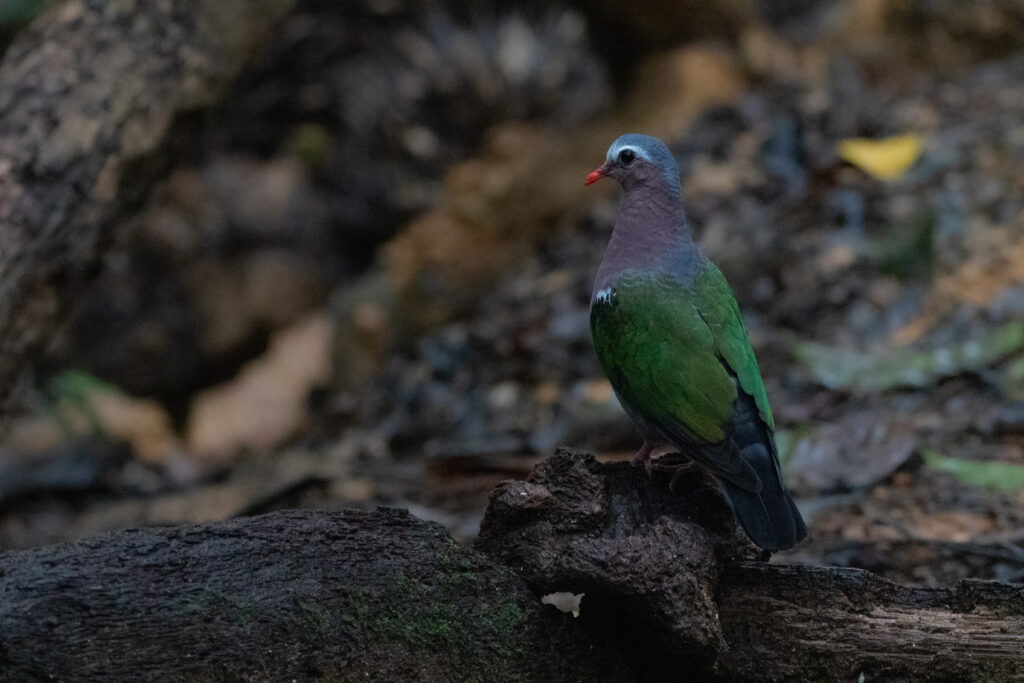
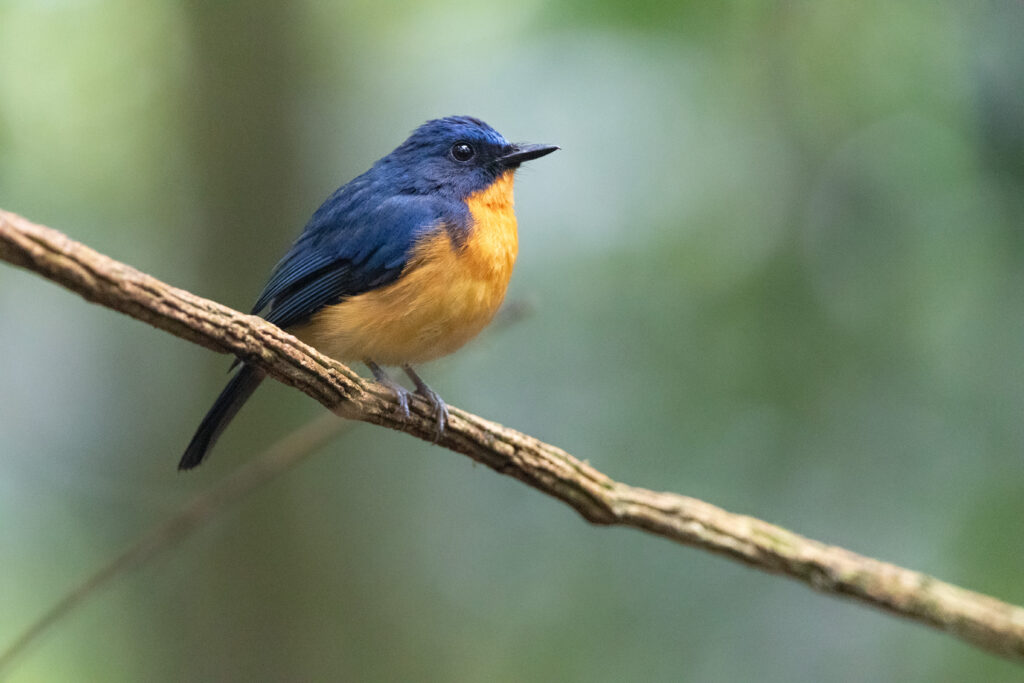
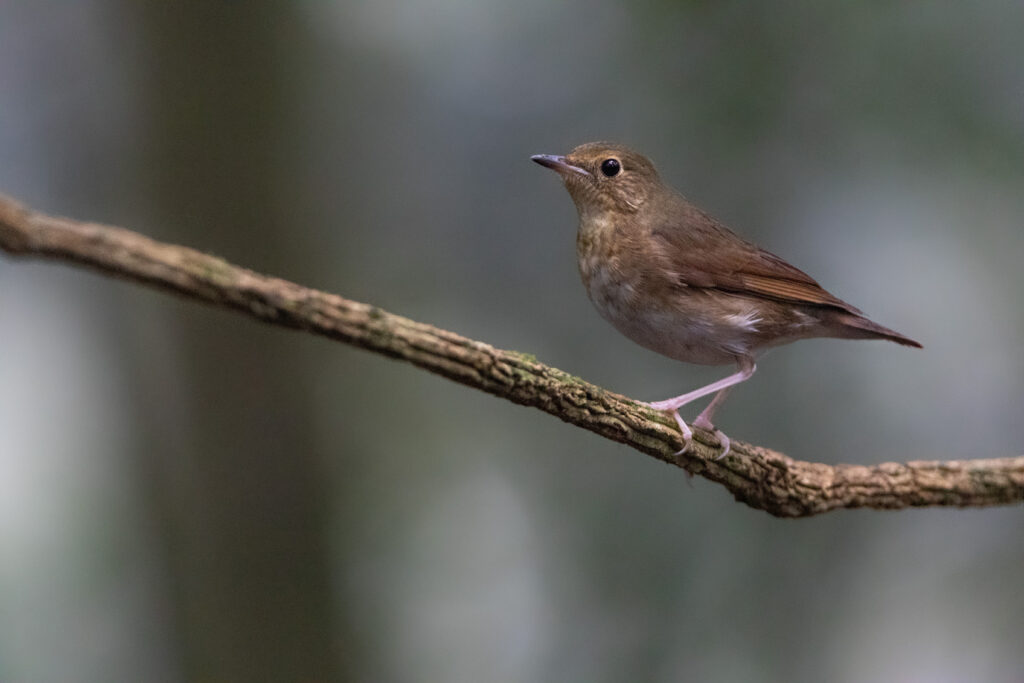
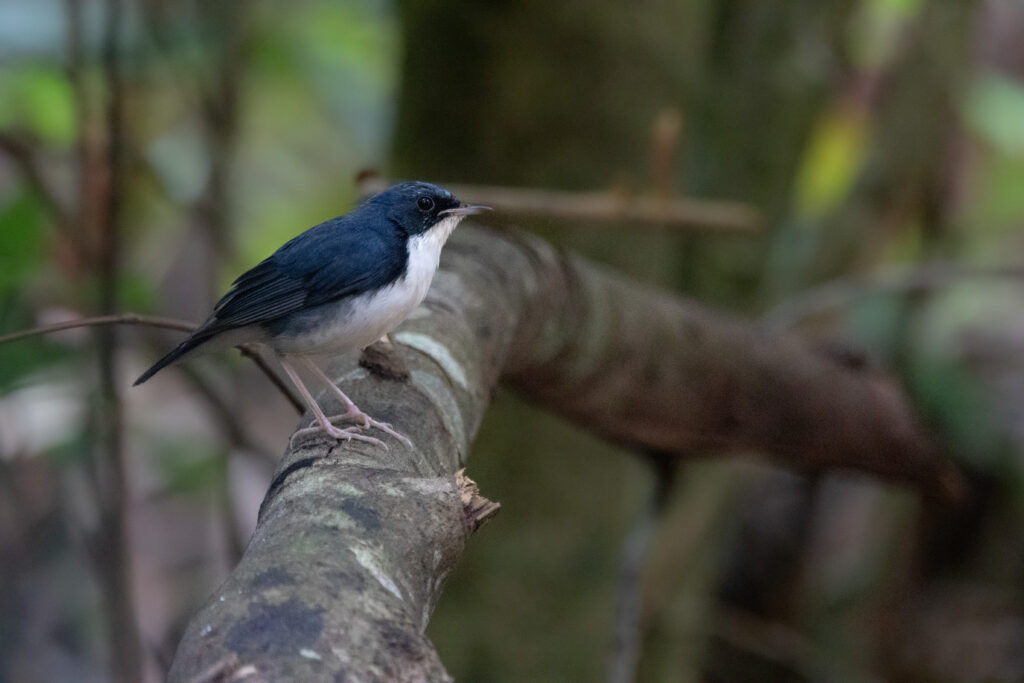
Among flycatchers, you may see the Rufous-chested Flycatcher (Ficedula dumetoria), Dayak Blue Flycatcher (Cyornis montanus), and the Siberian Blue Robin (Larvivora cyane). This is also a great opportunity to get good views of usually very shy birds such as Temminck’s Babbler (Pellorneum pyrrogenys) and Grey-hooded Babbler (Cyanoderma bicolor). With a bit of luck, the Bornean Banded Pitta (Hydrornis schwaneri) might even make an appearance.
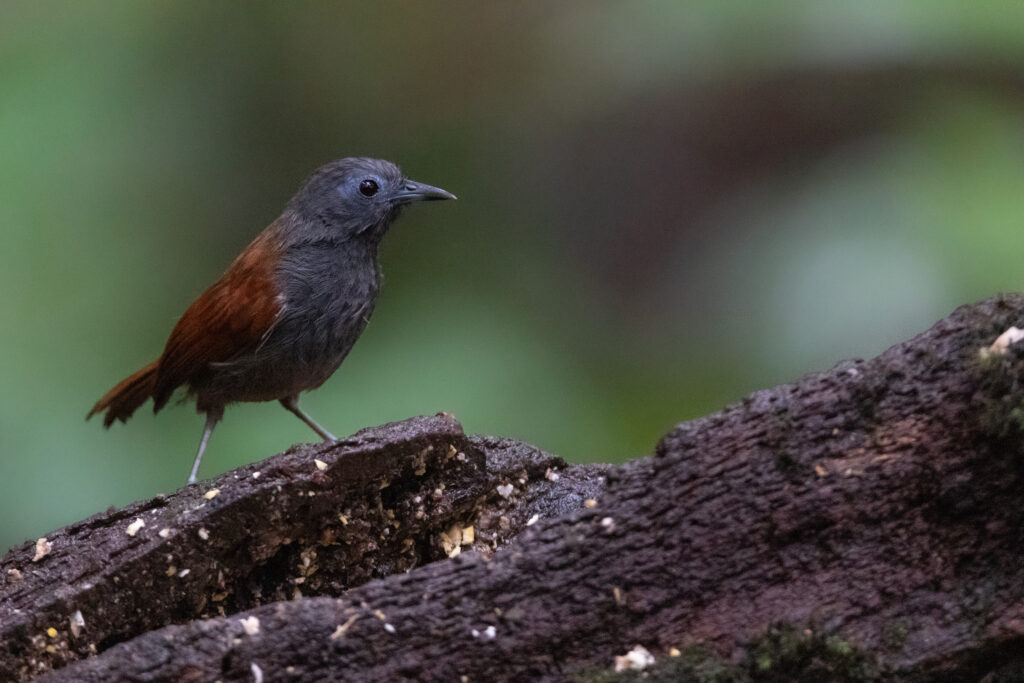
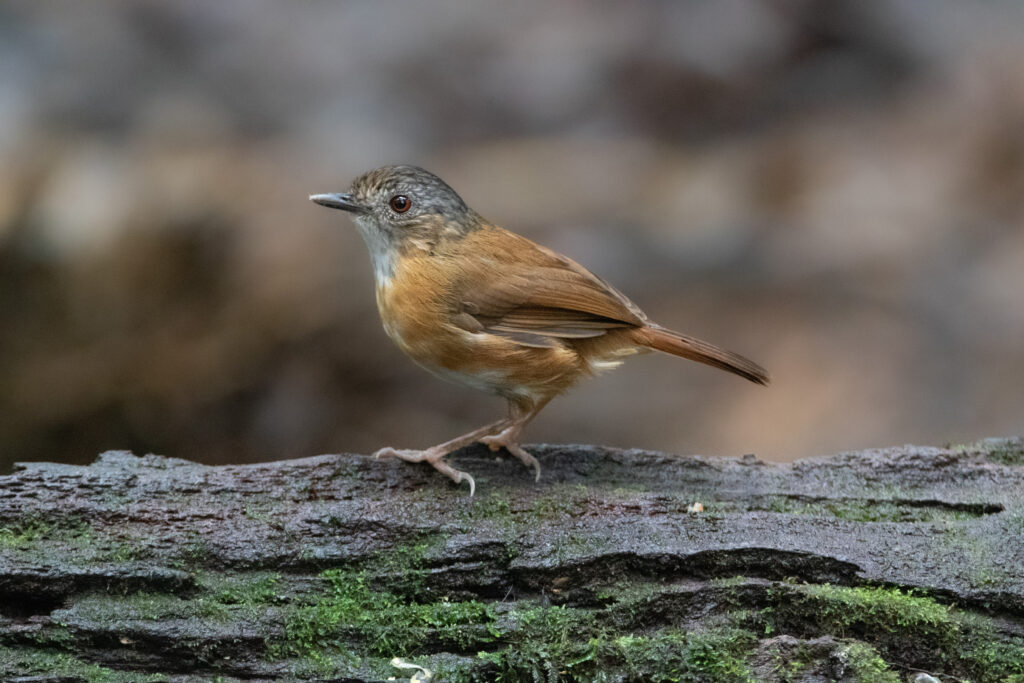
Mount Trusmadi Road
To access the hides, you must now pay an entrance fee for the Trusmadi Reserve (since 2025). You can take advantage of this to drive part of the way toward the summit in search of additional species. If you do not wish to go all the way up, you can at least reach the Kupu-Kupu Gate. Birding along roads is generally easier due to better visibility.
Here you may spot species such as the Black-and-crimson Oriole (Oriolus consanguineus), Ashy Drongo (Dicrurus leucophaeus), and once again the Bornean Bulbul (Rubigula montis).
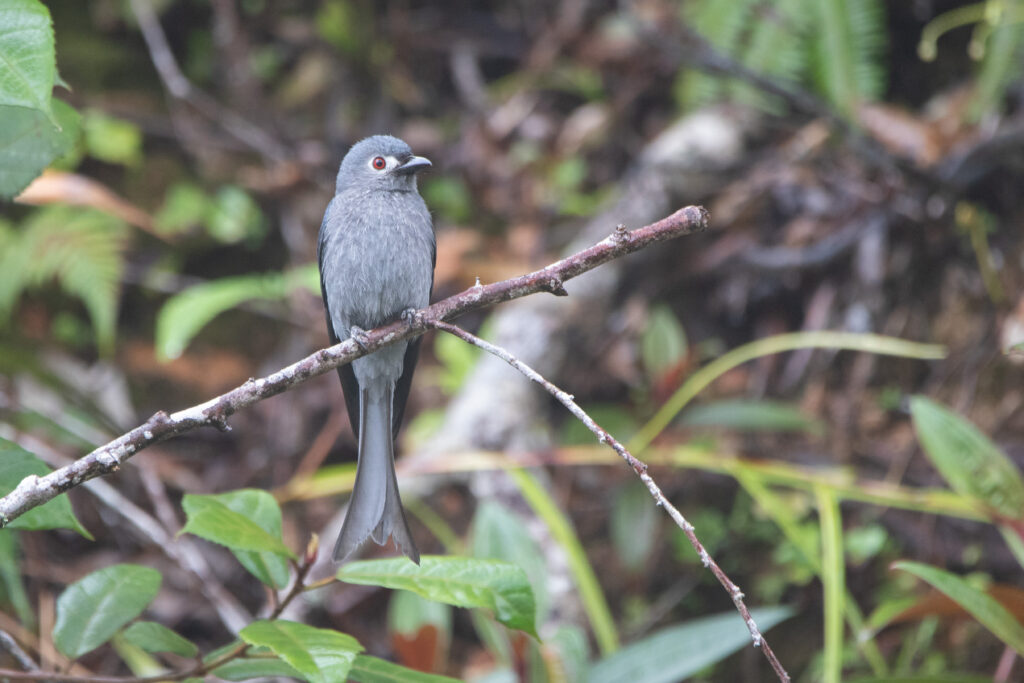
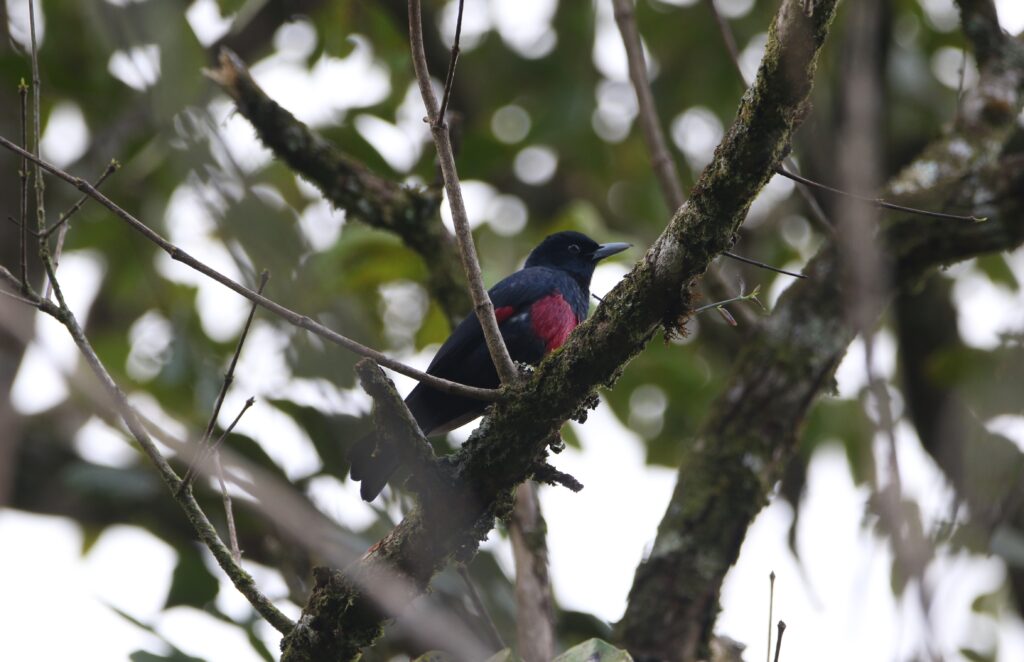
How to get to Crocker Range National Park?
To reach each of the sites mentioned above, you will not be able to use public transportation. The best option is to rent your own vehicle, as it is much easier to get around Sabah in Borneo this way. Various entrance fees also apply.
For Crocker Range National Park, the fee is around 20 RM per person for international adults. This is usually paid at the Gunung Alab ranger station. For Trusmadi, an additional entrance fee must also be paid at the Kupu-Kupu Gate.
Où dormir à Crocker Range ?
If you don’t want to make the 1.5-hour drive from Kota Kinabalu each day, the best option is to stay in the town of Tambunan. This places you roughly halfway between Gunung Alab and Trusmadi. You can choose one of the following accommodations:
- Padi View Resthouse
- Hotel O The 7 Lodge Tambunan
Pingback: Birding at Kinabalu Park - Birdalia