


Birding at Western Treatment Plant
Located southwest of Melbourne, this wetland covering more than 10,000 hectares is a true treasure for birdwatching. During my trip around Melbourne, I met several Australian birders who told me that the Western Treatment Plant is one of the best places (if not the best) for birdwatching in Victoria, and even in Australia. Also known locally as “Werribee”, it is in fact a wastewater treatment facility managed by Victoria’s water authority. The ponds are environmentally friendly lagoons, and this biological treatment method is internationally recognized.
To visit the site, you must obtain an access permit. You can read the section below to find out how to get one. Once inside the area, you will need to use your vehicle to move between the different access gates and birdwatching zones.
Where to see birds at the Western Treatment Plant ?
Below is the official access map for Werribee:
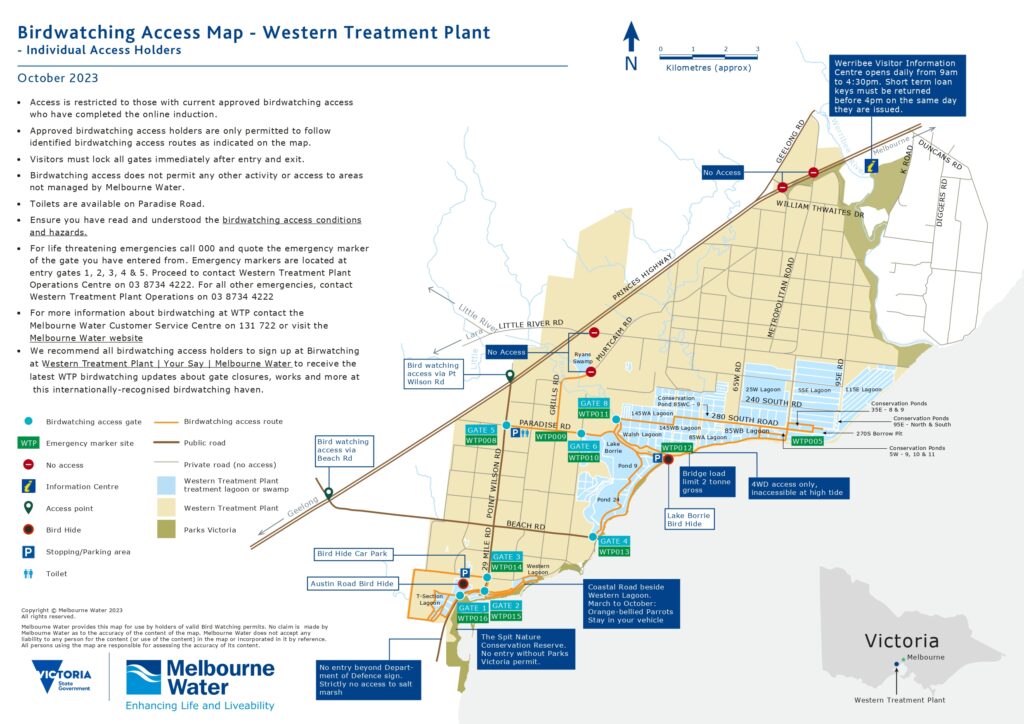
Gates 1 & 3 : Austin Road Lagoon & T Section Lagoon
There are two access gates for the same area. Gate 3 provides access to the Austin Road Lagoon hide, while Gate 1 gives direct access to the T Section lagoons. It is important to note that it is possible to move from one area to the other without leaving the Western Treatment Plant.
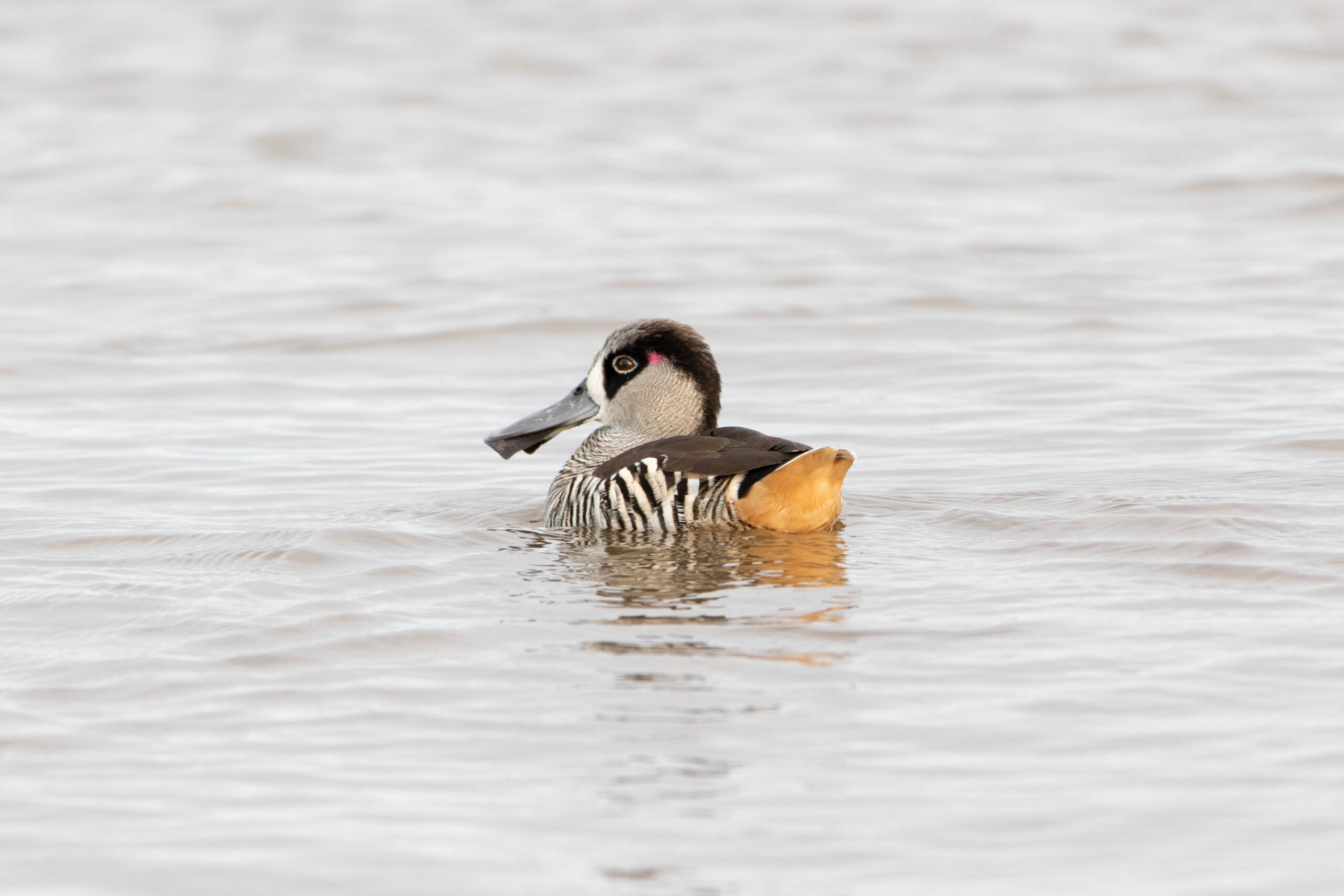
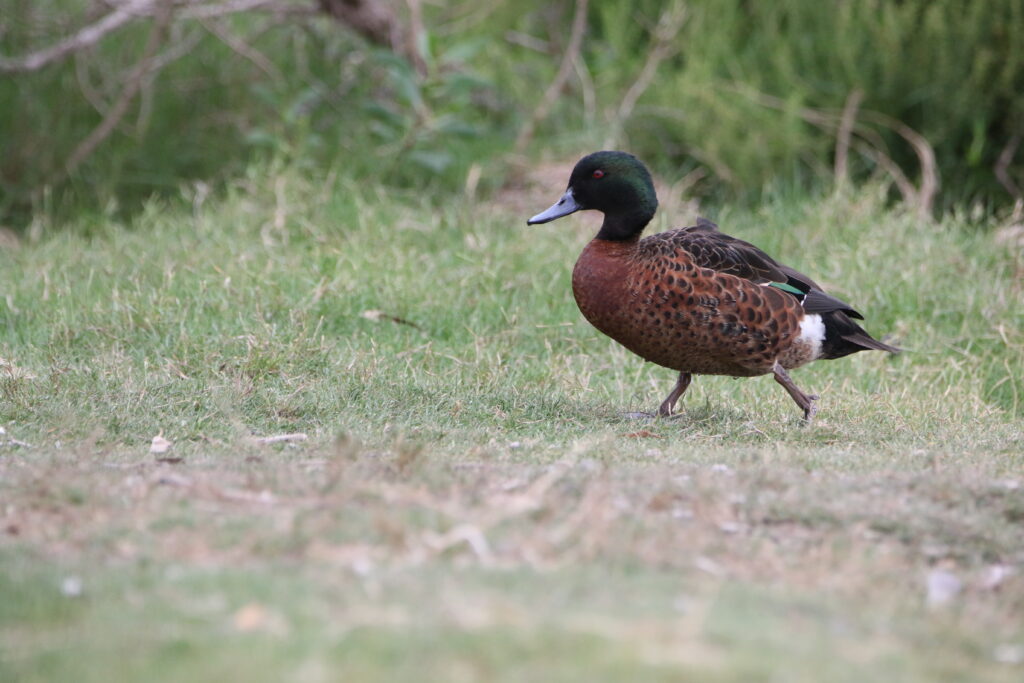
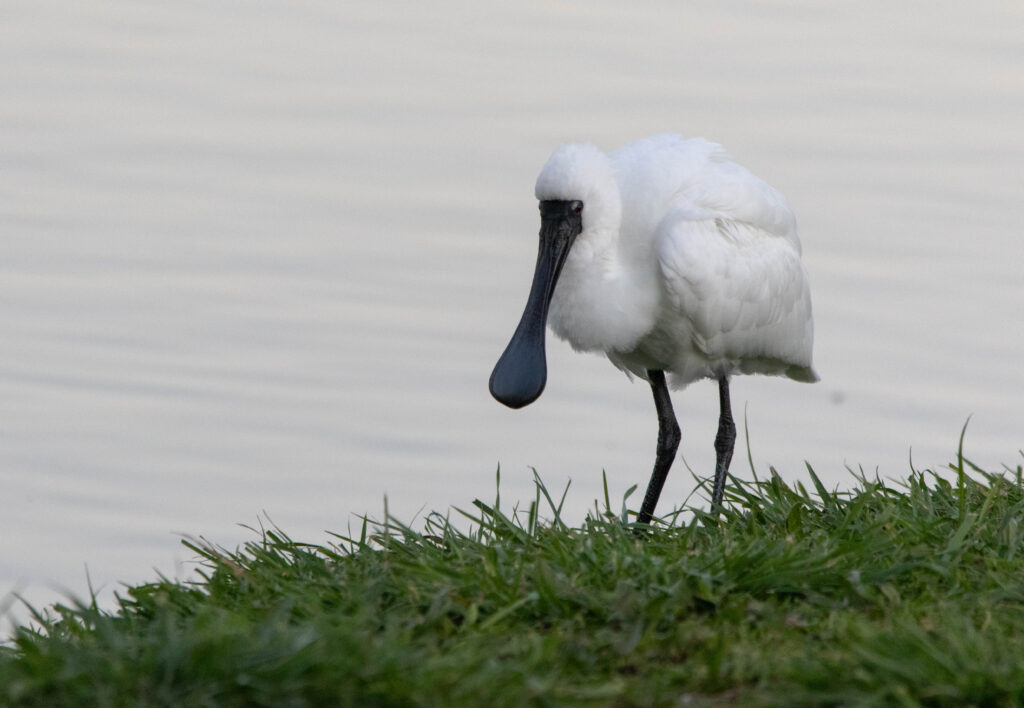
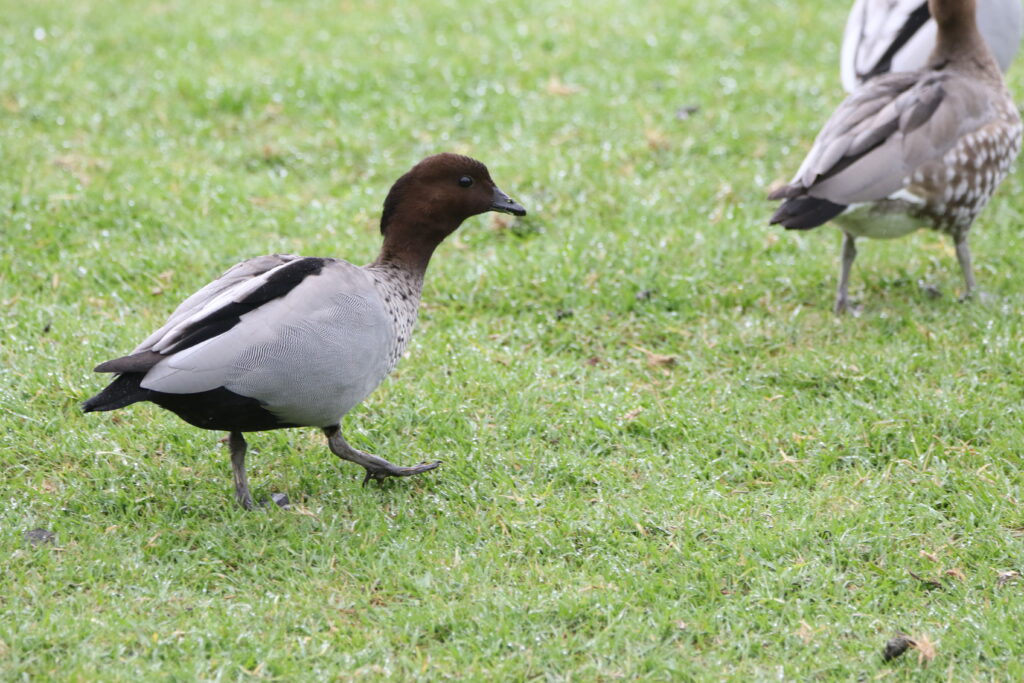
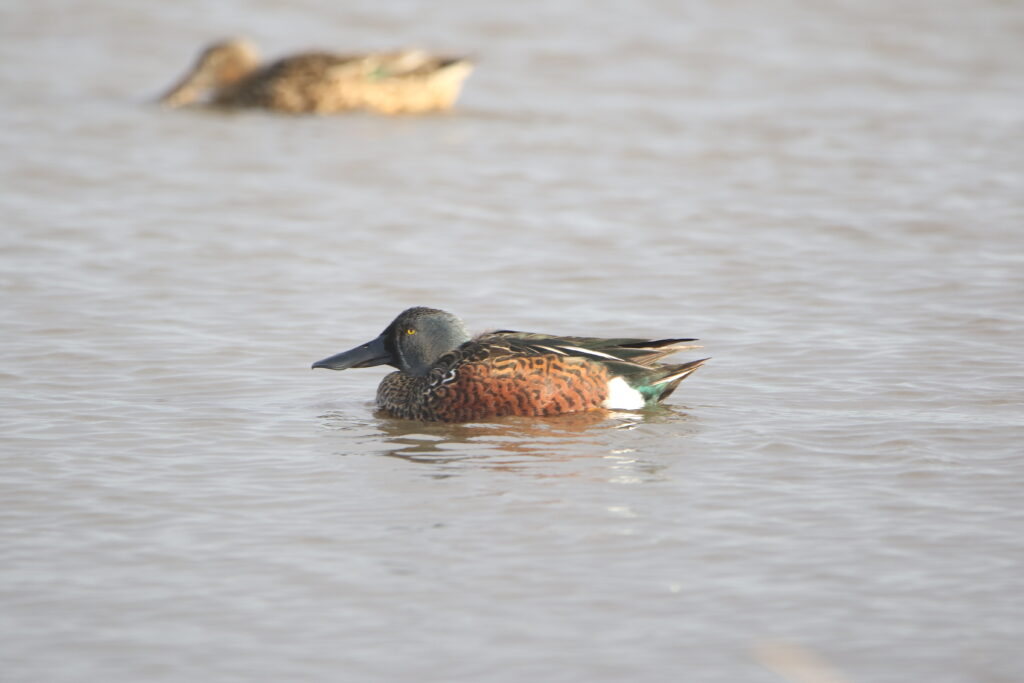
The hide is exceptional, especially early in the morning, when no one has disturbed the birds around the shelter. You can observe many duck species such as the Pink-eared Duck (Malacorhynchus membranaceus), Freckled Duck (Stictonetta naevosa), Australian Shelduck (Tadorna tadornoides), and Chestnut Teal (Anas castanea). Two spoonbill species are also present: Royal Spoonbill (Platalea regia) and Yellow-billed Spoonbill (Platalea flavipes).
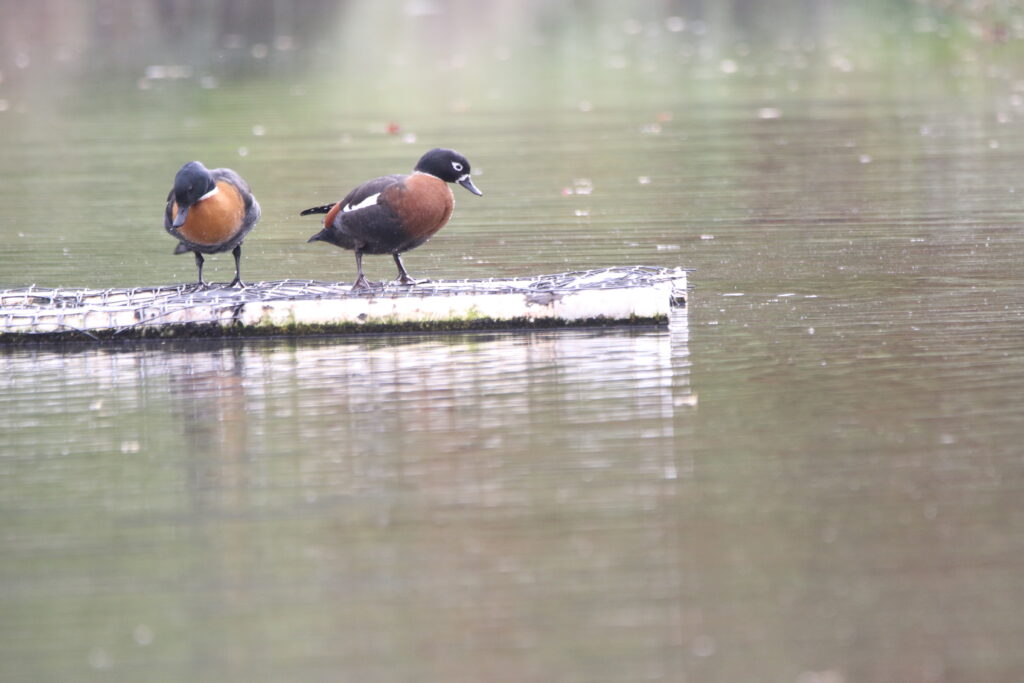
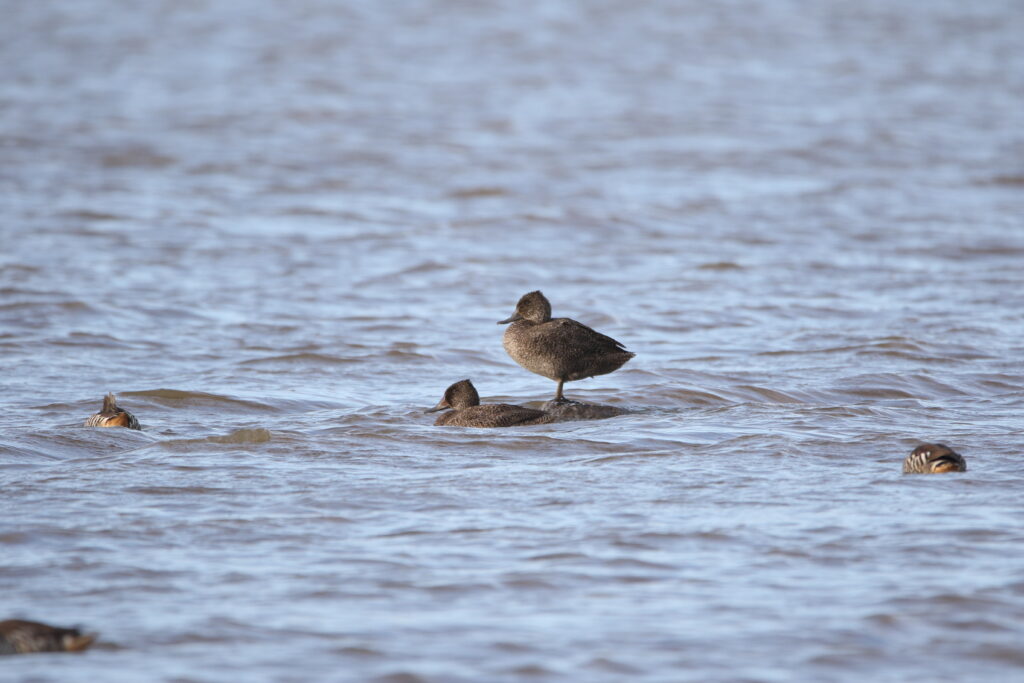
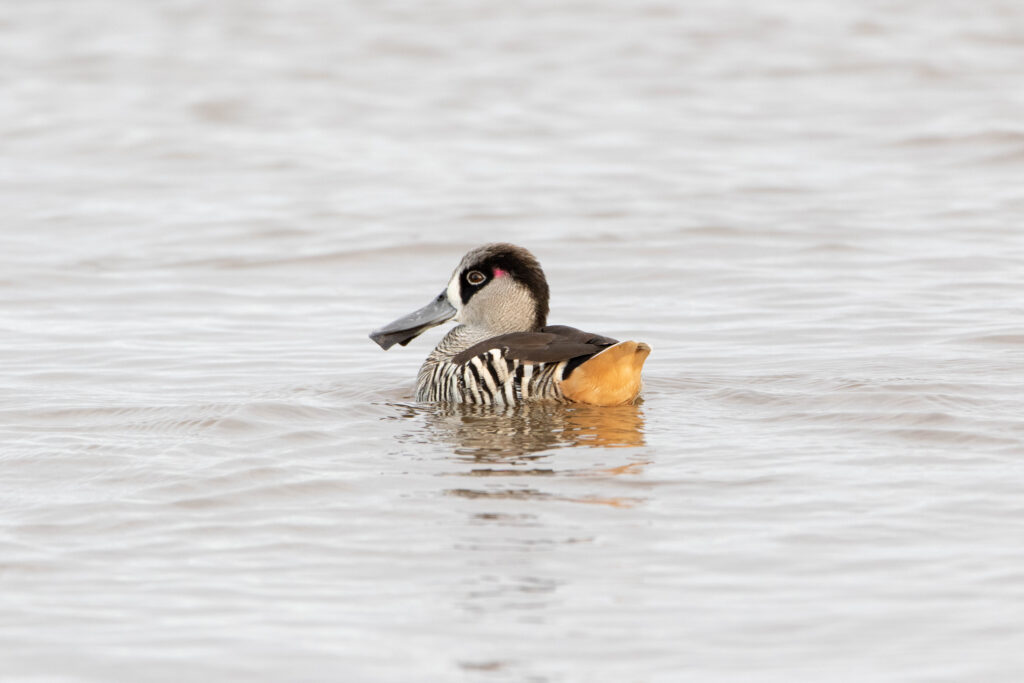
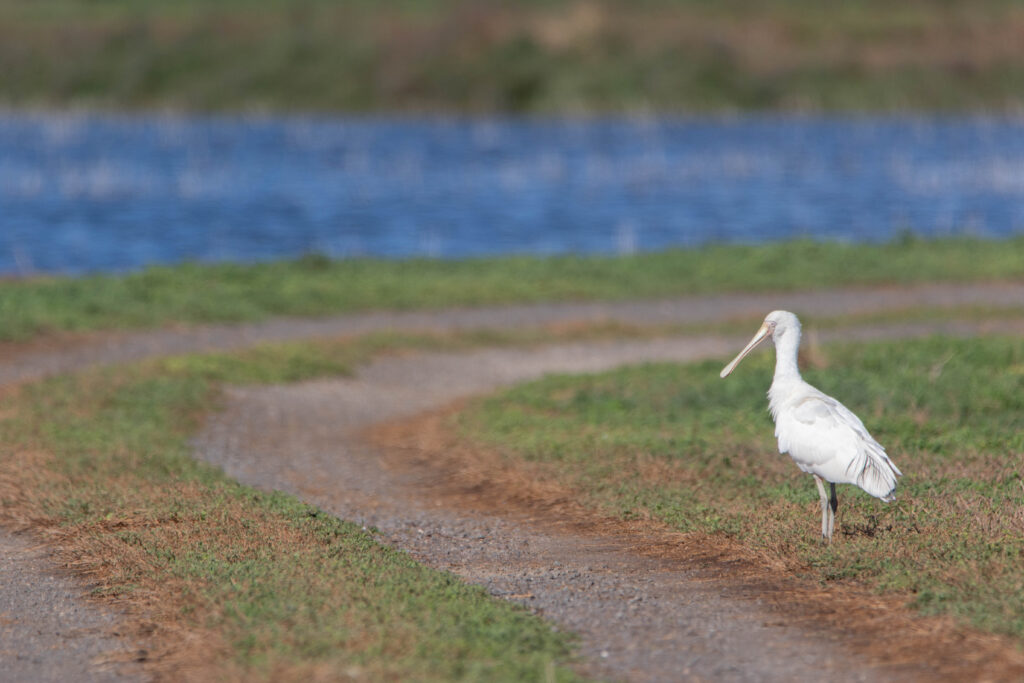
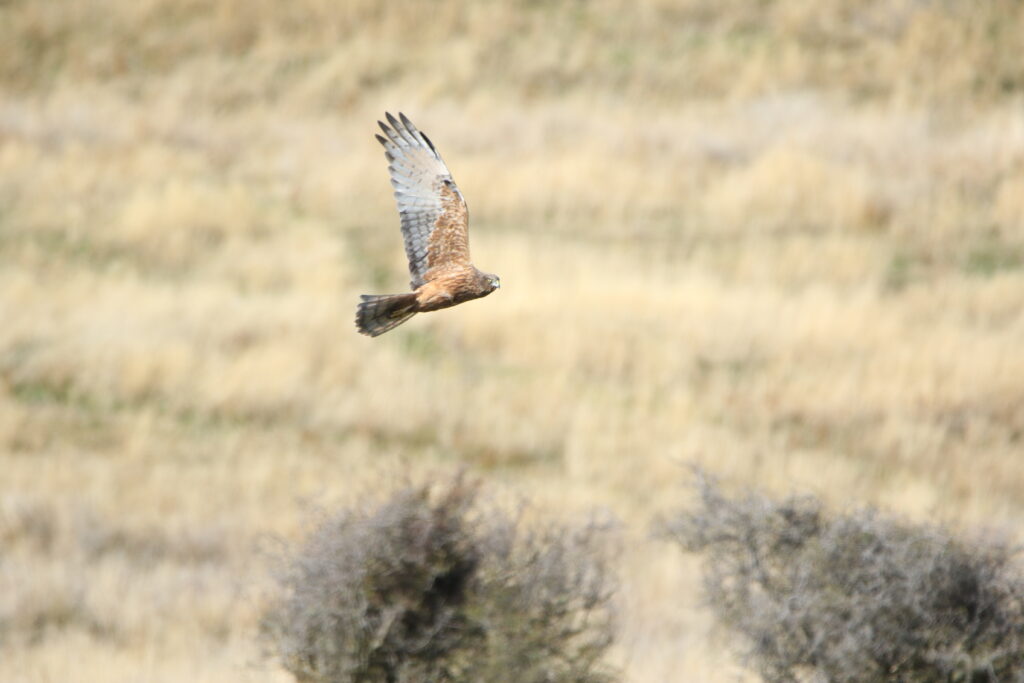
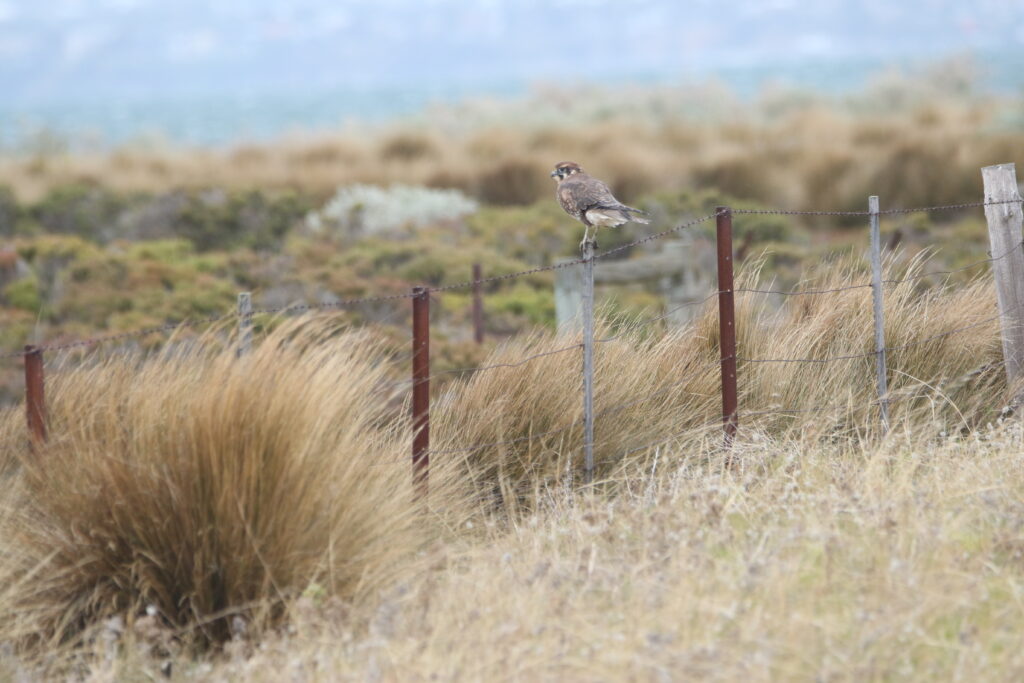
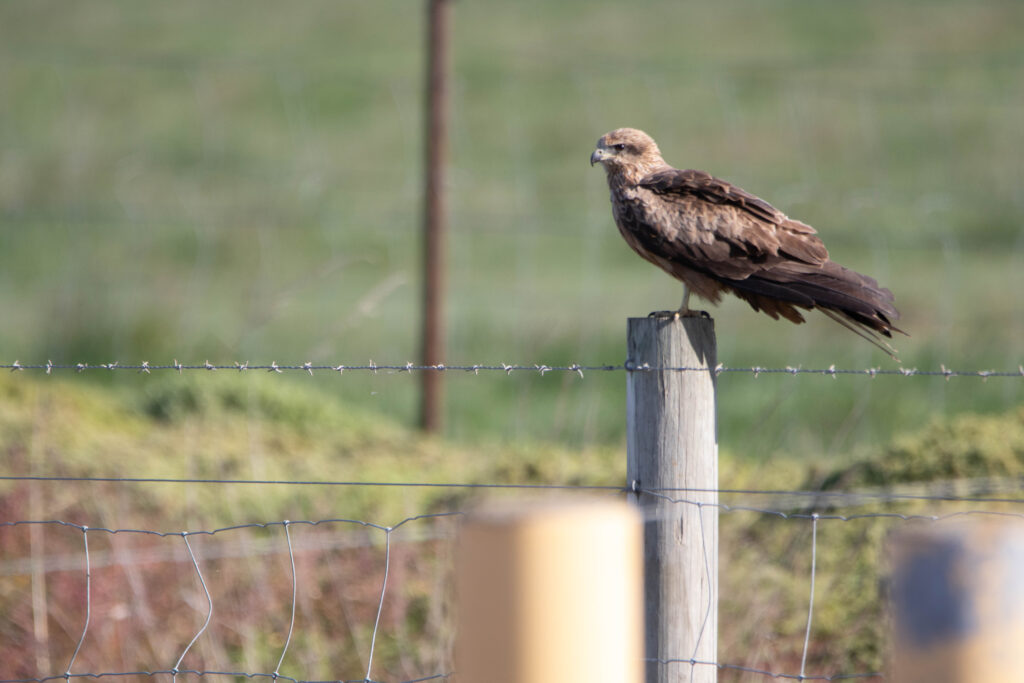
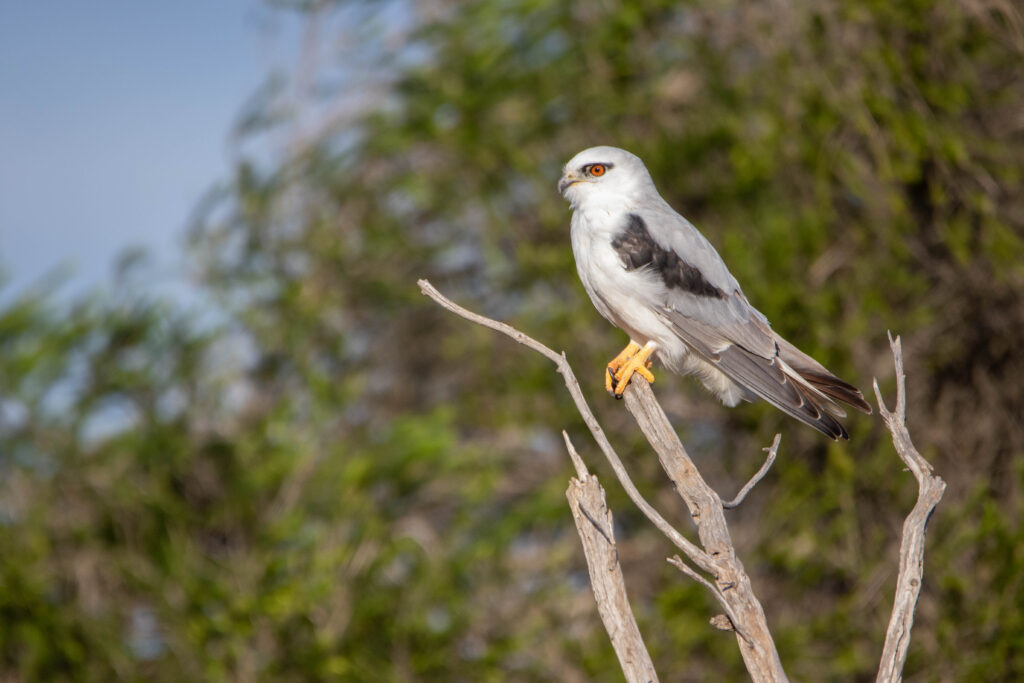
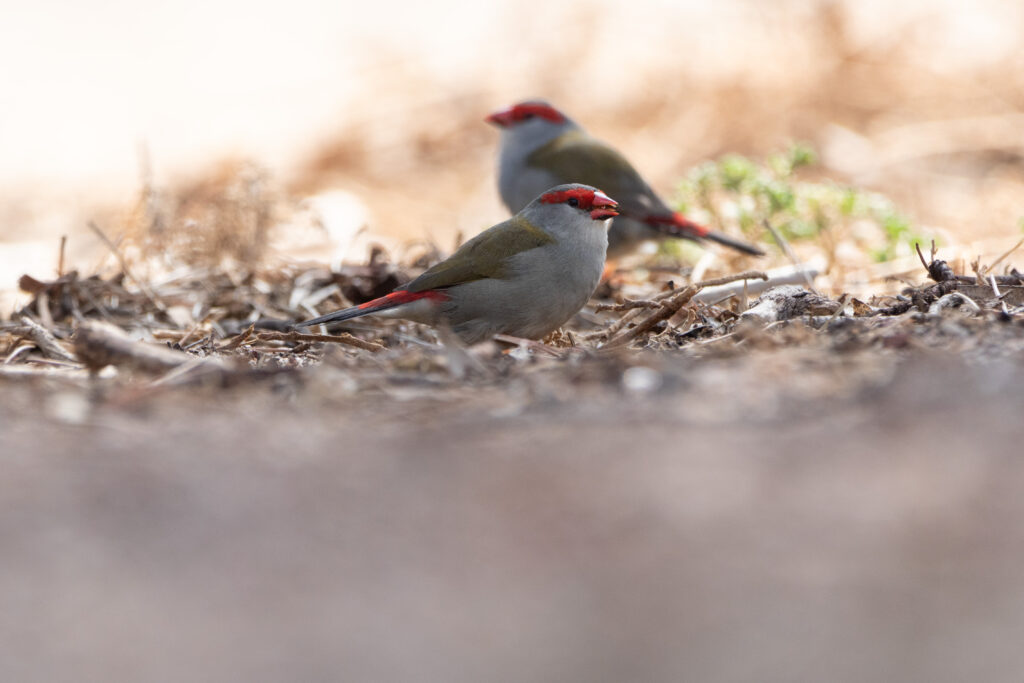
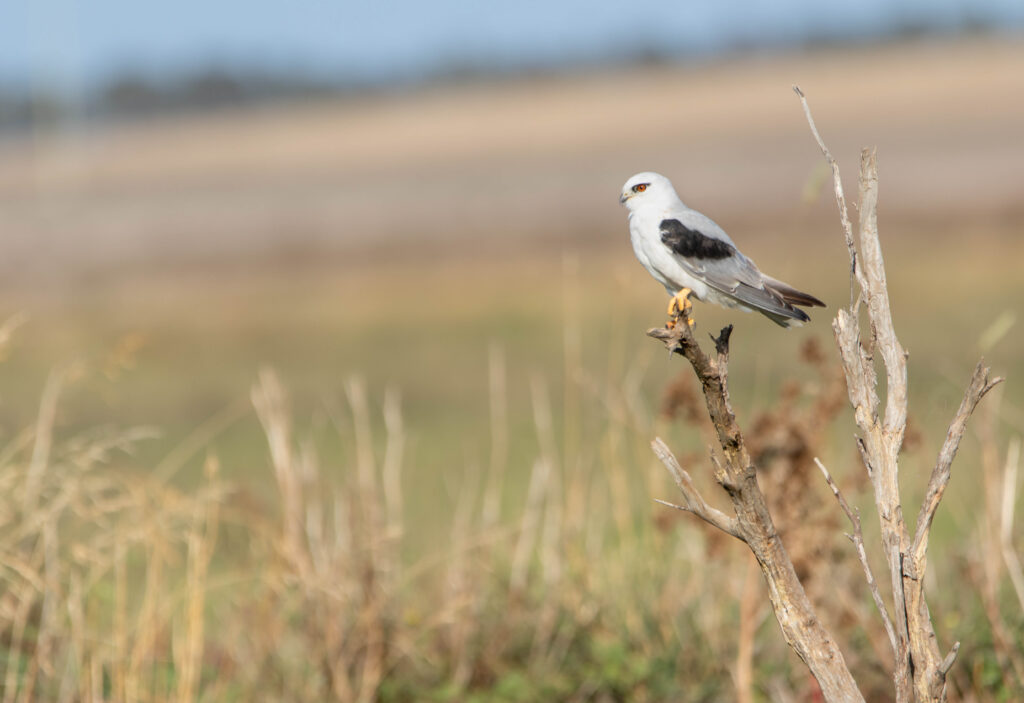
Along the tracks between the lagoons, stay alert, as birds are less wary of cars than of people. This is a great opportunity to take beautiful photos of raptors such as the Black-shouldered Kite (Elanus axillaris), Brown Falcon (Falco berigora), Whistling Kite (Haliastur sphenurus), and Swamp Harrier (Circus approximans). The Black Falcon (Falco subniger) is more often observed in flight. Among smaller passerines, the Zebra Finch (Taeniopygia guttata) is common in this area, as is the Red-browed Finch (Neochmia temporalis).
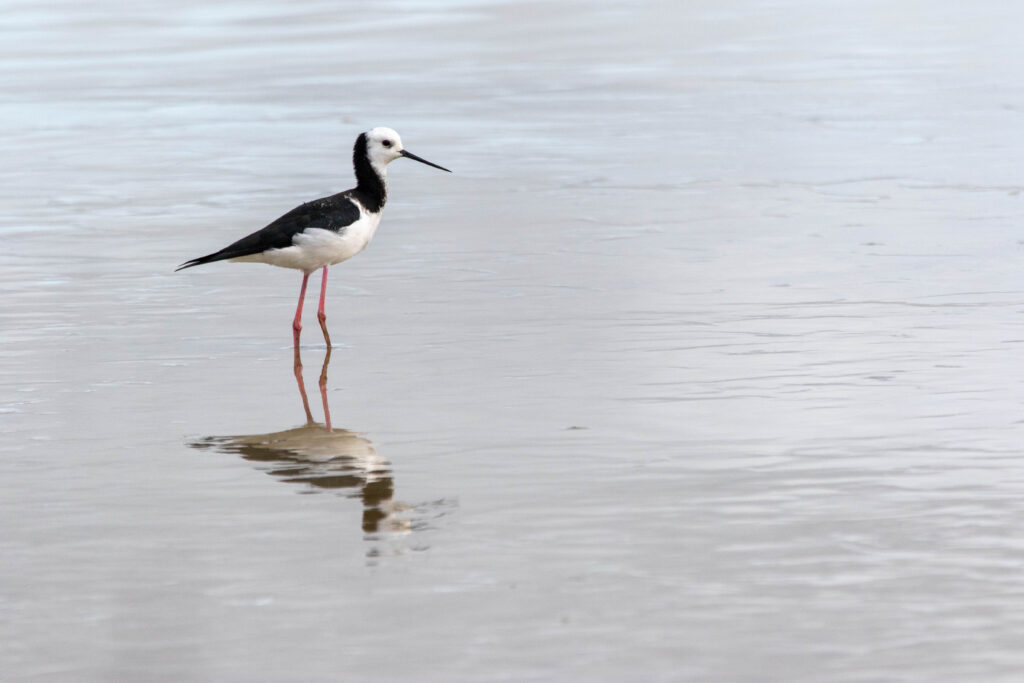
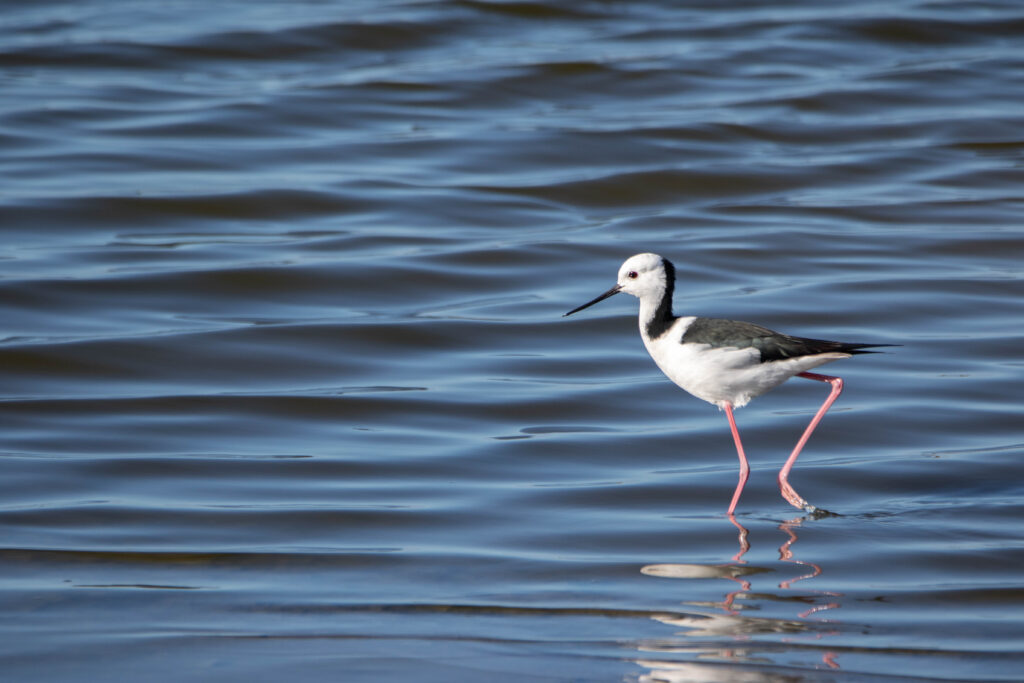
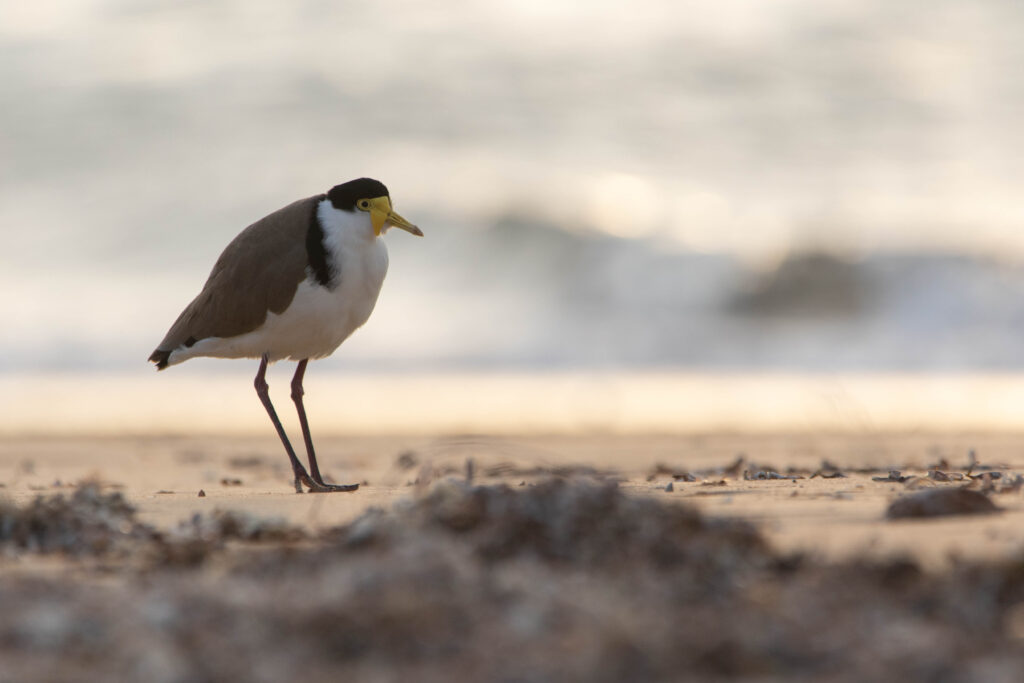
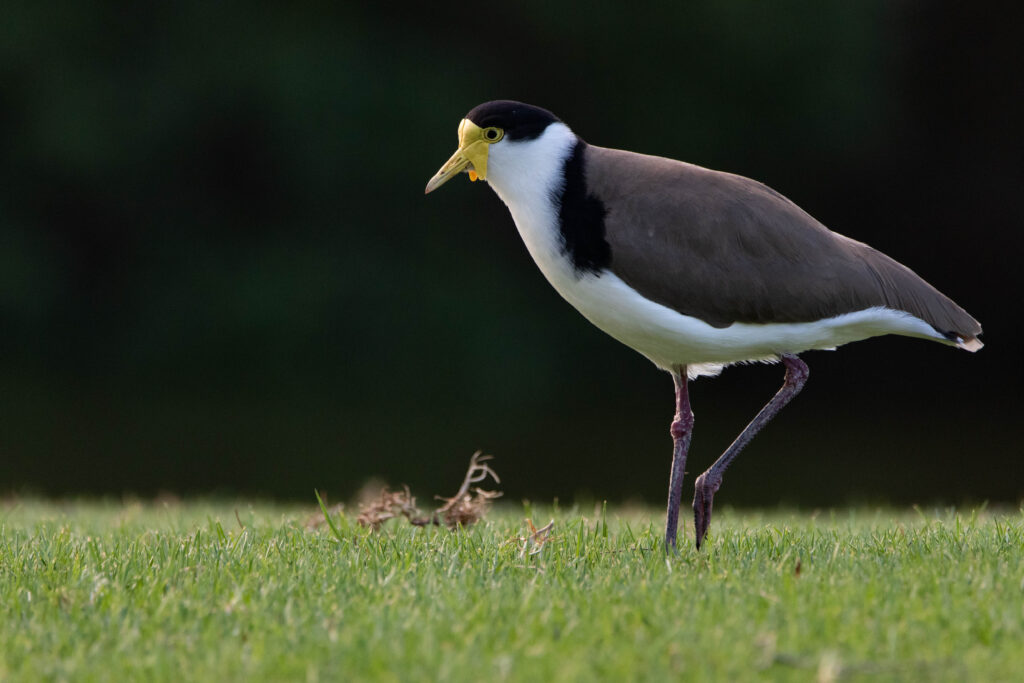
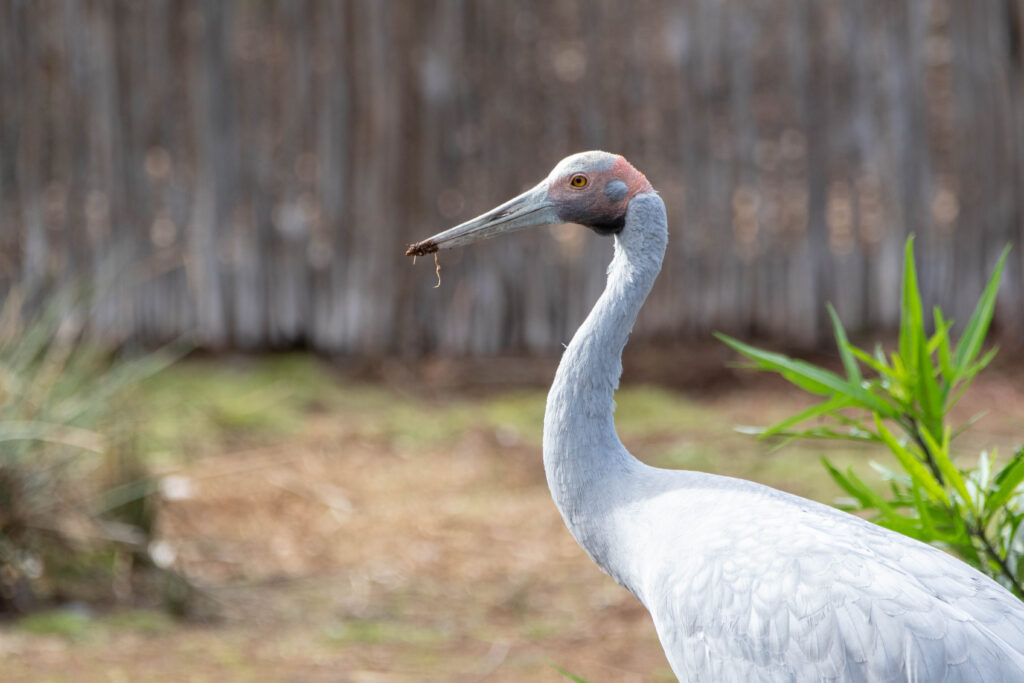
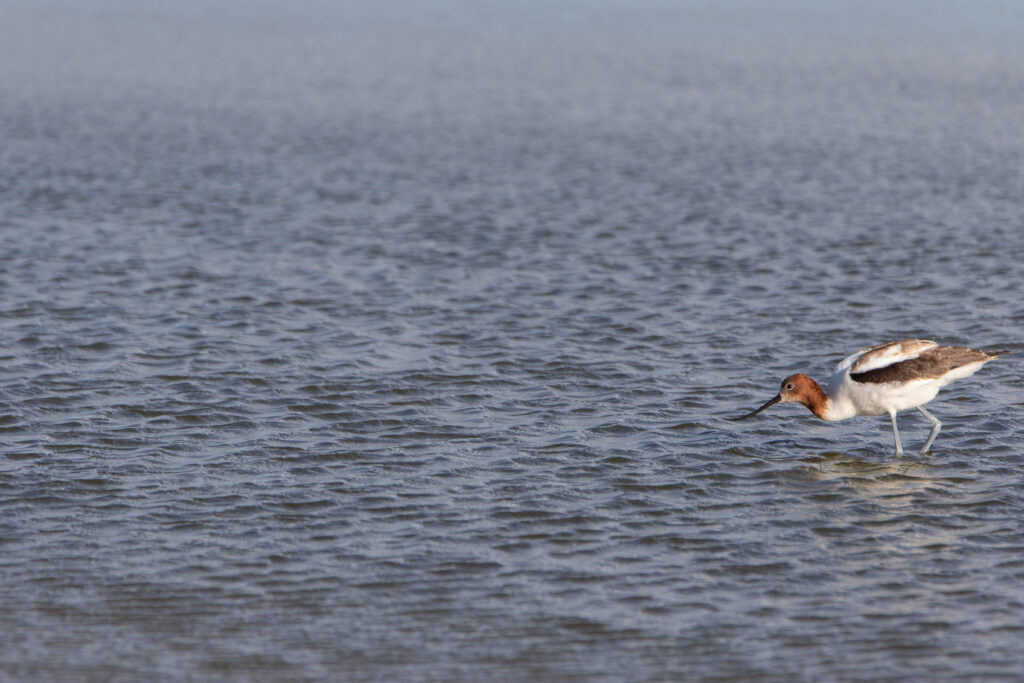
In the T Section lagoons, you will find more or less the same species as at the hide. Depending on water levels, it is also possible to observe Pied Stilt (Himantopus leucocephalus), Banded Stilt (Cladorhynchus leucocephalus), Red-necked Avocet (Recurvirostra novaehollandiae), and Masked Lapwing (Vanellus miles). Be sure to scan the surrounding fields for Brolgas (Antigone rubicunda).
Gate 2 : Western Lagoons & Sandspit
From Gate 2, you gain access to the Western Lagoons. This gate is located quite close to Austin Road Lagoon and the T Section lagoons.
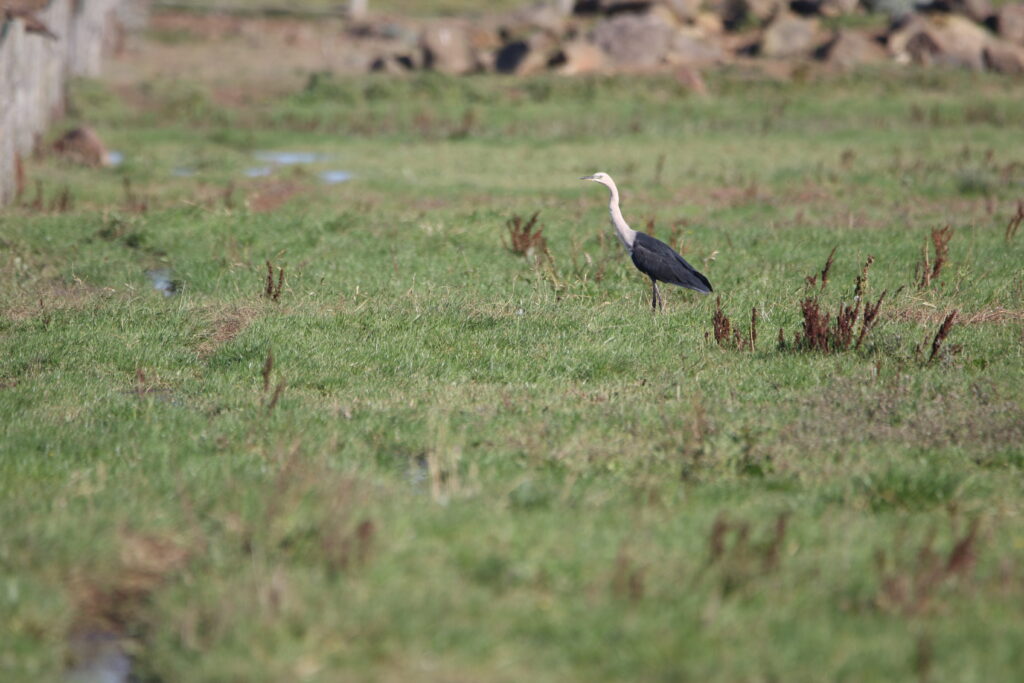
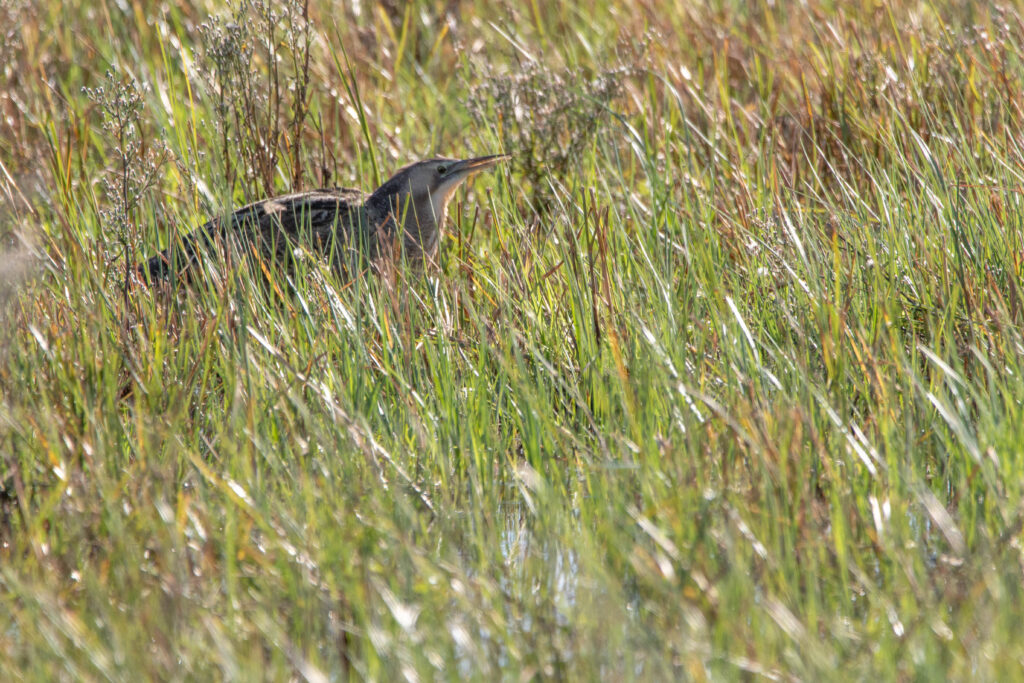
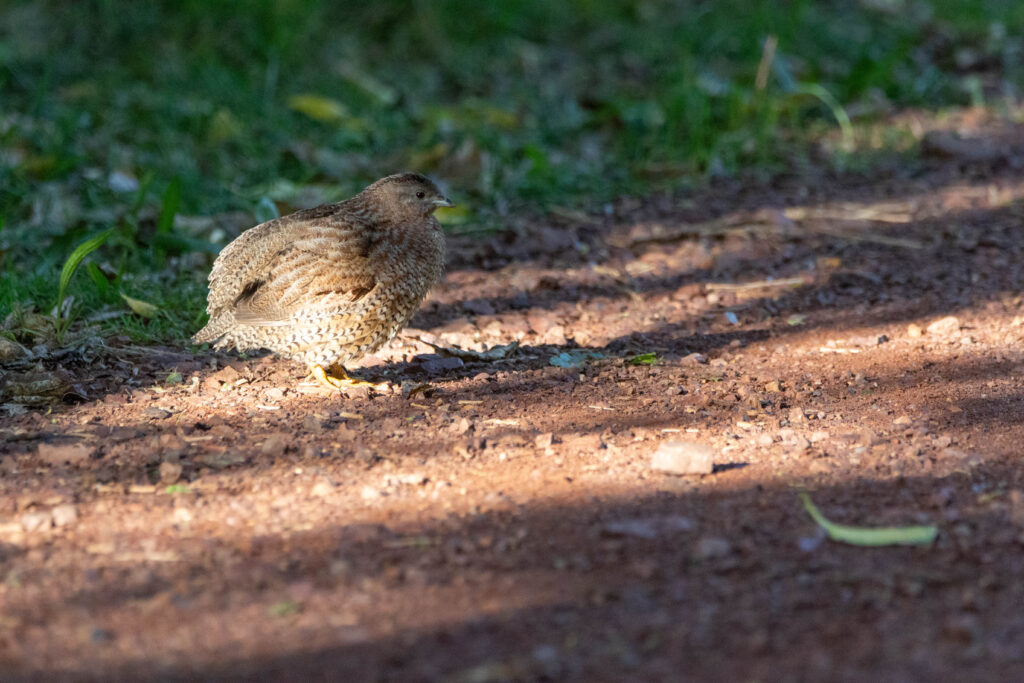
Once you pass through Gate 2, along the tracks, look out for the Blue-winged Parrot (Neophema chrysostoma) and the Red-rumped Parrot (Psephotus haematonotus). Between March and October, you may also be lucky enough to encounter the very rare and endangered Orange-bellied Parrot (Neophema chrysogaster). Scan the surrounding fields carefully for the masters of camouflage: the Australasian Bittern (Botaurus poiciloptilus), as well as Brown Quail (Synoicus ypsilophorus) and Stubble Quail (Coturnix pectoralis). White-necked Herons (Ardea pacifica) can also be observed here. In the ponds, you will once again find a wide variety of ducks, grebes, and other waterbirds.


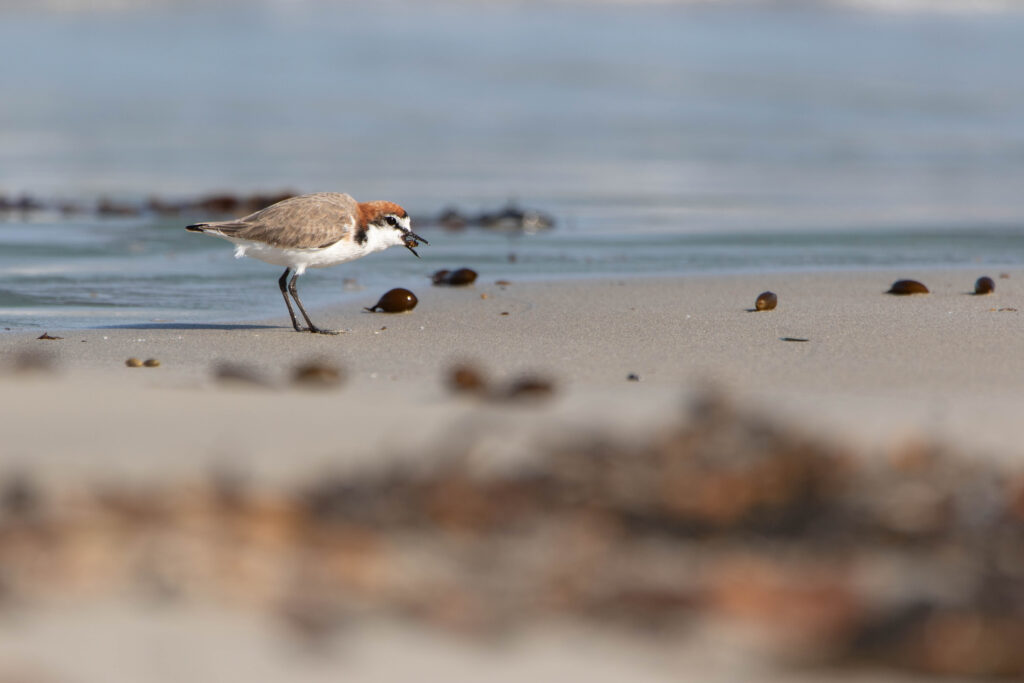
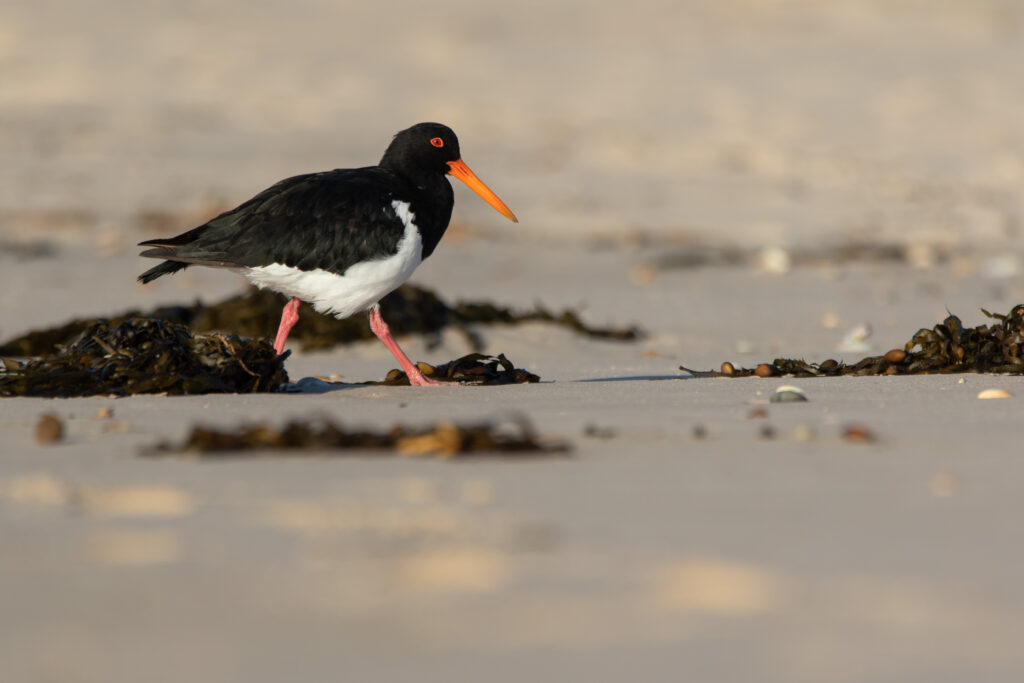
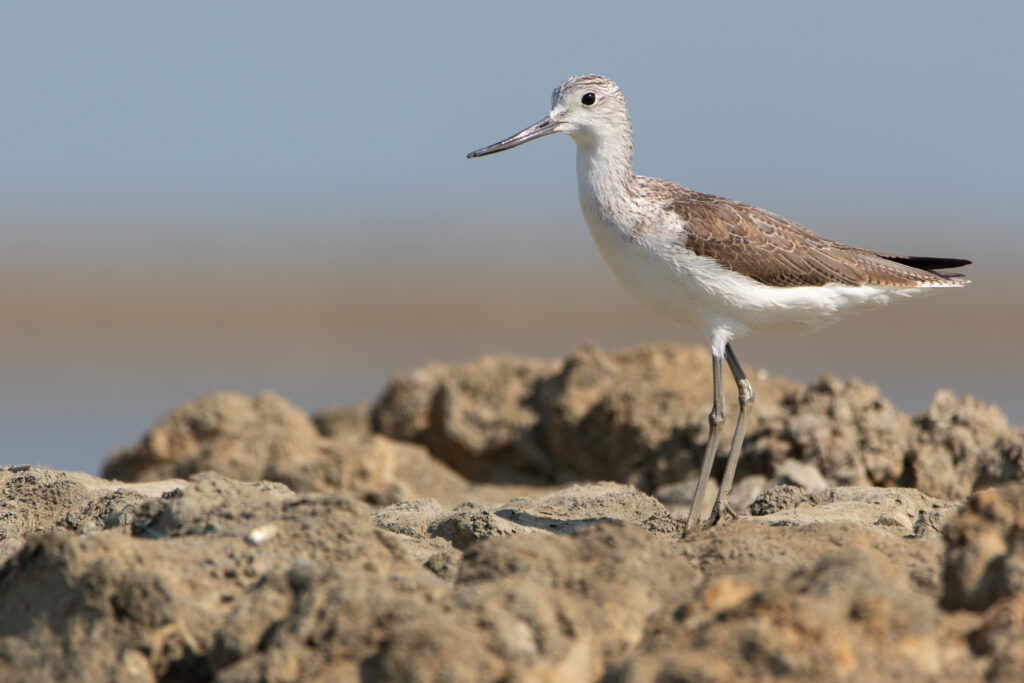
Although the coastal sandspit is a restricted area, you can still get some visibility over it. Here, you may observe shorebirds such as the Pied Oystercatcher (Haematopus longirostris), Red-capped Plover (Anarhynchus ruficapillus), Red-necked Stint (Calidris ruficollis), Sharp-tailed Sandpiper (Calidris acuminata), Curlew Sandpiper (Calidris ferruginea), Common Greenshank (Tringa nebularia), and Marsh Sandpiper (Tringa stagnatilis).


Gate 4 to Little River Hide
Leave the western lagoons of the treatment plant and head towards Gate 4. From here, you can follow the small track that runs along the coastline and its sandbanks to reach the Little River hide.
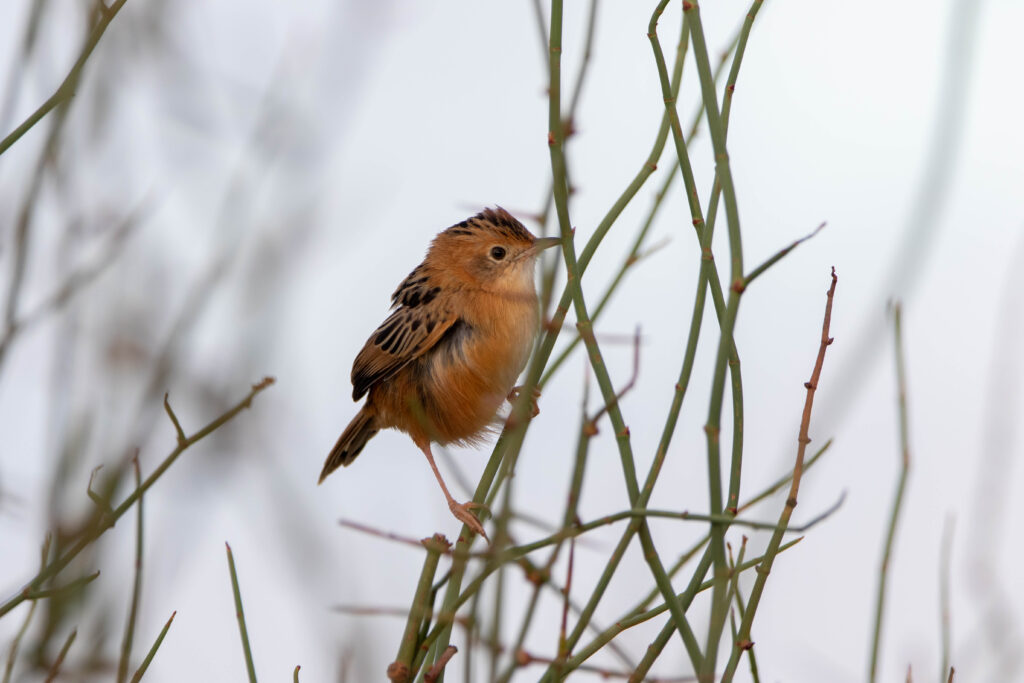
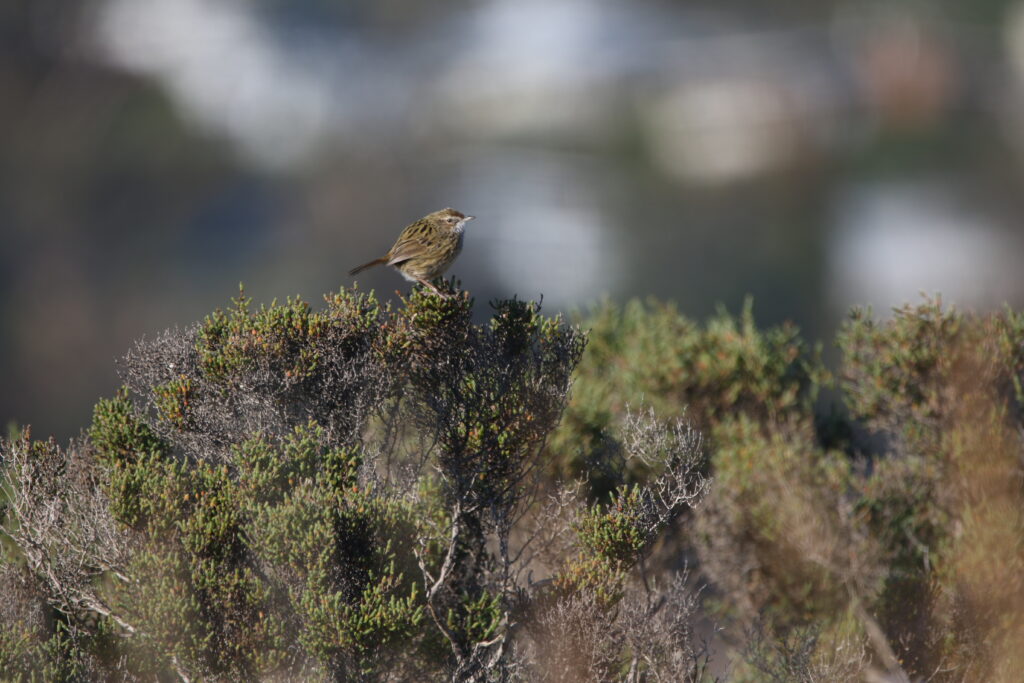
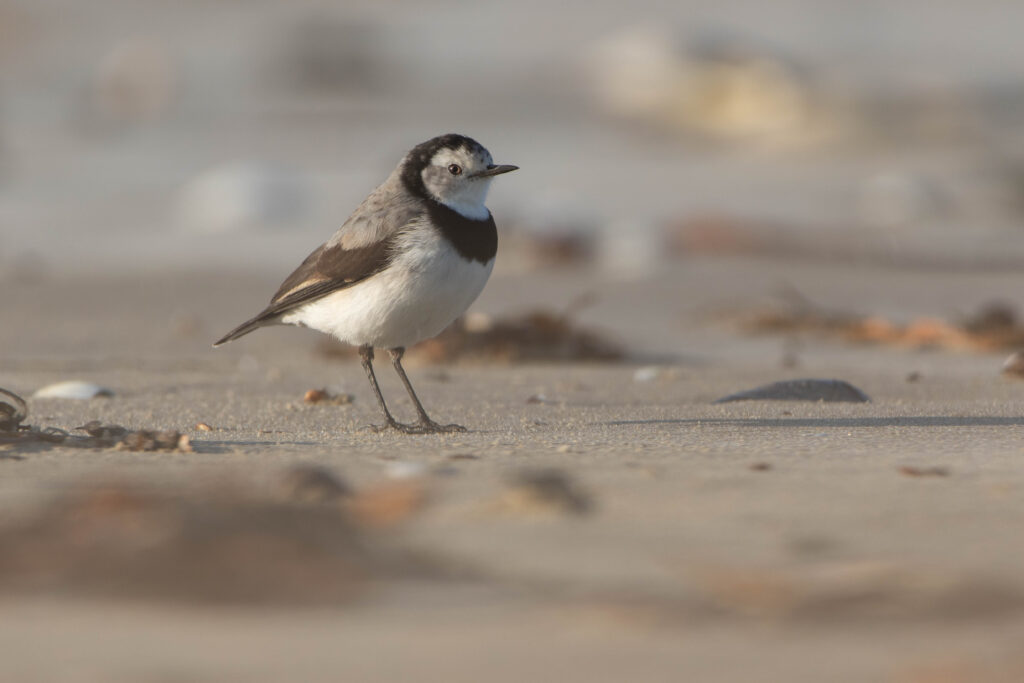
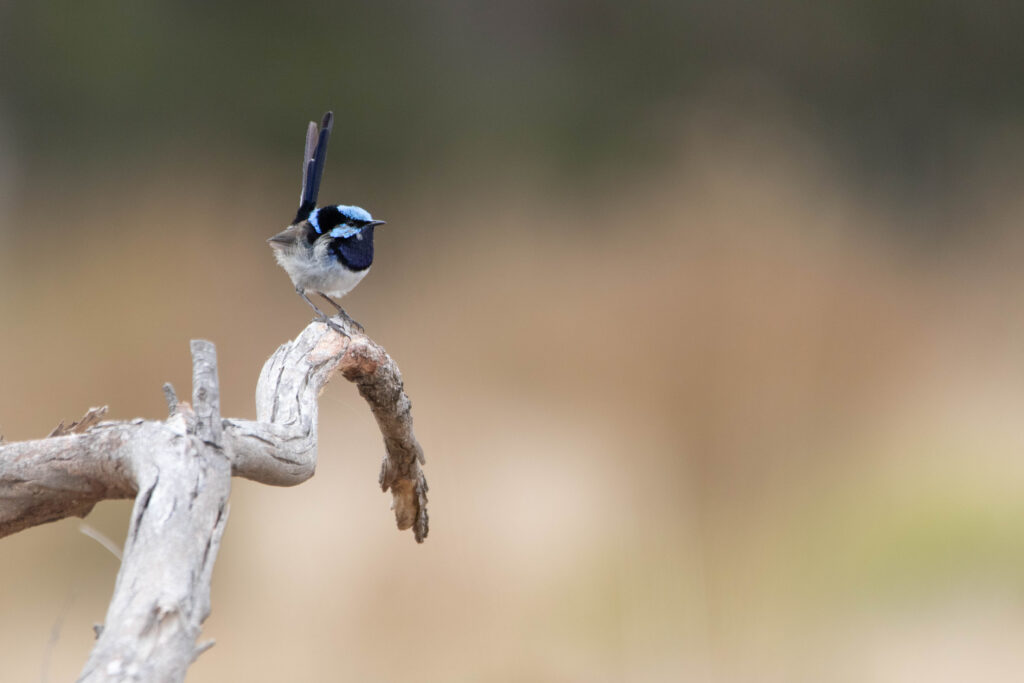
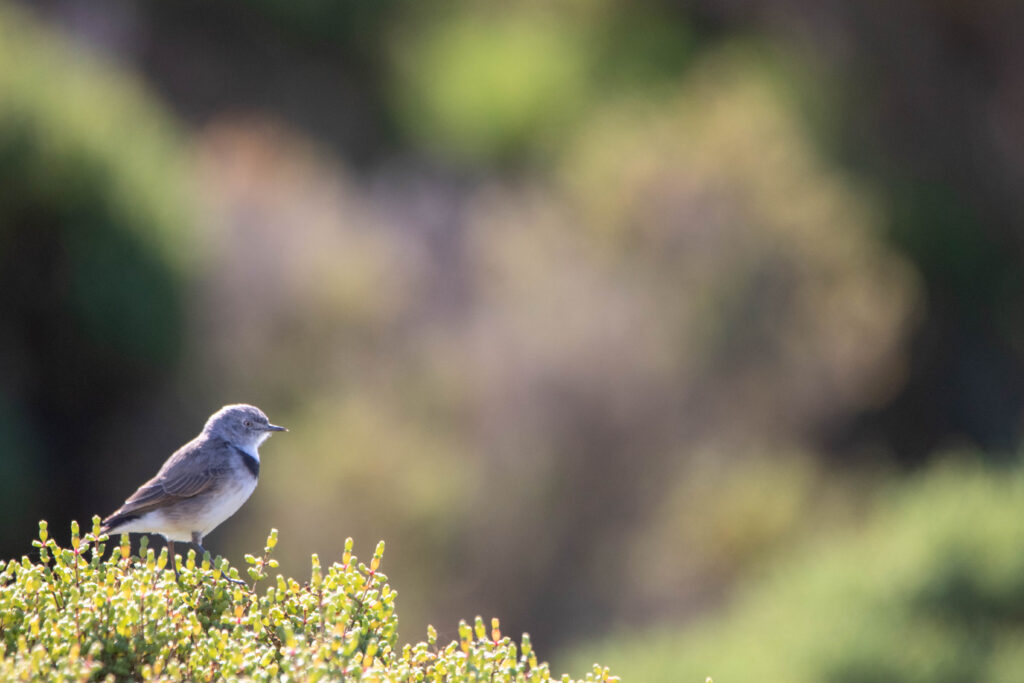
Along the way, search for discreet small passerines such as the Little Grassbird (Poodytes gramineus), Golden-headed Cisticola (Cisticola exilis), White-fronted Chat (Epthianura albifrons), Striated Fieldwren (Calamanthus fuliginosus), and the Singing Honeyeater (Gavicalis virescens), one of the honeyeaters typical of this coastal habitat. It is also possible to see the very common yet striking Superb Fairywren (Malurus cyaneus).

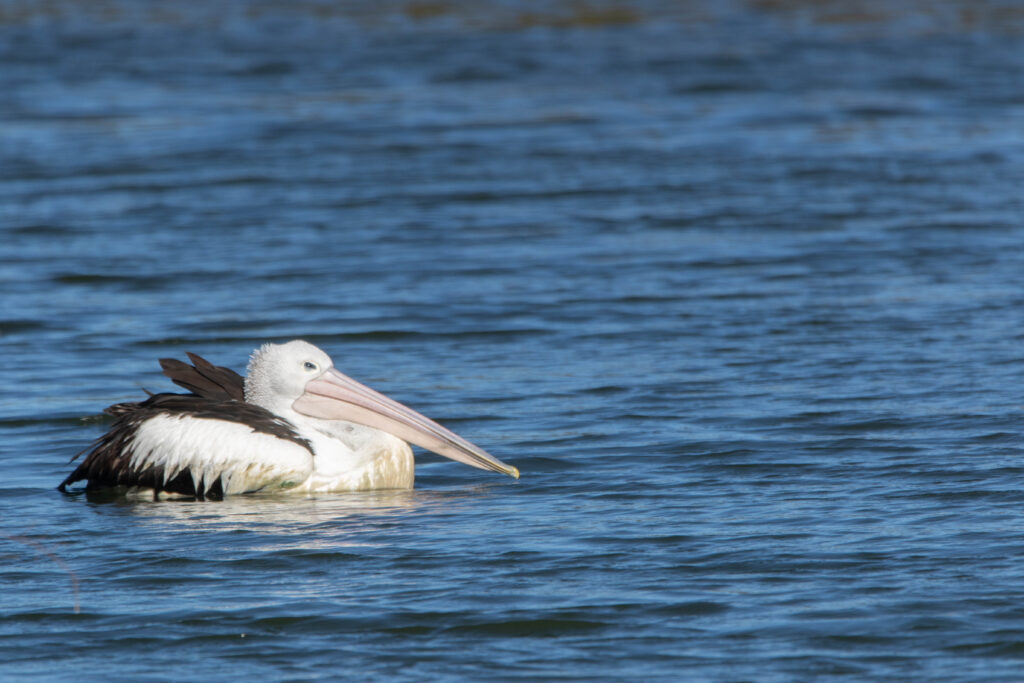
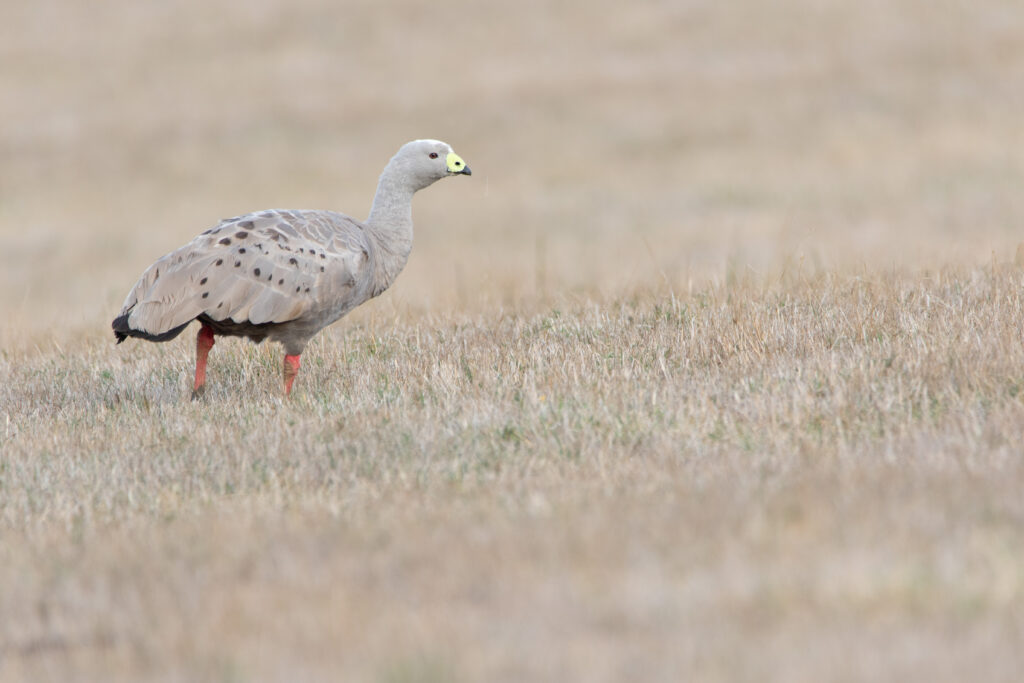
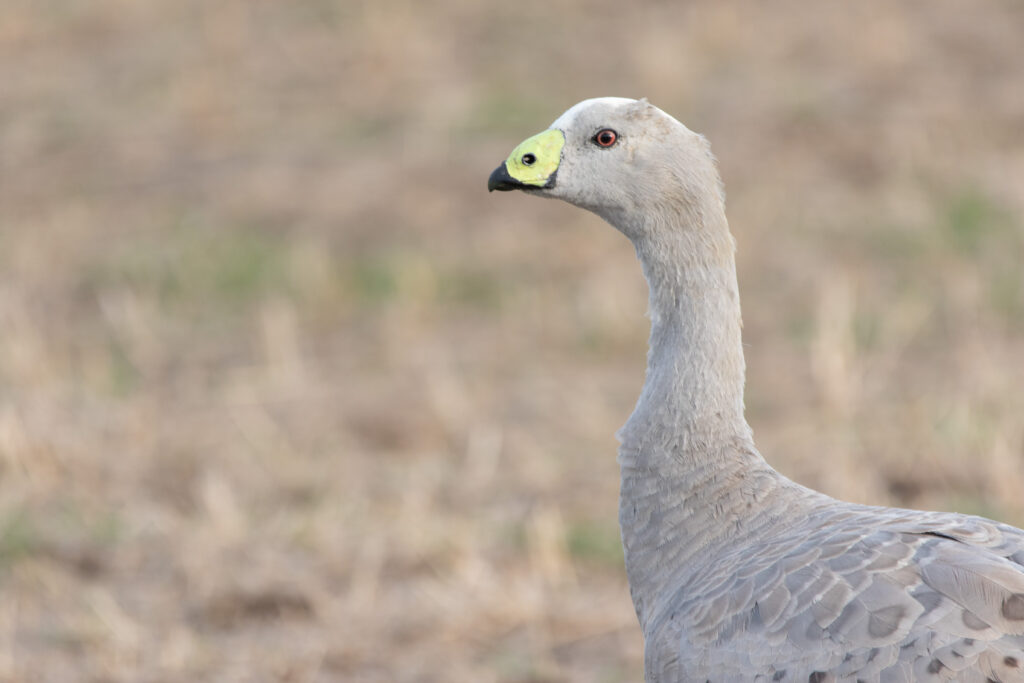
If you scan the sea, whether from the track or from the hide, you will observe many terns, including Fairy Tern (Sternula nereis), Greater Crested Tern (Thalasseus bergii), White-winged Tern (Chlidonias leucopterus), and Whiskered Tern (Chlidonias hybrida). You may also see the impressive Australian Pelican (Pelecanus conspicillatus) and the Cape Barren Goose (Cereopsis novaehollandiae).

Gate 5
The easternmost part of the Western Treatment Plant is accessible via Gate 5 and provides access to very large lagoons.
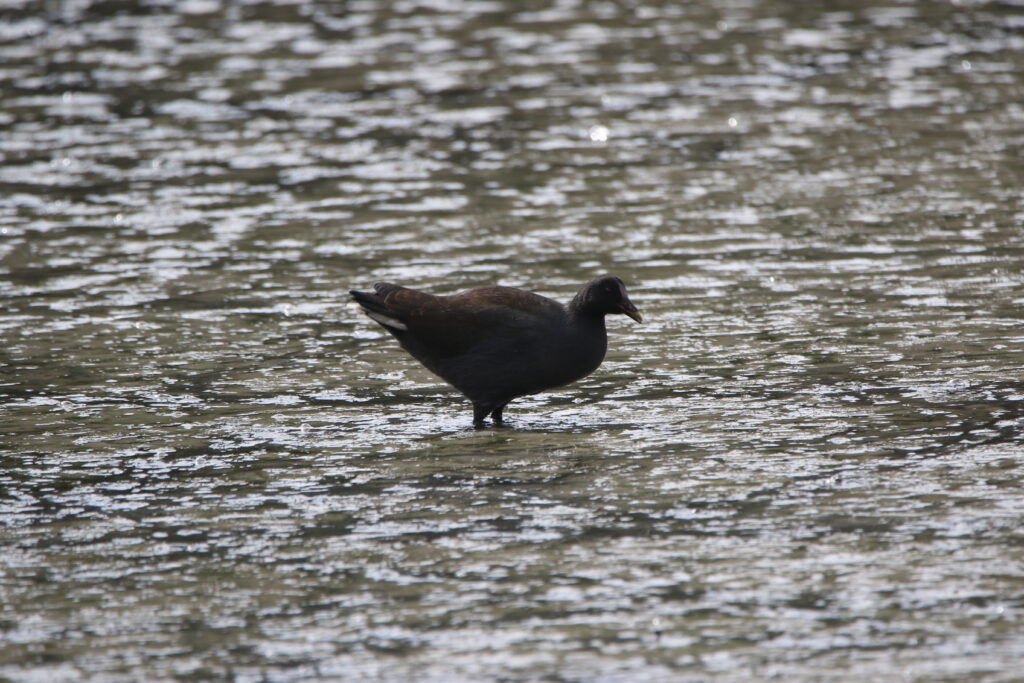
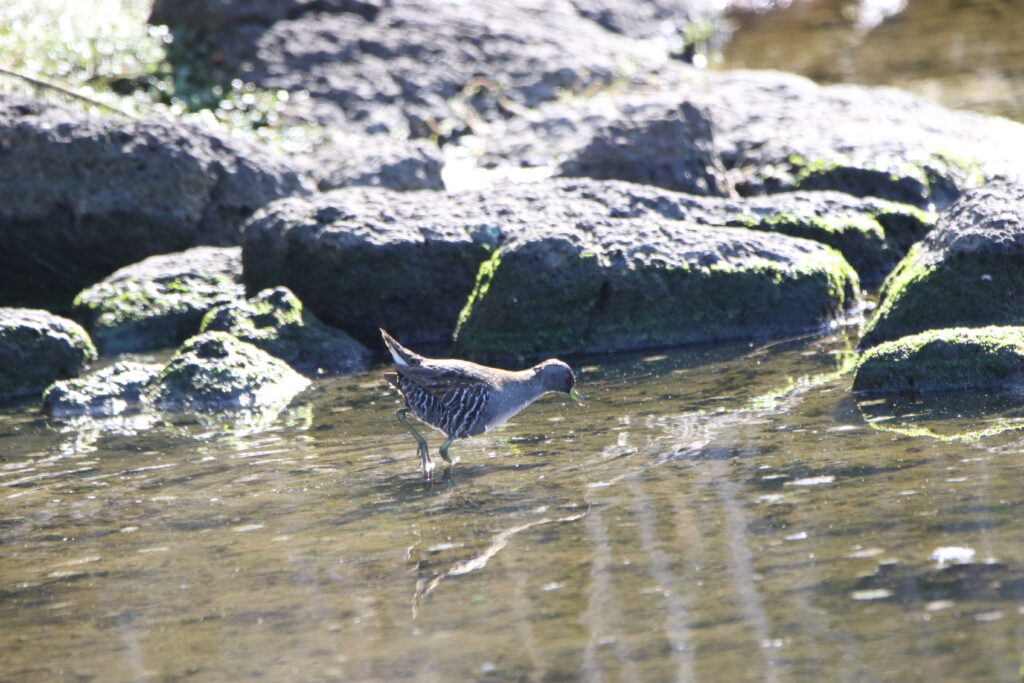
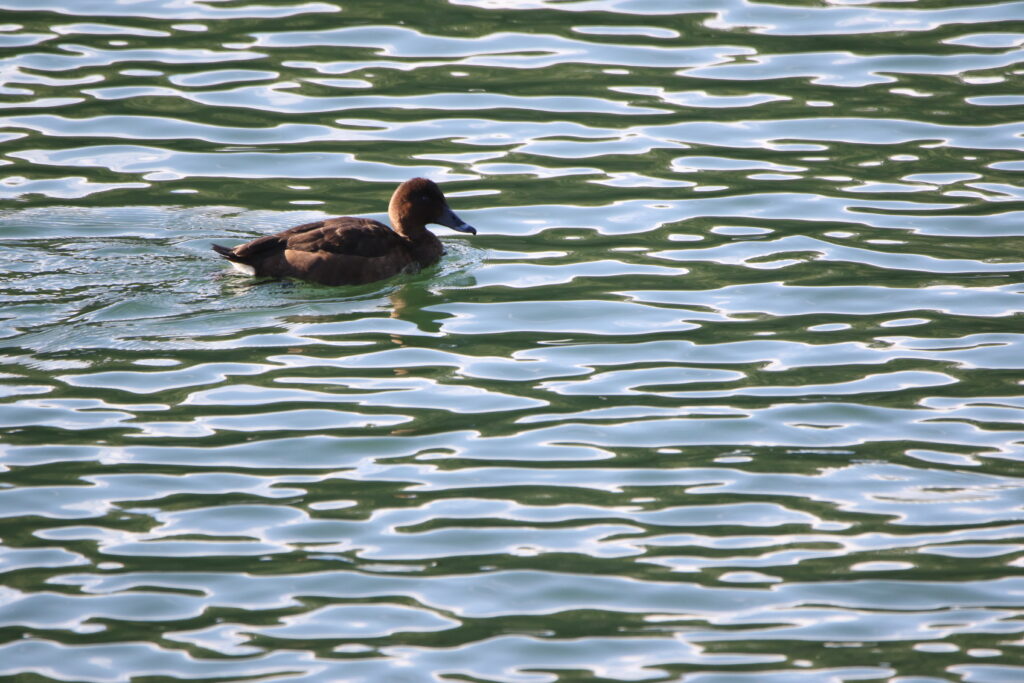
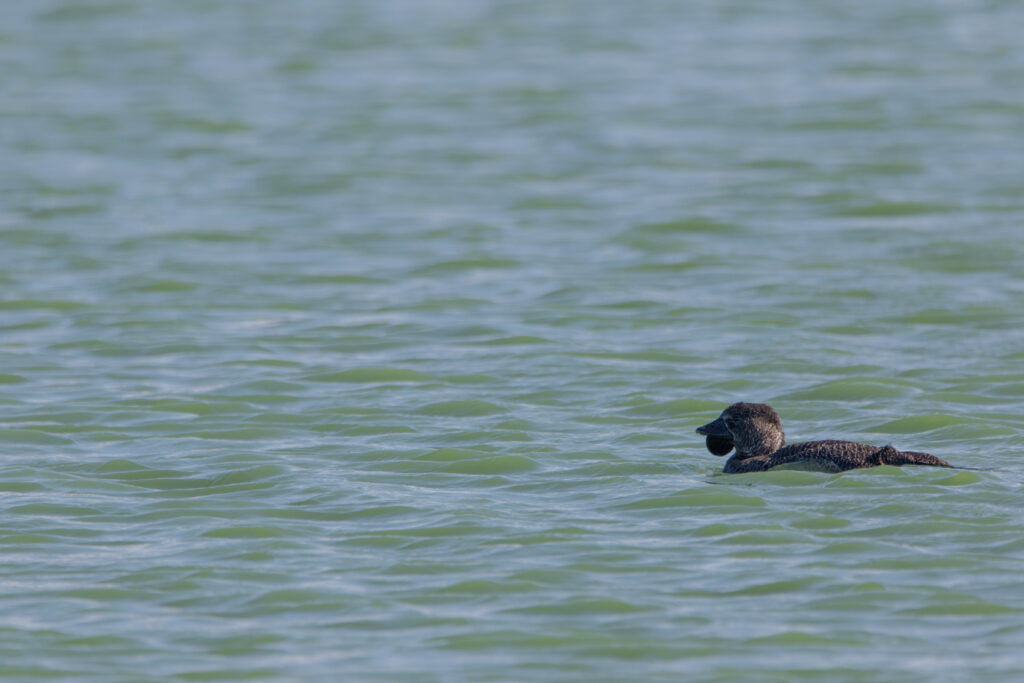
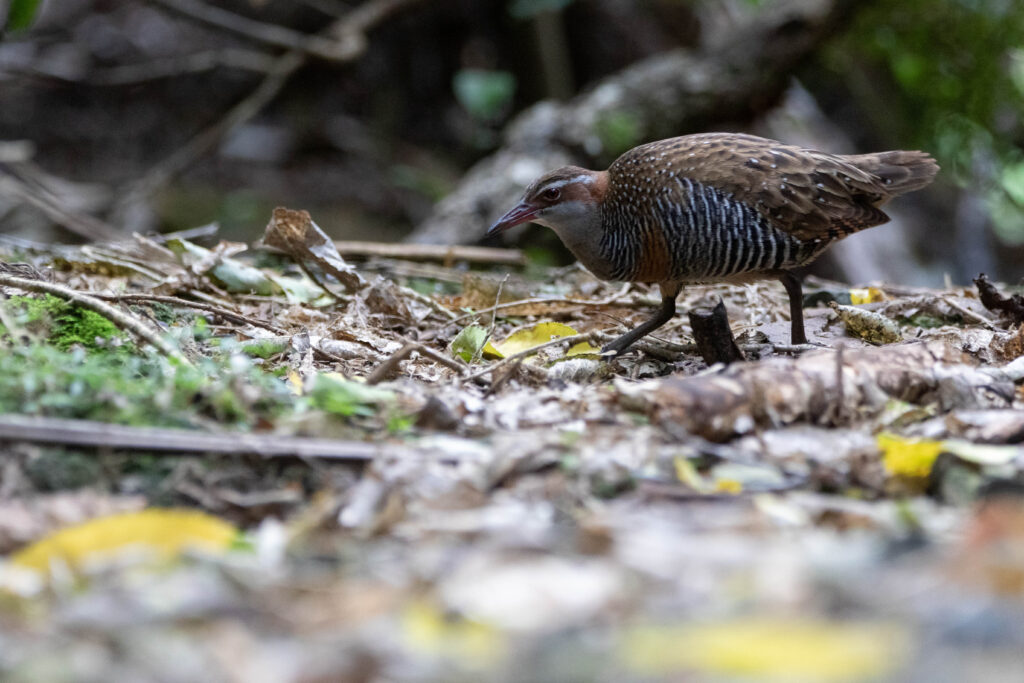
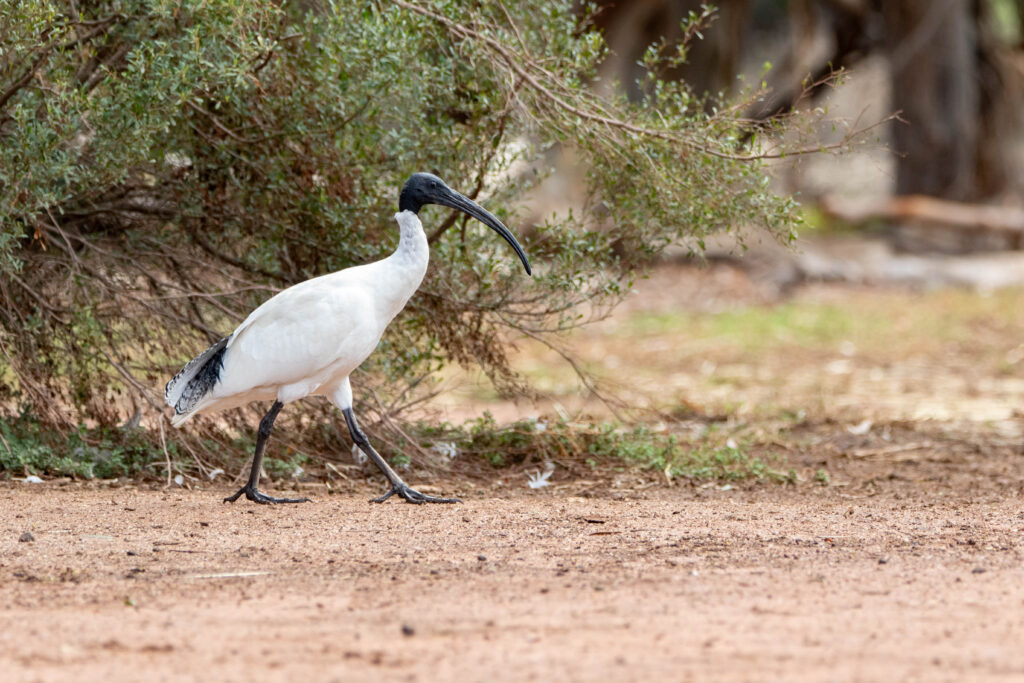
In these basins, you may observe several diving duck species such as the Blue-billed Duck (Oxyura australis), Musk Duck (Biziura lobata), and Hardhead (Aythya australis). Walking along the banks between the ponds, Australian White Ibis (Threskiornis molucca) and Straw-necked Ibis (Threskiornis spinicollis) are commonly present. In shallower areas, you can look for more secretive species such as the Australian Crake (Porzana fluminea), Spotless Crake (Zapornia tabuensis), Baillon’s Crake (Zapornia pusilla), Buff-banded Rail (Hypotaenidia philippensis), Lewin’s Rail (Lewinia pectoralis), Black-tailed Nativehen (Tribonyx ventralis), and Dusky Moorhen (Gallinula tenebrosa). An impressive list of shy and often difficult-to-see species!

Bonus : Banded Lapwing
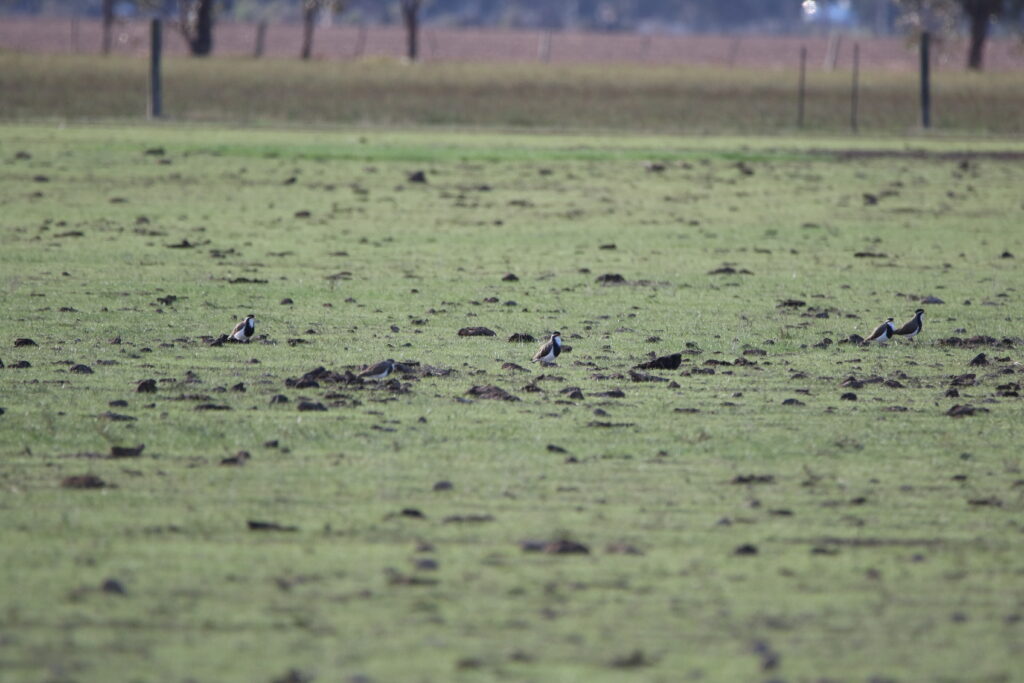
If you have not yet observed the Banded Lapwing within one of the Western Treatment Plant lagoons, there is a specific area where your chances are very high. This area is located north of Beach Road, which provides access to the different entry gates.
North of this road, you will find numerous grazed agricultural fields with short grass. Scan carefully to spot a few individuals of Banded Lapwing (Vanellus tricolor). An eBird hotspot is dedicated to this location.
How to access the Western Treatment Plant?
Access to the Western Treatment Plant is not open to the public. A permit is required in order to enter the area. For locals, this can be an annual pass, but for visitors a daily pass is also available.
To apply, you need to visit the Melbourne Water website and complete the online application form. Be sure to carefully read the rules and regulations for visiting the lagoons. You will then need to select the date of your visit. The cost for a single day’s access for one vehicle is AUD 20.
Once your application has been approved, you will need to collect the keys on the day of your visit from the office located at Werribee Open Range Zoo, at the location indicated below. These keys allow you to open the various gates that provide access to the lagoons.
With the keys in hand, head to one of the access gates mentioned earlier in this article to begin your visit. These access points are located along Point Wilson Road and Beach Road between Werribee and Geelong. Entry is permitted from sunrise, and you must exit the site before sunset.
Alternatively, you can also access the site through a guided tour operated by an accredited company. There is, of course, no public transport to reach the Western Treatment Plant.
Where to stay near the Western Treatment Plant?
If you are travelling in a campervan or motorhome, you can stay overnight at the free parking area at Avalon Beach, which has public toilets. Another option is the paid Werribee South Caravan Park.
If you prefer hotel accommodation, you can choose a bed and breakfast in Little River, located just 15 minutes from the first access gate of the treatment plant. Alternatively, there are many hotels available in Werribee or northern Geelong, although this will involve a slightly longer commute.