


What are the endemic birds of Tasmania?
Are you planning a trip to Tasmania and wondering which bird species are endemic? You’re in the right place! In Tasmania, there are only 12 bird species that cannot be observed anywhere else in the world. That is a high number for a single region of Australia covering just under 70,000 km². With 45% of the island classified as national parks and nearly 20% protected and listed as UNESCO World Heritage, Tasmania boasts a remarkably rich biodiversity. In addition to iconic mammals such as the Tasmanian Devil, the Wombat, and the Pademelon, more than 380 bird species have been recorded in Tasmania, 12 of which are endemic.
These 12 birds can be observed across the island, but there is one place where, at least theoretically, you can find them all: Bruny Island. So which birds are they? Below is the list of these species, along with information on possible locations and places where they can be photographed.
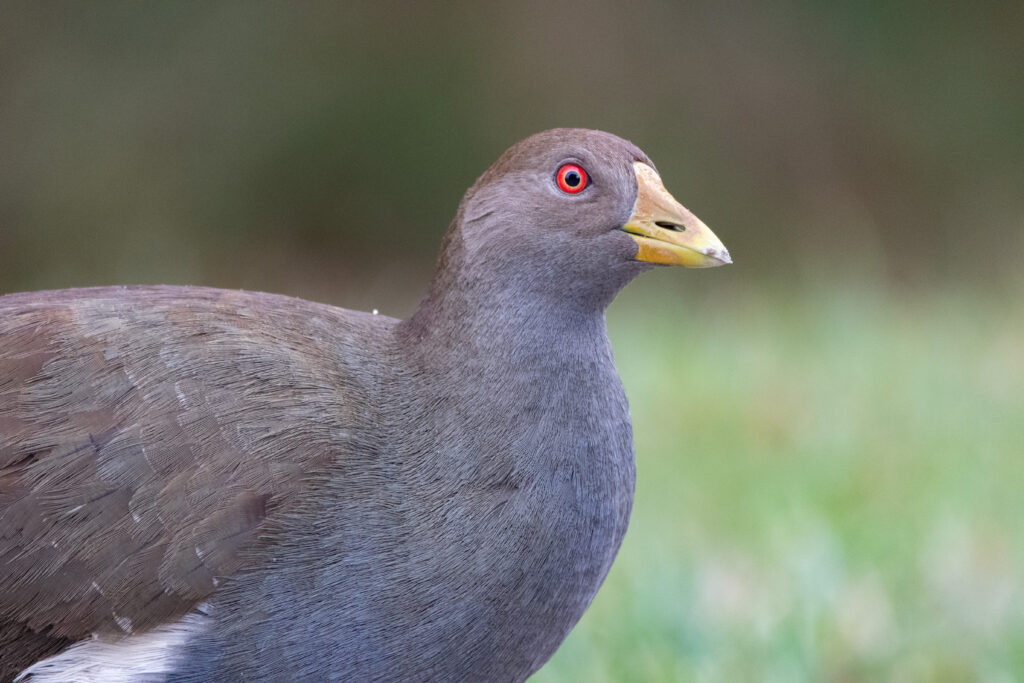
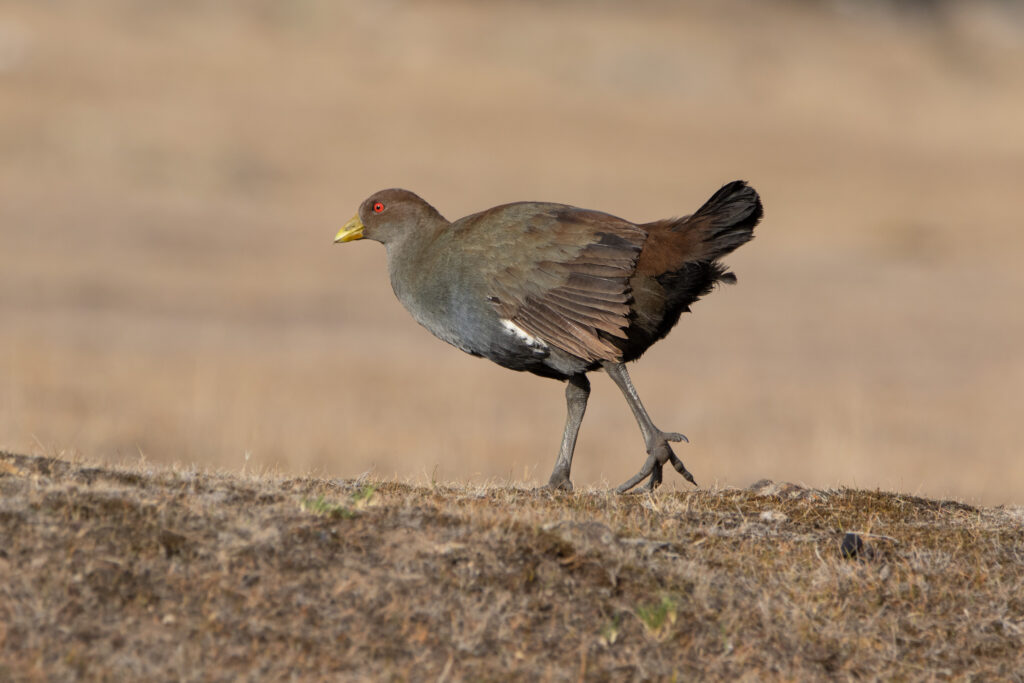
Tasmanian Nativehen (Tribonyx mortierii)
This is probably the hardest endemic bird to miss on the island. Unable to fly, it is not particularly shy and is found across almost all of Tasmania (except the far southwest). This nativehen, with its yellow-green bill, frequents fields and grasslands in groups of several individuals. Even though it cannot fly, it can run very fast if approached too closely. For photography, I recommend visiting parks within or around towns, such as the Devonport Arboretum, where it is often very approachable.
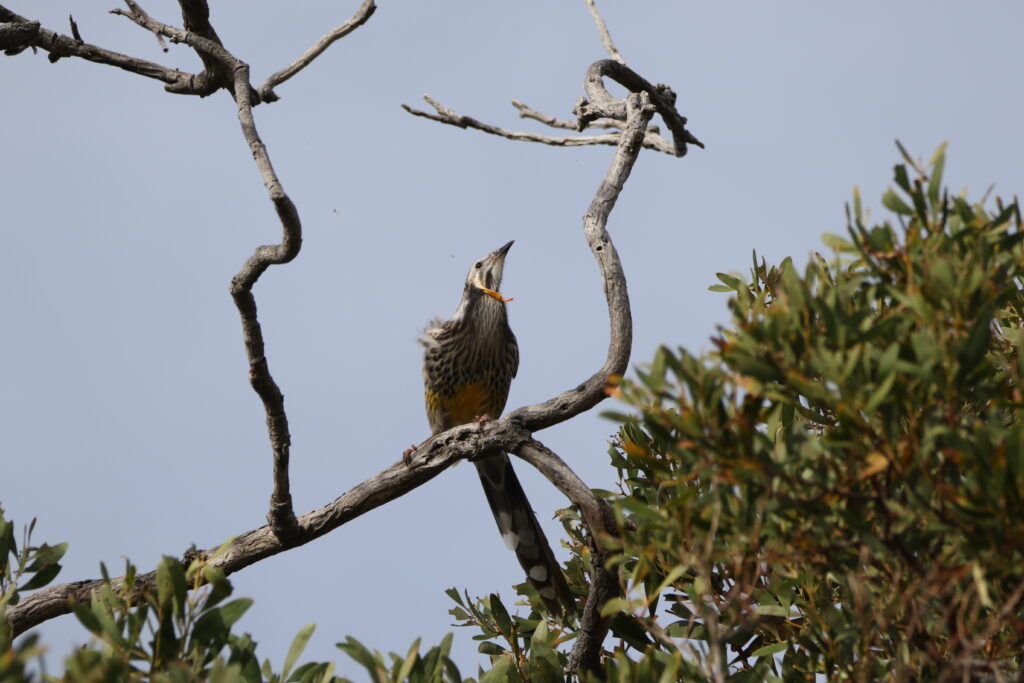
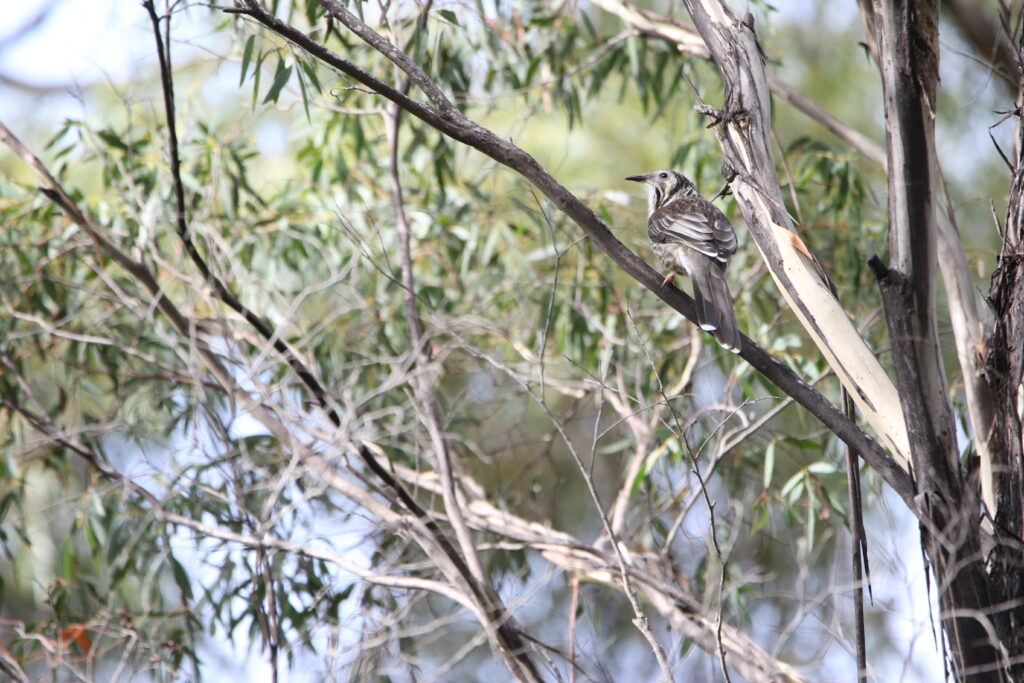
Yellow Wattlebird (Anthochaera paradoxa)
Like the Tasmanian Nativehen, this is one of the most common birds in Tasmania and can be found almost everywhere except along the west coast. It is the largest and most robust of all honeyeaters. It gets its name from the two yellowish wattles hanging along the sides of its cheeks. It inhabits a wide range of environments, from urban areas to forests. The Yellow Wattlebird has a loud, harsh, and guttural call that can be heard from far away, making it easy to locate. It is difficult to recommend a specific site for observing or photographing it, as virtually any town or forest is suitable.
Black Currawong (Strepera fuliginosa)
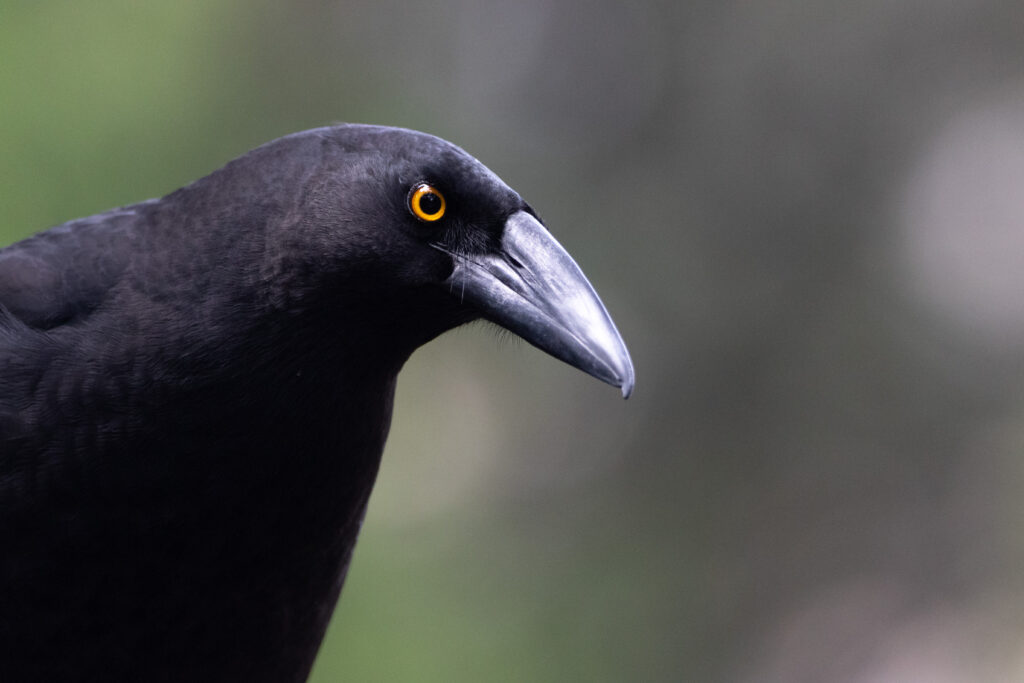
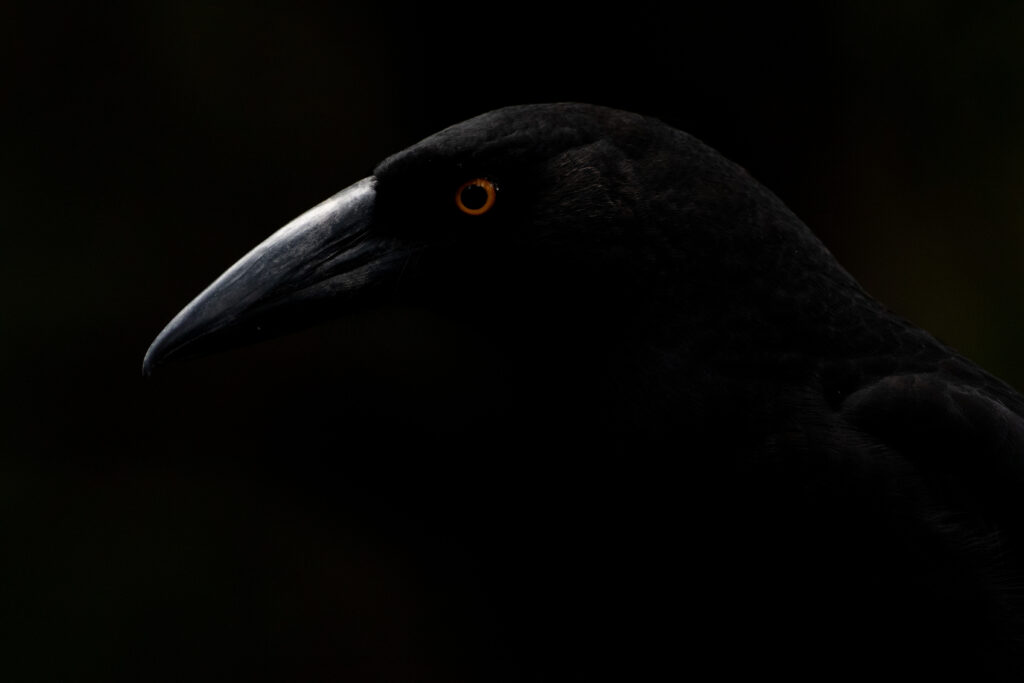
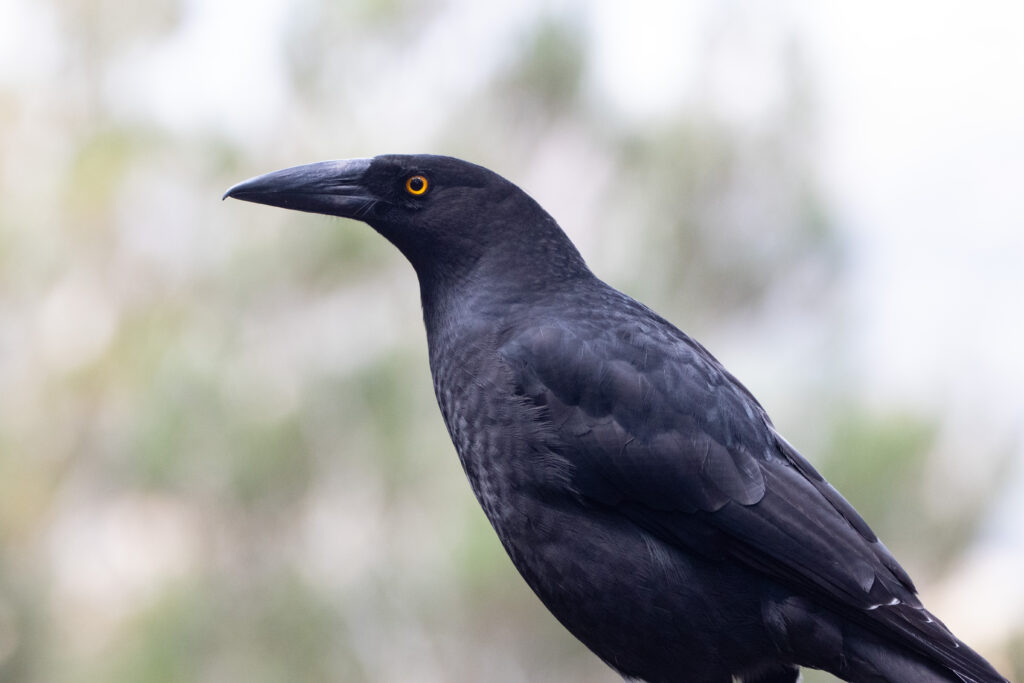
A large, crow-like bird with a heavy bill and striking yellow eyes. It is almost entirely black, with only a few white markings under the tail and at the tips of the flight feathers. In some habitats, such as dense forests with tall trees, it is often easier to hear than to see. In other places, like towns or near picnic tables in national parks, it can approach humans quite closely. Although the Black Currawong occurs throughout Tasmania, one location where it was particularly abundant and relatively tame is Mount Nelson, near Hobart.
Green Rosella (Platycercus caledonicus)
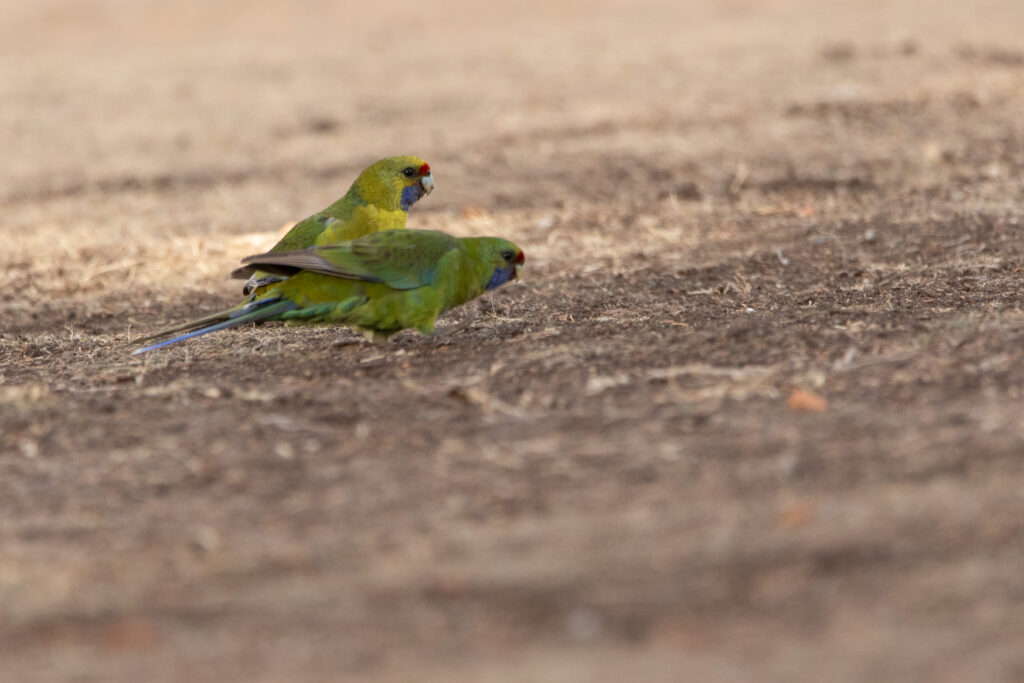
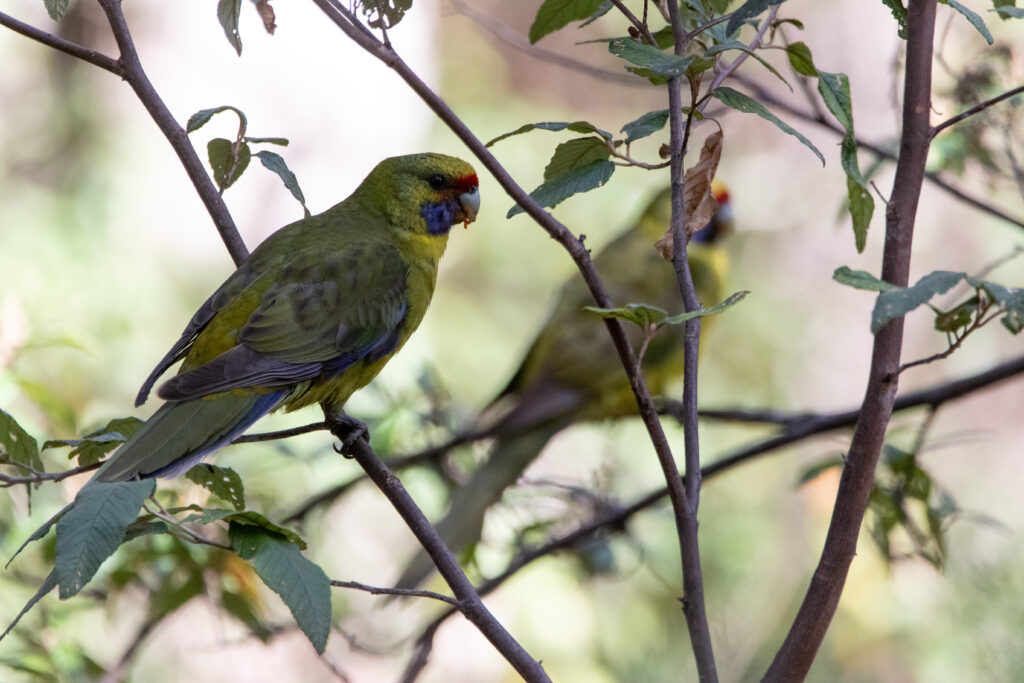
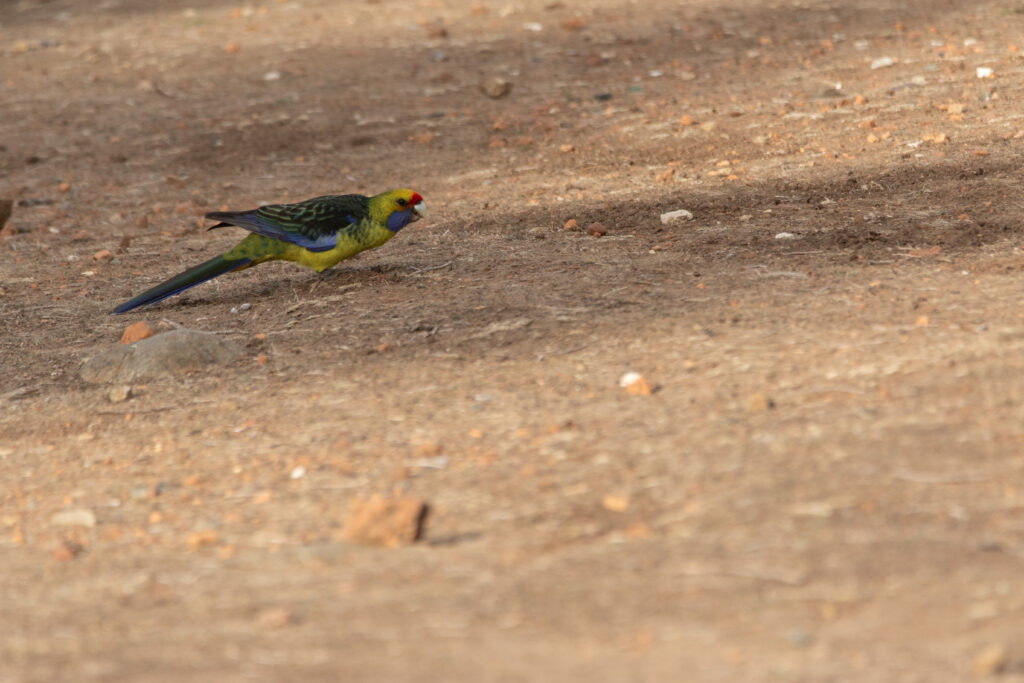
Rather discreet yet widespread across Tasmania, this olive-yellow parrot inhabits all types of wooded habitats. The English name “Green Rosella” is somewhat misleading, as this parrot shows no real green coloration. The scientific name Platycercus caledonicus is also inaccurate, as “caledonicus” refers to New Caledonia. The species was named by European scientists who were mistaken about the bird’s origin. It can be found in urban parks as well as in more remote natural areas, feeding both on the ground and in trees. On Maria Island, you will have excellent opportunities to photograph it, especially when it is feeding on the ground.
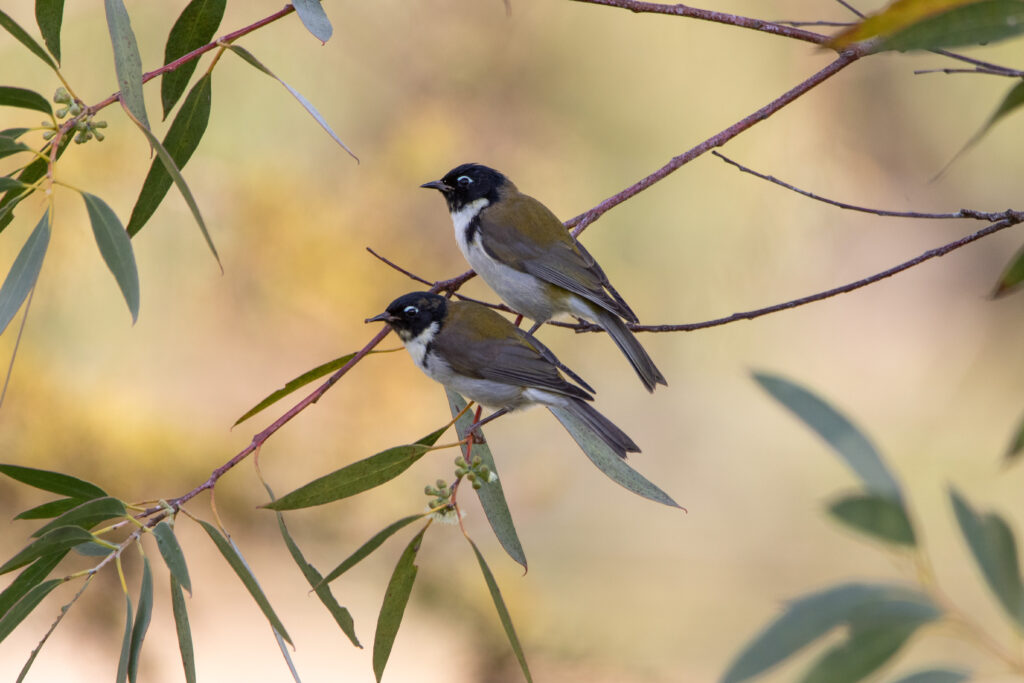
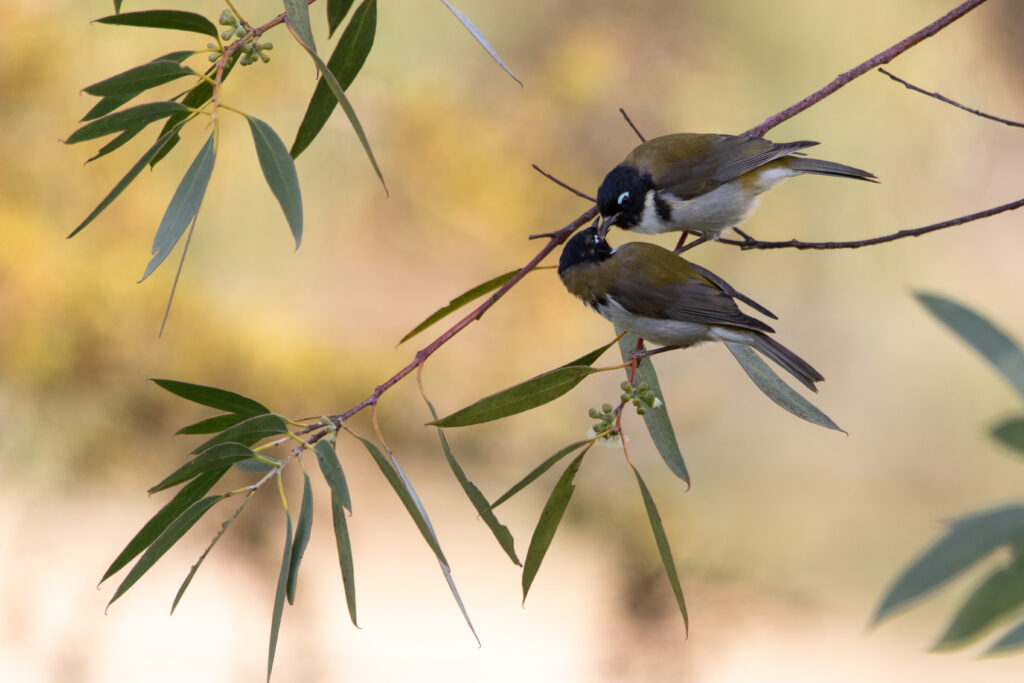
Black-headed Honeyeater (Melithreptus affinis)
This is a small honeyeater, especially when compared to the Yellow Wattlebird. It is easily recognized by its black head and olive-green body. It is a distant relative of the White-naped Honeyeater, which lives on mainland Australia. The species occurs throughout Tasmania but is most common in the eastern part of the island, particularly in dry forests. It is often seen in small groups, sometimes high in eucalyptus trees, which can make observation difficult. Patience is required until they descend to lower vegetation for better photographic opportunities. On Bruny Island, the gardens of Inala are a good place to try to observe and photograph this species.
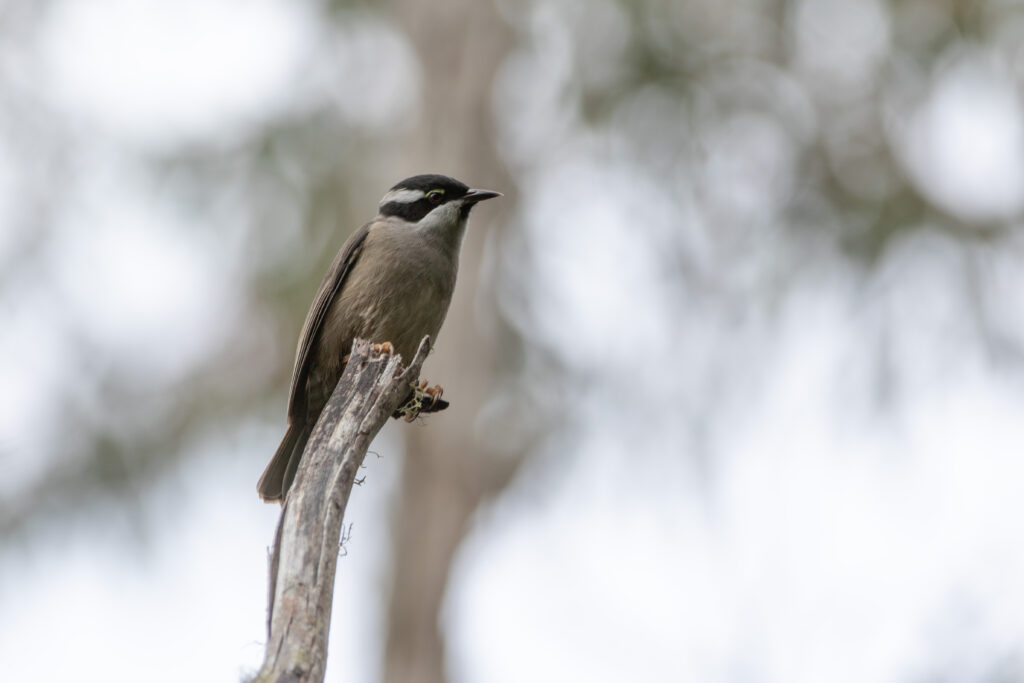
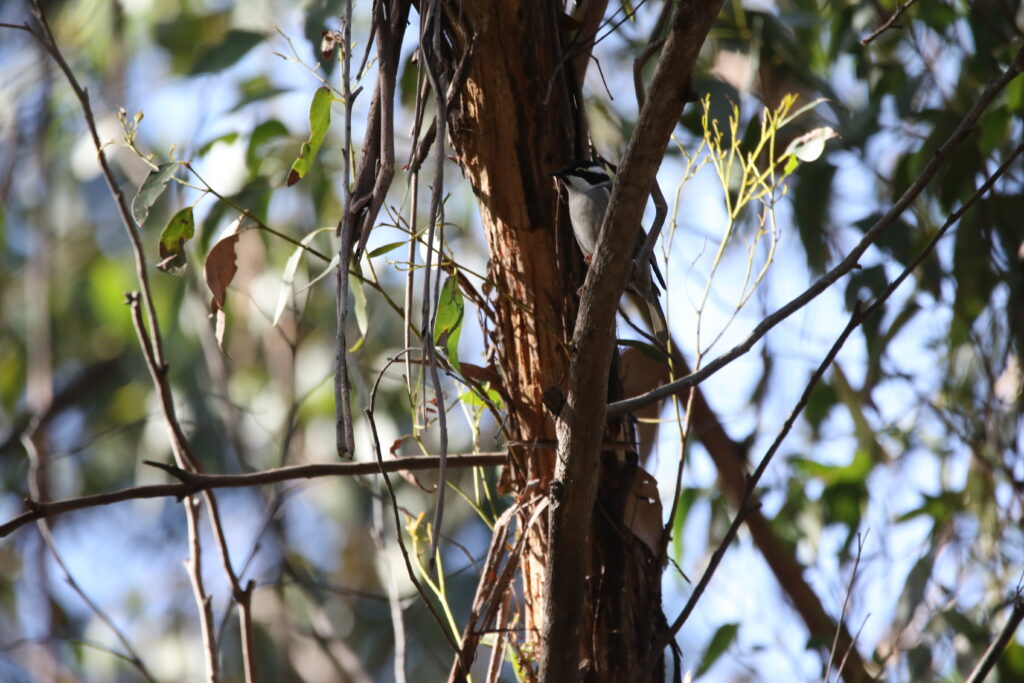
Strong-billed Honeyeater (Melithreptus validirostris)
This honeyeater is roughly the same size as the Black-headed Honeyeater. It can be identified by its black head, a broad white patch behind the eye, and a white throat. Its body is olive-brown, and as its name suggests, it has a thick, powerful bill. The Strong-billed Honeyeater usually moves in small groups of a few individuals. It inhabits many temperate forests across much of Tasmania but is noticeably less common than other honeyeater species. For photography, Mount Field National Park is a good place to try your luck.
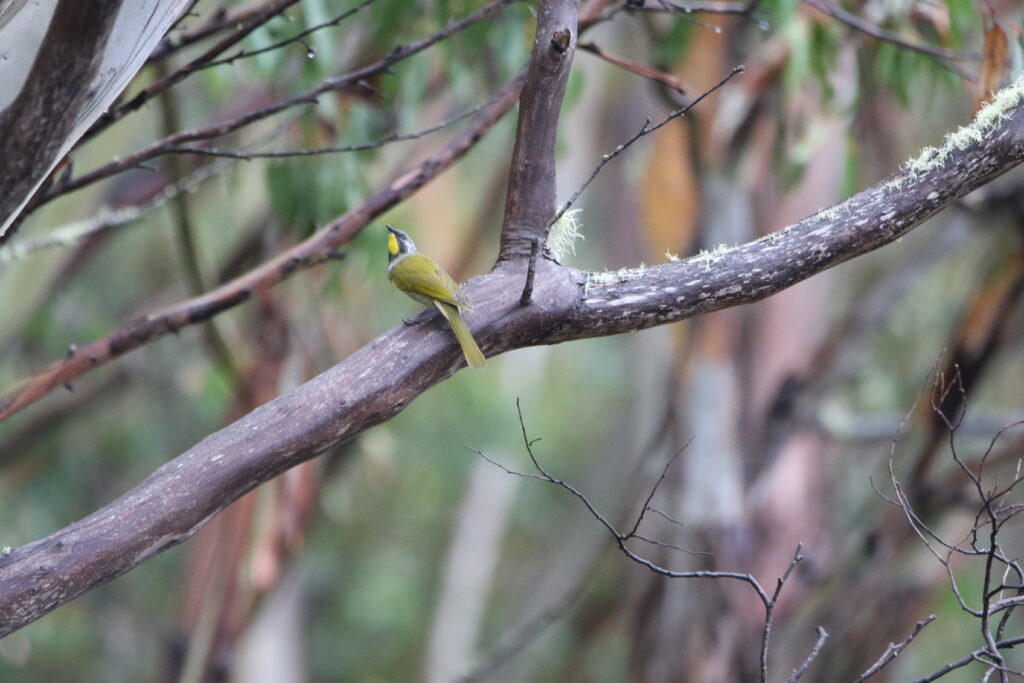
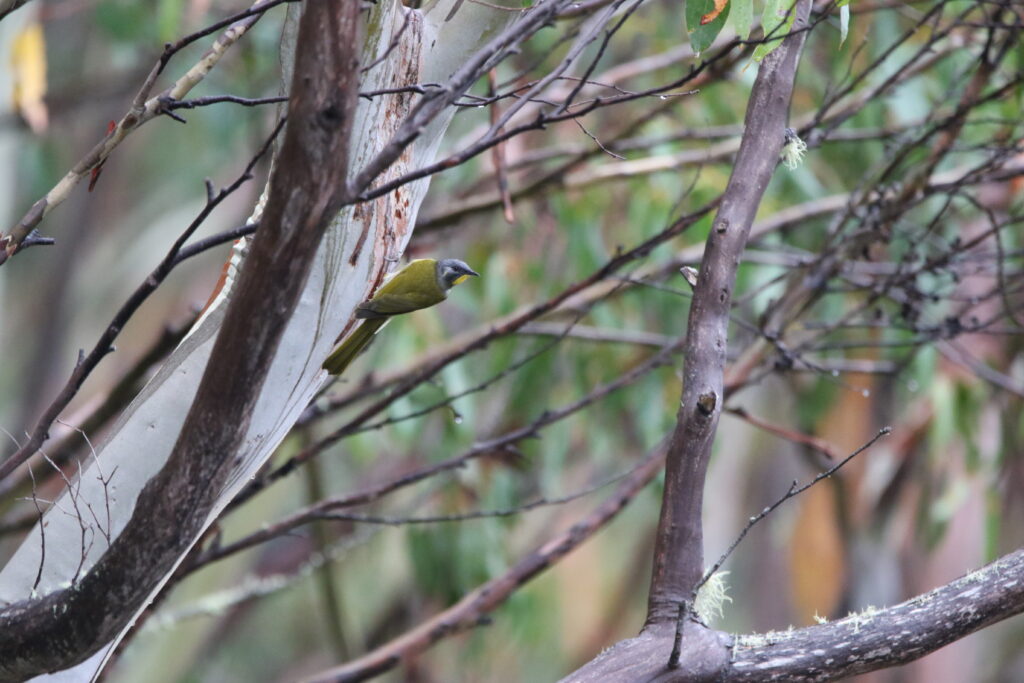
Yellow-throated Honeyeater (Nesoptilotis flavicollis)
This is a medium-sized honeyeater (between the Yellow Wattlebird and the Black-headed Honeyeater). It has a grey head, a bright yellow throat, and an olive-colored body. It resembles its mainland relative, the White-eared Honeyeater. This species is found throughout Tasmania but is fairly discreet. It inhabits all types of wooded environments, from coastal areas to dense wet forests. The Yellow-throated Honeyeater is often seen alone.
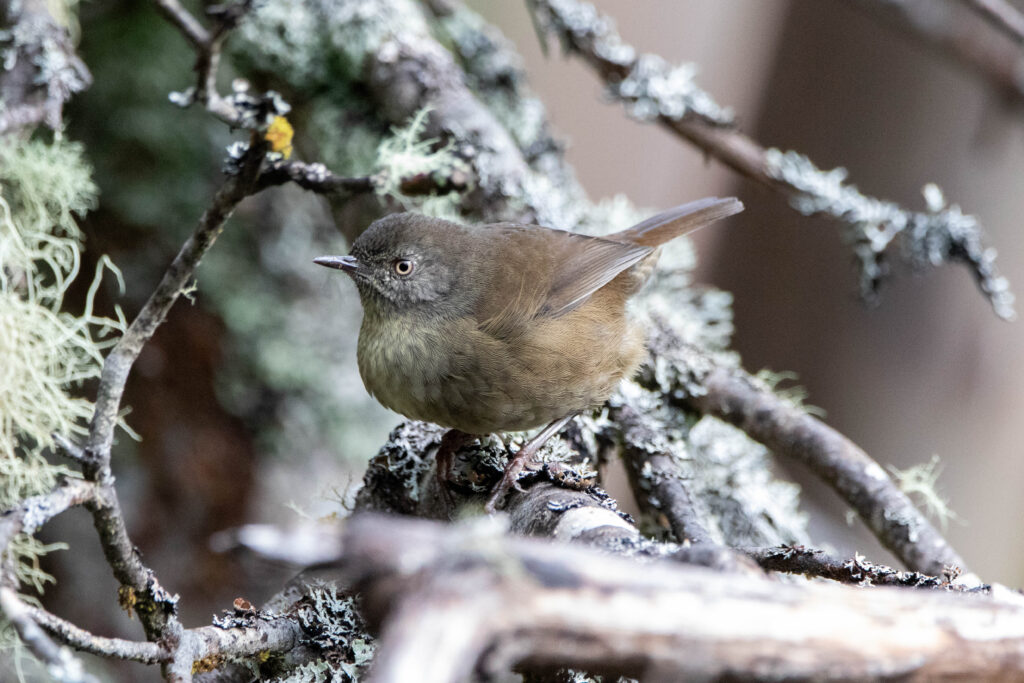
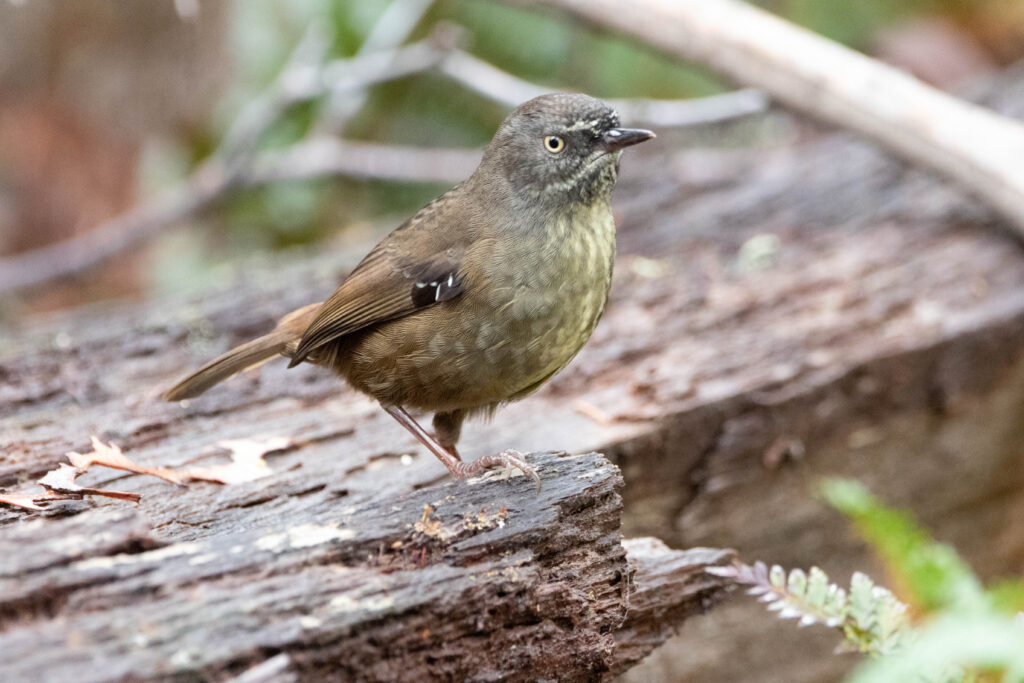
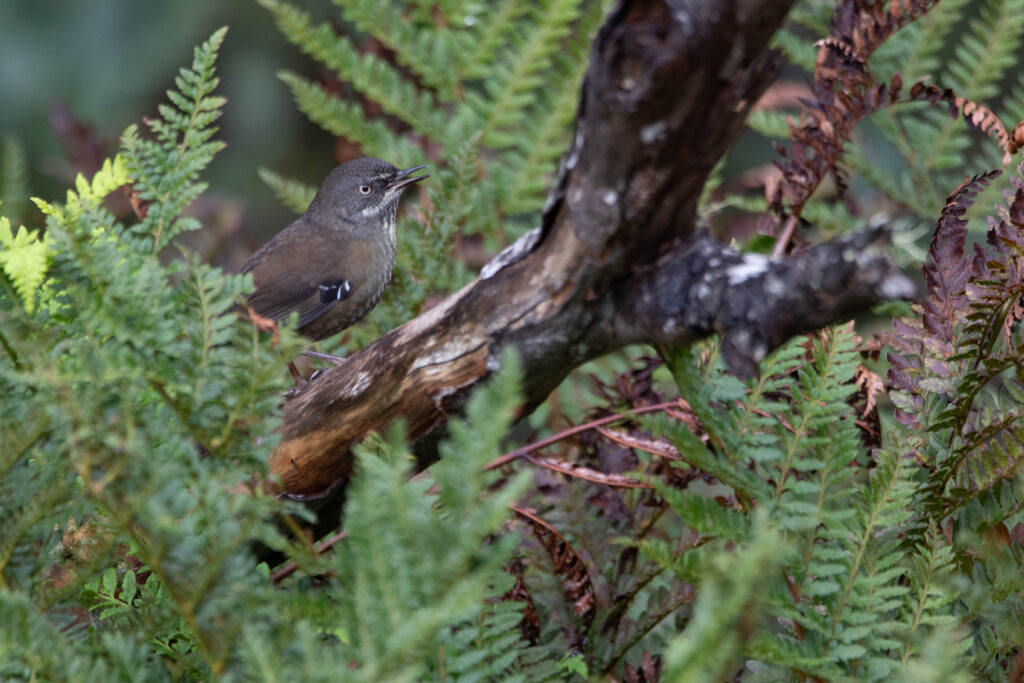
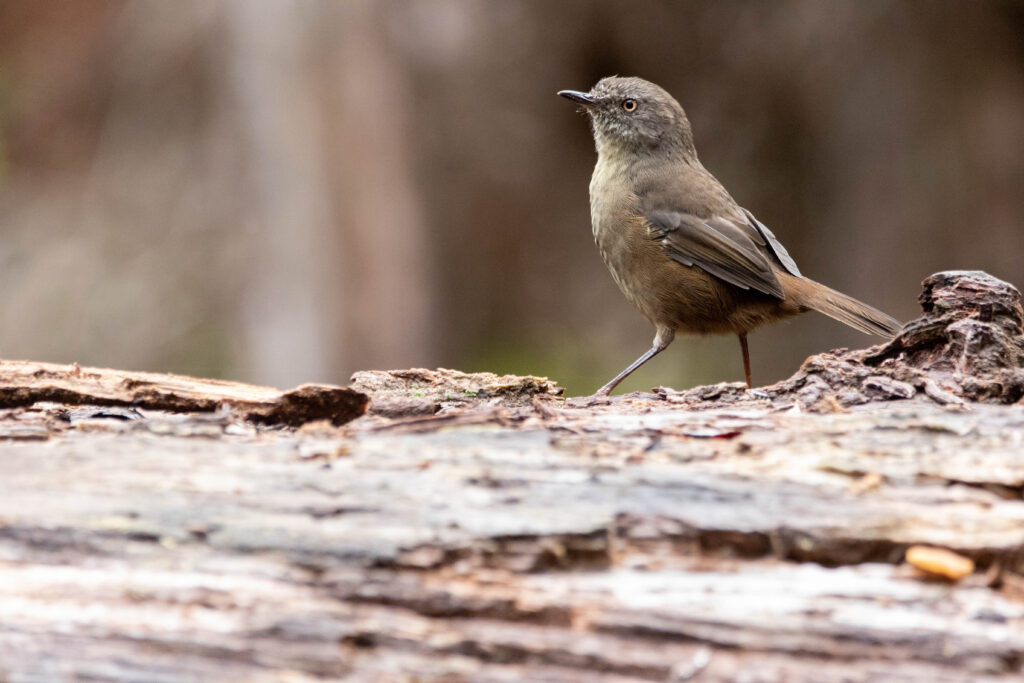
Tasmanian Scrubwren (Sericornis humilis)
The Tasmanian Scrubwren is a small grey-brown bird with yellow eyes and a white throat. It is often found close to the ground in dense vegetation and sometimes near waterways. If you are quiet and patient, it is not uncommon for it to approach people along hiking trails or in camping areas. Usually found in very dark environments, you will often need to wait for it to emerge from cover to photograph it. For example, trails near Lake St Clair are among the places where the Tasmanian Scrubwren has been particularly approachable for photography.
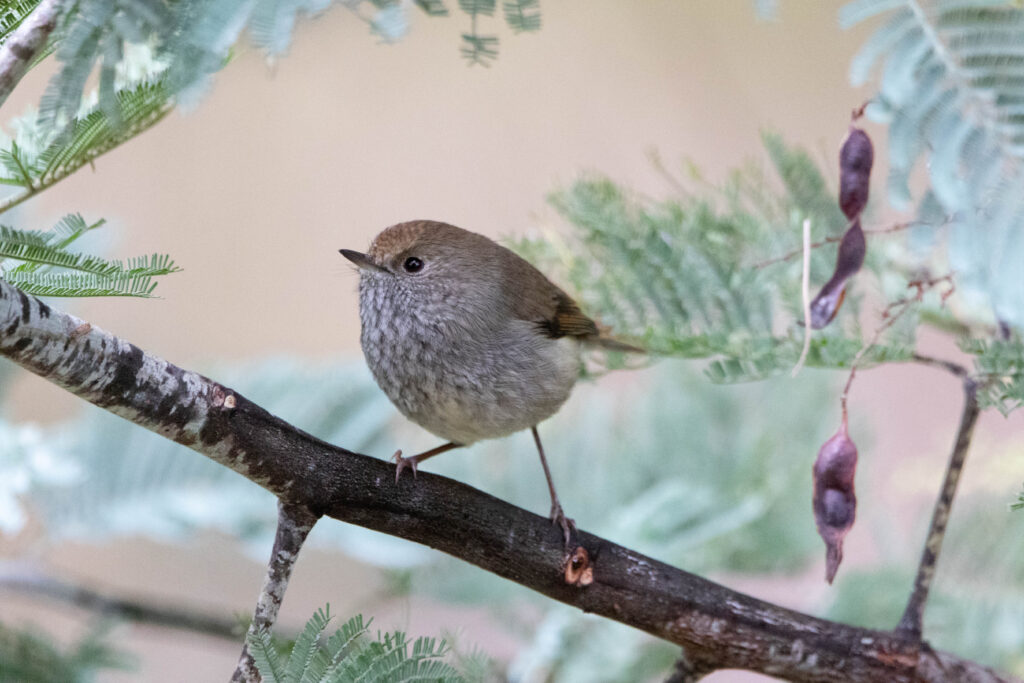
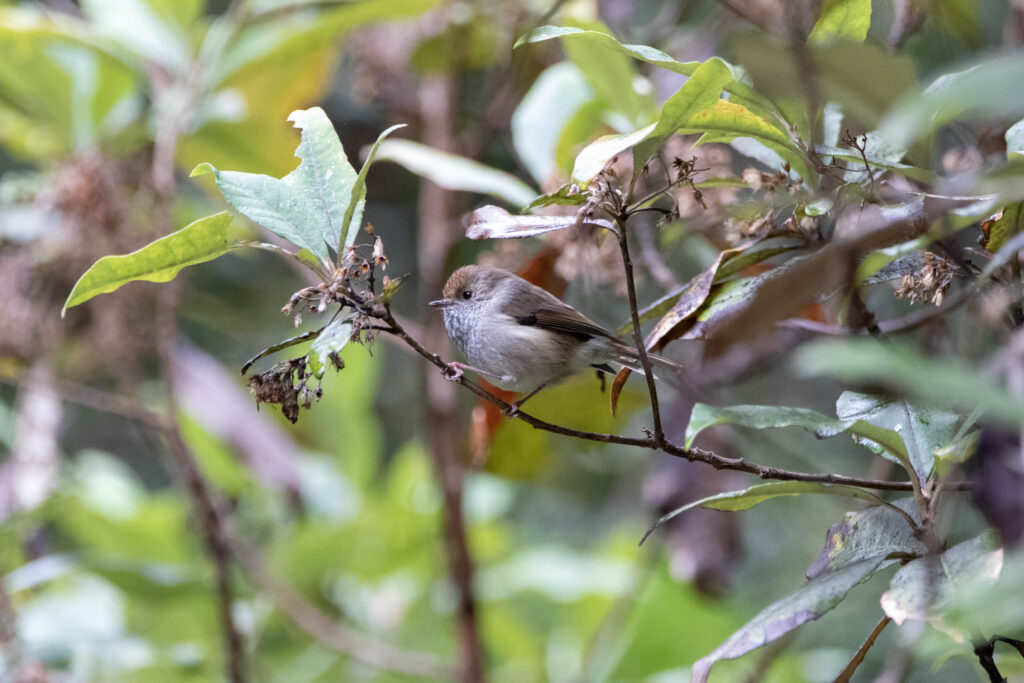
Tasmanian Thornbill (Acanthiza ewingii)
The Tasmanian Thornbill is found throughout the island. The main challenge is distinguishing it from the Brown Thornbill, which is also widespread in Tasmania. The differences are subtle: the Tasmanian Thornbill has rufous flanks and a shorter tail compared to the Brown Thornbill. Having a camera can be very helpful for identifying these features in photos. To try to observe this species, you can visit Narawntapu National Park in the north of the island.
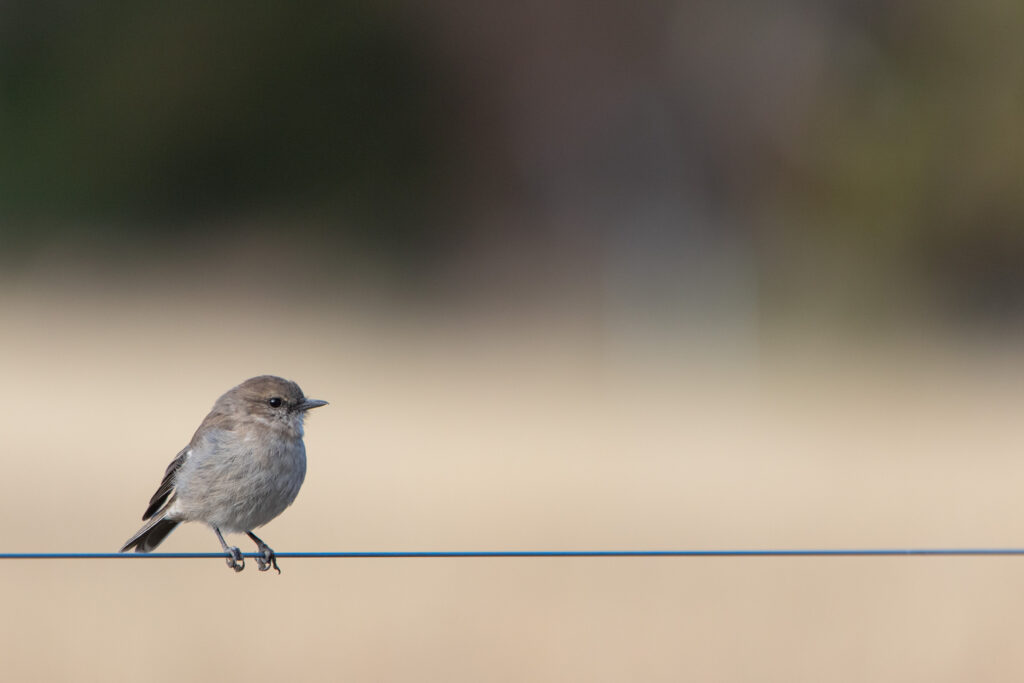
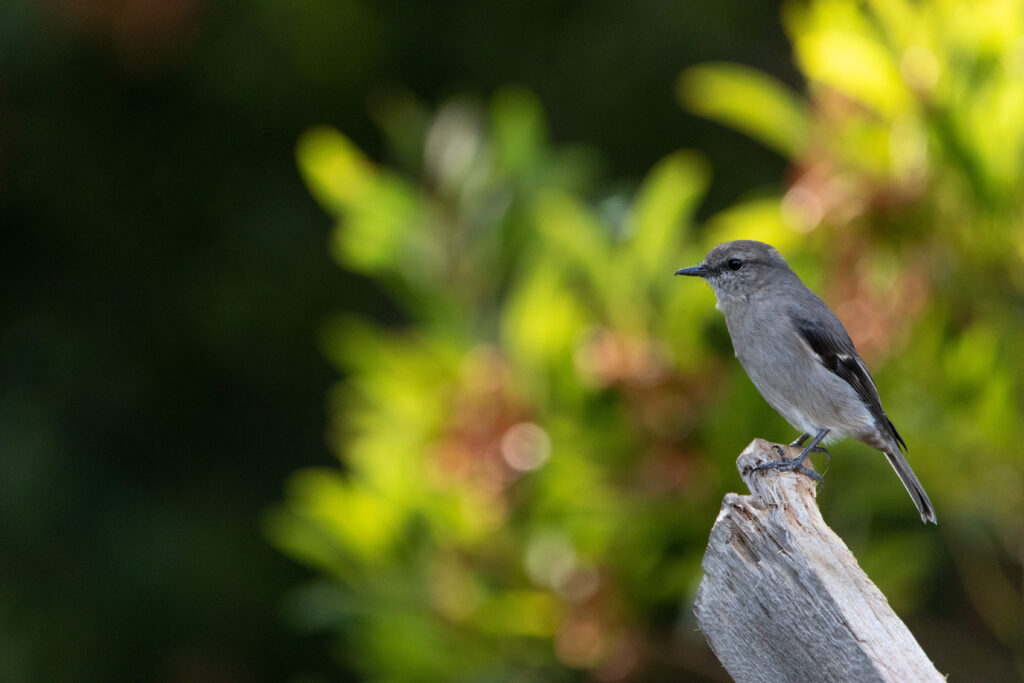
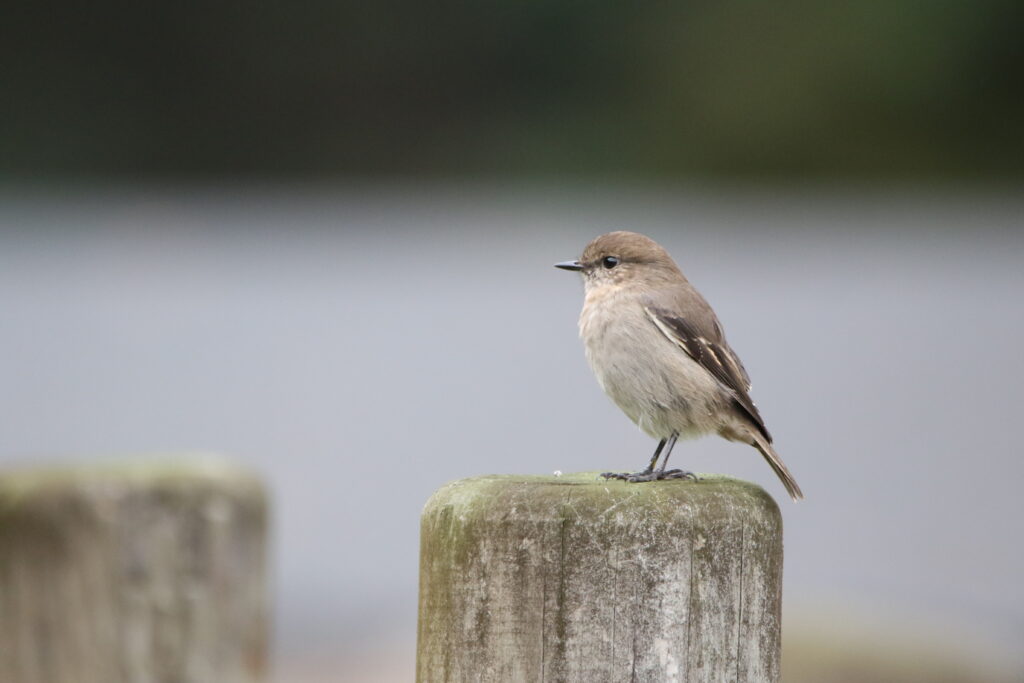
Dusky Robin (Melanodryas vittata)
This is a medium-sized robin (around 17 cm) that does not stand out for its bright colors, unlike some other members of its family. It is entirely brown, with a slightly paler belly. The Dusky Robin inhabits open environments such as grasslands, gardens, and coastal heathlands. It often favors perches, which makes it relatively easy to locate. Although it occurs in specific areas across Tasmania, Bruny Island is by far the best place to see and photograph it. The species is widespread across this small island south of Hobart.
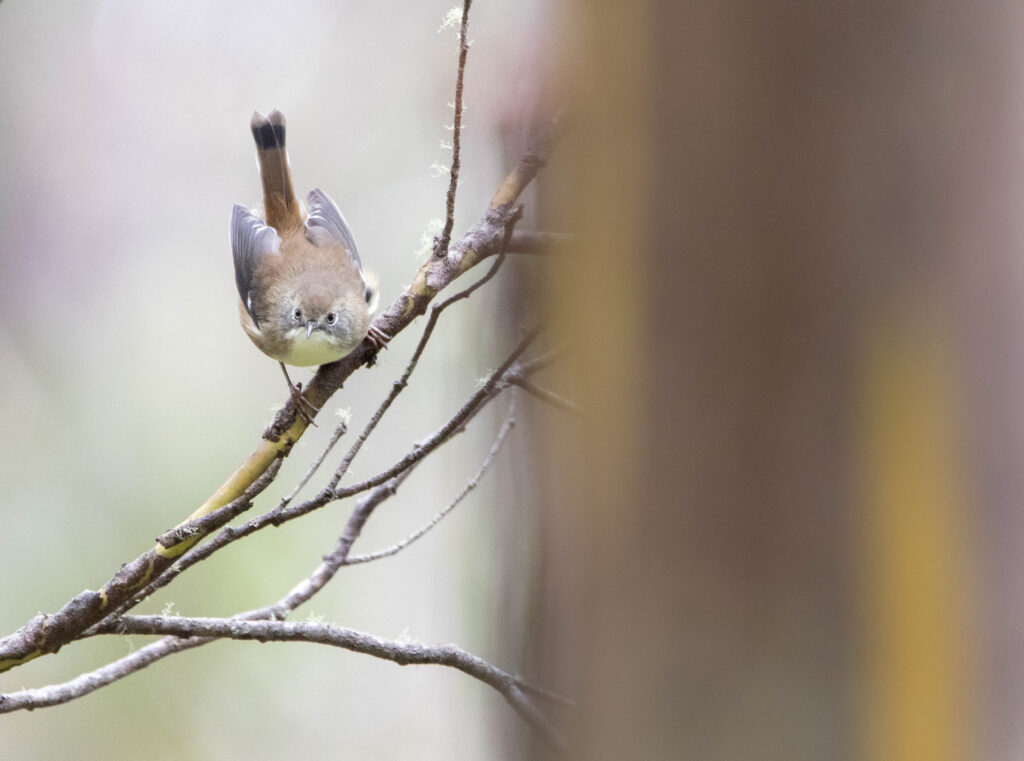
Scrubtit (Acanthornis magna)
The Scrubtit is a small bird with a curved bill, various shades of brown, grey on the face, and a creamy-colored belly. It inhabits wet forests, where it feeds along tree trunks in a manner similar to treecreepers. It is considered the second most difficult Tasmanian endemic to find, after the Forty-spotted Pardalote. The species is mainly found in eastern Tasmania. Some of the best places to try to observe and photograph it are Mount Field National Park and Mount Wellington in Hobart.
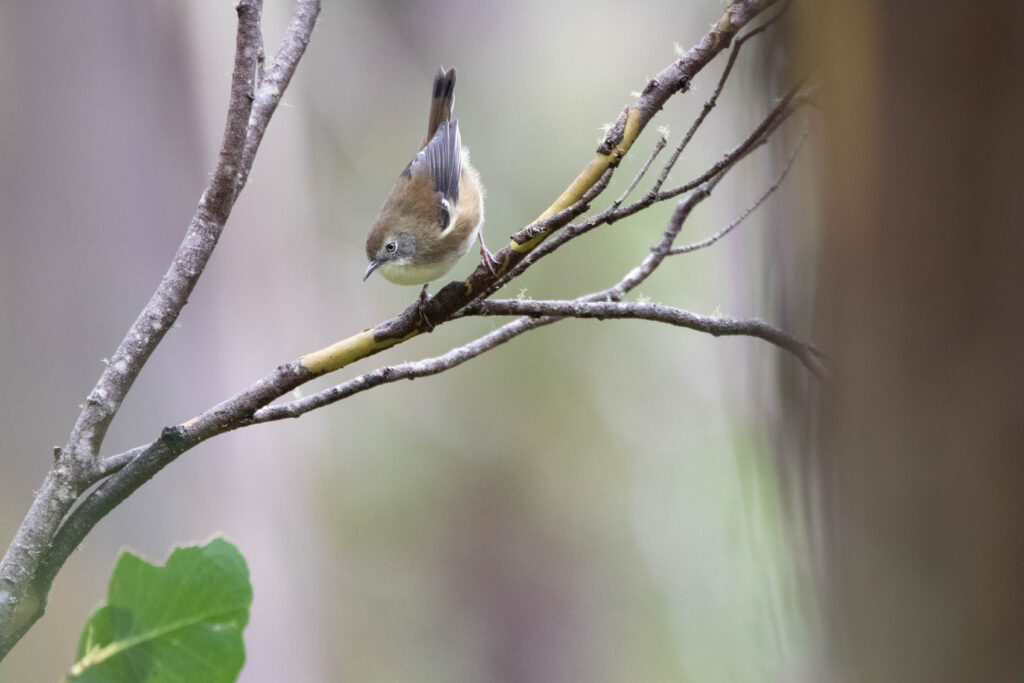
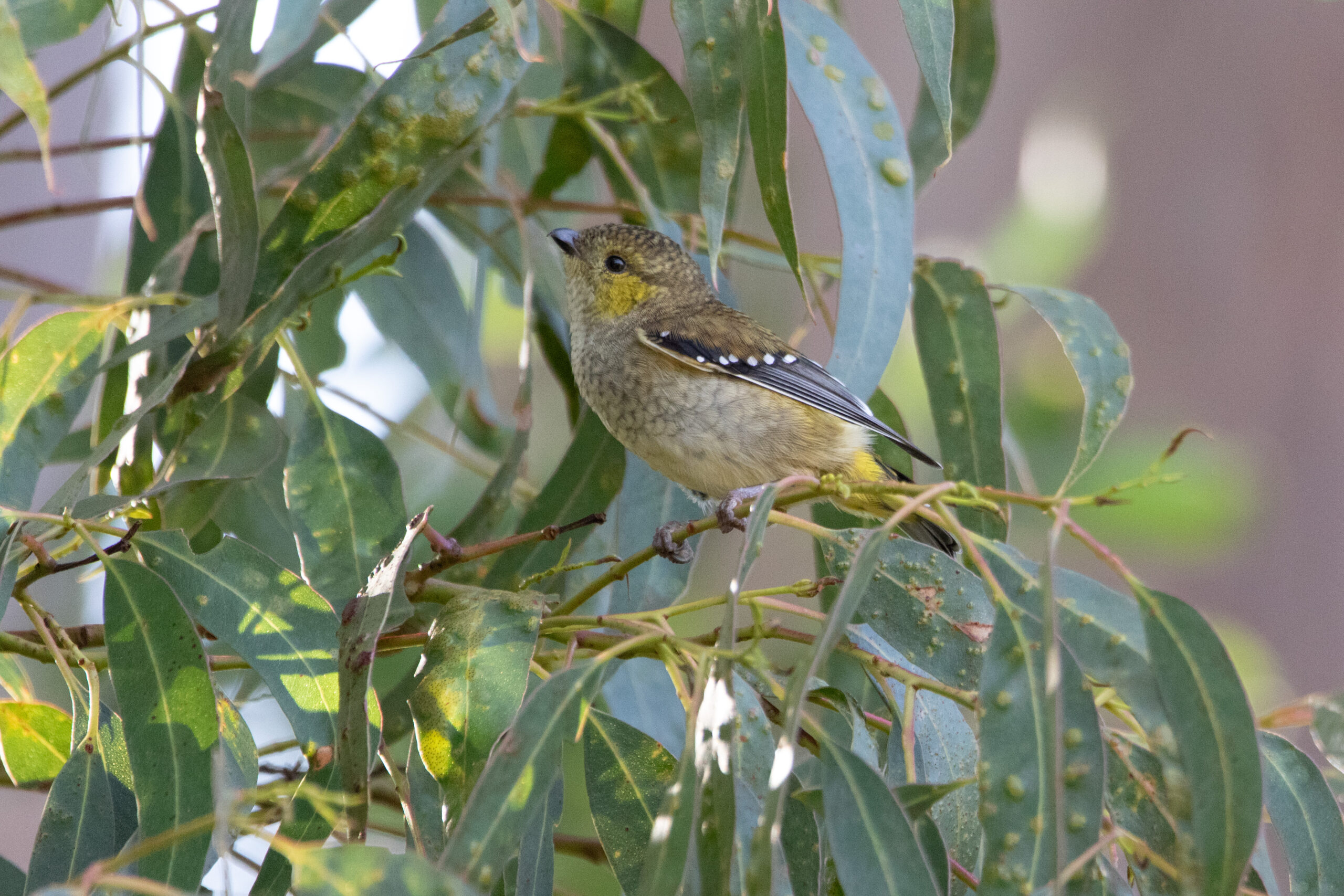
Forty-spotted Pardalote (Pardalotus quadragintus)
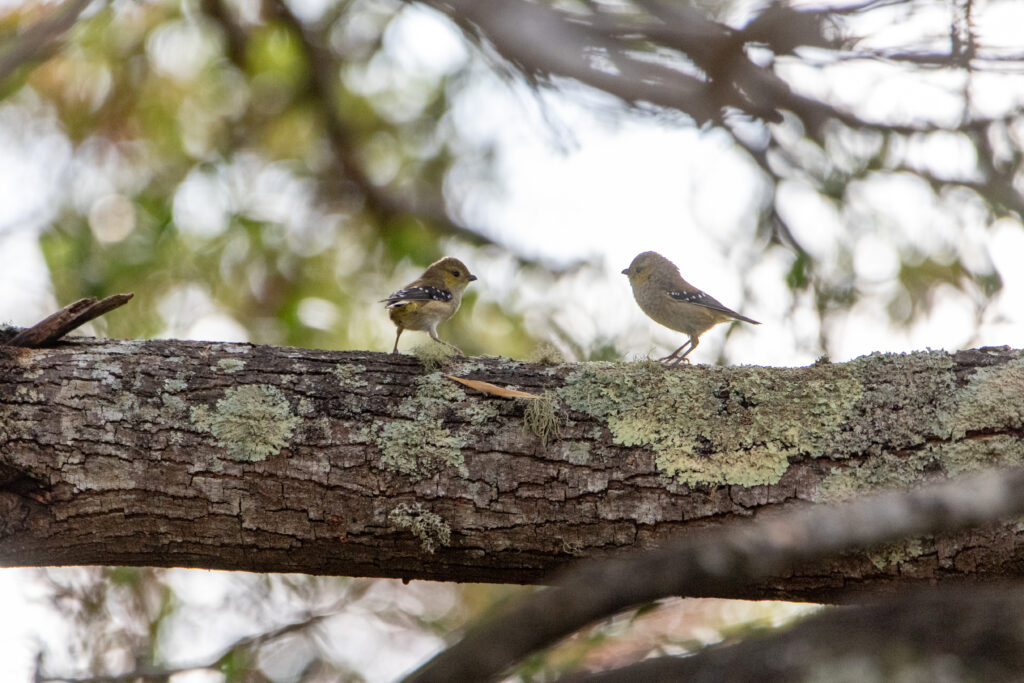
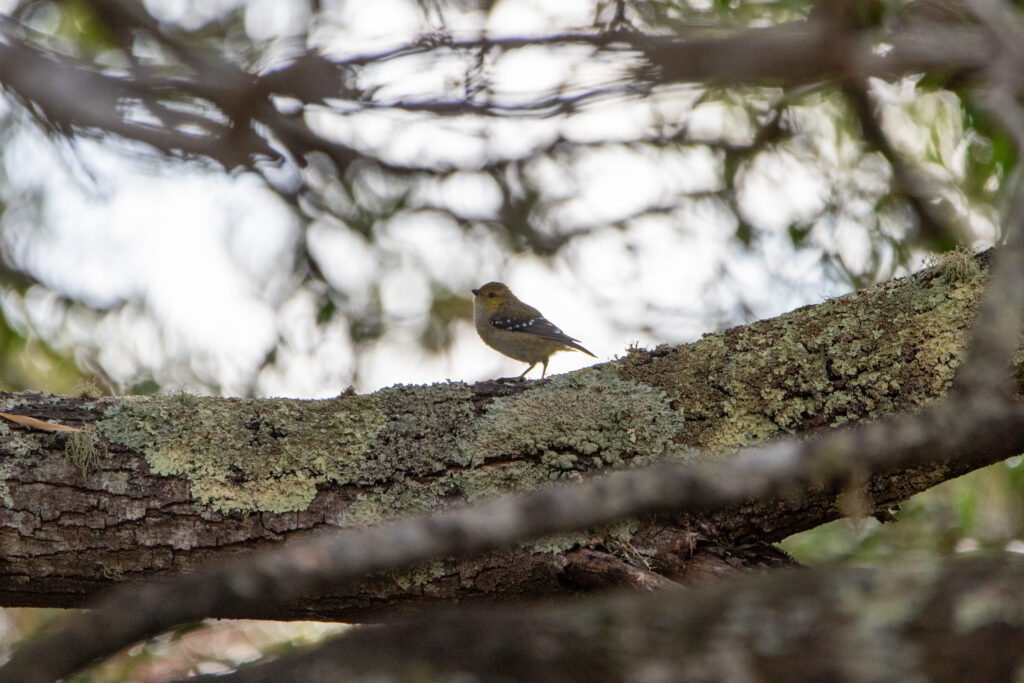
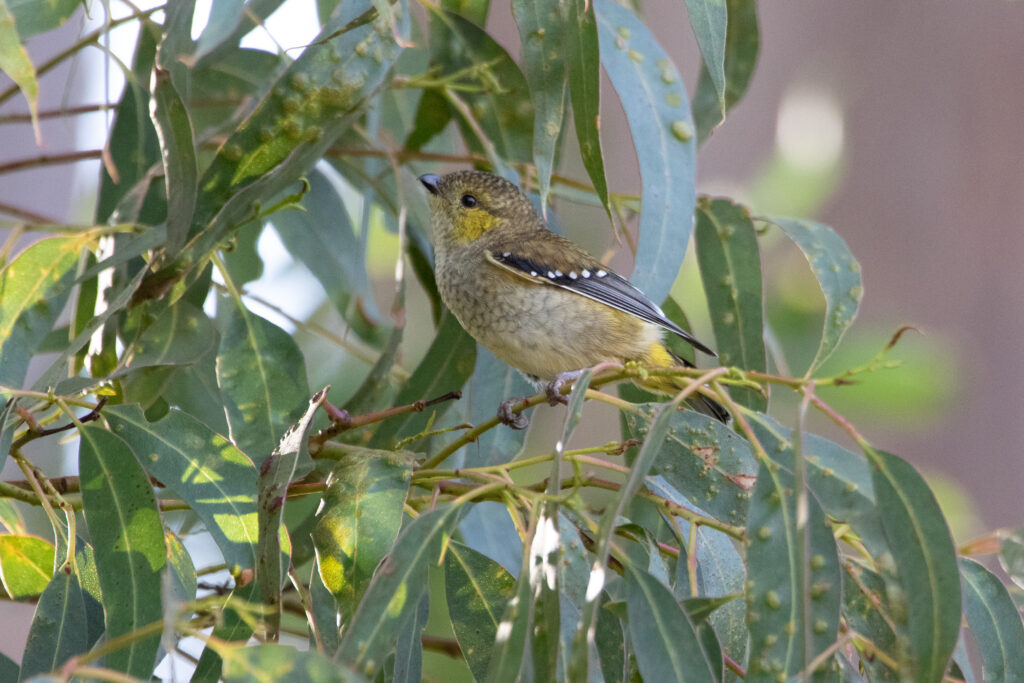
This is probably the most difficult Tasmanian endemic bird to find due to its very small population and highly restricted range. This tiny passerine, with a short bill and yellow cheeks, is found only in a few localized areas of Tasmania. Recent population estimates suggest only a few thousand individuals remain. It is listed as Endangered on the IUCN Red List. Studies in the 2010s showed that the population had declined by around 60% over the previous 17 years, mainly due to habitat loss caused by grazing, climate change, bushfires, and predators.
Bruny Island is the easiest place to observe this species. Along trails in the northern part of the island, look for old eucalyptus trees to try to locate it. Alternatively, the small Inala Nature Reserve in southern Bruny Island can also offer a chance to see it. A conservation program there helps maintain a healthy population of Forty-spotted Pardalotes.