



Birdwatching in Concepción & the Biobío Region
Concepción is a small coastal city located roughly halfway between Santiago and Puerto Montt. While it may not be an essential stop on a classic Chile itinerary, it is well worth a visit for birdwatchers looking to add a few Pacific coast specialties to their list. If you’re planning some birdwatching in the Biobío Region, here are some of the best birding hotspots around Concepción.
Where to see birds in Concepción ?
Humedales Lenga
Located near the small seaside village of Caleta Lenga, the Lenga Wetlands are undoubtedly one of the best birdwatching sites on the Hualpén Peninsula. It’s an excellent place to see a large variety of birds in a relatively short amount of time. The wetlands lie just inland from the village. If travelling by public transport, simply take bus 71 to Lenga and get off at the final stop. From there, walk back along the main road, which runs alongside the wetlands.
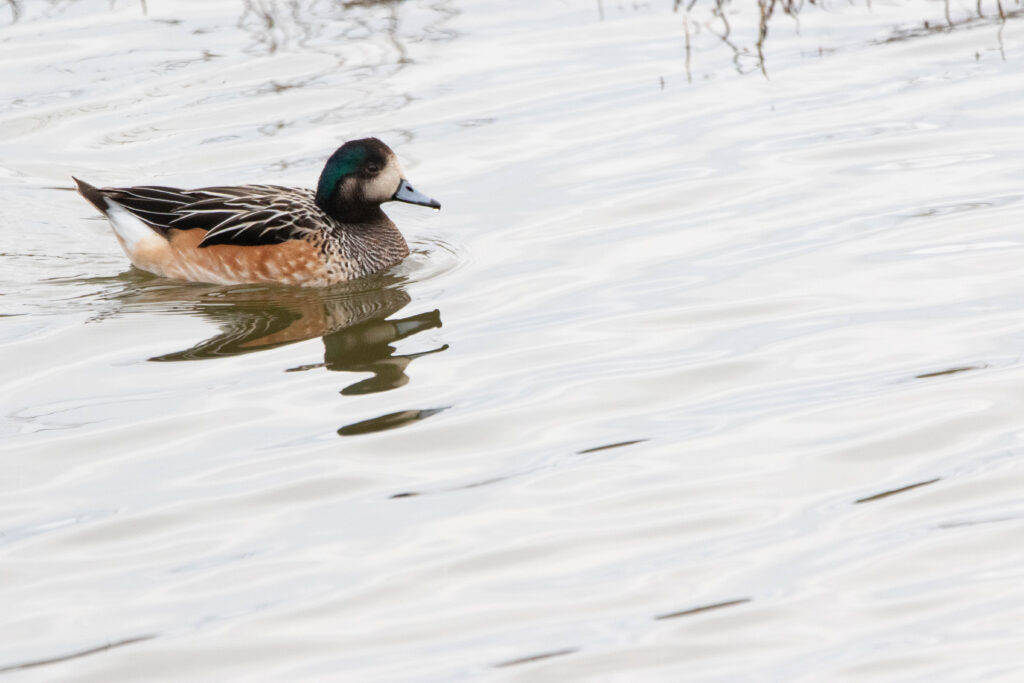
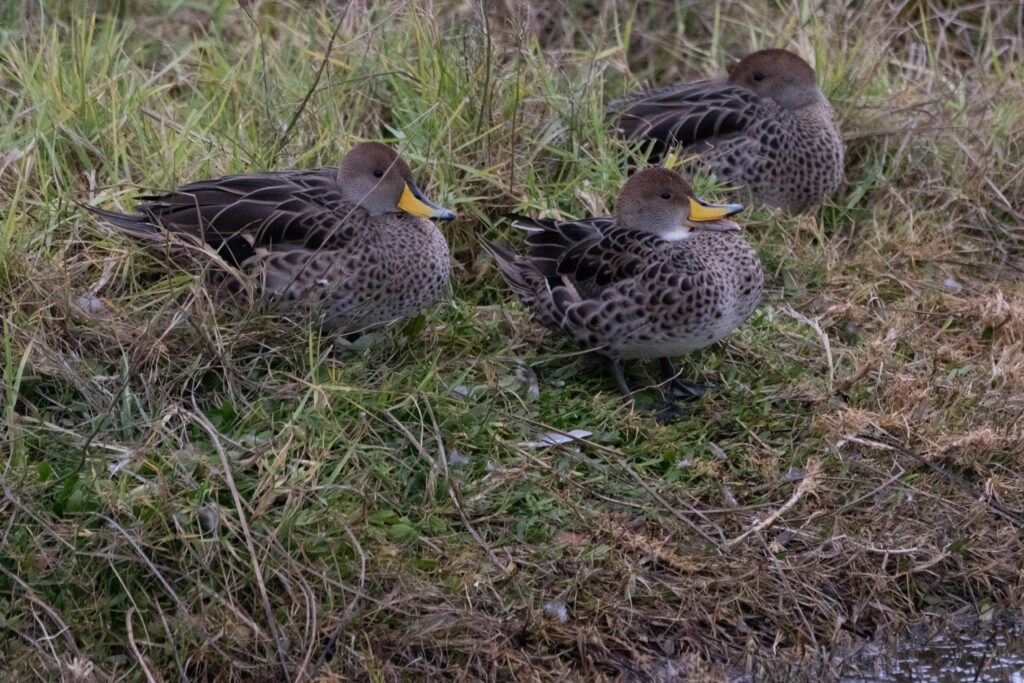
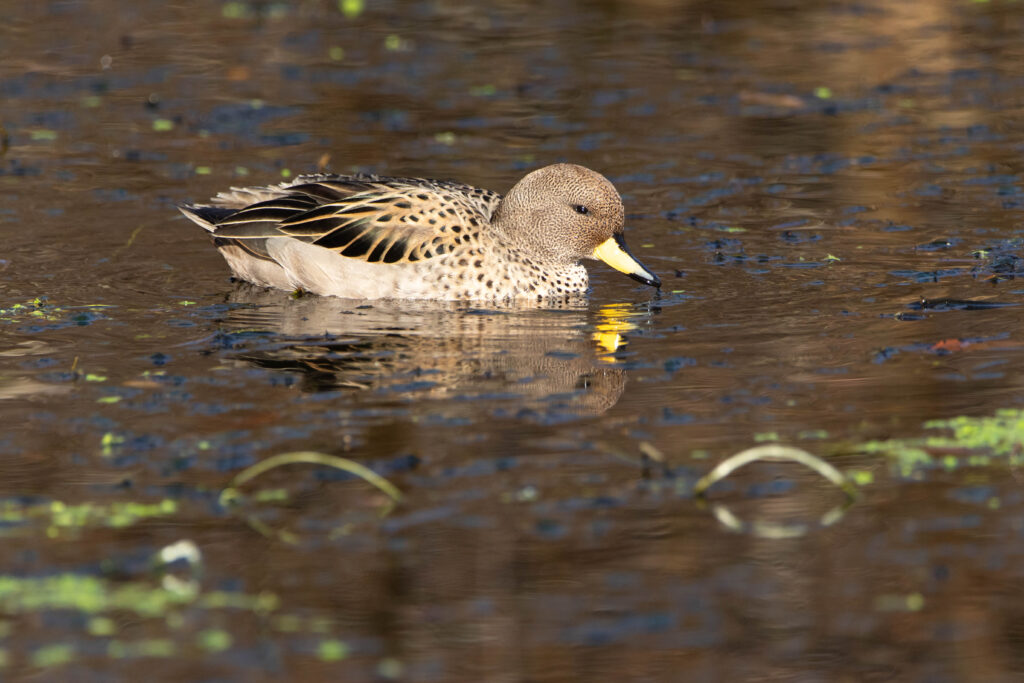
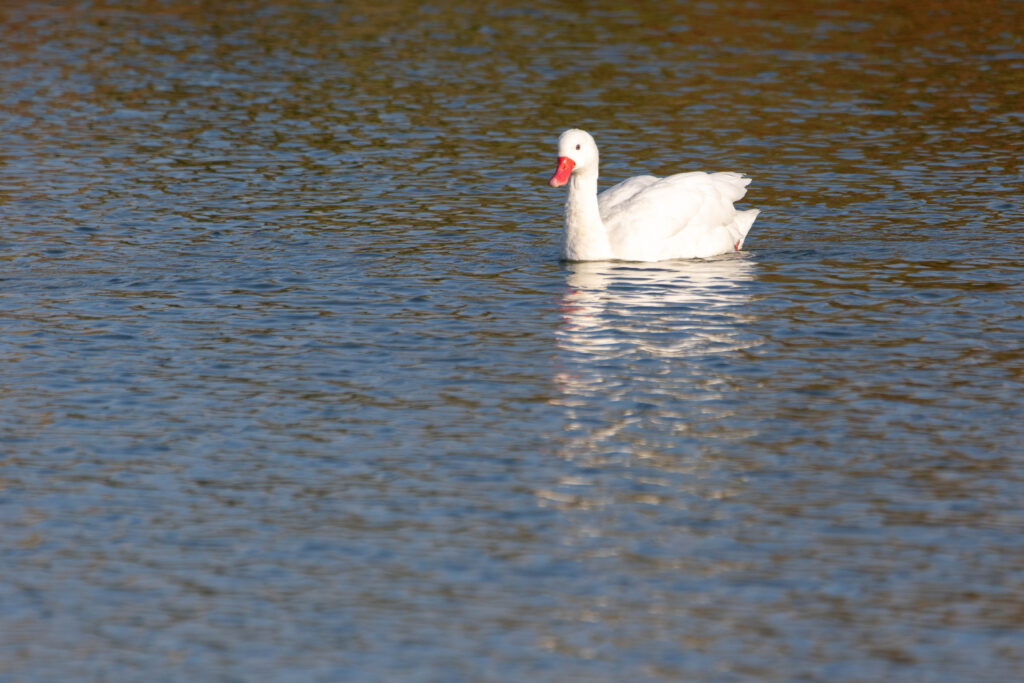
The wetlands host an impressive variety of ducks, including Cinnamon Teal (Spatula cyanoptera), Yellow-billed Teal (Anas flavirostris), Red Shoveler (Spatula platalea), Chiloe Wigeon (Mareca sibilatrix), Yellow-billed Pintail (Anas georgica), and White-cheeked Pintail (Anas bahamensis). Three grebe species can also be found here: Great Grebe (Podiceps major), White-tufted Grebe (Rollandia rolland), and Pied-billed Grebe (Podilymbus podiceps). Black-necked Swan (Cygnus melancoryphus) and Coscoroba Swan (Coscoroba coscoroba) are also regularly observed.
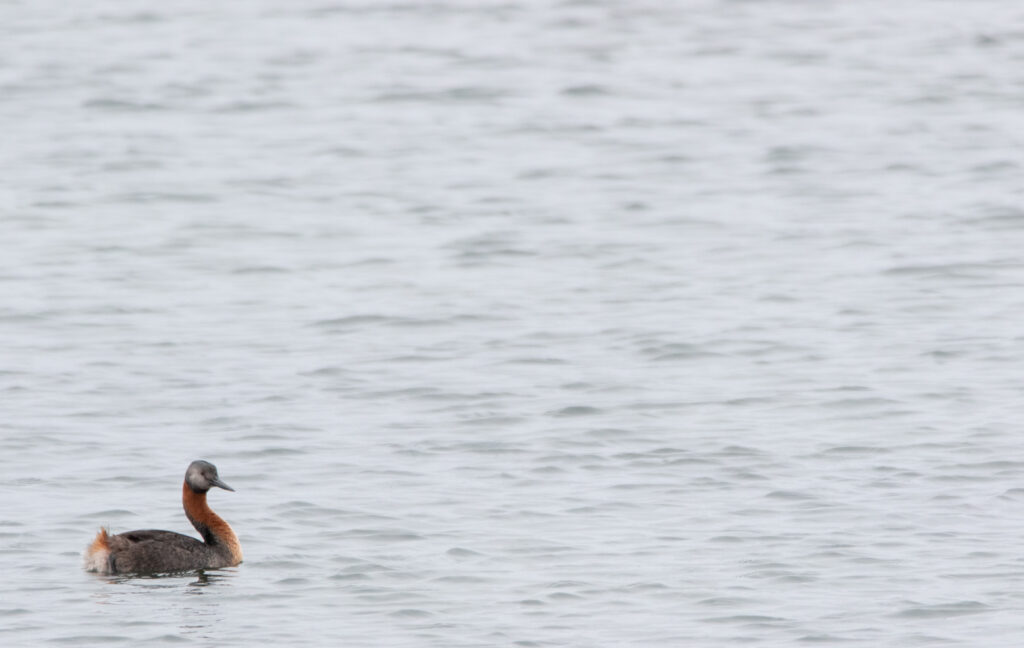
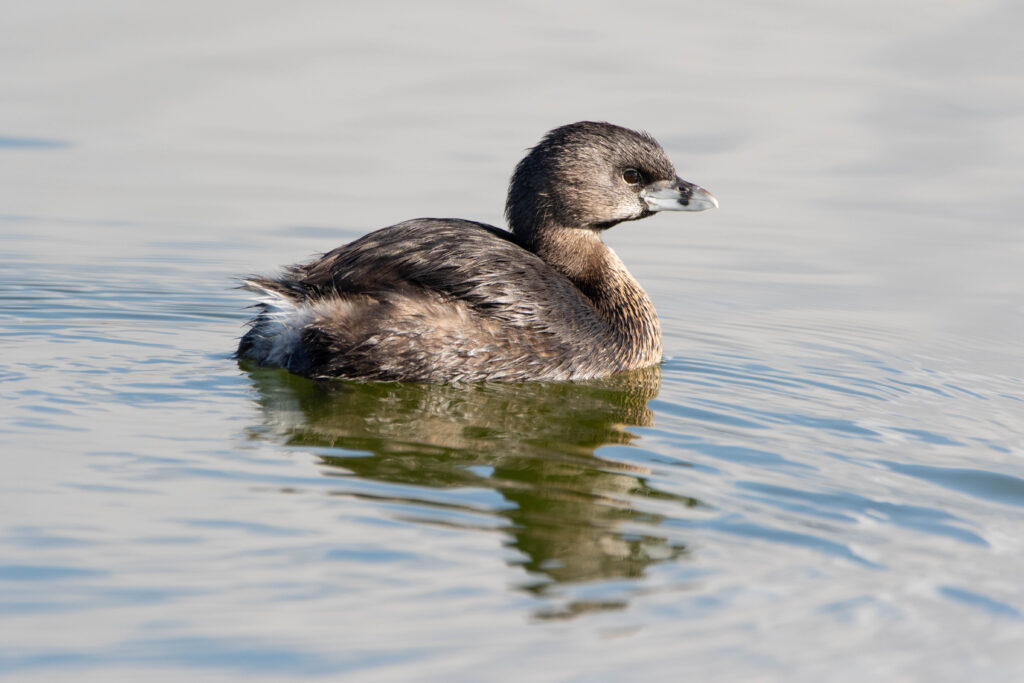
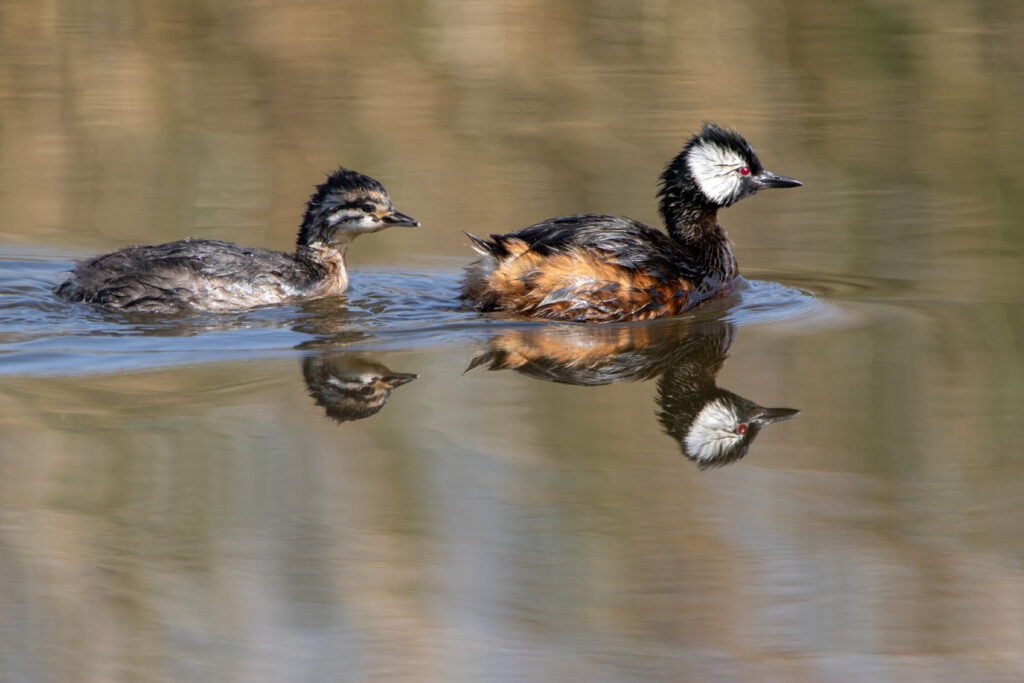
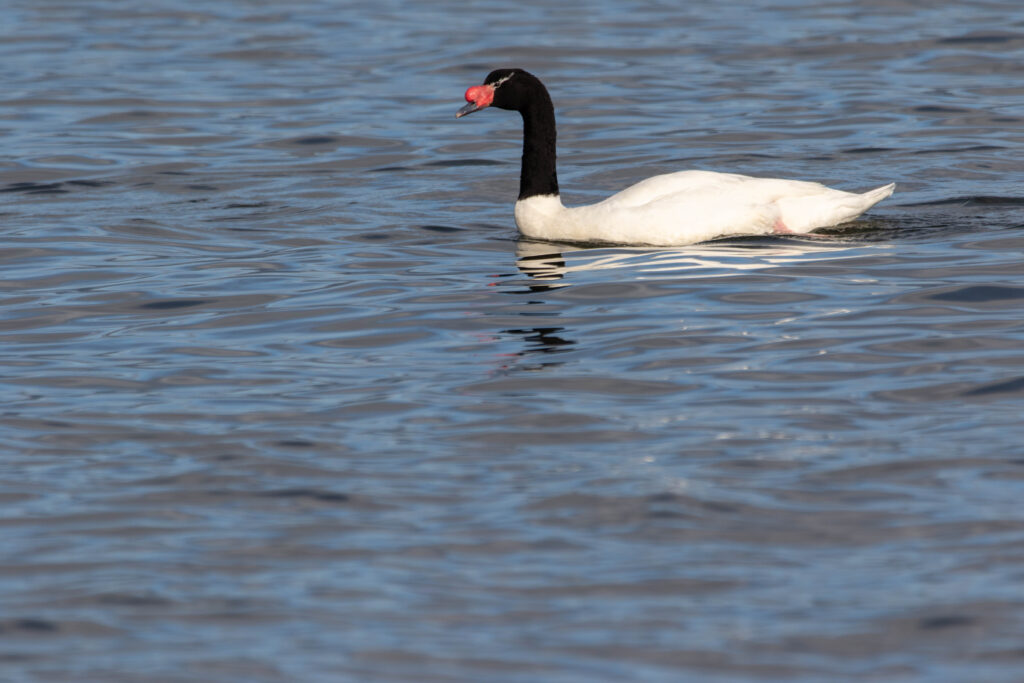
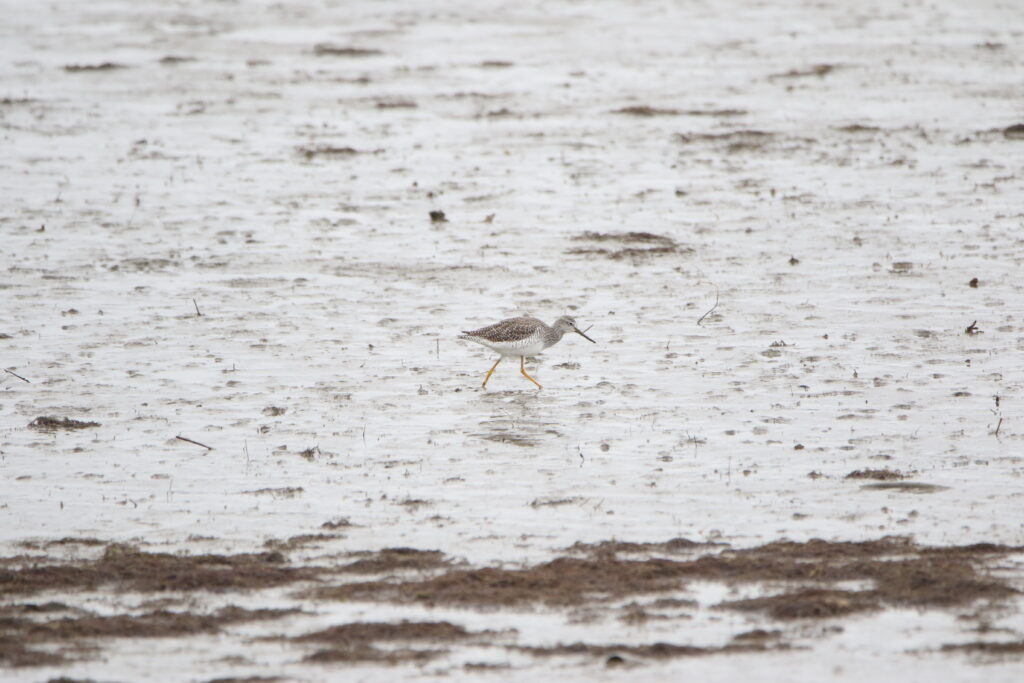
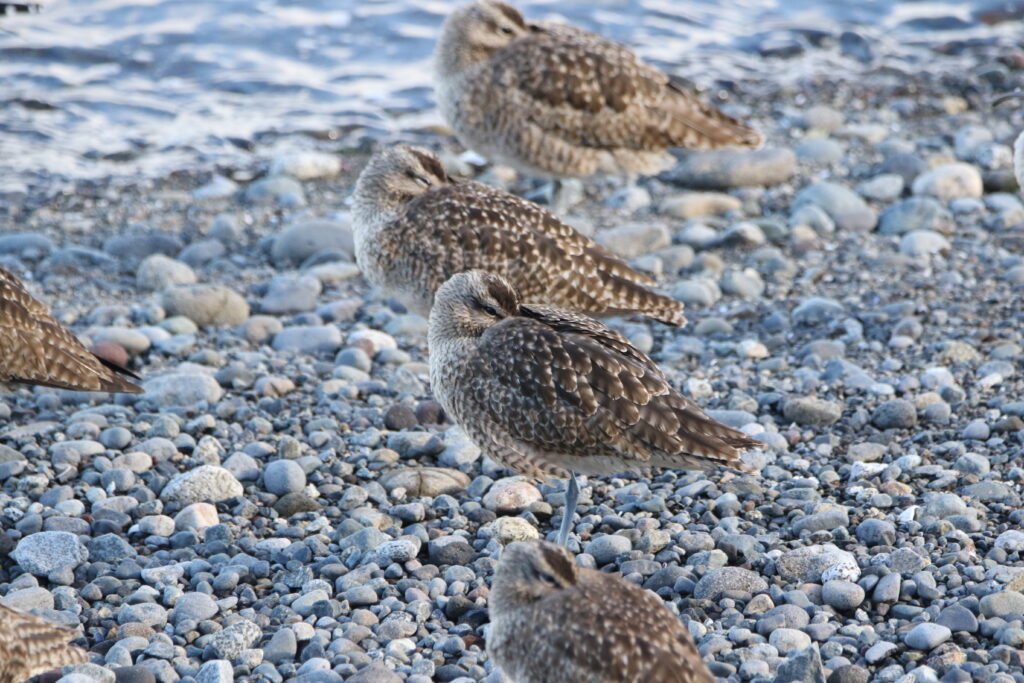
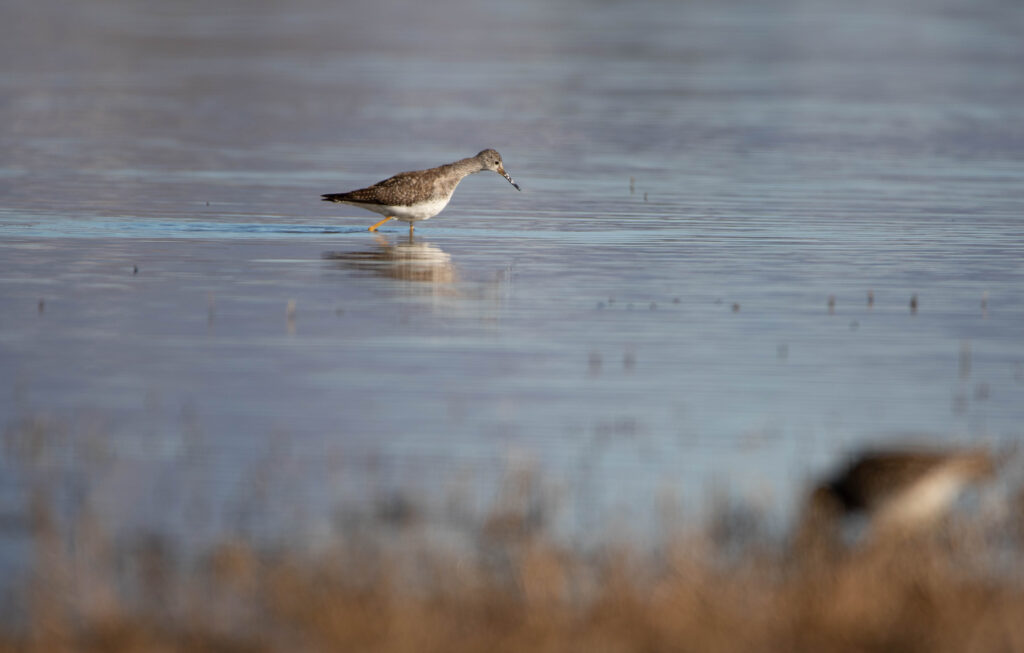
Several heron species frequent the wetlands, including Cocoi Heron (Ardea cocoi), Snowy Egret (Egretta thula), and Great Egret (Ardea alba). The shallower areas attract a number of shorebirds such as Southern Lapwing (Vanellus chilensis), Hudsonian Whimbrel (Numenius hudsonicus), and Hudsonian Godwit (Limosa haemastica). Lesser Yellowlegs (Tringa flavipes) and Greater Yellowlegs (Tringa melanoleuca) can also be seen.
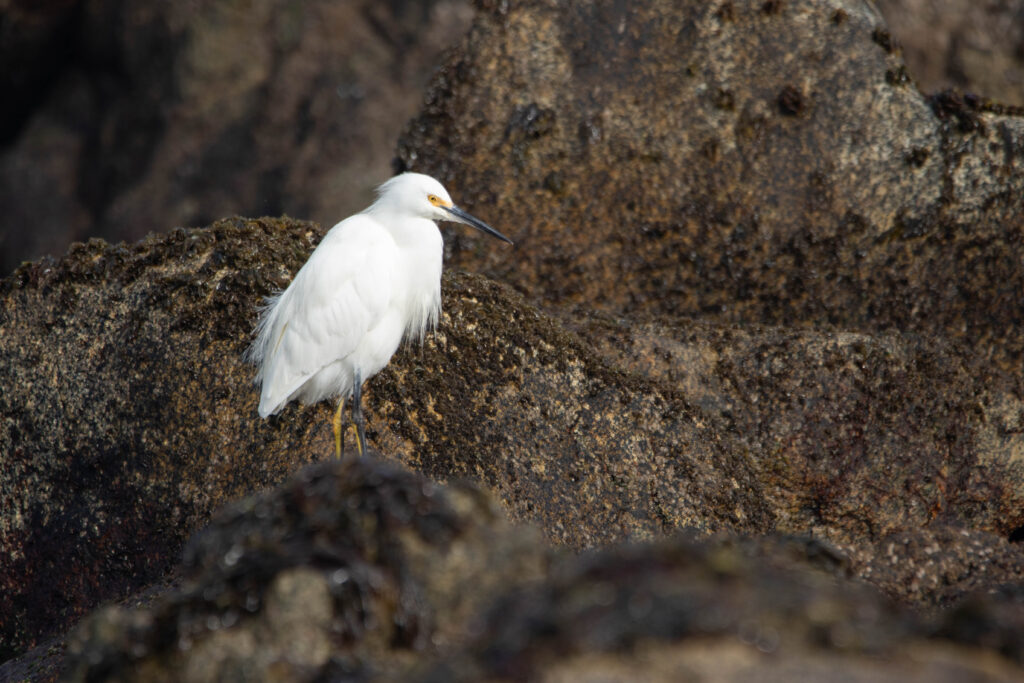
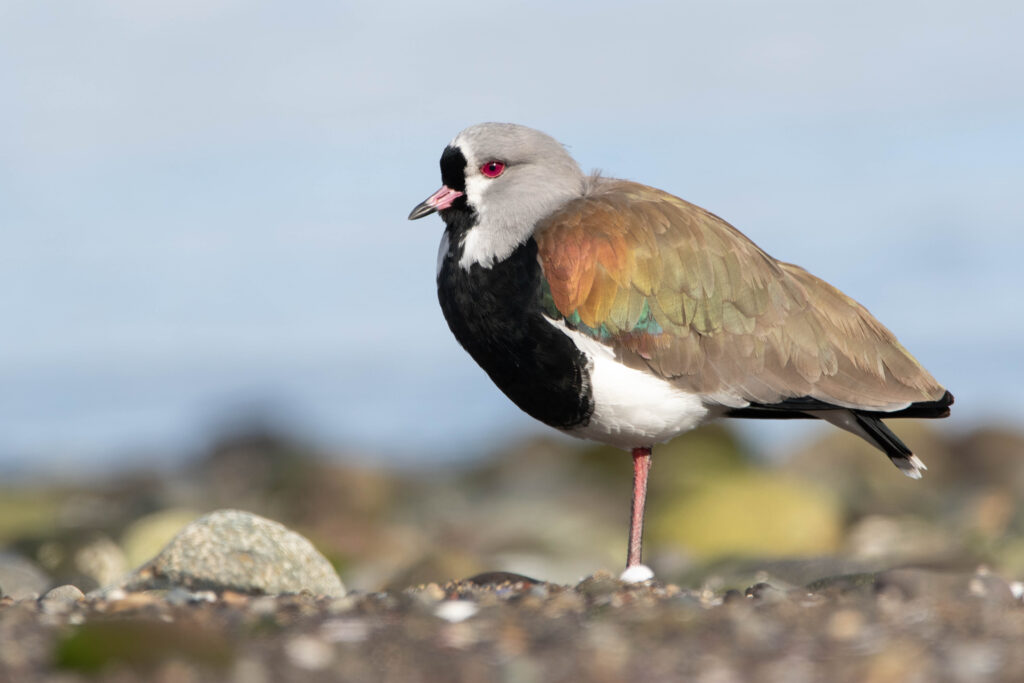
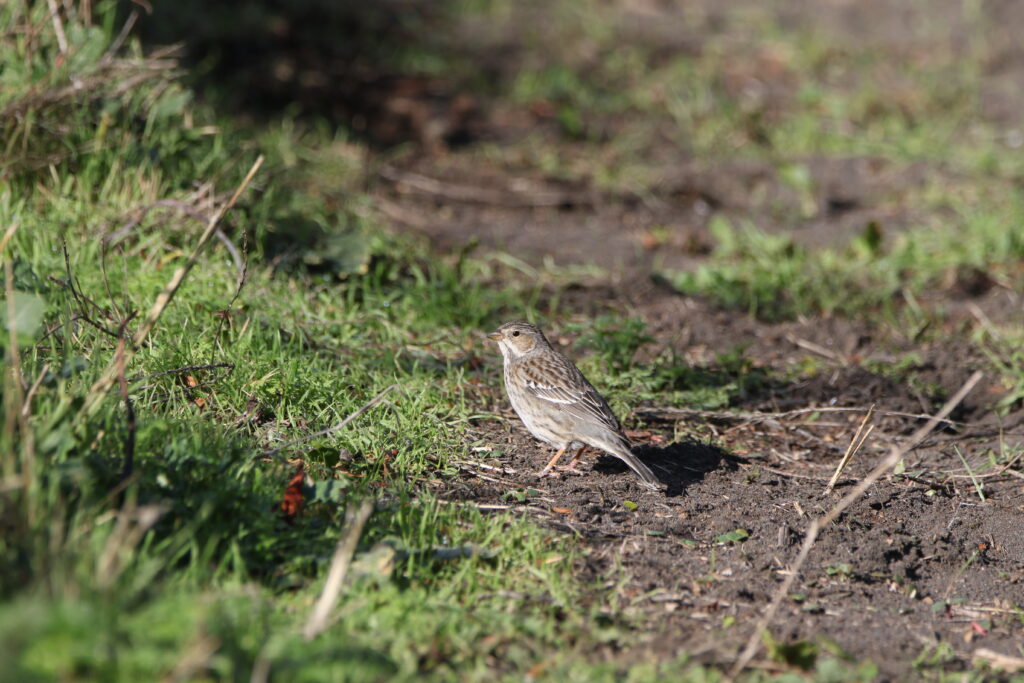
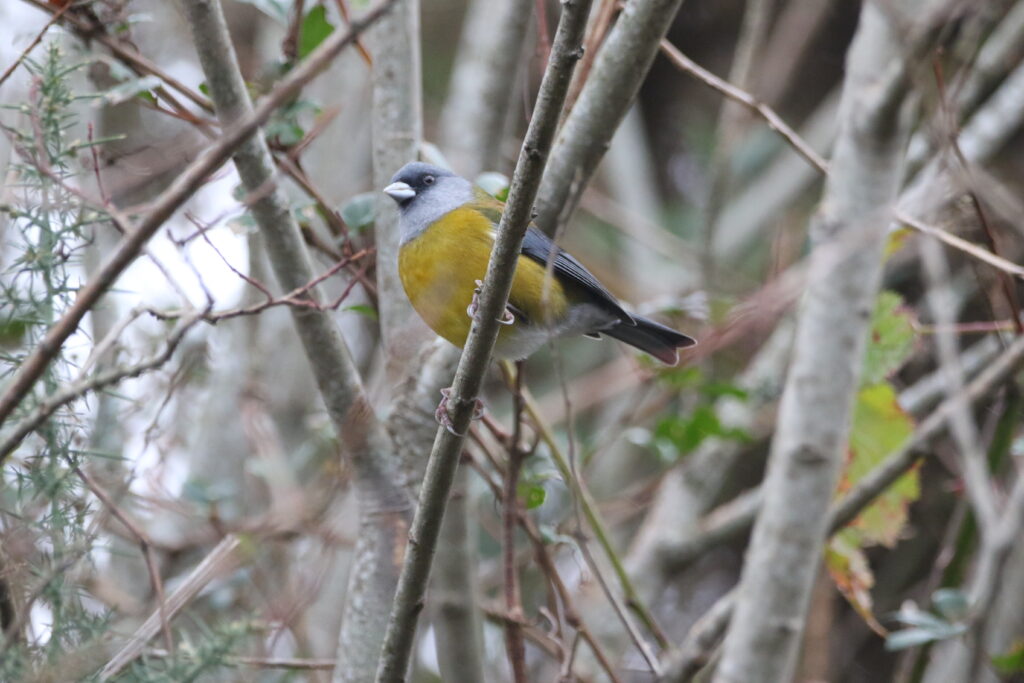
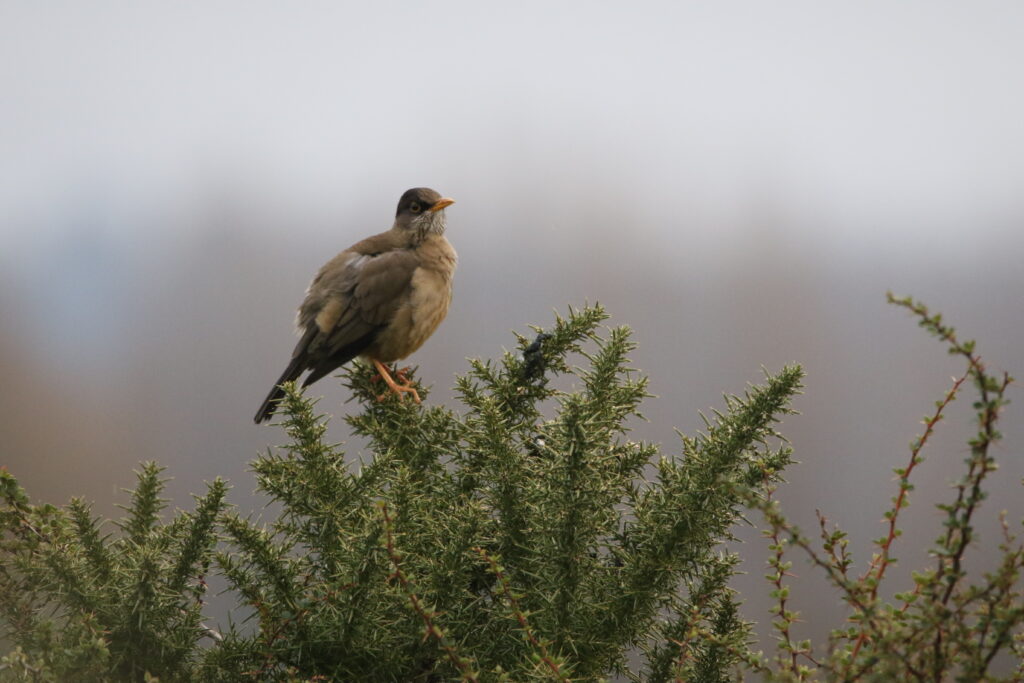
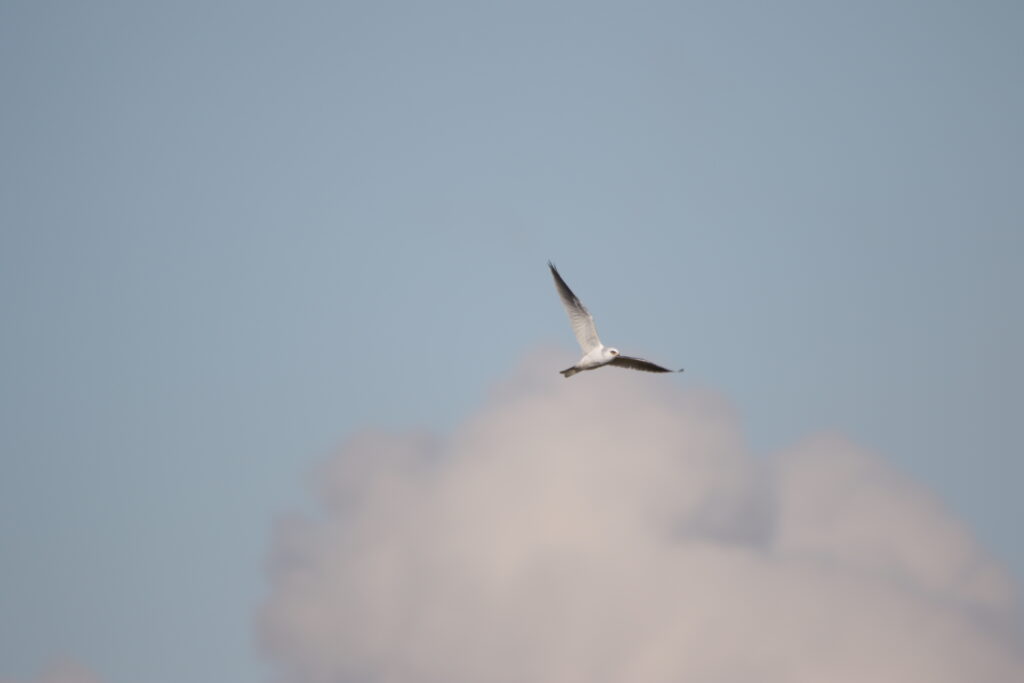
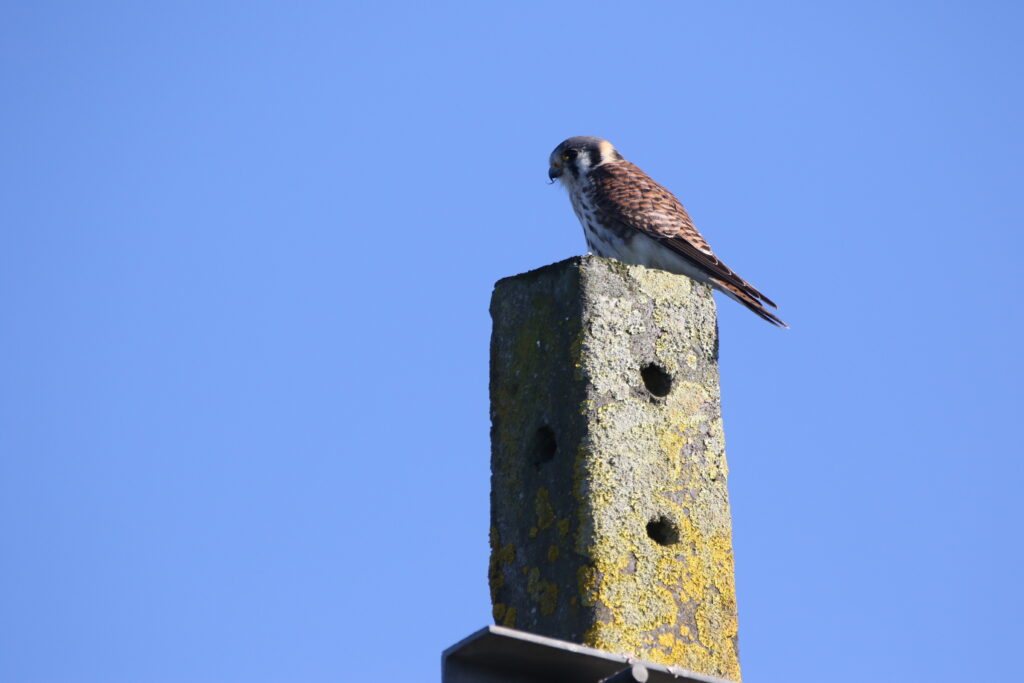
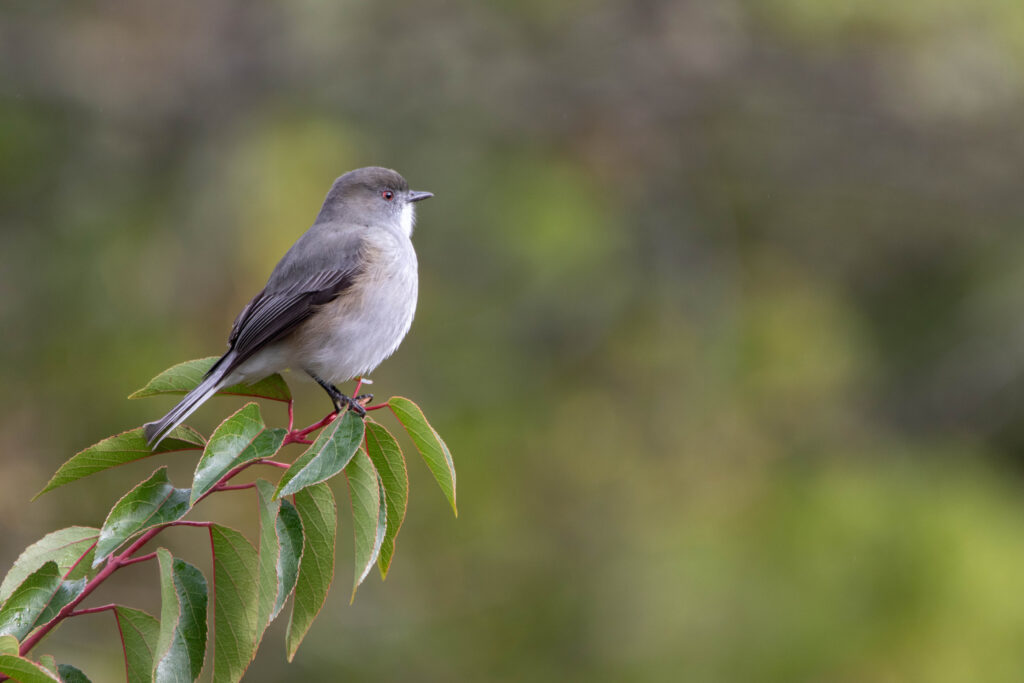
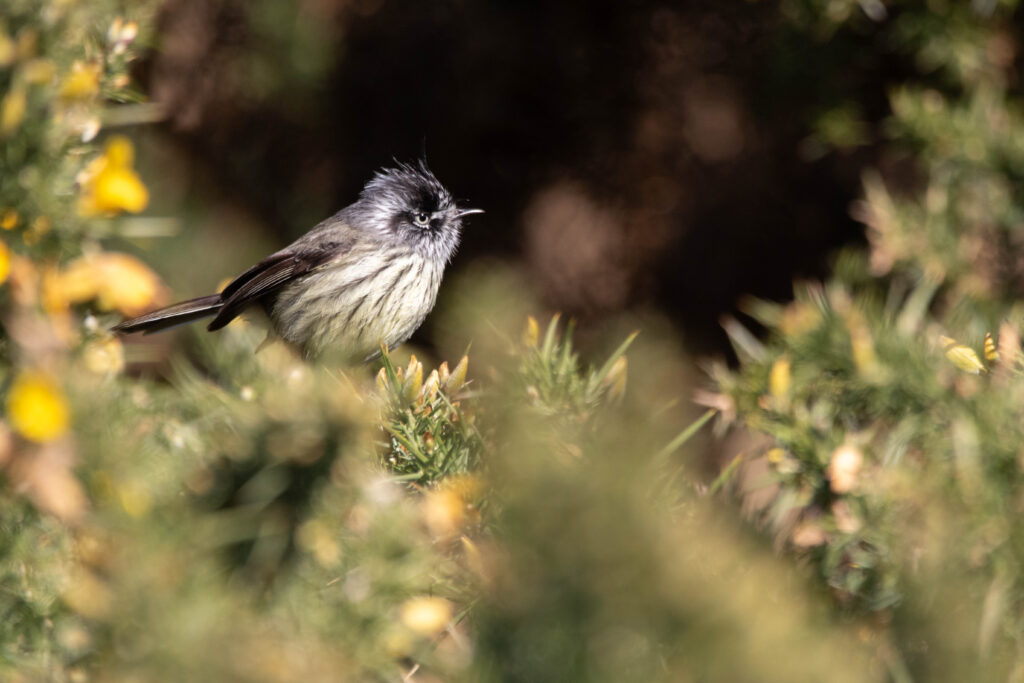
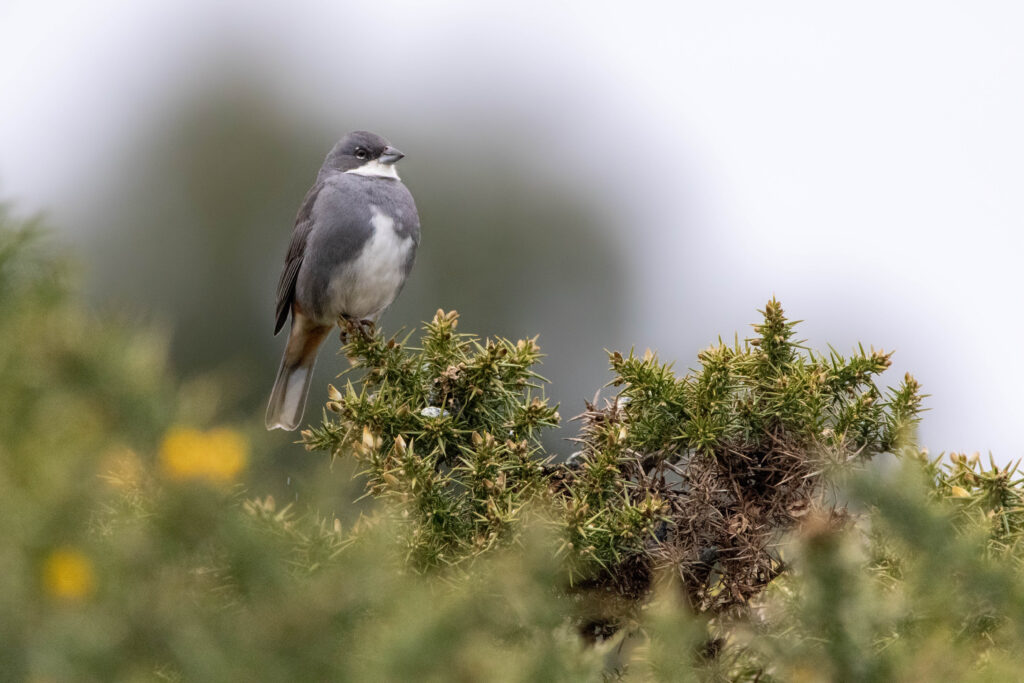
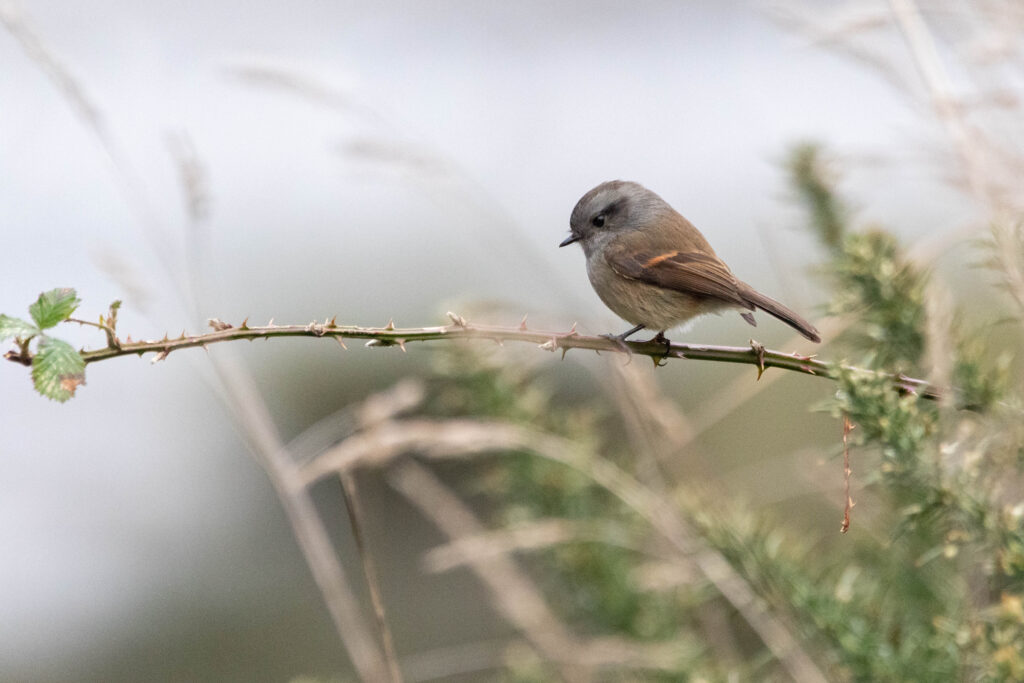
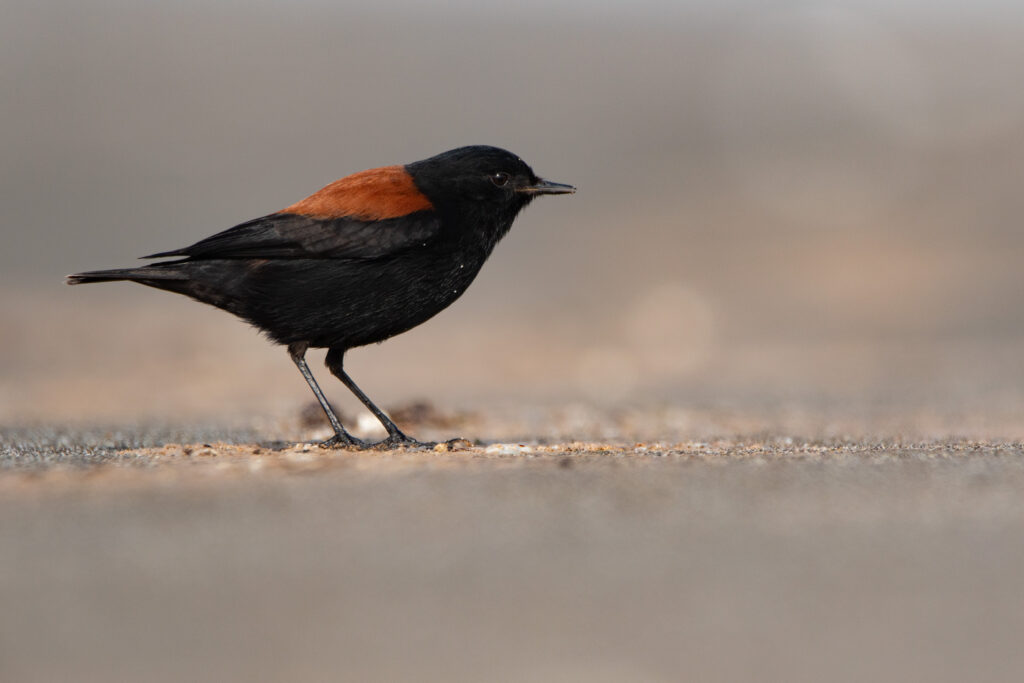
The trees and dunes surrounding the wetland are home to several birds of prey, including American Kestrel (Falco sparverius) and White-tailed Kite (Elanus leucurus), both of which can occasionally be seen hunting over the marshes. The area also supports a rich community of passerines, including Tufted Tit-Tyrant (Anairetes parulus), Austral Negrito (Lessonia rufa), Fire-eyed Diucon (Pyrope pyrope), Austral Thrush (Turdus falcklandii), Diuca Finch (Diuca diuca), Patagonian Sierra Finch (Phrygilus patagonicus), Patagonian Tyrant (Colorhamphus parvirostris), and Mourning Sierra Finch (Rhopospina fruticeti).
Caleta Chome
Located at the tip of the Hualpén Peninsula, Caleta Chome is one of the best seawatching locations near Concepción for observing pelagic birds. There is no public transport to this site, so you will need your own vehicle or a taxi willing to drive the rather rough access road.
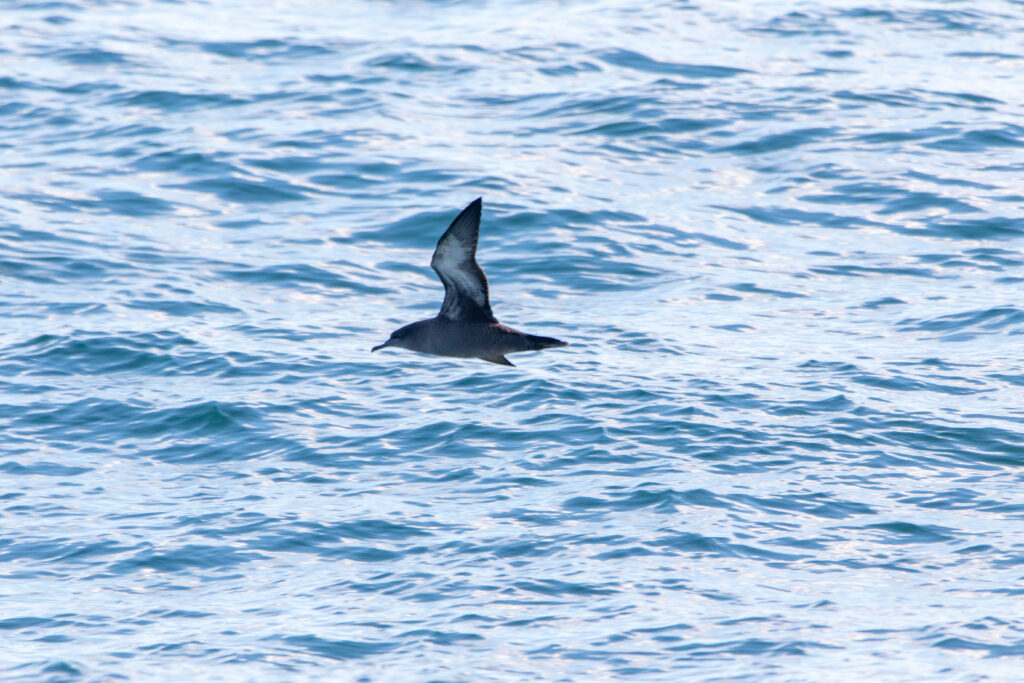
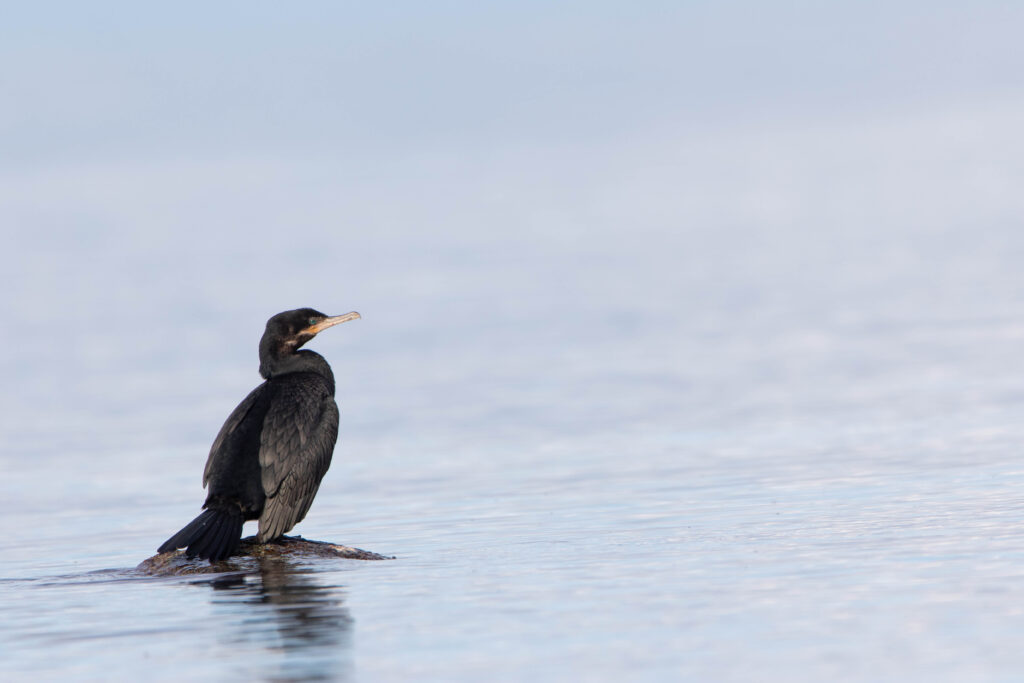
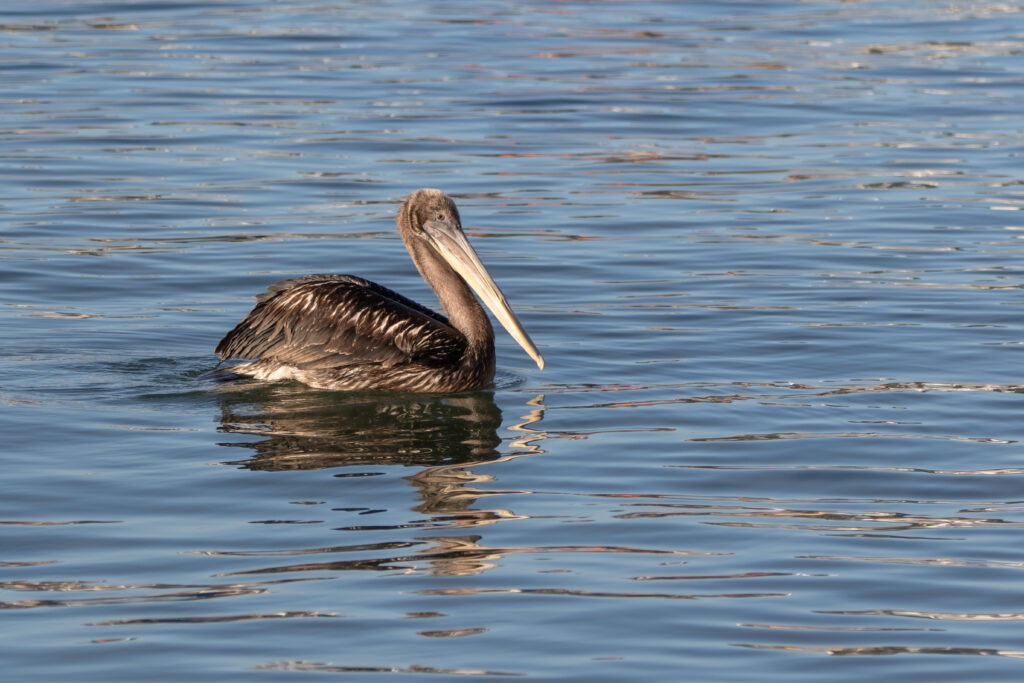
Three cormorant species can regularly be seen here: Guanay Cormorant (Leucocarbo bougainvilliorum), Red-legged Cormorant (Poikilocarbo gaimardi), and the more widespread Neotropic Cormorant (Nannopterum brasilianum). Offshore, you can expect to see Peruvian Booby (Sula variegata), Peruvian Pelican (Pelecanus thagus), Pink-footed Shearwater (Ardenna creatopus), Sooty Shearwater (Ardenna grisea), Northern Giant Petrel (Macronectes halli), and Black-browed Albatross (Thalassarche melanophris). With a bit of luck, you may even spot a Humboldt Penguin (Spheniscus humboldti).
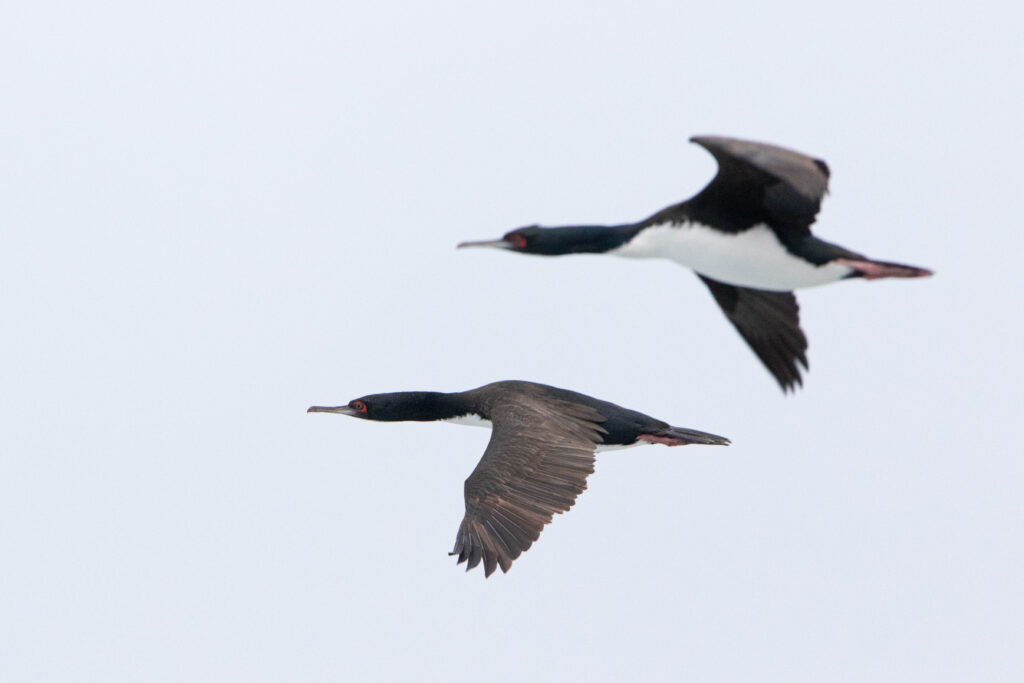
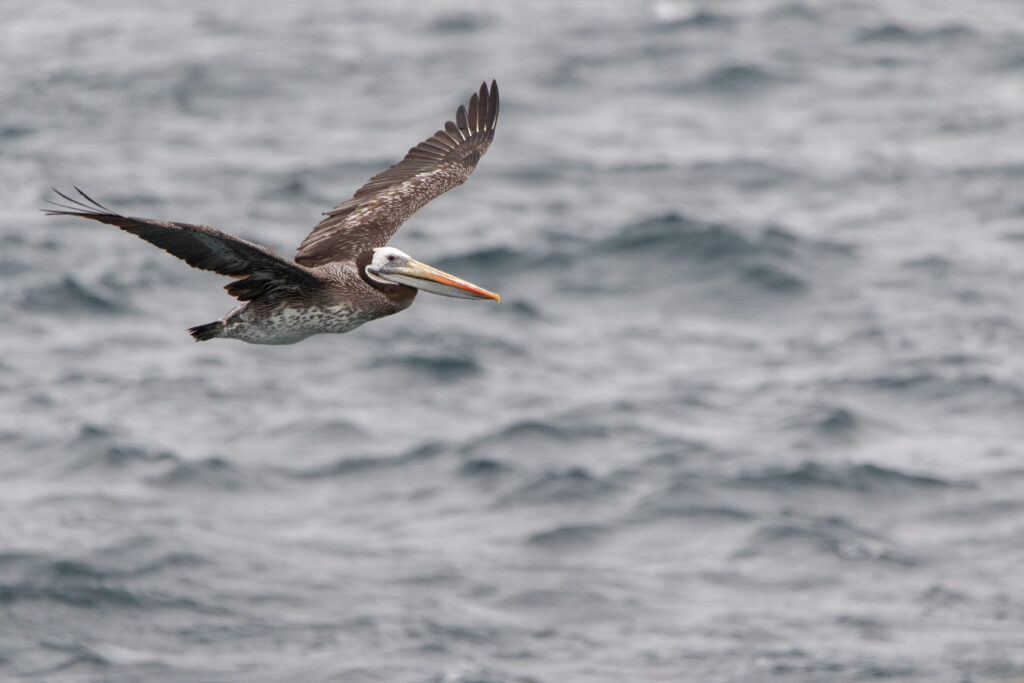
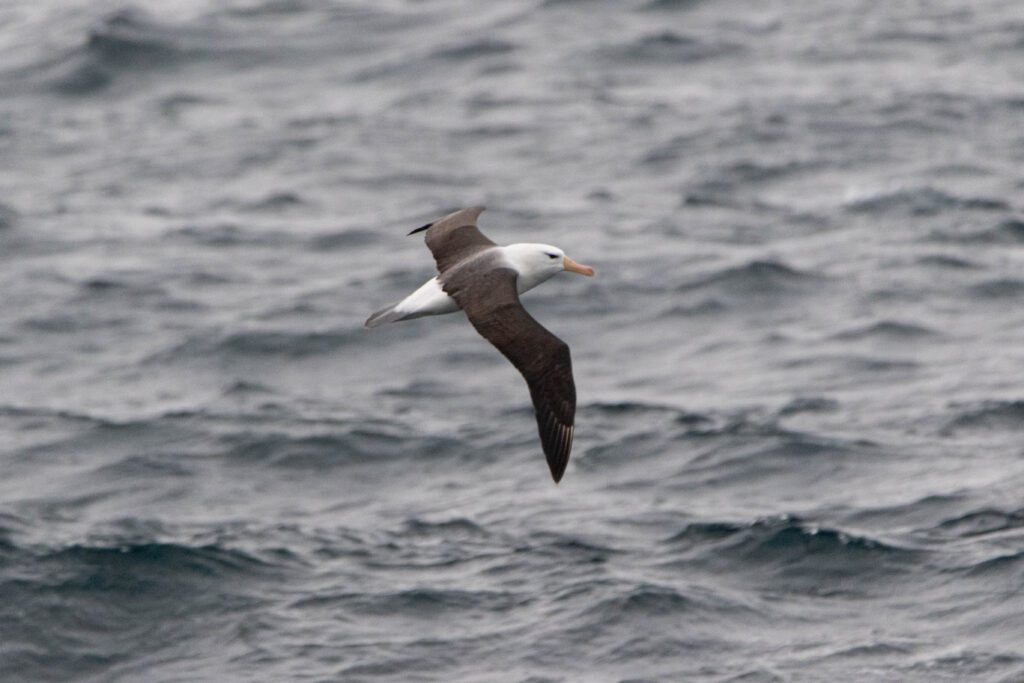
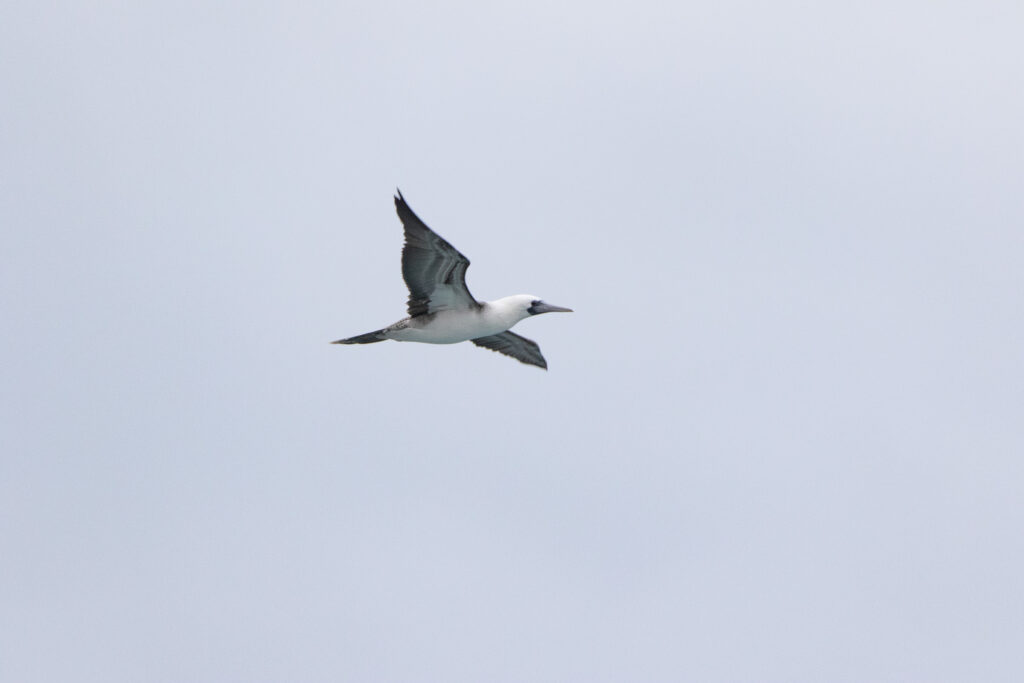
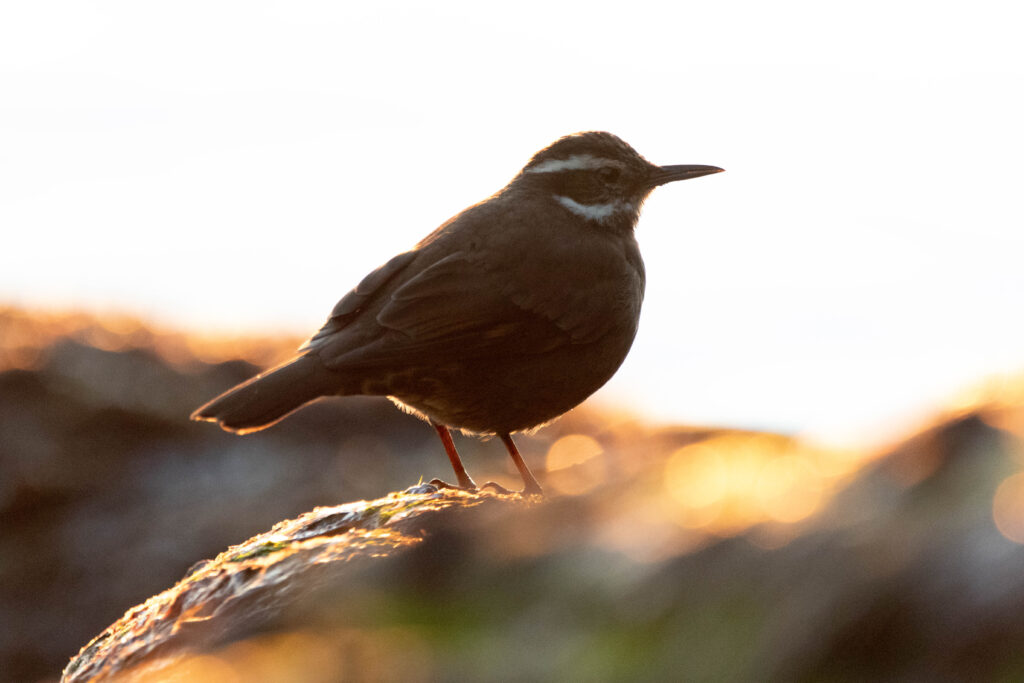
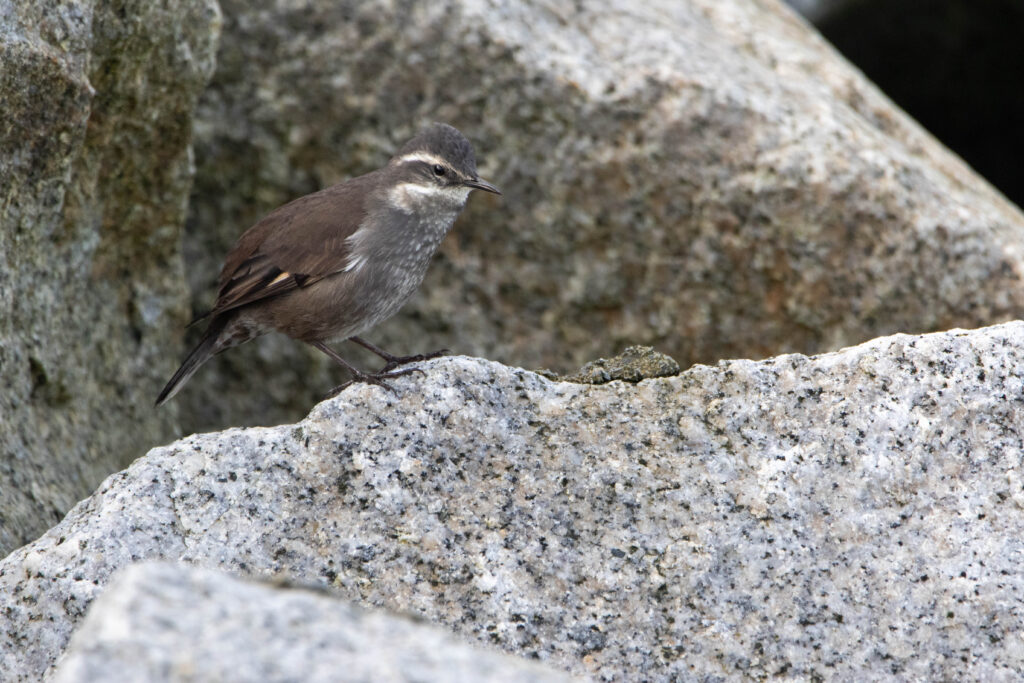
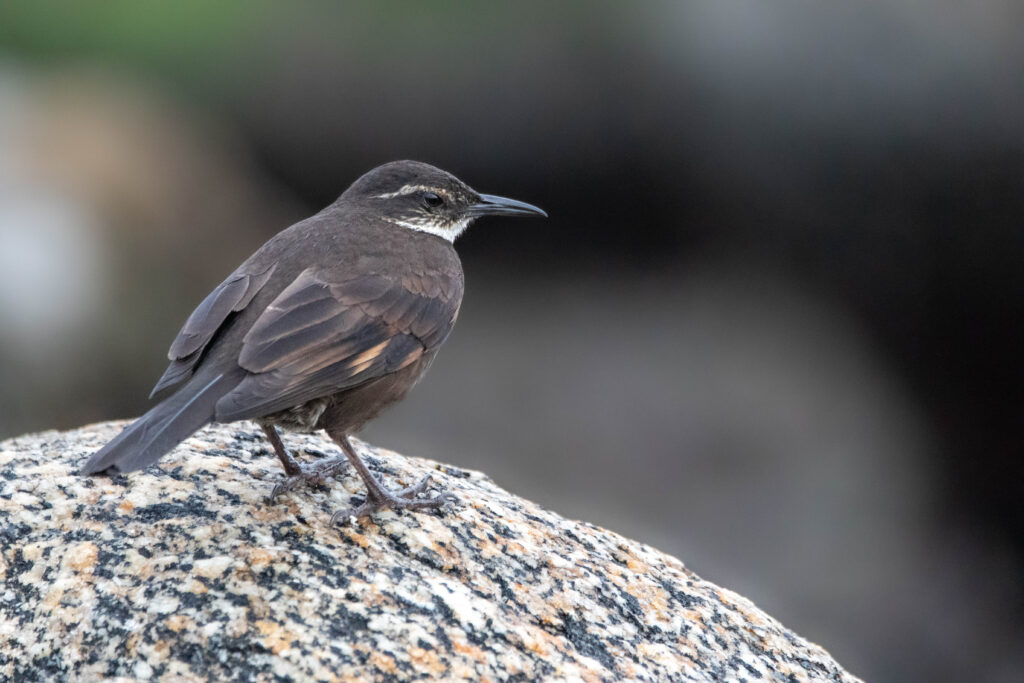
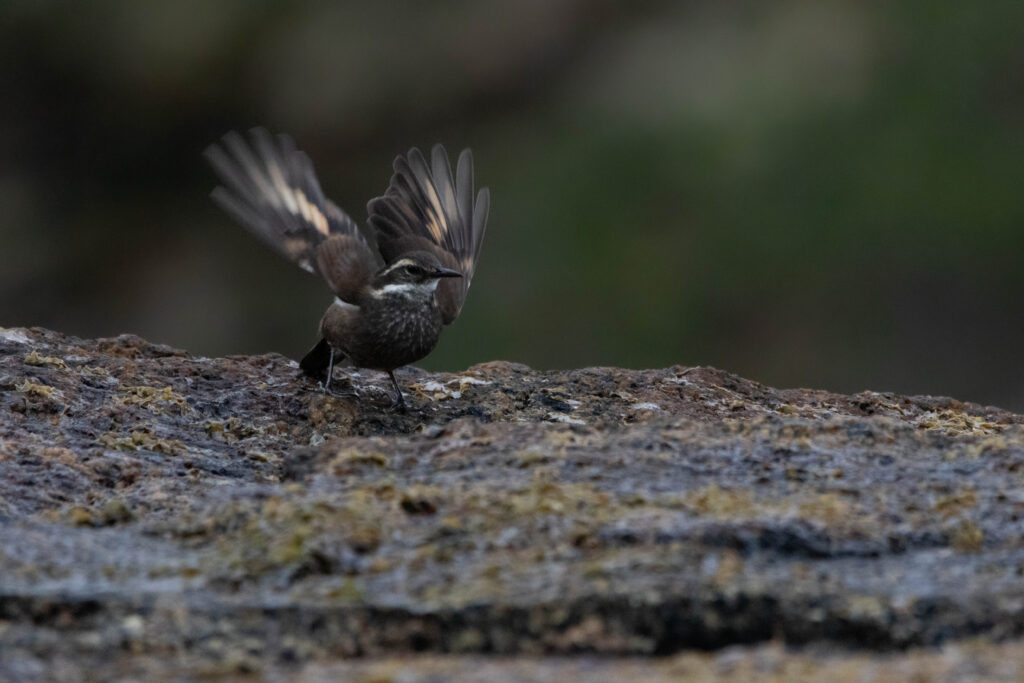
Among the passerines, birders can try to distinguish the three local Cinclodes species: Chilean Seaside Cinclodes (Cinclodes nigrofumosus), Grey-flanked Cinclodes (Cinclodes oustaleti), and Dark-bellied Cinclodes (Cinclodes patagonicus). The surrounding shrubs are also worth exploring in search of Dusky Tapaculo (Scytalopus fuscus) and Ochre-flanked Tapaculo (Eugralla paradoxa). Good luck, both species are notoriously secretive!
Talcahuano Port
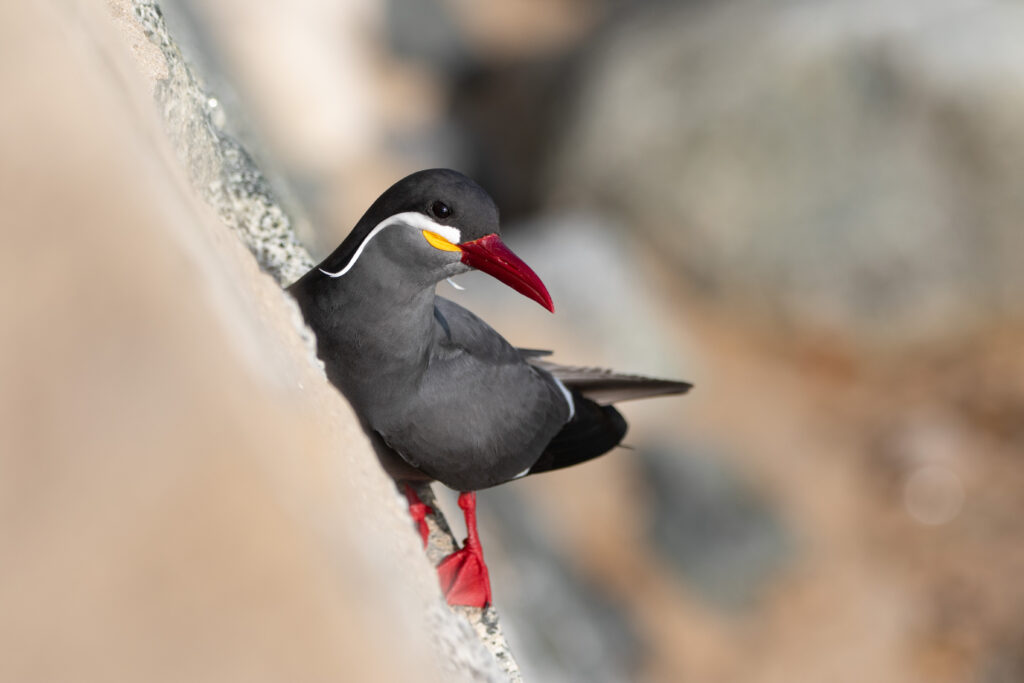
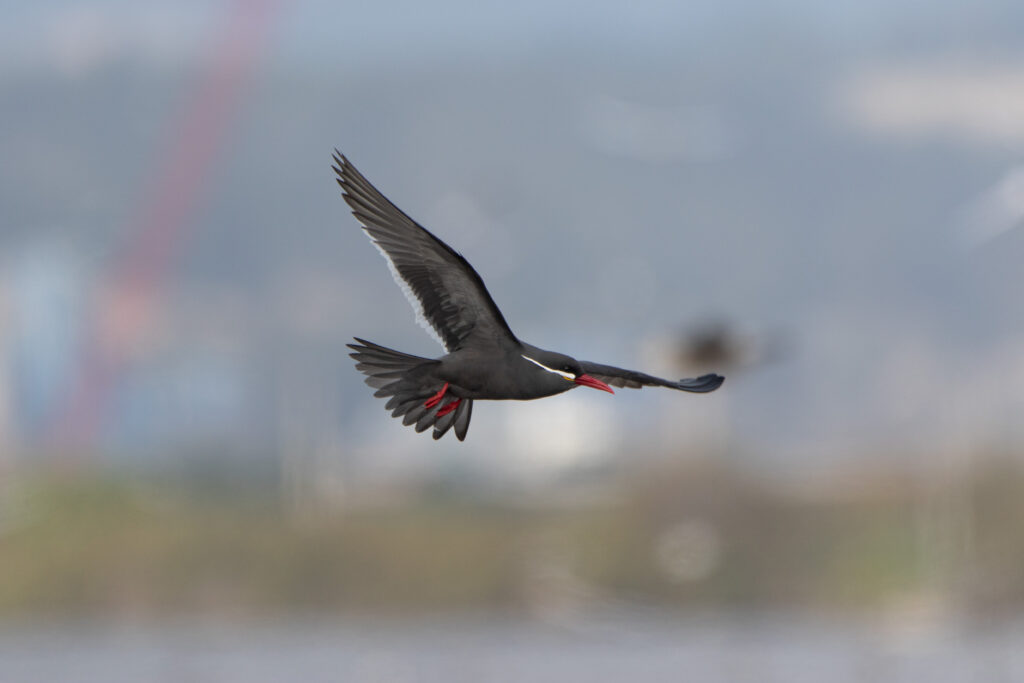
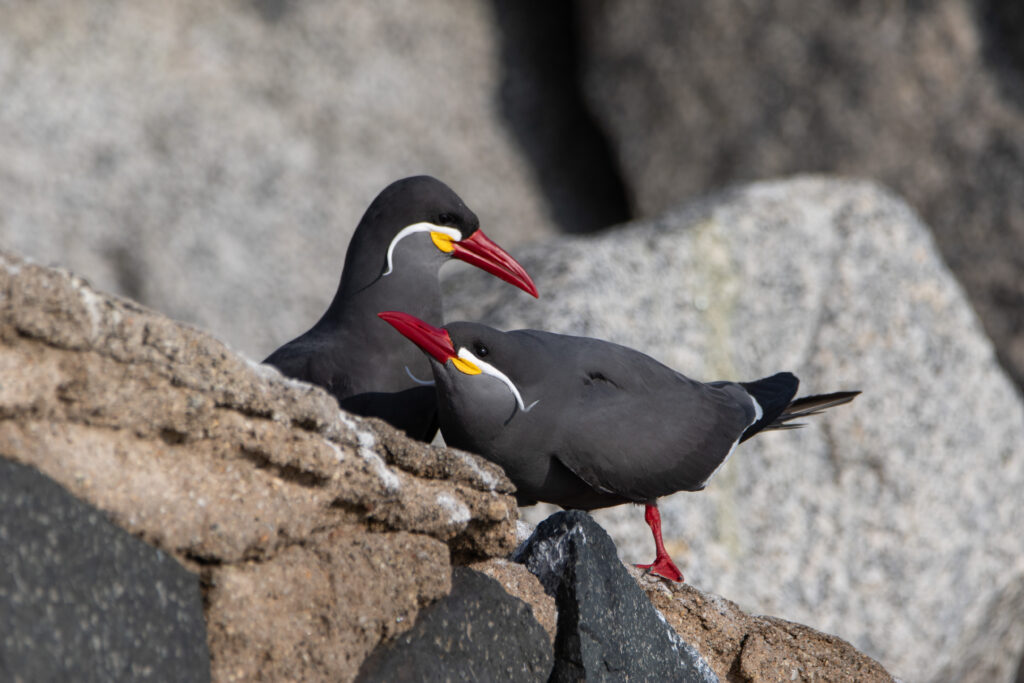
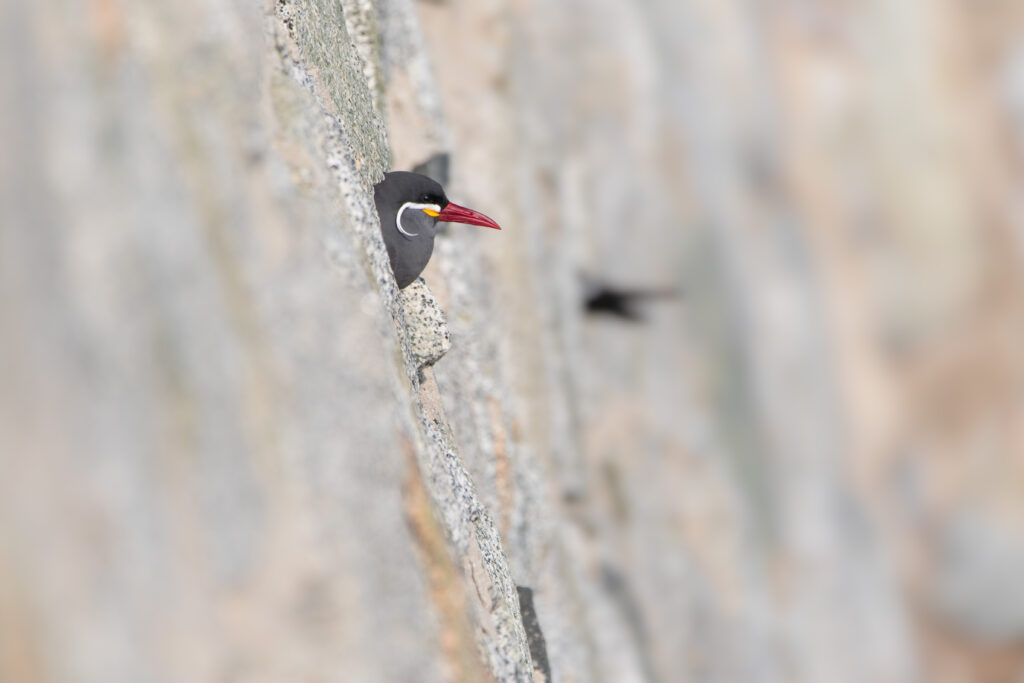
The port of Talcahuano, easily reached by bus from Concepción, is the best place in the area to photograph one particularly charismatic bird.
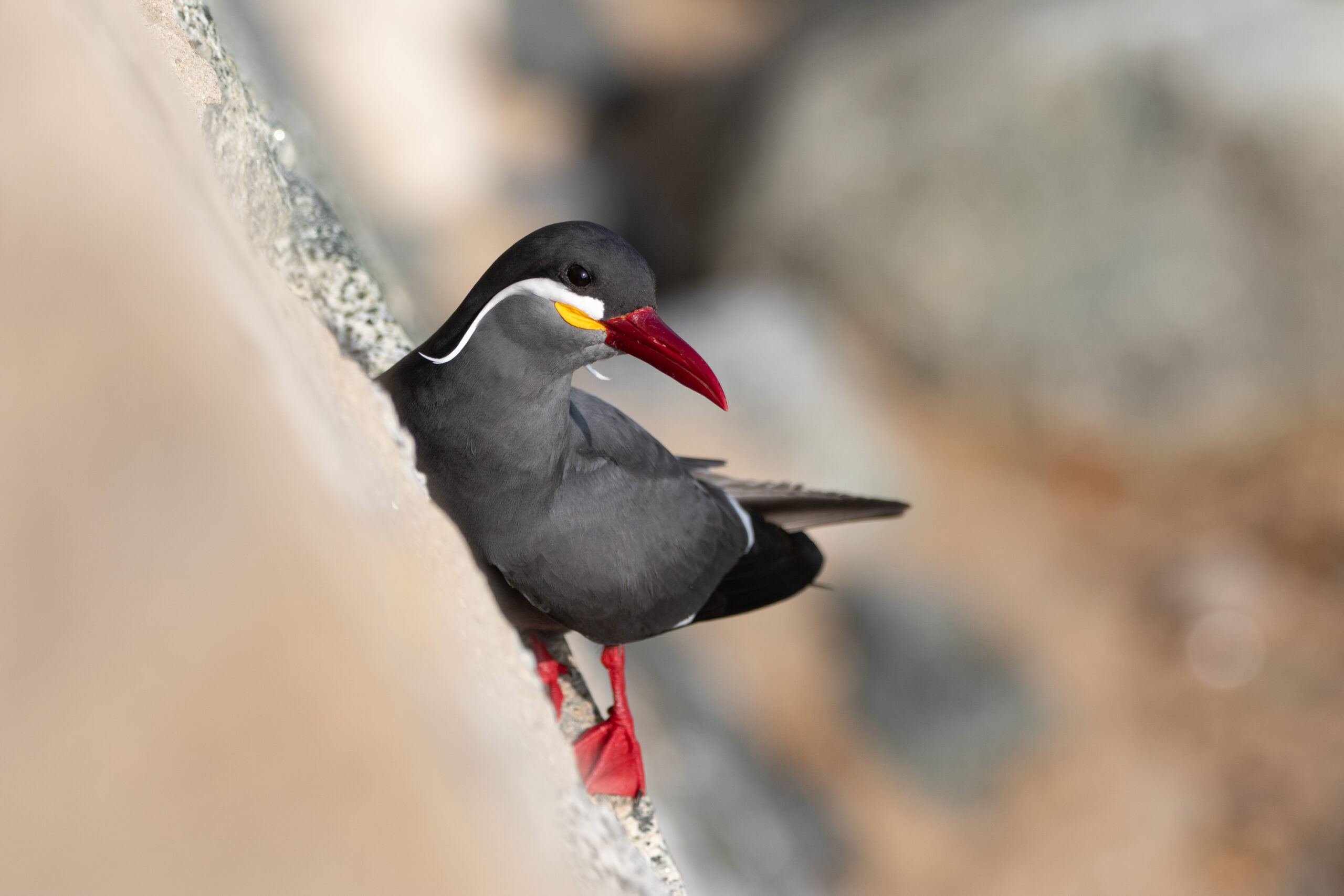
It is undoubtedly the top site near Concepción for observing the Inca Tern (Larosterna inca). Although fairly common along parts of South America’s Pacific coast, this spectacular species is an absolute must-see in Chile. The terns often perch beneath the pier extending into the sea, offering excellent photographic opportunities. With its unmistakable Dalí-style moustache, it is one of the continent’s most distinctive seabirds.
El Moro Estuary
From Talcahuano, you can continue on foot towards the El Moro Estuary. Although the area is unfortunately rather polluted and littered with rubbish, it remains an excellent place to observe a wide variety of birds.
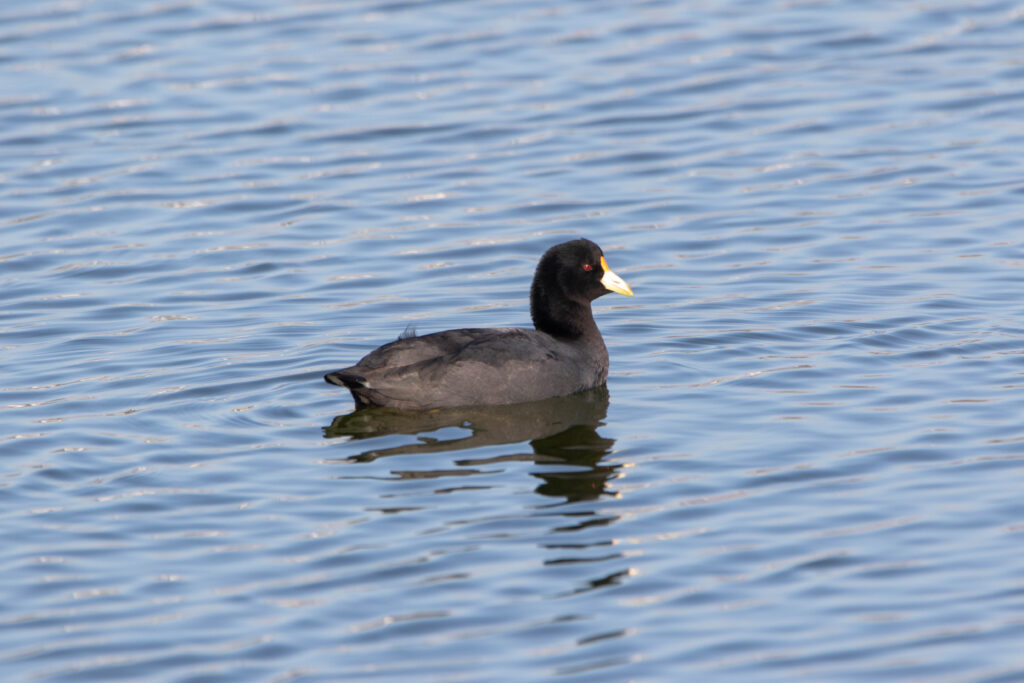
On your way to the estuary, it is worth stopping at the Recamo and Redacamo lagoons. These wetlands are home to Red-gartered Coot (Fulica armillata), White-winged Coot (Fulica leucoptera), Red-fronted Coot (Fulica rufifrons), and Spot-flanked Gallinule (Porphyriops melanops). They also provide good opportunities to photograph several grebe species at close range.
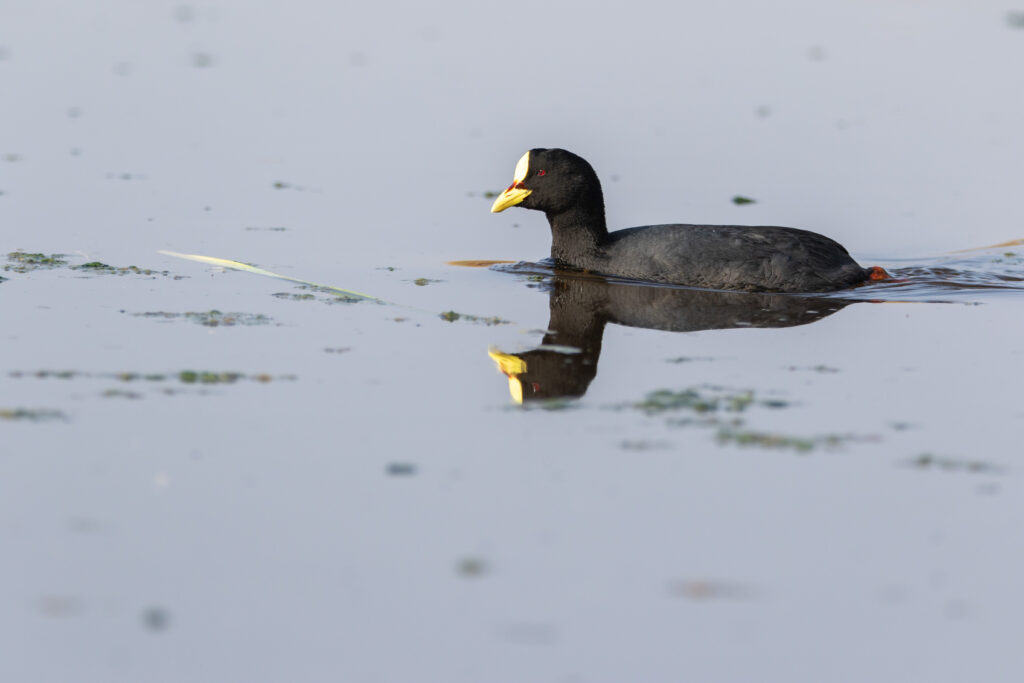
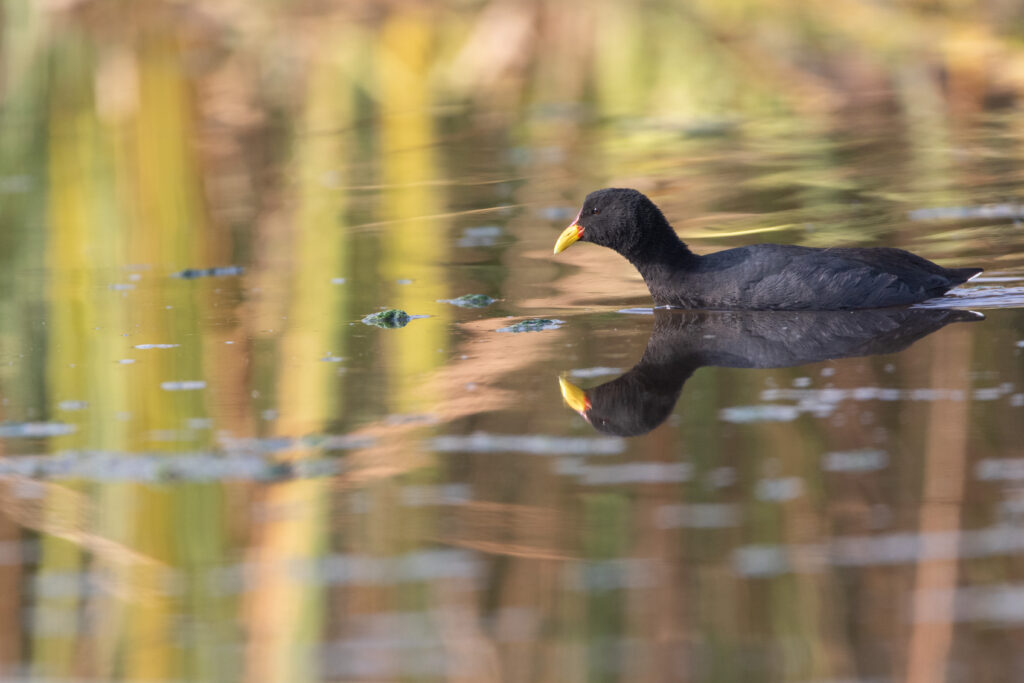
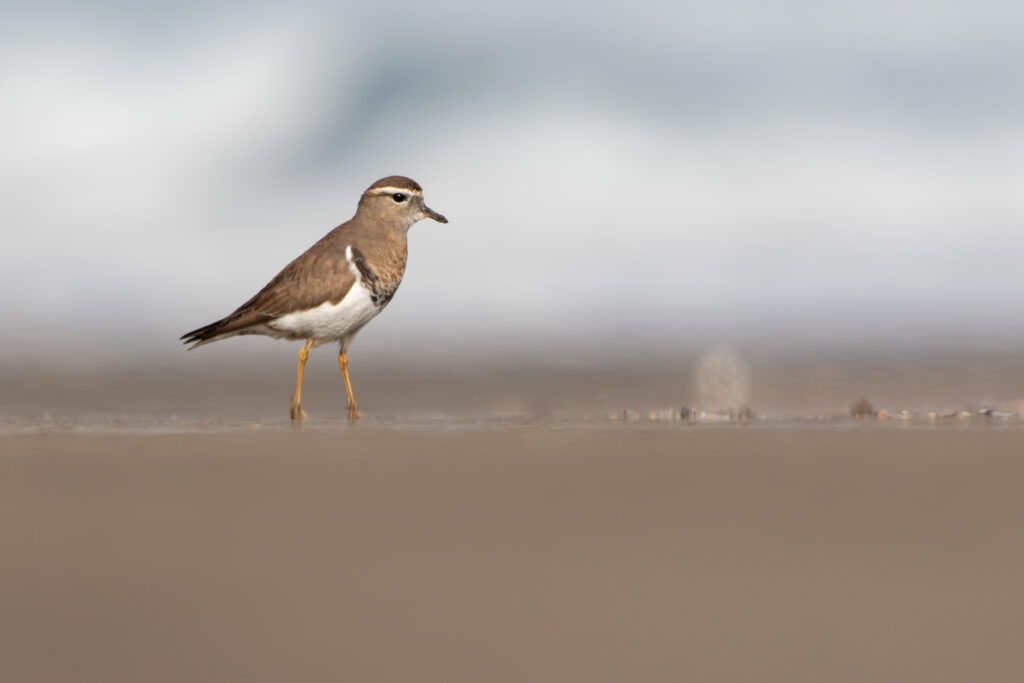
Once you reach the estuary itself, numerous birds gather along the breakwater. Depending on the season, you may encounter South American Tern (Sterna hirundinacea), Snowy-crowned Tern (Sterna trudeaui), Elegant Tern (Thalasseus elegans), Brown-hooded Gull (Chroicocephalus maculipennis), and Franklin’s Gull (Leucophaeus pipixcan). Several shorebirds are also regularly present, including Hudsonian Whimbrel (Numenius hudsonicus), Southern Lapwing (Vanellus chilensis), Ruddy Turnstone (Arenaria interpres), American Oystercatcher (Haematopus palliatus), and Rufous-chested Dotterel (Zonibyx modestus).
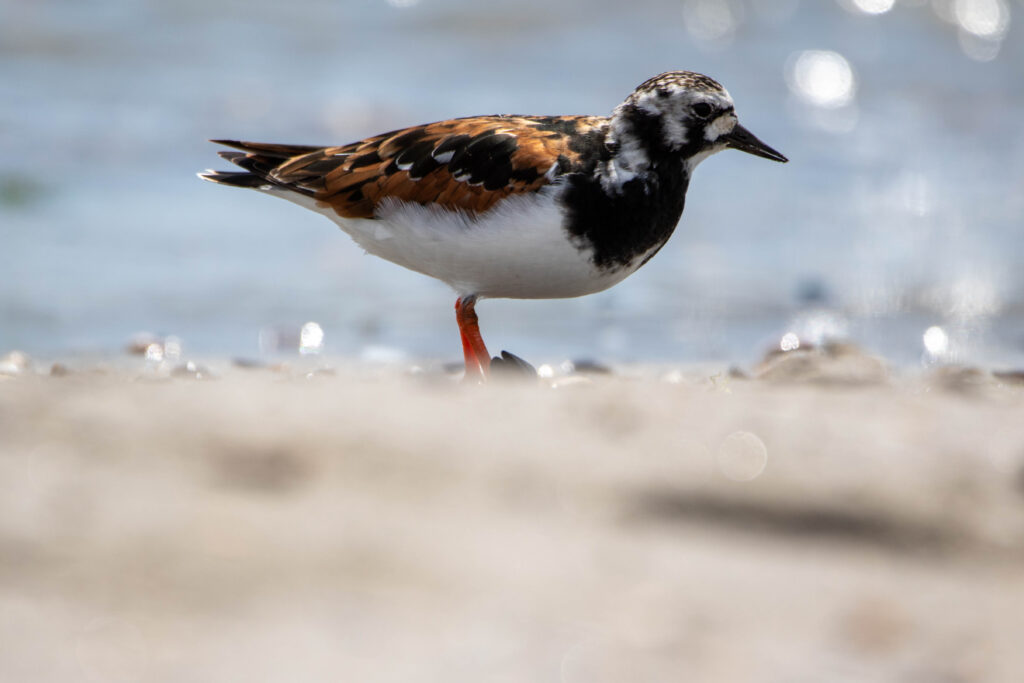
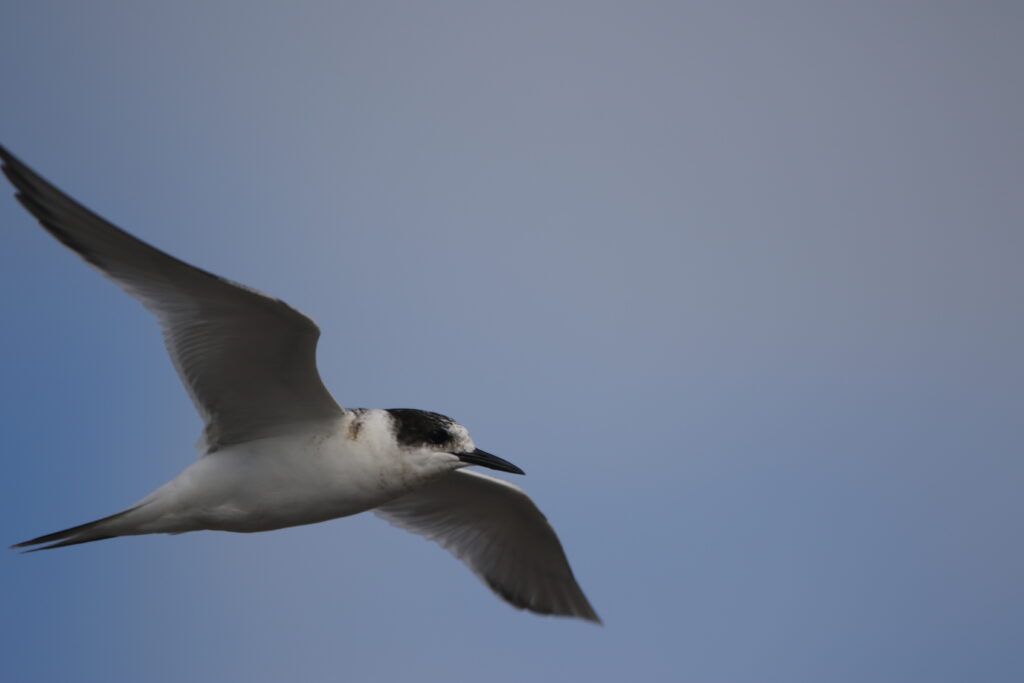
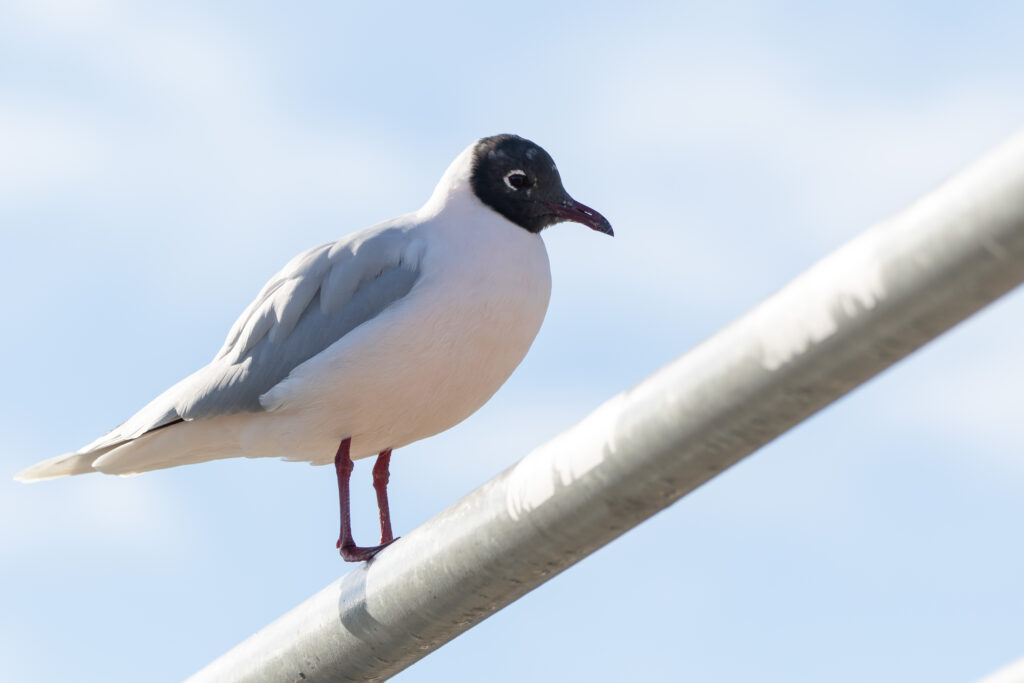
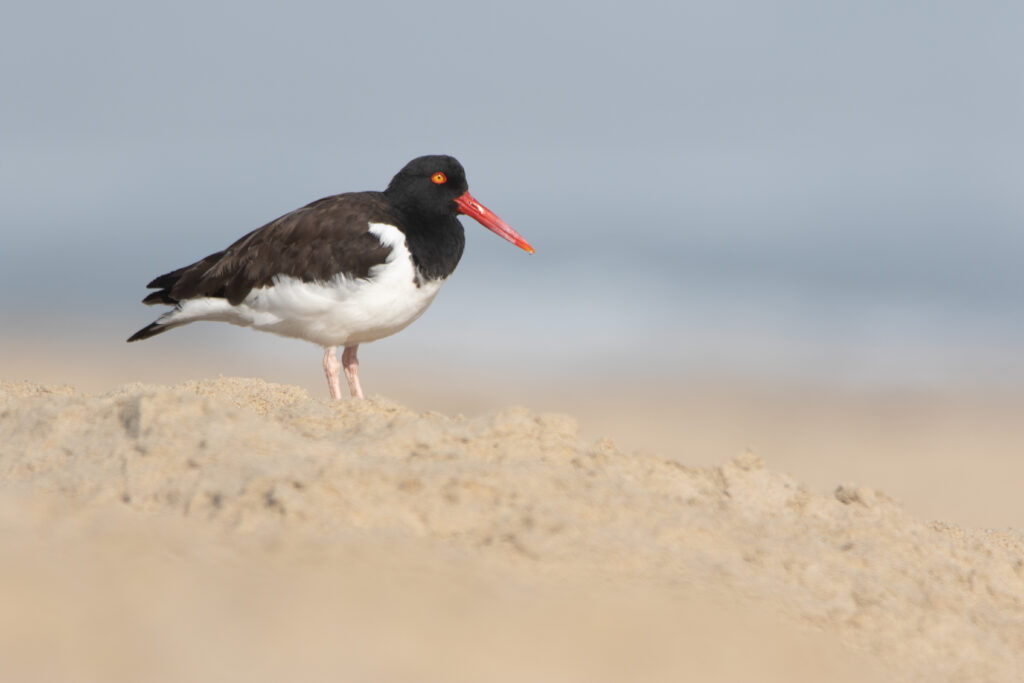
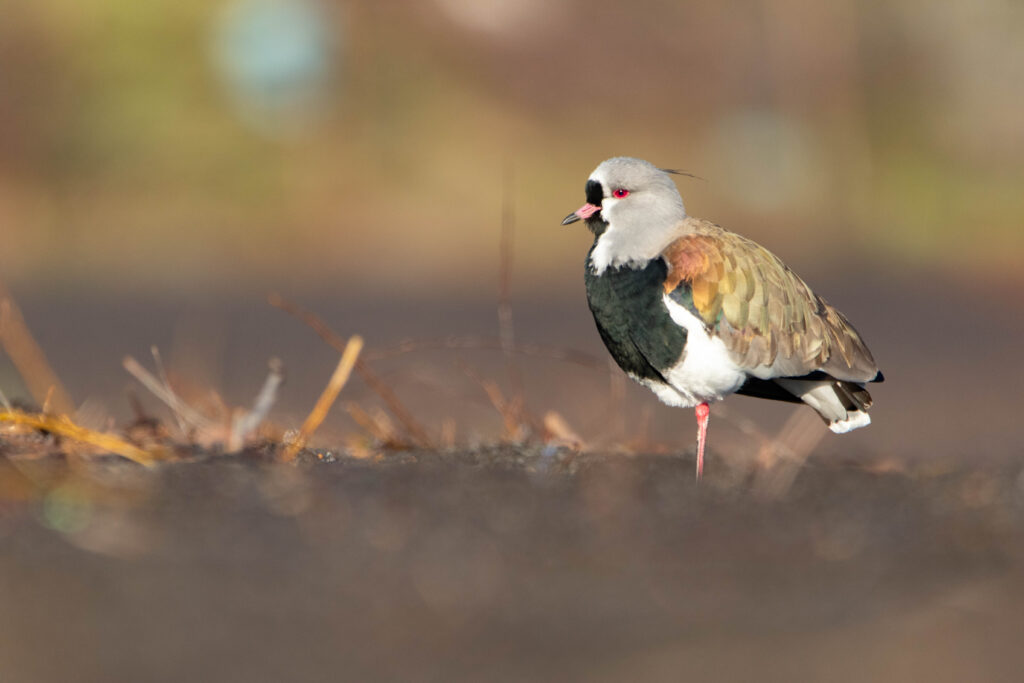
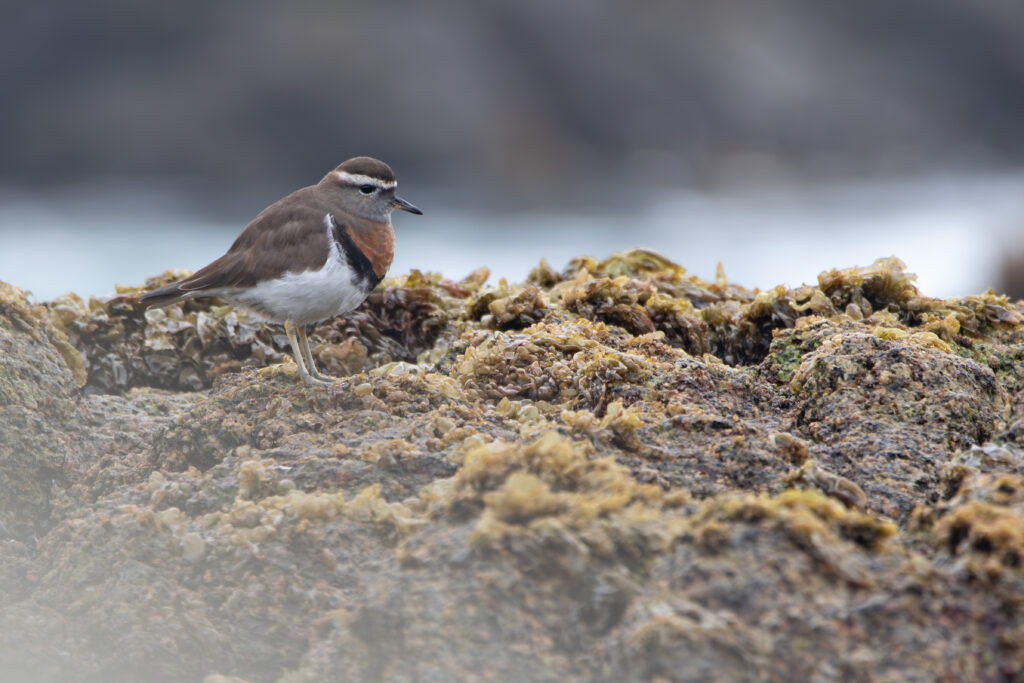
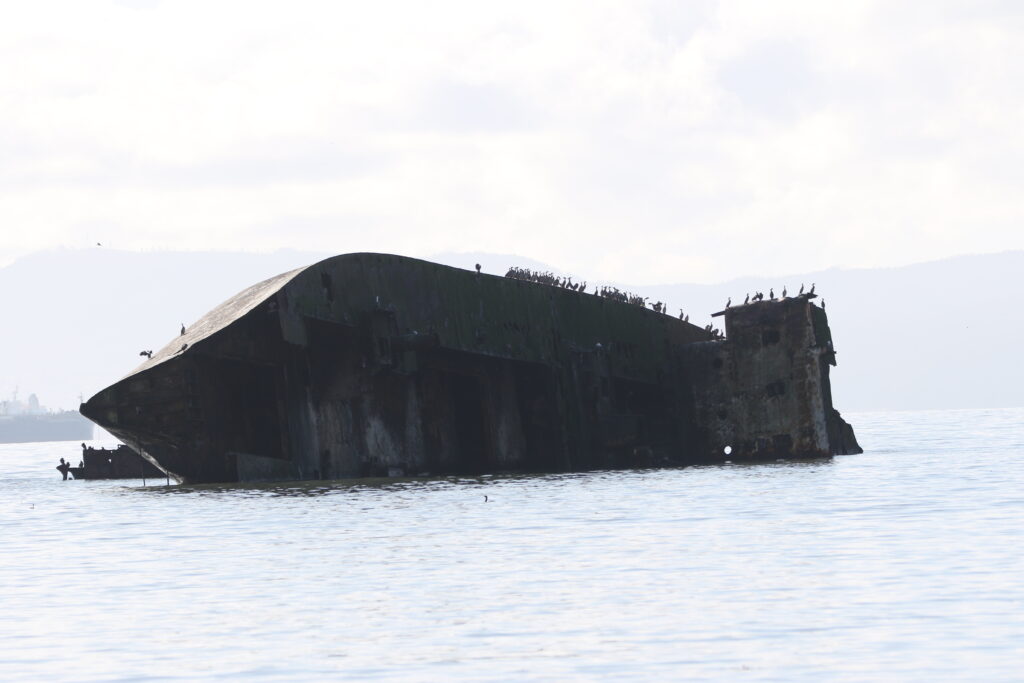
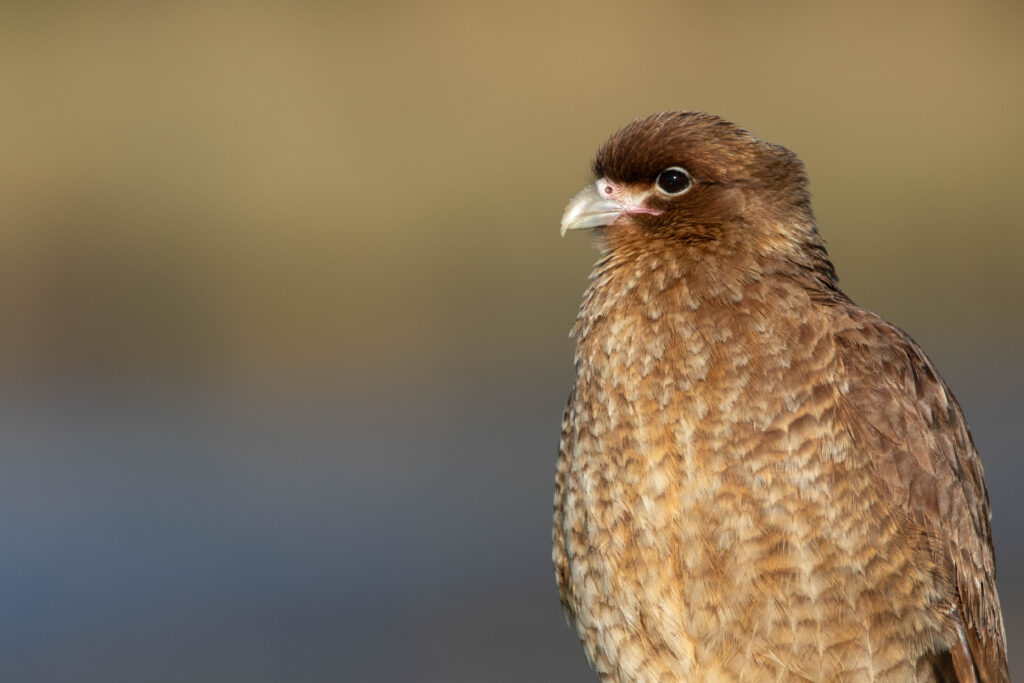
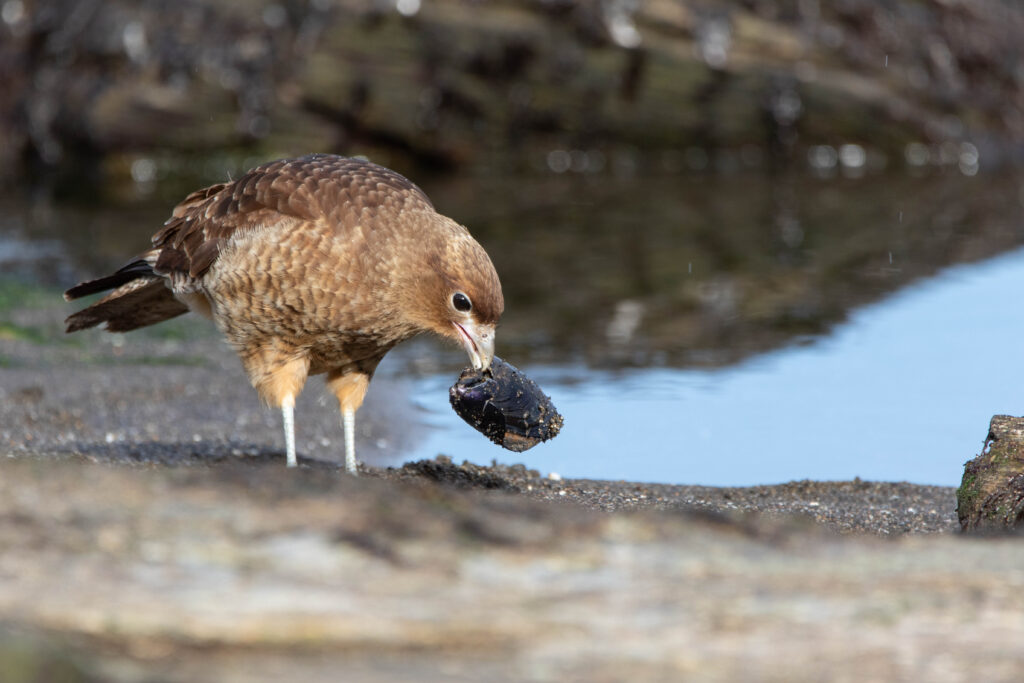
If you look towards the shipwreck just offshore, you will usually find numerous Red-legged Cormorants (Poikilocarbo gaimardi) perched on the wreck. Around the beach, Chimango Caracara (Milvago chimango), Black Vulture (Coragyps atratus), and Turkey Vulture (Cathartes aura) are all common scavengers. The grassy areas, bushes, and shrubs nearby also hold several passerines, including Austral Negrito (Lessonia rufa), Buff-winged Cinclodes (Cinclodes fuscus), Correndera Pipit (Anthus correndera), Grassland Yellow Finch (Sicalis luteola), and Black-chinned Siskin (Spinus barbatus).
Humedales Rio Andalién
The Rocuant–Andalién Wetland is a vast area that is not particularly easy to access. It lies between Talcahuano, Concepción and Penco, and reaching it by public transport is difficult. Be prepared for a fair amount of walking, but the effort can be rewarded with some excellent bird sightings. You can either follow the beach or venture deeper into the wetland itself.
Most of the species mentioned at the previous birding sites can also be found here. However, the wetland offers the chance to encounter a few scarcer birds, including Patagonian Forest Earthcreeper (Upucerthia saturatior), Tawny-throated Dotterel (Oreopholus ruficollis), Magellanic Snipe (Gallinago magellanica), and Least Seedsnipe (Thinocorus rumicivorus).
The wetland is also a good place to look for birds of prey such as Cinereous Harrier (Circus cinereus), Variable Hawk (Geranoaetus polyosoma), Aplomado Falcon (Falco femoralis), Peregrine Falcon (Falco peregrinus), Short-eared Owl (Asio flammeus), and Burrowing Owl (Athene cunicularia).
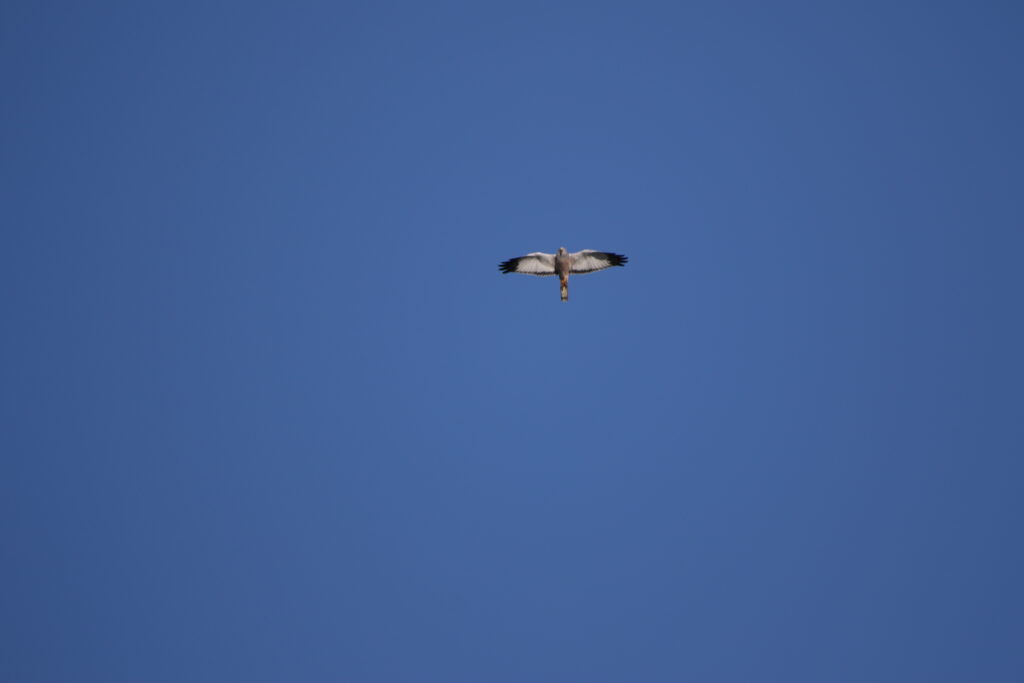
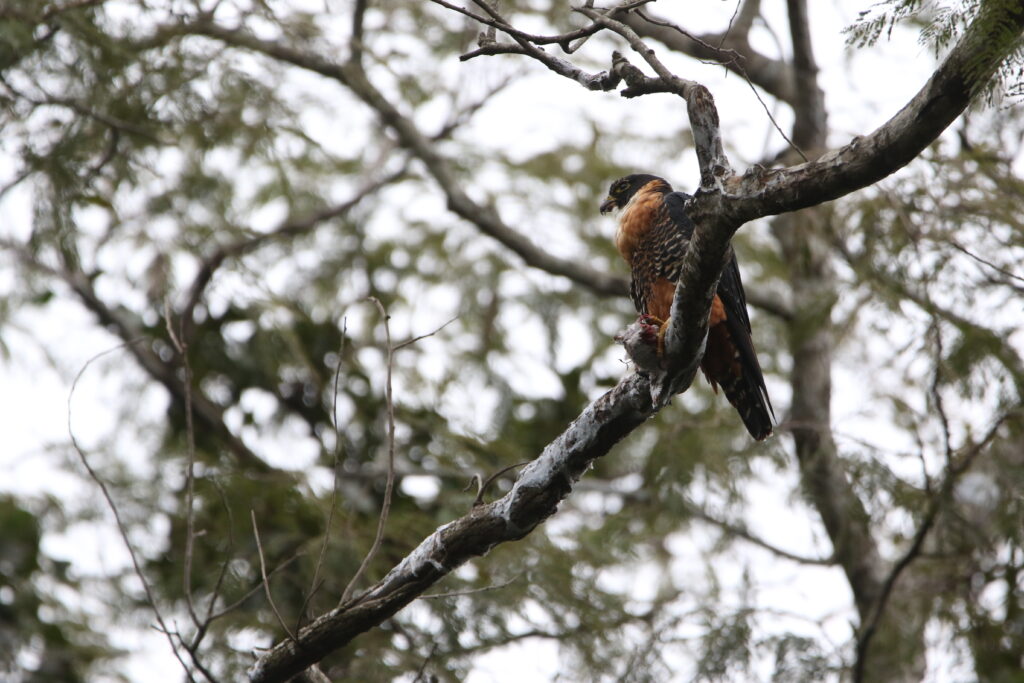
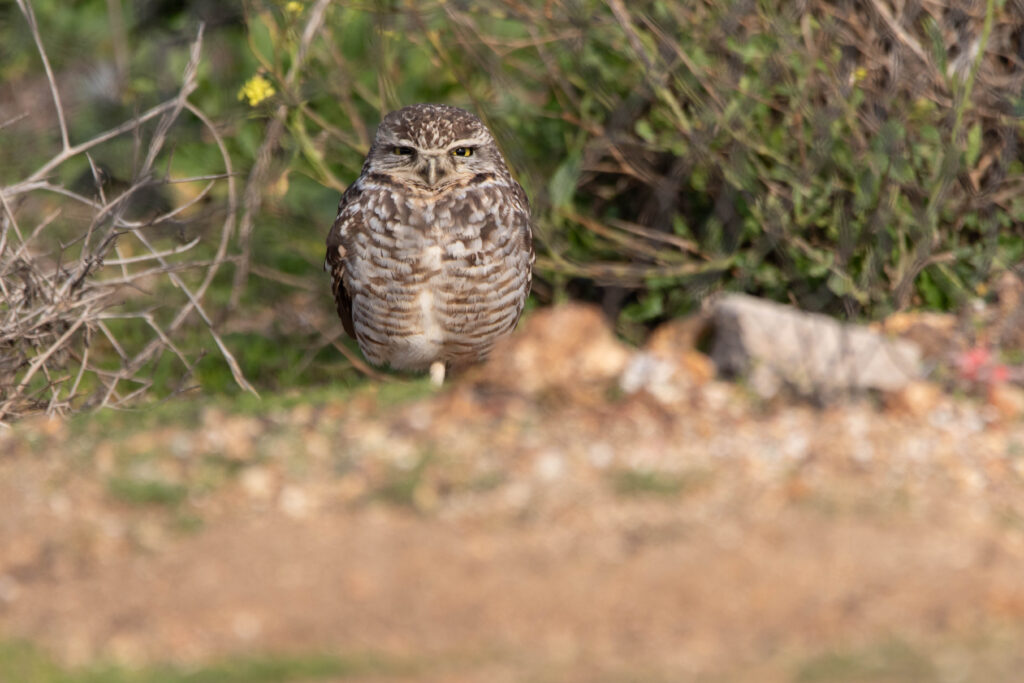
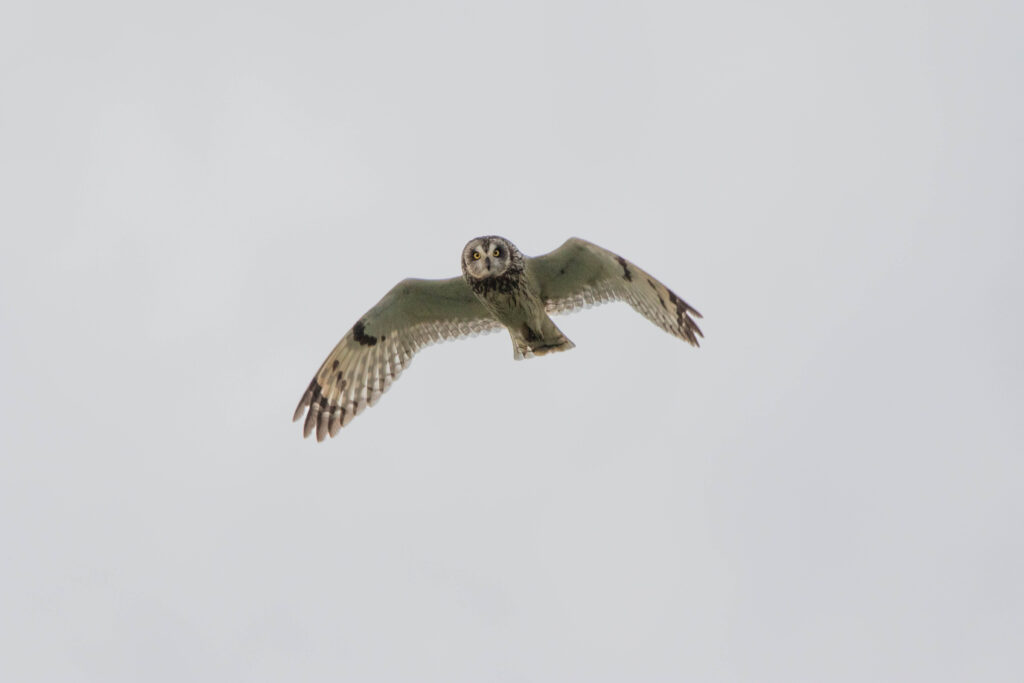
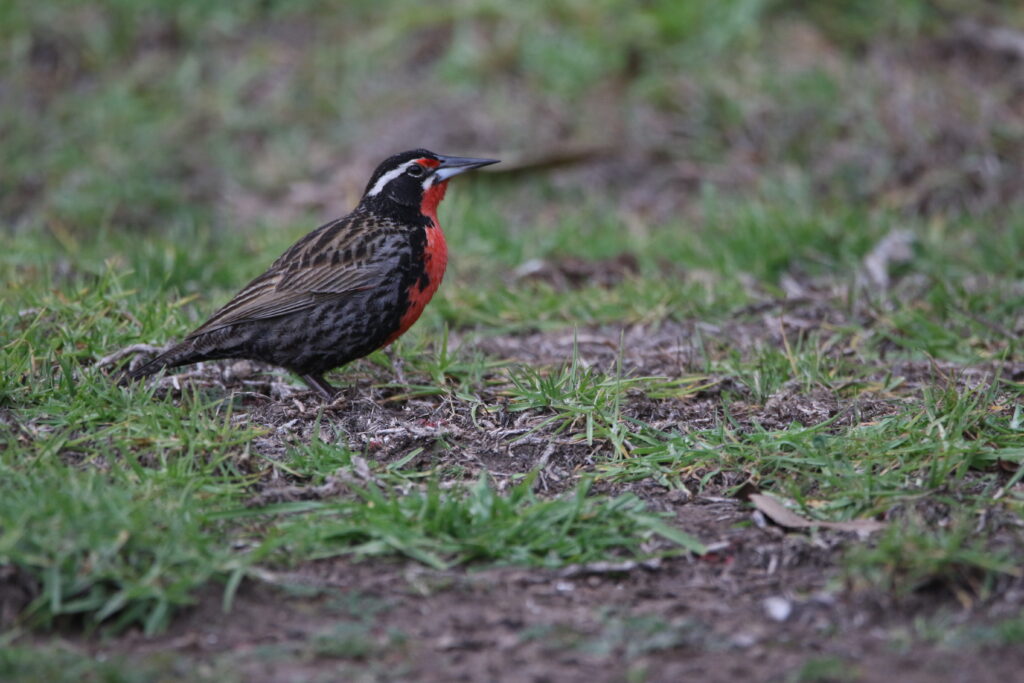
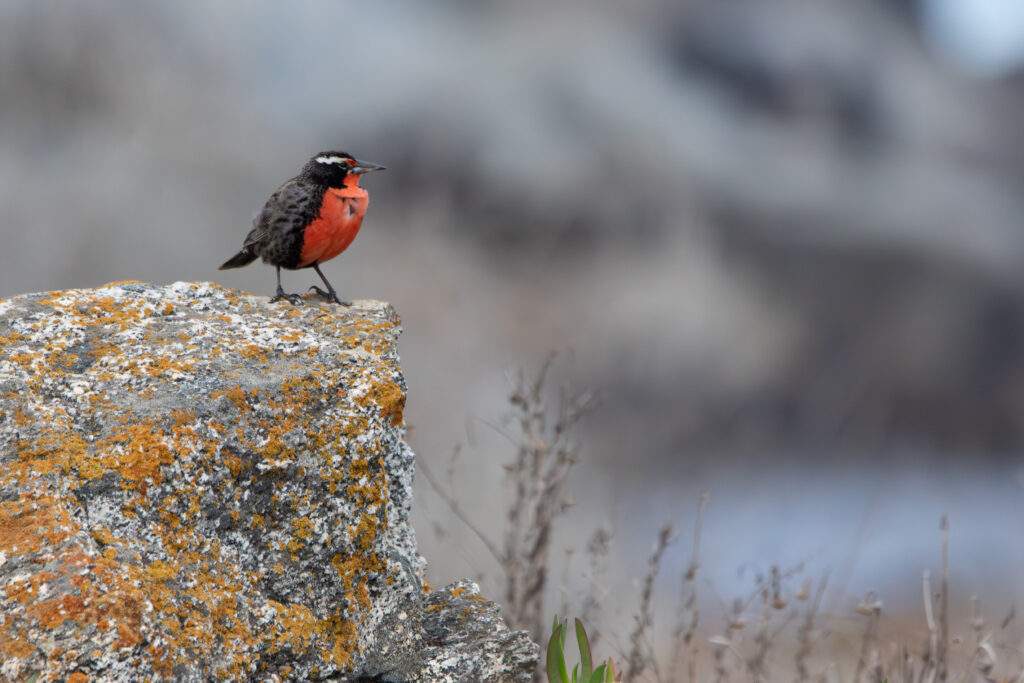
Among the passerines, you may encounter Long-tailed Meadowlark (Leistes loyca), Spectacled Tyrant (Hymenops perspicillatus), and Grass Wren (Cistothorus platensis).
How to get to Concepción ?
Concepción is located around 500 km south of Santiago, with a driving time of approximately 5½ hours. If you are travelling by car, most of the journey follows the Pan-American Highway, making access straightforward.
The city is also well connected by long-distance buses from major Chilean destinations such as Santiago, Curicó, Talca, Temuco, and Valdivia. Several companies operate these routes, with fares depending on your departure point. Tickets can be booked in advance through websites such as RedBus or Kupos, or directly with operators like Turbus and Pullman. Alternatively, you can usually buy your ticket at the bus station on the day of departure.
Where to stay in Concepción ?
Finding accommodation in Concepción is easy, with hotels available for every budget. I would recommend staying in the city centre, particularly around Plaza de la Independencia, which provides easy access to restaurants, public transport, and the main attractions.
For a comfortable stay, Hotel El Araucano is an excellent choice. Other good options include Hotel El Dorado and the more affordable Hostal del Centro, both conveniently located in the heart of the city.
Pingback: Birding in Pucón - Birdalia
Pingback: Birding in Vilches & Altos de Lircay - Birdalia