


Birding in Vilches & Altos de Lircay
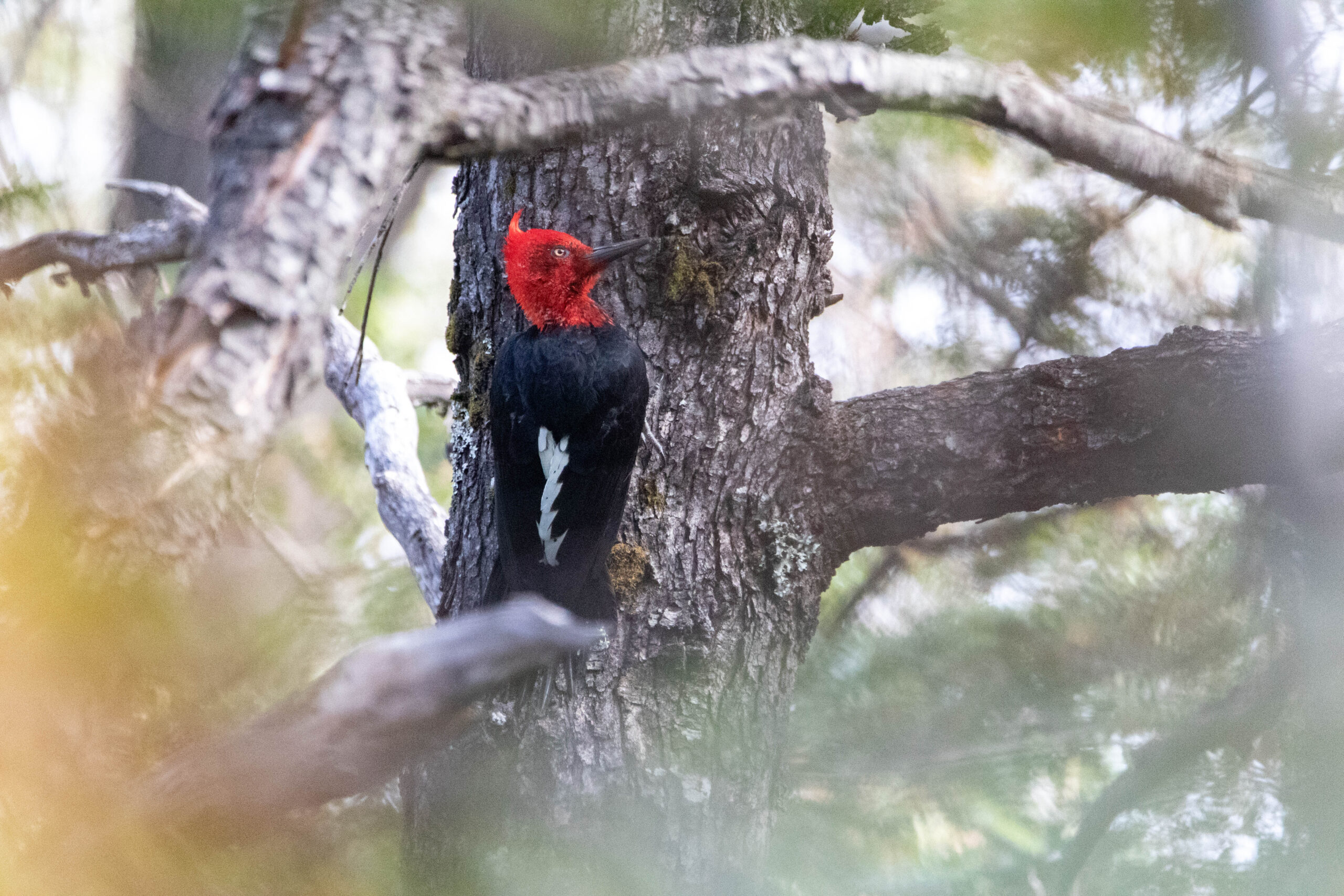
If you look at guided birdwatching tours in central Chile, there is a good chance that they will include a short detour to Altos de Lircay National Reserve. Compared with other countries in South America, Chile does not have an especially high diversity of species, and this is even more true in this particular area. Nevertheless, a few endemic birds that are well worth the trip can be found here, such as the spectacular Magellanic Woodpecker (Campephilus magellanicus) or the elusive Chestnut-throated Huet-huet (Pteroptochos castaneus).
Altos de Lircay is an interesting stop during a trip through central Chile, for example when travelling between Santiago and Concepción.
Where to go birdwatching in Vilches & Altos de Lircay?
Several areas around Vilches are worth exploring. The most famous is undoubtedly Altos de Lircay National Reserve, managed by CONAF. However, there are other birding locations, such as Piedras Blancas Regional Reserve and even the area around the village of Vilches Alto. The species found in these different locations are broadly the same.
If you have a little more time, you can also try heading towards the village of Maule and Lake Colbún to look for different species.
Altos de Lircay National Reserve
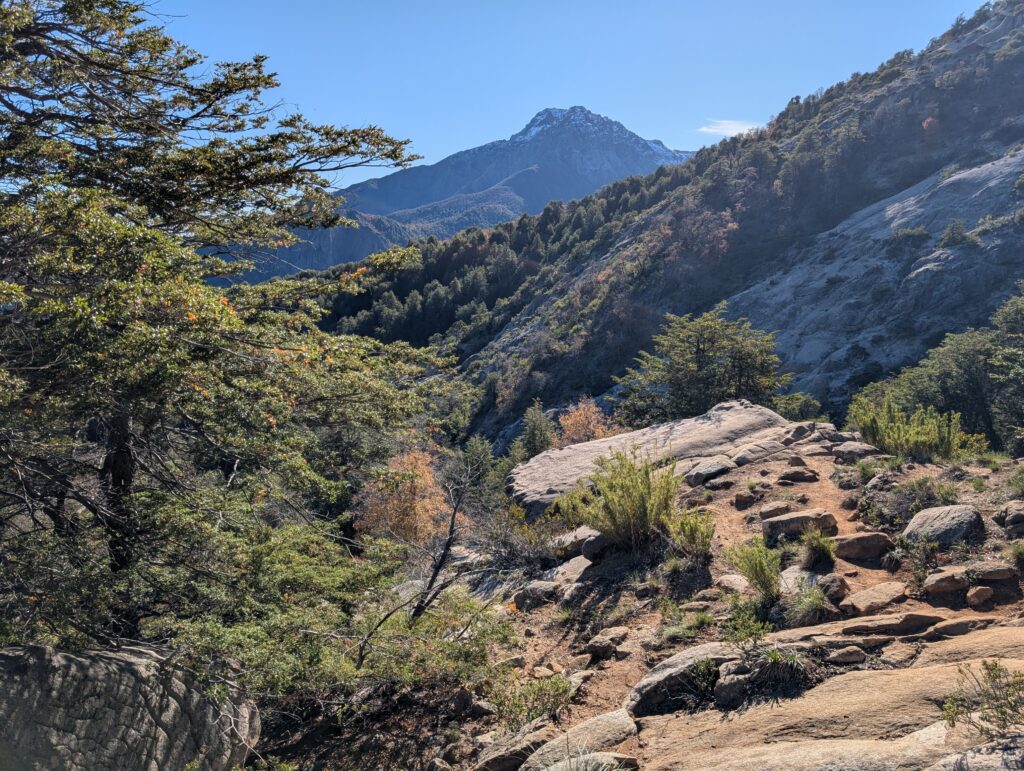
Altos de Lircay is a natural reserve covering more than 12,000 hectares, consisting mainly of mountains and forests. It is located in the Andean foothills, close to Siete Tazas National Park. The national reserve is open every day from 8:30 a.m. to 6:30 p.m. An entrance ticket costing CLP 9,400 per person for foreign adults without a discount is required and can be purchased on the official website. The reserve entrance is located at the point indicated below.
Let’s get straight to the main attraction: the famous Magellanic Woodpecker (Campephilus magellanicus). It is one of the main target species at Altos de Lircay. There is no need to climb to higher elevations, you can start looking for it right at the entrance to the reserve and in the surrounding forests of Vilches. Other woodpeckers can also be found in the reserve, including Striped Woodpecker (Veniliornis lignarius) and Chilean Flicker (Colaptes pitius).
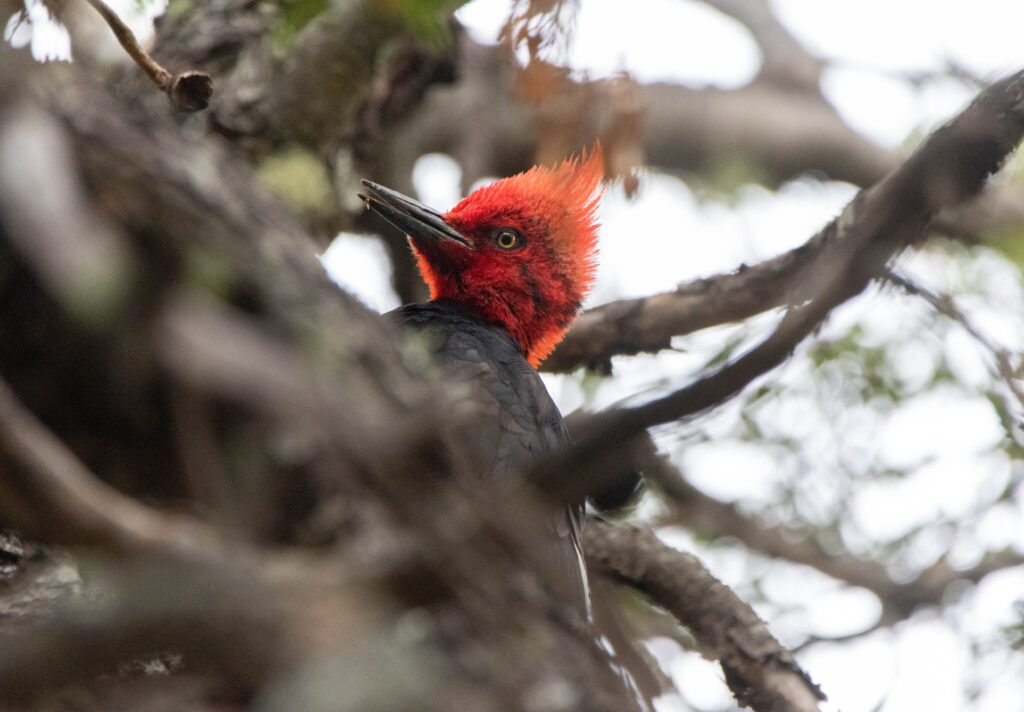
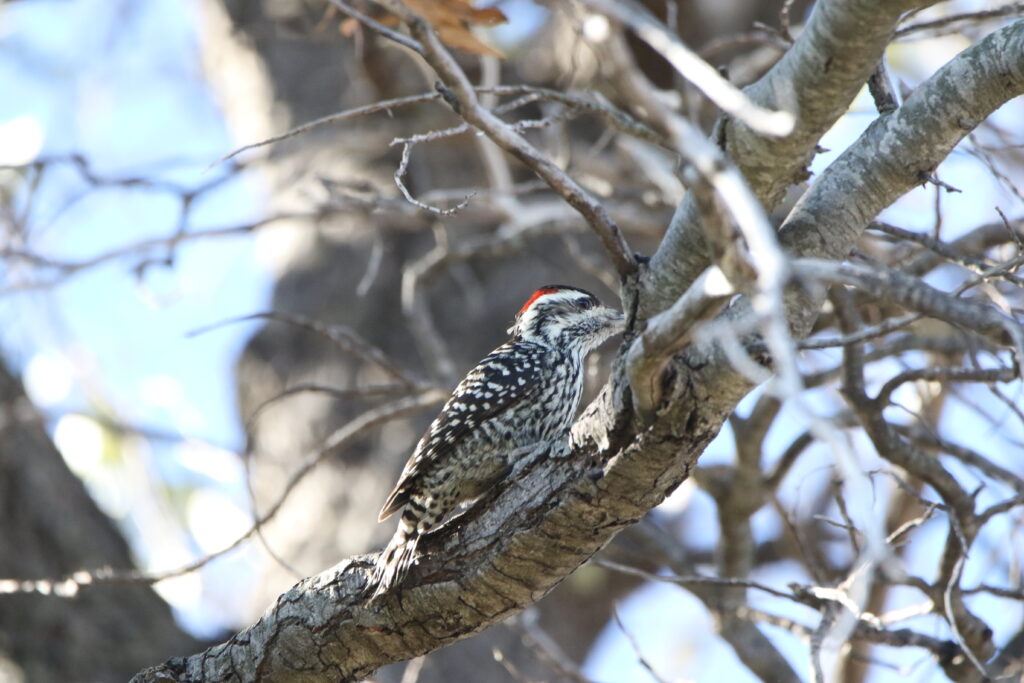
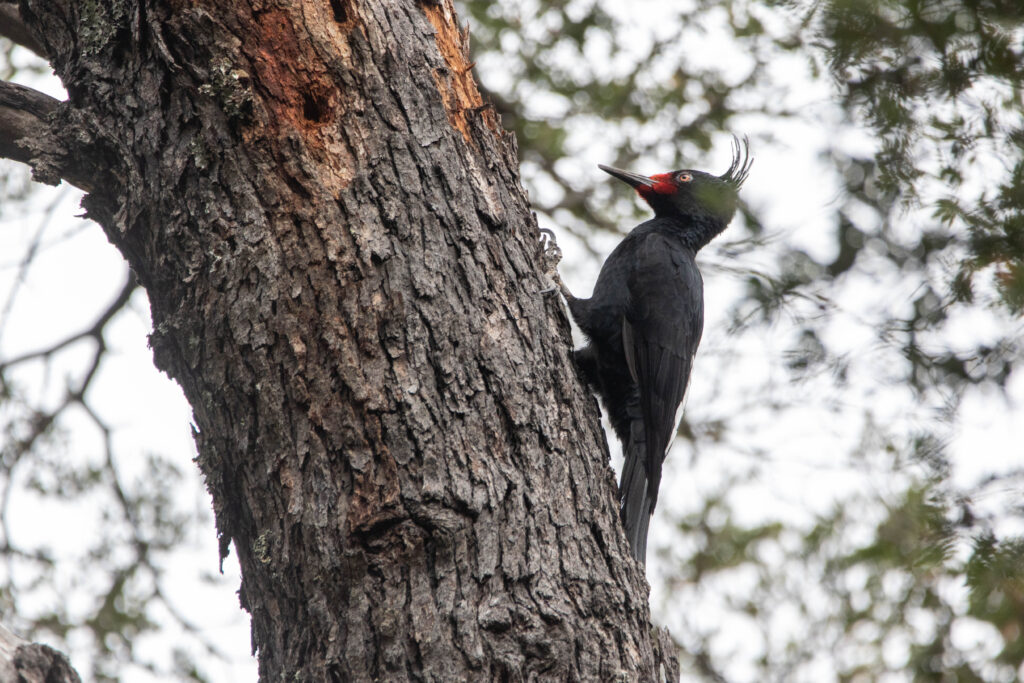
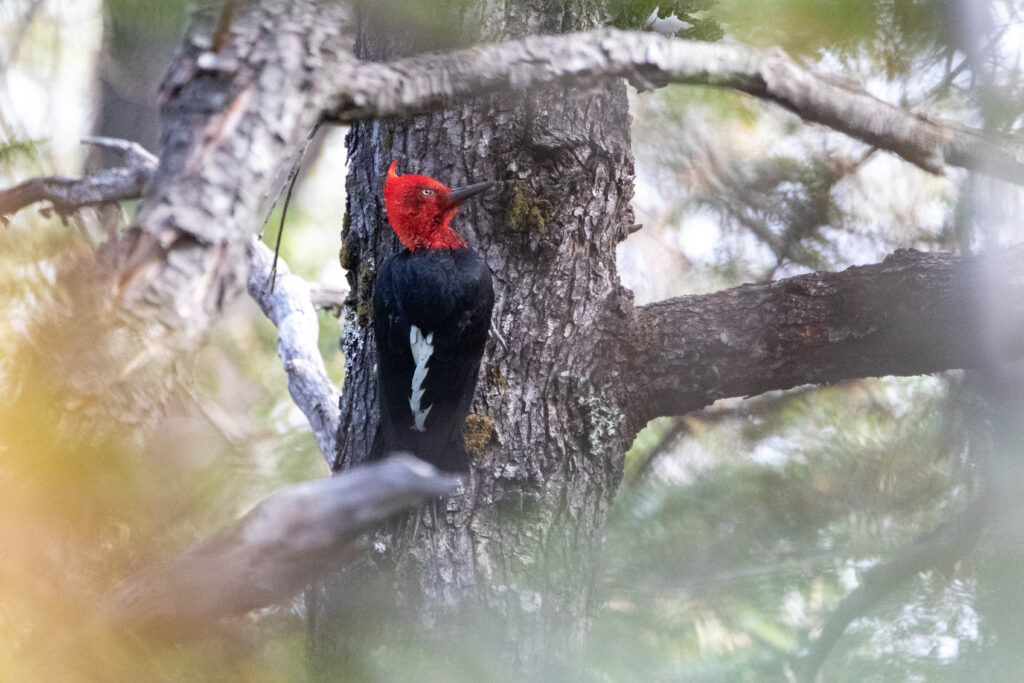
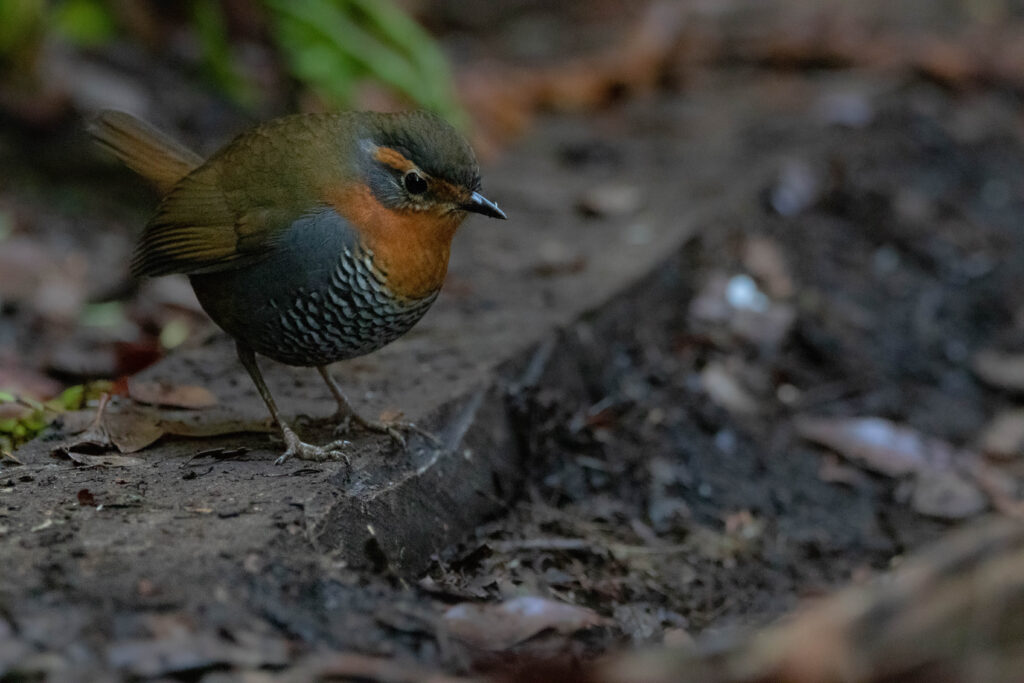
Two endemic Chilean birds can also be seen here, although they are much more difficult to find. You may catch a glimpse of a Chilean Hawk (Astur chilensis) flying quickly between the trees, or try to hear and locate the secretive Chestnut-throated Huet-huet (Pteroptochos castaneus) hiding in the undergrowth.
Remember to keep an eye on the sky as well. Impressive Andean Condors (Vultur gryphus) are not uncommon here and can sometimes be seen soaring overhead.
Piedras Blancas
Piedras Blancas is a regional reserve and is therefore not managed by CONAF, but you will still have to pay an entrance fee. Expect to pay around CLP 5,000 per person for the day, although weekly passes are also available if you are staying for several days. The birdlife is broadly the same as at Altos de Lircay: all of the species mentioned above can also be found at Piedras Blancas, and vice versa.
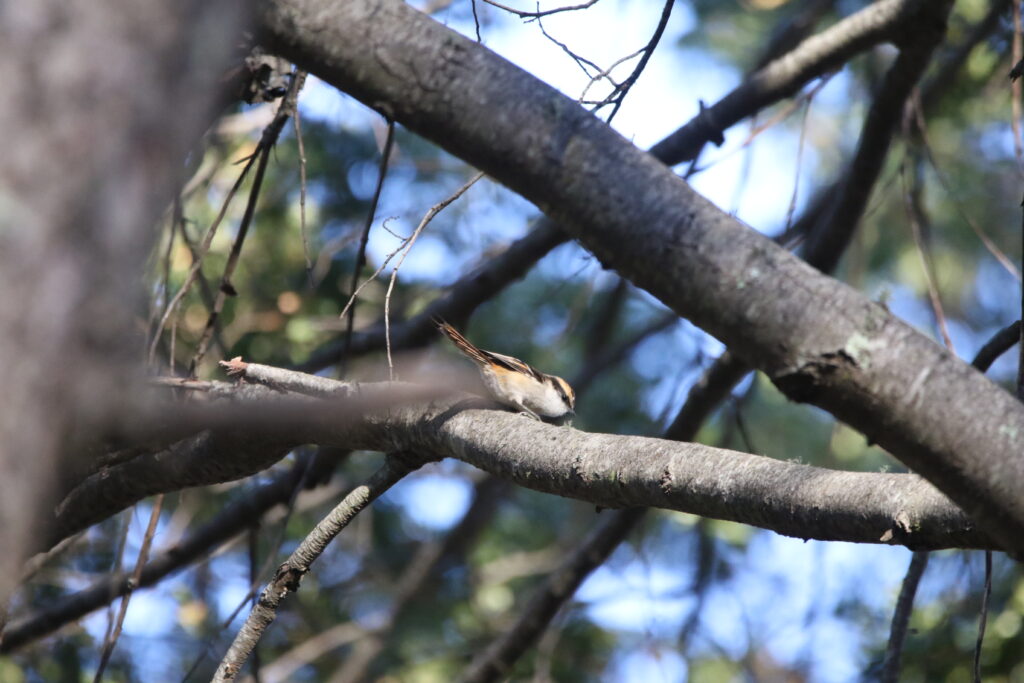
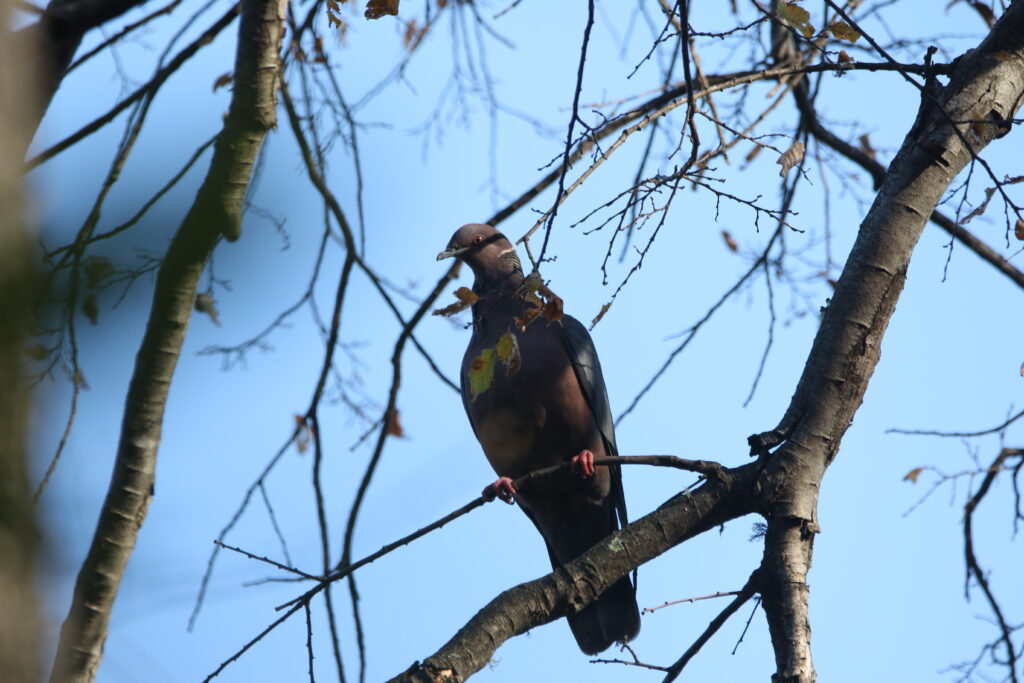
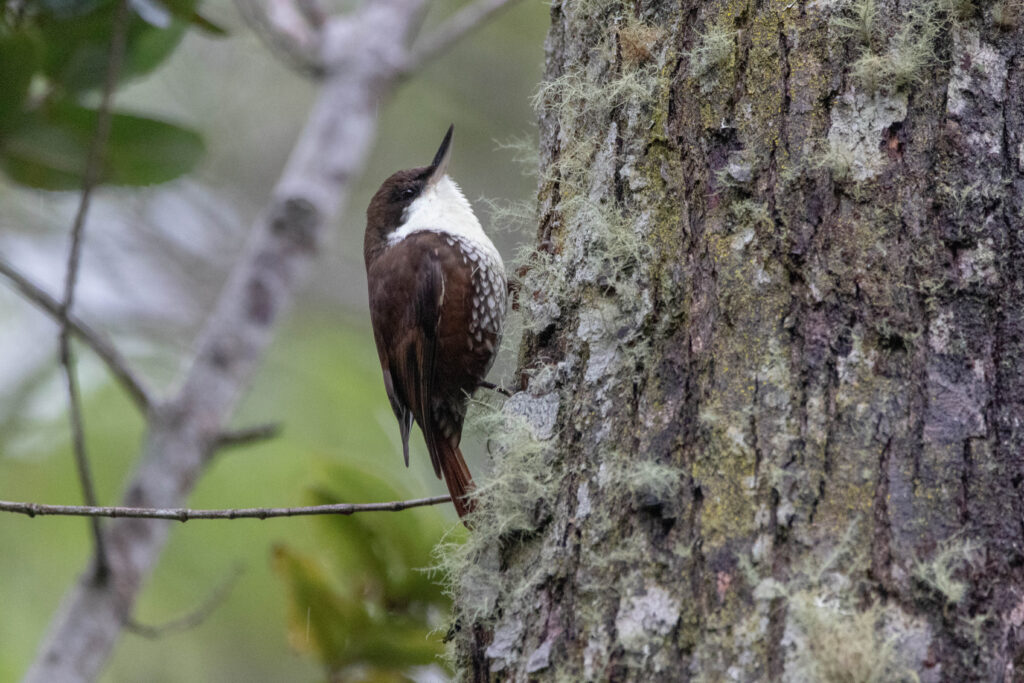
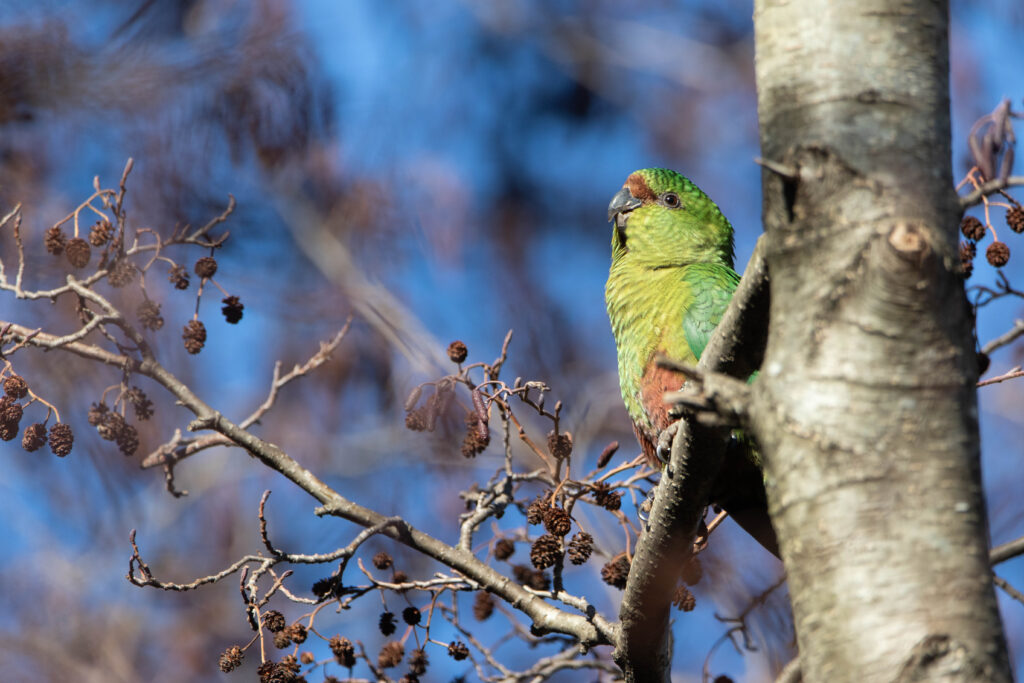
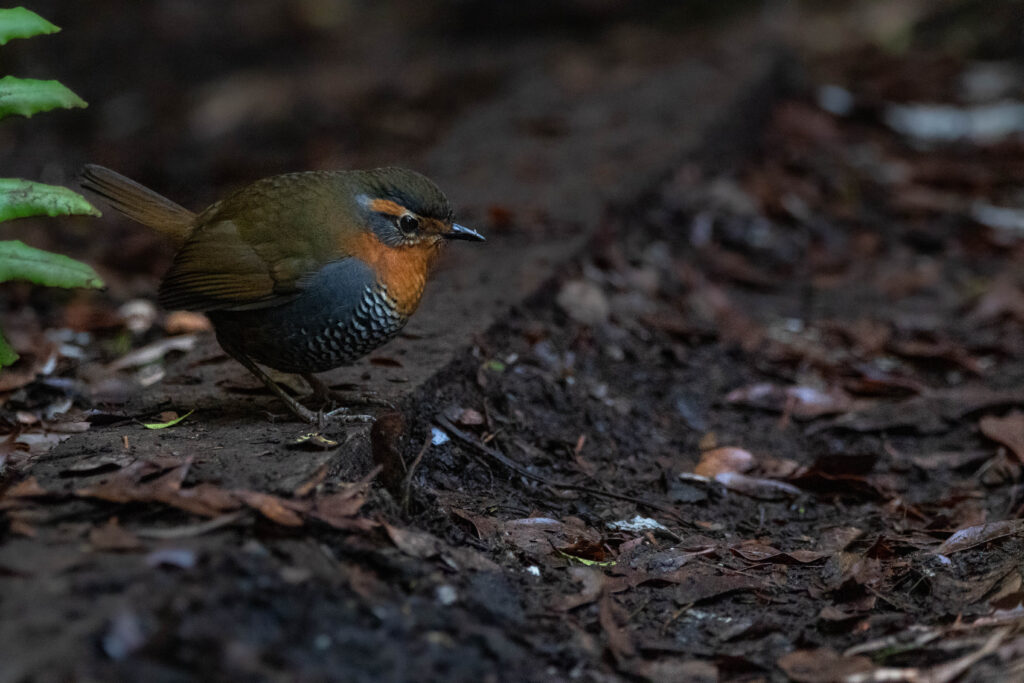
Some of the common birds you can see in the reserve include the very cute Thorn-tailed Rayadito (Aphrastura spinicauda) and White-throated Treerunner (Pygarrhichas albogularis). Other endemic species such as Chilean Pigeon (Patagioenas araucana) and Austral Parakeet (Enicognathus ferrugineus) are also fairly easy to spot while walking through the reserve. Chucao Tapaculo (Scelorchilus rubecula) and Dusky Tapaculo (Scytalopus fuscus), on the other hand, are extremely secretive. You are therefore much more likely to hear them than actually see them. Another tapaculo that is not endemic can also be found here: Magellanic Tapaculo (Scytalopus magellanicus). Finally, with an extraordinary amount of luck, you may encounter a Patagonian Forest Earthcreeper (Upucerthia saturatior).
Around Vilches Alto
Birding around the small village of Vilches Alto can be particularly rewarding without even entering the reserves. Most of the species mentioned above, including the Magellanic Woodpecker, can be found in the surrounding forests.
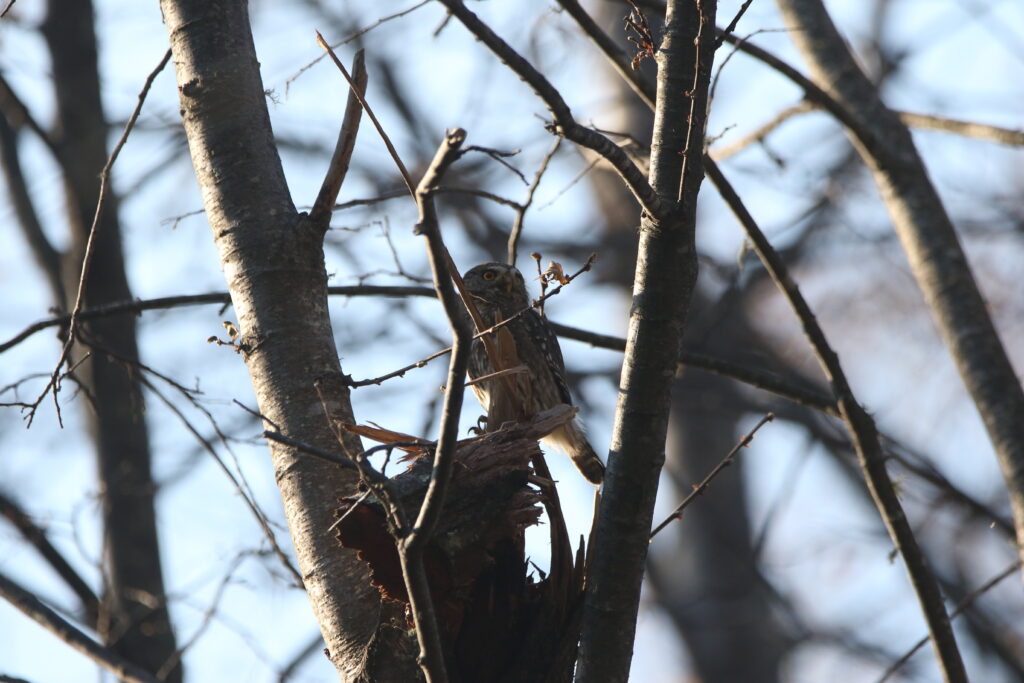
In addition to the species already mentioned, nocturnal raptors can sometimes be heard and even observed. You can try looking for Rufous-legged Owl (Strix rufipes) or Austral Pygmy Owl (Glaucidium nana). The latter is actually active during the day, making it considerably easier to observe in daylight.
Maule River and Lake Colbún
If you have your own vehicle, it can be worth taking a small detour to Lake Colbún and the Maule River. This will give you the opportunity to see a completely different range of species from those found at Altos de Lircay.
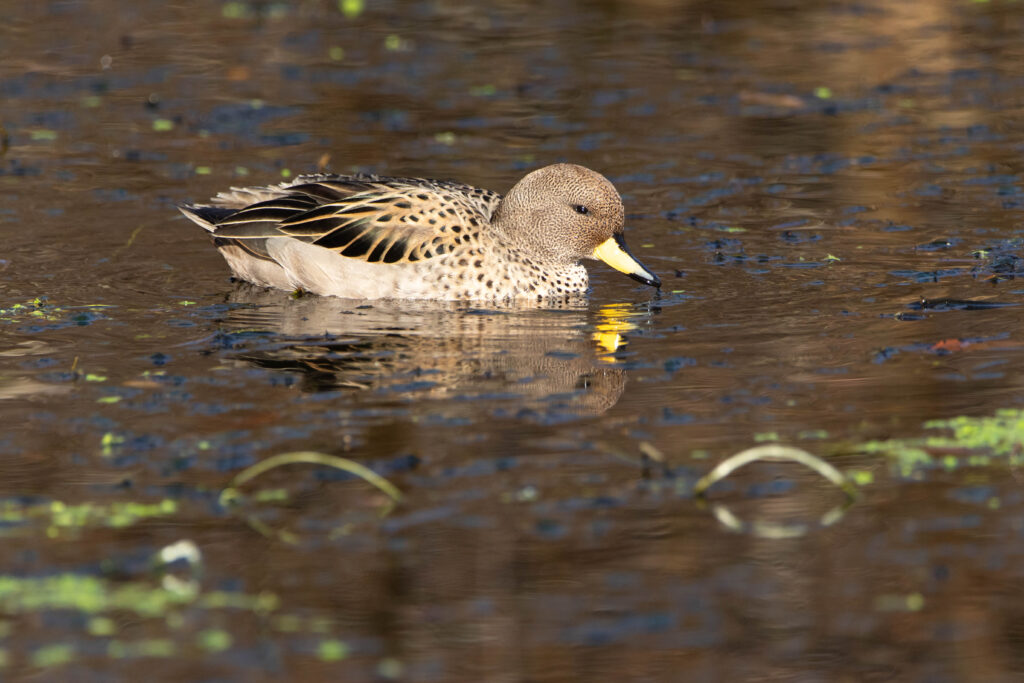
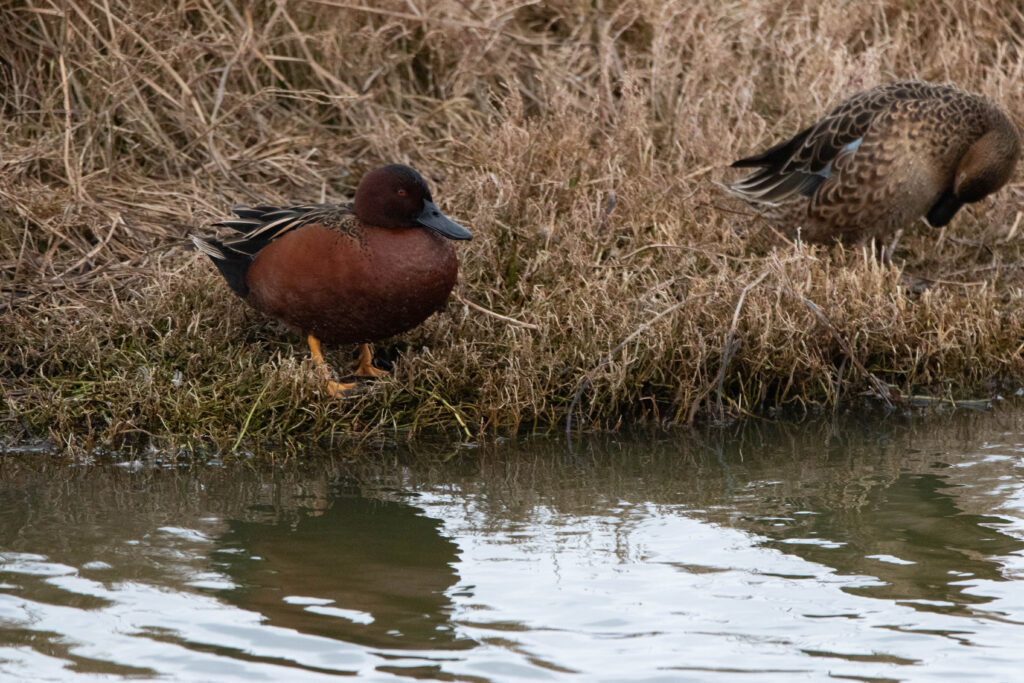
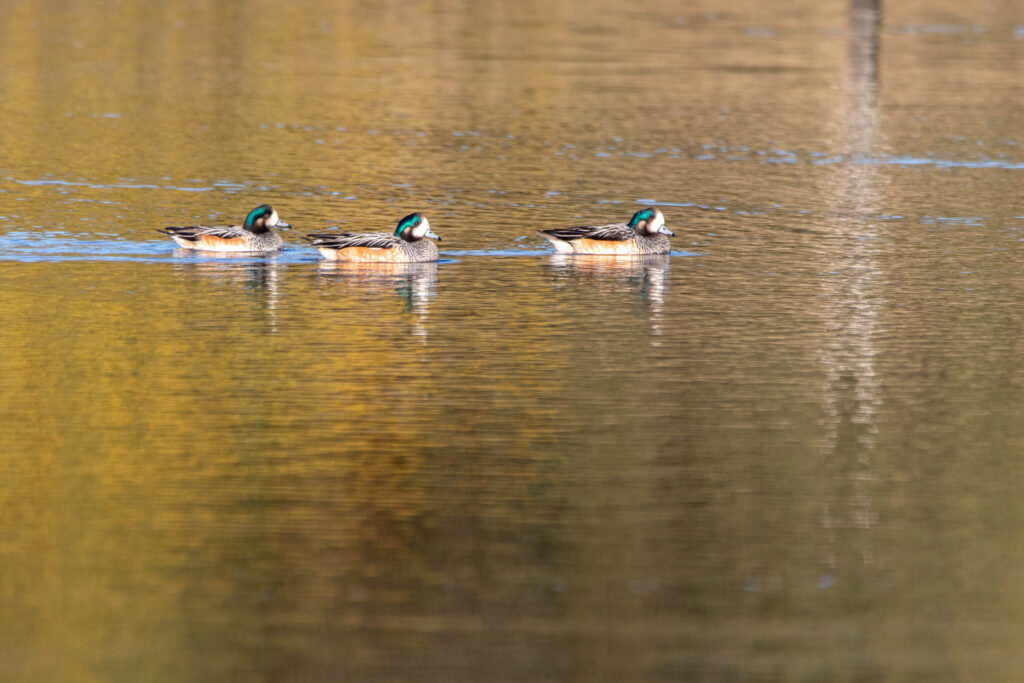
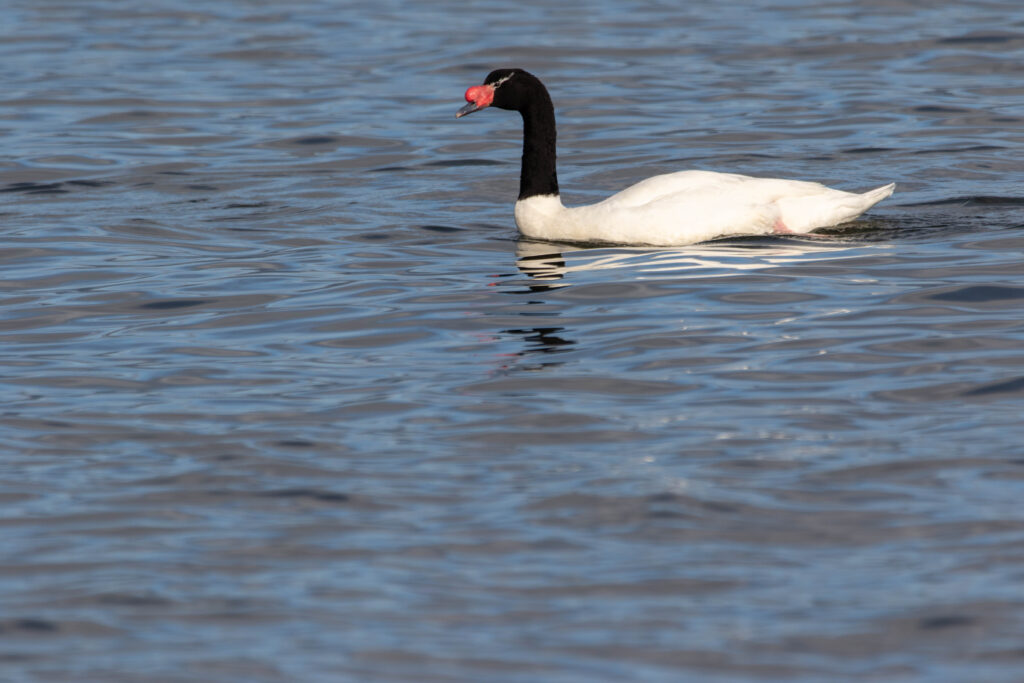
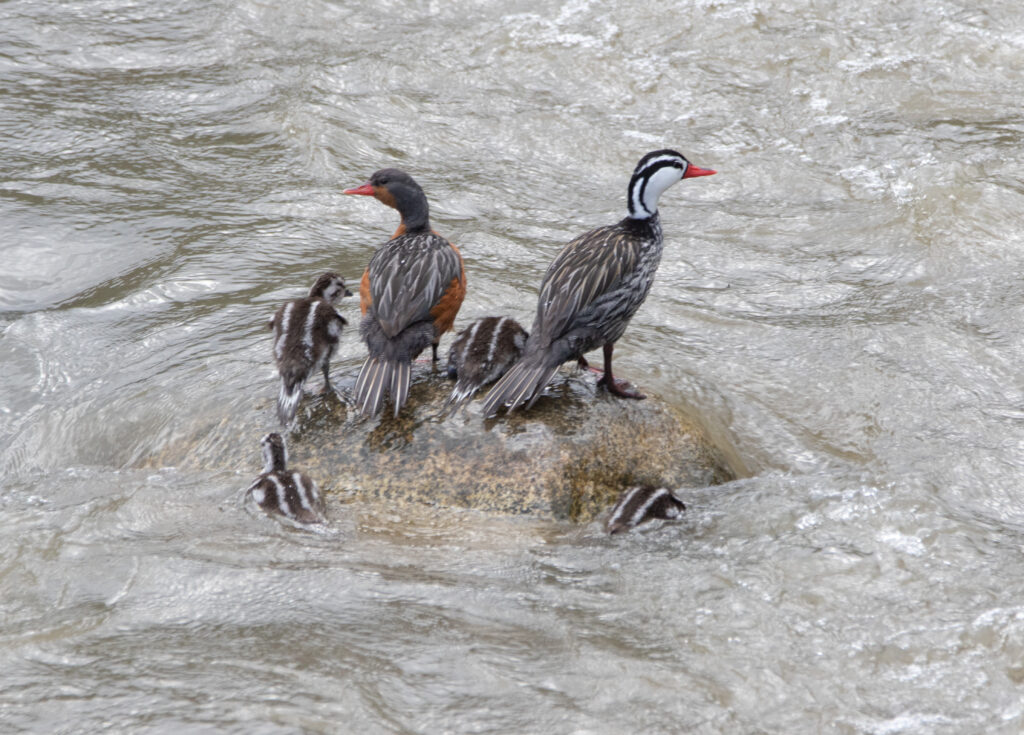
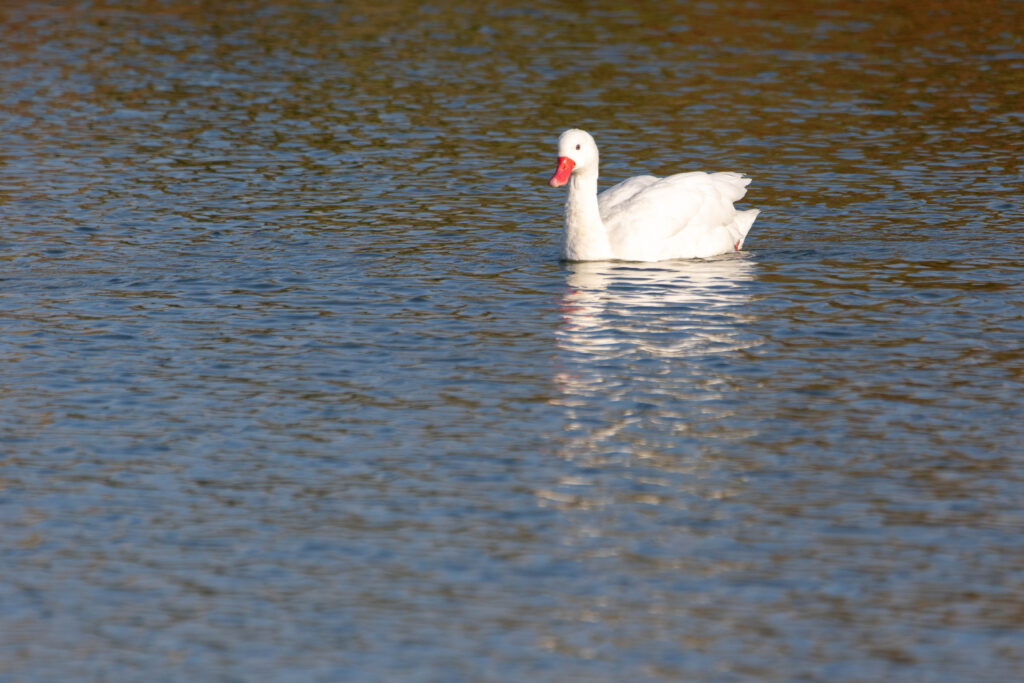
You can find several duck species here, including Cinnamon Teal (Spatula cyanoptera), Chiloe Wigeon (Mareca sibilatrix), White-cheeked Pintail (Anas bahamensis), Yellow-billed Pintail (Anas georgica), and Yellow-billed Teal (Anas flavirostris). You may also see Black-necked Swan (Cygnus melancoryphus), Coscoroba Swan (Coscoroba coscoroba), and Upland Goose (Chloephaga picta). Along the faster-flowing sections of the Maule River, you can try your luck looking for Bronze-winged Duck (Speculanas specularis) and Torrent Duck (Merganetta armata).

For some of the rarer species, keep an eye out for Chilean Tinamou (Nothoprocta perdicaria) and Burrowing Parrot (Cyanoliseus patagonus), both of which can be found around the lake.
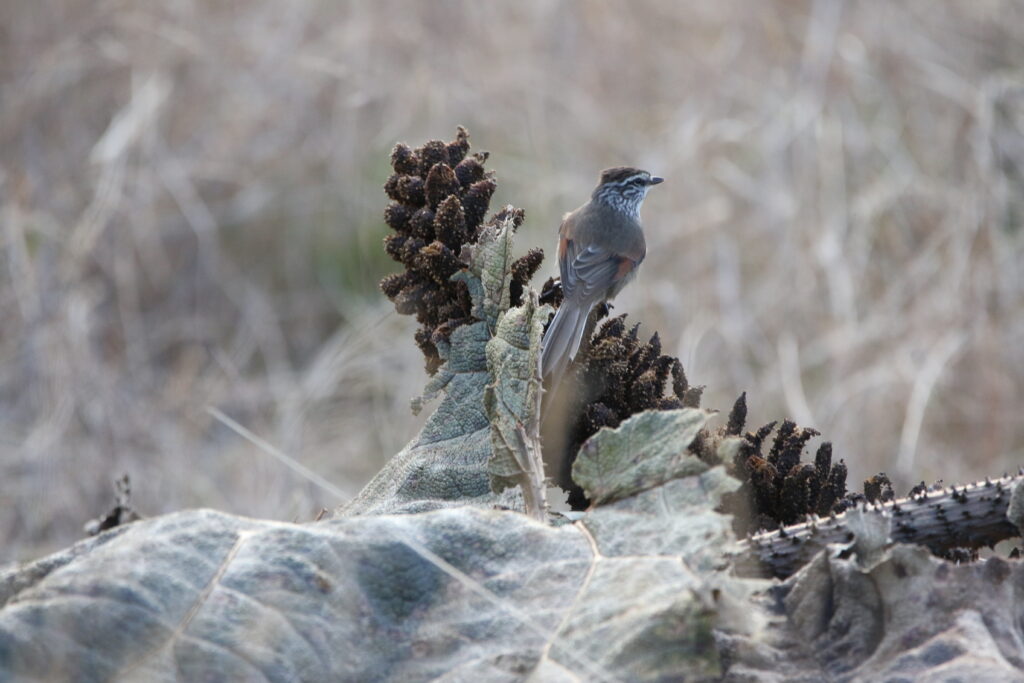
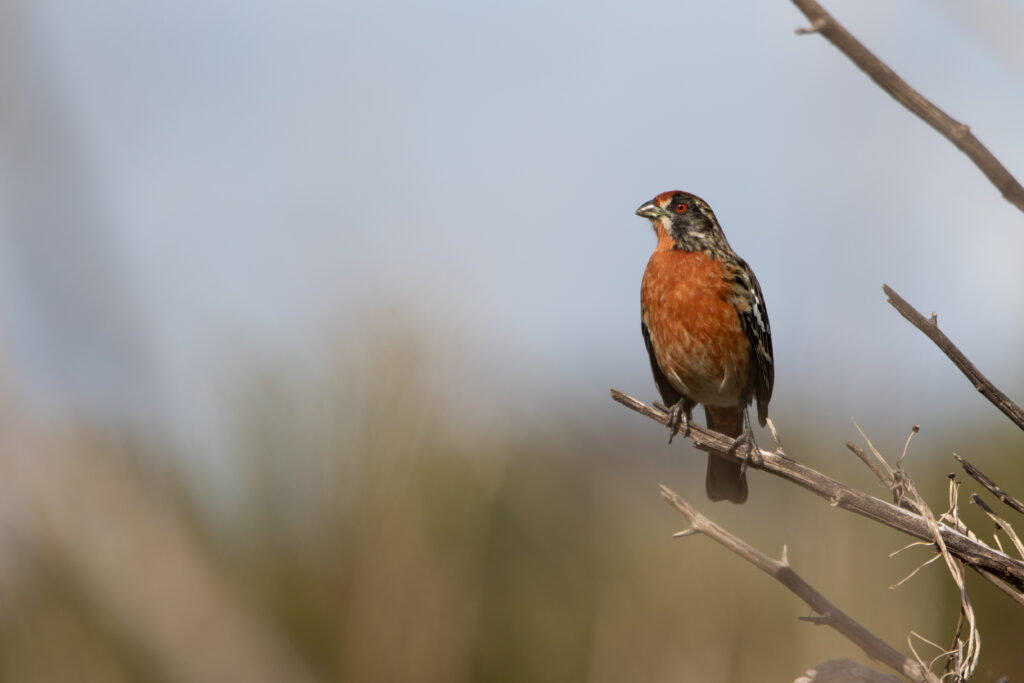
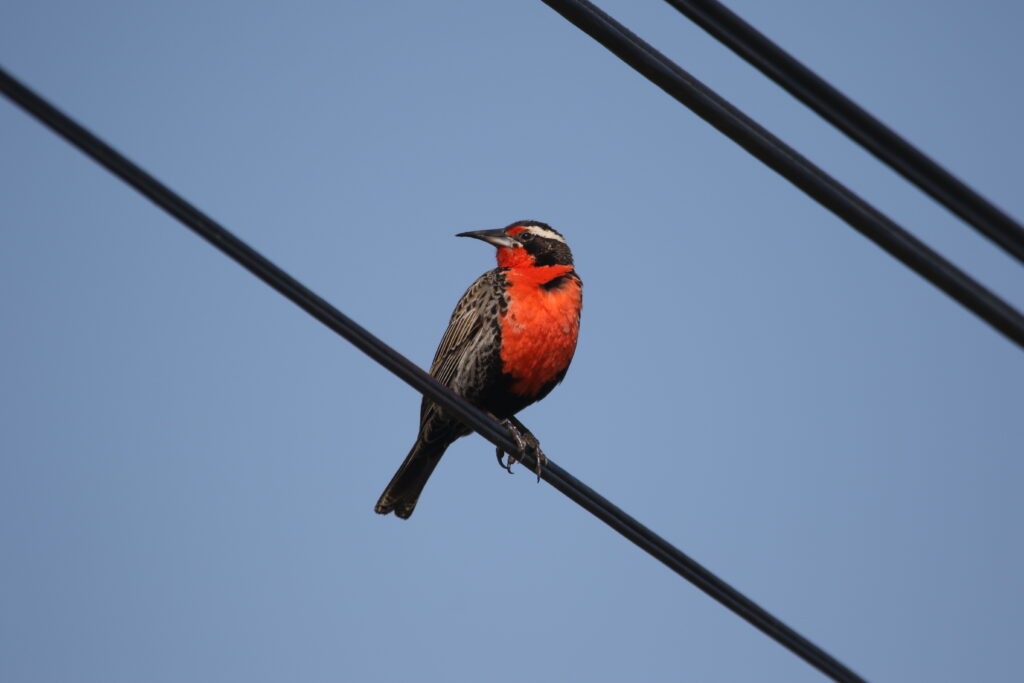
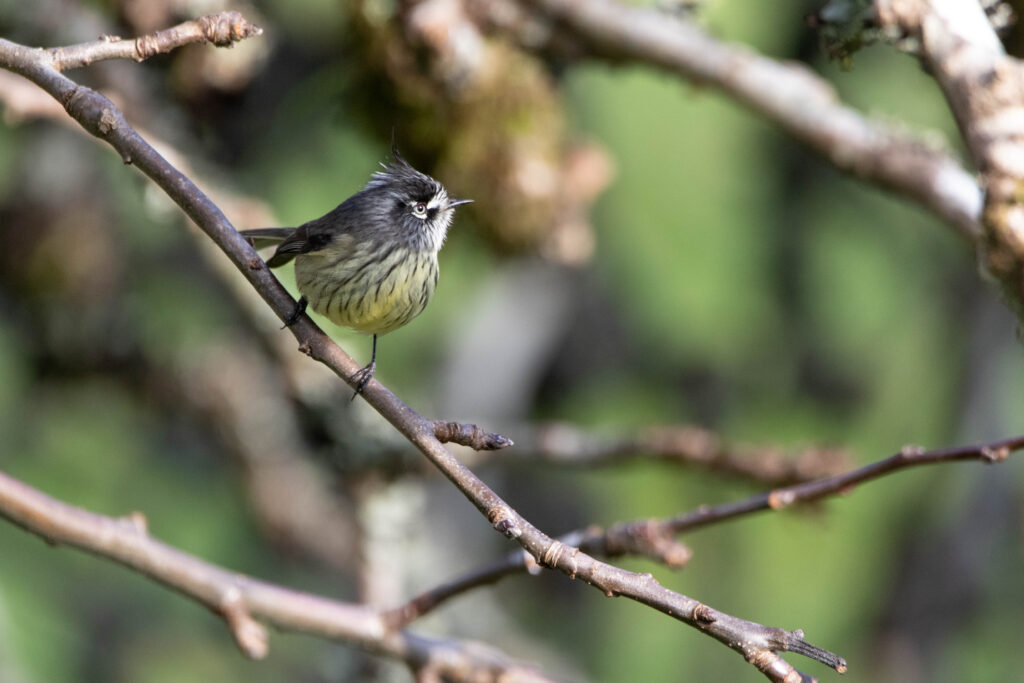
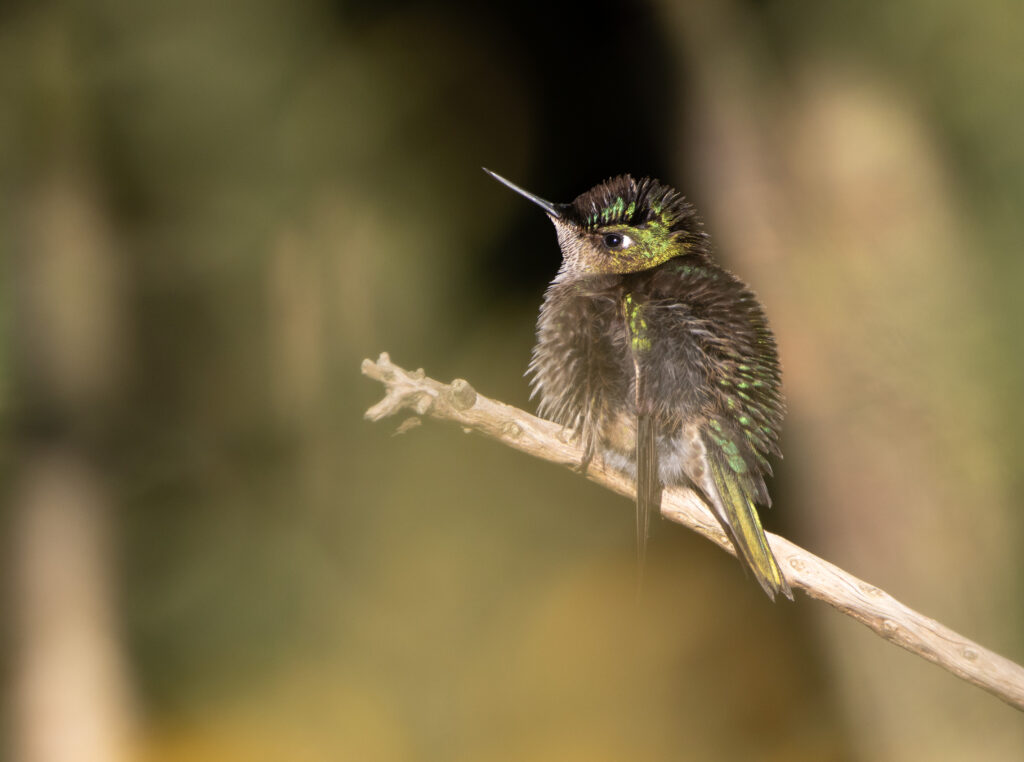
Among the smaller passerines, explore the surrounding trails in search of Green-backed Firecrown (Sephanoides sephaniodes), Plain-mantled Tit-Spinetail (Leptasthenura aegithaloides), Rufous-tailed Plantcutter (Phytotoma rara), Long-tailed Meadowlark (Leistes loyca), and the very common Tufted Tit-Tyrant (Anairetes parulus).
How to get to Vilches & Altos de Lircay
The easiest way to reach Vilches and Altos de Lircay National Reserve is with your own vehicle. The road is in very good condition all the way to Vilches Alto, where most of the hikes begin. With a GPS, you should have no difficulty finding your way there.
However, it is also possible to reach the area by public transport. To do so, you will first need to travel to the city of Talca. This major city is well connected by bus to Santiago and other large cities in the region, such as Concepción and Temuco.
Once in Talca, several buses run towards the village of Vilches Alto. There is one bus in the morning and five in the afternoon, except on Sundays, when there are only three services. You can check this page for more details. Keep in mind that these schedules may change.
Where to stay in Vilches Alto?
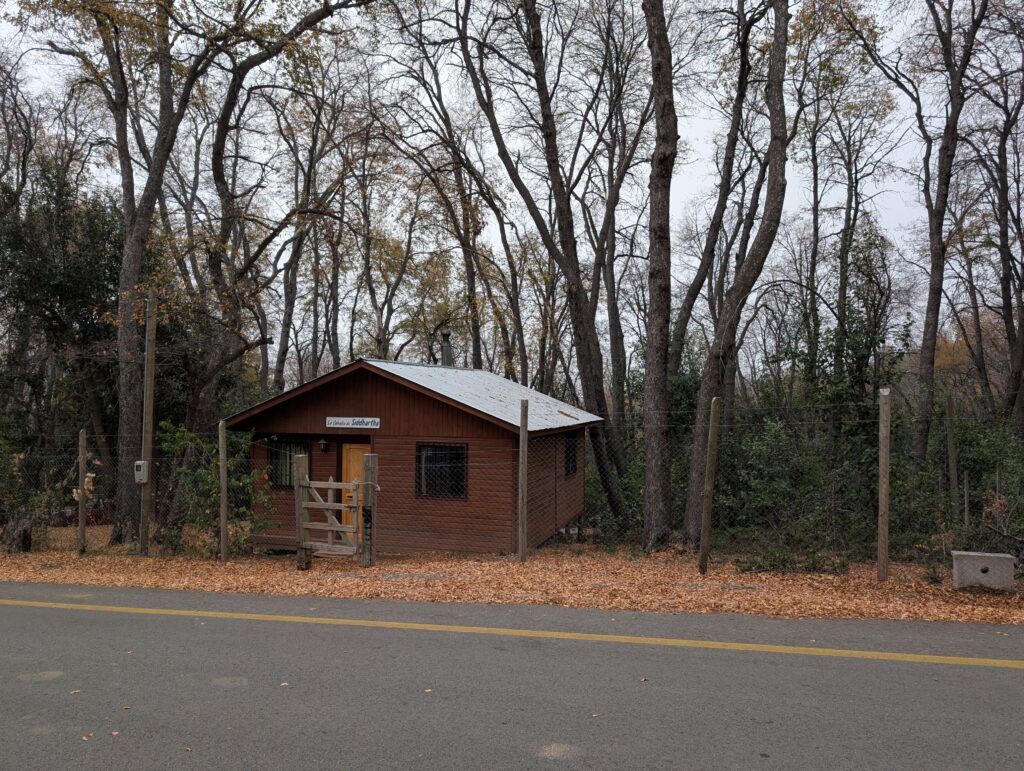
Although Vilches Alto is not one of Chile’s major tourist destinations, there are still a few accommodation options available. There are no large hotel complexes, but Hotel Picamaderos, located right by the entrance to Altos de Lircay, is a good option at around CLP 94,000. You can also rent your own cabin through Airbnb, such as Cabaña de Siddartha, for around CLP 68,000. When booking accommodation, you can also contact the host directly via WhatsApp. Many properties listed on Google Maps display the owner’s phone number, and prices can sometimes be more attractive when booking directly.
Keep in mind that if you are visiting outside the main season, the small supermarkets and restaurants in the area may be closed.