


Self-birding tour of Tasmania
Off we go for three weeks of van road-tripping across Tasmania. Traveling independently and without a guide, our main goal is to find the island’s 12 endemic bird species. We also have several other iconic birds in mind that we hope to observe along the way. Among them are the Pink Robin, a small pink-feathered gem, its close relative the Flame Robin with its striking plumage, the male Superb Fairywren in full breeding plumage (which can be seen year-round in this attire), and the Hooded Plover along the beaches. Tasmania is an Australian state renowned for its well-preserved natural environments and the abundance of its wildlife. Beyond birds, the island is home to several unique mammal species, starting with the very common Red-bellied Pademelon, Bennett’s Wallaby, the Common Wombat, the Tasmanian Devil, and the iconic Platypus.

Arrival in Devonport


After two weeks exploring the surroundings of Melbourne in the state of Victoria, we take the ferry with our van from Geelong to Devonport. Following a fairly calm night onboard, we collect our van, stock up at the supermarket, and head to our very first stop: the Devonport Arboretum. Originally, we wanted to visit this site because it is known for hosting a small population of Platypus. It quickly turns out to be an excellent introduction to birding in Tasmania.
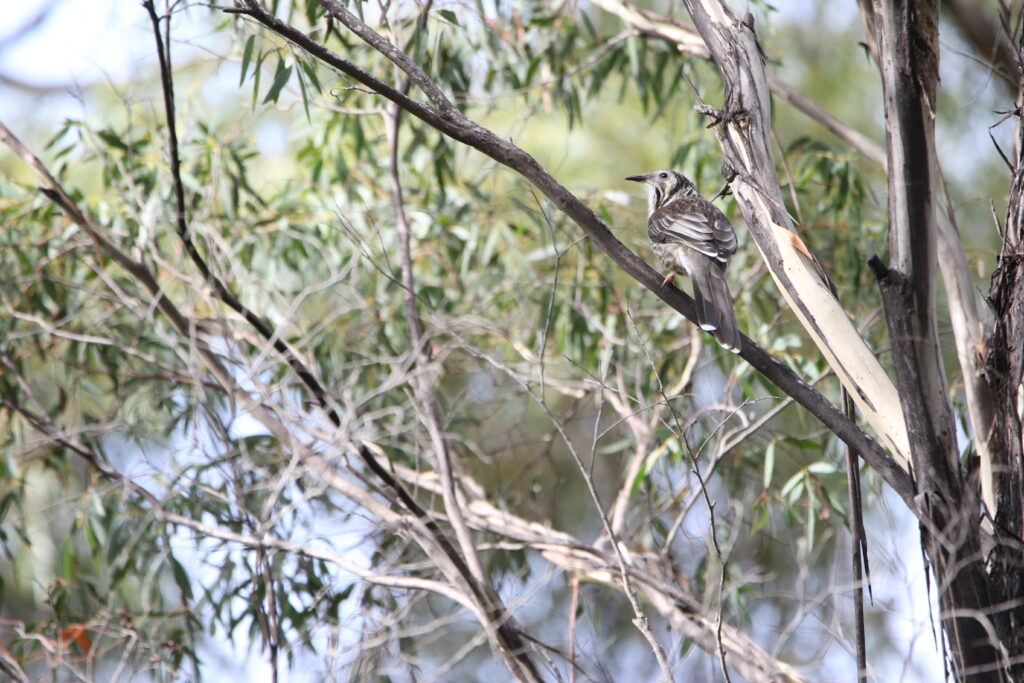
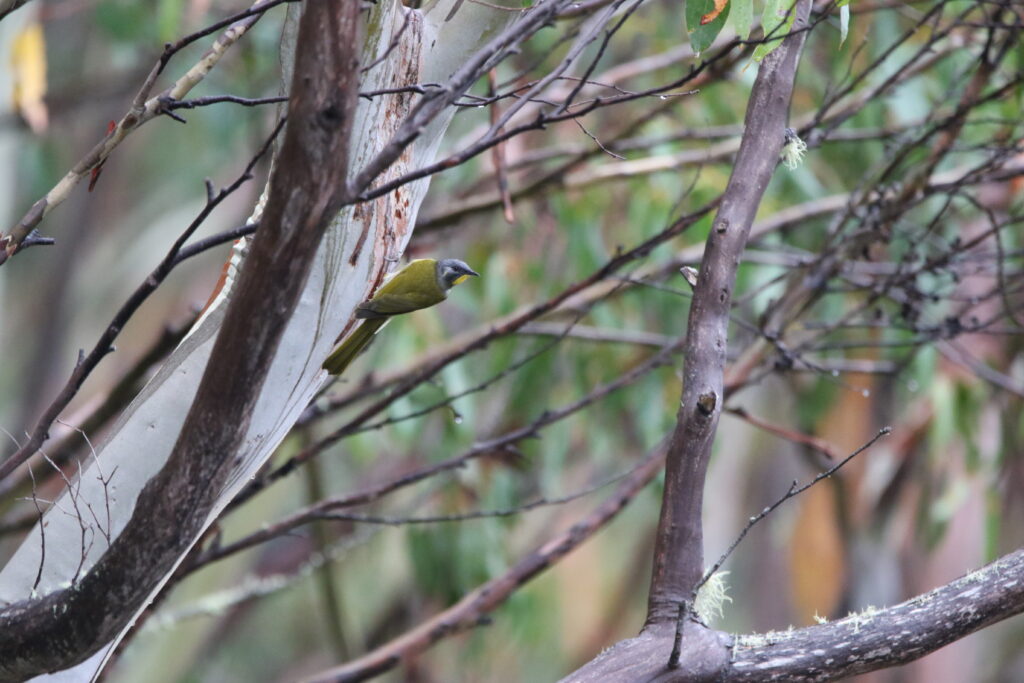
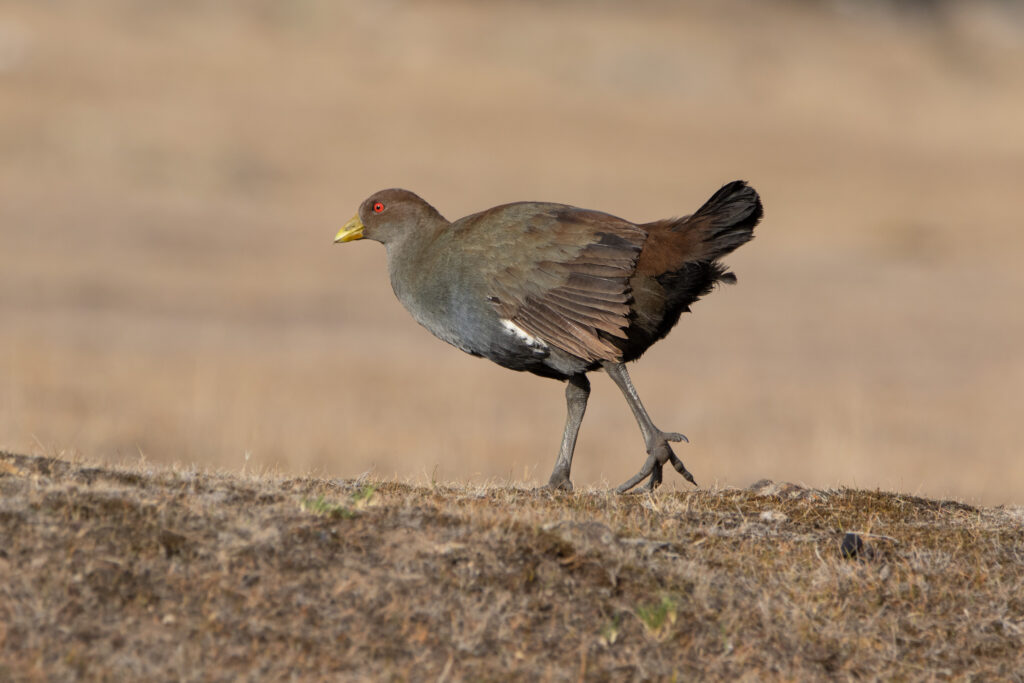
Our first endemic species, the Tasmanian Nativehen (Tribonyx mortierii), doesn’t take long to appear. It is present in large numbers across the many grassy areas of the arboretum. We also observe two other Tasmanian endemics: the large and noisy Yellow Wattlebird (Anthochaera paradoxa) and the more discreet Yellow-throated Honeyeater (Nesoptilotis flavicollis).
Several other honeyeaters are also seen among the trees of this peaceful site, including the Crescent Honeyeater (Phylidonyris pyrrhopterus), Little Wattlebird (Anthochaera chrysoptera), Eastern Spinebill (Acanthorhynchus tenuirostris), and New Holland Honeyeater (Phylidonyris novaehollandiae). Beautiful Blue-winged Parrots (Neophema chrysostoma) are also present, feeding in the trees along the edge of the lake.
The wide variety of trees—both native and introduced from different parts of the world—provides abundant food and shelter for many bird species, making this location a rich and welcoming habitat for wildlife.


Platypus (Ornithorhynchus anatinus) were indeed present and fairly easy to spot, swimming on the surface of the lake between dives to feed. At the Arboretum, we also observed a mammal endemic to Tasmania: the Tasmanian Pademelon (Thylogale billardierii).


First national park: Narawntapu, the “Serengeti” of Tasmania


After visiting the Arboretum, we head to our first Tasmanian national park, just one hour from Devonport: Narawntapu, sometimes referred to as the island’s “Serengeti.” I have never been to the Serengeti myself, so from an outside perspective I do not see many points of comparison apart from the vast open grasslands. Nevertheless, this national park is one of the most beautiful we have seen in Tasmania. We take the opportunity to purchase the annual parks pass, which gives access to all Tasmanian national parks with our van and is much better value than buying individual passes.
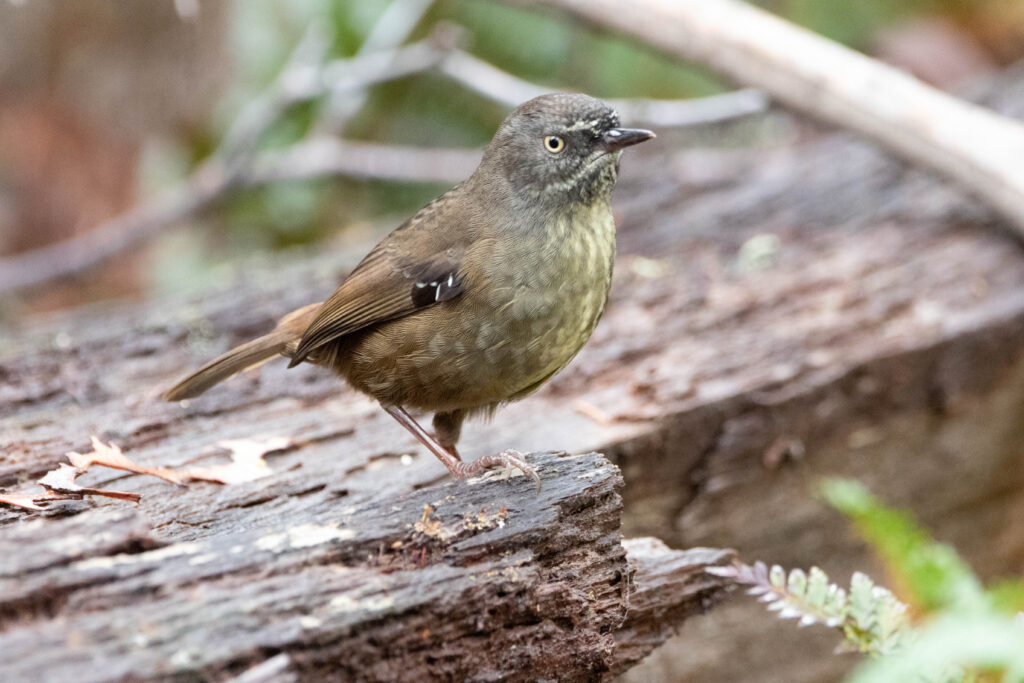
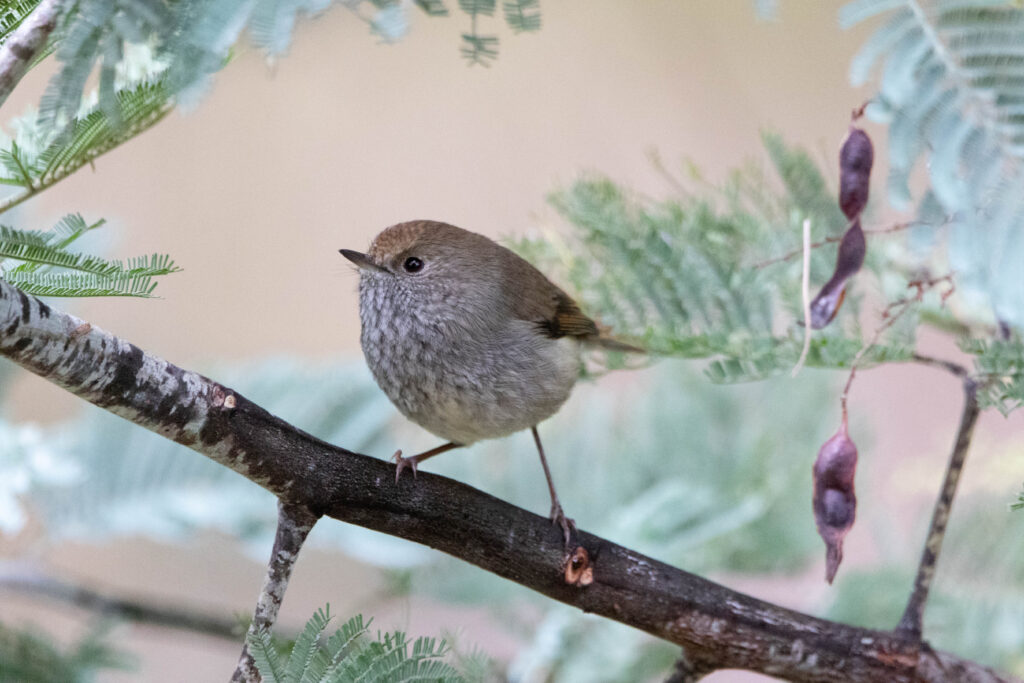
We spend time carefully studying thornbills in order to find the fourth endemic species of the trip: the Tasmanian Thornbill (Acanthiza ewingii). It is very difficult to distinguish from the Brown Thornbill (Acanthiza pusilla). The two can be told apart by the rufous flanks and shorter tail of the Tasmanian Thornbill. These details are not easy to see in the field, but thankfully a camera helps a lot. The fifth endemic species follows shortly after, hidden in dense vegetation: the Tasmanian Scrubwren (Sericornis humilis).

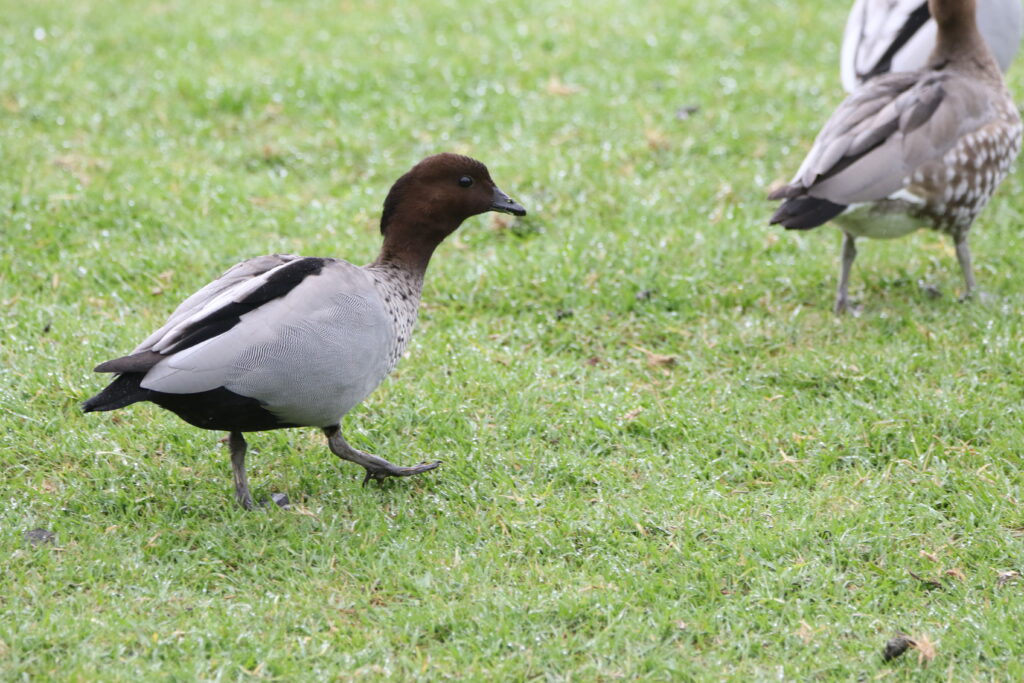
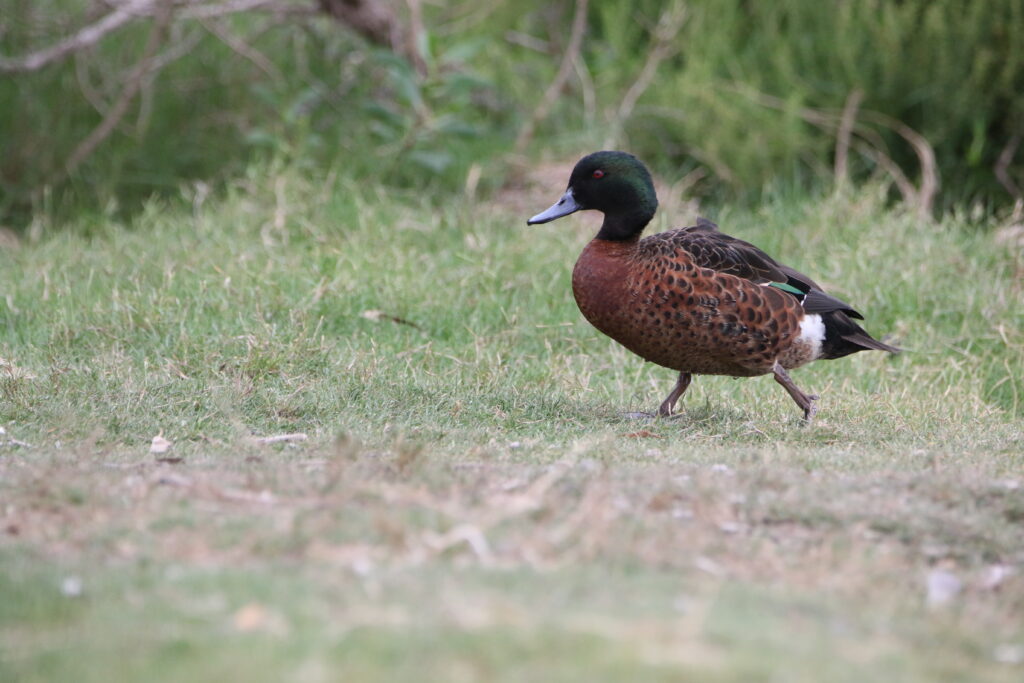
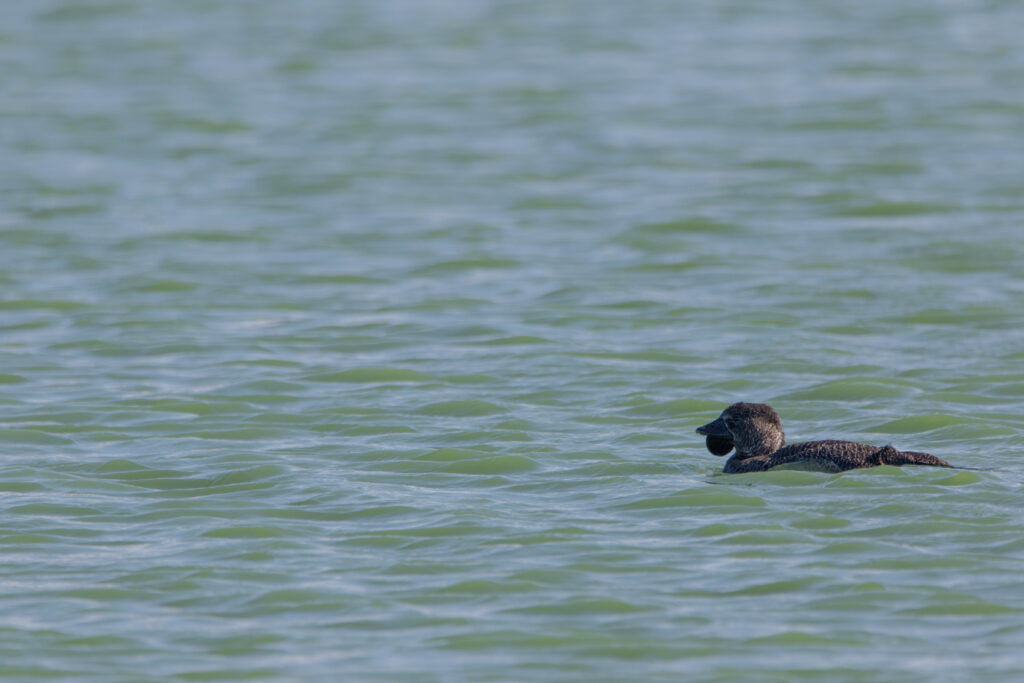
Narawntapu National Park covers several hectares of forests, grasslands, beaches, and coastal heath. Numerous hikes are available throughout the park. A wetland area near our powered campsite, along with a nearby hide, allows us to observe many waterbirds. Among them are Maned Duck (Chenonetta jubata), Pacific Black Duck (Anas superciliosa), Chestnut Teal (Anas castanea), Grey Teal (Anas gracilis), Musk Duck (Biziura lobata), and waders such as the Black-fronted Dotterel (Charadrius melanops).



In the vast grasslands near the Springlawn campground (where you can spend the night), you can very easily observe three different marsupial species: Eastern Grey Kangaroo (Macropus giganteus), Bennett’s Wallaby (Macropus rufogriseus), and Tasmanian Pademelon (Thylogale billardierii). They are EVERYWHERE around you.


On the road to Tasmania’s East Coast


After two days exploring Narawntapu, we decide to head toward the Tasman Sea on the east coast. Along the way, we stop at Lilydale Falls to spend the night in our van. We had seen on eBird that a bird we absolutely wanted to see in Tasmania was present there. And sure enough… this marks our first encounter with the Pink Robin (Petroica rodinogaster), a small pink passerine! A rather unusual color for a bird, it was easy to spot around the waterfall. Unfortunately, no photo yet.
We then continue our journey to St Helens and the Bay of Fires, famous for its massive flame-colored rocks. We end up staying there for several days due to a breakdown that immobilizes our van.
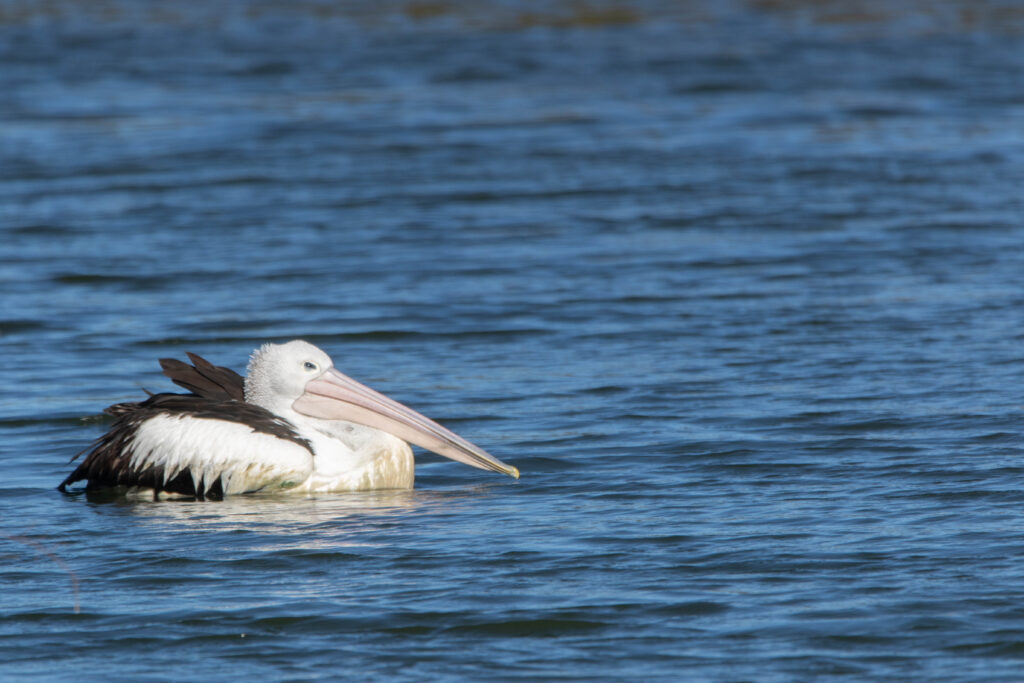
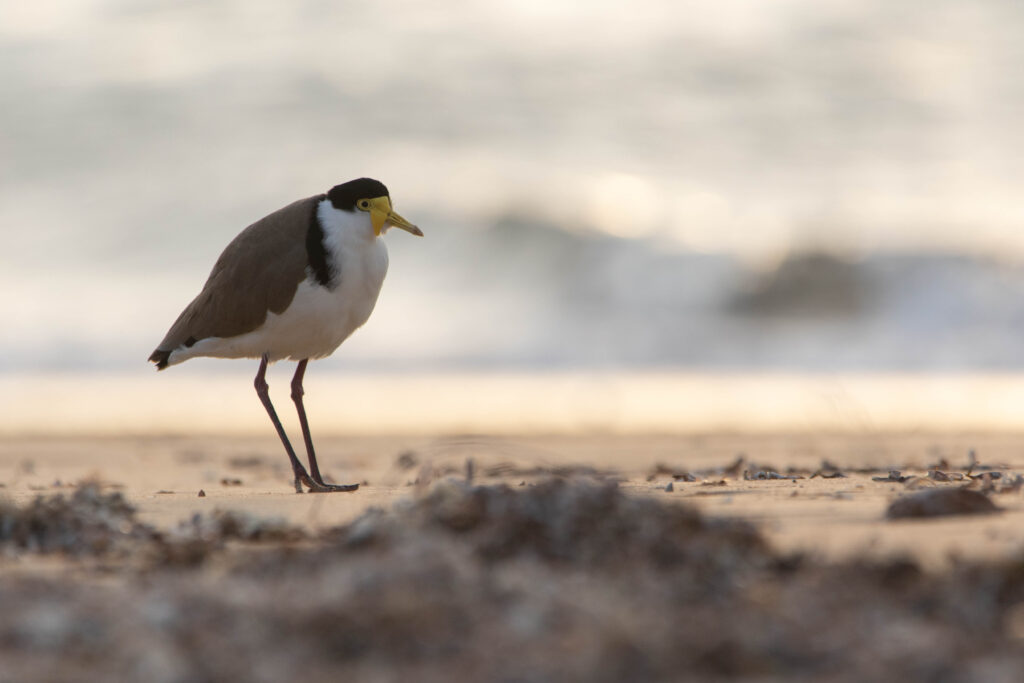
On the first day, we walk along the coastal promenade to observe our first seabirds: Silver Gull (Chroicocephalus novaehollandiae), Australasian Gannet (Morus serrator), Little Pied Cormorant (Microcarbo melanoleucos), Black-faced Cormorant (Phalacrocorax fuscescens), and Australian Pelican (Pelecanus conspicillatus). We also see very common waders such as the Masked Lapwing (Vanellus miles).




A walk around the surroundings of St Helens allows us to enjoy some excellent encounters.
Among raptors, a White-bellied Sea Eagle (Icthyophaga leucogaster) and a Wedge-tailed Eagle (Aquila audax) fight over prey right in front of us. We also observe a great diversity of passerines: Scarlet Robin (Petroica boodang), Flame Robin (Petroica phoenicea), Tasmanian Thornbill (Acanthiza ewingii), Brown Thornbill (Acanthiza pusilla), and Australian Golden Whistler (Pachycephala pectoralis).


A lovely colony of Dusky Woodswallow (Artamus cyanopterus) flies overhead, Yellow-tailed Black Cockatoo (Zanda funerea) calls echo through the area, and a Laughing Kookaburra (Dacelo novaeguineae) perches nearby.


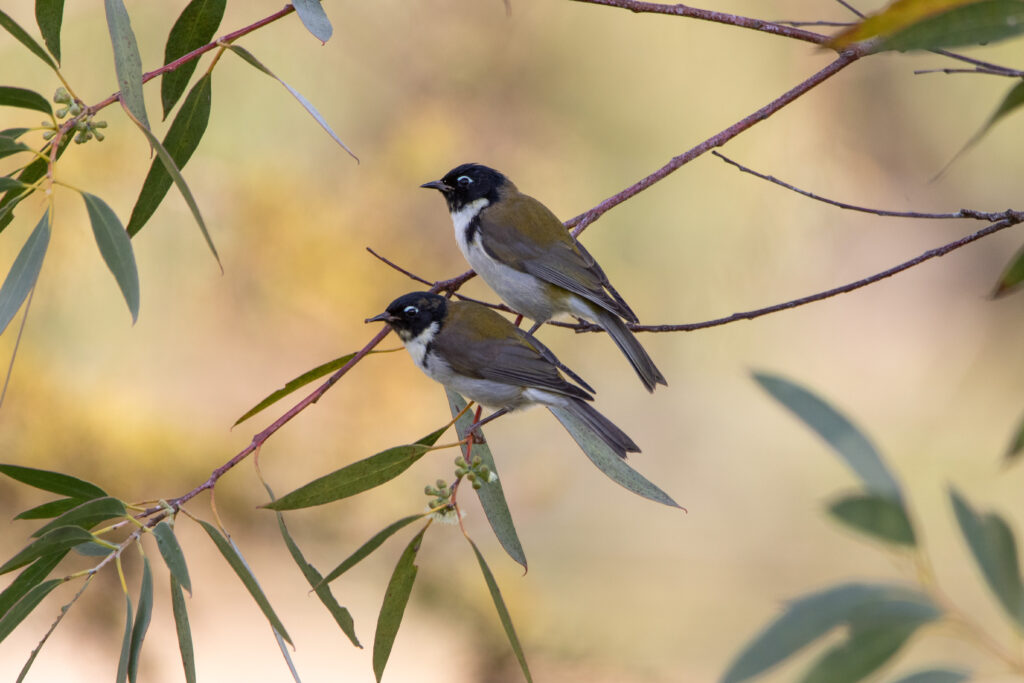
In addition to all these wonderful species, we add two more endemics to our list. First, a small group of Black-headed Honeyeater (Melithreptus affinis), followed by the more discreet Green Rosella (Platycercus caledonicus). This brings our total of Tasmanian endemics observed to seven species. Less than half still remain to be seen!

Scamander
Near Scamander, a small town about one hour south of St Helens, we explored two different sites. We started with the river mouth, which shares the same name as the town.
There, we observed many shorebirds: Pied Oystercatcher (Haematopus longirostris), Double-banded Plover (Anarhynchus bicinctus), Red-capped Plover (Anarhynchus ruficapillus), Bar-tailed Godwit (Limosa lapponica), and Red-necked Stint (Calidris ruficollis). Many gulls and terns were also present, including the very common Pacific Gull (Larus pacificus), the rarer (for this part of Tasmania) Kelp Gull (Larus dominicanus), and the Greater Crested Tern (Thalasseus bergii).


Later in the afternoon, we also visited the Winifred Curtis Reserve, south of town. The area was quite peaceful.
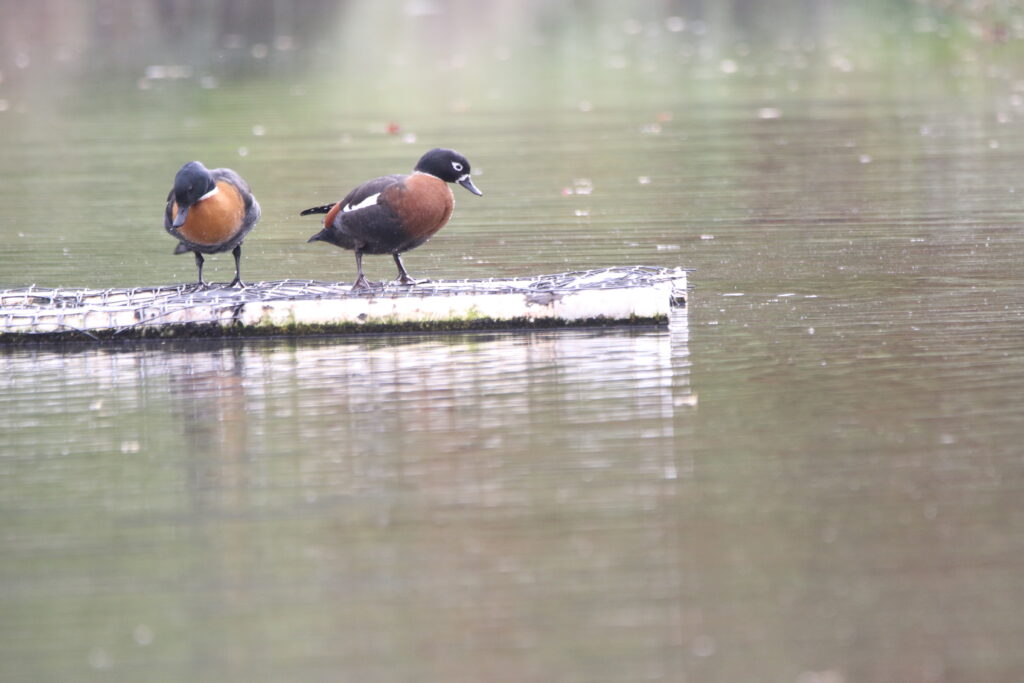
There, we saw many ducks such as Chestnut Teal (Anas castanea), Pacific Black Duck (Anas superciliosa), Black Swan (Cygnus atratus), Australian Shelduck (Tadorna tadornoides), and Musk Duck (Biziura lobata). We ended the walk with the observation of a superb bird: the Fan-tailed Cuckoo (Cacomantis flabelliformis). Rather late for the month of April, it perched discreetly on a branch at the entrance of the reserve.


Heading south to Freycinet


We then continued our journey south toward Freycinet National Park. Along the way, we made several stops along the beaches we passed, searching for one of our main targets in Tasmania: the Hooded Plover (Charadrius cucullatus). After a few attempts, we finally spotted a small group of three individuals in the distance. By patiently waiting on the beach, they gradually moved closer, allowing us to take some excellent close-up photos.


Once inside Freycinet National Park, we chose the loop hike leading to Wineglass Bay. During the walk, we encountered five species of honeyeaters: Eastern Spinebill (Acanthorhynchus tenuirostris), Little Wattlebird (Anthochaera chrysoptera), Yellow Wattlebird (Anthochaera paradoxa), Yellow-throated Honeyeater (Nesoptilotis flavicollis), and Crescent Honeyeater (Phylidonyris pyrrhopterus).
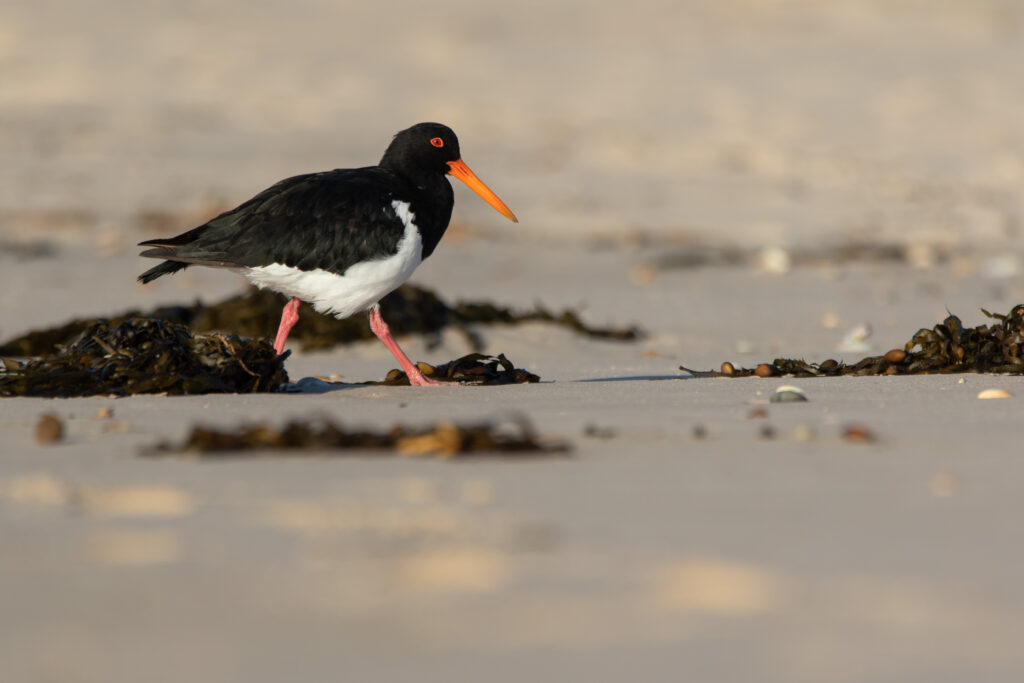
We also experienced an incredible close encounter with Spotted Pardalote (Pardalotus punctatus) feeding on the ground! Unfortunately, by the time we grabbed the camera, the birds had already flown off. On the beach, we took the time to photograph Sooty Oystercatcher (Haematopus fuliginosus) and Pied Oystercatcher (Haematopus longirostris).


After finishing our hike in Freycinet, we stopped at Kelvedon Beach.
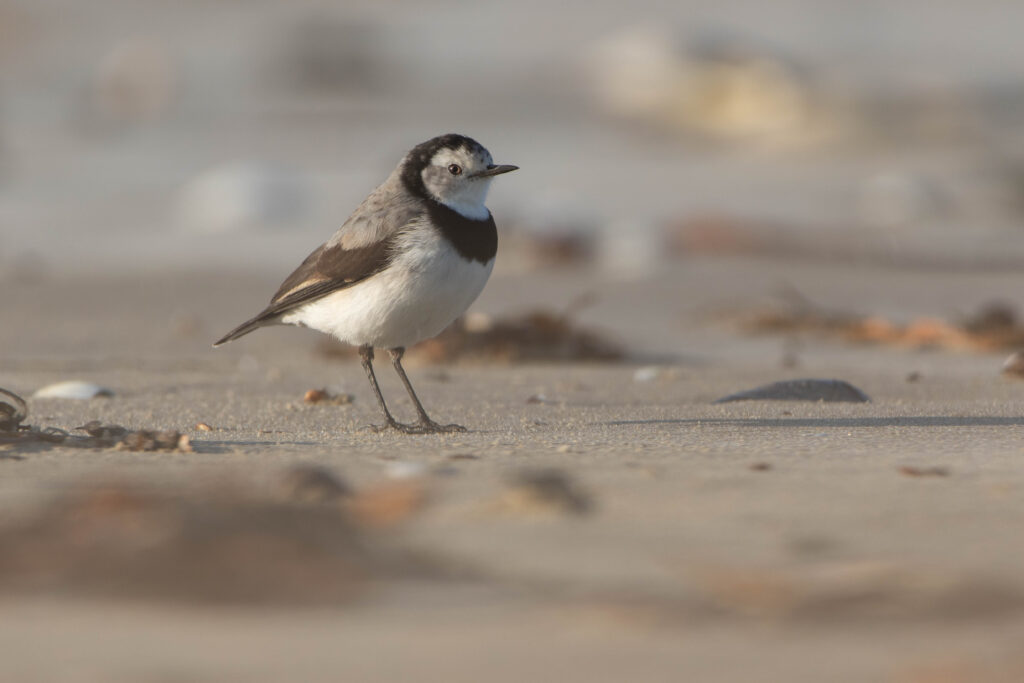
There, we once again encountered Hooded Plover (Charadrius cucullatus), this time accompanied by two White-fronted Chat (Epthianura albifrons).




Heading to Maria Island


After spending the night in our van at the port of Triabunna, we set sail — or rather, started the engine — toward Maria Island.
Initially, we did not choose this island for birding, but rather to observe one of Australia’s iconic mammals: the Common Wombat (Vombatus ursinus). Usually nocturnal, wombats are present here in large numbers on the island’s hills and can be seen during the daytime. Many visitors therefore take the ferry from the small town of Triabunna to observe them. Unfortunately, a large number of these visitors do not respect the island’s wildlife rules. Some approach the animals far too closely, disturbing them without hesitation just to take selfies. This is a negative aspect of the island. We had to move away onto less frequented paths to observe them peacefully while keeping a respectful distance. Besides wombats, we also observed Tasmanian Pademelon (Thylogale billardierii) and Eastern Grey Kangaroo (Macropus giganteus).


But back to the birds! As the island is protected and uninhabited, its birdlife is also very abundant. As soon as we disembarked from the ferry, many Black-faced Cormorant (Phalacrocorax fuscescens) were drying their wings around the jetty. We also saw many Australian Magpie (Gymnorhina tibicen), Cape Barren Goose (Cereopsis novaehollandiae), and Tasmanian Nativehen (Tribonyx mortierii) roaming the island’s hills alongside the wombats.
Maria Island is one of the few places where it is theoretically possible to see almost all Tasmanian endemics. We did not quite manage that, but we still added Black Currawong (Strepera fuliginosa) and Strong-billed Honeyeater (Melithreptus validirostris) to our list. Two fairly distant observations, but enough to bring our total to nine endemic species seen. Only three left!

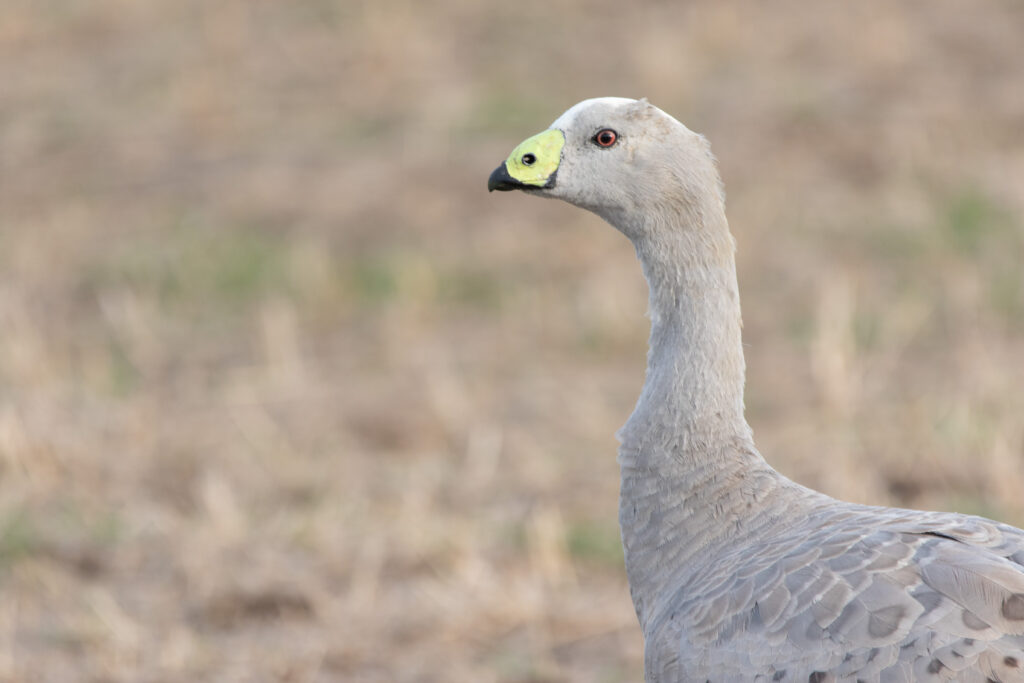

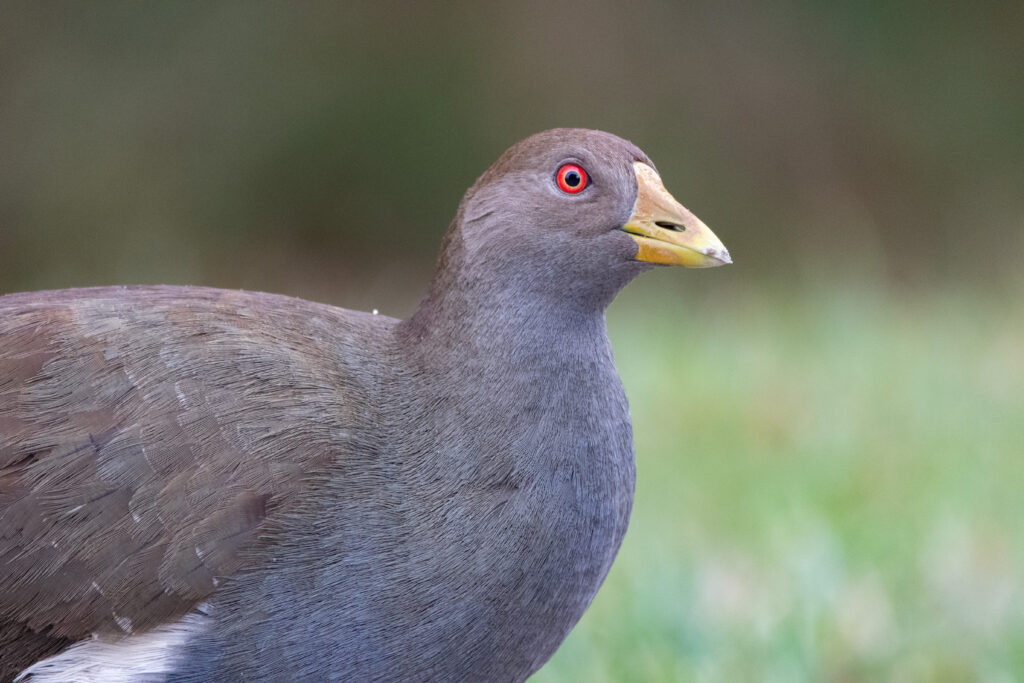
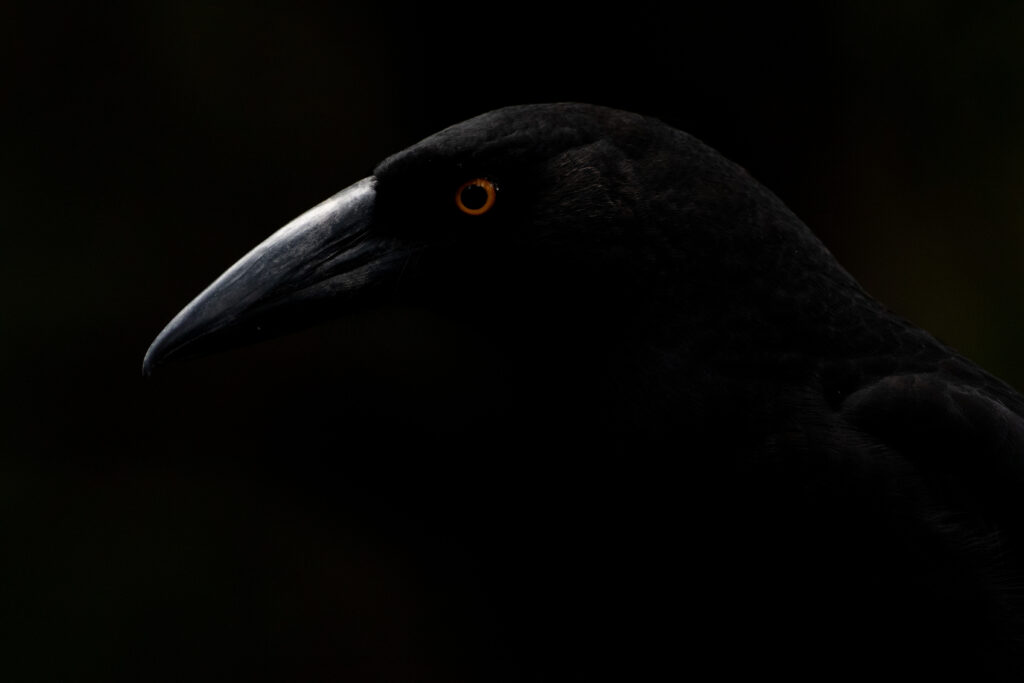
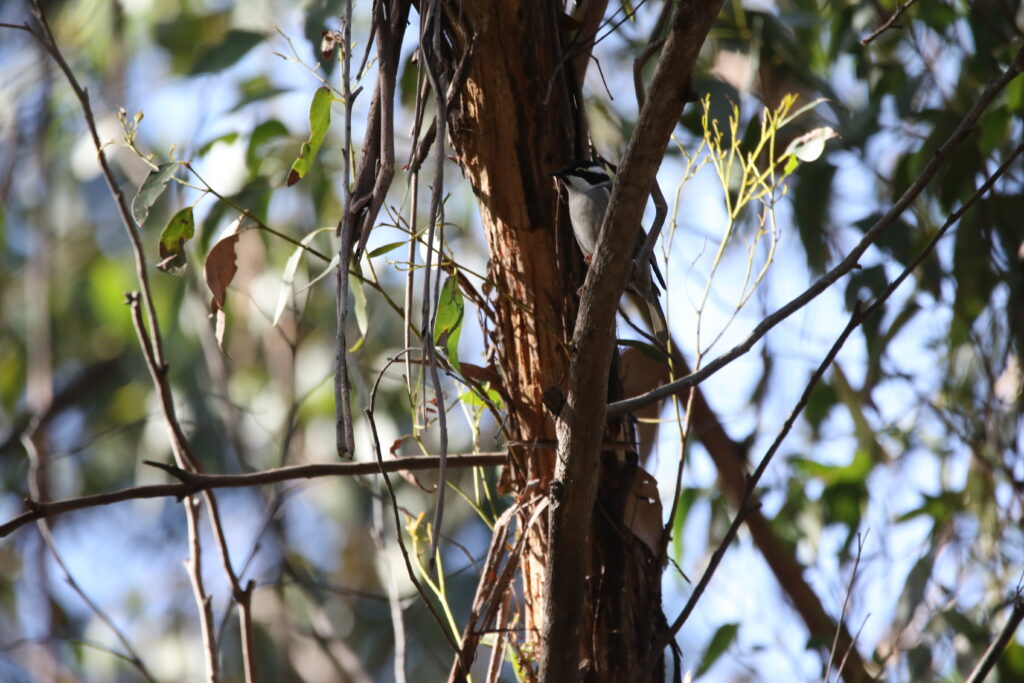
While two Tree Martin (Petrochelidon nigricans) flew overhead, we took the time to photograph birds feeding on the ground. Among them were some less wary species such as Flame Robin (Petroica phoenicea), Scarlet Robin (Petroica boodang), and Yellow-rumped Thornbill (Acanthiza chrysorrhoa). We enjoyed the sunset to photograph the last wombats under beautiful light before taking the ferry back to Triabunna.


On the road to Hobart


As soon as we returned to Triabunna, we headed toward Hobart. We spent the night in a rest area in the wetter, denser forest of Wielangta. There, we once again observed a Pink Robin (Petroica rodinogaster), though it remained quite discreet.
After a quick stop to admire the cliffs of Tasman National Park, we continued on to Hobart and the Waterworks Reserve. On the water bodies, we observed several Australasian Grebe (Tachybaptus novaehollandiae) and Hoary-headed Grebe (Poliocephalus poliocephalus), as well as many ducks such as Pacific Black Duck (Anas superciliosa), Maned Duck (Chenonetta jubata), Eurasian Coot (Fulica atra), and the less common Hardhead (Aythya australis).


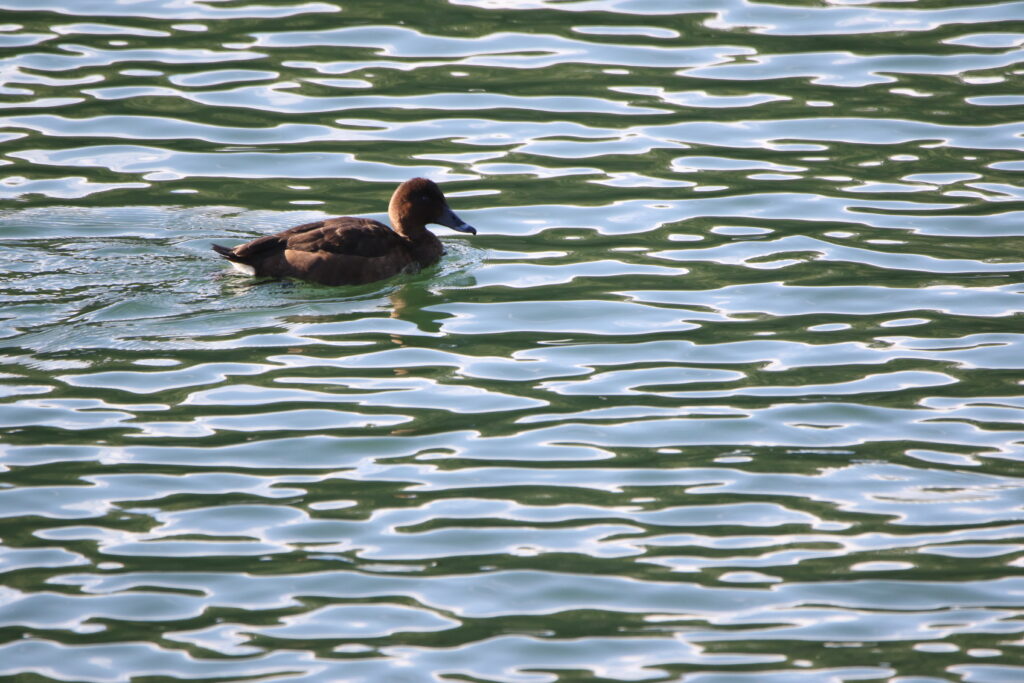
The site is also a roosting area for the very noisy Sulphur-crested Cockatoo (Cacatua galerita), present by the dozens at dusk. While watching a Forest Raven (Corvus tasmanicus) through our binoculars near the picnic tables, a man approached us. He turned out to be a bird enthusiast living in Hobart and offered to show us two Tawny Frogmouth (Podargus strigoides) roosting in a tree. We gladly accepted before leaving the area. A big thank you to this stranger, who allowed us to see these perfectly camouflaged, mimetic birds that are usually so difficult to spot.


Mount Wellington


We gained altitude — and temperatures dropped — as we headed up Mount Wellington overlooking the city of Hobart. Several hikes are possible within this natural reserve, but we chose to park at The Springs car park and explore the surrounding area as well as the Pinnacle Track.
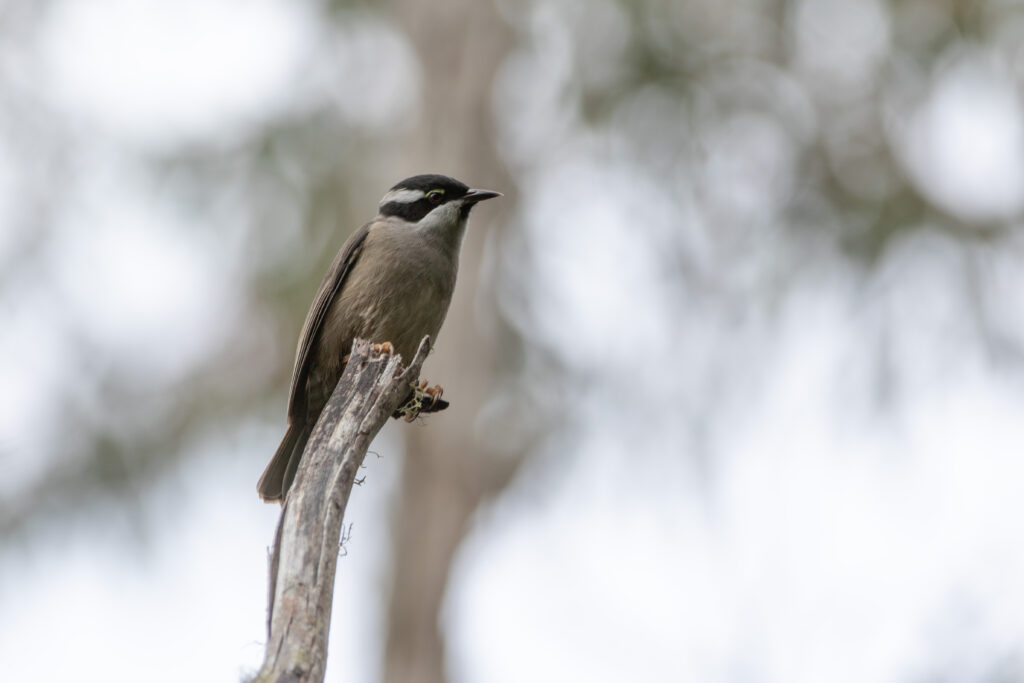
One of our main goals was to properly photograph the Pink Robin (Petroica rodinogaster). Unfortunately, it once again proved to be very shy, unlike its cousin, the Scarlet Robin (Petroica boodang). The Eastern Spinebill (Acanthorhynchus tenuirostris) was more cooperative and allowed us to take some nice photos. On site, we met an Australian birder from Victoria. He told us that a little further up the track, our tenth Tasmanian endemic could be found: the Scrubtit (Acanthornis magna). Without hesitation, we climbed back up the 500 meters of trail in search of this bird. After a few dozen minutes, we finally encountered the Scrubtit within a group of Tasmanian Thornbill (Acanthiza ewingii). Unfortunately, the sighting was very brief, and the bird quickly disappeared back into the dense vegetation. In addition to this new endemic, we also encountered a small group of Strong-billed Honeyeater (Melithreptus validirostris) as well as a Grey Shrikethrush (Colluricincla harmonica). Enough to take a few more photos and add two new species to our Tasmanian bird list.


Heading to Bruny Island


There is only one place where all 12 Tasmanian endemic birds occur: Bruny Island. It is also the most promising location to search for the two endemic species still missing from our list. Without hesitation, we decided to spend two nights on the island. We took the small ferry with our van early in the morning from the town of Kettering, then began exploring the northern part of Bruny Island, starting with Missionary Road.
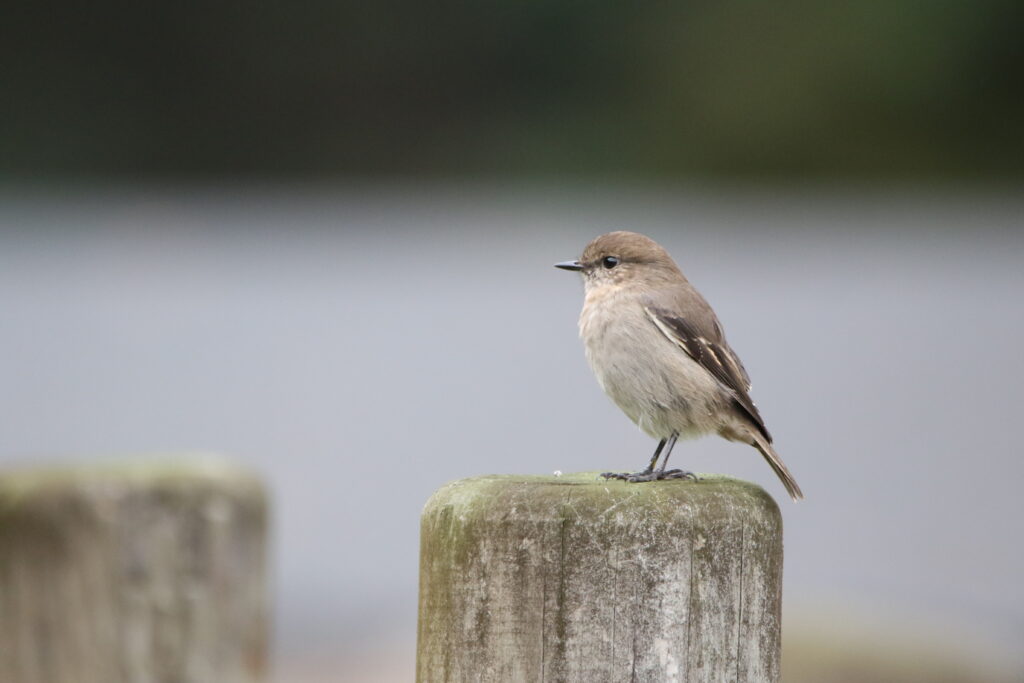
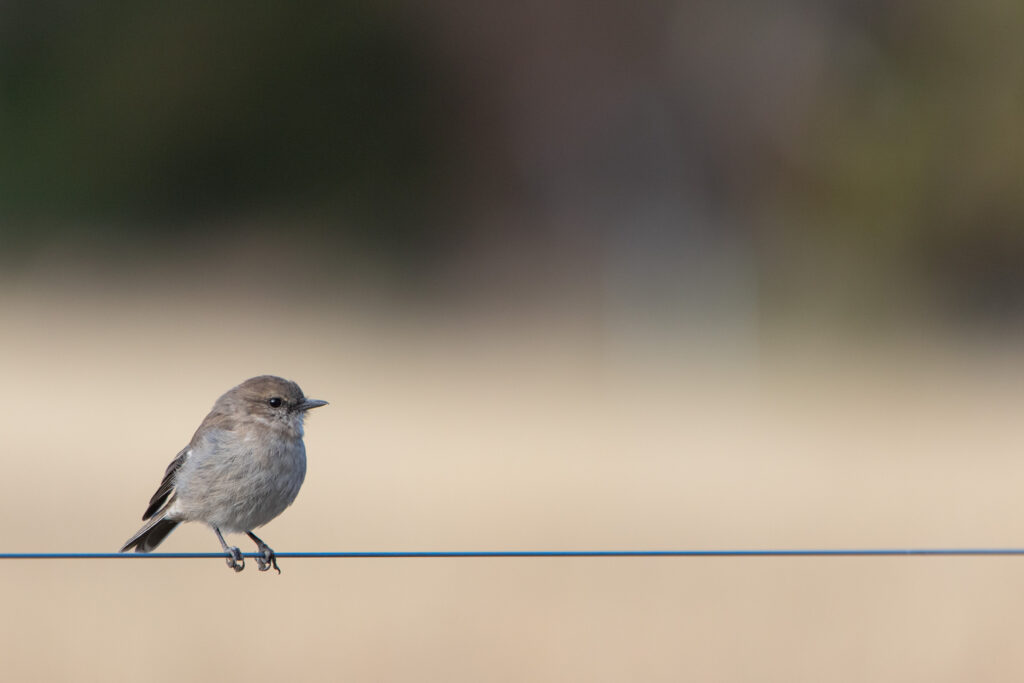
It didn’t take long to find our eleventh endemic bird: a Dusky Robin (Melanodryas vittata) perched on a fence. While scanning the tall eucalyptus trees for small passerines, we suddenly came face to face — or beak to beak — with a Wedge-tailed Eagle (Aquila audax) perched on a branch.
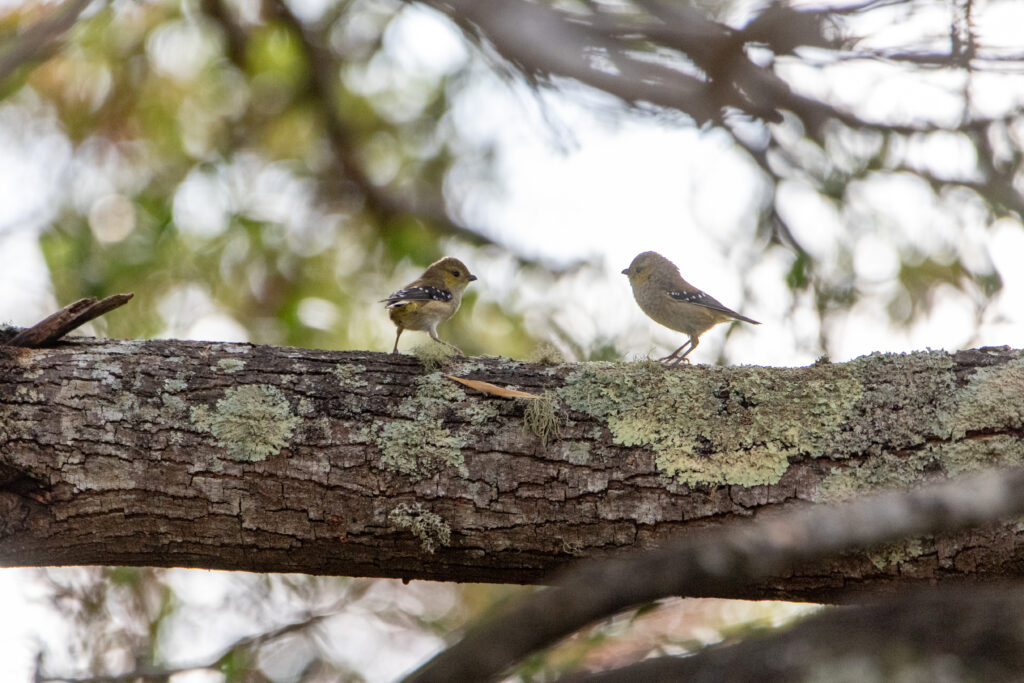
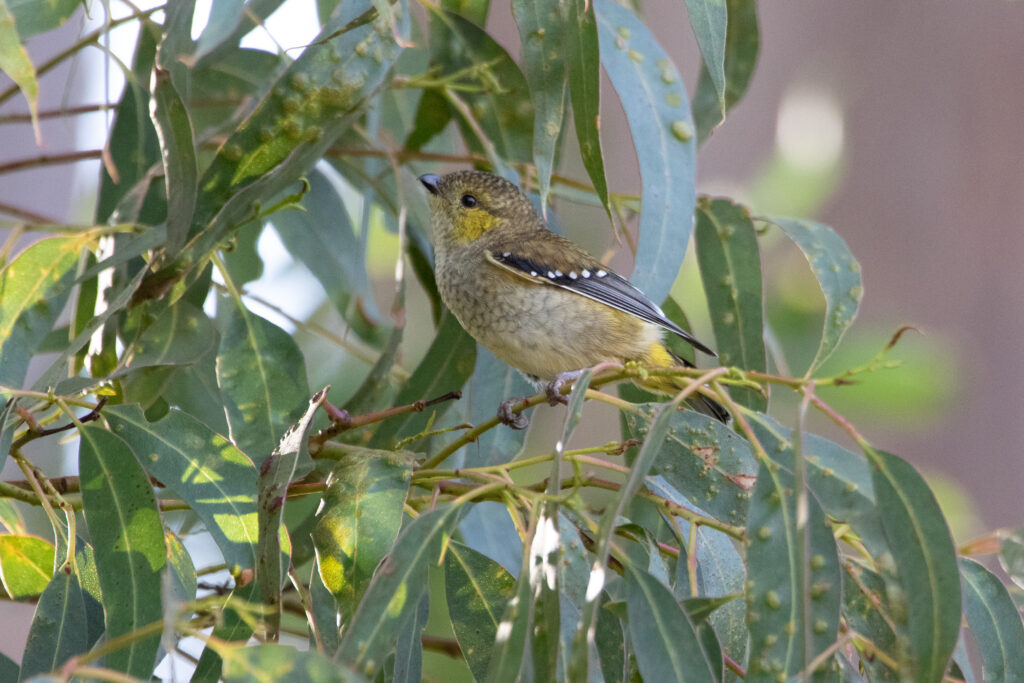
The final endemic bird missing from our list was also the rarest: the Forty-spotted Pardalote (Pardalotus quadragintus). Over the past thirty years, its population has declined sharply, and it can now only be found on Maria and Bruny Island. During our lunch break by the roadside in the northern part of the island, we remained attentive to the surrounding passerines, hoping to spot this elusive pardalote.
And it was while enjoying a delicious homemade sandwich that our quest for Tasmania’s 12 endemic birds finally came to an end. Two Forty-spotted Pardalote (Pardalotus quadragintus), accompanied by a Spotted Pardalote (Pardalotus punctatus), flew above us among the highest branches and leaves of an old eucalyptus. The sighting was very brief — so we certainly wouldn’t stop there!
South Bruny


After visiting the northern part of Bruny Island, we decided to cross The Neck, the narrow strip of land linking the north and south of the island. We spent the night near Adventure Bay.
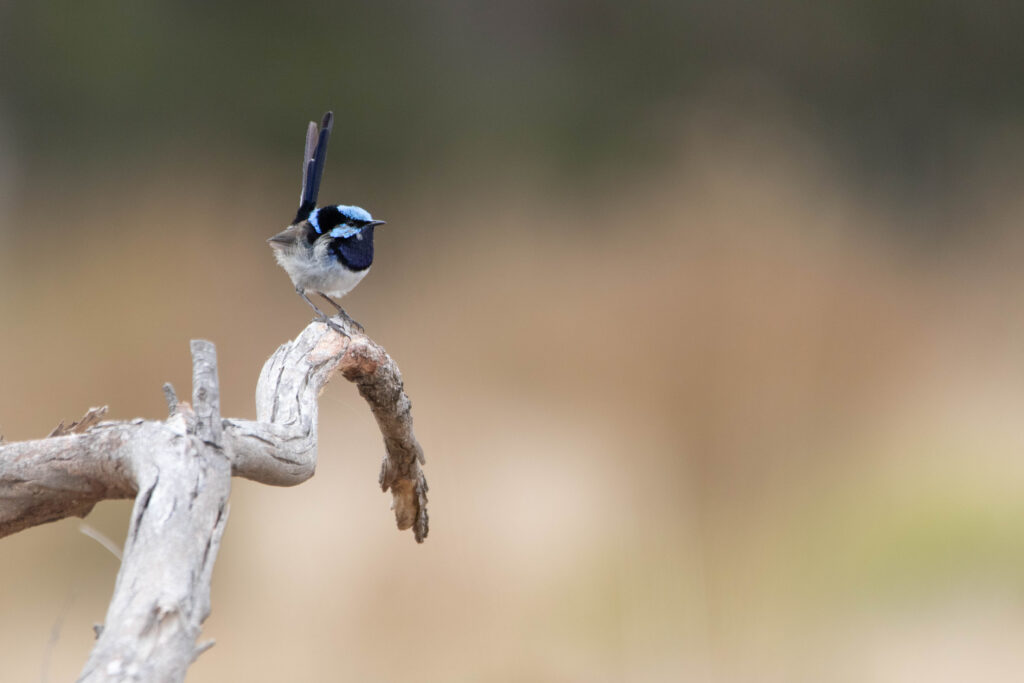
No luck for us with the Swift Parrot (Lathamus discolor) or the Little Penguin (Eudyptula minor). However, we still recorded some excellent eBird checklists in the area. We managed to photograph one of our target species: a stunning adult male Superb Fairywren (Malurus cyaneus) in full breeding plumage. It allowed close views near the start of the Fluted Cape Track.
It was also at this same location that we observed a white Bennett’s Wallaby (Macropus rufogriseus). This is a peculiarity of Bruny Island, where some wallabies show a genetic mutation resulting in this pale coloration. Unfortunately, this sighting did not feel very uplifting, as the animal appeared to be in poor condition. These white wallabies are often affected by tumors, which significantly reduces their life expectancy.


Once the Fluted Cape hike was completed, we went on to explore the surrounding area. Our first stop was the dense, humid forest along the Movista Walk, though this location proved to be rather unproductive for us.
Inala Jurassic Gardens
To continue our day on Bruny Island, we headed toward the Inala Jurassic Gardens. These botanical gardens are a true haven for plants, mammals, and birds. The owners have opened part of their property to the public for a paid visit, while the rest remains private and accessible only upon request.
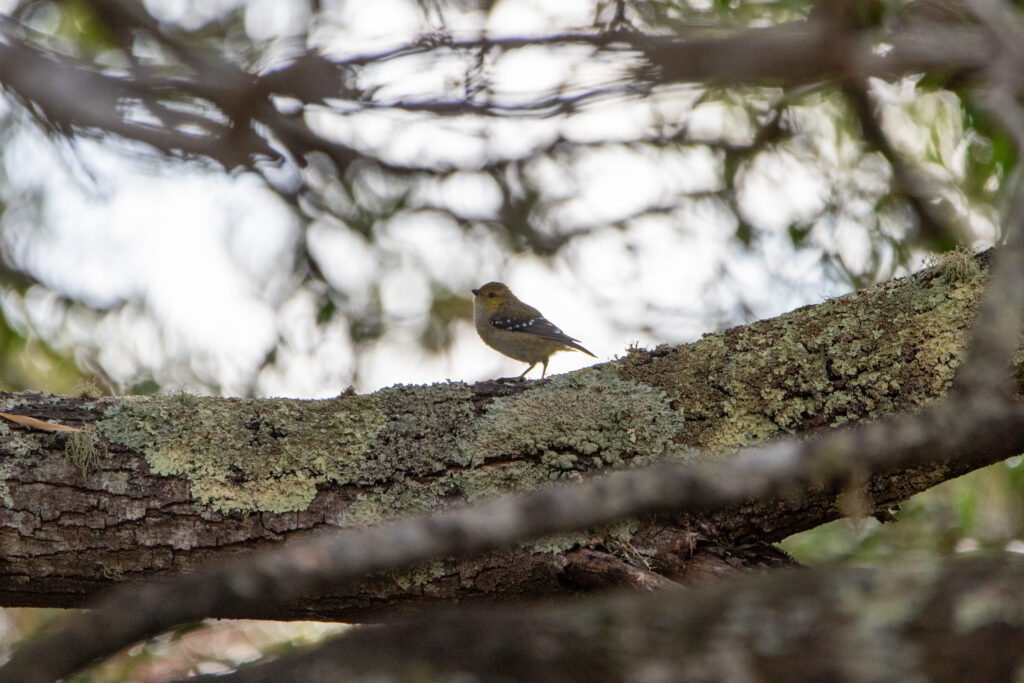
One of the main objectives of this site is to preserve and increase the population of the Forty-spotted Pardalote (Pardalotus quadragintus). This conservation effort has been quite successful, as the local population has been increasing in recent years. Two individuals descended low into young eucalyptus trees, allowing us to photograph them — a real achievement for such a rare species.
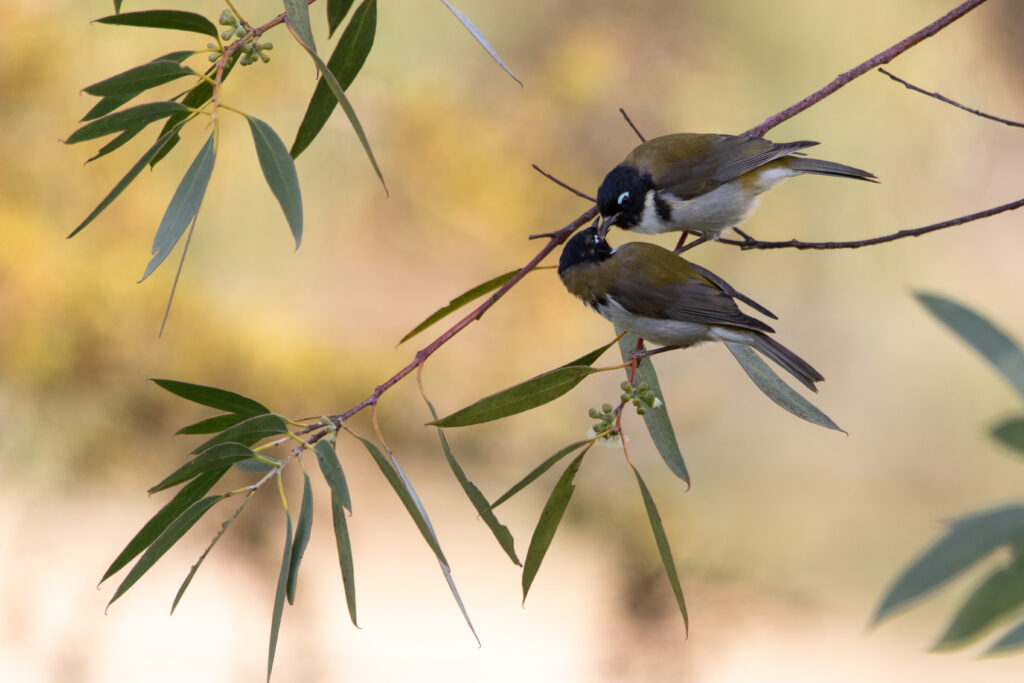
The site is exceptionally peaceful and very pleasant to walk through. We were even able to observe four species of robins: Dusky Robin (Melanodryas vittata), Flame Robin (Petroica phoenicea), Scarlet Robin (Petroica boodang), and the much-anticipated Pink Robin (Petroica rodinogaster), finally yielding our first decent photographs. A small group of Black-headed Honeyeater (Melithreptus affinis) also came down into low trees, giving us great photo opportunities.



Back to Hobart along the coast at Sandown Park
Our time on Bruny Island was already over. This is where we completed our quest to observe Tasmania’s endemic bird species, even though we didn’t manage to see all 12 on the island at the same time. It was now time to head north again, but before that, we made a stop at a coastal park in Hobart.
This park is not specifically dedicated to birdwatching, but it still hosts some lovely parrots, including Galah (Eolophus roseicapilla), Long-billed Corella (Cacatua tenuirostris), Little Corella (Cacatua sanguinea), and the more familiar Sulphur-crested Cockatoo (Cacatua galerita). A Musk Lorikeet (Trichoglossus concinnus) and several Rainbow Lorikeets (Trichoglossus moluccanus) also showed up in the trees around the park. Eastern Rosella (Platycercus eximius) completed the parrot list. A new honeyeater was also added to our Tasmanian bird list: the Noisy Miner (Manorina melanocephala).
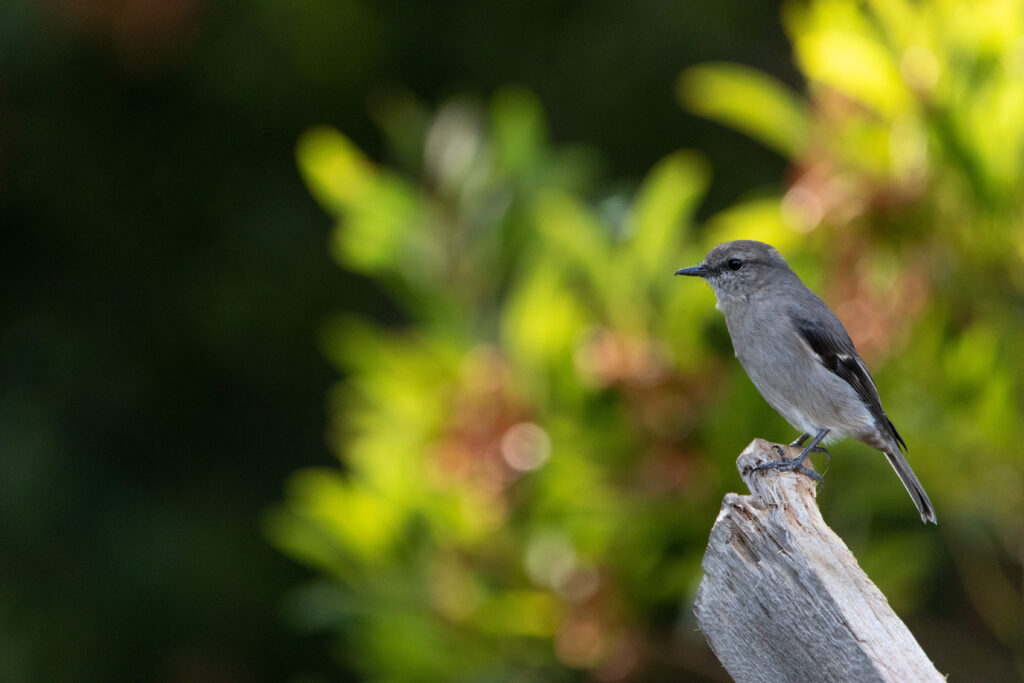
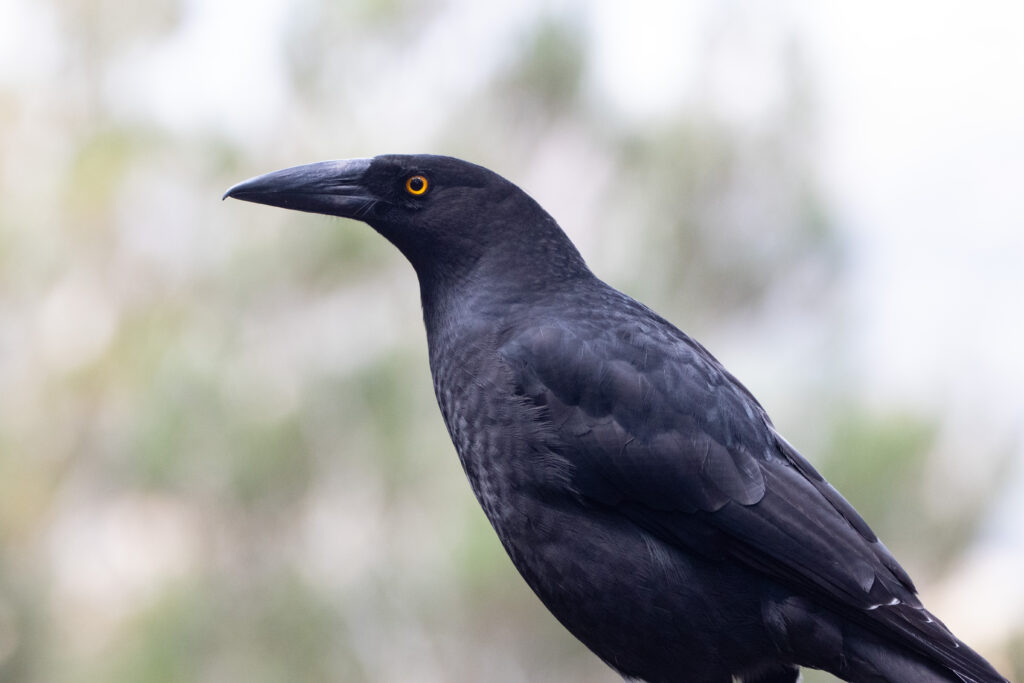
Before leaving Hobart for good, we made a short stop at Mount Nelson in an attempt to observe the Swift Parrot (Lathamus discolor), without success. However, as a consolation prize, we were able to photograph the Black Currawong (Strepera fuliginosa), which is abundant in this area.


Mount field


Après avoir atteint le point le plus au Sud de la Tasmanie, on commence à remonter vers le nord en passant par l’Ouest. Premier arrêt : le parc national de Mount Field et les Russell Falls. Un superbe parc national avec une zone de camping pour les vans agréable et bien aménagée. Un sentier permet aussi de découvrir des eucalyptus immenses de presque 100 mètres de hauteur, de quoi se sentir minuscule en comparaison à ces géants.
After reaching the southernmost point of Tasmania, we began heading north via the west coast. Our first stop was Mount Field National Park and Russell Falls. This is a superb national park with a pleasant and well-equipped camping area for vans. A trail also allows visitors to discover enormous eucalyptus trees reaching nearly 100 meters in height — a humbling experience next to these giants.
Early in the morning, several Bassian Thrush (Zoothera lunulata) appeared along the path toward Russell Falls. A female Superb Lyrebird (Menura novaehollandiae) showed remarkable tolerance, building her nest near the waterfall without paying much attention to the many observers around her (including us). This was quite a rare moment for a bird that is usually difficult to observe.
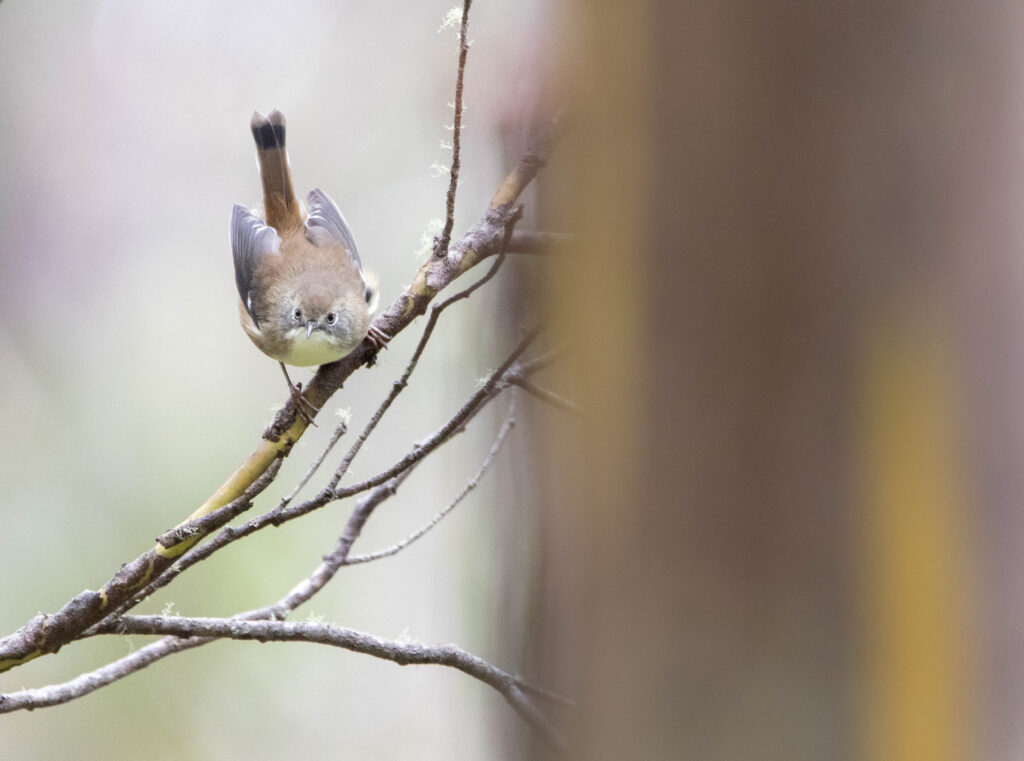
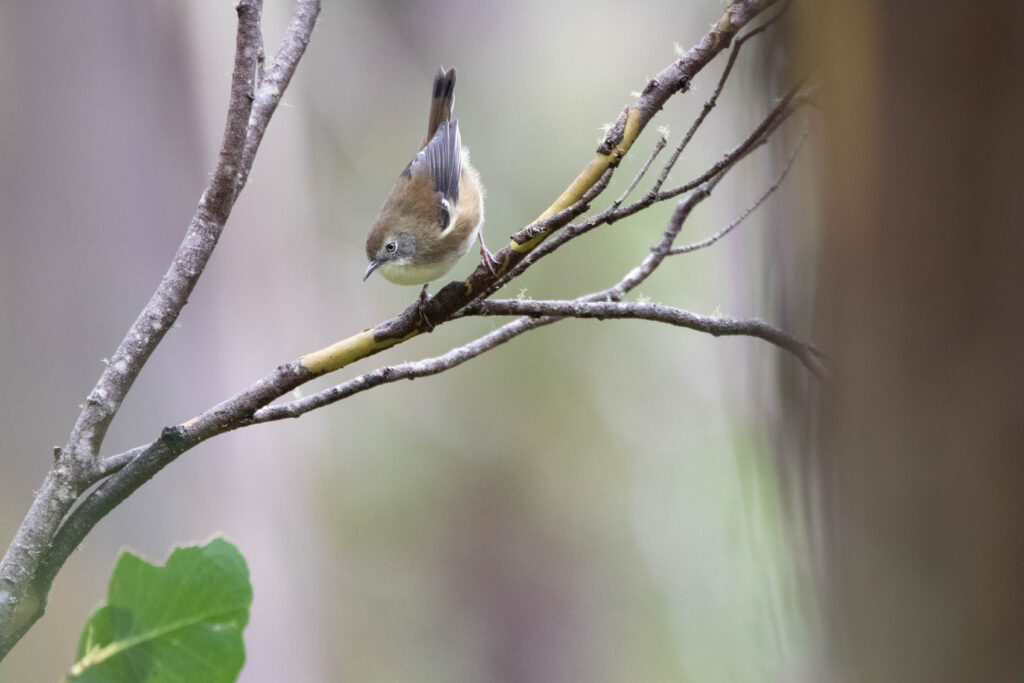
At slightly higher elevation, the Urquhart Track allowed us to photograph Tasmanian Scrubtit (Acanthornis magna) and Tasmanian Thornbill (Acanthiza ewingii) at close range.



Lake St Clair & Cradle Mountain


We then headed to Lake St Clair for a short walk of a few kilometers. This lake is part of the same national park as Cradle Mountain and has the distinction of being the deepest lake in Australia, reaching 163 meters.
Lake St Clair was historically a study site for Platypus, but unfortunately, we did not see any there. However, we did observe two new bird species during our walk: a lovely group of Black-faced Cuckooshrike (Coracina novaehollandiae) and an Olive Whistler (Pachycephala olivacea). The latter was accompanied by an Australian Golden Whistler (Pachycephala pectoralis) and several honeyeaters.


Although we had seen it many times throughout Tasmania, it was finally at Lake St Clair that the Pink Robin (Petroica rodinogaster), with its bright pink breast, allowed us to get close enough for some beautiful photographs.


The final leg of our journey in Cradle Mountain National Park was rather poor in terms of birds but rich in tourists coming to hike. Parking lots and queues felt as crowded as a theme park. Thankfully, a few wombats appearing toward the end of the day helped make up for the experience.


Hellyer gorge
Our stay in Tasmania was coming to an end. A short overnight stop at Hellyer Gorge gave us the chance to enjoy, during a nocturnal walk, two Tawny Frogmouths (Podargus strigoides) and to hear a Tasmanian Boobook (Ninox leucopsis) calling in the darkness. Early the next morning, Flame Robin (Petroica phoenicea) and Bassian Thrush (Zoothera lunulata) were hanging around our van.
A short stop in Burnie before leaving Tasmania
As the end of our Tasmanian loop was approaching, we were now on the north coast, in the town of Burnie.
This is where, just after nightfall, we witnessed the arrival of numerous Little Penguins (Eudyptula minor) returning to their roost after a day of fishing. The spectacle is breathtaking and lasts for several dozen minutes, as the penguins arrive little by little. When we visited in April, there were hardly any people around. Taking photos is difficult due to the darkness, but red-light illumination installed by the penguin conservation association allows visitors to enjoy this moment while minimizing disturbance to the birds.


End of our stay in Tasmania


Our Tasmanian journey came to an end at Fernglade Reserve.
It was the perfect opportunity to say goodbye to Tasmania while observing many common bird species of the island: Grey Fantail (Rhipidura albiscapa), Silvereye (Zosterops lateralis), Laughing Kookaburra (Dacelo novaeguineae), Common Blackbird (Turdus merula), and Superb Fairywren (Malurus cyaneus). Several Platypus could also be seen in the river, along with Pademelons in the undergrowth. What better way to end our stay in Tasmania?


We left the island by ferry bound for Melbourne (with a stop at the Western Treatment Plant). More than two weeks on the island resulted in 100 bird species observed, along with many mammals. We managed to see all the birds we hoped for — and even more than expected. On the mammal side, the Tasmanian Devil, a nocturnal and extremely elusive species, did not show itself. We will nevertheless keep wonderful memories of the beauty and vastness of Tasmania’s natural landscapes.